
Retirement is one of life’s biggest transitions, filled with excitement but also potential pitfalls. By knowing the common mistakes retirees make, you can better prepare for a fulfilling and secure retirement.
1. Underestimating Expenses

Many retirees overlook hidden costs like healthcare and home maintenance. This can quickly derail even the best savings plans.
2. Retiring Without Enough Savings

Retiring early without adequate funds often forces people back to work or into financial stress. Be realistic about how much you’ll need to live comfortably.
3. Ignoring Healthcare Planning

Medical costs rise with age and can be a major drain on retirement savings. Planning for insurance and out-of-pocket expenses is crucial.
4. Relying Only on Social Security
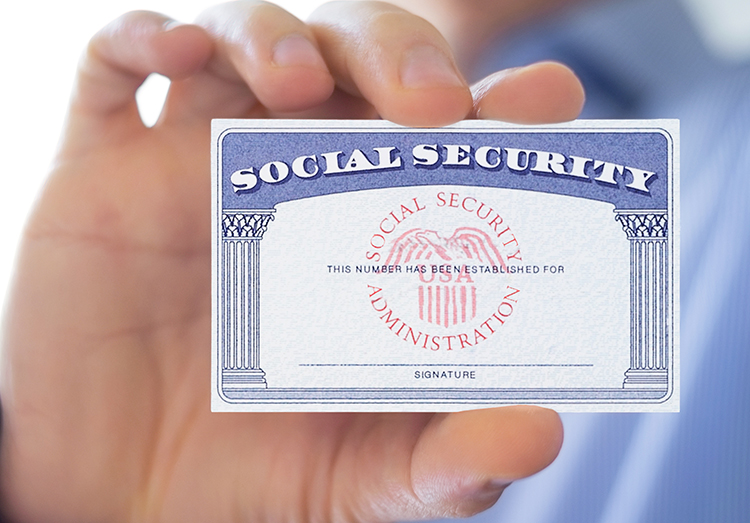
Social Security is meant to supplement income, not cover all expenses. Relying solely on it can lead to financial shortfalls.
5. Claiming Benefits Too Early

Taking Social Security before full retirement age permanently lowers your benefits. Waiting can significantly boost your monthly income.
6. Carrying Debt Into Retirement

Debt payments reduce disposable income and increase stress during retirement. It’s wise to pay off as much debt as possible beforehand.
7. Not Having a Withdrawal Plan

Without a strategy for drawing down savings, you risk outliving your money. Plan withdrawals carefully to maintain a steady income.
8. Overlooking Inflation

Ignoring inflation erodes your purchasing power over time. Investments should grow enough to keep pace with rising costs.
9. Skipping Estate Planning

Failing to prepare a will or trust can cause complications for your heirs. Having a clear estate plan protects your legacy.
10. Neglecting Taxes

Retirement income can be taxable, affecting how much you actually have to spend. Understand tax implications of withdrawals and pensions.
11. Not Diversifying Investments

Putting all funds into one type of asset increases risk. A balanced portfolio helps weather market ups and downs.
12. Overestimating Investment Returns

Expecting unrealistically high returns can lead to overspending. Conservative assumptions help safeguard your savings.
13. Ignoring Long-Term Care Needs

Long-term care is costly and often not covered by insurance. Planning ahead can prevent financial hardship.
14. Failing to Adjust Lifestyle

Continuing pre-retirement spending habits without matching income leads to depletion of funds. Adapt your lifestyle to fit your new budget.
15. Avoiding Financial Advice

Trying to manage complex finances alone increases the chance of costly mistakes. Professional advice can tailor a plan for your situation.
16. Neglecting Social and Physical Health

Retirement is about more than money, ignoring health and social connections can impact your quality of life. Stay active and engaged for a happier retirement.
17. Not Planning for Unexpected Expenses

Emergencies happen and can quickly eat into savings if unplanned. Keep an emergency fund to handle surprises.
18. Taking Too Much Risk Late in Retirement

Chasing high returns with risky investments late in life can be dangerous. Preserve capital with a more conservative approach.
19. Forgetting to Update Beneficiaries

Outdated beneficiary designations can cause assets to go to unintended recipients. Regularly review and update these documents.
20. Postponing Retirement Planning

Delaying financial planning reduces the time your money has to grow. The earlier you start, the more secure your retirement will be.