

Most airports are places you rush through without paying much attention to them. But some are hard to ignore, whether there’s a waterfall in the terminal, a runway on a beach, or mountains right outside the window. A few have become famous for their architecture, while others are known for where they were built in the first place. Here are 30 airports around the world that are anything but ordinary.
Singapore Changi Airport
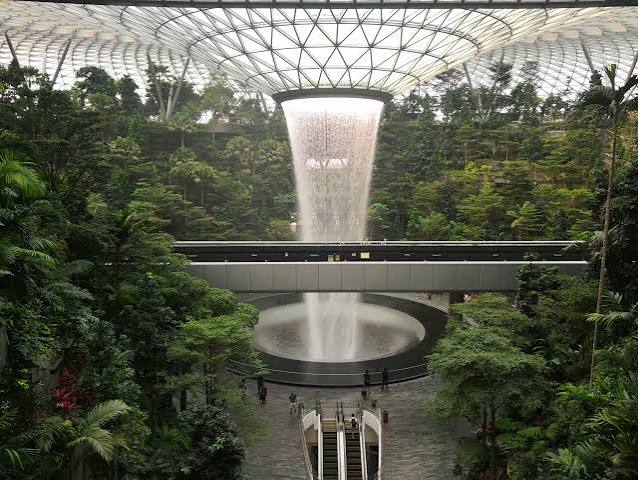
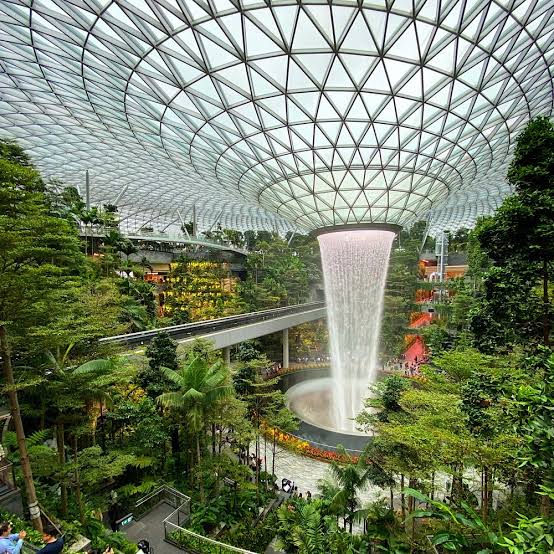
Changi has an entire shopping and entertainment complex connected to its terminals called Jewel. Its centerpiece is the Rain Vortex, the world’s tallest indoor waterfall, surrounded by an indoor forest and walking trails. Gardens, restaurants, shops, and a canopy park give travelers plenty to explore during a long layover.
Hamad International Airport

A giant yellow teddy bear sitting beneath a lamp is one of the first things many travelers remember about Hamad International. The airport is filled with large-scale art installations, but it also has ORCHARD, an indoor tropical garden with thousands of plants and trees. The greenery stretches beneath a curved glass roof that lets natural light pour in.
Kansai International Airport
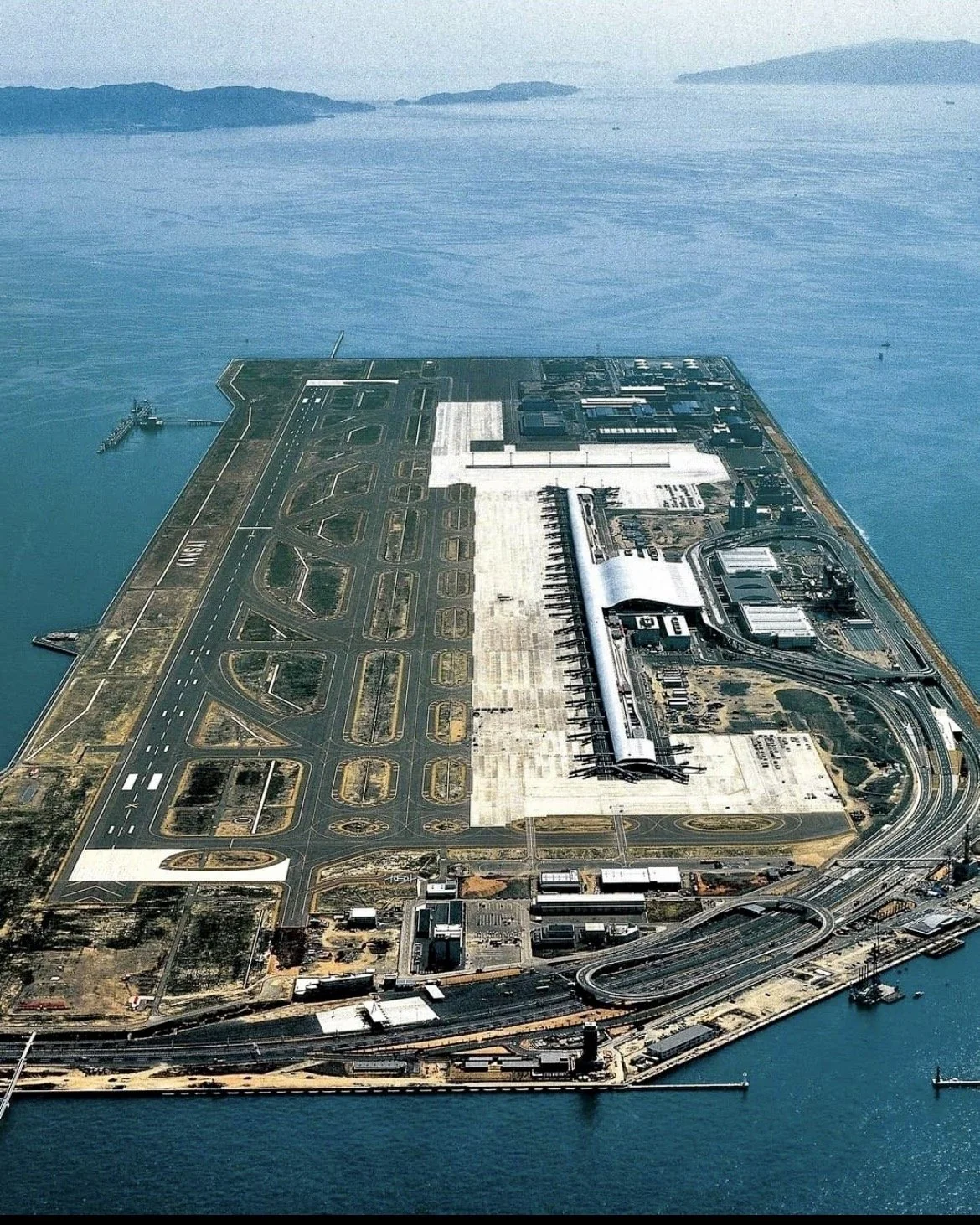
Kansai International was built on an artificial island in Osaka Bay. That alone required a massive engineering project before the airport itself could even take shape. Its long, curving terminal was designed by architect Renzo Piano and opened in 1994.
Incheon International Airport
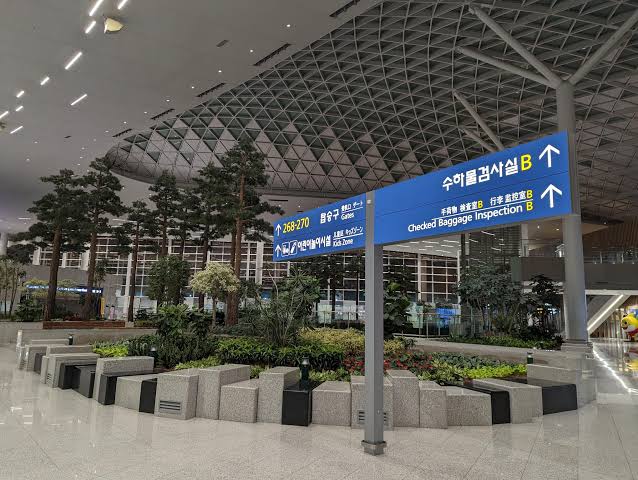
A layover at Incheon can come with a large dose of Korean culture. Travelers can find traditional performances, cultural exhibits, craft experiences and gardens without leaving the airport. There are also plenty of places to eat, shop or simply kill a few hours between flights.
Vancouver International Airport
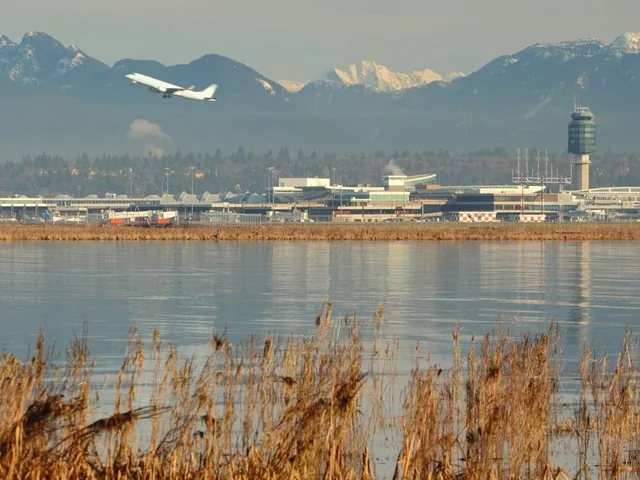
Vancouver International makes British Columbia part of the terminal design. Indigenous art, large water features, wood and natural materials appear throughout the airport. Floor-to-ceiling windows bring in plenty of light and views of the landscape outside.
San Francisco International Airport

Waiting for a flight at SFO can double as a trip to a museum. Exhibitions and artwork are spread throughout the terminals, covering everything from history and design to science and popular culture. The airport's museum program has been around since 1980.
Amsterdam Airport Schiphol
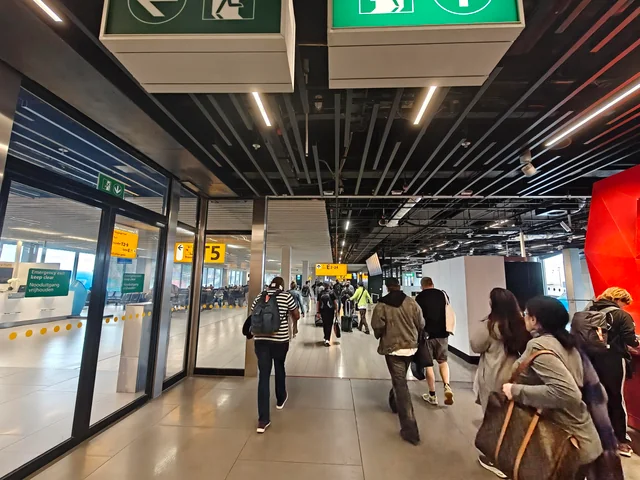
You can go from your plane to a train without even leaving Schiphol. A railway station sits directly beneath the airport and connects passengers with Amsterdam and cities across the Netherlands. Inside the terminal, travelers can also find shopping, restaurants and an exhibition from the Rijksmuseum.
Tokyo Haneda Airport

Haneda doesn't wait until baggage claim to introduce visitors to Japan. Parts of the airport recreate traditional Japanese streets with wooden storefronts selling local food, gifts and souvenirs. Observation decks also give travelers a chance to watch planes with Tokyo in the distance.
Denver International Airport

The white peaked roof over Denver's main terminal was designed to evoke the snow-covered Rocky Mountains. Outside stands the enormous blue mustang sculpture that has picked up the slightly ominous nickname “Blucifer.” Between the architecture, artwork and endless conspiracy theories surrounding the place, DEN has developed a personality all its own.
Hong Kong International Airport
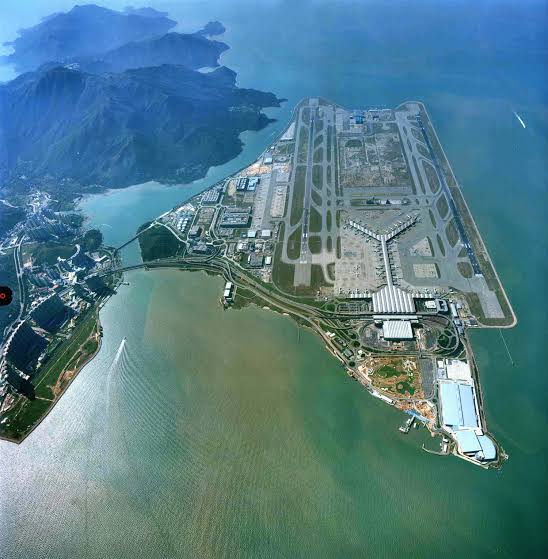
Hong Kong International was built on reclaimed land off Lantau Island. Its sweeping terminal, designed by Foster + Partners, was created to move huge numbers of travelers while keeping the space open and easy to follow. High-speed rail and ferry connections make it a transportation hub well beyond the runways.
Adolfo Suárez Madrid-Barajas Airport
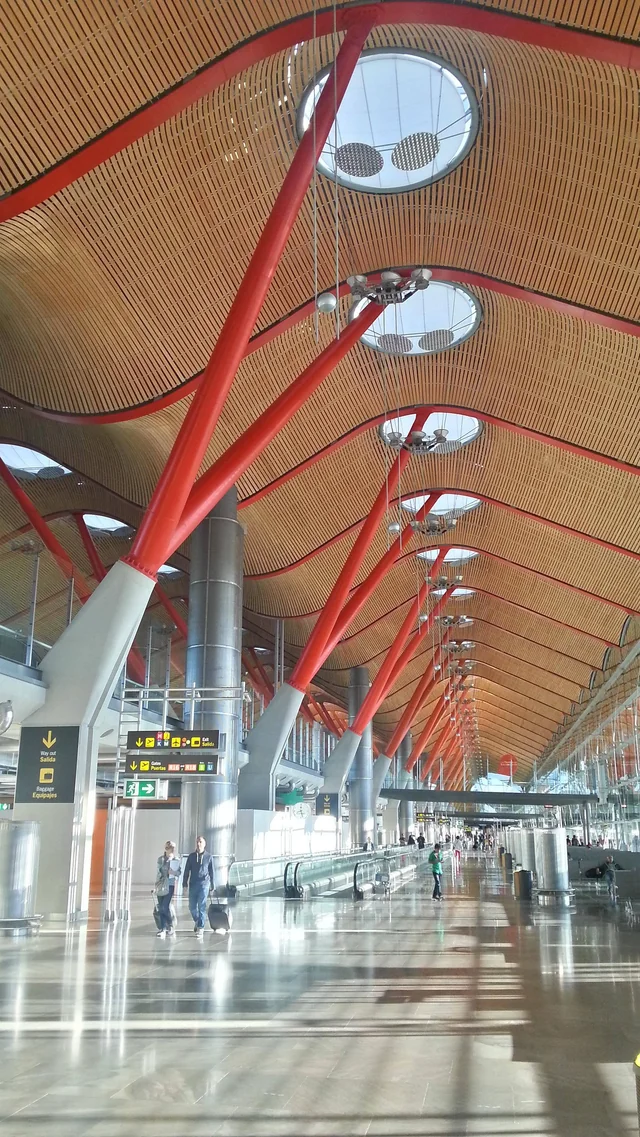
Terminal 4 is the standout at Madrid-Barajas. A rippling bamboo-covered ceiling stretches above the terminal, supported by brightly colored columns that change as travelers move through the building. Huge windows keep the long interior filled with daylight.
Dubai International Airport
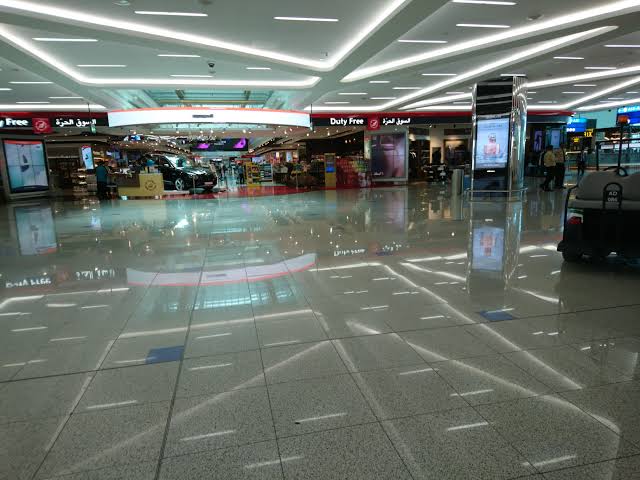
Dubai's main airport doesn't shut down when most of the city goes to sleep. Overnight passengers can still find restaurants, lounges, spas, hotels and rows of luxury stores operating around the terminals. The airport handles an enormous amount of international traffic, so late-night connections are simply part of normal life here.
Kuala Lumpur International Airport
KLIA was designed around the idea of bringing the surrounding landscape into the airport. Trees and greenery break up the glass, steel and concrete found throughout the terminal complex. There's even a patch of rainforest incorporated into the satellite terminal area.
Chhatrapati Shivaji Maharaj International Airport
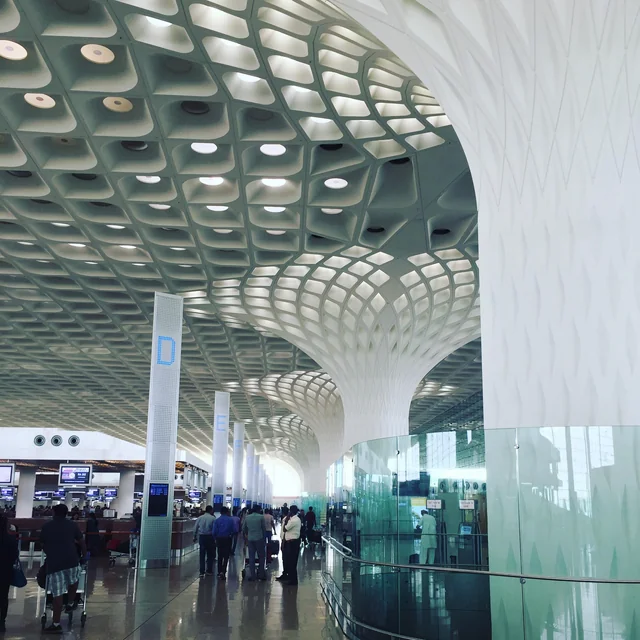
Mumbai's Terminal 2 has enough artwork to feel like a gallery with airplanes attached. Its enormous Jaya He art program includes thousands of pieces showcasing Indian art and culture. Above it all is a sculpted ceiling supported by mushroom-like columns.
Dallas Fort Worth International Airport
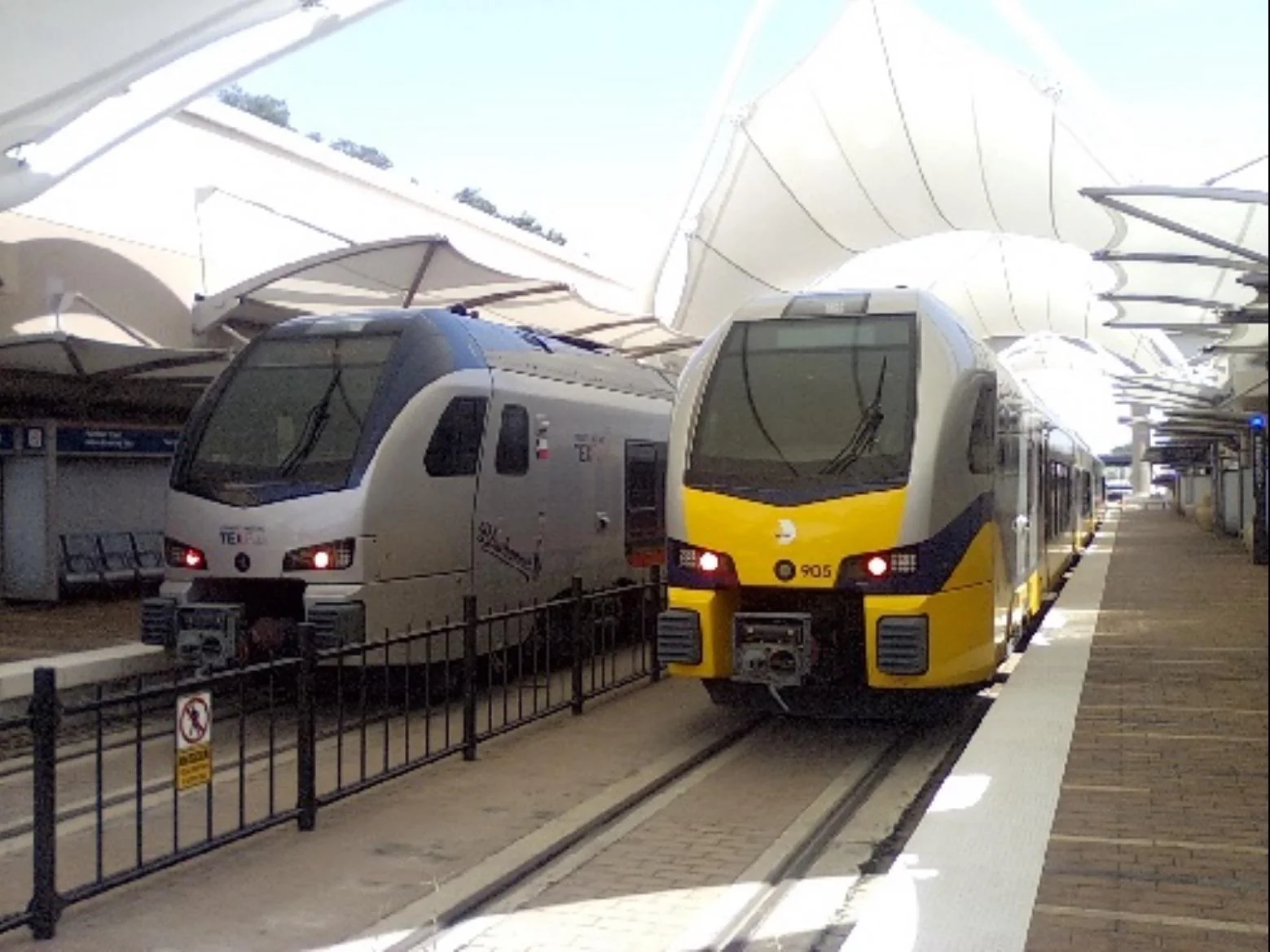
DFW covers so much ground that moving between terminals could be a serious undertaking without the Skylink train. The automated system runs above ground and continuously circles the airport's five terminals. Passengers can ride it without leaving the secure side of the airport.
Heydar Aliyev International Airport
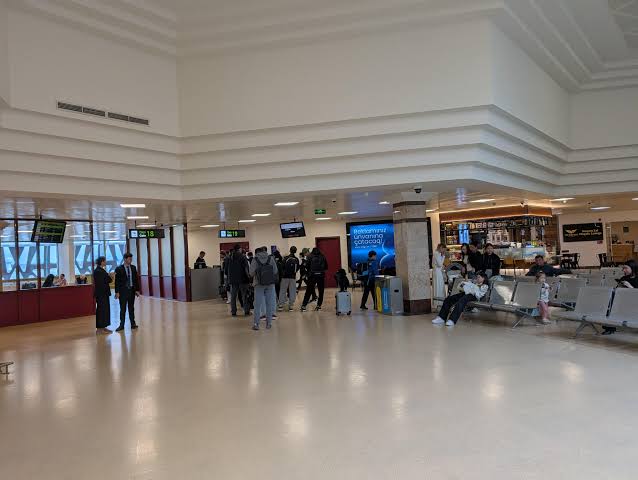
The interior of Baku's airport skips the usual rows of square airport rooms. Curved wooden structures sit inside the terminal like giant cocoons, creating spaces for shops, restaurants and passenger facilities. Warm lighting and rounded forms make the building look considerably different from a standard international terminal.
Chicago O'Hare International Airport
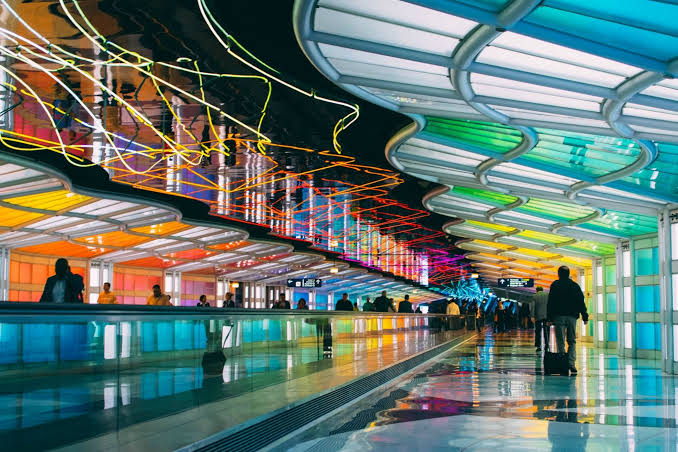
One of O'Hare's most memorable spots isn't a gate or lounge but an underground walkway. The tunnel between Concourses B and C is lined with colorful neon lights that move overhead while music plays. The installation, called The Sky's the Limit, has been part of the airport since the late 1980s.
Beijing Capital International Airport
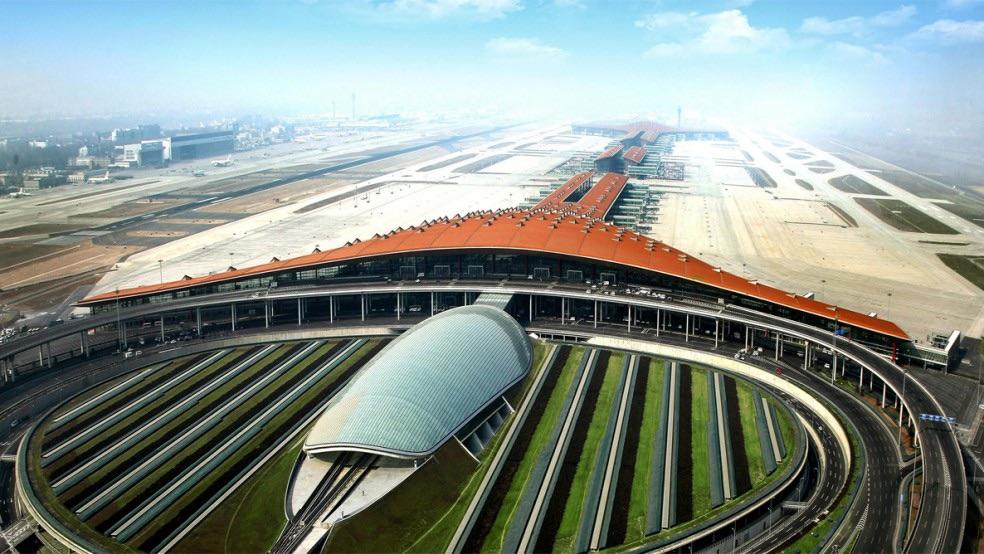
Terminal 3 was built in time for the 2008 Beijing Olympics, and subtle was clearly not the goal. The enormous building uses red and gold details inspired by traditional Chinese colors alongside a sweeping modern roof. Its sheer length means trains are needed to help passengers get around.
Frankfurt Airport
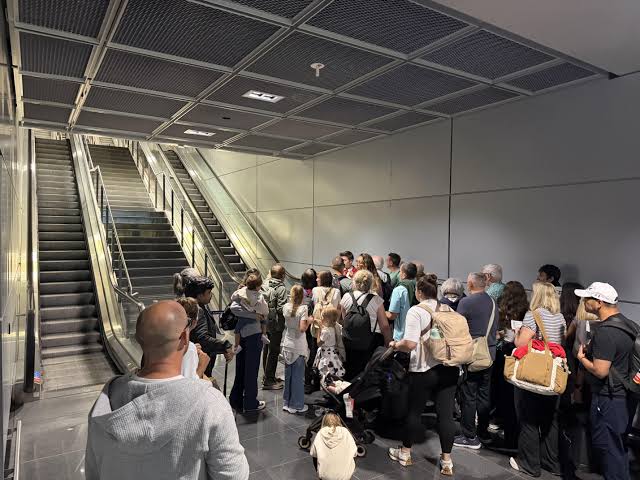
Frankfurt works as both a major airport and a major rail hub. Long-distance trains stop at a station attached to the airport, making it possible to land and continue to another German city without first heading into Frankfurt.
Indira Gandhi International Airport
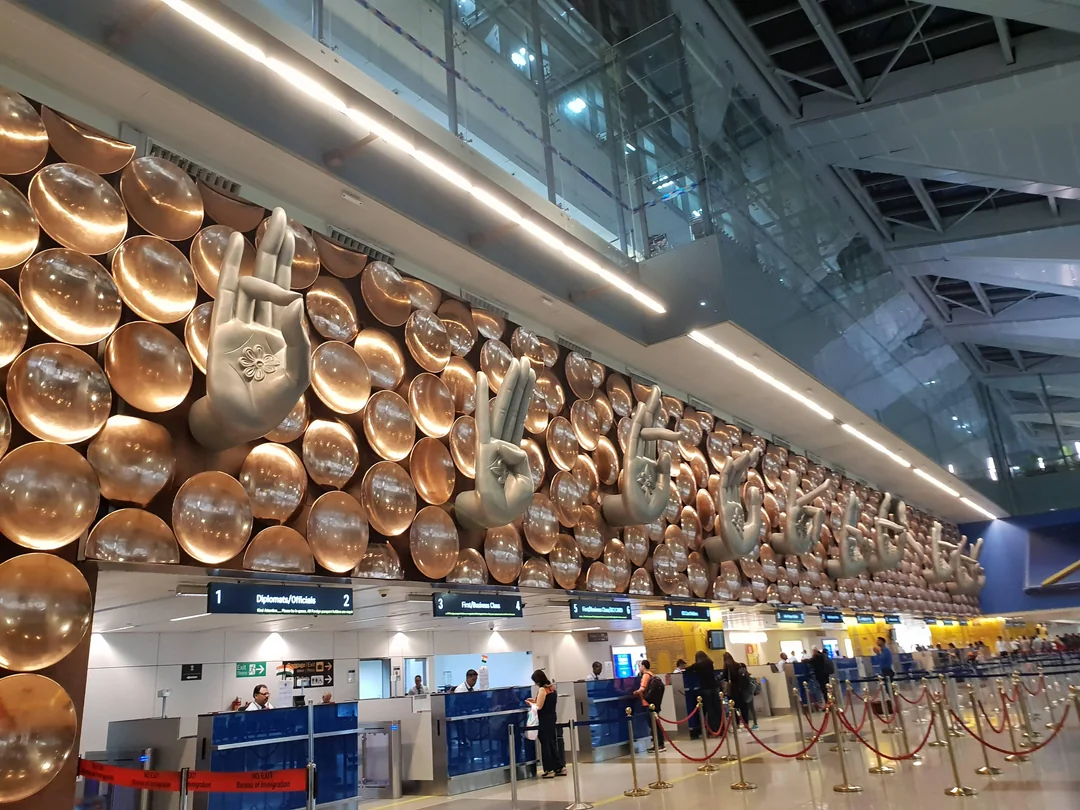
One of the most recognizable sights in Delhi's Terminal 3 is a wall covered with enormous copper-and-bronze hands. The sculptures depict traditional Indian mudras, or symbolic hand gestures. They're an immediate reminder of where you've landed before you even make it out of the terminal.
Hartsfield-Jackson Atlanta International Airport
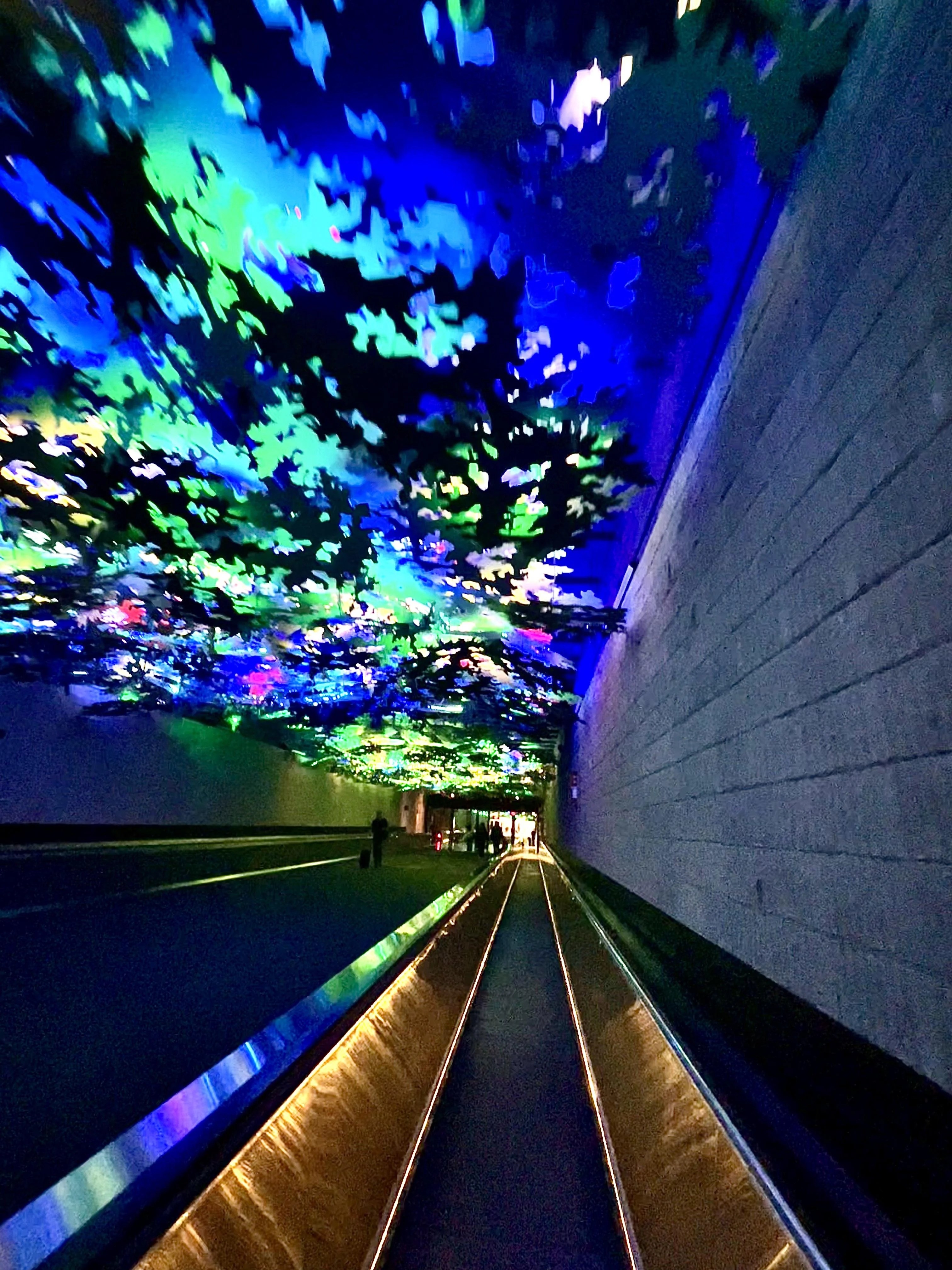
Atlanta regularly handles staggering numbers of passengers, and the airport is built around keeping all of them moving. An underground train called the Plane Train connects the domestic terminals with the airport's concourses. It's so central to getting around that many passengers barely see the scale of the airport above them.
Paris Charles de Gaulle Airport
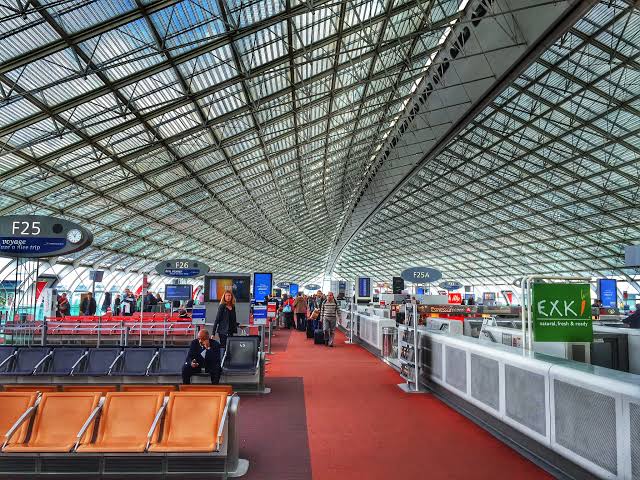
Charles de Gaulle feels less like one building and more like an entire transportation complex. Terminals, hotels, train stations and satellite buildings stretch across a huge area outside Paris. Some of its older sections are recognizable for their curved concrete architecture and futuristic enclosed walkways.
Suvarnabhumi Airport
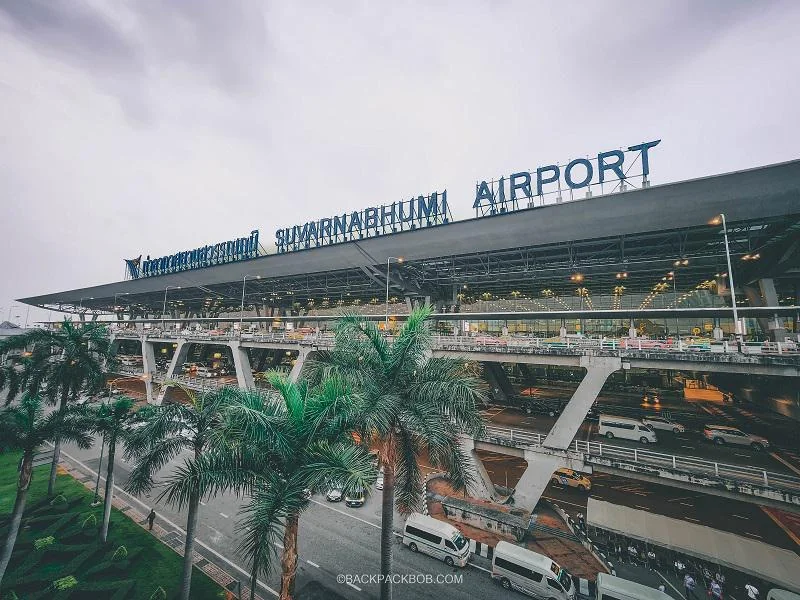
Bangkok's Suvarnabhumi Airport is dominated by glass, steel and an enormous curved roof. Inside, traditional Thai artwork and sculptures provide a sharp contrast with the otherwise futuristic building.
Los Angeles International Airport
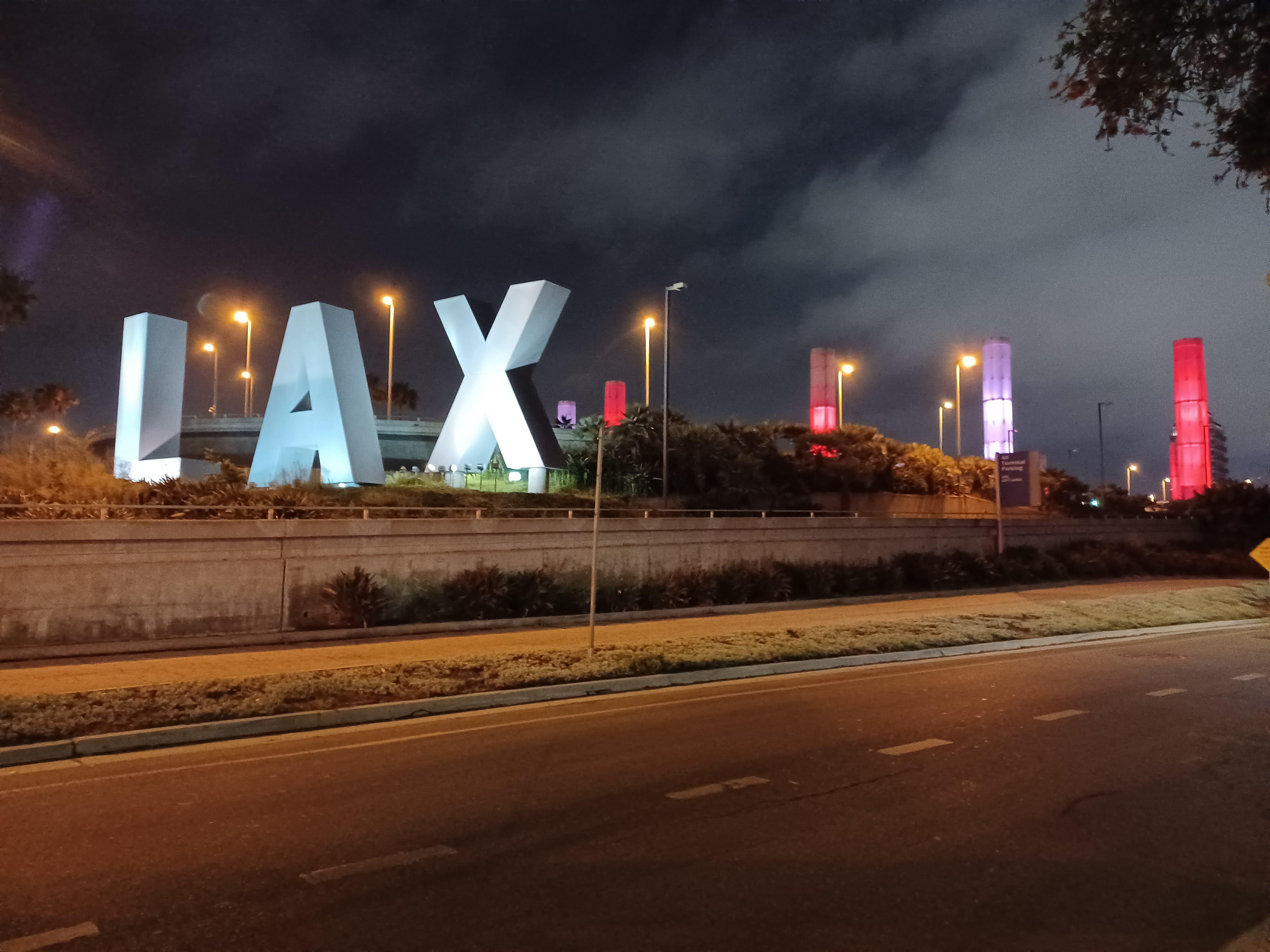
Los Angeles International Airport still has a major piece of Jet Age design sitting at its center. The Theme Building opened in the early 1960s with sweeping arches and a futuristic shape that resembles a flying saucer. The terminals surrounding it are arranged in LAX's distinctive horseshoe layout.
Copenhagen Airport
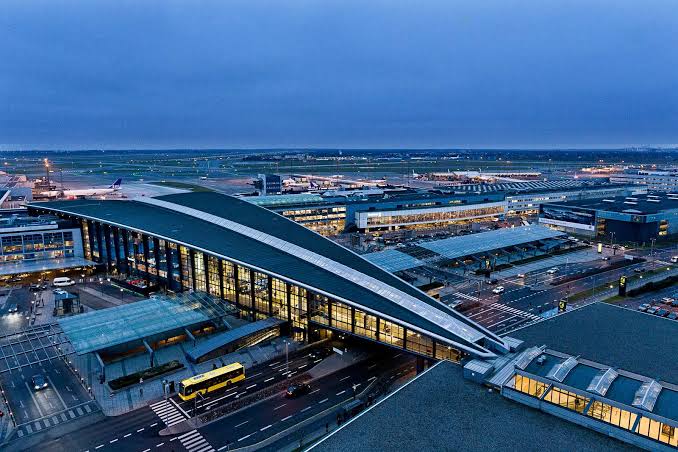
Copenhagen's terminals carry the same pared-back Scandinavian design associated with the city outside. Wood floors, large windows and simple interiors keep things noticeably less flashy than many major international hubs. The airport also has direct rail and metro connections into Copenhagen.
London Heathrow Airport
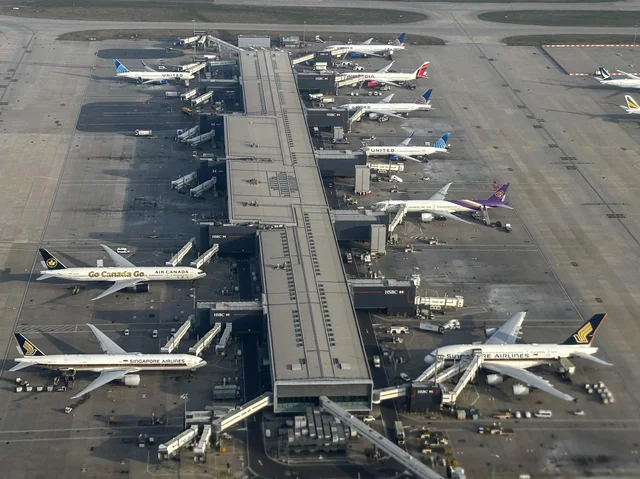
Heathrow is one of the busiest international gateways in the world, with four passenger terminals serving flights across the globe. Restaurants, shops, hotels, lounges, and transportation links fill the sprawling airport complex. With passengers constantly arriving, departing, and connecting, there's rarely a quiet moment.
John F. Kennedy International Airport
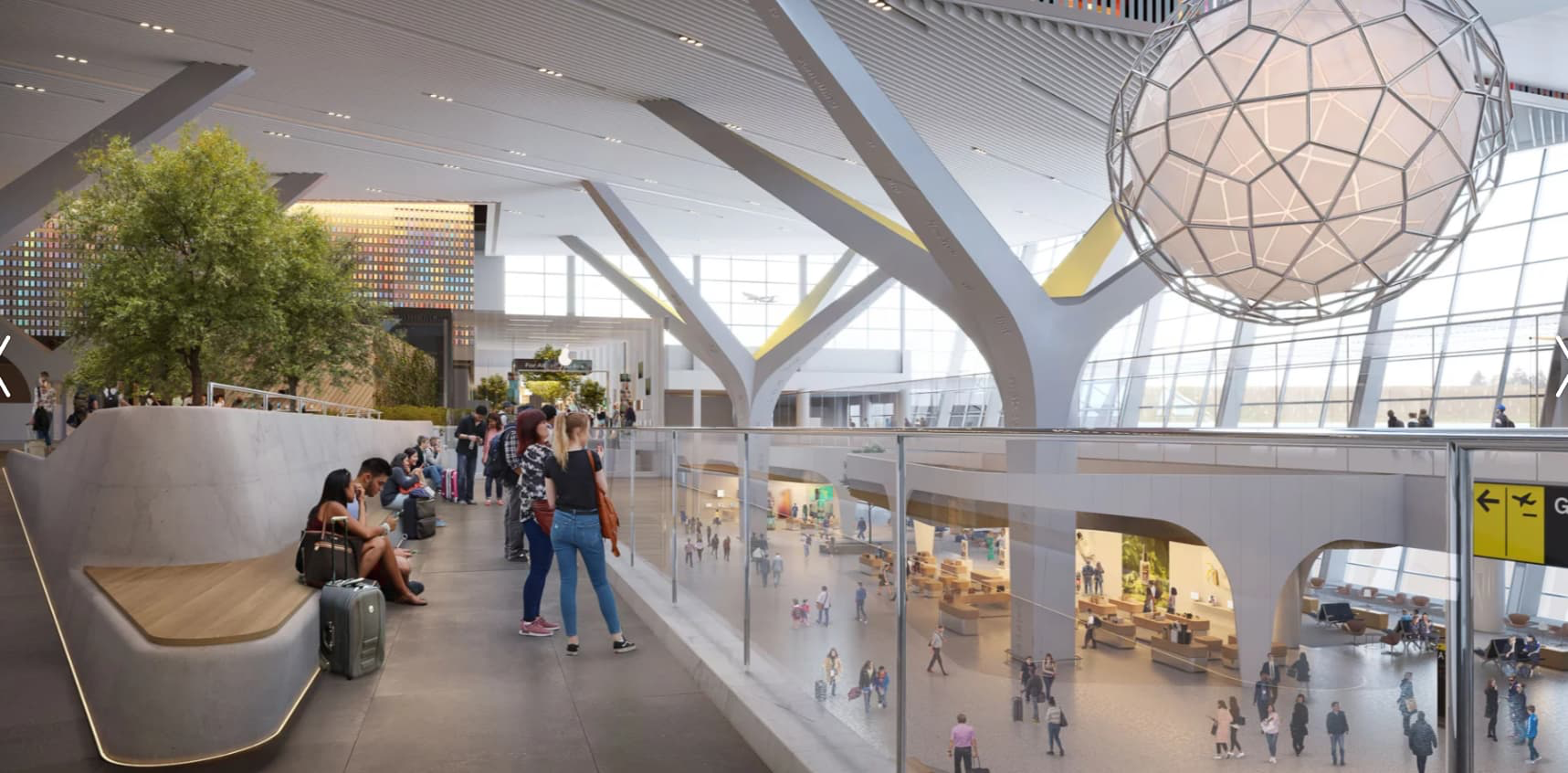
JFK's history is written into its architecture. The most famous example is Eero Saarinen's sweeping TWA Flight Center, a Jet Age landmark that has since been transformed into the TWA Hotel. Newer terminals sit alongside pieces of the airport's past, giving JFK a mix of eras that few major airports still have.
Gibraltar International Airport
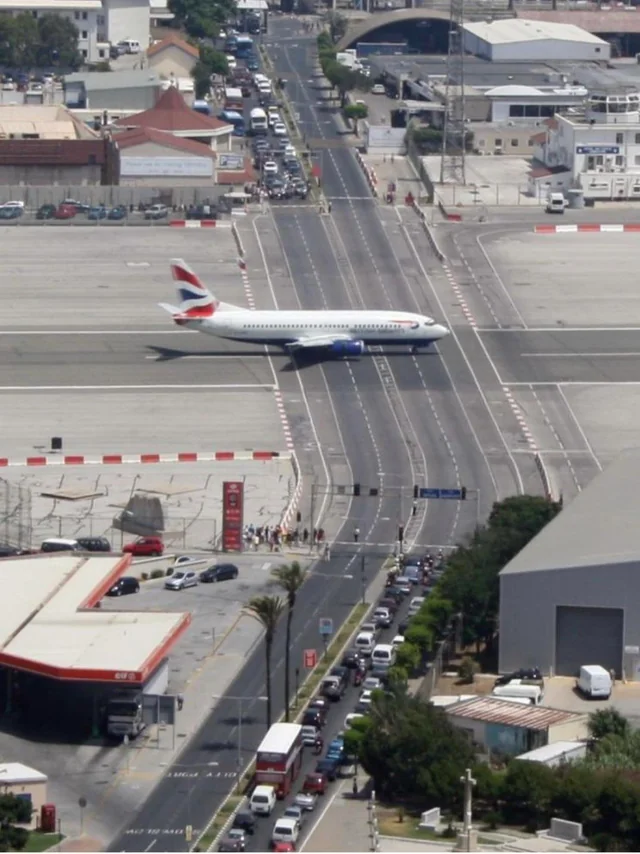
Gibraltar’s airport has a runway squeezed between the Mediterranean and the territory’s famous limestone Rock. For years, the main road into Gibraltar crossed directly over the runway, with traffic stopped whenever a plane needed to take off or land. A tunnel opened in 2023 to move most vehicle traffic underneath instead.
Barra Airport

Forget a paved runway: planes at Scotland’s Barra Airport land directly on the beach. Three runways are marked out on the sand and can only be used when the tide allows. It's one of the few airports in the world where scheduled passenger flights regularly use a beach for takeoffs and landings.
Samui International Airport
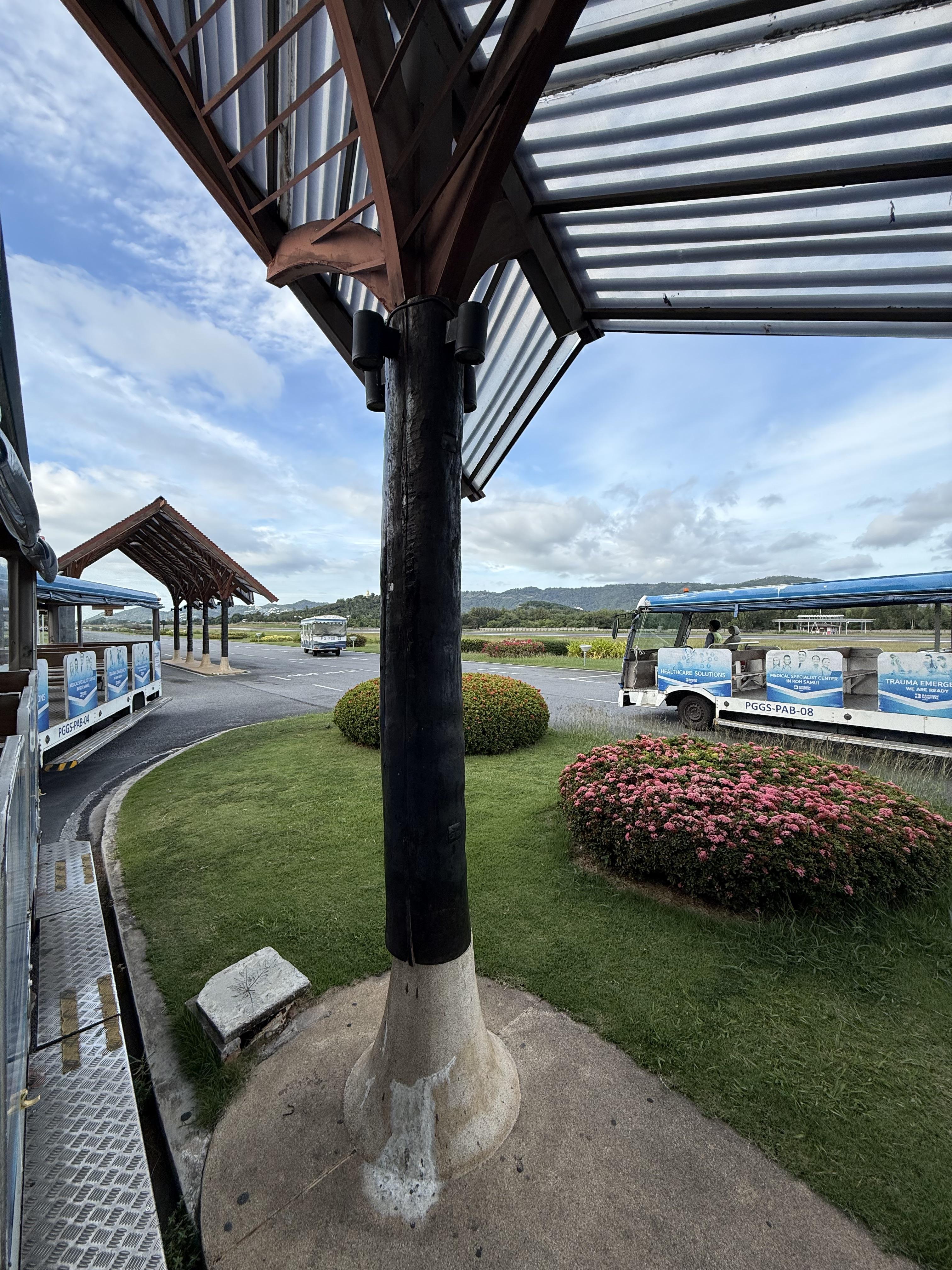
Koh Samui's airport barely feels enclosed in places. Open-air terminals, tropical gardens and thatched structures fit the island setting instead of shutting travelers inside a conventional glass-and-steel building. Passengers are even transported between parts of the airport on colorful open-sided trams.