Long before it became part of modern geopolitical debates, daily life on the island moved at a slower rhythm shaped by weather, isolation, and small coastal communities. These photographs, taken between the late 19th and early 20th centuries, capture Greenland as it existed before global attention, offering a rare look at a place defined by survival, tradition, and scale.
Kayakers Near Ammassalik
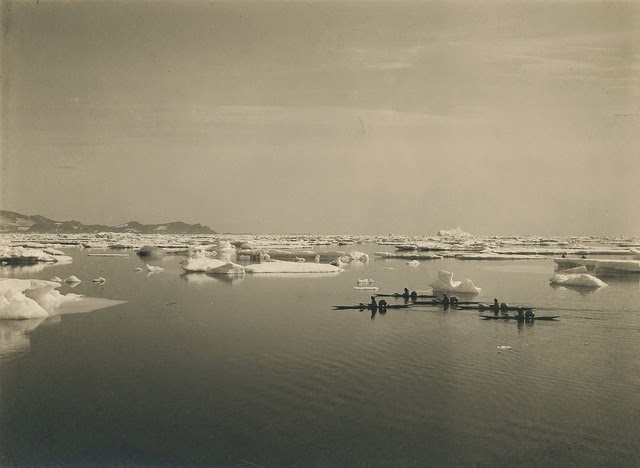
Small kayaks move quietly between ice floes in open water. These traditional vessels were essential for hunting, fishing, and travel along Greenland’s eastern coast.
Trout Fishing
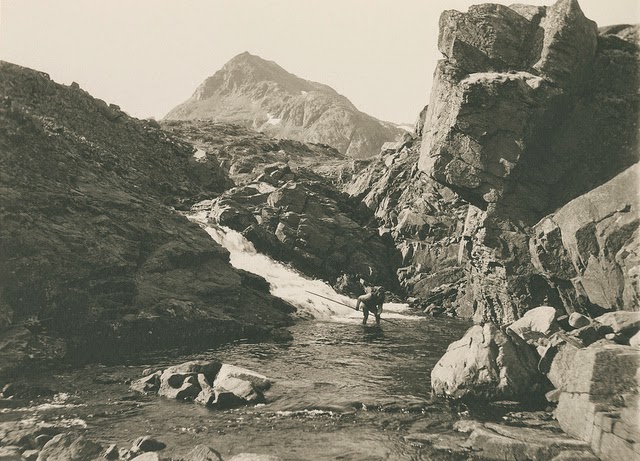
A fisherman stands in cold, shallow water surrounded by rock and snowmelt. Freshwater fishing provided an important supplement to coastal diets during short summer months.
Houses Along the Shore in Upernavik
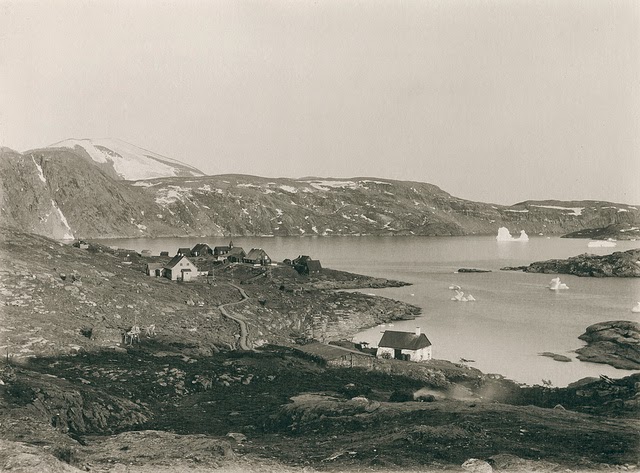
A small cluster of homes sits close to the water, connected by narrow paths. Upernavik’s location made it one of the northernmost permanent settlements in Greenland.
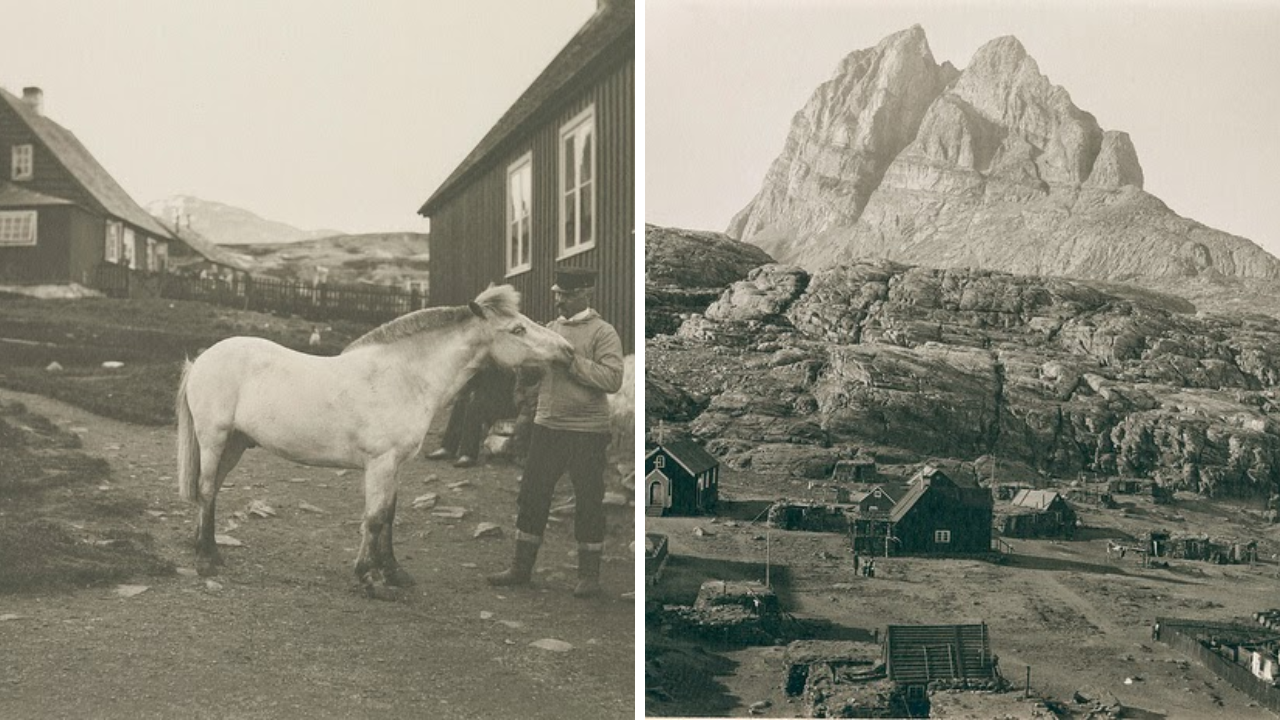
Beneath the Mountain at Uummannaq
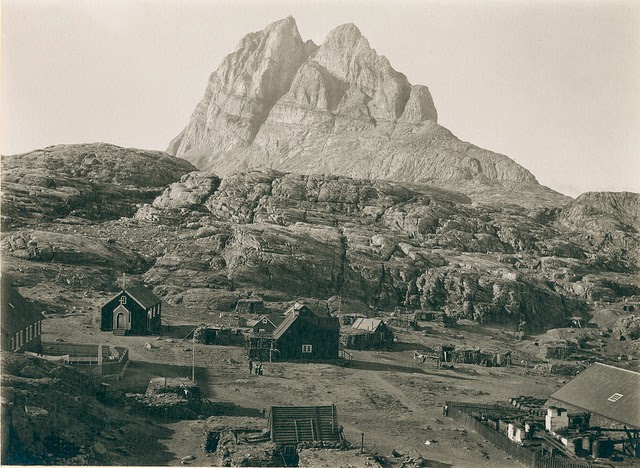
Wooden buildings rest below a dramatic peak that dominates the landscape. The mountain later became one of Greenland’s most recognizable natural landmarks.
Coastal View of Qeqertarsuaq
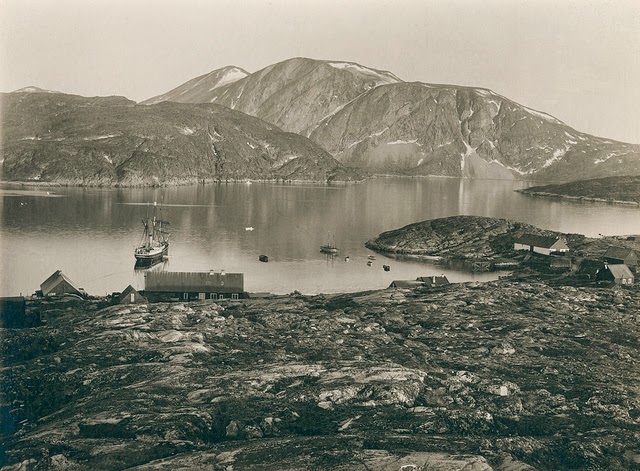
Fishing boats float in calm water near rocky shores and scattered houses. Located on Disko Island, the town served as a regional hub for trade and research.
Church and Doctor’s Residence in Ilulissat
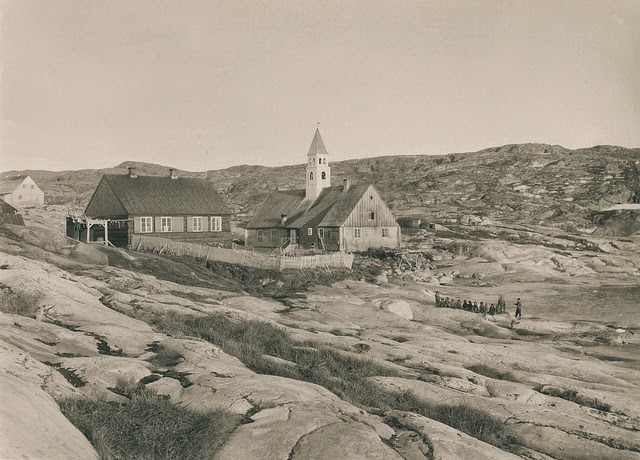
Two prominent buildings stand out against bare rock and open land. Their presence reflects the growing influence of organized religion and European-style healthcare.
Harbor and Hills of Sisimiut
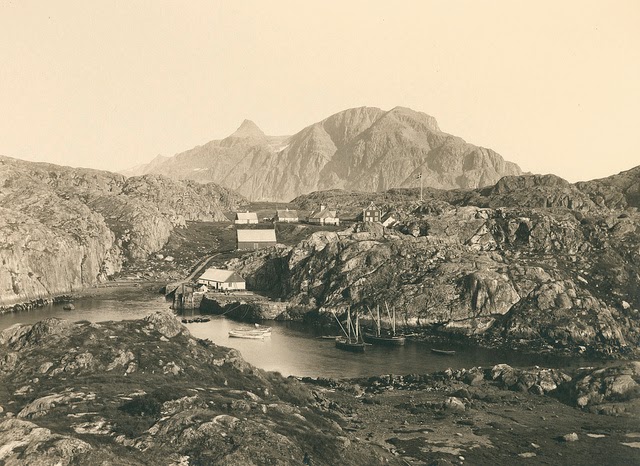
Homes and boats cluster around a protected inlet framed by steep terrain. Sisimiut developed into one of Greenland’s most important fishing communities.
Calm Waters at Maniitsoq
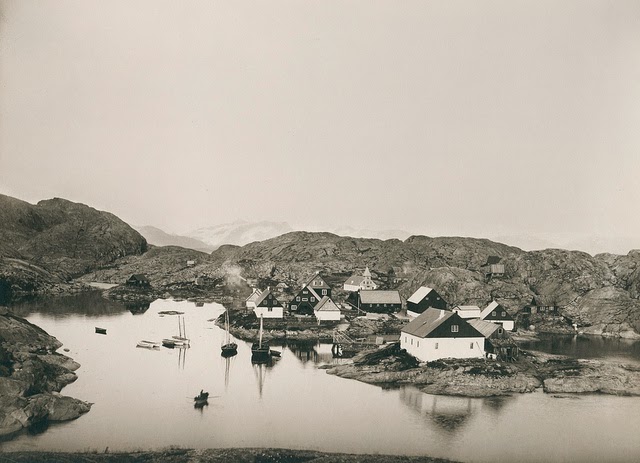
White houses reflect softly on still water surrounded by low, rocky hills. The town’s sheltered location made it well suited for fishing and seasonal travel.
Clearing Snow
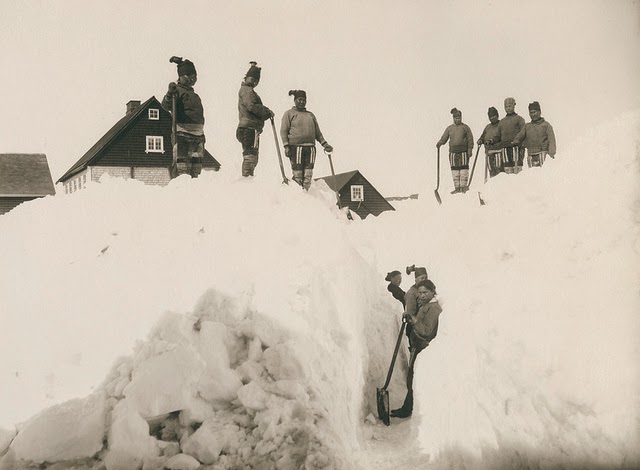
Residents work together to remove massive snowbanks that nearly swallow wooden houses during winter. The scene highlights how communal labor was essential for keeping towns functional in one of the harshest climates on Earth.
Ice Floes Outside Nuuk
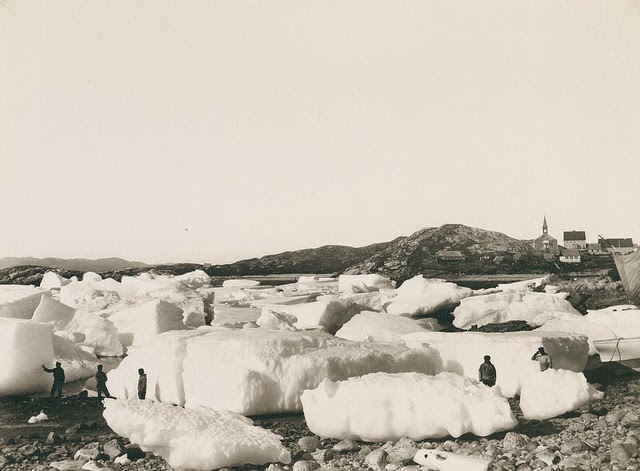
Large slabs of drifting ice press against the shoreline just beyond the town. These frozen barriers shaped travel, fishing, and daily movement throughout much of the year.
The Only Horse in Nuuk
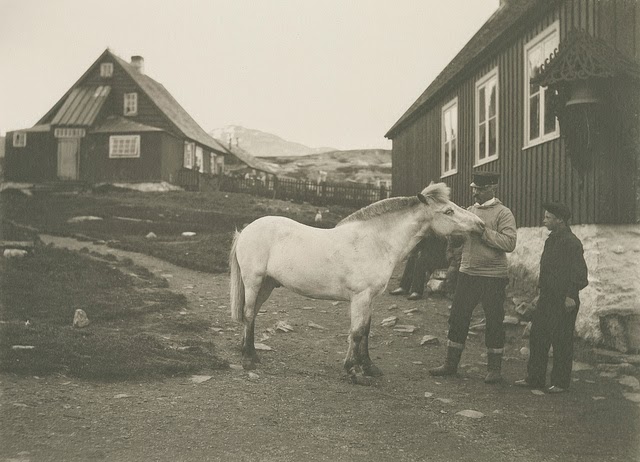
A single horse stands beside residents, underscoring how rare such animals were in Greenland at the time. Most transportation relied on sled dogs, boats, and human effort rather than livestock.
Near the Settlement of Kangeq
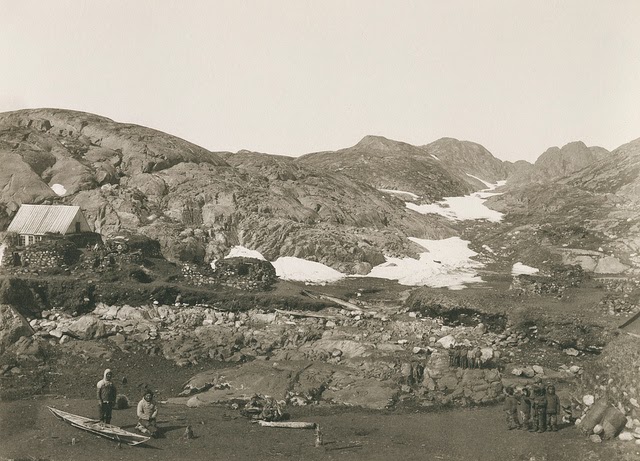
Small boats rest along a rocky shoreline near a now-abandoned settlement. Kangeq was later deserted as residents relocated to larger towns offering better access to supplies and services.
View From Arsuk
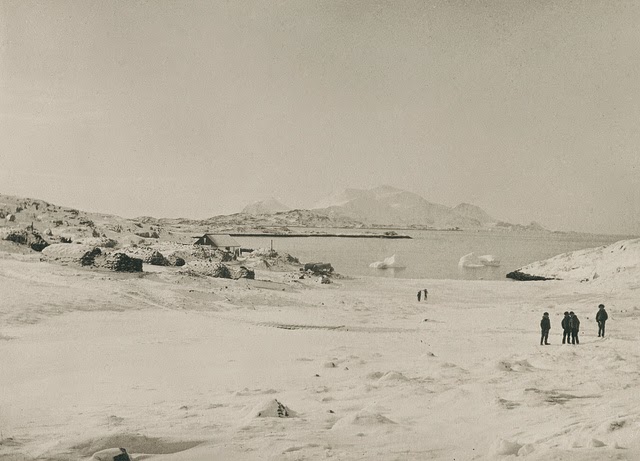
A wide coastal landscape stretches toward distant mountains, with scattered ice floating in calm waters. Arsuk functioned as a modest trading and fishing point along Greenland’s southern coast.
Harbor of Qaqortoq
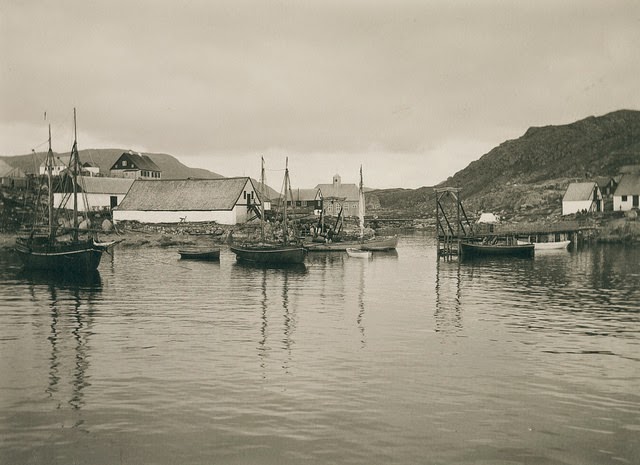
Fishing boats sit quietly in the harbor, surrounded by simple wooden buildings. The town relied heavily on maritime trade and fishing to sustain its growing population.
Cows Near Qaqortoq
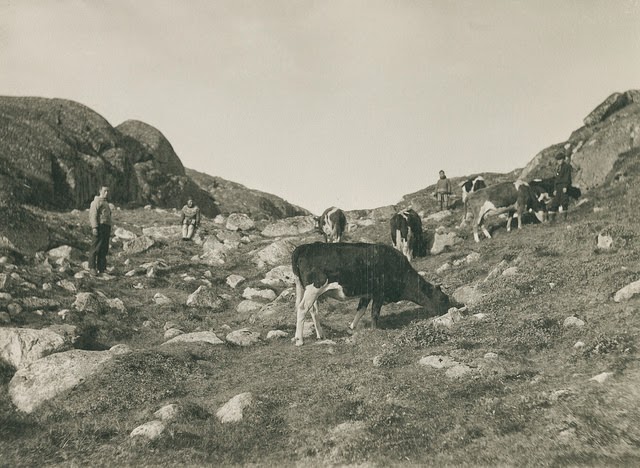
A small herd grazes among rocky terrain, illustrating attempts to maintain European-style farming in Greenland’s challenging environment. Livestock farming remained limited and highly seasonal.
Settlement of Ammassalik
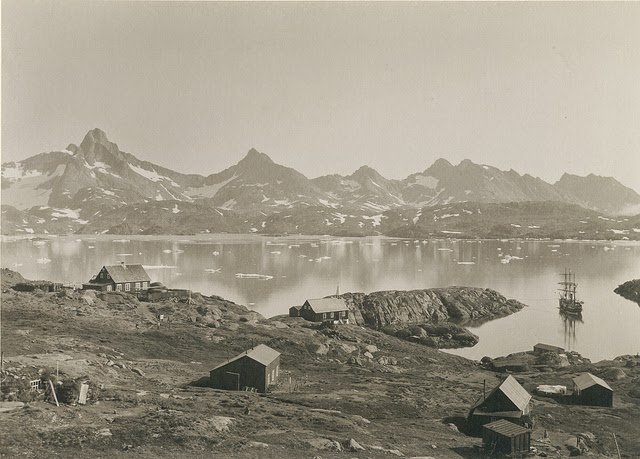
Modest homes dot the rugged coastline, framed by steep mountains and open water. Ammassalik was one of the most isolated inhabited areas of Greenland at the time.
Summer Tents at Ammassalik
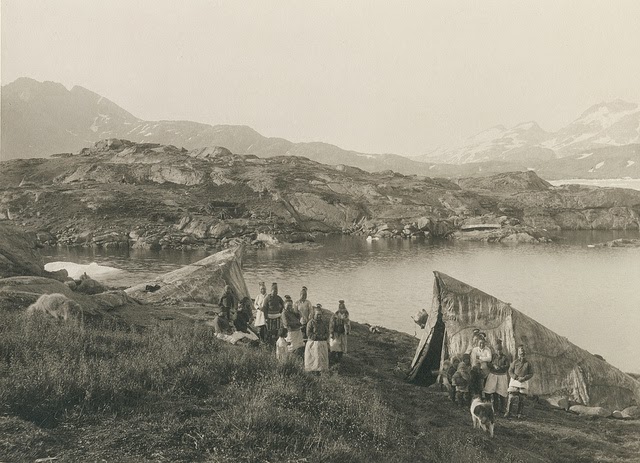
Temporary tents are set up near the shore during warmer months. Seasonal movement allowed families to hunt, fish, and take advantage of short Arctic summers.
Photographer T.N. Krabbe at Tasiusaq Bay
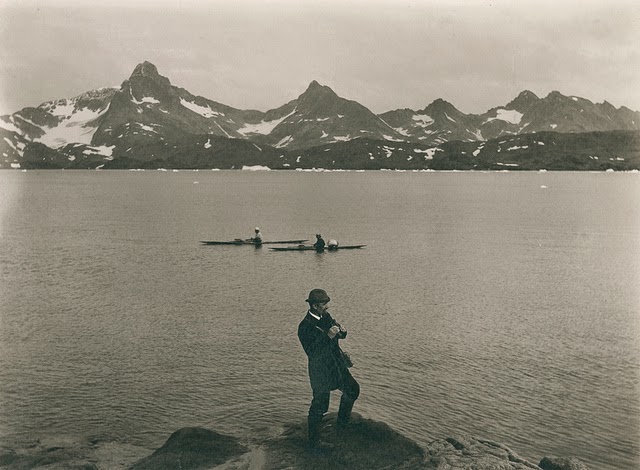
The photographer stands on rocky ground overlooking calm water, capturing himself within the landscape he documented. The image reflects both exploration and the immense scale of Greenland’s natural surroundings.