Everyone loves saying they have a long reading list, but most people only get through a handful of the books everyone claims to know. Classics fill shelves, get quoted online, and show up in every conversation about “great literature,” even when most readers stopped somewhere around chapter two. These titles are praised constantly, borrowed repeatedly, and half-read by almost everyone. They are icons of literature, but also legends of being started and never quite completed. If you finished more than five of them, you might be a unicorn.
Pride and Prejudice – Jane Austen
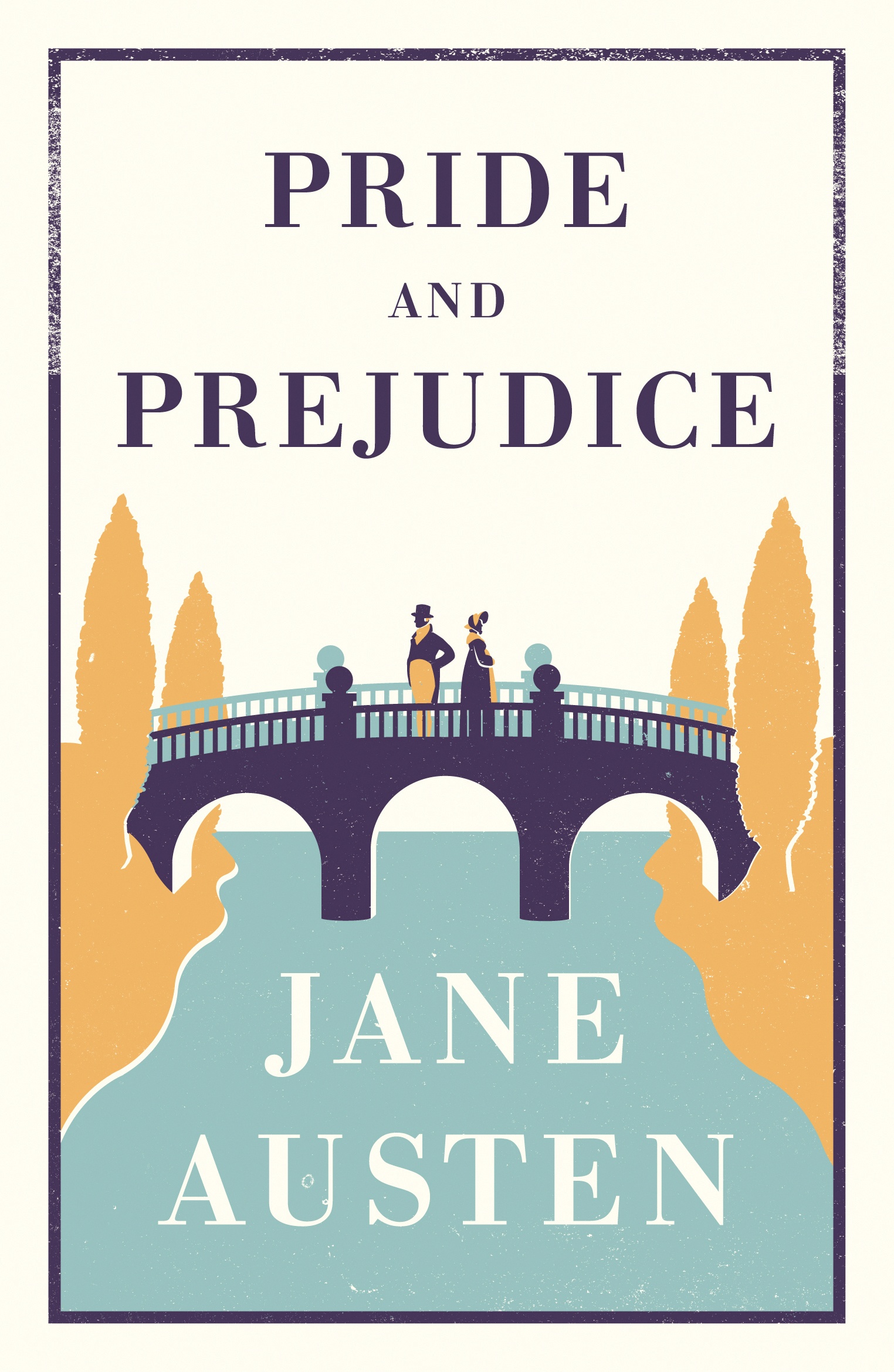
People swear they love this book, but most only know Darcy from YouTube clips and movie adaptations. The opening sentence is legendary, even if many readers never make it to chapter three. It remains the gold standard of romance mixed with social satire.
The Lord of the Rings – J. R. R. Tolkien
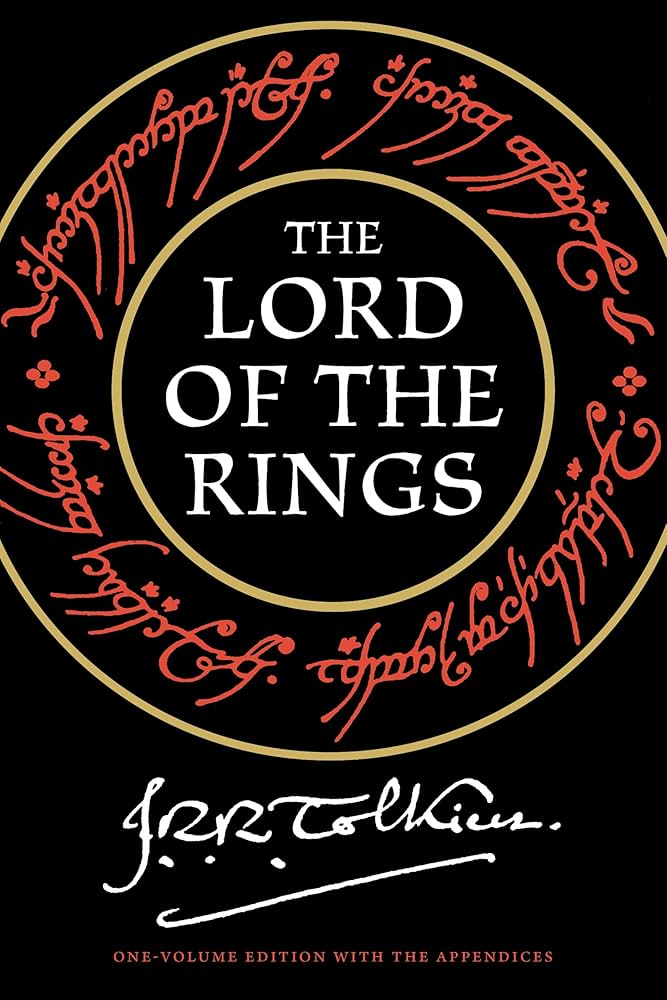
Everyone remembers the movies, not the thirty pages describing trees. Readers start strong with hobbits and adventure, then mysteriously lose steam somewhere in Rivendell. Finishing it earns you a lifetime of bragging rights.
Jane Eyre – Charlotte Brontë
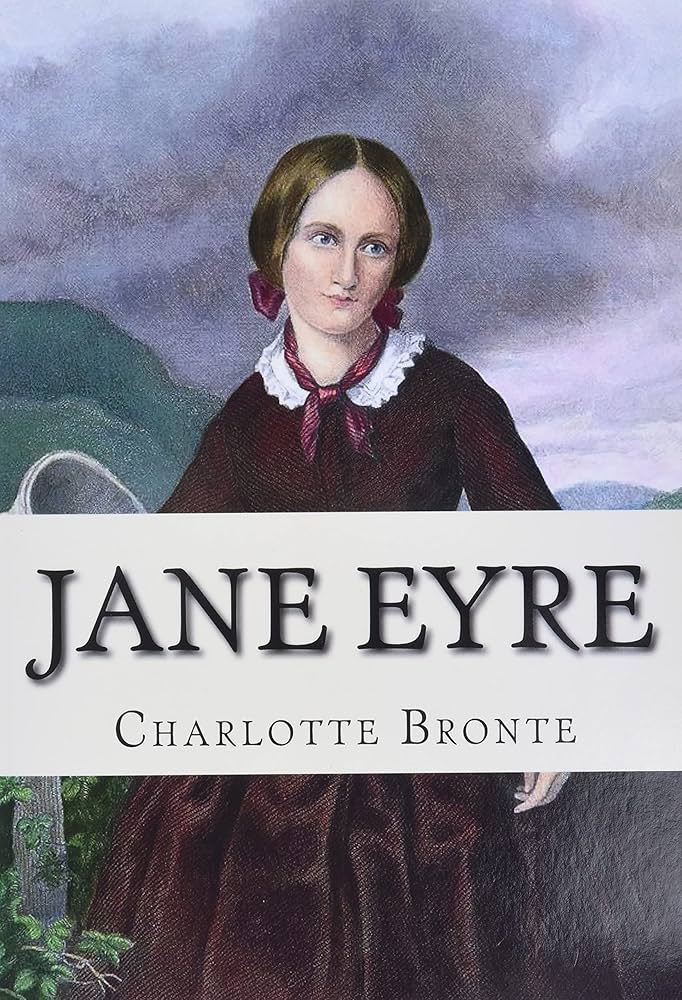
The gothic drama hooks people, but the pacing sends half the audience back to bed. Mr. Rochester fascinates and confuses readers at the same time. Those who finish learn that patience is a superpower.
To Kill a Mockingbird – Harper Lee
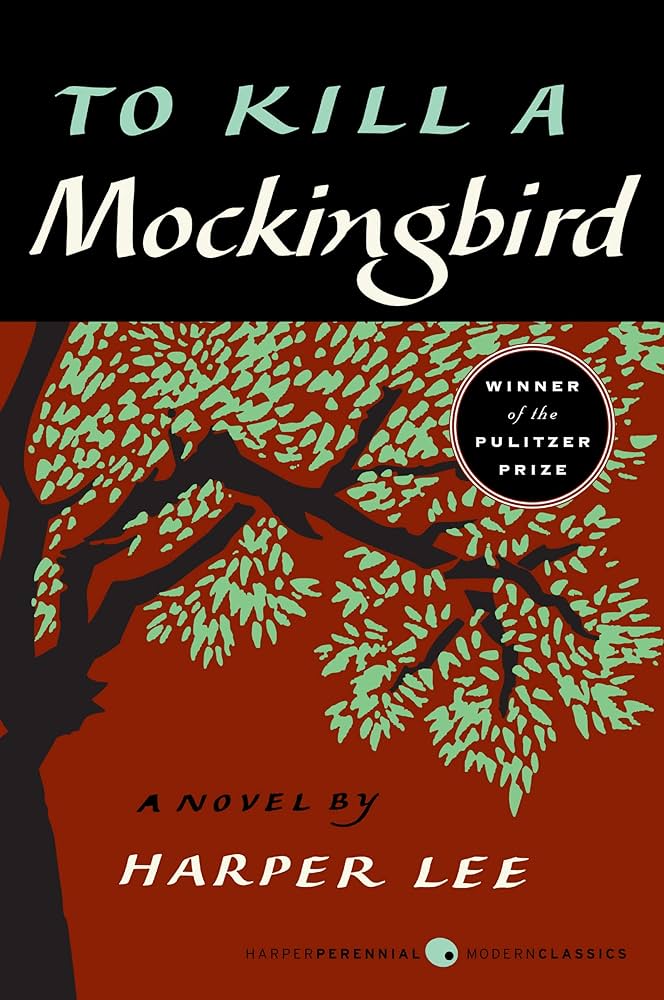
People read the first half in school and assume they remember the rest. Scout’s childhood innocence hides a heavy and sometimes uncomfortable lesson about justice. It is unforgettable for anyone who actually makes it to the verdict.
Wuthering Heights – Emily Brontë
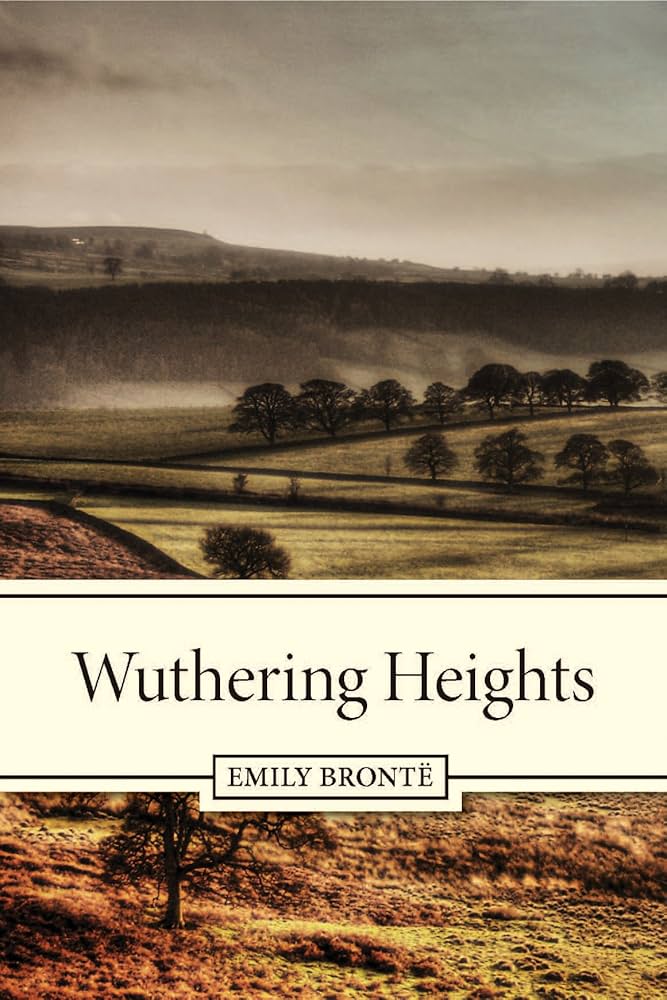
Readers expect romance, then meet the most toxic love story in history. The mood is stormy, angry, and almost aggressively miserable. You will never forget Heathcliff, even if you wish you could.
1984 – George Orwell
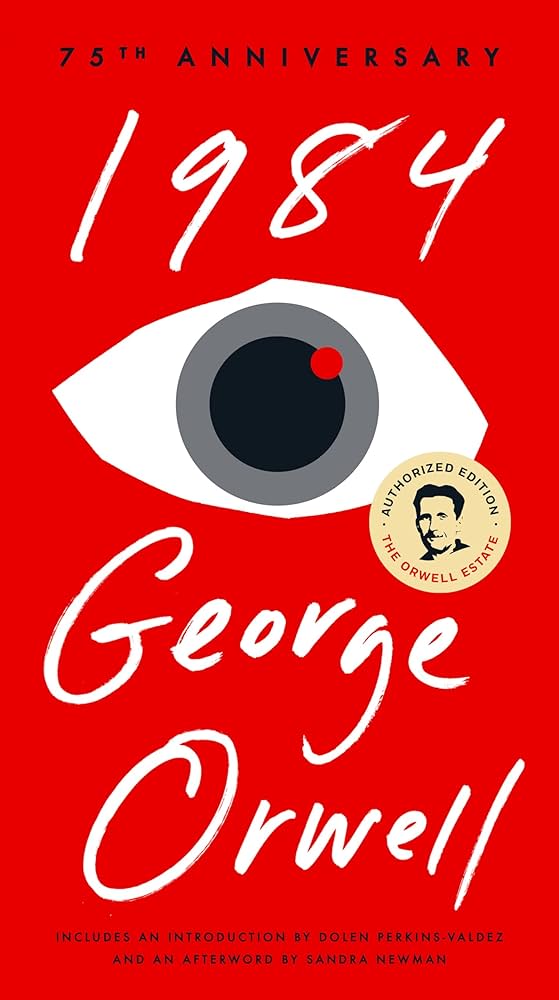
Everyone quotes Big Brother without reading the final chapters. The world is bleak, brilliant, and more relevant than ever. Only the strong finish without needing a walk outside.
Little Women – Louisa May Alcott
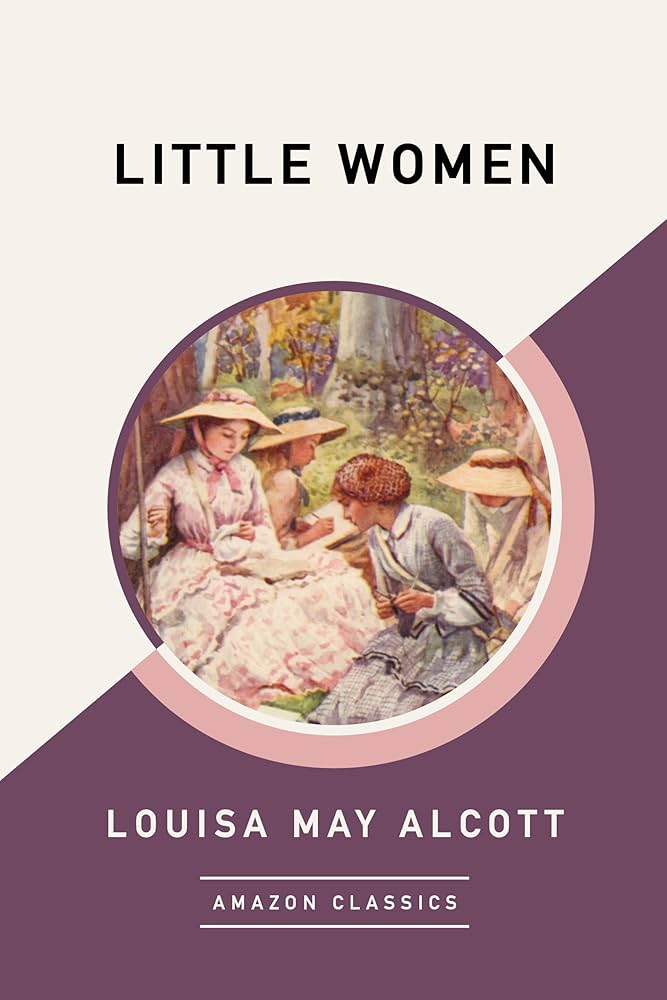
People love Jo, even if they never finish her whole story. The book feels cozy, until real life barges in with heartbreak and sacrifice. It rewards anyone who sees the sisters grow up completely.
Great Expectations – Charles Dickens
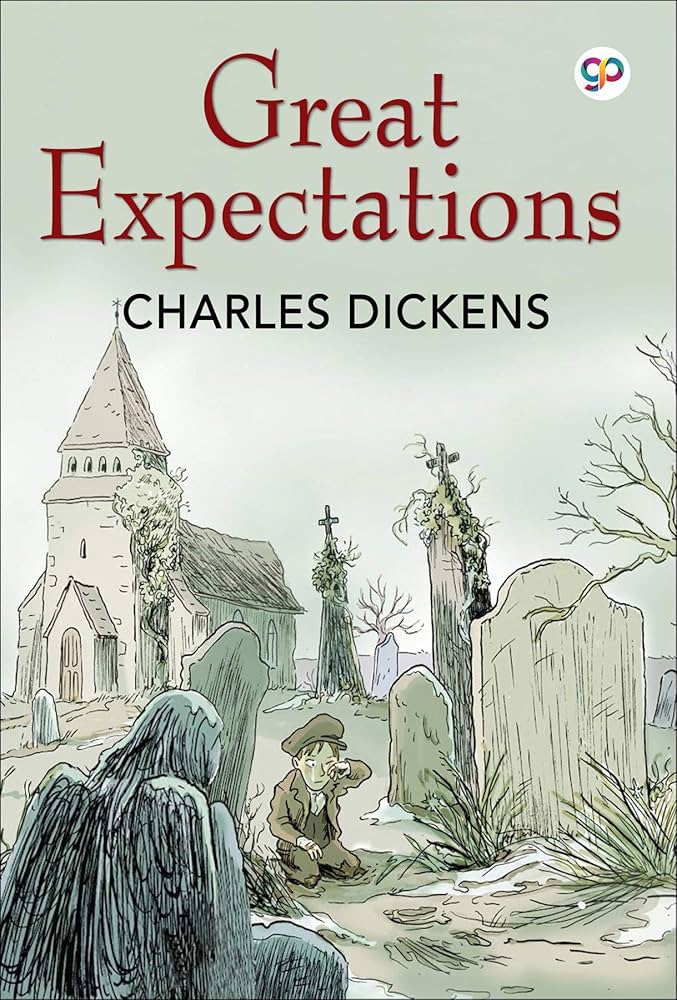
Everyone thinks they know Miss Havisham, yet most never get past her creepy introduction. Dickens overloads the plot with characters who keep reappearing just when you forget them. Finishing it feels like completing a marathon wearing a top hat.
The Catcher in the Rye – J. D. Salinger
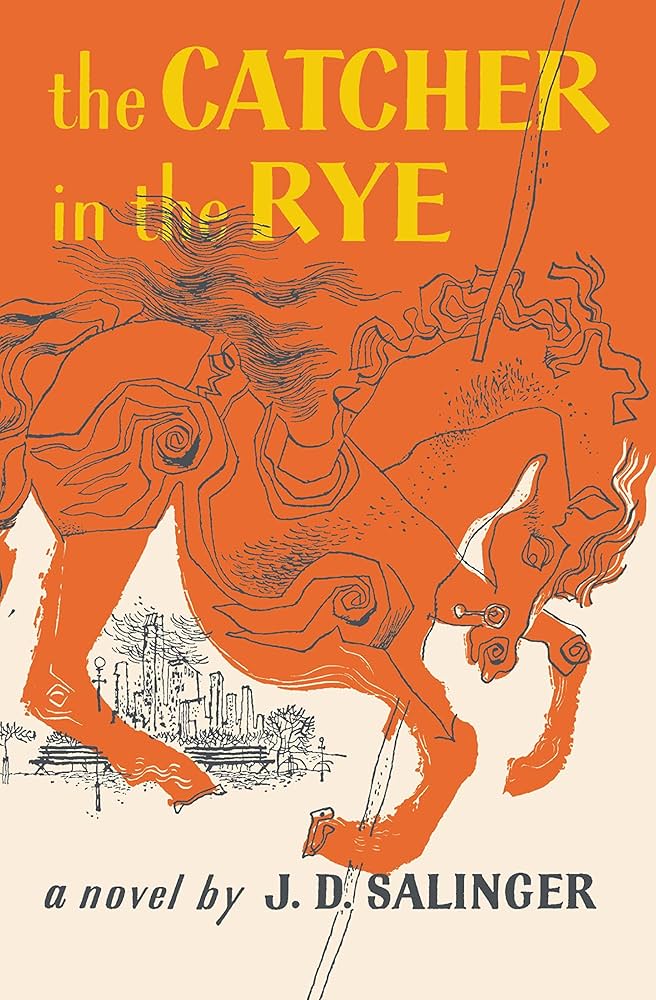
Readers either adore Holden or want to yell at him. His voice is unforgettable even when it feels like he is wandering in circles. The ending hits hardest for people patient enough to follow his inner chaos to the last page.
The Great Gatsby – F. Scott Fitzgerald
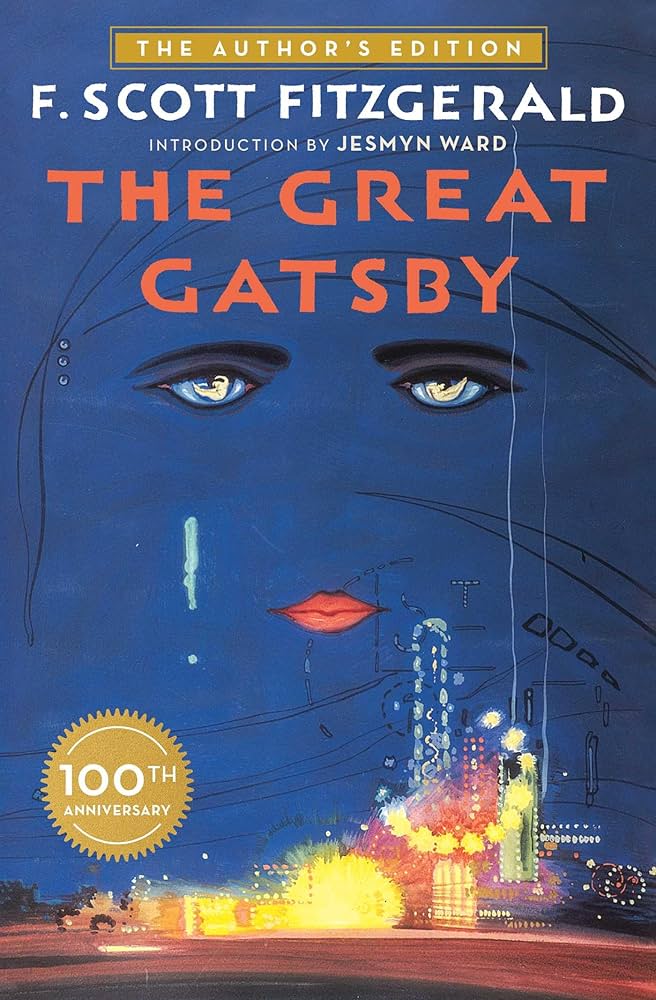
People remember the green light and the parties but forget how lonely the story actually is. Gatsby’s dream glitters right up until it breaks. The book reveals how expensive illusions can be once the music stops.
War and Peace – Leo Tolstoy
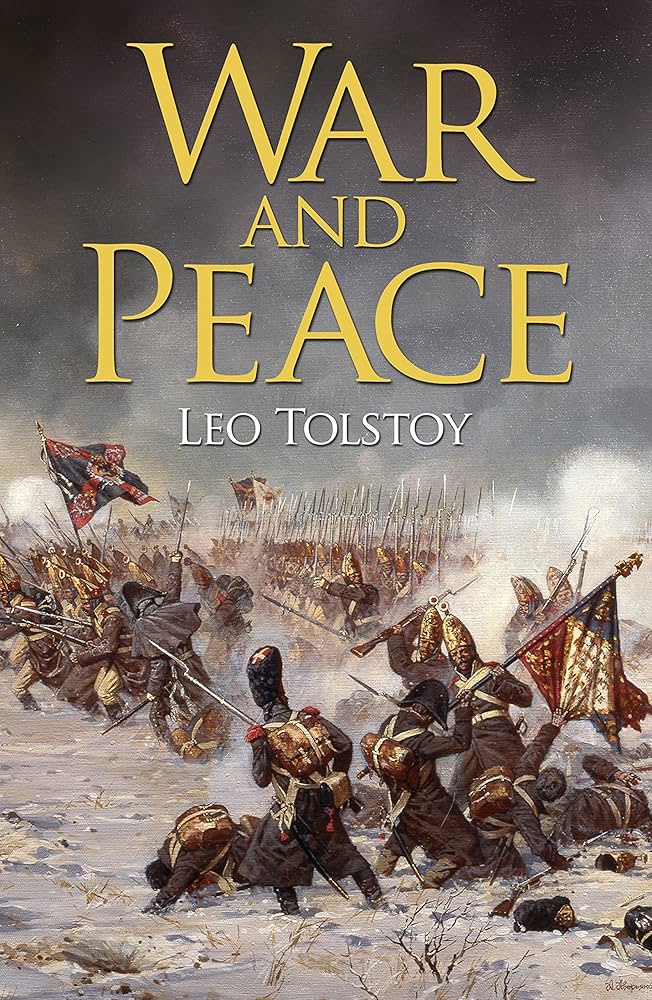
Many buy it just to look intelligent, but never actaully read it. The story is emotional and powerful yet longer than most attention spans can handle. Anyone who finishes it earns lifetime bragging rights.
His Dark Materials – Philip Pullman
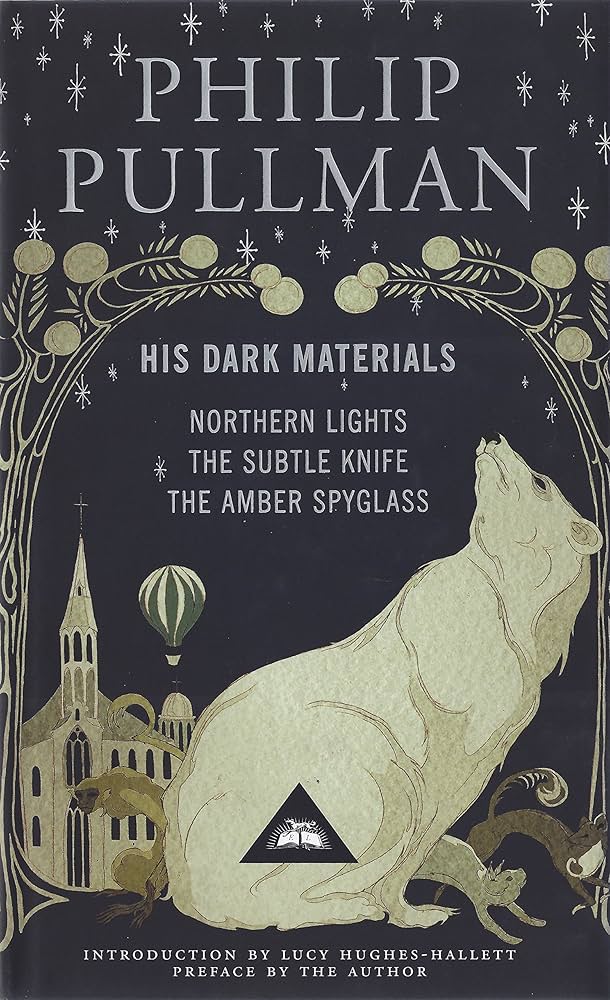
Talking animals invite readers in and then the plot shifts into complex philosophy. The story becomes deeper and more challenging with every book. Those who finish reach one of the boldest endings in modern fantasy.
Gone With the Wind – Margaret Mitchell
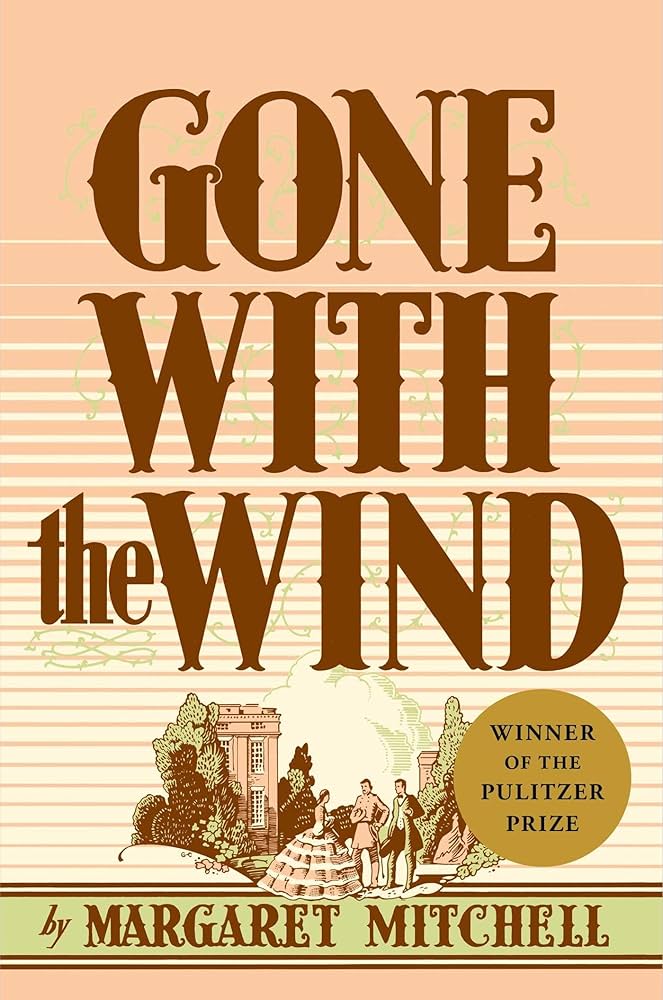
The romance feels sweeping until the brutal reality sets in. Scarlett is captivating and stubborn enough to frustrate anyone reading. People who make it to the last page understand how ruthlessly she evolves.
The Hitchhiker’s Guide to the Galaxy – Douglas Adams
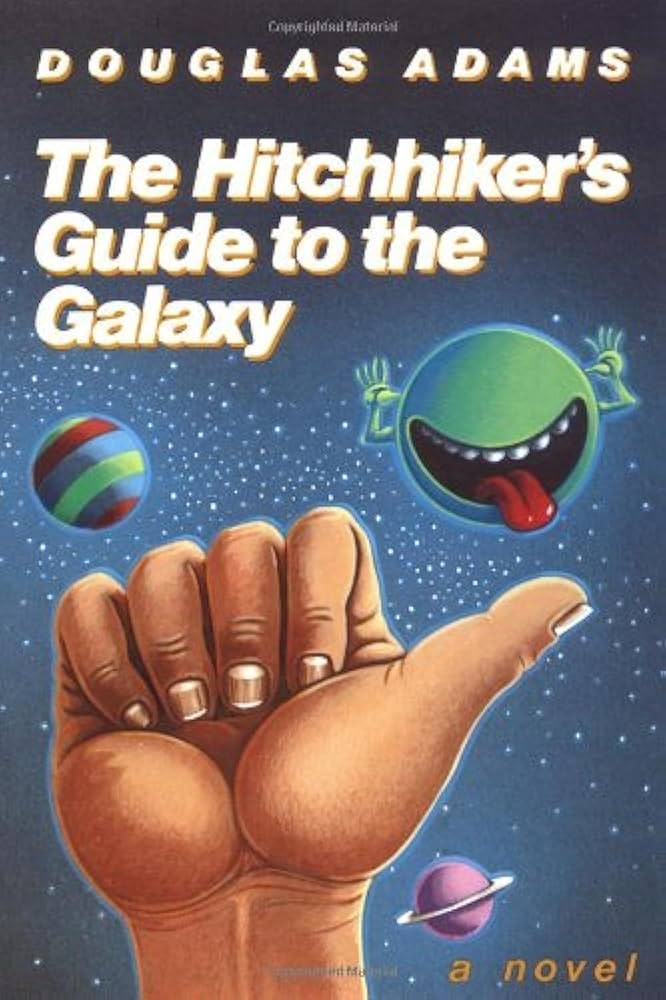
Everyone loves the humor but fewer stick around once the story turns chaotic. The book feels like a cosmic comedy routine with real questions hiding underneath. Finishing it shows how absurdity can expose truth.
Crime and Punishment – Fyodor Dostoyevsky
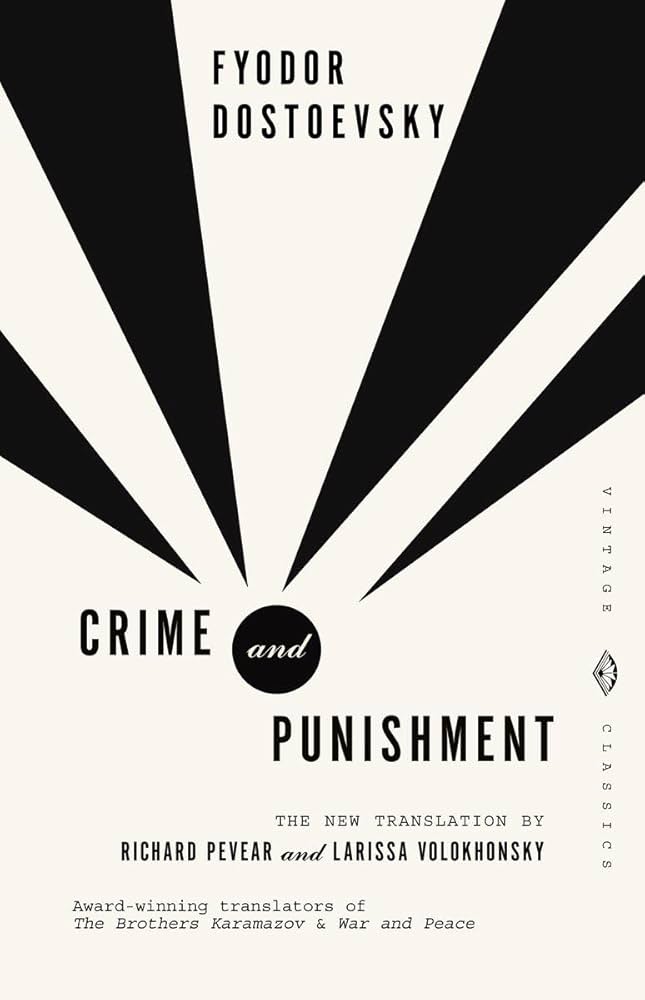
The guilt begins instantly which scares off casual readers. Every chapter pushes deeper into Raskolnikov’s mind until it feels suffocating. Anyone who reaches the end has survived someone else’s conscience.
The Grapes of Wrath – John Steinbeck
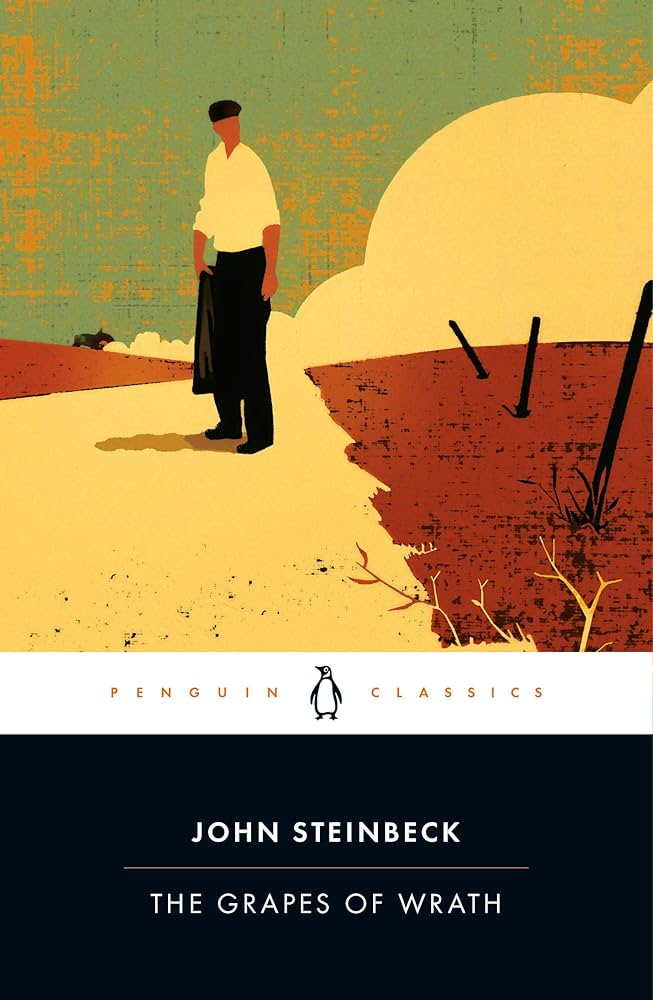
The story is heavy enough that many readers slow down and drift away. It blends personal struggle with the reality of an entire generation. Those who finish carry the Joad family with them long after.
Anna Karenina – Leo Tolstoy
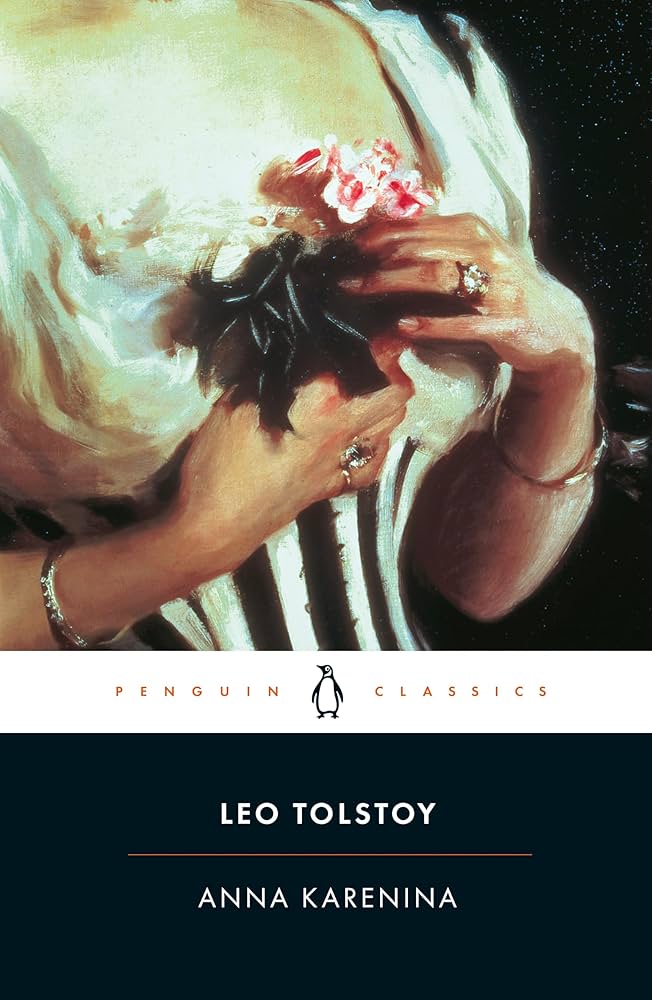
The romance is intense but surrounded by chapters about Russian society that test patience. Many skip the quieter details and miss the deeper tragedy. Readers who stay with Anna understand why the ending remains unforgettable.
Chronicles of Narnia – C. S. Lewis
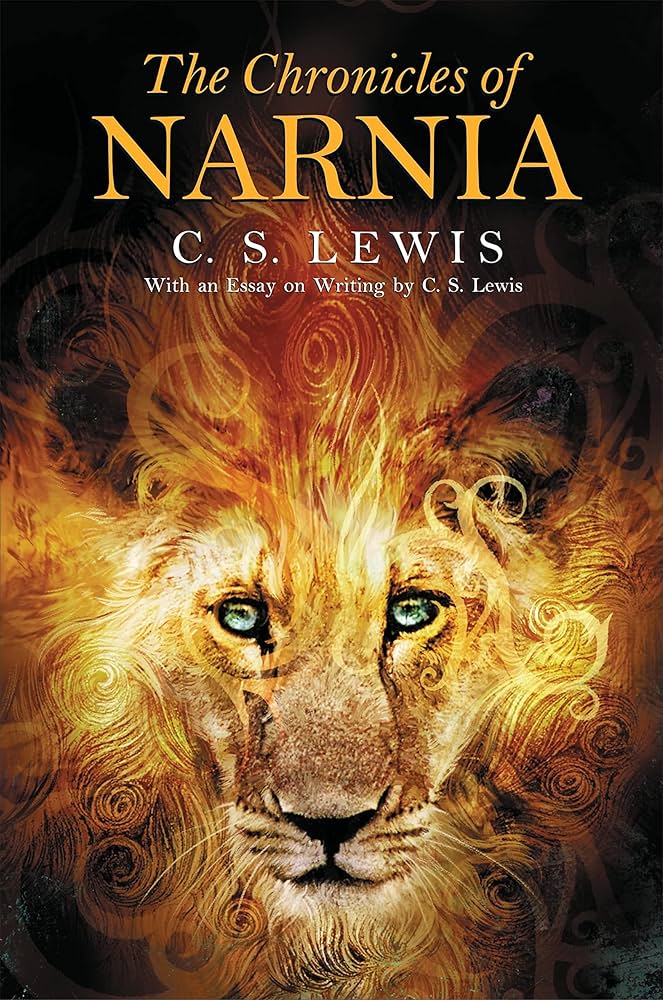
Lots of people read one book and assume they completed the whole series. The later stories explore darker themes and force characters to grow up. Finishing all seven reveals a world far bigger than childhood nostalgia.
The Time Traveler’s Wife – Audrey Niffenegger
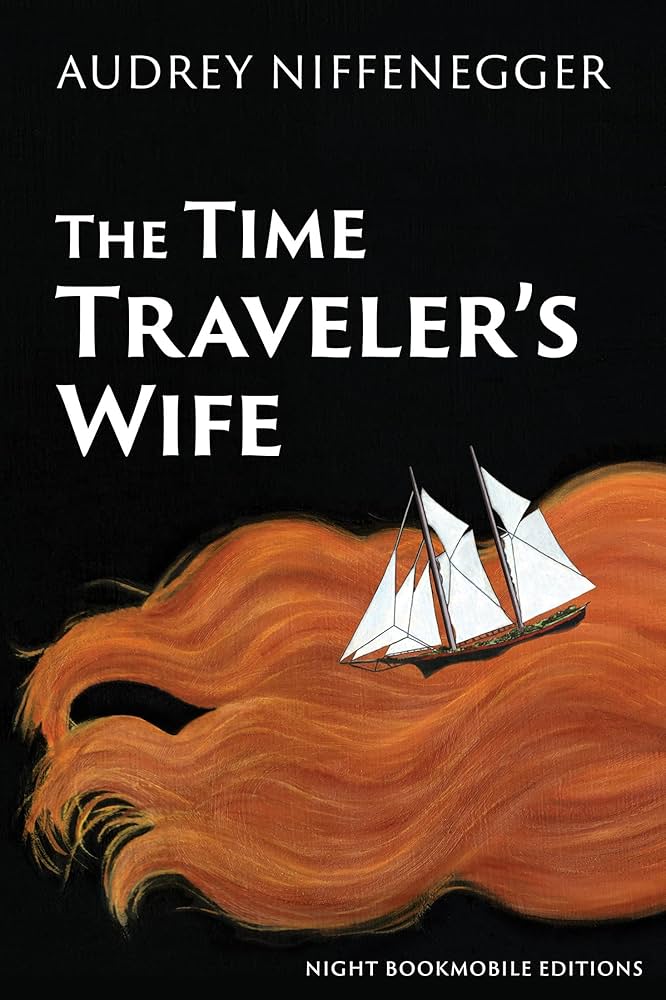
The love story feels magical until the consequences of time travel stop being romantic. The tone becomes heavier than most expect. Readers who finish experience one of the most emotional endings in modern fiction.
Middlemarch – George Eliot
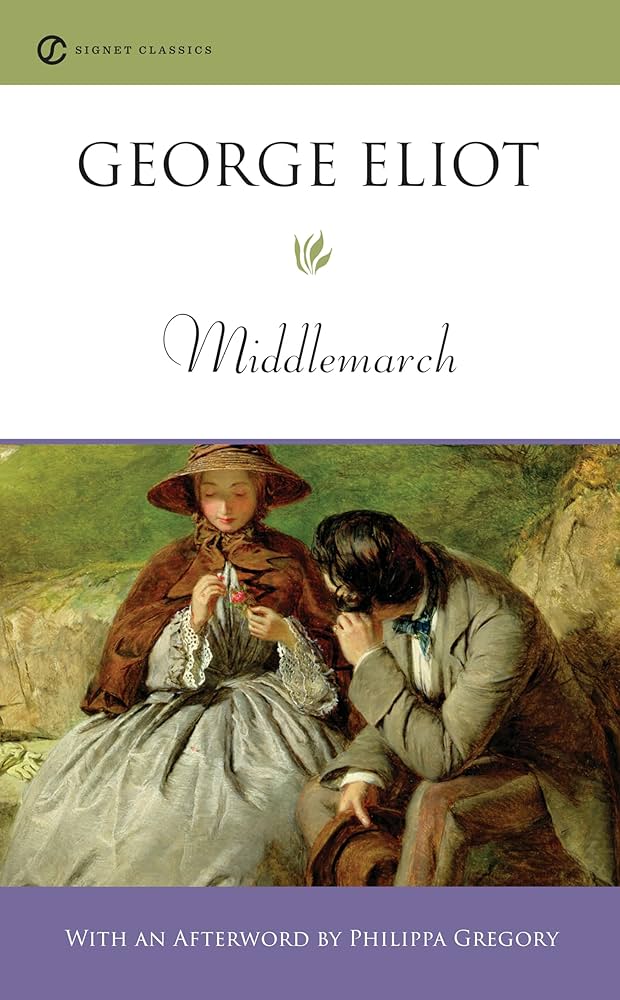
The setting feels quiet but the emotional stakes are huge. Readers expecting only romance get social realism instead. Anyone who finishes discovers an intricate portrait of ambition and disappointment.
Memoirs of a Geisha – Arthur Golden
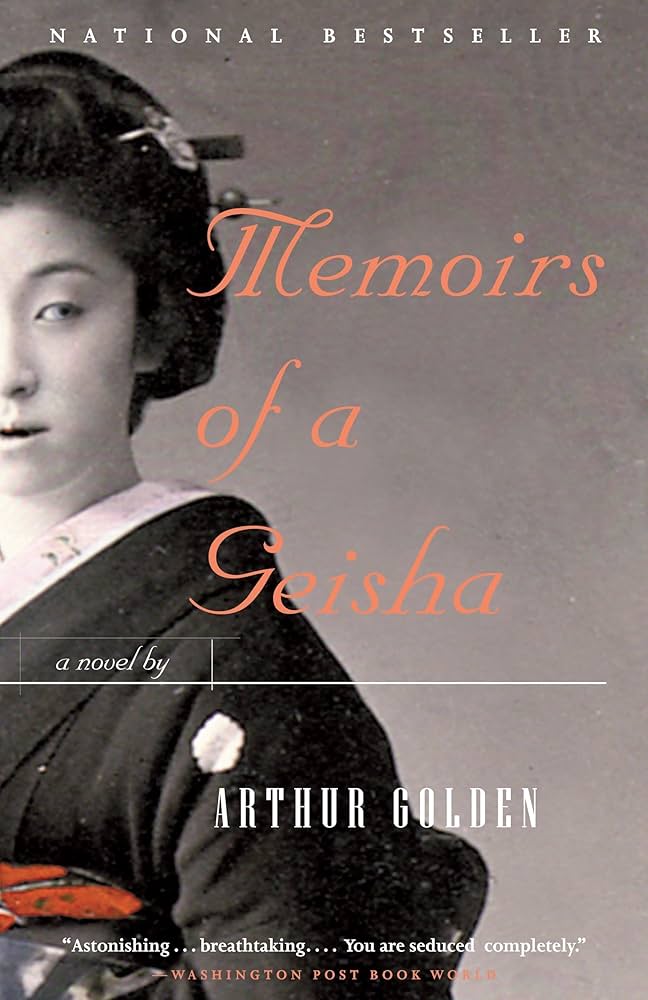
People start for the beauty then discover a story built on survival and sacrifice. The elegant world hides harsh realities behind every ritual.
Life of Pi – Yann Martel
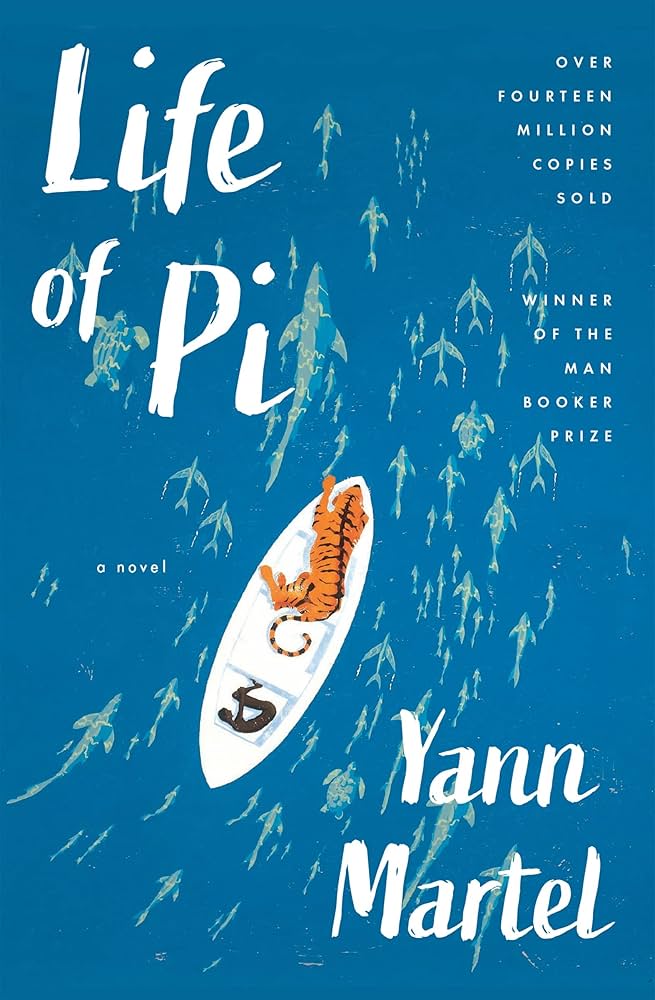
It begins like an adventure then becomes a question about what people choose to believe. The boy and the tiger keep readers hooked until the very end.
Dune – Frank Herbert
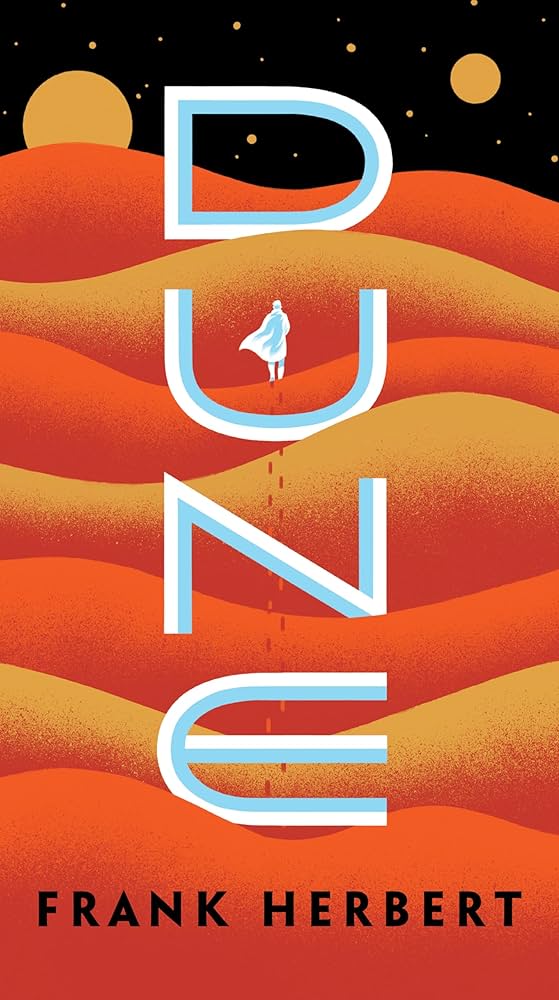
The world building is impressive enough to overwhelm casual readers. Politics, ecology, prophecy, and giant worms collide in surprising ways. Only determined readers appreciate how ambitious the story truly is.
One Hundred Years of Solitude – Gabriel García Márquez
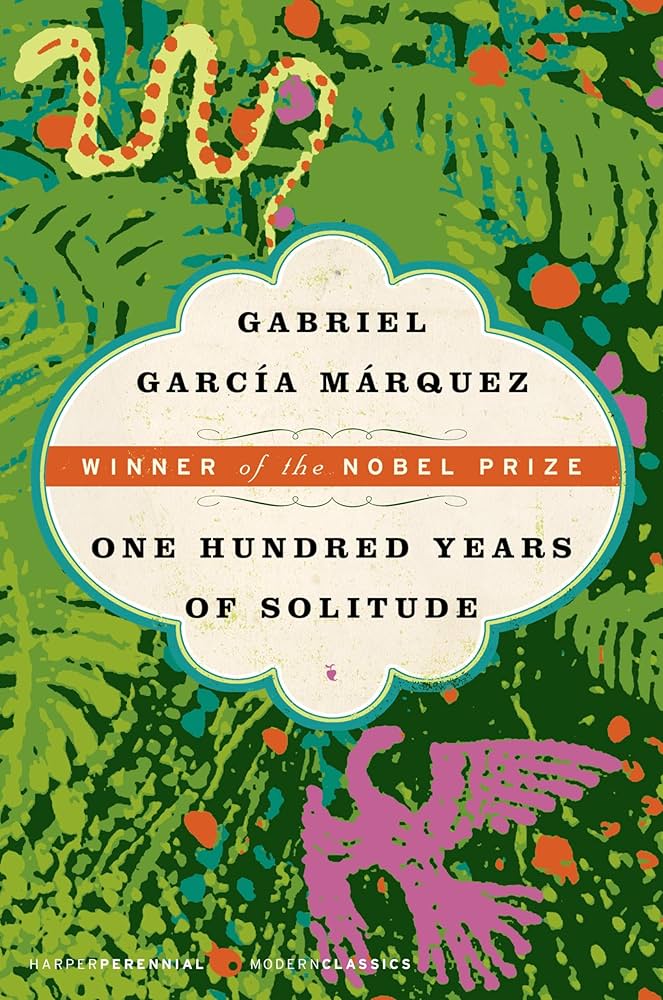
The characters repeat names which makes the story confusing for newcomers. The magical realism feels both whimsical and heavy with history.
Brideshead Revisited – Evelyn Waugh
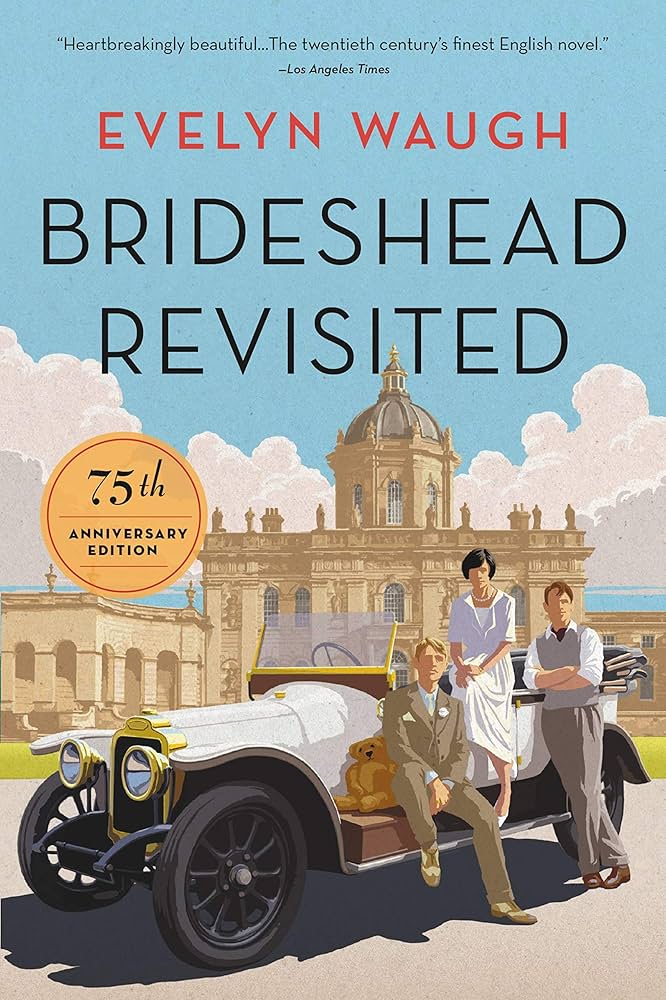
It begins like a school story and quietly shifts into a reflection on family, faith, and desire. The charm of the setting slowly reveals deeper sadness underneath. By the end, the characters feel less glamorous and more human.
A Tale of Two Cities – Charles Dickens
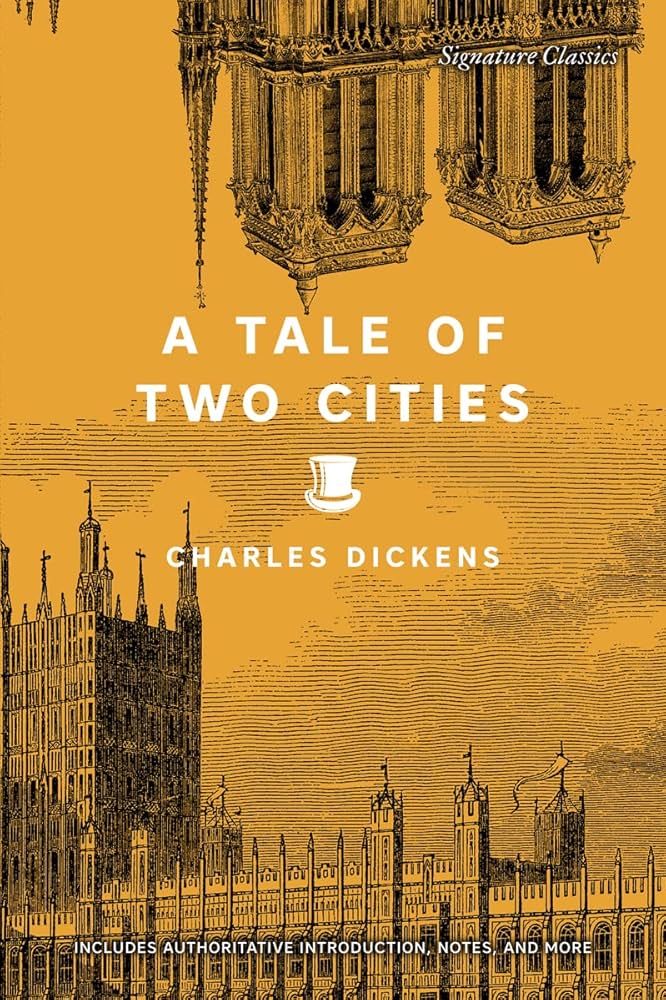
People quote the first line with confidence and rarely remember what happens in the middle. The slow political buildup gives meaning to the final act. Its big sacrifice lands harder once you understand how the whole world collapses around it.
The Bell Jar – Sylvia Plath
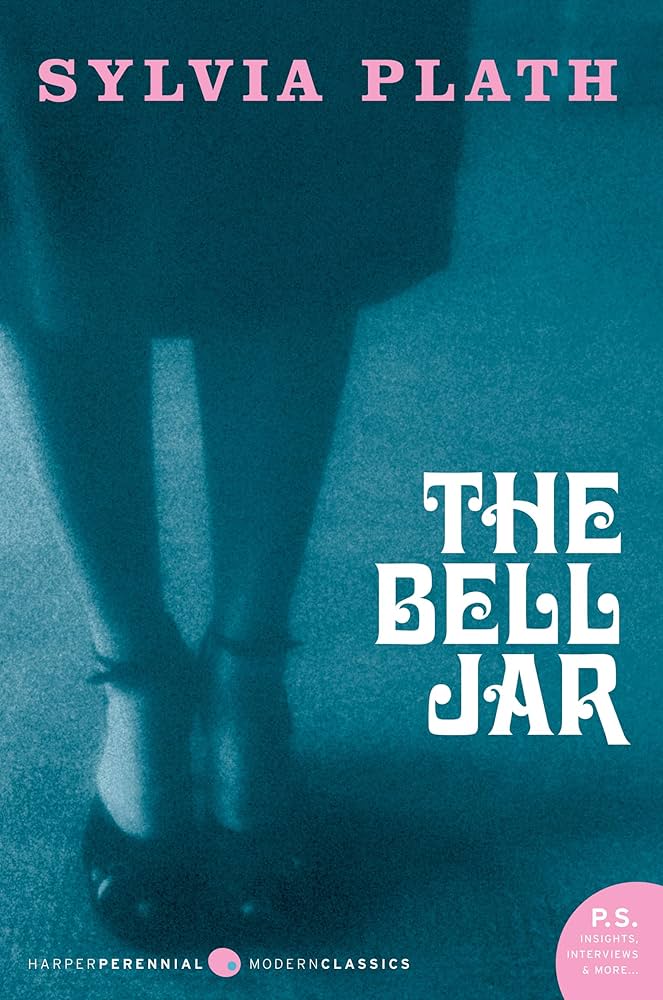
At first, Esther’s narration sounds witty and sharp, then her thoughts turn increasingly heavy. The shift in tone mirrors the way mental health changes in real life. The story leaves readers more aware of how fragile identity can be.
Lord of the Flies – William Golding
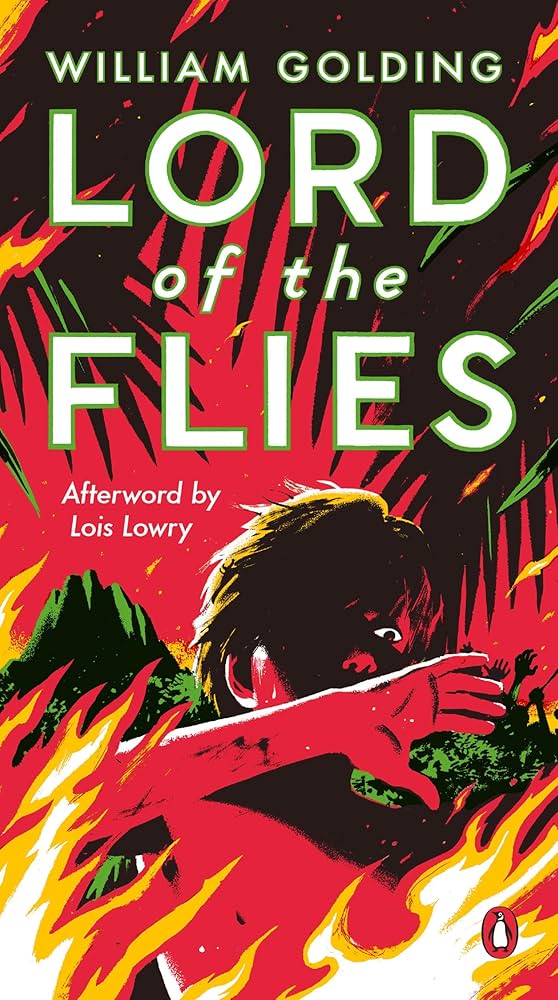
Many expect a childhood adventure, then realize it is anything but fun. Order falls apart faster than anyone imagines. The book shows how thin the line is between playtime and violence.
Ulysses – James Joyce
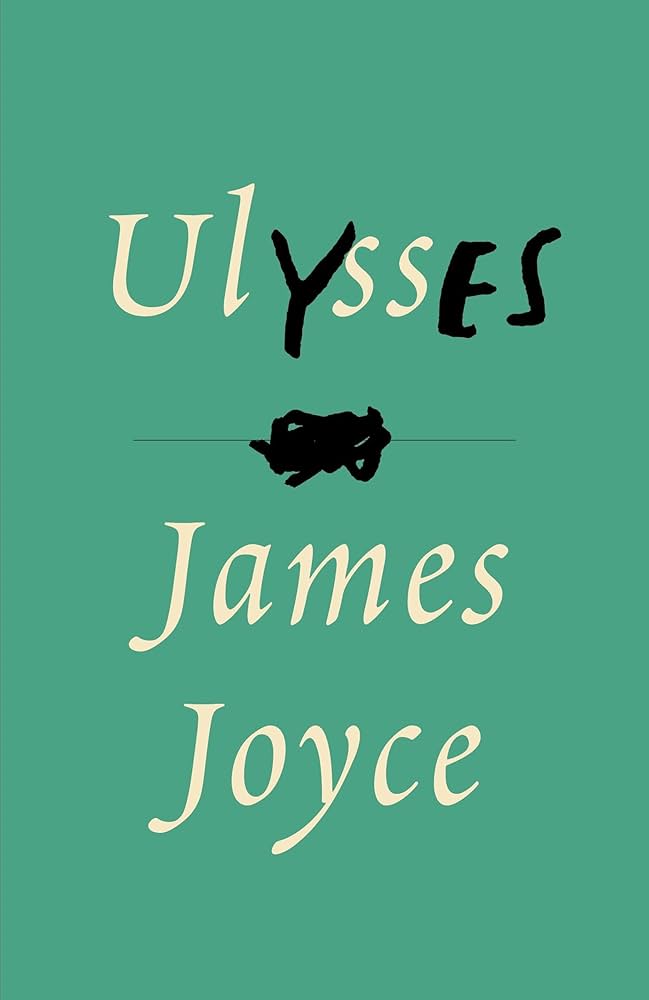
Readers open it thinking it is a modern classic and then discover sentences that seem to stretch for miles. The book replicates the chaos of thought itself, not the clean structure most novels follow. Anyone who makes sense of it earns unofficial expert status in literature and confusion.
The Count of Monte Cristo – Alexandre Dumas
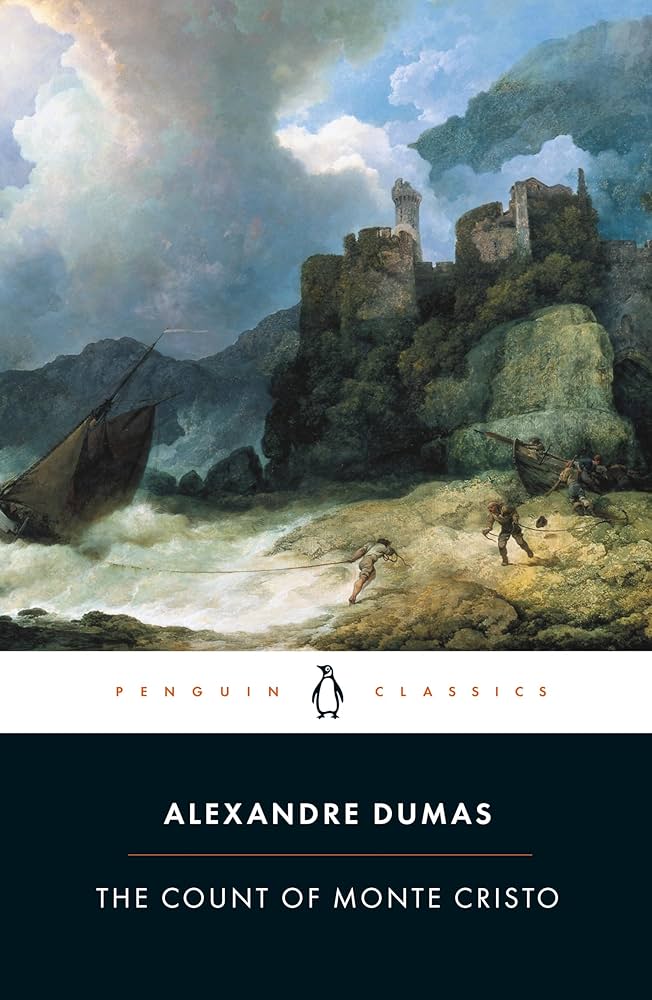
What starts as a tragic betrayal slowly transforms into one long, patient plan for revenge. The details matter, because every person who wronged him eventually pays in a very specific way. The story rewards anyone who sticks with it by letting justice arrive with style instead of speed.