Life in the American South comes with its own unspoken rules, habits, and shared understandings that can be hard to explain to outsiders. These details are not always about geography, but about tone, timing, and tradition passed down quietly over generations. From language quirks to everyday customs, Southern culture tends to reveal itself in small, familiar moments rather than grand gestures. Below are 30 things that people raised in the South tend to recognize instantly, even if they have never talked about them out loud.
Food Portions Are Generous

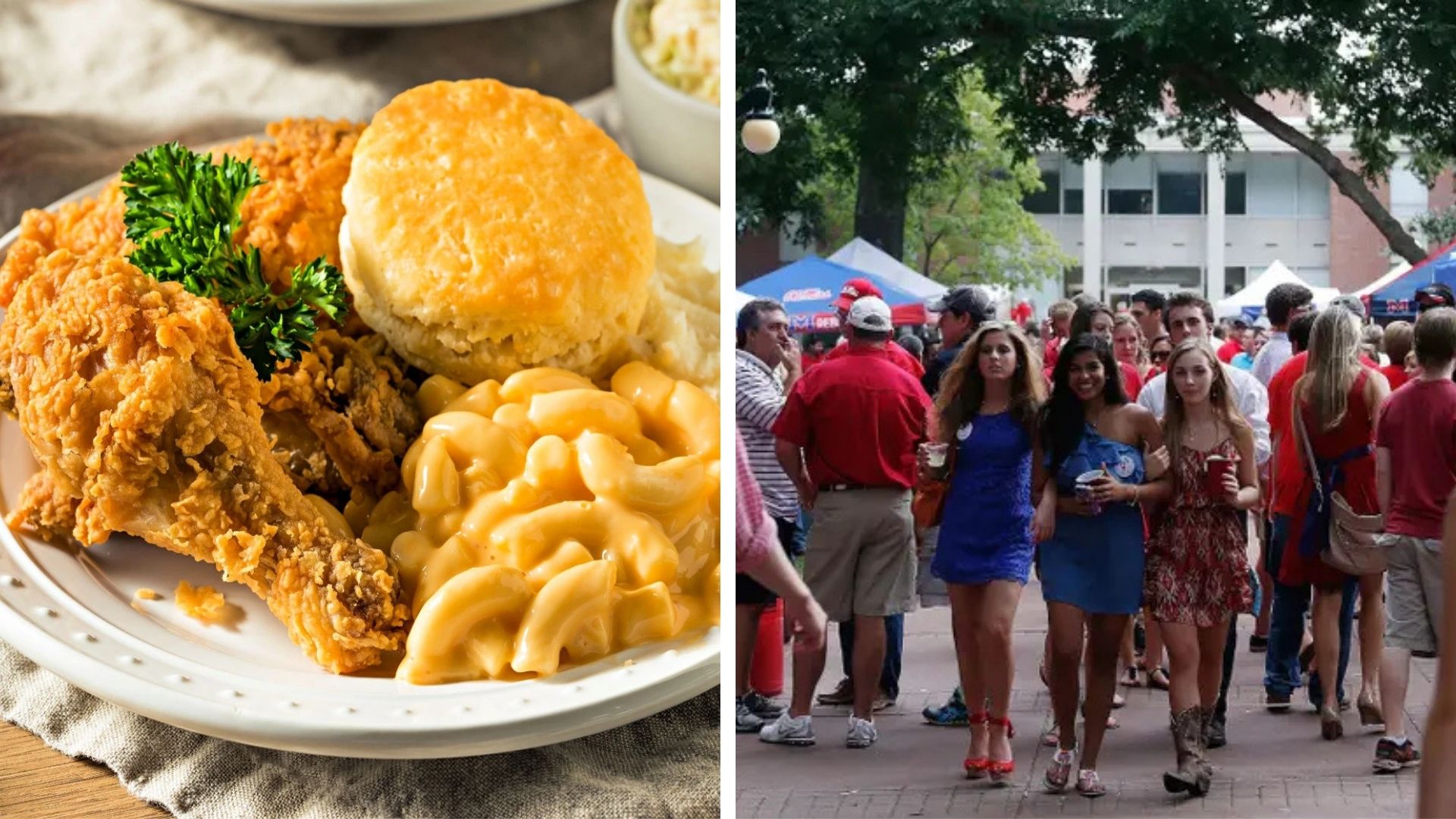
Serving sizes often reflect abundance rather than nutrition guidelines. Offering more is seen as kindness.
Weddings Are Community Events

Weddings frequently involve extended family, neighbors, and friends of friends. Attendance is often viewed as support rather than obligation.
Storms Are Respected

Severe weather is taken seriously without panic. Experience teaches preparation more than fear.
Traditions Are Passed Casually

Many customs are learned through observation instead of explanation. People often realize something is regional only after leaving home.
Weather Is Constantly Discussed

Talking about weather is not small talk when it impacts crops, travel, and safety. It is treated as shared information rather than idle chatter.
Privacy Is Quietly Enforced

Personal matters are often protected through discretion rather than distance. Knowing when not to ask is considered polite.
Small Talk Is a Skill

In many Southern communities, conversation is expected to warm up slowly. Asking about family, weather, or hometowns is not filler, but a way of showing respect before getting to the point.
Towns Feel Interconnected

It is common to discover shared acquaintances unexpectedly. Social circles overlap more than people expect.
Respect for Elders Is Expected

Using proper titles and showing deference to older generations is still common. It is often framed as manners rather than hierarchy.
Traditions Adapt Slowly
Change tends to be gradual rather than abrupt. New habits are often layered on top of old ones.
Goodbye Takes Time

Leaving a gathering usually involves multiple rounds of conversation. A quick exit can feel abrupt or impolite.
Politeness Can Mask Disagreement
Direct confrontation is often avoided in favor of softer language. Disapproval may be communicated subtly rather than openly.
Driving Has Its Own Rhythm

Local driving habits can feel slow or cautious to outsiders. They are usually shaped by road conditions and familiarity rather than urgency.
Music Is Part of Daily Life

Music genres tied to the South often appear in everyday settings. They function as cultural background rather than performance.
Nicknames Stick for Life
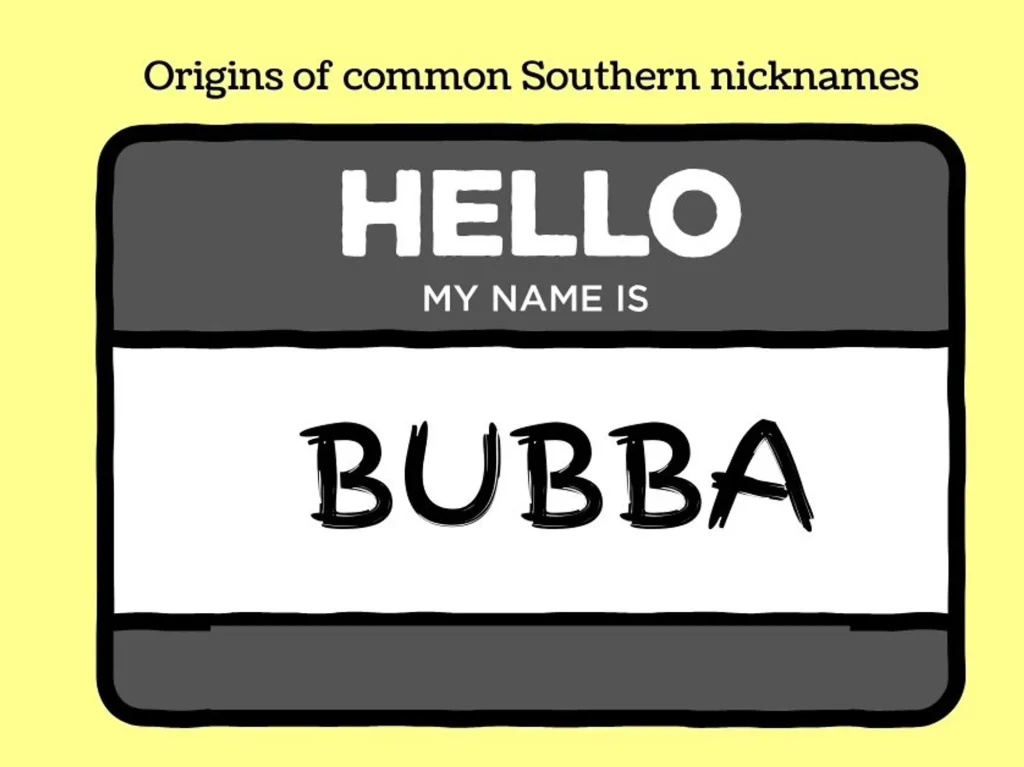
Nicknames given in childhood often follow people into adulthood. They can be based on personality, family, or long forgotten stories.
Hospitality Has Structure
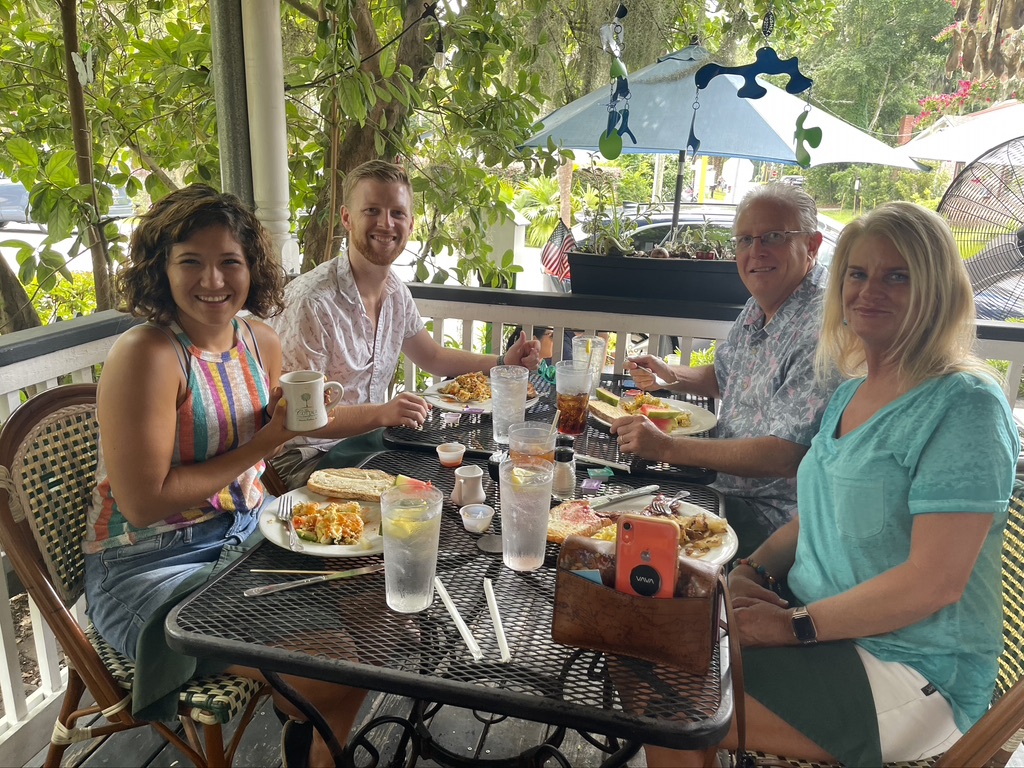
Hospitality in the South follows unwritten rules about politeness, timing, and boundaries. It is generous, but not accidental.
Front Porches Matter

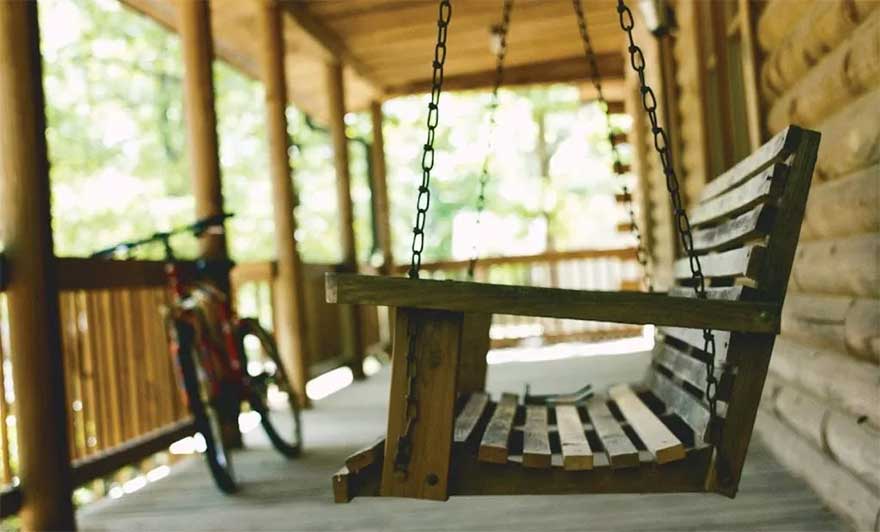
Porches are treated as social spaces, not just architectural features. They allow for conversation without full formality.
Jokes Are Often Self-Aware

Humor frequently leans into regional stereotypes knowingly. Laughing at oneself is considered a strength.
Family Trees Are Widely Known
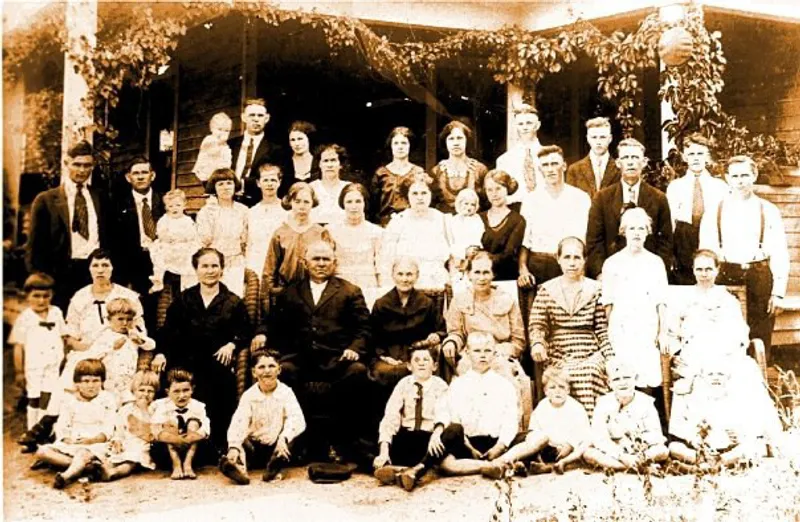
It is common for people to know extended family histories in detail. Connections are often traced through surnames and towns.
Church Culture Shapes Social Life
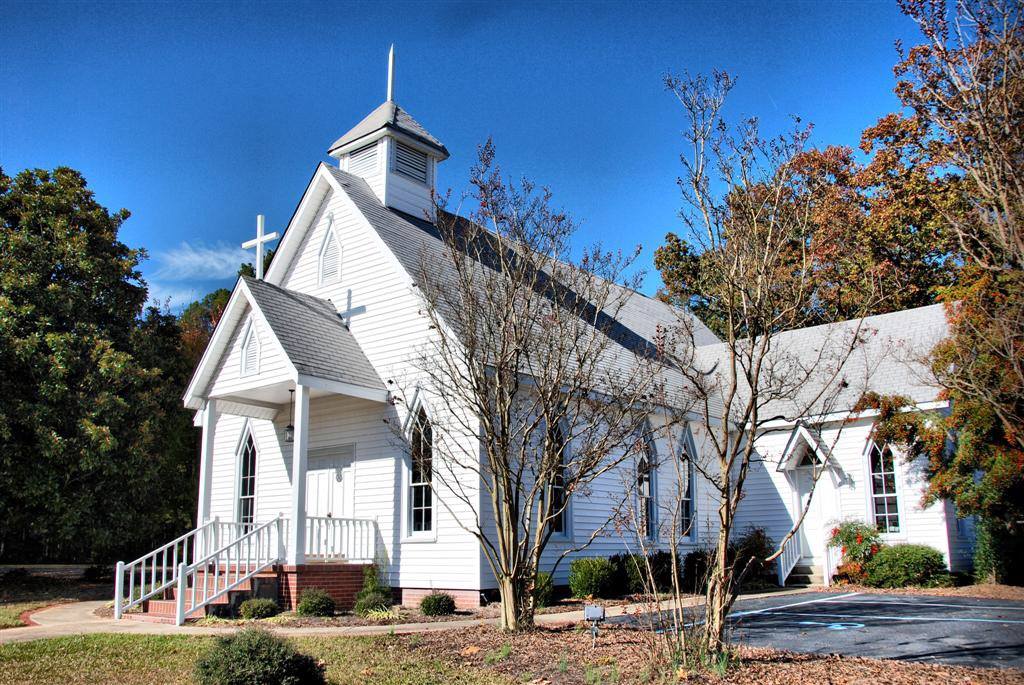
Even for people who are not religious, church communities often influence social networks. They can function as gathering spaces as much as spiritual ones.
Food Is a Measure of Care
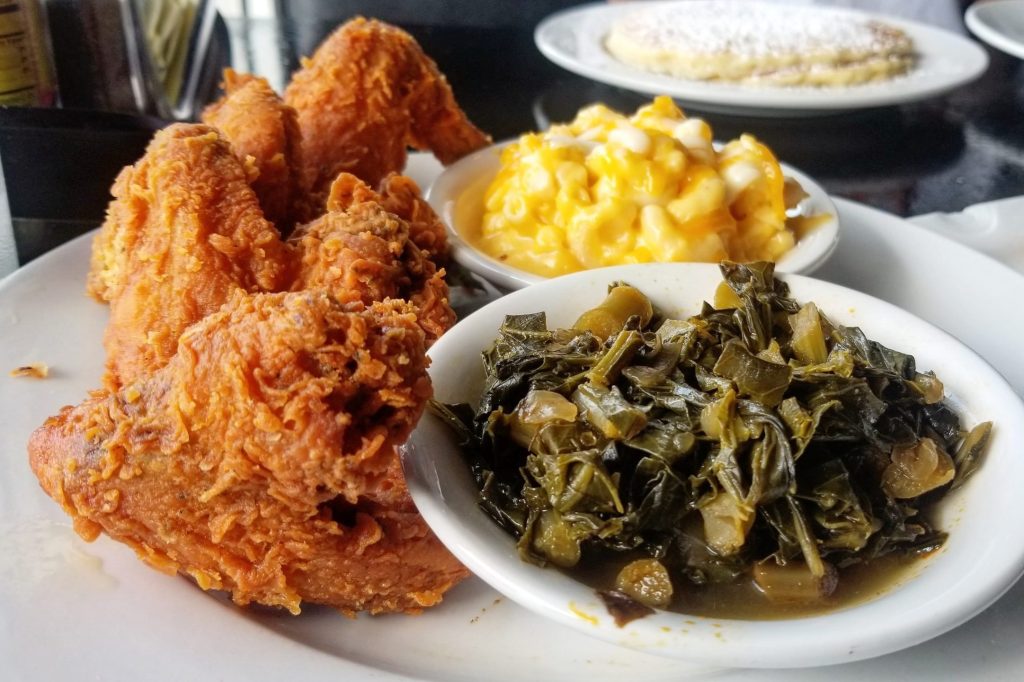
Cooking for someone in the South is often treated as a gesture of responsibility. Declining food can feel more complicated than simply saying no.
Manners Are Taught Early

Children are often corrected gently but consistently when it comes to politeness. Manners are treated as social tools, not restrictions.
Heat Is Treated Seriously

Summer heat in the South is not just uncomfortable, it shapes daily routines. Planning around temperature is considered practical, not dramatic.
Bless Your Heart Has Context

The phrase can signal kindness, sympathy, or quiet criticism depending entirely on tone. Understanding which one applies usually comes down to social awareness rather than words alone.
Comfort Foods Are Emotional
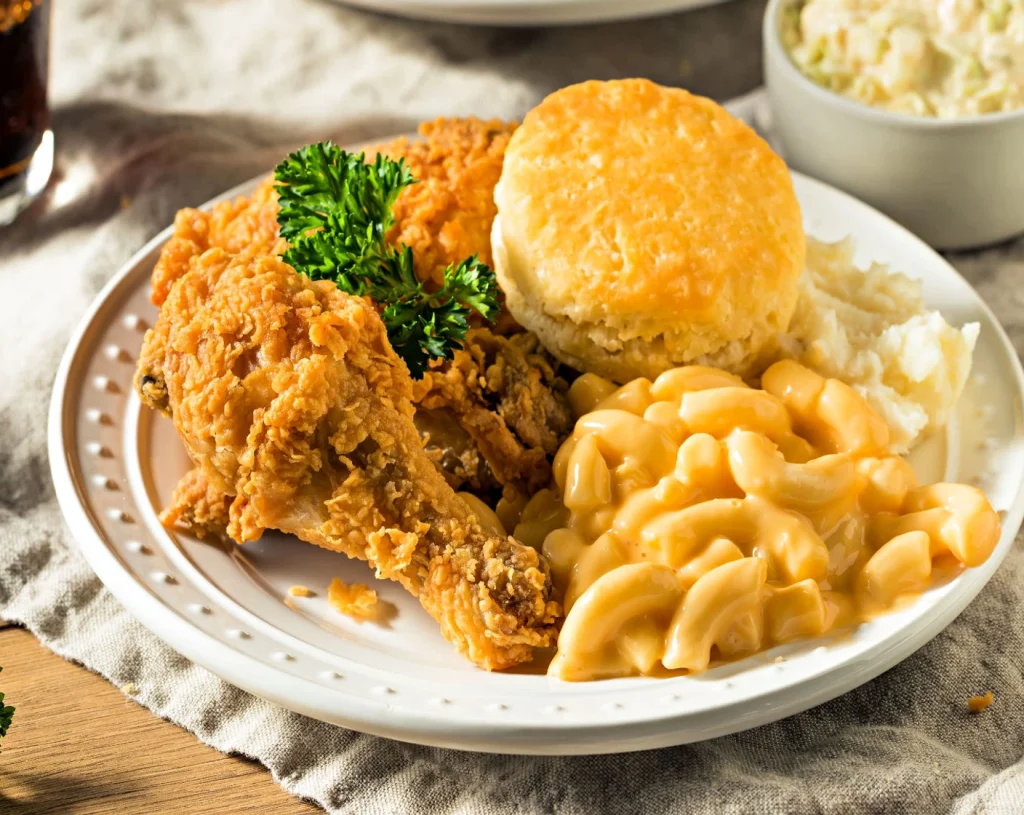
Certain dishes are tied to memory rather than taste alone. Recipes often carry family history along with flavor.
Storytelling Takes Its Time

Stories are often told with background and detail before reaching the point. The process is valued as much as the conclusion.
Accents Change by the Mile

Even within the same state, accents can shift noticeably. Locals often recognize where someone is from long before they say it outright.
Time Moves Differently

Schedules can be flexible depending on context. Being late is not always rude, but showing disregard for others is.
Roots Are Recognized Anywhere
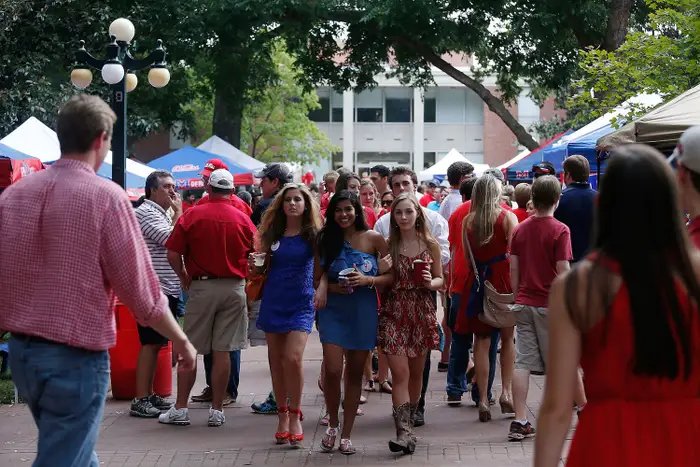
Many people raised in the South notice an immediate sense of familiarity when meeting another Southerner elsewhere. It shows up in language, pacing, and manners rather than appearance. That recognition often happens before either person mentions where they are from.