Humanity has always sought connection with forces greater than itself, leaving behind a legacy of deeply sacred spaces across the globe. These hallowed grounds have witnessed millennia of fervent prayers, quiet meditation, and profound pilgrimages. From ancient stone circles to towering architectural marvels, each location offers a unique window into the diverse belief systems that shape our world. Exploring these 30 profound destinations reveals how spiritual devotion has physically transformed landscapes and cities throughout history.
The Kaaba, Saudi Arabia
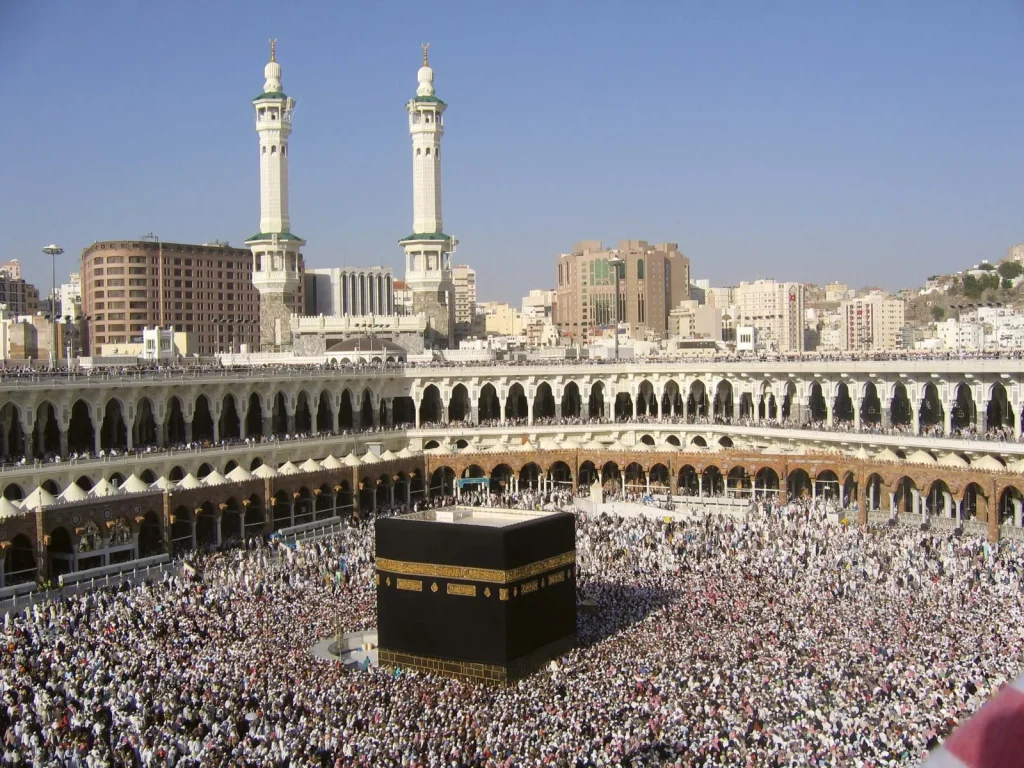
Located in the center of Mecca, this cubic structure represents the most sacred site in Islam. Millions of pilgrims circle the building counterclockwise during the annual Hajj. The black silk and gold curtain covering the exterior is completely replaced every single year.
St. Peter’s Basilica, Vatican City
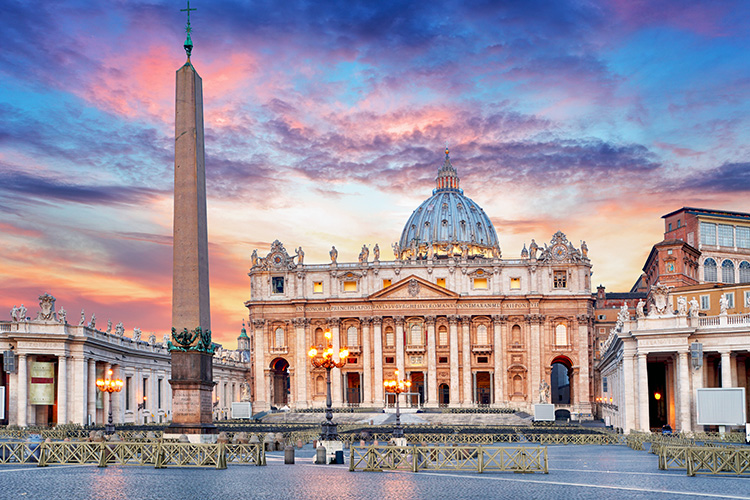
Renaissance architecture reaches its absolute zenith within this monumental Vatican City landmark. Catholic tradition dictates that the main altar sits directly above the tomb of Saint Peter himself. The sheer scale of the interior makes the massive bronze canopy over the main altar look perfectly proportional despite its towering height.
The Western Wall, Israel
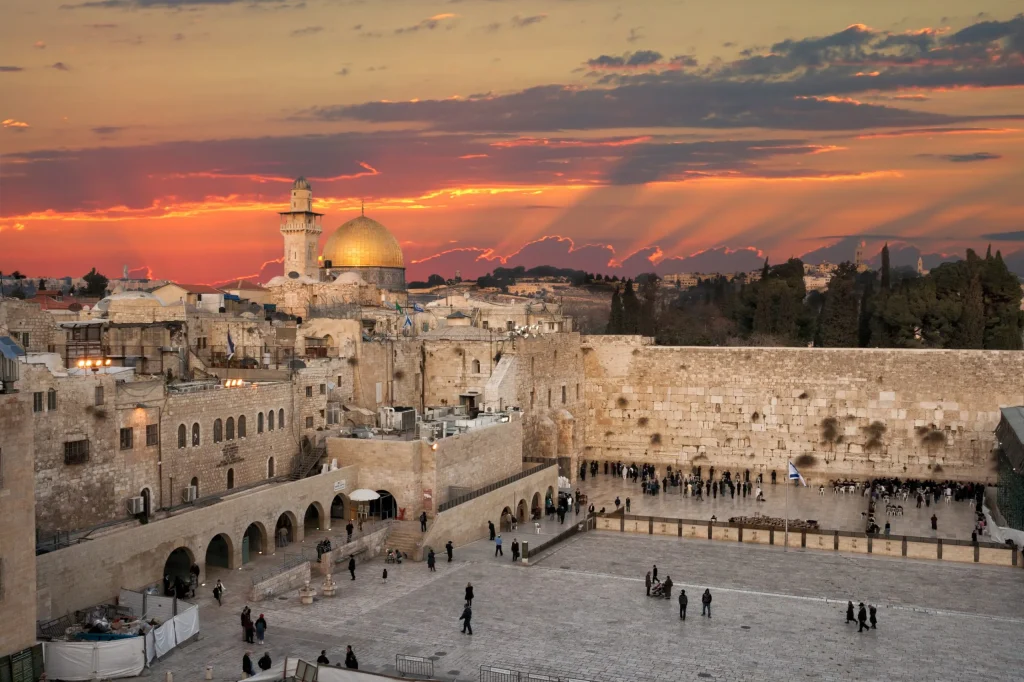
Massive limestone blocks form this ancient retaining wall in Jerusalem, drawing countless visitors for prayer. Worshippers traditionally place folded slips of paper containing written supplications into the deep crevices between the stones. Custodians gather these millions of notes twice a year to respectfully bury them on the nearby Mount of Olives.
The Ganges River In Varanasi, India
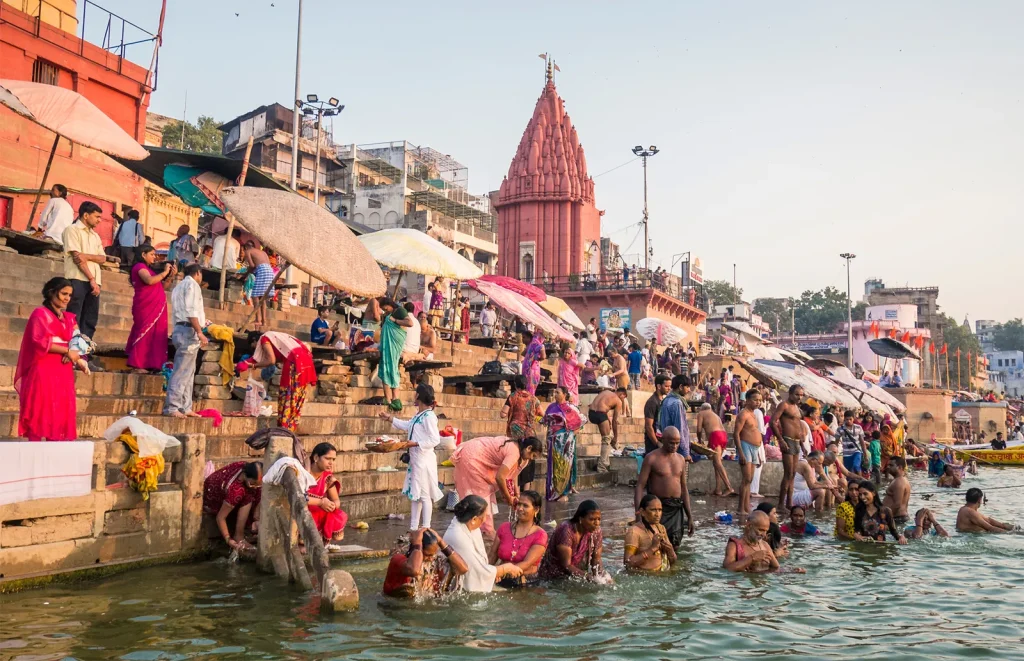
Flowing through one of the oldest continuously inhabited cities on Earth, these waters hold immense purifying significance in Hinduism. Devotees bathe in the river at sunrise to wash away their sins along the stone steps known as ghats. The city’s cremation grounds operate constantly, releasing ashes directly into the sacred current.
Mahabodhi Temple, India
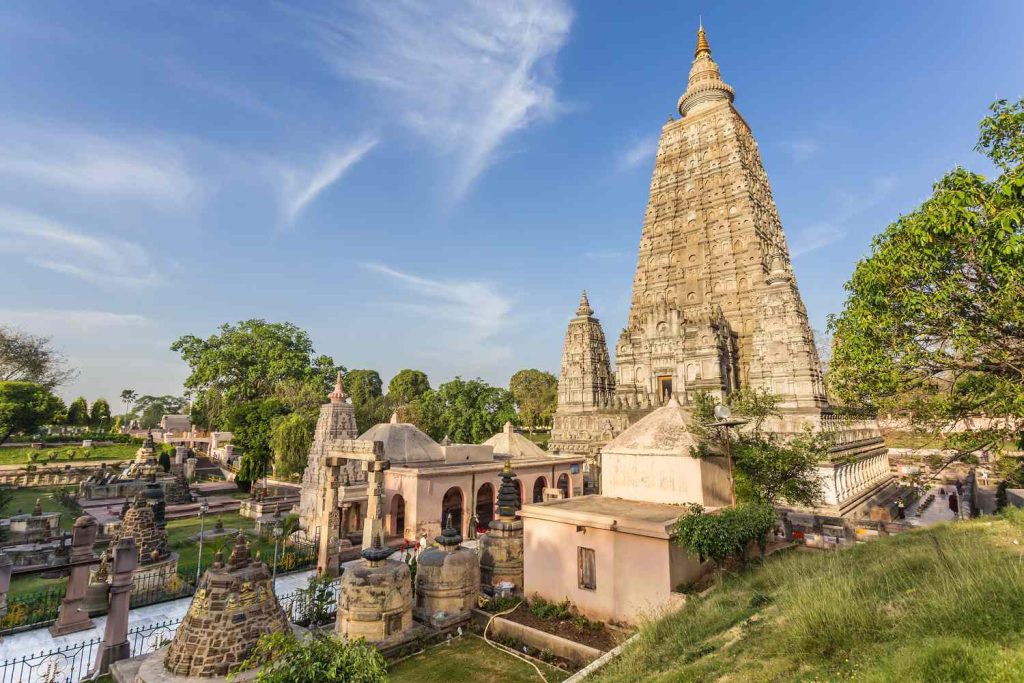
A descendant of the original Bodhi Tree shades the exact spot where Siddhartha Gautama attained enlightenment. Buddhist monks and practitioners travel to Bodh Gaya from all over the world to meditate in the surrounding complex. The spiritual atmosphere is heavily visually anchored by a massive fifty-meter brick tower.
The Golden Temple, India
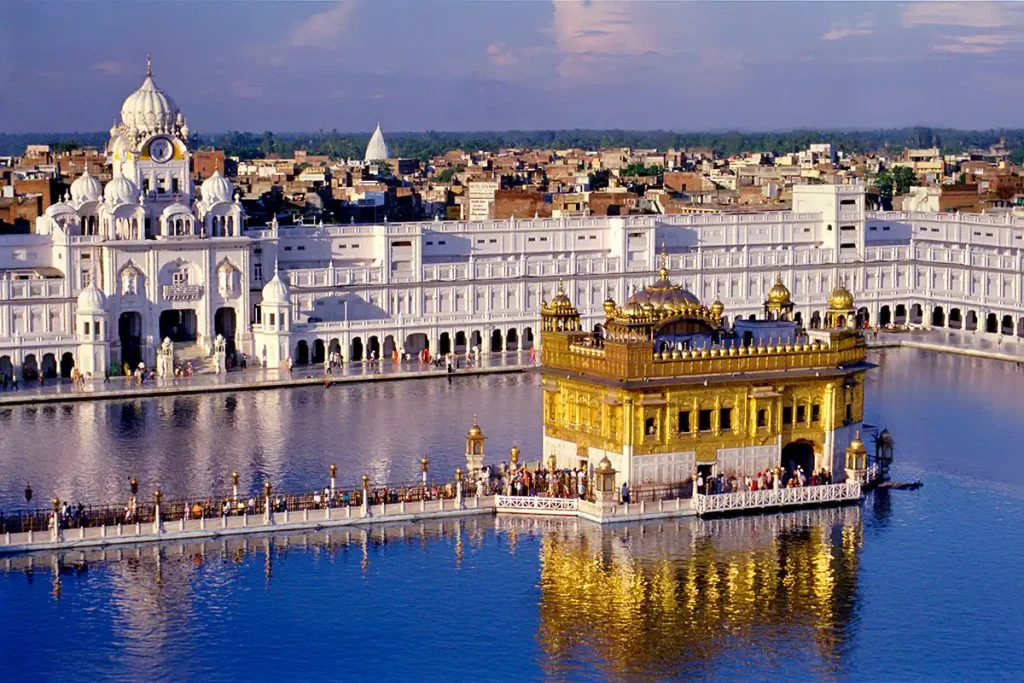
Sikhism’s central spiritual shrine appears to float on the waters of the Amrit Sarovar pool in Amritsar. The upper floors of the gurdwara are covered in hundreds of kilograms of pure gold leaf. Volunteers at the massive community kitchen serve free vegetarian meals to over one hundred thousand visitors every single day.
Church Of The Nativity
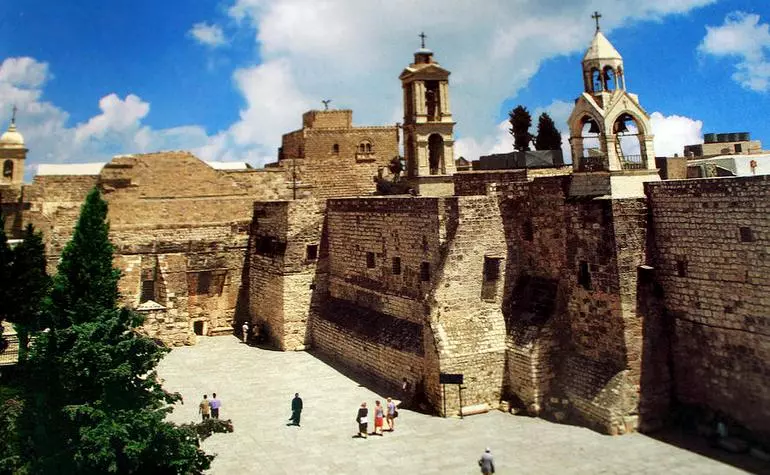
A silver star embedded in a marble floor marks the venerated birthplace of Jesus in Bethlehem. The building has survived multiple invasions and earthquakes since its original construction in the fourth century. Different Christian denominations share strict administrative control over specific sections of the basilica. Clashes between rival clerics over cleaning boundaries have occasionally required police intervention to restore order.
Shrine Of Our Lady Of Guadalupe, Mexico
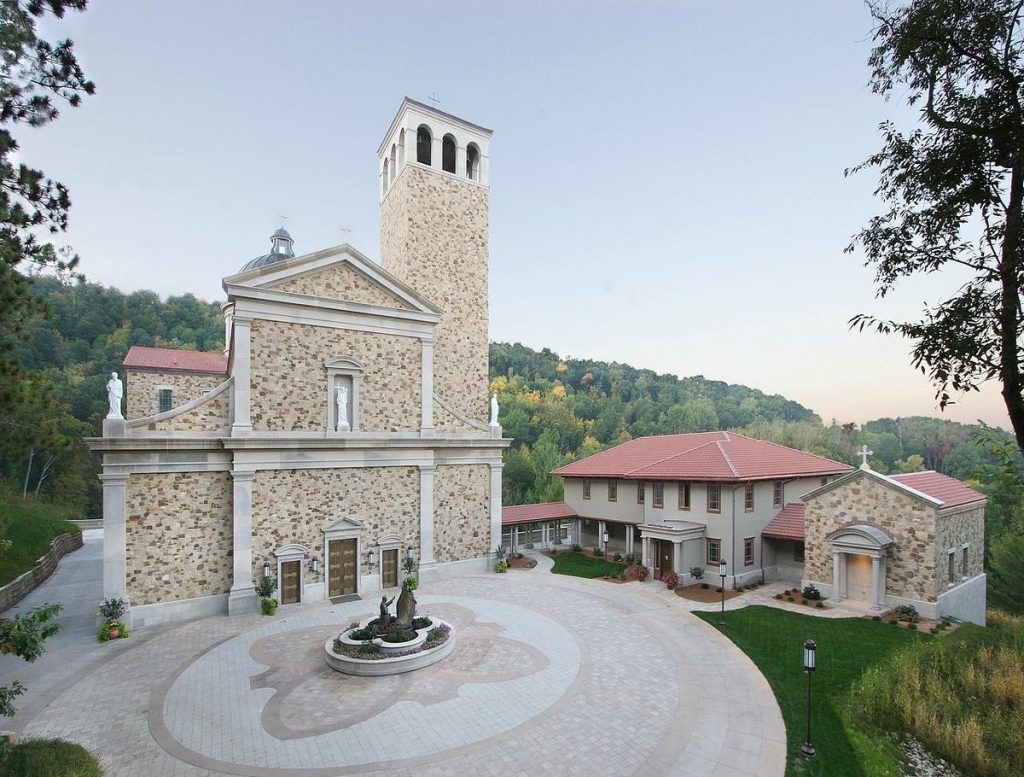
Mexican Catholic identity is deeply intertwined with this massive basilica located in Mexico City. The original cloak bearing the miraculous image of the Virgin Mary hangs safely above the main altar. A moving walkway transports the millions of annual pilgrims past the relic to prevent massive crowd bottlenecks.
Sanctuary Of Our Lady Of Lourdes, France
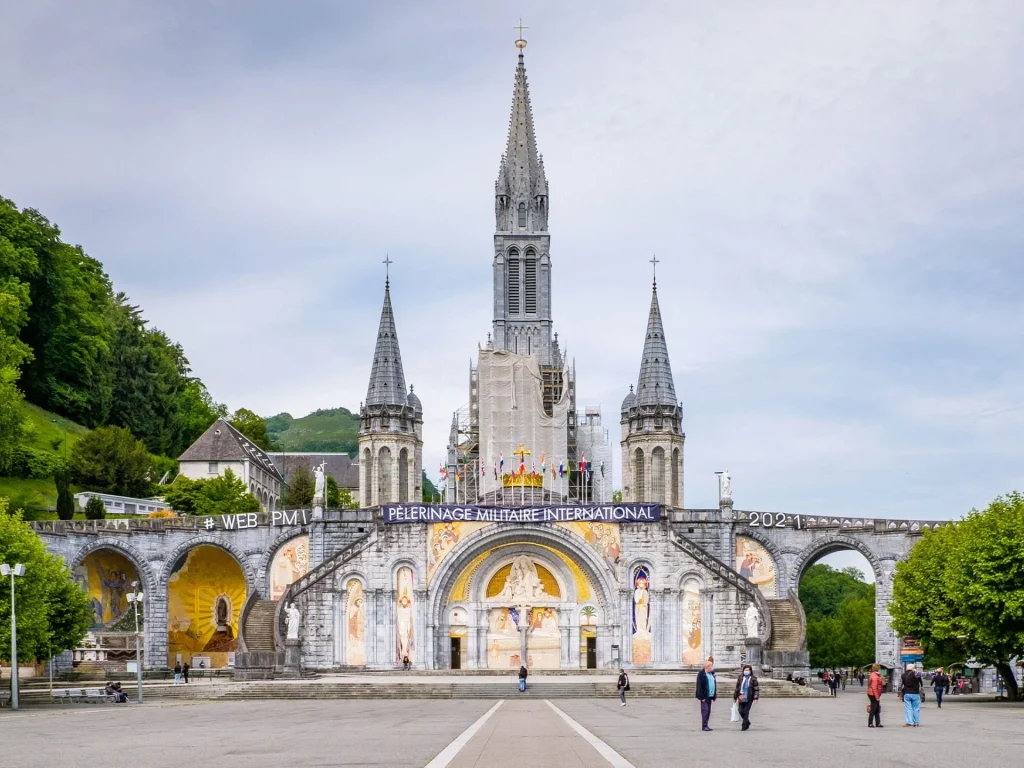
Spring water flows from the Grotto of Massabielle, attracting individuals seeking physical and spiritual healing. The site gained global prominence following a series of Marian apparitions reported by a local peasant girl. Medical bureaus established by the church strictly investigate every single claim of miraculous recovery associated with the sacred waters.
Mount Sinai, Egypt
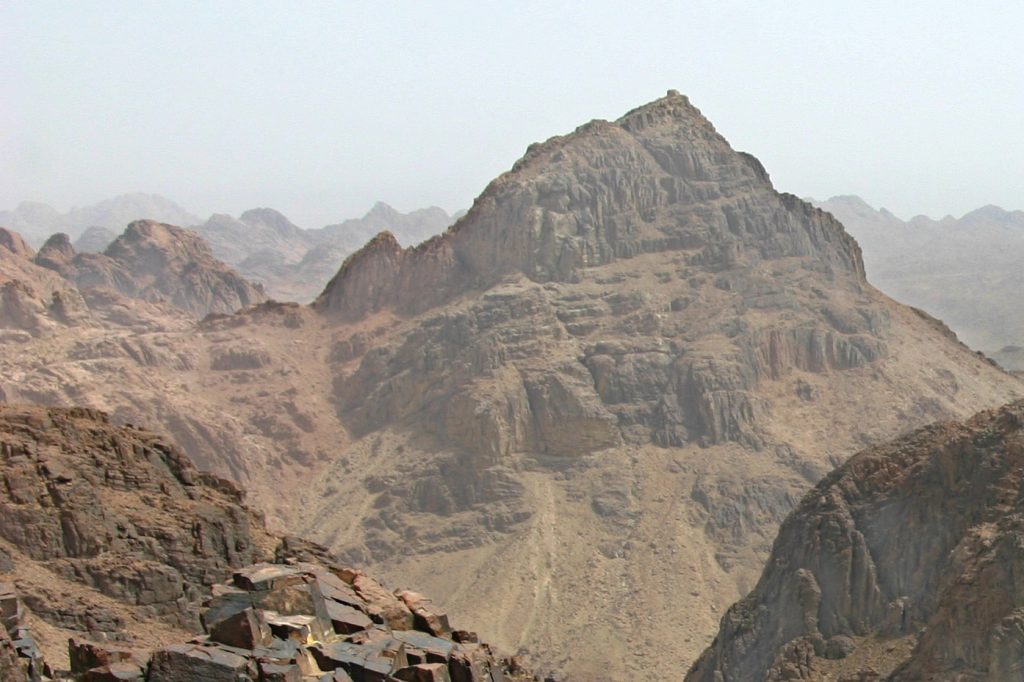
Rising sharply from the arid desert landscape, this rugged peak is revered across Judaism, Christianity, and Islam. Pilgrims often begin their arduous trek in the middle of the night to witness the sunrise from the summit. The descent usually concludes at one of the oldest continuously operating libraries in the world at the base of the mountain.
Shrine Of The Bab, Israel
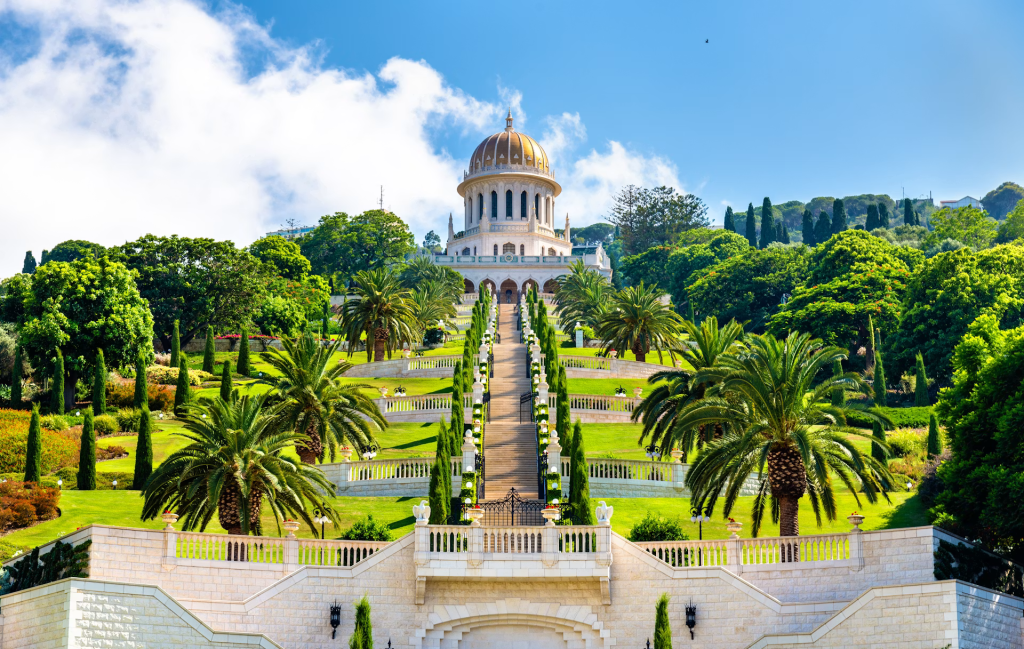
Terraced gardens cascade down the slopes of Mount Carmel in Haifa, framing this magnificent Baha’i monument. The golden dome serves as the final resting place for the religion’s herald. Intense aesthetic precision defines the grounds, requiring a massive team of specialized gardeners to maintain the perfect symmetry.
Mount Kailash, China
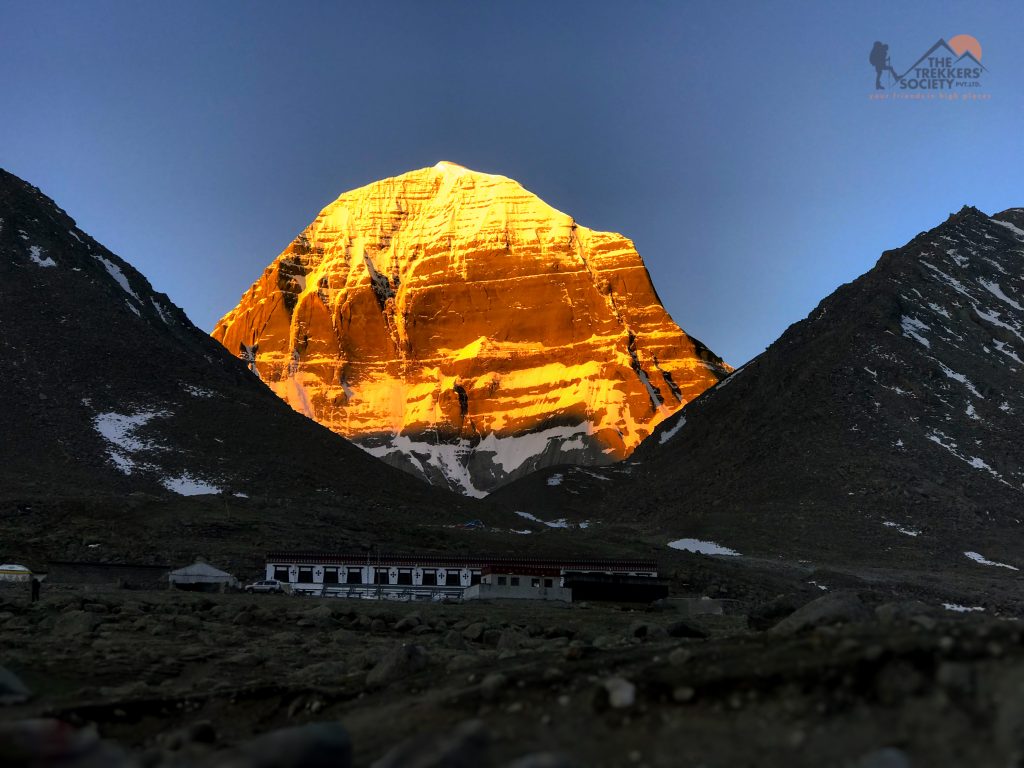
Isolated deep within the Tibetan plateau, this distinctively shaped peak is considered the axis of the universe by four different global religions. Devout pilgrims perform a challenging fifty-two-kilometer circumambulation around the base of the mountain at extremely high altitudes. Scaling the summit is strictly forbidden by local authorities out of respect for its profound religious significance.
Lumbini, Nepal
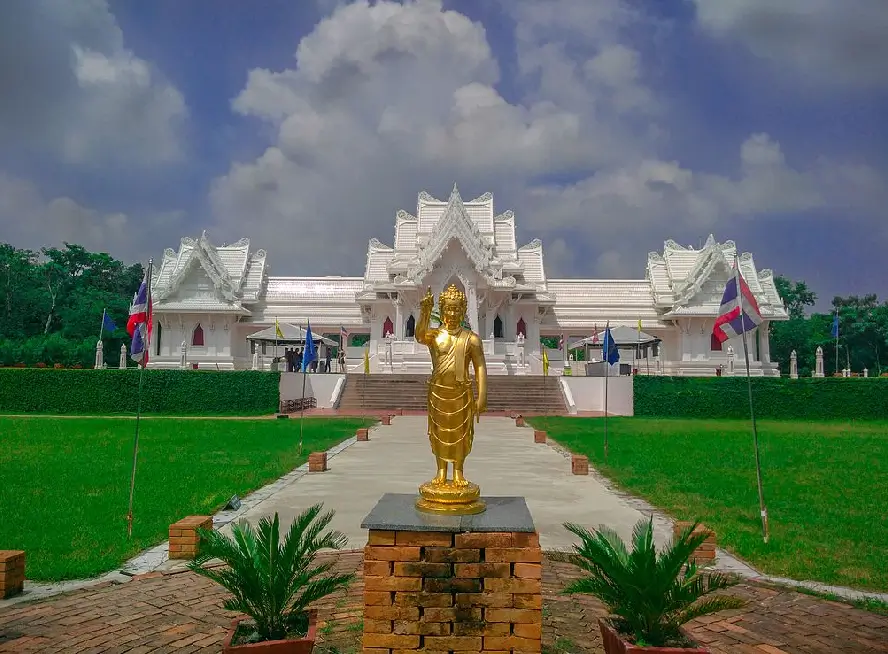
Archaeological ruins mark the historical birthplace of the Buddha near the modern Indian border. The sacred garden area features a stone pillar erected by Emperor Ashoka to commemorate his ancient royal pilgrimage. Monasteries representing completely different global Buddhist traditions surround the central ancient temple complex.
Angkor Wat, Cambodia
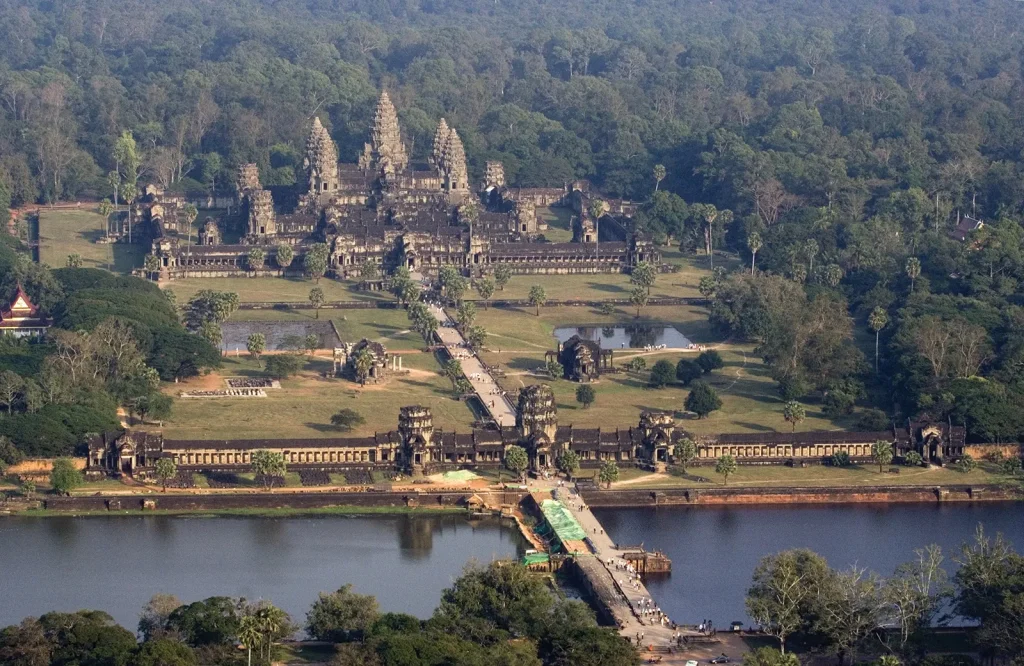
Originally constructed as a Hindu temple dedicated to Vishnu, this massive complex gradually transformed into a sprawling Buddhist site. Intricate bas-reliefs stretching for hundreds of meters depict epic mythological battles and celestial dancers. The entire architectural layout is perfectly aligned with the morning sun during the spring equinox.
Machu Picchu, Peru
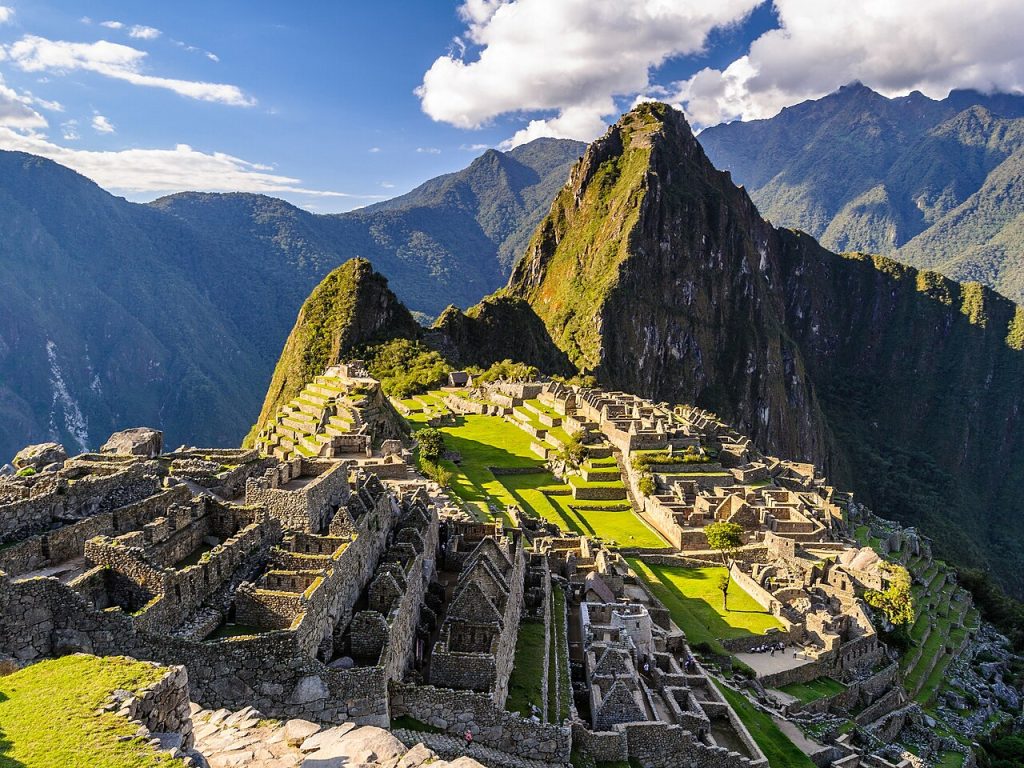
Incan priests built this remote stone citadel high in the Andes mountains closer to the sun god Inti. The precise masonry techniques allowed the structures to survive centuries of severe seismic activity without the use of mortar. The Intihuatana stone functions as a sophisticated astronomical clock tightly tied to ancient agricultural rituals.
Stonehenge, United Kingdom
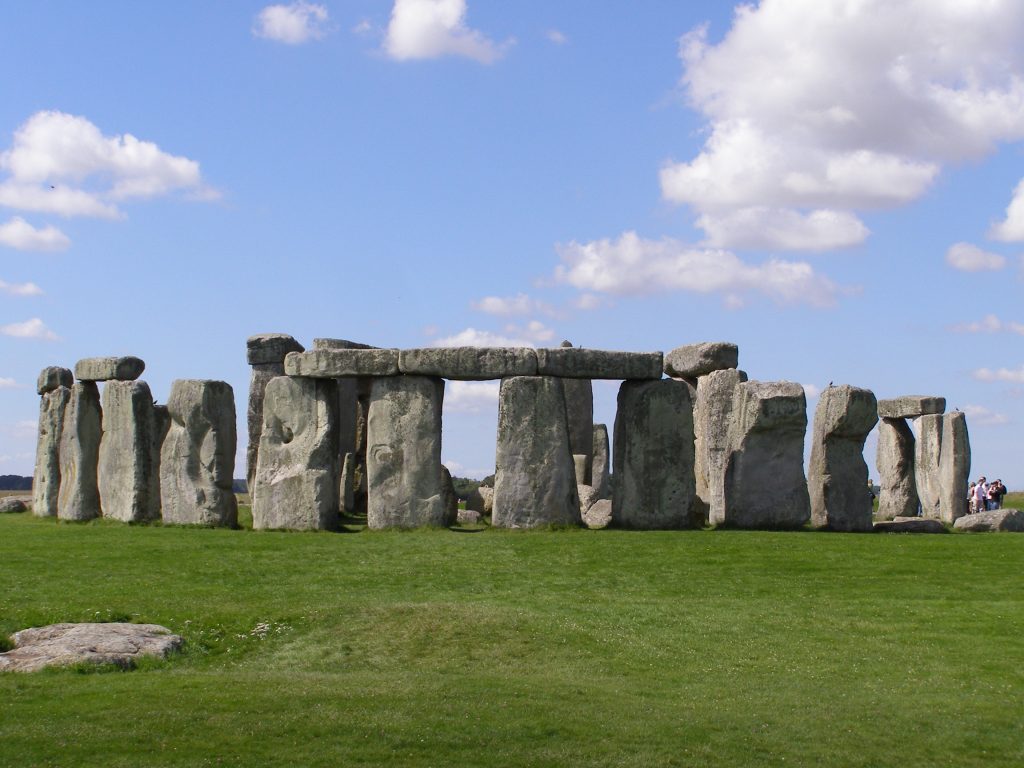
Massive sarsen stones stand in a perfect circular formation on the sweeping Salisbury Plain. Modern pagans and druids still gather at the prehistoric monument to celebrate the summer and winter solstices. The exact methods used to transport the massive bluestones from Wales remain a subject of intense archaeological debate.
Uluru, Australia
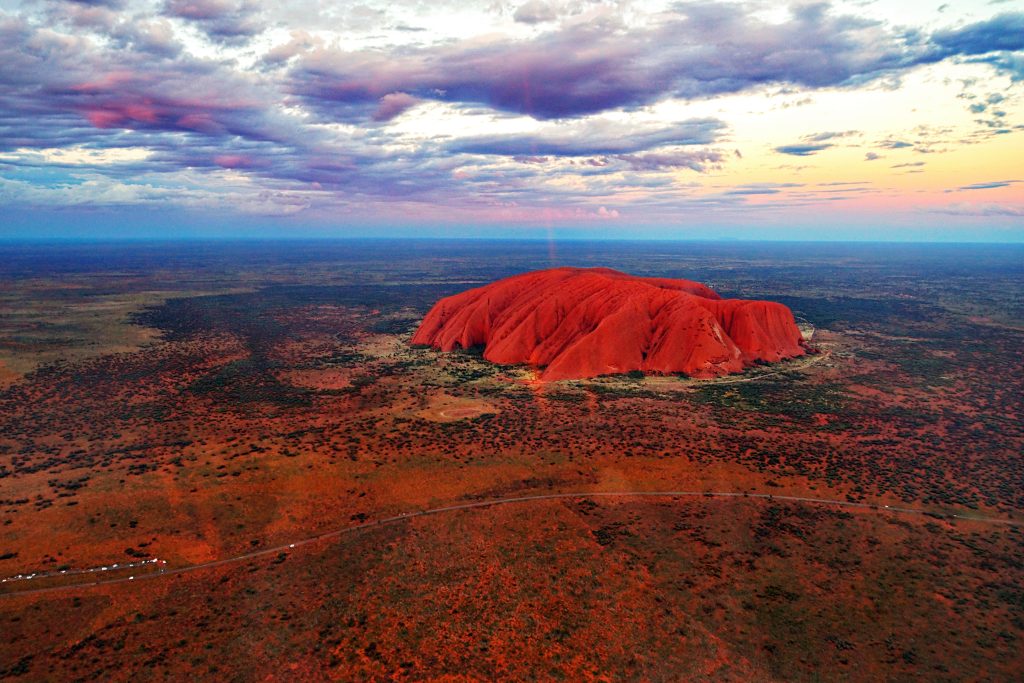
A massive sandstone monolith dominates the arid landscape of the deep Outback. The site holds immense spiritual importance for the local Anangu people, with numerous ancient rock art sites detailing the creation stories of the surrounding environment. Climbing the red rock formation was permanently banned to honor the profound cultural beliefs of its traditional owners.
Meiji Shrine, Japan
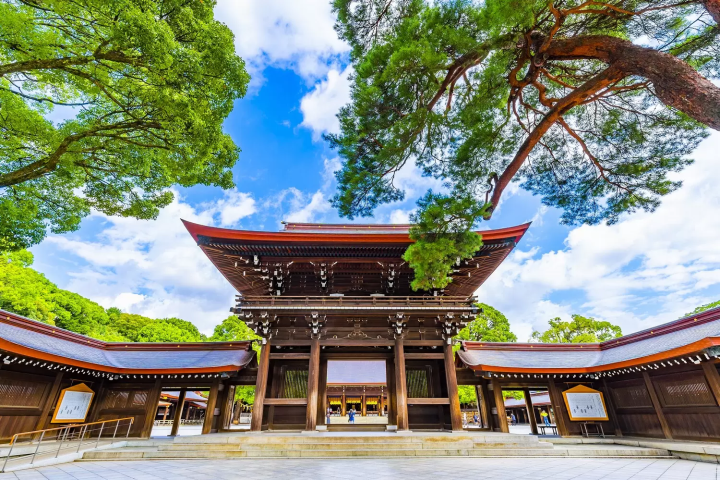
A dense, artificially created forest isolates this tranquil Shinto sanctuary from the neon chaos of central Tokyo. The shrine is dedicated to the deified spirits of Emperor Meiji and his consort. Visitors write their deepest wishes on small wooden plaques called ema, leaving them hanging on massive display boards around the main courtyard.
Borobudur, Indonesia
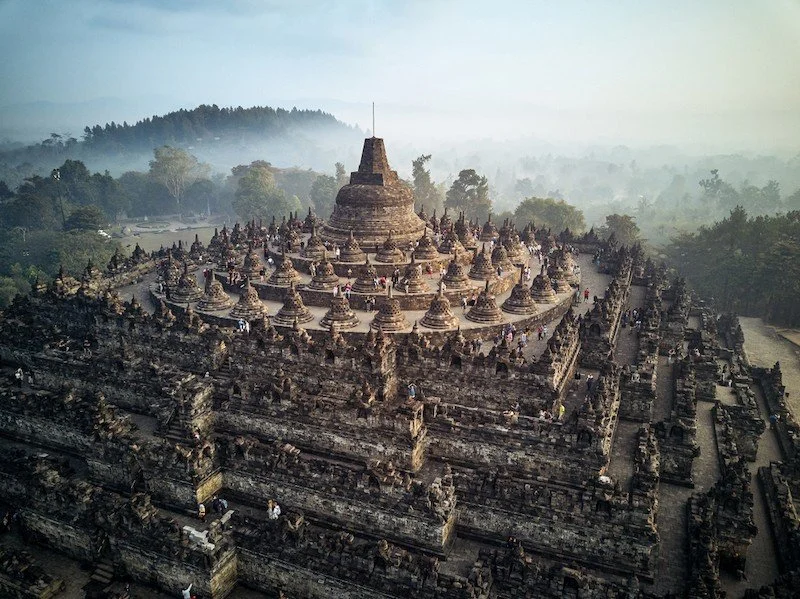
Nine stacked platforms constructed from volcanic stone form the largest Buddhist temple in the world. Over two thousand relief panels guide pilgrims through complex spiritual teachings as they ascend to the very top. The upper circular levels feature dozens of perforated stupas, each housing a seated Buddha statue overlooking the dense tropical canopy.
Mount Athos, Greece
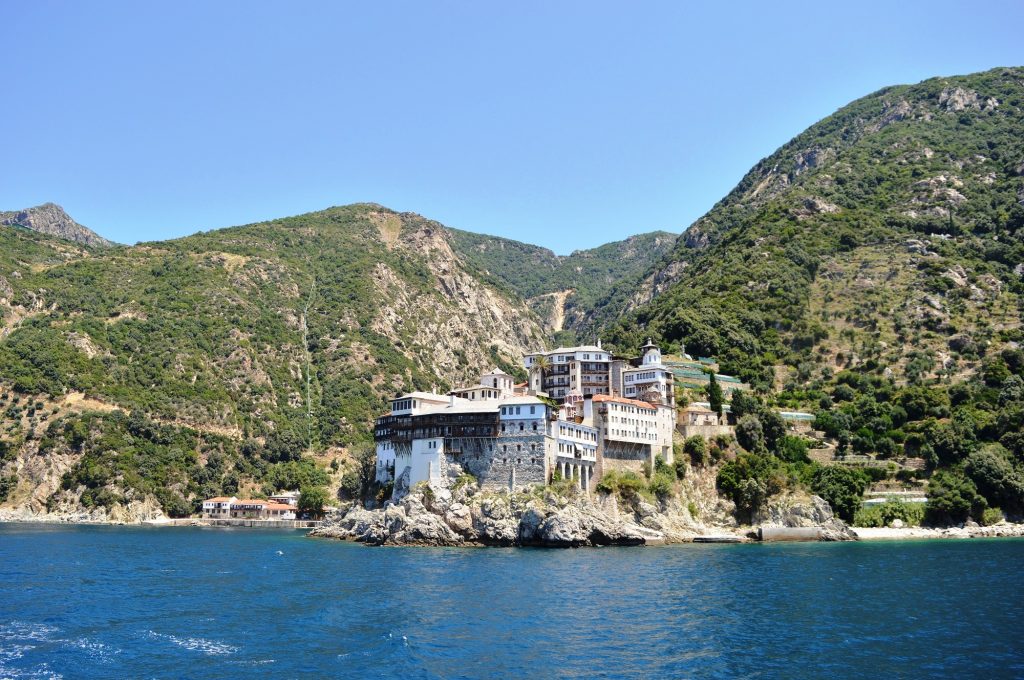
This autonomous peninsula operates as a monastic republic strictly dedicated to Eastern Orthodox Christianity. Twenty distinct monasteries cling to the rocky Mediterranean cliffs, housing monks who live in near total isolation. The territory enforces a historic ban that strictly prevents any women from ever stepping foot on the peninsula.
Meteora, Greece
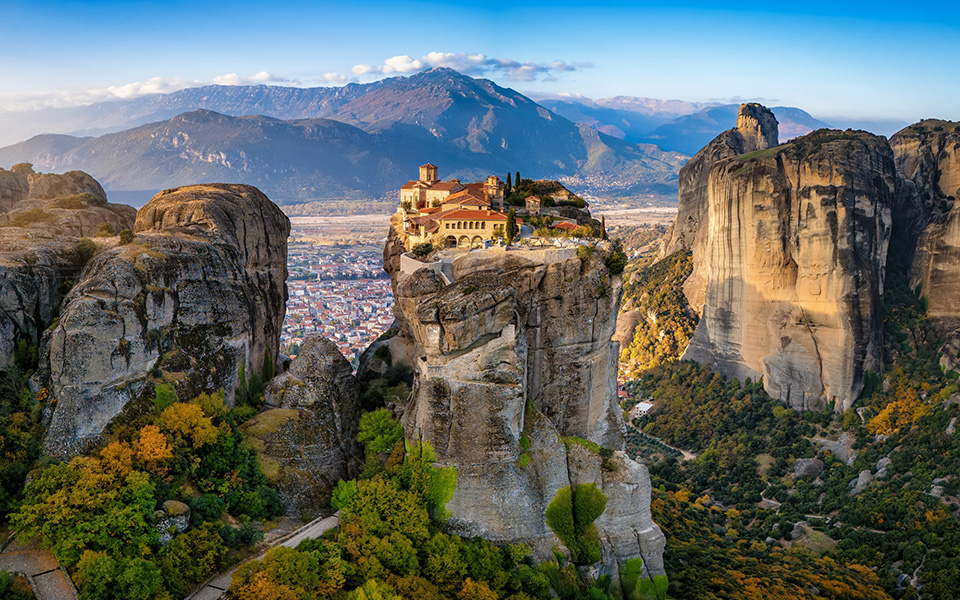
Pillars of sandstone rise abruptly from the plains, topped by impossibly placed medieval monasteries. The original ascetic monks used rudimentary rope nets and retractable ladders to reach these highly isolated sanctuaries. Only six of the original twenty-four religious complexes remain fully active and accessible today.
Sanctuary Of Fatima, Portugal
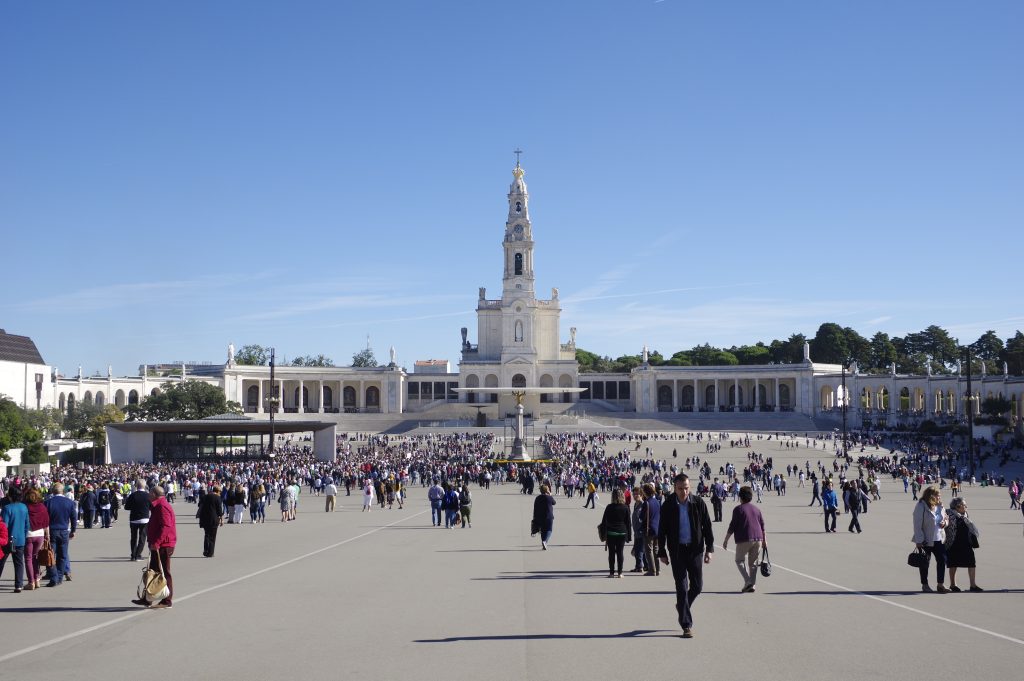
The region became a major center for Catholic pilgrimage following reports of Marian apparitions to three young shepherd children. A massive neo-classical basilica anchors a sprawling complex designed specifically to accommodate enormous crowds of devotees. The Chapel of the Apparitions marks the exact spot of the visions with a simple wooden column.
Mount Fuji, Japan
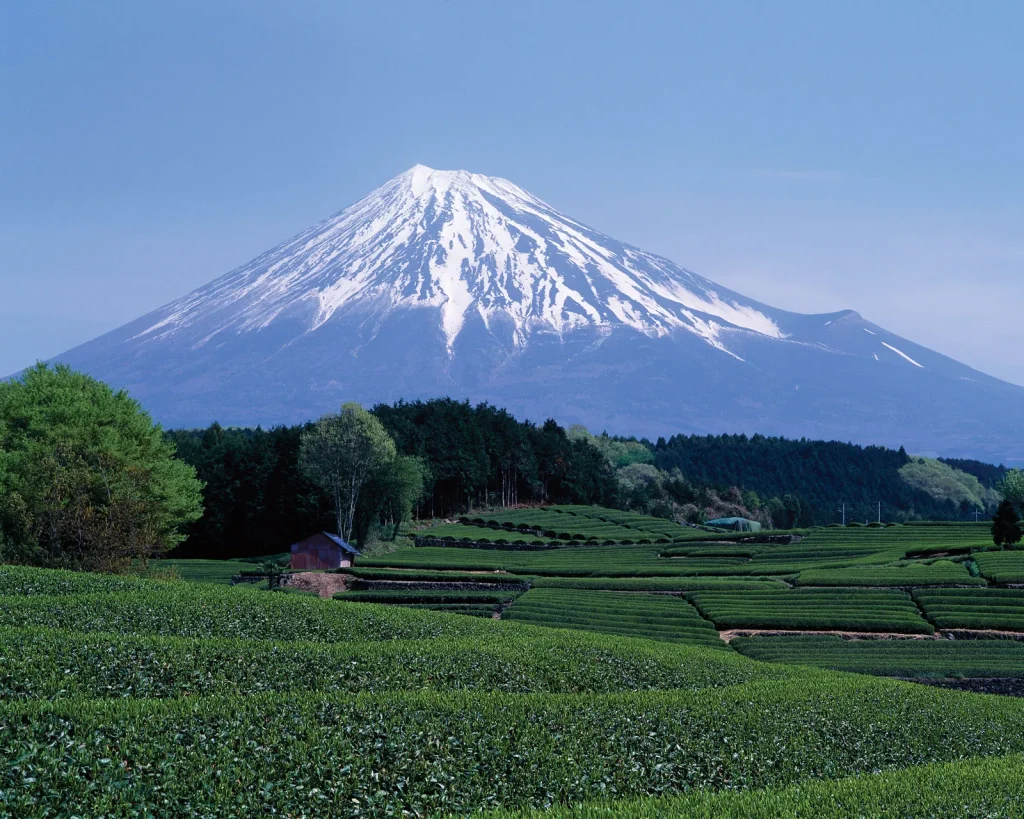
The iconic stratovolcano has inspired centuries of artistic devotion and intense religious pilgrimage across the nation. Shinto shrines dot the ascending trails, offering spiritual guidance to those attempting the challenging summer climb. Thousands of hikers time their ascents perfectly to catch the exact moment the morning sun crests the horizon from the summit.
Al-Masjid An-Nabawi, Saudi Arabia
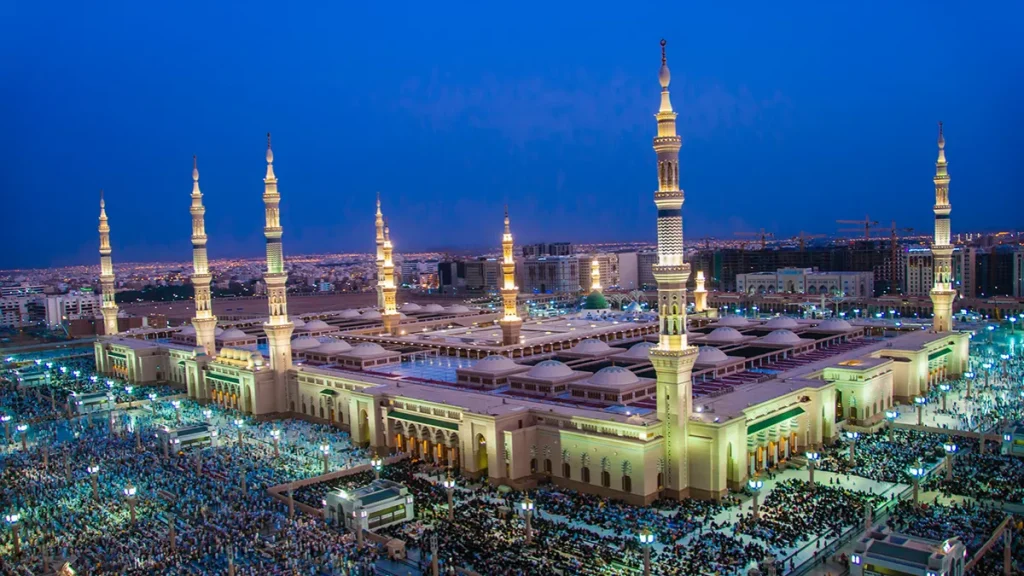
The Prophet’s Mosque in Medina stands proudly as the second holiest site in the Islamic faith. The iconic Green Dome directly covers the final resting place of the Islamic prophet Muhammad. Massive motorized umbrellas deploy across the courtyard daily to shade thousands of worshippers from the intense desert sun.
The Great Mosque Of Djenne, Mali
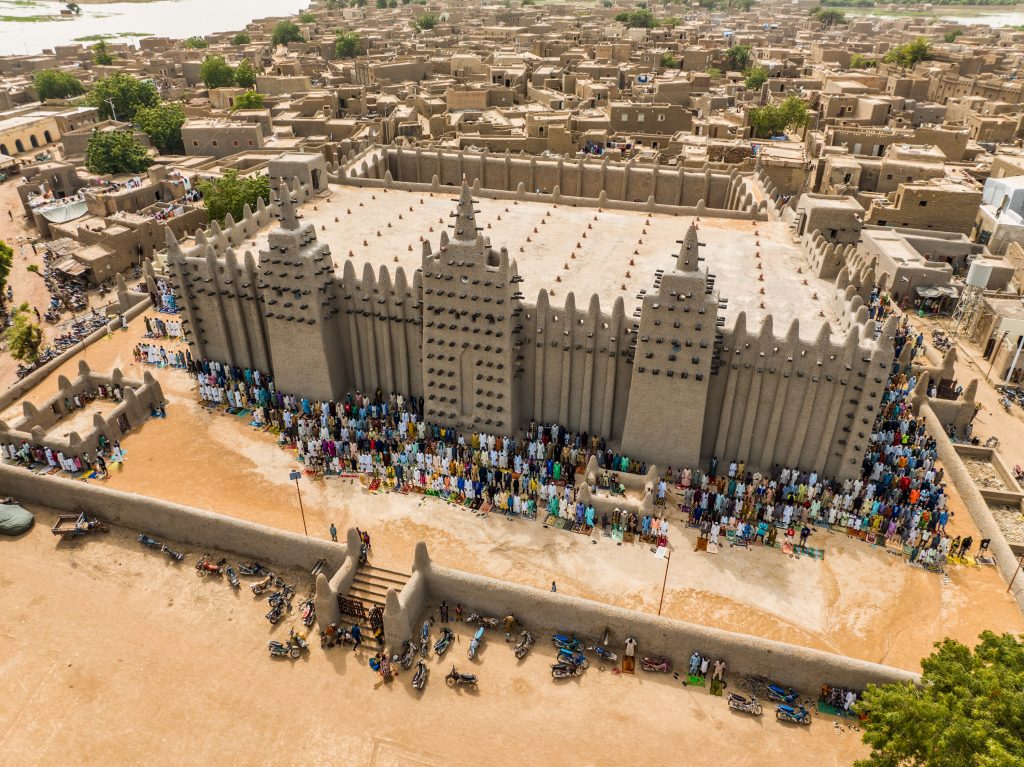
Rising majestically from the floodplains, this architectural marvel holds the record as the largest mud-brick building in the world. The entire community gathers annually for a massive festival to physically re-plaster the walls after the harsh rainy season. They use the permanent structural wooden beams jutting from the facade as built-in scaffolding.
Kinkaku-Ji, Japan
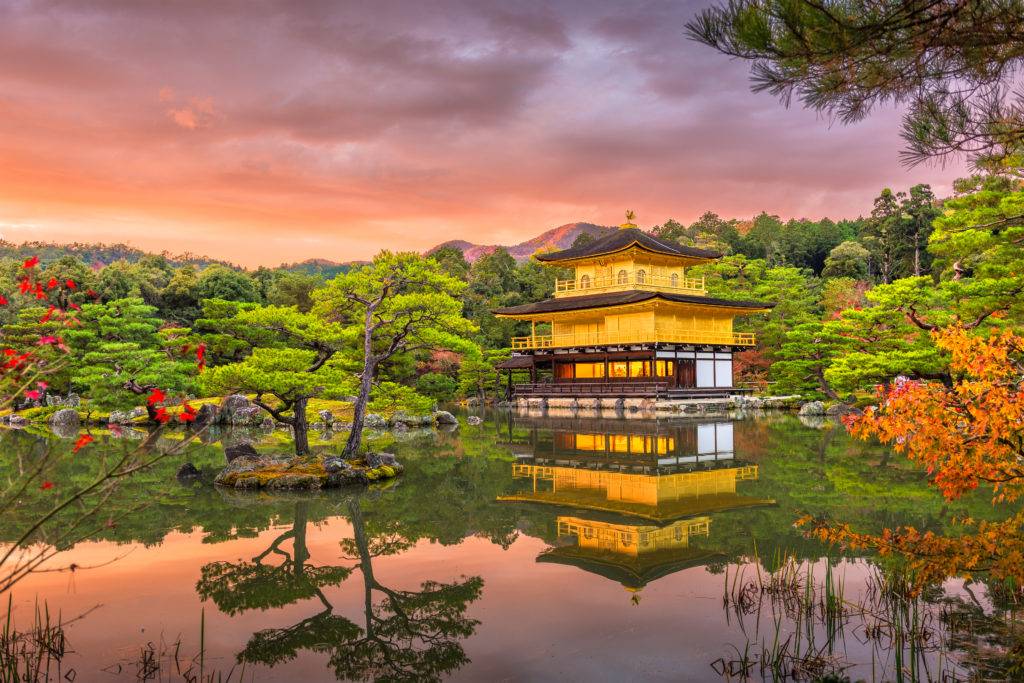
The top two floors of this Zen Buddhist temple in Kyoto are completely covered in brilliant, blinding gold leaf. The structure reflects perfectly in the adjacent mirror pond, creating a profound sense of visual harmony in the surrounding garden. A devastating fire destroyed the historic pavilion during the twentieth century, leading to its precise and stunning modern reconstruction.
Temple Of Heaven, China
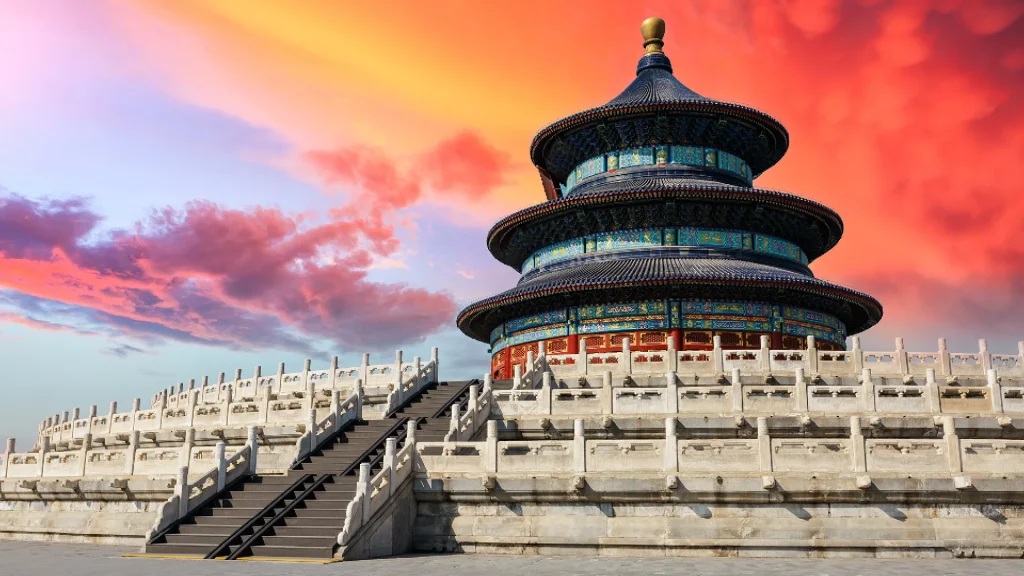
Ming and Qing dynasty emperors visited this sprawling complex in Beijing for annual ceremonies of prayer for good agricultural harvests. The architectural layout heavily relies on precise ancient numerology, with structural pillars representing both the seasons and months. The intricate wooden structures were built entirely without the use of a single metallic nail.
Glastonbury Tor, United Kingdom
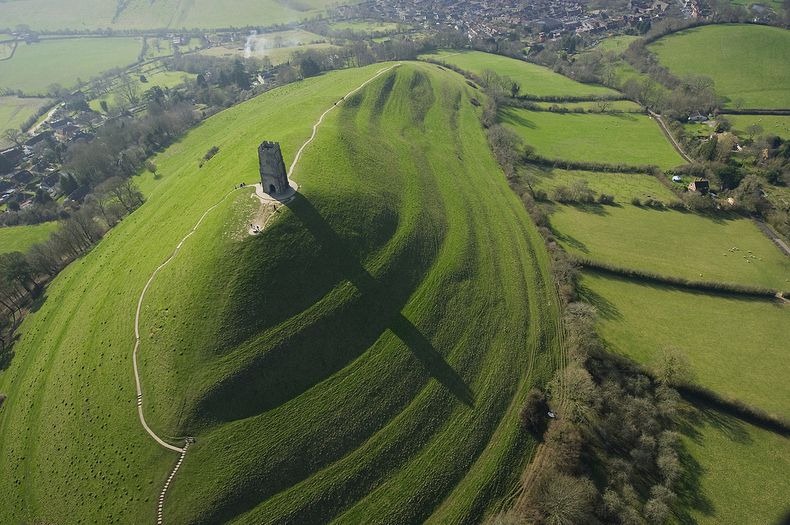
An ancient conical hill rising from the Somerset levels is deeply steeped in Arthurian legend and pagan mythology. The ruined tower of St Michael stands alone at the summit, battered constantly by intense coastal winds. Underground iron-rich springs at the base run bright red, a natural phenomenon historically interpreted as the physical blood of the land.
Adam’s Peak, Sri Lanka
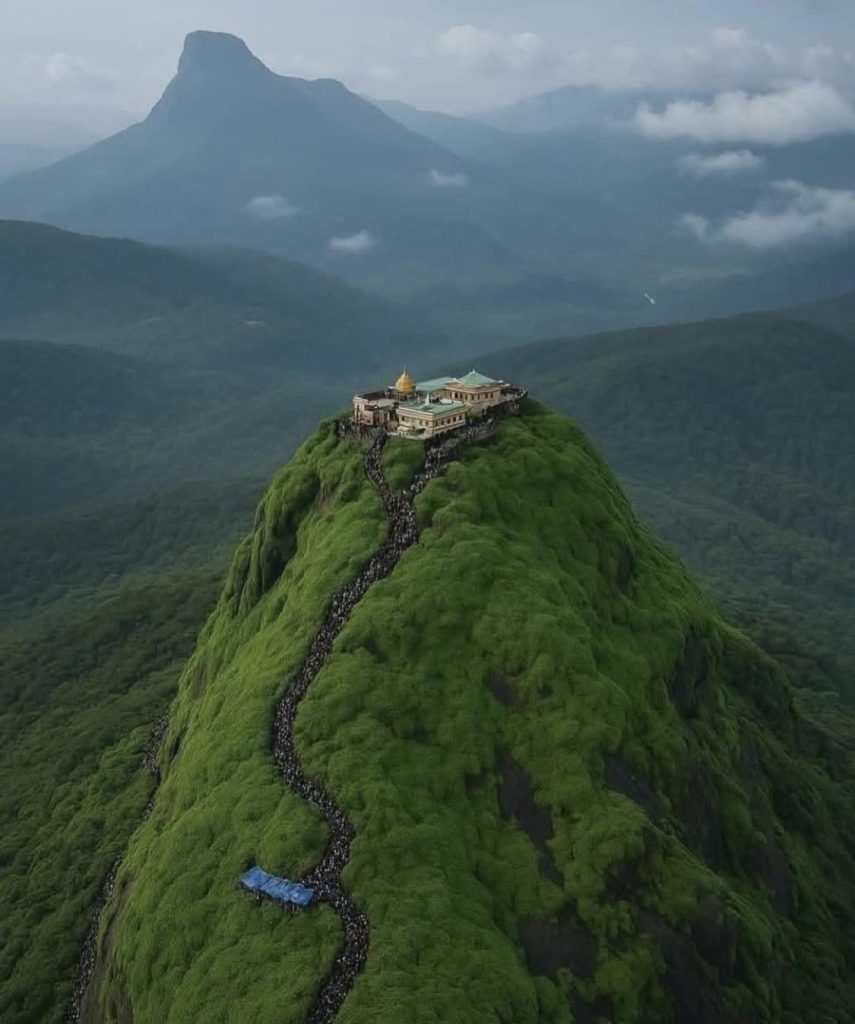
A unique footprint depression near the summit of this mountain draws incredibly varied spiritual devotion. Buddhists believe it belongs to Buddha, Hindus claim it is Shiva, while Christians and Muslims attribute the mark to Adam. The physical climb involves navigating thousands of steep stone steps, a feat usually attempted during the cool, dark night hours.
Church Of Our Lady Mary Of Zion, Ethiopia
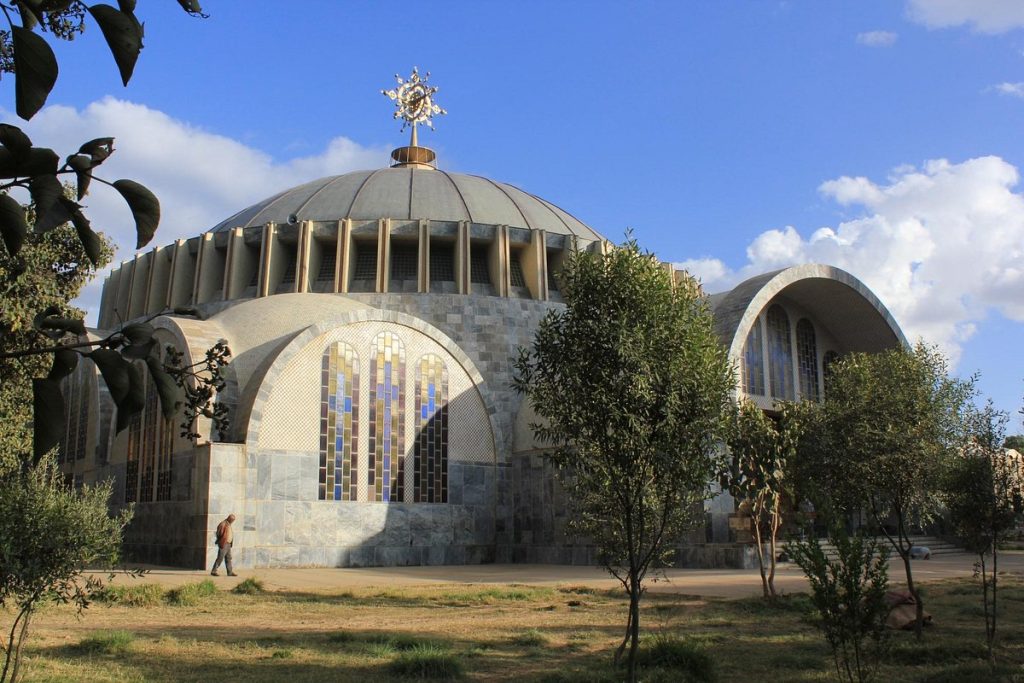
This modest chapel in Aksum claims to house one of the most legendary and heavily sought-after artifacts in human history. The Ethiopian Orthodox church insists the biblical Ark of the Covenant rests securely within its closely guarded walls. A single virgin monk is appointed for life to protect the relic, completely forbidding anyone else on Earth from ever seeing the object.