Everyone has a movie they’re told is a masterpiece but leaves them wondering what all the fuss is about. Over the past few decades, certain films have been praised, overhyped, and elevated to near-mythic status… sometimes far beyond what they deliver. From blockbuster juggernauts to awards-season darlings, plenty of titles have sparked debate about whether they truly earned their reputations. This list breaks down the movies audiences most often call overrated, exploring why their hype doesn’t always match the experience. Love them or hate them, these films prove that even the biggest hits aren’t immune to criticism.
American Hustle
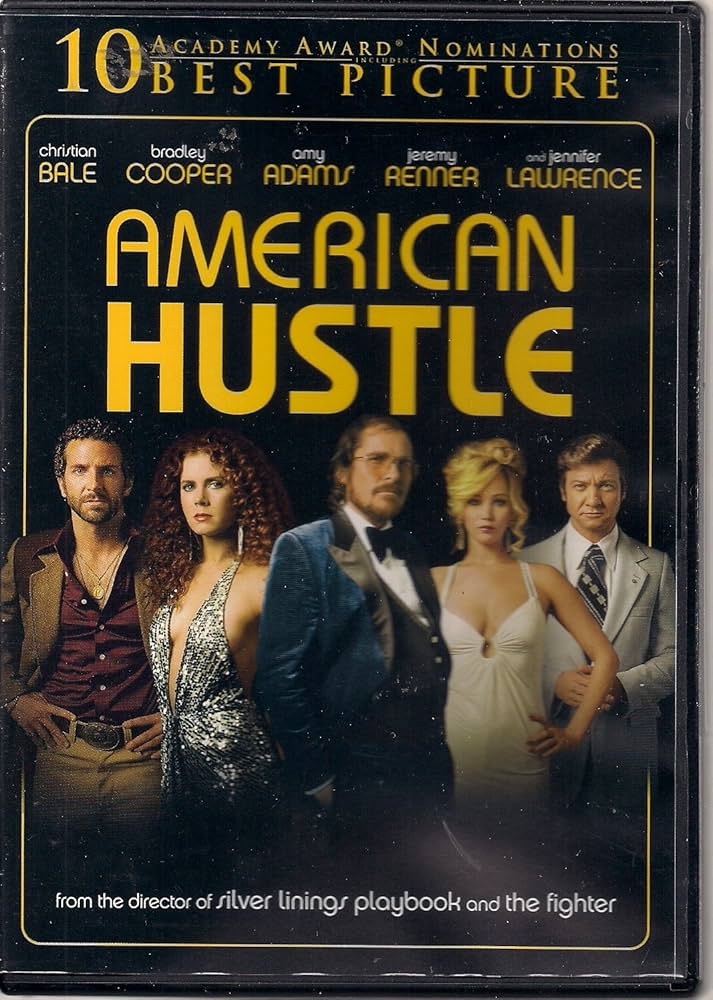
A glossy crime caper packed with big performances, American Hustle arrived with enormous awards-season heat. Once the shine wears off, the story reveals itself as fairly thin beneath its flashy costumes and swagger. Its reputation grew faster than the film itself earned.
Joker
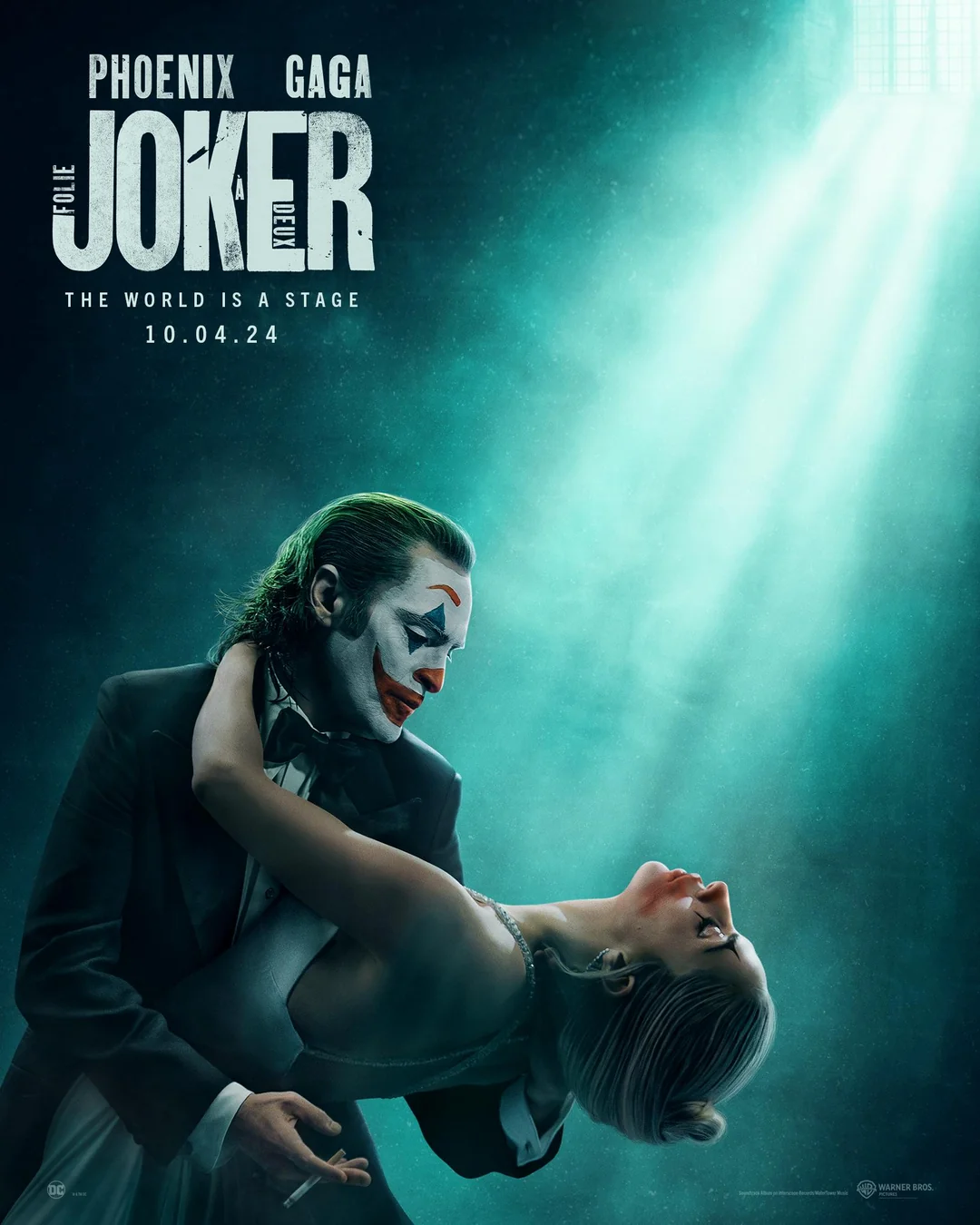
Joker takes big swings in style and tone, but its influences hover over every scene. The film’s heavy symbolism and bleak self-seriousness sparked ongoing debate about how much it truly has to say. Its cultural moment may be louder than the message behind it.
Faster, Pussycat! Kill! Kill!
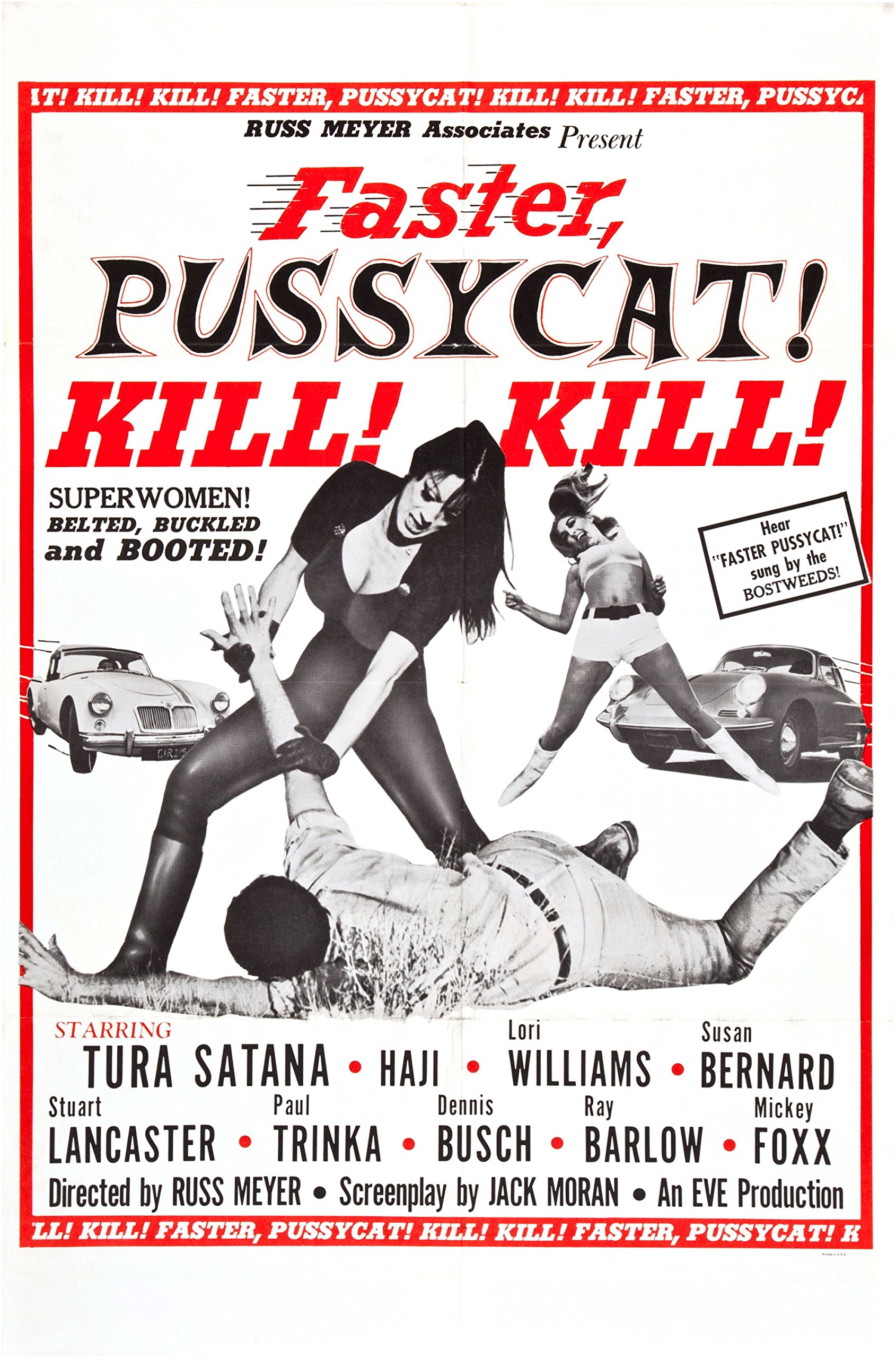
A cult classic with a legendary reputation, this grindhouse romp promises far more chaos than it delivers. Its campy attitude and striking visuals are fun, but the story can feel repetitive and less daring than its status suggests. It’s a film whose mythology sometimes overshadows the movie itself.
Avatar
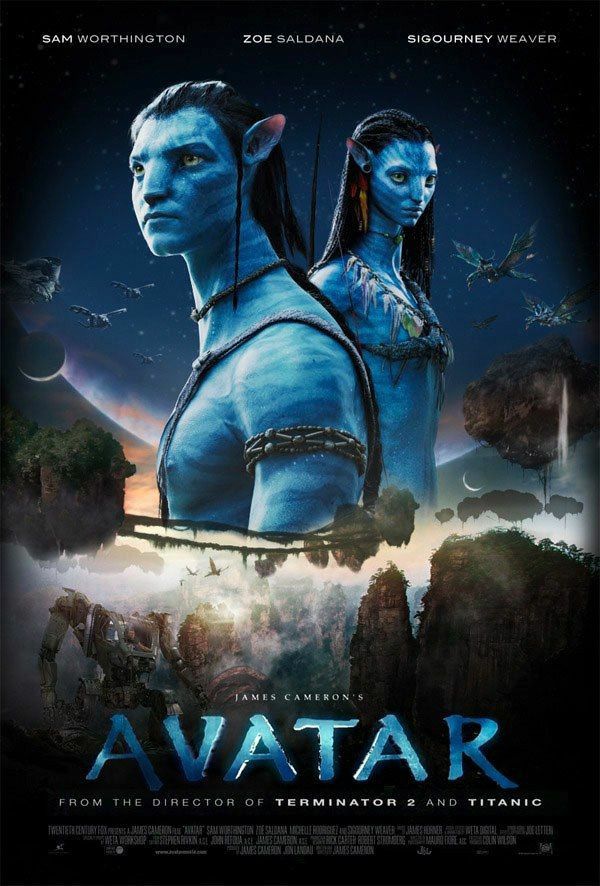
James Cameron’s sci-fi epic stunned audiences with groundbreaking technology, especially in 3D. Strip away the visual spectacle, however, and the story leans heavily on familiar tropes and predictable emotional beats. Its monumental box-office success creates expectations the narrative can’t match.
The Godfather
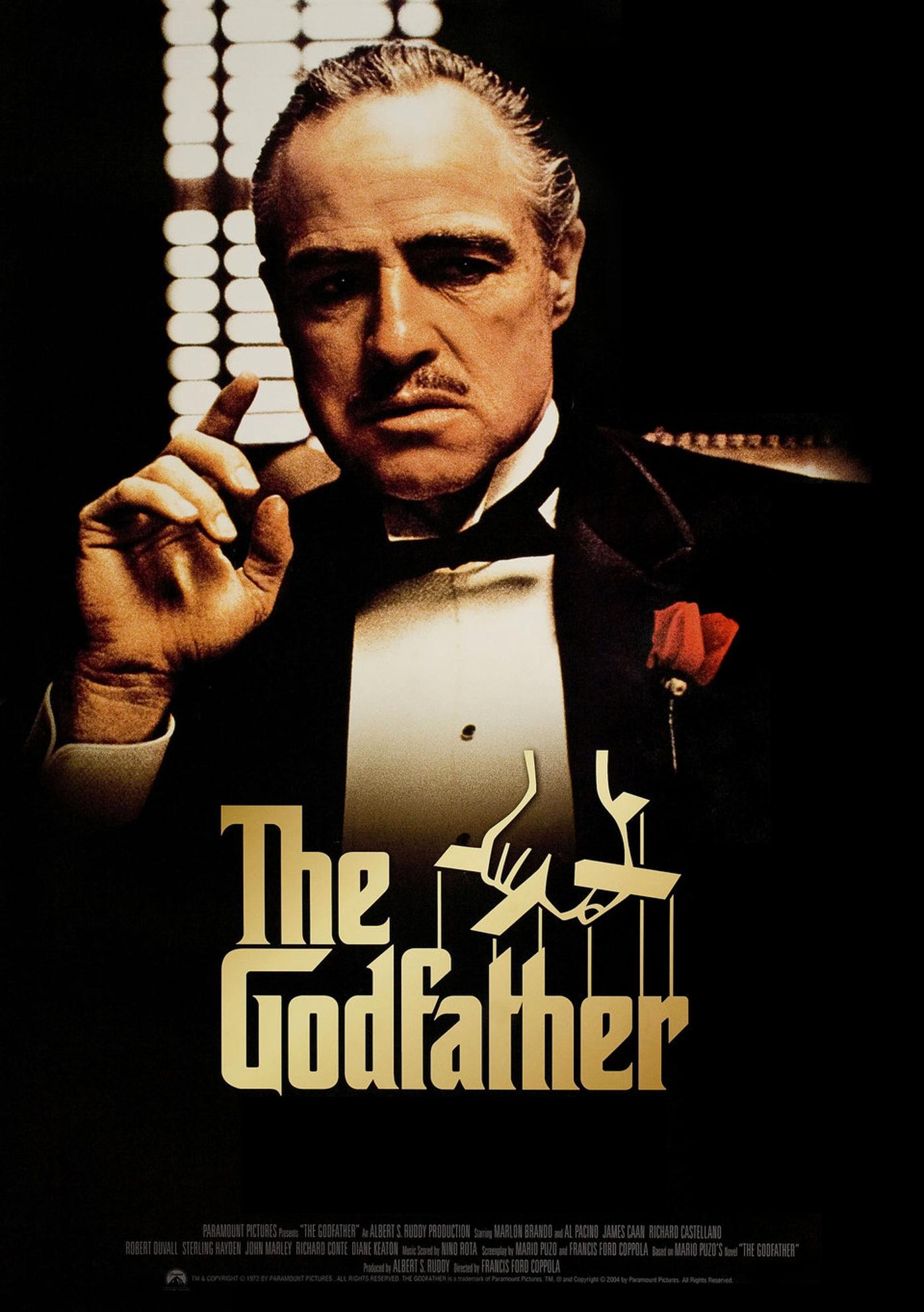
Revered as a masterpiece, The Godfather is often treated as unimpeachable, which makes it an easy target for contrarian takes. Its slow-burn pacing and stately style don’t resonate with everyone, particularly those raised on faster, contemporary storytelling. The film’s mythic status sometimes overshadows its more dated elements.
The King’s Speech
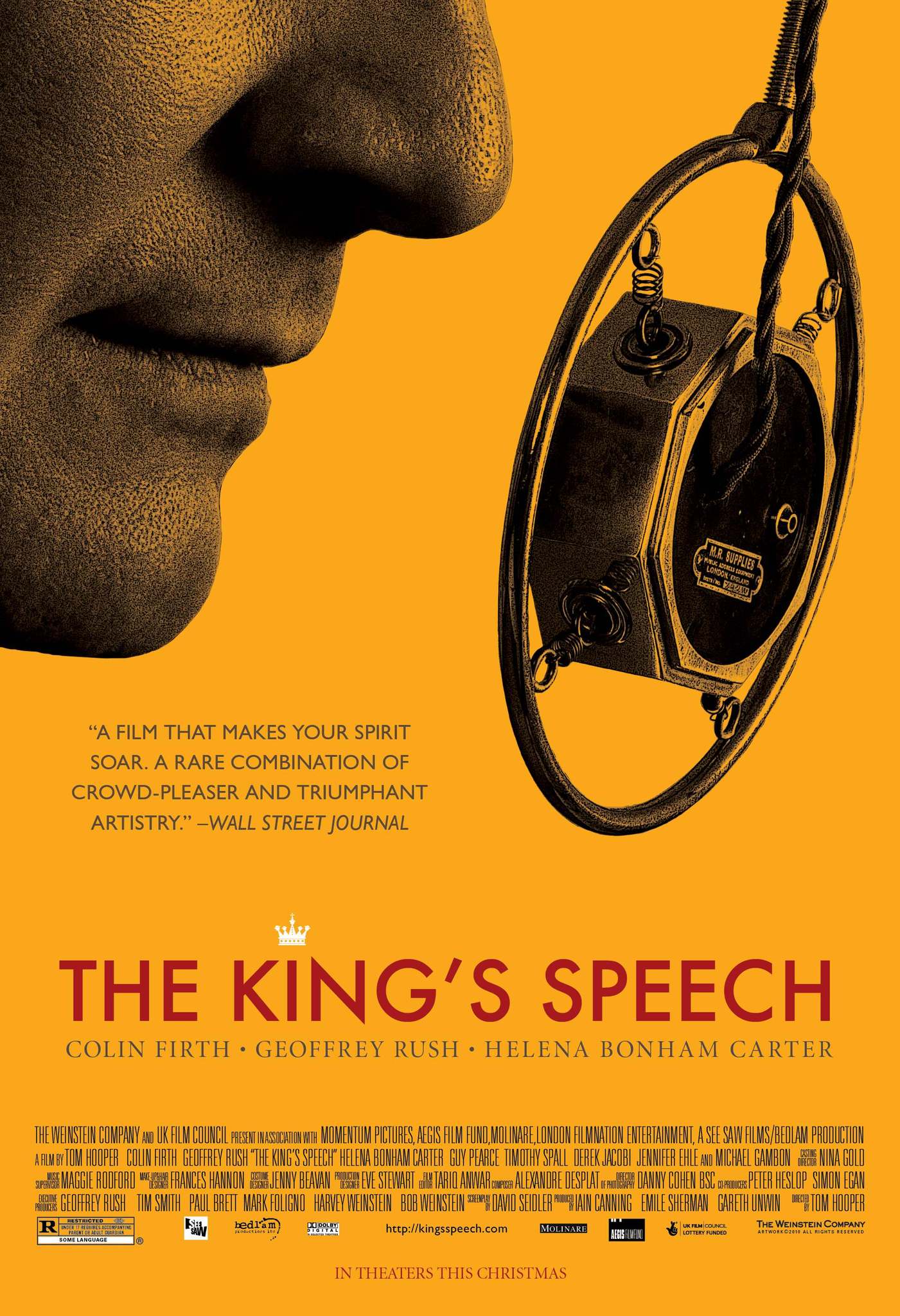
A perfectly pleasant historical drama, The King’s Speech is built to win awards more than challenge audiences. Its polished sentimentality keeps the stakes low, even in moments meant to feel triumphant. Compared with bolder films released the same year, it feels overly safe.
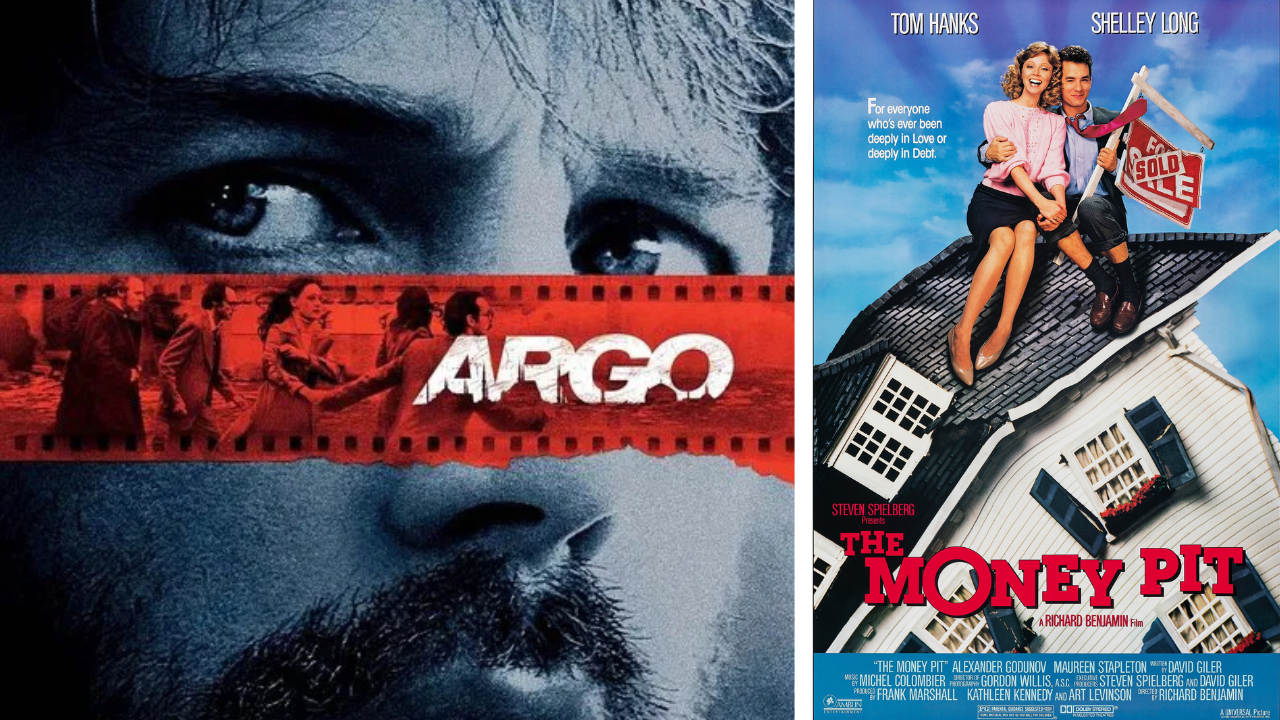
Argo
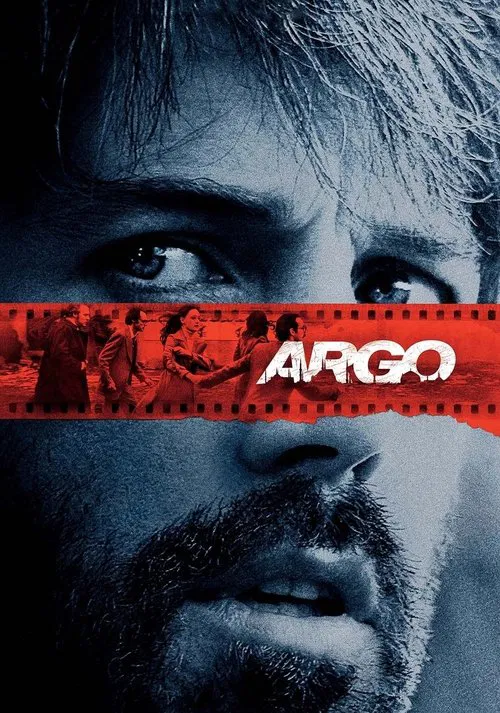
Argo is an efficiently made thriller, but its Best Picture win pushed expectations sky-high. The film smooths over historical details in favor of Hollywood-style tension. It entertains, yet its awards-season dominance remains puzzling to those who expected deeper storytelling.
The Dark Knight Rises
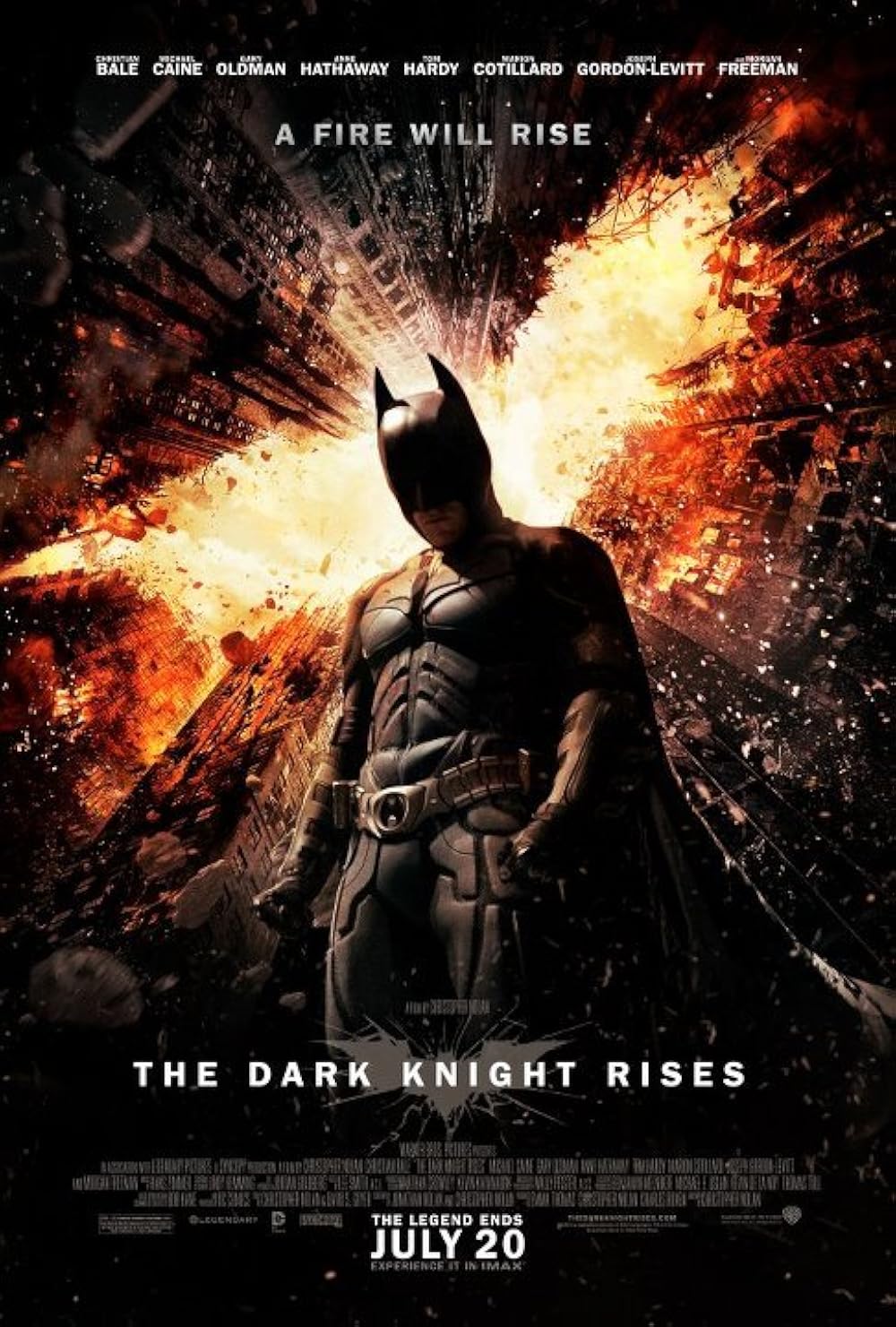
The trilogy’s finale amps up scale while losing some narrative control. Plot threads pile up, character motivations drift, and the tone swings between operatic and overwrought. Its ambitious goals sometimes outpace its ability to deliver them cohesively.
Avengers: Endgame
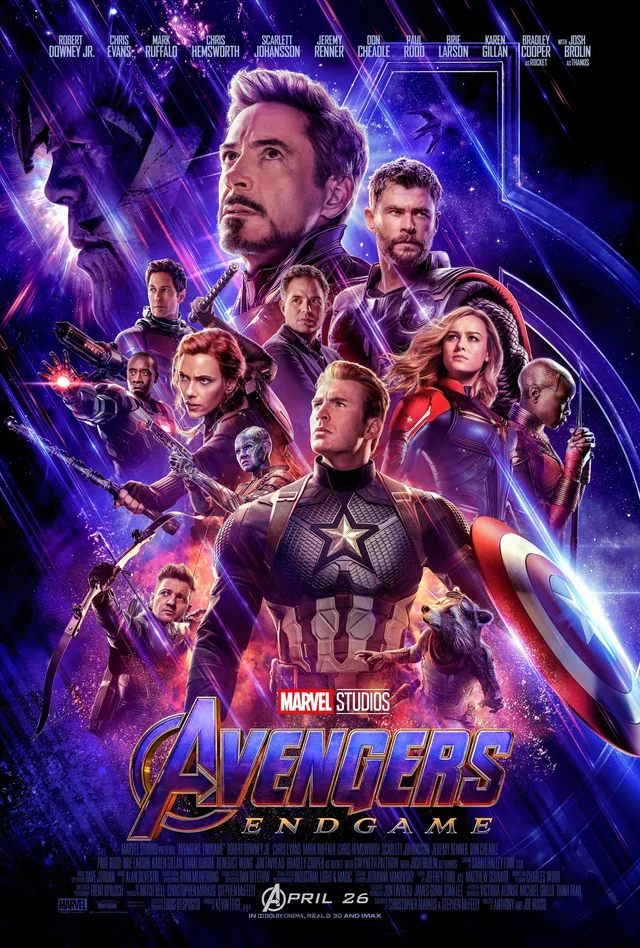
As a collective MCU payoff, Endgame delivered monumental emotional moments. Viewed as a standalone film, though, it leans heavily on nostalgia and past storylines to create weight. The structure sags under the pressure of servicing so many characters and callbacks.
Dune
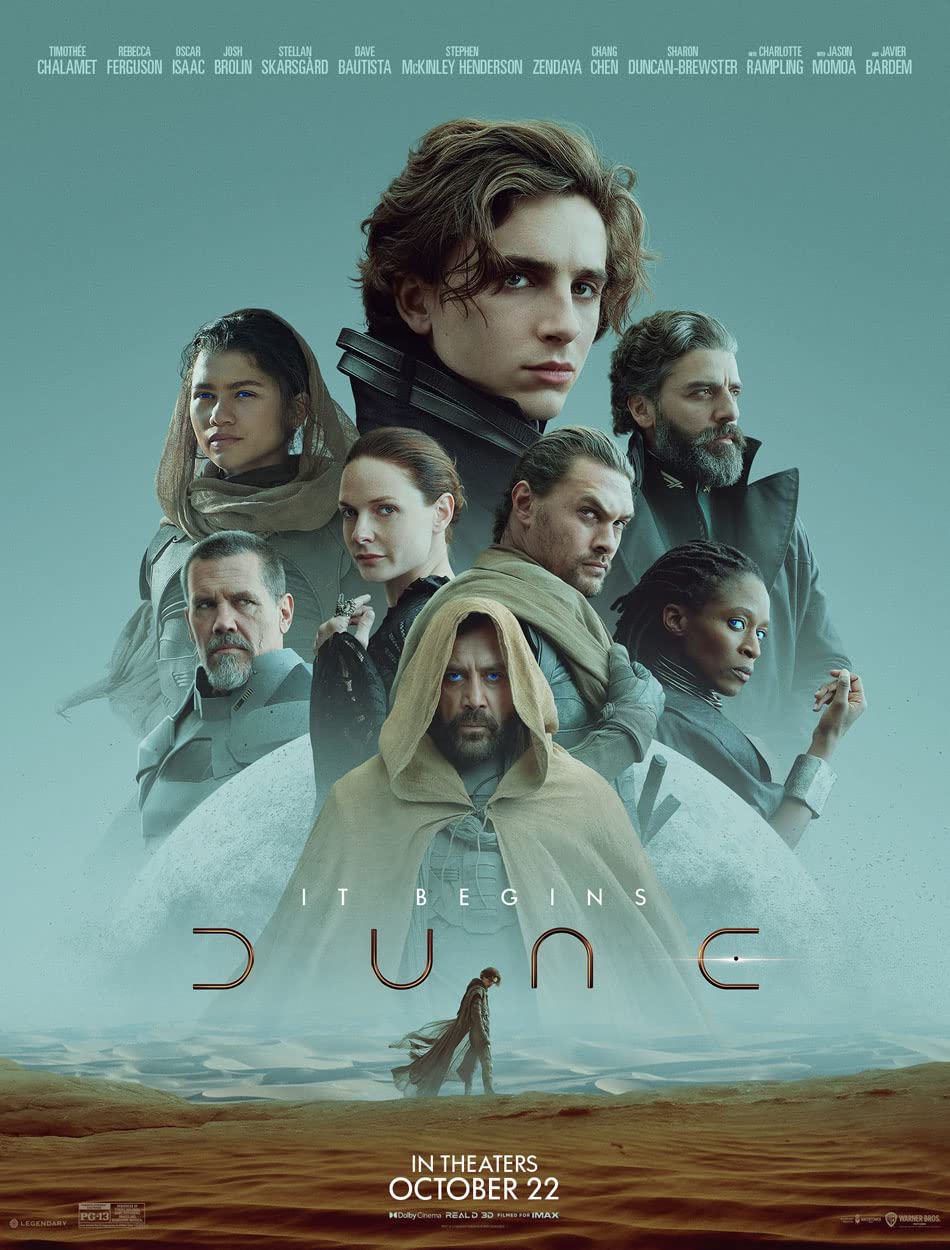
A spectacular achievement in production design and atmosphere, Dune immerses viewers in a grand sci-fi world. At the same time, its deliberate pacing and dense exposition can make the story feel remote. The film’s epic presentation often overshadows its limited emotional range.
Gravity
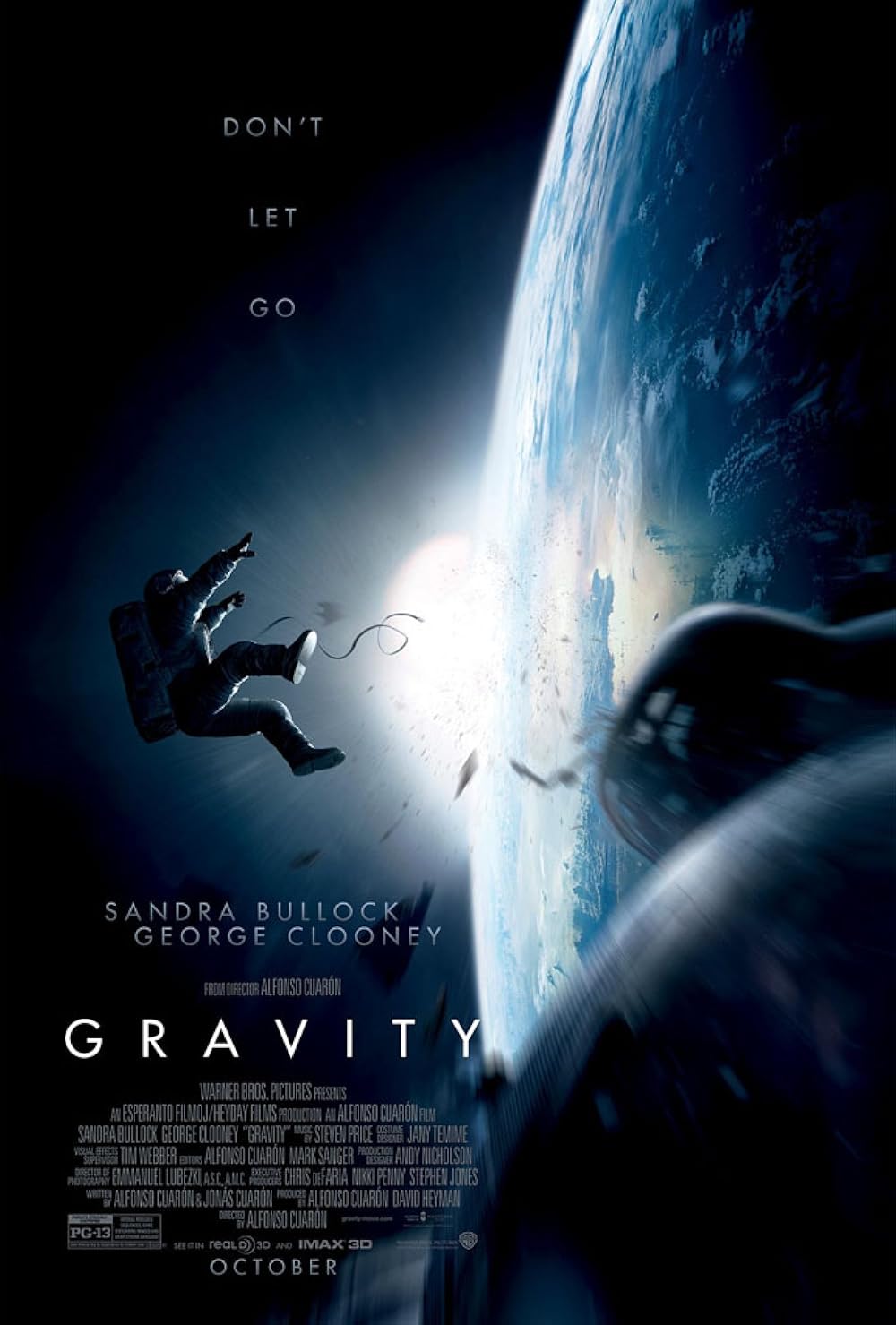
Visually dazzling and technically impressive, Gravity was built as a big-screen experience. Without that immersive environment, the thin plot and repetitive action beats become more noticeable. The film’s ambition lies more in its craft than in its storytelling.
Gone With the Wind
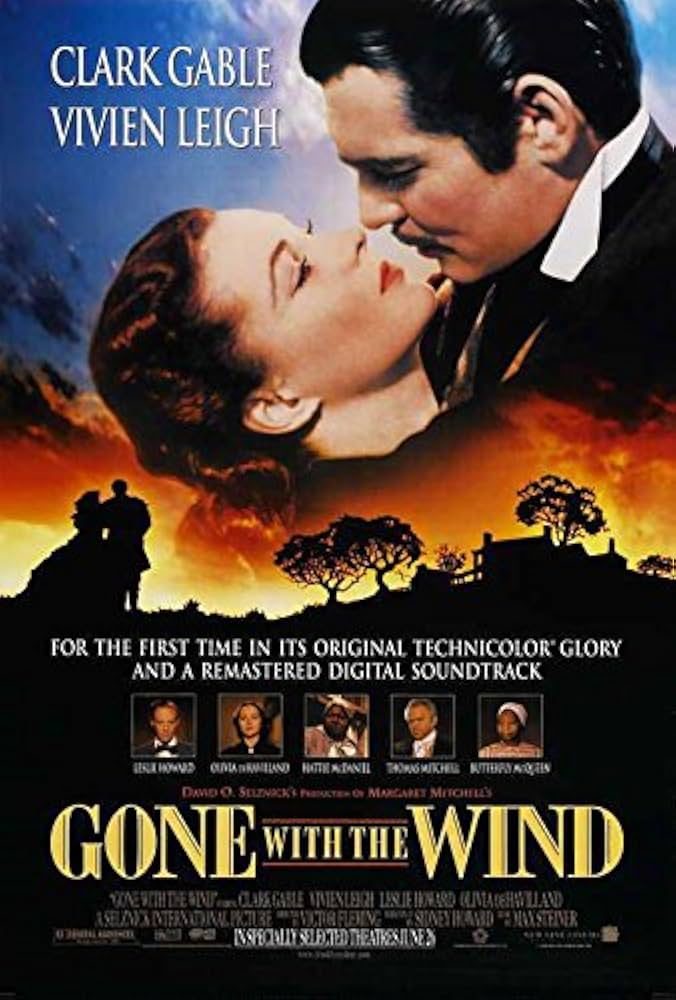
This sweeping classic occupies a complicated place in film history. Its romanticized view of the antebellum South clashes sharply with modern perspectives. The film’s length and melodramatic tone also test patience, making its revered status increasingly difficult to defend.
The Shawshank Redemption
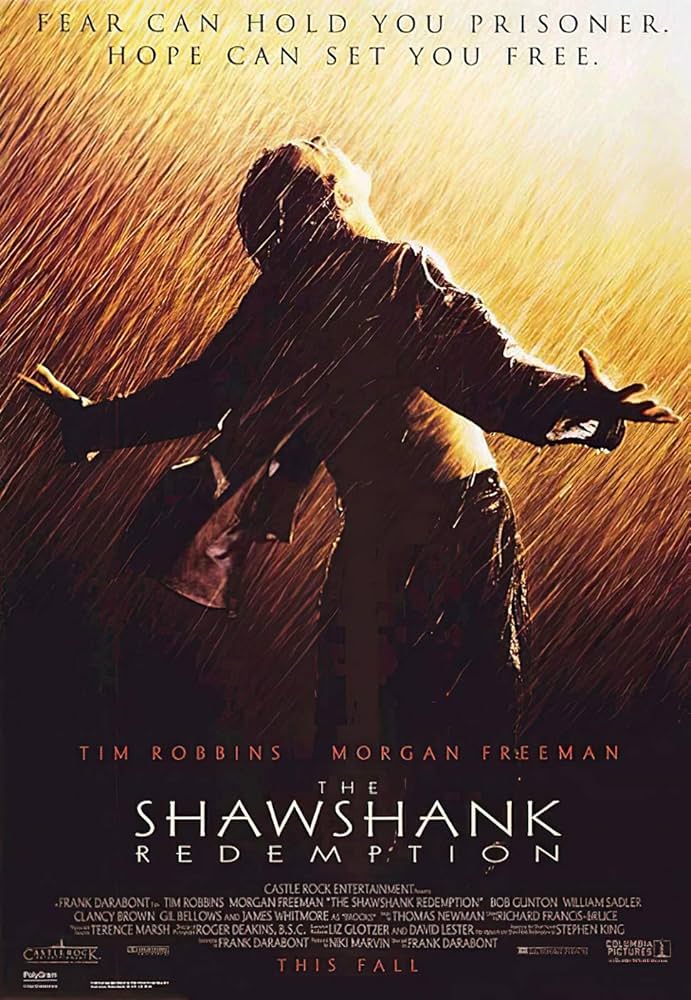
A comforting and hopeful drama, Shawshank excels at accessible storytelling. Its ranking as “the greatest film ever made” creates expectations no movie could reasonably fulfill. It’s solid and uplifting, but not the revolutionary work its reputation suggests.
Everything Everywhere All at Once
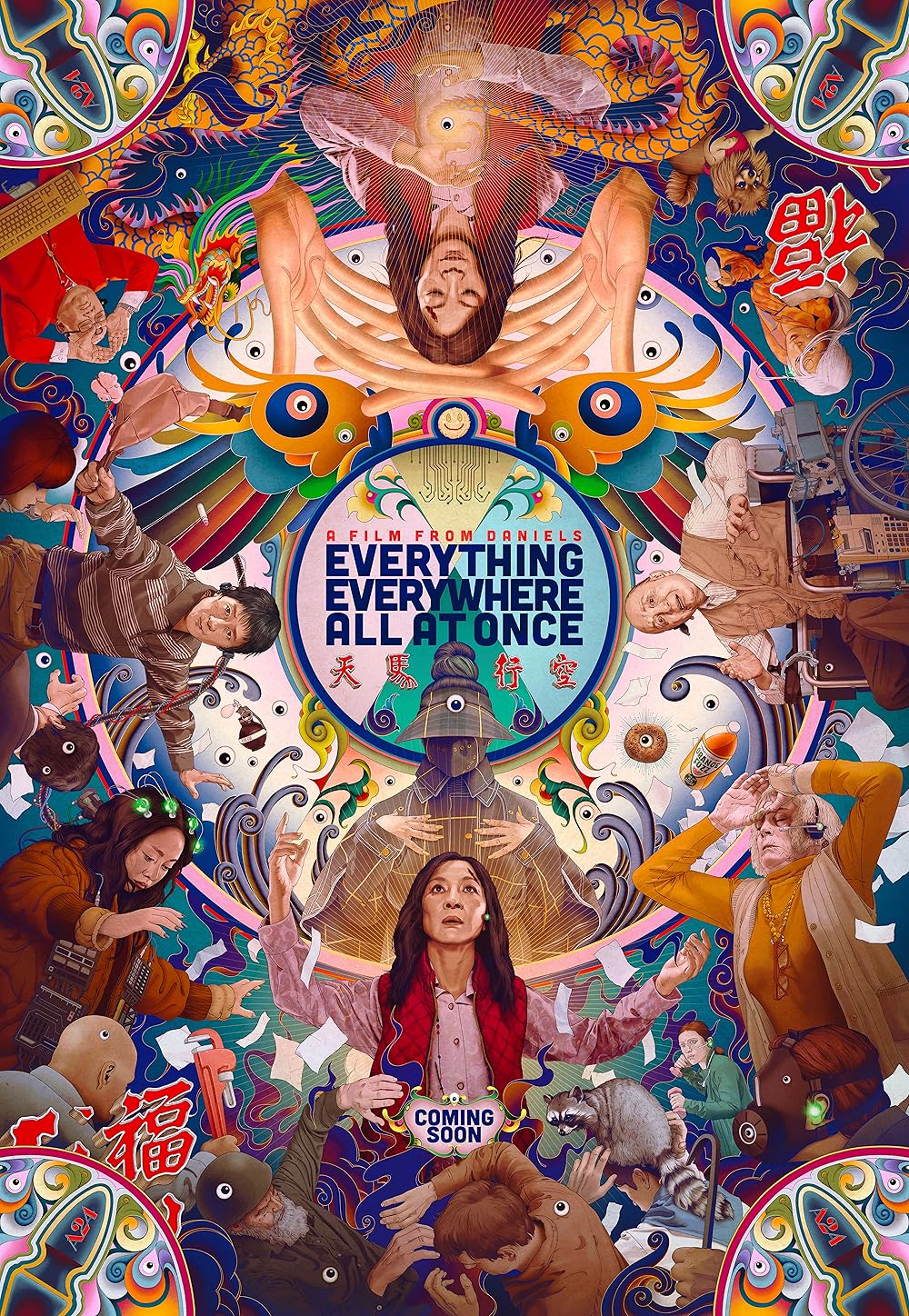
A whirlwind of creativity, this multiverse adventure embraces maximalism at every turn. Its emotional beats land for some, while others find the constant visual and tonal shifts exhausting. The movie’s cultural explosion raised it to heights that intensified the backlash.
Forrest Gump
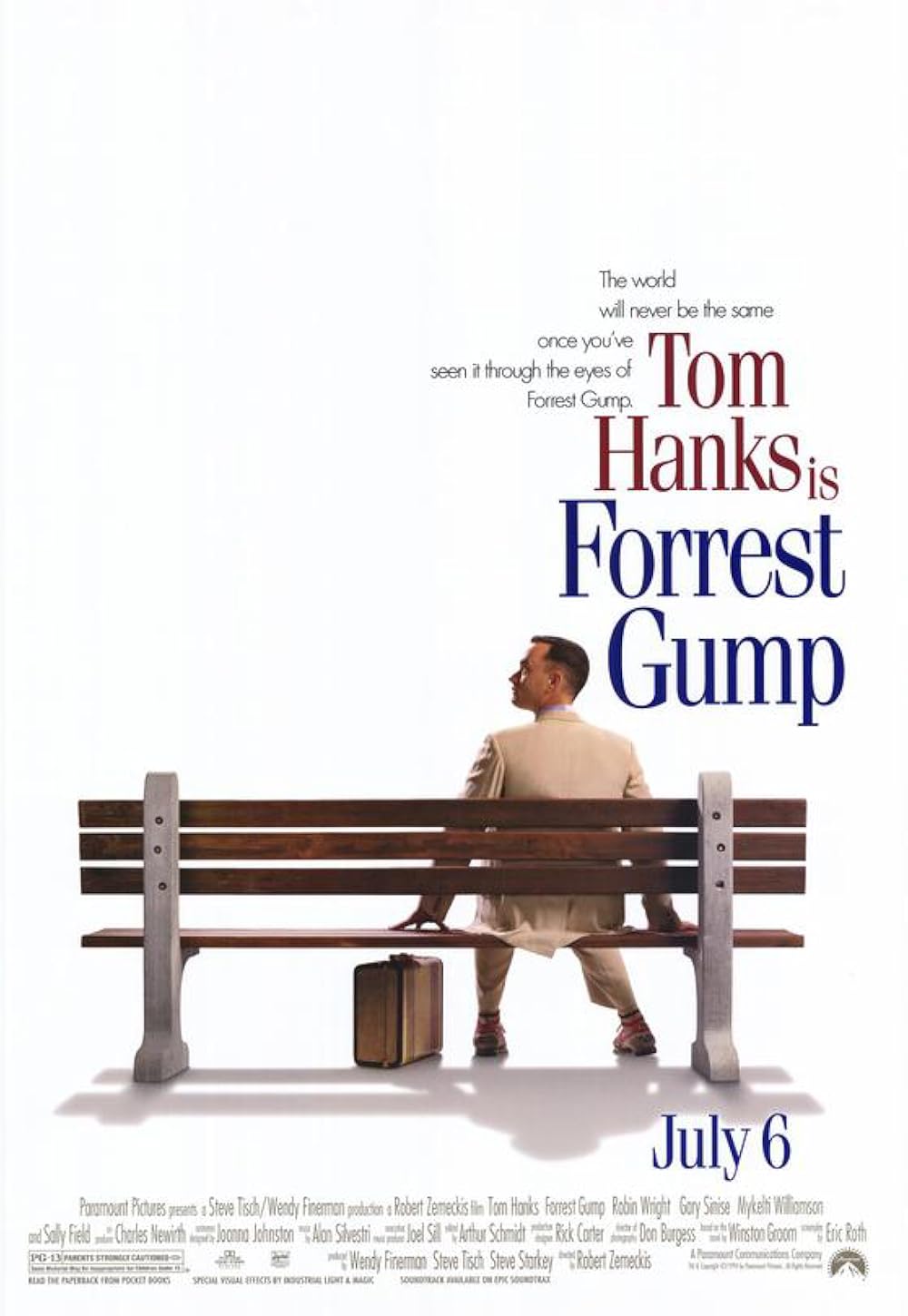
This nostalgic epic blends historical spectacle with sentimentality in a way that has long polarized audiences. Its simplistic worldview and tidy messaging stand out more sharply on rewatch. The film’s awards dominance continues to fuel debate about what it actually accomplishes.
Saving Private Ryan
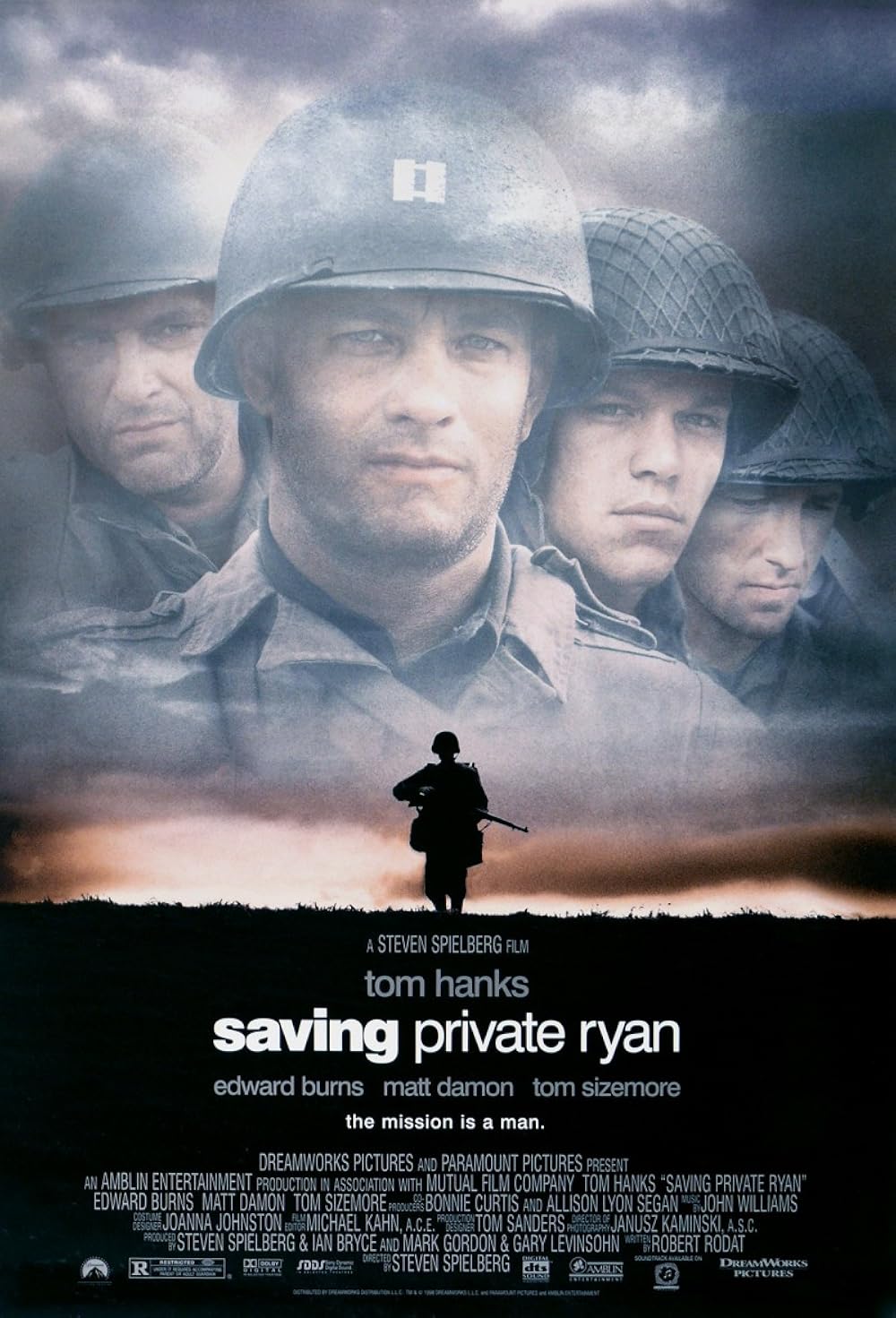
The legendary opening sequence sets a bar the rest of the film can’t quite maintain. As the story unfolds, it leans into familiar war-movie tropes that contrast sharply with its visceral beginning. The film’s revered status often centers on one extraordinary act.
Us
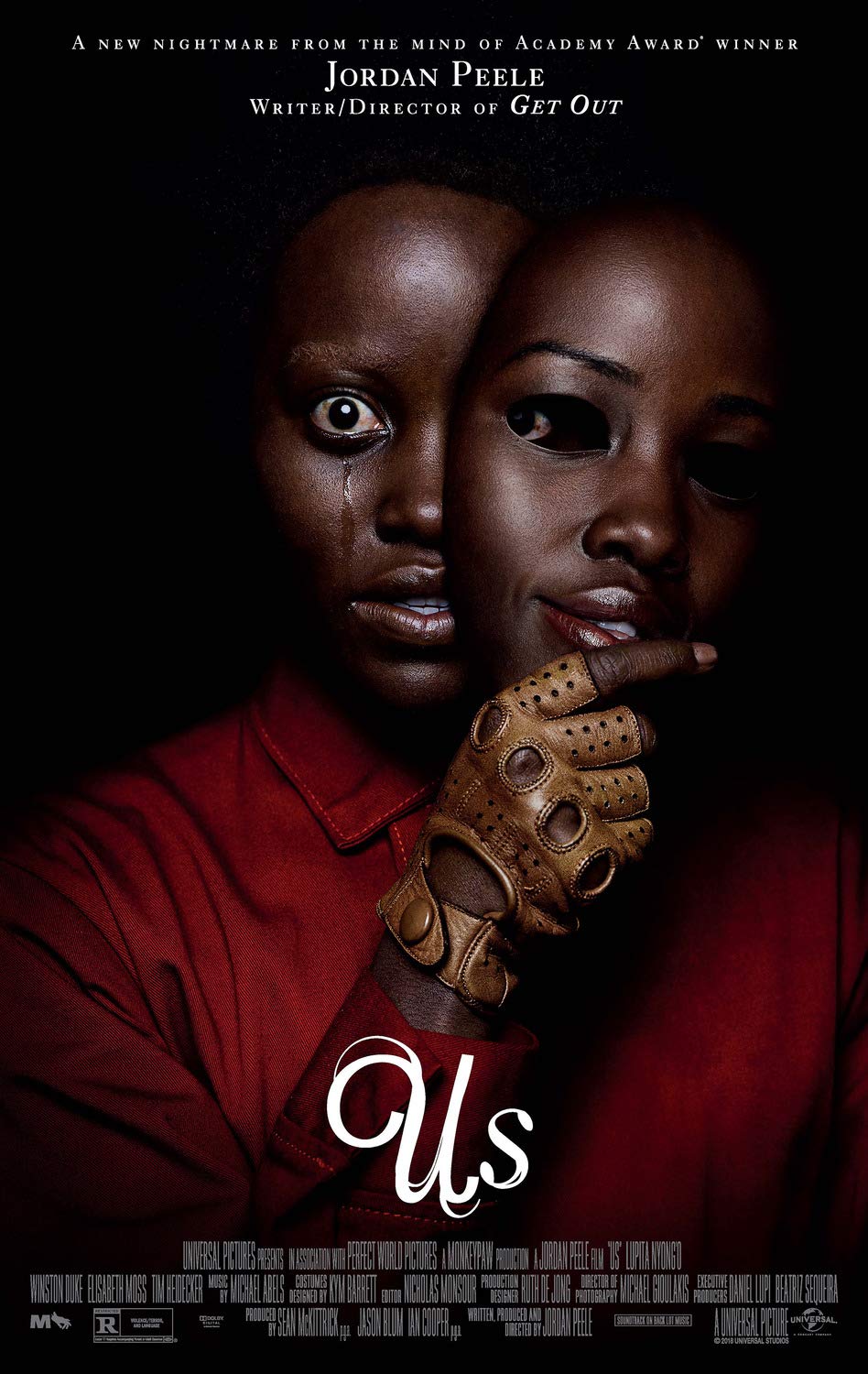
Jordan Peele’s ambitious second feature builds a striking premise and atmosphere. As the plot expands, its world-building creates more questions than its explanation can answer. The film’s strong ideas don’t always align with its execution.
Spider-Man: Across the Spider-Verse
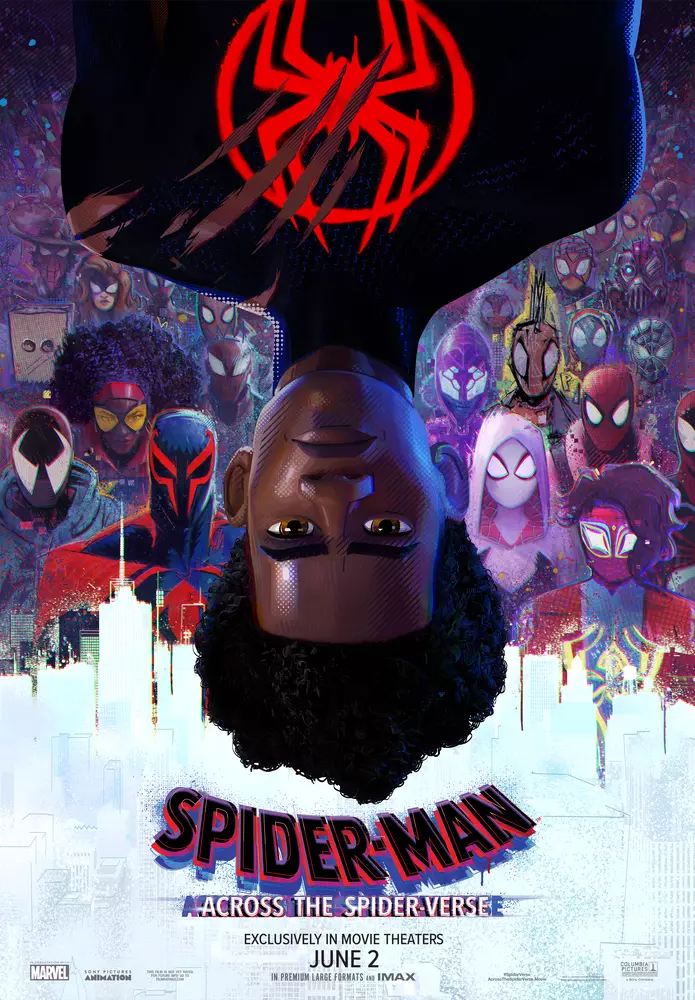
The film’s vibrant animation and ambitious multiverse ideas earned huge praise, but its dense plotting can make the story feel scattered. Character arcs compete with an overload of stylistic flourishes, leaving the emotional beats less focused than in its predecessor. It’s visually dazzling, yet the acclaim often overlooks how uneven the narrative can be beneath all the artistry.
Life Is Beautiful
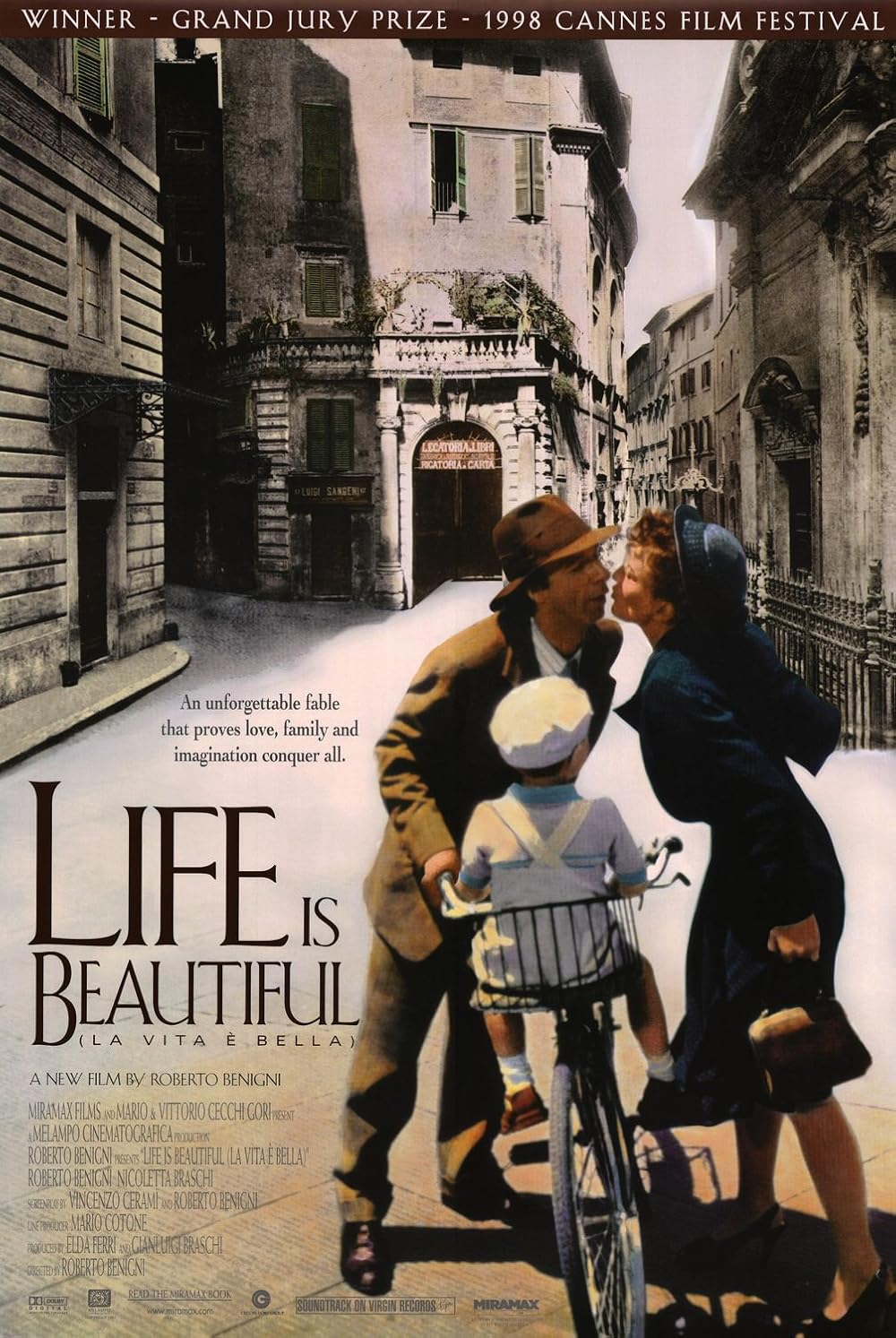
This Holocaust-set dramedy takes risks blending whimsy with tragedy, and the result remains deeply divisive. Its tone can feel mismatched with its subject matter, creating emotional beats that don’t sit comfortably. The film’s acclaim has always come hand-in-hand with skepticism.
The Dark Knight
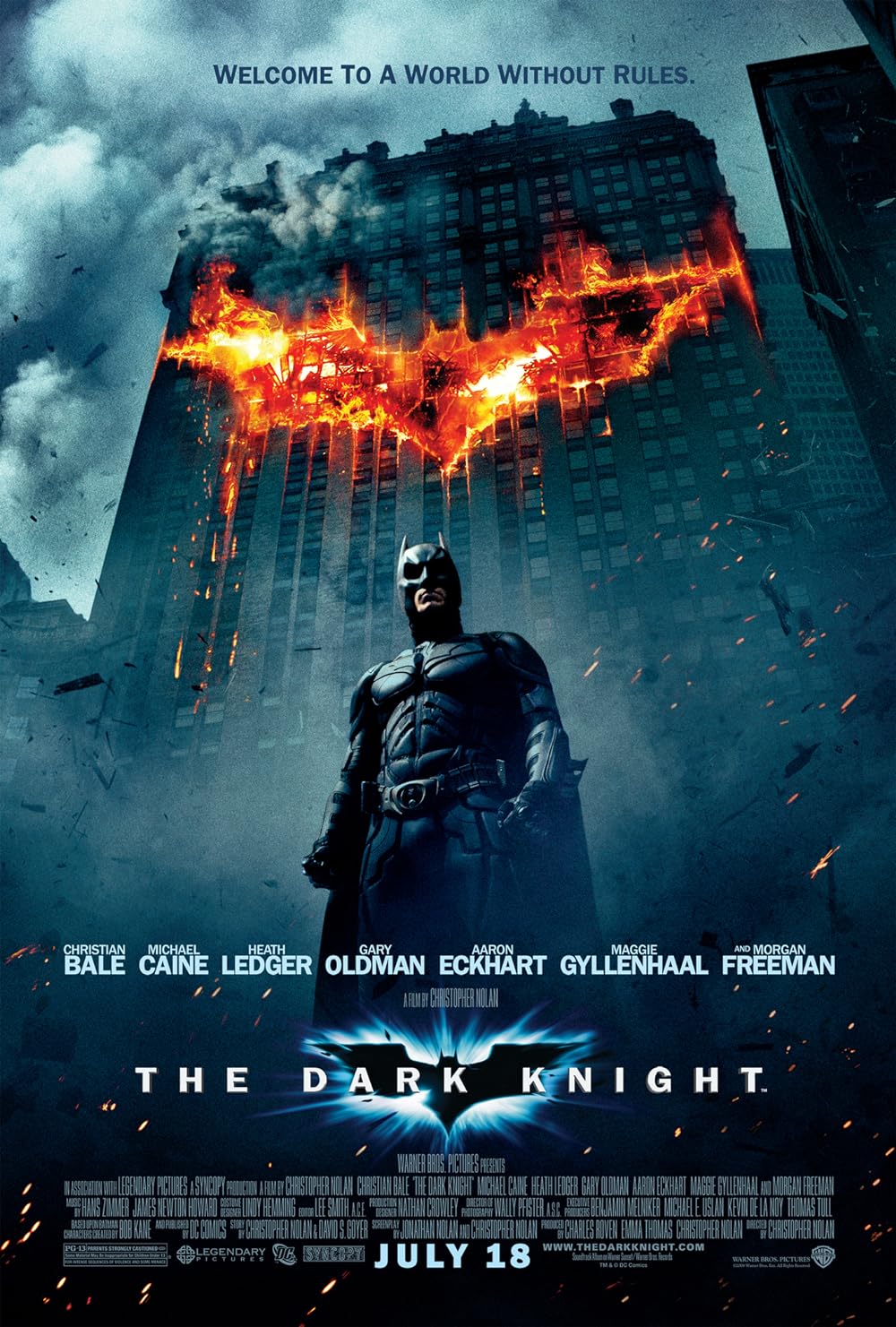
Ledger’s legendary performance became the film’s defining feature, sometimes eclipsing the rest of the story. Strip that away, and the plot’s detours and coincidences stand out more clearly. It’s influential, but its near-universal praise paints an incomplete picture.
Silver Linings Playbook
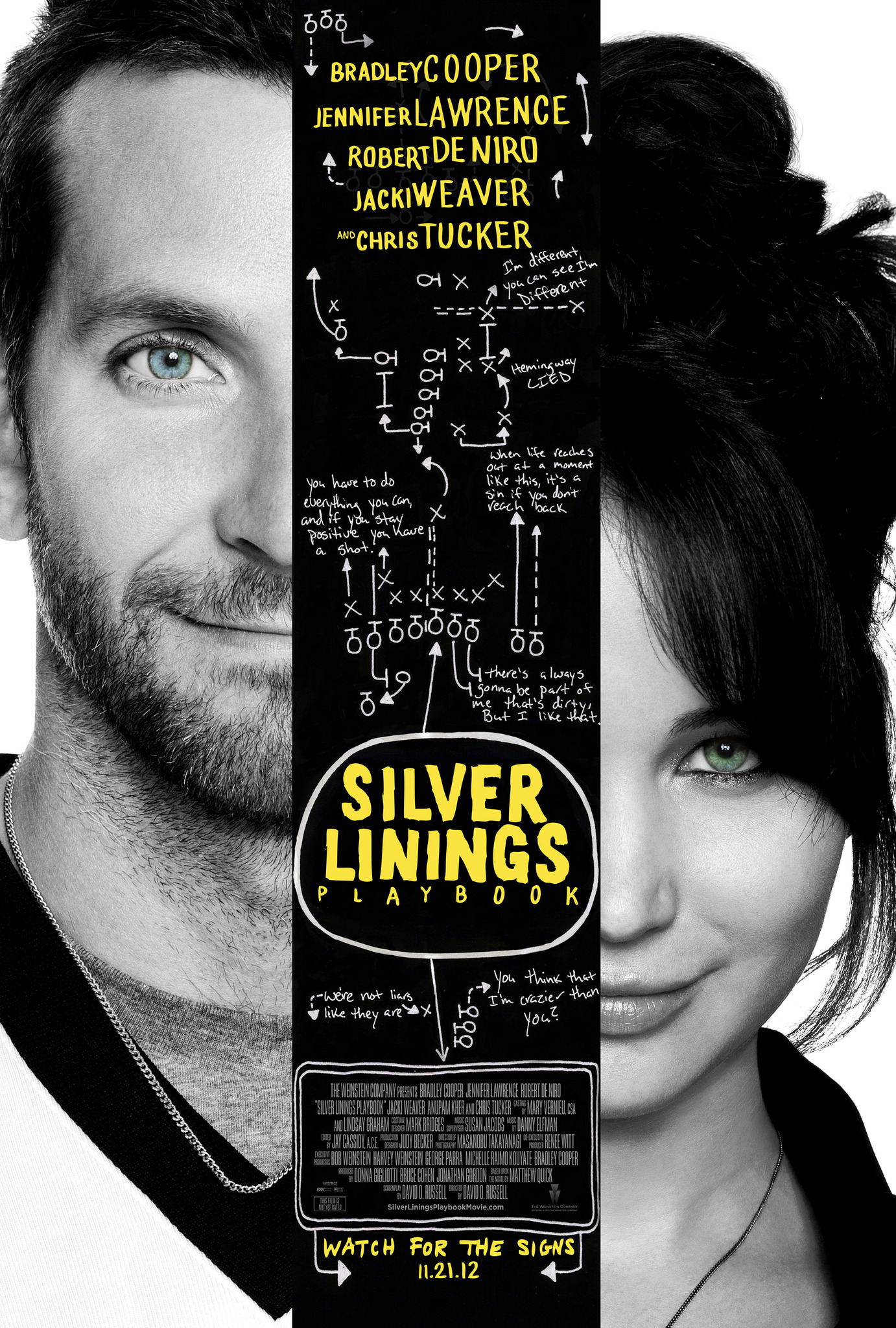
A quirky romantic drama with strong performances, this film wraps complex mental health issues in tidy storytelling. The emotional beats aim big, but the script often chooses comforting resolutions over deeper exploration. Its awards success amplified expectations beyond what the film delivers.
Ferris Bueller’s Day Off

A staple of ’80s teen cinema, this rebellious fantasy hinges on its lead’s charisma. Those less charmed by Ferris himself often find the movie shallow and smug. Its iconic status can overshadow how slight the story actually is.
John Wick
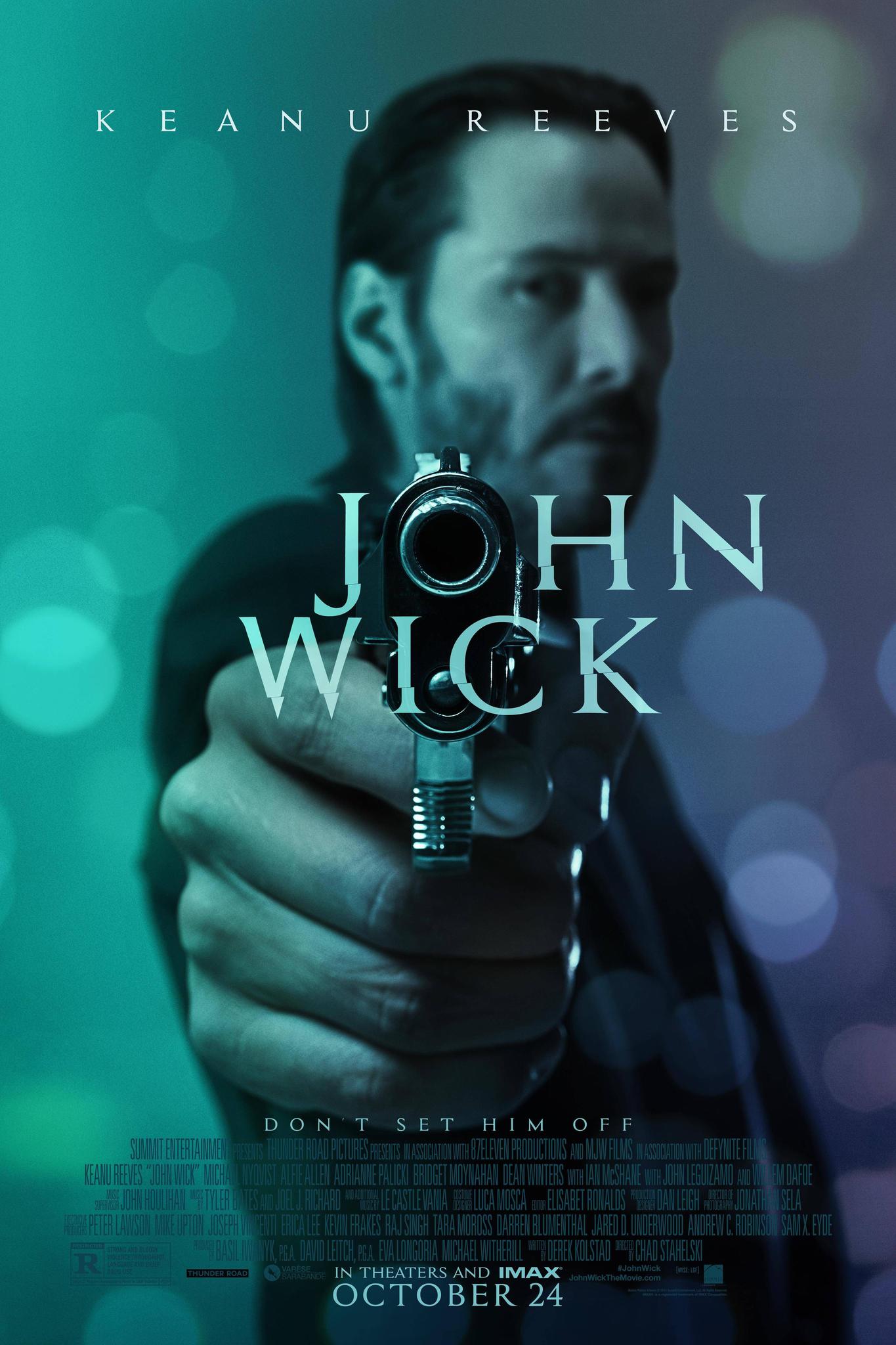
This sleek revenge thriller revitalized action filmmaking, but the character’s stoic simplicity doesn’t appeal to everyone. The world-building hints at depth without fully committing to it. Its reputation as a genre-redefining masterpiece can feel overstated.
Boy in the Striped Pajamas
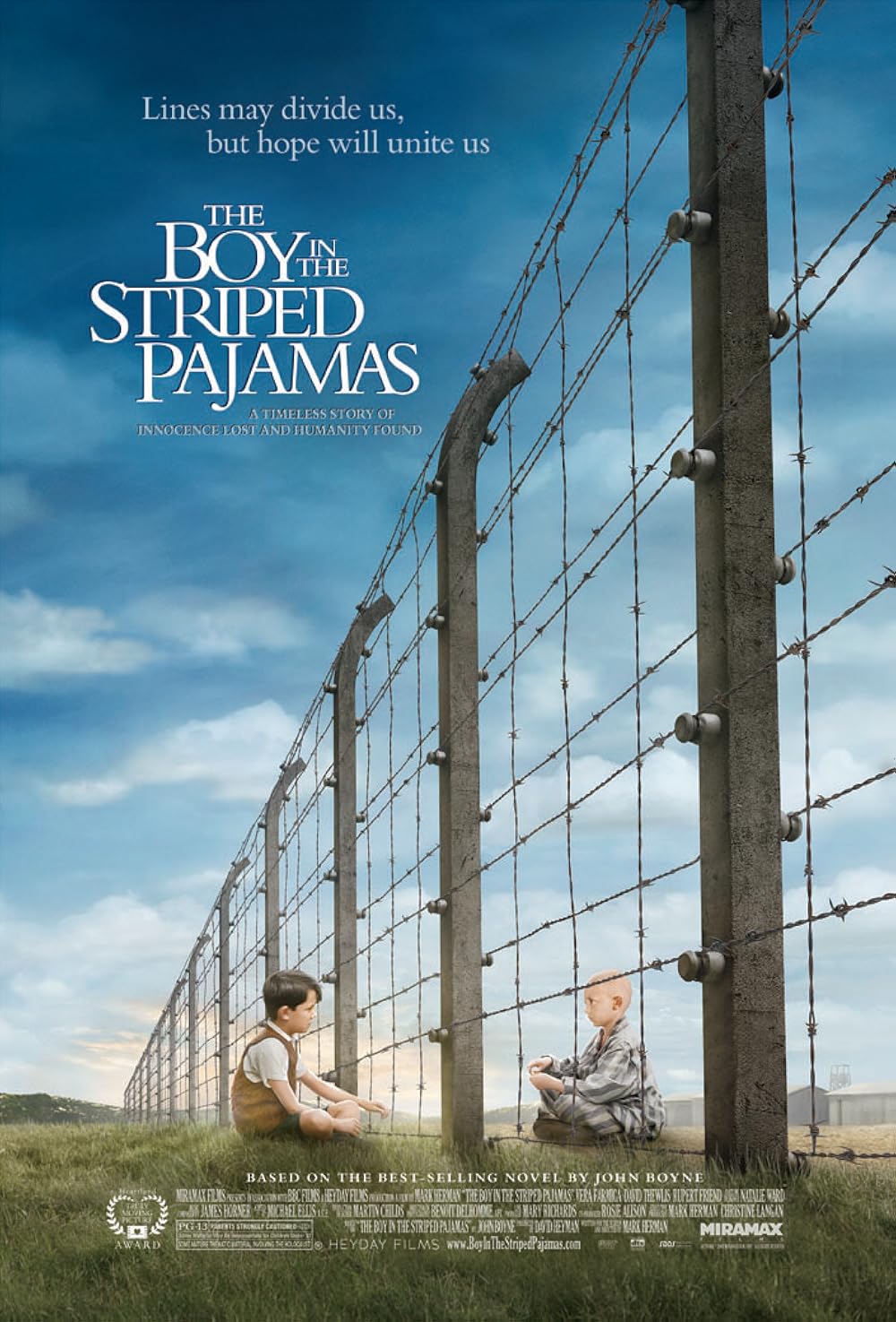
Often used in educational settings, the film simplifies complex historical realities into a tidy moral tale. The narrative choices create emotional impact at the cost of accuracy. Its approach has sparked ongoing criticism despite its widespread visibility.
Wonder
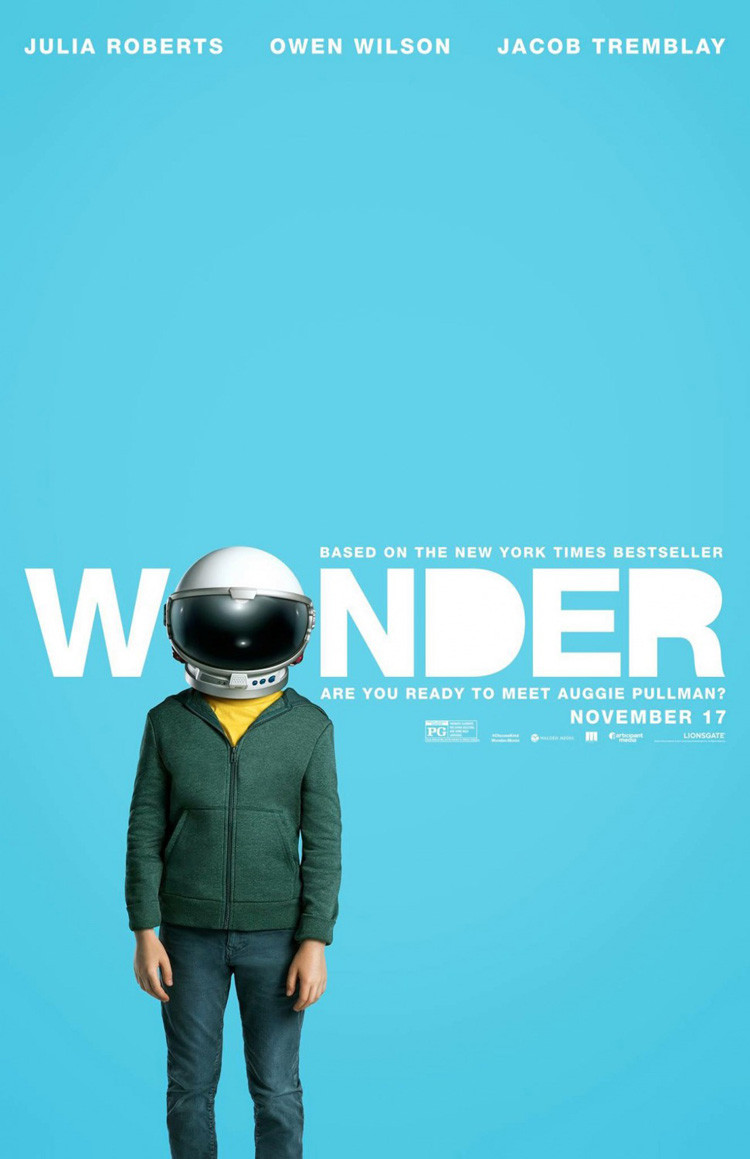
Aimed squarely at the heartstrings, this drama embraces earnestness without much subtlety. Characters embody idealized versions of real-life struggles, leading to predictable emotional arcs. Its popularity comes from its message rather than its filmmaking craft.
Interstellar
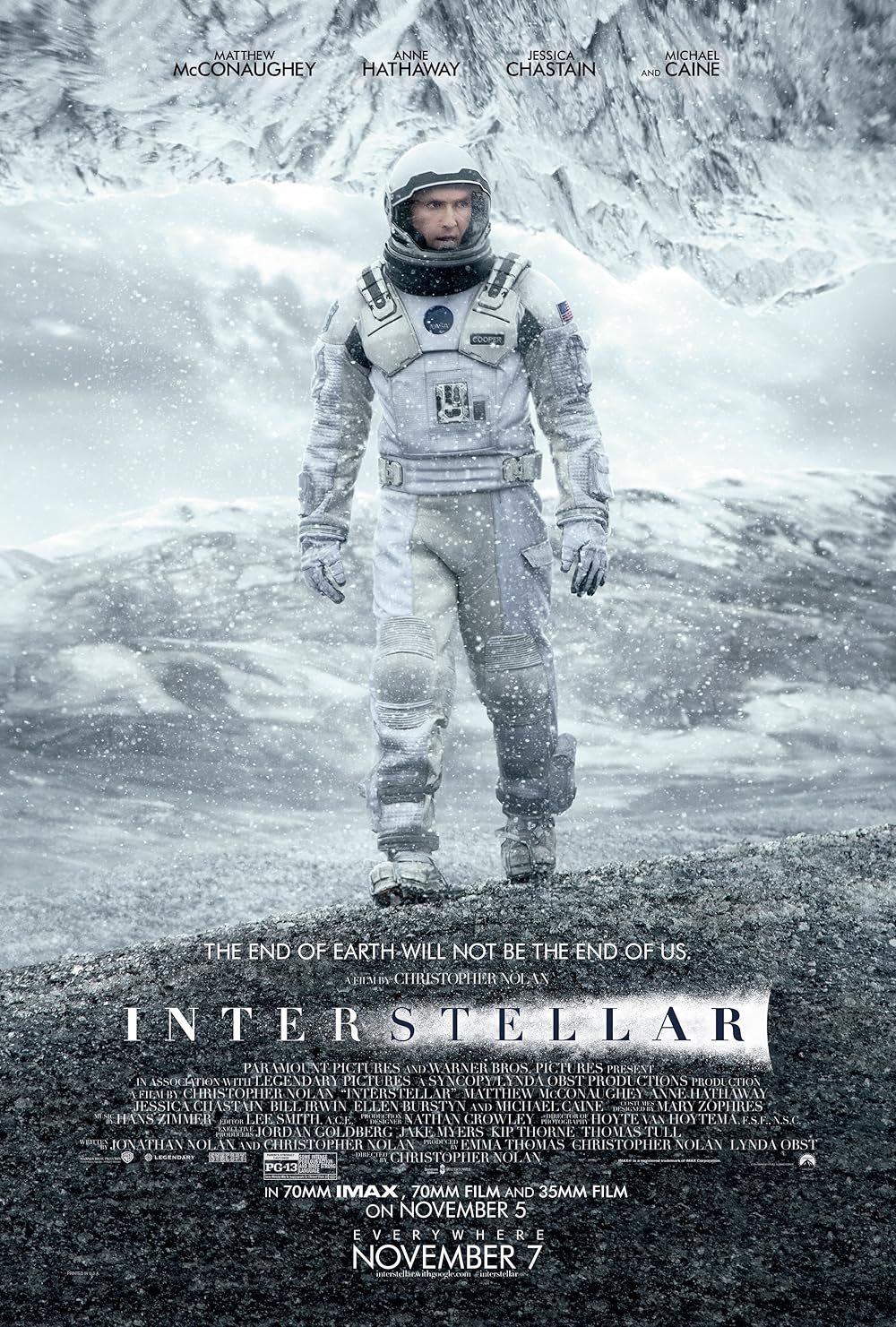
Nolan’s space epic blends scientific ambition with grand human emotion, not always gracefully. The film’s heavy exposition and abrupt shifts in tone create a sense of imbalance.
Spider-Man: No Way Home

Designed as a celebratory crossover, this blockbuster delivers fan-service moments that thrill on first viewing. Without the theatrical hype, the narrative’s reliance on nostalgia becomes more apparent. The emotional impact is tied closely to familiarity with earlier franchises.
The Usual Suspects
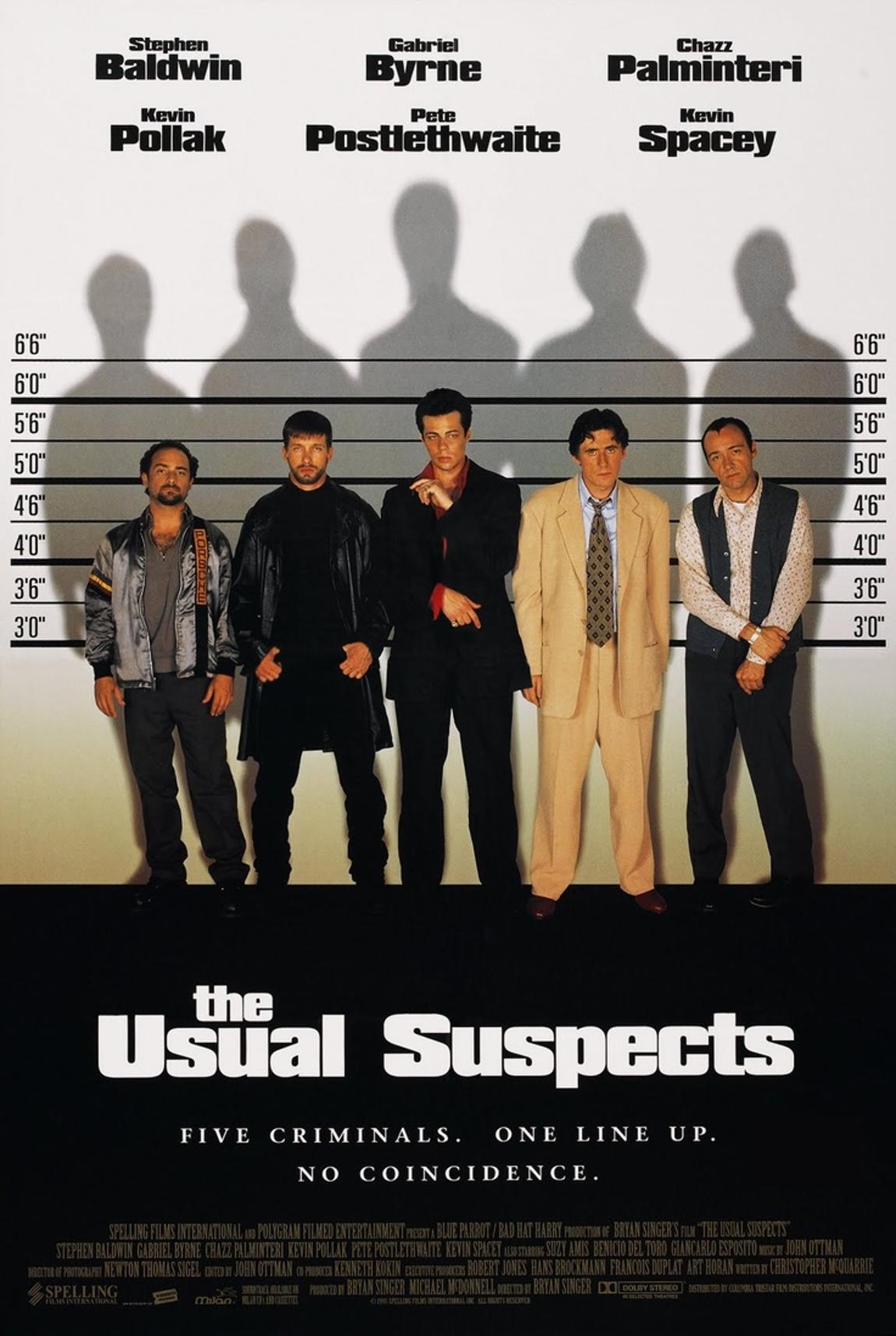
Beloved for its twist ending, this crime thriller thrives on surprise. On rewatch, the story’s gaps and contrivances become harder to ignore. Its reputation rests more on its reveal than on the journey leading to it.
The Money Pit
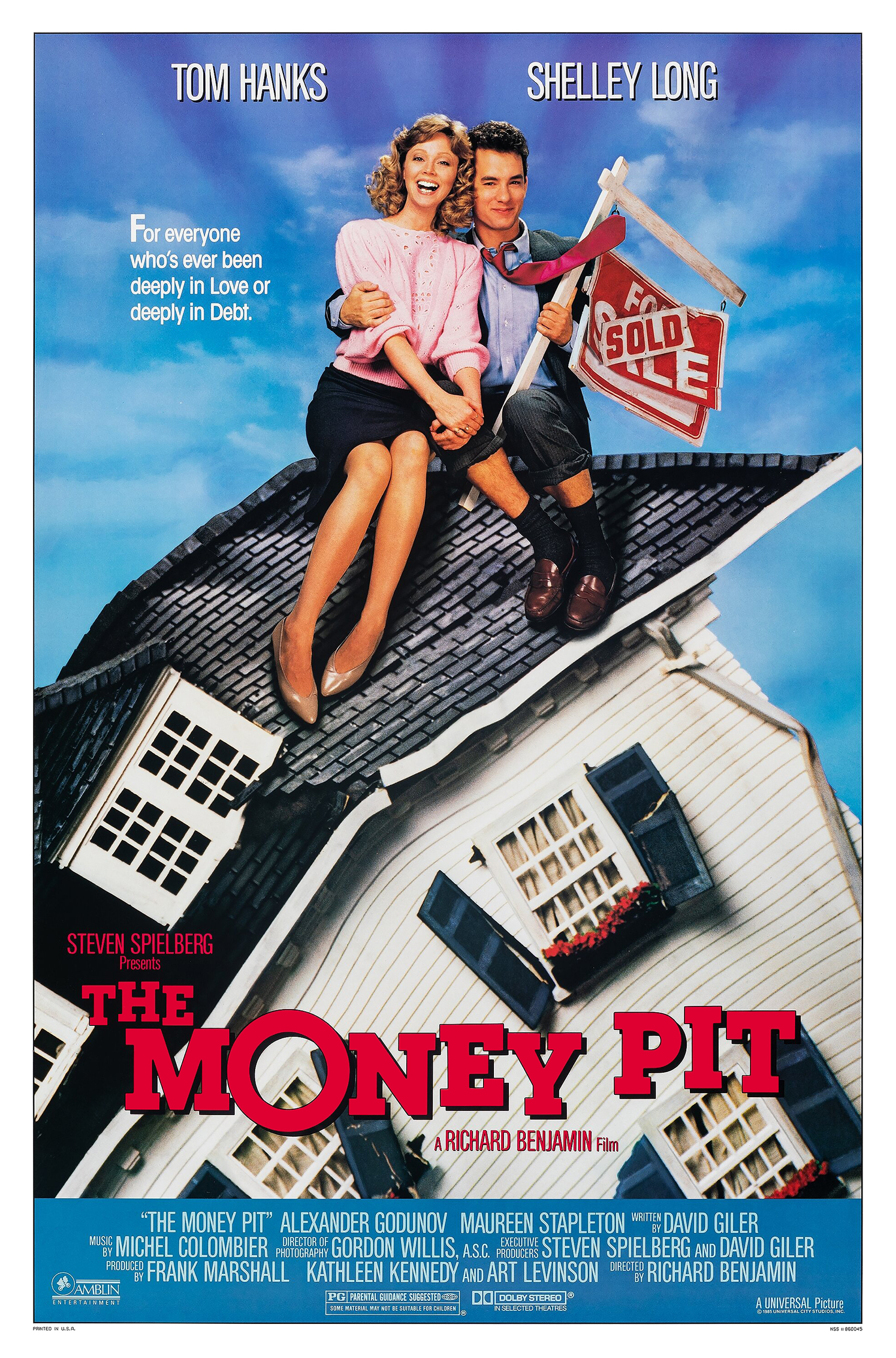
This ’80s comedy leans fully into slapstick chaos, which can overwhelm its thin plot. The misadventures escalate quickly, often replacing character development with pure spectacle. Its devoted fanbase gives it a status the film itself doesn’t quite meet.
The Truman Show
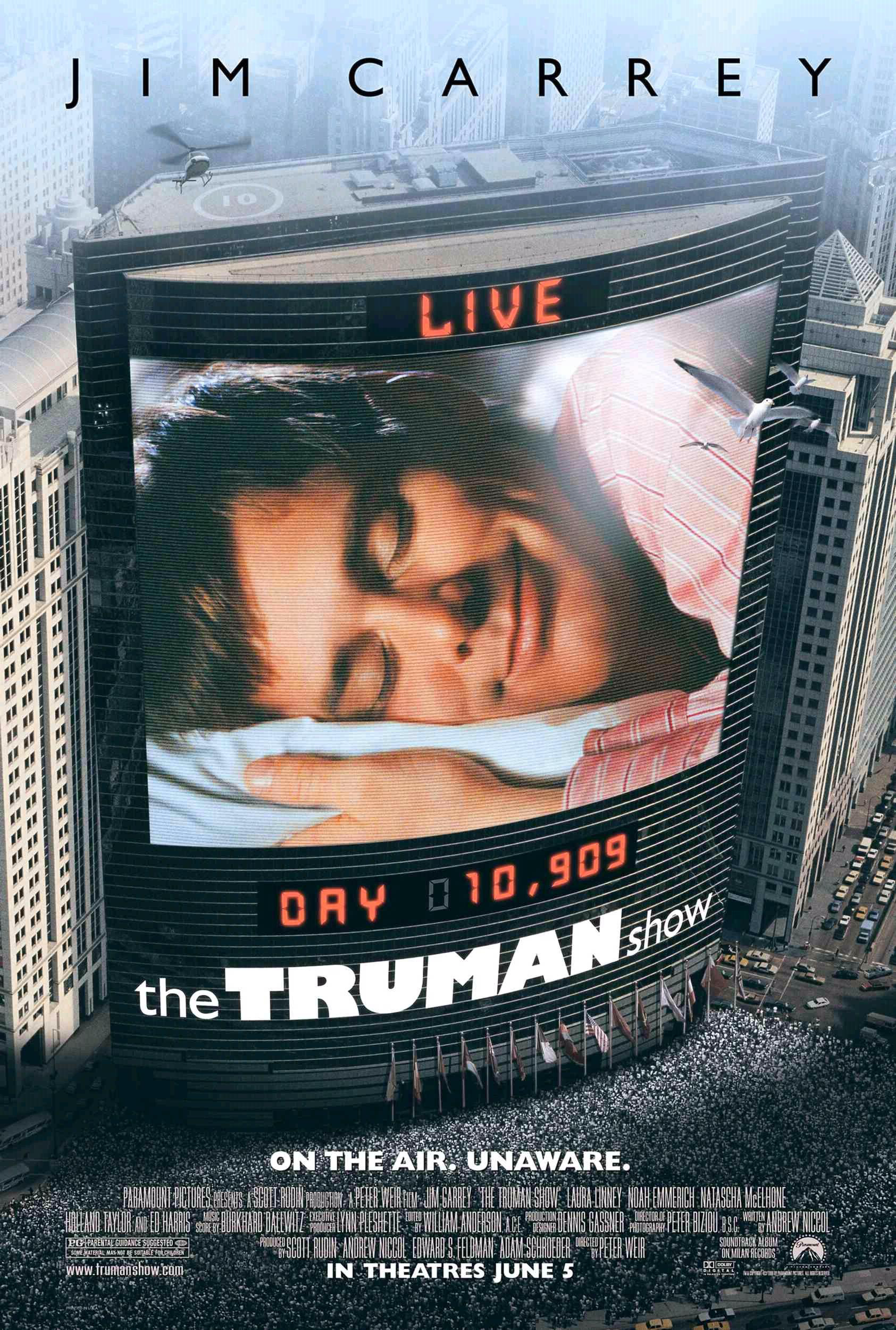
A clever high-concept drama with a strong lead performance, this film remains beloved—but not universally. Its themes of surveillance and reality manipulation sometimes feel overstated, as if the movie spells out every idea twice. Its reputation as a profound cultural commentary doesn’t resonate equally with all audiences.