Every state has its selling points, but not every state makes daily life feel easy. When you start looking at things like healthcare access, education, safety, affordability, and basic infrastructure, patterns begin to emerge. Some places consistently make it harder for residents to get ahead, no matter how low the rent or how pretty the scenery is. These rankings are not about vibes or vacation potential, but about what it actually feels like to live there year after year. Consider this a reality check on where quality of life quietly falls apart.
Louisiana

Louisiana regularly lands at the bottom of quality-of-life rankings, and unfortunately, it works hard to stay there. Crime, education, and economic instability create a constant uphill battle for residents. The food is elite, but the systems holding daily life together are not.
Mississippi
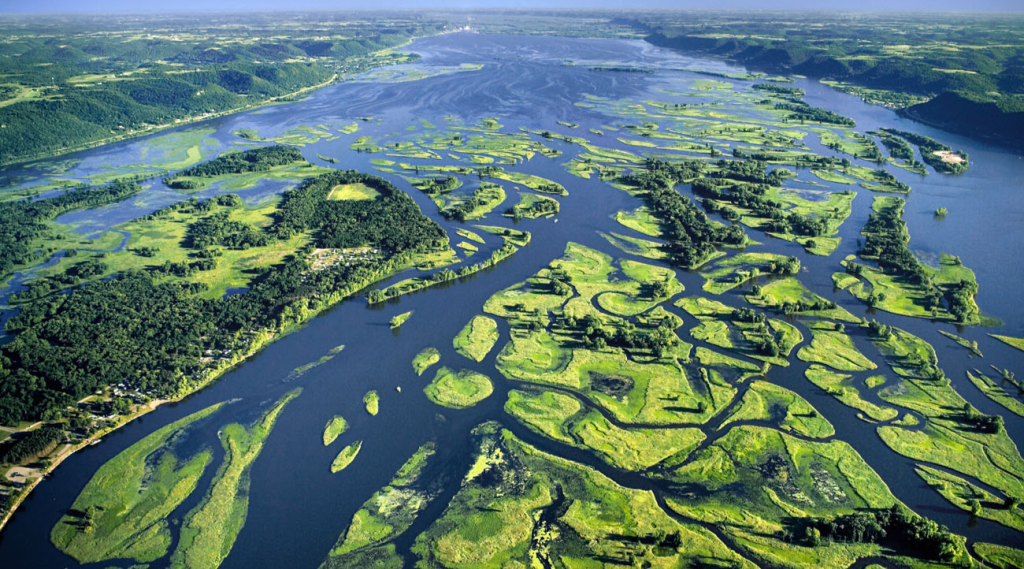
Mississippi manages to rank last in healthcare while also struggling with poverty and education. Low costs do not matter much when opportunities are scarce. Progress exists, but it tends to move at a painfully slow pace.
West Virginia
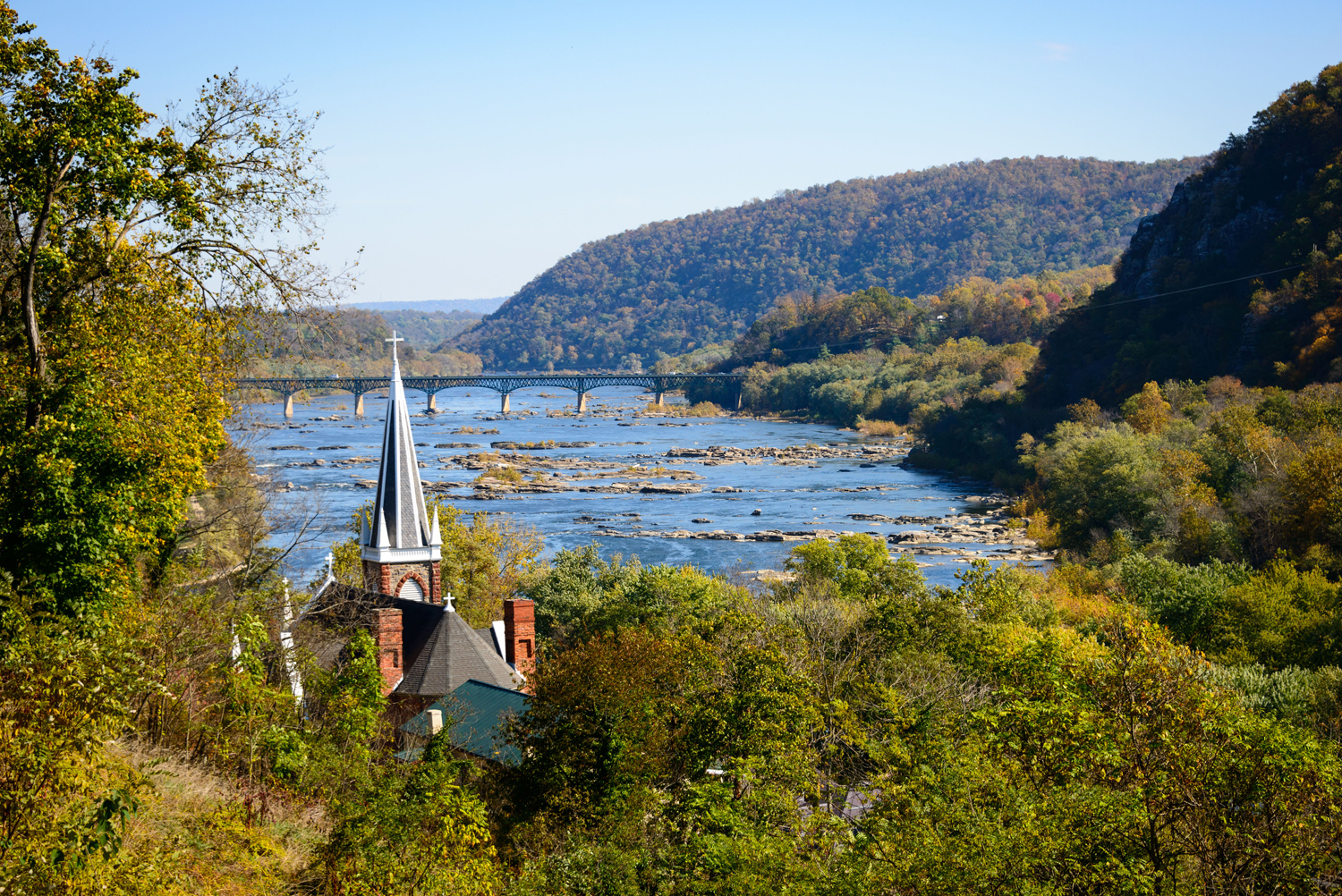
West Virginia is stunning until you need a job, a hospital, or reliable internet. Economic decline and aging infrastructure make everyday life harder than it should be. Nature does a lot of heavy lifting here.
New Mexico
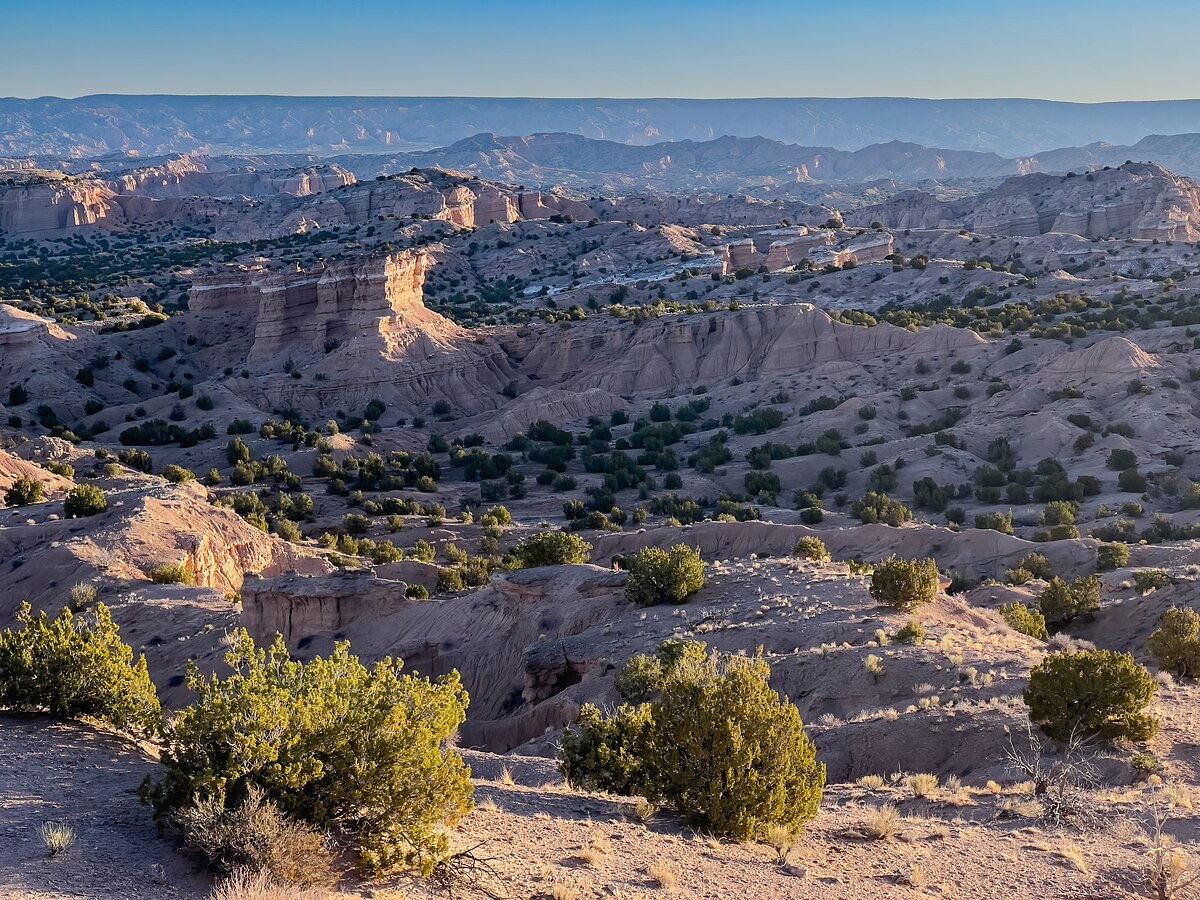
New Mexico offers incredible culture and scenery, then follows it up with poor education outcomes and high crime rates. Opportunity depends heavily on where you live. The highs are high, but the gaps are wide.
Alabama
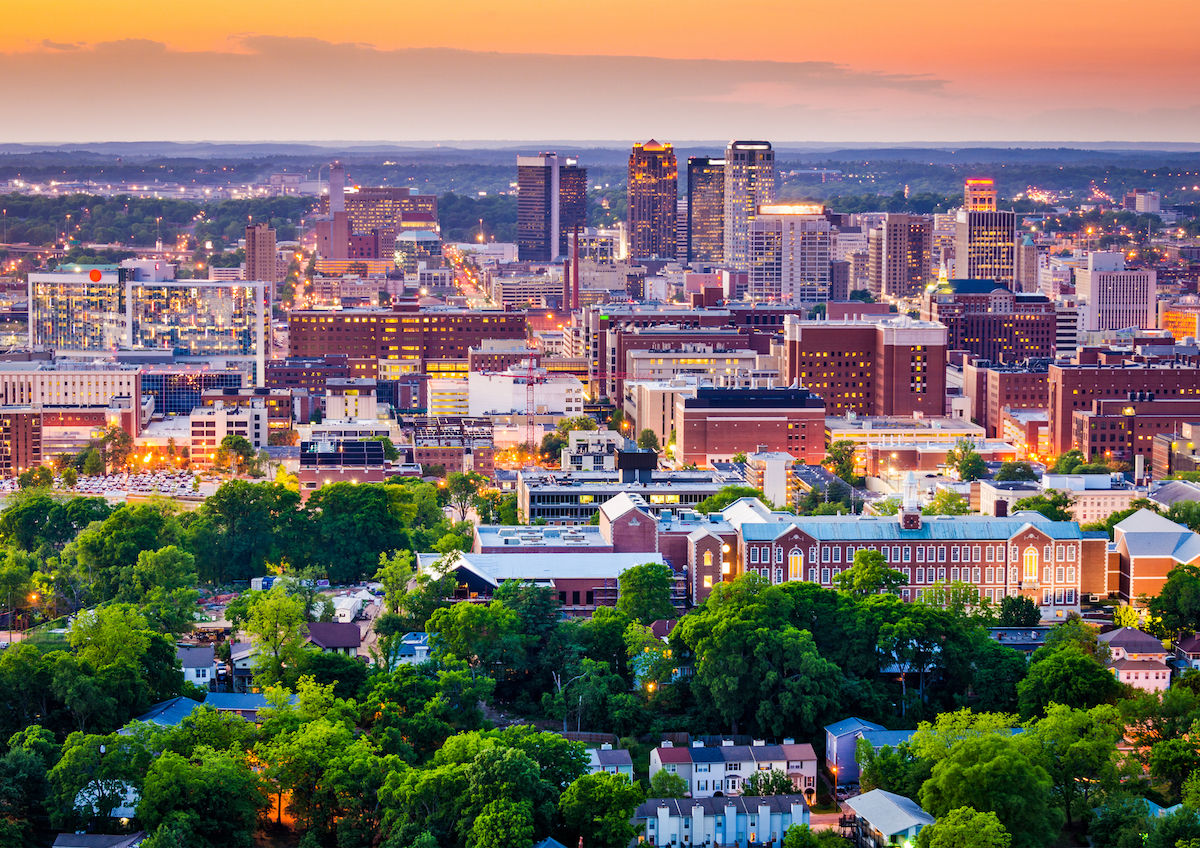
Alabama struggles with healthcare access and education quality year after year. Chronic illness rates remain high across the state. Improvement exists, but it never seems to gain much momentum.
Arkansas
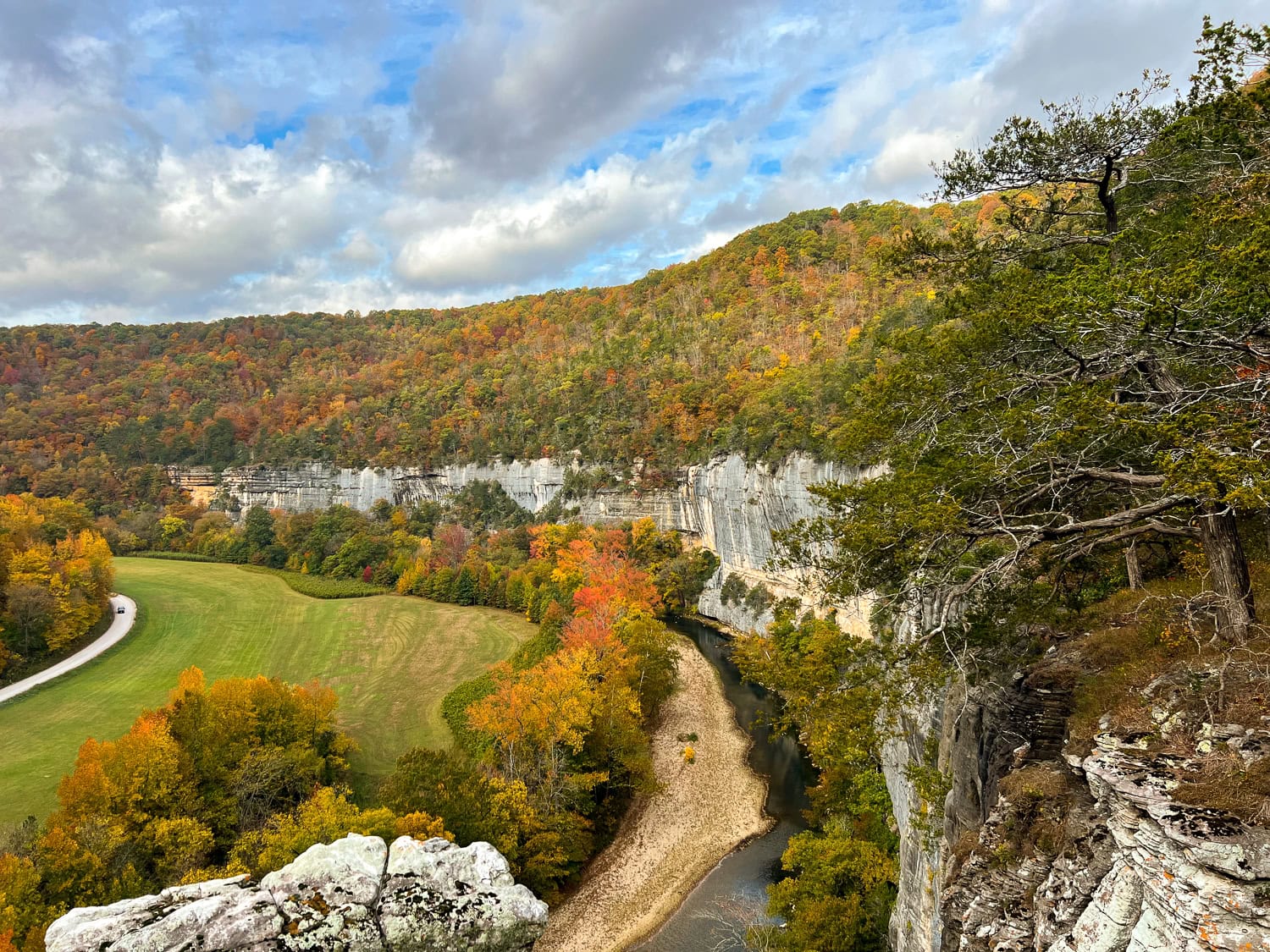
Arkansas combines limited healthcare access with high incarceration rates. Educational attainment lags behind most of the country. Life can feel restrictive depending on where you land.
Oklahoma
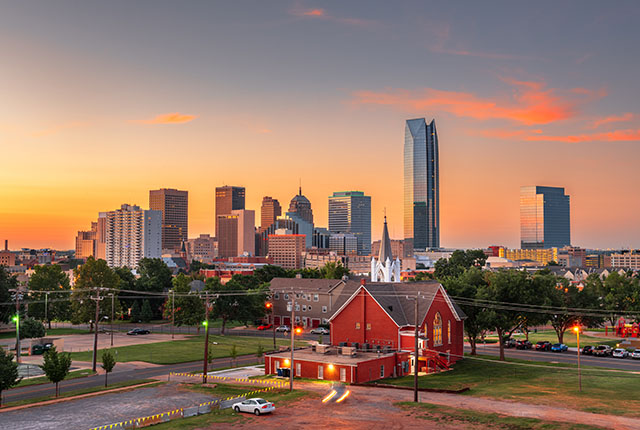
Oklahoma wrestles with mental health outcomes, incarceration, and education funding. The cost of living is low, but so is the safety net. It is a tough tradeoff for many residents.
Alaska
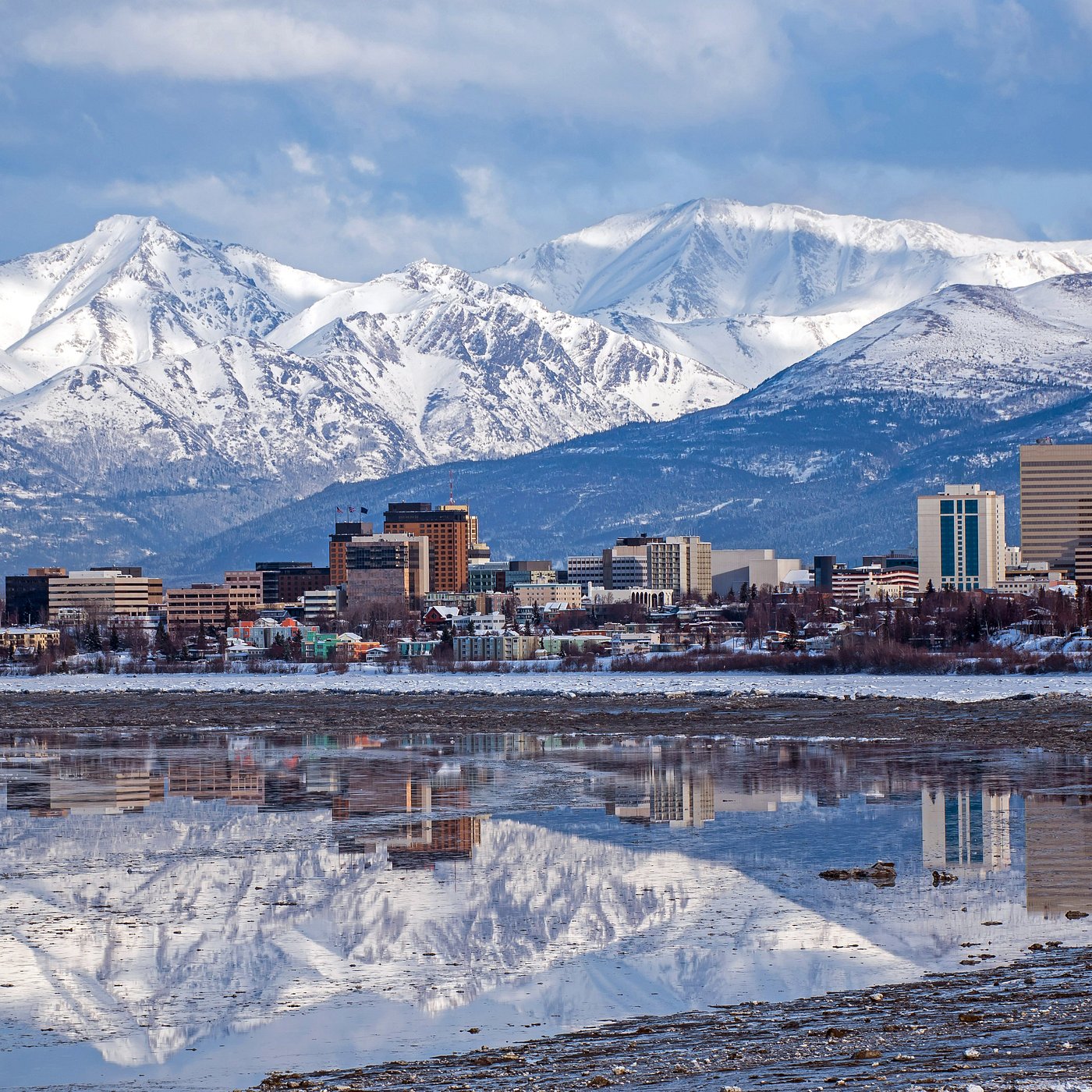
Alaska’s isolation makes everything more expensive and harder to access. Healthcare and infrastructure gaps are especially severe in rural areas. Living here requires resilience and a strong tolerance for inconvenience.
Michigan
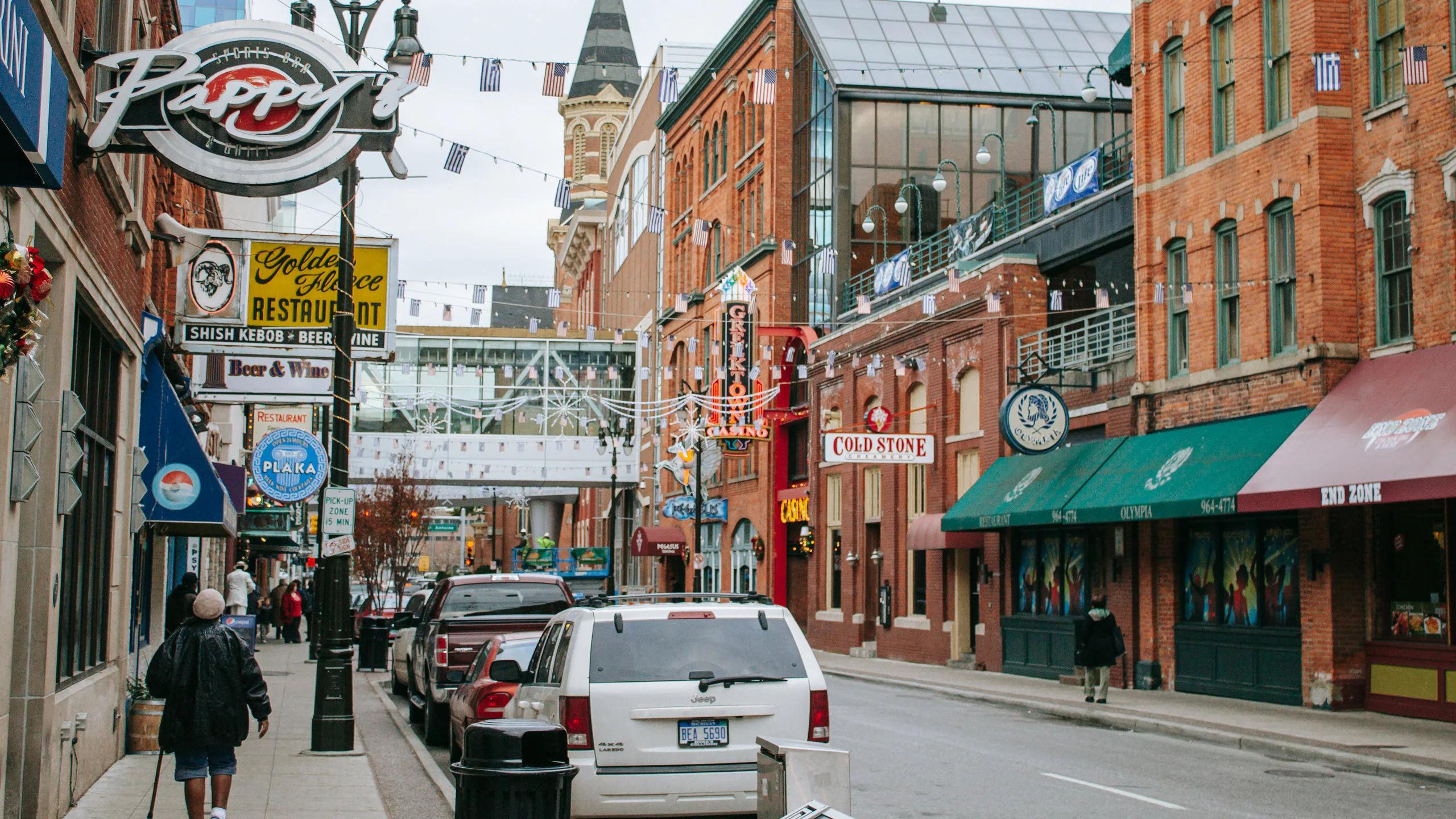
Michigan continues to battle aging infrastructure and uneven economic recovery. Crime and education challenges remain stubborn. Some areas thrive while others feel left behind.
Pennsylvania
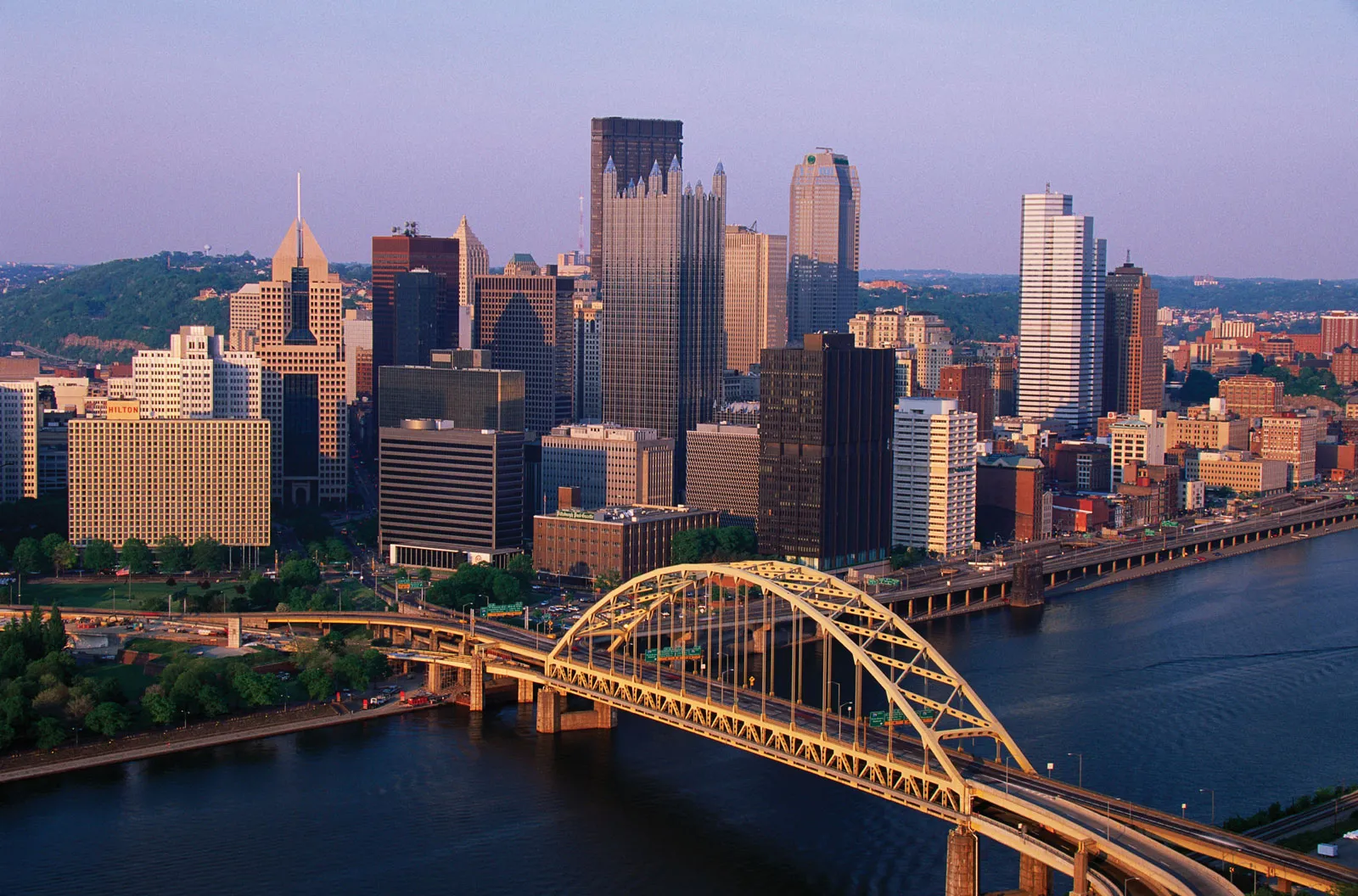
Pennsylvania has strong healthcare institutions paired with crumbling bridges and fiscal stress. Environmental issues weigh down major cities. It is a mix of strengths and long-running problems.
Kentucky
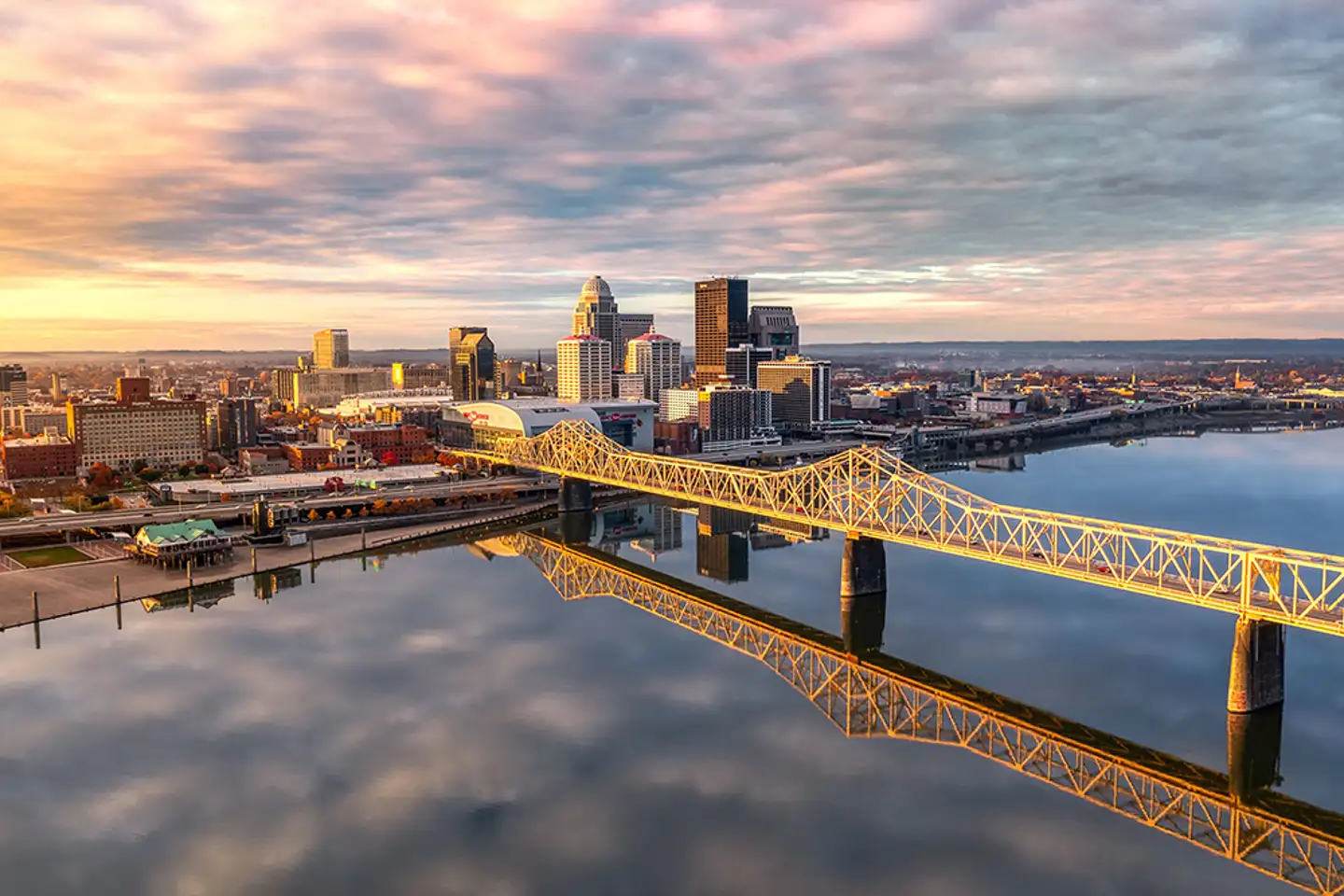
Kentucky faces persistent health issues and limited educational outcomes. Rural communities often struggle the most. Opportunity can feel unevenly distributed across the state.
South Carolina
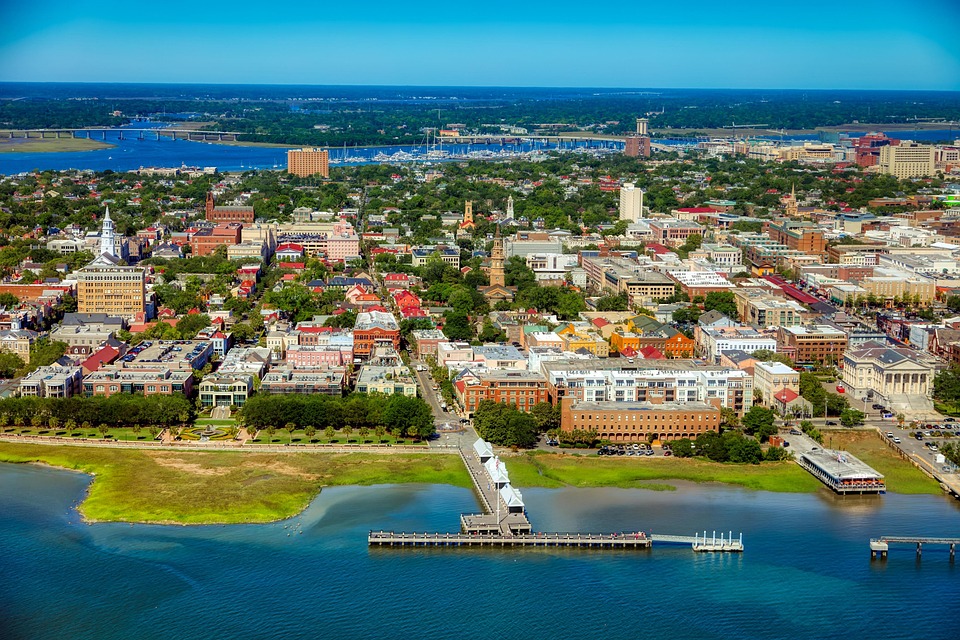
South Carolina ranks low for worker protections and healthcare access. Growth has not translated into better quality of life for everyone. Infrastructure and schools continue to lag behind.
Tennessee
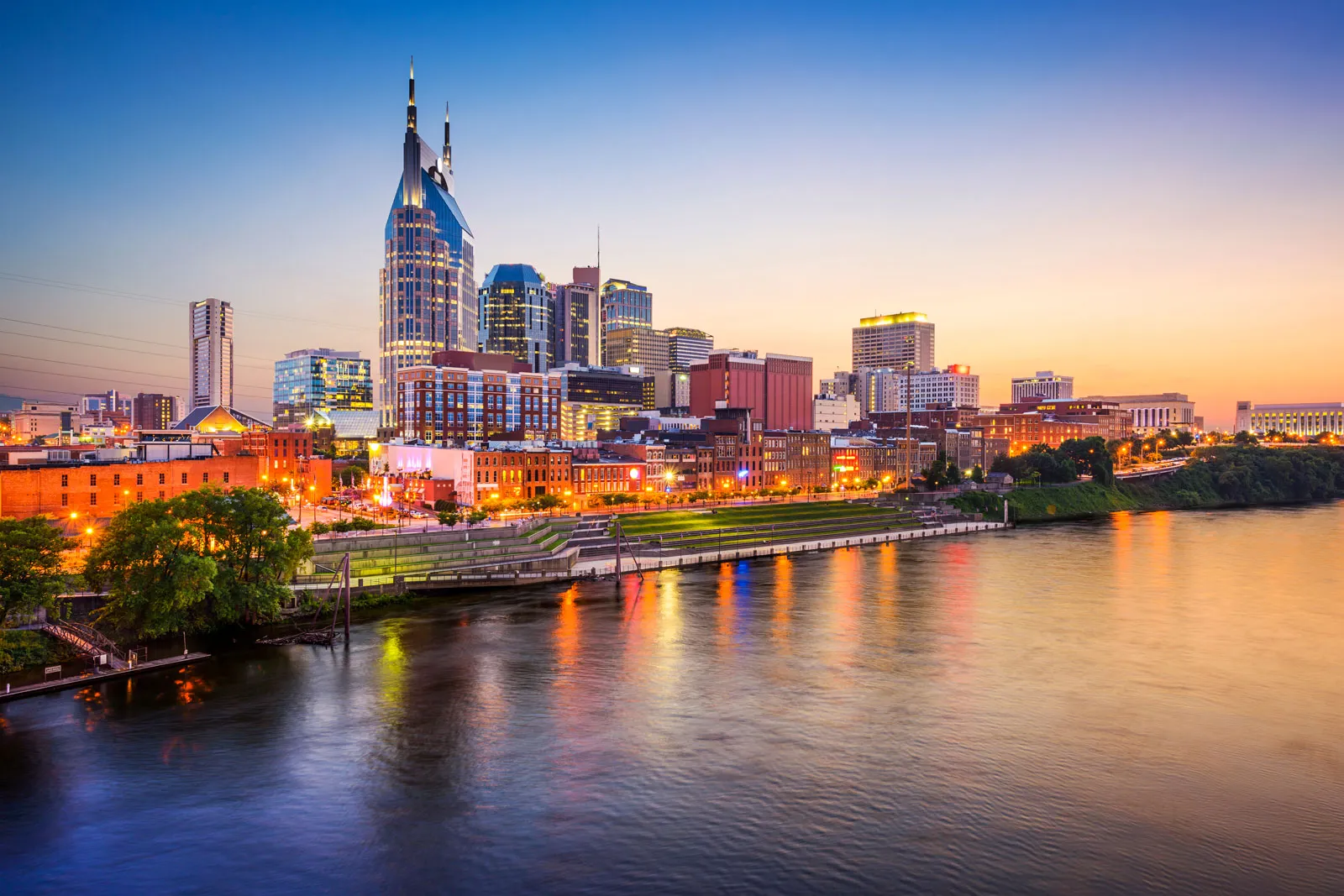
Tennessee combines rapid growth with rising crime and housing strain. Social services have not kept up with population increases. Cities feel exciting until daily logistics kick in.
Texas

Texas offers jobs and space, then quietly removes safety nets. Healthcare access and worker protections remain major concerns. Bigger does not always mean better.
Indiana
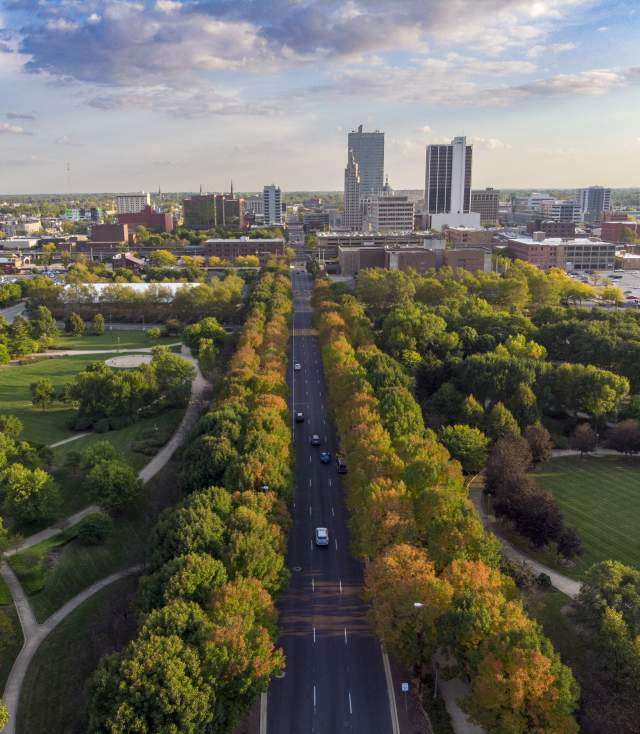
Indiana struggles with inclusiveness and healthcare availability. Education and childcare access vary widely by region. Life here can feel limiting depending on your needs.
Missouri

Missouri faces high crime rates and uneven economic opportunity. Political gridlock slows progress on basic issues. Some cities thrive while others stagnate.
Ohio
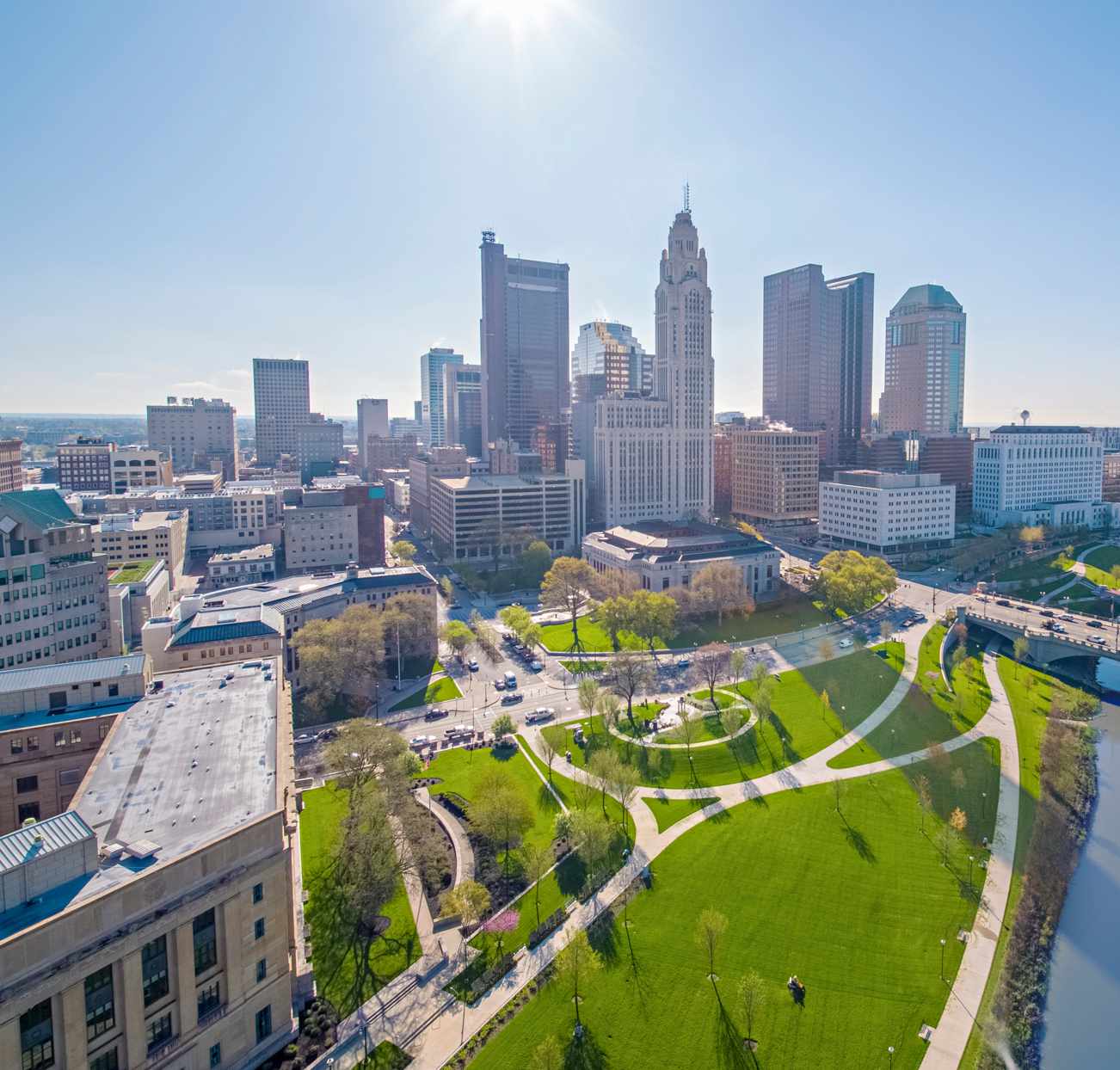
Ohio deals with infrastructure decay and health challenges. Economic growth has been inconsistent. Stability exists, but excitement is rare.
Arizona

Arizona grows faster than its resources can support. Water concerns and housing costs loom large.
Nevada
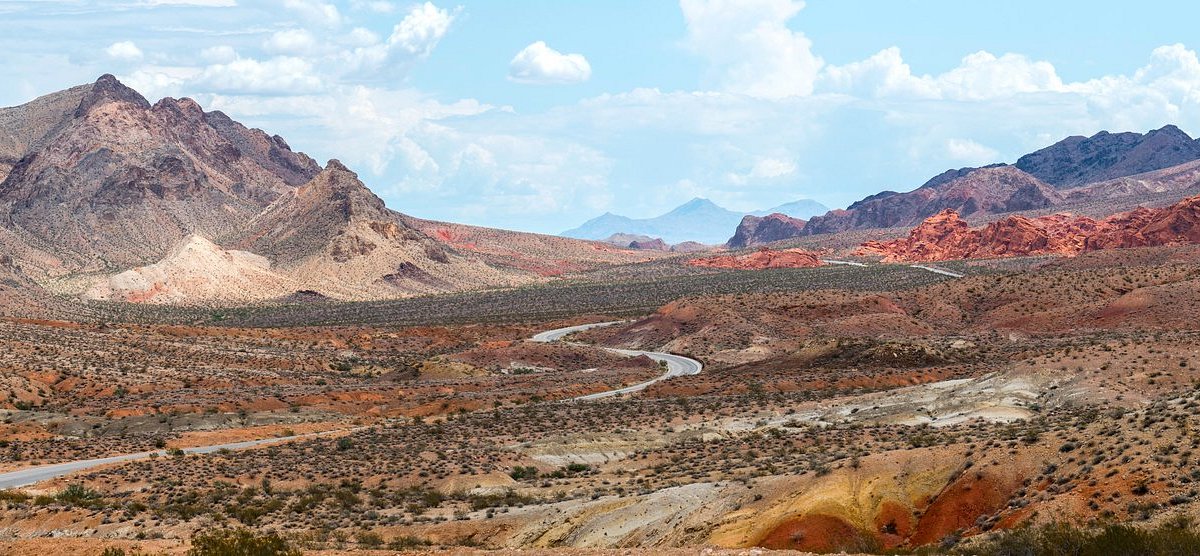
Nevada depends heavily on tourism, which makes its economy volatile. Healthcare access is limited outside major cities. When things slow down, residents feel it quickly.
Illinois

Illinois battles fiscal instability alongside population loss. Crime and infrastructure concerns persist. Taxes feel high, and trust feels low.
California
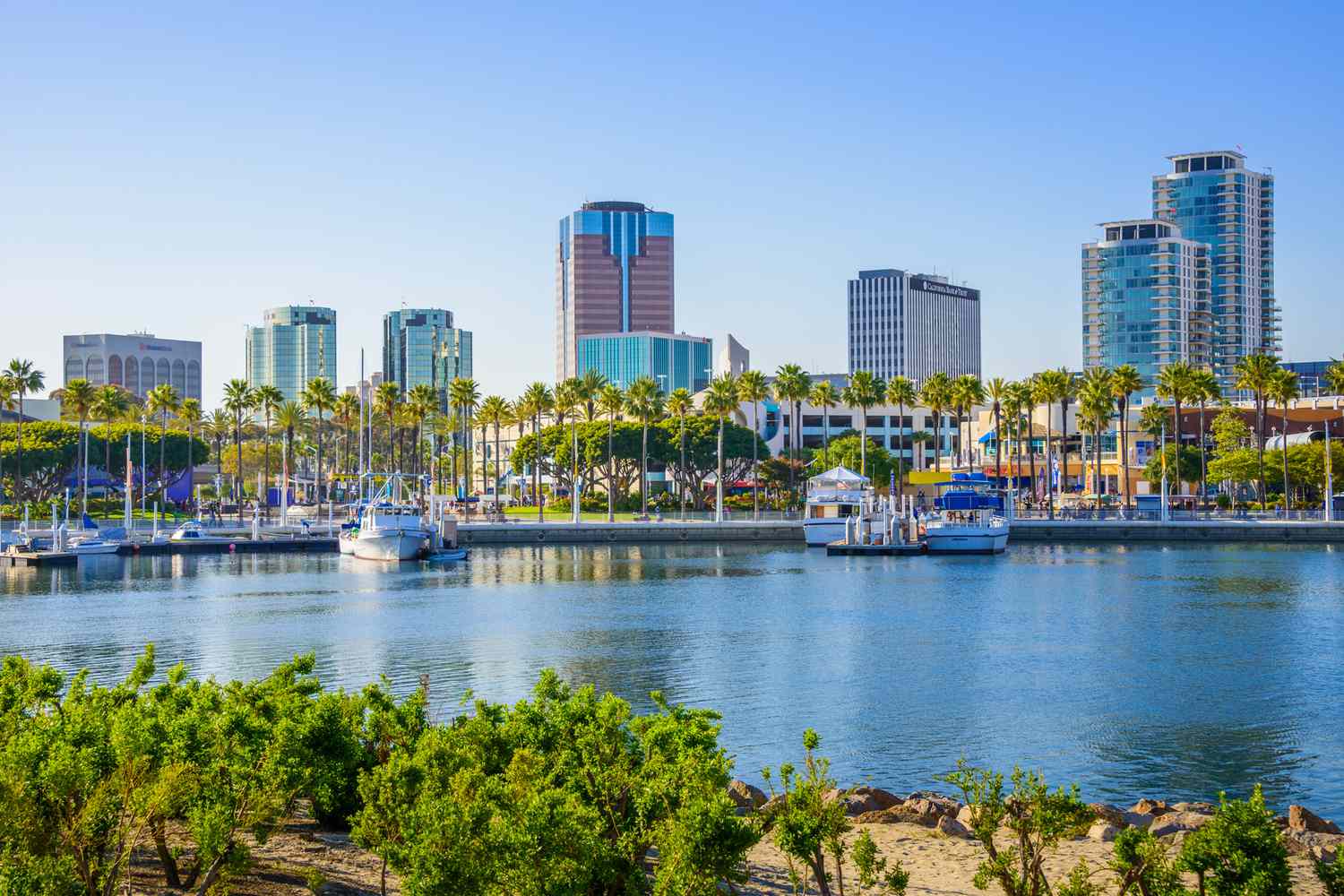
California offers opportunity with a hefty price tag attached. Housing affordability remains a crisis. For many residents, the dream costs too much to maintain.
Oregon

Oregon struggles with rising housing costs and strained public services. Mental health and addiction resources remain underfunded. Rural areas feel especially disconnected.
New York

New York’s cost of living overwhelms many residents. Infrastructure outside major cities shows its age. Opportunity exists, but it comes with constant pressure.
Georgia

Georgia faces healthcare access issues and worker protection gaps. Growth has worsened traffic and housing affordability. Rural poverty remains deeply entrenched.
Kansas
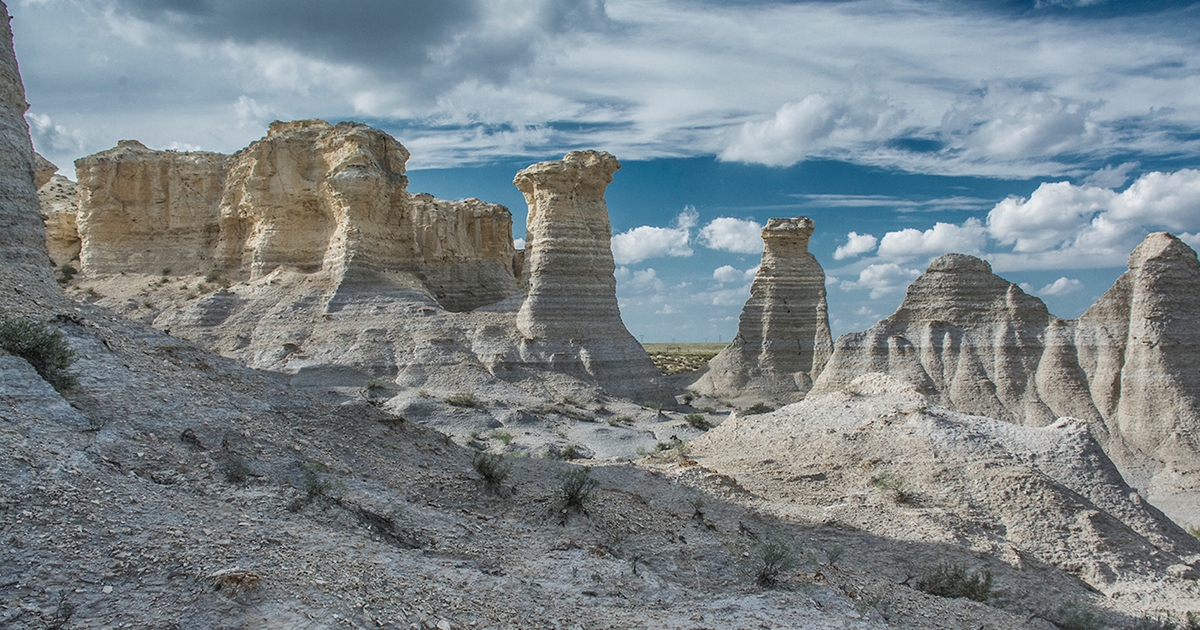
Kansas struggles with education funding and healthcare shortages. Economic opportunity can feel limited outside major hubs. Progress tends to stall more than accelerate.
Montana
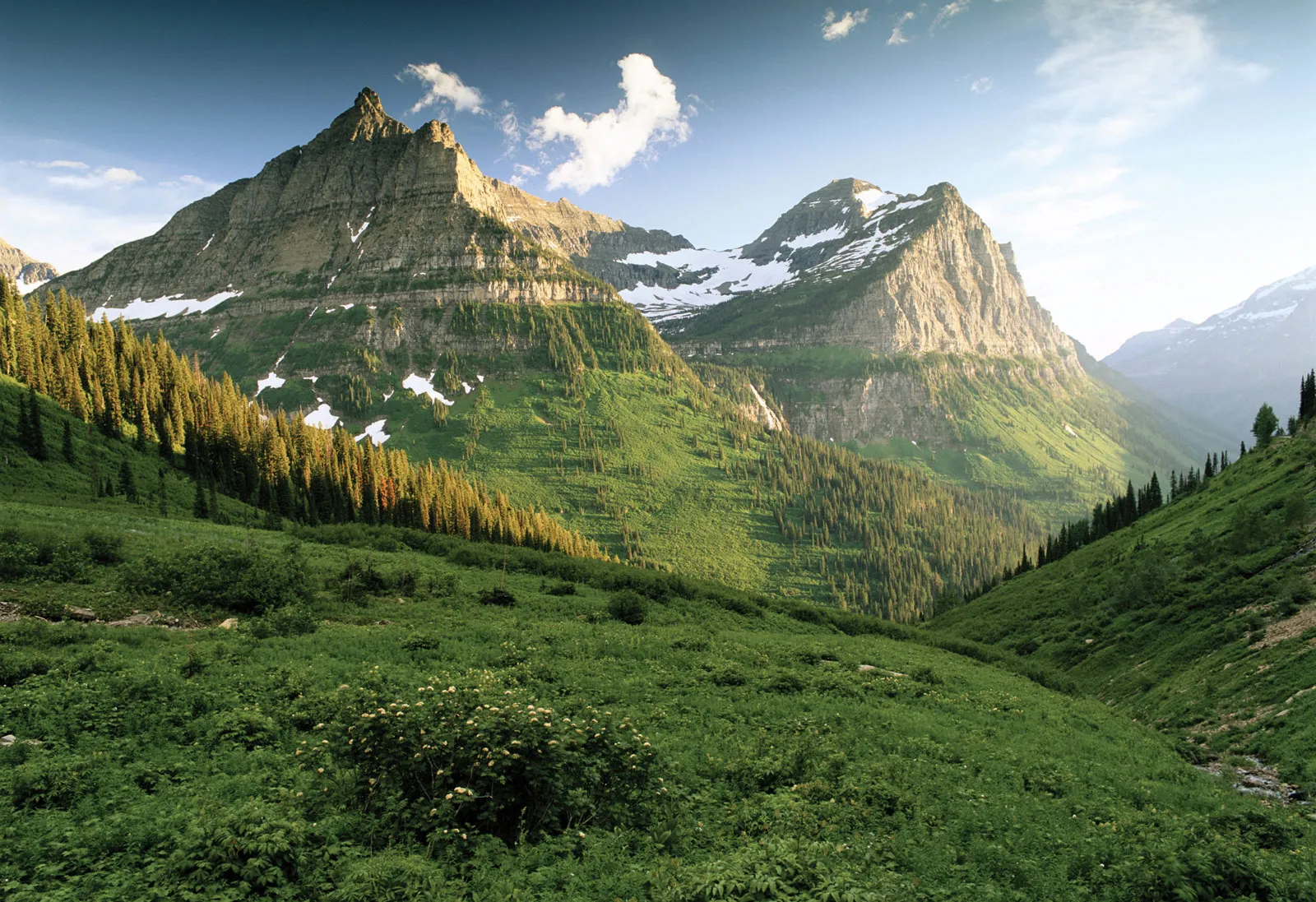
Montana’s housing prices have surged while wages lag behind. Healthcare access remains difficult in rural regions. Beauty does not always equal livability.
Maine
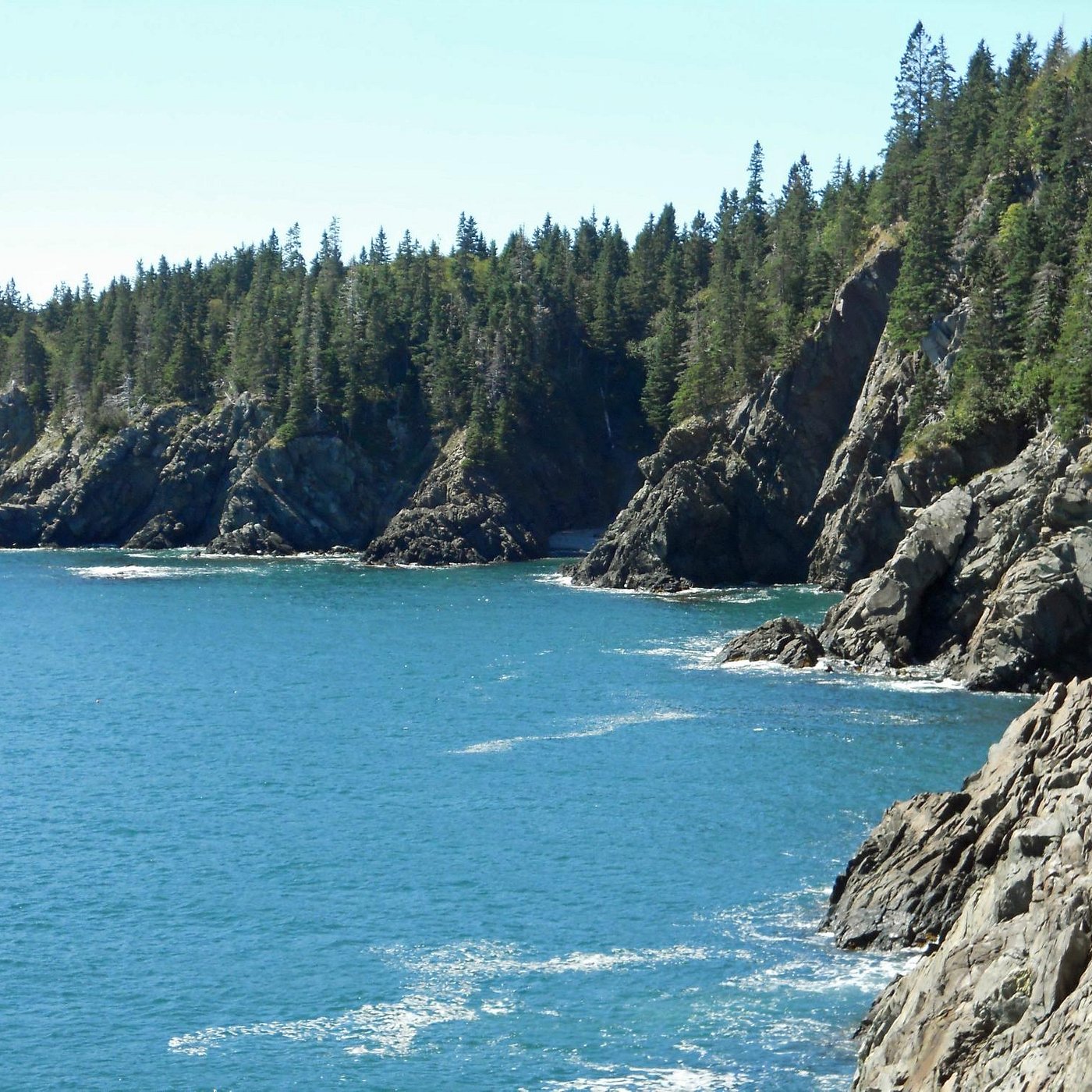
Maine’s aging population puts pressure on healthcare and the economy. Job growth remains limited. Winters do not help morale.
Rhode Island

Rhode Island combines high taxes with slow economic growth. Infrastructure needs serious attention. Small size does not mean small problems.
Wyoming
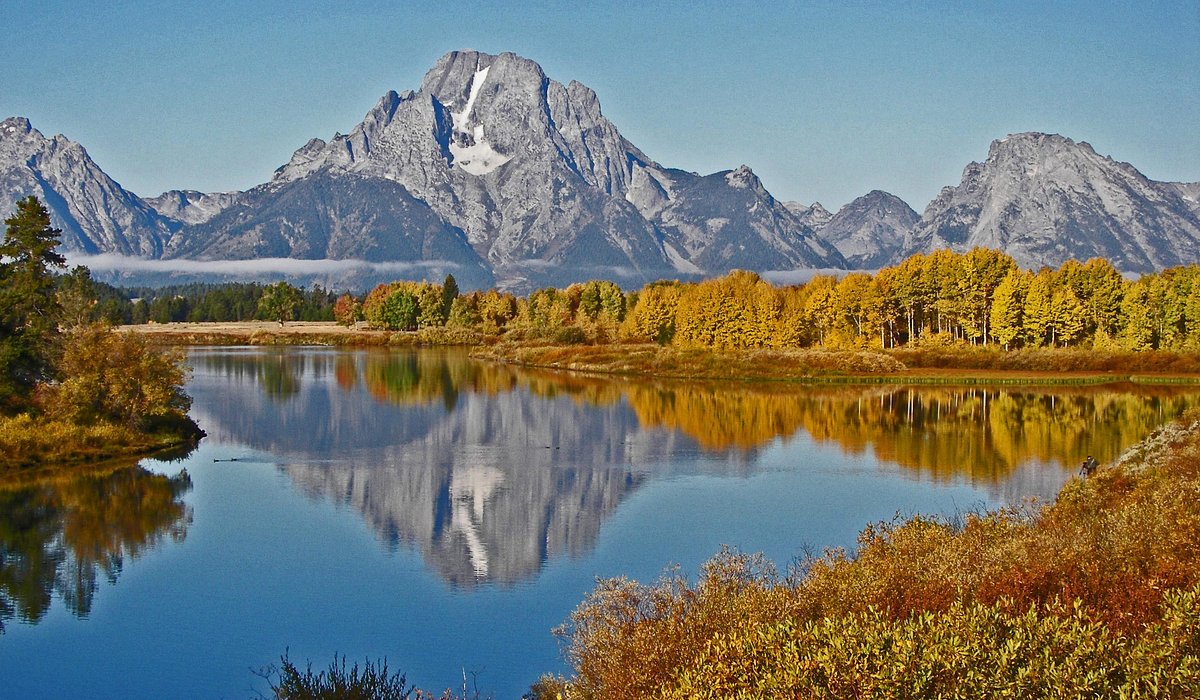
Wyoming depends heavily on energy markets that swing wildly. Healthcare access is limited across large rural areas. Job diversity remains thin.
Utah
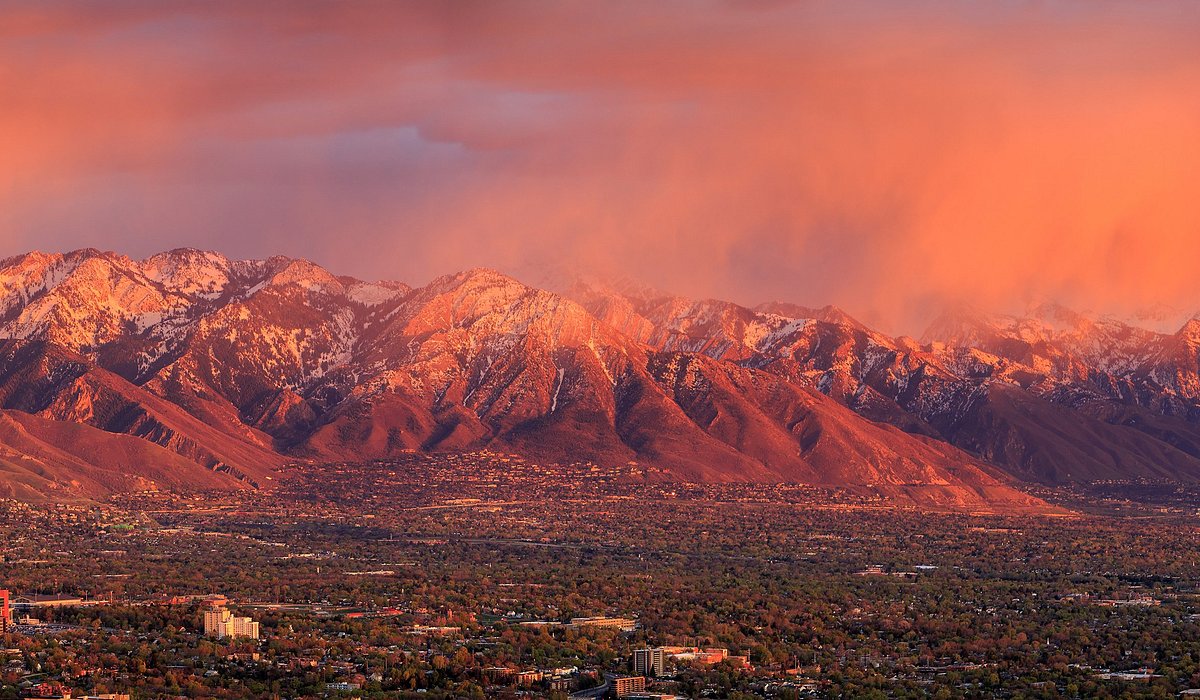
Utah ranks well on paper but struggles with inclusiveness and affordability. Cultural pressure and rising housing costs affect quality of life. It works for some, not for many.