Technology doesn’t just move us forward, it shakes things up. While some inventions have become relics of the past, others continue to define modern life. Here are 30 tech breakthroughs that defined their eras. Some celebrated, others full of controversy.
Compact Cassette – (1963)
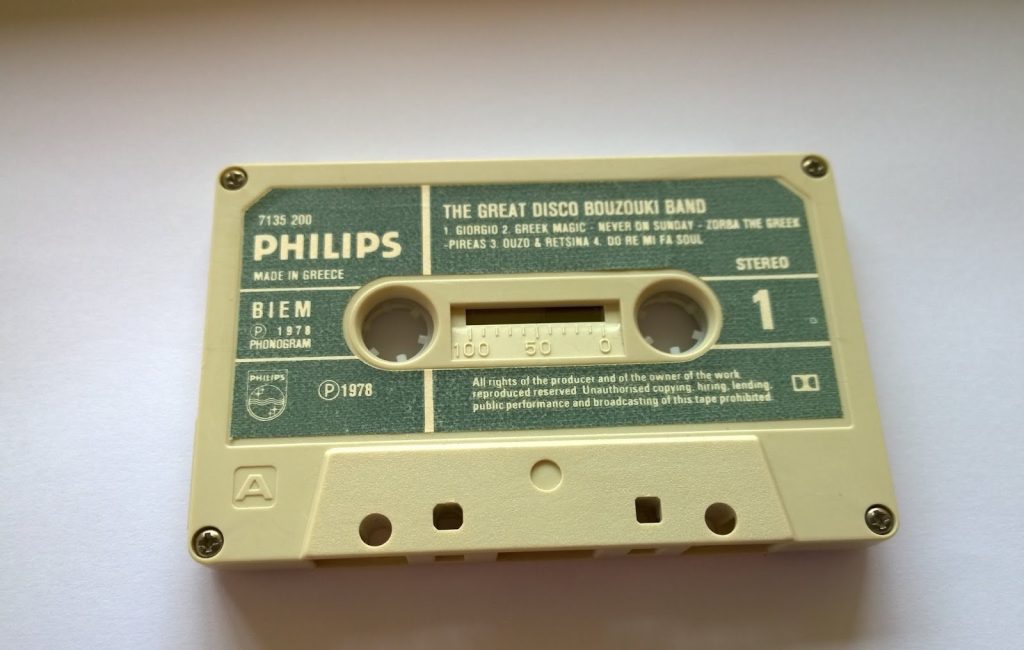
Philips launched the compact cassette, miniaturizing tape audio into a format small enough to carry anywhere. It became the backbone of mixtape culture, car stereos, and two decades of portable music.
Diners Club Credit Card – (1950)
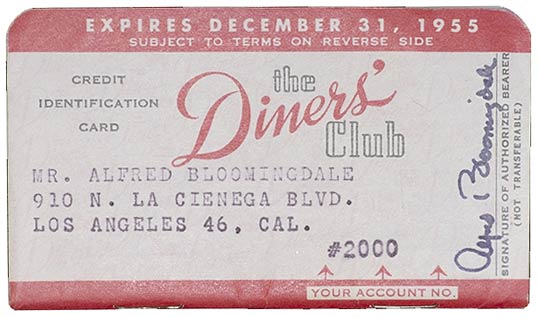
The launch of the first multipurpose charge card made “pay later” a common practice, transforming consumer habits and laying the foundation for modern credit systems.
Barcode – (1952)
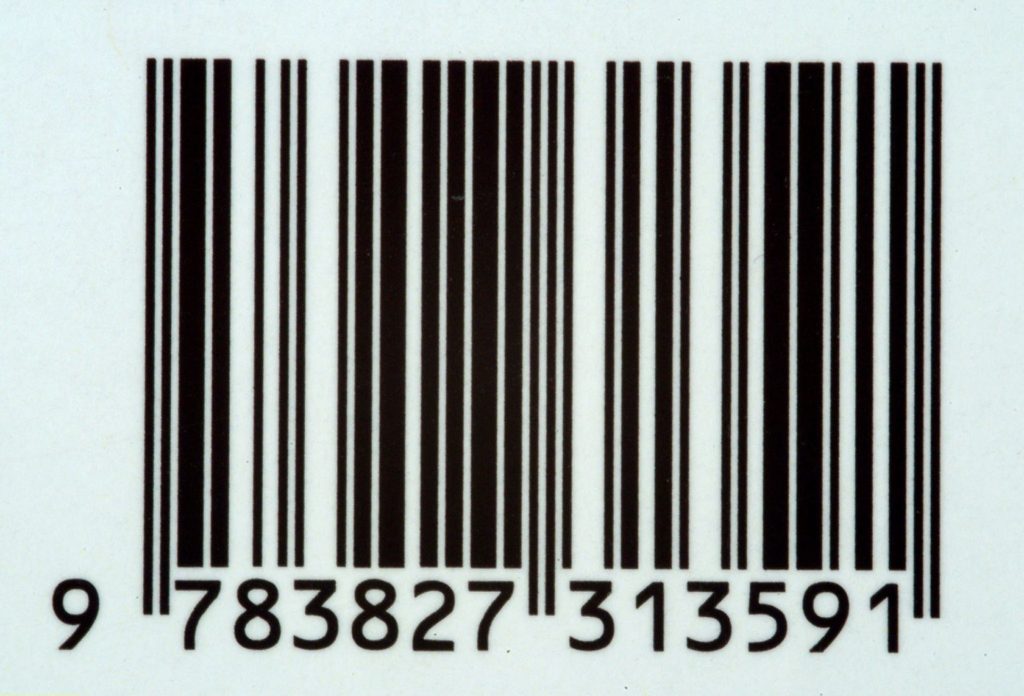
Patented in 1952 and first scanned on a pack of Wrigley’s gum in 1974, the barcode made retail truly scannable. It supercharged inventory, pricing, and checkout.
Laser – (1960)
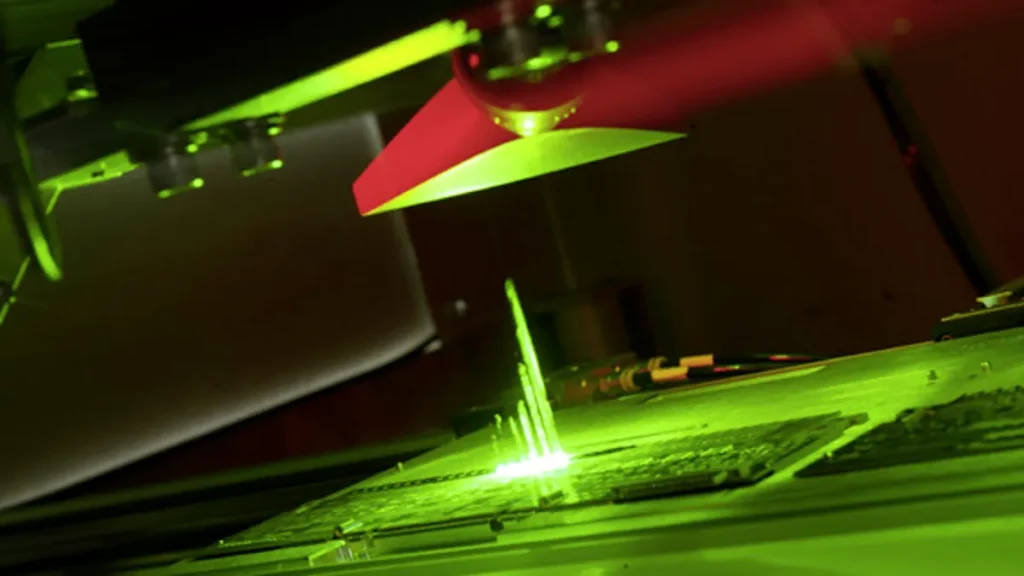
Theodore Maiman’s ruby laser unlocked precision light for everything from fiber optics to medical surgery and Blu-ray. “Light amplification” became an industry.
Transistor – (1947)

Bell Labs’ transistor dethroned vacuum tubes, shrinking electronics and enabling modern computing. It’s the seed of every chip we use.
Integrated Circuit (Microchip) – (1958)
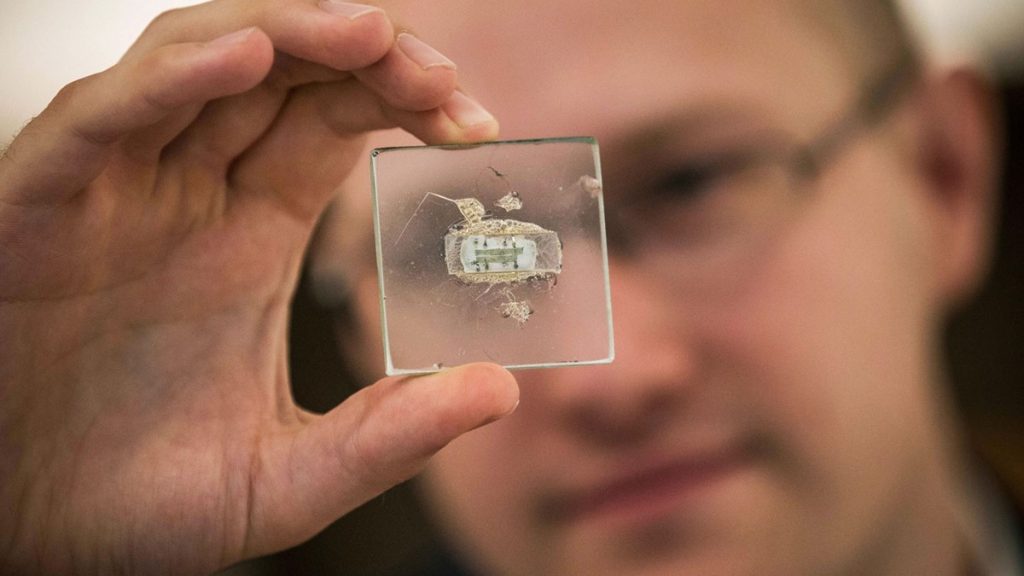
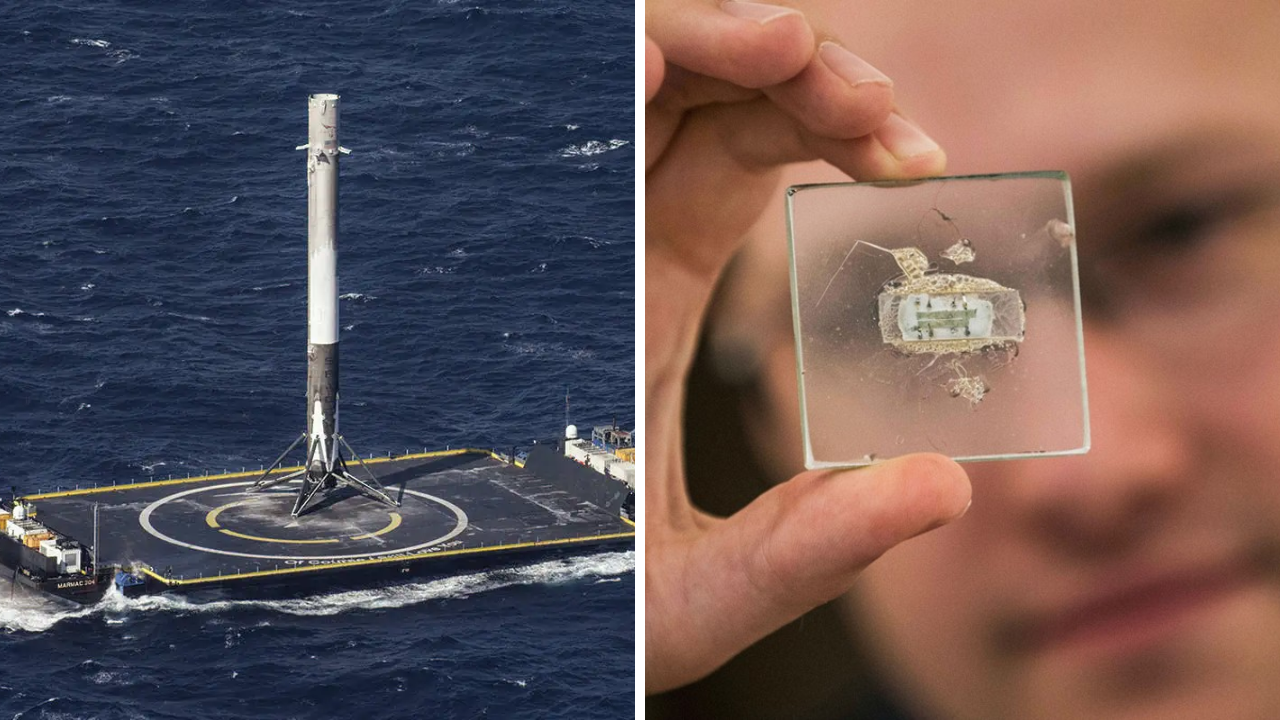
Working separately, Jack Kilby and Robert Noyce integrated multiple components onto one wafer, inventing the microchip. It revolutionized computing by making machines more compact, affordable, and powerful.
Microprocessor – (1971)
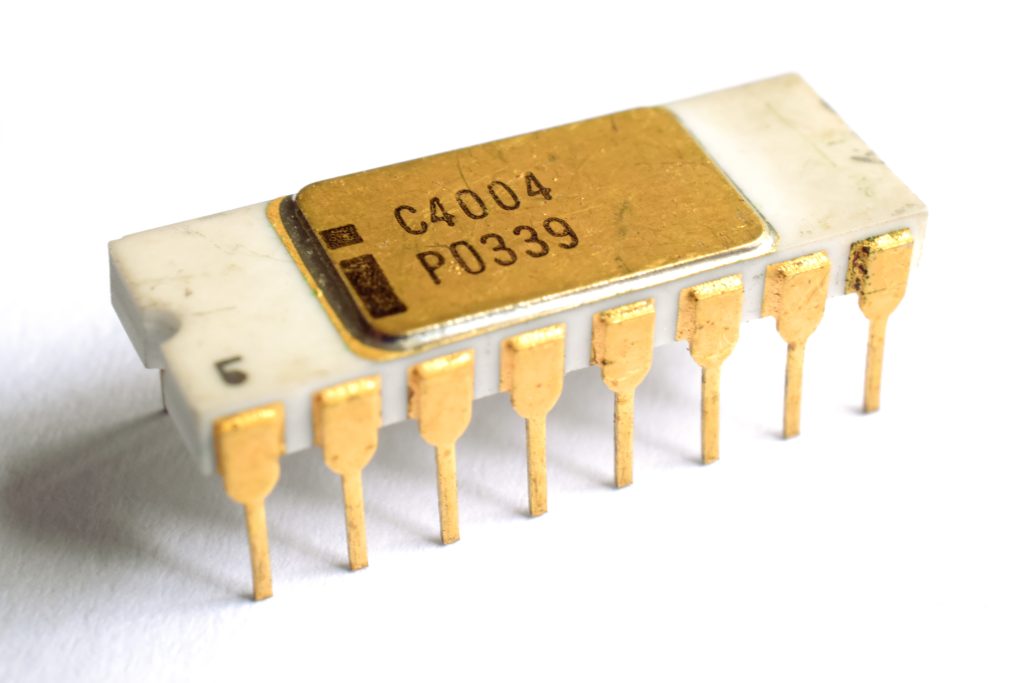
Intel’s 4004 put a CPU onto one chip, kicking off the personal computing revolution. One sliver of silicon, a universe of software.
Email – (1971)
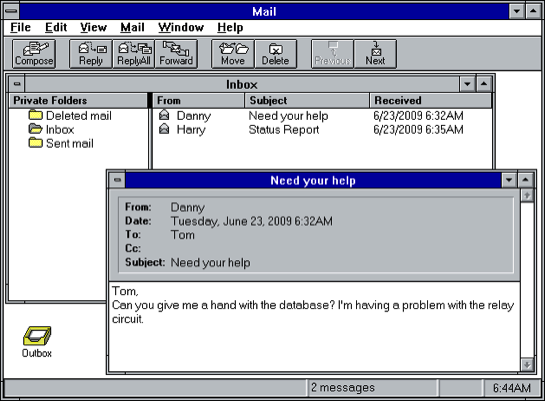
Ray Tomlinson’s simple “user@host” format gave birth to email, sparking a daily routine and making asynchronous digital communication the norm.
Graphical User Interface – (1973)
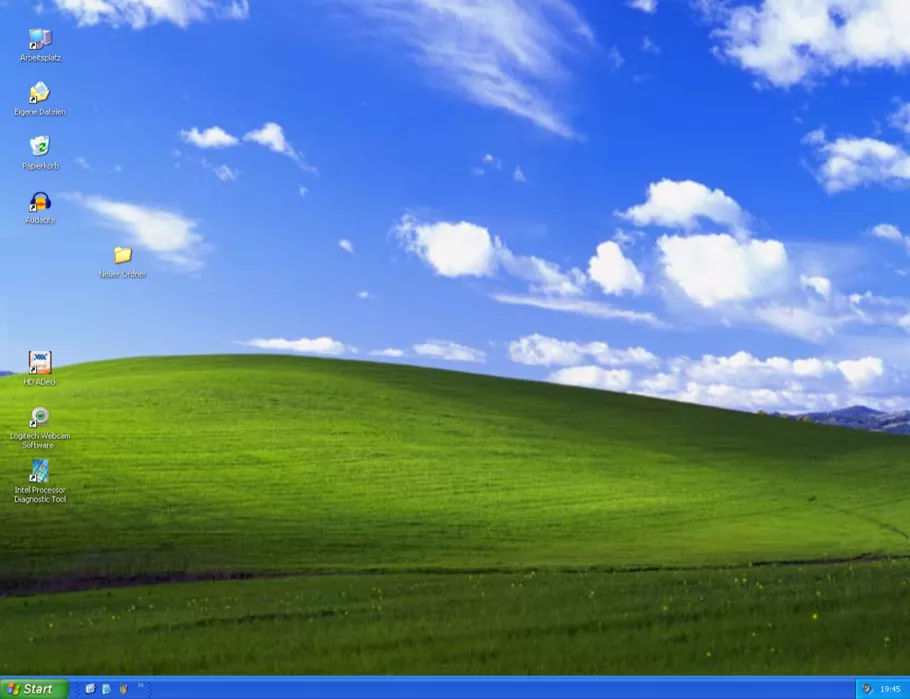
The Xerox Alto popularized windows, icons, and the mouse. Later mainstreamed by the Macintosh. Point-and-click changed how humans think about software.
Spreadsheet Software – (1979)
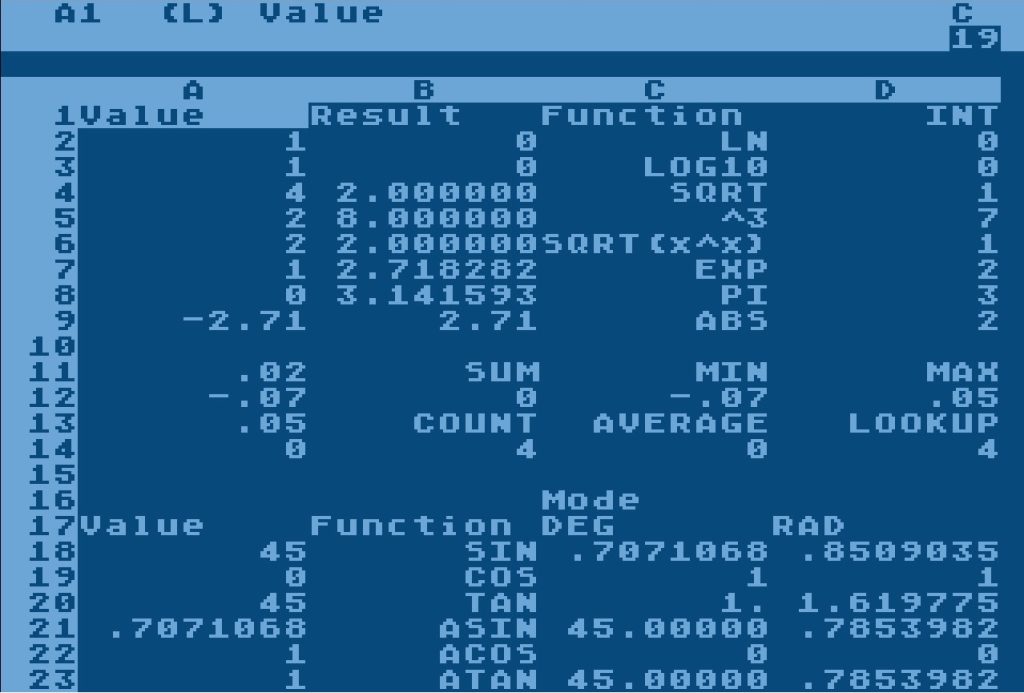
VisiCalc turned the PC into a business machine, making “what-if” analysis instant. It’s the ancestor of Excel and Google Sheets.
Sony Walkman – (1979)
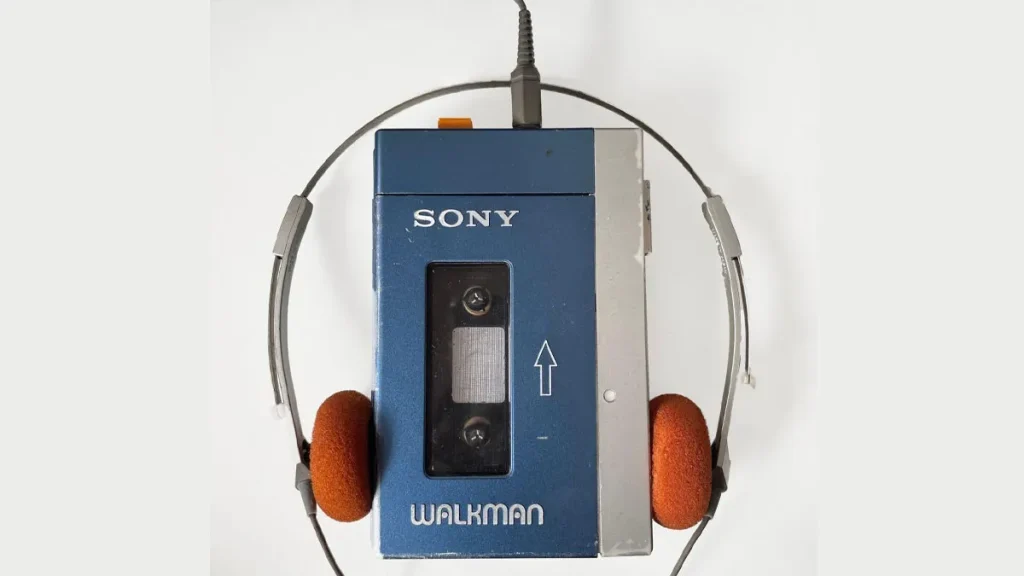
Music became personal and portable, headphones on and the world tuned out. It transformed the way we listened to albums and moved through our commutes.
Compact Disc – (1982)
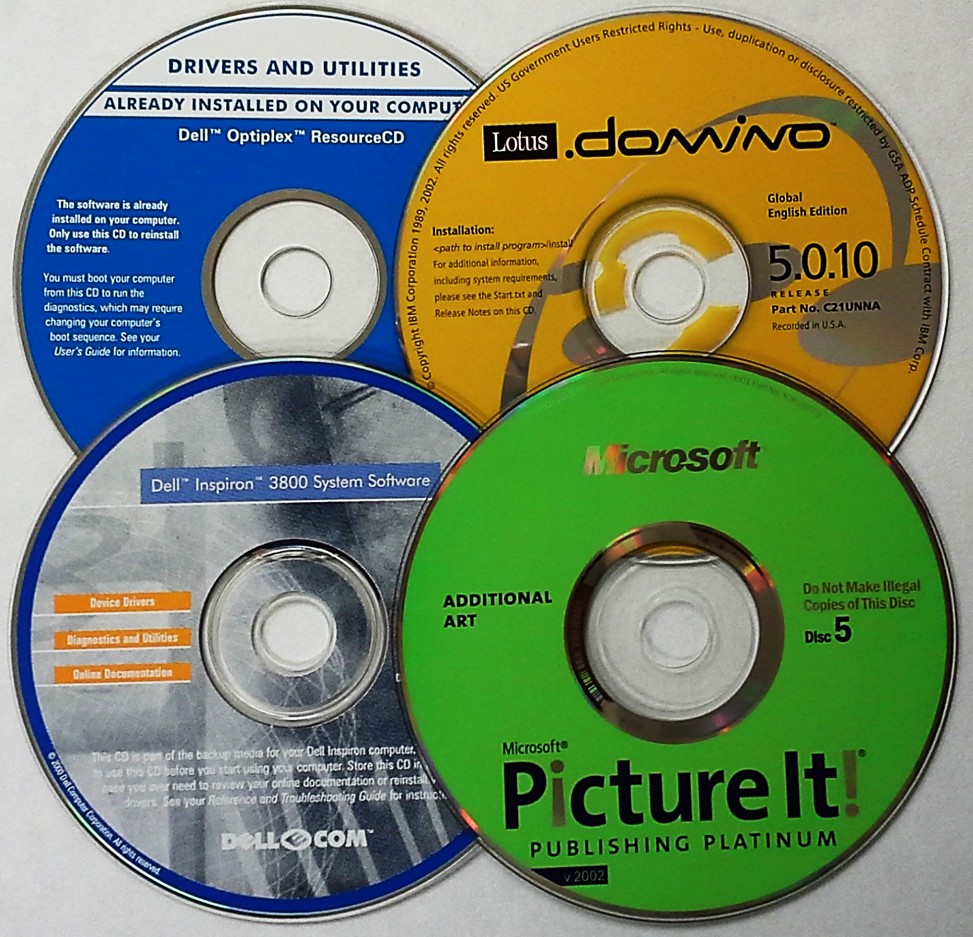
Sony and Philips pioneered the digital disc, offering high-quality audio and long-lasting durability. Its evolution into CD-ROMs marked the transition from analog listening to the digital age.
TCP/IP “Flag Day” – (1983)

By switching to TCP/IP, ARPANET made it possible for different networks to link up. Laying the foundation of today’s Internet.
World Wide Web – (1989)

With HTTP/HTML and the browser, Tim Berners-Lee made the Internet something anyone could browse. The World Wide Web united networks into a single global space for information.
MP3 – (1993)
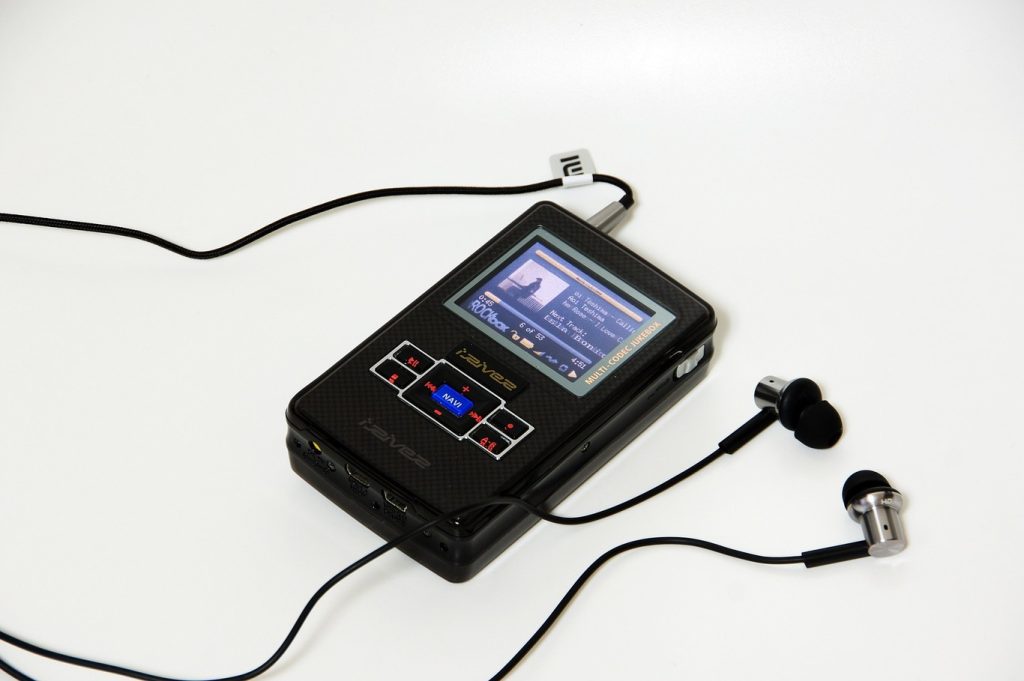
MP3 shrank songs for the web and portable players. It catalyzed digital music distribution.
QR Code – (1994)

These data-packed squares, invented by Denso Wave, made fast scanning possible and are now everywhere, tickets, payments, menus. Smartphones made them part of daily life.
GPS – (1995)
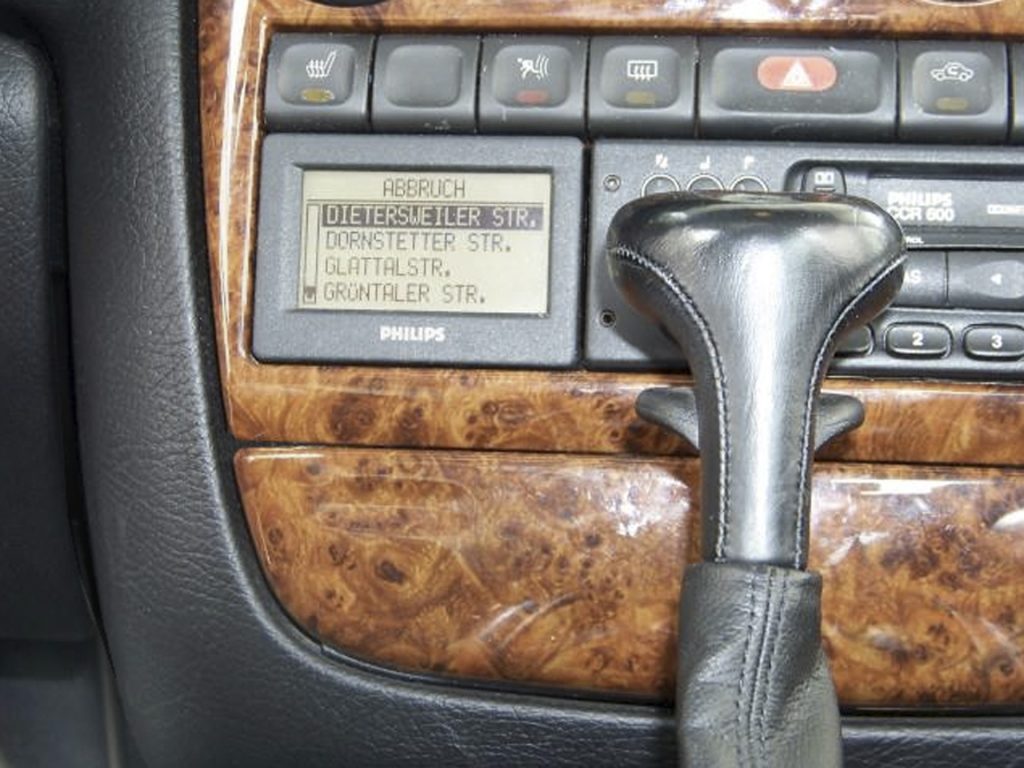
The Navstar constellation went fully operational, offering precise positioning first for military use and soon after for civilians. From Uber rides to modern farming.
Wi-Fi – (1997)
Once the Ethernet cord was gone, Wi-Fi made the Internet ambient accessible in houses, coffee shops, and airports. Mobility and connectivity merged.
YouTube – (2005)
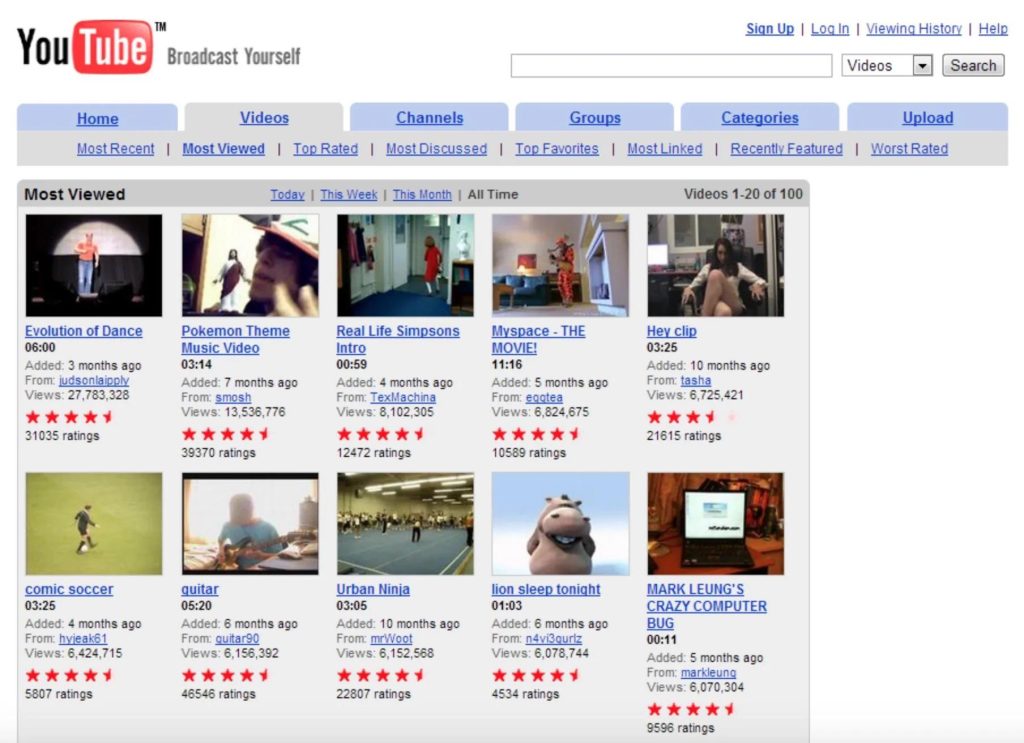
An easy upload feature brought video to the masses, sparking a wave of creators, how-tos, and cultural trends. It has since grown into the second-largest search engine on Earth.
Amazon Web Services (Cloud) – (2006)
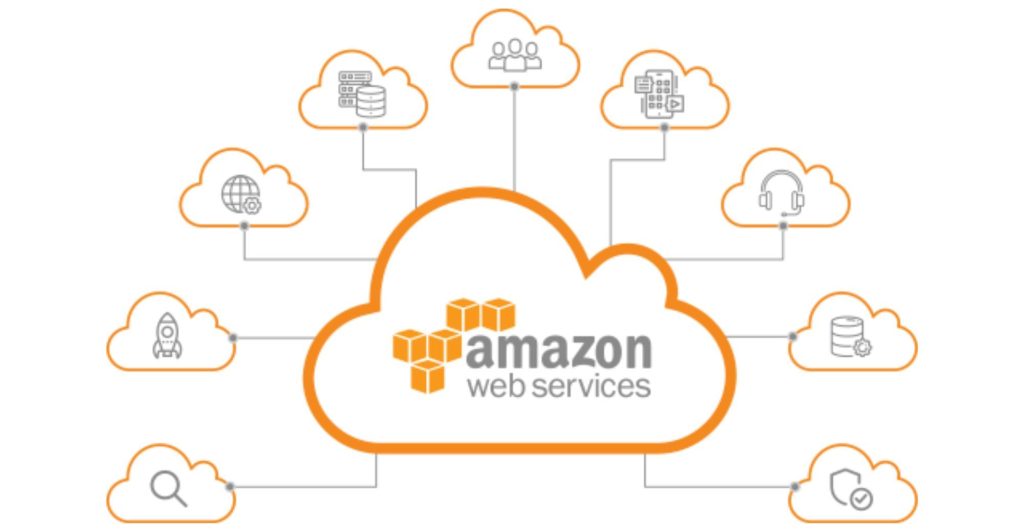
Transformed tech by making servers and data space available on demand, like utilities. This let small startups grow quickly without owning expensive hardware, and it set the stage for the cloud as today’s standard backend.
iPhone (Modern Smartphone) – (2007)
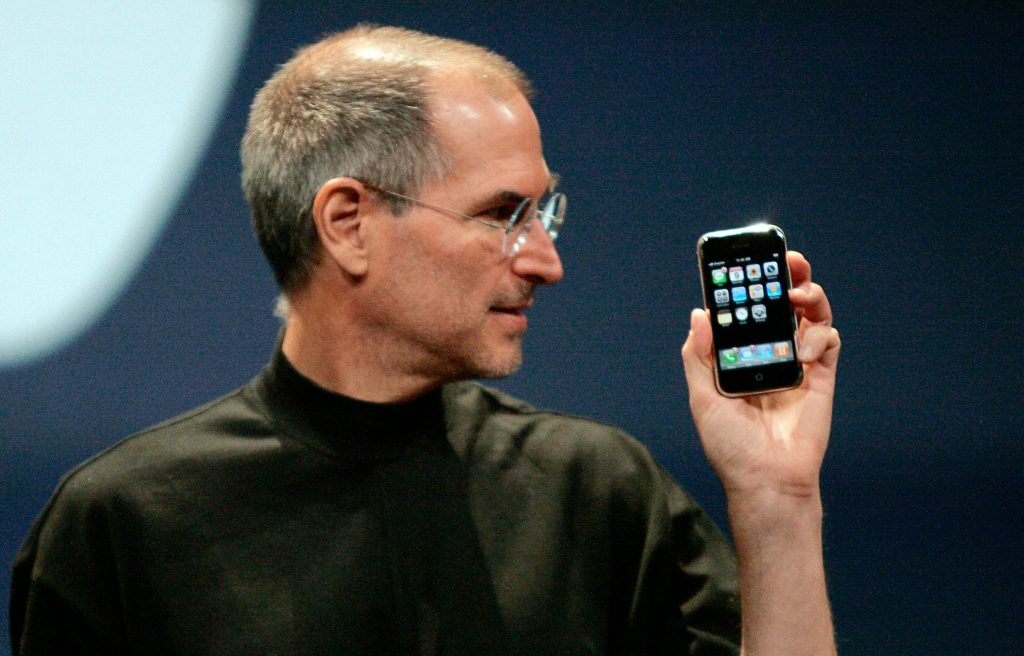
With multi-touch and mobile Internet, the smartphone became a pocket-sized computer. It transformed how we get software, take photos, pay, and live.
Netflix Streaming – (2007)
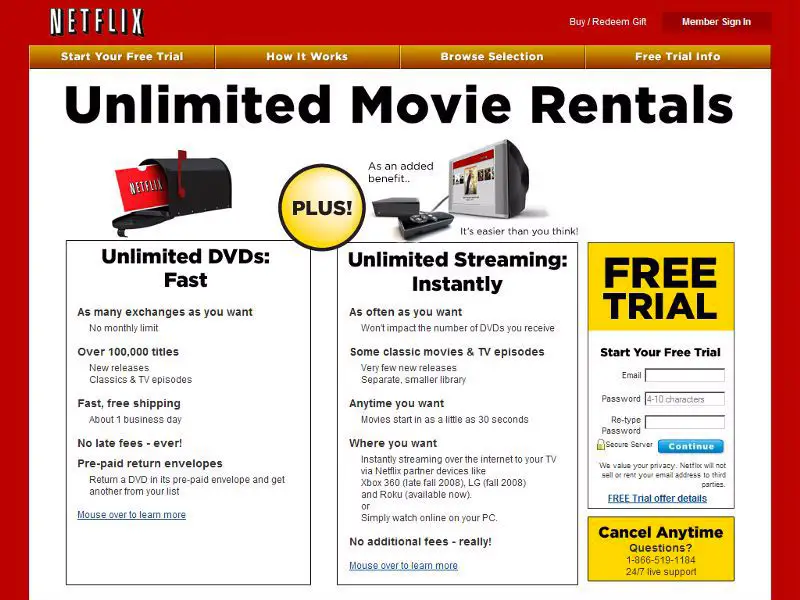
Replaced discs with on-demand video, breaking ties with cable and birthing the binge era.
Apple App Store – (2008)
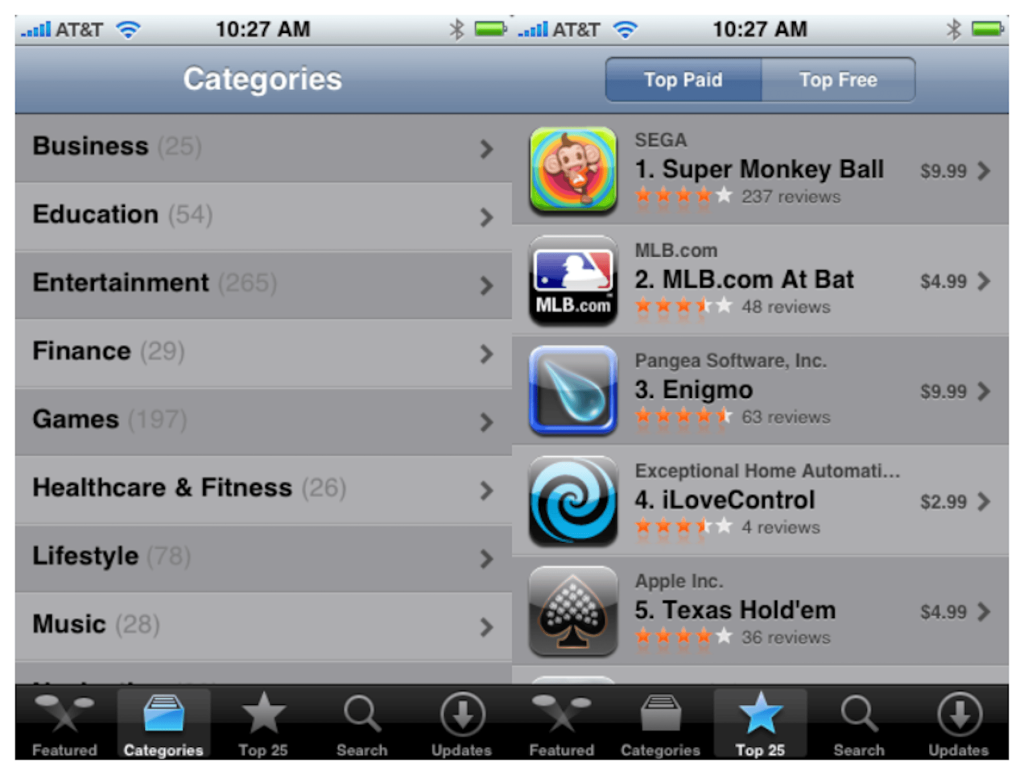
An app marketplace created a new economy for software and services. Billions of installs later, there’s an app for everything.
Bitcoin & Blockchain – (2008)
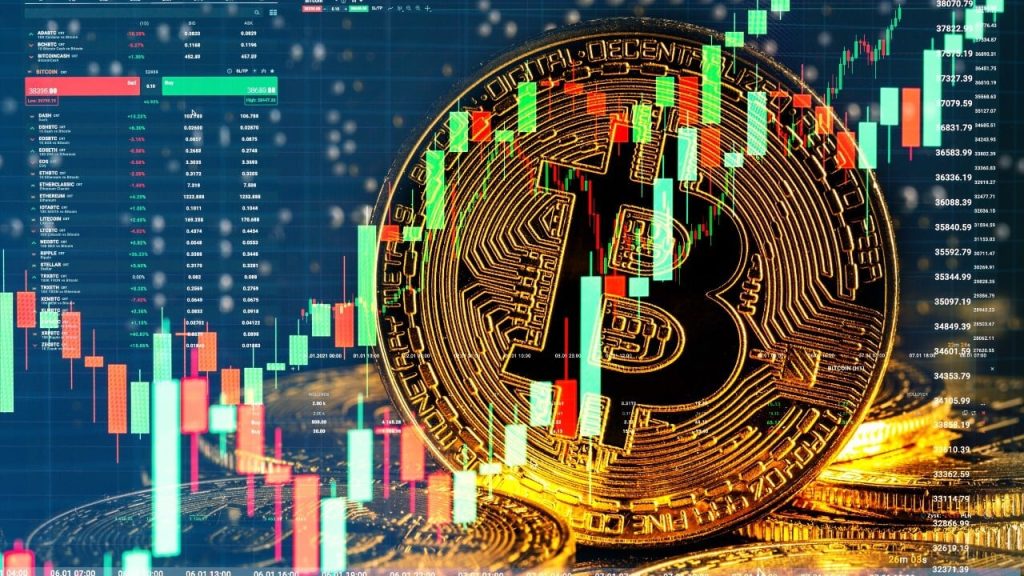
Satoshi Nakamoto, the creator of Bitcoin, proposed a digital currency that didn’t rely on banks or governments. Security was ensured through proof-of-work and a shared public ledger (blockchain) that anyone could access.
3D Printing – (1983)
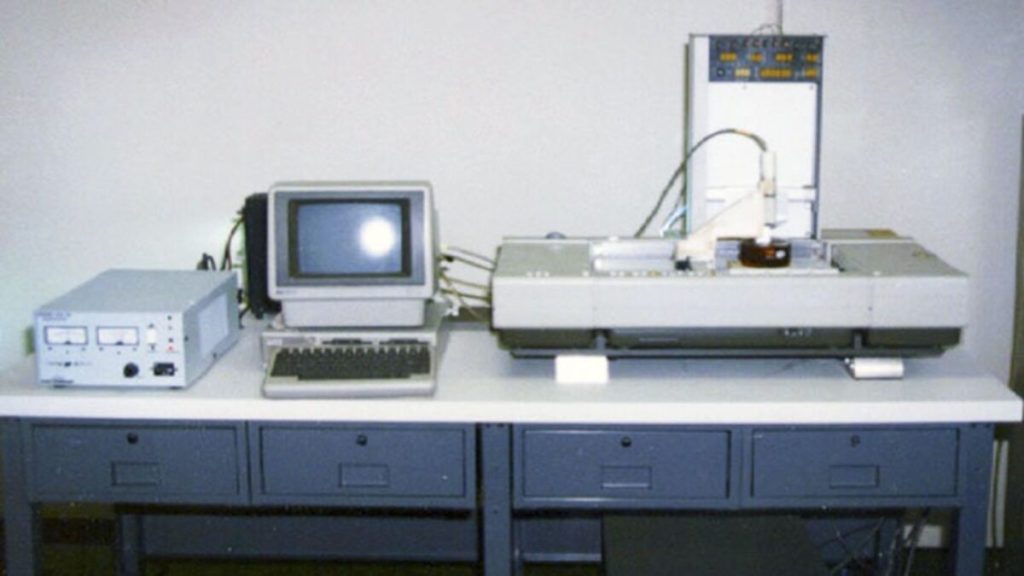
From stereolithography to today’s printers, additive manufacturing lets you “print” parts on demand. It shortens the prototyping cycle and increases manufacturing output.
Virtual Reality Headsets – (2016)
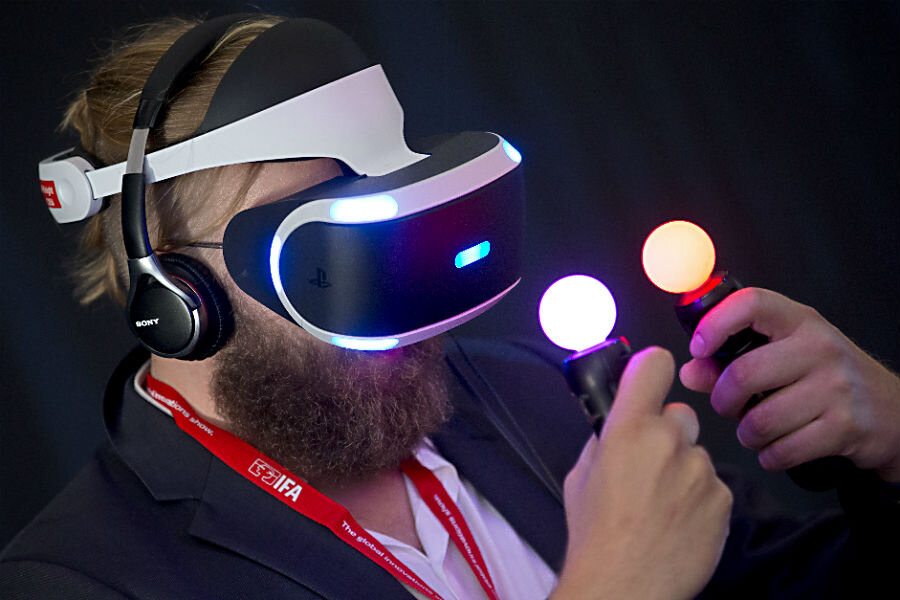
Virtual reality for consumers transformed immersive worlds from experiments into products. Gaming led the way, with training, design, and therapy close behind.
Reusable Orbital Rockets – (2015)
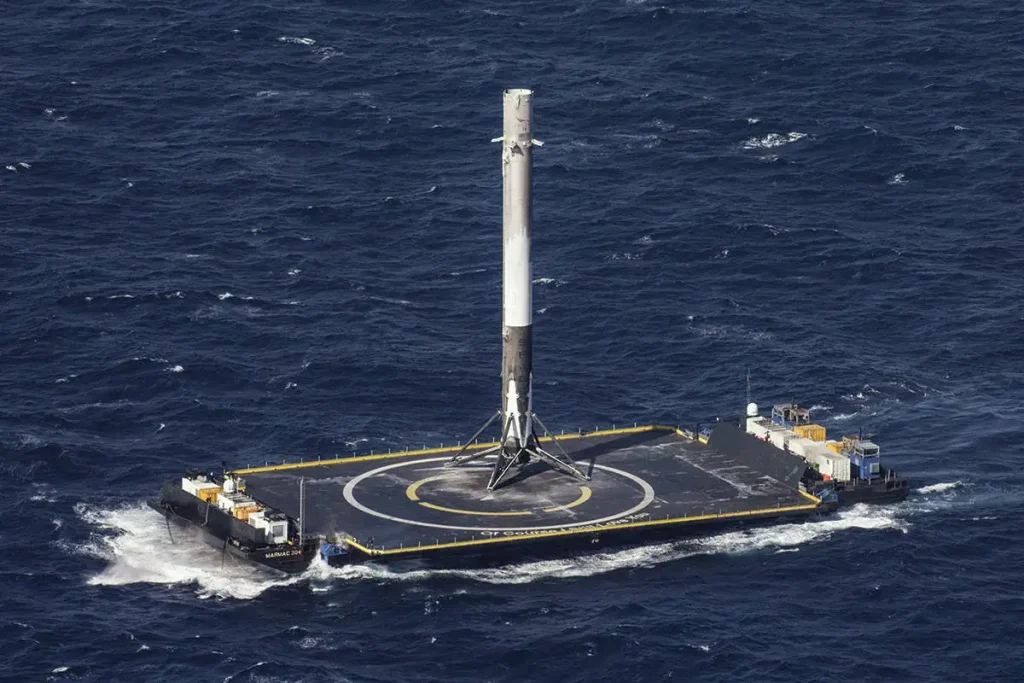
After delivering satellites, SpaceX’s Falcon 9 successfully landed its first stage, demonstrating reusable orbital rockets. It signaled the start of declining launch costs.
mRNA Vaccines – (2020)

This breakthrough proved medicine could be treated like software. Researchers can rapidly adjust a vaccine’s “code” for new variants or other illnesses. It teaches the immune system to respond without exposure to a live virus.
ChatGPT & Generative AI – (2022)
With large language models, natural-language tools went mainstream, enabling content and code generation but also controversy. The everyday face of AI turned out to be the chat window.
Brain-Computer Implants – (2024)
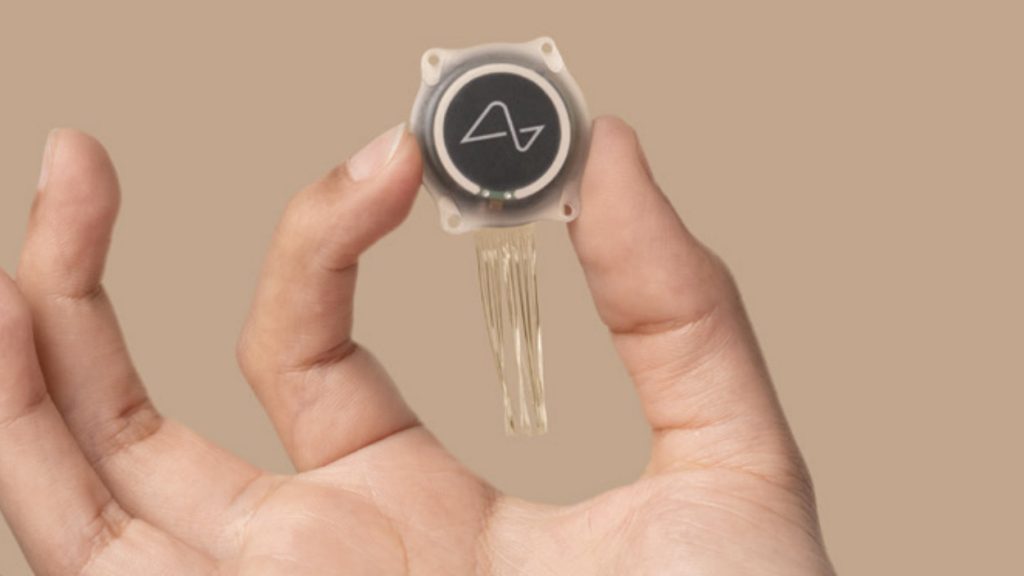
With its first human implant, Neuralink streamed thoughts moving a cursor, igniting fascination and controversy. Brain-computer interfaces could transform patient care while hinting at a sci-fi future.