The digital landscape moves at a relentless pace, leaving behind the hushed echoes of once-thriving online communities. Have you ever wondered what happened to the platforms that defined your early years on the web? This article explores 30 items that represent the lost architecture of our shared digital history. These graveyards of the internet serve as a reminder that even the most massive platforms can vanish in an instant.
GeoCities
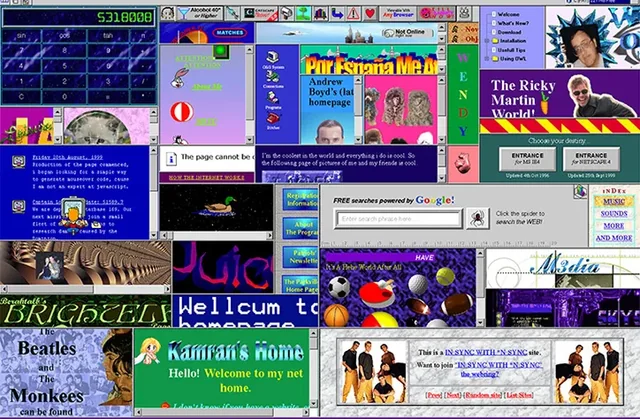
The internet was once a chaotic collection of personal neighborhoods categorized by interest. This service allowed millions of people to create their first homepages filled with blinking text and amateur graphics. Its closure resulted in the loss of nearly seven million digital monuments to human creativity.
Google Reader

RSS feeds became the primary way for power users to consume news without the interference of algorithms. This platform stood as the gold standard for organizing digital subscriptions and daily reading lists. Its removal left a void in the open web that many feel has never been properly filled.
Vine

Six seconds was all it took for a new generation of creators to find their voice in the world of short-form video. This app birthed a unique style of comedy that prioritized quick timing and loopable punchlines. Many of its biggest stars eventually migrated to other platforms after the service was discontinued by its parent company.
StumbleUpon

Serendipity was the core product of this discovery engine that transported users to random corners of the web. Clicking a single button could lead to a hidden blog, a flash game, or an obscure historical archive. It provided a sense of wonder that is often missing from the curated social feeds of the modern era.
Yahoo! Directory

Before search algorithms became sophisticated, humans manually curated the entire internet into categorized folders. This hierarchy was the starting point for almost every web session in the mid nineties. It eventually became obsolete as automated indexing proved to be a more scalable solution for the expanding web.
Orkut
Brazil and India became the strongholds of this social network during the first decade of the millennium. It featured robust communities where users could join thousands of hyper-specific interest groups. While it failed to gain a global foothold against competitors, it remains a nostalgic touchstone for millions of international users.
Megaupload

Large file sharing was a difficult task before this site streamlined the process for the general public. It became a hub for both legitimate data storage and the distribution of copyrighted entertainment. A massive law enforcement operation eventually brought the site down in a highly publicized legal battle.
Friendster
Social gaming and networking found an early pioneer in this platform before it was eclipsed by faster rivals. It served as the blueprint for connecting real-life friendships in a digital space. Technical issues and server lag ultimately caused the user base to seek alternatives during the height of its popularity.
AltaVista
Advanced search queries and early translation tools were first popularized by this powerful engine. It offered a level of indexing depth that was unheard of during the early years of the commercial internet. The site was eventually absorbed by larger tech conglomerates as the market consolidated.
MSN Groups

Forums and photo albums allowed small communities to thrive within the Microsoft ecosystem. These groups were often the first place young people experienced online social moderation and niche fandoms. Most of the data from these groups was either migrated to other services or permanently deleted.
Ask Jeeves

The concept of asking a question in plain English was a revolutionary approach to navigating the web. This polite butler mascot represented a more personable version of the internet before keyword-based search became the dominant paradigm. The brand eventually dropped the mascot and rebranded to a more utilitarian name before fading away.
Grooveshark
Free music streaming was accessible through a simple browser interface on this innovative site. It allowed users to upload and listen to tracks without the need for dedicated software installations. Multiple lawsuits from the recording industry eventually forced the platform to cease operations entirely.
DailyBooth

The practice of taking a daily selfie was a niche hobby before it became a global standard of social media. This community encouraged users to document their lives through simple photos and captions every single day. It captured a raw, unedited version of the early blogging era that many users remember fondly.
Google+
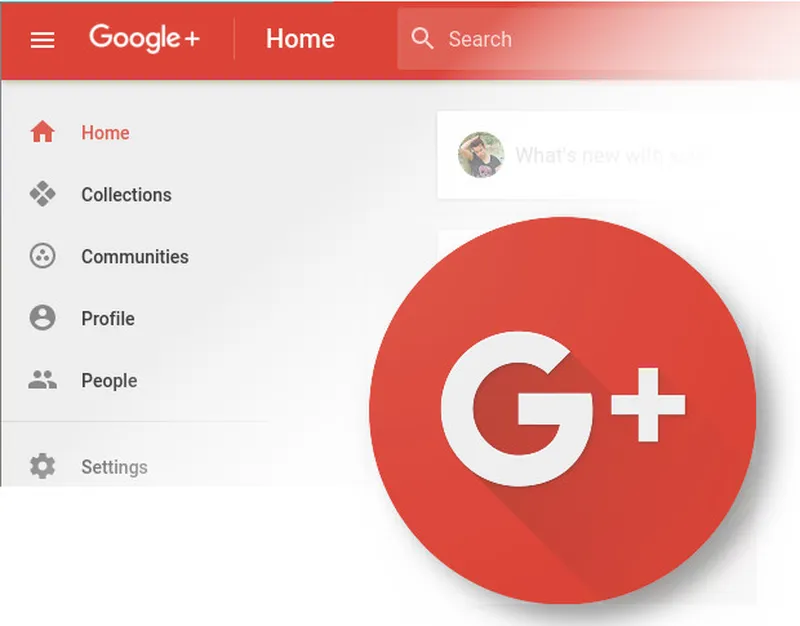
Circles and Hangouts were meant to differentiate this platform from the established social media giants of the time. Despite being integrated into almost every other service, it struggled to build an active daily user base. A security vulnerability eventually gave the company a reason to shut down the consumer version of the project.
Secret

Anonymity within your own social circles created a space for radical honesty and toxic gossip. This app allowed users to share confessions that would then ripple through their local geographic area. The developer eventually closed the app, citing that the product did not align with their original vision for positive communication.
YTMND
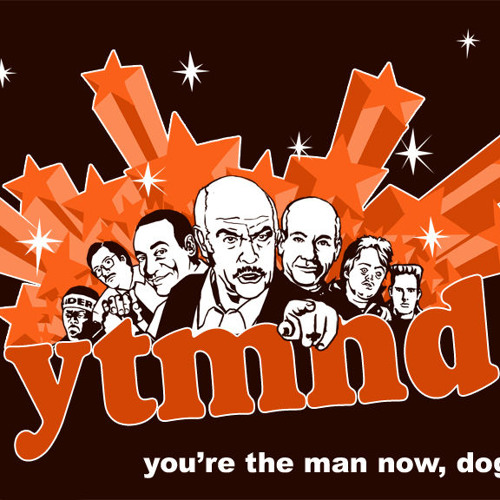
Looping audio and single images formed the basis for some of the internet’s earliest and most enduring memes. This platform was a creative sandbox where weirdness was celebrated and niche jokes could gain traction. Its influence on digital culture can still be felt in the way modern memes are structured.
Piczo
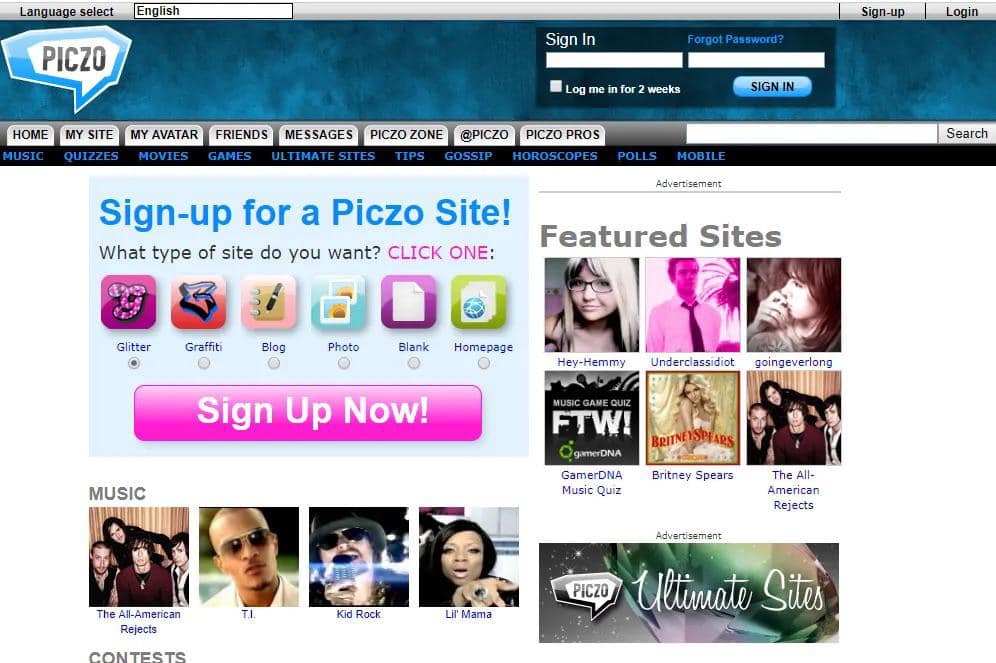
Teenagers in the mid-2000s used this site to build glittery, highly customized personal pages without knowing complex code. It was a drag-and-drop paradise that prioritized aesthetic expression over structured data. The site struggled to monetize its young user base and quietly vanished as social apps moved to mobile.
Polyvore

Fashion enthusiasts utilized this tool to create digital mood boards and outfit collages. It built a massive community of stylists who influenced real-world trends through their virtual creations. The site was suddenly acquired and redirected to an e-commerce platform, erasing years of user-generated content in the process.
Turntable.fm
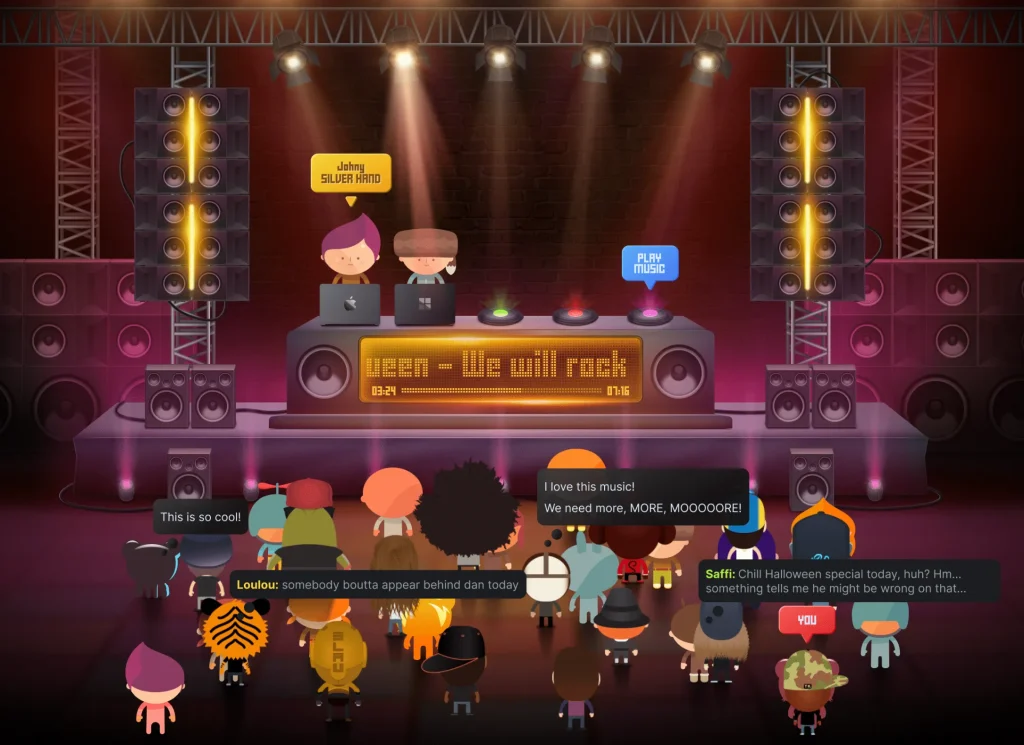
Social music rooms allowed users to take turns as DJs while others voted on the quality of their tracks. It combined the fun of a dance party with the interactive nature of a chat room. Licensing costs eventually made the business model unsustainable for the original team.
FriendFeed
Aggregating updates from various social networks into a single stream was the core innovation of this project. It was a favorite among tech insiders for its real-time discussion capabilities and clean design. A major social media company bought the service and eventually integrated its best features into their own news feed.
Stickam
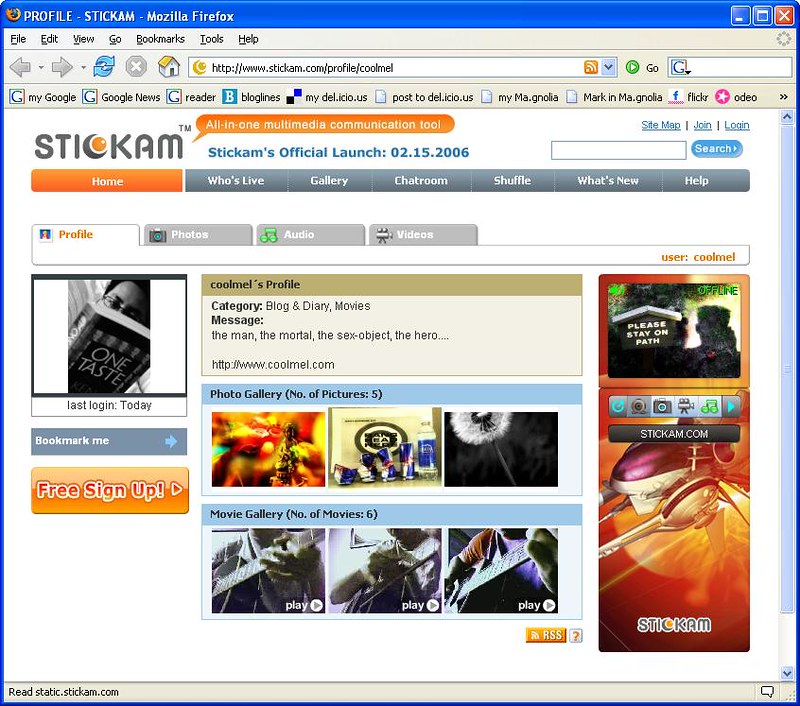
Live video broadcasting became accessible to anyone with a webcam through this early streaming pioneer. It was particularly popular among musicians and subcultures who used it to host virtual hangouts. The platform closed after years of struggling with moderation and high bandwidth costs.
Yahoo! Buzz

Social news voting was an attempt to let users decide which stories deserved a spot on one of the most visited homepages in the world. It competed directly with other news aggregators before the parent company shifted focus toward other media ventures. This closure marked the end of a specific era of community-curated mainstream news.
Gawker
Snarky commentary and celebrity gossip were the hallmarks of this influential media blog. It challenged traditional journalism with its aggressive style and willingness to publish controversial secrets. A high-profile legal battle funded by a billionaire eventually led to the company’s bankruptcy.
Quizilla
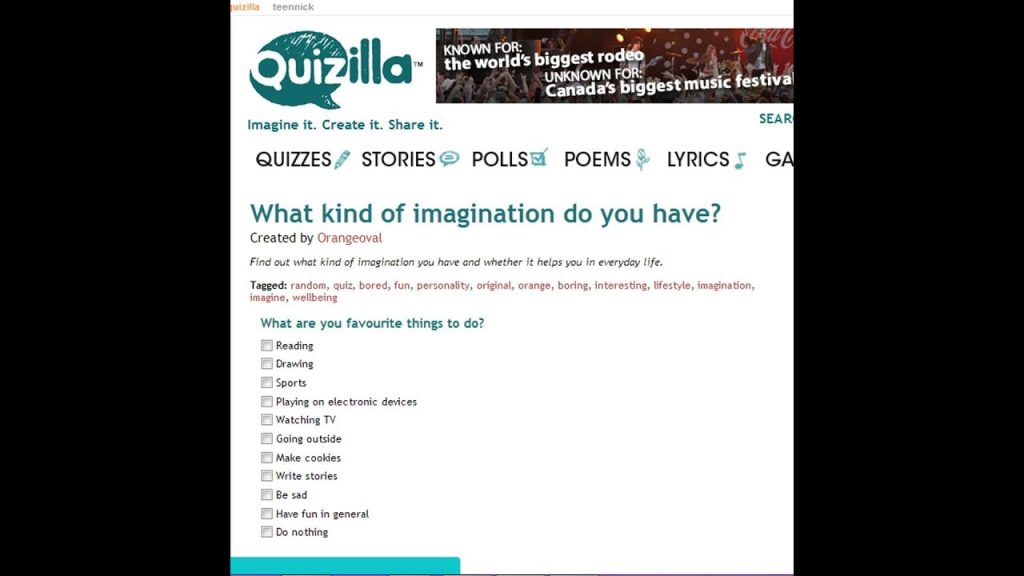
User-generated quizzes and fan fiction flourished in this creative space targeted at young writers. It was an essential part of the early “emo” and “scene” subcultures of the 2000s. After an acquisition by a major television network, the site slowly lost its community identity and was eventually shut down.
Club Penguin
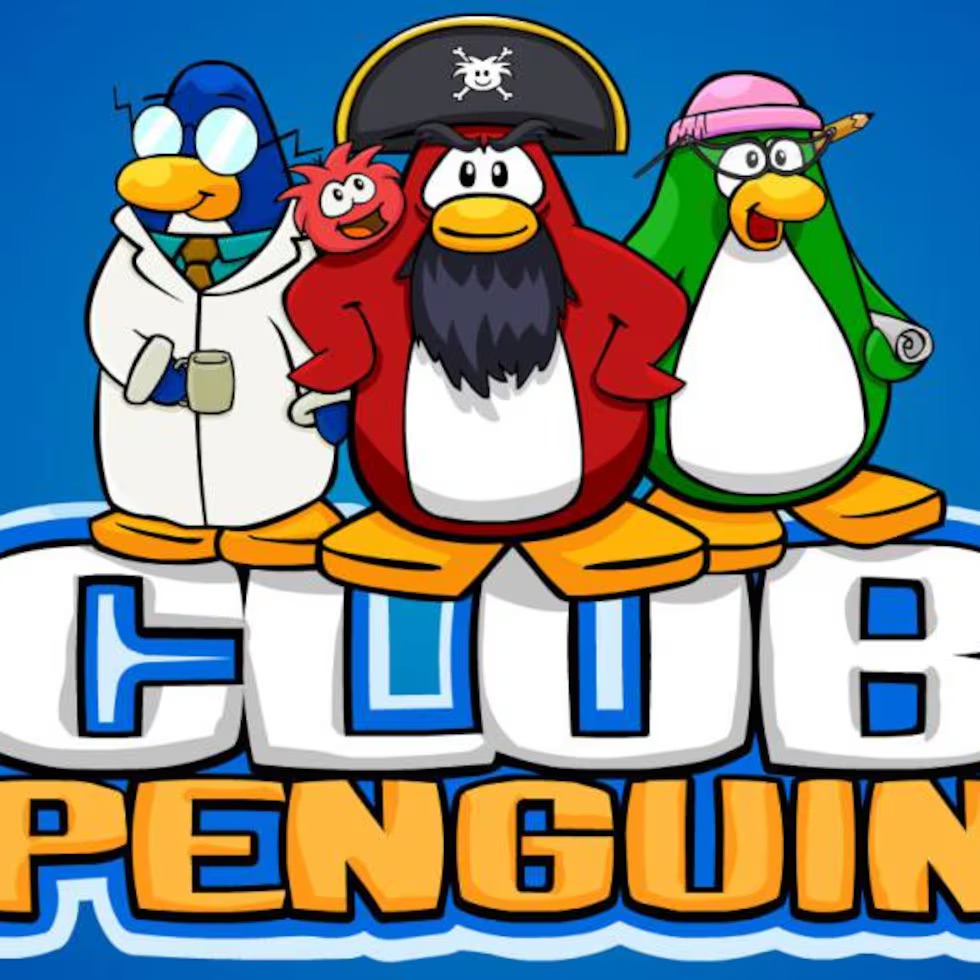
Virtual worlds for children were perfected by this browser-based game featuring colorful avatars and safe chat features. It taught a generation about digital currency and online social etiquette through mini-games. The original servers were closed to make way for a mobile successor that failed to capture the same magic.
Encarta
Digital encyclopedias were the primary way students conducted research before the rise of collaborative wikis. This multimedia experience included interactive maps and sound clips that made learning feel futuristic. The paid model could not survive in an era of free, community-driven information.
Lycos

Searching for information was once synonymous with a black Labrador retriever mascot. This portal offered everything from email to chat rooms, attempting to be the one-stop shop for all internet needs. While the brand still exists in a very different form, the iconic portal of the nineties is long gone.
Delicious

Social bookmarking allowed users to tag and share their favorite web pages with the world. It popularized the use of tags as a way to organize data across the internet. The service went through multiple owners before being retired as users moved toward saving links within social media apps.
Google Wave

Real-time collaboration was the ambitious goal of this experimental communication platform. It combined email, instant messaging, and document editing into a single, complex interface. Most people found the concept too confusing to use, leading to its early cancellation after just one year.
Omegle

Connecting with a complete stranger via video chat was a gamble that defined the chaotic side of the internet for over a decade. It became a site of viral pranks and unexpected human connections before safety concerns led to its sudden demise. The founder recently pulled the plug, stating that the platform had become too difficult to maintain against rising misuse.