
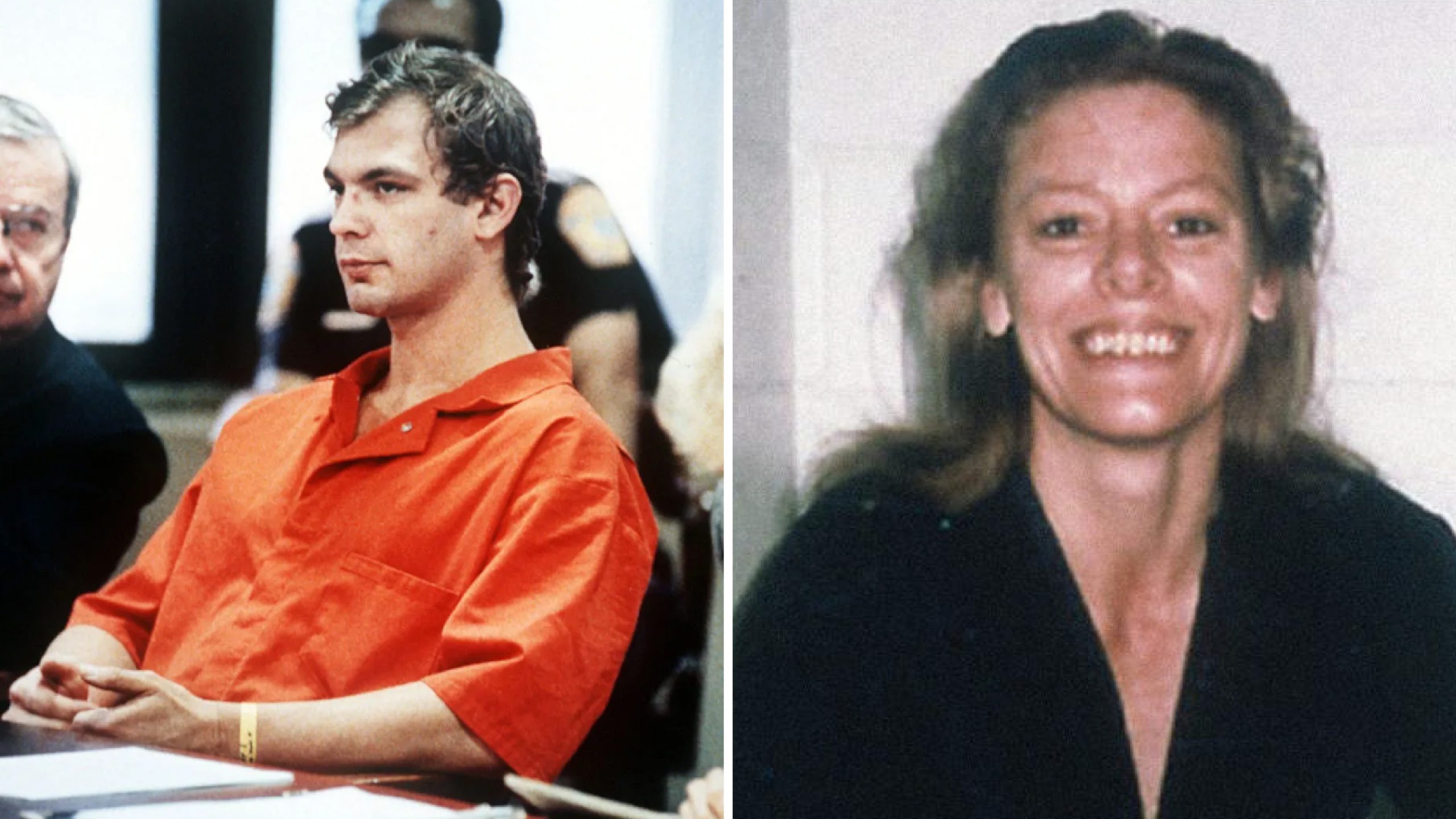
This feature surveys real cases that later seeded films and series, focusing on how dramatizations frame investigation, motive, and impact. Across decades and formats, directors have shifted the lens from killers to victims, neighborhoods, or the systems around them. What unites these titles is the balance between recognizable names and choices that shape public memory. Taken together, they chart how true events move from police files to pop‑culture shorthand.
Richard Ramirez
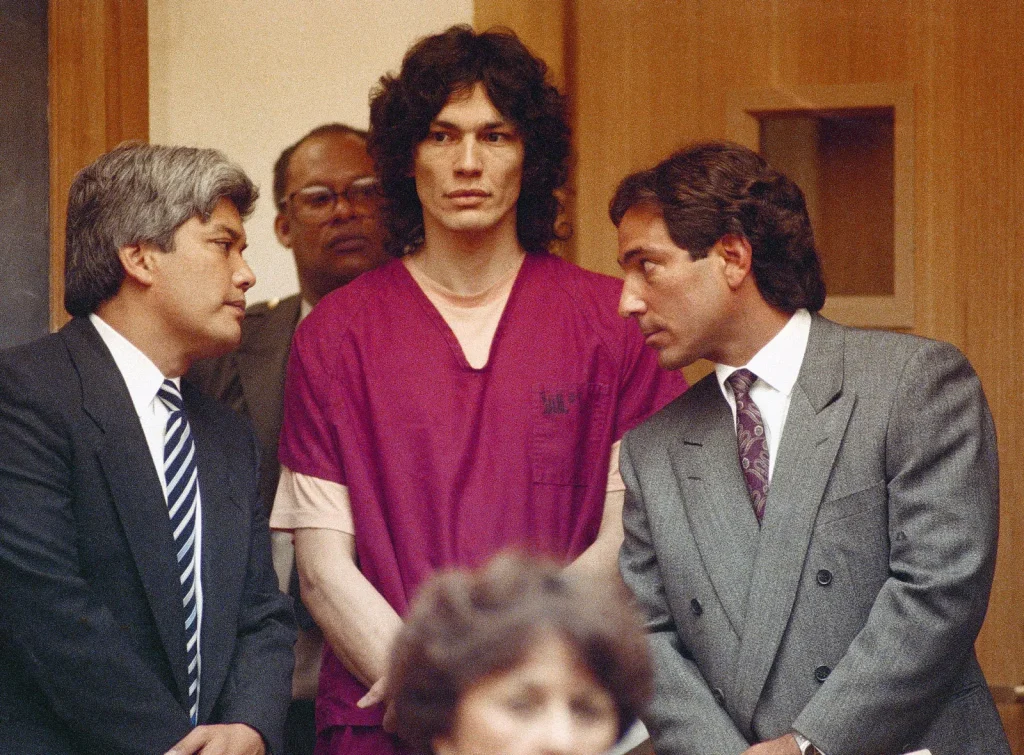
Richard Ramirez was a serial killer known as the “Night Stalker,” who terrorized California in the mid-1980s with a string of home-invasion murders. He’s depicted in “Night Stalker: The Hunt for a Serial Killer” and dramatized in “American Horror Story: 1984”. Ramirez also appears in “Mindhunter” and several documentaries exploring his crimes and trial. His chilling persona made him one of the most infamous figures in true-crime history.
Ed Gein
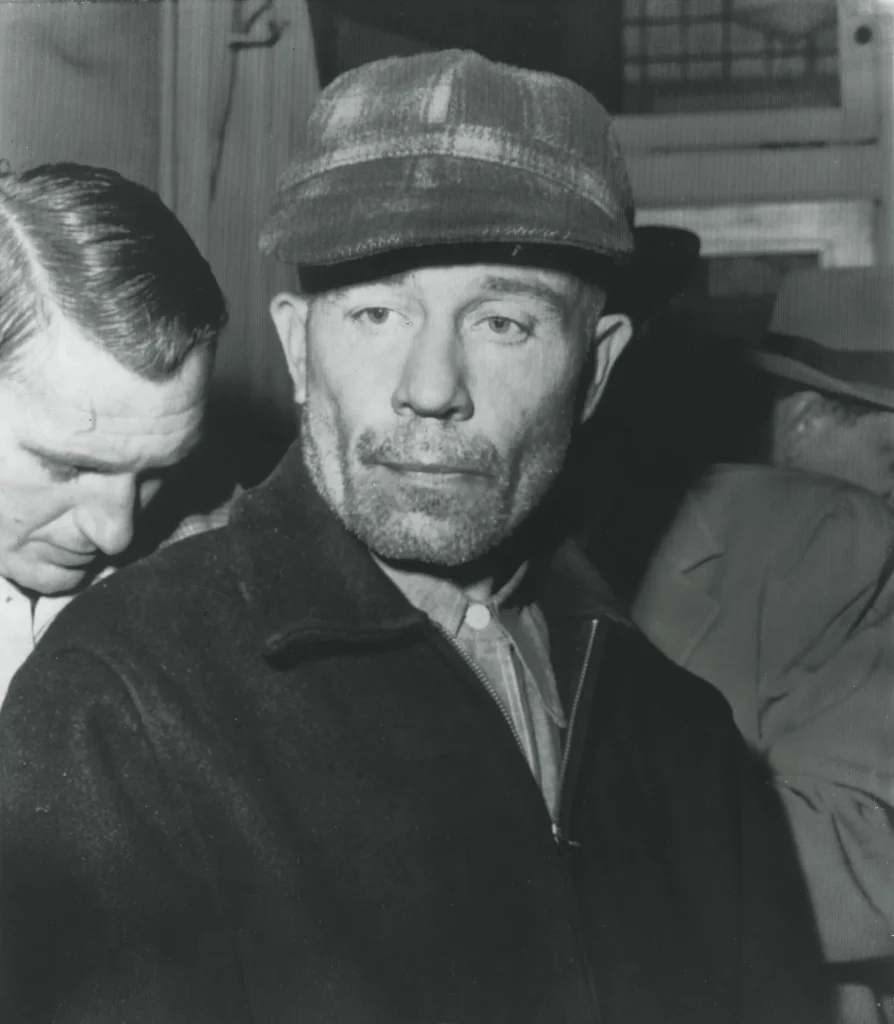
Ed Gein was a murderer and grave robber from Wisconsin whose gruesome crimes shaped modern horror. He’s directly portrayed in “Deranged” (1974), “Ed Gein” (2000), and “Ed Gein: The Butcher of Plainfield” (2007). On TV, he appears or is referenced in “Mindhunter” and “Monster: The Ed Gein Story”. His case also inspired iconic characters such as Norman Bates and Leatherface.
Ted Bundy
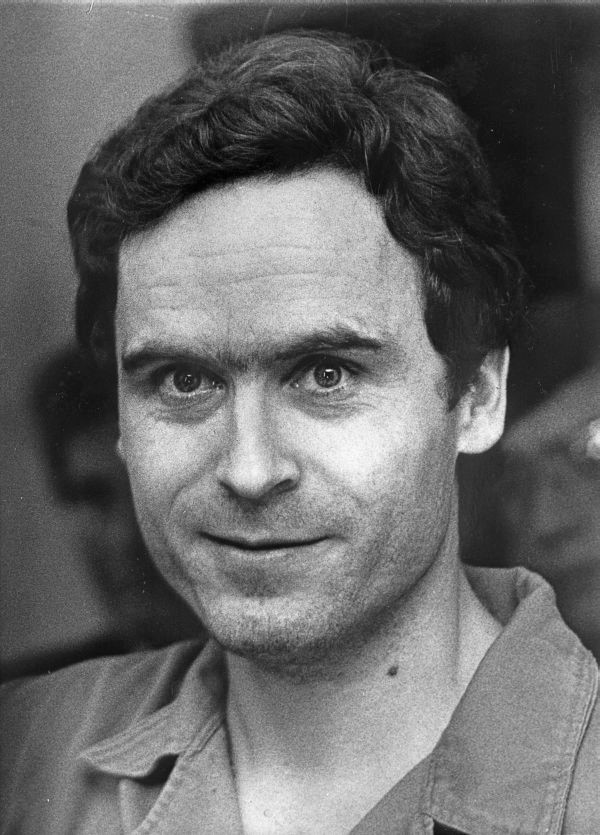
Ted Bundy was a serial killer active during the 1970s, known for his charm and intelligence, which he used to lure victims across several U.S. states. He’s portrayed in “Extremely Wicked, Shockingly Evil and Vile” and featured in the documentary series “Conversations with a Killer: The Ted Bundy Tapes”. Bundy also appears in “No Man of God” and “The Deliberate Stranger”. His case remains one of the most studied examples of criminal psychology and media fascination.
Charles Manson
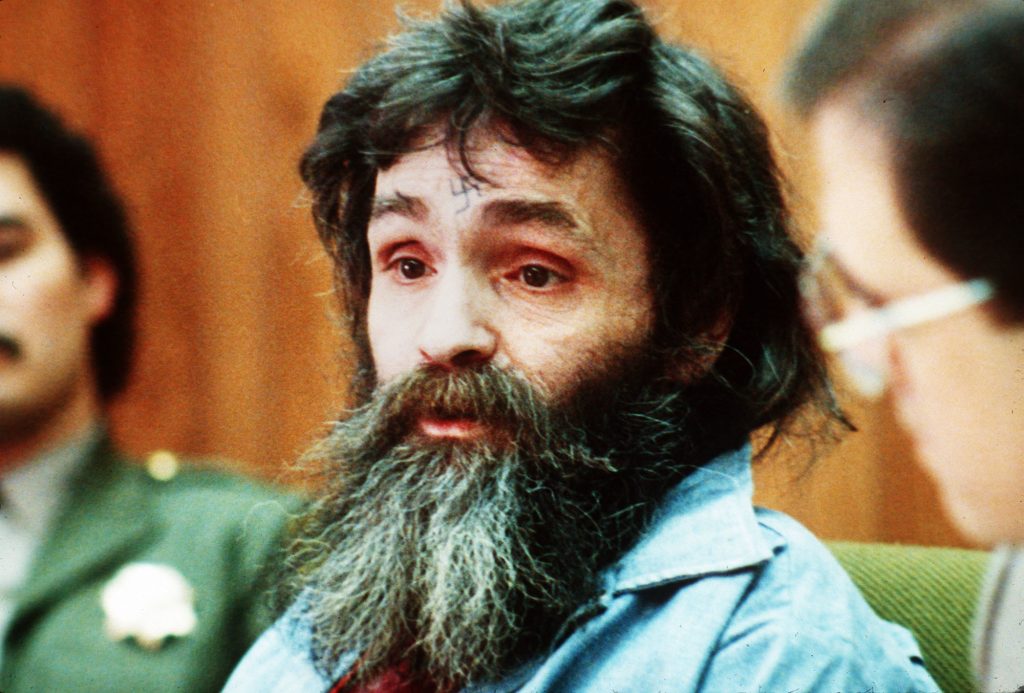
Charles Manson was the cult leader behind the 1969 murders carried out by his followers in Los Angeles. He’s portrayed in “Once Upon a Time in Hollywood” and “Mindhunter”, and central to the documentary “Helter Skelter: An American Myth”. His crimes and persona turned him into a lasting symbol of the dark side of the 1960s counterculture.
Jeffrey Dahmer
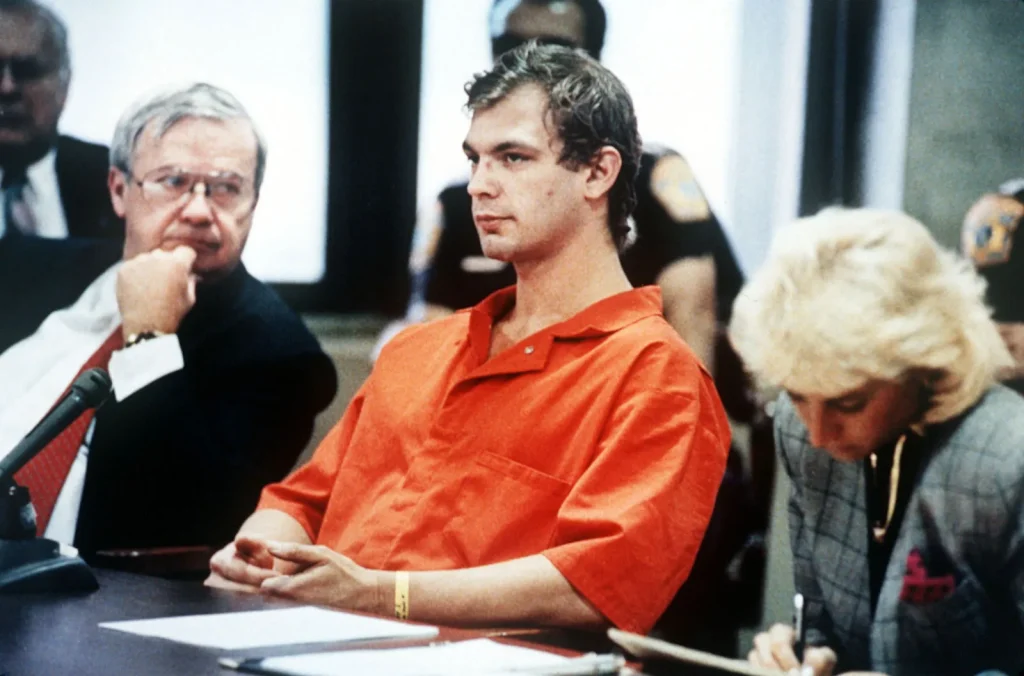
Jeffrey Dahmer was a serial killer from Milwaukee who murdered and dismembered 17 men between 1978 and 1991. He’s portrayed in “DAHMER”, “My Friend Dahmer”, and “The Secret Life: Jeffrey Dahmer”. His case continues to spark debate about mental illness, policing failures, and the ethics of true-crime storytelling.
Charles Cullen
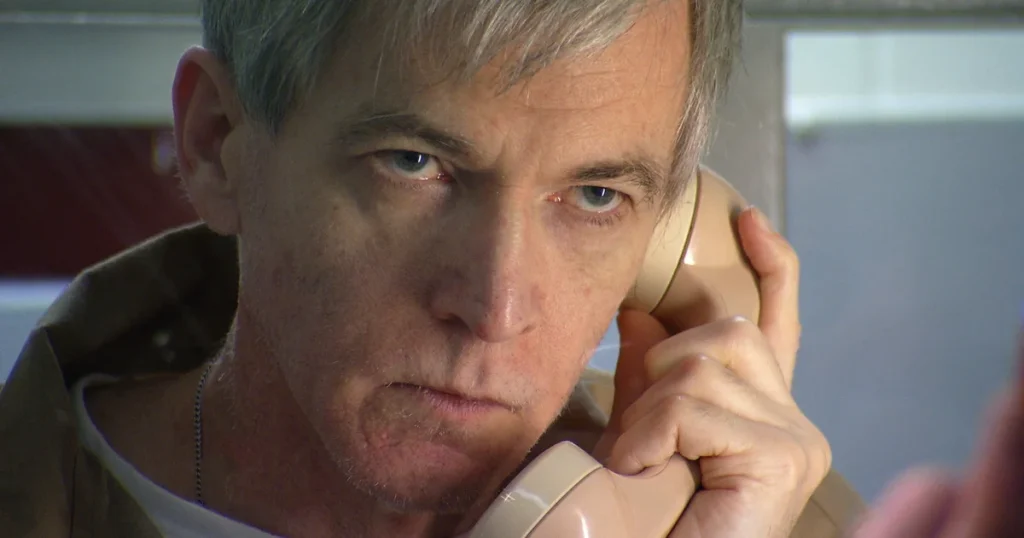
Charles Cullen was a nurse who killed dozens of hospital patients across New Jersey and Pennsylvania between the 1980s and early 2000s. He’s portrayed in “The Good Nurse”, where Eddie Redmayne plays him opposite Jessica Chastain. The film highlights how hospital systems overlooked patterns that could have stopped his crimes sooner.
Henry Lee Lucas
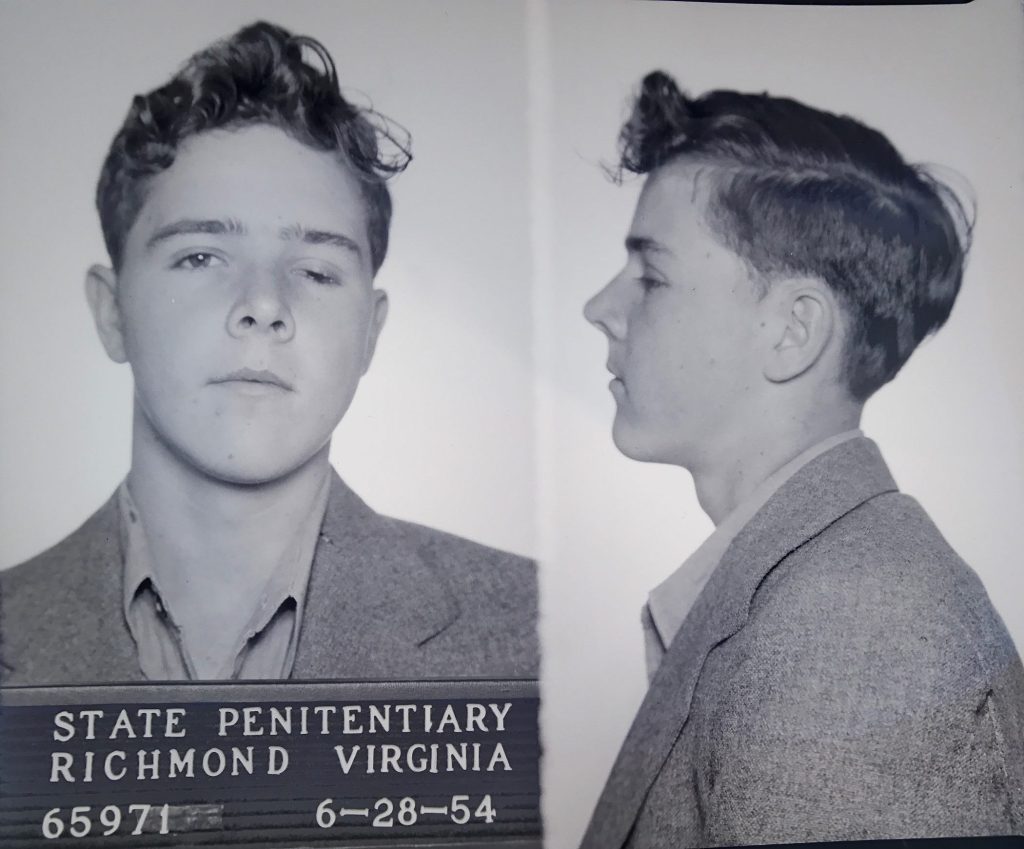
Henry Lee Lucas was a drifter who confessed to hundreds of murders across the U.S., though many were later disproven. He’s the loose inspiration behind “Henry: Portrait of a Serial Killer”, which portrays a cold, emotionless murderer in a stark, realistic style. Lucas also appears in “The Confession Killer”, a documentary examining how his false confessions misled investigators.
John Wayne Gacy
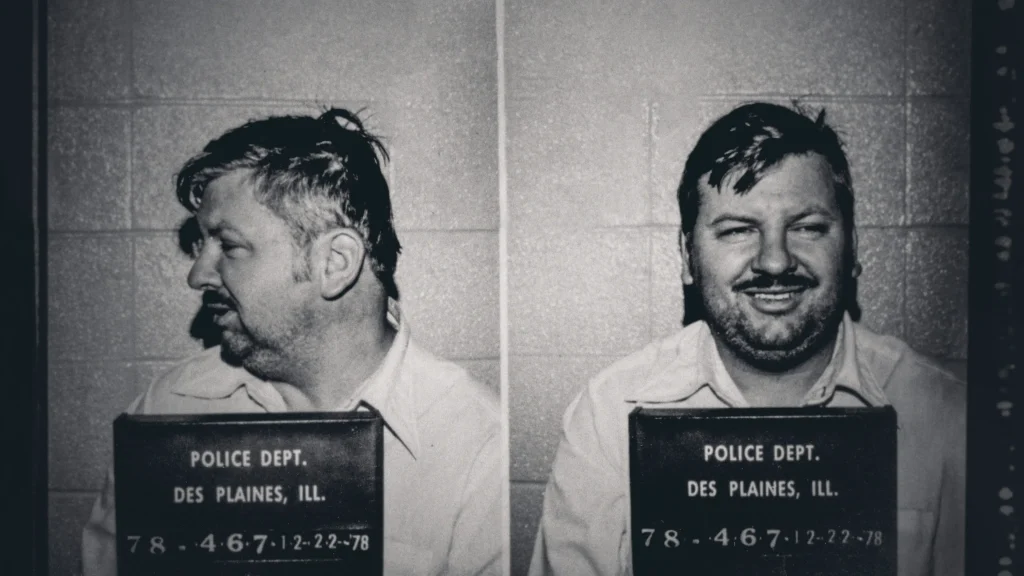
John Wayne Gacy was a Chicago-area contractor who murdered at least 33 young men and boys between 1972 and 1978, burying many beneath his home. He’s portrayed in “To Catch a Killer” and revisited in “John Wayne Gacy: Devil in Disguise”. His case inspired multiple documentaries and remains one of the most chilling in American criminal history.
David Berkowitz
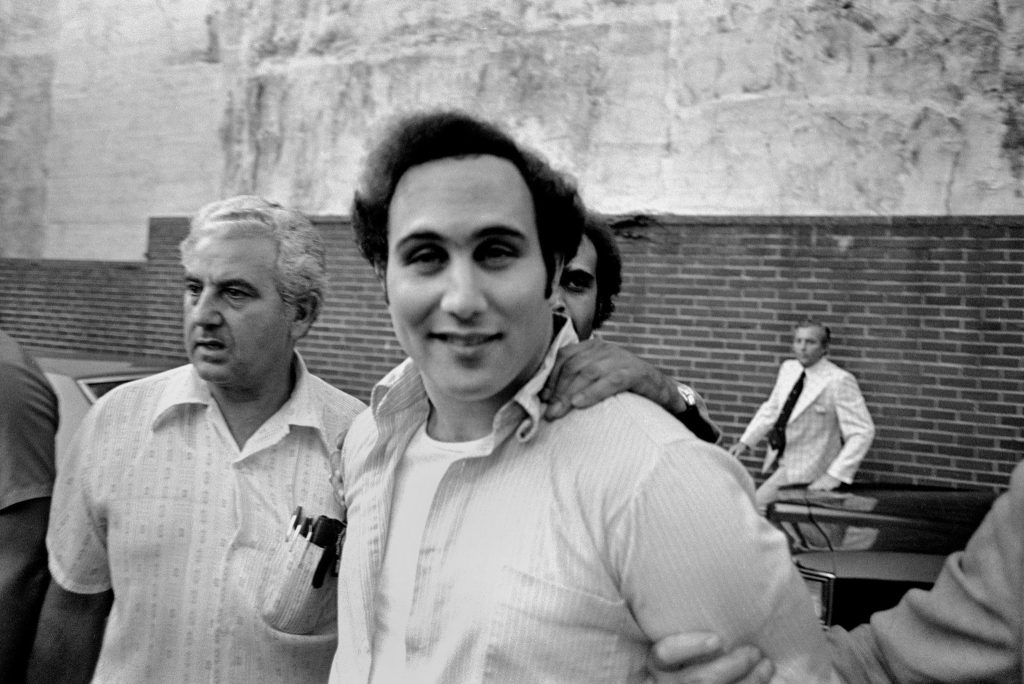
David Berkowitz, known as the “Son of Sam,” terrorized New York City in the late 1970s with a series of shootings. He’s portrayed in “Summer of Sam” and appears in “Mindhunter”. His case became a media frenzy and changed how police handled large-scale manhunts in urban areas.
Richard Kuklinski
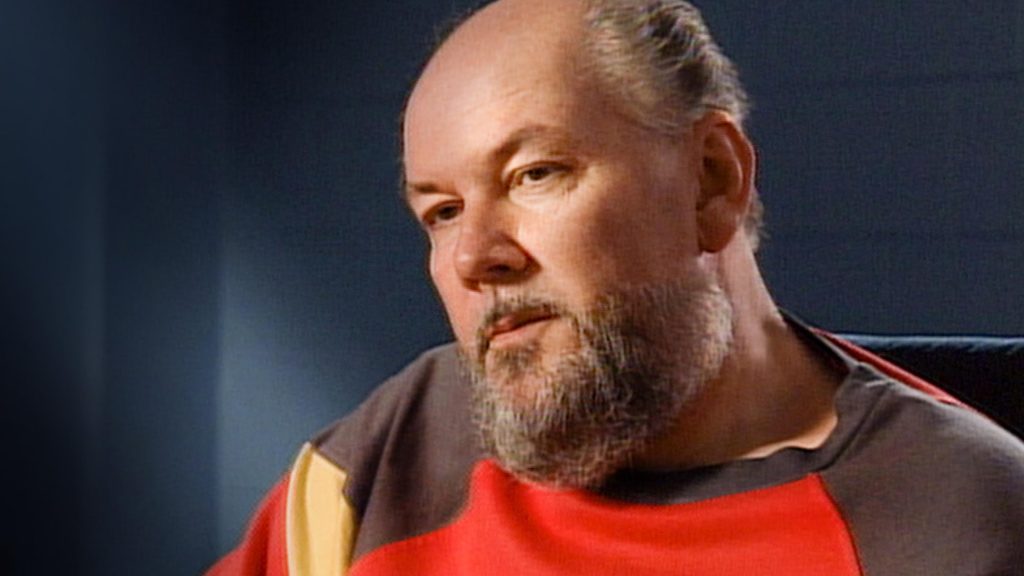
Richard Kuklinski, known as “The Iceman,” was a contract killer linked to the mob who claimed to have murdered over 100 people. He’s portrayed in “The Iceman” with Michael Shannon as the cold, methodical hitman. Kuklinski’s story is also explored in the documentary “The Iceman Tapes: Conversations with a Killer”, revealing his double life as a family man and assassin.
Albert DeSalvo
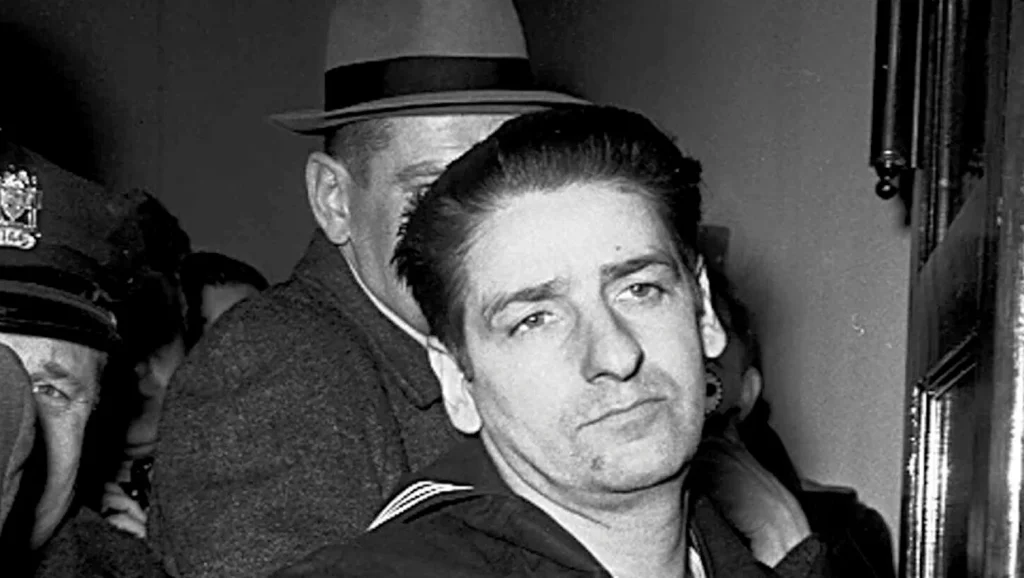
Albert DeSalvo was the confessed “Boston Strangler,” accused of killing 13 women in the early 1960s. He’s portrayed in “The Boston Strangler” and referenced in the film “Boston Strangler” (2023) starring Keira Knightley. His case remains controversial due to doubts about his confession and lingering questions about whether he acted alone.
Charles Sobhraj
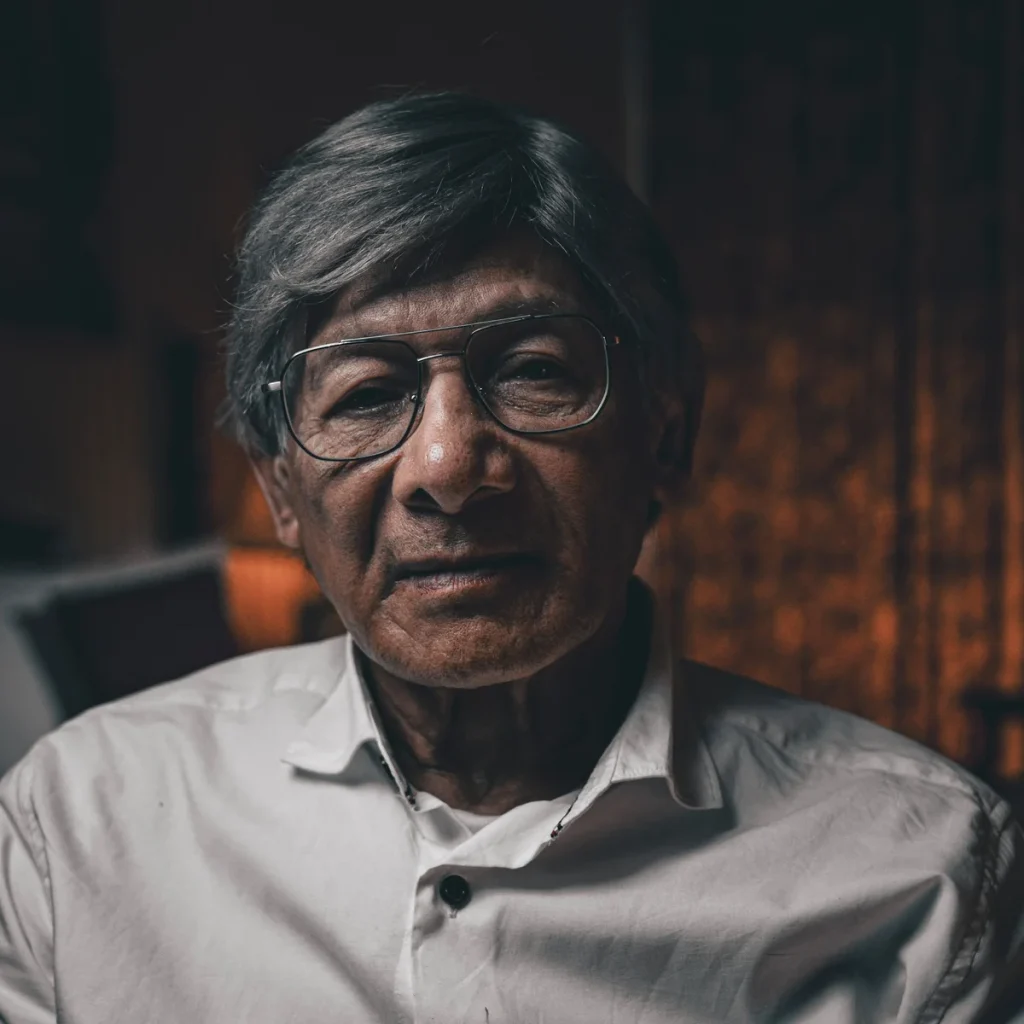
Charles Sobhraj, known as “The Serpent,” was a con man and murderer who targeted travelers across Asia in the 1970s. He’s portrayed in “The Serpent”, which follows his manipulative charm and years evading capture. The series highlights how bureaucracy and charisma allowed him to operate for so long.
Edmund Kemper
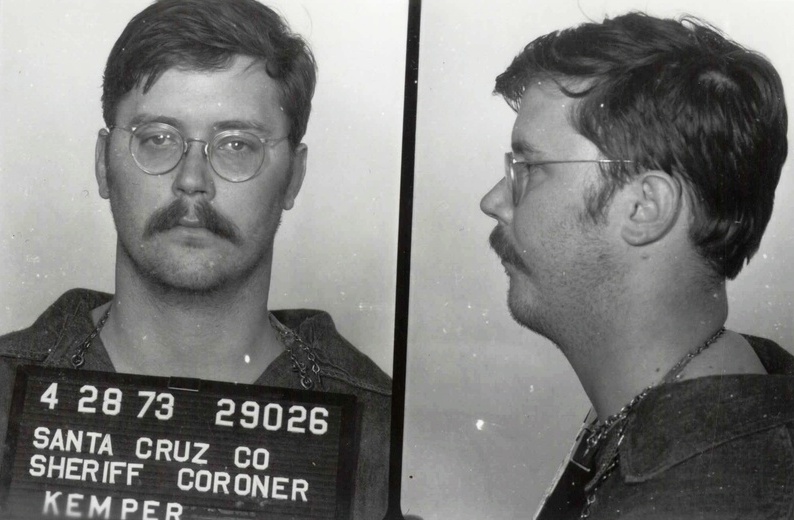
Edmund Kemper, known as the “Co-Ed Killer,” murdered several women in California during the early 1970s. He’s portrayed in “Mindhunter”, where Cameron Britton’s calm, analytical performance became one of the show’s most memorable elements. His case is often cited in criminology for how intelligence and composure masked extreme violence.
Andrei Chikatilo
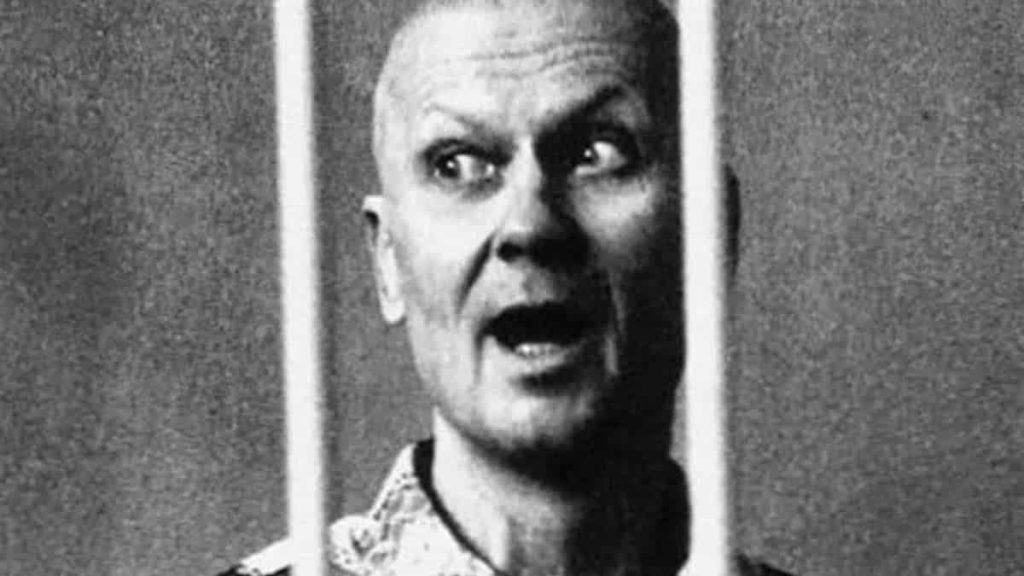
Andrei Chikatilo, known as the “Butcher of Rostov,” was a Soviet serial killer responsible for more than 50 murders between 1978 and 1990. He’s portrayed in “Citizen X”, an HBO film that follows the long and bureaucratic investigation that eventually led to his capture. The story also reflects the challenges of pursuing justice under the Soviet system.
Aileen Wuornos
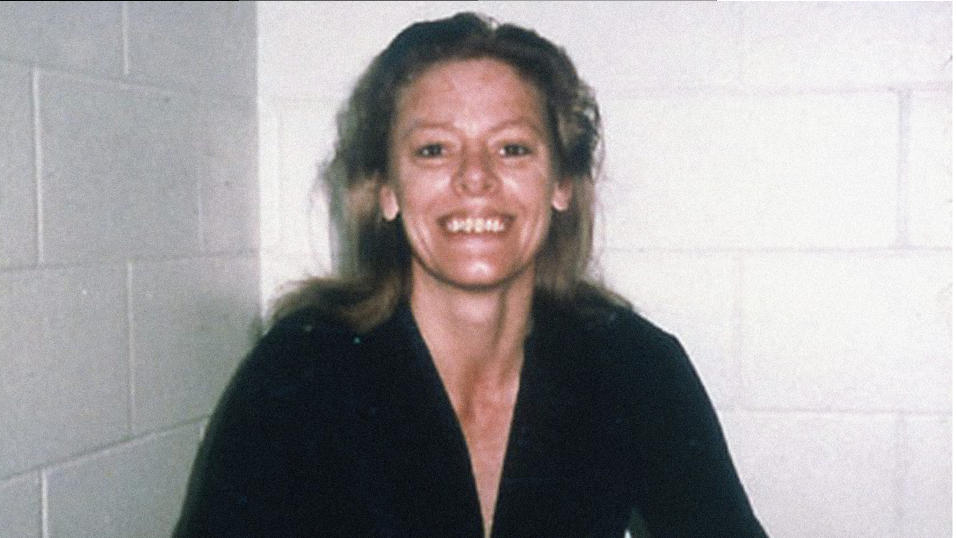
Aileen Wuornos was a former adult street worker who killed seven men in Florida between 1989 and 1990. She’s portrayed in “Monster”, with Charlize Theron’s Oscar-winning performance showing both her trauma and violence. Wuornos also appears in documentaries like “Aileen: Life and Death of a Serial Killer”, exploring her final years and media portrayal.












