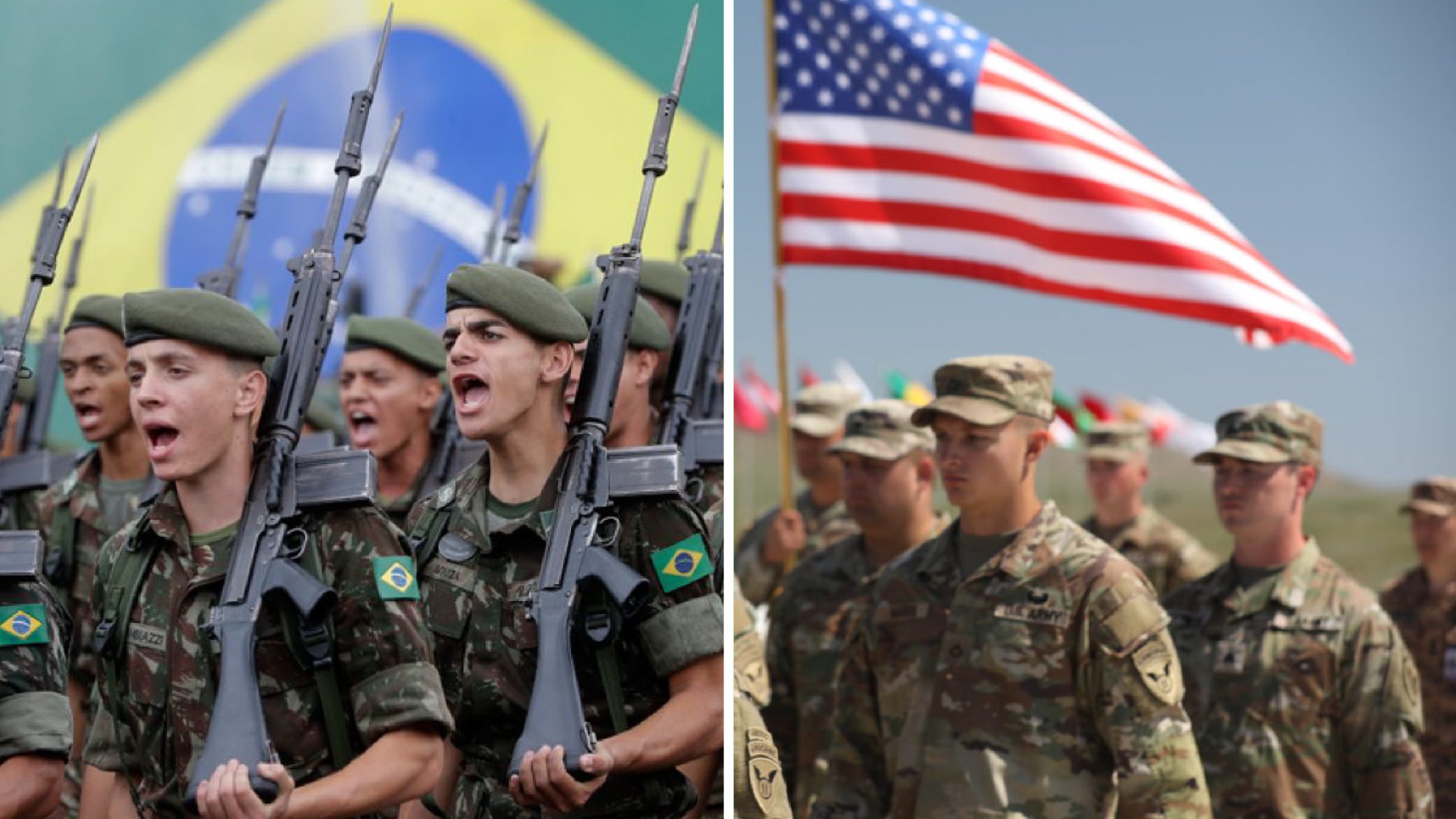
The strength of an army is defined by much more than numbers alone. In 2025, leading militaries combine advanced technology, industrial capacity, and strategic planning to project power both at home and abroad. Some nations invest heavily in cutting-edge equipment, while others rely on geography, alliances, or vast reserves of personnel. Together, these factors reveal how each country prepares for defense and extends its influence beyond its borders.
30. Greece
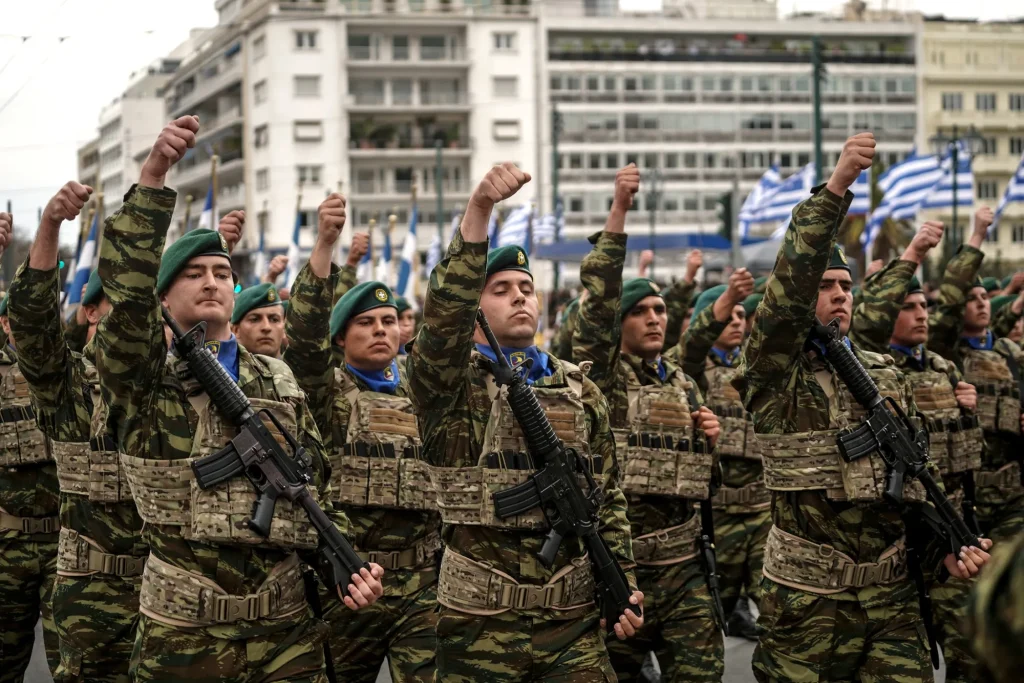
A NATO navy and air force give Greece strong regional deterrence in the Aegean. Conscription and terrain favor defense, though budgets limit scale and modernization pace.
29. Singapore
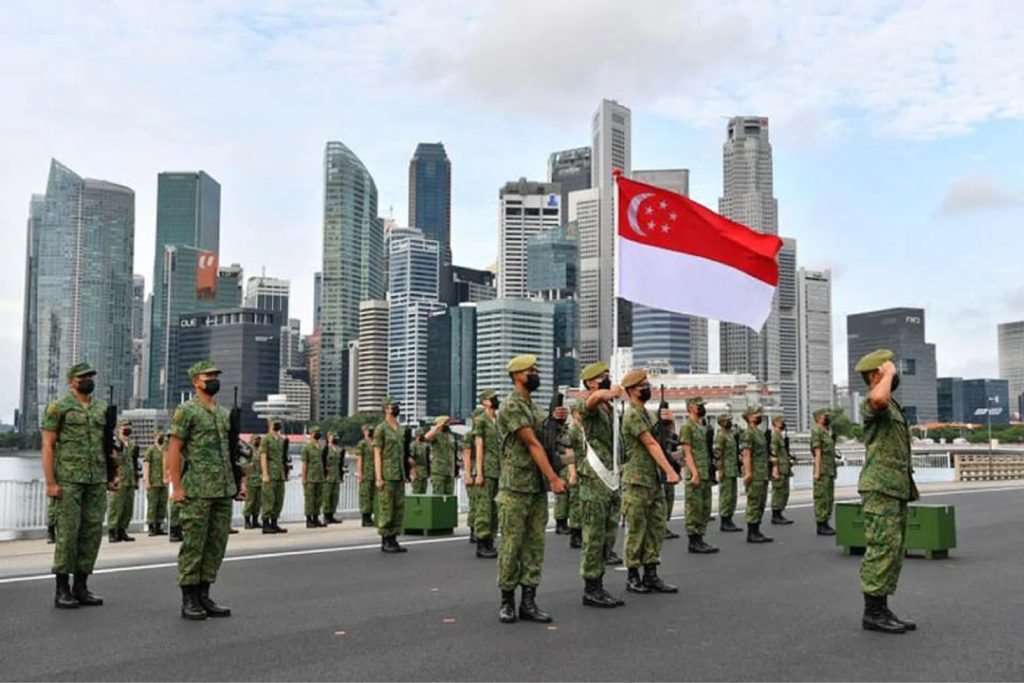
A small population pairs with highly trained, tech-forward forces and robust airpower. Mandatory service and layered homeland defense anchor its posture.
28. Canada
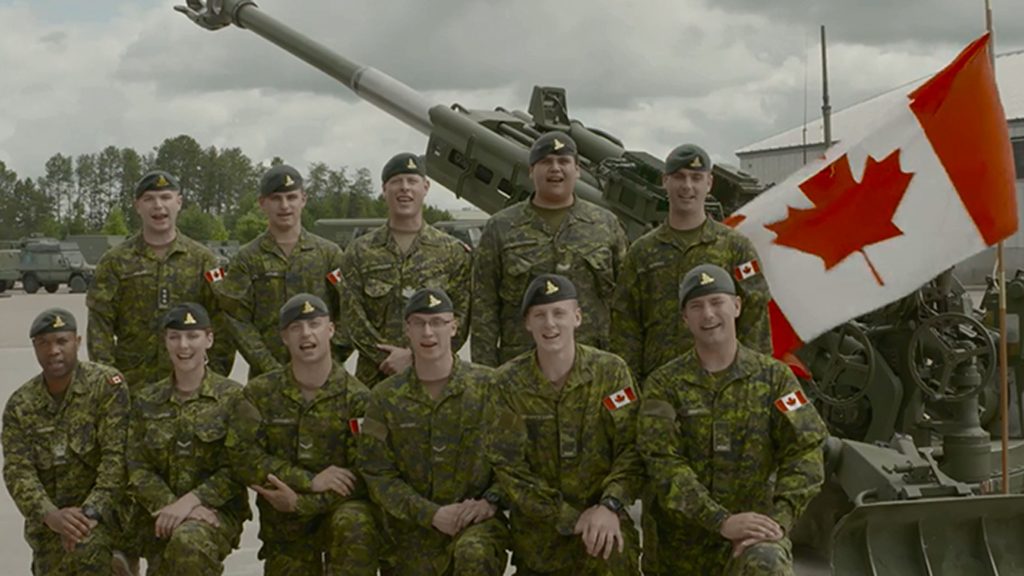
Canada fields modern, interoperable NATO forces with Arctic and maritime focus. Procurement cycles and manpower caps curb mass. Its strengths lie in quality, alliances, and niche capabilities.
27. Sweden
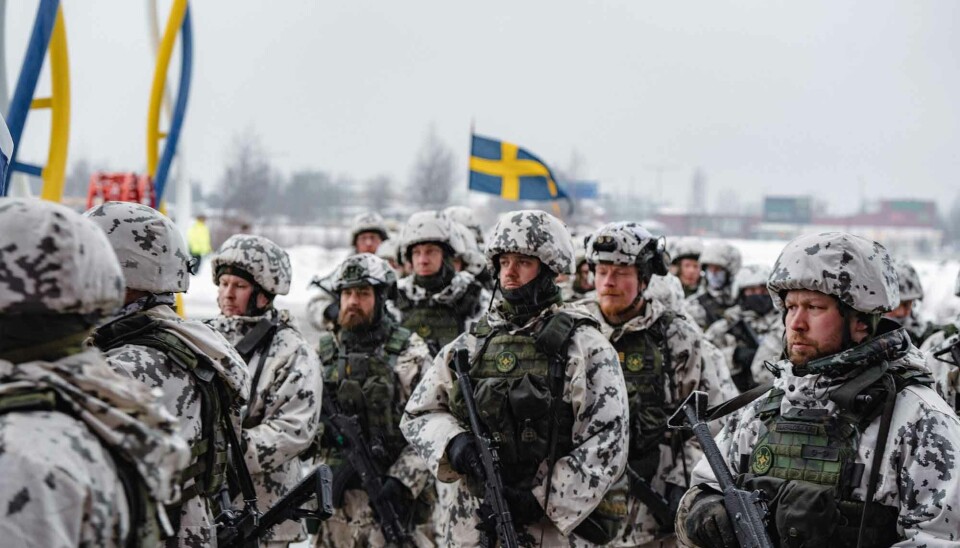
Recently in NATO, Sweden brings advanced airpower, submarines, and a revitalized reserve. Geography and industry support strong homeland defense.
26. Algeria
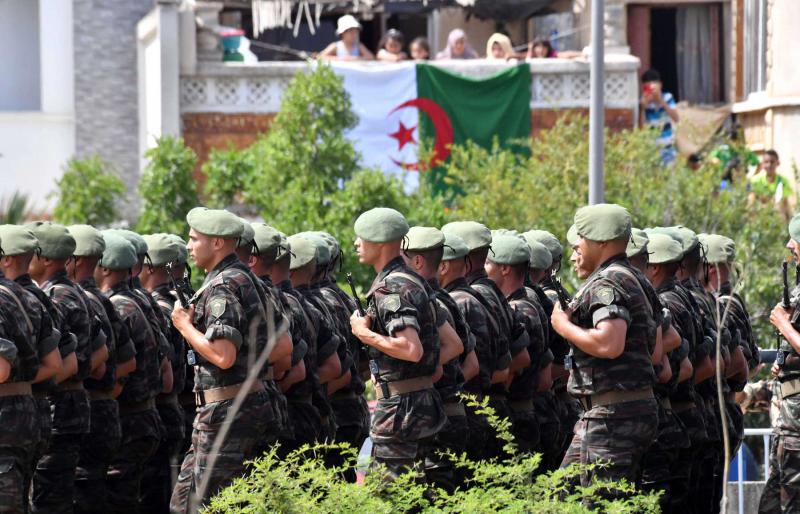
Algeria is a North African heavyweight with sizable ground forces and air defenses. Much of its kit is legacy Russian, with steady modernization.
25. Thailand
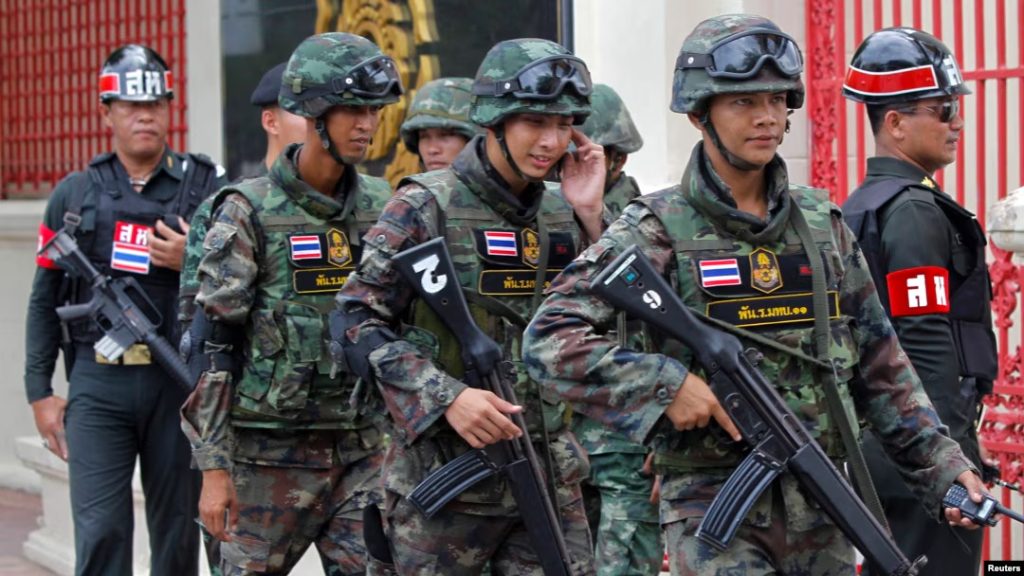
A large army anchors Thailand’s posture, with gradual naval and air upgrades. Budgets and doctrine emphasize regional missions.
24. Saudi Arabia
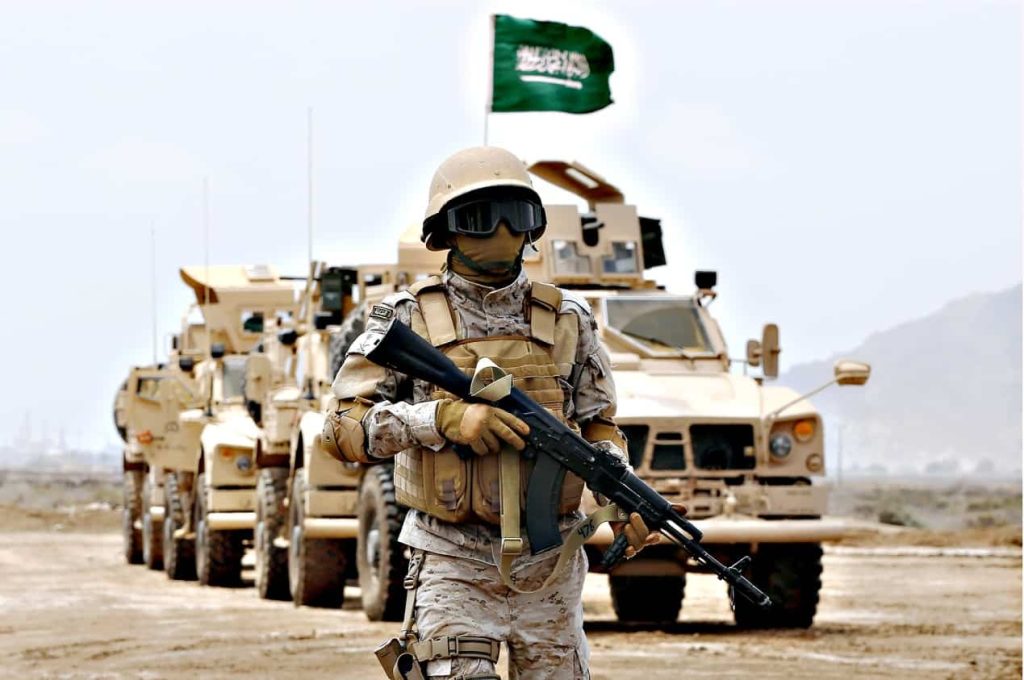
High spending buys advanced aircraft and air defenses, with growing indigenous production. Reliance on imports and contractors persists.
23. Vietnam
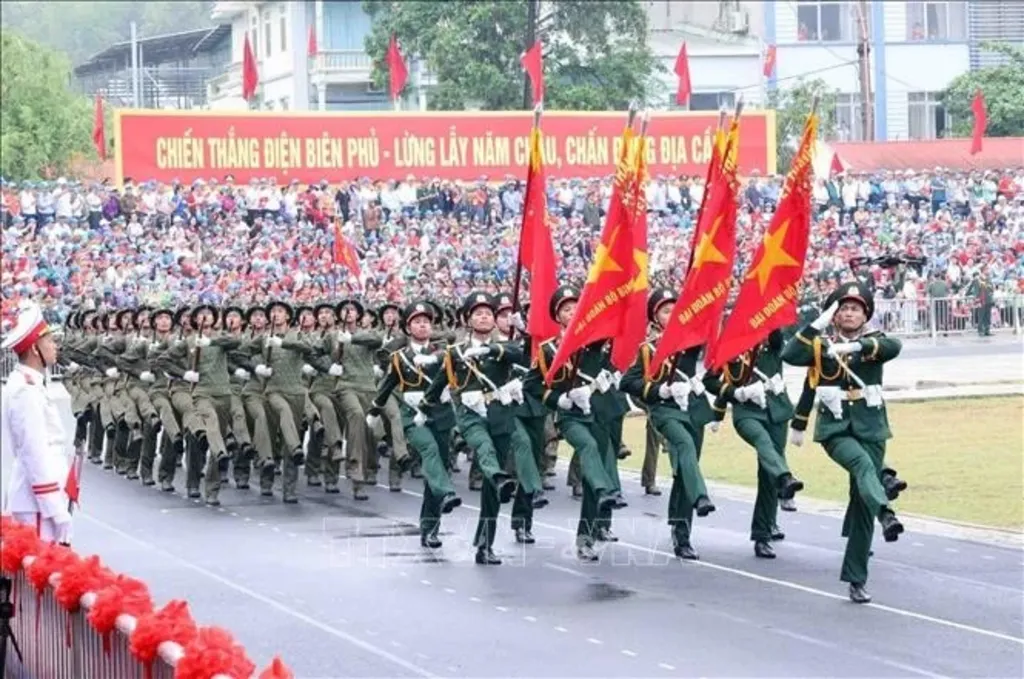
A big, combat-seasoned ground force combines with coastal anti-access systems. Modernization targets air and maritime gaps. Strategy prioritizes denial over distant operations.
22. Taiwan
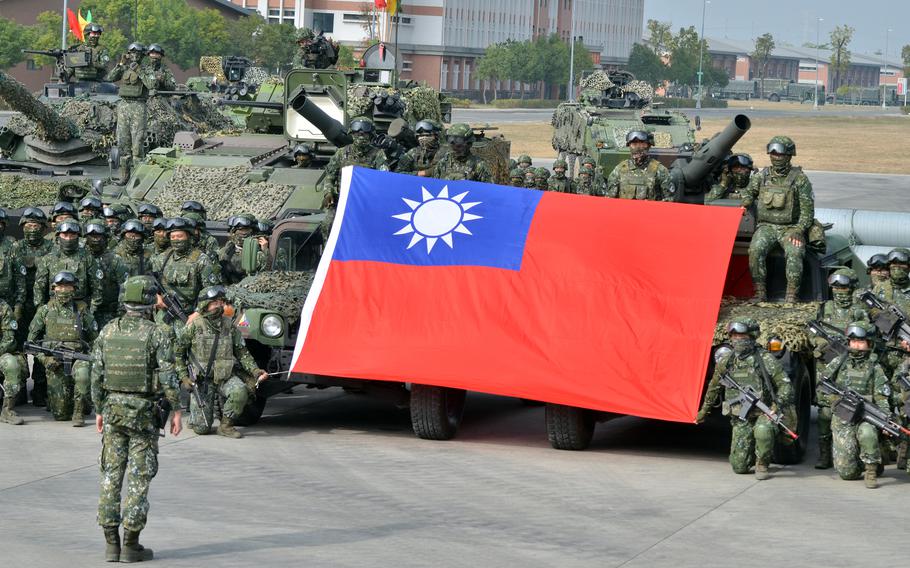
An asymmetric defense strategy emphasizes missiles, air defense, and reserves. Procurement timelines and inventory depth are ongoing challenges. The focus is on denial, not projection.
21. Poland
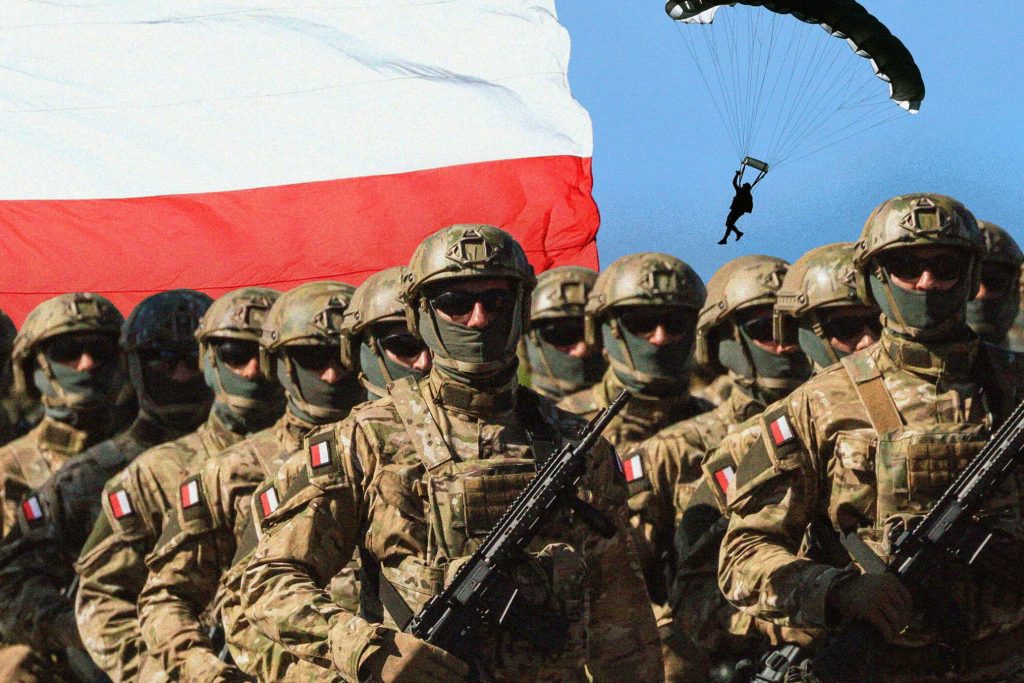
Rapid modernization has expanded armor, artillery, and air defense, integrated with NATO. Industrial partnerships broaden supply.
20. Ukraine
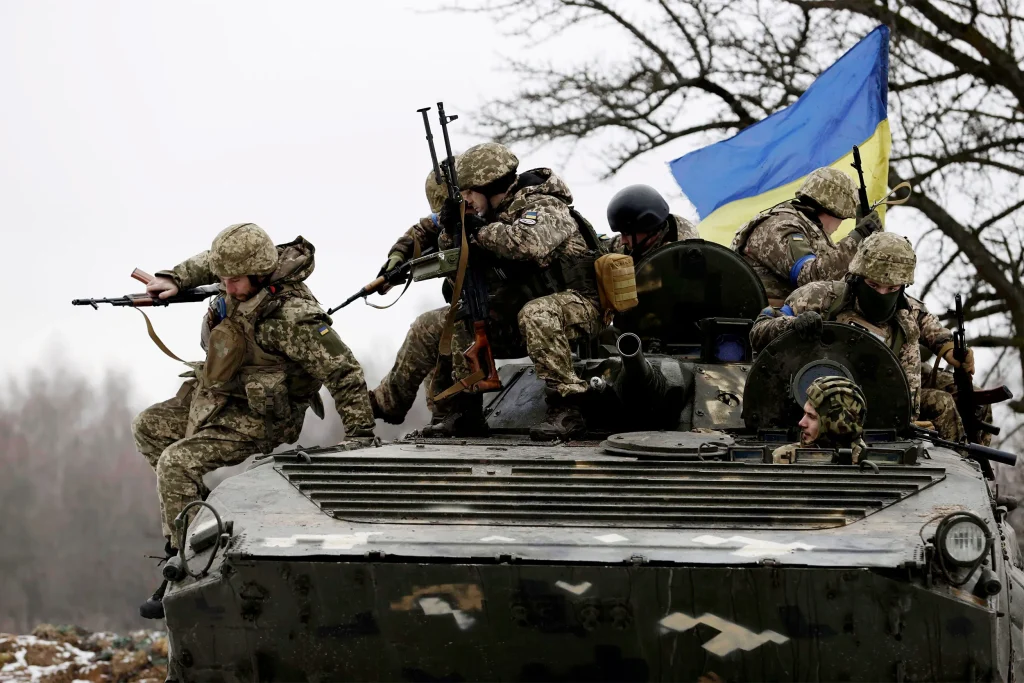
Intense wartime experience has produced adaptable, battle-tested forces. Western aid bolsters air defense, artillery, and logistics, amid attrition risks. Operational learning is high.
19. Egypt
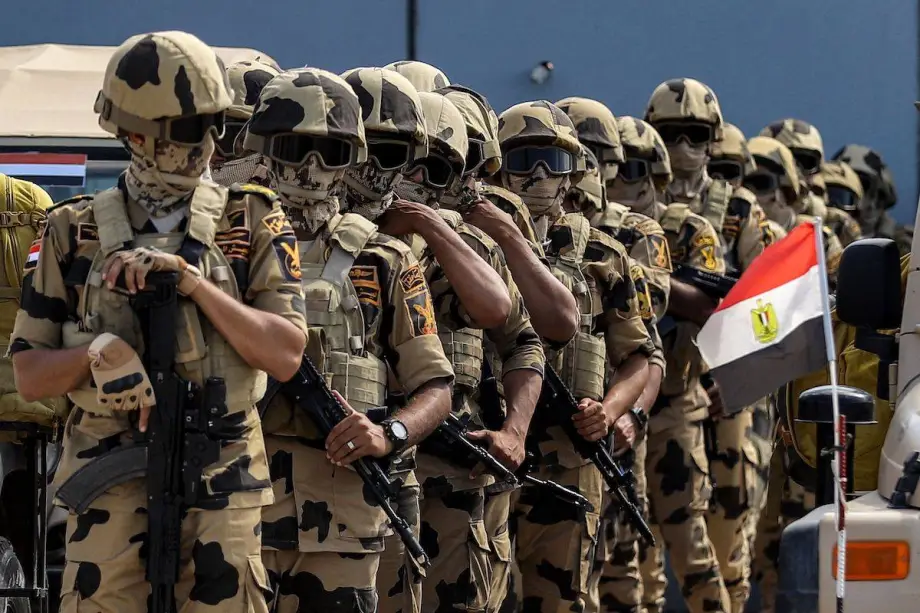
A very large inventory and control of a vital maritime chokepoint define Egypt’s posture. Air and naval assets are diverse but unevenly modernized.
18. Australia
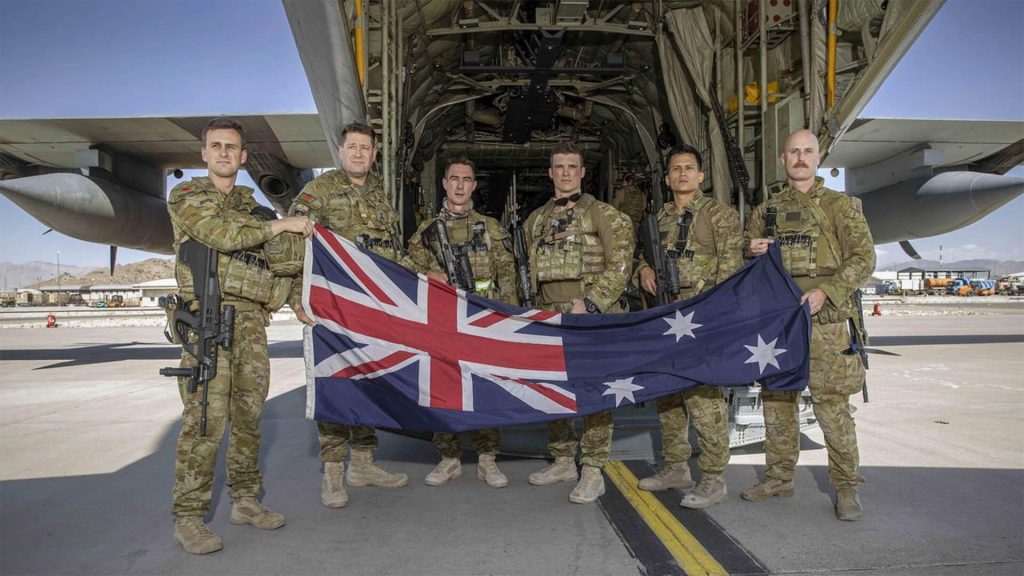
Alliances and high-end tech offset limited manpower. Long-range strike and submarine plans are reshaping force design.
17. Spain
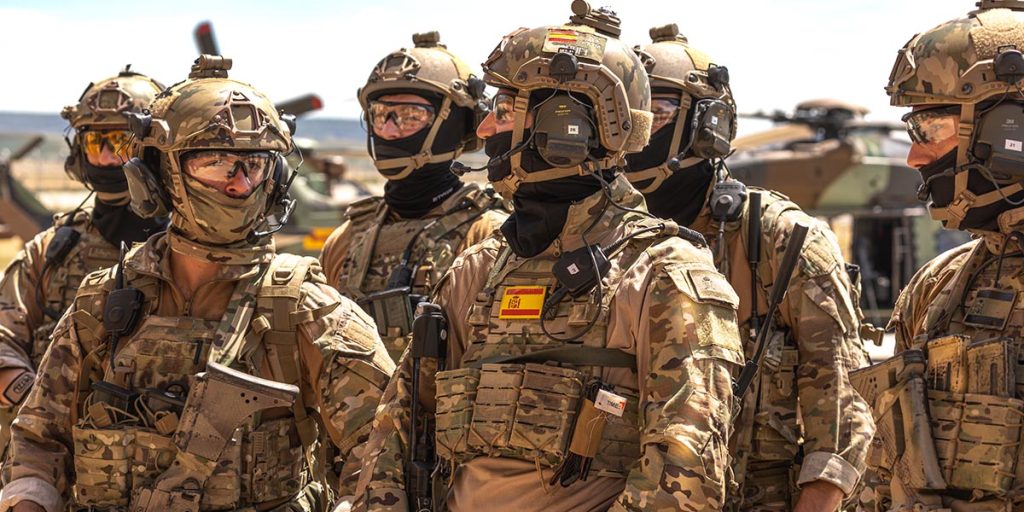
A balanced NATO force with capable navy and air assets. Budgets prioritize readiness and select modernization. Strategic reach is focused and coalition-oriented.
16. Iran
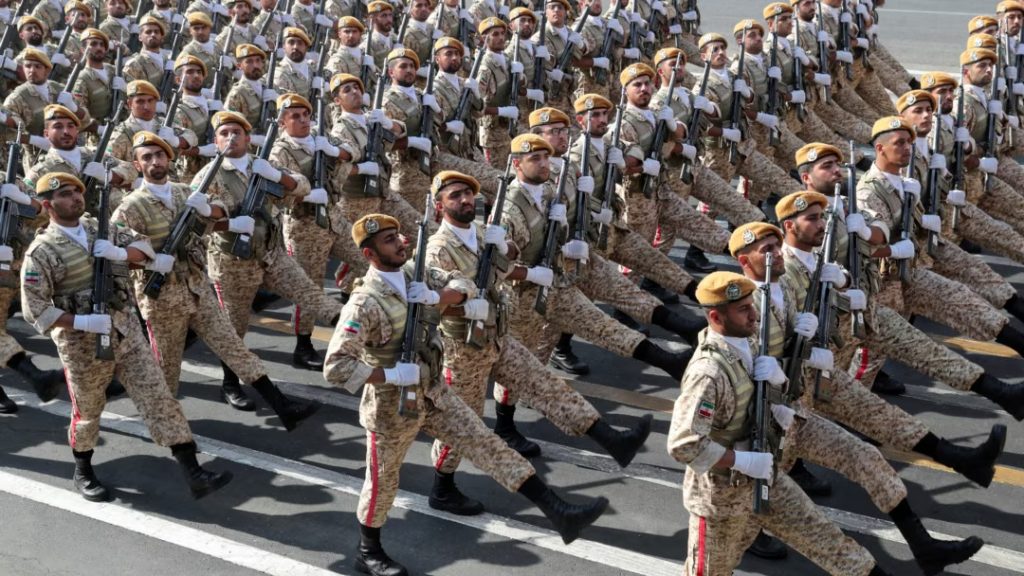
Missiles, drones, and regional networks provide deterrence despite sanctions. Conventional modernization lags peers in several domains.
15. Israel
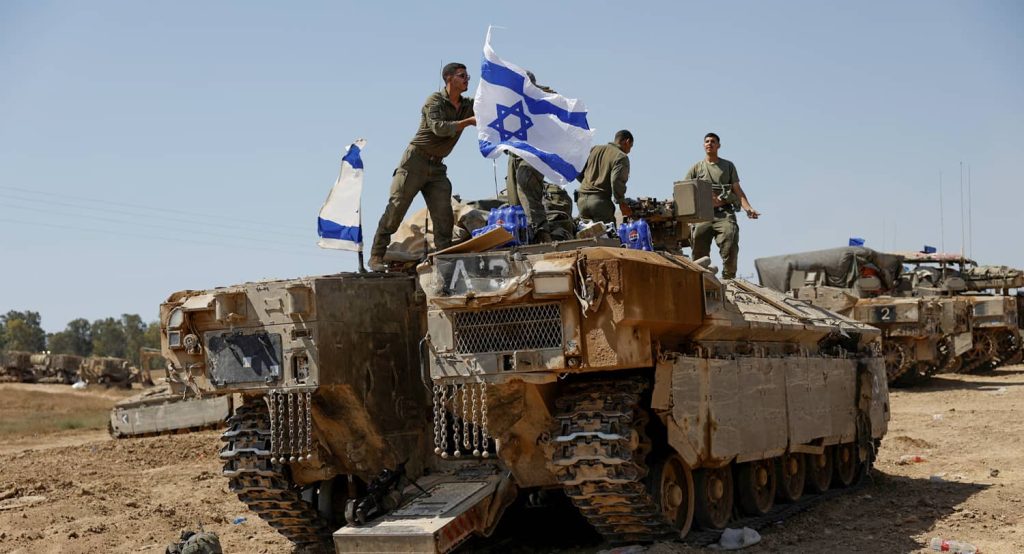
High-tech intelligence, airpower, and layered missile defense define Israeli strength. A large reserve model supports rapid mobilization.
14. Germany
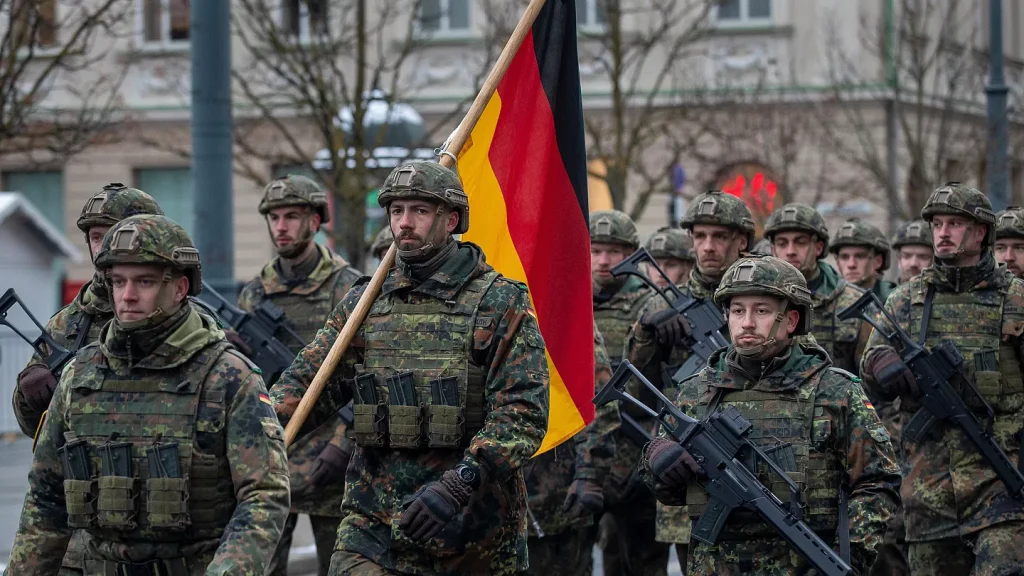
Post-Zeitenwende investments target readiness and munitions after years of underfunding. Industrial capacity and NATO integration are core assets.
13. Indonesia
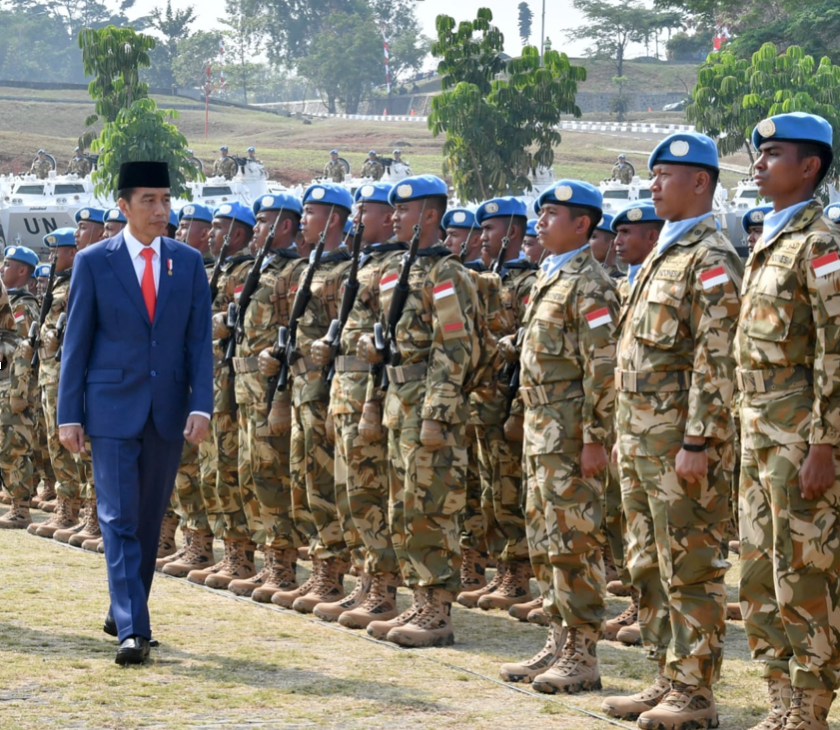
An archipelagic posture drives navy and air modernization. Budgets and geography complicate coverage across vast seas. The force is growing in competence and scale.
12. Pakistan
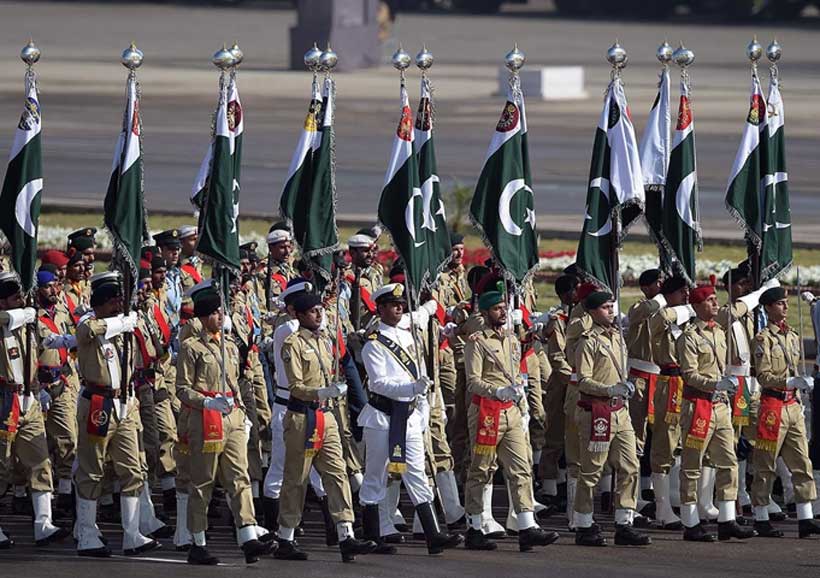
A large, experienced army and strategic deterrent anchor Pakistan’s security. Equipment breadth is wide, with reliance on select partners.
11. Brazil
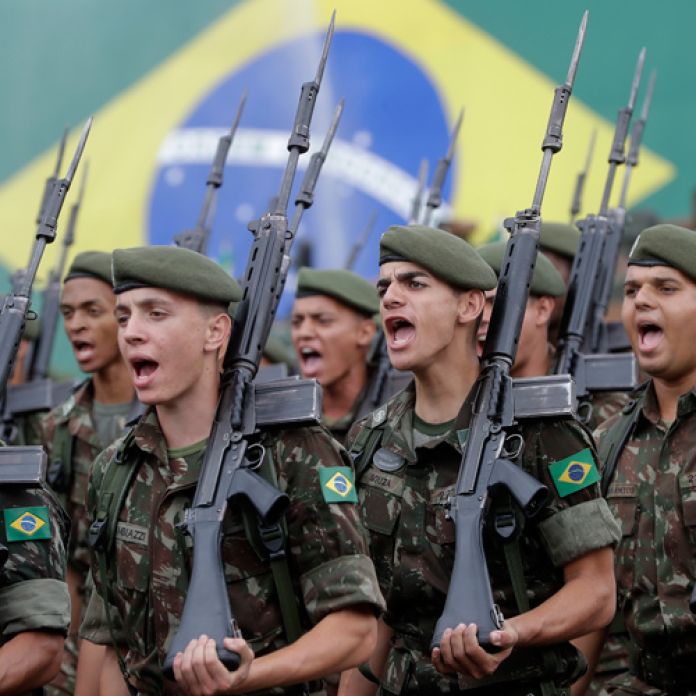
Significant industrial base and territory, with modest expeditionary aims. Naval and air modernization continues at a measured pace. Strength is regional with selective global roles.
10. Italy
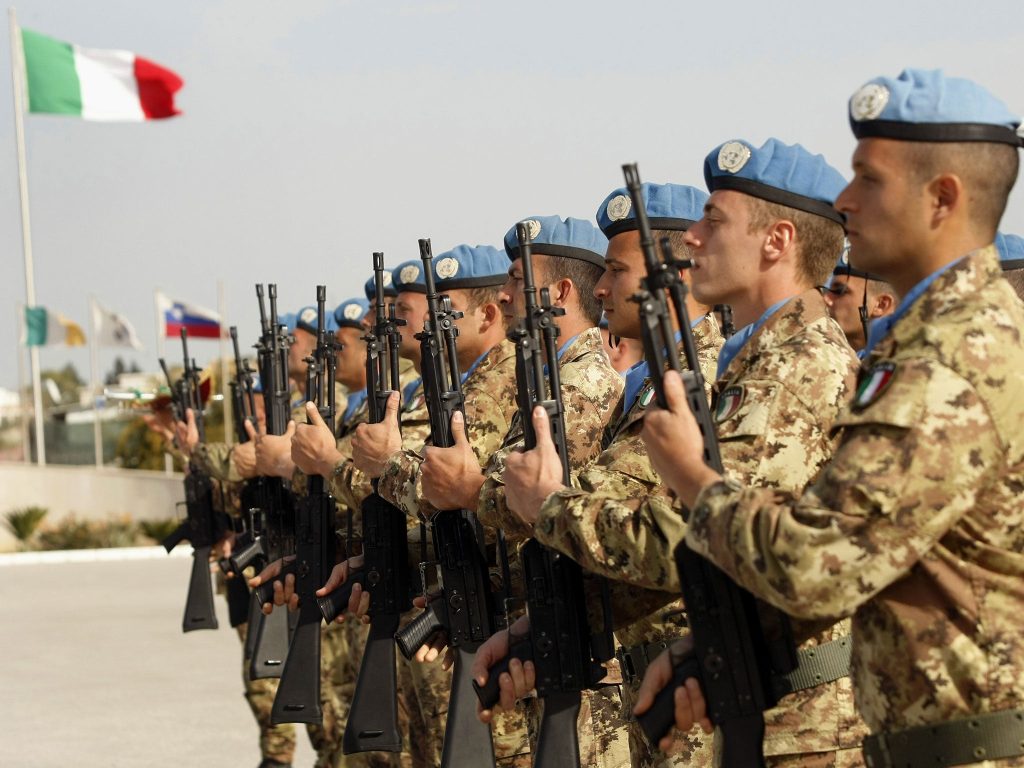
Balanced land, sea, and air forces with strong NATO interoperability. Carrier aviation and submarines add depth.
9. Turkey
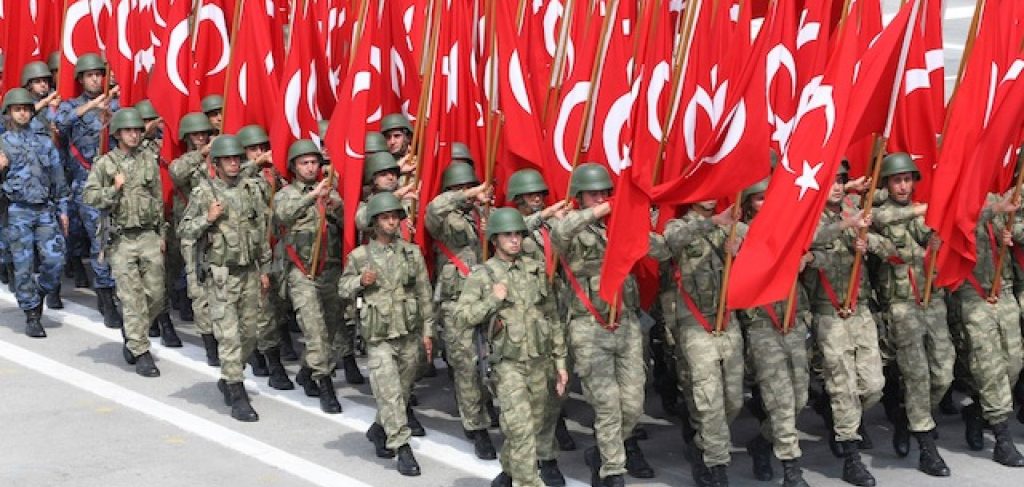
Large manpower, active operations, and a fast-maturing drone and armor industry. Independent procurement boosts resilience.
8. Japan
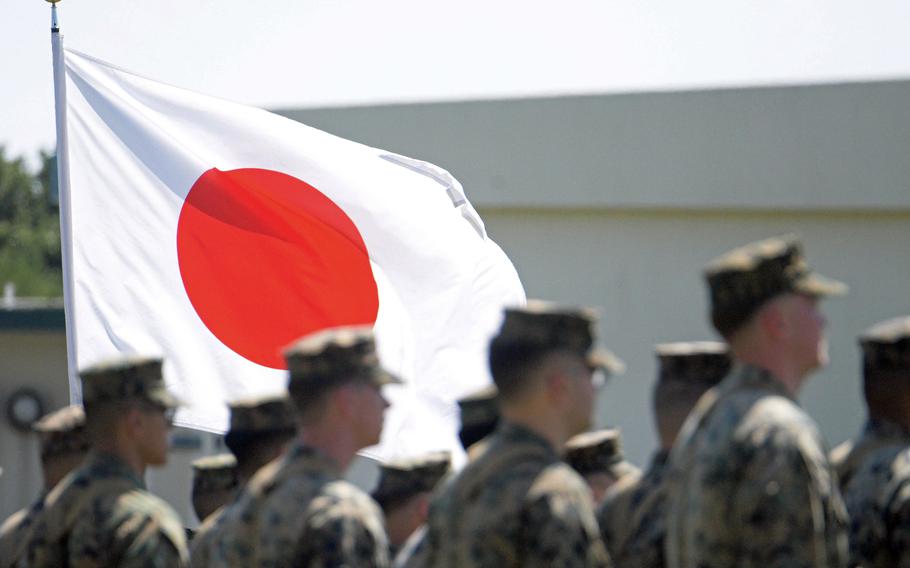
Accelerating defense reforms add counterstrike and longer-range missiles. Naval and air strength are high, with growing jointness. Constitutional limits shape doctrine, not quality.
7. France
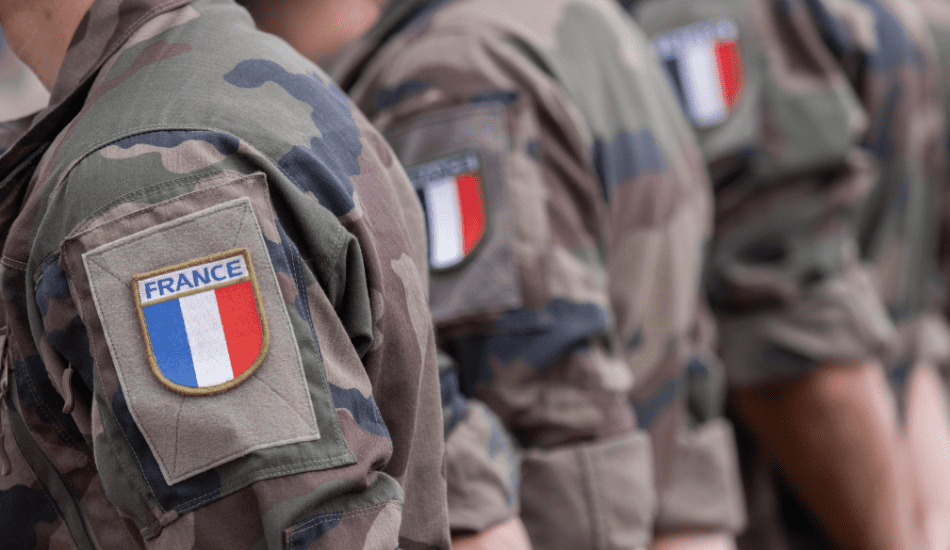
A nuclear power with carrier aviation, global basing, and rapid deployment forces. Industrial depth supports sustained operations. Army size is modest but professional.
6. United Kingdom
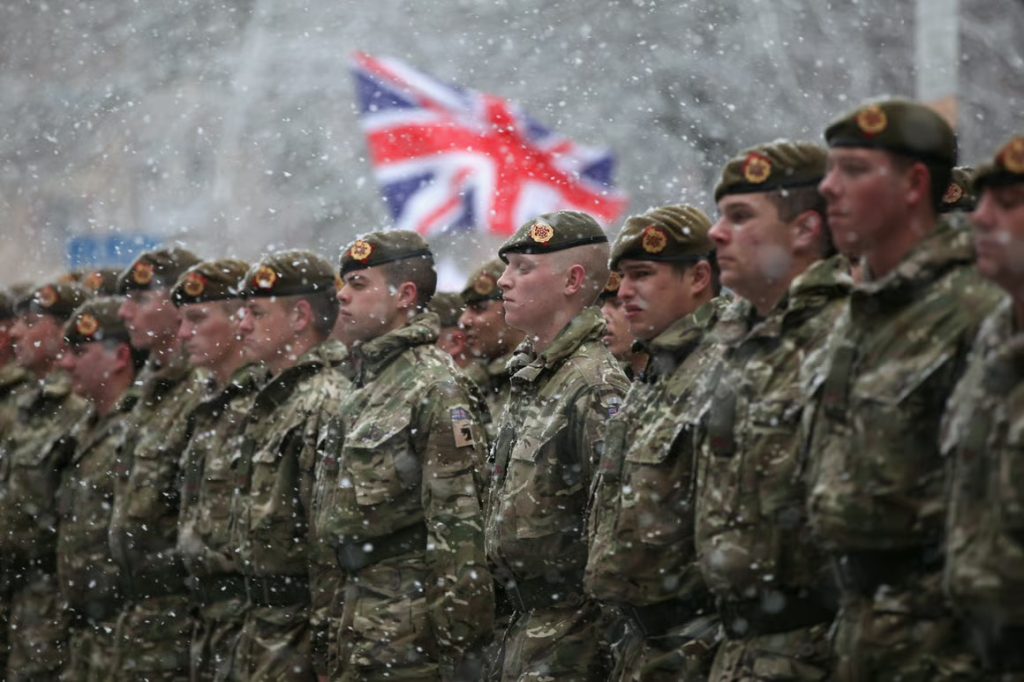
Carrier strike, submarines, and elite expeditionary units offer outsized impact. Nuclear deterrence and alliances multiply reach. Army end strength is lean, but kit is advanced.
5. South Korea
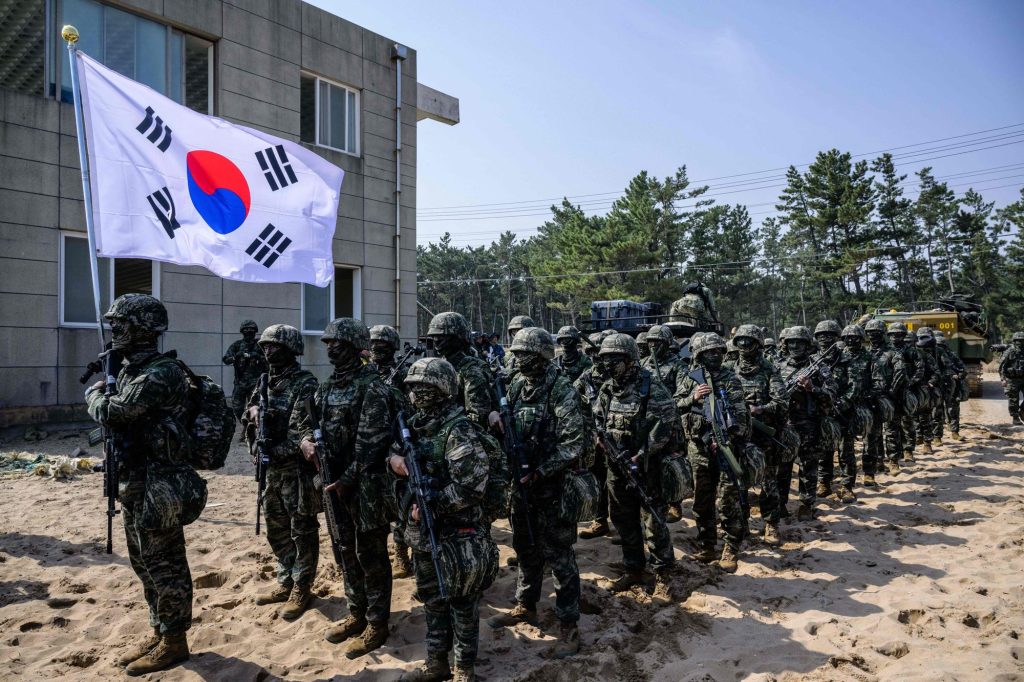
High readiness, dense air defenses, and a world-class defense industry. Conscription and advanced artillery create a formidable deterrent. Focus is peninsula security with growing export-driven tech.
4. India
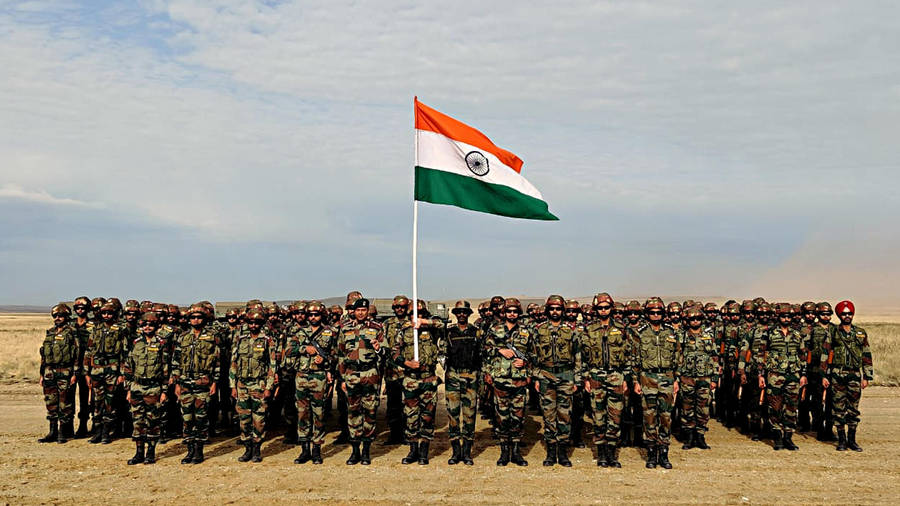
Very large manpower meets steady modernization in air, naval, and missile forces. Diverse procurement is being streamlined for sustainment. Strategic reach is widening in the Indian Ocean.
3. China
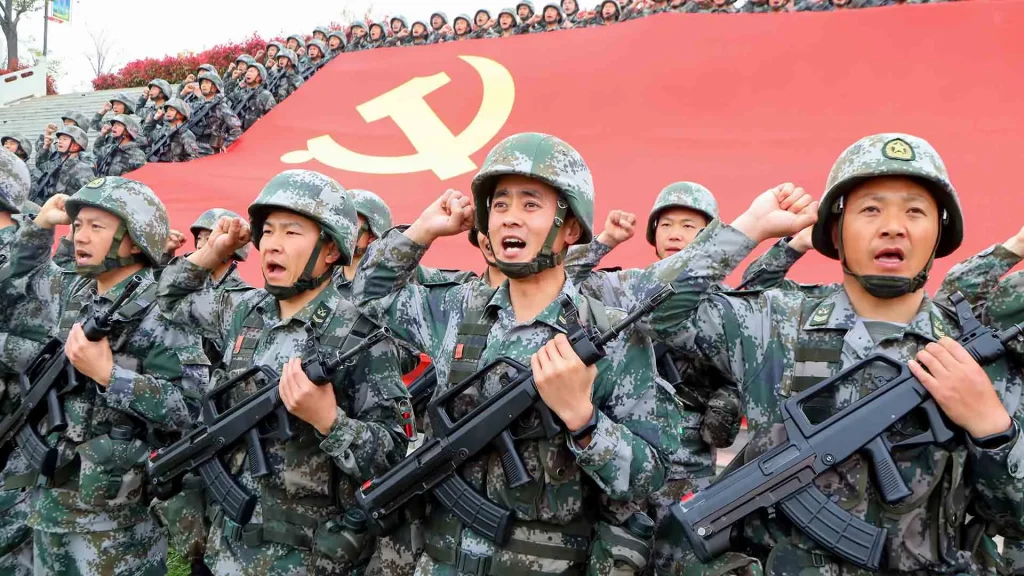
Rapid naval growth, long-range missiles, and expanding aerospace capacity drive China’s rise. Training and joint integration keep improving. Global logistics are growing from a low base.
2. Russia
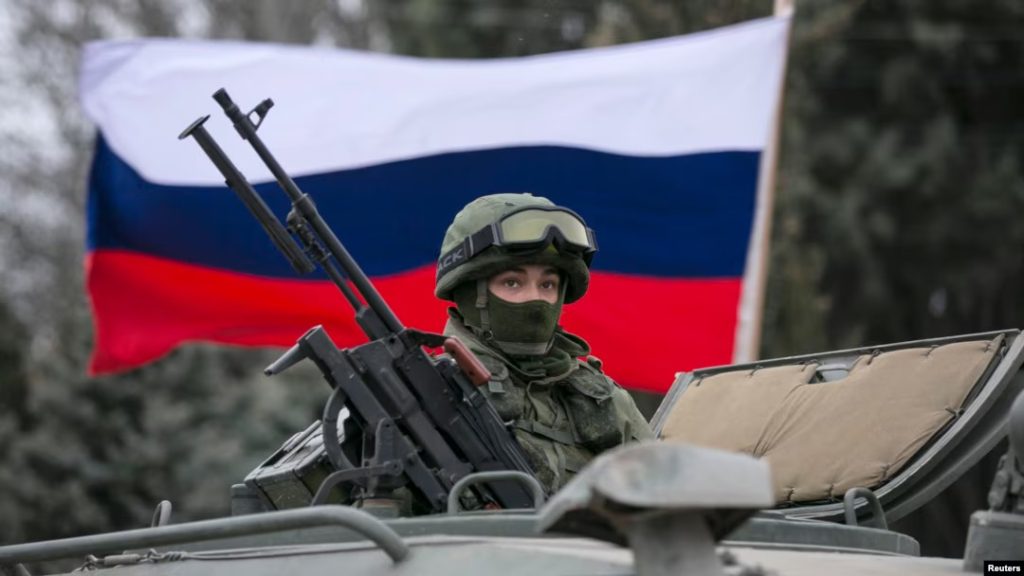
Large inventories, wartime experience, and deep air defense networks remain strengths. Sanctions and attrition impose costs on industry and sustainment. Strategic forces and mass still matter in the model used.
1. United States
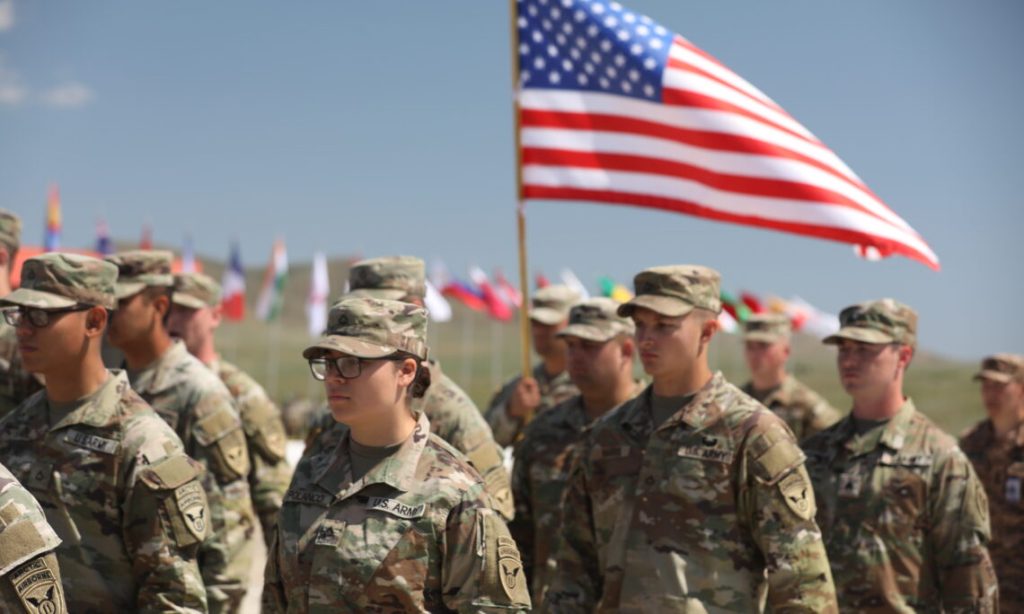
Global alliances, unmatched power projection, and a deep industrial and tech base define U.S. dominance. Carrier groups, strategic airlift, and a modernizing nuclear triad enable simultaneous theater operations. Budget and Research and Development outpace peers by wide margins.