Instead of slumping on the couch and wasting hours in front of the TV, take a moment to learn some fun facts about the shows you’re watching.
“The Mary Tyler Moore Show” – The Pill On Prime-Time

By weaving in a storyline about birth control, the show tackled a topic television usually avoided. In the 1970s, this move reflected broader conversations about women’s independence and made adult themes feel more natural in sitcoms.
“Cheers” – From Flop To Fixture

The show’s pilot season landed in 77th place in the ratings, sparking real talk of cancellation. NBC chose to take a chance, and it eventually turned into one of the network’s enduring hits.
“Seinfeld” – A Real Soup Seller

The inspiration came from an actual New York soup seller with no patience for mistakes. Break his rigid rules, and the punishment was simple: no soup for you.
“Full House” – Two Michelles, One Schedule

To stay within child-labor laws, producers doubled up the role of Michelle. Casting twins Mary-Kate and Ashley Olsen so filming never slowed down.
“The Fresh Prince of Bel-Air” – Memorizing Everyone’s Lines

Early on, a nervous Will Smith learned the entire script (others’ lines included) so well that you can sometimes catch him mouthing along in the first episodes.
“Gilligan’s Island” – A Half-Mast Easter Egg

When the SS Minnow sets sail in the opening, the U.S. flag appears at half-mast, a detail left from filming soon after President Kennedy’s assassination.
“Blue’s Clues” – Musician In The Green Stripe

Steve went from struggling musician to kids’ TV icon; also, Blue is canonically a girl pup. Something many viewers missed.
“The X-Files” – Theme Song By Happy Accident

The chilling sound that defined the show wasn’t planned. Mark Snow hit on it by chance, playing with a keyboard’s modulation knob and creating the haunting echo fans instantly recognize.
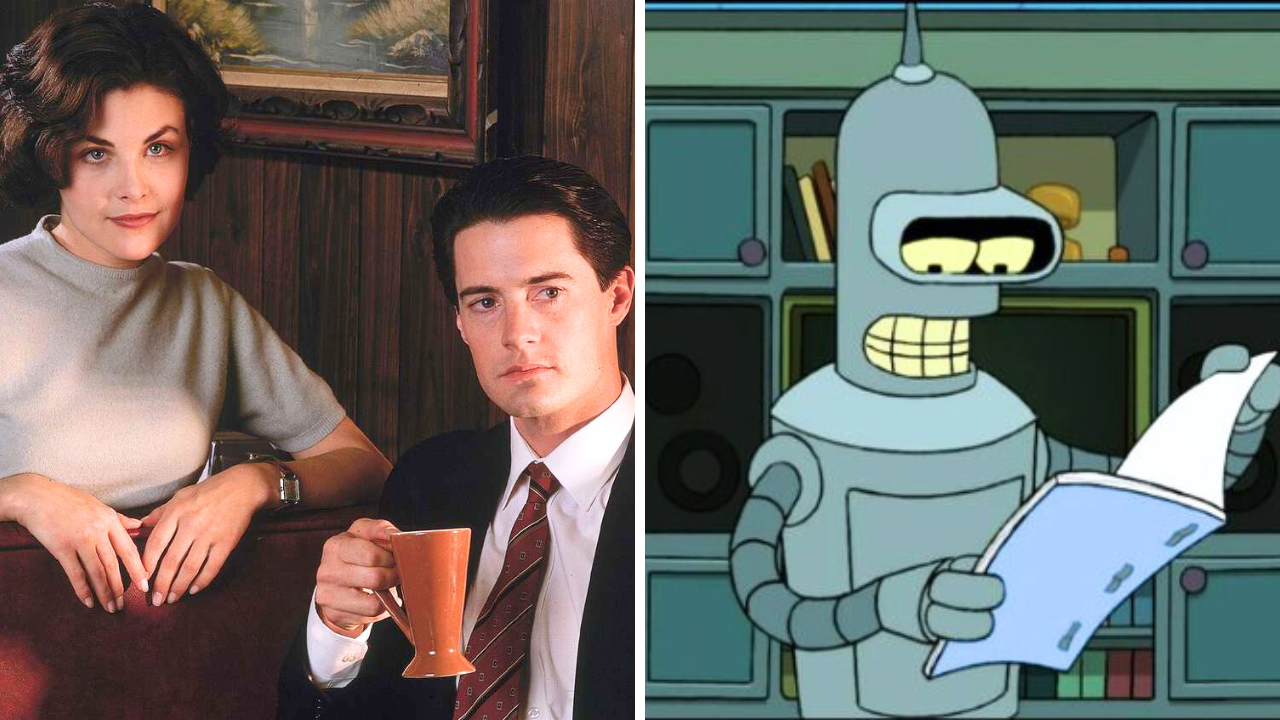
“Twin Peaks” – The Owls Aren’t What They Seem

Whenever the owls were mentioned, it hinted at something darker at play. The line became a symbol of unseen powers shaping the town and gave the series its hauntingly cryptic vibe.
“Stranger Things” – From Montauk To Hawkins

The show’s early concept drew on long-running Montauk Project lore about secret experiments; the working title was reportedly “Montauk.”
“The Simpsons” – Four Fingers, Except For Two

Most characters have four fingers to speed animation, but God and Jesus are drawn with five to set them apart.
“Futurama” – Bender’s Voice Was A Pivot

At the recording booth, John DiMaggio scrapped the plain robot voice and went with a boozy growl. That split-second choice gave life to Bender’s unforgettable persona.
“Family Guy” – Stewie’s Stage Accent

The creators gave Stewie a voice inspired by Rex Harrison of “My Fair Lady,” turning him into the absurd mix of a high-class gentleman and a threatening infant.
“SpongeBob SquarePants” – From “SpongeBoy” To Bikini Bottom

The roots trace back to Stephen Hillenburg’s classroom comic “The Intertidal Zone.” His hero was first called “SpongeBoy,” but a trademark issue forced a change. An early twist that helped shape the show’s identity.