
The presidency is the most scrutinized job in the world, which makes it all the more remarkable that so many of the men who held it managed to develop hobbies that ranged from eccentric to genuinely inexplicable. Behind the formal portraits and state dinners, American presidents have bred mules, hunted mastodons, skinny dipped in rivers and terrorized guests with amphibious cars.
George Washington’s mule breeding obsession

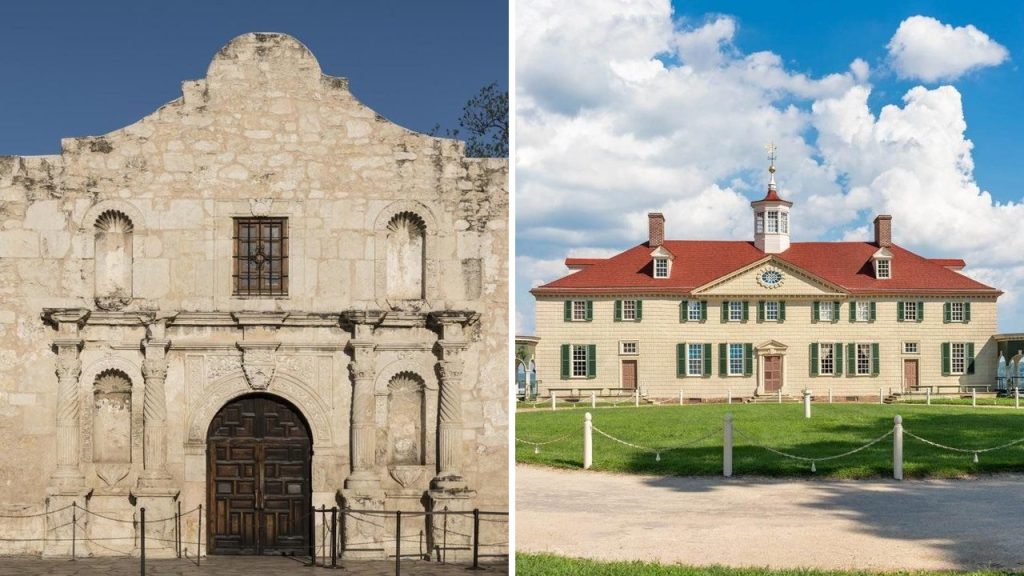
Washington wrote letters to acquaintances across the country describing in extraordinary anatomical detail the breeding habits of his horses and donkeys. His goal was to introduce the mule to American agriculture, and he was so particular about quality that he eventually received a Spanish donkey directly from the king of Spain, becoming the first mule breeder in the United States.
Thomas Jefferson’s mastodon hunt

Jefferson was convinced that living mastodons still roamed the unexplored interior of North America and used every available resource to find evidence of them. When he authorized the Lewis and Clark expedition, he quietly hoped they might encounter one, and directed Clark to make a detour to a known fossil site and send back bones. Clark did.
John Quincy Adams’ daily naked swim

Every morning at five, Adams walked a mile to the Potomac River and swam naked, attributing his uninterrupted health to the practice. In 1825 he attempted to cross a tributary in a boat that promptly sank and had to be rescued while fully clothed. He returned to swimming naked immediately afterward.
Andrew Jackson’s cockfighting

Jackson’s involvement in cockfighting was so significant it was included in the 1828 election smear campaign against him. One of the infamous Coffin Broadside handbills, which accused him of multiple murders, also specifically mentioned his love of the bloodsport. Some sources claim he held fights in the White House itself.
Abraham Lincoln’s wrestling career

Before becoming president, Lincoln was one of the most feared wrestlers in Illinois, competing for twelve years with only one recorded defeat across an estimated three hundred matches. He was posthumously inducted into the National Wrestling Hall of Fame in 1992 as an Outstanding American in the sport.
Abraham Lincoln’s cats

When Mary Todd Lincoln was asked about her husband’s hobbies, she replied simply: cats. Lincoln became the first president to keep cats in the White House after being given two kittens he named Tabby and Dixie, and by all accounts he was devoted to them in a way that surprised most visitors.
Calvin Coolidge’s mechanical horse

Coolidge rode a mechanical horse gifted to him by cereal inventor John Harvey Kellogg as often as three times a day. The press mocked him extensively when the hobby became public. Coolidge was entirely unbothered and took the horse with him when he left the White House in 1929.
Herbert Hoover’s invented sport

Hoover’s physician invented a game called Hoover-ball specifically for the president: essentially tennis played with a medicine ball and no racquets, played every morning except Sunday on the White House lawn, in bad weather indoors. Hoover missed it only once during his entire time in office.
Franklin D. Roosevelt’s stamp collection

Roosevelt accumulated one of the largest personal stamp collections in American history and spent hours sorting and cataloguing them. It became his primary relaxation during some of the most consequential years in American history, including the entire duration of the Second World War.
Franklin D. Roosevelt’s detective fiction

Roosevelt had an obsessive relationship with mystery novels, consuming them at a rate that alarmed his staff. He became so invested in the genre that he co-wrote a mystery novel called The President’s Mystery Plot with five other authors, contributing the central plot idea himself.
Harry Truman’s poker games

Truman was a dedicated and highly skilled poker player who used games aboard the presidential yacht to build relationships with key political allies during some of the most significant diplomatic moments of his presidency. He practiced both poker and piano with equal seriousness.
Richard Nixon’s midnight bowling

Nixon had a private bowling lane installed in the White House, paid for privately rather than by taxpayers, and used it regularly in the middle of the night when he could not sleep. He bowled alone, in the basement, during one of the most turbulent administrations in American history. The lane still exists.
Richard Nixon’s poker funding

Before politics, Nixon won approximately seven thousand dollars playing poker during his military service, then used those winnings to fund his first congressional campaign in 1946. He never played poker again after entering politics, preferring piano instead.
Theodore Roosevelt’s boxing

Roosevelt sparred regularly in the White House until an artillery captain landed a punch that permanently damaged his left eye. He continued anyway before reluctantly switching to judo, reaching a level of proficiency that would today be considered close to black belt standard.
Andrew Johnson’s tailoring

Before politics, Johnson spent years working as a tailor and never stopped. Even as president he made his own suits and mended his own clothes by hand, and reportedly made suits for other members of his administration as gifts.
Millard Fillmore’s fire fighting

When fire broke out at the Library of Congress in 1851, Fillmore raced across town and joined the effort to extinguish it alongside professional firefighters, arriving before most of the official response. This was considered somewhat unusual behavior for a sitting president.
Lyndon Johnson’s amphibious car pranks

Johnson owned an Amphicar and kept its aquatic capability secret from guests. His standard routine was to drive visitors toward a lake at high speed, shout that the brakes had failed, and laugh as the car entered the water and began floating. On at least one occasion a woman who could not swim was injured trying to escape the vehicle.
Jimmy Carter’s amateur winemaking

After leaving the White House, Carter assembled a custom winemaking operation at his Georgia home, complete with a two hundred and fifty year old wine press and equipment he built himself. He told Wine Spectator that the hobby helped him as a diplomat because world leaders were always intrigued that a former president made his own wine.
Jimmy Carter’s furniture building

Carter maintained a fully equipped woodworking shop in his garage in Plains, Georgia, building furniture throughout his post-presidential decades and donating many pieces to charity auctions. His woodworking and winemaking together made him one of the most practically skilled former presidents in American history.
Ronald Reagan’s astrology

Following the 1981 assassination attempt on Reagan, Nancy began consulting an astrologer to determine which days were safe for presidential travel and appearances. By 1988 the arrangement was impossible to deny, and the White House Press Secretary confirmed it publicly during an official briefing. The Reagan Presidential Library has a dedicated archive section on the subject.
George H.W. Bush’s skydiving birthday tradition

Bush Sr. began skydiving on his birthdays after leaving the White House, jumping at seventy three, seventy five, eighty, eighty five, and ninety. On the 1999 jump he nearly died when he began spinning and could not pull his ripcord. He had his hip replaced in 2007 and jumped again ten months later.
Bill Clinton’s saxophone

Clinton performed publicly on saxophone during his presidential campaign and in the White House on multiple occasions. Musicians who assessed his playing concluded he performed at approximately the level of a talented high school senior. His appearance on The Arsenio Hall Show wearing sunglasses playing Elvis is widely credited with helping him connect with younger voters.
Bill Clinton’s crossword obsession

Clinton did the New York Times crossword every day during his presidency, describing it as the only part of the paper that guaranteed a good feeling. He wrote to puzzle editor Will Shortz in 2002 praising the puzzles, and in 2017 helped create one for the Times to publish.
Barack Obama’s comic book collection

Obama collected comic books as a child, buying them from a blind man who ran a local newsstand, with Spider-Man as his favorite. When he moved into the White House, he converted the tennis court to a basketball court and played regularly with members of his administration.
Barack Obama’s poker games

Obama played poker regularly with a consistent group of friends dating back to his Illinois state senate days. The games included lobbyists, legislators, and journalists, and were considered a key part of how he built political relationships and learned to read people.
George W. Bush’s dog portraits

After leaving office, Bush took up oil painting seriously, eventually pivoting from portraits of world leaders to dogs, his preferred subject. His dog portrait series was exhibited publicly and received genuinely positive assessments from art critics who had expected to be dismissive.
Woodrow Wilson’s sheep on the White House lawn

During the First World War, Wilson replaced the White House groundskeeping staff with a flock of sheep that maintained the lawn for free while the workers served the war effort. Their wool was auctioned for the Red Cross, raising approximately one hundred thousand dollars. A ram named Old Ike was known to chew tobacco.
Chester Arthur’s extended fishing trips

Arthur was so devoted to fishing that he sometimes disappeared for weeks at a time during his presidency, traveling to upstate New York and Florida. Historians have since credited his time outdoors with contributing to his support for early conservation measures and national park preservation.
Ulysses S. Grant’s speeding ticket

Grant was ticketed by a Washington D.C. police officer for driving his horse and buggy at excessive speed, becoming what is believed to be the first sitting president to receive a traffic citation. He paid the fine on the spot, surrendered the horse and buggy, and walked back to the White House. He reportedly congratulated the officer for doing his duty.