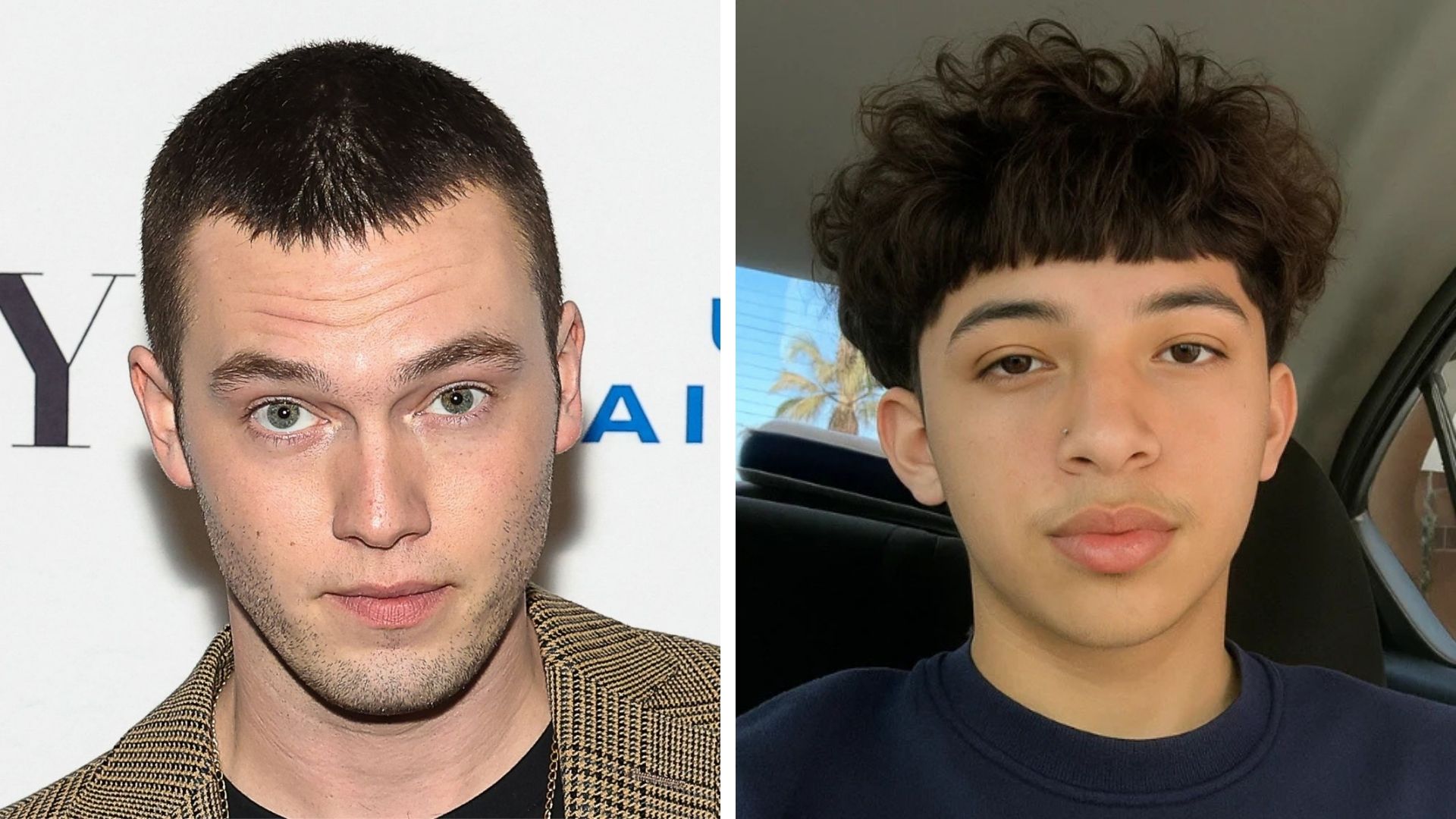
Personal grooming plays a monumental role in shaping first impressions and projecting self-confidence to the world. A sharp, tailored haircut instantly elevates an outfit, while a poorly chosen style severely undermines even the most expensive wardrobe. Certain trends emerge rapidly, burn brightly for a season, and then linger far longer than their aesthetic value warrants. This article breaks down 30 outdated styles that completely ruin facial proportions and require immediate intervention from a skilled barber.
The Bowl Cut
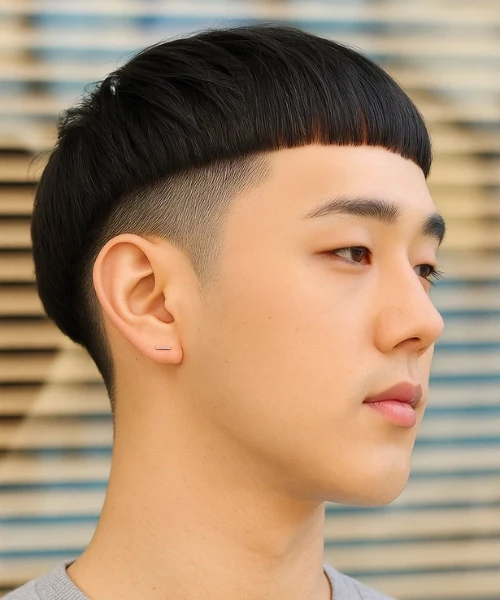
Placing a kitchen dish over the head and cutting around the edges created a generation of traumatic school photos. This perfectly symmetrical nightmare experienced a brief ironic revival before quickly losing its novelty appeal among fashion circles.
Frosted Tips
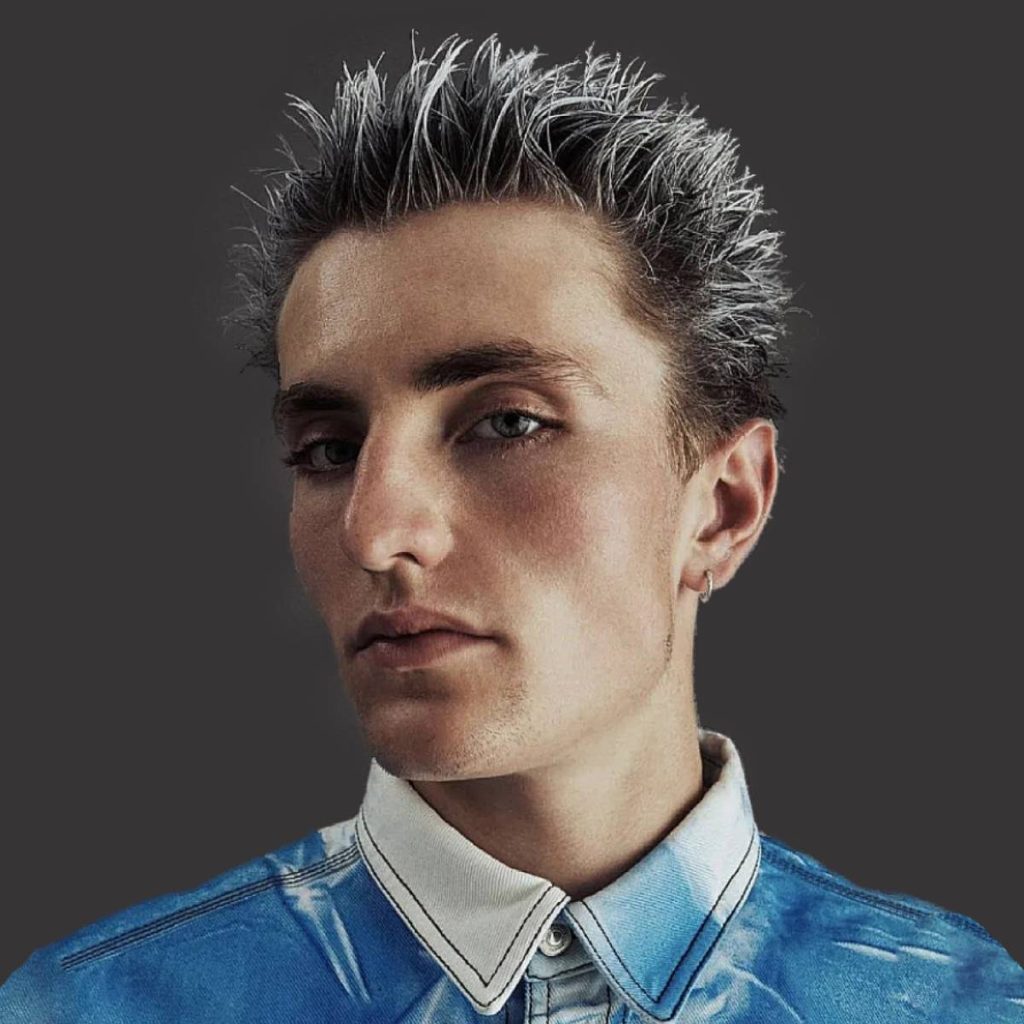
Boy bands of the late nineties convinced millions of teenagers that bleaching only the very ends of their hair was a stylistic triumph. Justin Timberlake famously wore this crispy, highly gelled look during his time dominating the pop charts. Stylists today routinely reject requests for this specific two-toned highlighting technique due to severe chemical damage.
The Rat Tail
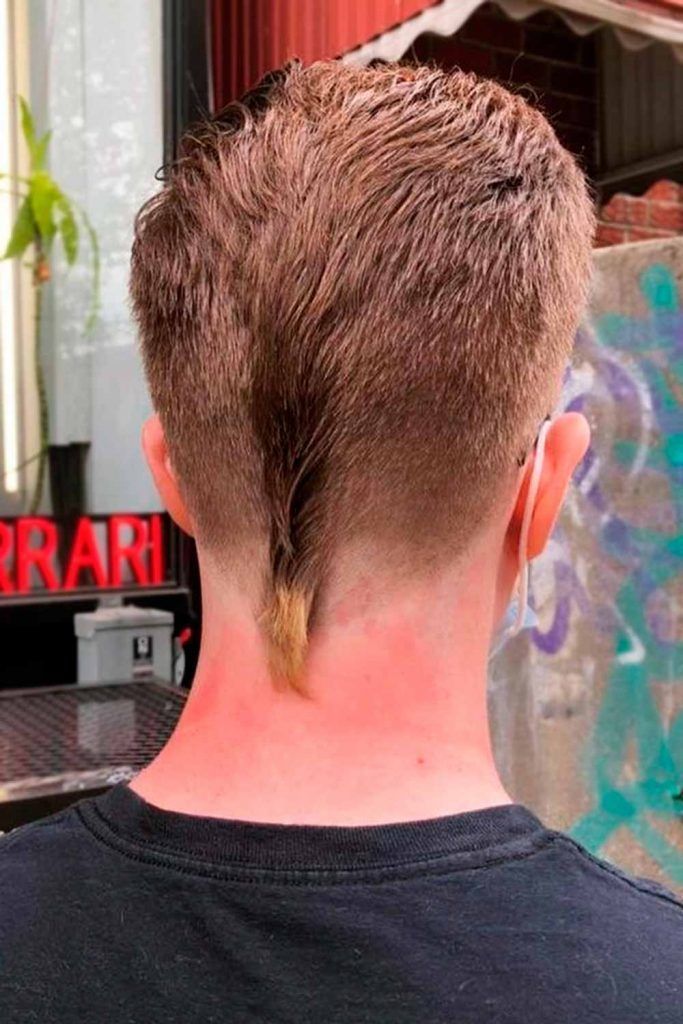
Leaving a solitary, thin strip of hair growing down the nape of the neck serves absolutely no aesthetic or practical purpose. This isolated braid often catches on shirt collars and requires entirely separate grooming tools from the rest of the scalp. The historical origins of the style trace back to martial arts traditions, but its modern application completely lacks that cultural dignity. Barbers frequently joke about snipping the tail off when the client blinks.
The Extreme Mullet
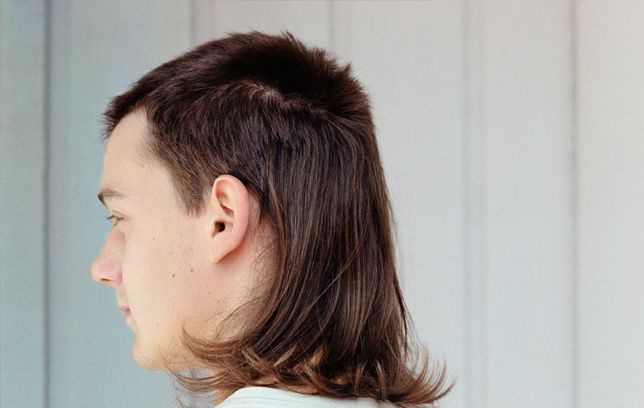
Business in the front and a wild party in the back defined the chaotic aesthetic of the eighties action star. Maintaining this dual-identity hairstyle demands buying both heavy pomades for the top and detangling conditioners for the back.
The Broccoli Top
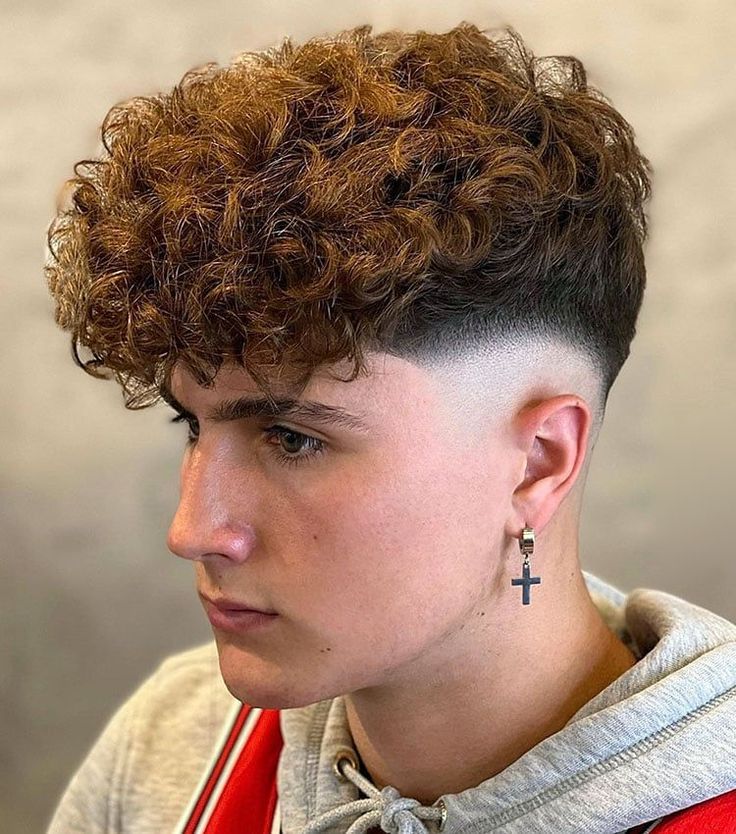
Viral social media platforms popularized this heavy, chemically permed mop resting entirely on the crown of the head while the sides remain bald. Younger generations flocked to salons requesting tight curls that flop aggressively over their foreheads during physical activity. Rain or high humidity instantly transforms the careful styling into an unmanageable, frizzy dome.
The Faux Hawk
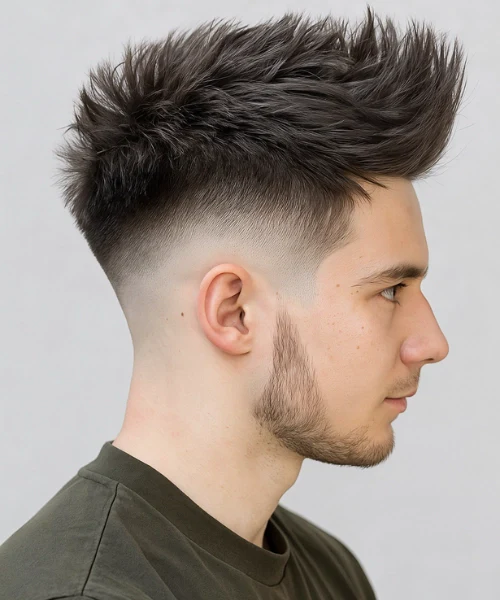
Pushing the center of the hair up with industrial-strength wax provided a safe, non-committal alternative to the rebellious punk movement. The style dominated the early red carpets of the 2000s before collapsing under the weight of its own generic popularity. A sharp gust of wind easily collapses the entire structure, revealing the awkward uneven length of the top layers. Washing the heavy wax out of the hair frequently requires specialized clarifying shampoos.
The Skullet
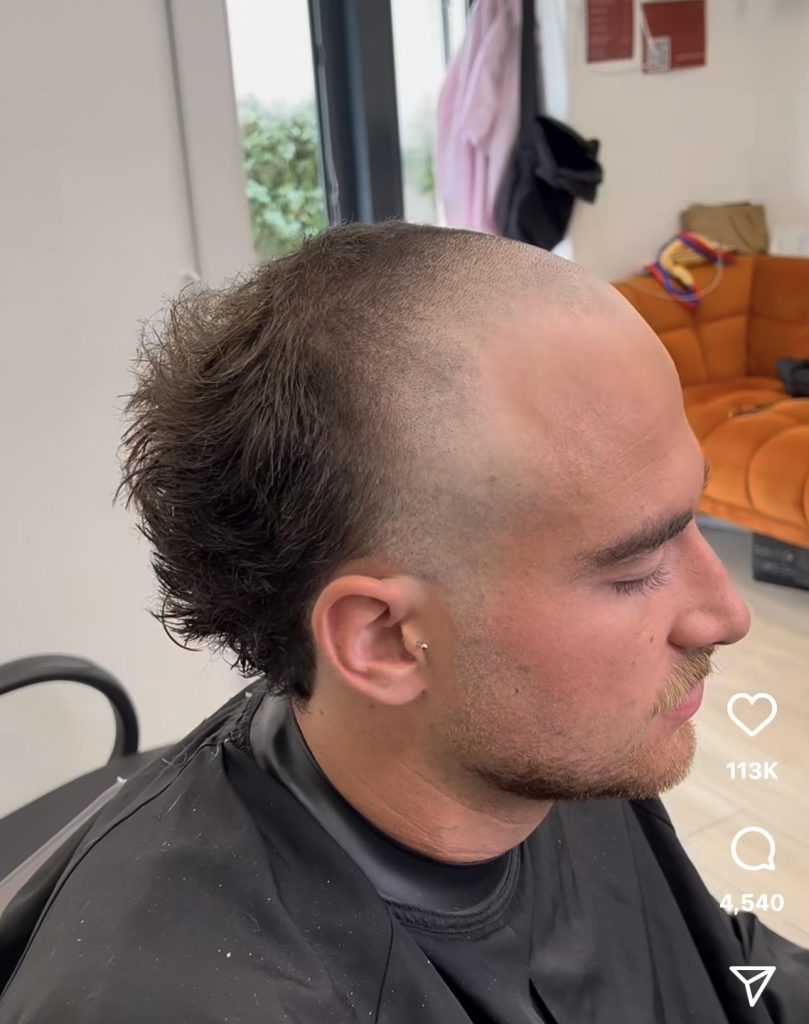
Combining male pattern baldness with long, flowing locks at the rear creates one of the most visually confusing silhouettes in grooming history. Embracing a clean shave offers a much more dignified solution to a receding hairline than clinging to the surviving follicles on the neck.
The Emo Swoop
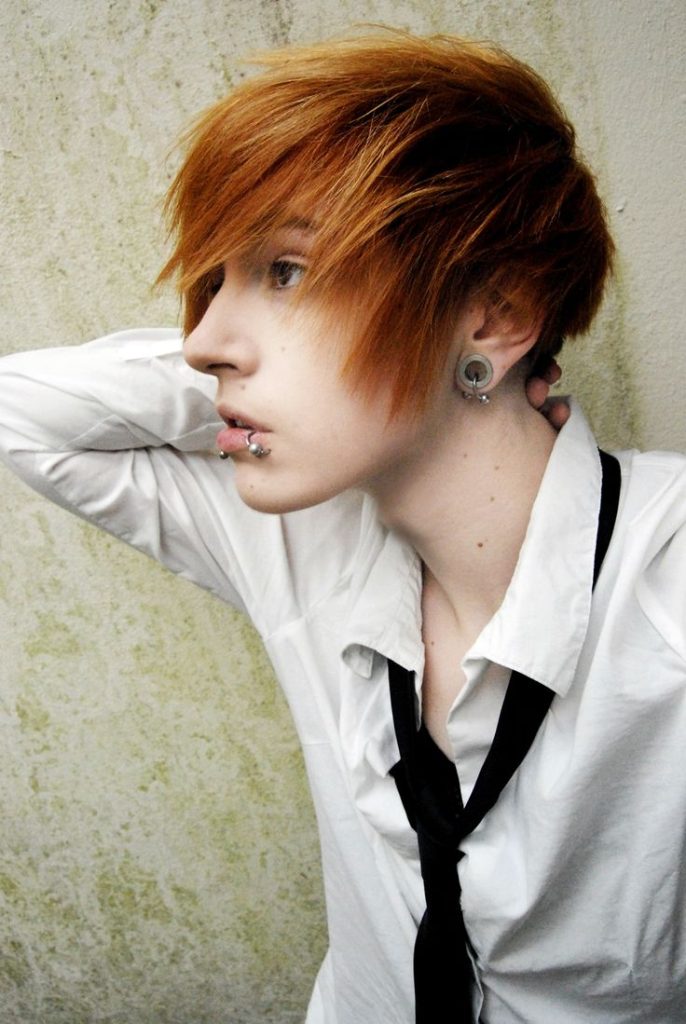
Plastering a dense sheet of straightened hair diagonally across one eye defined the emotional rock scene of the mid-2000s. Fans of bands like Fall Out Boy and My Chemical Romance spent hours with flat irons achieving the perfectly sharp, blinding fringe. Optometrists frequently noted an increase in posture-related neck pain from teenagers constantly flicking the hair out of their field of vision.
The Hard Part
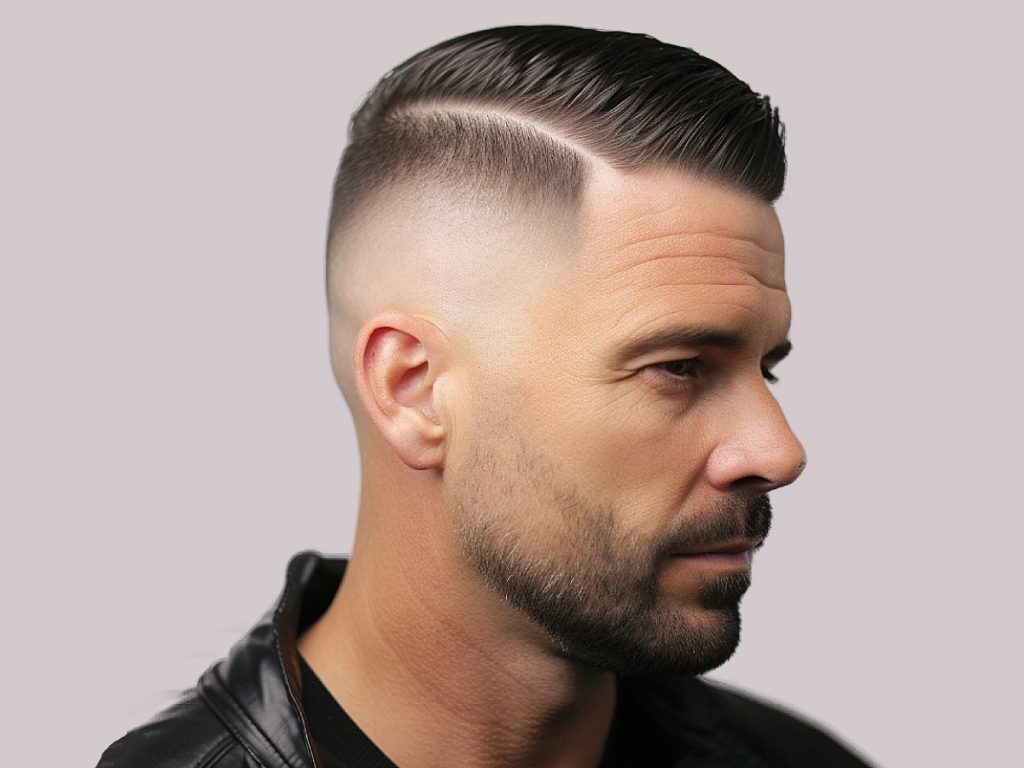
Shaving a thick, permanent line directly into the scalp forces the hair to part in the exact same location every single day. Barber shops saw a massive surge in this rigid technique after the historical drama “Peaky Blinders” popularized harsh, vintage undercuts. Once the shaved line begins to grow back, the wearer faces weeks of awkward, stubbly regrowth that refuses to lay flat. The artificial widening of the part actually creates a visual illusion of premature thinning.
The Disconnected Undercut
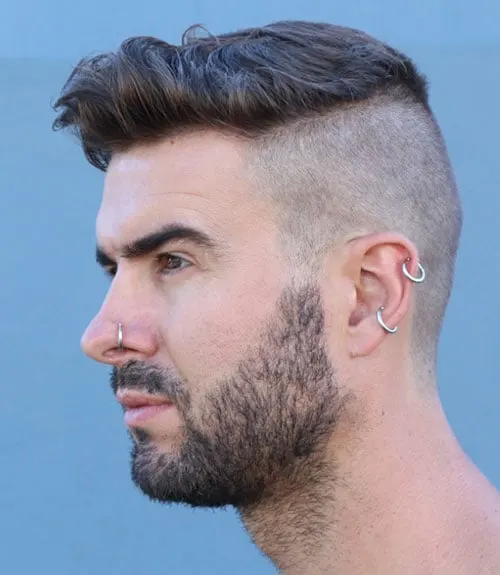
Leaving a massive visual gap between a buzzed side and a lengthy top eliminates any natural blending or transition. The harsh contrast requires salon visits every two weeks to prevent the sides from turning into a fuzzy shadow.
The Man Bun
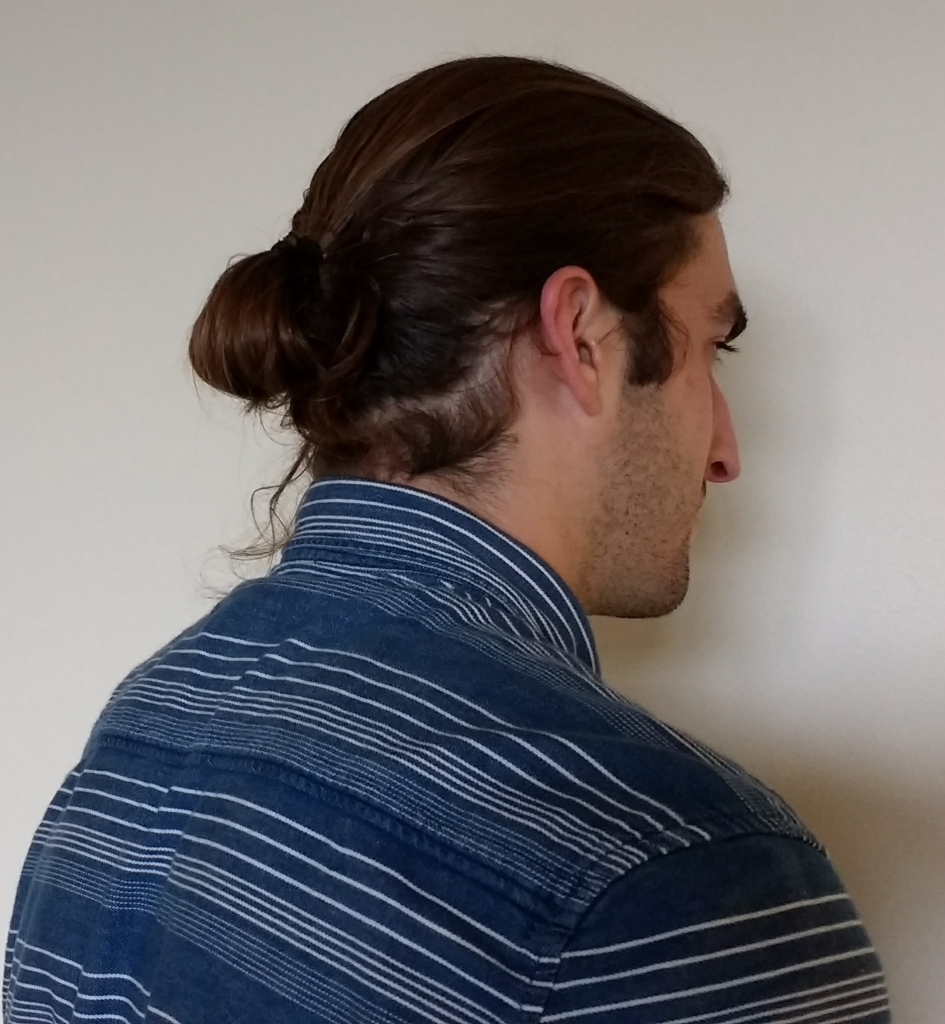
Gathering unkempt, greasy lengths into a tight knot at the crown was briefly hailed as the pinnacle of hipster grooming. The immense tension pulling on the front of the scalp for hours actually causes a medical condition known as traction alopecia. Men who wore this style religiously often experienced permanent hair loss along their natural hairline.
The Architectural Comb-Over
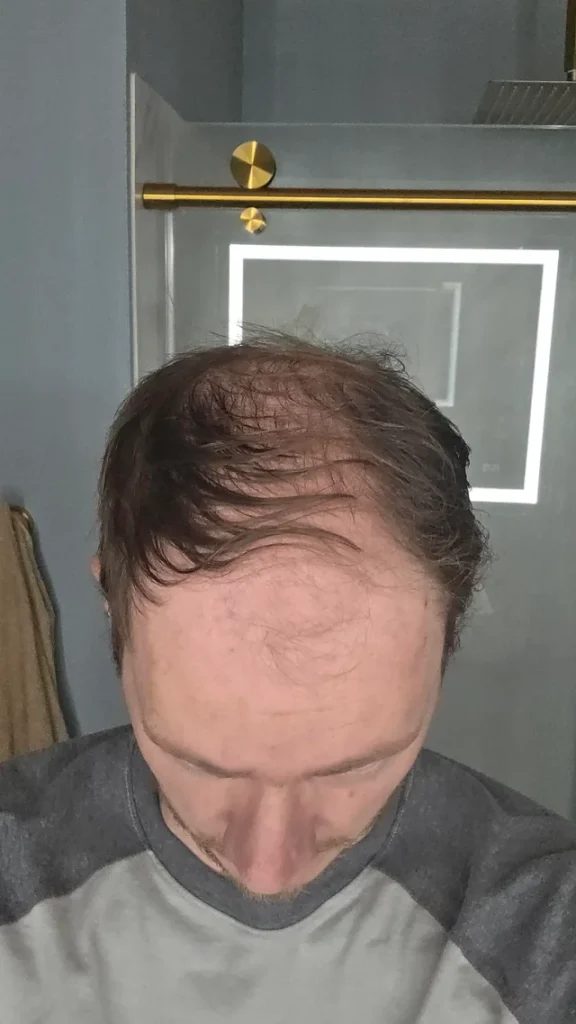
Attempting to conceal a bald spot by growing the adjacent hair to extreme lengths and pasting it across the void fools absolutely no one. Wind, rain, or a sudden movement can instantly dismantle the careful geometric construction, leading to severe social embarrassment. The copious amounts of holding spray required to anchor the deception creates a rigid, unnatural texture that reflects light poorly. Embracing a shorter buzz cut draws attention back to the jawline and eyes rather than the lack of coverage.
Liberty Spikes
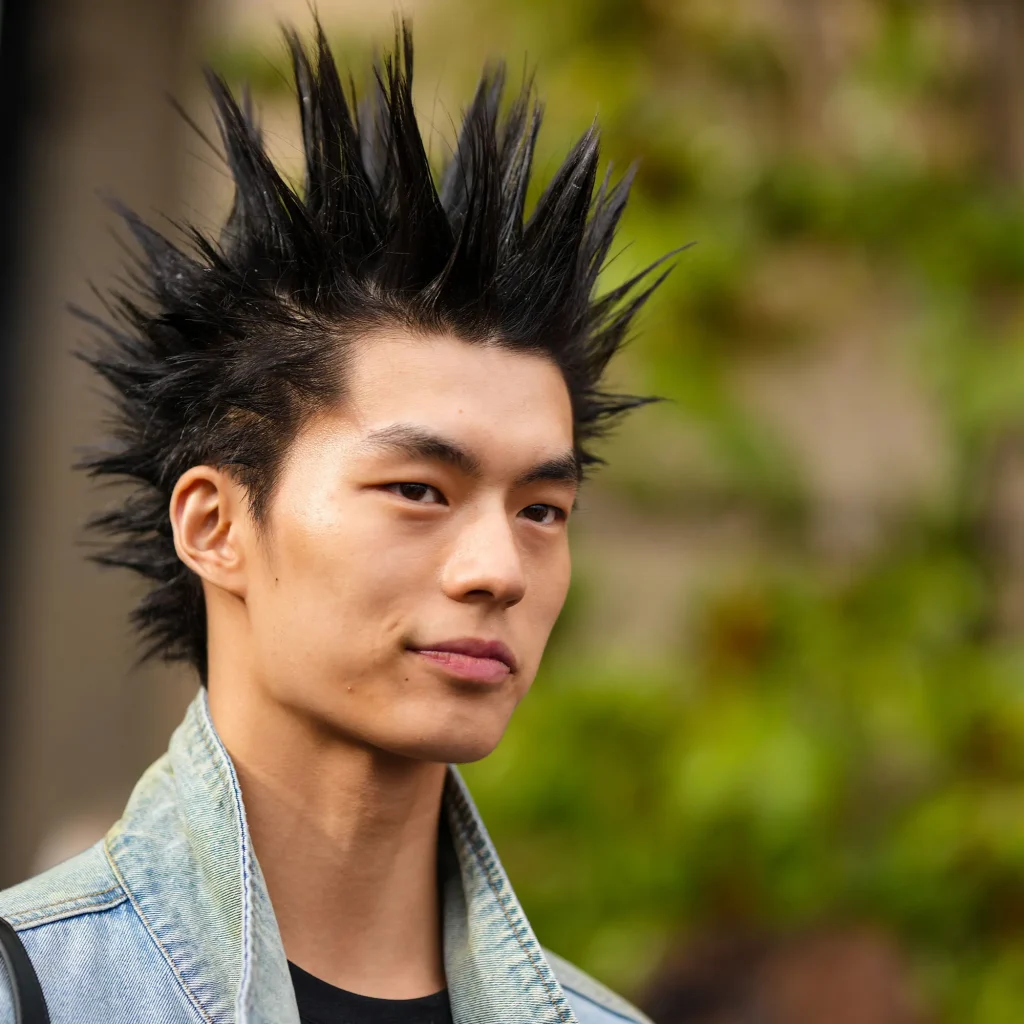
Defying gravity by molding hair into thick, rigid cones requires an alarming amount of specialized glue rather than traditional styling products. Sleeping on these hardened spikes is physically impossible without completely crushing the architectural integrity of the style.
The Wings
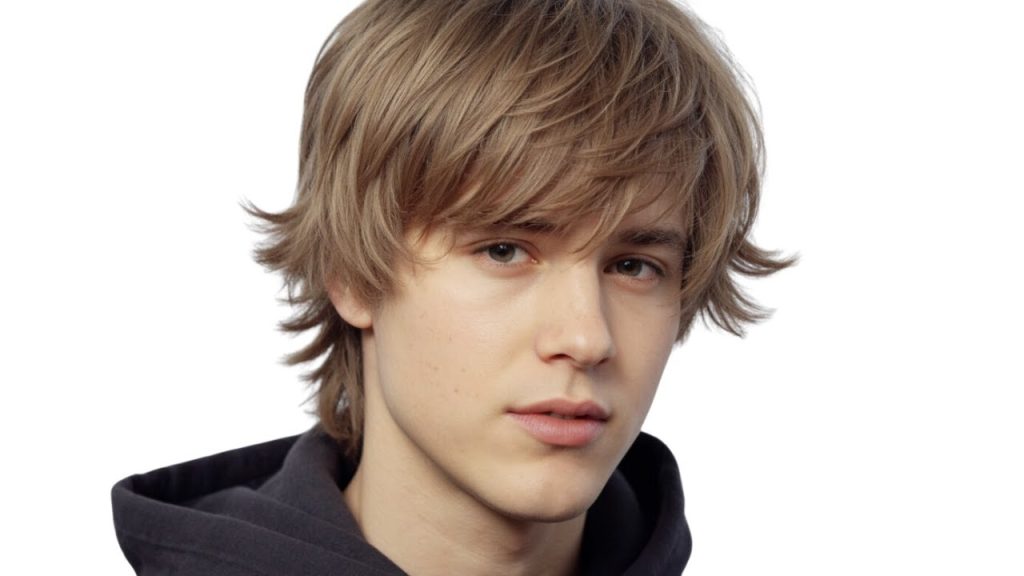
Sweeping thick layers of hair outward over the ears became the default look for every teenage boy following Justin Bieber’s initial rise to fame. The style relies entirely on constant head-shaking to keep the heavy front layers out of the eyes. Constant manipulation with dirty hands transfers natural oils directly to the forehead, significantly increasing the chances of severe acne breakouts. Modern barbers actively steer clients away from this heavy, helmet-like silhouette in favor of textured, airy crops.
Tramlines
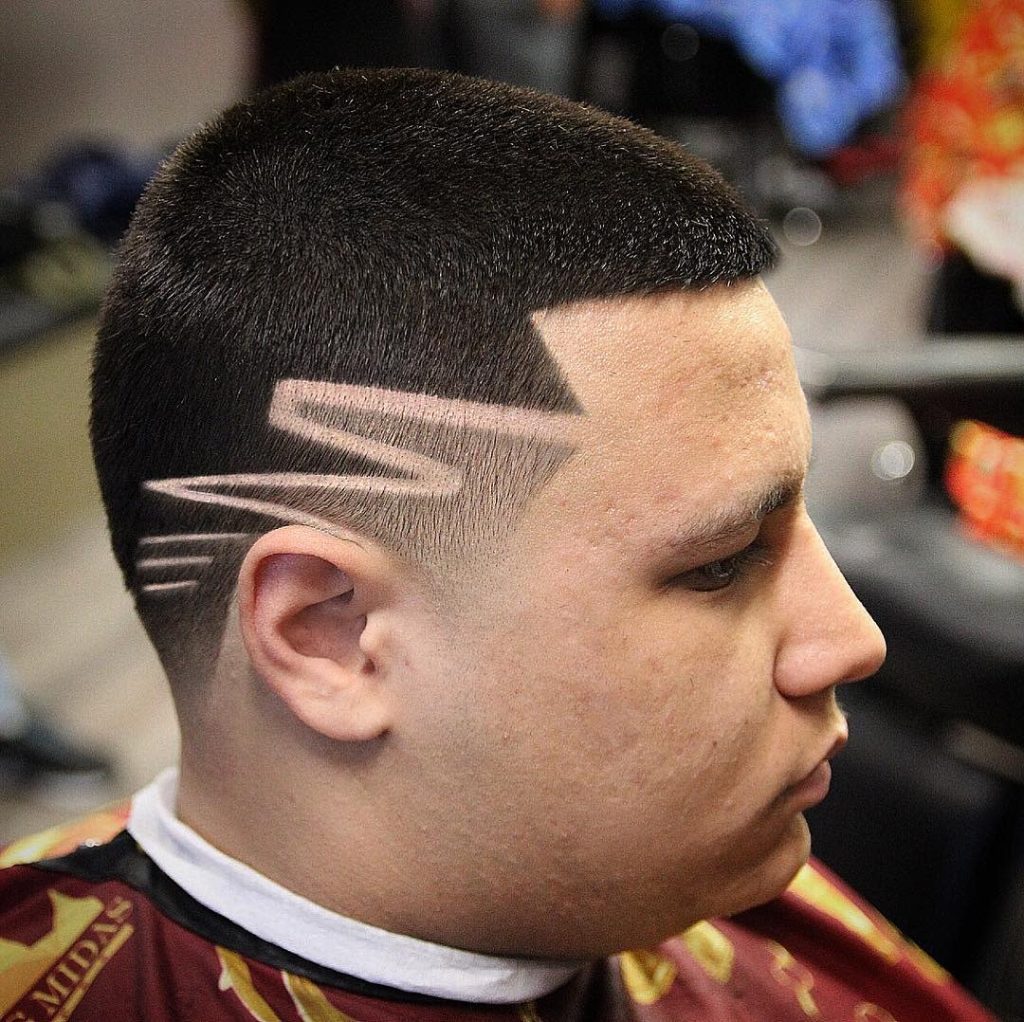
Etching tribal patterns, lightning bolts, or geometric shapes into a fresh fade turns the human head into a temporary canvas. The intricate designs lose their crispness in a matter of days as the natural hair cycle pushes new growth through the shaved skin.
The Spiky Gel Look
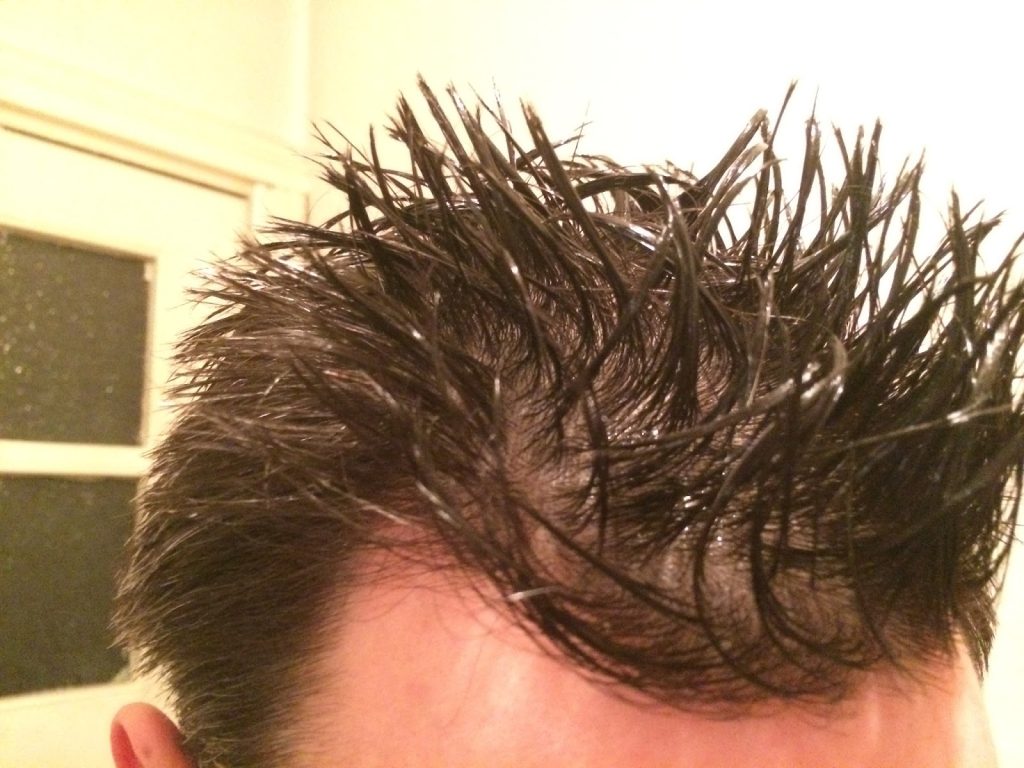
Coating short hair in cheap drugstore gel to create a wet, crunchy texture belongs strictly in the late nineties. Touching the hardened strands leaves a sticky, flaky residue that mimics the appearance of severe dandruff on dark clothing. The high alcohol content in these primitive styling products rapidly dries out the scalp and damages hair cuticles.
The Exaggerated Pompadour
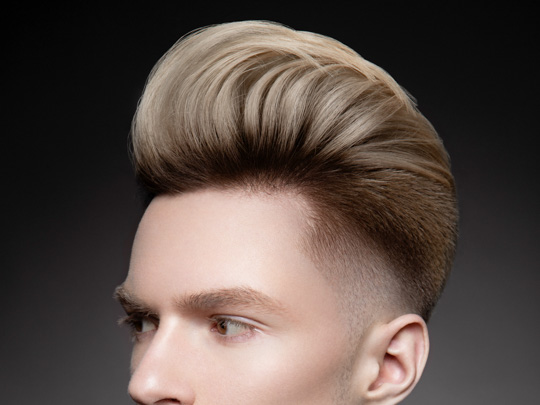
Channeling the spirit of Elvis Presley involves stacking the front fringe into a towering, heavily structured wave. While a subtle volume boost looks classic, pushing the height to comical extremes disrupts the natural balance of the face. The heavy buildup of oil-based pomades required to maintain the altitude clogs scalp pores and stifles natural hair growth. Washing this formidable structure out at the end of the day often requires multiple rounds of harsh clarifying shampoo.
The Blunt Caesar
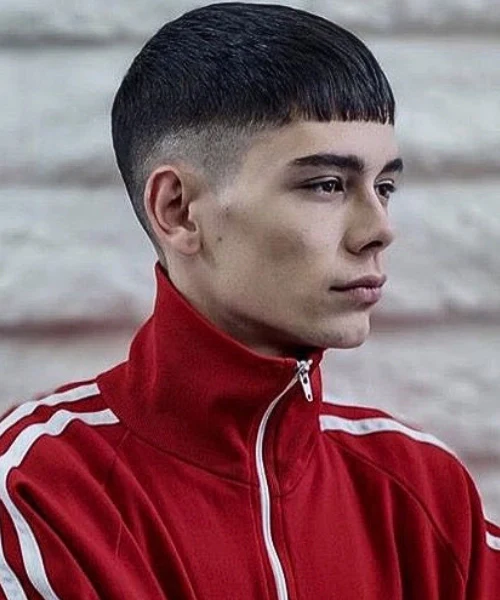
Shaving the sides tight and dropping a perfectly straight, horizontal line across the forehead creates an unnecessarily severe expression. The slightest mistake by a barber using the clippers results in a crooked fringe that cannot be hidden.
The Ducktail
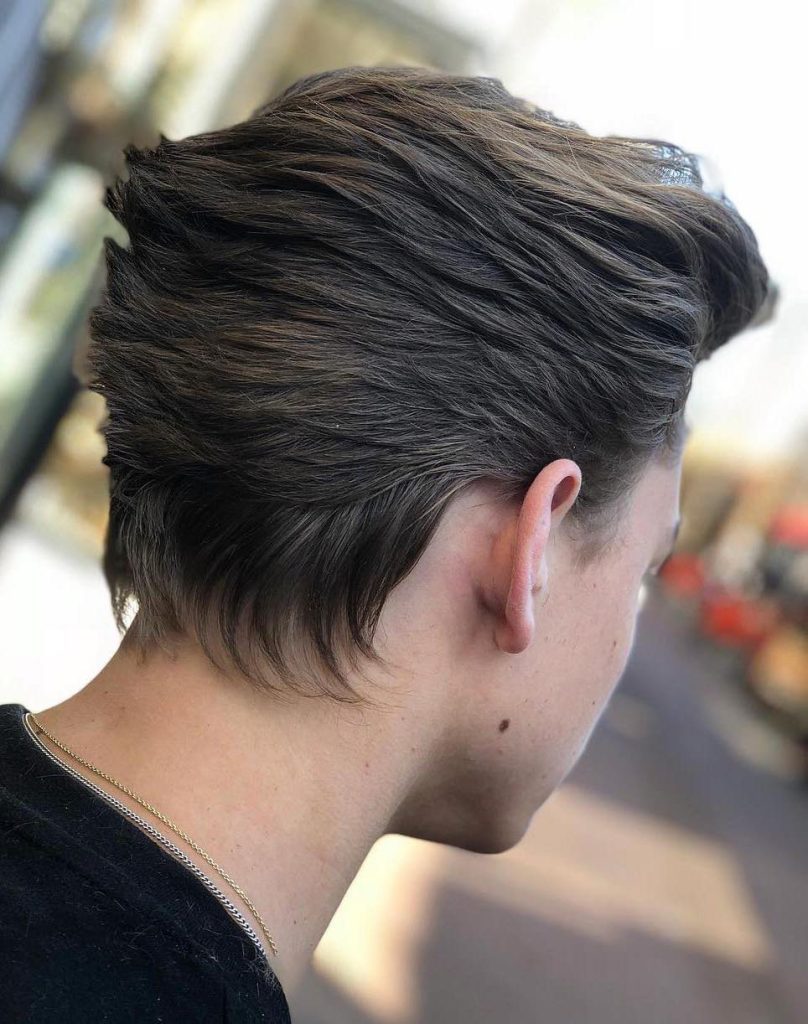
Combing the hair back to meet in a distinct, greasy ridge at the nape of the neck pays homage to a bygone era of rock and roll. The heavy reliance on slicking agents makes the back of shirts and jacket collars perpetually stained with pomade residue. Modern grooming standards prioritize natural movement and matte finishes over these highly lubricated, vintage sculptures.
The Greasy Slick Back
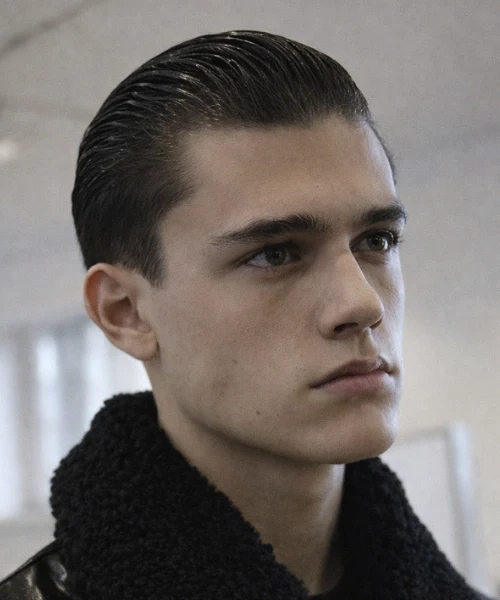
Plastering every single strand of hair flat against the skull creates an intimidating, villainous appearance often utilized in mafia cinema. The complete lack of volume emphasizes any irregularities in the head shape and immediately highlights a receding hairline. Applying that volume of product strips the hair of its natural movement, turning it into a solid, unyielding helmet. Actors in mobster movies endure hours in the makeup chair precisely to achieve this unapproachable, aggressive aesthetic.
The Jelly Roll
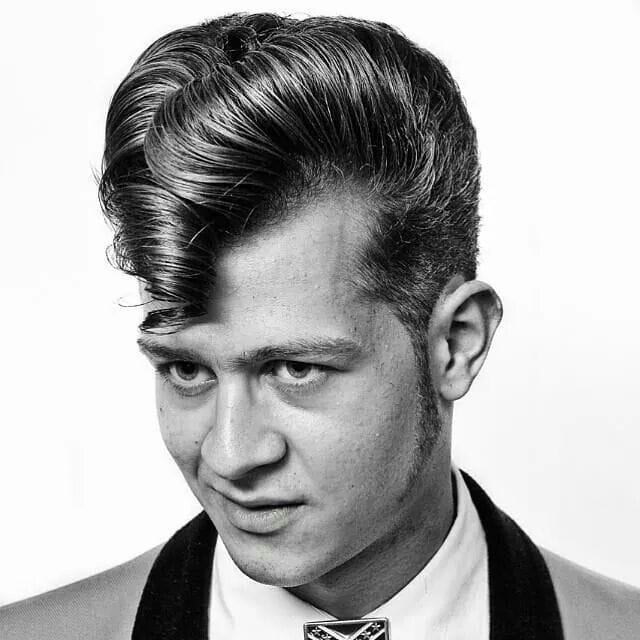
Sculpting the front fringe into a hollow, cylindrical tube floating above the forehead demands the precision of a structural engineer. Driving with the windows down instantly destroys the delicate balance of the rolled cylinder.
The Helmet
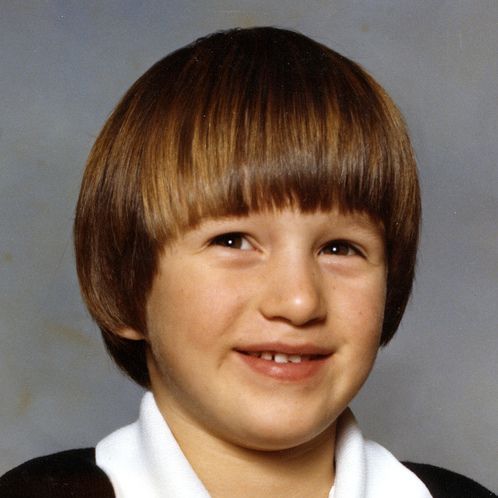
Spraying a generic, medium-length cut into a solid block of hair prevents even a single strand from blowing in the wind. The visual stiffness ages the wearer considerably and completely eliminates the appealing texture of natural hair. Aerosol propellants required to achieve this solid state heavily contribute to indoor air pollution in small bathrooms.
The Overgrown Shag
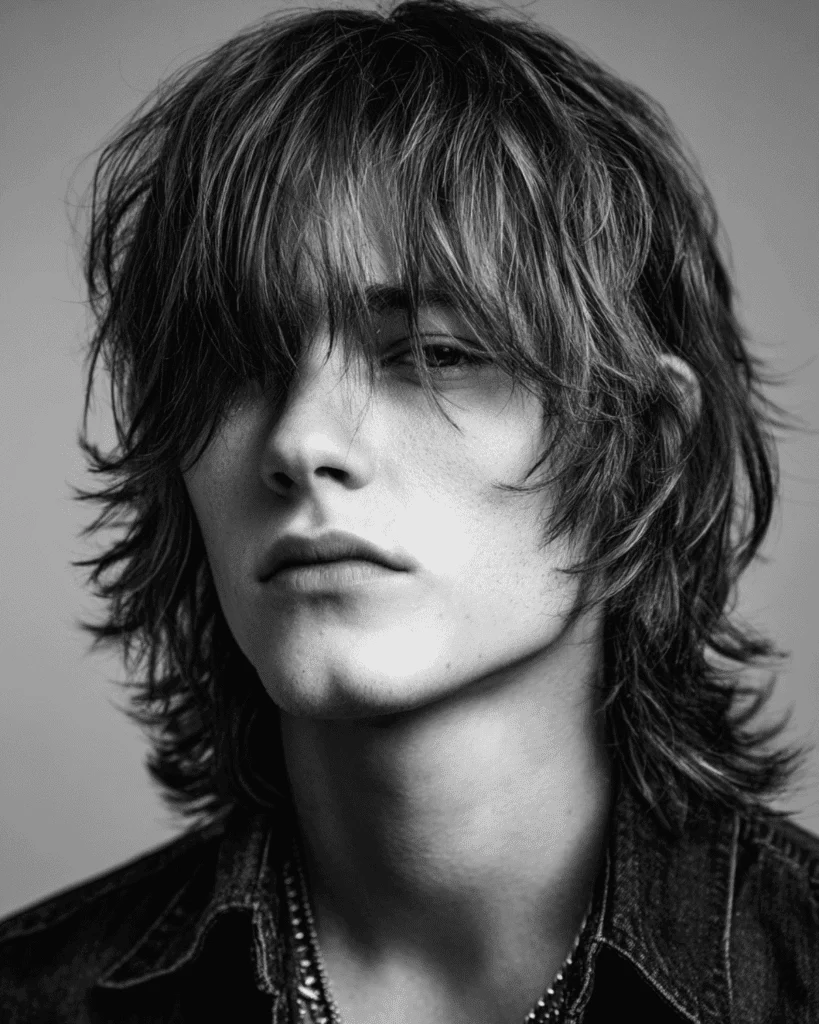
Letting layers grow out with absolutely no shape or maintenance pays tribute to the careless rock stars of the seventies. Without regular trims, the ends become brittle and the overall silhouette widens, creating a triangular shape around the face. Managing the excessive bulk requires a tedious daily routine of blow-drying just to keep the hair out of the mouth. A simple texturizing appointment transforms this messy burden into a sophisticated, intentional style.
The Geometric Line-Up
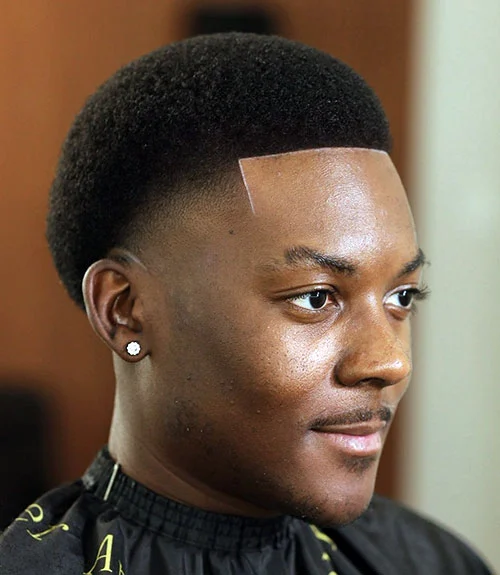
Spray-painting the hairline with artificial color to create an impossibly sharp, right-angled box on the forehead has become a concerning trend. Sweat during a workout causes the artificial enhancement to run down the face in highly visible, dark streaks.
The Top Knot
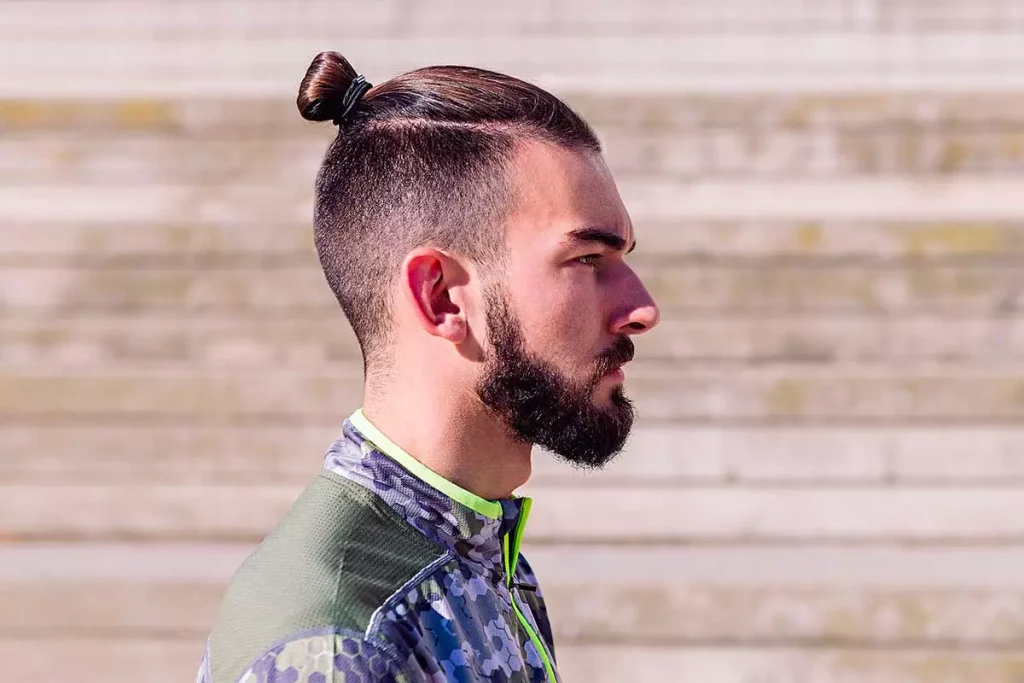
Shaving the sides completely bald while tying a tiny, localized tuft of hair at the crown creates a jarring visual imbalance. The small amount of hair gathered often resembles a miniature sprout rather than a purposeful stylistic choice. This aggressive variation of a classic knot severely limits any future styling options until the sides fully grow back.
The Flattop
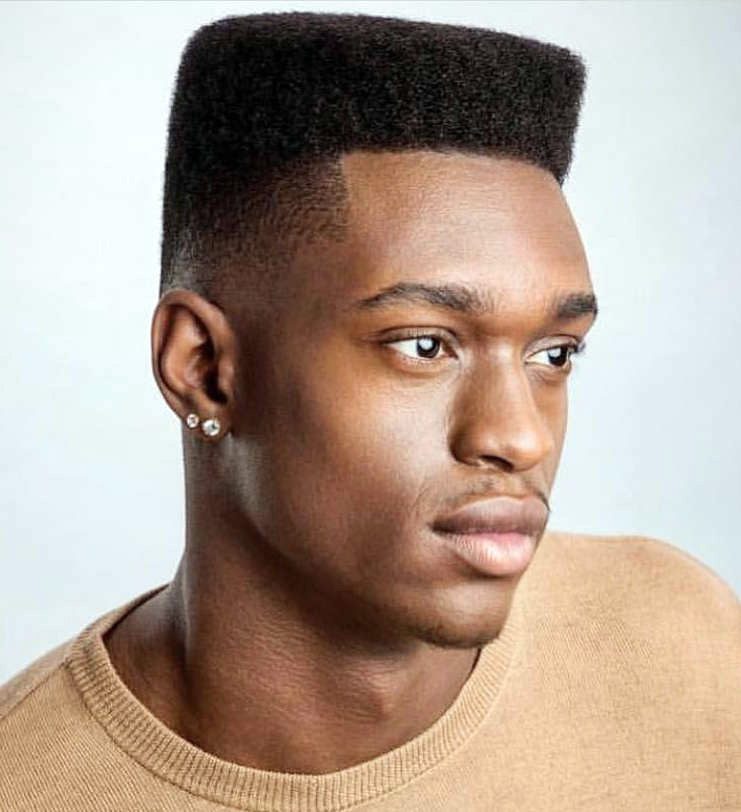
Cutting the top of the hair into a perfectly level, horizontal plane requires incredible skill from a barber, yet offers little versatility for the wearer. The strict architectural nature of the cut means that even a few millimeters of uneven growth ruins the entire illusion. Action movies from the nineties heavily featured this militaristic style to denote strict, no-nonsense characters. Transitioning out of this shape takes months of awkward growth as the corners slowly round out.
The Feathered Mullet
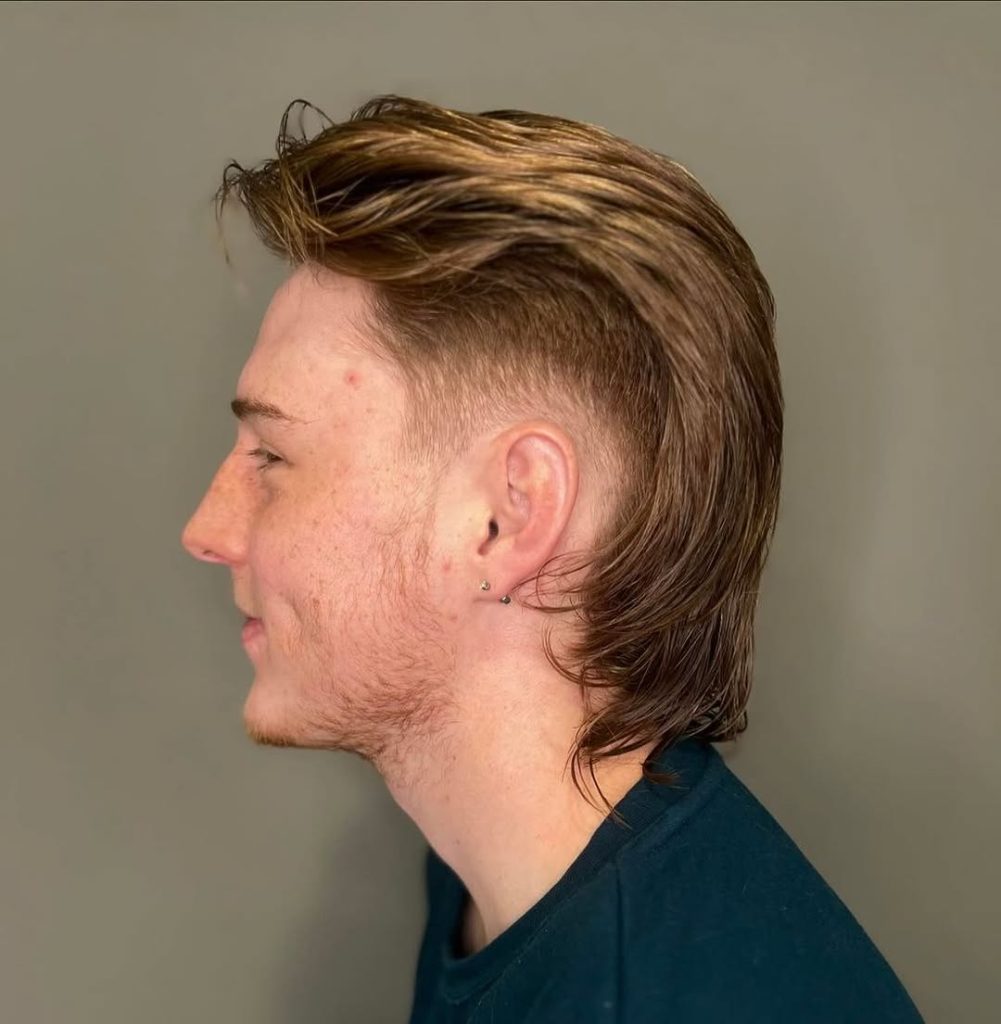
Heavily layering the sides to sweep backward like bird wings while leaving the back long defined a very specific era of television heartthrobs. Modern interpretations favor choppy, unstructured textures over these meticulously crafted, aerodynamic sweeps.
The Buzz Cut With Fringe
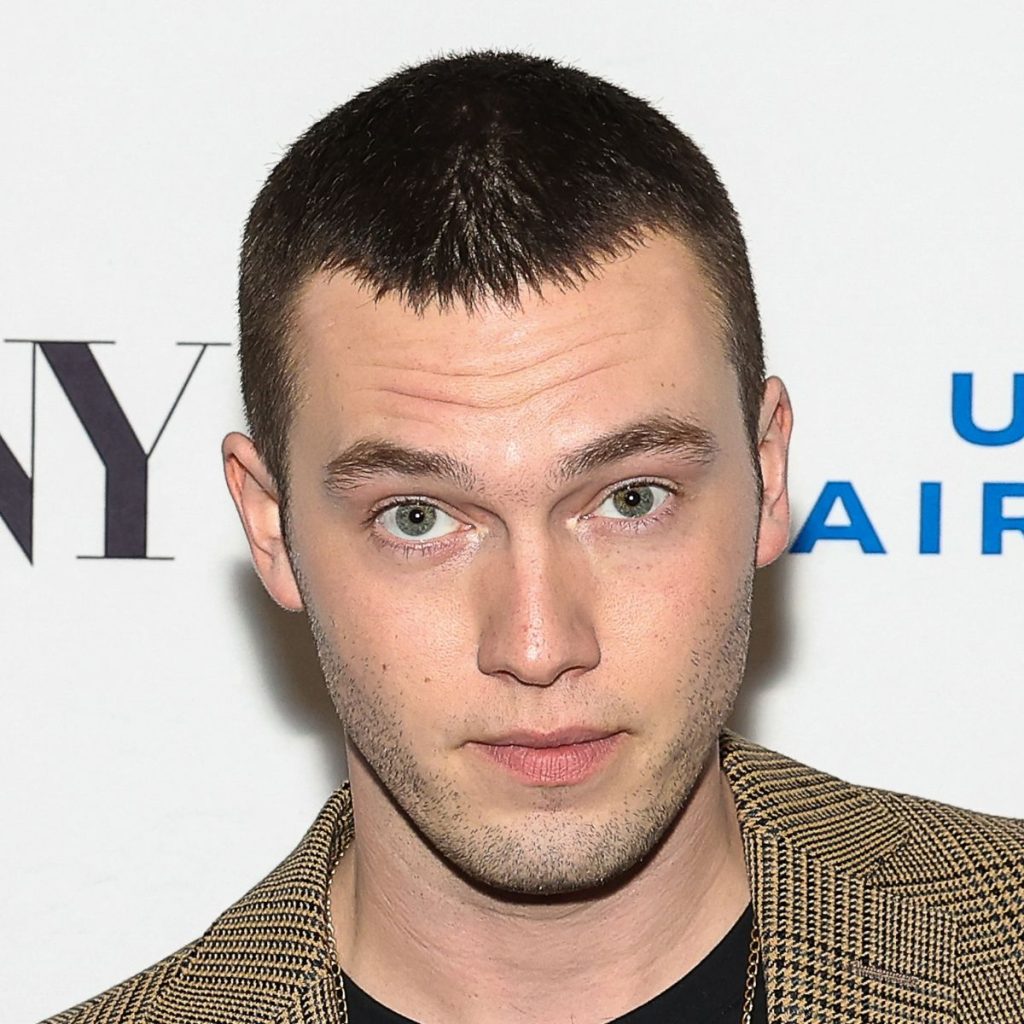
Taking clippers to the entire head but leaving a tiny, combed-down bang at the very front creates a highly confusing aesthetic. This disjointed combination serves no practical purpose and draws immediate, unwanted attention to the center of the forehead. Fashion critics frequently highlight this exact cut as a prime example of poor blending techniques.
The Edgar
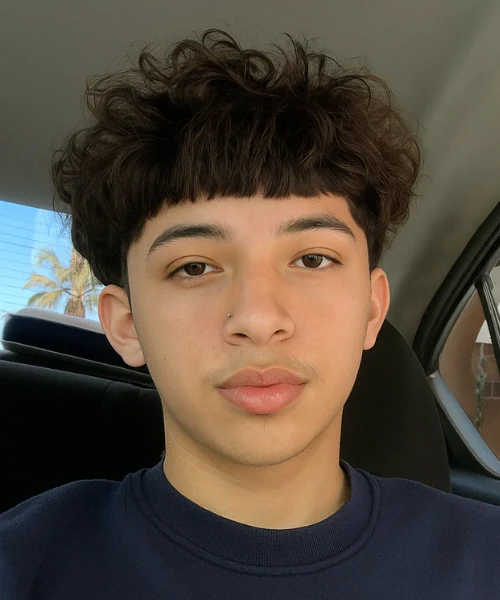
Combining a high, harsh fade with a blunt, heavily textured bowl cut in the front has taken certain internet subcultures by storm. The extreme forward-swept weight visually shortens the forehead, often making the wearer look disproportionately angry or aggressive. While the style demands intense precision from a skilled barber, the final result frequently resembles a haphazard helmet of hair. Schools across various districts have notoriously attempted to ban this highly controversial, attention-grabbing silhouette from their classrooms.