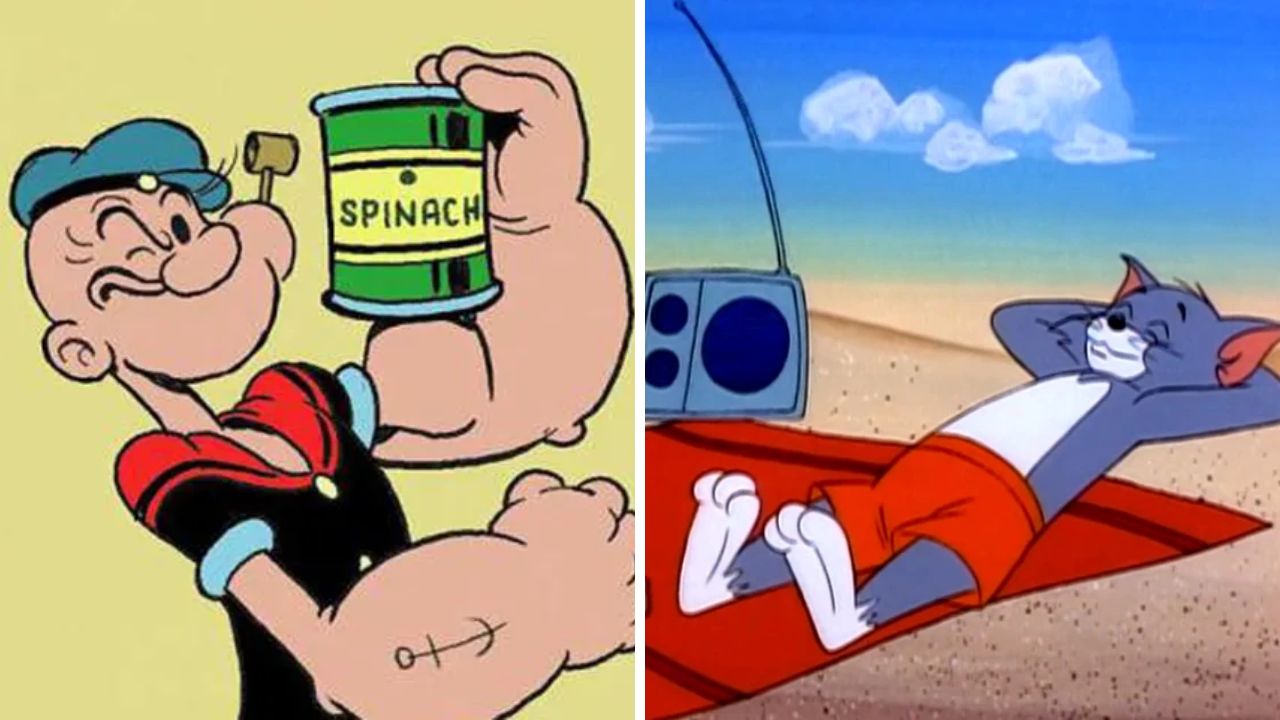
The animated worlds of our childhood were often governed by rules that defied the fundamental laws of physics and biology. While these inconsistencies provided endless entertainment, looking back at them through an adult lens reveals a series of baffling creative choices. This article examines 30 specific examples of bizarre cartoon logic that viewers once considered perfectly normal. From anatomical impossibilities to environmental paradoxes, these instances highlight the unique narrative flexibility found in classic animation.
The Rock Paper Scissors Paradox
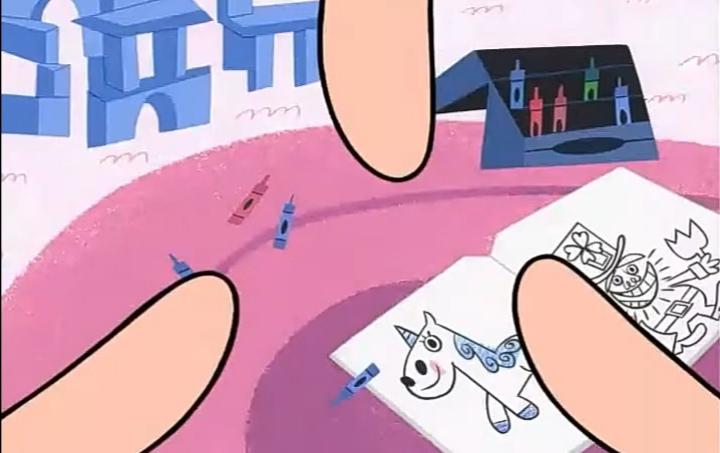
In “The Powerpuff Girls”, the three main characters are frequently shown playing games of rock-paper-scissors to settle disagreements. Despite having no fingers or distinct digits on their hands, they are somehow able to indicate their moves to one another. The show never explains how they distinguish between a rock and paper when their limbs appear as identical spheres.
Underwater Gardening Redundancy
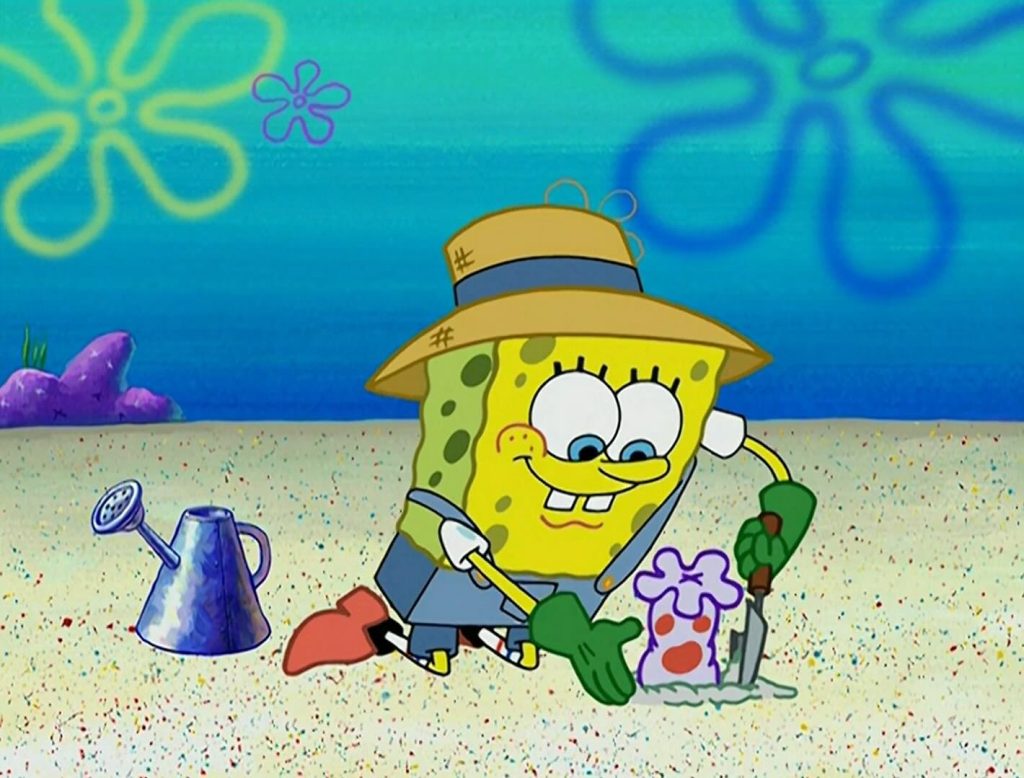
The characters in “SpongeBob SquarePants” live at the bottom of the sea where everything is constantly submerged in water. Nevertheless, they are often depicted using watering cans to hydrate their underwater plants and gardens. This visual gag suggests that even aquatic flora requires a specific type of moisture that the ocean itself cannot provide.
Prehistoric Holiday Celebrations
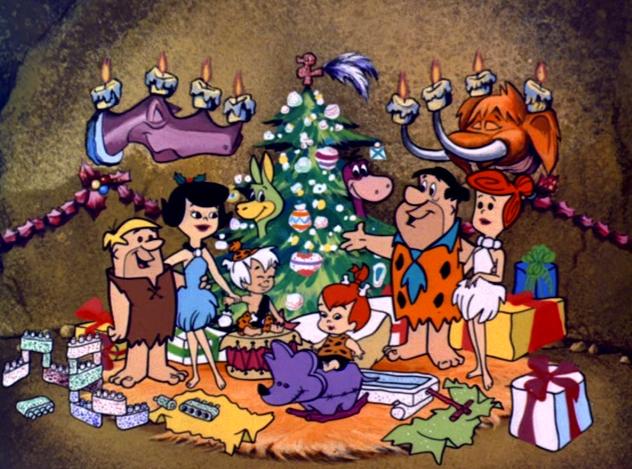
In “The Flintstones”, the residents of Bedrock are seen celebrating Christmas with trees, decorations, and seasonal songs. This occurs in a Stone Age setting that predates the historical birth of Christ by thousands of years. The show prioritizes relatable family traditions over any attempt at chronological or historical accuracy.
The Jungle Grooming Standard
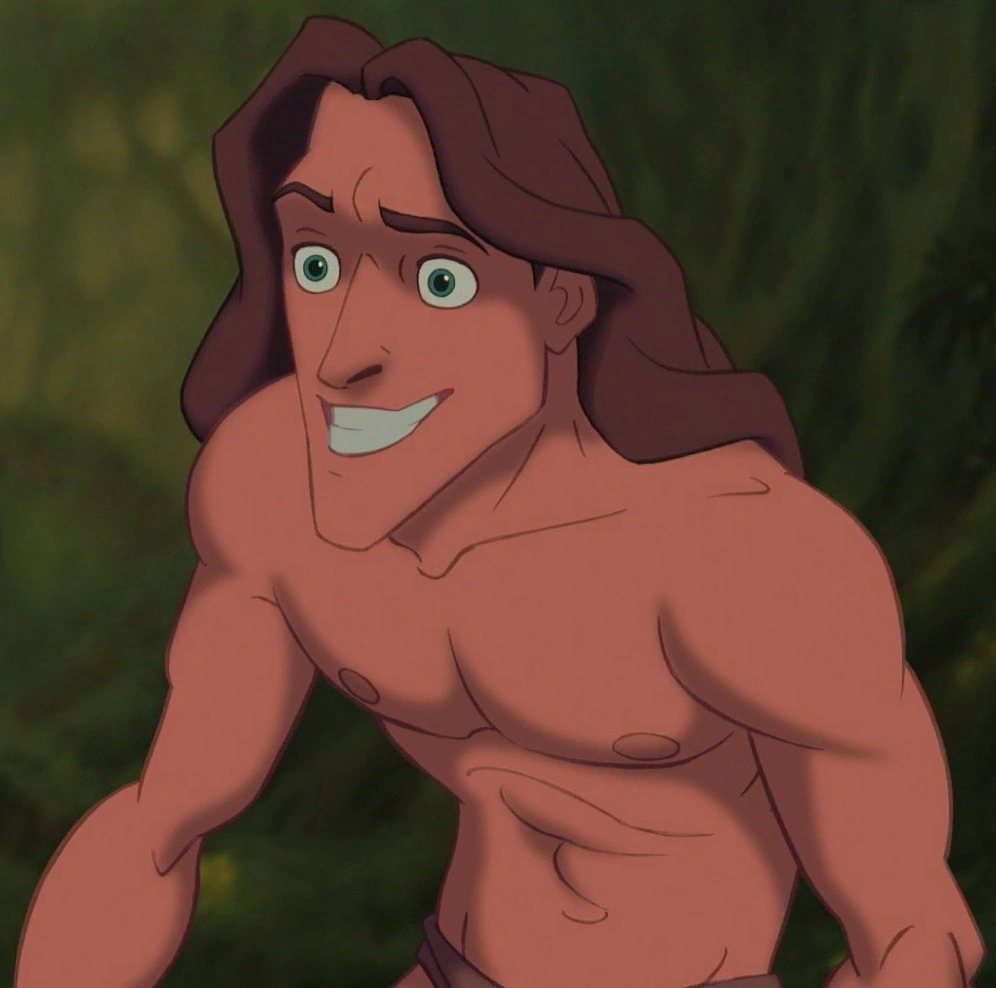
Despite being raised by gorillas in the deep jungle without access to modern amenities, the protagonist of “Tarzan” remains perfectly clean-shaven. He possesses no mirrors, razors, or shaving cream, yet he never develops even a hint of facial hair throughout his adventures. His smooth complexion remains a constant feature of his character design regardless of his primitive surroundings.
A Headphones Positioning Error
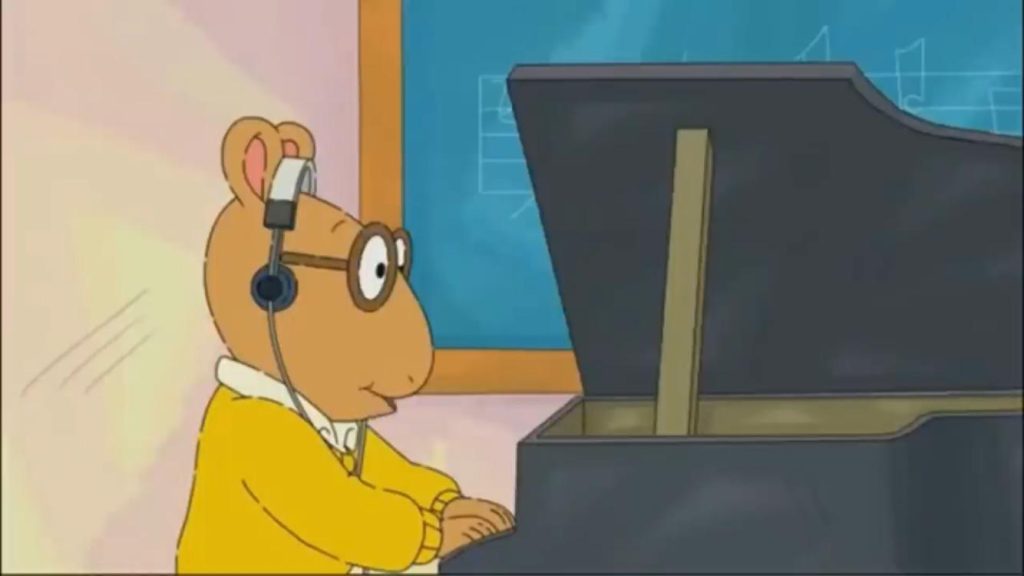
The titular character in “Arthur” has his ears located on the very top of his head, typical of an aardvark. However, when he listens to music, he wears headphones on the sides of his head where a human’s ears would be. This means he is effectively playing music into his temples rather than his actual auditory canals.
The Selective Law Of Gravity
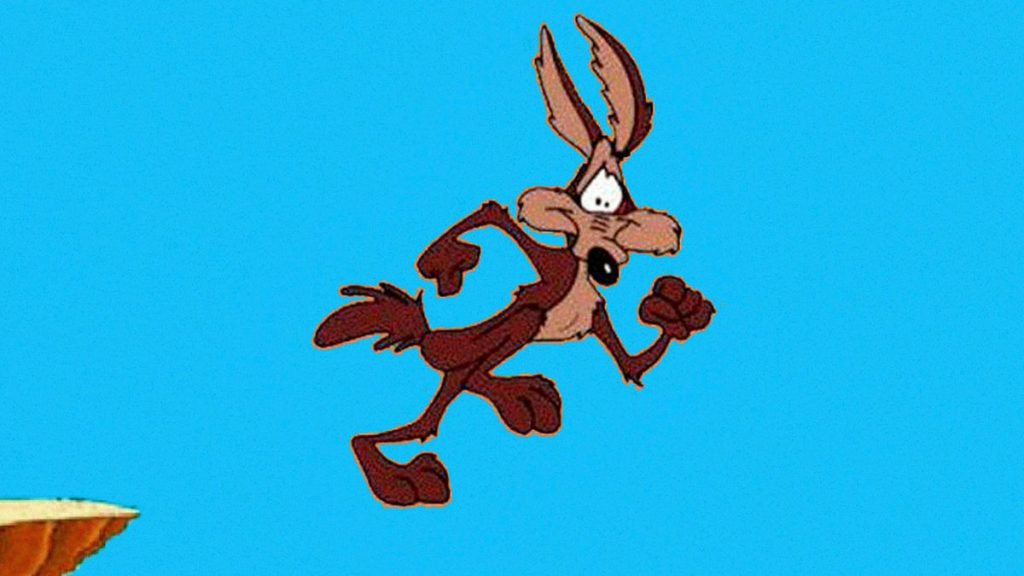
In various “Looney Tunes” shorts, characters like Wile E. Coyote frequently run off the edges of cliffs and hover in mid-air. Gravity only takes effect once the character looks down and realizes there is no ground beneath them. This implies that physical forces in the cartoon universe are governed by the character’s level of awareness.
Phineas Flynn And The Shirt Problem
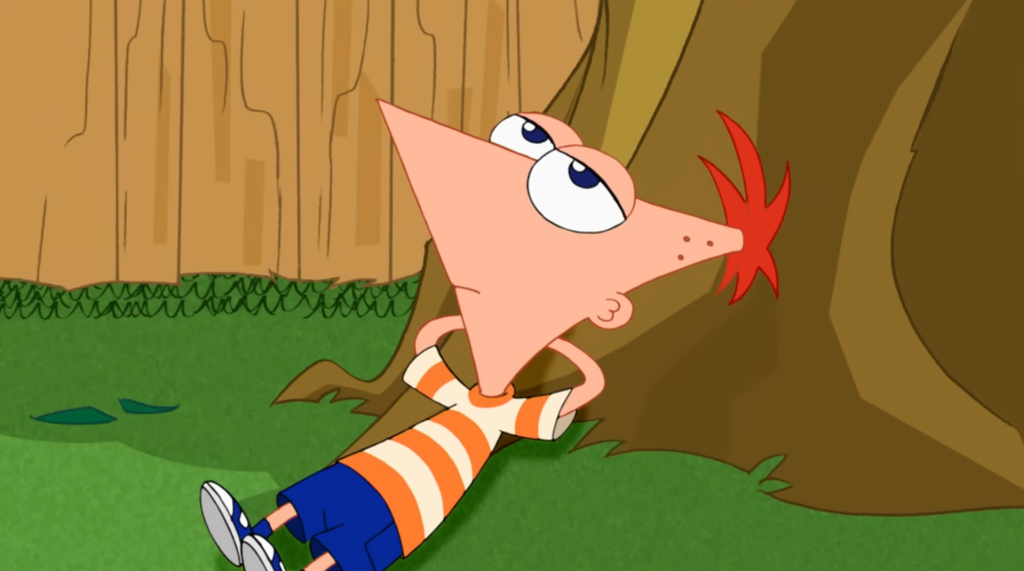
The character Phineas from “Phineas and Ferb” is known for his distinct triangular head which is significantly wider than his neck. Despite this anatomical reality, he wears a standard T-shirt with a small circular neckline that would be impossible to pull over his head. The fabric never stretches or tears to accommodate his unusual head shape.
Blowing Bubbles Through A Space Helmet
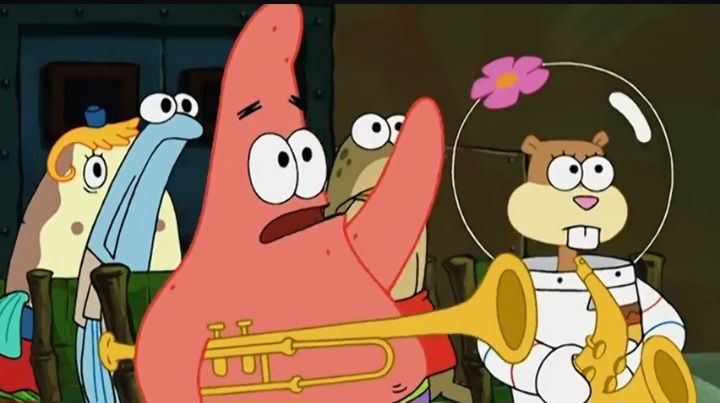
Sandy Cheeks from “SpongeBob SquarePants” must wear a glass air helmet to breathe while underwater. However, she is frequently depicted blowing bubbles or playing the saxophone as if the air could pass directly through the solid glass barrier. The physical constraints of her suit are often ignored for the sake of musical or visual gags.
The Shaving Rabbit Mystery
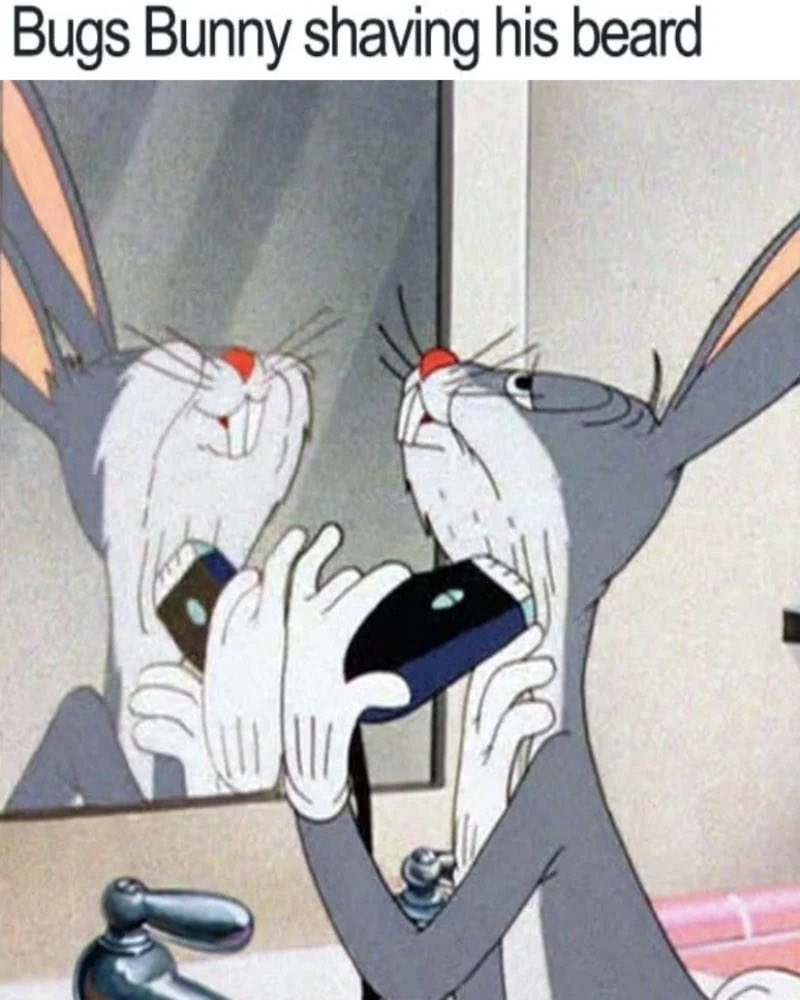
Bugs Bunny is often seen applying shaving cream to his face and using a razor to remove a supposed beard. As a rabbit whose entire body is naturally covered in fur, the distinction between his facial hair and his normal coat is nonexistent. This anthropomorphic behavior serves as a relatable human ritual applied to a forest animal.
Sonic The Hedgehog Versus Water
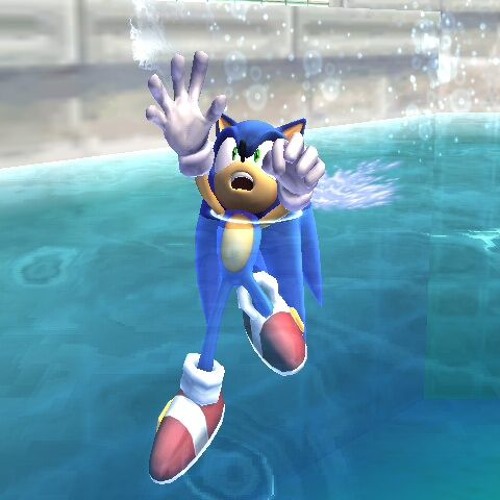
In “Sonic the Hedgehog”, the protagonist is capable of running across the surface of the ocean at immense speeds. However, if he comes to a stop or falls into the water, he instantly loses the ability to swim and faces the risk of drowning. This creates a strange dynamic where he is both a master and a victim of aquatic environments.
The Mystery Of The Painted Tunnel
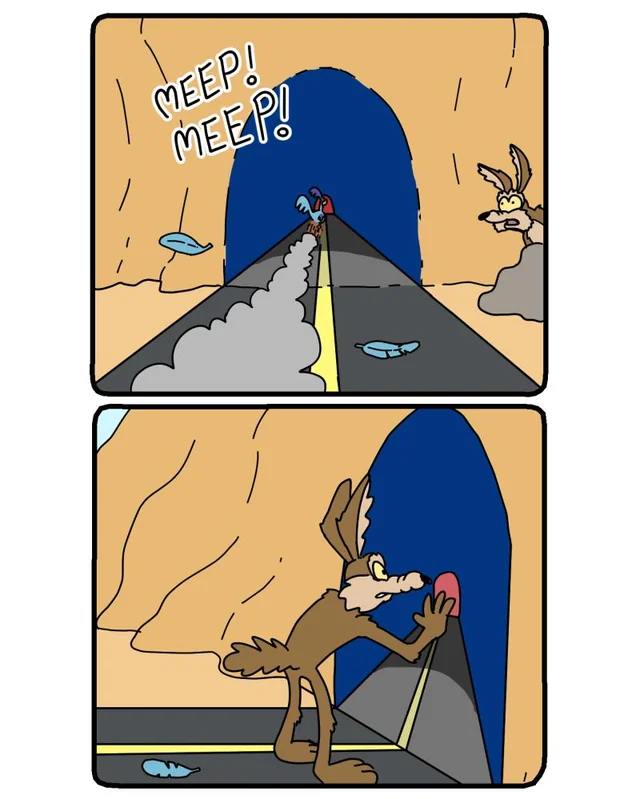
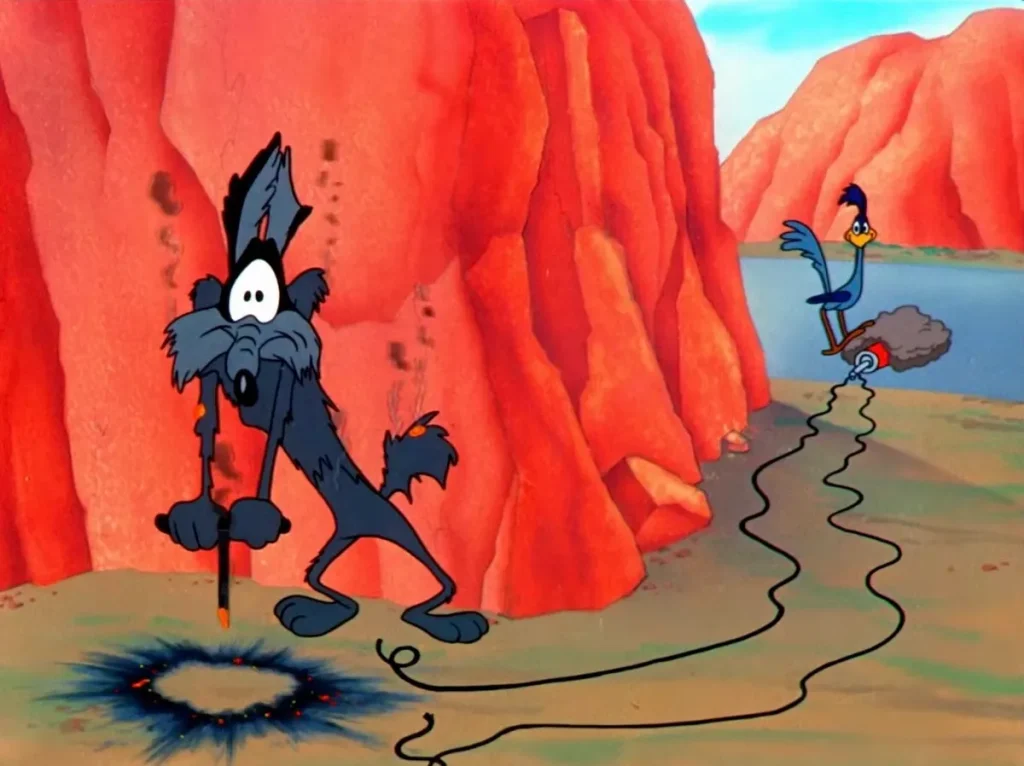
Wile E. Coyote often attempts to trick the Road Runner by painting a realistic tunnel onto the side of a solid rock wall. The Road Runner is consistently able to run through the painting as if it were a real tunnel, but the Coyote always crashes into the flat surface. The laws of physics in this world appear to favor the prey over the predator.
Donald Duck Modesty Paradox
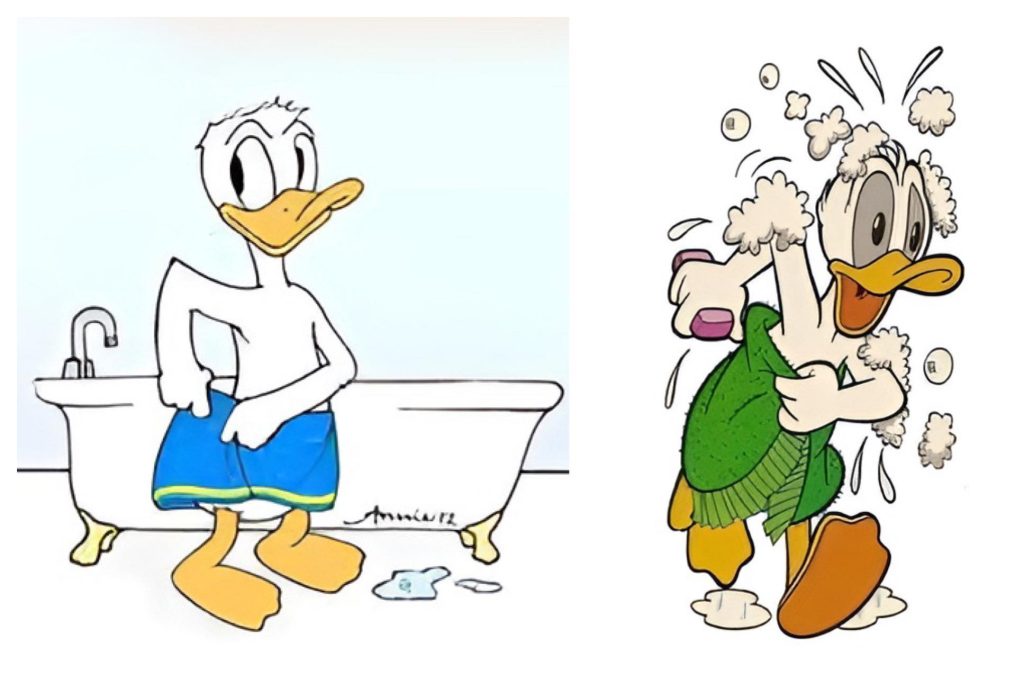
Donald Duck famously walks around all day wearing a sailor shirt and a hat but absolutely no pants. Curiously, whenever he steps out of a shower, he wraps a towel around his waist to cover his lower half for the sake of modesty. This implies that he only feels exposed when he is not wearing his habitual upper-body clothing.
The Inescapable Smurf Cage
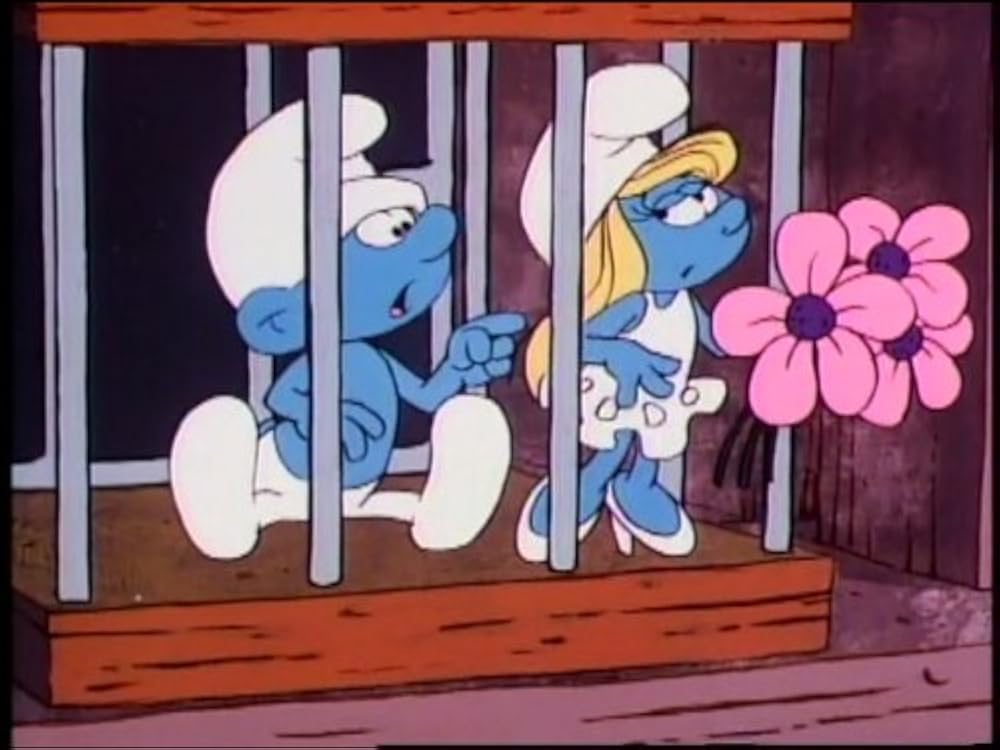
In “The Smurfs”, the titular characters are occasionally trapped in cages by the villainous Gargamel. A close look at the bars reveals that they are spaced wide enough for a Smurf to simply walk through them without any effort. Regardless of this obvious exit, the characters remain inside and lament their imprisonment.
Selective Modesty At The Beach
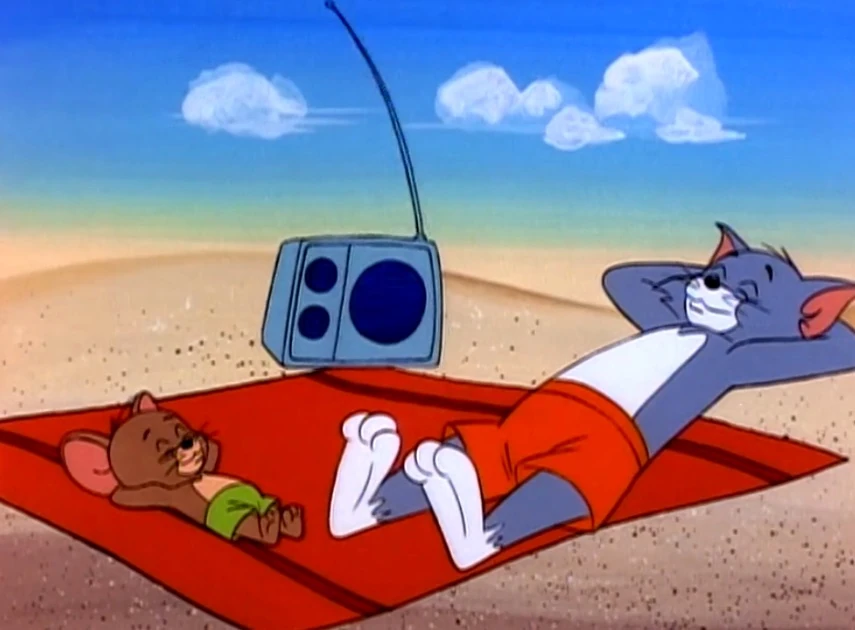
Characters in series like “Tom and Jerry” spend the vast majority of their time completely unclothed. However, when the plot involves a trip to the beach, they suddenly feel the need to wear swimsuits and trunks. This suggests a very specific social etiquette regarding public spaces that does not apply in their daily lives.
The Infinite Hammerspace Of Jerry Mouse
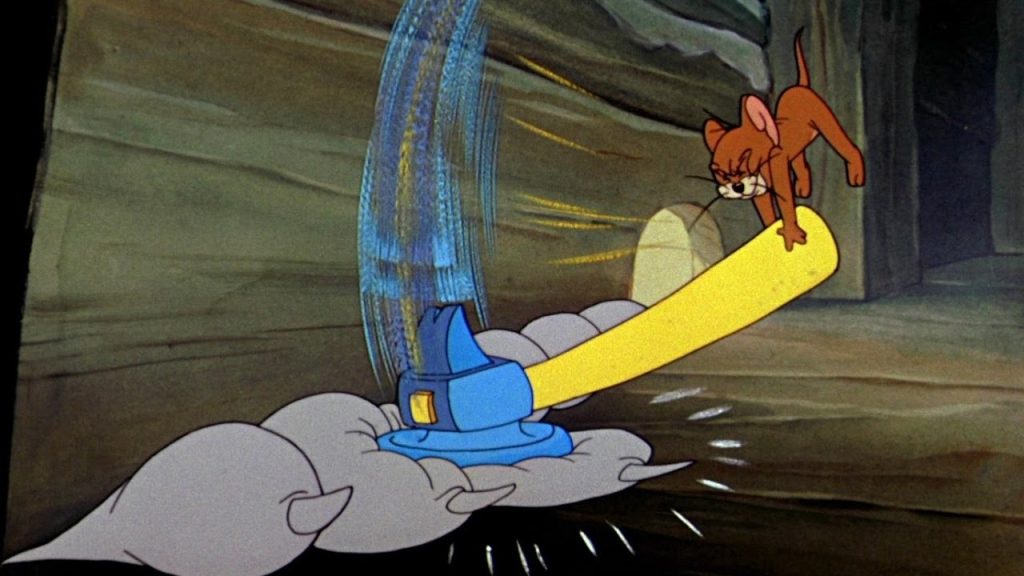
In “Tom and Jerry”, Jerry is often seen pulling massive wooden mallets or iron weights from behind his back. These objects are many times larger than the mouse himself and show no signs of being hidden beforehand. This trope, common in slapstick animation, allows characters to carry an infinite arsenal of heavy tools in invisible pockets.
The Computer Savvy Courage
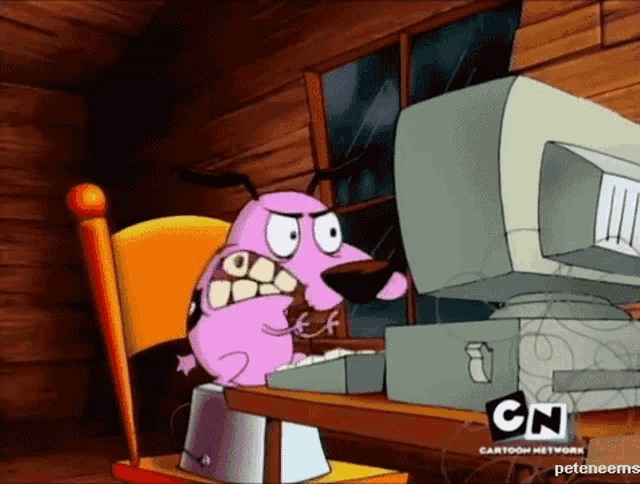
Despite being a dog living in the middle of nowhere, the protagonist of “Courage the Cowardly Dog” is an expert at using the internet. He frequently uses a desktop computer to research paranormal entities and find solutions to the dangers threatening his owners. His typing speed and technical knowledge far exceed those of the humans in the household.
Minnie Mouse Fear Of Rodents
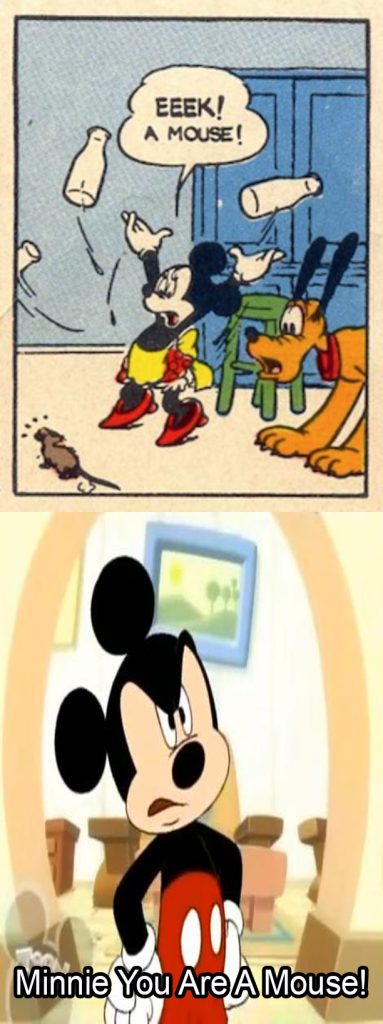
Minnie Mouse has been depicted standing on a chair in absolute terror after seeing a regular, non-anthropomorphic mouse in her kitchen. This creates a confusing social hierarchy where one rodent is a person with a house and a boyfriend, while the other is a terrifying pest. The show never addresses why she finds her own biological cousin so frightening.
Brian Griffin Driving A Car
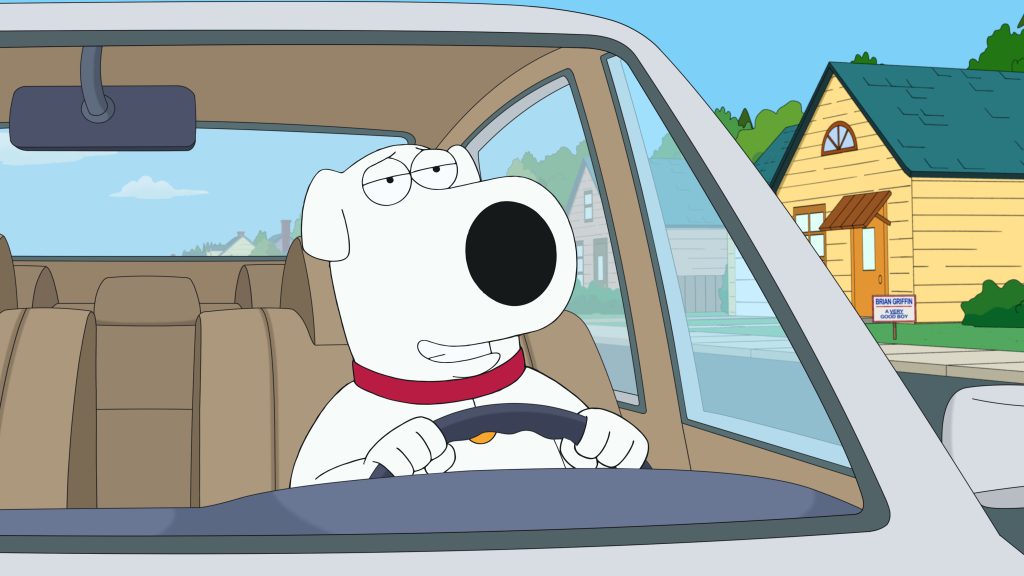
In “Family Guy”, Brian Griffin is shown driving a standard Toyota Prius on a regular basis. Given that he is a dog of average height, it would be physically impossible for him to reach the pedals while simultaneously seeing over the dashboard. No one in Quahog seems to find the sight of a dog operating a motor vehicle unusual or dangerous.
The Immortal Cast Of Springfield
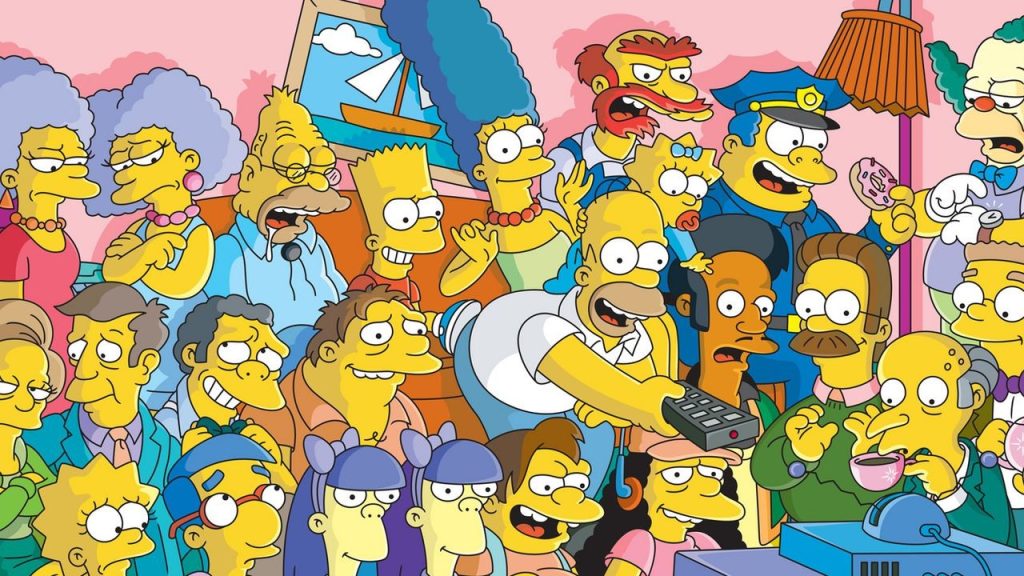
Characters in “The Simpsons” have remained the exact same age for over thirty years despite the show depicting many birthdays and passing seasons. Maggie Simpson has remained an infant in diapers since 1989, and Bart has never graduated from the fourth grade. The world around them updates with modern technology, but their biological clocks remain frozen in time.
Superman Glasses Identity Protection
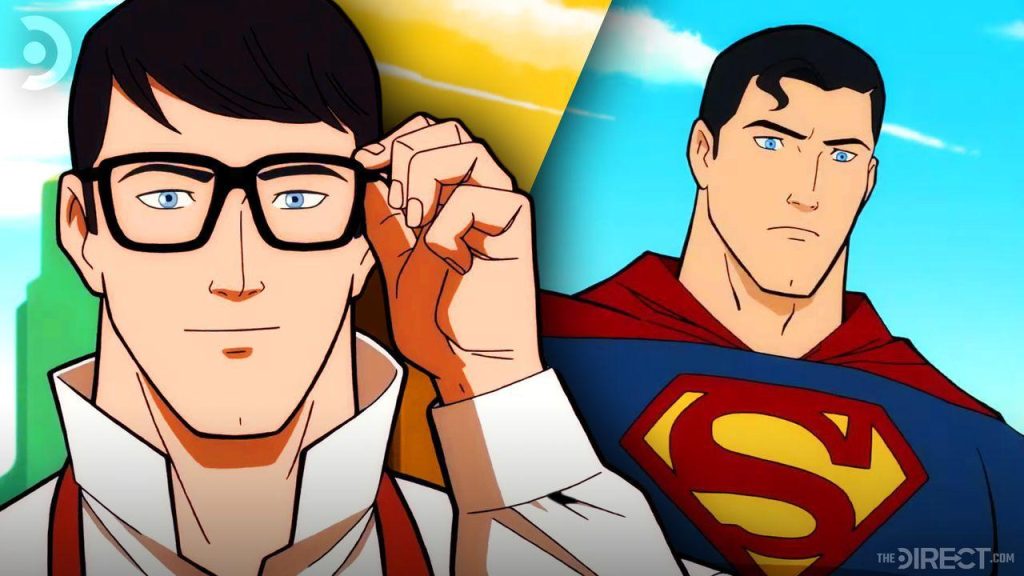
Clark Kent is able to hide his identity as “Superman” from his closest friends and colleagues simply by wearing a pair of eyeglasses. Even though his face, voice, and build are identical to the world’s most famous superhero, the disguise is never questioned. This logic suggests that in the DC universe, basic eyewear is as effective as a full facial reconstruction.
The Persistence Of Skeletal Hair
In various cartoons, when a character is reduced to a skeleton by an explosion or other mishap, their hair often remains perfectly intact. This contradicts the biological fact that hair is not part of the skeletal structure and should disappear along with the skin. The trope ensures that the character remains recognizable to the audience even in a morbid state.
The Secret Lab Funding Mystery
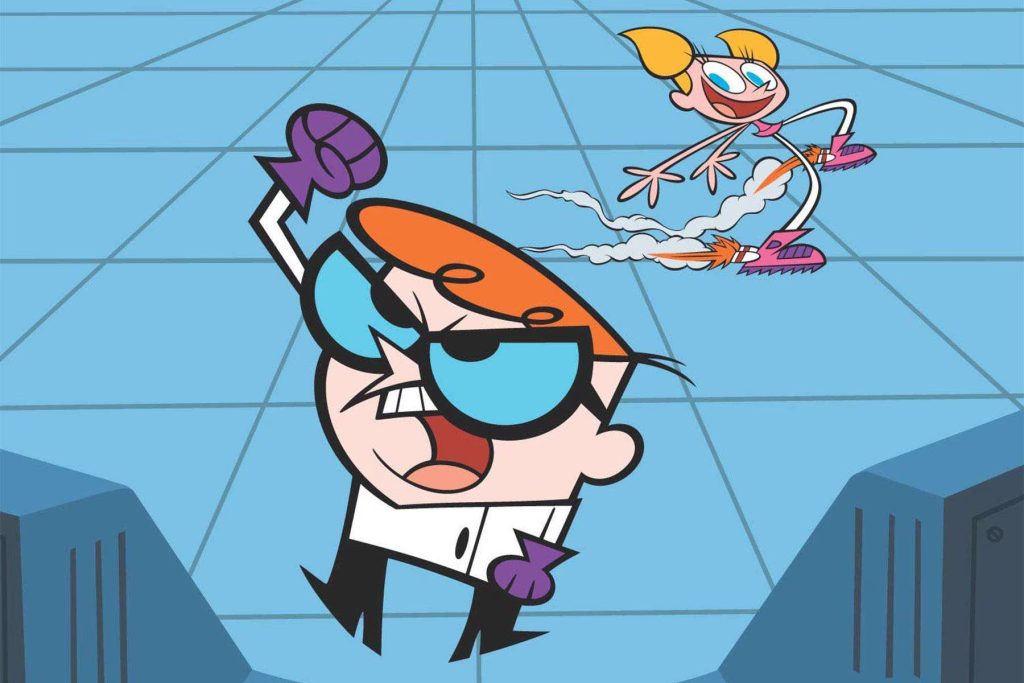
The protagonist of “Dexter’s Laboratory” manages to maintain a massive, high-tech facility beneath his suburban home while still being a young child. There is no explanation for how a boy with no job can afford the astronomical electricity bills or the specialized equipment required for his experiments. His parents remain blissfully unaware of the multi-million dollar infrastructure directly under their floorboards.
The Multi Purpose Pipe Of Popeye
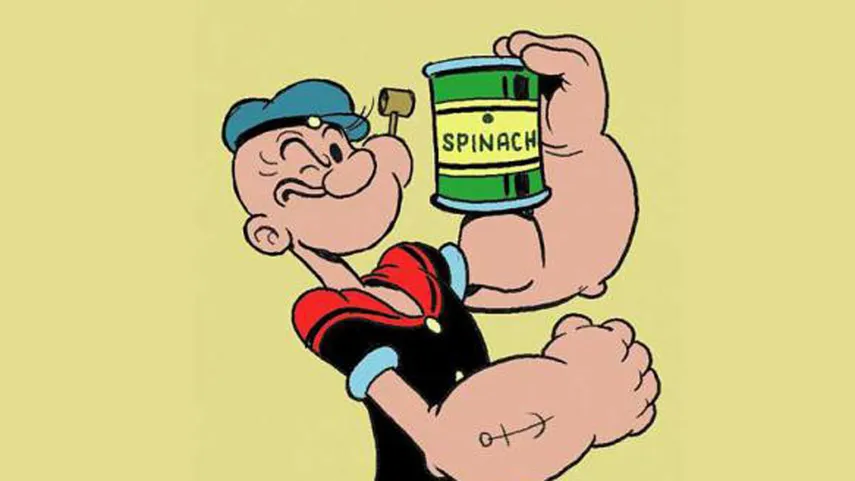
Popeye the Sailor often uses his pipe for much more than smoking tobacco. In different episodes, the pipe functions as a flute, a telescope, a vacuum, and even a blowtorch. Most impressively, the pipe remains lit and functional even when Popeye is completely submerged deep under the ocean.
Scooby Doo Corridor Physics
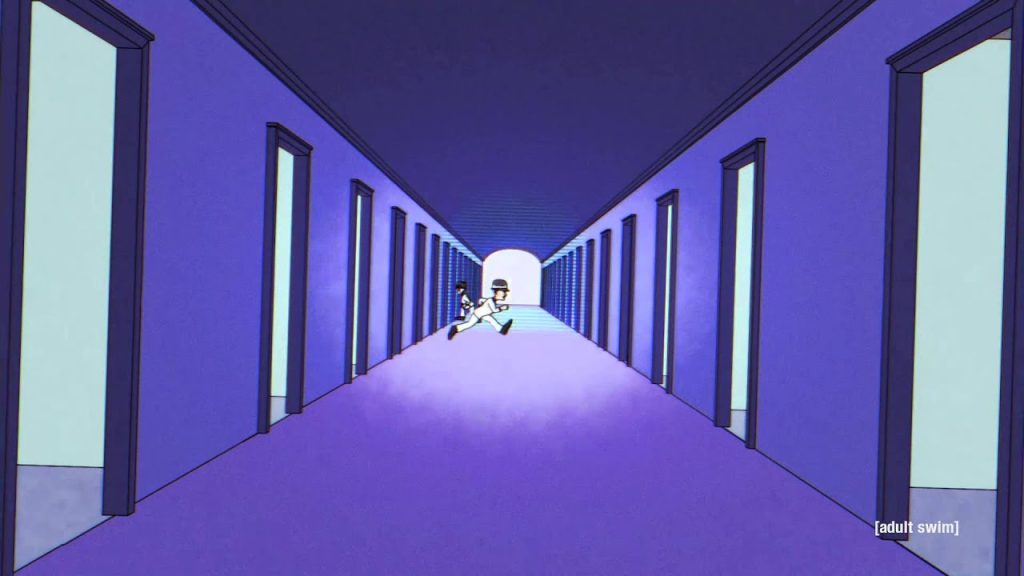
Chase sequences in “Scooby-Doo, Where Are You!” often involve characters running through a single hallway that seems to have an infinite number of doors. Even though they are in a small house or building, they can run past the same painting or vase dozens of times without ever reaching the end. This loop allows for comedic entrances and exits that defy the floor plan of any real structure.
Flattened Body Instant Recovery
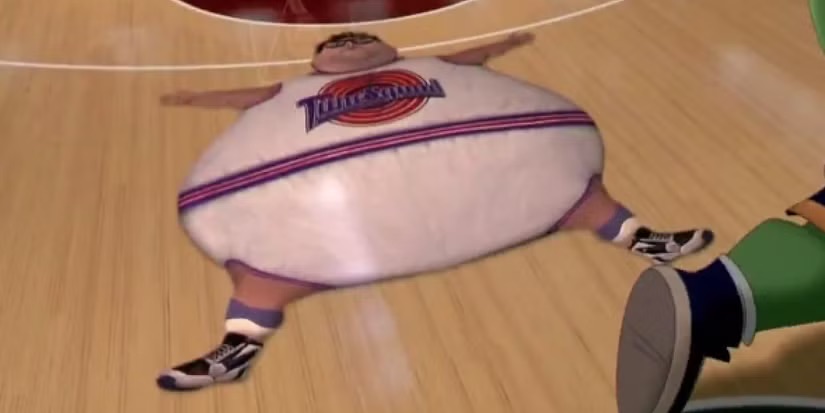
When a character is crushed by a heavy object like a steamroller or a falling anvil, they usually turn into a two-dimensional sheet of paper. Instead of suffering realistic injuries, they simply walk around like a wobbly cutout before eventually blowing into their thumb to pop back to normal. This lack of consequences allows the show to feature extreme violence without any actual harm.
The Impossible Mouse Hole Interior
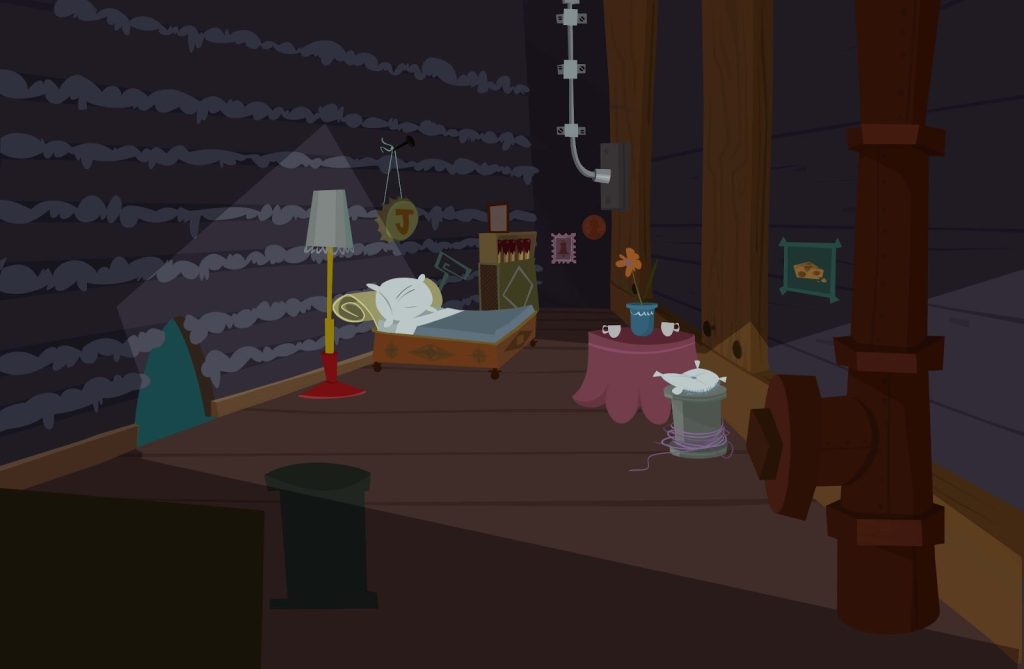
In “Tom and Jerry”, Jerry’s mouse hole appears from the outside as a small, simple semi-circle in the baseboard. However, the interior is often revealed to be a fully furnished apartment with a bed, a kitchen, and multiple rooms. The volume of the furniture and space shown inside far exceeds the thickness of the wall it occupies.
Perry The Platypus Hat Disguise
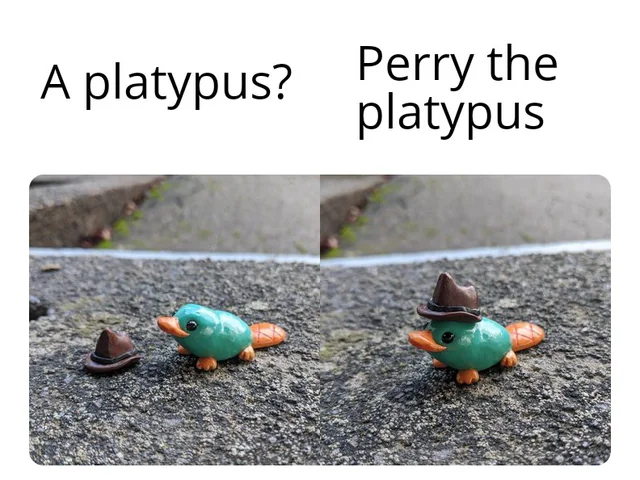
In “Phineas and Ferb”, the family pet Perry is a regular platypus until he puts on a brown fedora. The moment the hat is on his head, he becomes Agent P, a secret operative that no one can identify as the same animal. His owners can stare directly at him while he wears the hat and fail to notice he is their pet.
Bikini Bottom Campfire Physics
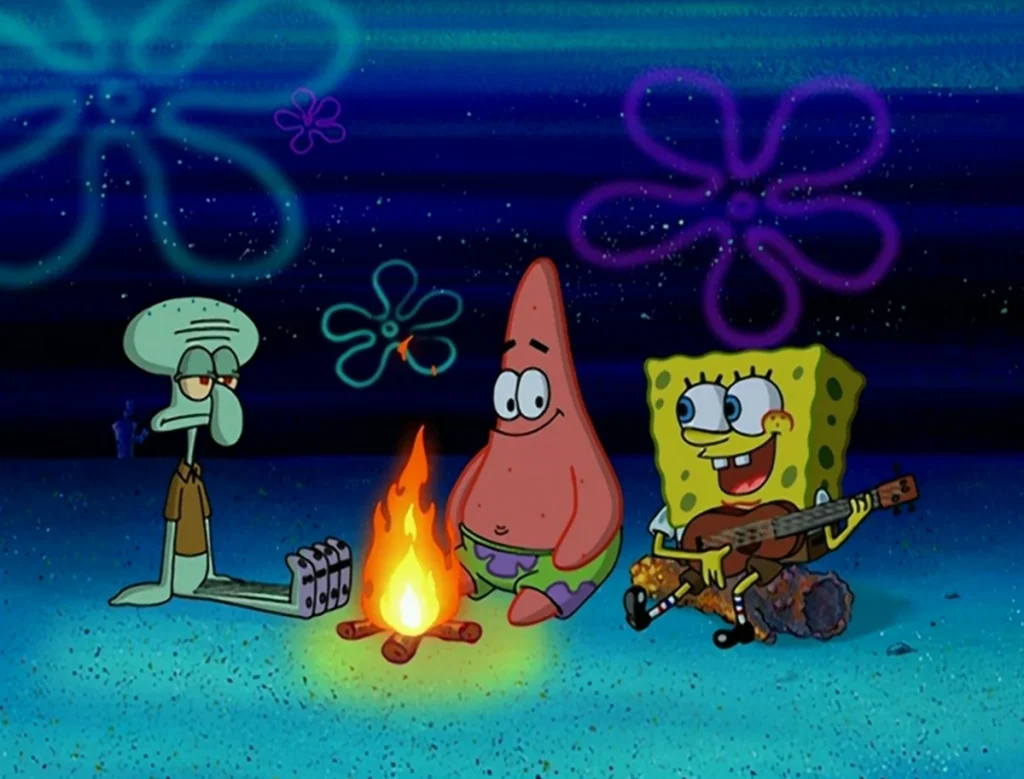
The inhabitants of “SpongeBob SquarePants” are frequently shown gathered around a campfire on the ocean floor. While the presence of fire in a liquid environment is impossible, the show occasionally pokes fun at this logic. Usually, the fire only goes out when a character points out that they are underwater.
Duck Dining Habits
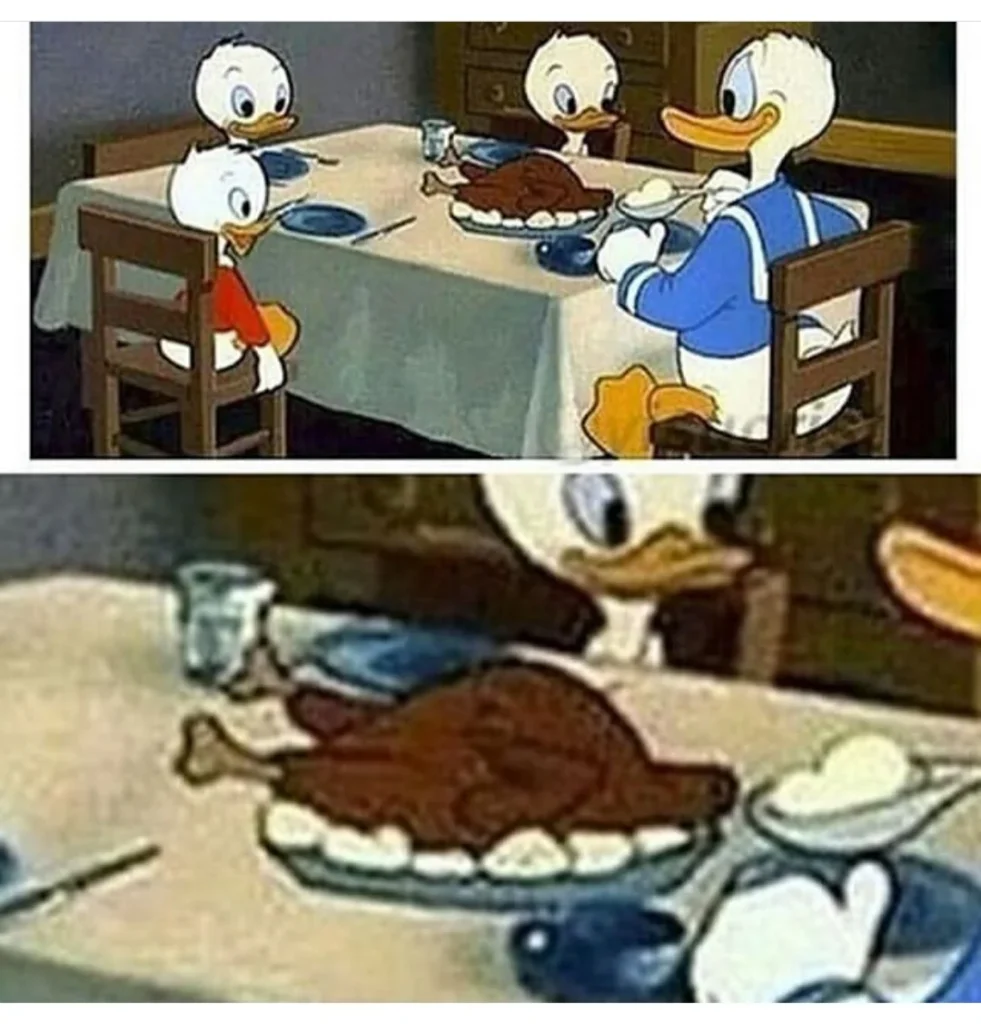
In various Disney shorts, characters like Donald Duck or his nephews Huey, Dewey, and Louie are seen eating roasted poultry for dinner. This creates an unsettling visual where a group of ducks is consuming a dish that looks identical to their own species. The characters never seem bothered by the questionable nature of their meal choice.
The Canine Class System Between Goofy And Pluto
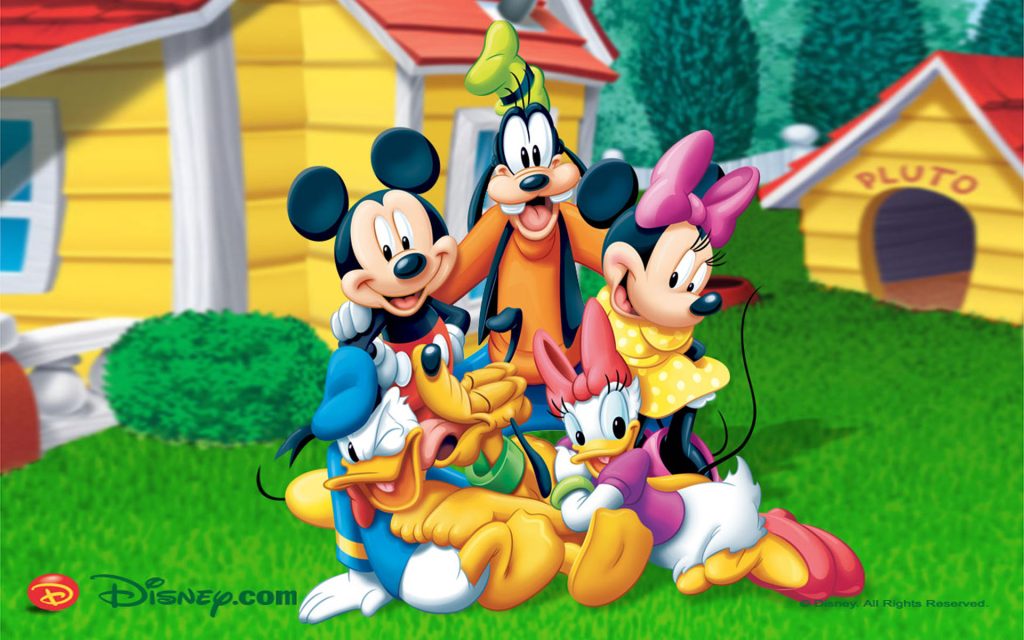
The Disney universe features a bizarre hierarchy where Goofy and Pluto are both dogs, yet they occupy completely different social tiers. Goofy wears clothes, speaks, and lives in a house, while Pluto walks on all fours and is treated as a literal pet. This implies a confusing evolutionary or social split where some dogs are citizens and others are property.