Genre stays put, but musicians rarely do. Some artists burn bright in one lane before deciding they’d rather tear up the map and start fresh somewhere completely different. Others stumble into a new sound by accident, only to discover it fits better than what they were doing all along. What follows is a tour of the boldest, strangest, and most surprising pivots in modern music. These are the careers that prove switching things up can change everything.
Skrillex
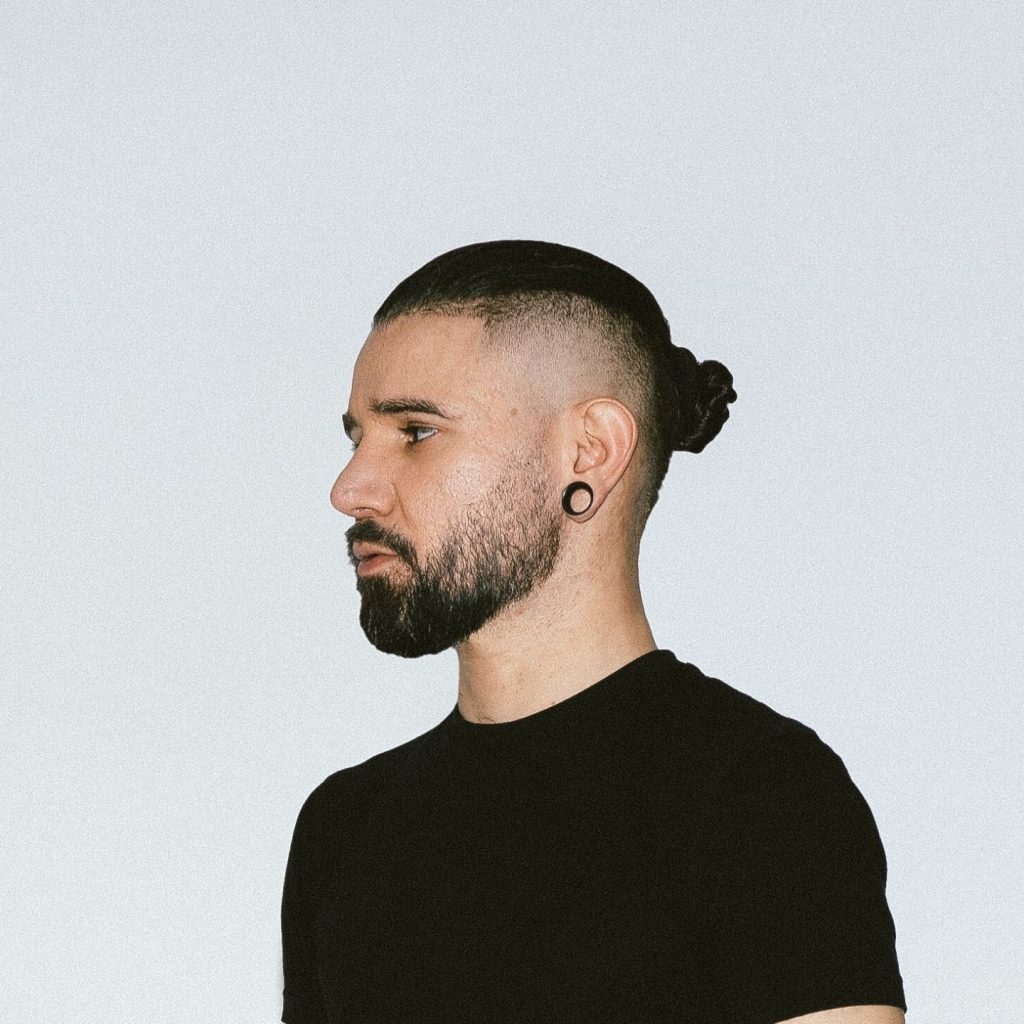
Skrillex once fronted the post-hardcore band From First to Last under his real name, Sonny Moore. After vocal issues cut that path short, he started experimenting with electronic production on his laptop. That side project soon exploded into a full-blown EDM career.
Katy Perry
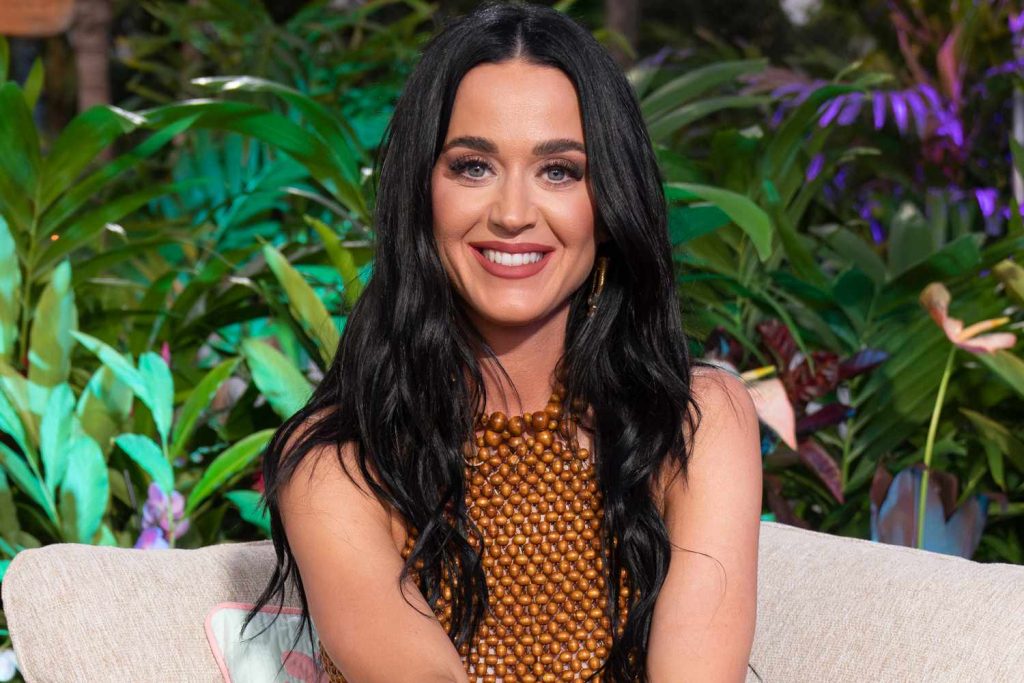
Katy Perry actually released a Christian rock album as “Katy Hudson” long before the candy-colored pop persona appeared. When that record failed to take off, she reinvented her image from the ground up. The switch transformed her into one of the defining hitmakers of the 2000s.
Gwen Stefani

Gwen Stefani spent years belting ska-punk anthems with No Doubt. Once the group paused, she dove headfirst into glossy pop and produced instant radio staples. The pivot let her step out from the band’s shadow and stand on her own.
Darius Rucker
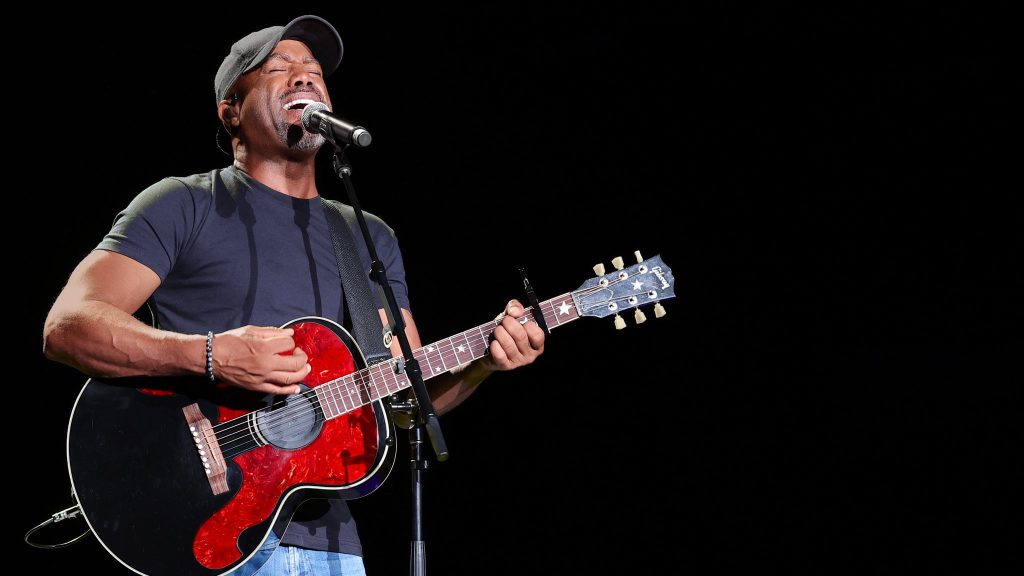
Darius Rucker first made it big with the alt-rock group Hootie & the Blowfish. After the band cooled down, he surprised just about everyone by moving into country music. Listeners embraced the shift, and he quickly became a staple of Nashville radio.
Machine Gun Kelly
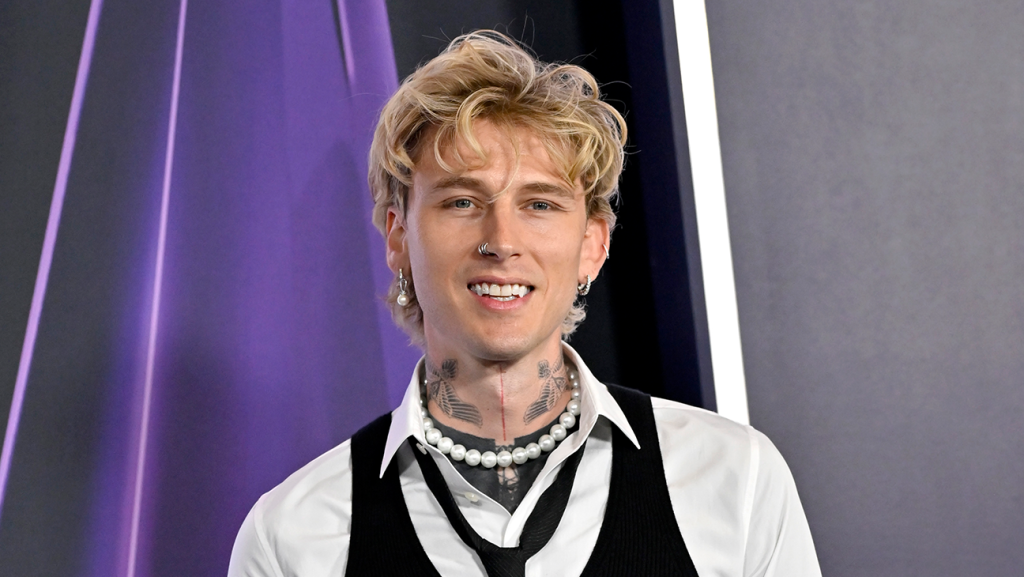
Machine Gun Kelly arrived as a fast-talking rapper who thrived on controversy. Then he picked up a pink guitar and released a pop-punk album that threw his old sound out the window. The gamble won over a new audience and reshaped his career.
Taylor Swift
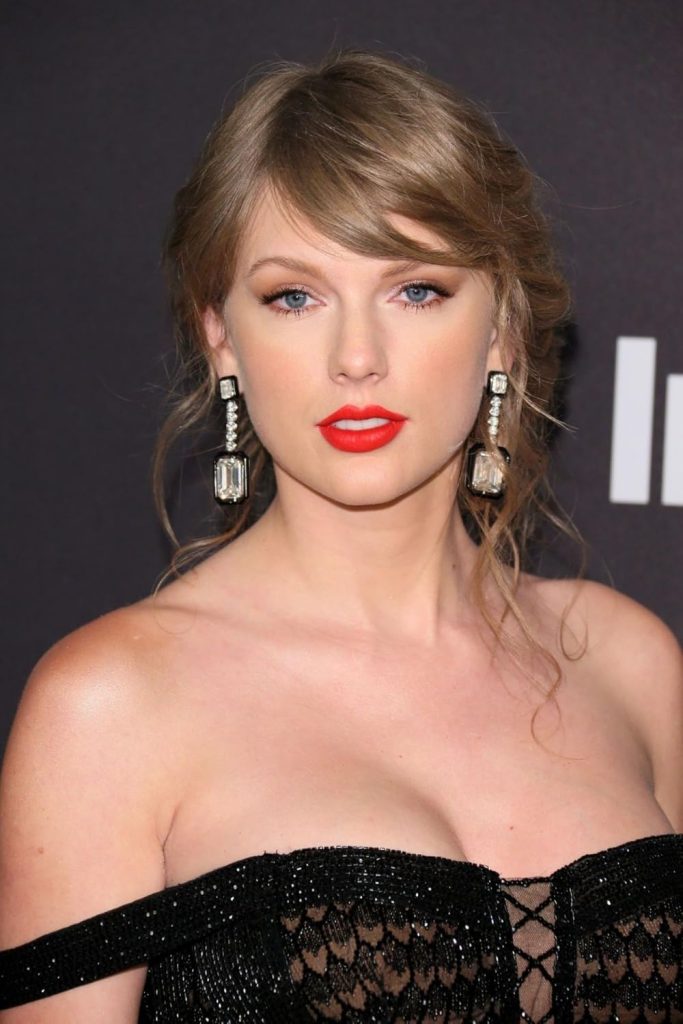
Taylor Swift got her start writing country songs about young love and heartbreak. As her fame grew, she stepped into full-scale pop and dominated the charts almost immediately. She’s continued to reinvent herself through folk, synth-pop, and alternative styles.
The Beastie Boys
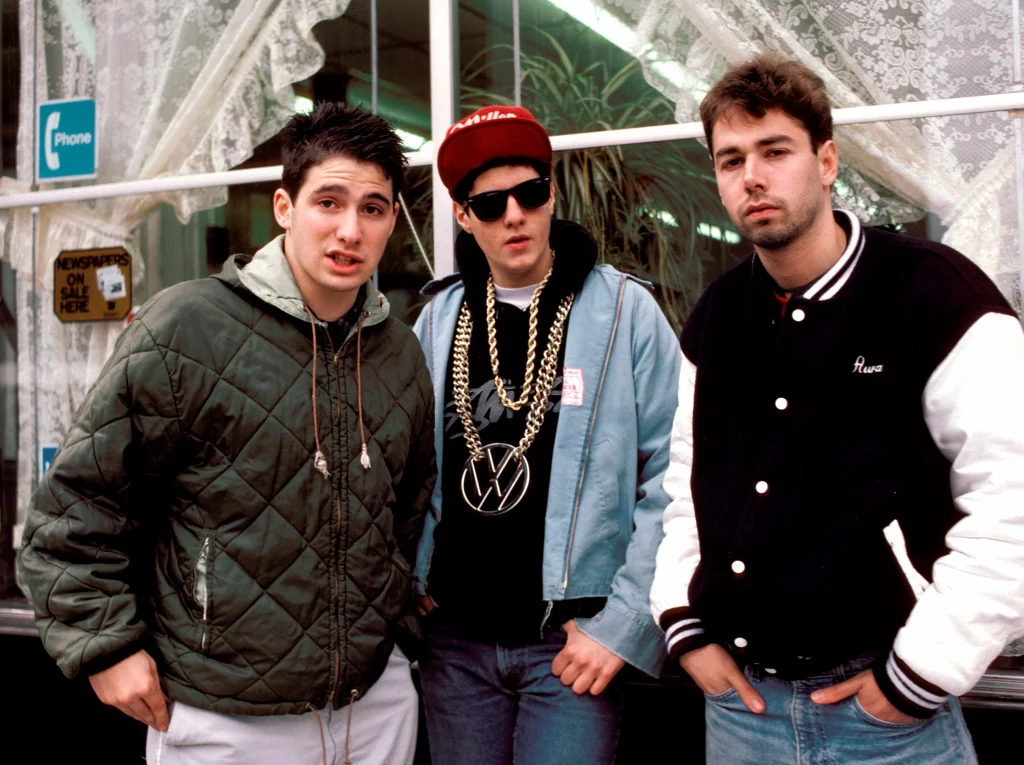
The Beastie Boys didn’t debut as rappers at all. Their early years were spent as a rough-around-the-edges punk group. Hip-hop eventually became their calling, and they helped push the genre into the mainstream.
Tinashe
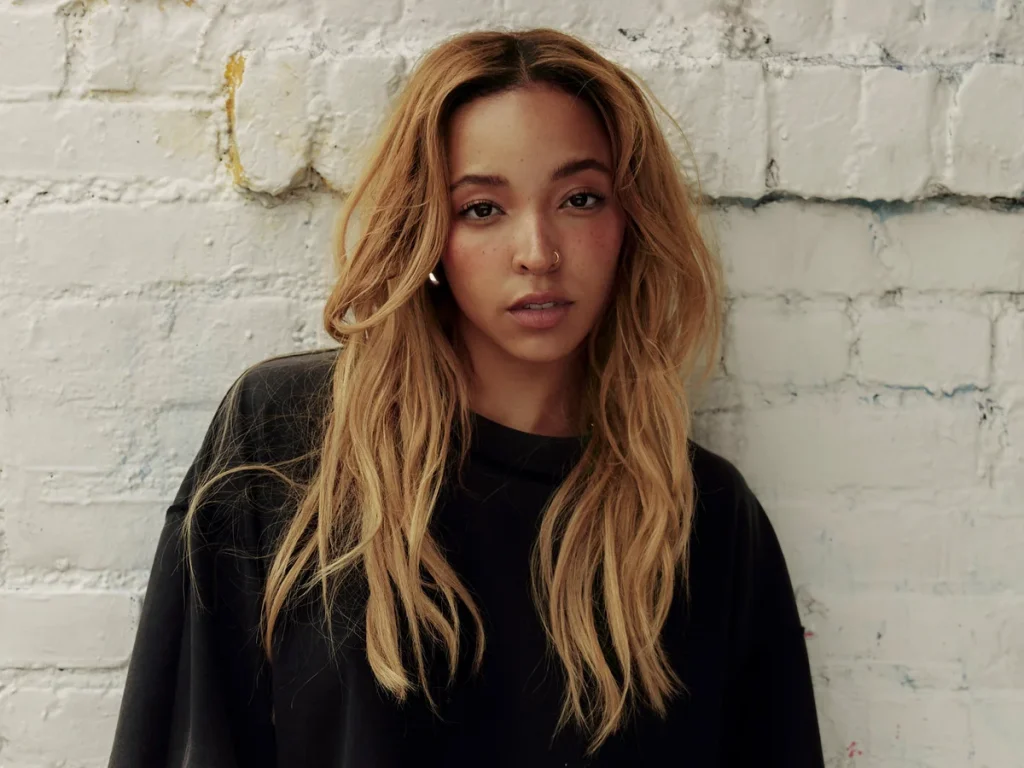
Tinashe’s first big break came as part of a teen pop girl group called The Stunners. When the group dissolved, she headed in a completely different direction with moody R&B. The shift let her carve out a style that felt far more authentic.
Post Malone
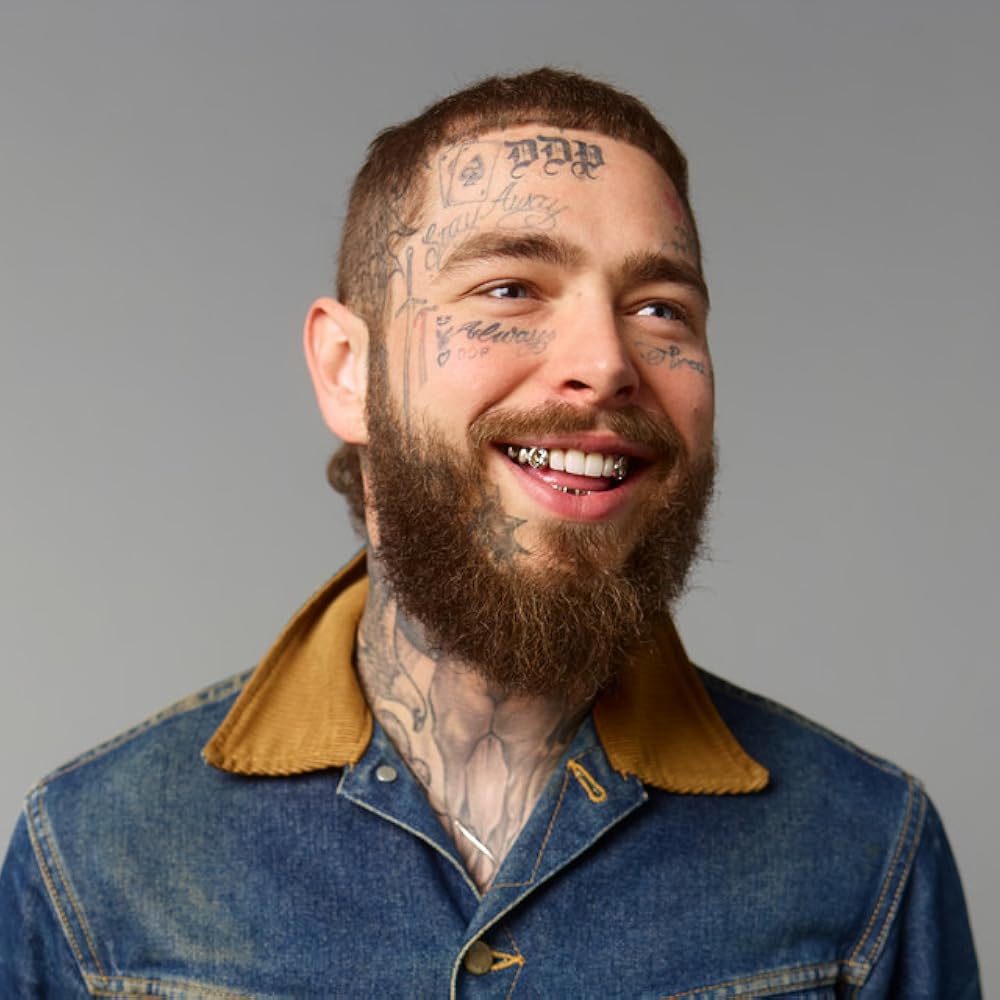
Post Malone emerged as a hip-hop artist blending rap and melodic hooks. Over time, he gravitated toward country influences and leaned into a more emotional singing style. His collaborations with country stars made the transition feel almost effortless.
Harry Styles

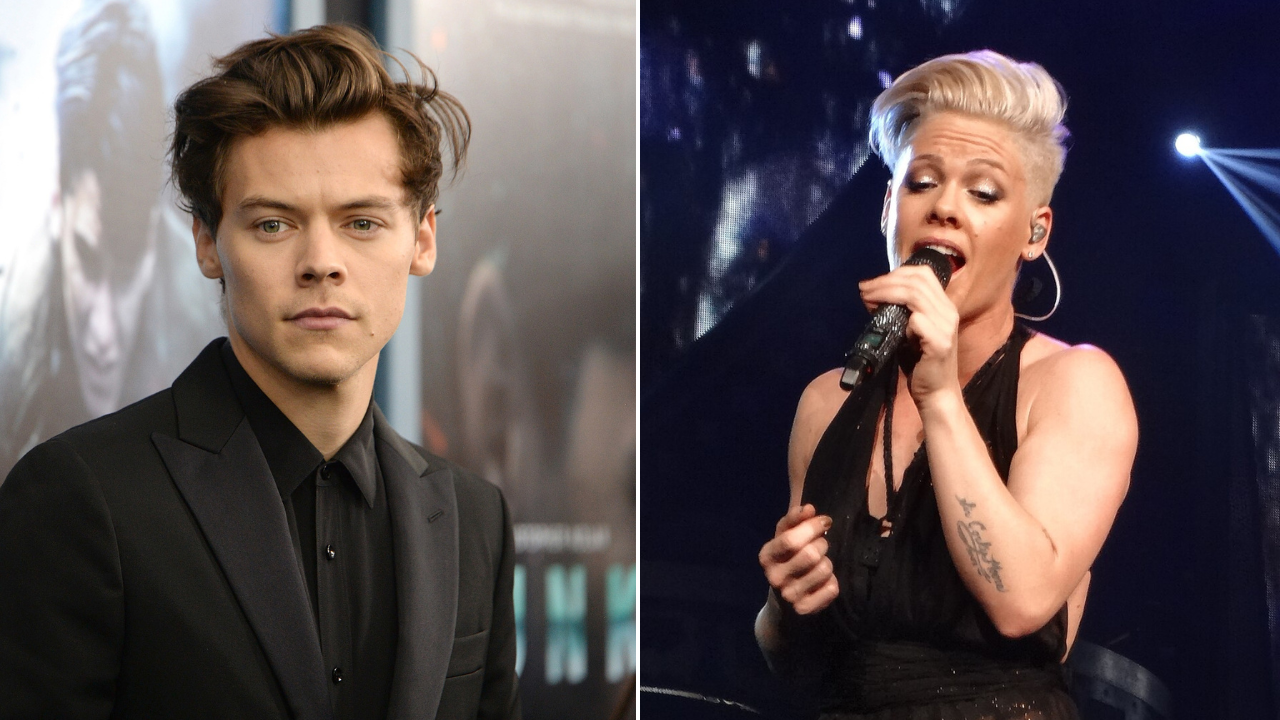
Harry Styles went from boy-band heartthrob to a solo artist obsessed with classic rock and modern folk. His debut album signaled that shift right away. Fans followed him through the transformation without hesitation.
Chumbawamba
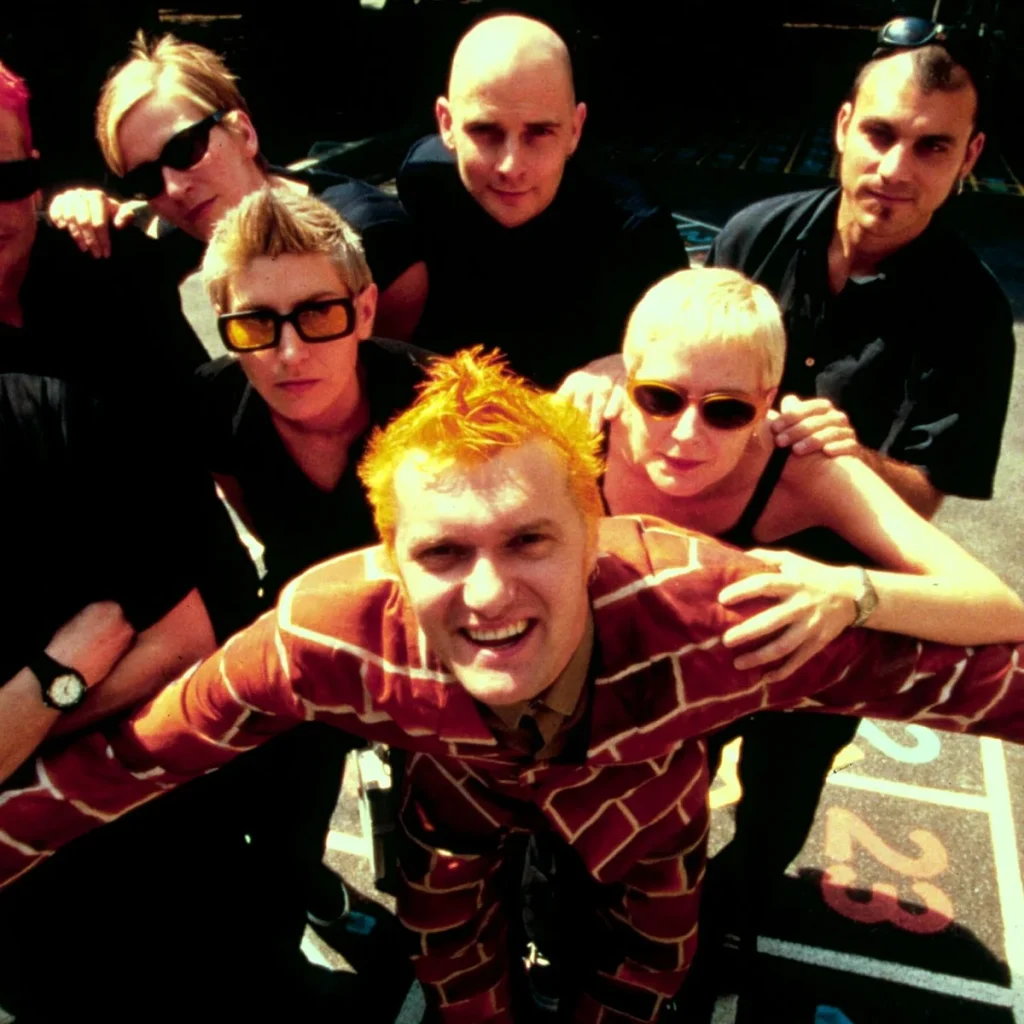
Chumbawamba’s catalog spans punk, a cappella protest music, folk, and pop. The only constant in their three-decade career was a refusal to stay put. Their wild range makes “Tubthumping” look like just one tiny piece of their identity.
Ronnie James Dio
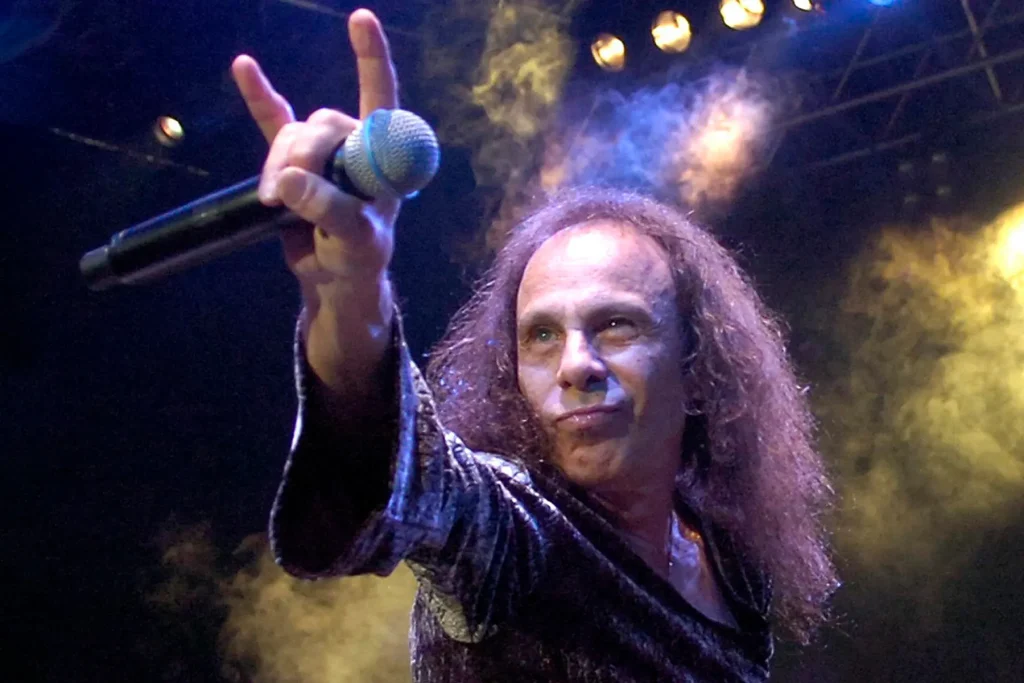
Long before he became a metal legend, Ronnie James Dio was singing gentle doo-wop tunes in the 1960s. His voice eventually found a home in heavier sounds. That leap turned him into one of rock’s most recognizable frontmen.
Beck

Beck rarely repeats himself. One album leans into folk, the next fuses funk and hip-hop, and another dives into dreamy pop. His constant reinvention keeps fans guessing in the best way.
Silverchair
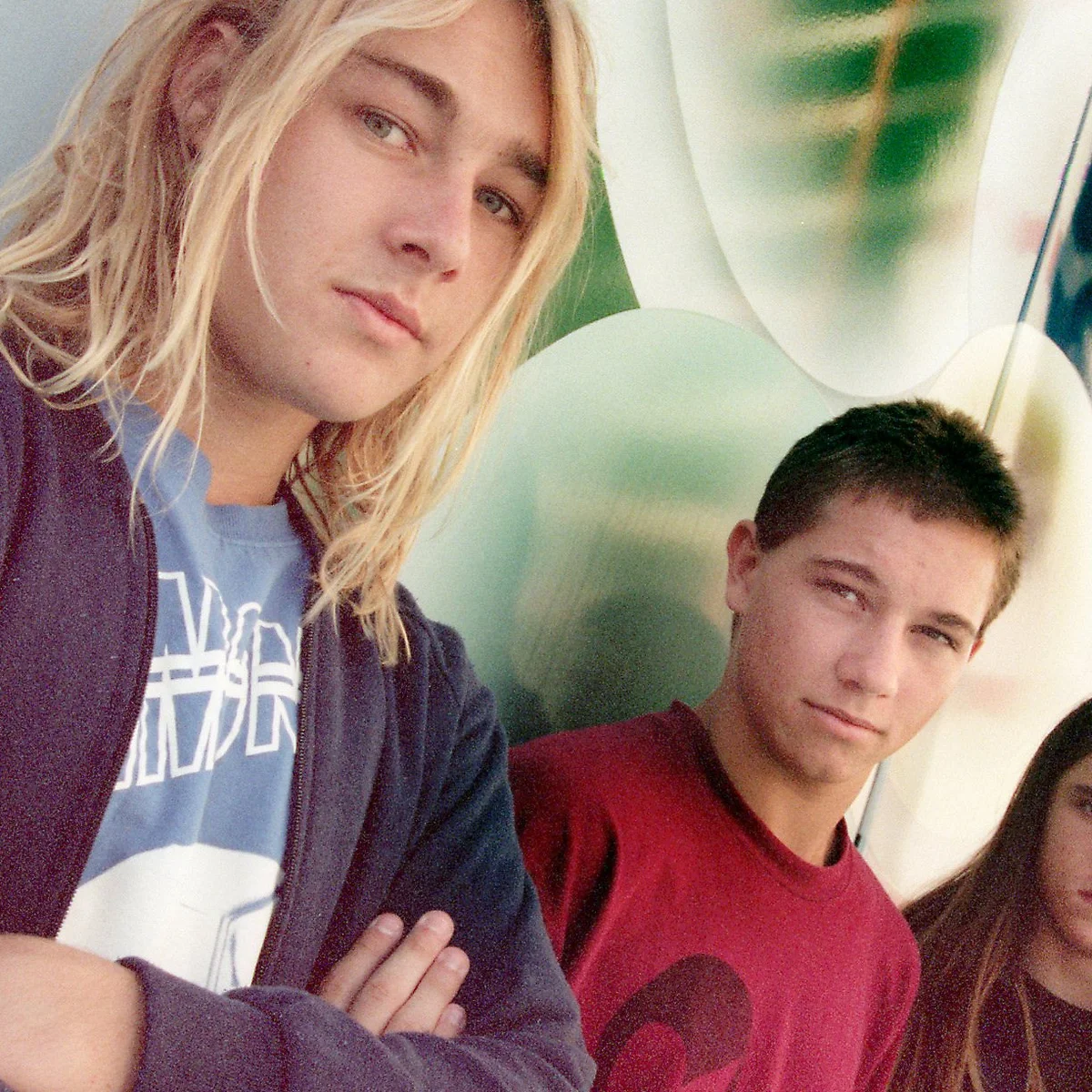
Silverchair came onto the scene as Australia’s answer to Nirvana. As the band aged, their sound shifted into lush, complicated orchestral pop. It was a bold departure that showed how much they’d grown beyond their teenage image.
Ween
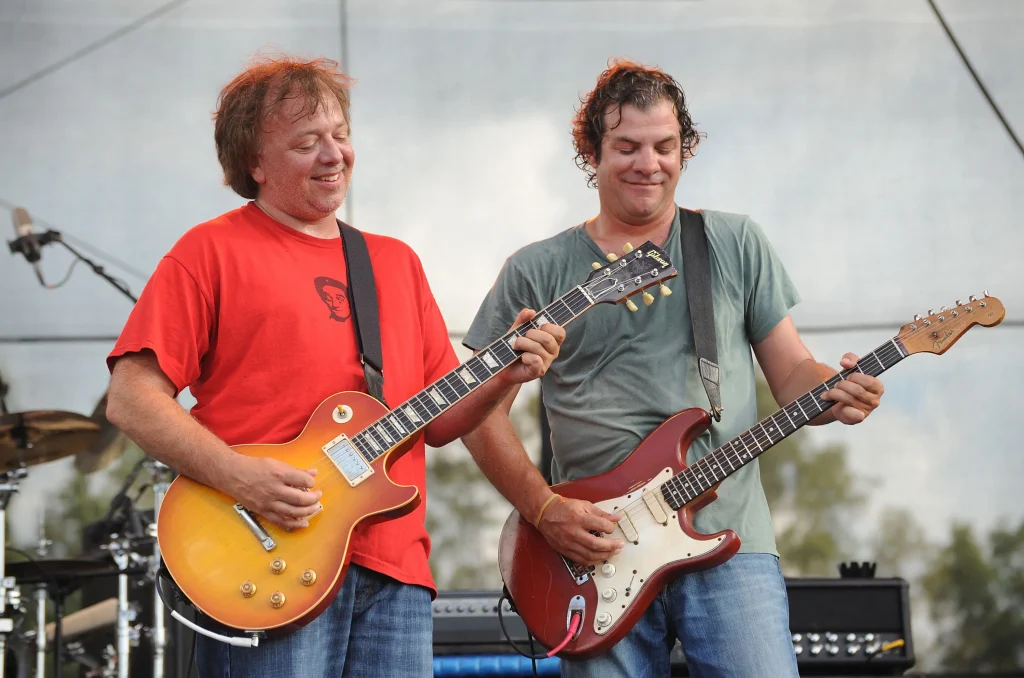
Ween never settled on a single lane. Their early work flirted with punk and surf-rock, while later albums explored country, psychedelia, and everything in between. They became known for making genre boundaries feel irrelevant.
Black Eyed Peas
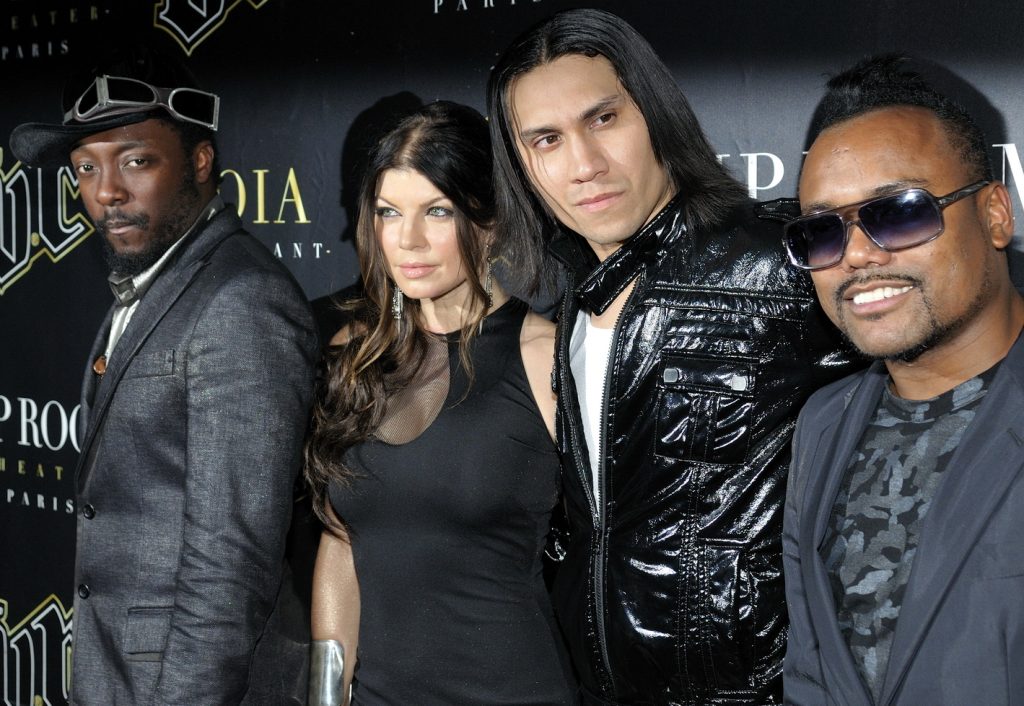
The Black Eyed Peas started out making alternative hip-hop with an underground vibe. When Fergie joined, their sound shifted sharply toward polished pop. That new direction launched them into global fame.
Bring Me the Horizon
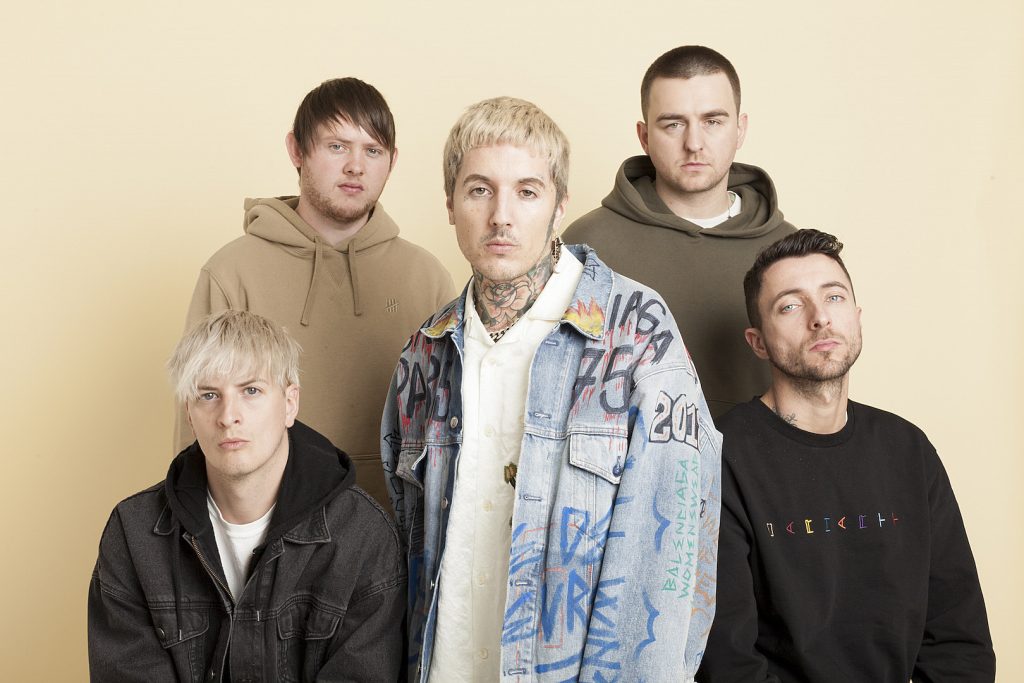
Bring Me the Horizon once represented the pure chaos of deathcore. As the years passed, they added melody, synths, and eventually pop-rock influences. Their willingness to evolve helped them reach a much broader audience.
Bob Dylan
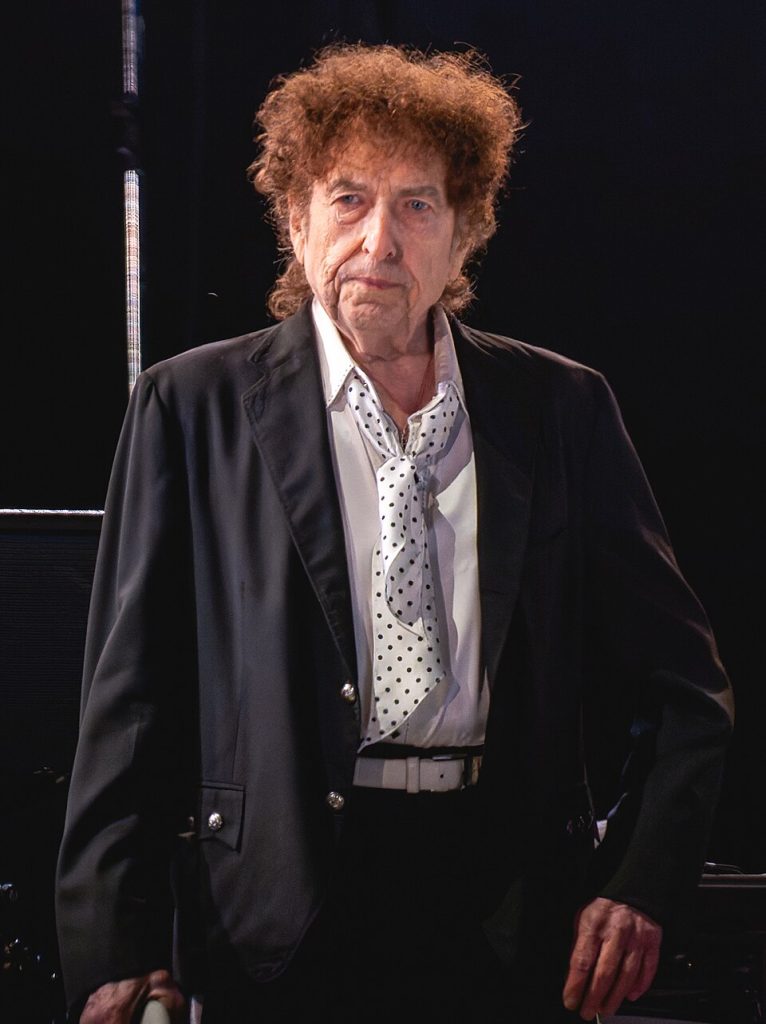
Bob Dylan became famous for his acoustic protest songs. Then he strapped on an electric guitar and kicked off a rock era that changed his career forever. Later, he explored gospel and country with the same curiosity.
Ministry
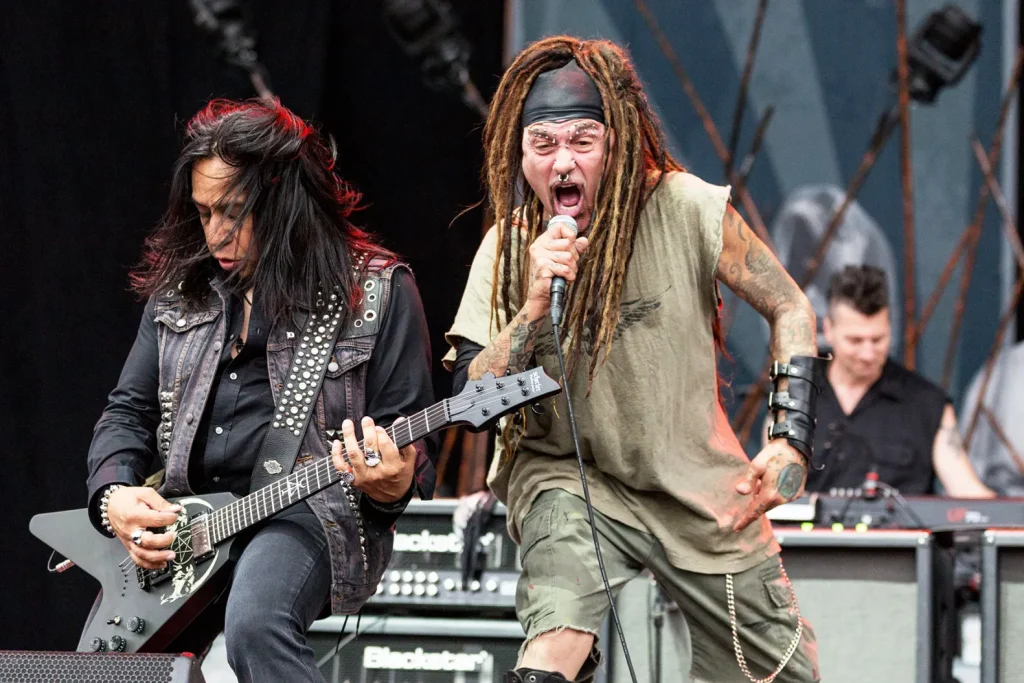
Ministry began with danceable, synth-driven new wave. Eventually, they veered into harsh industrial metal that defined their legacy. The evolution was so drastic that many fans couldn’t believe it was the same band.
Robert Plant
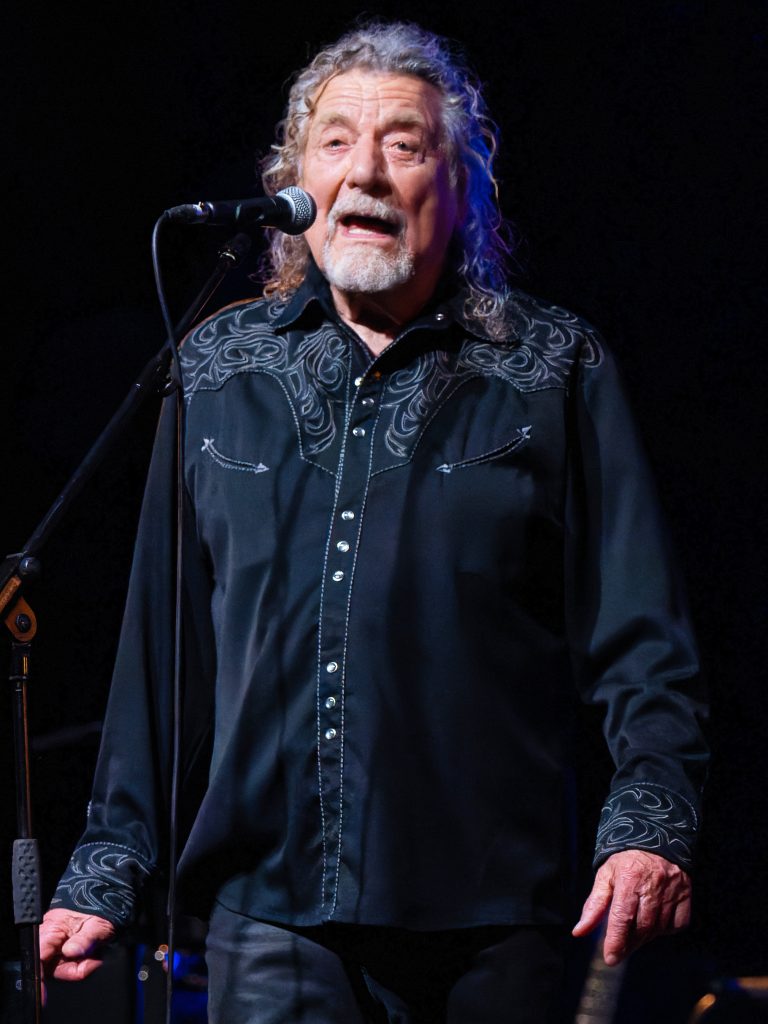
After fronting Led Zeppelin, Robert Plant chose not to chase more heavy rock. Instead, he teamed with bluegrass icon Alison Krauss for gentle, roots-inspired albums. The pairing showed just how many directions his voice could go.
Jewel

Jewel first drew attention with quiet, folk-tinged pop. In the 2000s, she leaned into Nashville sounds and embraced country storytelling. The move introduced her to an entirely new segment of listeners.
Goo Goo Dolls

The Goo Goo Dolls began as a scrappy punk act. Their style gradually softened into sweeping pop-rock ballads. The shift gave them some of the biggest hits of the 90s.
David Bowie
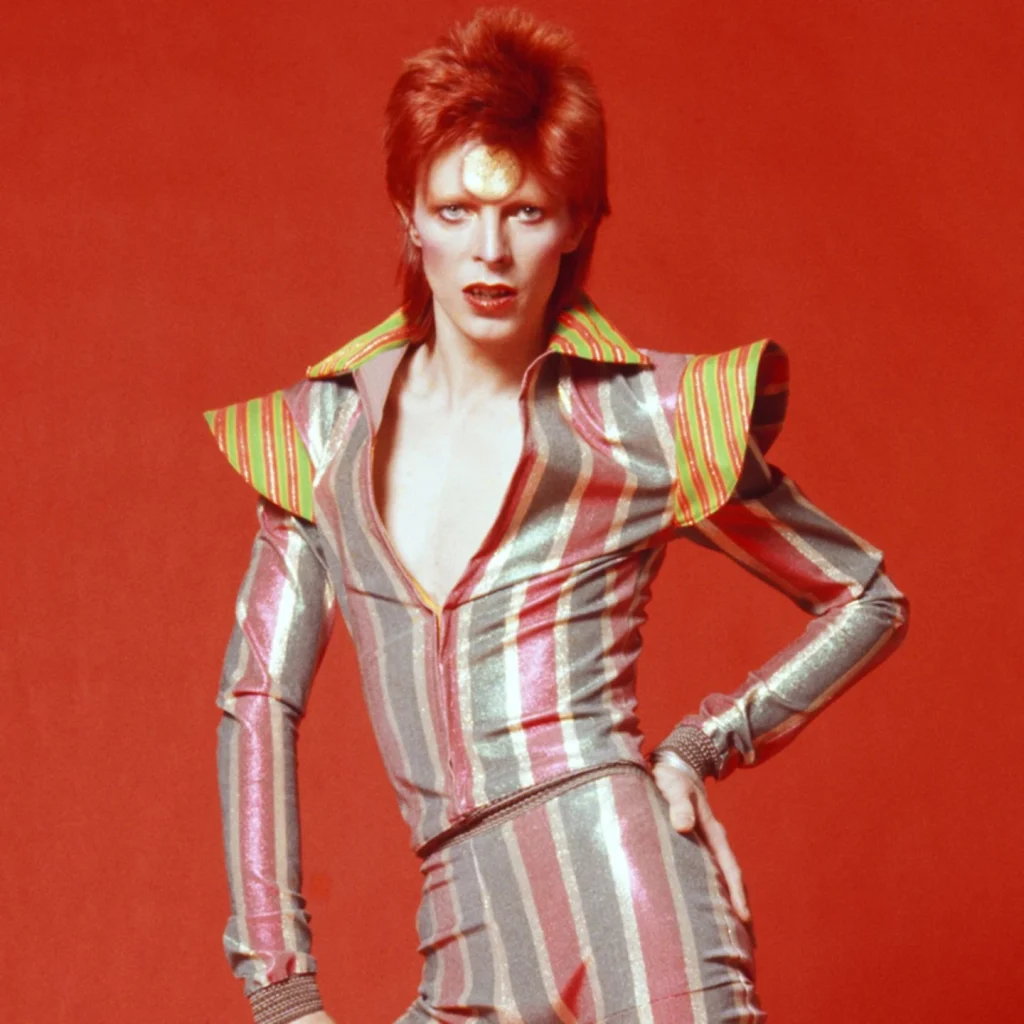
David Bowie changed styles so often that it became part of his mystique. He moved through folk, glam rock, soul, electronic music, and avant-garde experiments. Each phase felt like a new chapter rather than a departure.
Chris Cornell
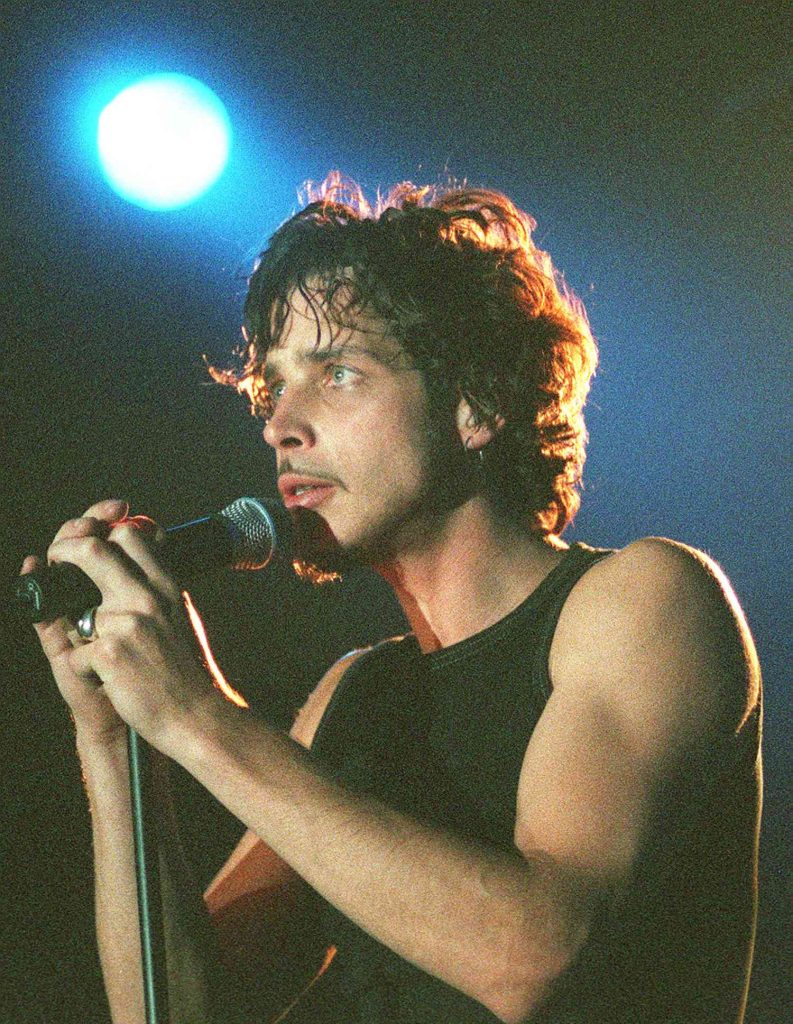
Chris Cornell rose to fame through the grunge powerhouse Soundgarden. Later, he ventured into pop and electronic textures on his solo projects. His voice adapted easily to the new settings.
P!nk

P!nk entered the industry through R&B with a heavily produced debut album. She quickly abandoned that direction and embraced pop-rock with a fiercer personality. The reinvention turned her into a defining artist of the 2000s and beyond.
Michael Bolton
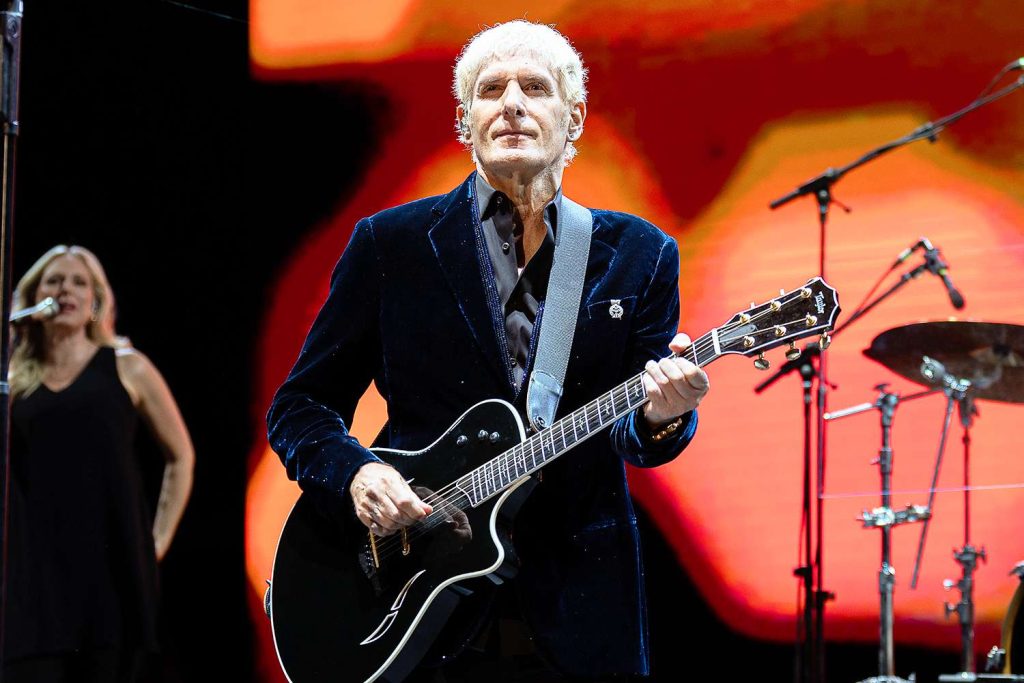
Michael Bolton once fronted a hard-rock band, complete with big hair and blazing guitar solos. When he shifted to soft rock ballads, the change stunned early fans. The new style brought him enormous commercial success.
The Beatles
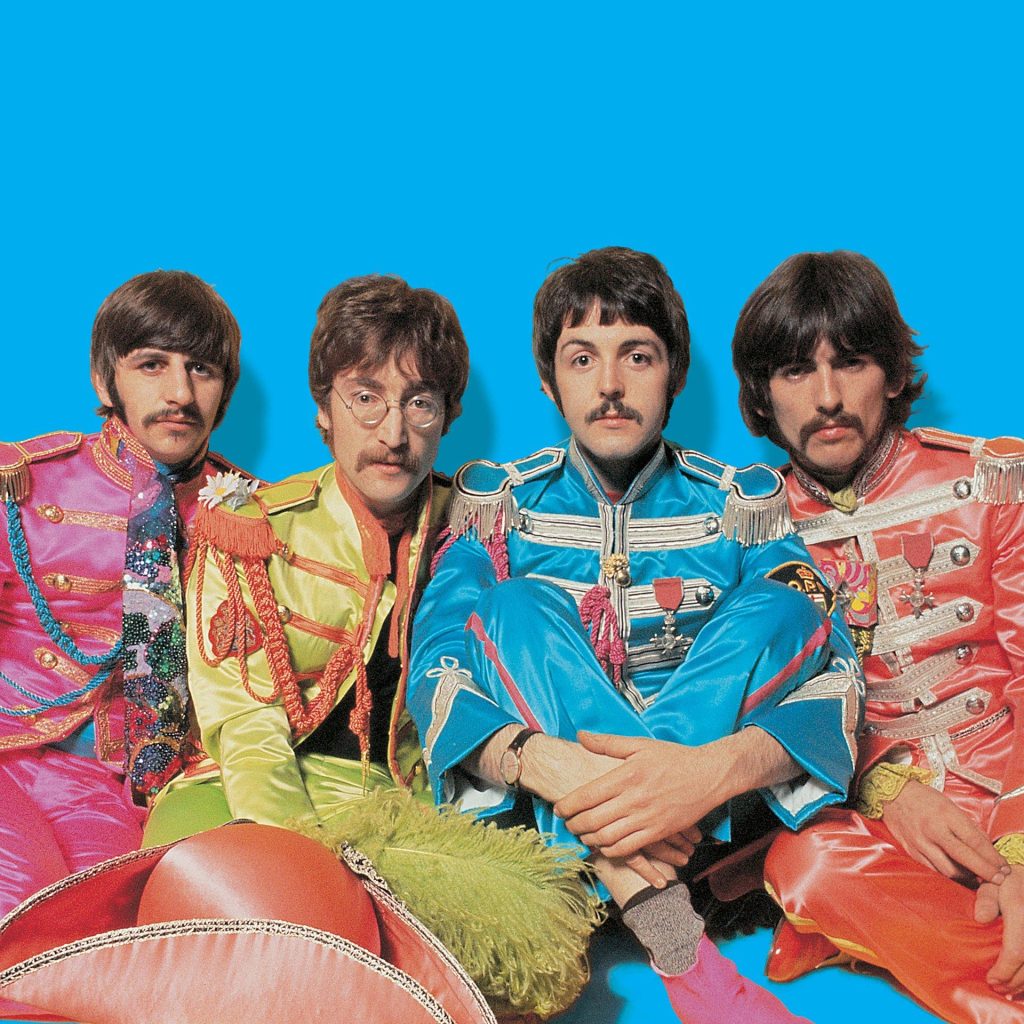
The Beatles began with simple, infectious pop songs. As the sixties progressed, they plunged into psychedelia, experimental production, and complex songwriting. Their evolution changed music history.
Amy Grant
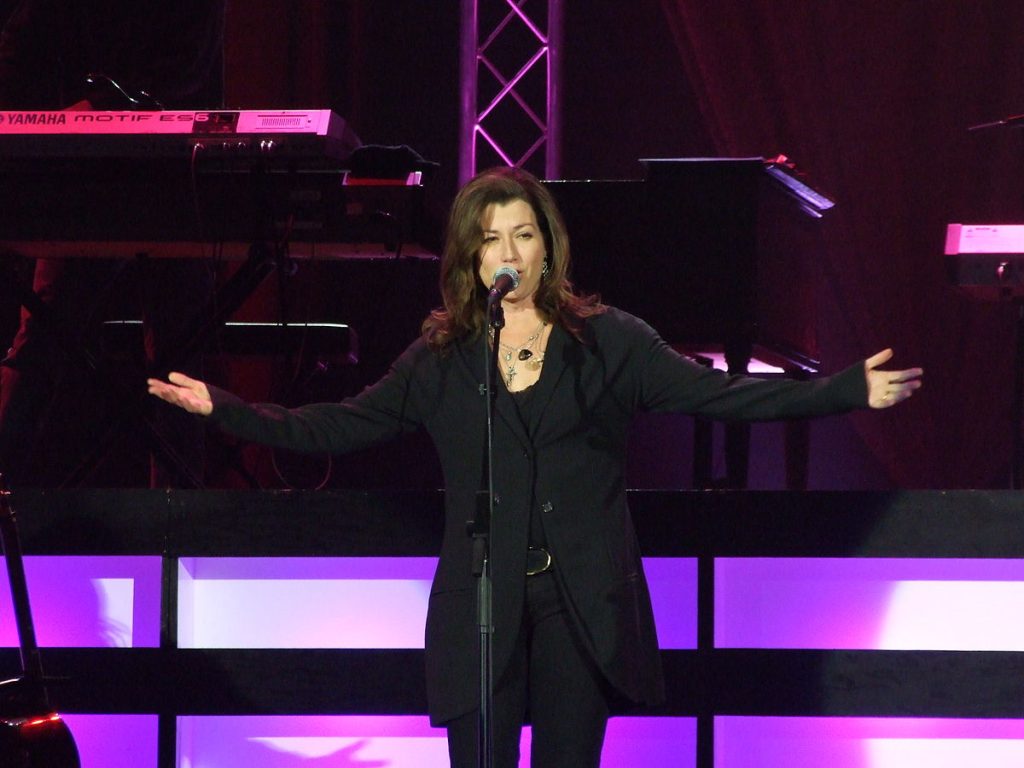
Amy Grant built her career on Christian contemporary music. She later crossed over into mainstream pop with bright, radio-friendly hits. The transition expanded her reach without erasing her roots.
Billy Rae Cyrus
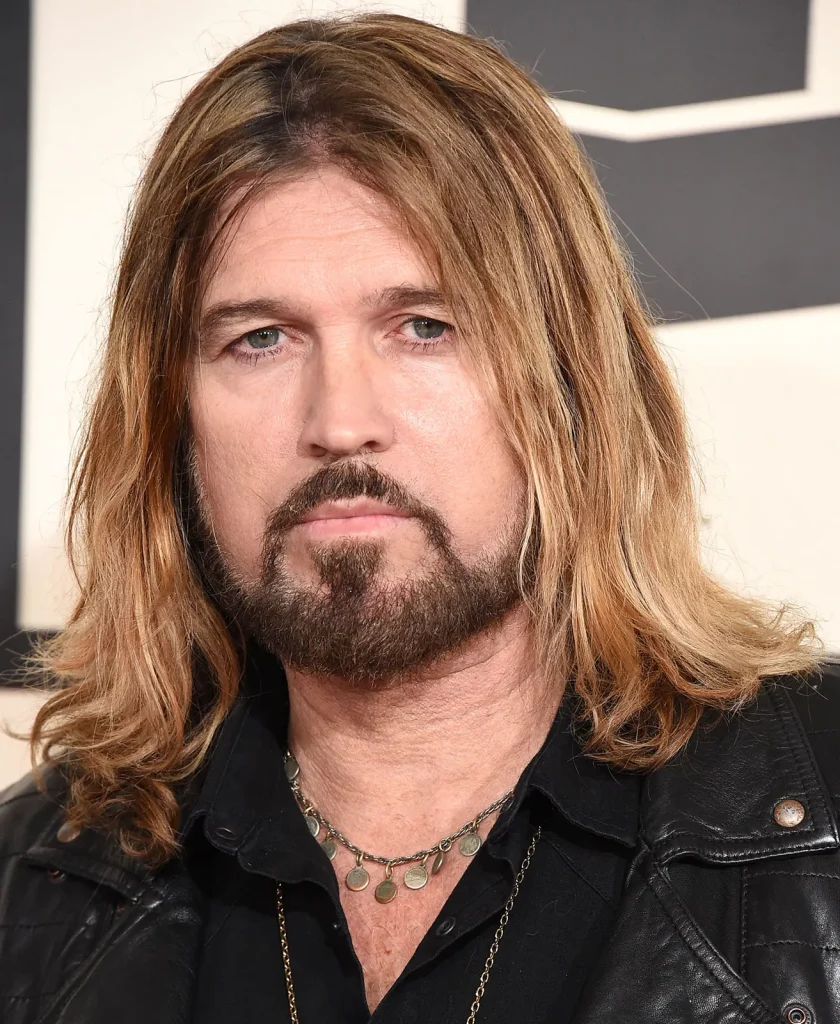
Billy Ray Cyrus was known for straightforward country in his early years. Later, he embraced genre-blurred collaborations that mixed hip-hop and pop influences. The shift reintroduced him to a younger generation.
The Weeknd
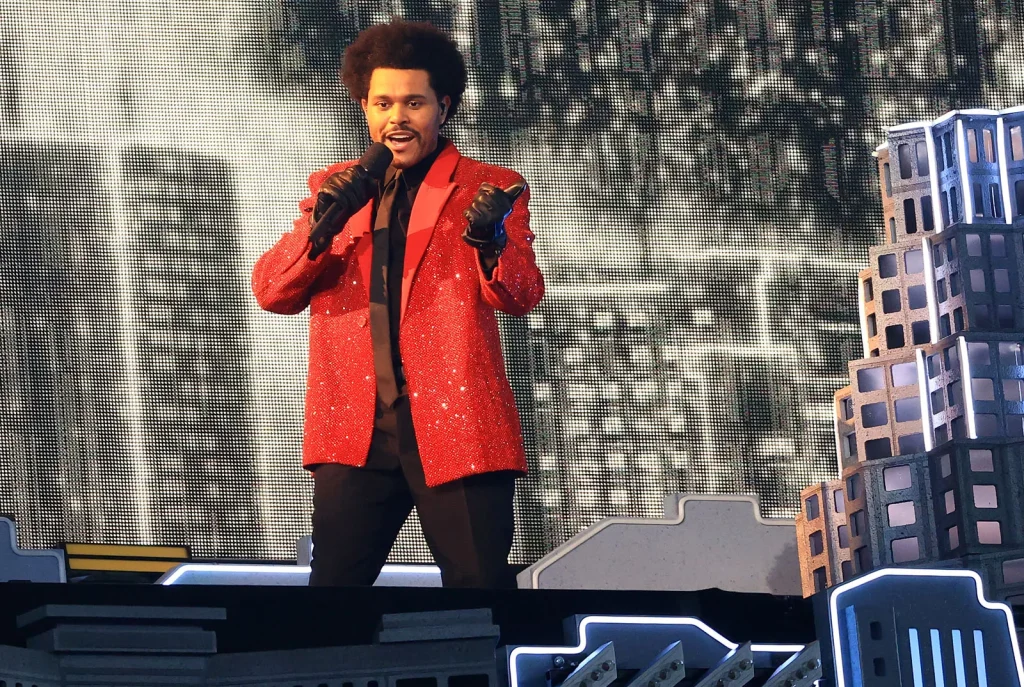
The Weeknd first made moody alternative R&B that felt dark and underground. As he grew more ambitious, he shifted toward glossy pop built for arenas. The change turned him from a cult favorite into a global superstar.