Some books don’t just entertain you, they change the way you think. They challenge your attention span, your curiosity, and sometimes your patience, but finishing them leaves you sharper than when you started. That is why certain titles have a reputation for signaling serious reading chops. If you’ve tackled even a handful of them, you’re already ahead of the curve. These books show you’re not afraid of depth, complexity, or big ideas.
1. Beloved – Toni Morrison
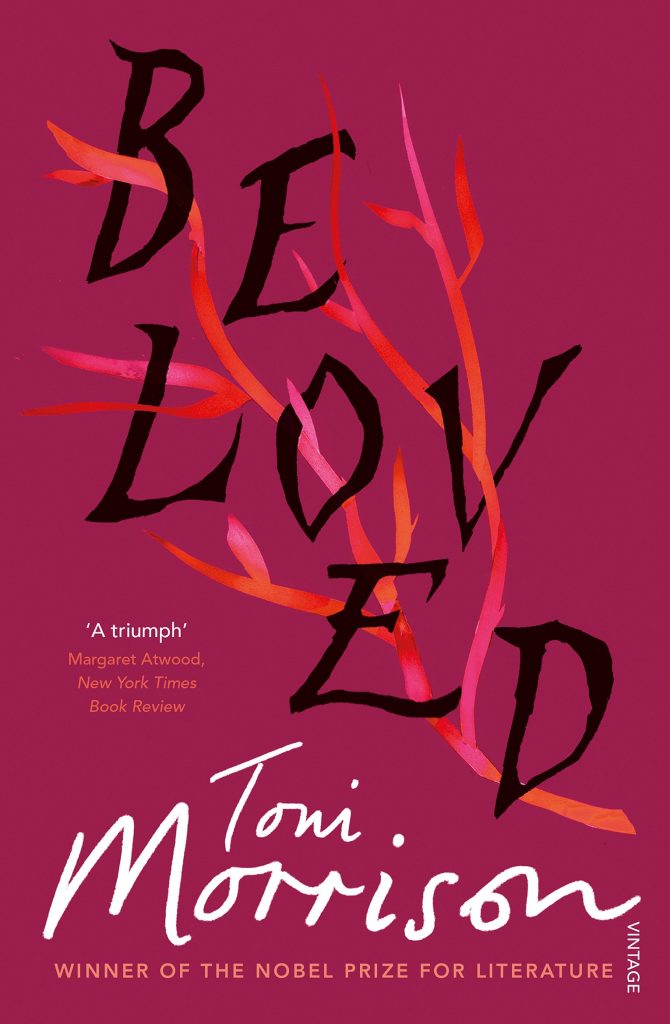
Morrison’s novel blends memory, trauma, and the supernatural to tell a story that’s as haunting as it is brilliant. It forces readers to confront the lasting scars of slavery through unforgettable characters. If you’ve read it, you’ve tackled one of American literature’s deepest emotional journeys.
2. Beowulf – Anonymous
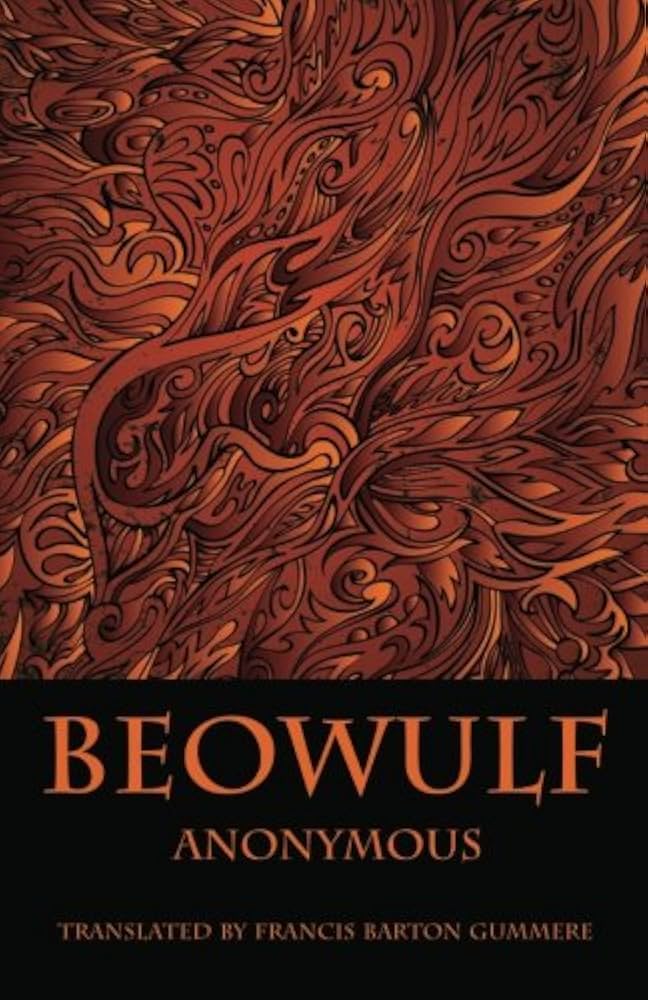
This ancient epic set the stage for nearly every hero tale that followed. Its clashes with monsters and moral dilemmas still feel surprisingly modern. Reading it means you’ve gone straight to the source of the Western storytelling tradition.
3. The Bonfire of the Vanities – Tom Wolfe
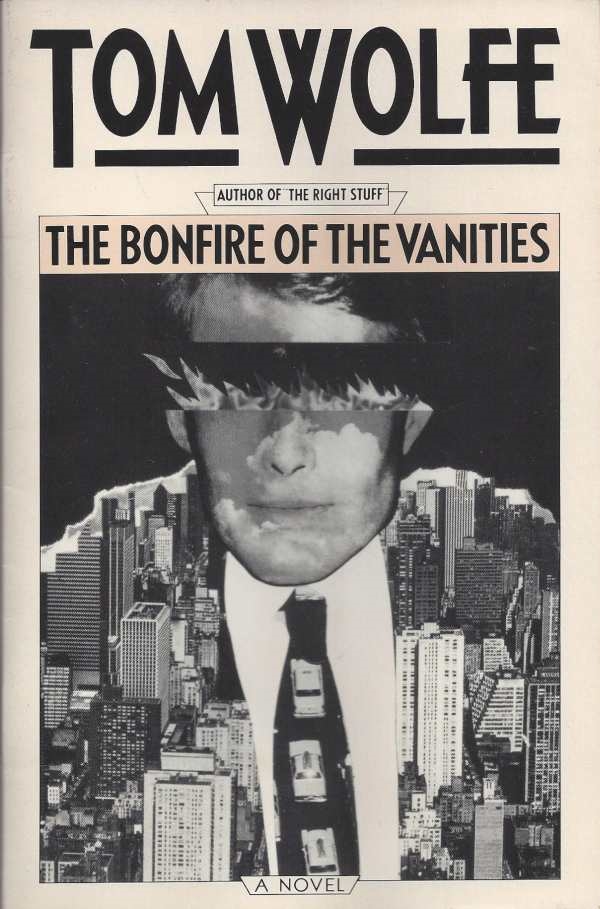
Wolfe tears into 1980s New York with a story full of greed, ambition, and spectacular downfall. His satire is sharp enough to draw blood, but the characters feel painfully real. Anyone who finishes this novel has a solid grip on how power and ego collide in modern society.
The Big Sleep – Raymond Chandler
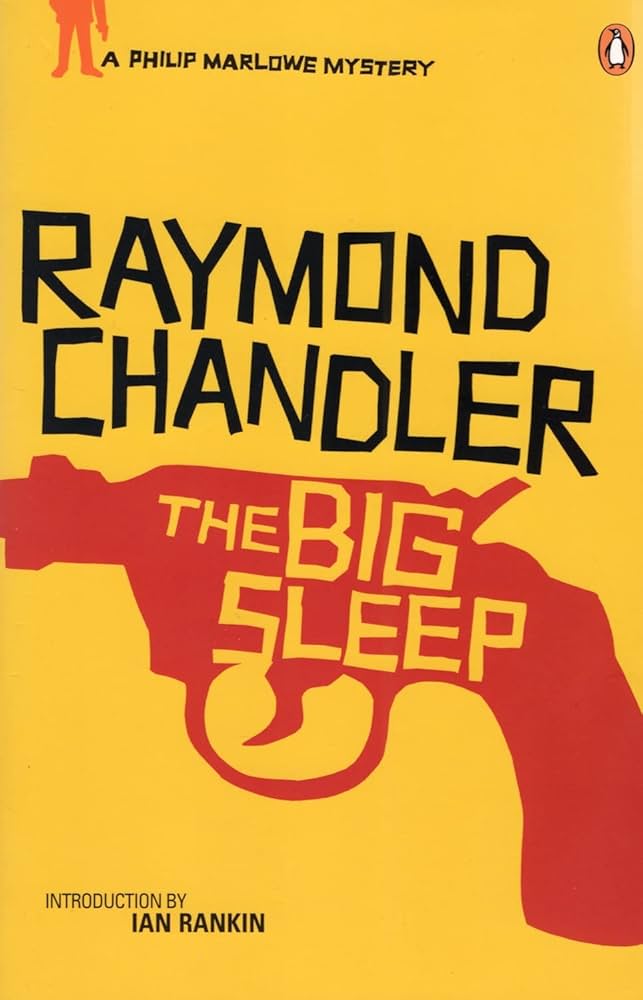
Chandler’s noir classic oozes atmosphere, cynicism, and smoky L.A. streets. Philip Marlowe moves through a world where every answer raises more questions. The book practically defined the hard-boiled detective voice.
5. Binti – Nnedi Okorafor
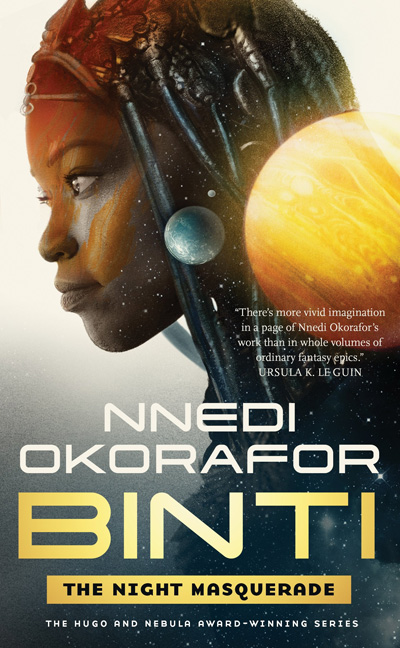
Okorafor fuses spacefaring sci-fi with deep cultural roots, creating something entirely new in the genre. Binti’s journey forces her to confront both alien threats and her own evolving identity. It’s a compact story with enormous imaginative scope.
6. Black Leopard, Red Wolf – Marlon James
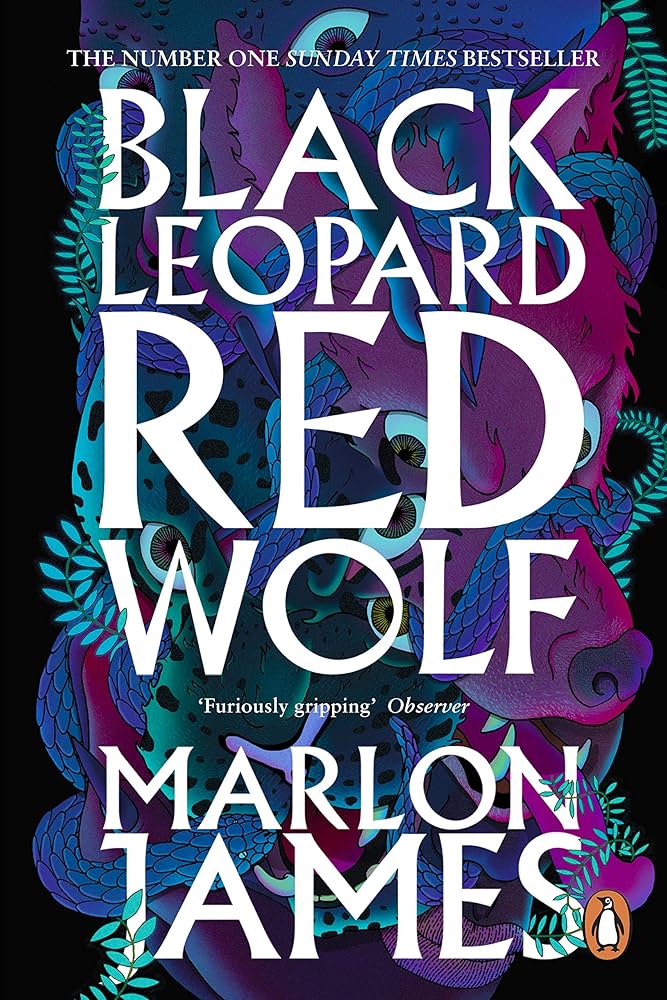
This novel plunges into a brutal, mythic landscape where truth twists with every retelling. James writes with intensity and ambition, demanding readers keep up. Its world is as dangerous as it is intoxicating.
7. Bless Me, Ultima – Rudolfo Anaya
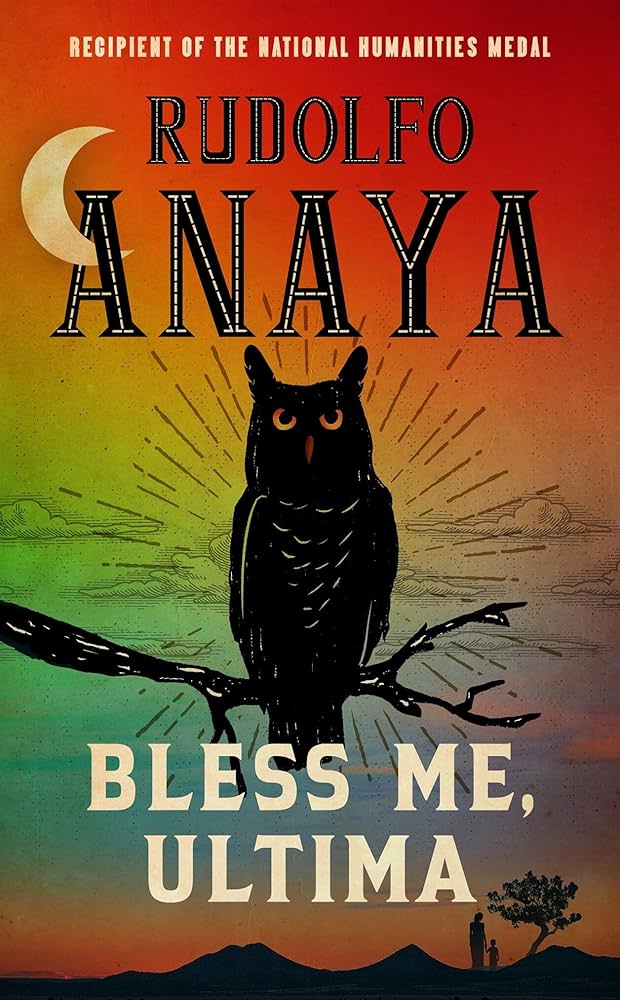
Anaya blends spiritual folklore with the tensions of growing up between cultures. Ultima’s guidance shapes Antonio in ways both mystical and deeply human. The story feels timeless despite its specific setting.
8. Blood Meridian – Cormac McCarthy
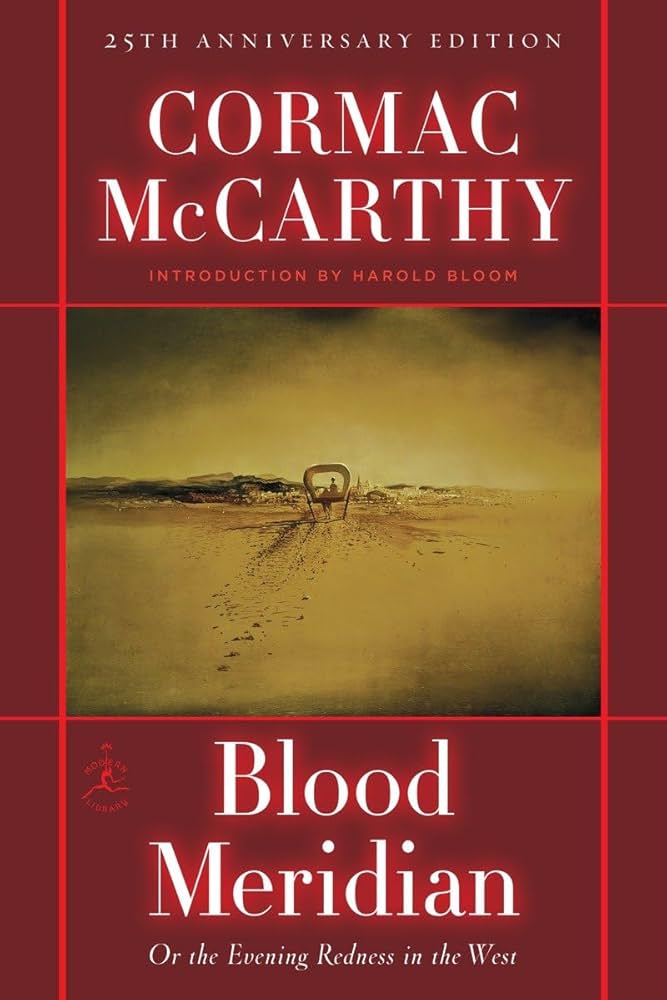
This is a brutal look at the American West, told with McCarthy’s trademark bluntness. The violence hits hard because he never softens it. It’s a tough read, but that’s exactly the point.
9. The Bluest Eye – Toni Morrison
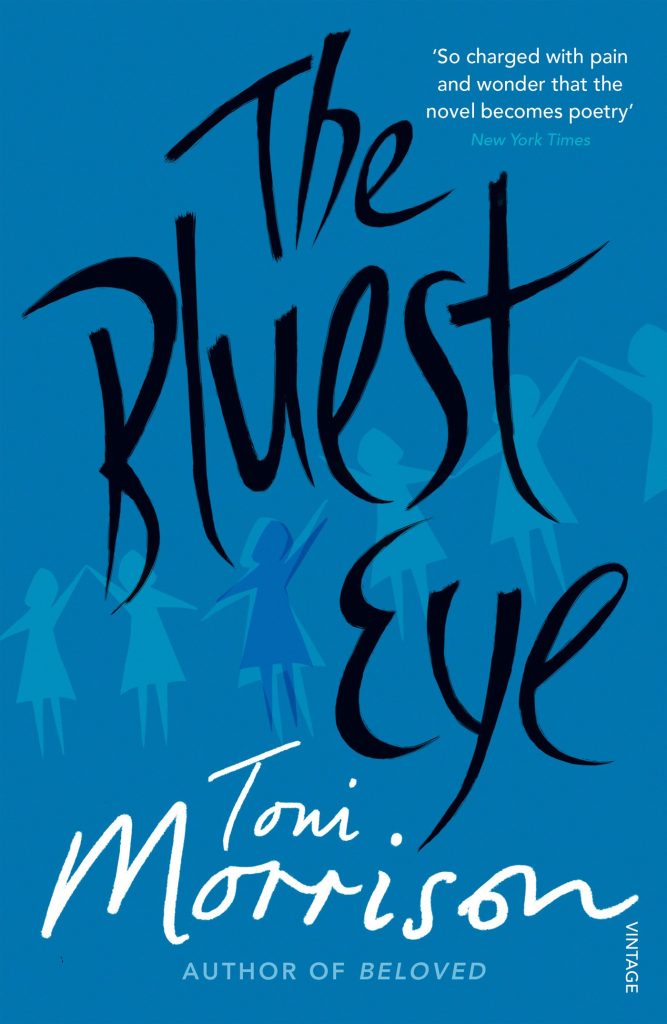
Morrison shows how damaging beauty standards can be, especially for young girls. Pecola’s story is painful and direct. The book forces you to sit with things most people try to avoid.
10. The Book Thief – Markus Zusak
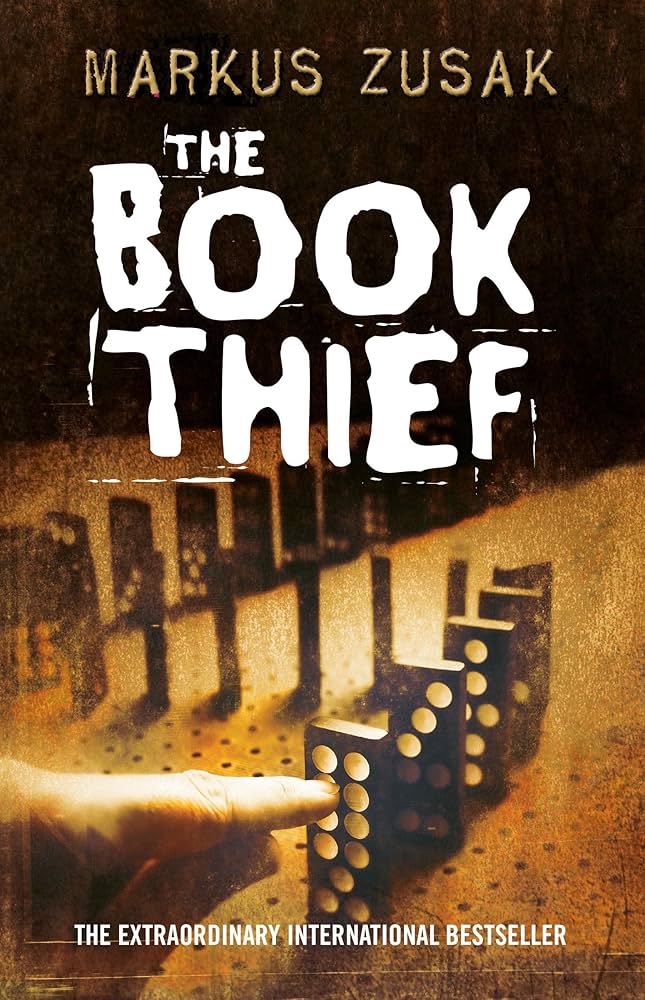
A girl growing up in WWII finds comfort in stories while the world falls apart around her. The narrator, Death, gives the book a unique angle. It’s emotional without being sentimental.
11. Borderlands – Gloria E. Anzaldúa
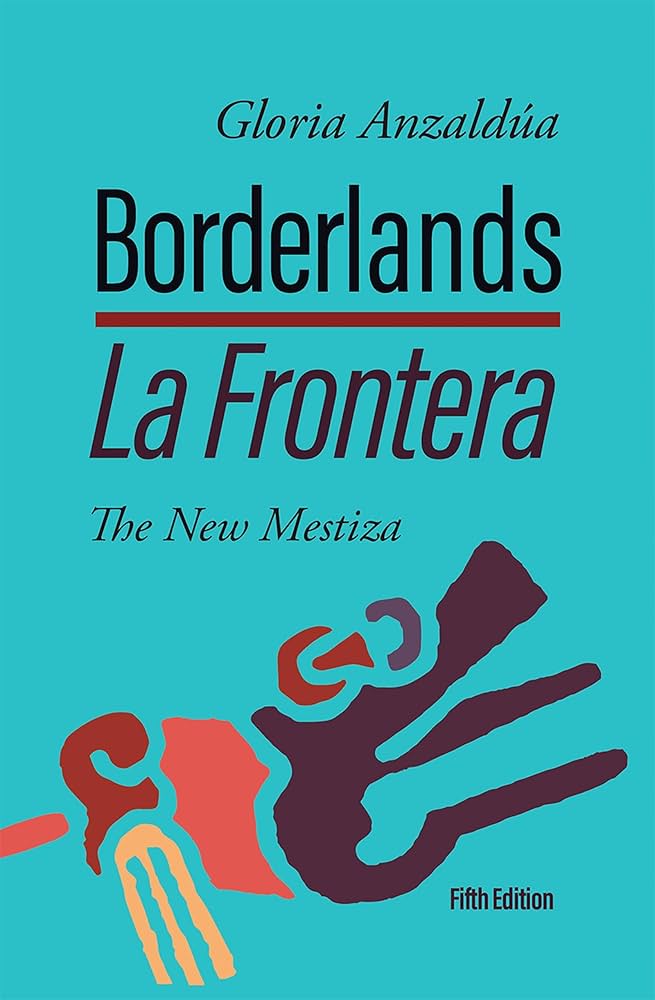
Anzaldúa mixes personal stories, history, and culture to talk about life between identities. She switches languages to make her point clear. It’s a book that challenges you in a good way.
12. Brave New World – Aldous Huxley
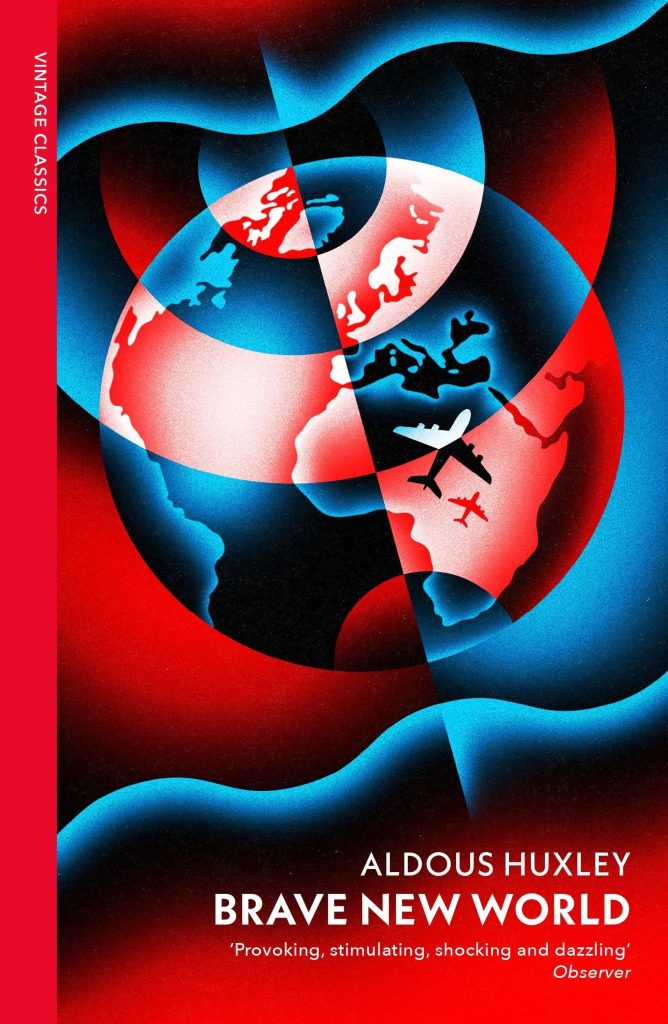
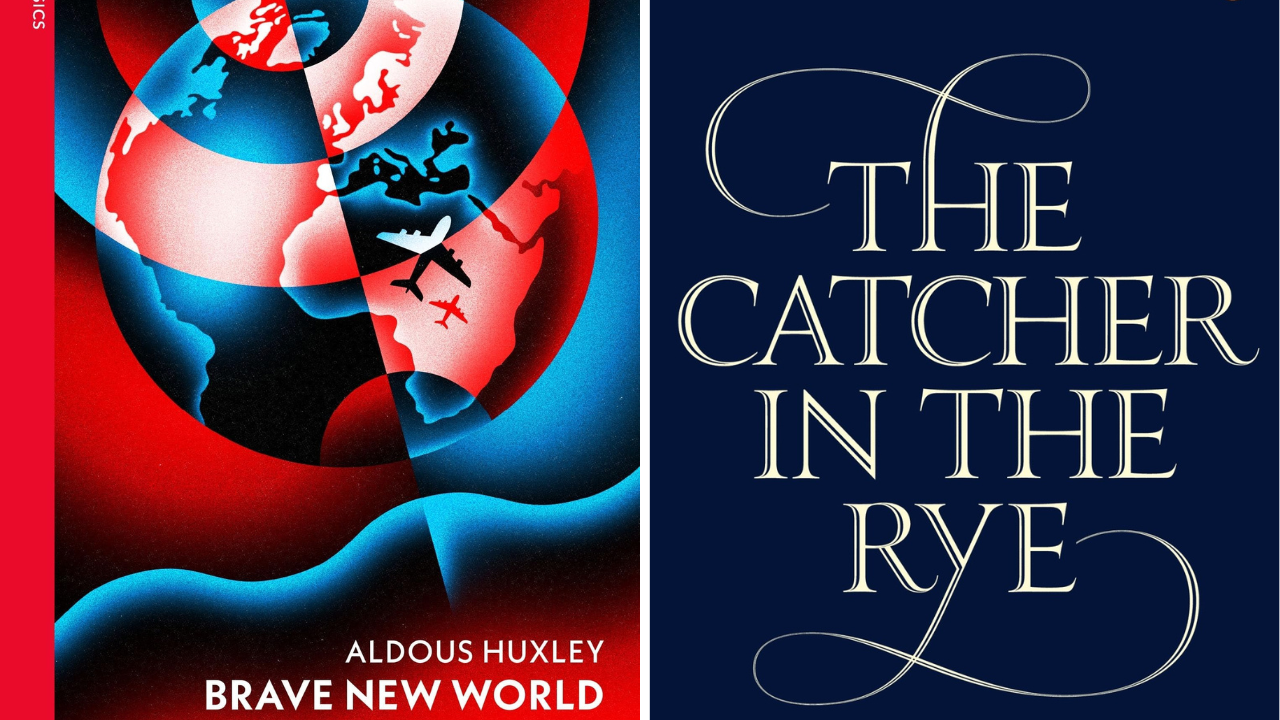
Huxley imagines a future where comfort matters more than freedom. The society looks clean on the surface but feels empty underneath. It’s surprisingly close to real life in places.
13. Breakfast of Champions – Kurt Vonnegut
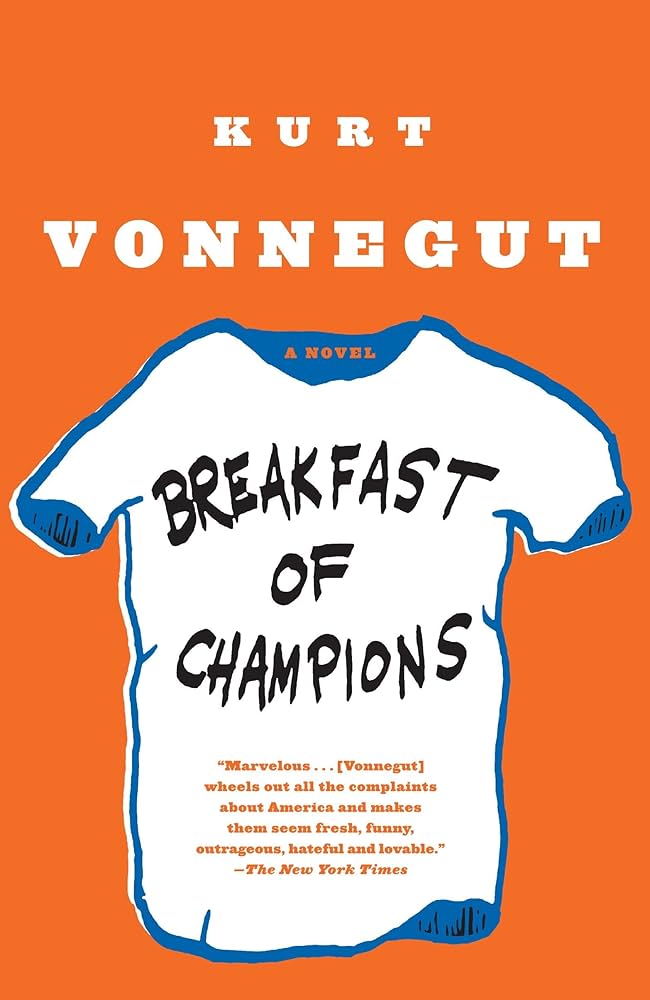
Vonnegut pokes fun at American culture with his usual mix of humor and weirdness. The book jumps around on purpose, breaking rules as it goes. It’s messy in a way that feels intentional.
14. Brideshead Revisited – Evelyn Waugh
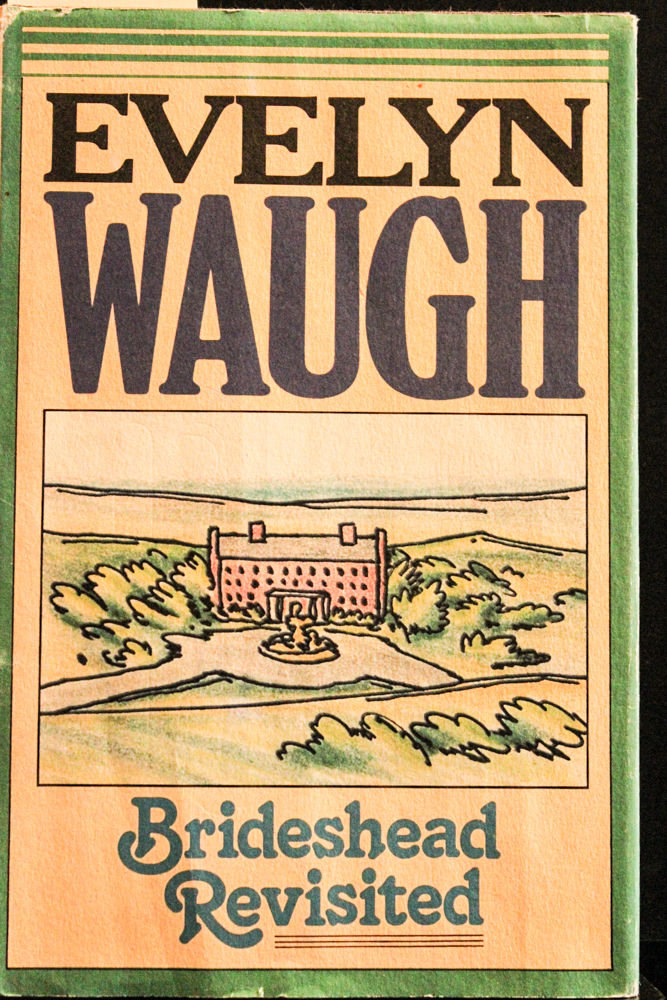
This novel follows a friendship that changes over time and slips into nostalgia. Waugh focuses on people trying to hold onto a world that’s disappearing. It’s slower-paced but steady and clear.
15. A Brief History of Seven Killings – Marlon James
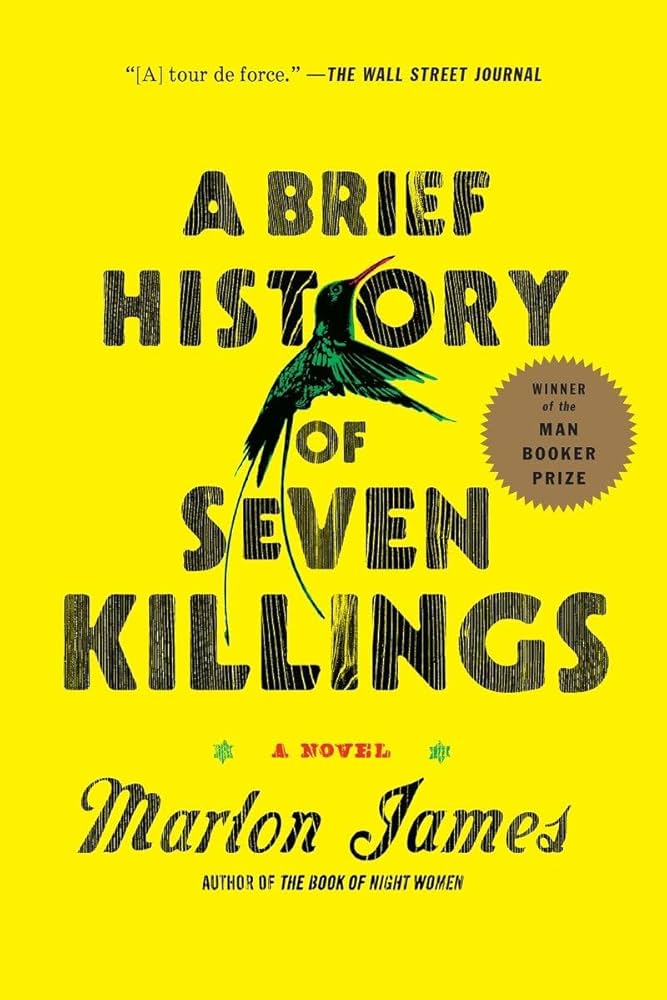
James tells a big story about Jamaica through a lot of different voices. It’s chaotic, gritty, and full of energy. Once it gets going, it’s hard to look away.
16. The Brief Wondrous Life of Oscar Wao – Junot Díaz
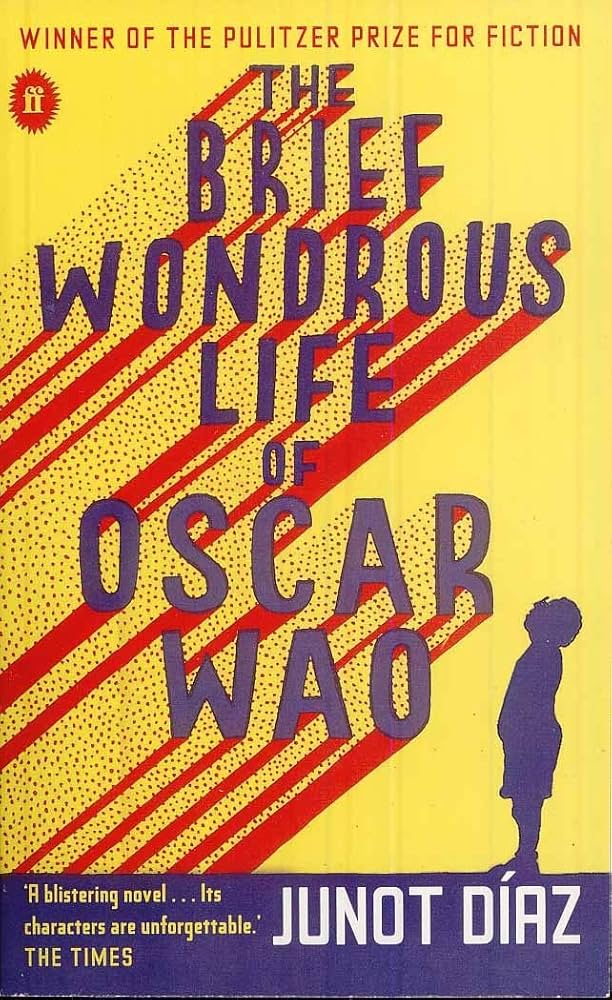
Oscar’s life is shaped by family history, bad luck, and his own nerdy passions. Díaz writes in a way that feels fast and conversational. The mix of humor and heaviness makes it stick.
17. Brokeback Mountain – Annie Proulx
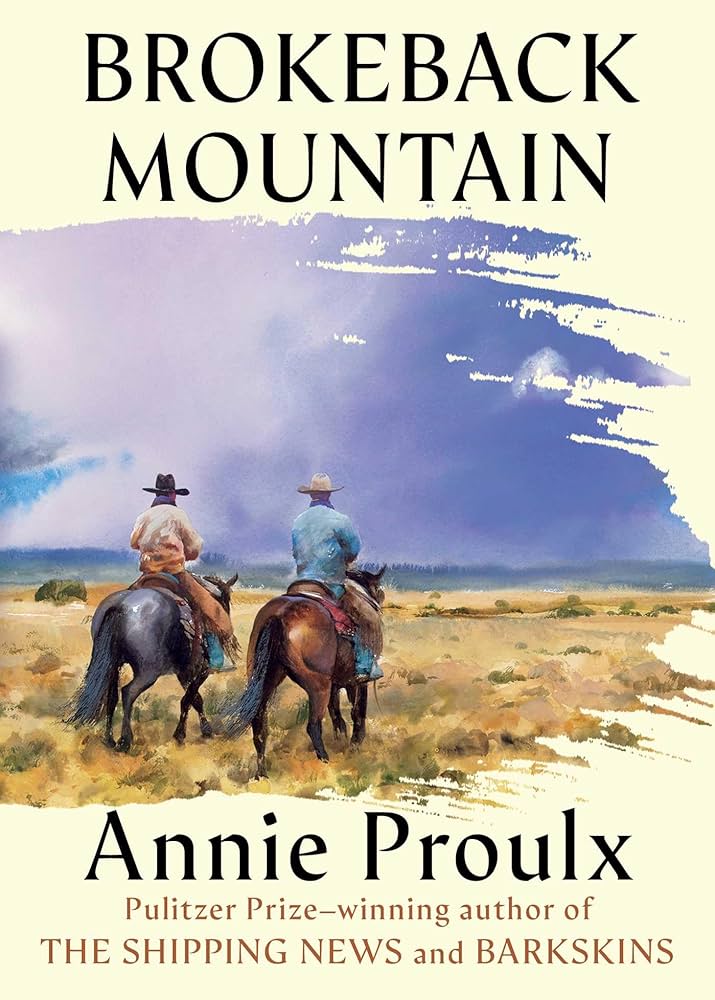
Two men fall into a relationship they can’t openly have, and it follows them for years. The writing is simple and cuts straight to the point.
18. The Brothers Karamazov – Fyodor Dostoyevsky
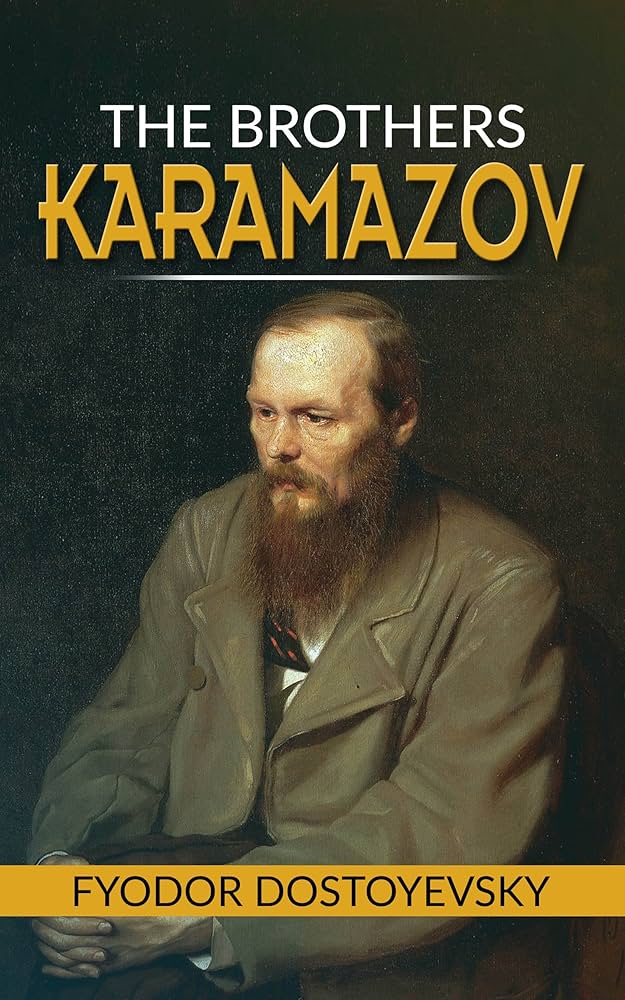
A family crisis sets off questions about faith, responsibility, and guilt. Dostoyevsky doesn’t rush anything, but everything matters. It’s heavy, but never boring.
19. Bury My Heart at Wounded Knee – Dee Brown
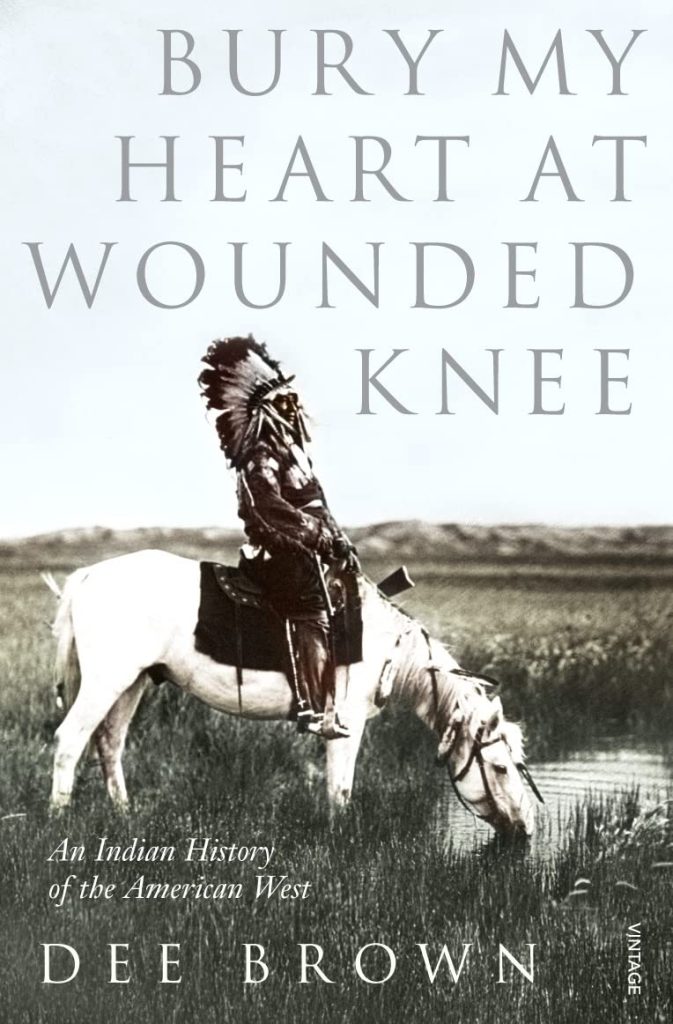
Brown lays out what happened to Native American nations during U.S. expansion. He sticks to the facts and lets them speak for themselves. The result is straightforward and hard to forget.
20. Crime and Punishment – Fyodor Dostoyevsky
Dostoyevsky drops you straight into the mind of a man wrestling with guilt and justification after a murder. The psychological detail is intense without being overly complicated. It’s one of those books that sticks with you because it asks questions most novels avoid.
21. Candide – Voltaire
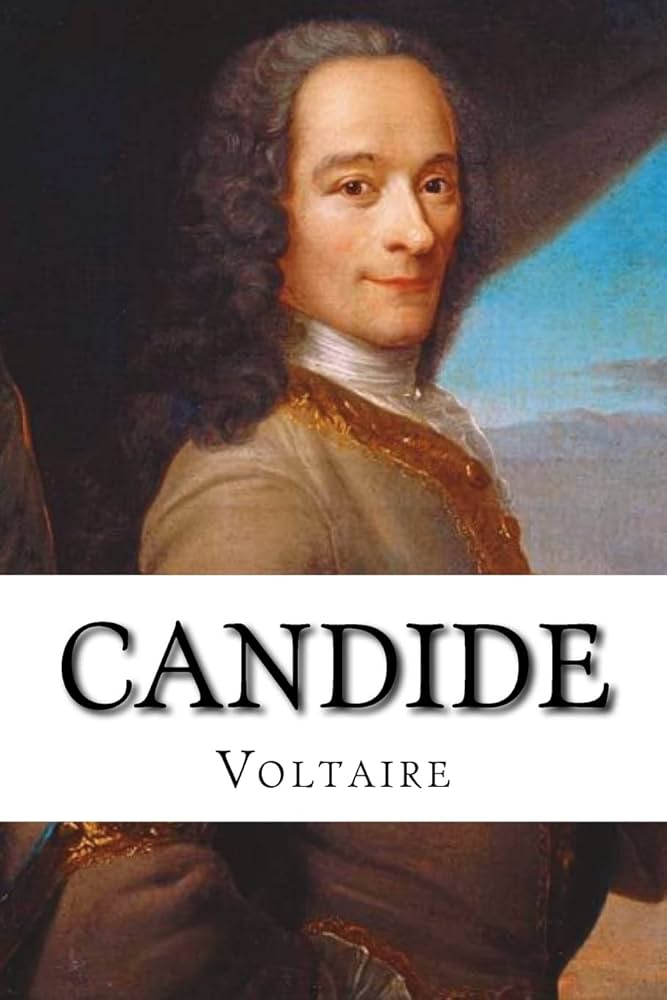
Candide goes through one disaster after another, and Voltaire uses each one to make a point. The humor is quick and dry. It’s an easy classic to get through.
22. The Canterbury Tales – Geoffrey Chaucer
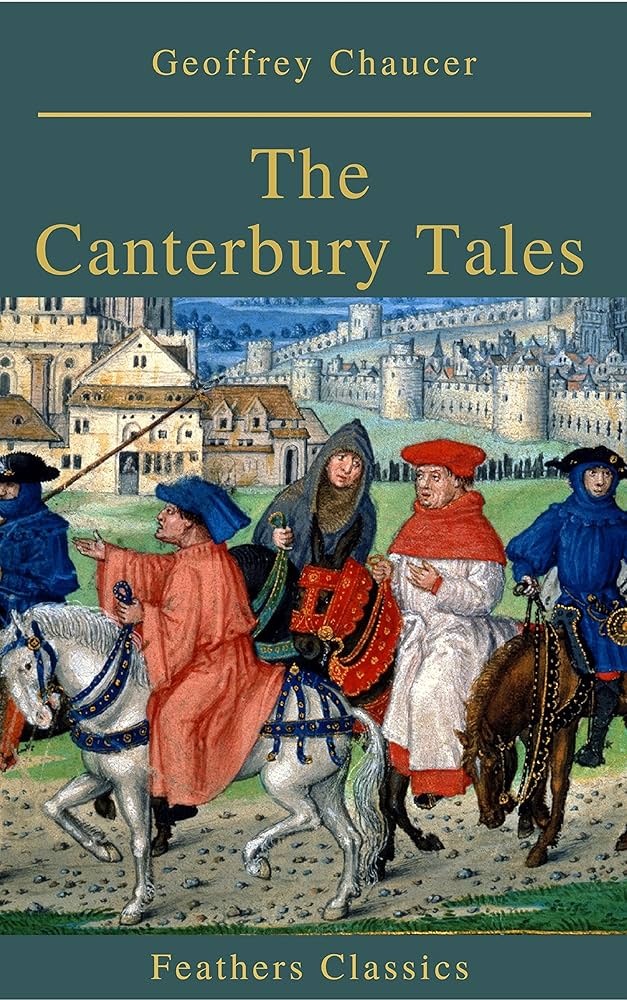
A group of travelers tell stories to pass the time, each with their own personality. Even with the old language, the humor and drama are clear. It’s basically an early version of a short-story collection.
23. Cloud Atlas – David Mitchell
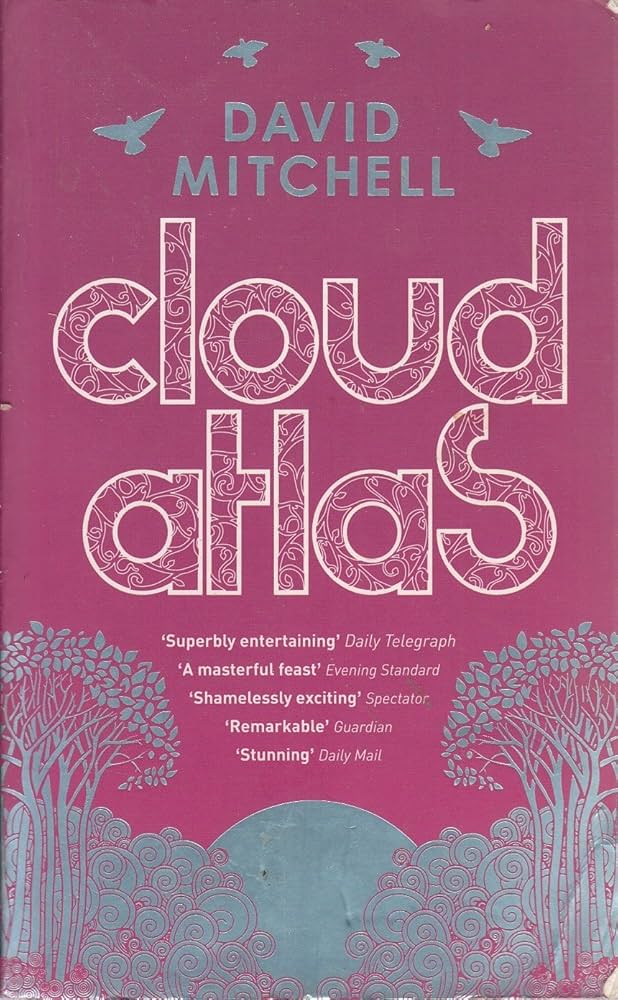
Mitchell connects multiple timelines and genres in a structure that takes focus to track. The book jumps decades, voices, and styles, but it all ties together in a surprisingly grounded way. It rewards anyone patient enough to follow the full arc.
24. The Crying of Lot 49 – Thomas Pynchon

Pynchon’s novella throws you into a mystery that may or may not be real, depending on how you read it. The clues build fast, but the answers never come easy. It’s short, dense, and a perfect test of how well you handle layered, ambiguous fiction.
25. The Devil in the White City – Erik Larson
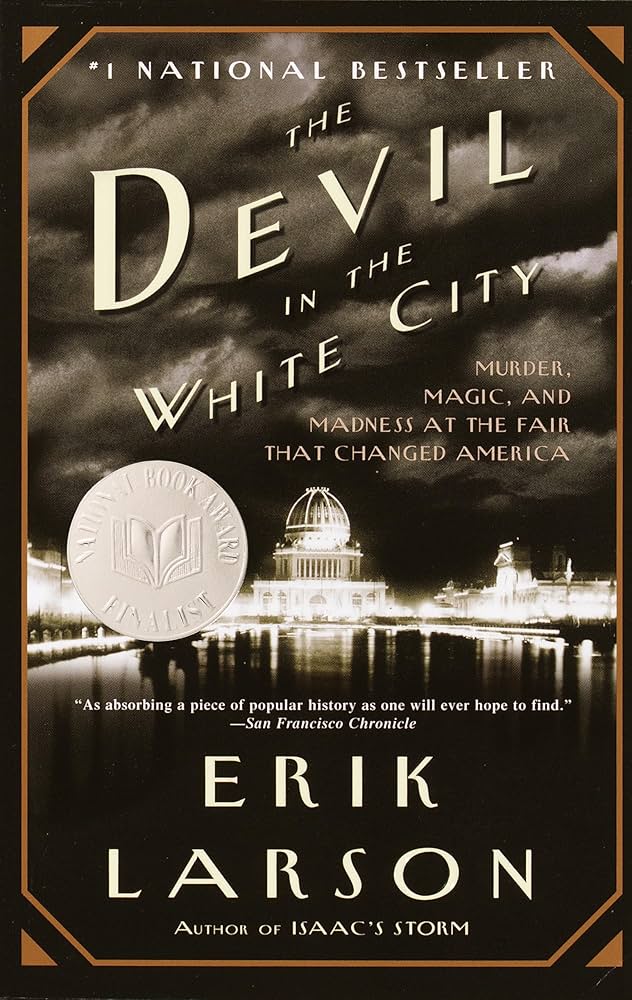
Larson blends true crime and architectural history into a narrative that reads like fiction but sticks to the facts. The back-and-forth between the world’s fair and a killer hiding in plain sight keeps you fully locked in. It’s smart nonfiction that rewards close attention.
26. Catch-22 – Joseph Heller
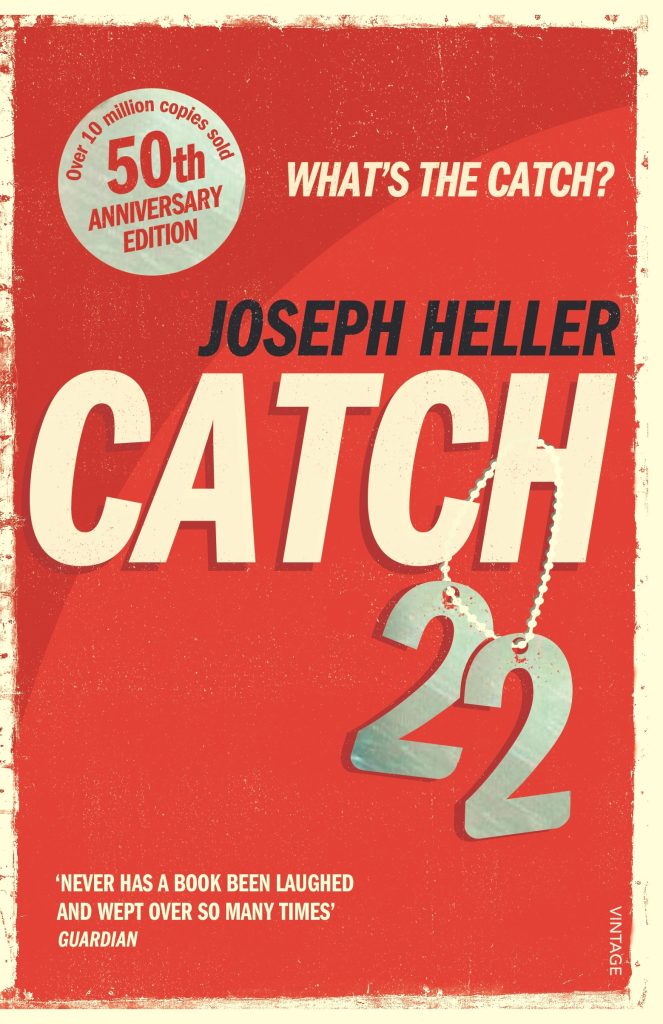
The book circles around the absurdity of war and bureaucracy. The structure is confusing on purpose, mirroring the world it describes. It’s sharp, funny, and uncomfortable at the same time.
27. The Catcher in the Rye – J.D. Salinger
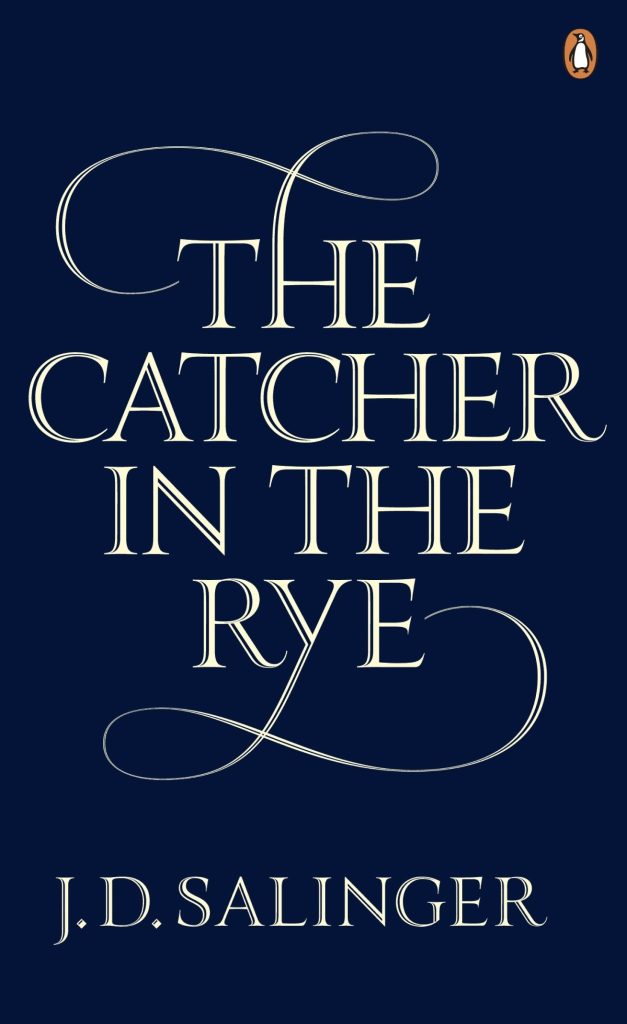
Holden narrates with blunt honesty and plenty of attitude. He’s irritated by almost everything, but that’s part of the appeal. The voice drives the whole book.
28. Cat’s Cradle – Kurt Vonnegut
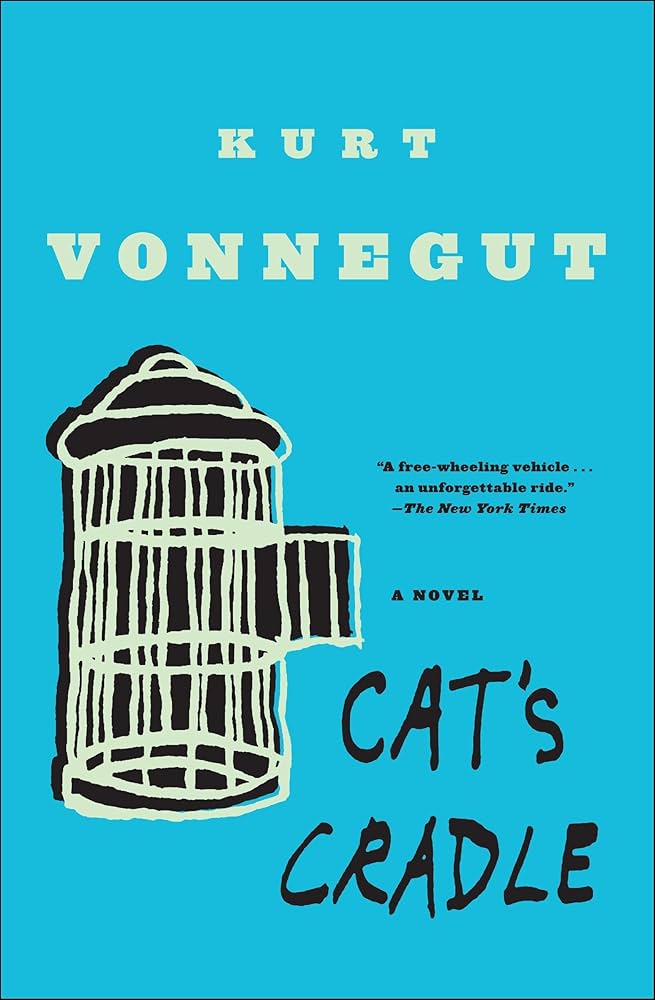
Vonnegut mixes science, religion, and the end of the world into one tight story. The chapters are short and punchy. It’s clever without overcomplicating things.
29. The Corrections – Jonathan Franzen
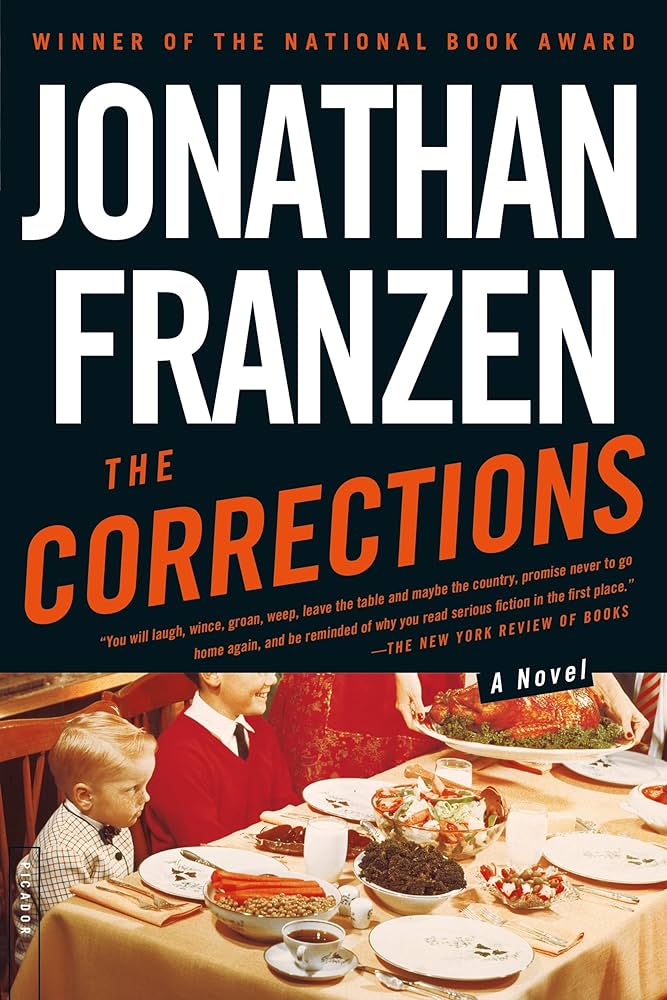
Franzen dissects a dysfunctional Midwestern family with detail that feels uncomfortably real. Each character gets their own spotlight, and none of them come out clean. It’s the kind of novel that asks you to pay attention to small shifts in people.
30. The Diary of Anne Frank – Anne Frank
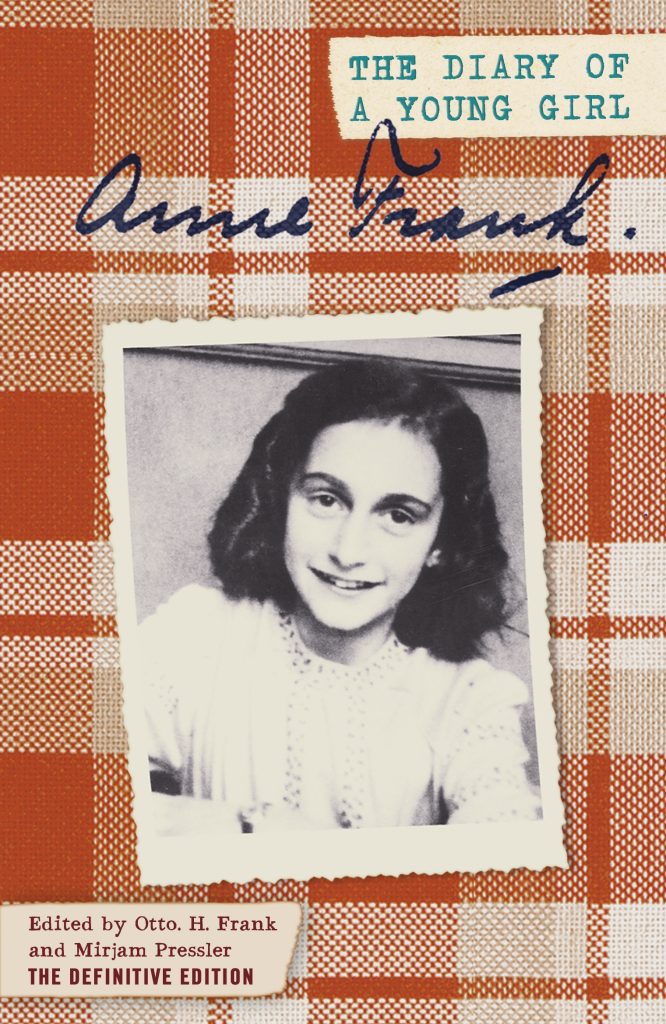
Anne’s writing is clear, observant, and far wiser than her age suggests. The diary captures both the daily reality of hiding and the emotional pressure of living through war. It’s one of those books that stays with you because every word carries weight.