Few blockbuster films have been rewatched, reissued, and re-debated like the original “Star Wars” trilogy. Over the years, newer releases introduced digital cleanups and CGI additions that subtly, and sometimes not so subtly, changed what audiences saw in theaters. Some updates were meant to improve continuity or polish effects, while others reshaped the vibe of entire scenes. Here are some standout moments and tweaks that help explain what “Star Wars” looked and felt like before CGI enhancements took over.
Jabba’s Palace Alien Additions
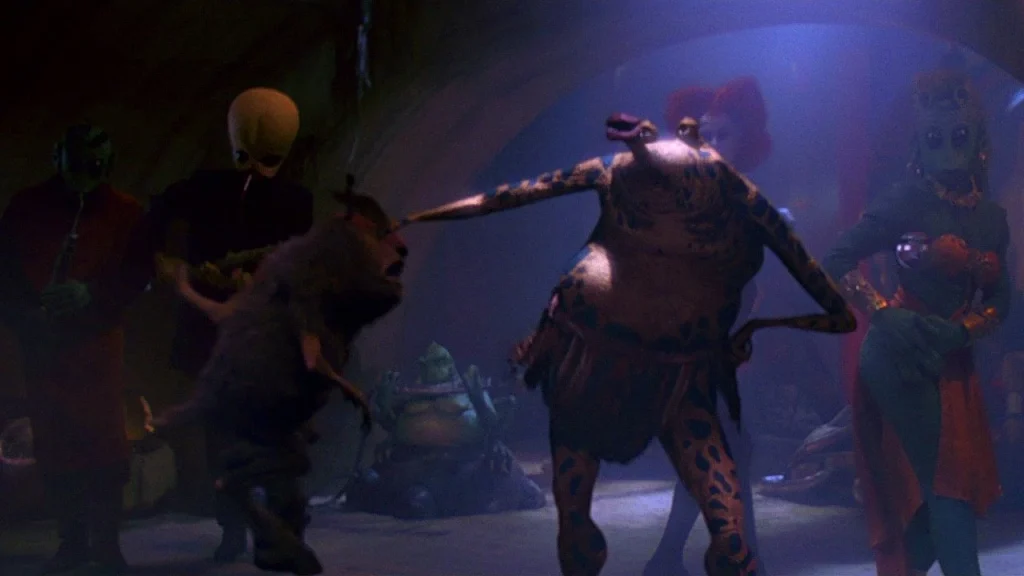
Several shots in Jabba’s palace were embellished with extra creatures and visual details. In the theatrical cut, the scene relies more on puppetry and the original staging. Later versions add motion and density to the frame.
Sarlacc Beak Addition
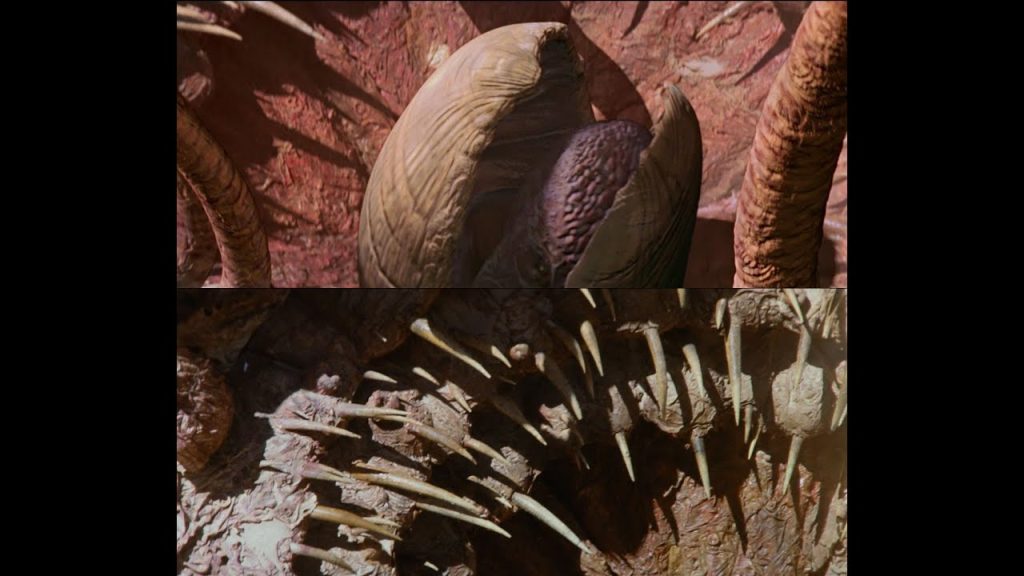
In “Return of the Jedi,” the Sarlacc gained a beak and additional movement in later editions. The theatrical creature is more minimal, which some viewers find creepier because it is less literal. The change is often cited as a signature 1990s CGI flourish.
New Exterior Shots of Cloud City
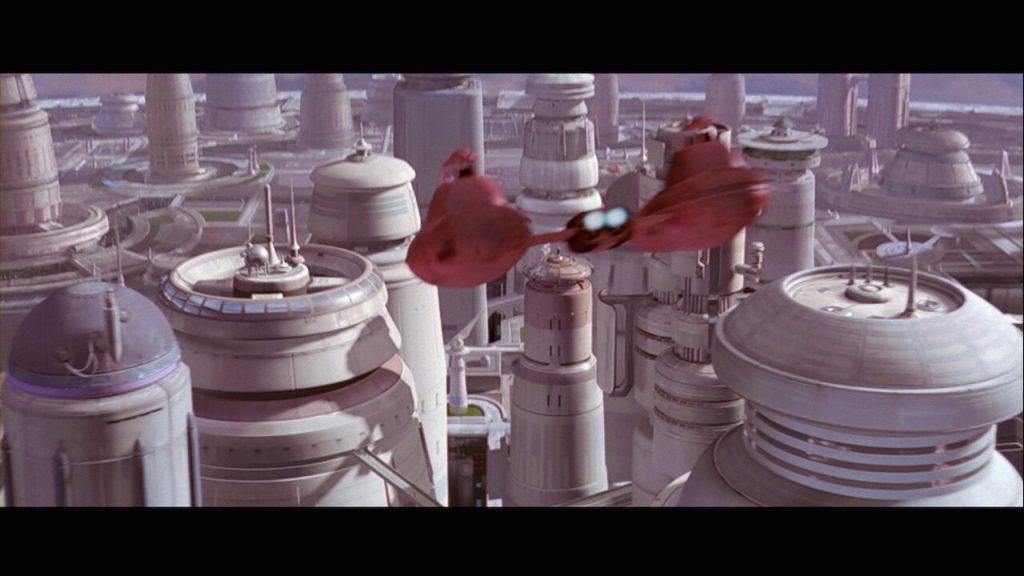
In “The Empire Strikes Back,” expanded vistas of Cloud City were added in later releases. The theatrical version leans more on interior sets and a limited number of establishing shots. The additions make the location feel larger and more populated.
Anakin’s Force Ghost Swap
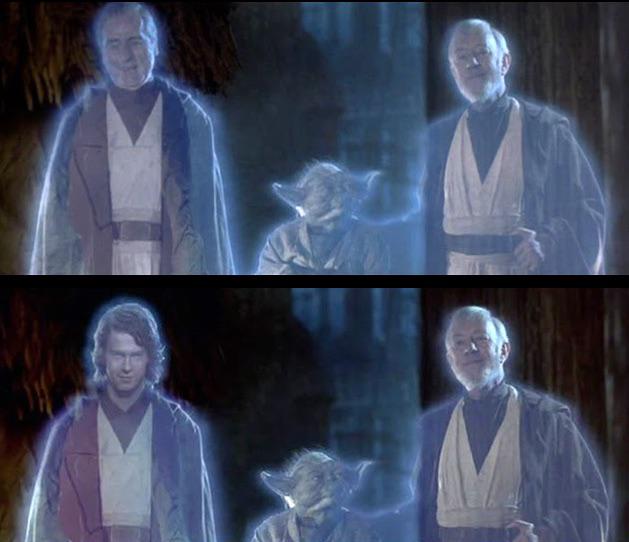
The identity and appearance of Anakin’s Force ghost has been changed in later releases. The theatrical version reflects the casting and story context of the original trilogy era. The change is commonly understood as a bridge to the prequel timeline.
Obi-Wan’s Krayt Dragon Call
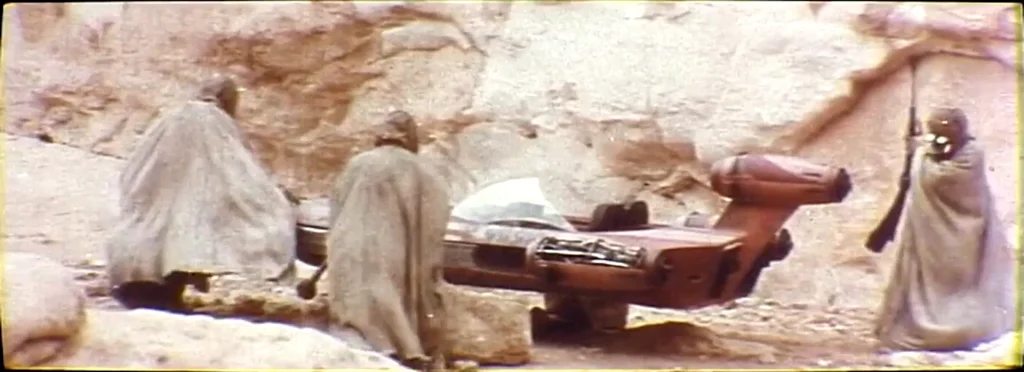
Ben Kenobi’s desert call to scare off Tusken Raiders has been altered in later versions with different audio. The original sound is distinctive and has become a point of comparison for long-time fans. It is a reminder that changes were not limited to visuals.
Wampa Reveal Expansion
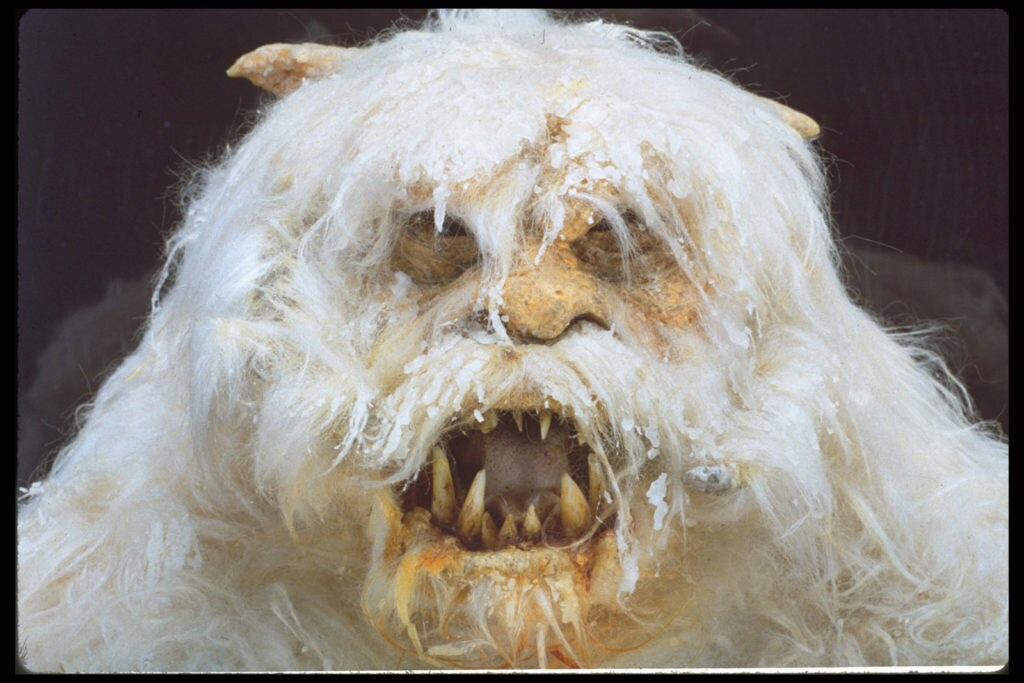
Later versions add clearer views of the wampa, including fuller-body glimpses. The theatrical cut keeps the creature more obscured, which can increase suspense and hide the suit work. It is a classic trade-off between mystery and clarity.
Enhanced Backgrounds in Bespin Hallways
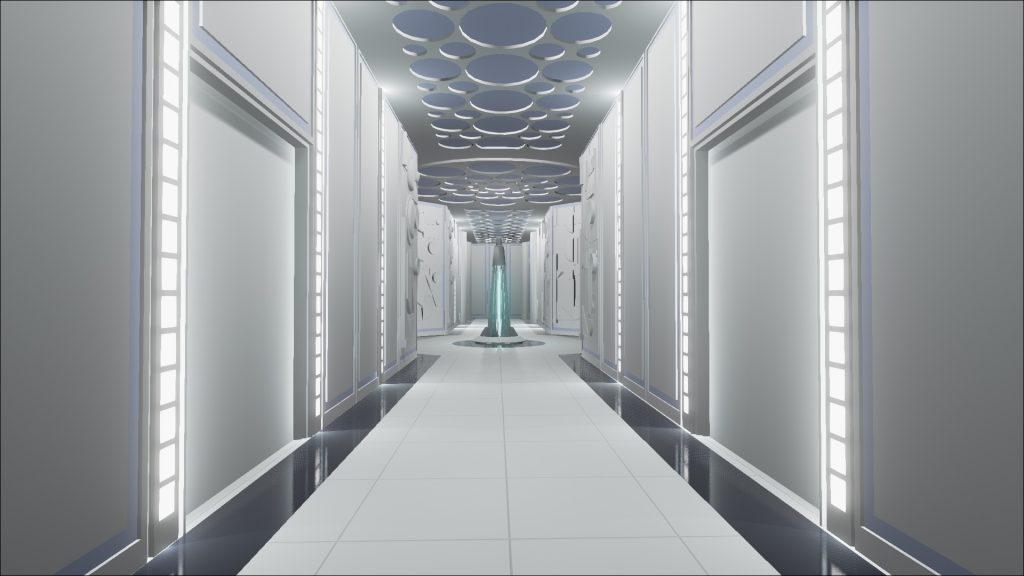
Certain Bespin shots have been adjusted with added windows or expanded backgrounds. The theatrical version often plays like a sleek stage set, which is not necessarily a flaw. The revisions push it toward a broader sense of scale.
Death Star Trench Run Visual Polish
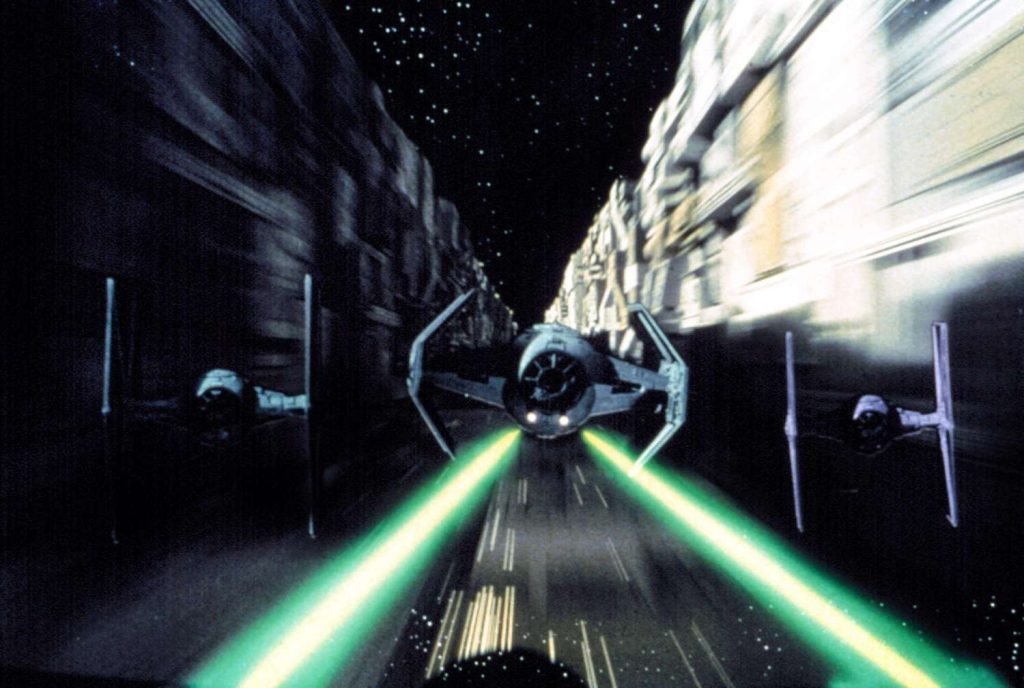
The trench run has seen refinements, including small fixes to explosions and compositing. The theatrical cut has a rougher intensity that comes from older optical techniques. Later versions can look cleaner, but also slightly less tactile.
Revised Subtitles and Alien Dialogue
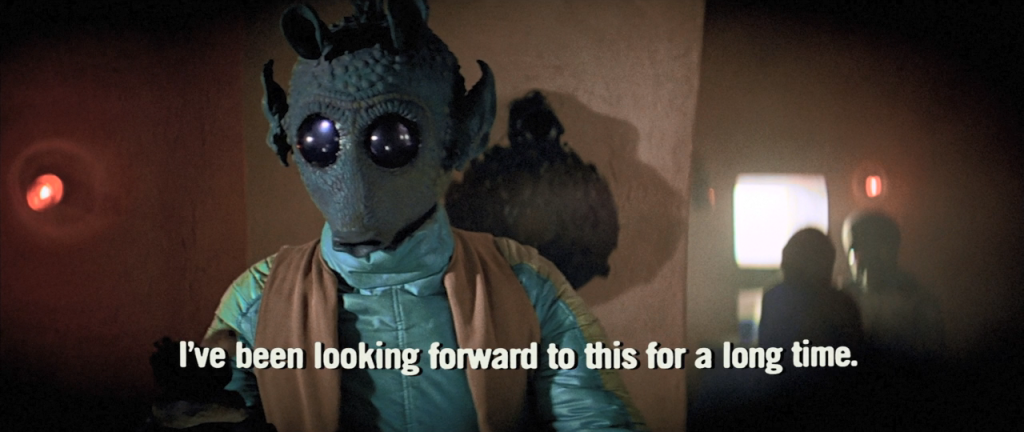
Some alien dialogue and subtitle timing has been revised, changing small beats in scenes. The theatrical version locks those moments to the original cut and performances. These are minor edits that still affect rhythm.
Emperor Scene Reworked
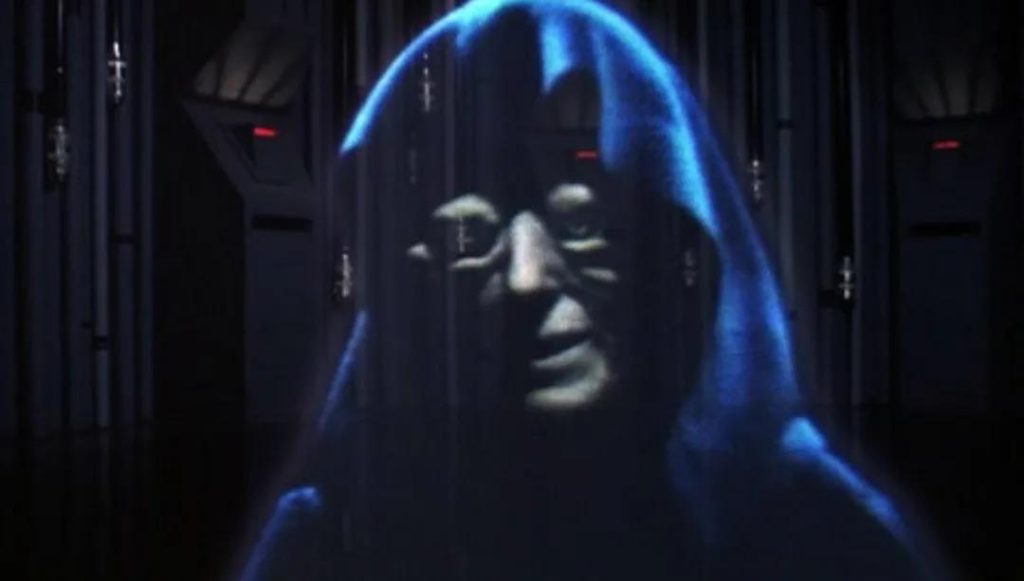
The scene with the Emperor in “The Empire Strikes Back” has been revised in later releases, including changes to the visual presentation and dialogue delivery. The original version has a different feel, partly because of how it was produced at the time. This is one of the more noticeable continuity-driven updates.
Ewok Celebration and Ending Montage
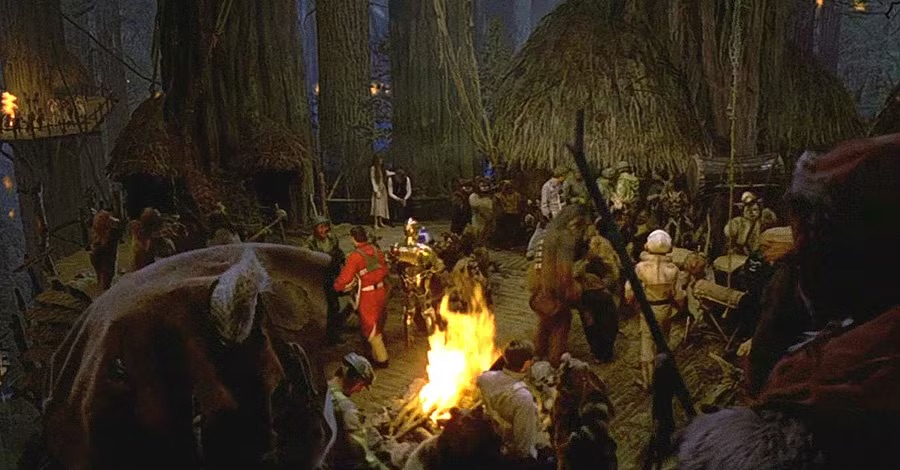
The ending celebration in “Return of the Jedi” has been expanded with additional locations and a broader sense of galaxy-wide reaction. The theatrical cut keeps the ending more focused on the heroes and the immediate aftermath. The revision reframes the finale as a franchise-wide moment.
CGI Shots to Smooth Transitions
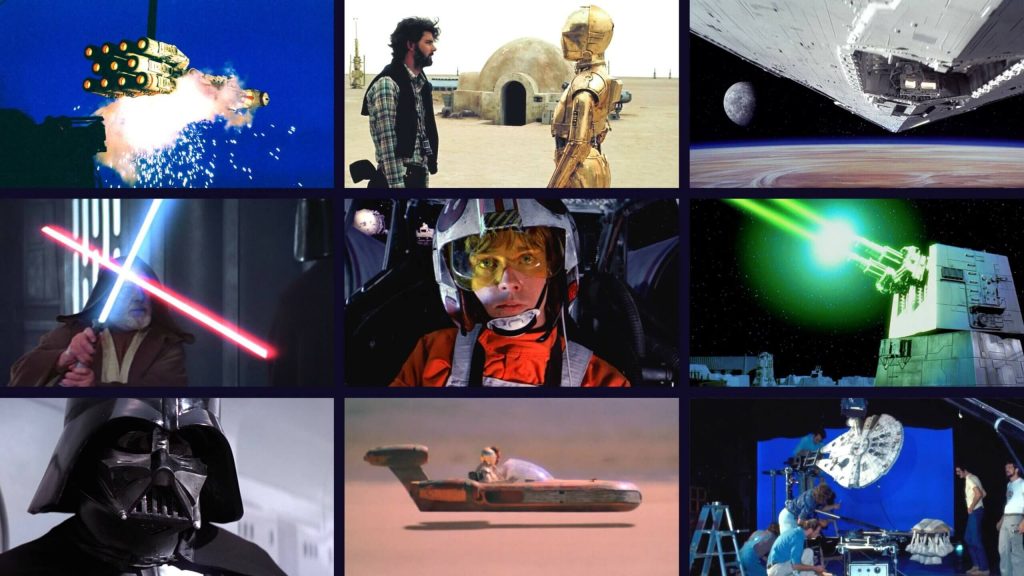
Certain edits add brief CGI inserts intended to smooth scene transitions or clarify geography. The theatrical versions often cut more directly, which can feel brisker. Viewers tend to notice these inserts when they rewatch from memory.
Dewback Outside the Cantina
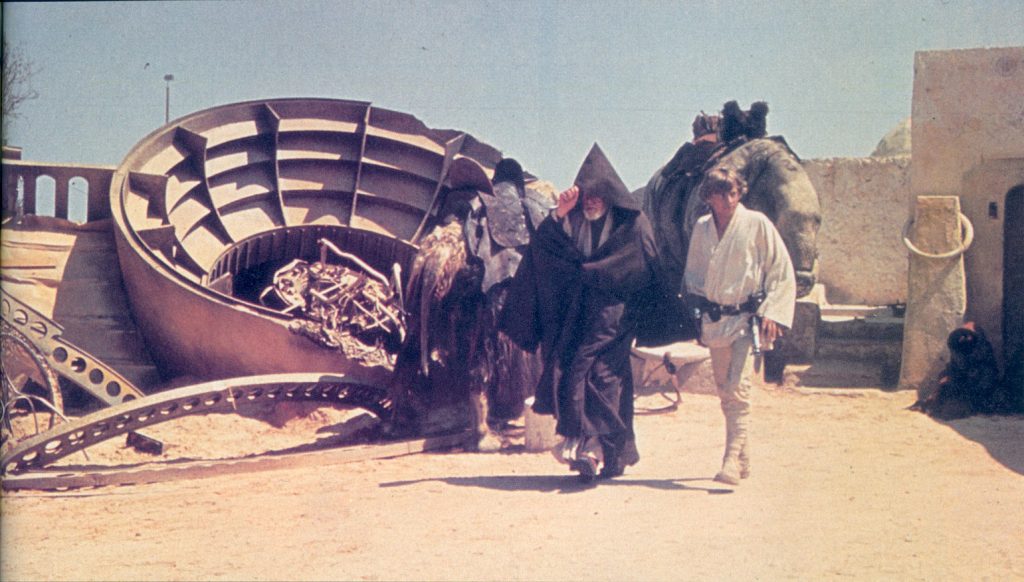
The dewback shot near the cantina entrance was expanded with a more elaborate creature and added movement in revised editions. In the theatrical version, the moment is quicker and reads like a brief, lived-in detail. The update is often discussed as a small change with a surprisingly big tonal ripple.
Boba Fett’s Voice Change
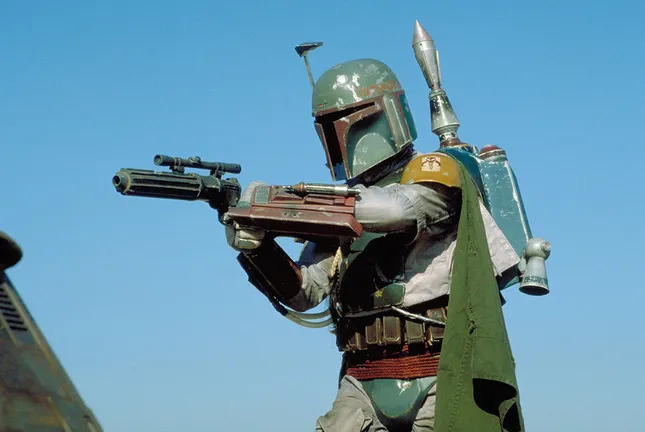
Boba Fett’s dialogue has been altered in some releases, affecting how the character sounds compared with his later depiction in the saga. The theatrical version preserves the original vocal performance. The revision was part of an effort to align the films across eras.
Stormtrooper “Bump” Sound Effect
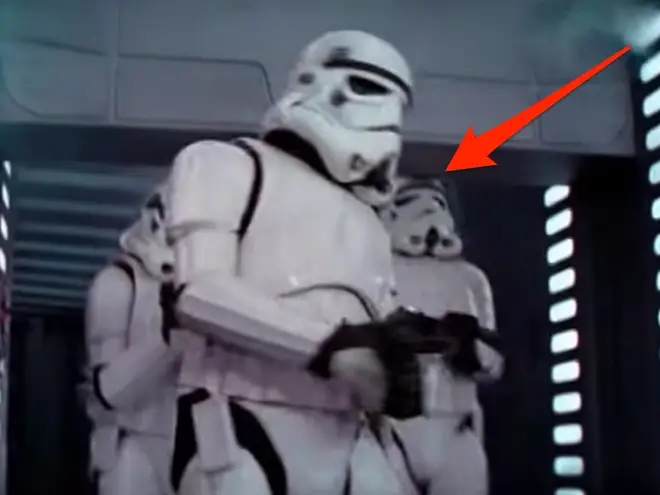
A famous gaffe where a stormtrooper hits his head on a door frame was later underlined with an added sound effect. The theatrical cut plays it as an unintentional blink-and-you-miss-it moment. The added audio turns an accident into a deliberate beat.
Jabba’s Palace Music Replacement
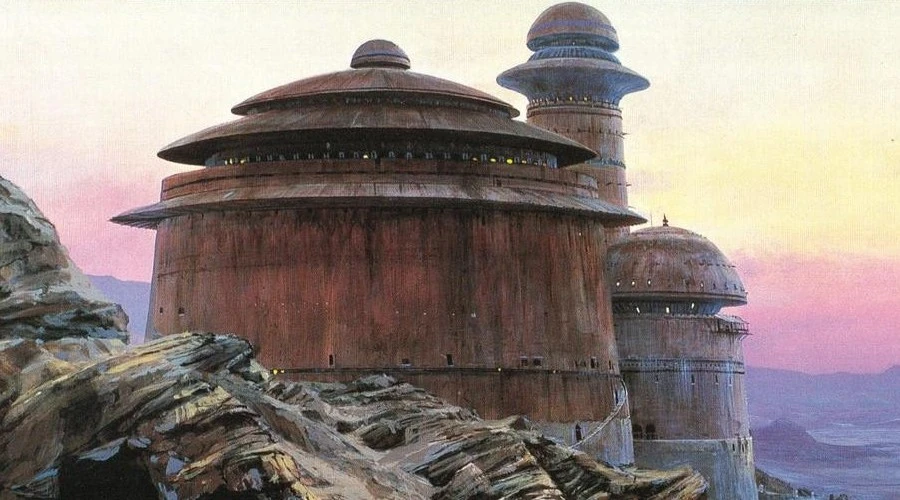
The musical number in Jabba’s palace was changed in later releases, including a new song and altered visuals. The theatrical version has a different performance that feels more rooted in its era. This is a change many people remember even if they do not track every edit.
Practical Effects Versus Digital Replacements
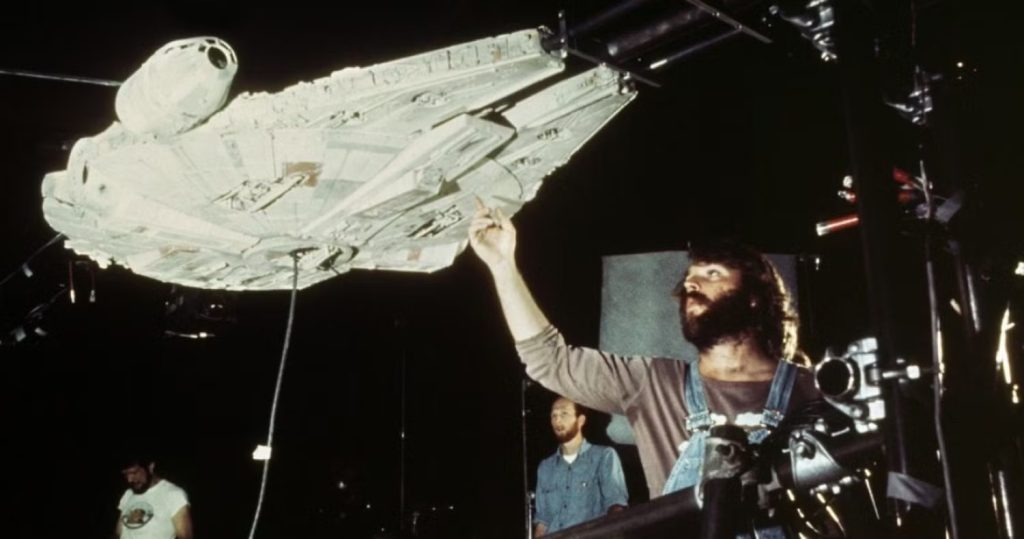
A recurring difference is how much the frame is built from practical elements versus digital layers. The original trilogy’s theatrical cuts lean heavily on models, matte paintings, and in-camera tricks. Later versions sometimes replace or augment those techniques with modern tools.
Jabba the Hutt Hangar Scene
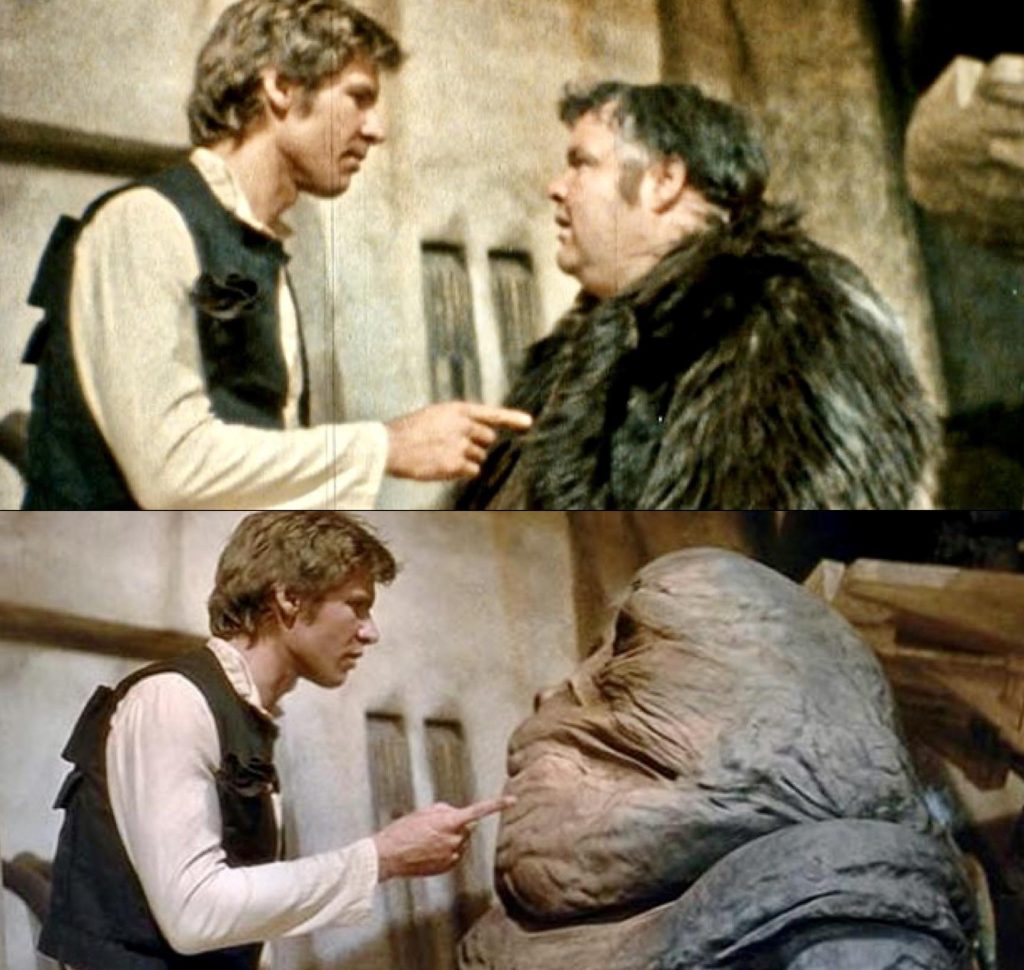
A deleted scene featuring Jabba was added into later releases of “A New Hope” using new effects. It changes the pacing around the Millennium Falcon departure and reshapes how early the story foregrounds Han’s criminal stakes. The theatrical cut keeps Jabba off-screen and lets the threat stay more mysterious.
Darth Vader’s Lightsaber and Color Tweaks
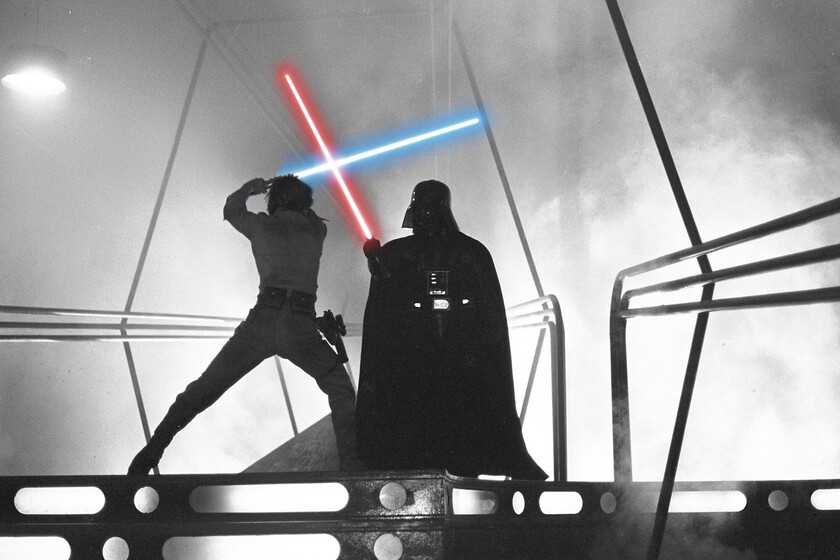
Color grading and glow effects have been adjusted over multiple home releases, sometimes changing how sabers and black costumes read on screen. The theatrical look can feel softer and more photographic, with fewer digital highlights. These tweaks are subtle, but they add up across a full viewing.
Space Battle Compositing Updates
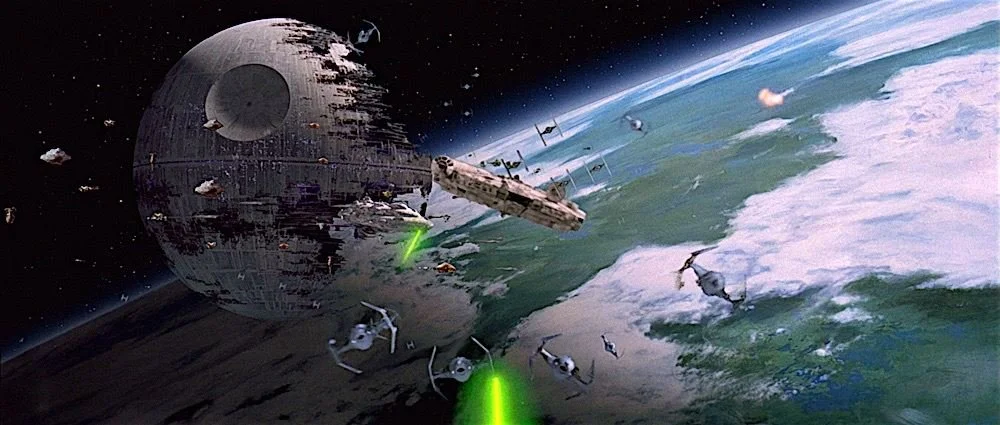
Several space shots were recomposited or cleaned up, aiming for smoother edges, steadier mattes, and more consistent star fields. The original effects are more visibly analog, with occasional matte lines and optical artifacts. For some viewers, that imperfection is part of the charm.
Color Timing and Contrast Shifts
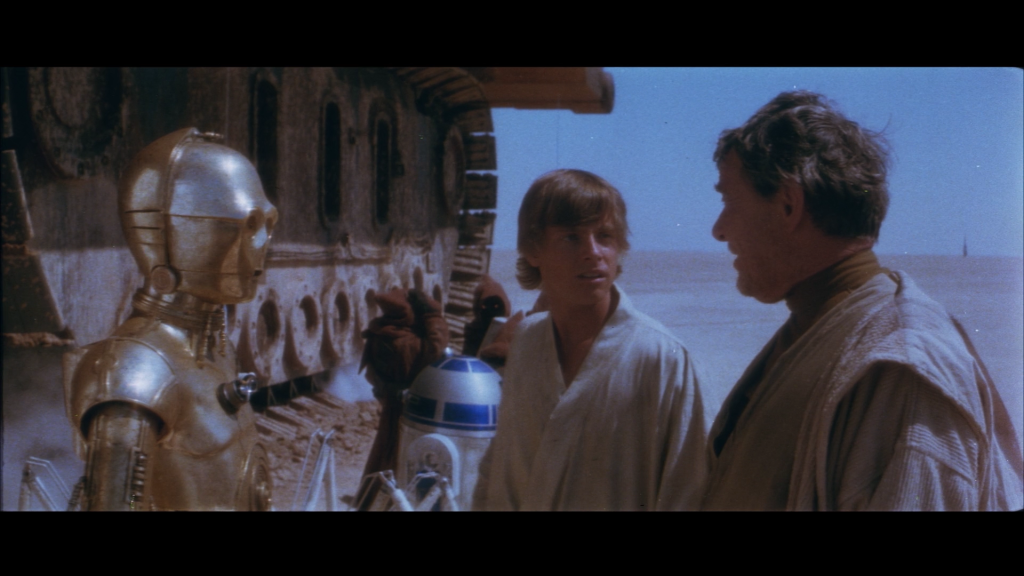
Different masters have altered contrast, saturation, and black levels across formats. The theatrical presentation varies by print, but it generally carries a more analog color response. Later transfers can make scenes feel colder, warmer, or more uniform.
CGI Droids in Mos Eisley
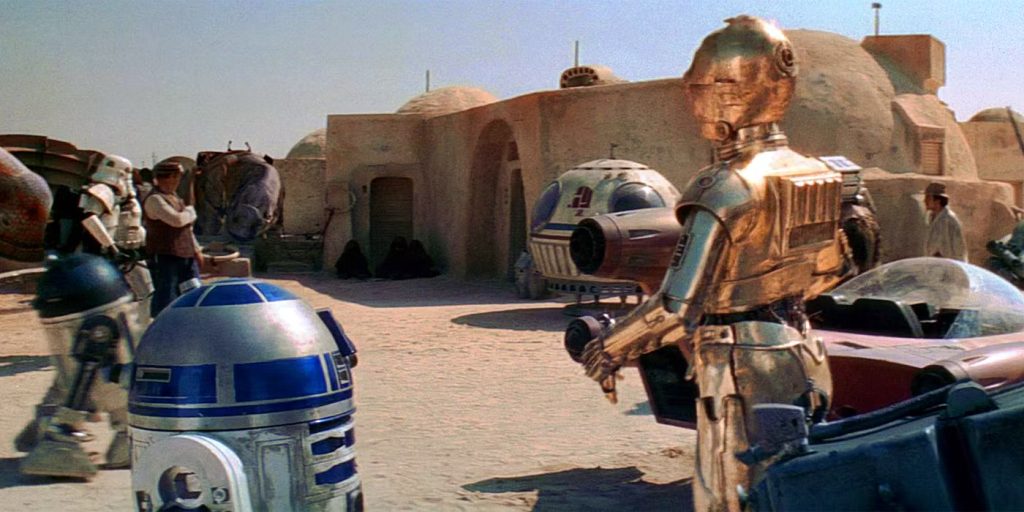
In later versions of “A New Hope,” Mos Eisley gained additional background business, including digital droids and passersby. The original cut keeps the street calmer and more practical, which makes the setting feel harsher and less theme-park-like. Fans often cite this as one of the clearest examples of technology changing the movie’s texture.
Cantina Aliens and Cleanups
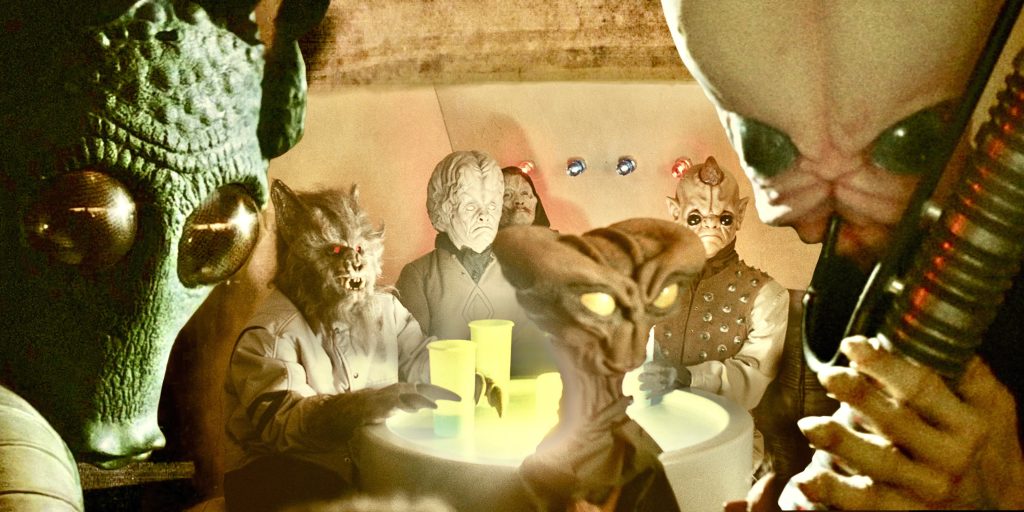
Some cantina shots have been subtly revised over time with compositing fixes and visual polish. The original versions show more of the practical limitations and film grain that defined late-1970s effects work. Those differences can make the scene feel either grittier or rougher, depending on your taste.
Victory Music Changed
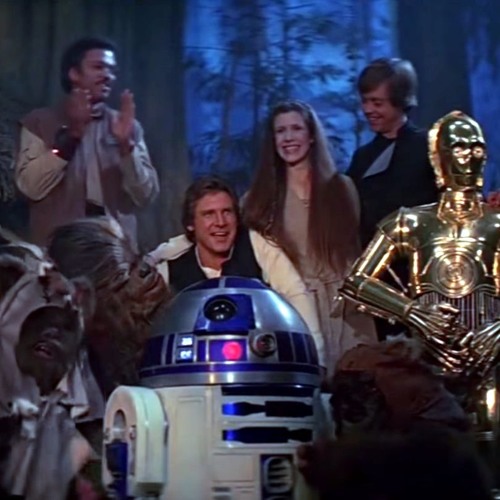
The closing music for “Return of the Jedi” differs between versions, affecting the tone of the final minutes. The theatrical ending has a distinct musical identity that some fans strongly prefer. The later piece aims for a different emotional arc.
Darth Vader’s Altered Dialogue Beats
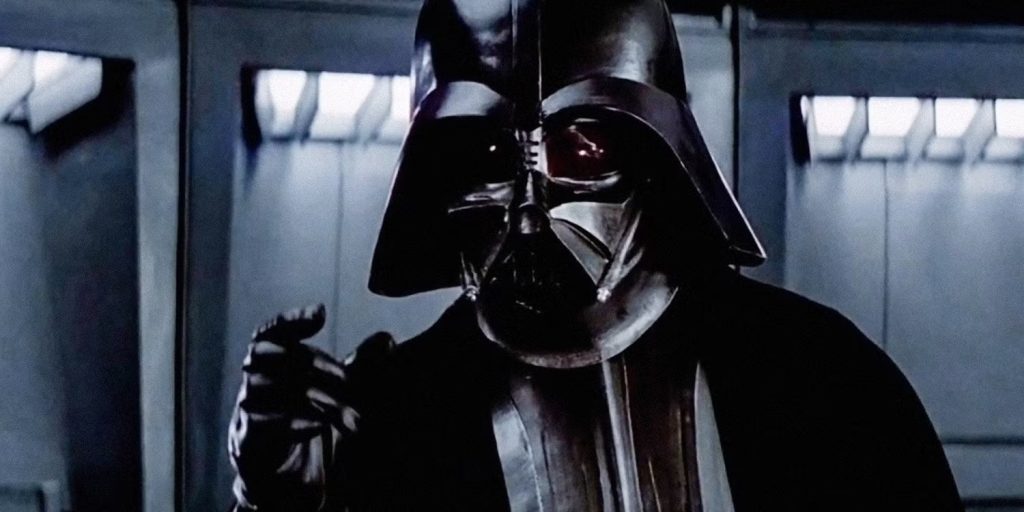
Across releases, some dialogue and mix choices for Darth Vader have been subtly adjusted, especially in moments that hinge on pacing and threat. The theatrical versions often feel a touch drier and less massaged, with pauses that land differently. These are small changes on paper, but they can shift how a scene breathes when you know it by heart.
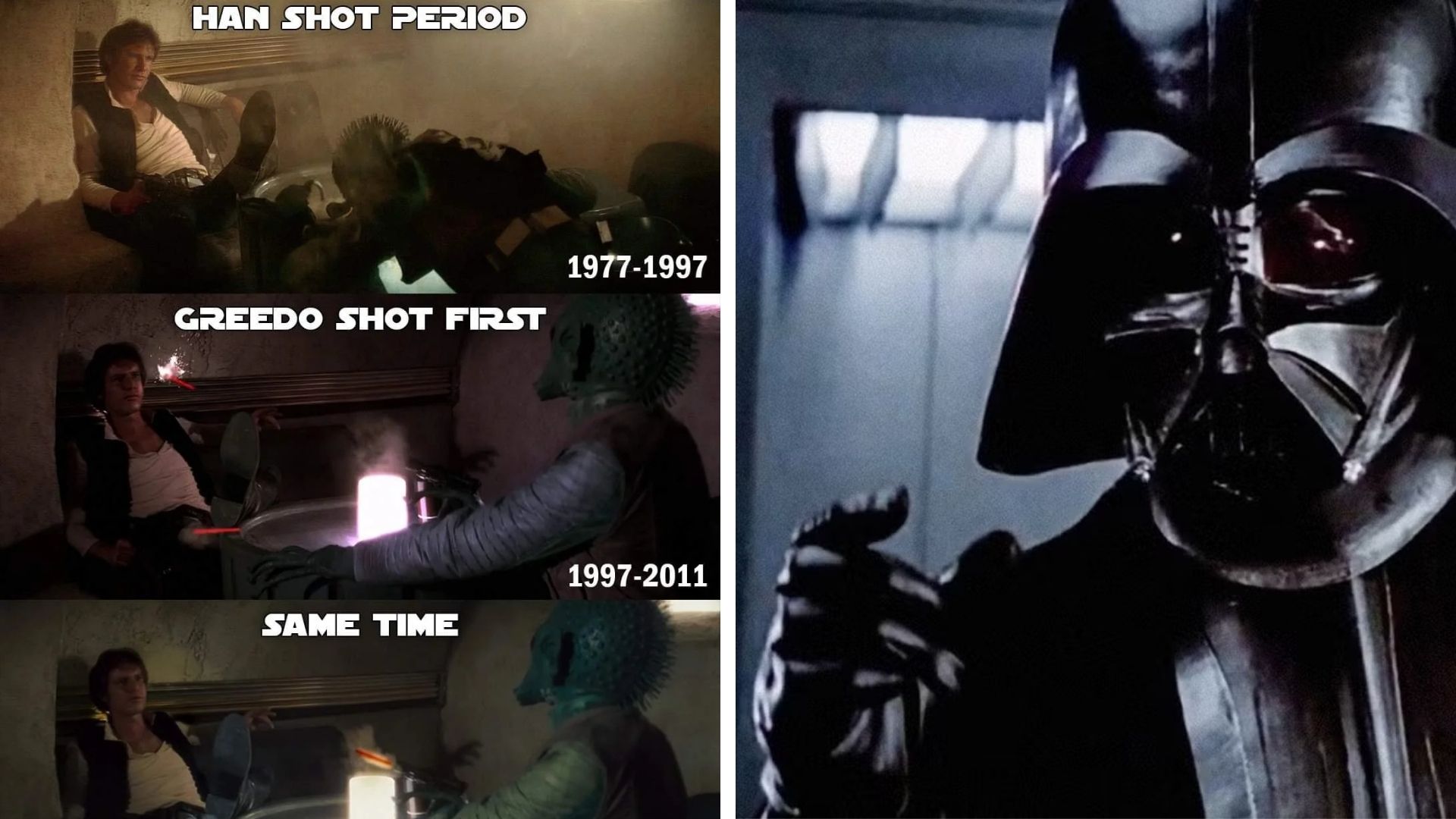
Han Shot First Debate
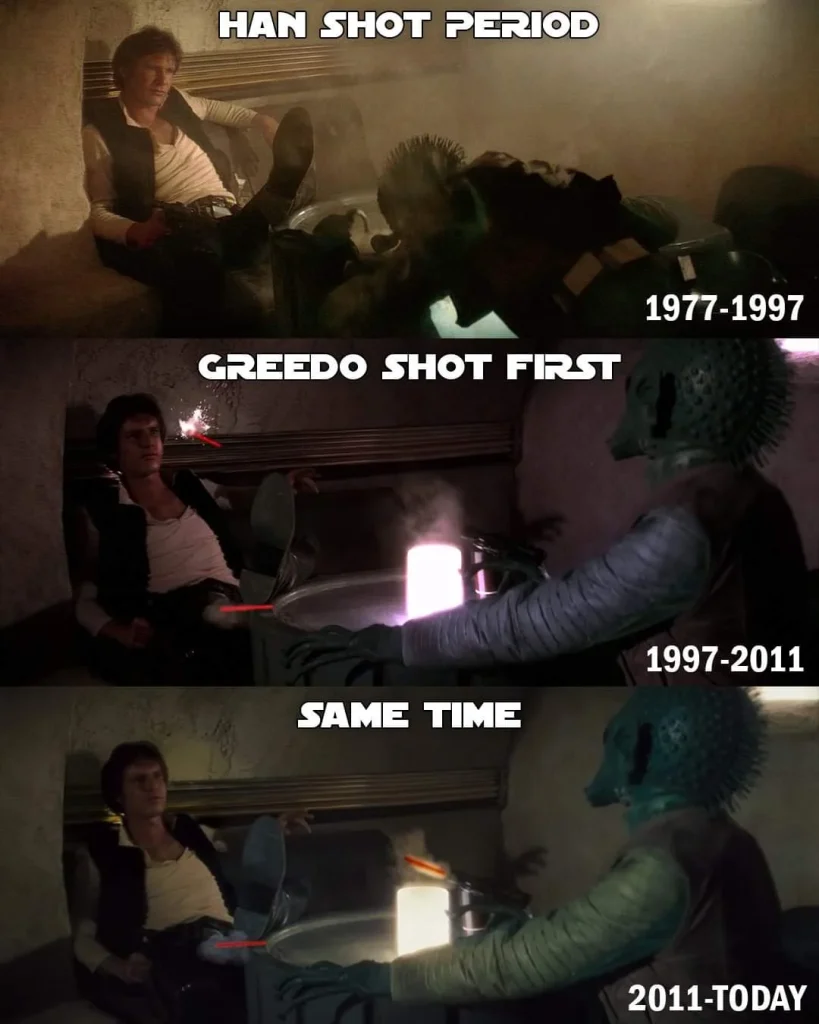
Few changes have generated as much sustained discussion as the cantina showdown, because it touches character motivation as much as continuity. The theatrical version delivers a blunt, morally gray beat that defines Han in an instant. Later revisions reshape that moment, which is why it still gets argued decades later.