Set in early-to-mid 1990s East Texas, the show mixes genuine period accuracy with a few nostalgic shortcuts. It captures much of the decade’s tech, pop culture, and family life, though not always perfectly. And whenever it slips, dedicated fans are the first to call it out.
Getting The Timeline Basics Mostly Right
The show frames Season 1 in 1989 and moves through the early 1990s, which aligns with Sheldon’s age and school milestones. Breakdowns from reliable coverage map seasons to specific years, keeping the core timeline coherent even when individual props wobble.
The 90s Dial-Up Reality

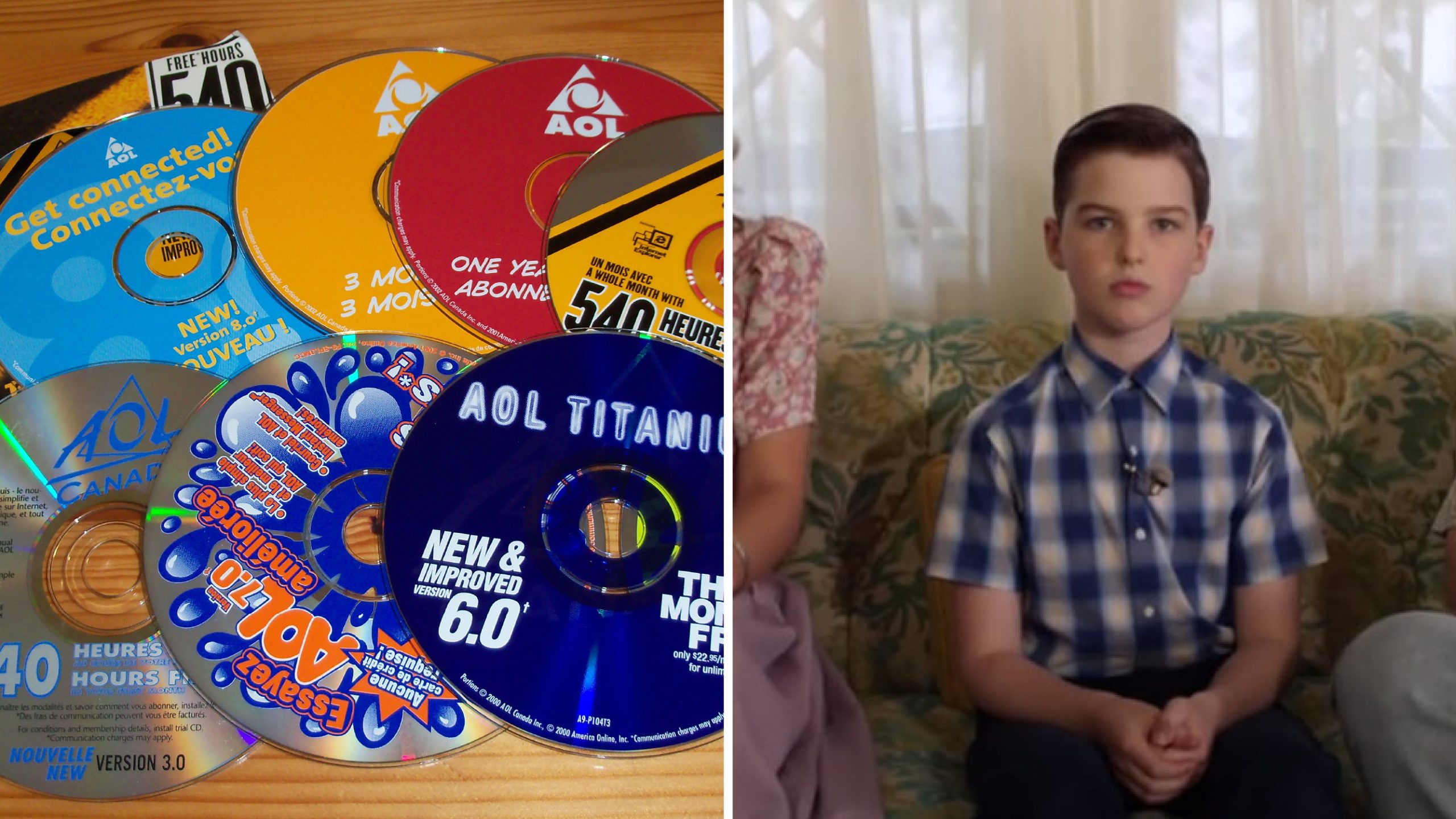
Households easing into dial-up Internet and email fit the era’s slow adoption curve. AOL’s mass-mail CDs and trial disks exploded starting in the mid-1990s, which tracks with families discovering the web at home.
Landlines, Answering Machines, And Pagers
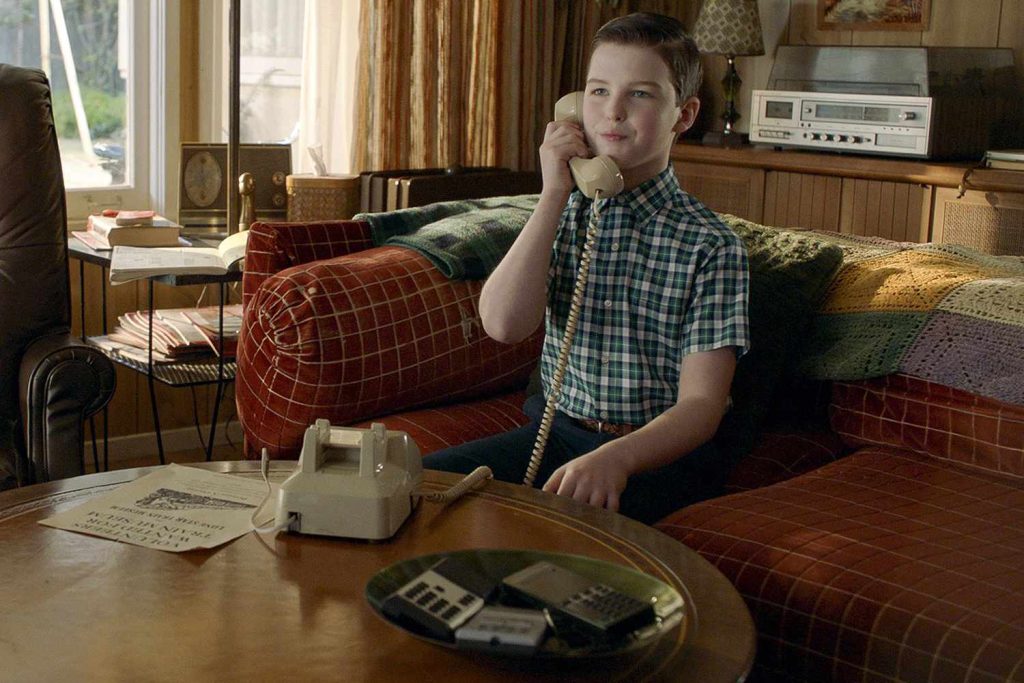
Frequent landline use, wall phones, and answering machines match everyday communication. Pagers and beepers popping up among adults also feel accurate for the period before cell phones went mainstream.
SNES, Genesis, And Cartridge Culture
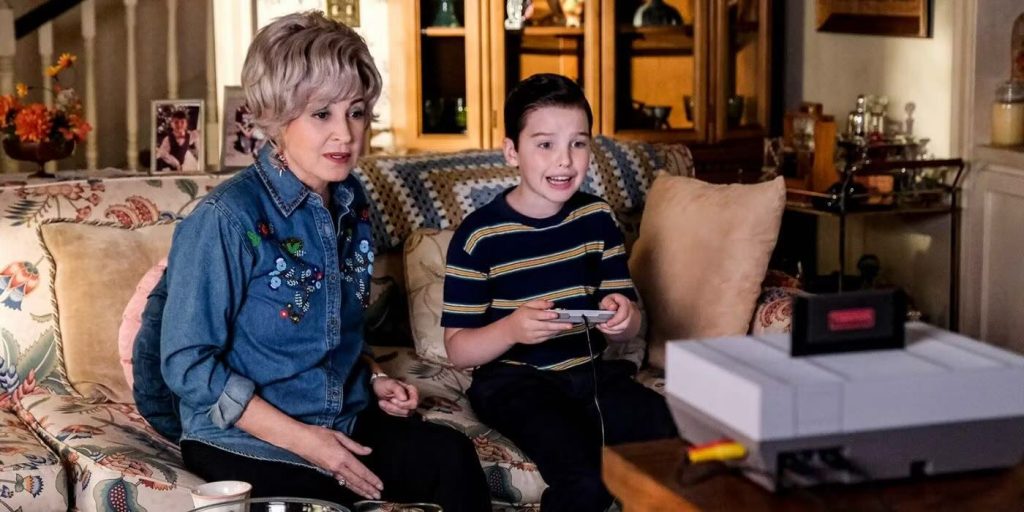
The boom of 16-bit consoles and game cartridges was peak 90s kid life. Sharing controllers, renting games, and weekend marathons reflect how families engaged with the era’s living-room tech.
VHS Rentals And The Blockbuster Era
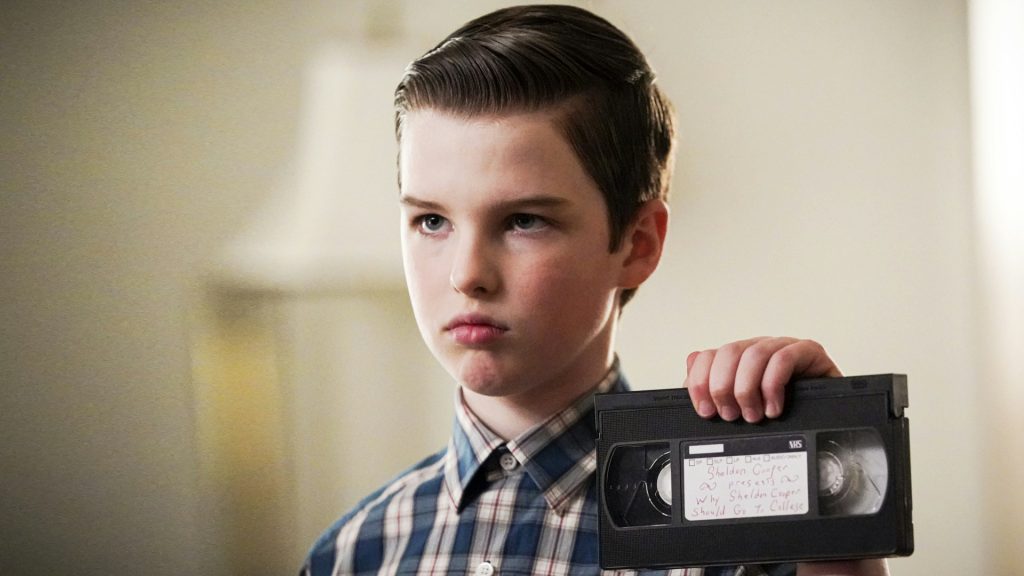
Video rental routines, rewinding tapes, and planning a movie night fit the cultural norm. Tape formats and weekend rentals were still dominant before DVD took off near the decade’s end.
Church Life In Small-Town Texas
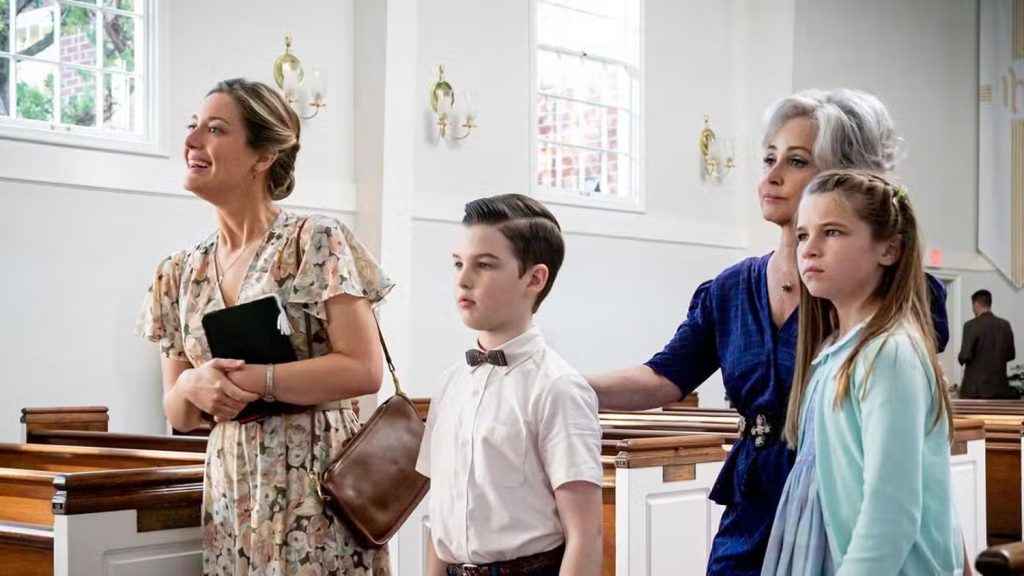
Regular church attendance and activities as a social hub match many communities in the region. Potlucks, choirs, and youth groups are depicted with a familiarity that feels observed.
School Dress Codes
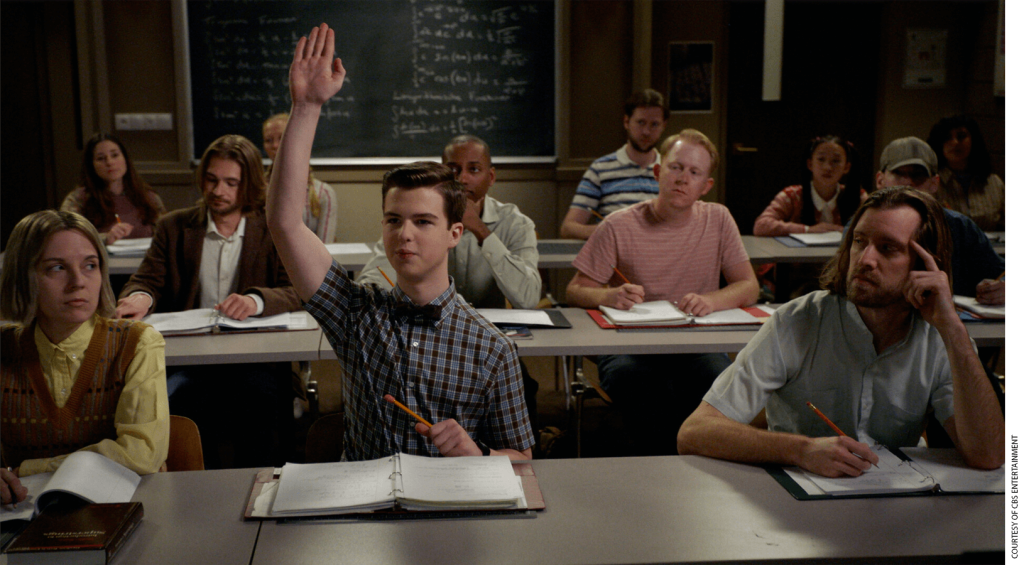
Blackboards, overhead projectors, and stricter dress codes mirror typical classrooms of the period. The look and feel of the school day reads largely authentic.
Groceries, Coupons, And Big-Box Trips
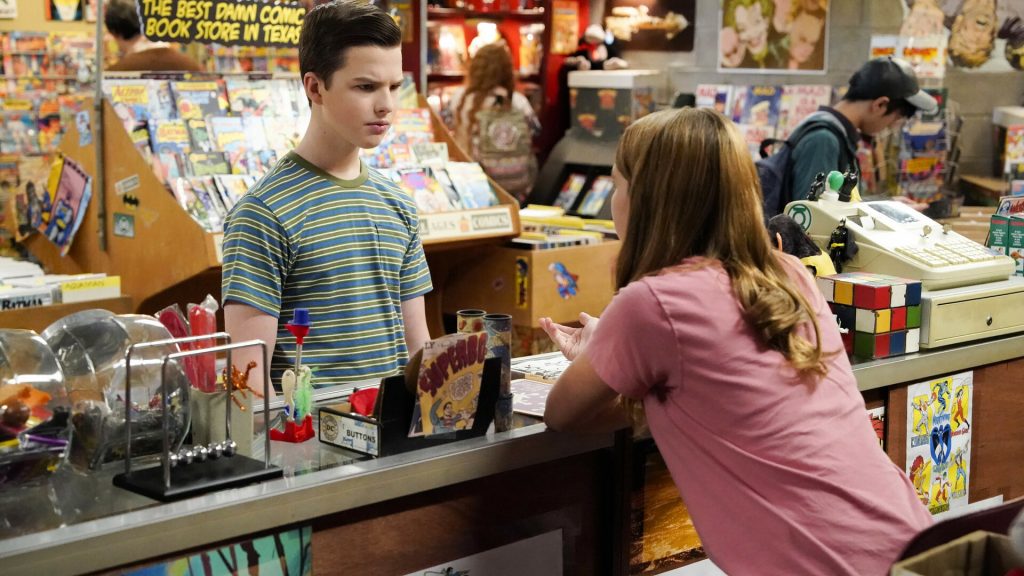
Clipping coupons, price-watching, and family supermarket runs track with the pre-apps economy. The brand packaging and store aisles often look era-appropriate.
Fashion: Plaid, Denim, And Practical Hair

Everyday wardrobes shift toward off-trend, durable basics that families really wore. It avoids making every extra look like a 90s runway, which helps sell the setting.
Home Computers Before They Were Cool
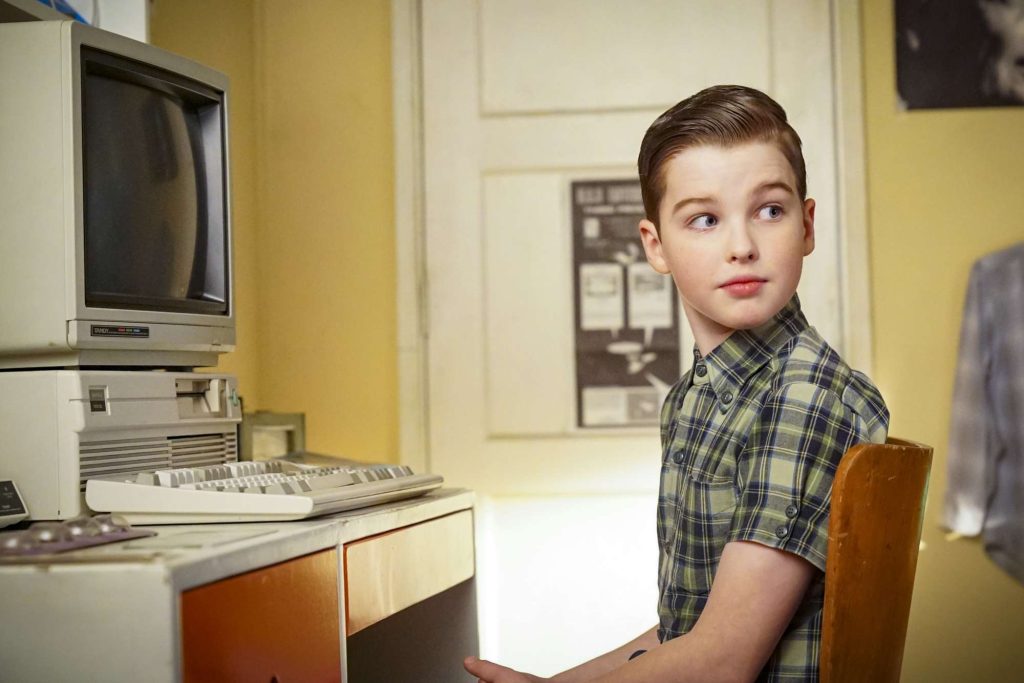
Desktop towers, CRT monitors, and dot-matrix or early inkjet printers fit the period. The hum and clutter of early home computing is depicted convincingly.
A 70s House In A 90s Show
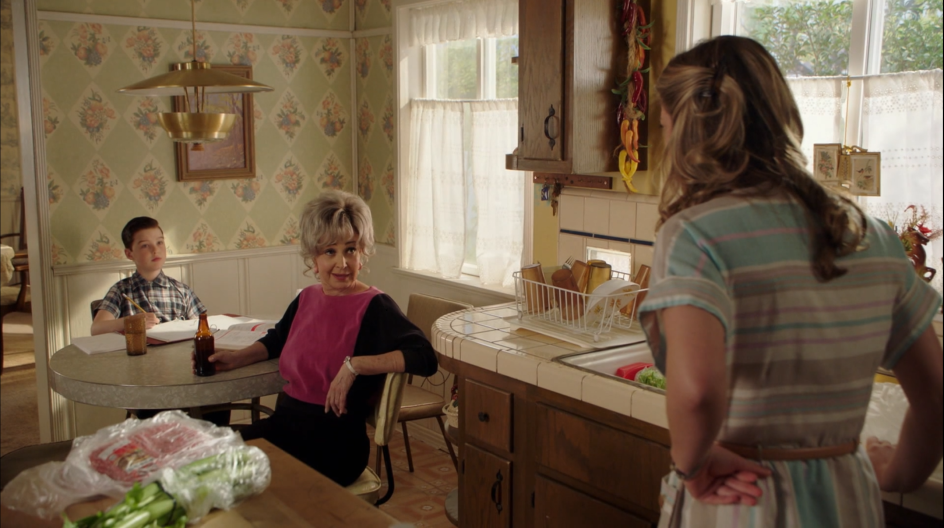
Fans often note wallpaper, furniture, and color palettes that feel more late-1970s than early-1990s. While lived-in houses do lag trends, whole-home aesthetics stuck in the 70s pull the setting backward.
Cars That Skew Too Old
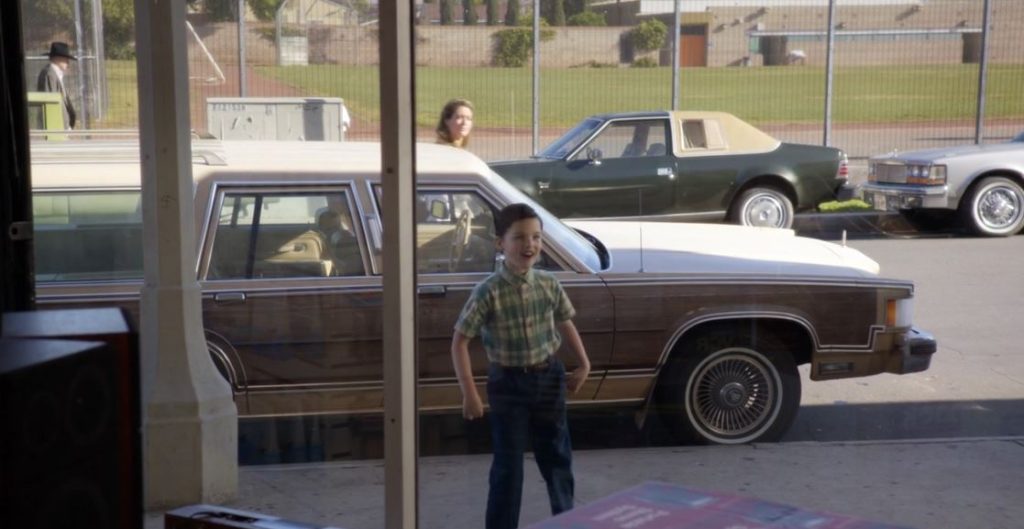
Some background vehicles and family rides look a decade or more out of date. People do keep cars, but street scenes weighted toward older models can make the town feel 1978 instead of 1992.
Tamagotchi Timing Matters

Virtual pets did not hit the United States until 1997, late in the decade. Any sighting earlier than that would be an anachronism, given the documented release timeline.
AOL Trial Disks Before Their Boom
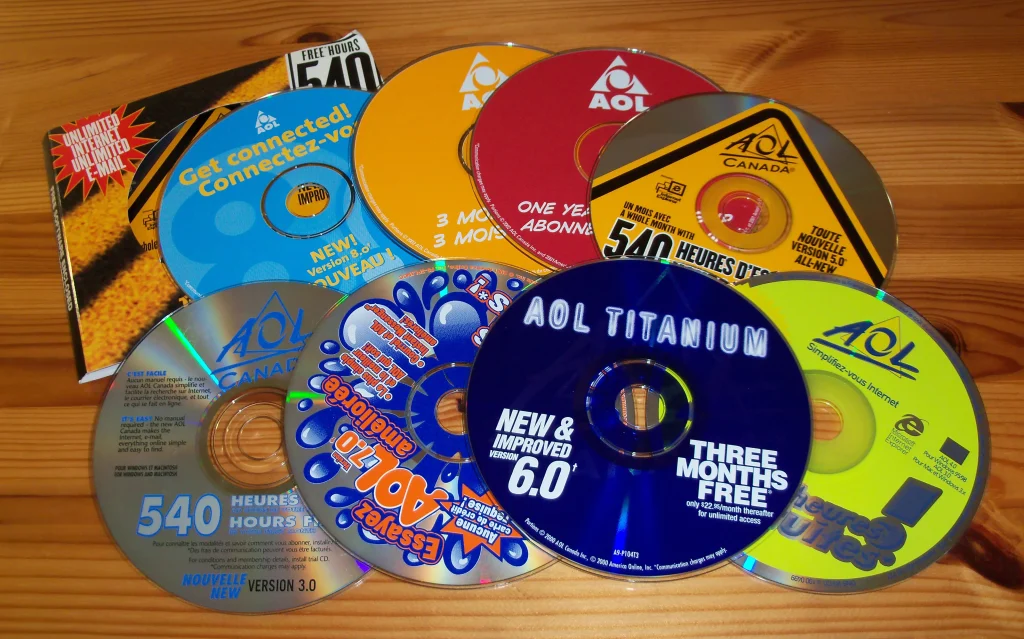
Floods of AOL disks are quintessential mid-90s. If they appeared widely too early in the timeline, it would oversell home Internet availability in small-town Texas.
Windows 95 And The UI Glow-Up
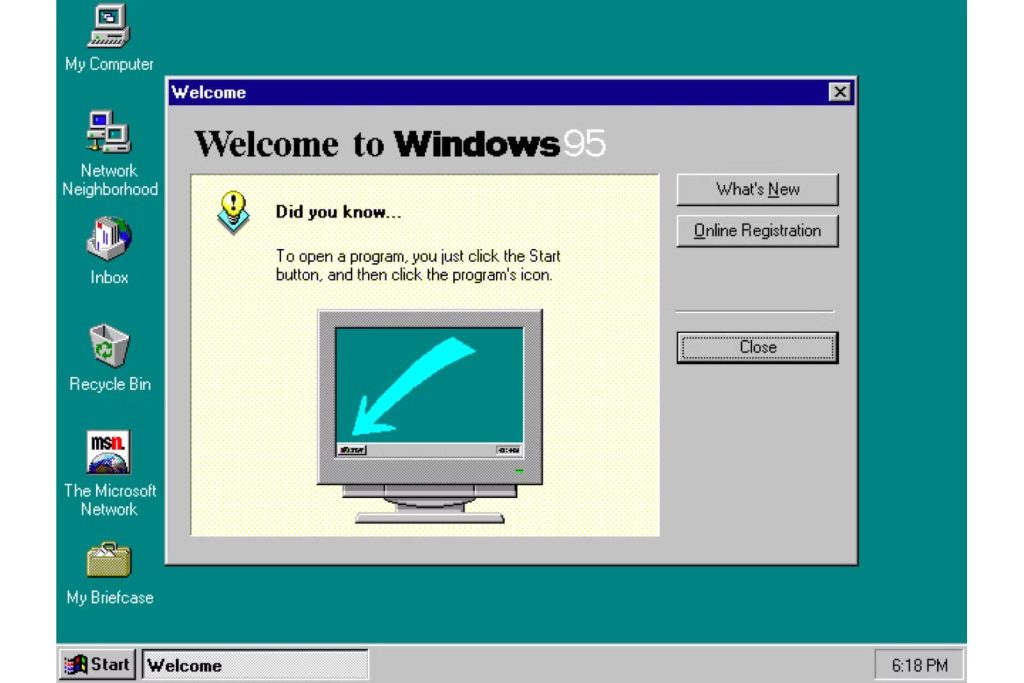
The look and sound of Windows 95, if present, should not appear before late 1995. Earlier years would have shown more DOS, Windows 3.1, or no PC at all in some homes.
Game Boy And Pocket Distractions
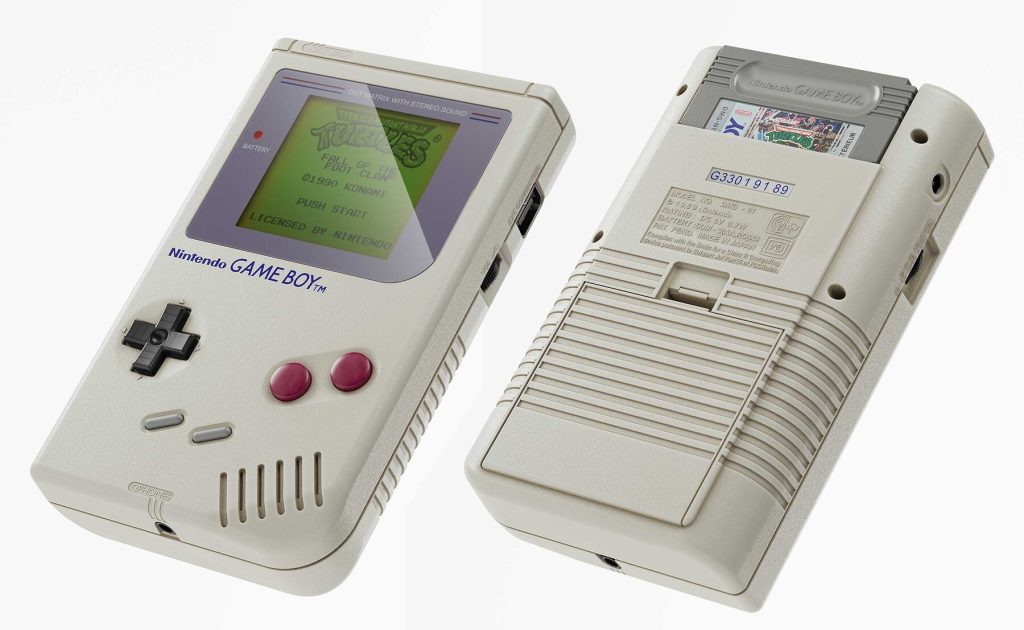
Handheld gaming in waiting rooms and car rides tracks the era. Original Game Boy launched in 1989, and by the mid-90s it was everywhere with Tetris, with Pokémon arriving later in the decade.
Music On The Radio And At Church
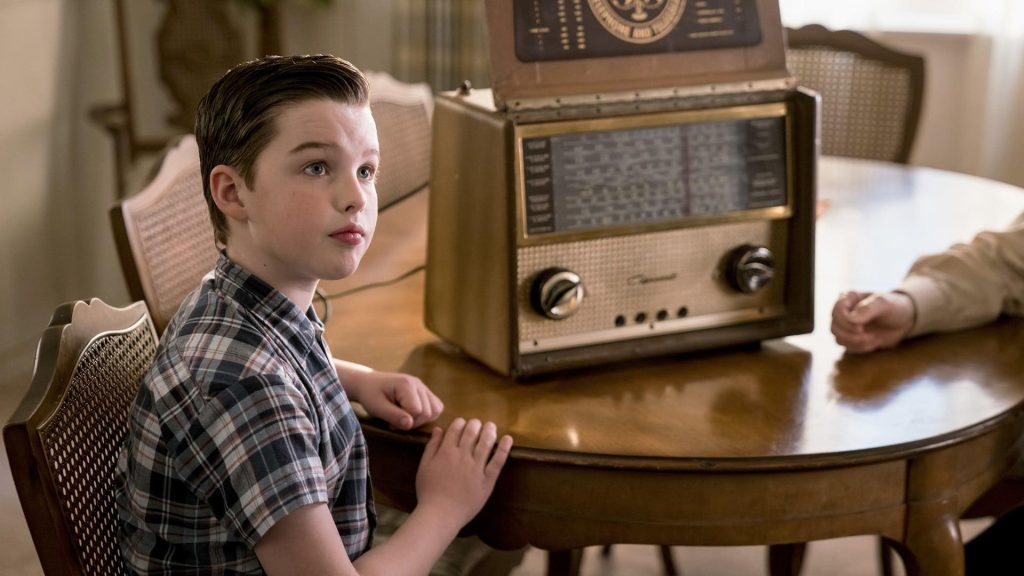
Country hits, adult-contemporary ballads, and youth-group praise styles feel right for the region and time. Choir-backed arrangements at church align with period worship trends.
School Science Fairs And Library Cards
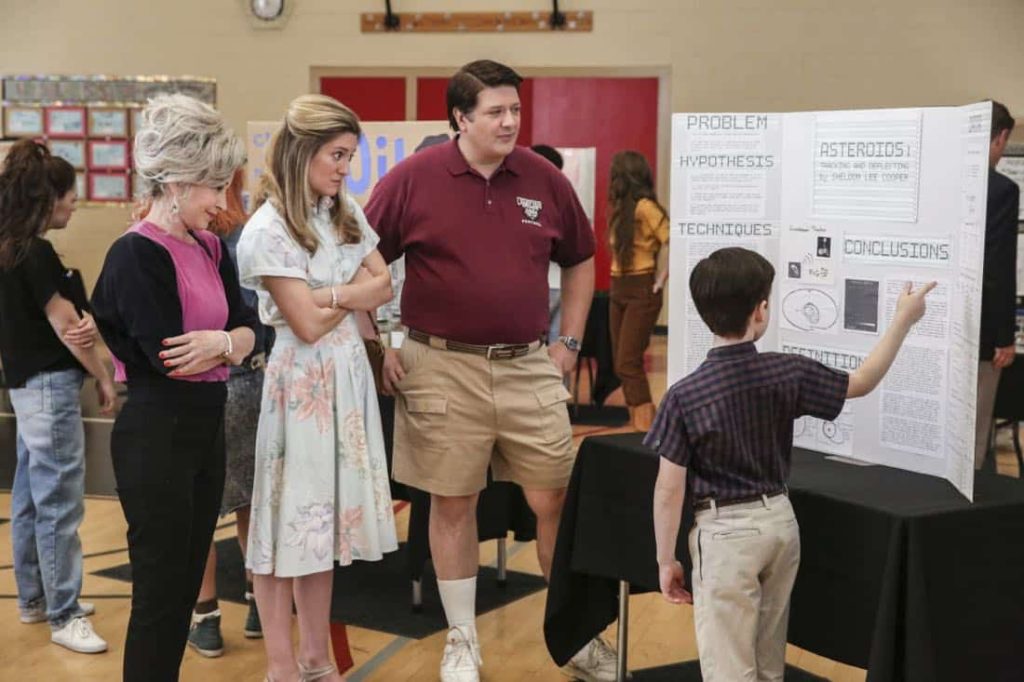
Science fair culture and heavy library use fit 90s academic life, especially in smaller towns. Paper catalogs and card systems lingered even as computers crept in.
TVs, Antennas, And Cable Bundles
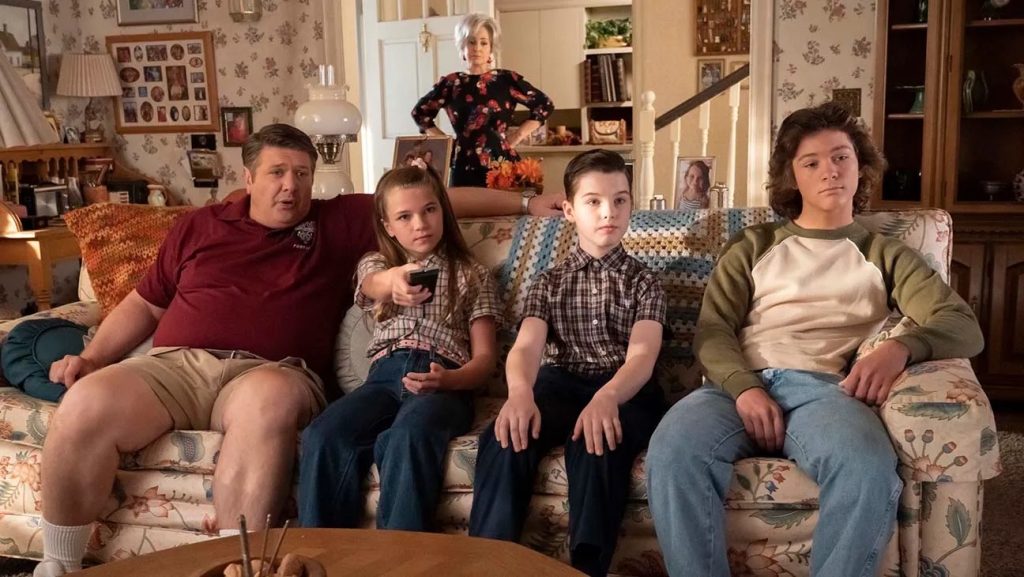
Bulky CRT TVs, basic cable lineups, and antenna fussing reflect the viewing experience before flat-screens. Channel surfing and appointment TV habits are period-true.
Holiday Décor That Time-Travels
Some seasonal décor looks borrowed from older decades. Families do reuse decorations, but repeated vintage-only choices can age the household beyond the intended year.
Regional Food And Soda Culture

Texas-favorite sodas and church-supper menus ring true, even if labels and logos sometimes mix periods. Potluck staples and casserole culture are right at home.
Sports Logos And Broadcast Graphics
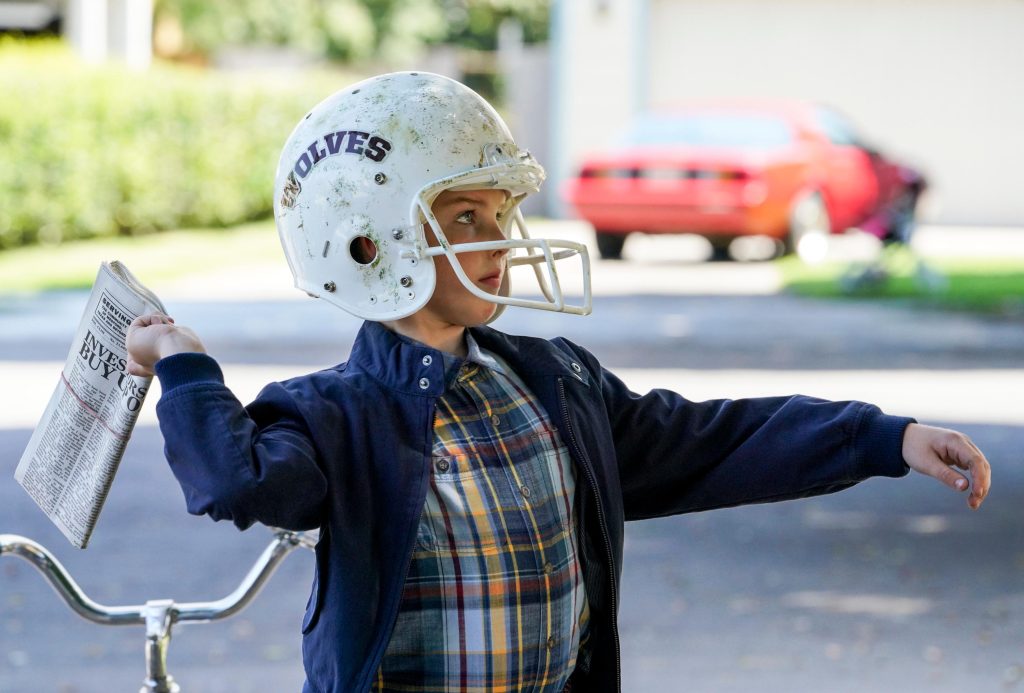
Occasional jersey or logo mix-ups can creep in when depicting real teams. Most game-watching scenes, though, capture the low-res broadcast look viewers remember.
School Policies And Parenting Styles
Teacher-parent dynamics, permission slips, and stricter curfews feel grounded in the era’s norms. Helicopter parenting and constant texting obviously were not a thing yet.