
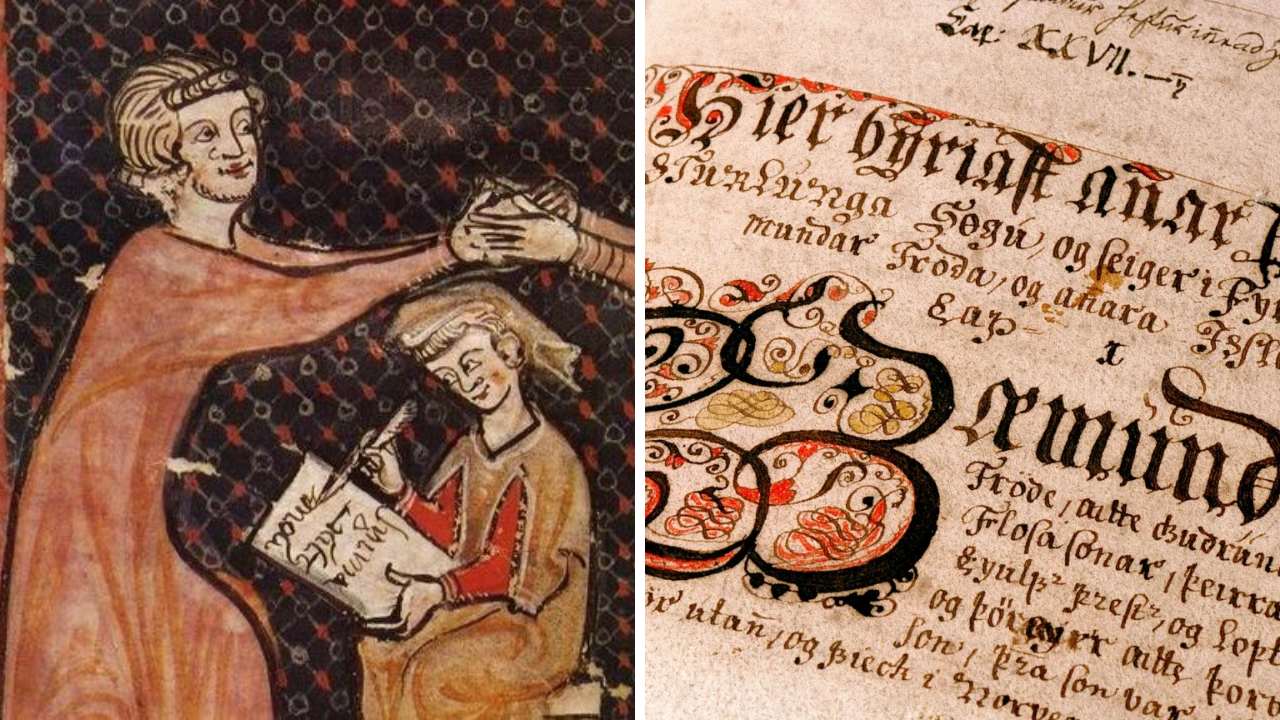
If you got magically zapped into 1100 England, good luck asking for directions. Old English was more than just a Shakespearean accent, it was practically a different language. Before it evolved into the English we know today, it had wild grammar rules, epic letters we no longer use, and words that sound like spells. Here are 19 fun facts that’ll make you grateful for autocorrect.
1. Old English wasn’t “old British”, it was basically German
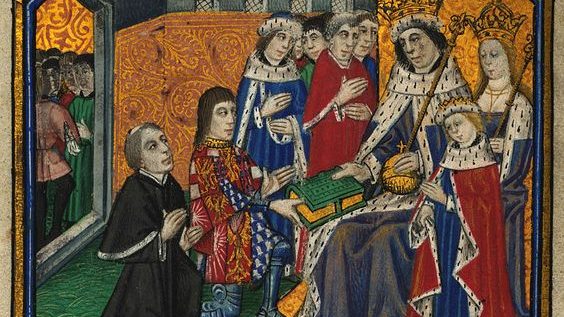
It shared more with German and Norse than with modern English. You wouldn’t understand a thing.
2. They had letters we don’t use anymore
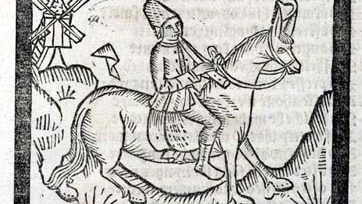
Like þ (thorn) and ð (eth), which made th sounds. So “this” was “þis”.
3. There was no standard spelling
The word night could be spelled as niht, nyght, or nigte depending on who you asked.
4. “Ye” didn’t mean “you”
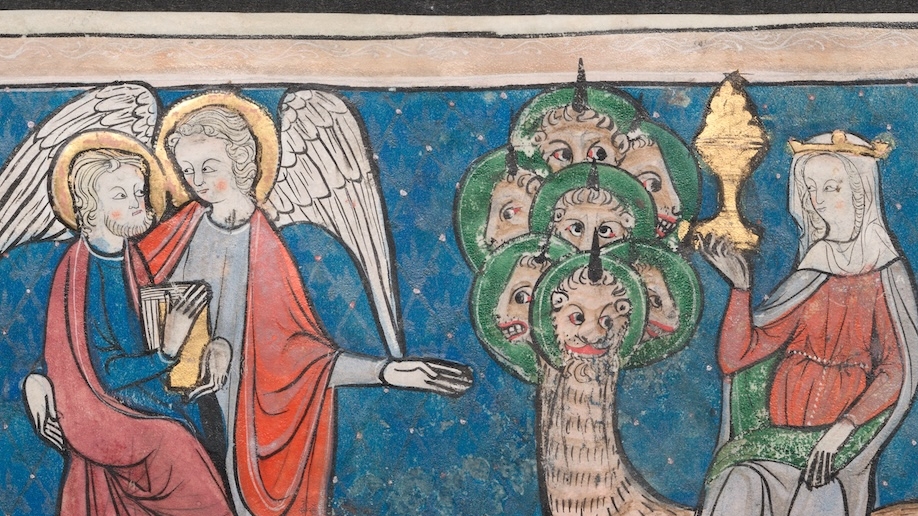
It was actually just the, written with a thorn that printers later replaced with a “y”. Mind blown.
5. Verbs were a total mess
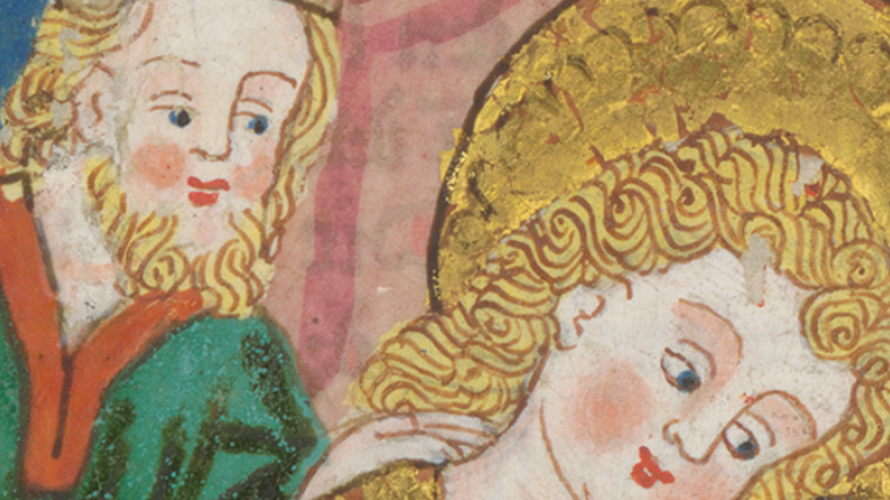
Strong and weak verbs, multiple endings, and irregular forms ruled everything. “Sing” had like four versions.
6. They didn’t have the word “the”
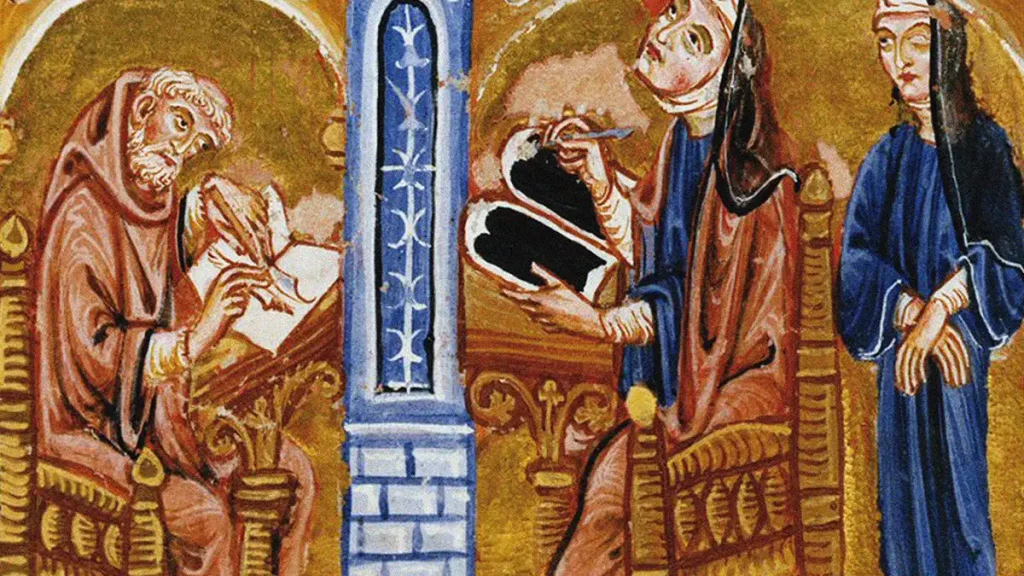
Instead, they used se, seo, or þæt depending on gender. Yep, nouns had gender.
7. You couldn’t say “I am”
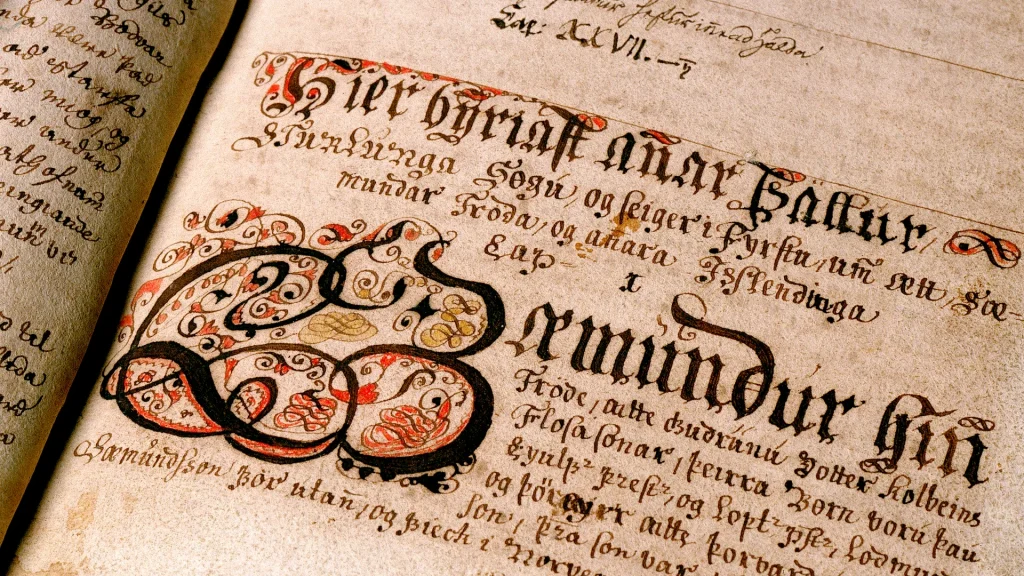
You’d say “ic eom”. Try using that in your next presentation.
8. Word order didn’t matter that much
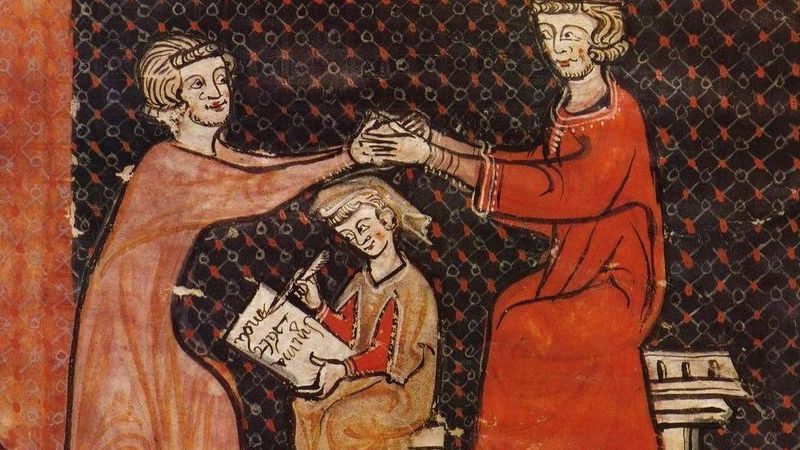
Thanks to case endings, “The dog bites the man” and “The man bites the dog” could look the same. Chaos.
9. English had its own runes
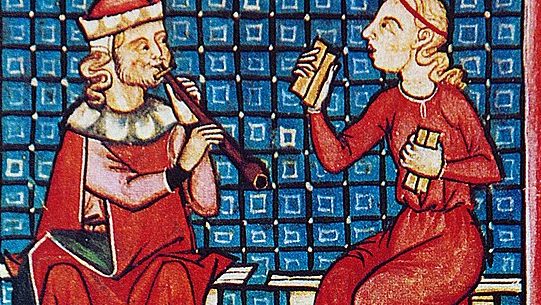
The futhorc alphabet was used before Latin script took over. So metal.
10. French hadn’t invaded the language yet
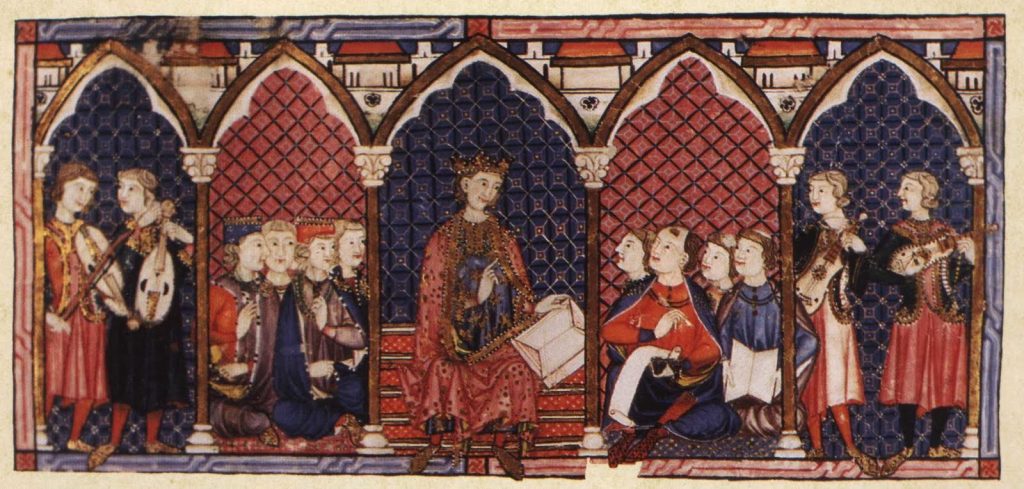
That happened after 1066, when the Normans rolled in. So no “beef” or “government” yet.
11. You wouldn’t recognize days of the week
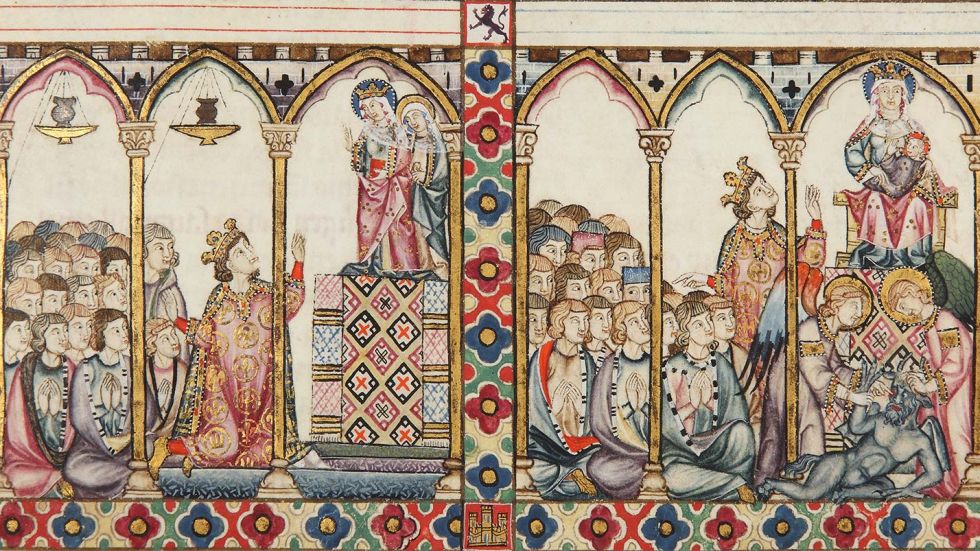
They had names like Monandæg (Monday) and Wodnesdæg (Wednesday).
12. It had no silent letters
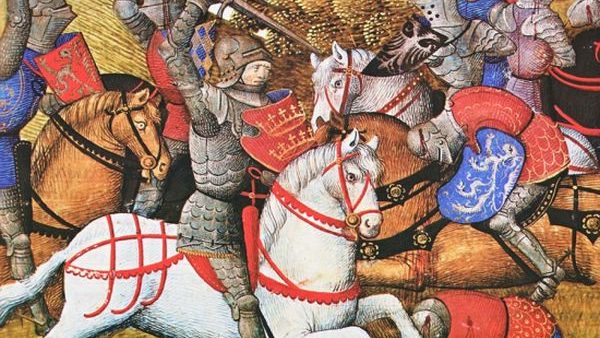
Everything was pronounced. “Knight” was “kuh-nicht”. Dramatic.
13. The word “girl” meant any child
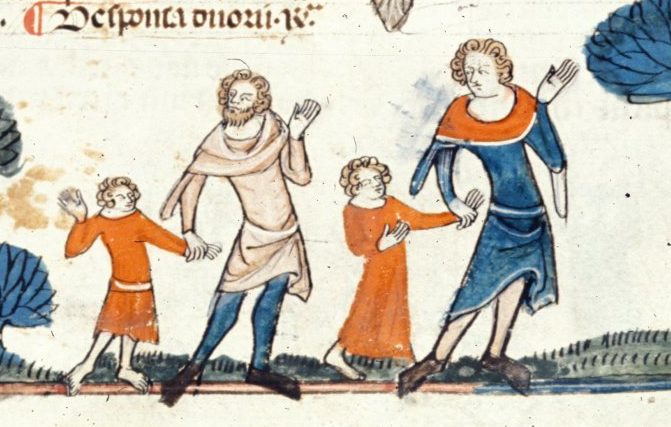
Gender-neutral way before Gen Z.
14. Plurals were all over the place
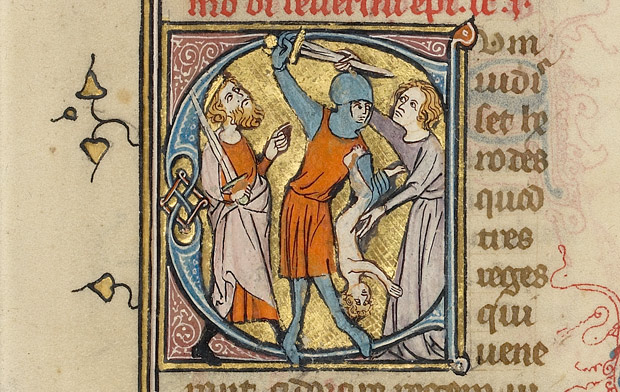
Some words got -as, some -u, some didn’t change at all. Good luck.
15. It sounded like Elvish, not English.
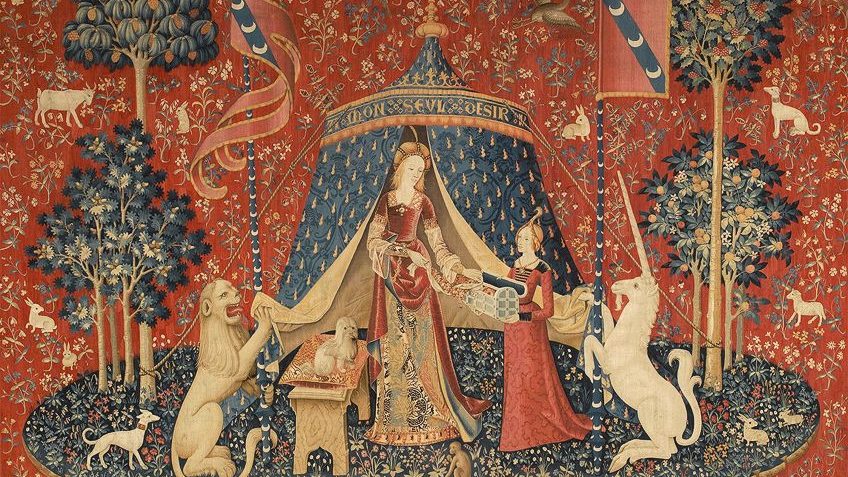
Say “Fæder ūre þū þe eart on heofonum…” That’s the Lord’s Prayer in Old English.
16. Scribes loved abbreviations
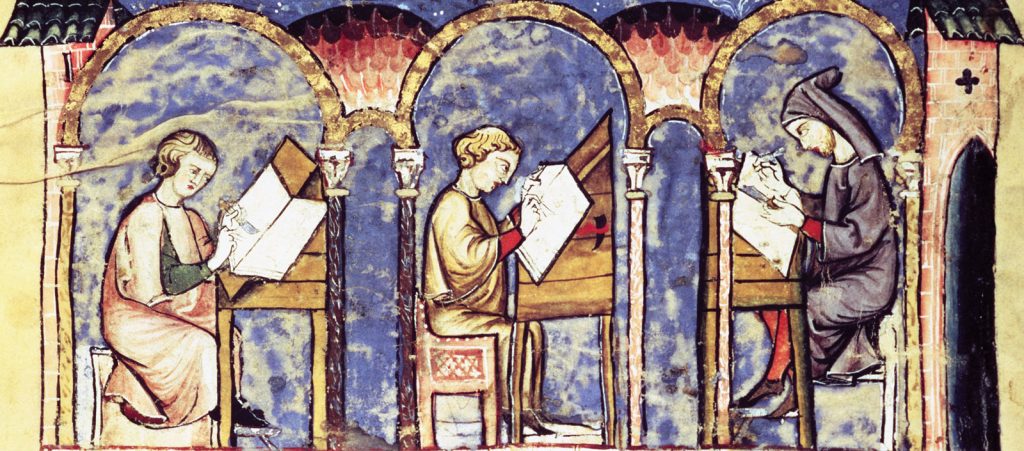
To save space, they wrote like medieval texters. “&” comes from “et”, by the way.
17. You could conjugate “to be” in 7 different ways
…because apparently one wasn’t enough.
18. Shakespeare didn’t write in Old English
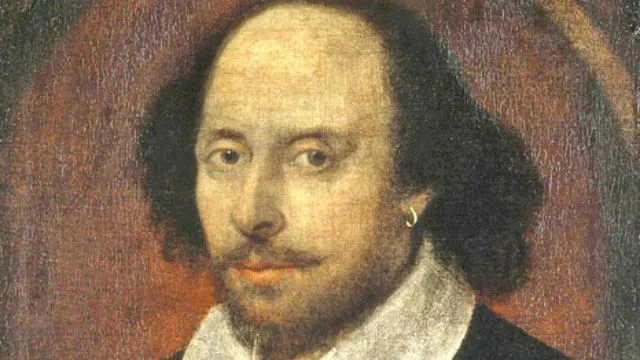
He wrote in Early Modern English. Old English was long gone by his time.
19. Some words survived… barely
Words like God, man, cyning (king) are the fossils of Old English still around.












