Supporting characters are often the glue that holds a narrative together, providing depth, humor, or necessary conflict to the protagonist’s journey. However, some additions to a cast feel more like a hindrance than a help, distracting the audience from the primary plot or grating on their nerves. This article examines 30 instances where a supporting figure missed the mark entirely, often leading to fan backlash or a decline in the show’s quality.
Randy Pearson – “That ’70s Show”
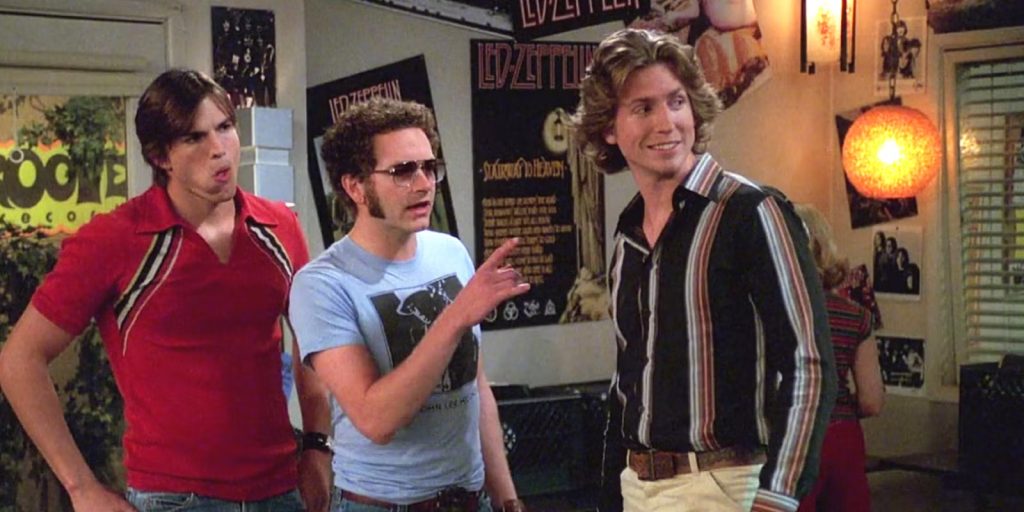
Replacing a beloved lead is never an easy task for a newcomer. Most viewers felt this character lacked the charisma required to fill the void left by Topher Grace and Ashton Kutcher. The series ended its run shortly after his controversial introduction.
Scrappy-Doo – “Scooby-Doo and Scrappy-Doo”
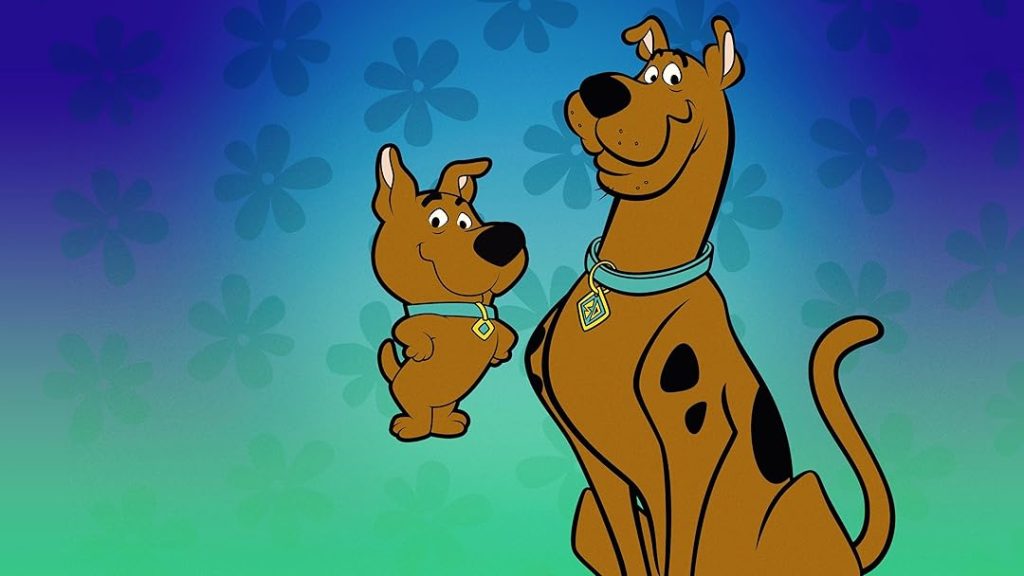
The addition of this pint-sized pup was intended to revitalize the franchise during a period of declining ratings. Instead, his aggressive “puppy power” slogan became a source of irritation for long-time fans who preferred the original group dynamic. He was eventually excluded from later animated iterations due to his enduring unpopularity.
Janice Litman-Goralnik – “Friends”
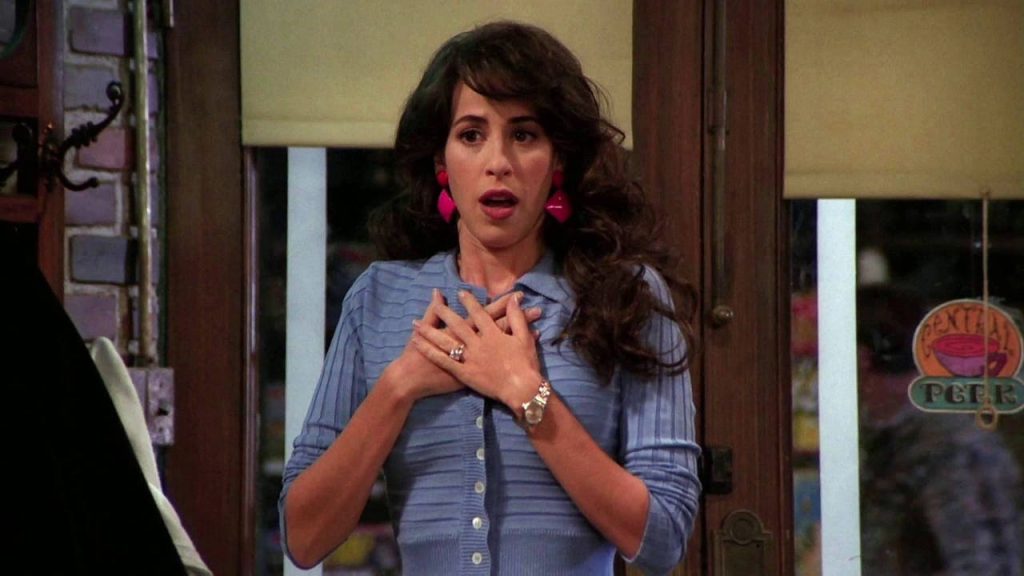
Few catchphrases are as instantly recognizable as the nasal exclamation associated with this recurring love interest. While the character provided reliable comic relief, her presence often signaled a repetitive plot cycle for Chandler Bing. Interestingly, the actress was one of the few guest stars to appear in every single season of the series.
Jar Jar Binks – “Star Wars: Episode I – The Phantom Menace”
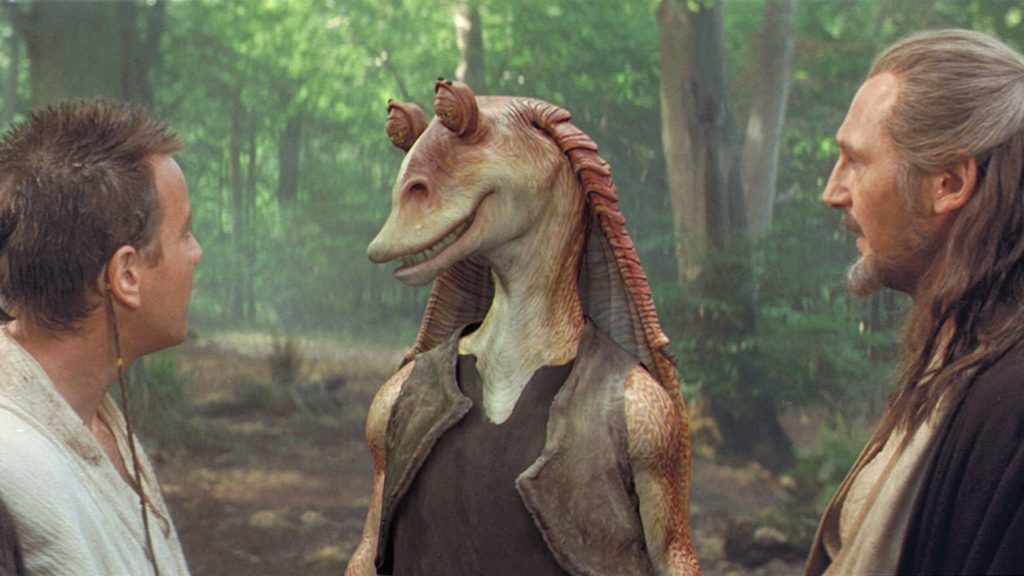
George Lucas intended for this Gungan to be the comic soul of the prequel trilogy. Massive fan backlash regarding his slapstick nature led to a significantly reduced role in subsequent films. The character remains a primary point of contention when discussing the legacy of the space opera saga.
Cousin Oliver – “The Brady Bunch”
This young relative was introduced in the final season to add “cuteness” back to the show as the original children grew older. His arrival became so synonymous with a show’s decline that it spawned the industry term “Cousin Oliver Syndrome.” The series was canceled just six episodes after he joined the cast.
Seven – “Married… with Children”
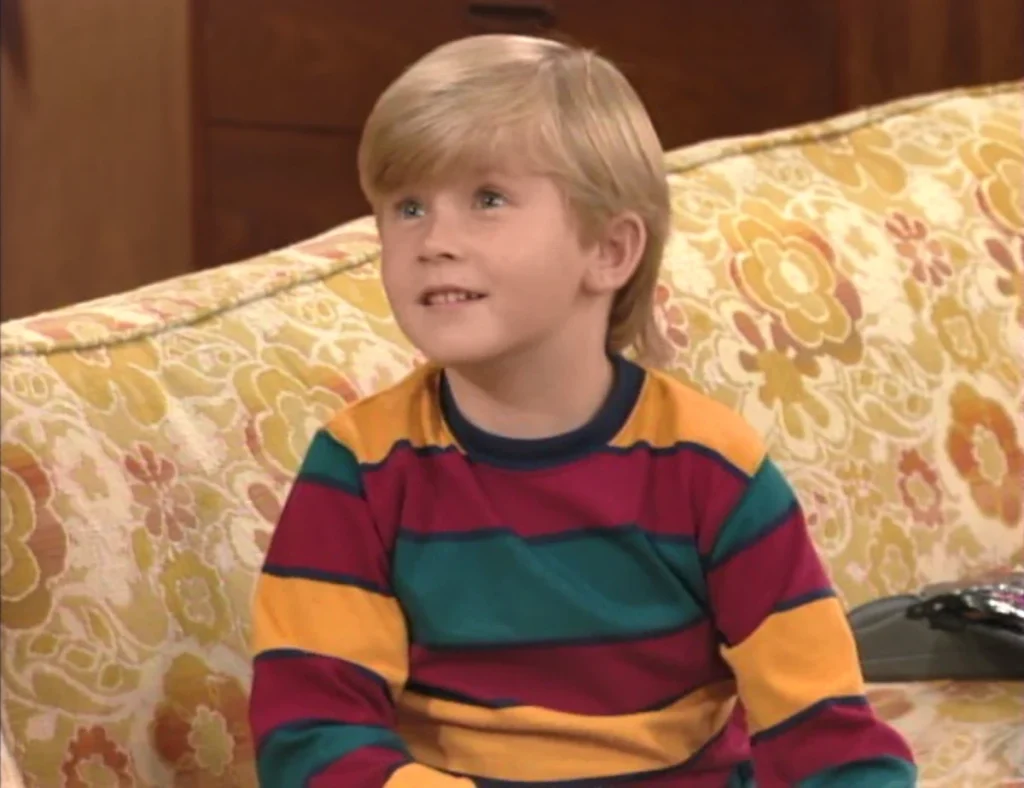
Dropped into the Bundy household without much explanation, this child character failed to resonate with the show’s cynical audience. Writers eventually realized the mistake and simply removed him from the story without any formal exit. He was later featured on a milk carton in a meta-joke about his disappearance.
Dawn Summers – “Buffy the Vampire Slayer”
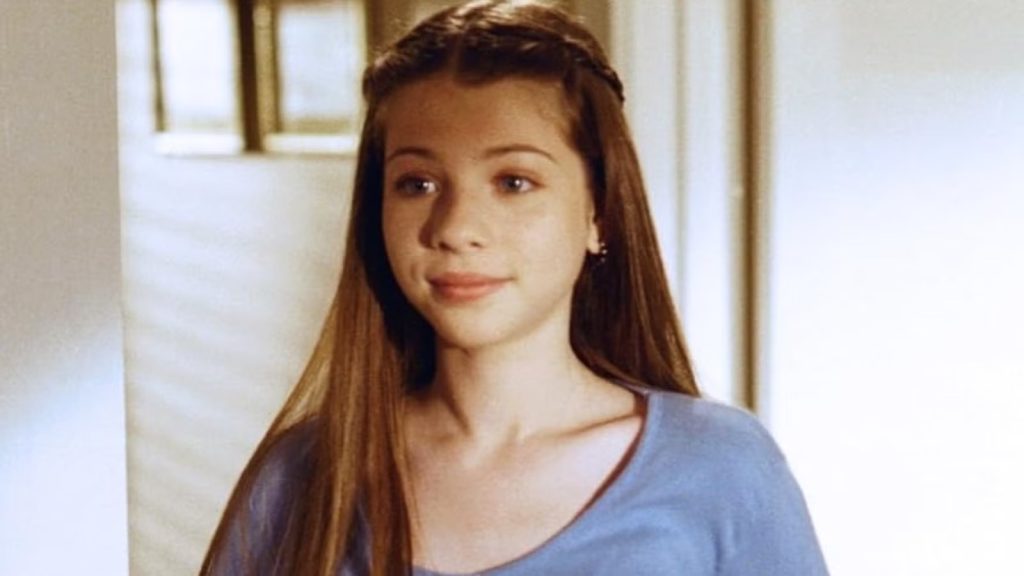
Appearing out of nowhere as the protagonist’s sister, this character initially confused and frustrated the viewer base. Her frequent screaming and penchant for getting into trouble made her a difficult figure to root for during high-stakes battles. The mystical explanation for her existence did little to soften her reputation among fans.
Nikki and Paulo – “Lost”
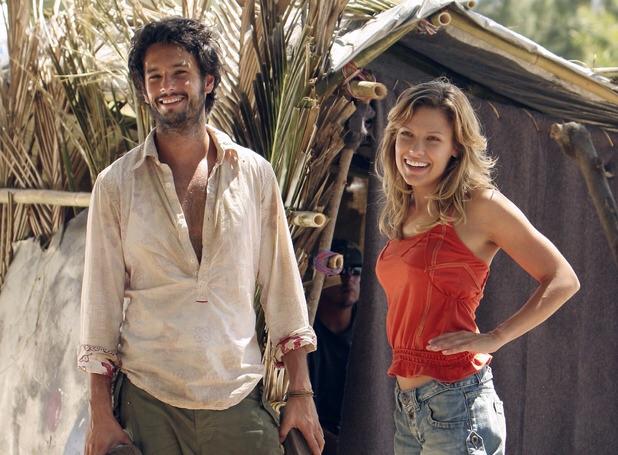
These two survivors were retroactively added to the island’s history in the third season. Fans found their sudden importance jarring and their personal drama irrelevant to the show’s larger mysteries. The writers famously responded to the criticism by burying both characters alive in a single episode.
Screech Powers – “Saved by the Bell”
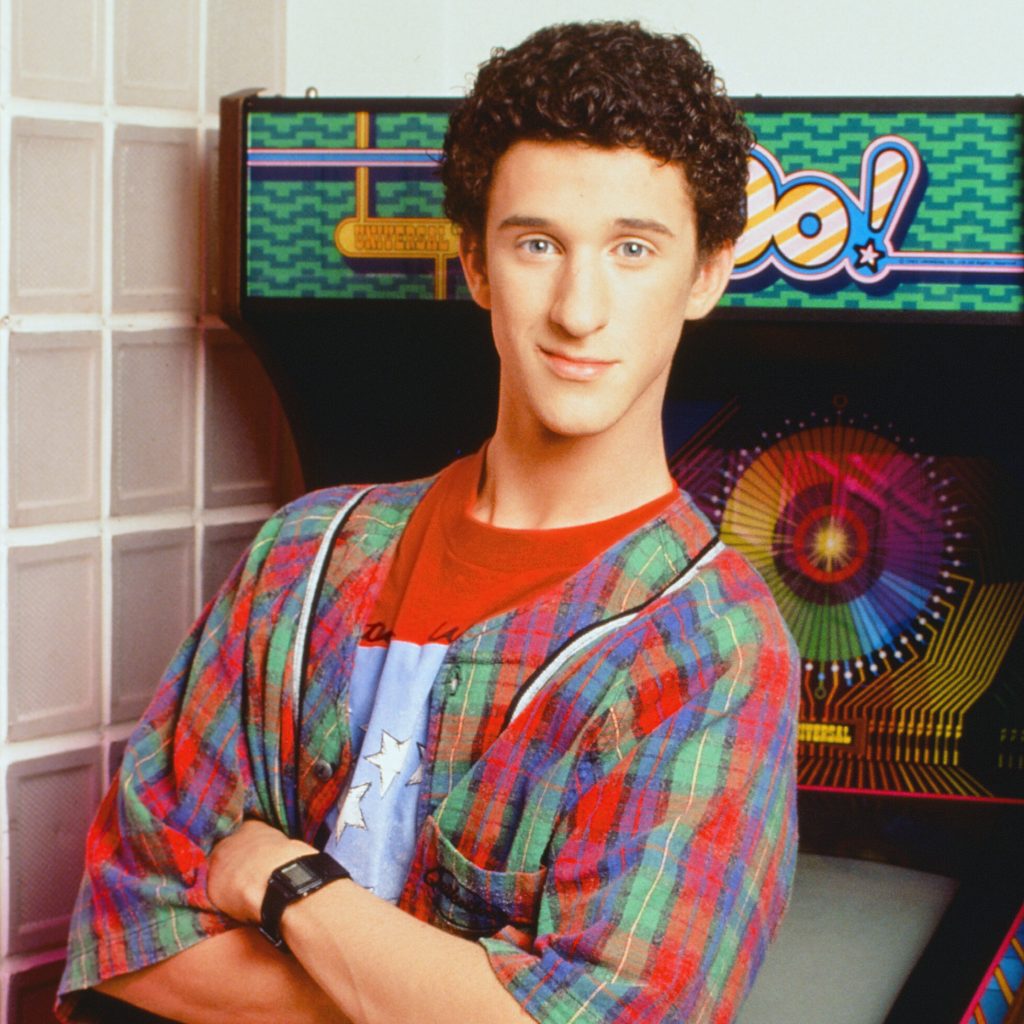
As the series progressed into its later years and spin-offs, the antics of the resident nerd became increasingly cartoonish. What was once endearing in high school felt out of place as the characters reached adulthood. This shift in characterization is often cited as a reason for the declining quality of the franchise’s later iterations.
Poochie – “The Simpsons”
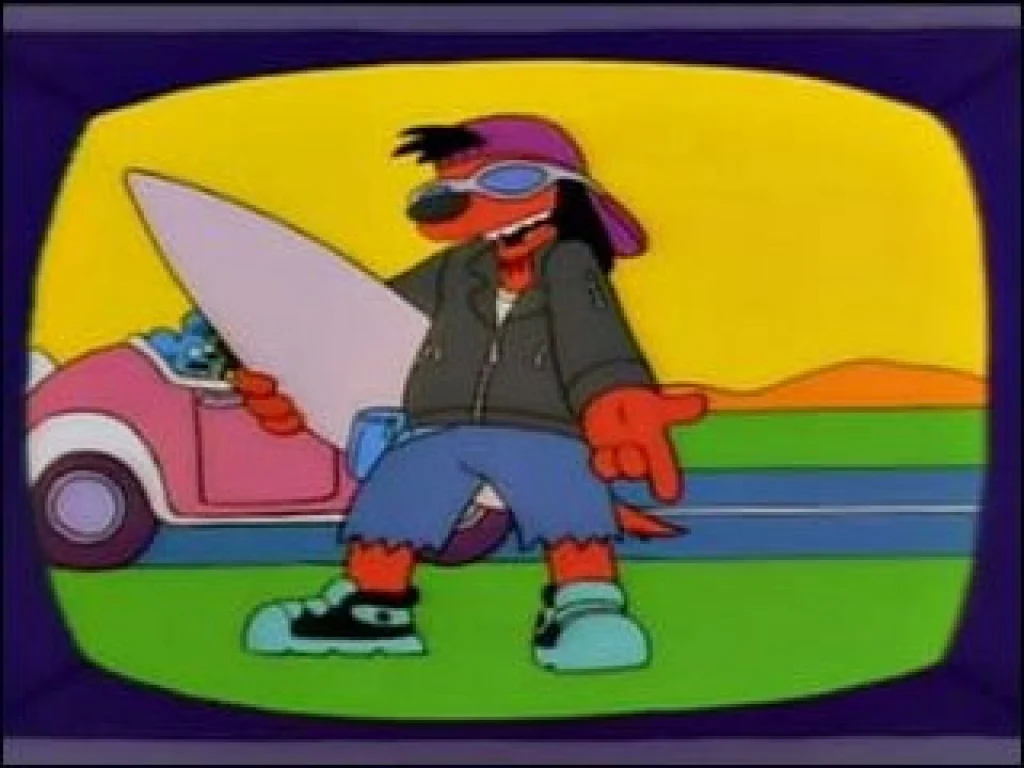
Designed specifically to satirize the trend of adding “hip” characters to struggling shows, this animated dog was intentionally terrible. His presence was so grating that the fictional characters within the show demanded his immediate removal. He remains the definitive parody of desperate television marketing tactics.
Mark Brendanawicz – “Parks and Recreation”
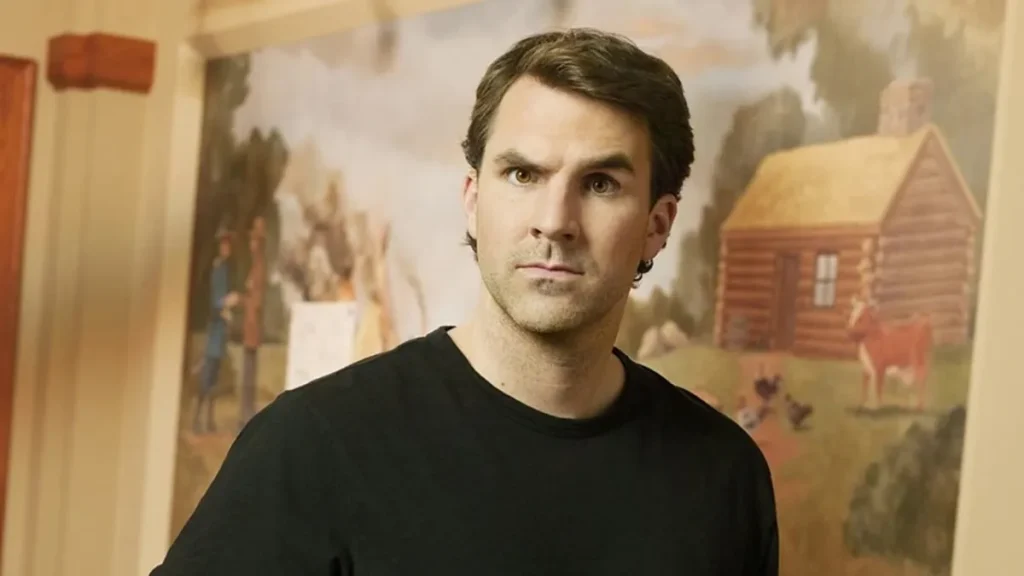
The first two seasons featured a city planner who acted as the “straight man” to the eccentric office staff. His dry personality often clashed with the increasingly optimistic and whimsical tone of the series. After his departure, the show found its footing by focusing on more vibrant, supportive dynamics.
Nellie Bertram – “The Office”
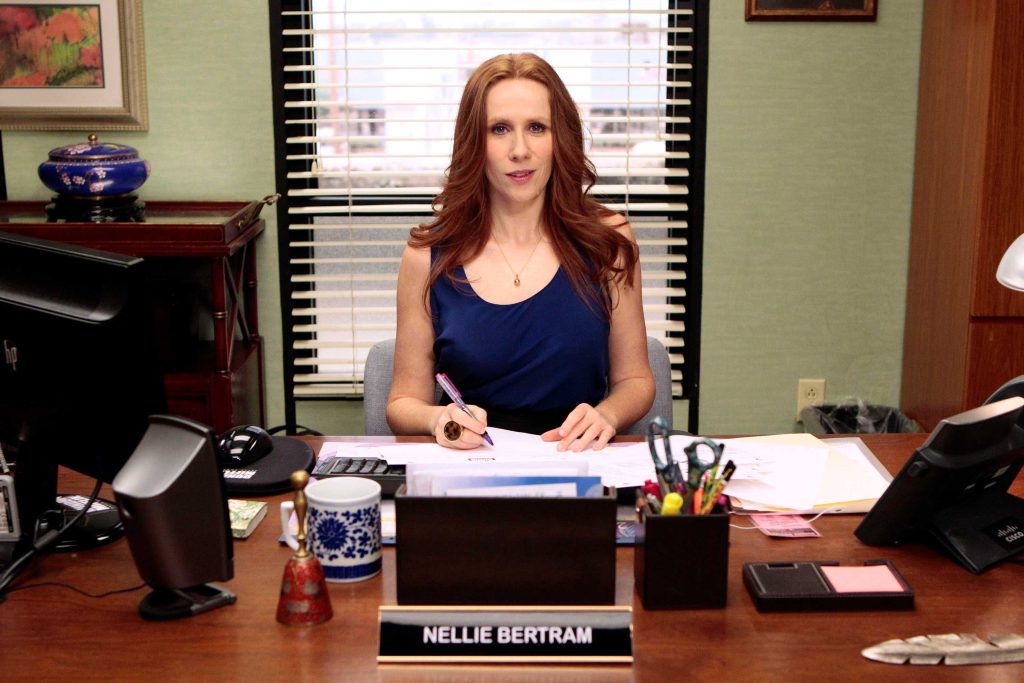
Forcibly taking over the manager’s position without any authority, this character initially alienated the entire audience. Her later attempt at a redemption arc felt unearned to many who had already soured on her aggressive behavior. The character was created following a positive reception to her initial guest appearance, though that popularity did not last.
Dana Brody – “Homeland”
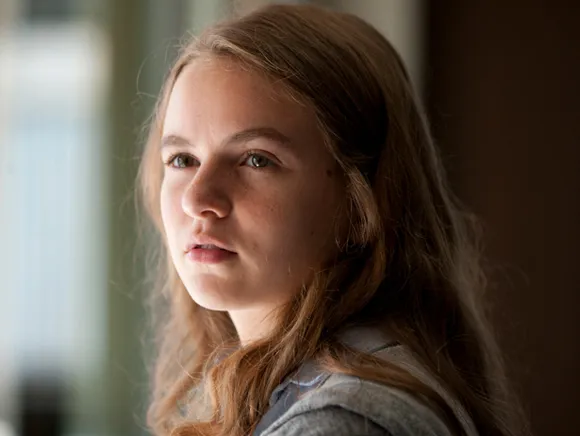
Subplots involving the protagonist’s teenage daughter often felt like a distraction from the high-stakes espionage at the core of the drama. Viewers frequently expressed frustration with the amount of screen time dedicated to her rebellious phases. The focus on her life diminished significantly as the show pivoted its central narrative.
Wesley Crusher – “Star Trek: The Next Generation”
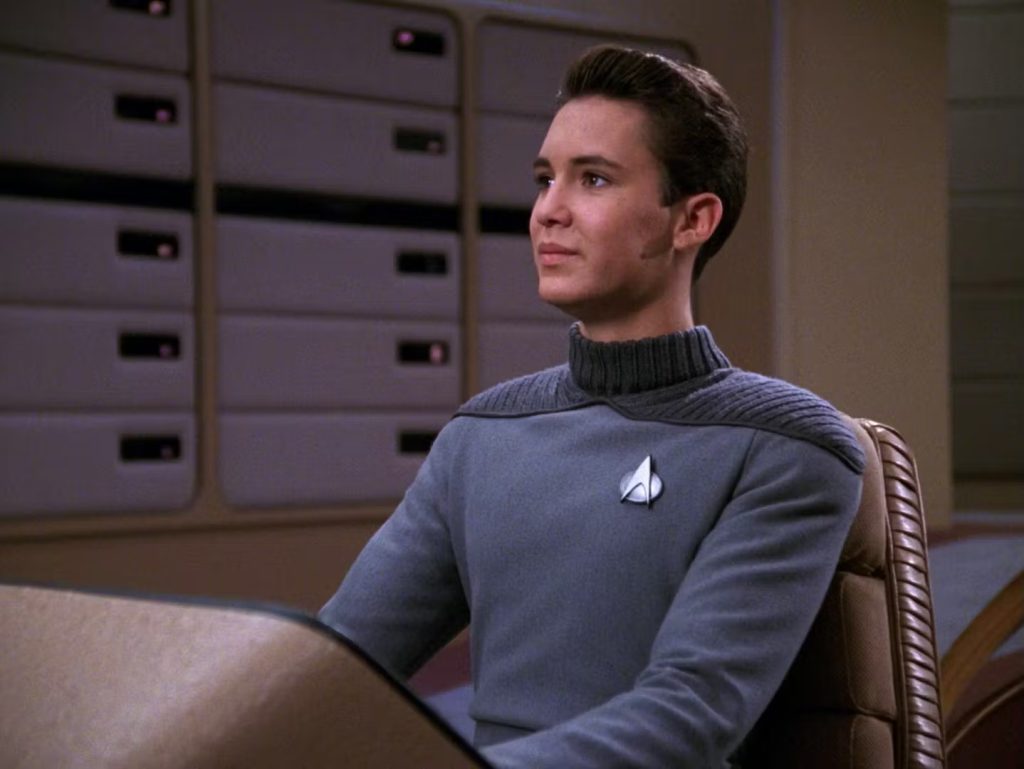
A teenage prodigy who consistently saved the ship from seasoned officers was a hard sell for the sci-fi community. His perceived status as a “Mary Sue” for the creator made him a target for intense fan criticism throughout the early seasons. Eventually, the writers allowed the character to leave the ship to pursue his own path.
Mutt Williams – “Indiana Jones and the Kingdom of the Crystal Skull”
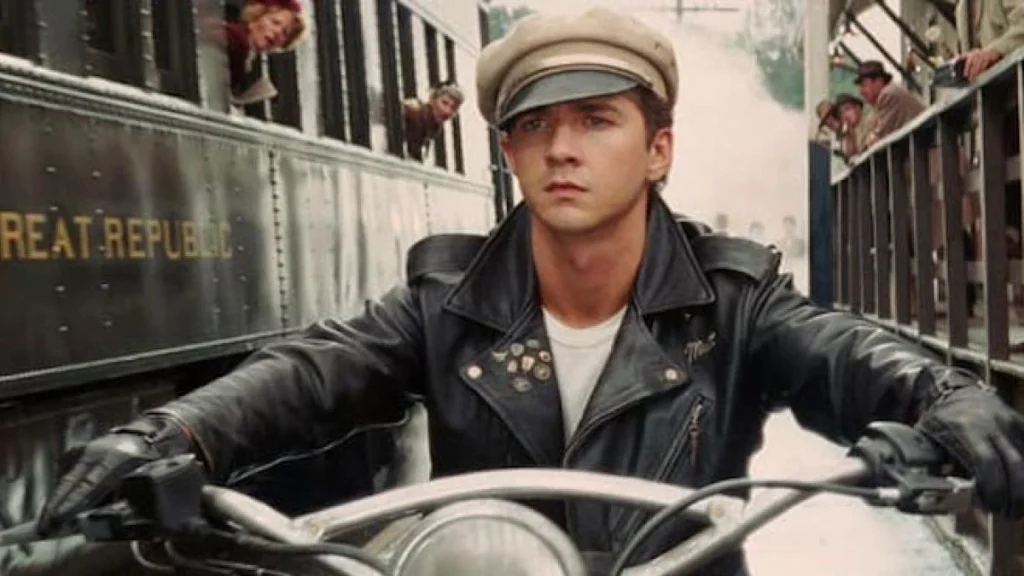
Introducing a son for the world’s most famous archeologist was a move that divided the audience instantly. The character’s greaser aesthetic and “swinging with monkeys” scene are often cited as low points in the franchise. This controversial figure was notably absent from the most recent installment of the series.
Andrea – “The Walking Dead”
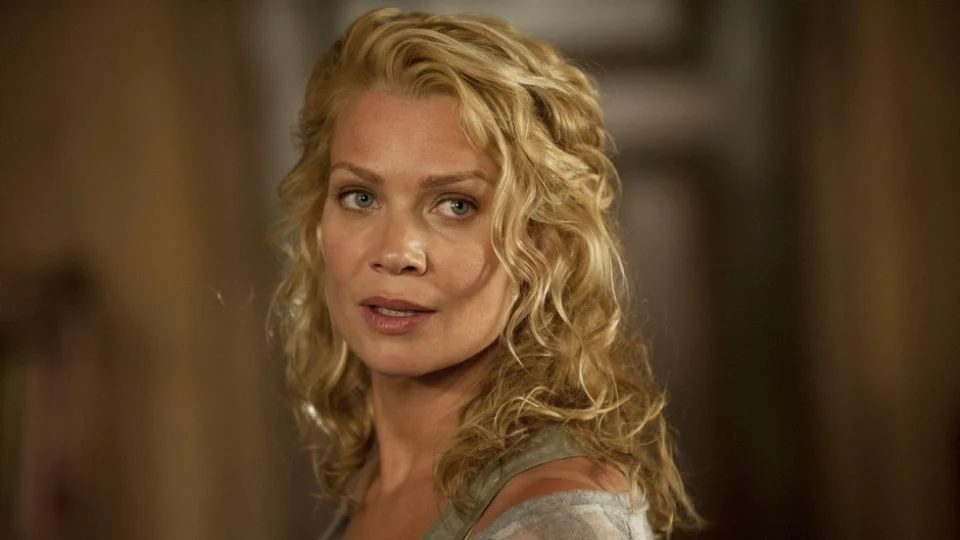
Fans of the original comic book were disappointed by the television adaptation of this survivor. Her poor decision-making and questionable alliances made it difficult for viewers to sympathize with her journey. The character’s arc ended much earlier on screen than it did in the source material.
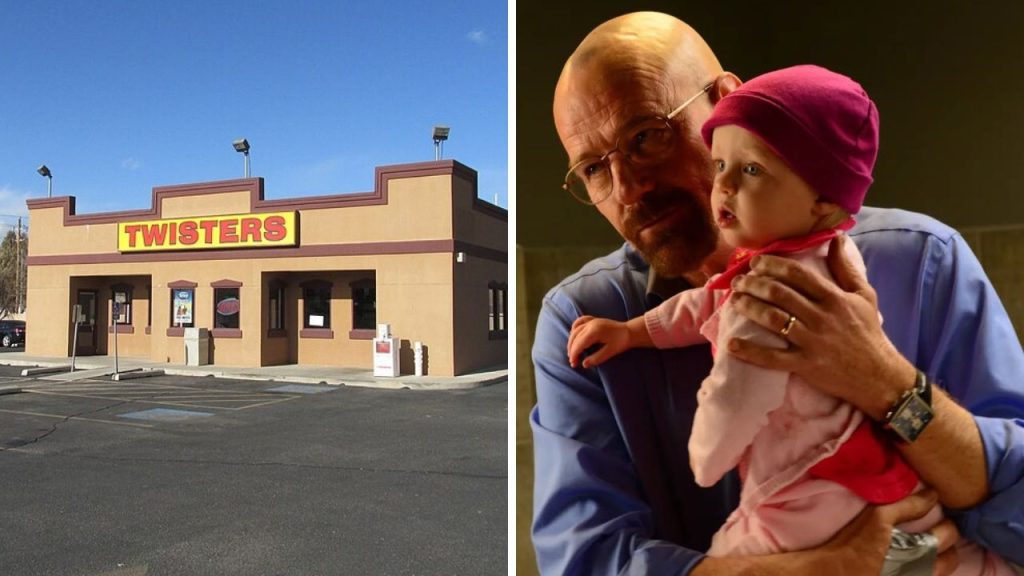
Skyler White – “Breaking Bad”
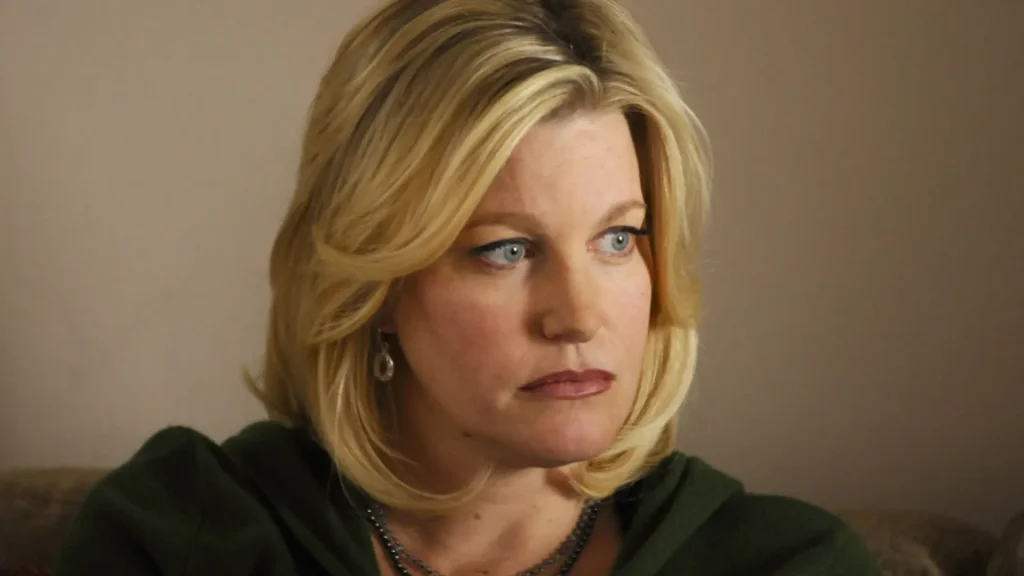
Acting as the moral anchor against her husband’s criminal descent, this character faced an unusual amount of Vitriol from the audience. Many fans viewed her as an obstacle to the protagonist’s “success,” regardless of his increasingly villainous actions. This phenomenon has since been studied as a prime example of audience bias in anti-hero narratives.
Gabe Lewis – “The Office”
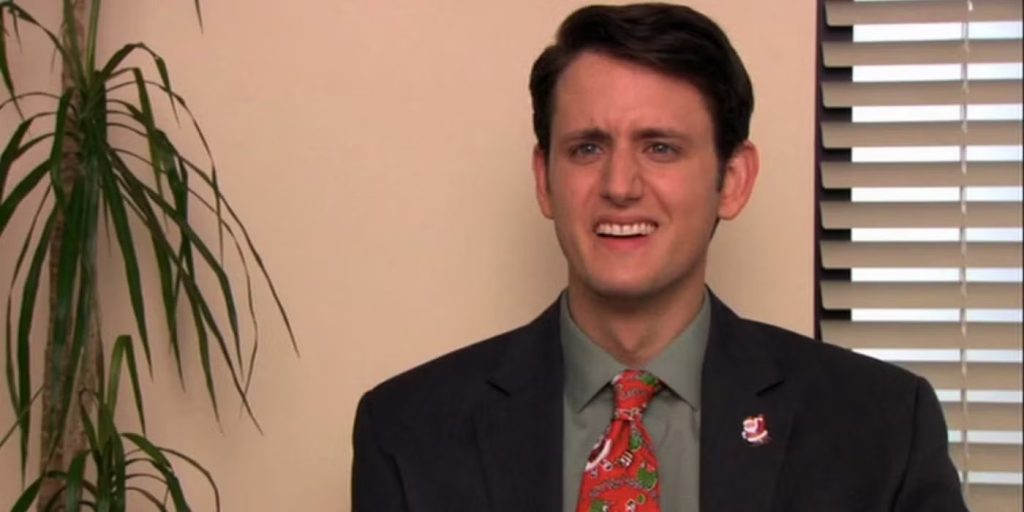
This corporate liaison was intentionally designed to be awkward and off-putting to the Scranton branch employees. While he succeeded in that role, his presence often slowed down the comedic pacing of the later seasons. His obsession with horror cinema provided some of his few genuinely funny moments.
Zoey Pierson – “How I Met Your Mother”
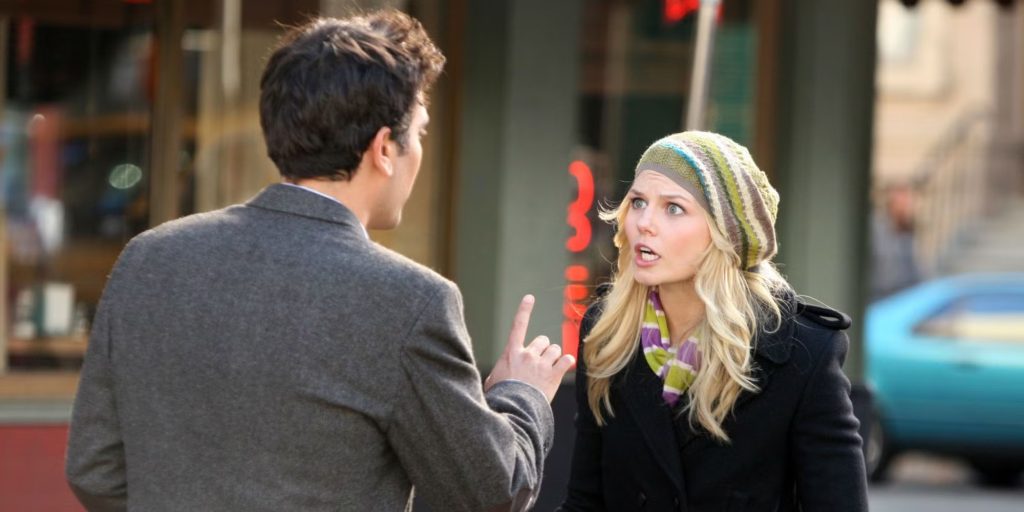
The relationship between this activist and the protagonist was built on a foundation of fundamental disagreement. Fans found their constant bickering tiresome, especially since the audience knew she wasn’t the titular mother. Her departure from the show was a relief to those hoping for more plot progression.
Kennedy – “Buffy the Vampire Slayer”
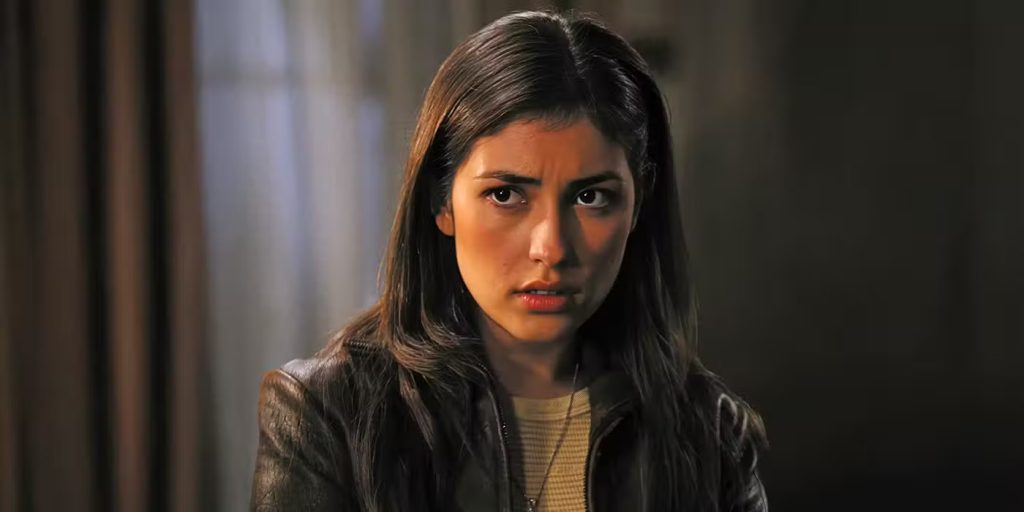
Introduced in the final season, this potential slayer was often criticized for her aggressive and entitled attitude. Her quick romance with Willow felt rushed to many fans who were still mourning a previous character’s death. She remains one of the least popular additions to the show’s extensive cast.
Larry Bloom – “Orange Is the New Black”
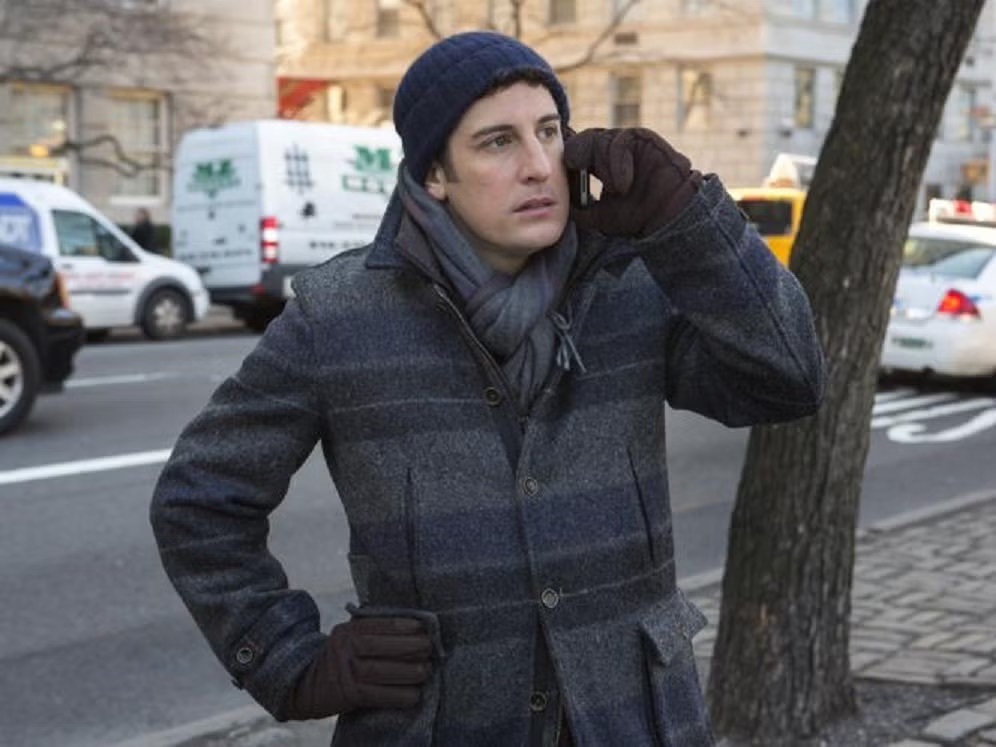
The struggles of the protagonist’s fiancé on the outside often paled in comparison to the life-and-death drama within the prison walls. His self-centered nature and betrayal of personal trust made him easy to dislike. The series eventually moved away from his storyline to focus entirely on the inmates.
Chloe Sullivan – “Smallville”
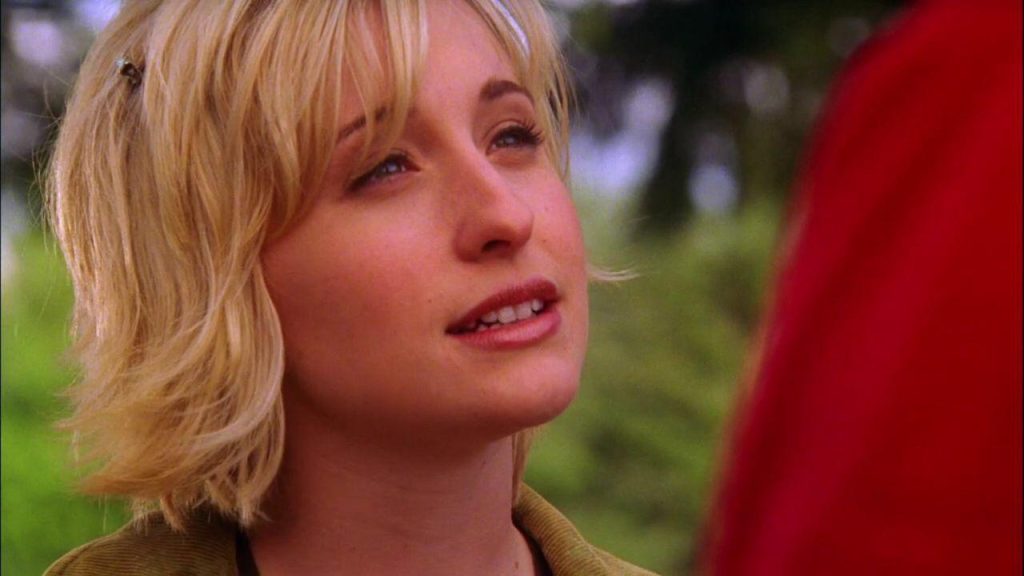
Originally a fan favorite, this investigative reporter’s character arc became increasingly convoluted over ten seasons. Real-life controversies surrounding the actress have since overshadowed the character’s legacy in the DC universe. She was one of the few characters created specifically for the show to never appear in the original comics during her tenure.
Maya Wilkes – “Girlfriends”
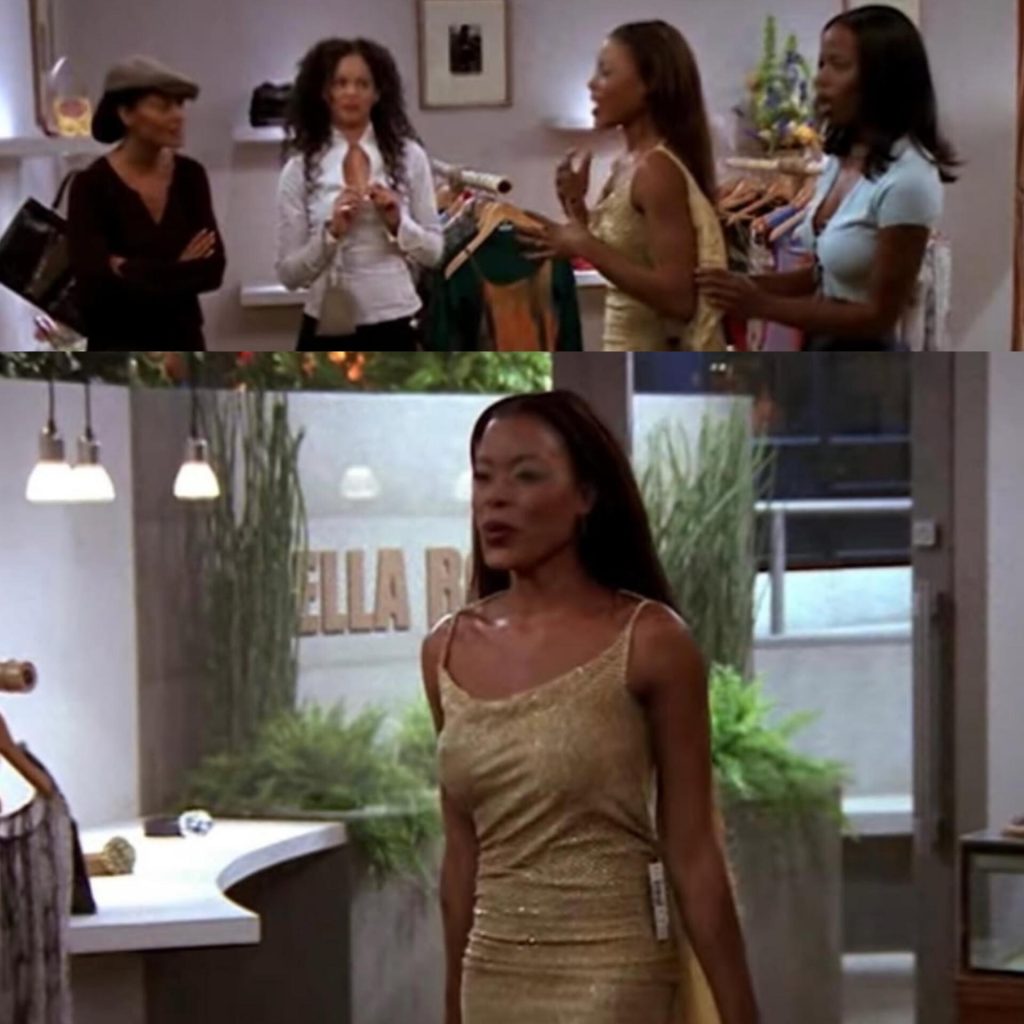
Known for her sharp tongue and “oh hell no” catchphrase, this character frequently acted as the group’s antagonist. Her infidelity storyline in the early seasons made it difficult for some viewers to maintain their support for her. Despite this, she remained a core member of the cast until the series finale.
Kathy – “Friends”
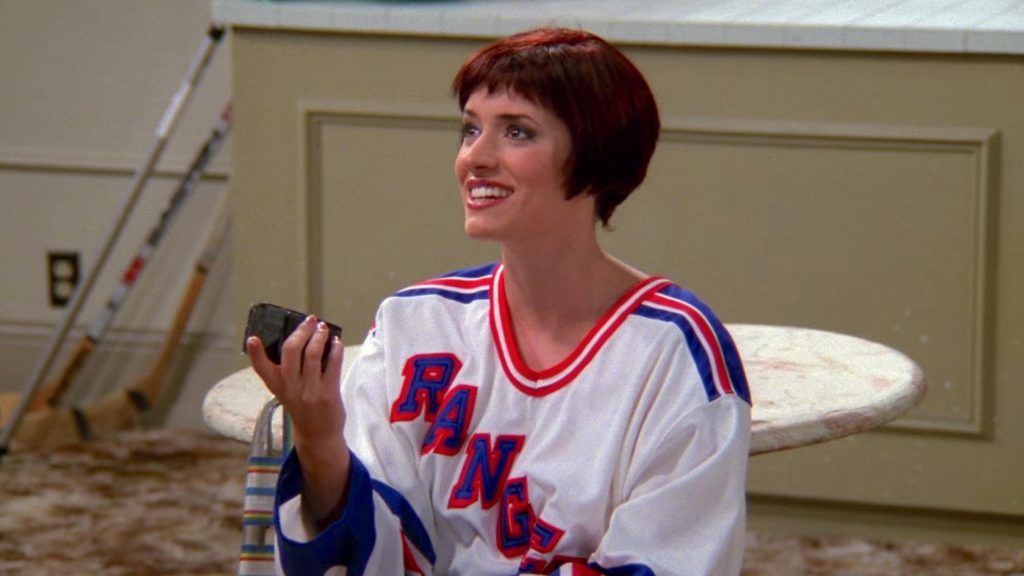
This character caused a major rift between two best friends, a plot point that many viewers found uncomfortable. Her eventual departure via another act of infidelity only solidified her status as a disliked figure. The drama she brought to the group was significant, but short-lived.
Debbie Pelt – “True Blood”
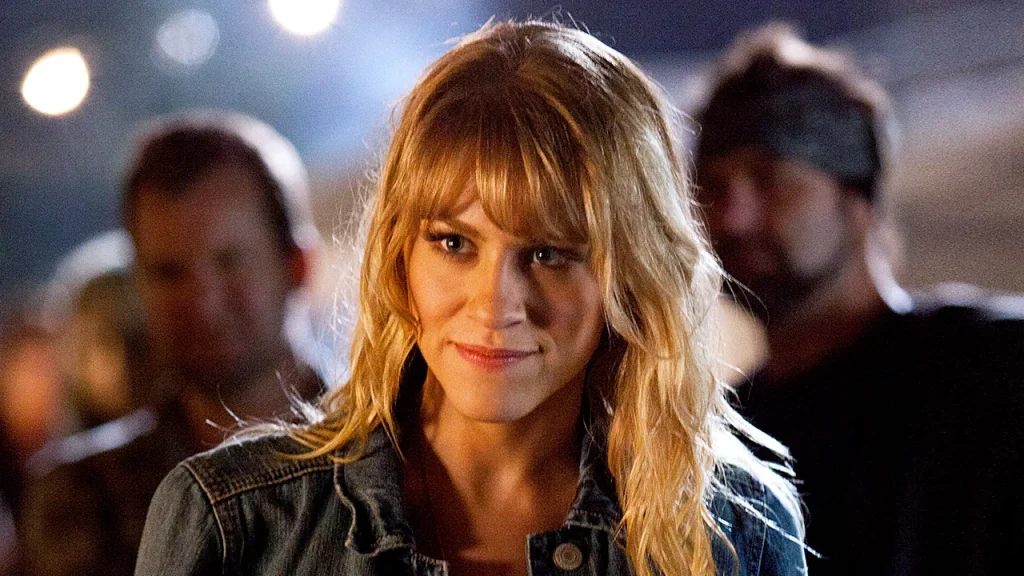
Obsessive and violent behavior defined this werewolf’s stint on the supernatural drama. Her constant attempts to sabotage the main characters made her an easy target for fan hatred. Her dramatic exit from the show was celebrated by a large portion of the audience.
Selyse Baratheon – “Game of Thrones”
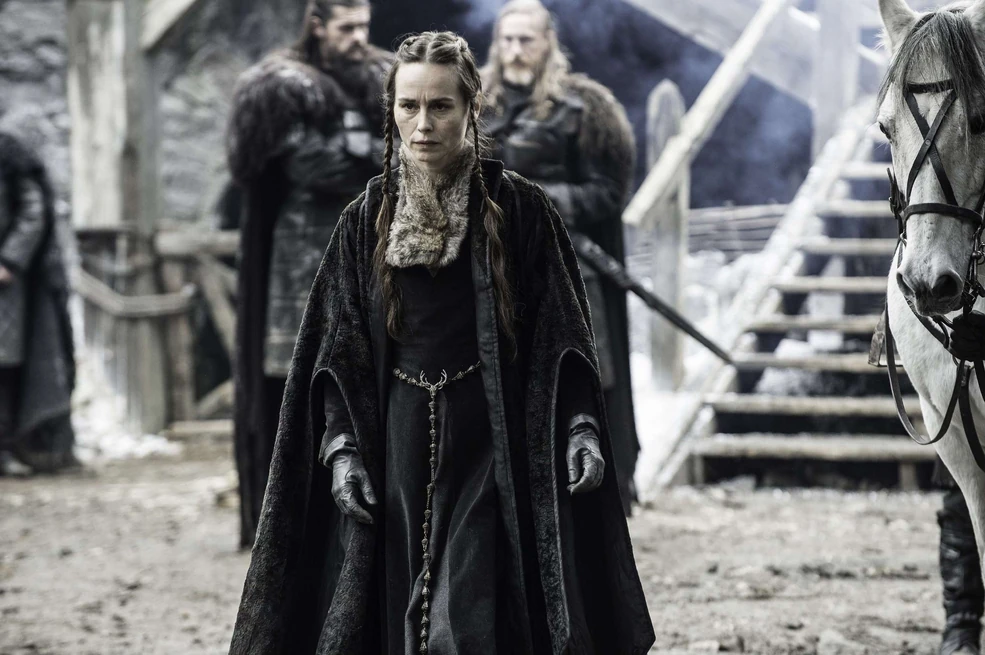
Cold and fanatically devoted to a dark religion, this queen showed little affection for her own family. Her complicity in one of the show’s most tragic deaths made her one of the most loathed figures in Westeros. The character served as a stark reminder of the dangers of religious extremism in the series.
April Nardini – “Gilmore Girls”
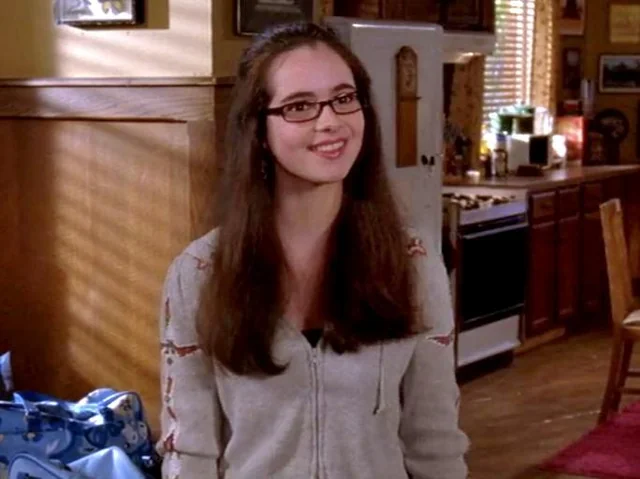
Few characters have received as much backlash for simply existing as this sudden addition to the cast. Her arrival served as a primary wedge between the central couple, stalling a long-awaited romantic payoff. Fans often point to her introduction as the beginning of the show’s downward trajectory in its final original seasons.
Eddie Menuek – “Friends”
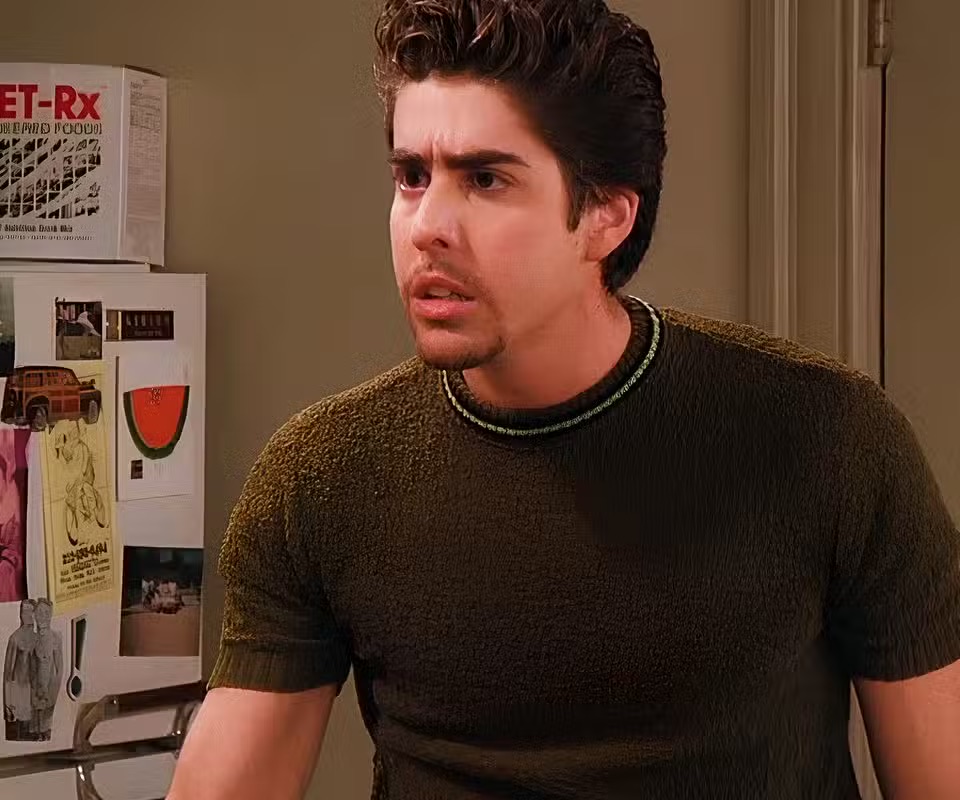
Replacing a main character as a roommate is a difficult task, but this character was designed to be intentionally unsettling. His increasingly erratic behavior and obsession with fruit drying made him a nightmare for Chandler and a source of stress for the audience. This short-lived arc is frequently cited as one of the most bizarre and uncomfortable detours in the sitcom’s decade-long history.
The Great Gazoo – “The Flintstones”
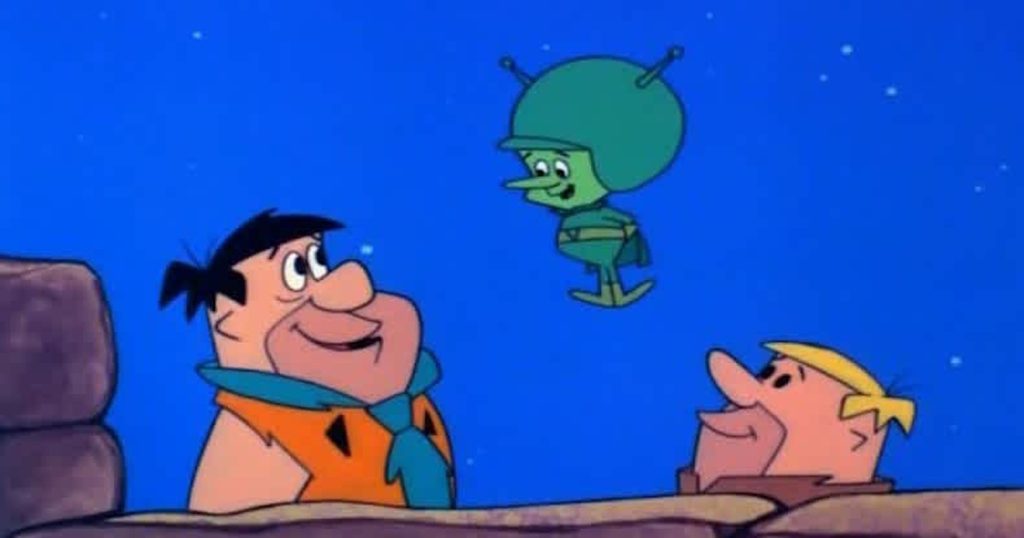
Adding a floating green alien to a show about the Stone Age was a bizarre creative choice that many felt “jumped the shark.” His magical solutions to Fred’s problems stripped away the relatable domestic comedy of the earlier seasons. Most modern reboots of the franchise choose to ignore his existence entirely.
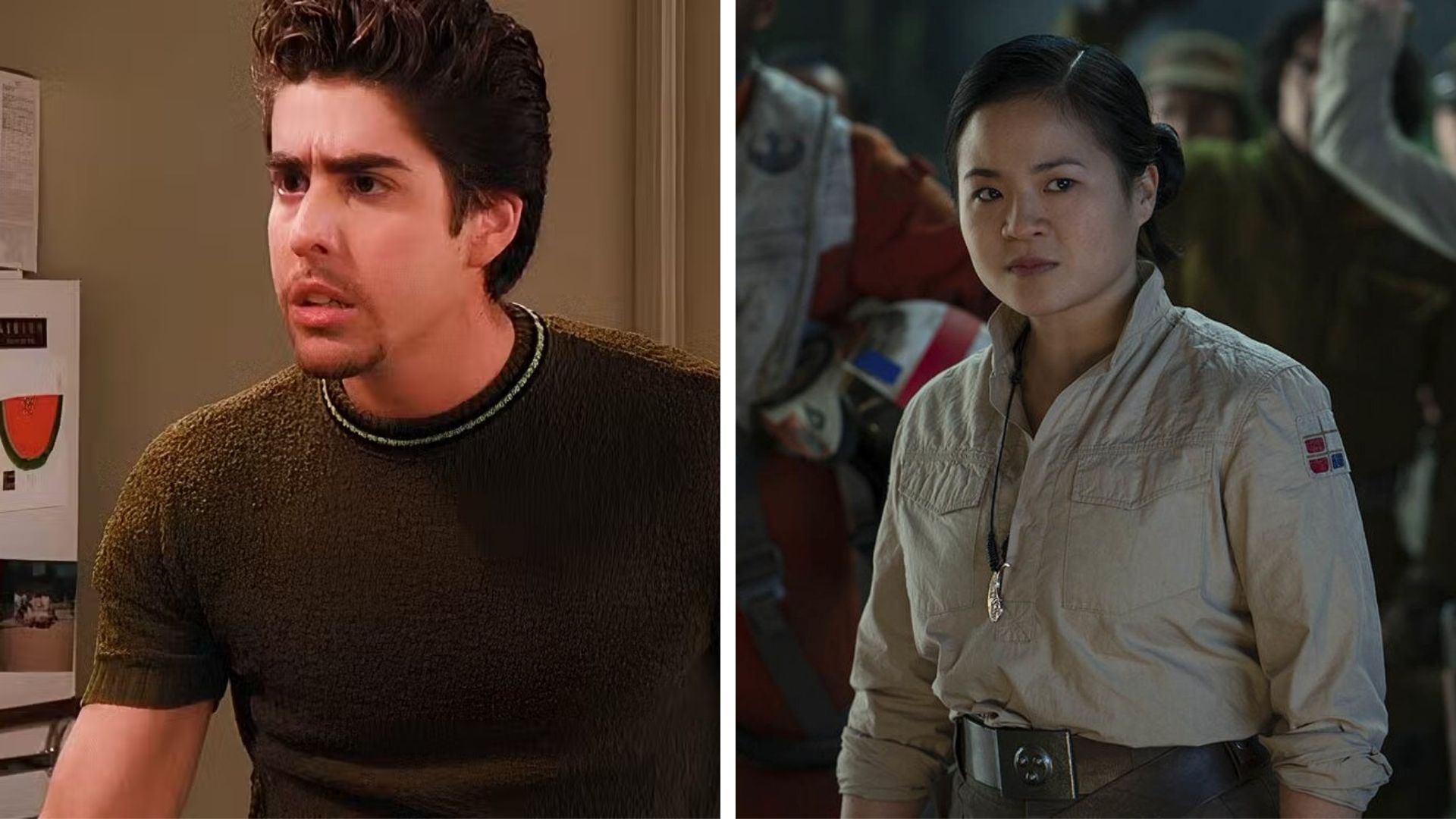
Rose Tico – “Star Wars: The Last Jedi”
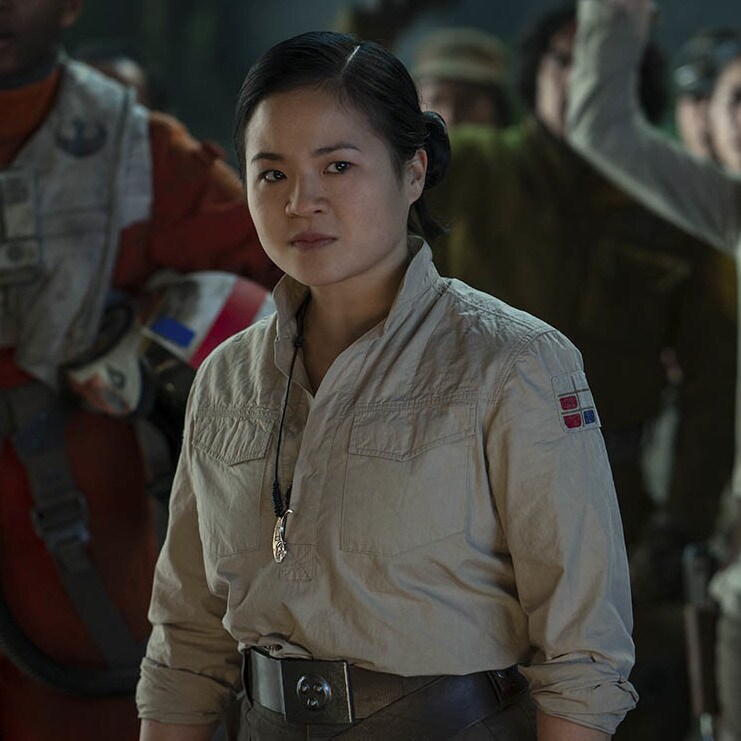
The introduction of this Resistance mechanic sparked an unprecedented and unfortunate level of online debate. While some appreciated her perspective on war, a vocal section of the fan base found her subplot and romantic interjection to be unnecessary to the main arc. Her screen time was famously cut to just over a minute in the following film, sparking even more controversy regarding the franchise’s direction.