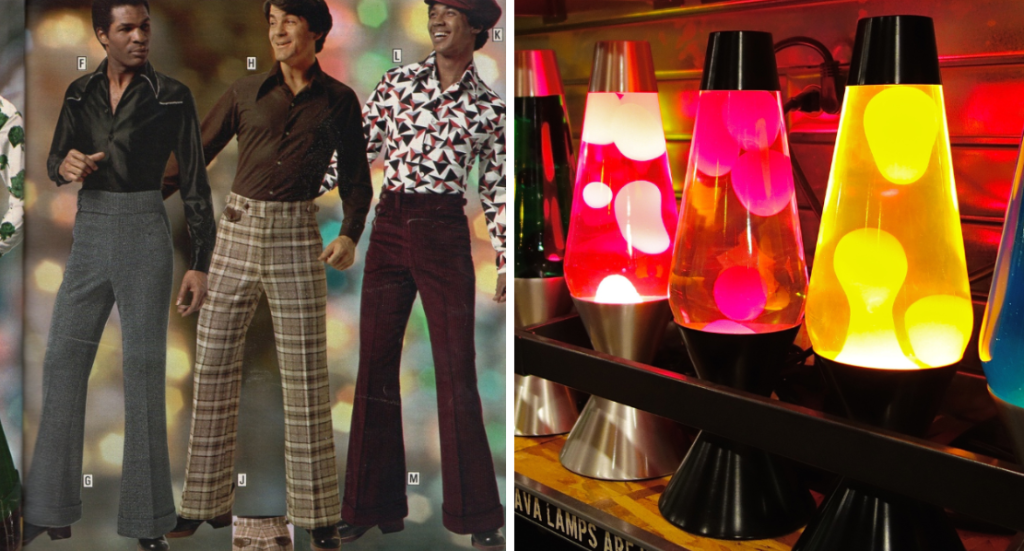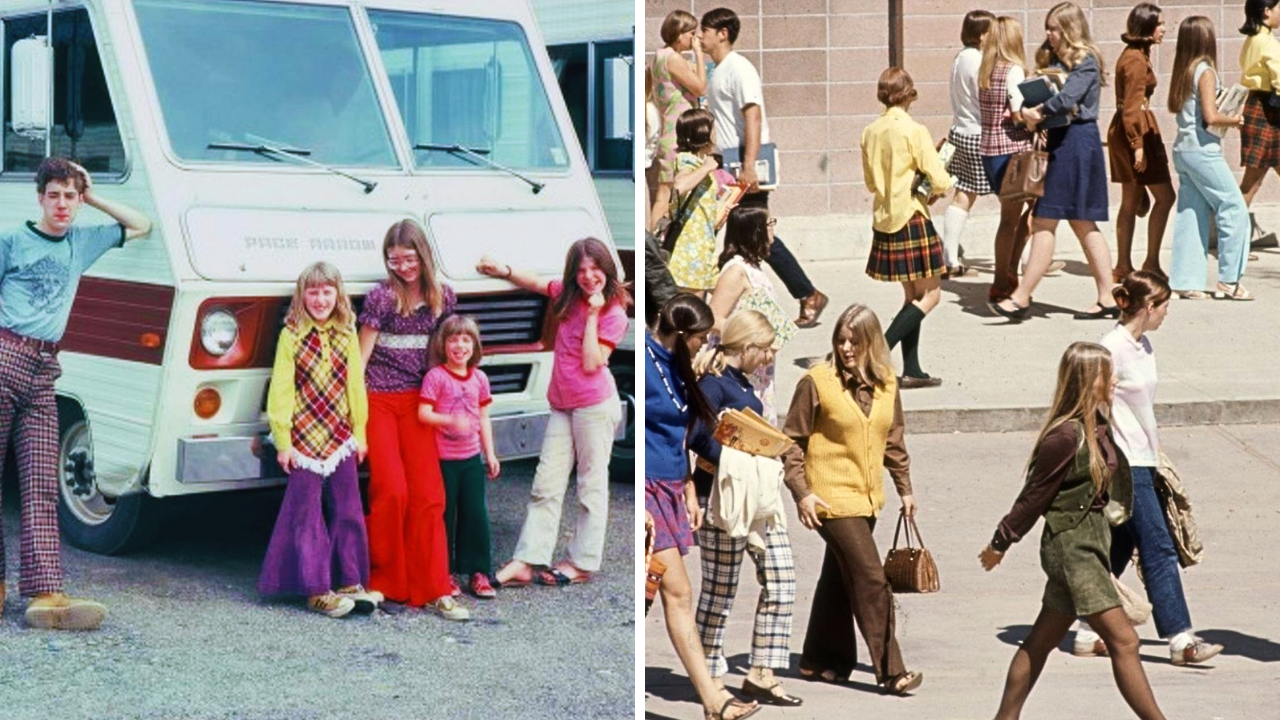
People romanticize the ’60s and ’70s constantly, but older generations usually describe those decades in a more balanced way: some things were harder, some were better, and some parts of life genuinely felt simpler. Many people especially miss the slower pace, stronger in-person social lives, affordable hobbies, and the fact that not every second of existence was connected to a screen. Of course, life wasn’t magically perfect, many Reddit users also pointed out that women, minorities, and LGBTQ people faced serious discrimination during those decades. Still, here are 30 reasons many people say everyday life felt easier in the ’60s and ’70s.
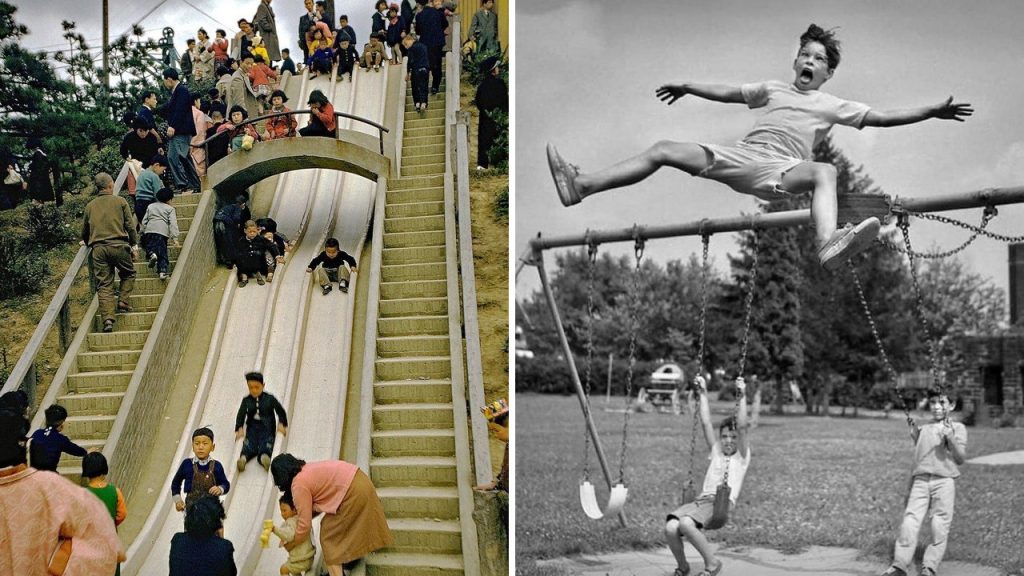
1. Kids Played Outside For Hours Without Parents Panicking

A huge number of older people remember leaving the house in the morning and not coming back until dinner.
2. People Weren’t Reachable 24/7

If you left the house, people simply couldn’t contact you instantly. That sounds terrifying to some people now and incredibly peaceful to others.
3. There Was Less Constant News Overload

Without social media and 24-hour news cycles, many people say life felt less mentally exhausting.
4. People Actually Memorized Phone Numbers

Most adults could remember dozens of phone numbers because they had no choice.
5. Hanging Out Usually Meant Face-To-Face Interaction

People often describe conversations as more present and less distracted.
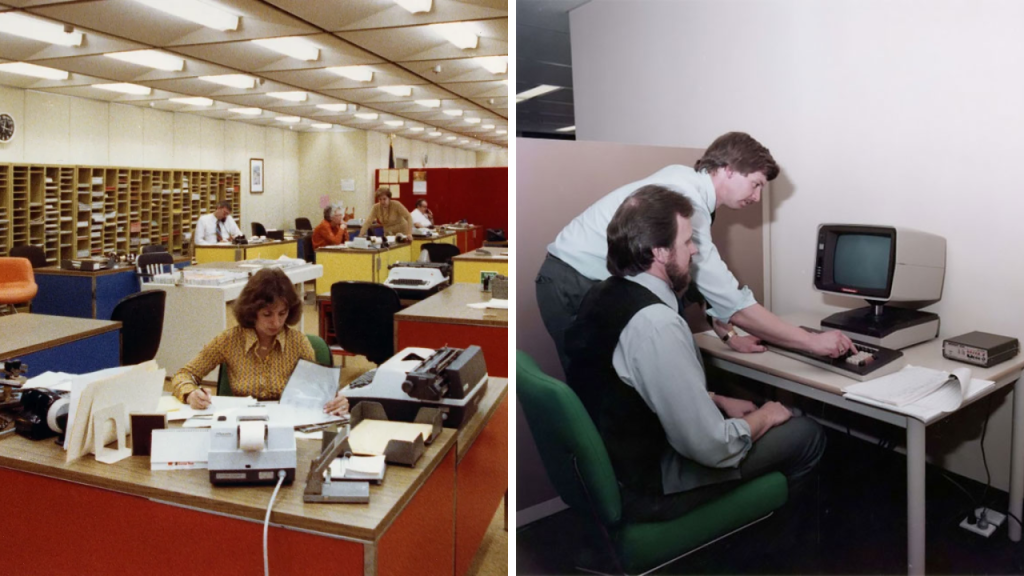
6. There Were Fewer Bills And Monthly Subscriptions

No internet bill, streaming subscriptions, app payments, or smartphone upgrades every two years.
7. People Weren’t Comparing Their Lives Online Constantly

Your awkward phase mostly disappeared into physical photo albums instead of existing forever online.
8. Childhood Felt More Independent

Many older people describe childhood in the ’60s and ’70s as far less supervised than today.
9. Stores Felt More Personal

Smaller local businesses often knew customers by name.
10. Fewer Choices Sometimes Made Life Simpler

There were fewer TV channels, fewer brands, fewer apps, and fewer endless decisions every day.
11. Most Kids Shared The Same Pop Culture

Because there were fewer entertainment options, huge parts of the country watched the same shows and listened to the same music.
12. Road Trips Felt More Adventurous

Without GPS, road trips involved maps, random stops, and occasionally getting completely lost.
13. People Had More Privacy

No location tracking, no social media history, no constant digital records.
14. Concerts Were Much Cheaper

People still complain about modern ticket prices compared to older decades.
15. Most Meals Were Cooked At Home

Fast food existed, but home cooked meals were far more common.
16. Nobody Expected Instant Replies

Waiting days for a response was normal instead of emotionally catastrophic.
17. Teenagers Had More Freedom To Roam

Malls, arcades, parks, and diners became giant social hubs for teenagers.
18. Houses Were Smaller But Simpler

Many families lived comfortably with far fewer possessions than people often expect today.
19. There Was Less Pressure To Build A “Personal Brand”

People could just exist without documenting every moment for strangers online.
20. More People Knew Their Neighbors

Neighborhood communities often felt tighter because people spent more time physically nearby.
21. Music Felt More Shared

Listening to music often became a group activity instead of everybody wearing separate headphones.
22. TV Actually Ended At Night

Streaming didn’t exist, and some stations literally stopped broadcasting overnight.
23. People Fixed More Things Instead Of Replacing Them

Repair shops were common because products were often designed to last longer.
24. Vacations Could Feel More Disconnected

People could disappear for a week without work emails following them everywhere.
25. School Life Was More Social

Students often spent downtime talking face-to-face instead of looking at phones.
26. There Was Less Pressure To Constantly “Optimize” Yourself

No productivity apps, no hustle culture videos, and fewer people trying to monetize every hobby.
27. Entertainment Felt More Like An Event

Seeing a movie or special TV event felt bigger because there were fewer entertainment options overall.
28. People Spent More Time Bored

Oddly enough, many people now think boredom helped creativity and imagination.
29. Customer Service Was Usually Human

No chatbots. No endless automated menus. Usually just an actual person helping you.
30. Life Felt Slower Overall

That doesn’t mean life was objectively better, but many people who lived through the ’60s and ’70s say the pace of everyday life felt less intense and less overwhelming than today.