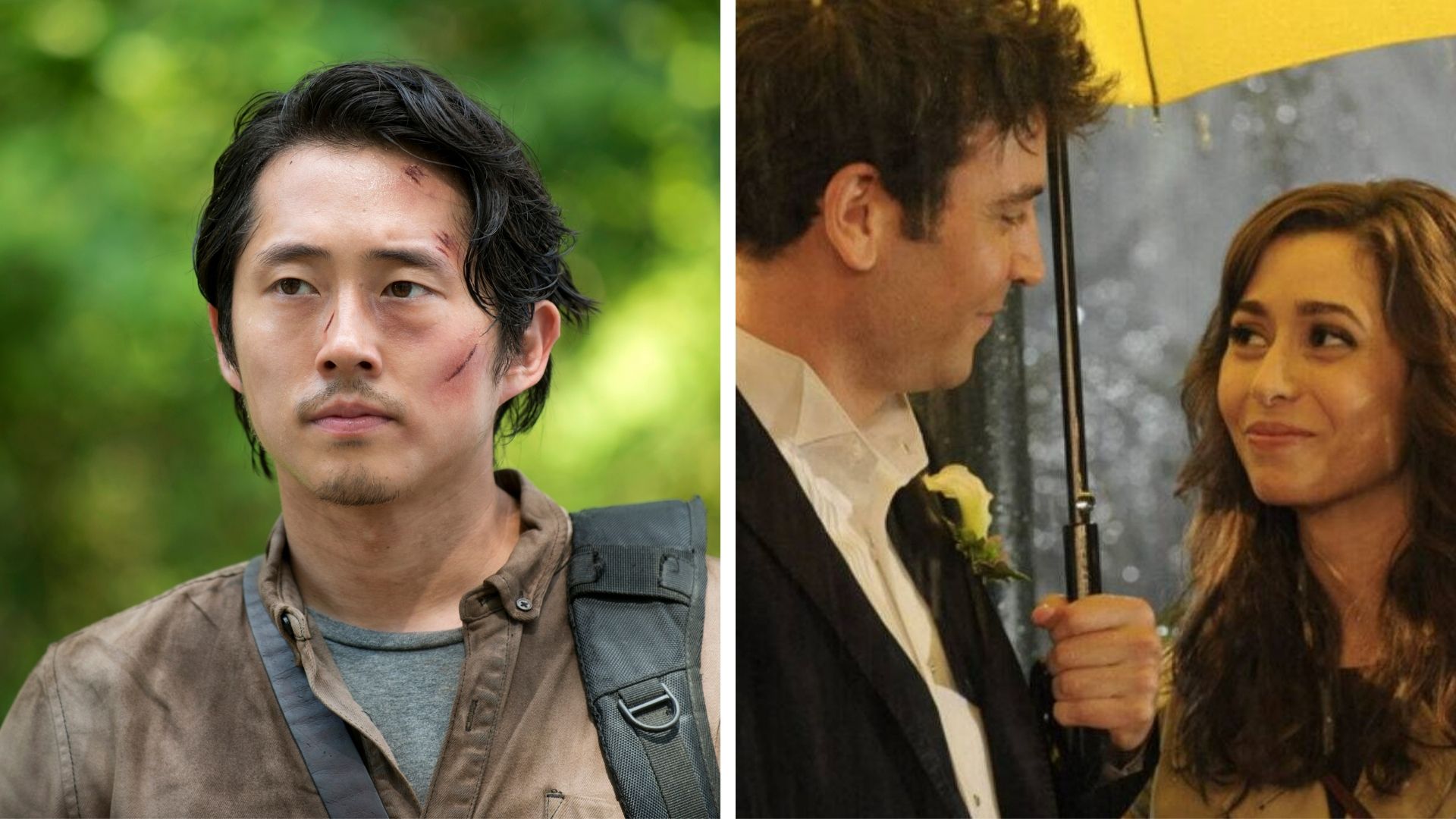
Television is an investment of time, emotion, and loyalty that can be instantly shattered by a single creative decision. Sometimes writers remove a beloved figure for pure shock value, while other times behind the scenes disputes force an abrupt exit. Viewers invest years into following a narrative arc, only to watch a poorly executed departure derail the entire storyline. These 30 character exits did not just break hearts across the globe, they fundamentally fractured the series itself and left audiences wondering why they ever tuned in. Of course, spoilers ahead.
Matthew Crawley – “Downton Abbey”

The sudden car crash taking the estate’s heir away from viewers remains one of British television’s most heavily criticized choices. Dan Stevens chose to leave the period drama to pursue opportunities in Hollywood, forcing creator Julian Fellowes to rewrite the entire series trajectory. This departure fundamentally altered the optimistic romantic tone of the production.
Rita Bennett – “Dexter”
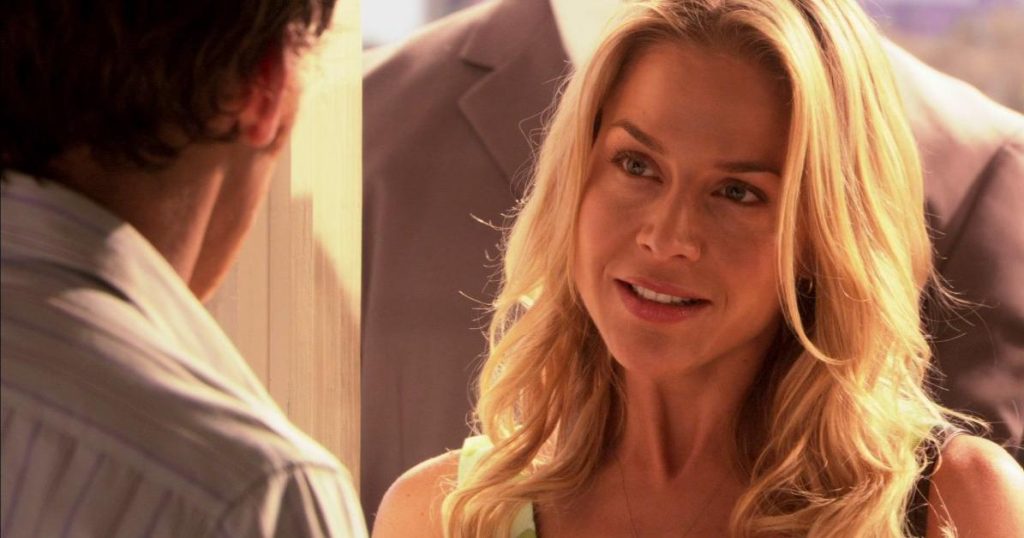
Showtime struck gold with a dark drama hiding in plain sight, largely anchored by the protagonist’s connection to a genuinely innocent partner. Finding her lifeless in a bathtub shifted the narrative into an overwhelmingly bleak territory. The writers stripped away the main character’s primary tether to humanity. From that moment forward, the series struggled to replicate the delicate balance between domestic life and dark urges.
Bellamy Blake – “The 100”
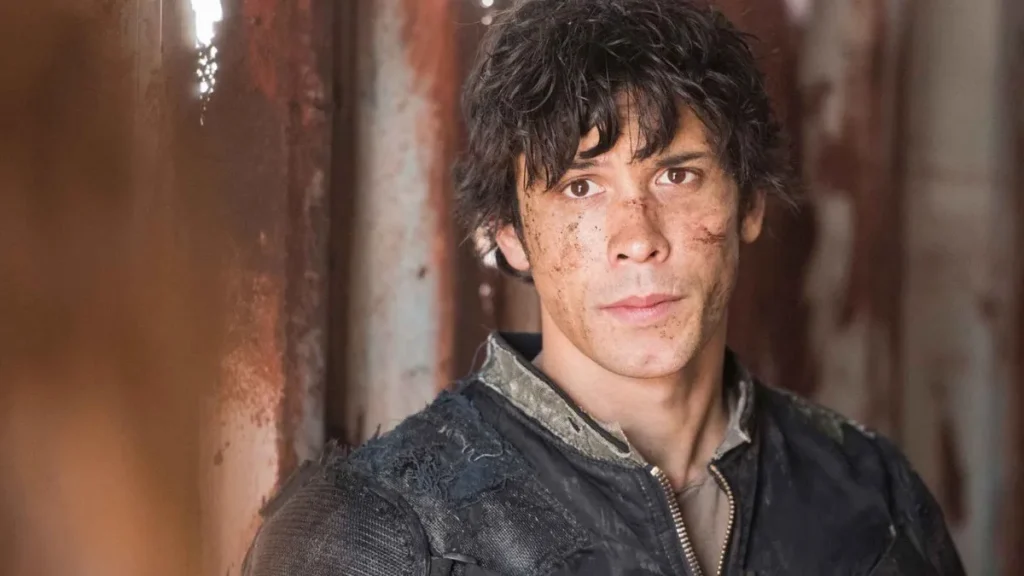
The CW network built a dedicated fanbase through intense sci-fi survival themes, much like other teen dramas captivated young audiences. Writing off a core male lead in the final season felt less like a natural conclusion and more like a rushed shortcut that derailed the emotional investment.
Abbie Mills – “Sleepy Hollow”

Buddy cop dynamics rely entirely on the chemistry between the two leads. Sacrificing this investigator to propel the plot forward eliminated the only grounded element of an increasingly bizarre show. The production predictably collapsed a short time later without her anchoring presence.
Charlie Pace – “Lost”
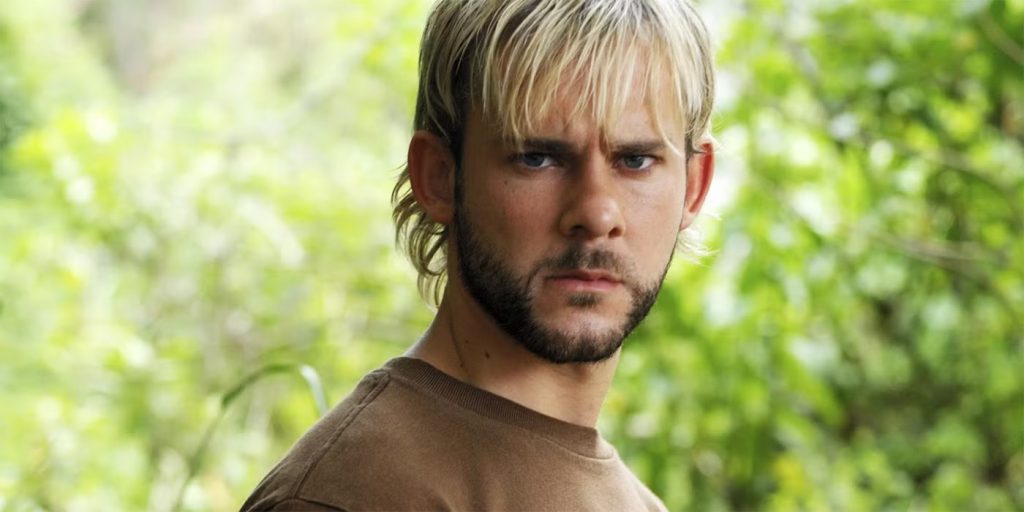
ABC dominated the mid 2000s landscape with mysterious island mythology, and this character stood as the emotional center. The decision to perish in the water inside the Looking Glass station delivered a spectacular television moment. However, removing him depleted the ensemble of its most relatable and vulnerable voice. The island’s dynamic shifted toward dense sci-fi lore rather than character driven storytelling immediately following his exit.
Tara Thornton – “True Blood”

Handling her demise entirely off camera during a chaotic premiere episode felt incredibly dismissive to her extensive character arc. It signaled to the audience that the final season would lack meaningful narrative payoffs for long term survivors.
Henry Blake – “M*A*S*H”
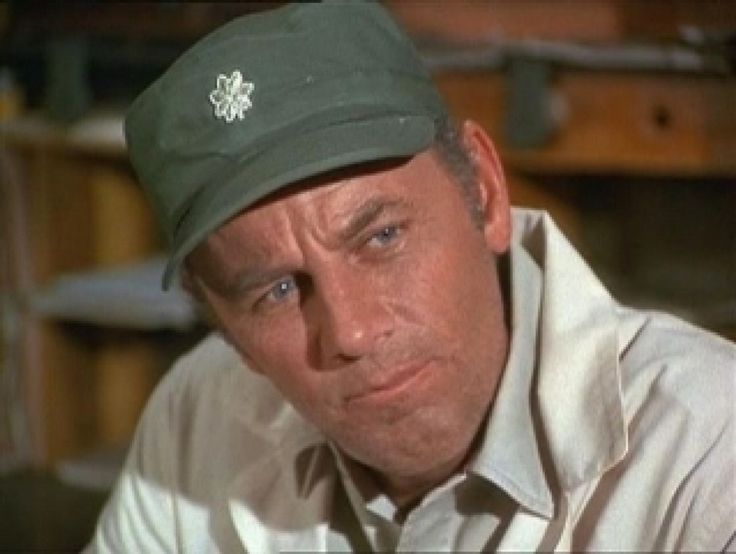
Sitcoms in the 1970s rarely handled serious mortality, making this departure an unprecedented television milestone. The beloved commander was sent home, only for the writers to reveal his plane was lost over the Sea of Japan. This single script decision fundamentally changed the rules of television comedy forever.
Lexa – “The 100”
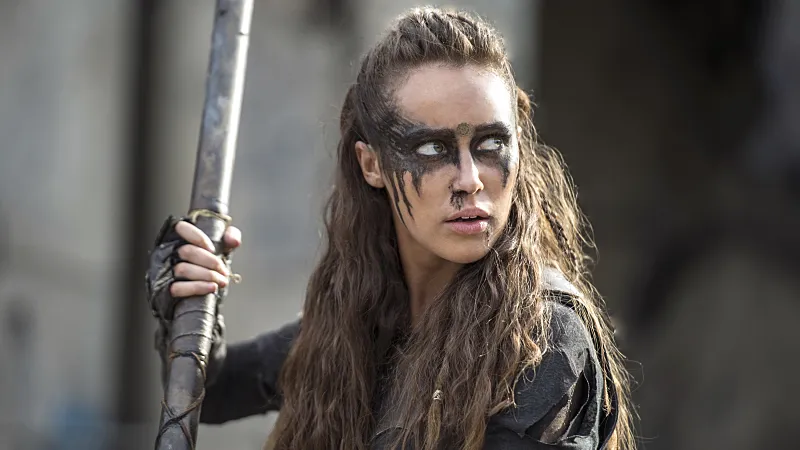
Returning to the post apocalyptic universe of The CW, this commander’s exit sparked a massive industry wide conversation about representation. Catching a stray projectile mere moments after solidifying a romantic relationship relied on a deeply controversial and tired trope. The backlash was so severe that it mobilized fans to raise funds for various youth charities. It serves as a textbook example of how a narrative misstep can permanently damage a show’s legacy.
Mark Greene – “ER”
Medical dramas thrive on high turnover, yet losing this original doctor fractured the foundation of the hit series. The hospital never regained the moral center that guided the early and most successful seasons despite new arrivals.
Logan Echolls – “Veronica Mars”
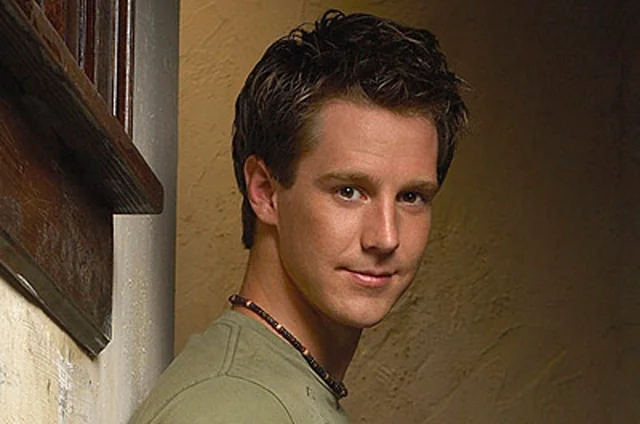
Reviving a cult classic always carries immense pressure to satisfy long term fans. Detonating a car bomb just hours after a highly anticipated wedding eradicated any sense of victory for the teenage detective. Series creator Rob Thomas defended the choice, but viewers abandoned the franchise en masse.
Sun and Jin Kwon – “Lost”

Another devastating blow to the ABC drama arrived when this married couple perished together aboard a sinking submarine. Their relationship evolved from a strained traditional marriage into an epic romance across multiple timelines. Leaving their young daughter orphaned off island felt unnecessarily punishing after their extensive trials. The emotional toll of their dual exit overshadowed many of the actual plot resolutions in the final episodes.
Anya Jenkins – “Buffy the Vampire Slayer”
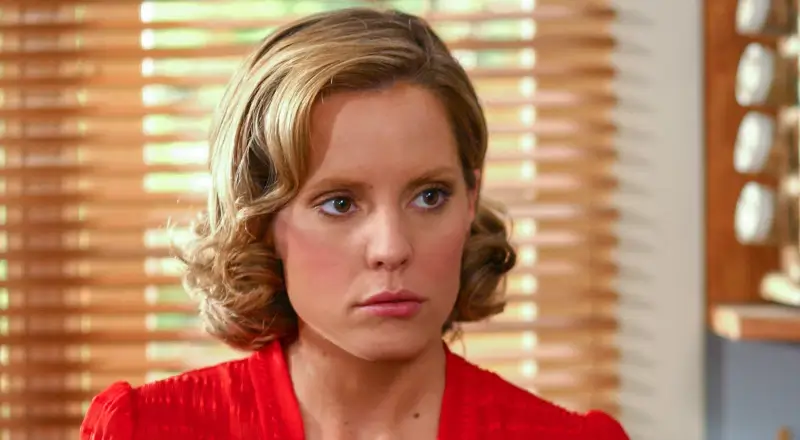
Surviving a millennium of supernatural warfare only to be unceremoniously struck down in the series finale felt incredibly cheap. Her rapid exit served only to inflict further trauma on the remaining survivors while treating a core cast member like a disposable extra.
Kenny Stowton – “Killing Eve”
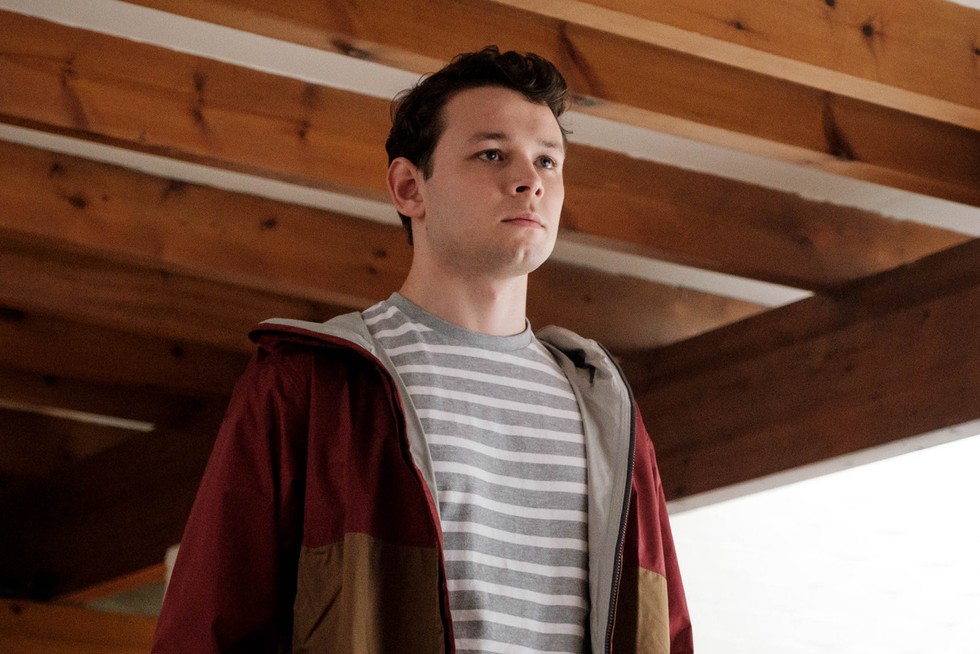
Spy thrillers need a moral compass, and this tech savvy character provided exactly that against a backdrop of glamorous operatives. Falling off a roof in a highly anticlimactic manner robbed the narrative of its most genuinely good hearted player. Critics point to this specific moment as the exact point the acclaimed series began its steep decline.
Rayna Jaymes – “Nashville”

Country music drama relies on legendary divas, and Connie Britton anchored the entire CMT production. A fatal car accident removed the central matriarch, leaving a massive void in both the musical performances and the interpersonal conflicts. Her absence forced the remaining ensemble to carry storylines that lacked the gravitas she naturally provided. The rating numbers plummeted shortly after her character drew her final breath in the hospital.
Zoe Barnes – “House of Cards”
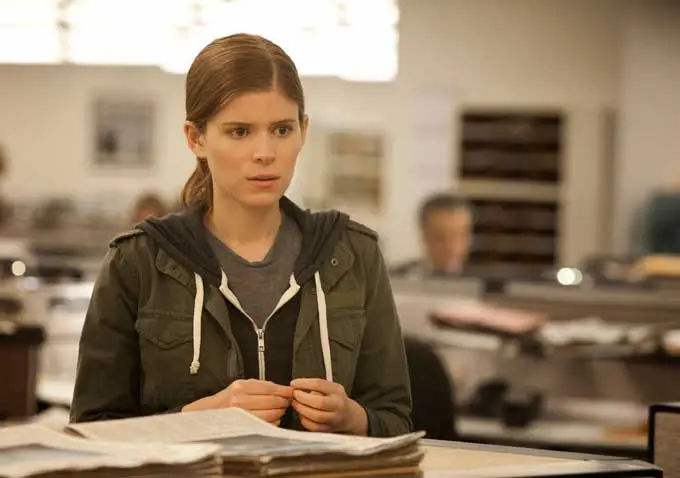
Pushing an ambitious journalist onto the subway tracks at the start of the second season established the sheer ruthlessness of the main political player. While it delivered a massive shock value, it removed the only character clever enough to legitimately threaten the corrupt empire.
Poussey Washington – “Orange Is the New Black”
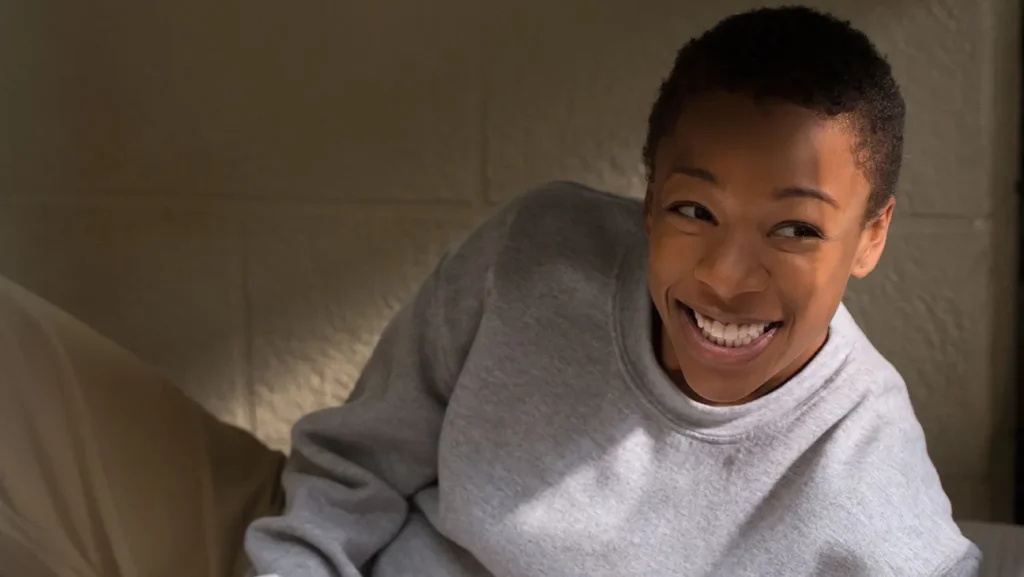
An accidental tragedy during a peaceful protest devastated the fan community and drastically altered the tone of the series. The writers aimed to comment on real world systemic issues, but they sacrificed the lightest, most optimistic presence in the facility. The subsequent riot season struggled to balance the heavy grief with the show’s signature comedy.
Michael Cordero – “Jane the Virgin”
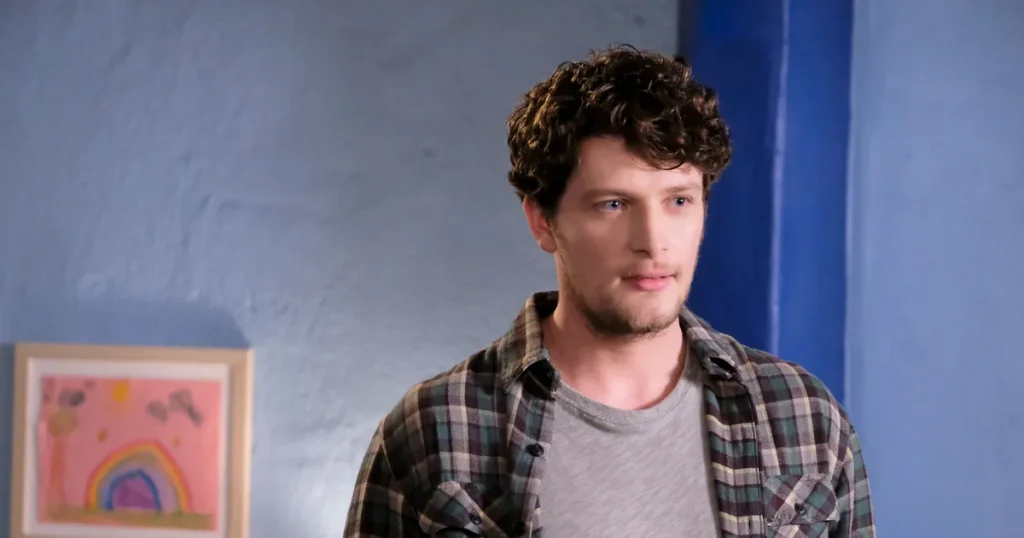
Telenovela adaptations thrive on dramatic twists, but certain moves alienate the audience entirely. The sudden passing of a beloved husband just as the couple settled into domestic bliss felt like a cheap emotional manipulation. The subsequent time jump attempted to reset the narrative, but viewers remained incredibly bitter about the loss. Resurrecting him years later with amnesia only further insulted the original heartbreak.
Warrick Brown – “CSI: Crime Scene Investigation”
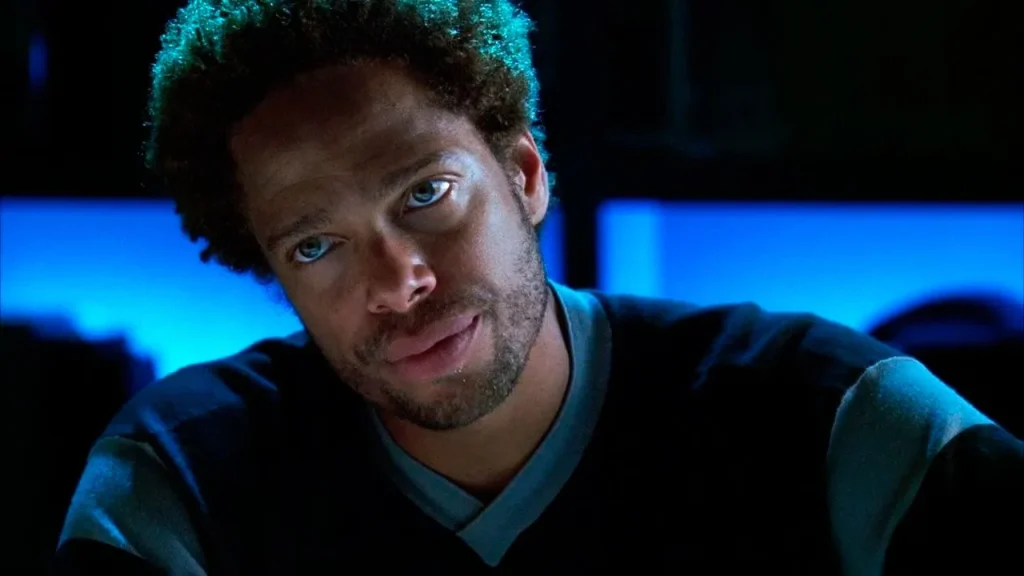
Forensic procedurals usually maintain a stable team dynamic to solve weekly mysteries. The lab team lost its most complex and conflicted investigator, and the original gritty chemistry of the Las Vegas unit was permanently broken.
Kate Todd – “NCIS”
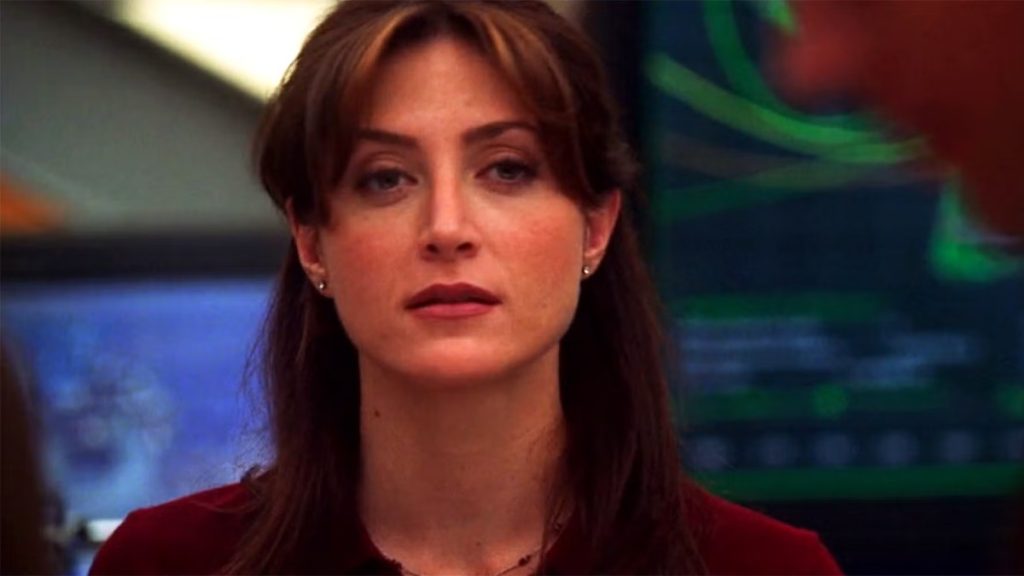
CBS struck procedural gold with this military investigation unit, but they did not hesitate to eliminate a core team member. A sudden rooftop attack during a seemingly victorious moment stunned viewers across the country. The agency gained a new dynamic afterward, yet the sheer shock of that scene still lingers in television history.
Robb Stark – “Game of Thrones”
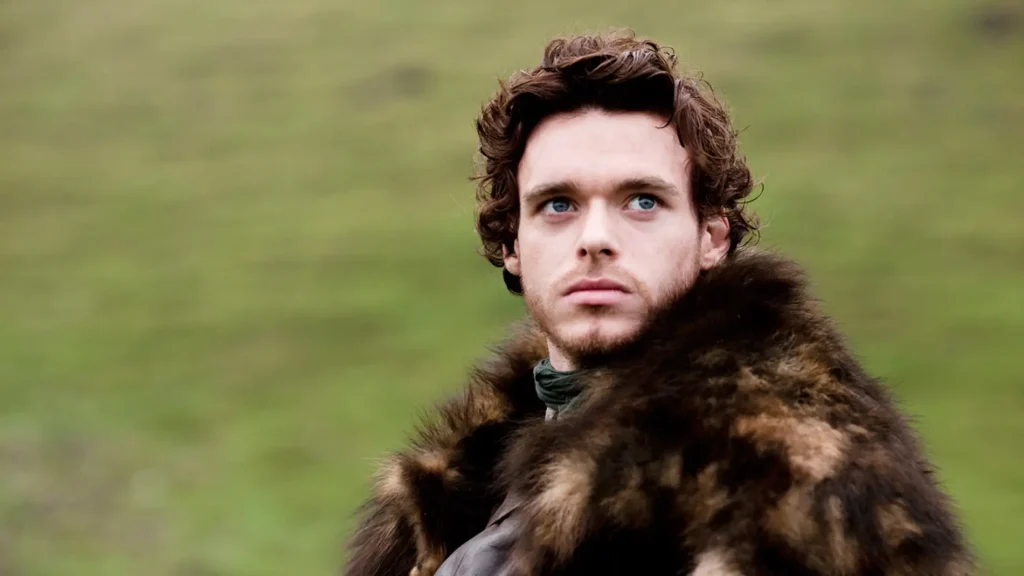
Premium cable elevated fantasy to prestige drama by proving that traditional heroes were never safe. The infamous Red Wedding event eliminated the primary military threat to the established throne in one brutal sequence. It successfully subverted fantasy tropes but gutted the audience’s motivation to invest in righteous crusades. The geopolitical landscape of the fictional continent grew significantly darker and more cynical in the aftermath.
Barristan Selmy – “Game of Thrones”
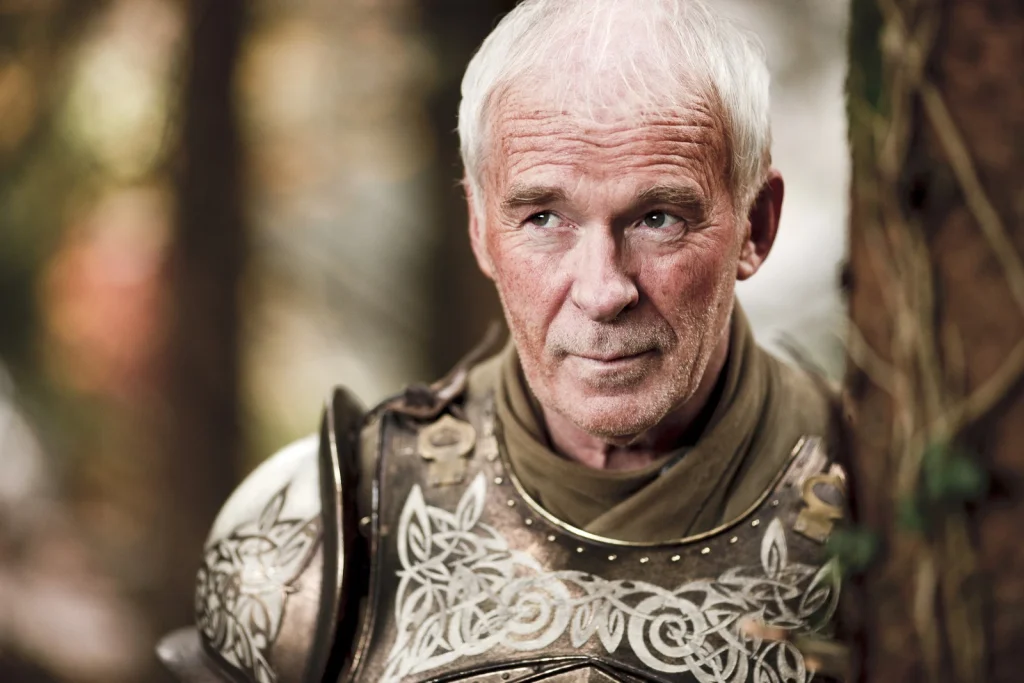
In the same fantasy universe, legendary swordsmen deserve legendary final stands. Getting ambushed and overwhelmed in a random alleyway completely undermined the knight’s formidable reputation and signaled a departure from the rich source material.
Jim Clancy – “Ghost Whisperer”
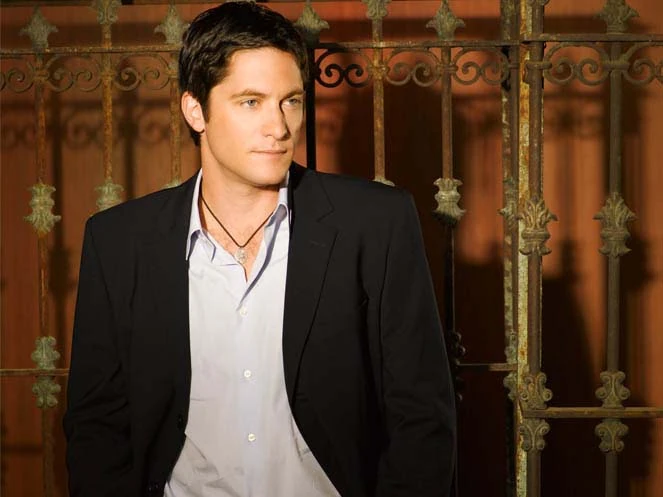
Supernatural procedurals often need a grounded human element to balance the weekly spiritual encounters. Losing the supportive husband only to have his spirit possess another man’s body was a wildly convoluted creative swing. The network canceled the series shortly after this bizarre storyline failed to resonate with the core audience.
Maude Flanders – “The Simpsons”
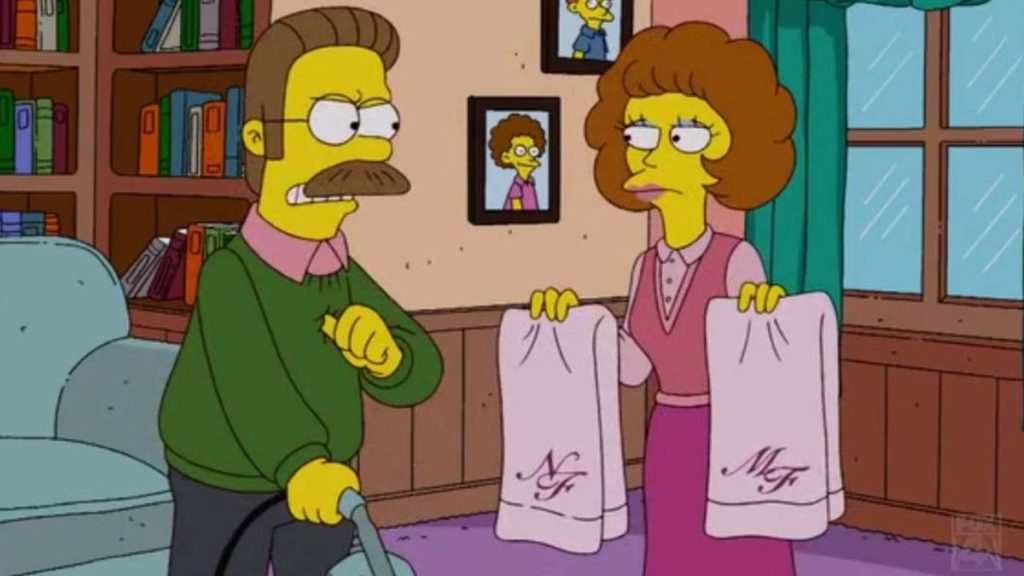
Animated sitcoms rarely alter their neighborhood dynamics, making this stadium accident a genuine shock. A dispute over voice actor pay led the writers to shoot the deeply religious neighbor off a grandstand with a barrage of promotional items. Her absence forced the family patriarch into a state of perpetual grief and increasingly extreme fundamentalism. Many comedy purists cite this specific episode as the definitive end of the show’s golden era.
Robin – “Once Upon a Time”
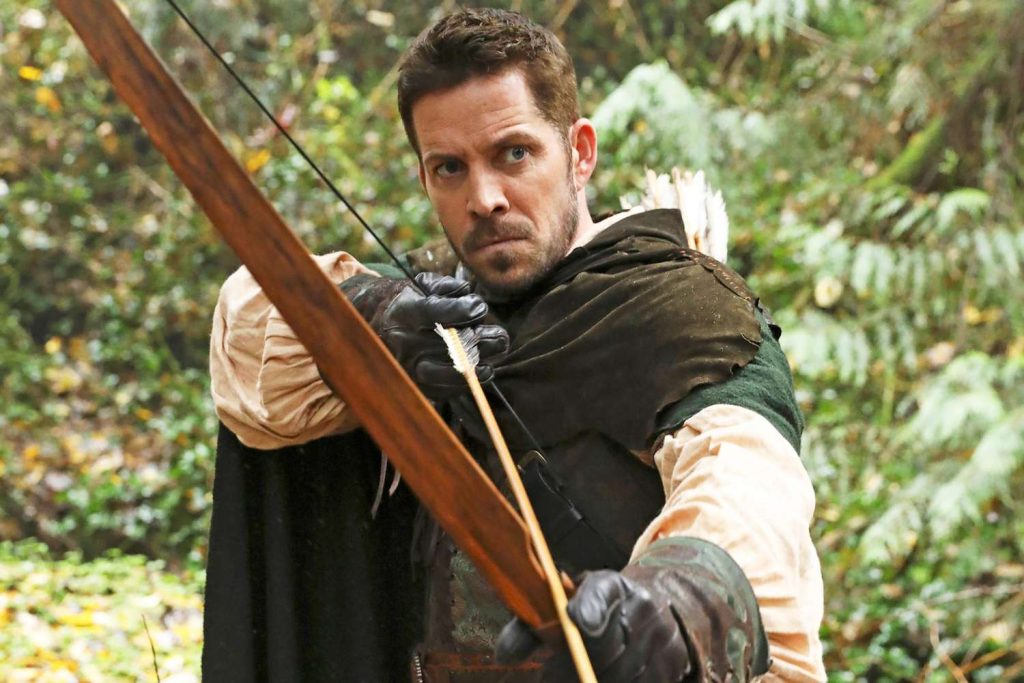
Fairy tale adaptations promise magical solutions and rewarding resolutions. Annihilating this heroic archer’s soul so he could not even exist in the afterlife felt unnecessarily cruel to a character actively seeking redemption.
Dean Winchester – “Supernatural”
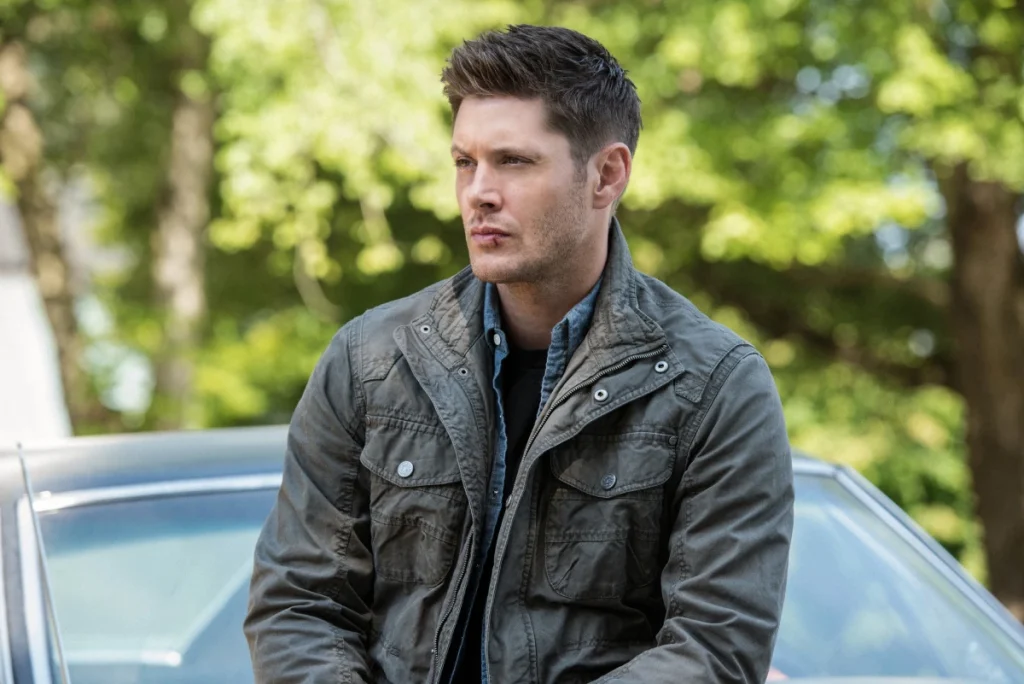
Surviving mythical apocalypses and literal deities sets an incredibly high bar for a hunter’s final exit. Taking a fatal injury during a mundane skirmish felt entirely disproportionate to fifteen years of epic storytelling. The anticlimactic sendoff left a sour note on a historic television run.
Allison Argent – “Teen Wolf”
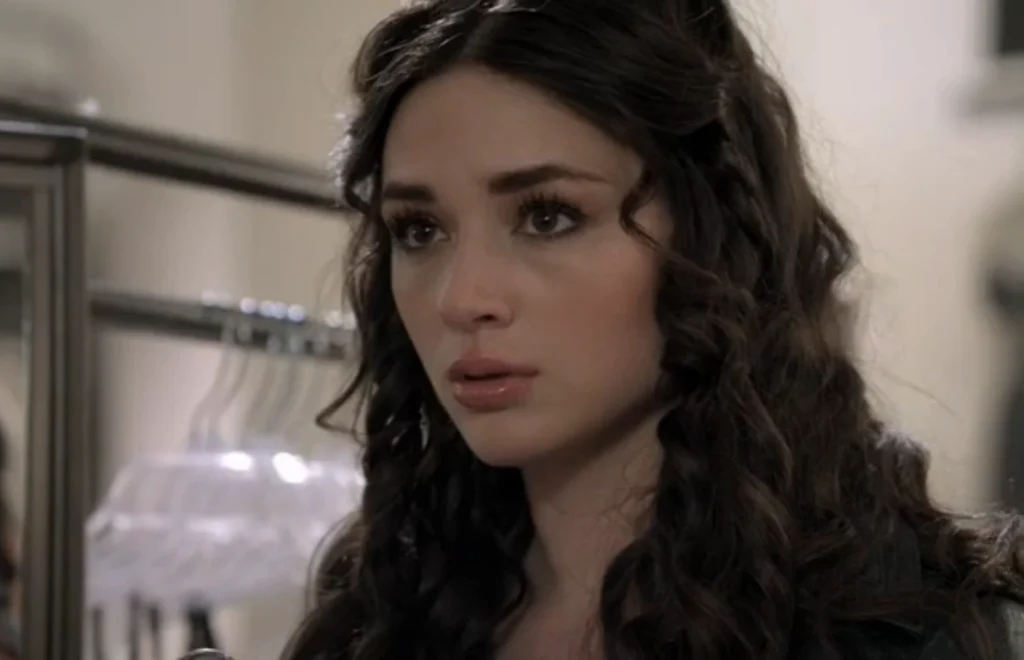
MTV pivoted heavily into supernatural teen drama, building intense rivalries and forbidden romances. Crystal Reed requested to leave the show, resulting in a heroic but devastating sacrifice against a demonic entity. The archer provided a crucial human perspective to an increasingly overpowered werewolf pack. The writing team attempted to introduce new hunters, but the emotional void left by her departure haunted the rest of the series.
Carl Grimes – “The Walking Dead”

Getting bitten while helping a stranger directly contradicted the survival instincts this teenage boy had honed over eight grueling seasons. Losing the heart of the show caused a massive viewership drop that the network never recovered.
Derek Shepherd – “Grey’s Anatomy”
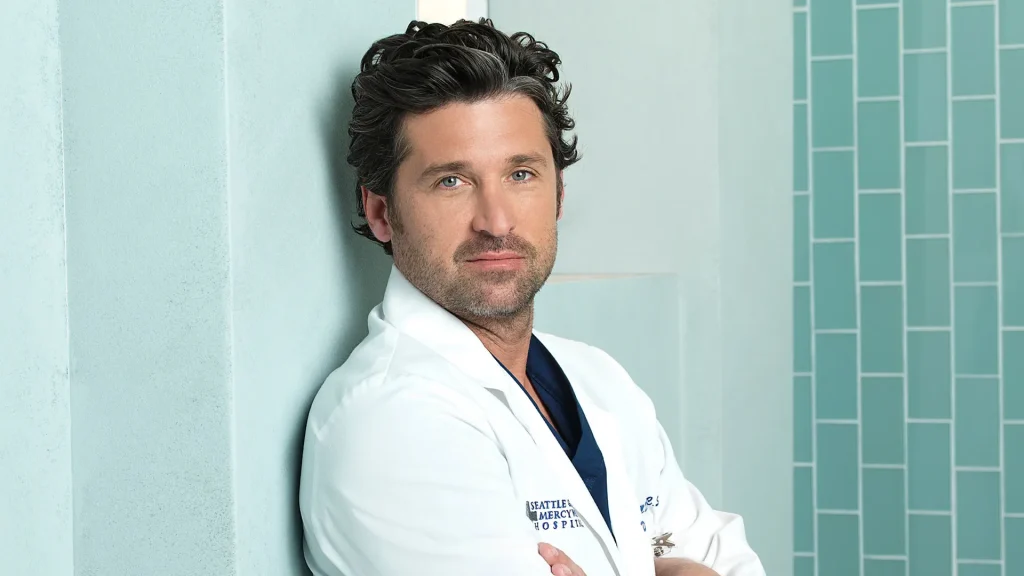
Medical soaps demand dramatic exits, but removing the central romantic lead shook the pop culture landscape. A car crash followed by gross medical negligence at a rival hospital felt like a deeply frustrating way to lose a legendary surgeon. The hospital halls continued to bustle, but the defining romance of a generation was permanently extinguished.
Glenn Rhee – “The Walking Dead”
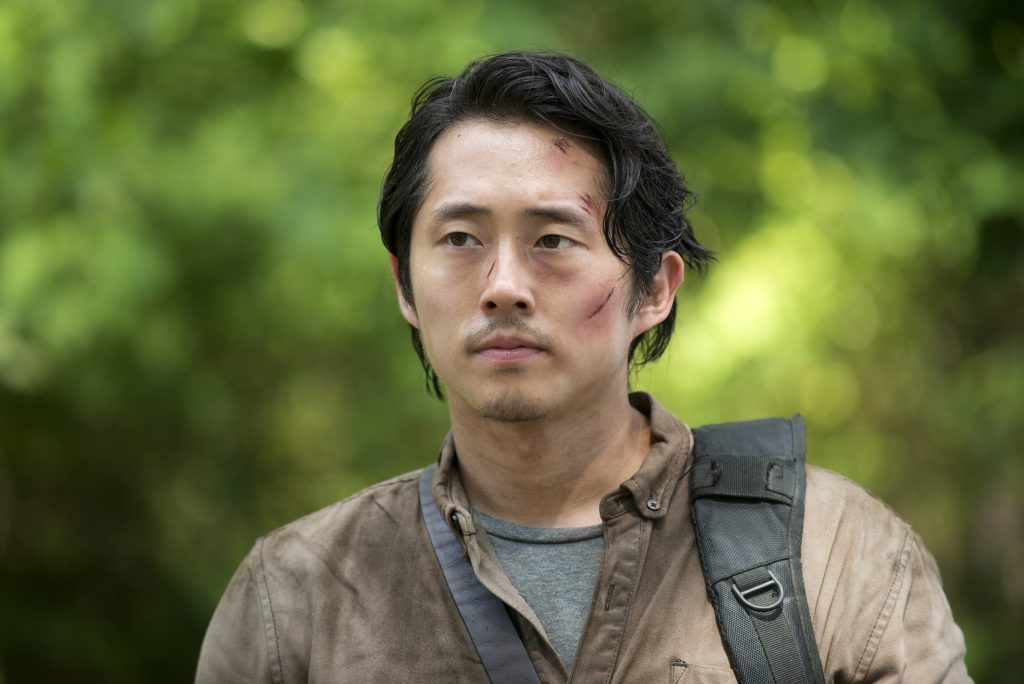
Cable television pushed the boundaries of visual intensity with the introduction of an infamous barbed wire weapon. A fake out scare earlier in the season already exhausted fans before the genuine, graphic demise took place. The sheer brutality of the sequence alienated millions of dedicated viewers overnight. The series transformed from a tense survival story into a grim exercise in misery.
Tracy McConnell – “How I Met Your Mother”
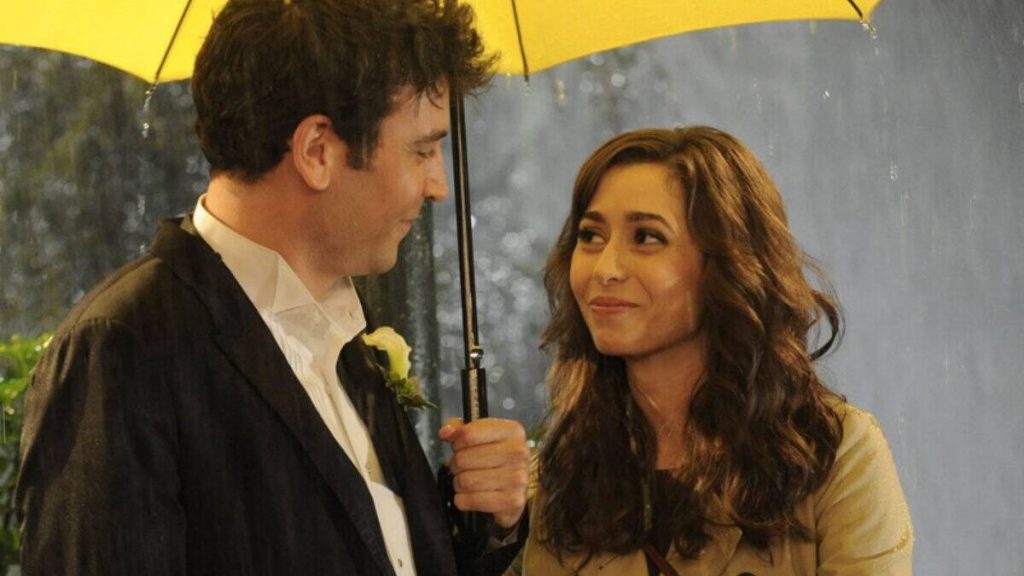
A sitcom premise spanning nine years demands an immensely satisfying payoff. Introducing a charming, perfectly cast mother only to end her journey through brief narration felt like a monumental betrayal. Reducing the titular character to a mere plot device so the protagonist could return to an ex girlfriend remains a legendary television failure.