You feel nostalgia in a whole new way when it becomes clear just how much everyday life has changed. Here are 30 things from the 1990s that now seem almost unbelievable compared to today. Whether it was discovering music, going online for the first time, or living with slower, more analog habits, what once felt normal now looks like a time capsule. If any of this sounds familiar, you probably remember the beeps, the waiting, and the uniquely analog magic of that decade.
Carrying Change For Payphones
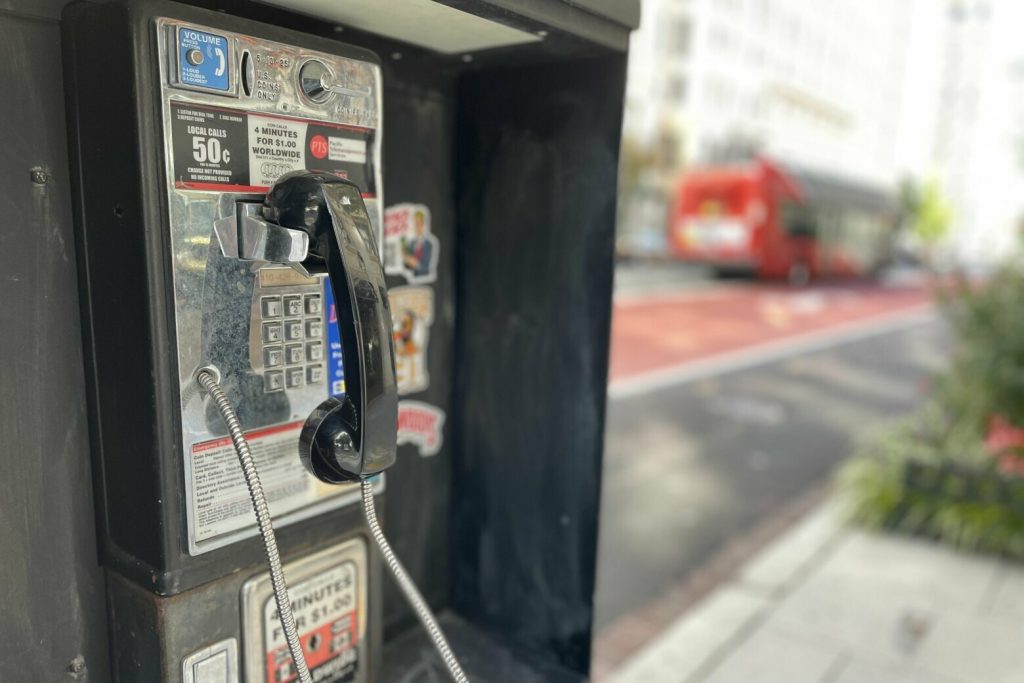
Payphones were lifelines when plans changed away from home. Collect calls and calling cards filled the gaps. Mobile coverage and messaging made the booth disappear from daily life. Now, public phones are rare sightings in most cities.
Tamagotchis And Virtual Pets
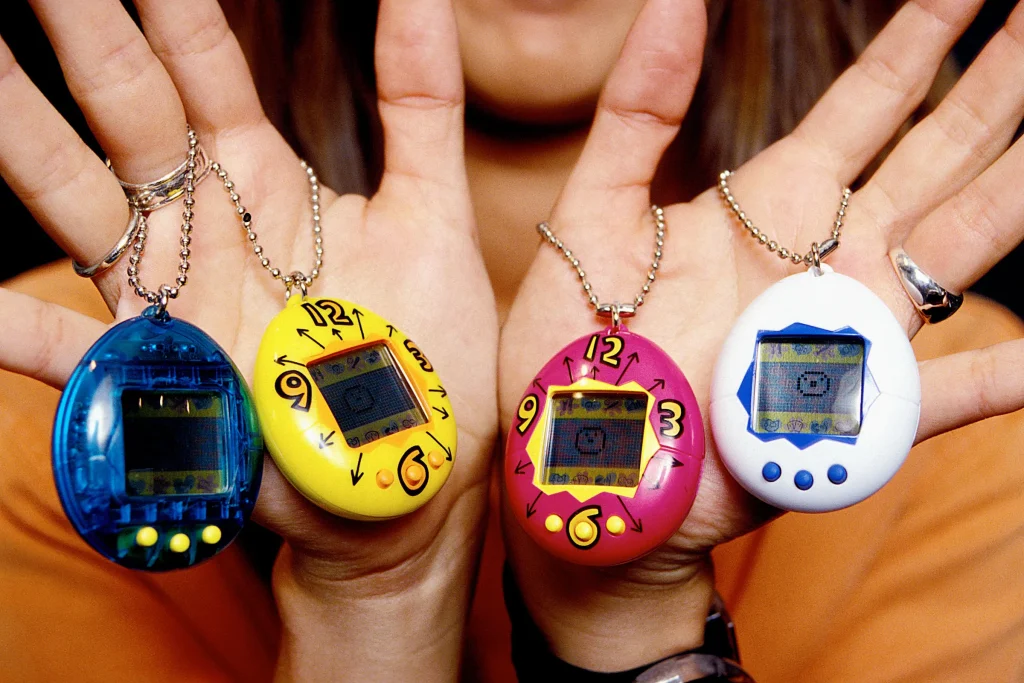
Keychain gadgets demanded feeding and cleaning on a schedule. Schools sometimes banned them during class. Today, similar loops live inside phone games.
Overhead Projectors And TV Carts At School
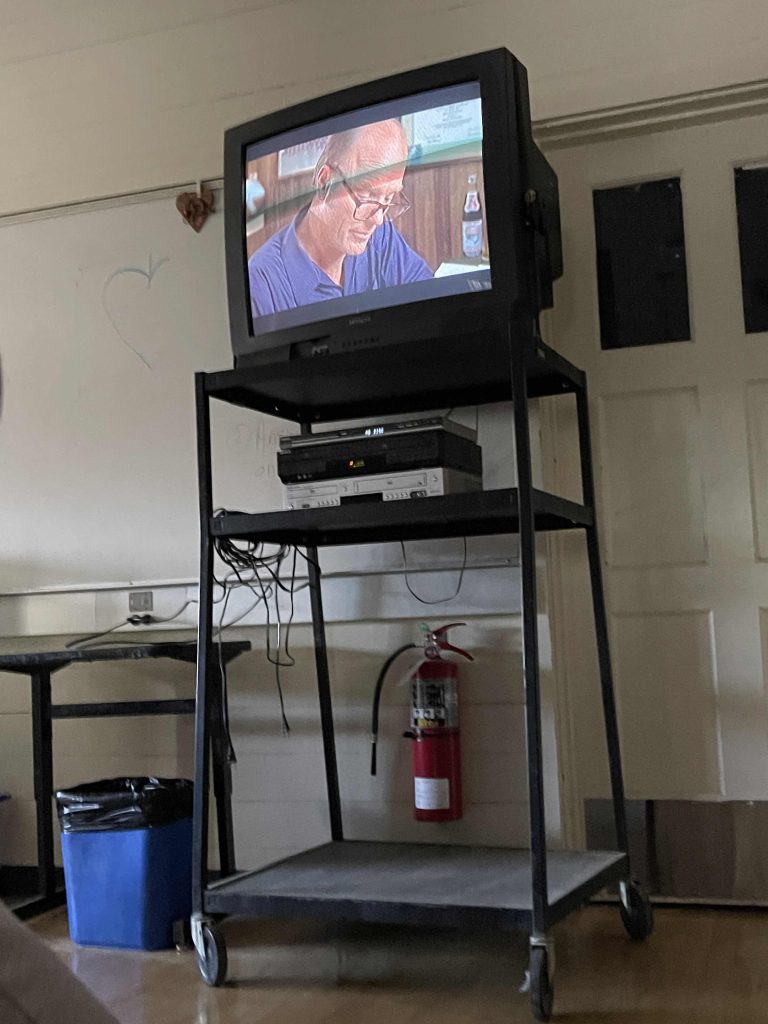
Transparencies and dry erase markers were classroom staples. A rolling TV and VCR meant a documentary day. Now, screens, tablets, and projectors handle media seamlessly.
Making Mixtapes On Cassettes
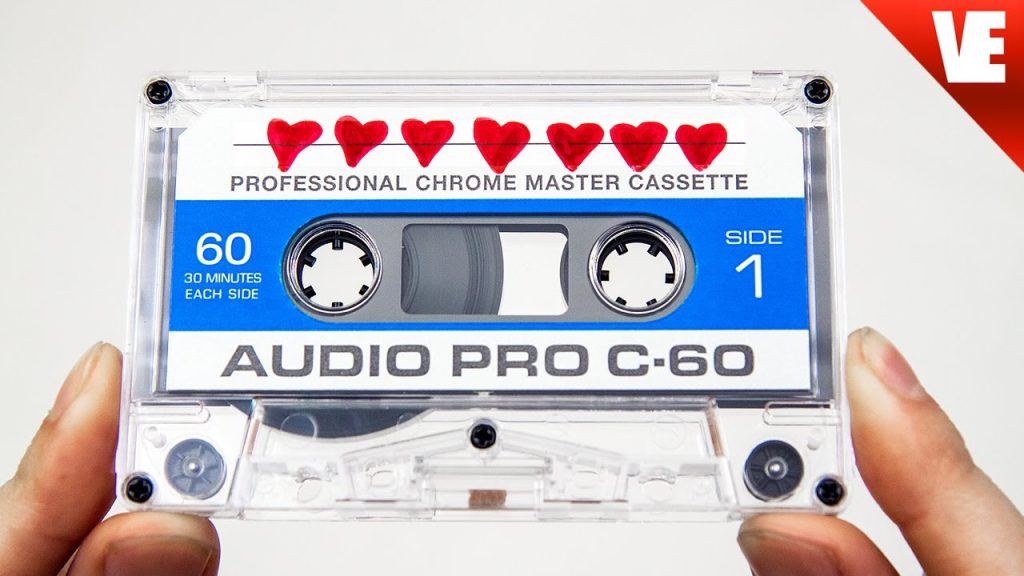
Recording songs from radio took timing and quiet rooms to avoid DJ chatter. The track order mattered and handwritten labels finished the gift. Playlists are now instant and shareable. The physical effort was part of the meaning.
Disposable Cameras At Parties
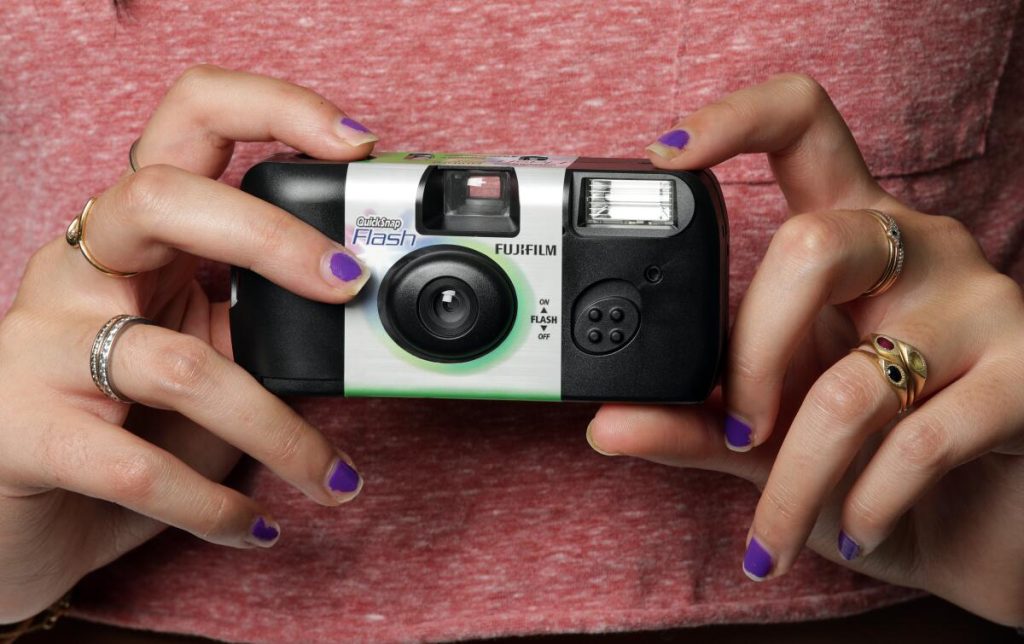
Hosts left cameras on tables to capture candid shots. Rolls were developed later to see what happened. Smartphones now collect and share moments instantly. The delayed reveal was part of the charm.
Classroom Encyclopedias And Library Research
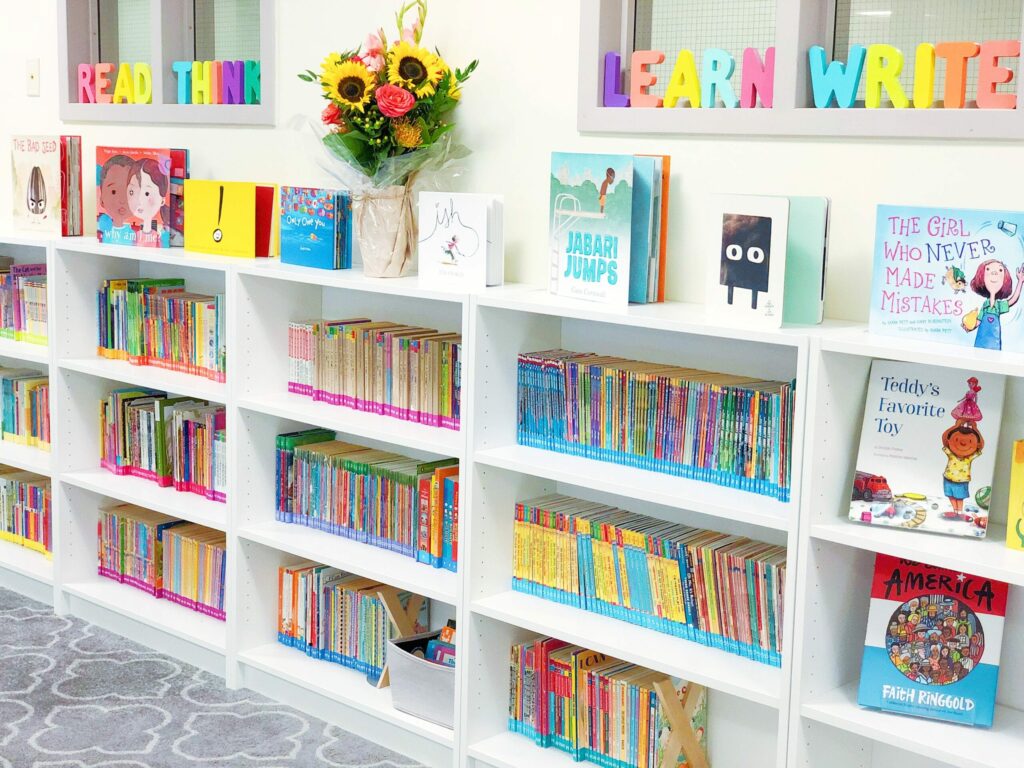
Students flipped through sets of books and card catalogs for assignments. Credible sources meant pages and photocopies. Search engines and online databases transformed the process. The hunt used to be half the work.
Yellow Pages And Phone Books
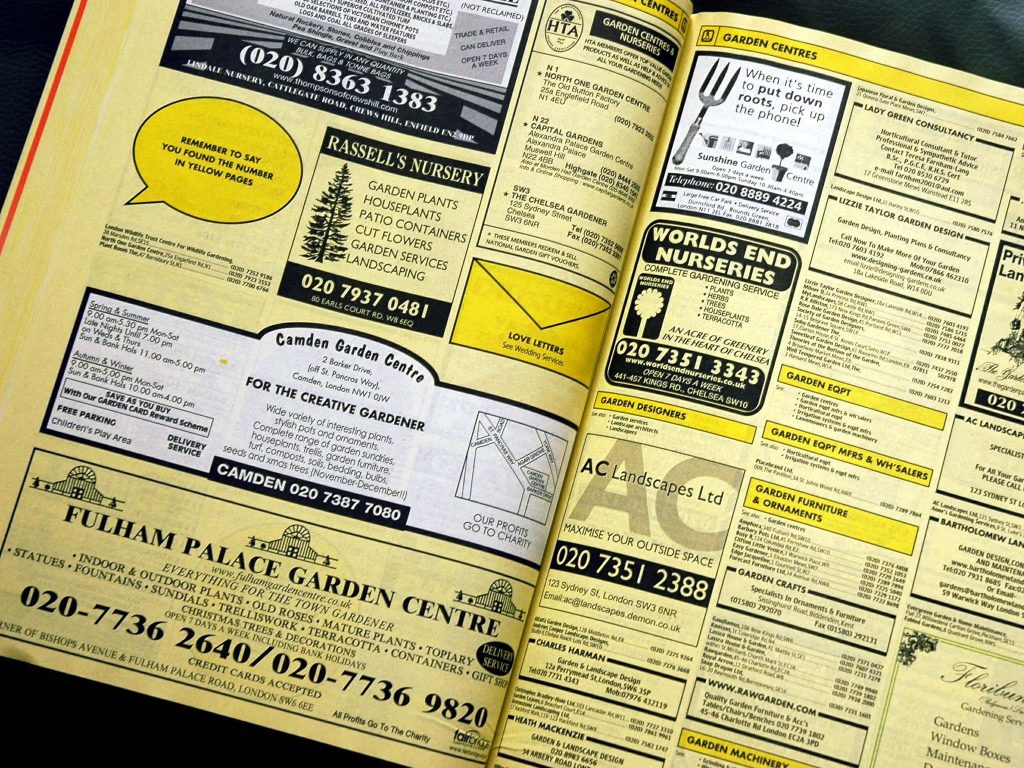
Finding a local service started with a heavy directory. Ads took up entire pages to stand out. Online search and maps made listings dynamic and reviewed. The doorstep book drop was a yearly event.
Arcades As Social Hangouts
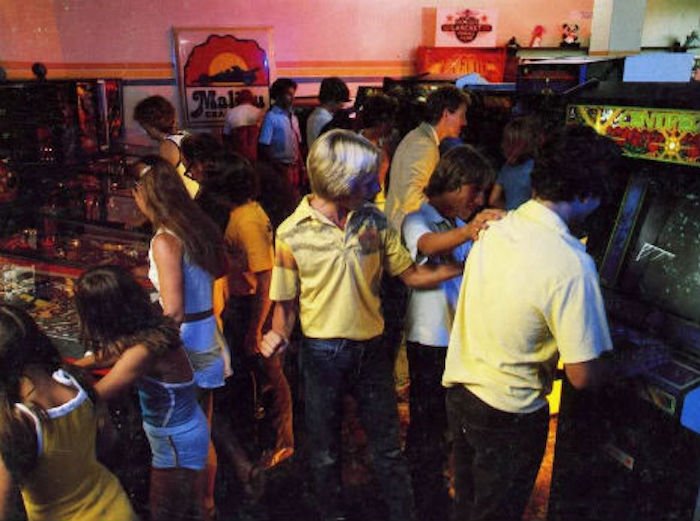
Quarter machines and high score lists were weekend destinations. Multiplayer meant side by side competition. Home systems and online play shifted gatherings to living rooms. The glow and soundscape of an arcade were unmistakable.
Commercial Breaks You Couldn’t Skip
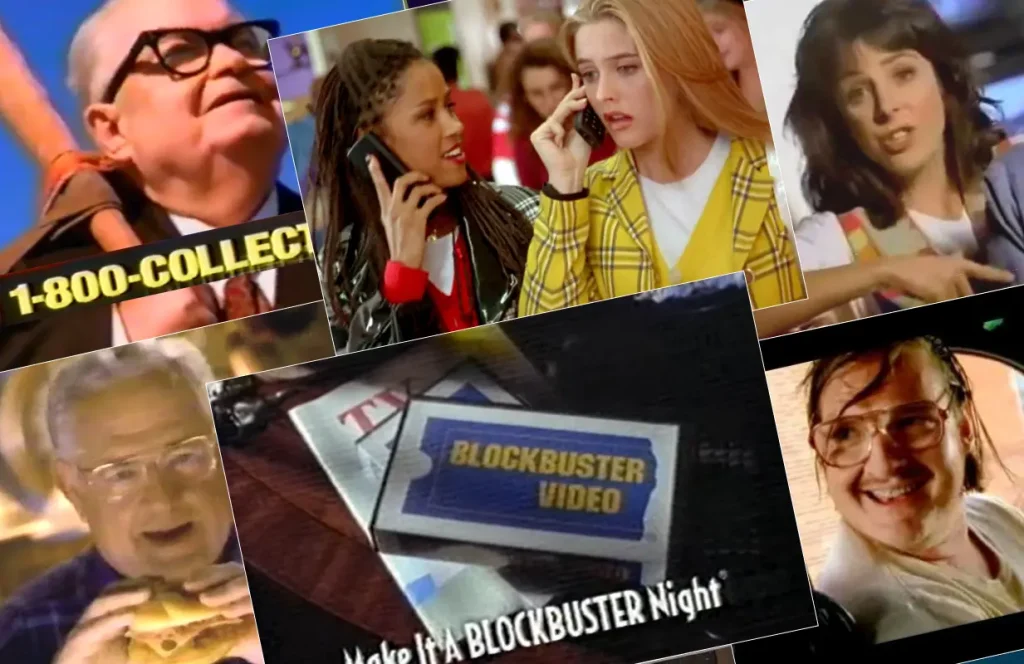
TV programming ran on schedules and ads set the pacing. Bathroom breaks were timed to the clock. On demand viewing and ad skipping changed habits. The shared wait during cliffhangers bonded audiences.
Friday Night Trips To The Video Store
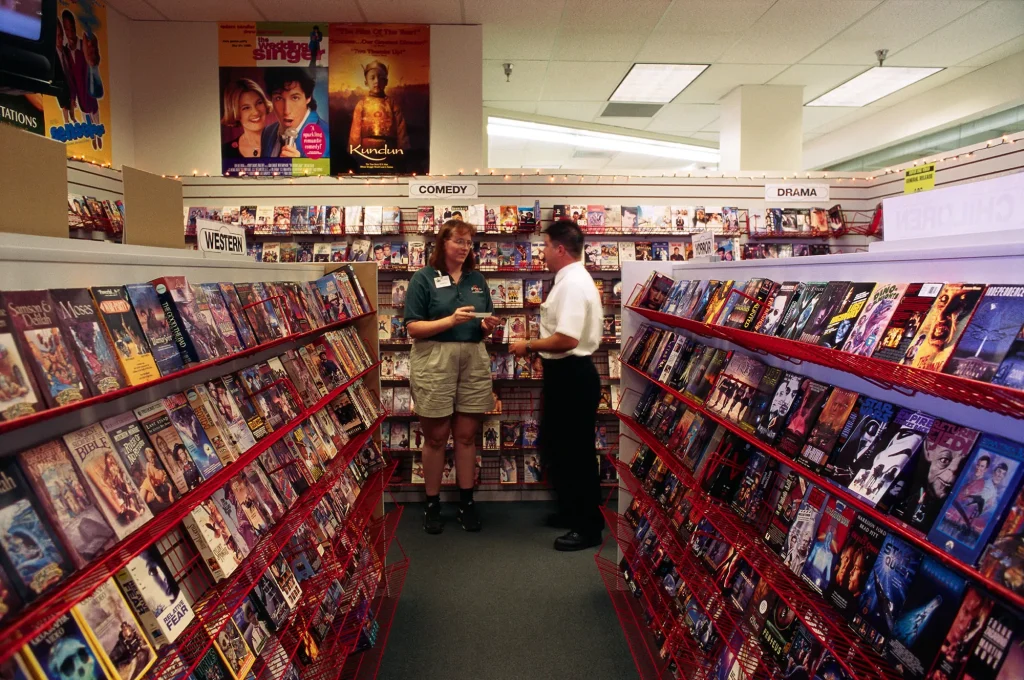
Browsing aisles, reading box synopses, and negotiating a family pick were standard. Late fees and returned tapes that needed rewinding were part of the ritual. Streaming replaced the hunt with search bars.
Printing Directions Or Using Paper Maps
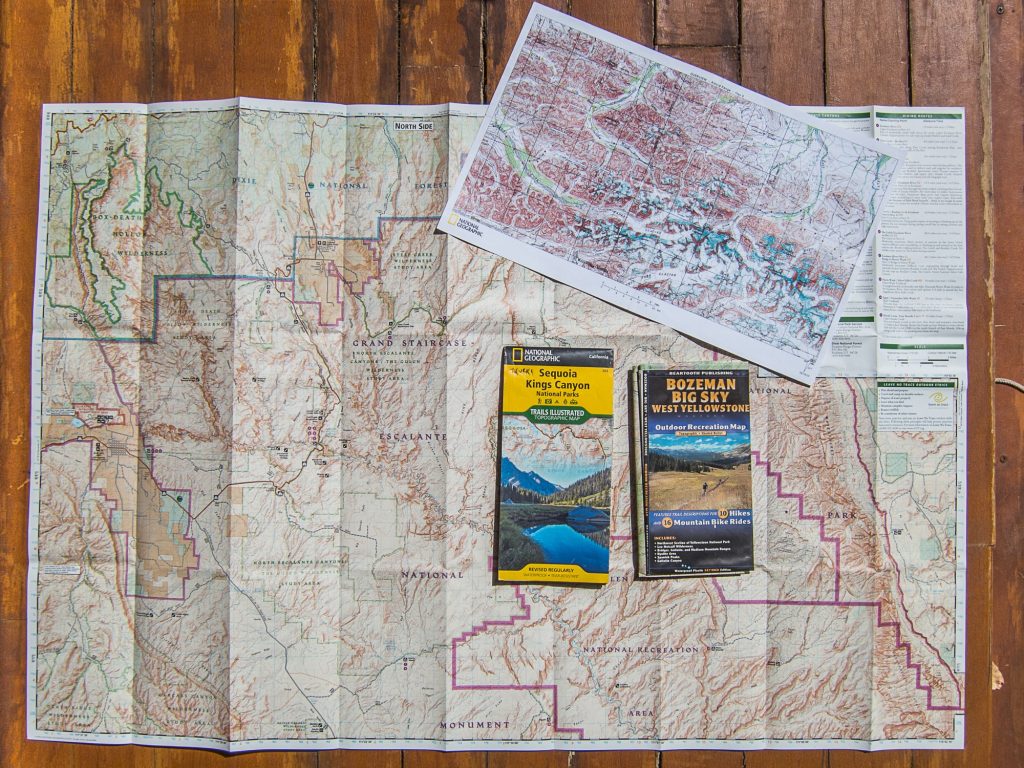
Road trips started with atlases or printed instructions that could get soaked or lost. Wrong turns were fixed with landmarks and questions at gas stations. GPS now reroutes instantly. The old way demanded attention to street signs and exits.
Developing Film And Waiting For Photos
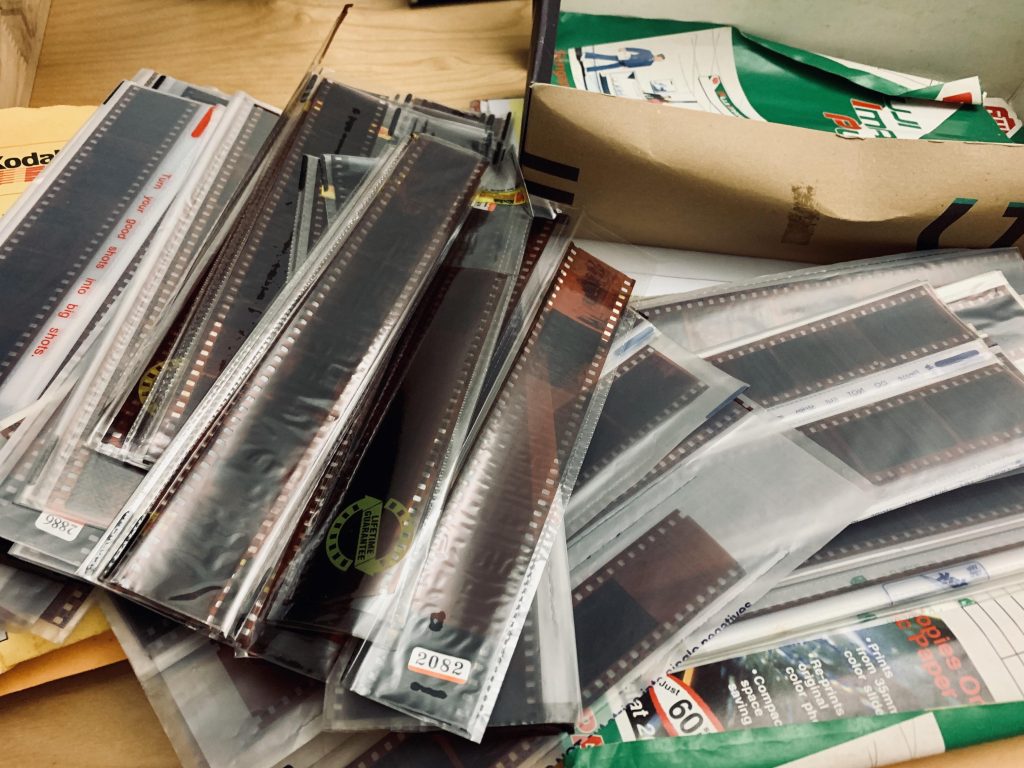
Cameras offered limited shots and surprises at pickup. Red eyes and thumb shadows were common, and doubles were a popular add on. Today, hundreds of takes live on phones with instant edits.
TV Guides And Weekly Schedules
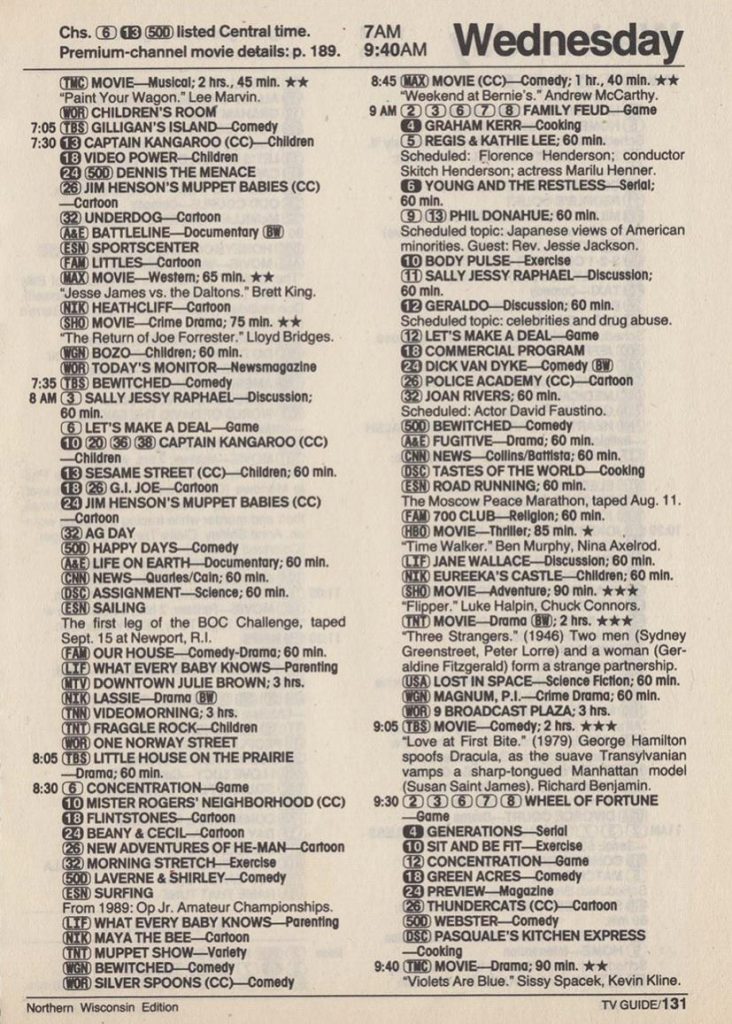
People planned evenings around episodes and season finales. Missed shows required reruns or someone’s VHS recording. Binge watching replaced the weekly wait for many. Appointment television defined the 90s routine.
Desktop Wallpapers And Screen Savers
Flying toasters and bouncing logos protected CRT screens. Custom images made shared family computers feel personal. Today’s devices sleep quickly to save energy. The moving art was a small daily joy.
Early MP3s And File Sharing
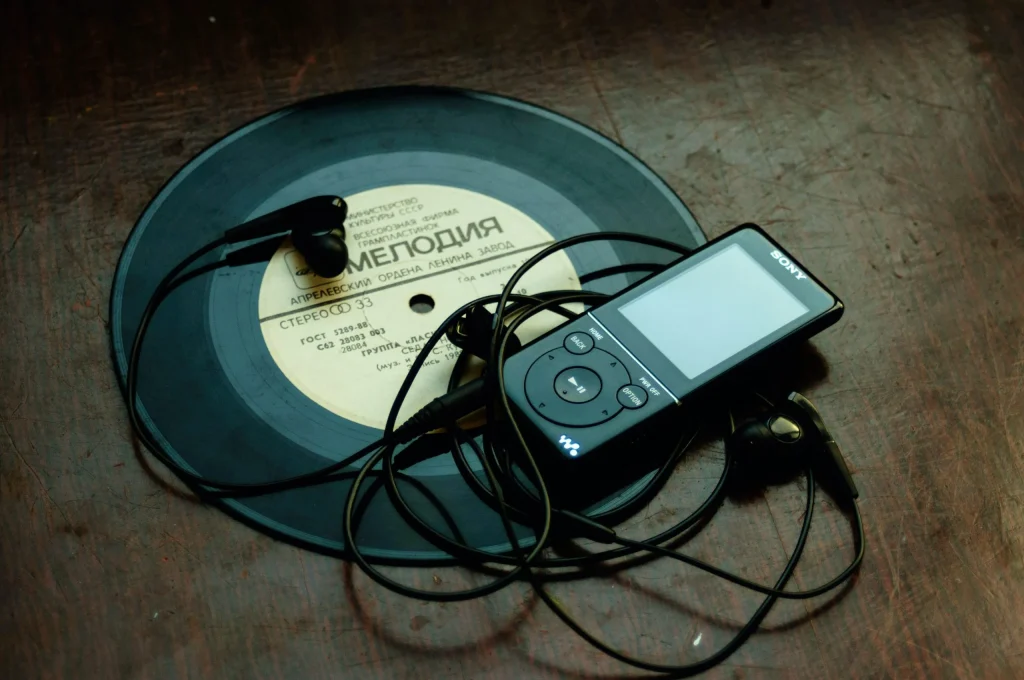
Compressed audio and peer to peer networks appeared near the decade’s end. Connections were slow and files sometimes mislabeled. Today, legal streaming dominates. That period reshaped how music is distributed and monetized.
Chat Rooms And Early Instant Messaging
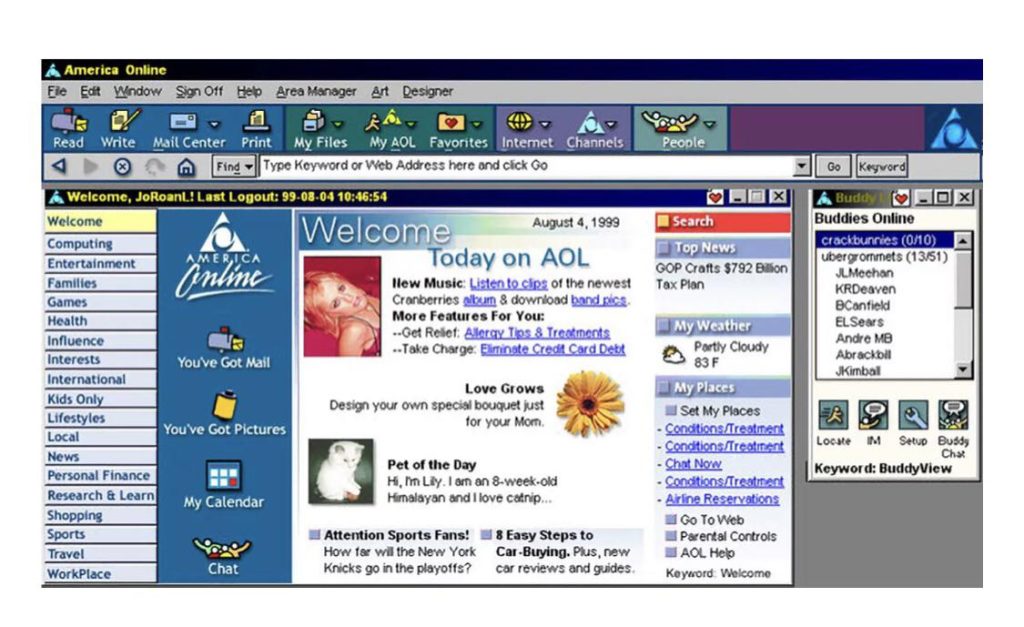
AOL, MSN, and ICQ shaped online small talk with screen names and status sounds. Meeting after school moved to shared chat rooms. Today, group texts and DMs have replaced the desktop vibe.
Waiting For Dial Up To Connect
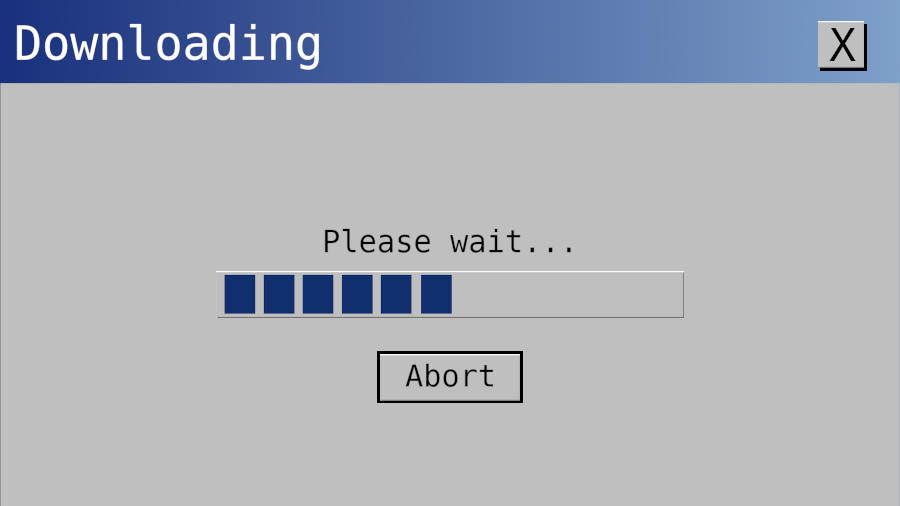
Internet access meant listening to modem screeches and hoping no one picked up the landline. Connections were slow and pages were mostly text with small images. Patience was part of getting online. Today, high speed is assumed and disconnections are rare.
Y2K Was A Global Countdown
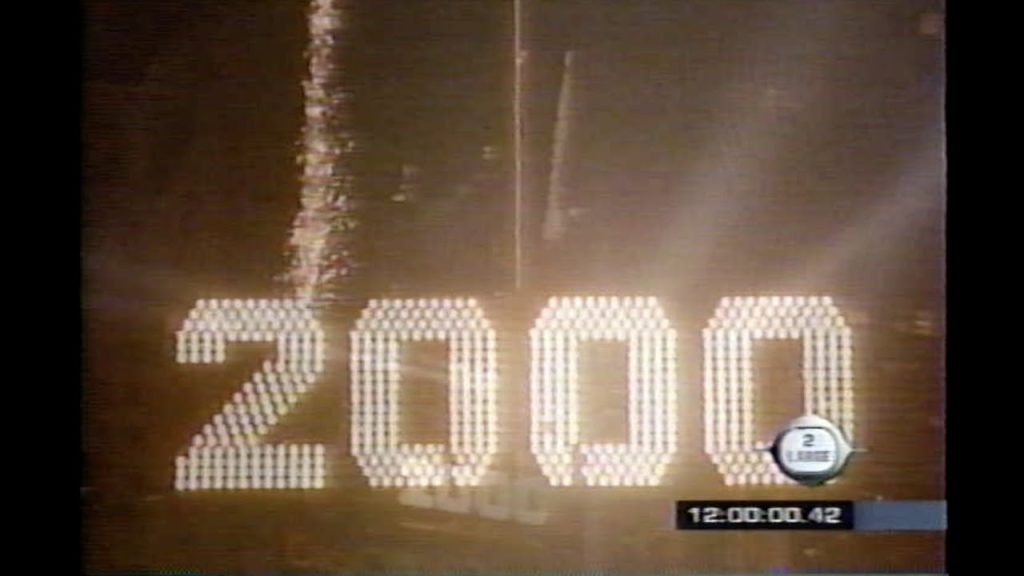
The year 2000 bug worried governments and businesses. Many prepared backups and contingency plans. The transition happened with few visible problems. It was an early reminder of how dependent daily life had become on code.
Magazines And Catalogs In The Mail
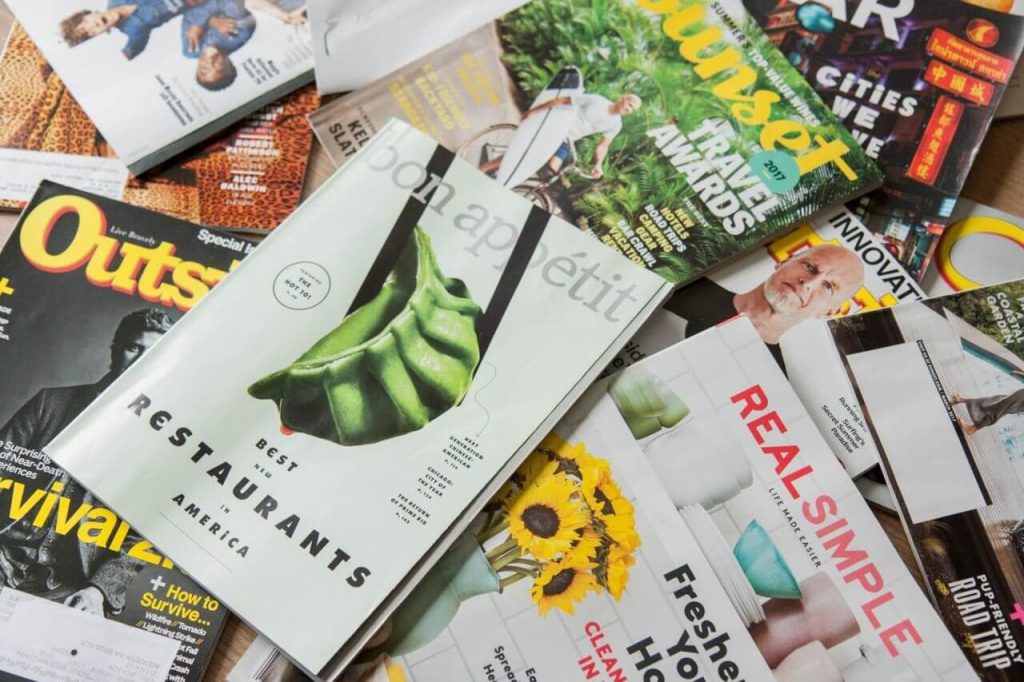
Monthly issues, toy catalogs, and wish lists set seasonal trends. Readers tore out pages to save ideas. Today, those roles shifted to apps, newsletters, and social feeds. The mailbox once previewed what was cool.
Passing Notes In Class
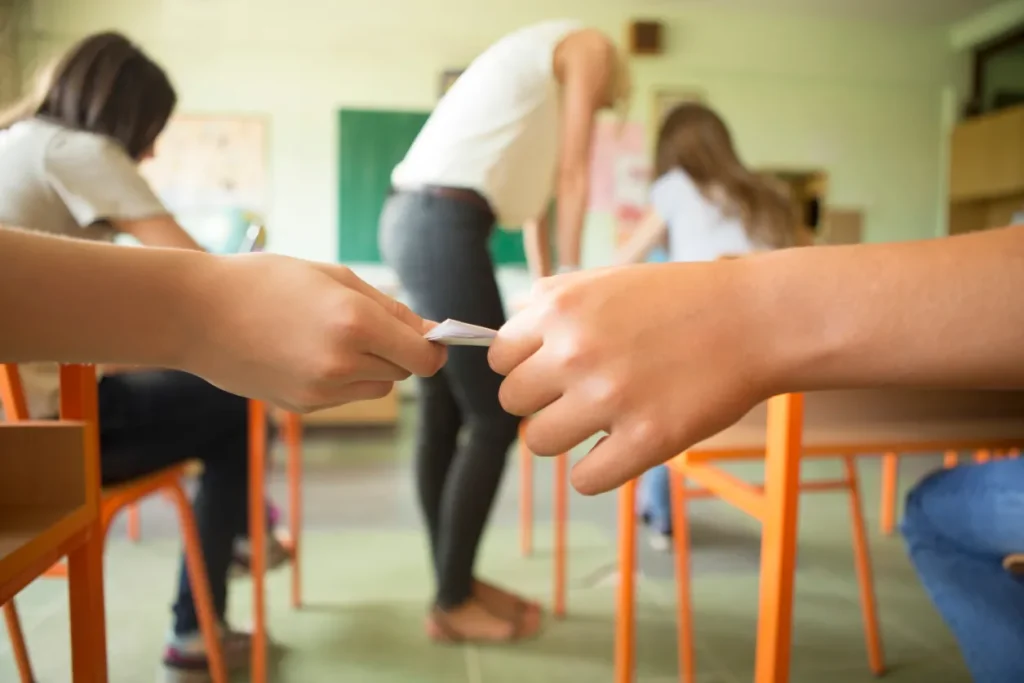
Folded paper triangles carried jokes, doodles, and plans. Getting caught meant reading aloud to the room. Messaging apps replaced the risk and the origami. The tangible thrill of a passed note is hard to digitize.
Game Cartridges And Memory Cards
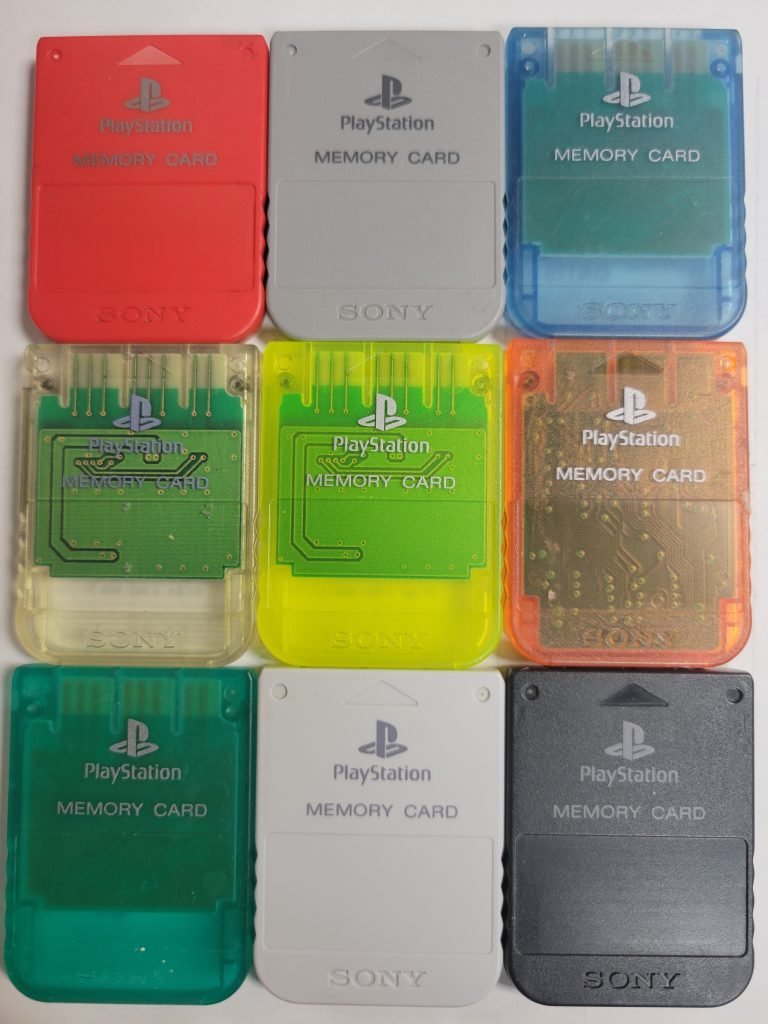
Consoles relied on cartridges and separate memory cards for saves. Blowing on contacts was an improvised fix. Downloads and cloud saves changed how games are stored. The shelf of plastic boxes was part of the setup.
Pre 9 11 Airport Security
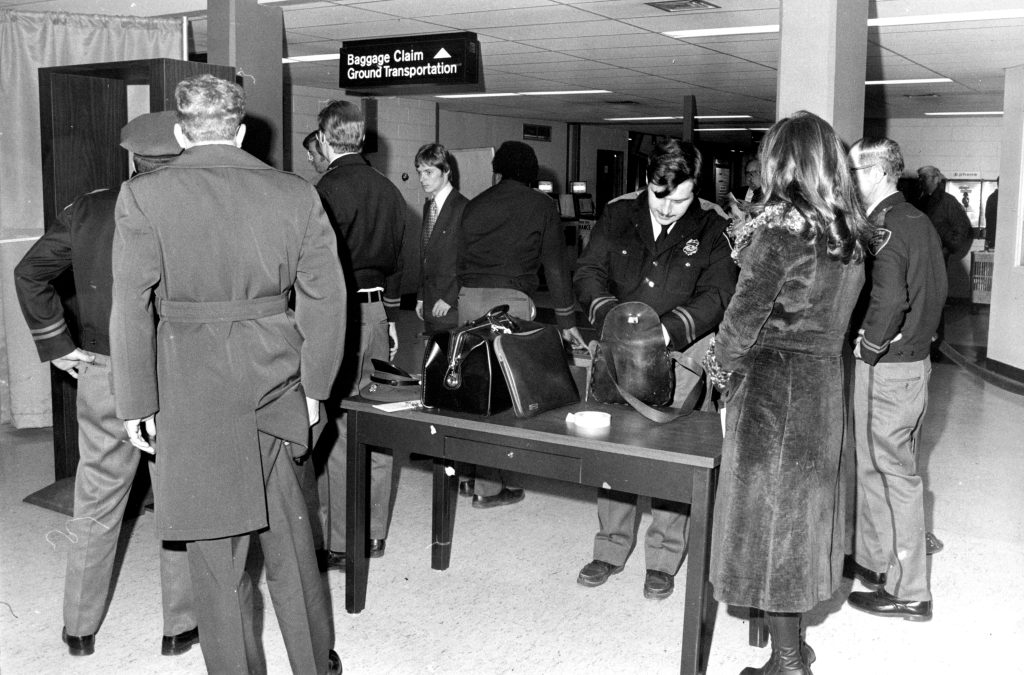
Air travel in the late 1990s felt less formal at checkpoints. Families met travelers at the gate and lines moved faster. Security procedures changed dramatically in the 2000s. The contrast with today’s screening is stark.
Computer Labs And Floppy Disks
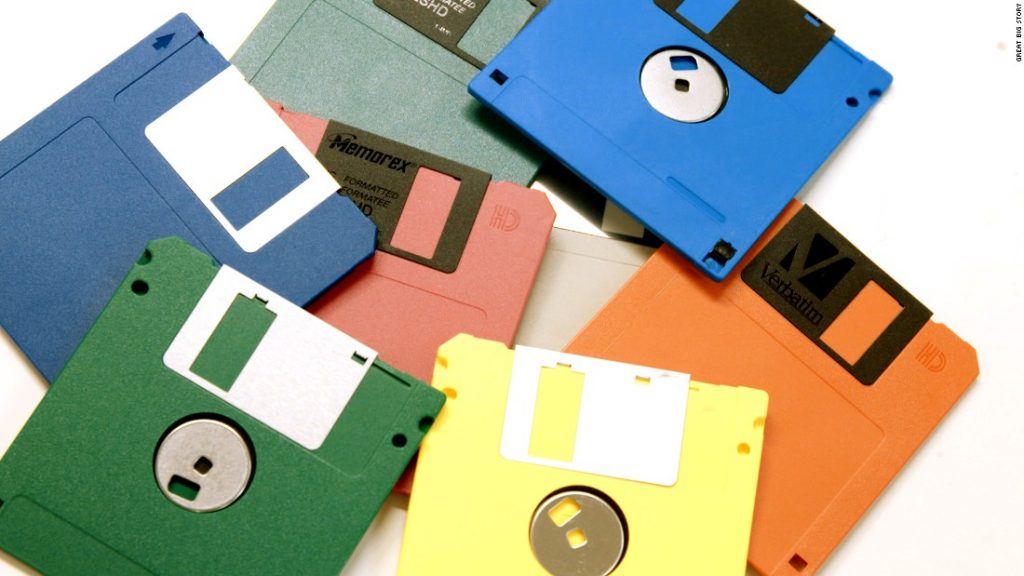
Schools and libraries had shared computer rooms and 3.5 inch disks for saving work. Files were small and backups meant extra floppies. Cloud storage made those rituals obsolete. The sound of a drive clicking is now a memory.
Buying Music At Record Stores
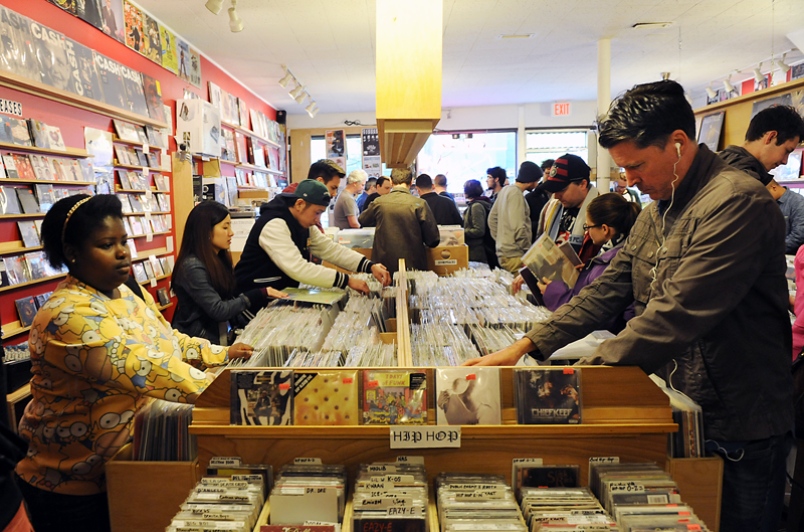
Albums dropped on Tuesdays and fans lined up for big releases. Listening stations helped you sample tracks. Digital platforms moved discovery to algorithms. Owning a CD or cassette felt like owning the era.
Waiting For New Technology To Arrive
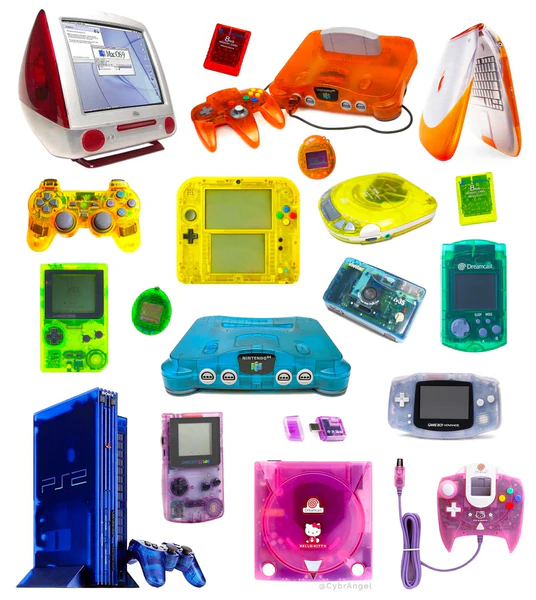
Tech cycles moved slower, so upgrades felt momentous. Families compared specs in store flyers and saved up. Now, releases arrive constantly and updates are automatic. The anticipation used to build for months.
Burning CDs Was A Weekend Project
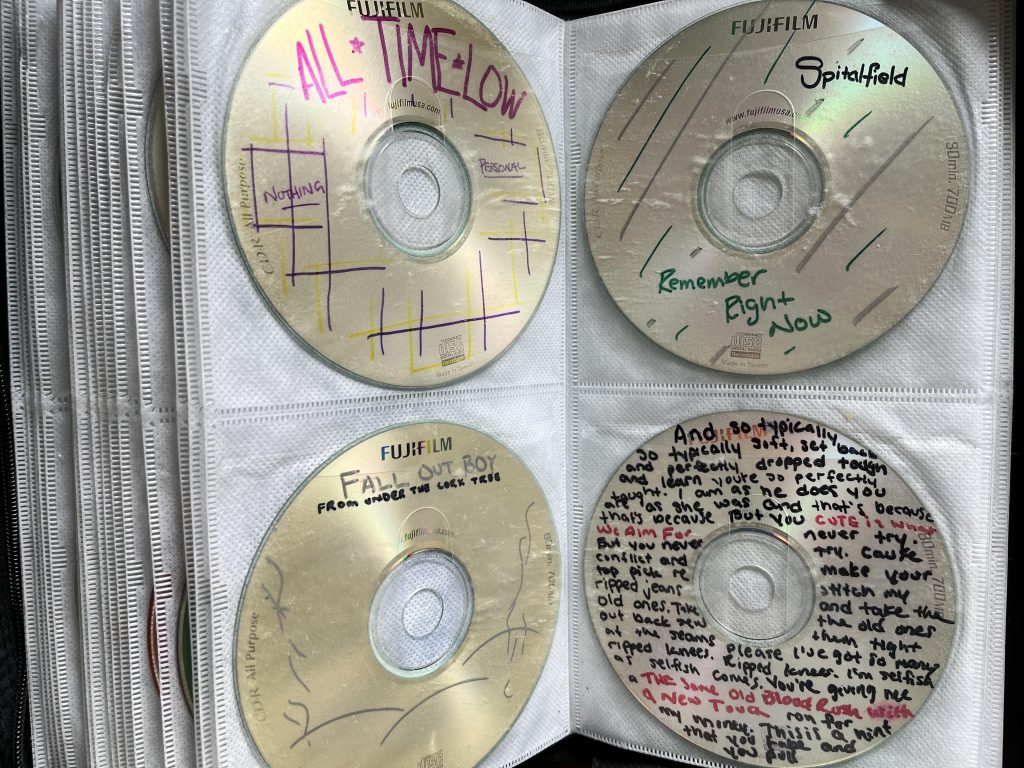
CD burners arrived late in the decade and turned computers into home studios. People curated discs for the car or friends and guarded blank media. Streaming made infinite libraries routine. The pride of a perfect burn and printed tracklist is a relic.
Calling Your Friends On A Landline
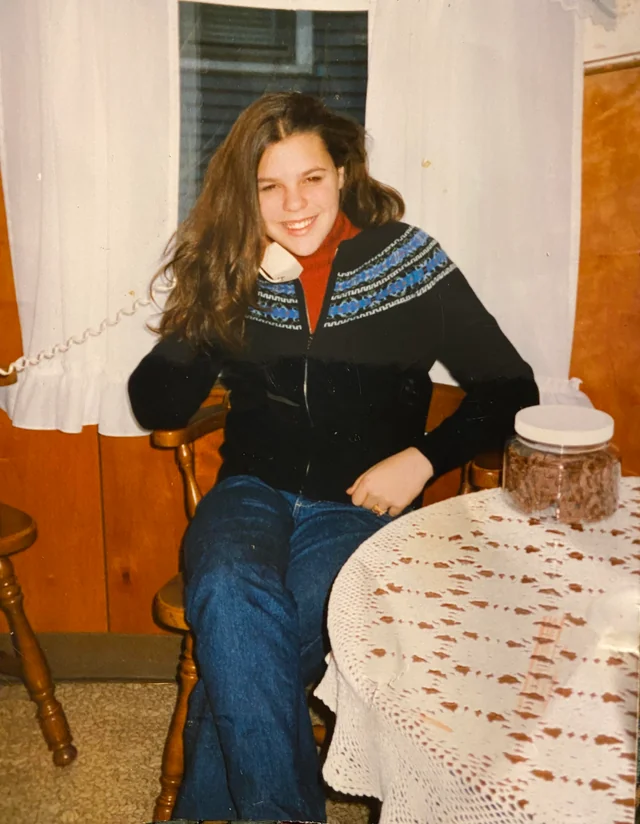
You memorized phone numbers or kept them in a paper address book. Parents might answer first and ask who was calling. Today, contacts auto sync across devices and calls often start as texts. The social friction of the landline gatekeeper is mostly gone.
Watching Music Videos On TV
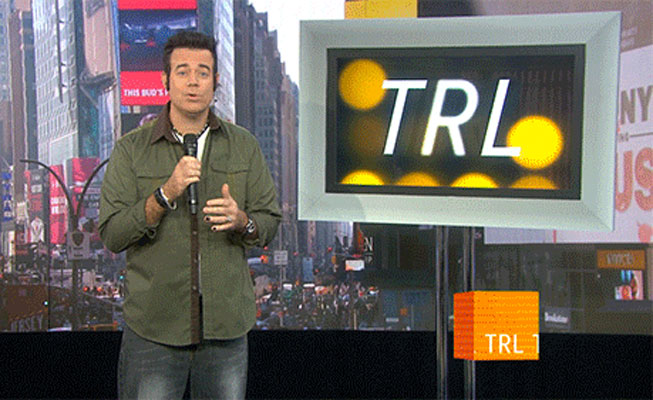
Shows like “TRL” set daily countdowns and introduced new artists. You had to catch a premiere live or hope for a rerun. Now, video drops are on demand and globally available. The communal appointment to watch together is less common.
Pagers And Beepers For Quick Pings
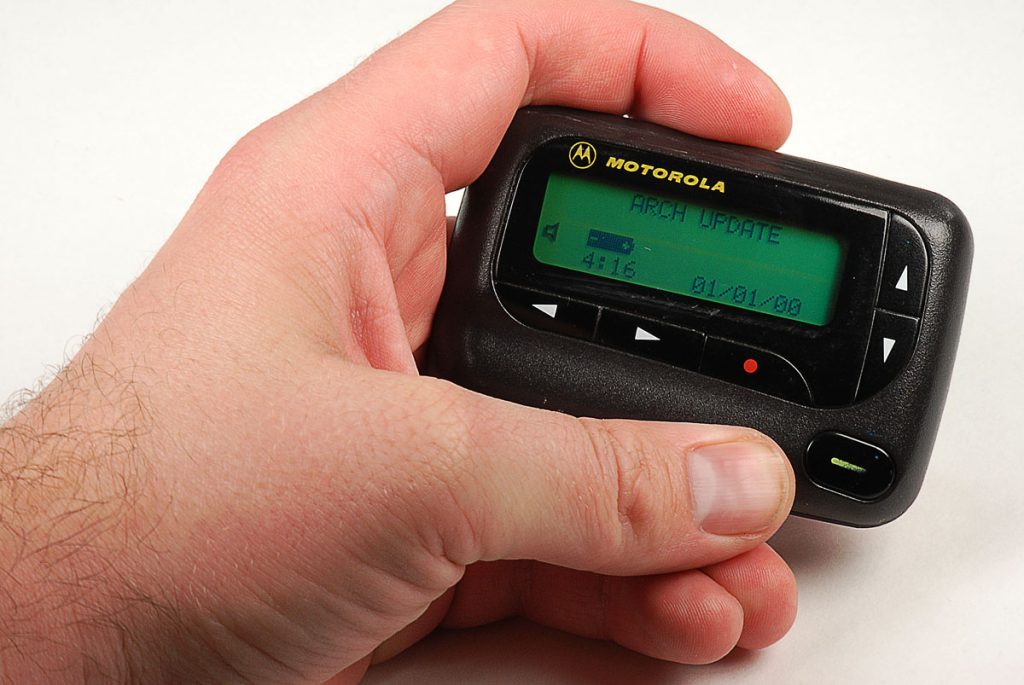
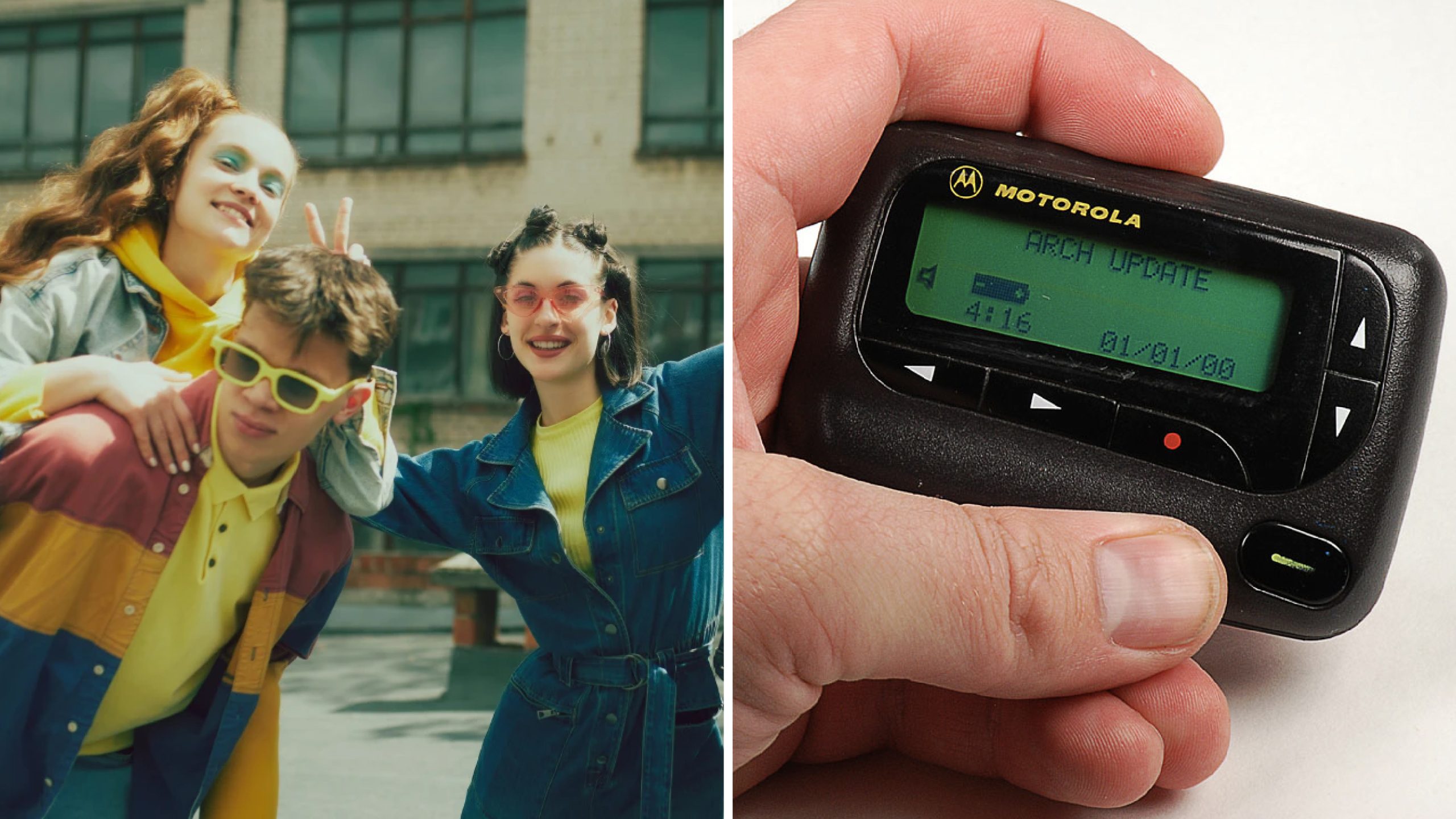
Before texting, short numeric codes signaled call me or an emergency. Many people carried a beeper on a belt clip. Smartphones merged calling and messaging into one. The two step page then call workflow faded fast.
Survived Without Smartphones
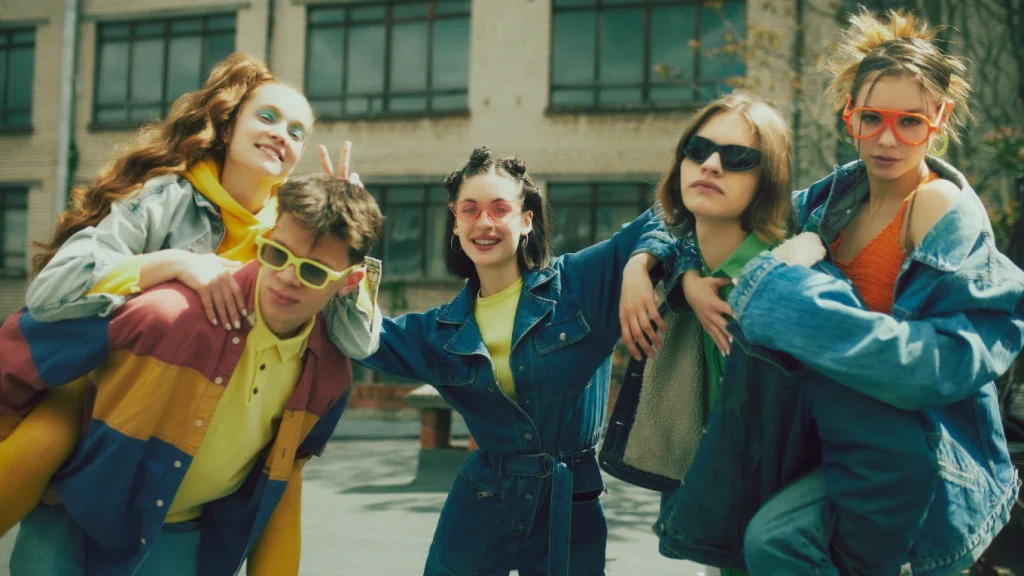
Coordinating plans, finding addresses, and killing time all worked without a pocket computer. People asked for directions, set meeting spots, and carried separate devices for music and photos. Today’s phone folds those tasks into one habit. Looking back makes the analog workarounds feel both inconvenient and oddly freeing.