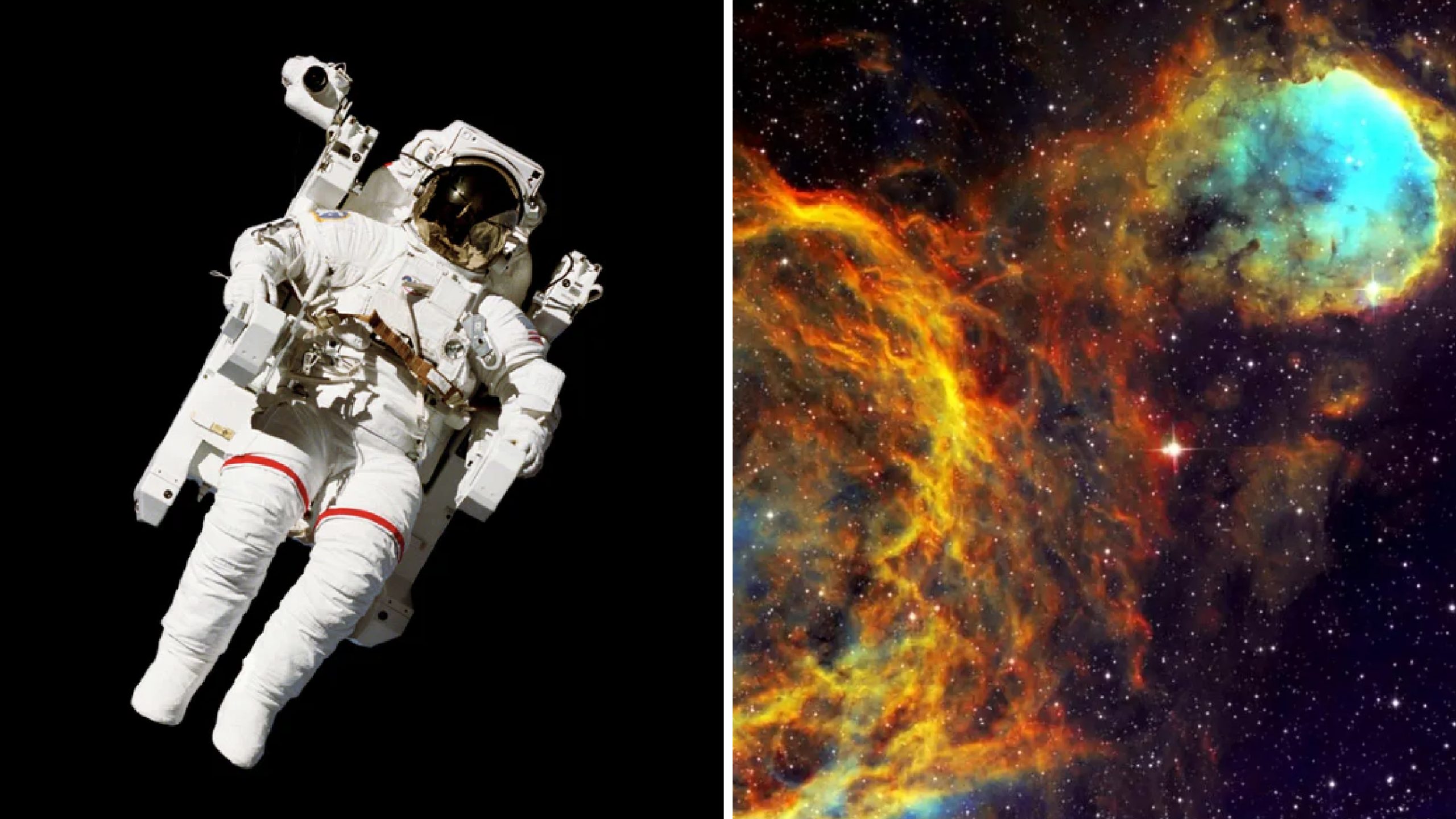
Space is full of delightful oddities, from planets that rain diamonds to nebulae colder than deep space itself. In this collection of 30 bite-size facts, you will find a tour of curiosities that spans our solar system and far beyond. Some are about everyday physics playing strange tricks in microgravity, others touch distant objects that challenge our intuition. Take a quick orbit through these highlights and see how weird, wonderful, and surprising the universe can be.
Venus Spins Backward
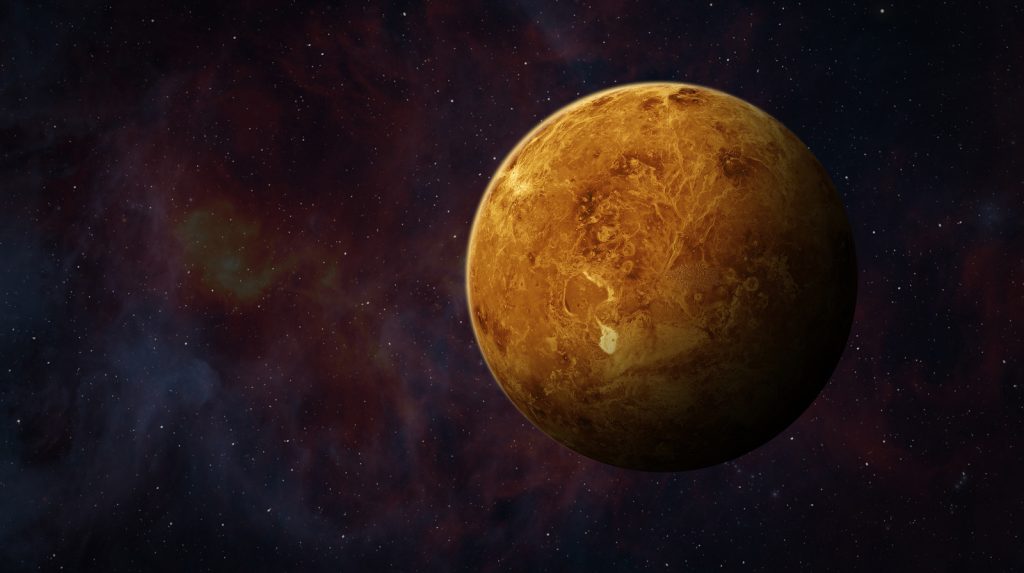
Venus rotates in the opposite direction of most planets, so the Sun appears to rise in the west and set in the east. Its day is also longer than its year, with a slow rotation that takes about 243 Earth days. Thick clouds trap heat, making Venus the hottest planet despite not being the closest to the Sun.
A Teaspoon Of Neutron Star Is Immensely Heavy
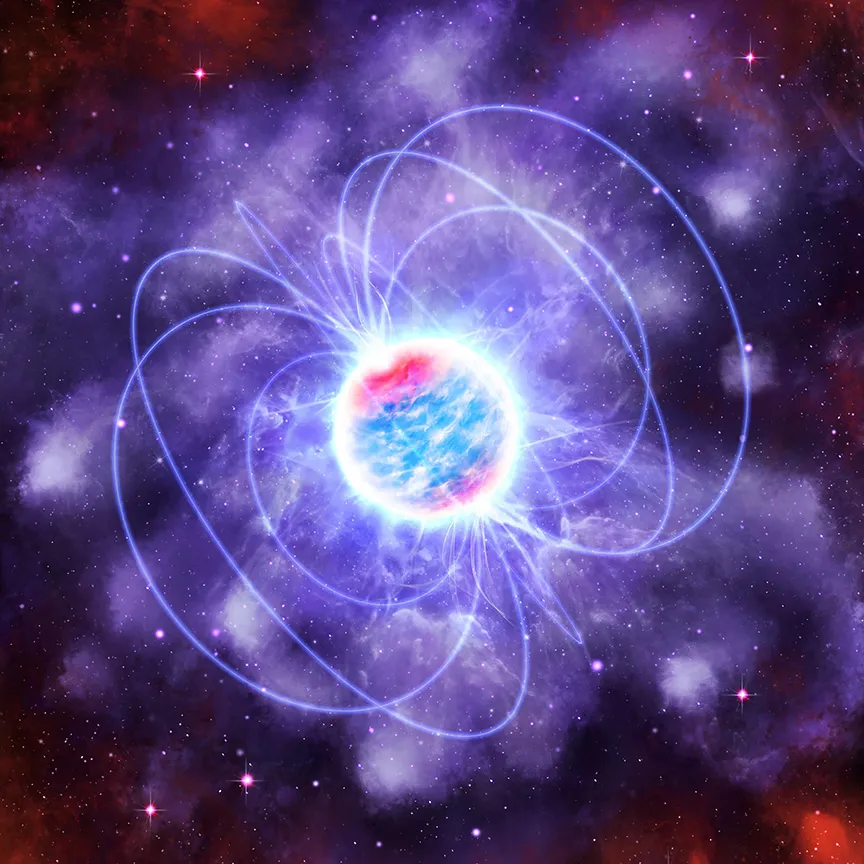
Matter inside a neutron star is packed so tightly that a teaspoon would weigh billions of tons on Earth. These stellar remnants form after massive stars explode as supernova. Their gravity and magnetic fields are among the strongest known.
Saturn Could Float In A Giant Ocean
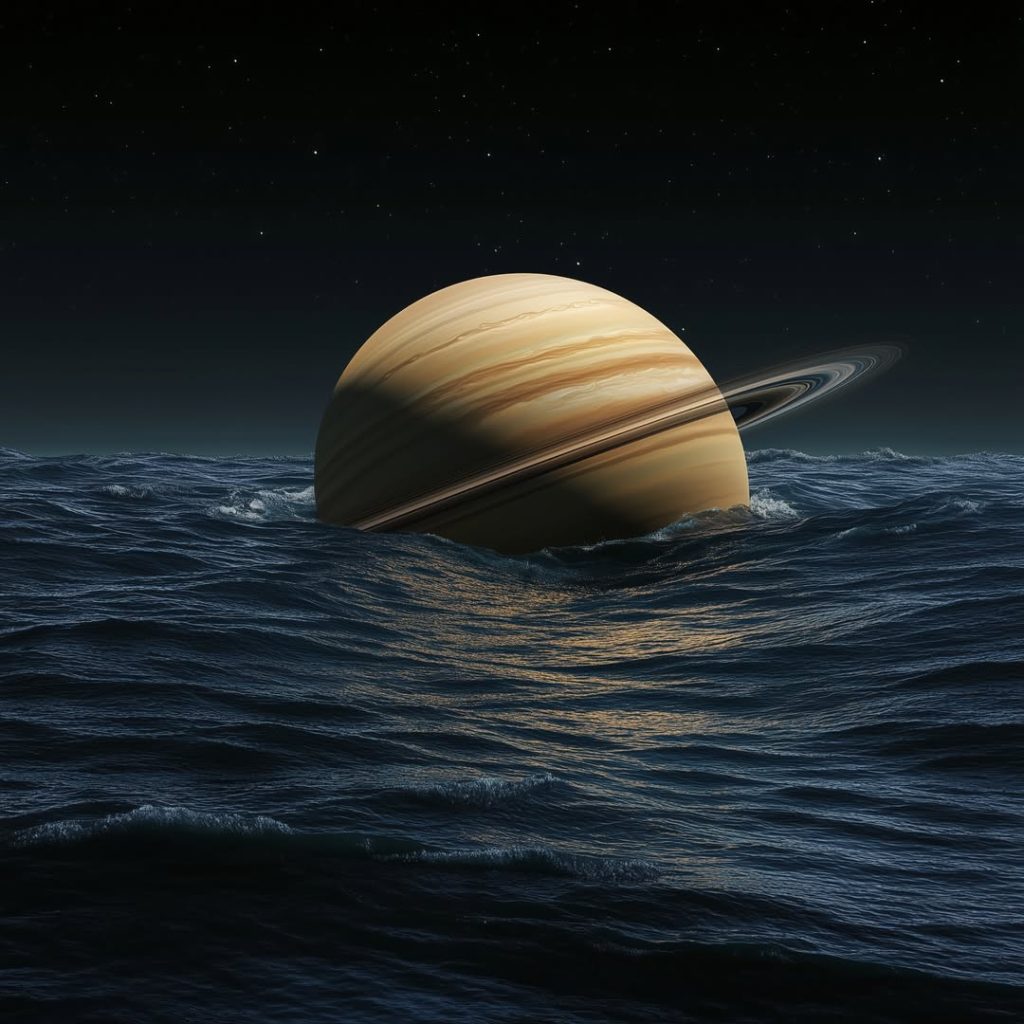
Thanks to its low average density, Saturn would float if you could place it in a large enough bathtub of water. Of course, no such ocean exists, but the comparison shows how light the ringed planet is. Its rings are mostly ice with some dust and rock.
Footprints On The Moon Can Last A Very Long Time
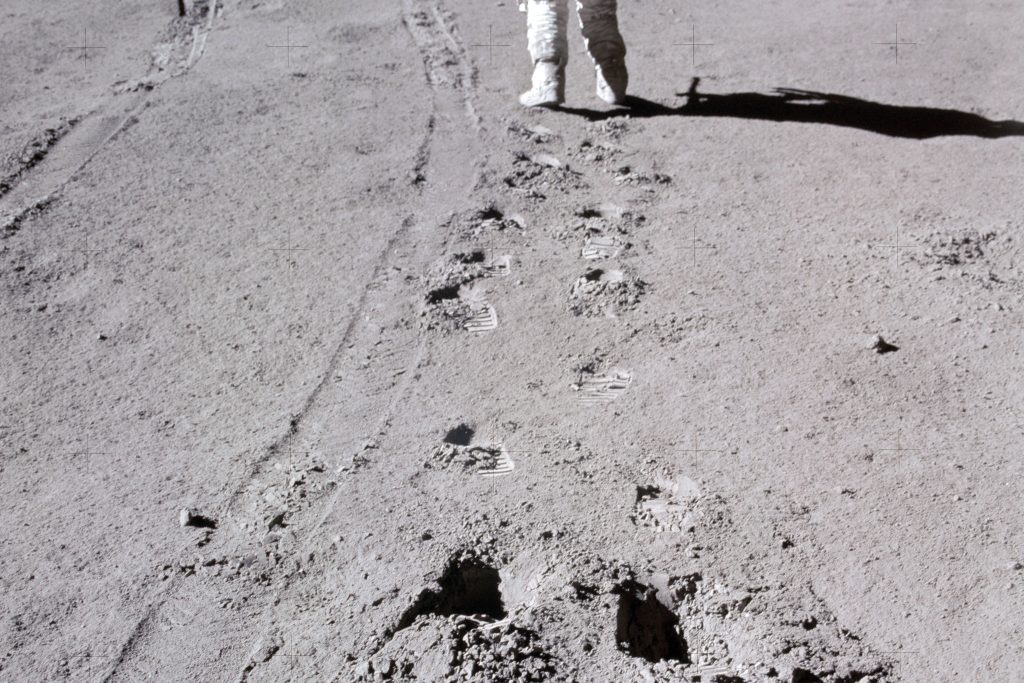
With no wind, rain, or flowing water, footprints and rover tracks on the Moon can persist for millions of years. Micrometeorites slowly erode the surface, but the process is extremely slow. The tracks from Apollo missions remain visible today.
The Sun Holds Most Of The Solar System’s Mass
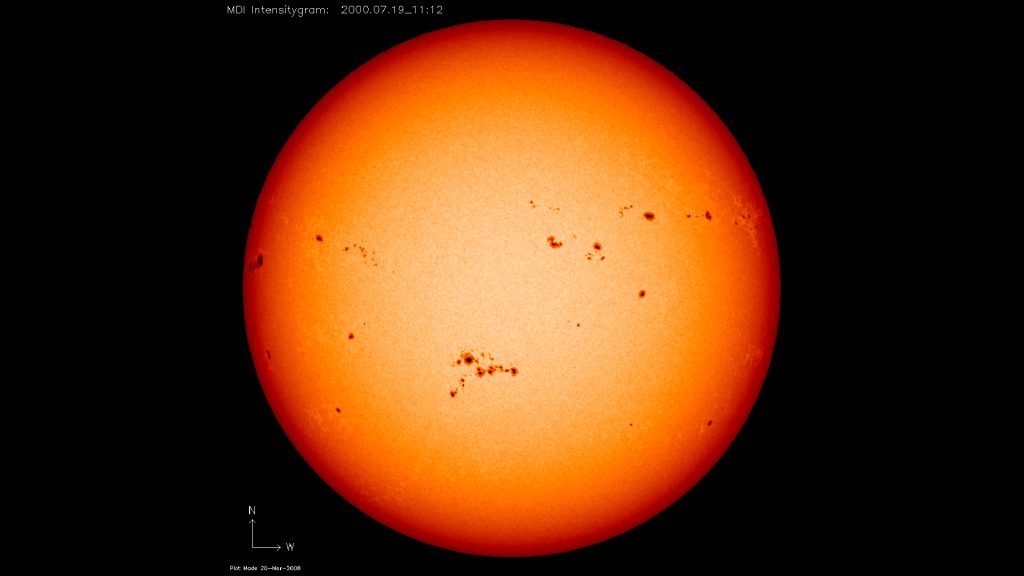
About 99.8 percent of the solar system’s mass is in the Sun. That gravity organizes the orbits of planets, dwarf planets, comets, and asteroids. Even distant objects feel the Sun’s pull.
Jupiter’s Great Red Spot Is Shrinking
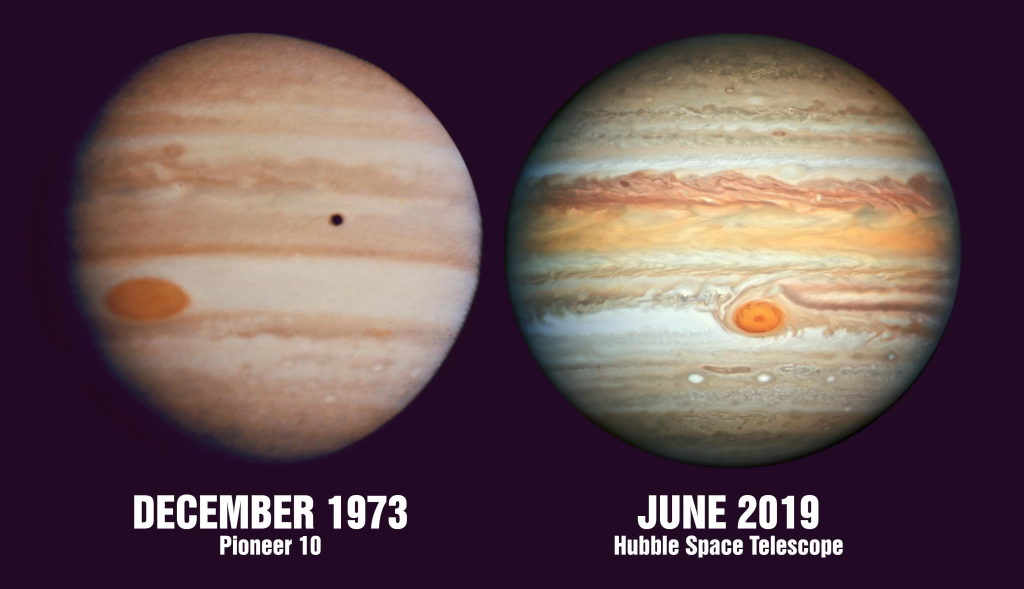
The Great Red Spot is a long-lived storm larger than Earth, but it has been gradually decreasing in size in recent observations. Its winds still rage at hundreds of kilometers per hour. Color and size vary over time as the storm evolves.
A Day On Mercury Is Complicated
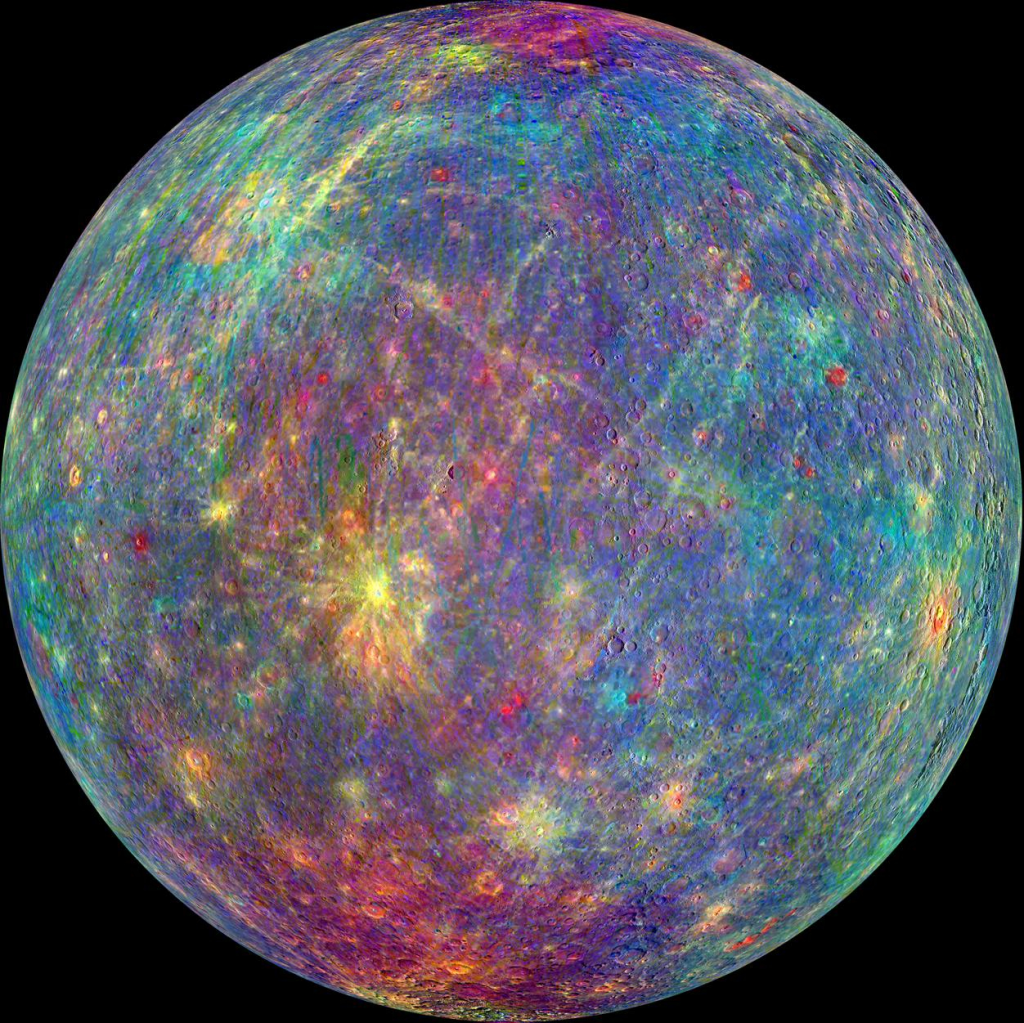
Mercury rotates three times for every two orbits around the Sun, a 3:2 spin–orbit resonance. Because of this, the interval from one noon to the next on Mercury is about 176 Earth days. Surface temperatures swing dramatically between day and night.
There Are Volcanoes Taller Than Everest
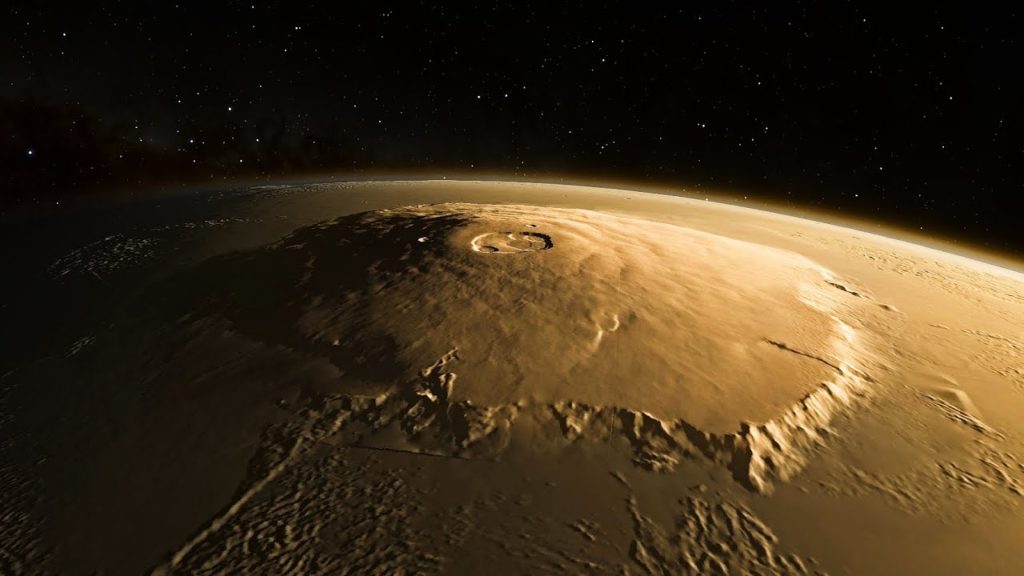
Mars hosts Olympus Mons, a shield volcano about 22 kilometers high and roughly the size of Arizona. Lower Martian gravity and lack of plate tectonics helped it grow so large. It is one of the most extreme mountains in the solar system.
Space Is Not Completely Empty
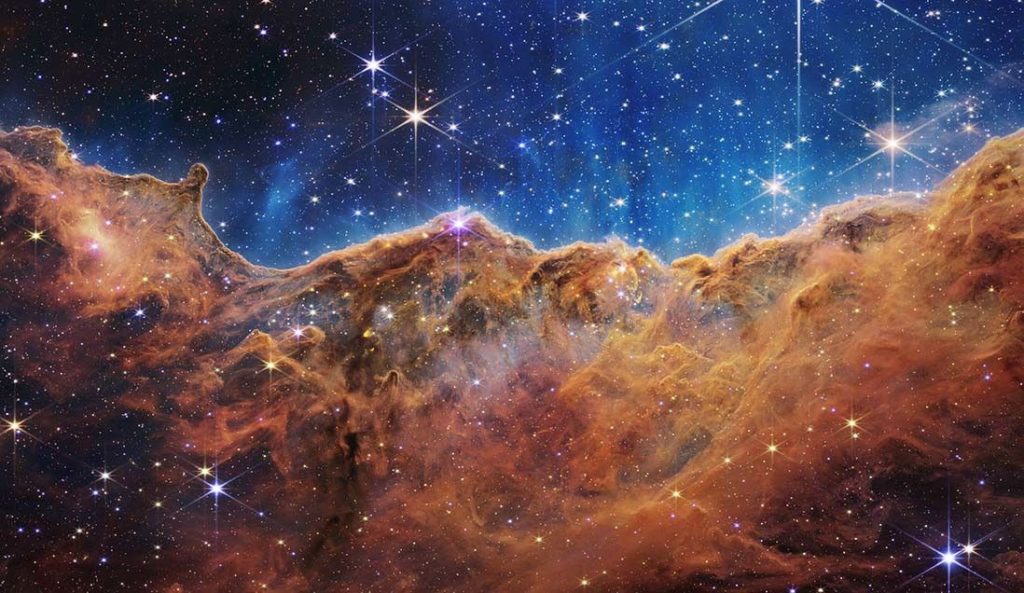
Even the best vacuum still contains a few atoms, dust, and photons. In interstellar space, densities can drop to a handful of particles per cubic centimeter. Magnetic fields and radiation flow through these thin regions.
Saturn’s North Pole Has A Hexagon
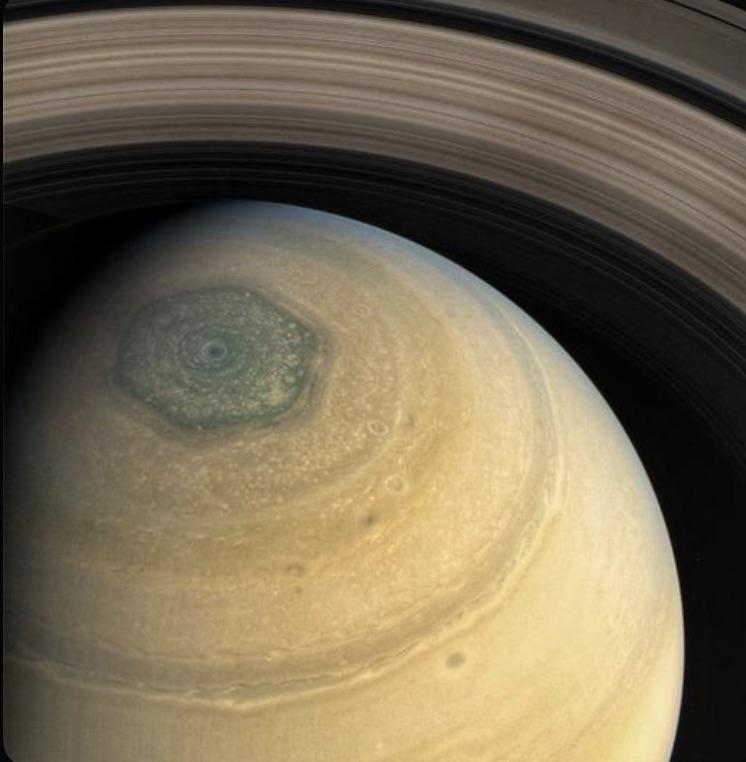
A persistent, hexagon-shaped jet stream encircles Saturn’s north pole. It is a standing wave pattern in the atmosphere that has been imaged by spacecraft like Cassini. The shape remains stable over long periods.
Pluto Has A Blue Sky And Glaciers
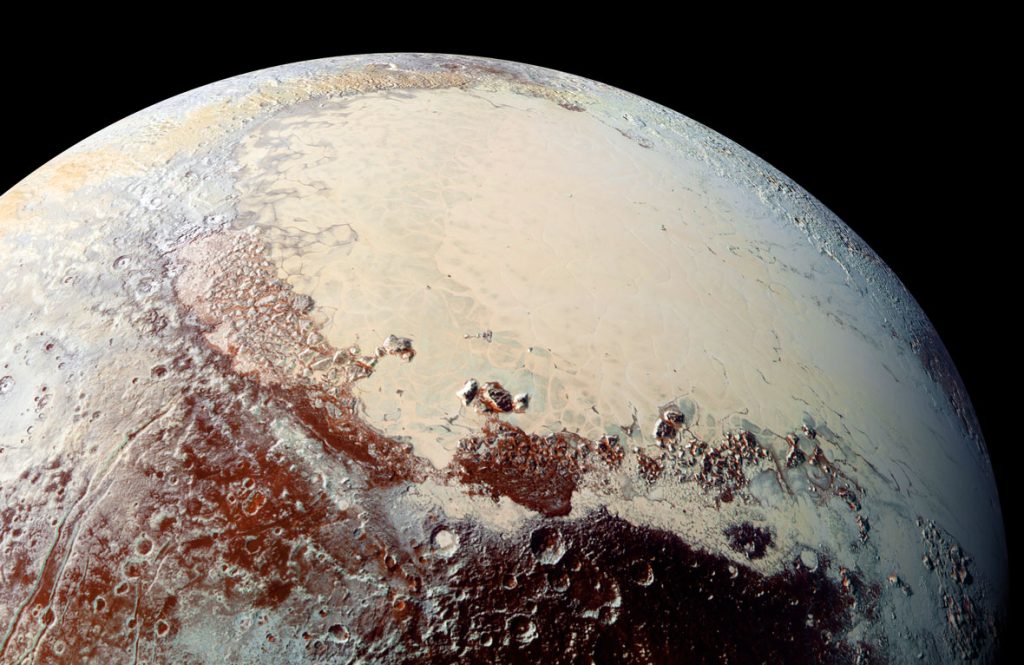
Images from New Horizons revealed a blue haze and nitrogen glaciers on Pluto. Its heart-shaped region, Tombaugh Regio, includes a smooth ice plain called Sputnik Planitia. Despite the cold, Pluto’s surface is geologically interesting.
Earth’s Moon Is Slowly Drifting Away
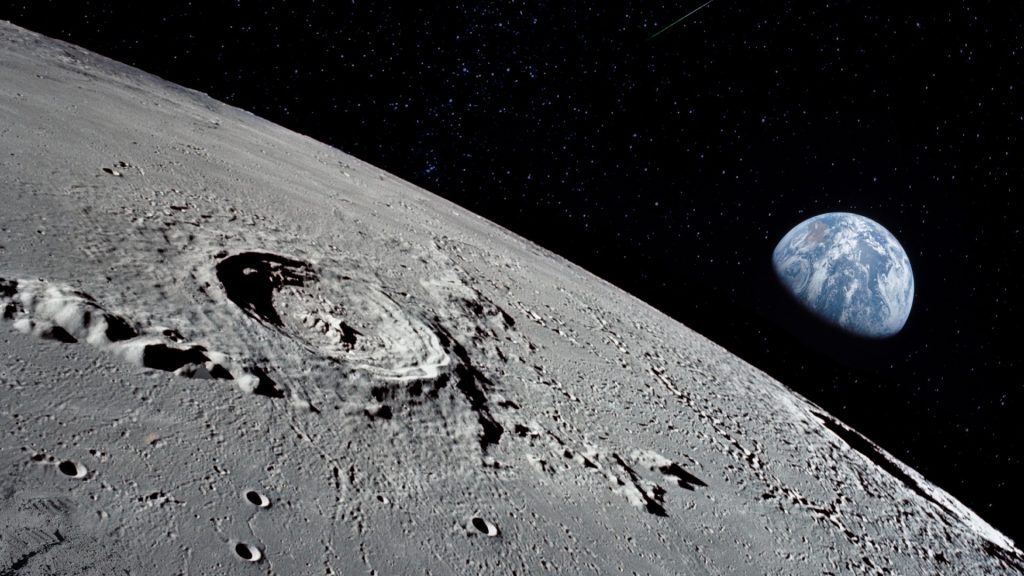
Laser measurements show the Moon recedes from Earth by a few centimeters each year. This drift lengthens Earth’s day over long timescales. Tidal interactions drive the change.
Mars Sunsets Are Blue
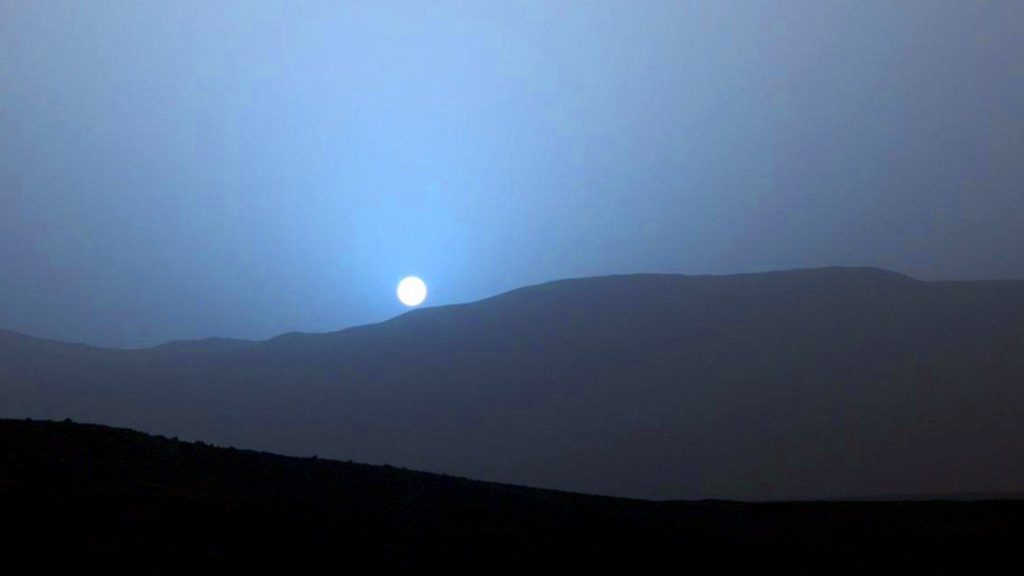
Dust in the Martian atmosphere scatters sunlight differently than on Earth, giving sunsets a bluish tint near the Sun. Daytime skies are typically butterscotch or reddish. Rovers have captured striking dusk images.
There Are Free-Floating Rogue Planets
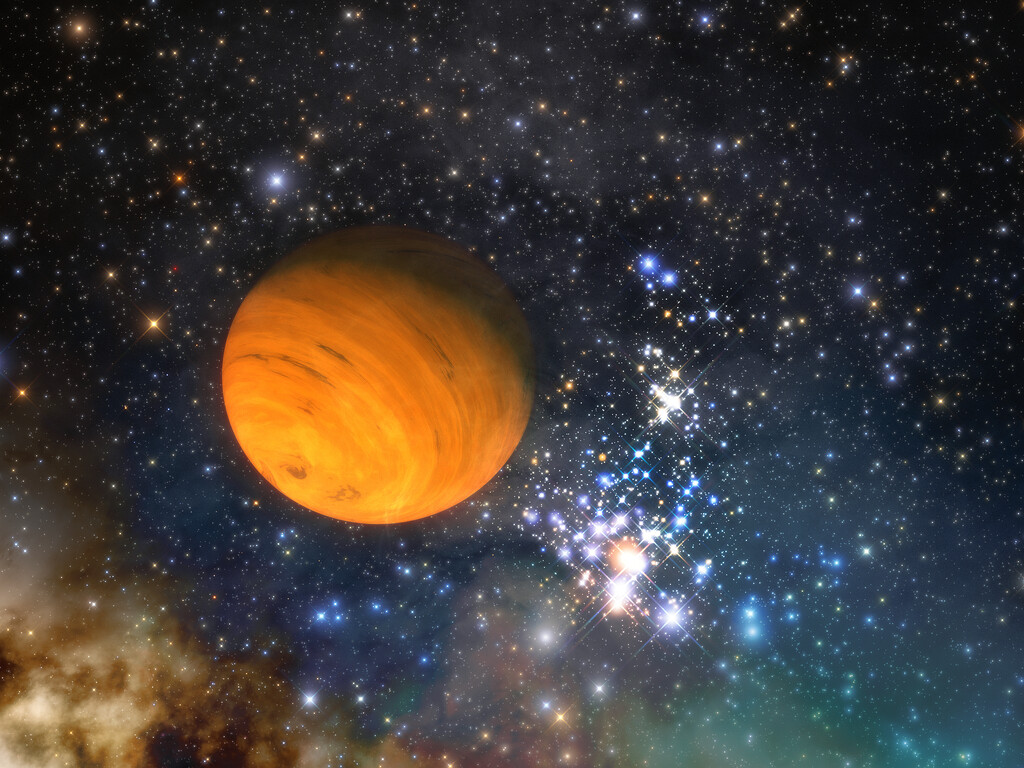
Not all planets orbit stars; some drift alone through the galaxy. They likely formed in systems and were ejected by gravitational interactions. Surveys suggest there may be many of them.
Diamond Rain May Fall On Ice Giants
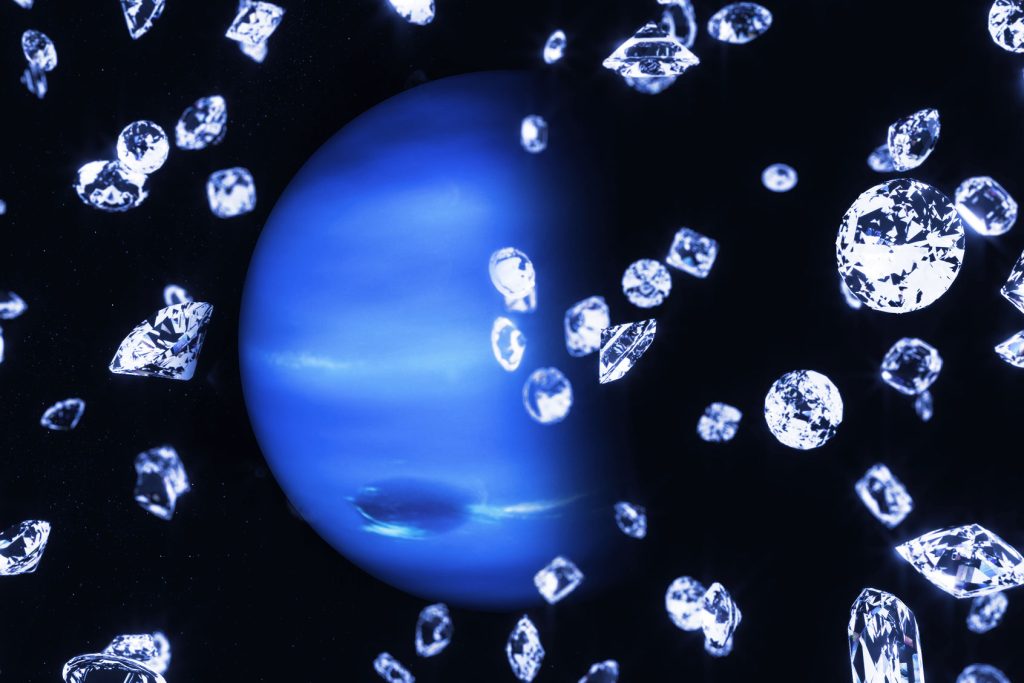
Under extreme pressure and temperature, methane inside Uranus and Neptune could break apart and form diamond crystals. Experiments have supported the possibility, though direct in‑situ confirmation is pending. If true, it would be a wild planetary weather report.
The Coldest Natural Place Found Is A Nebula
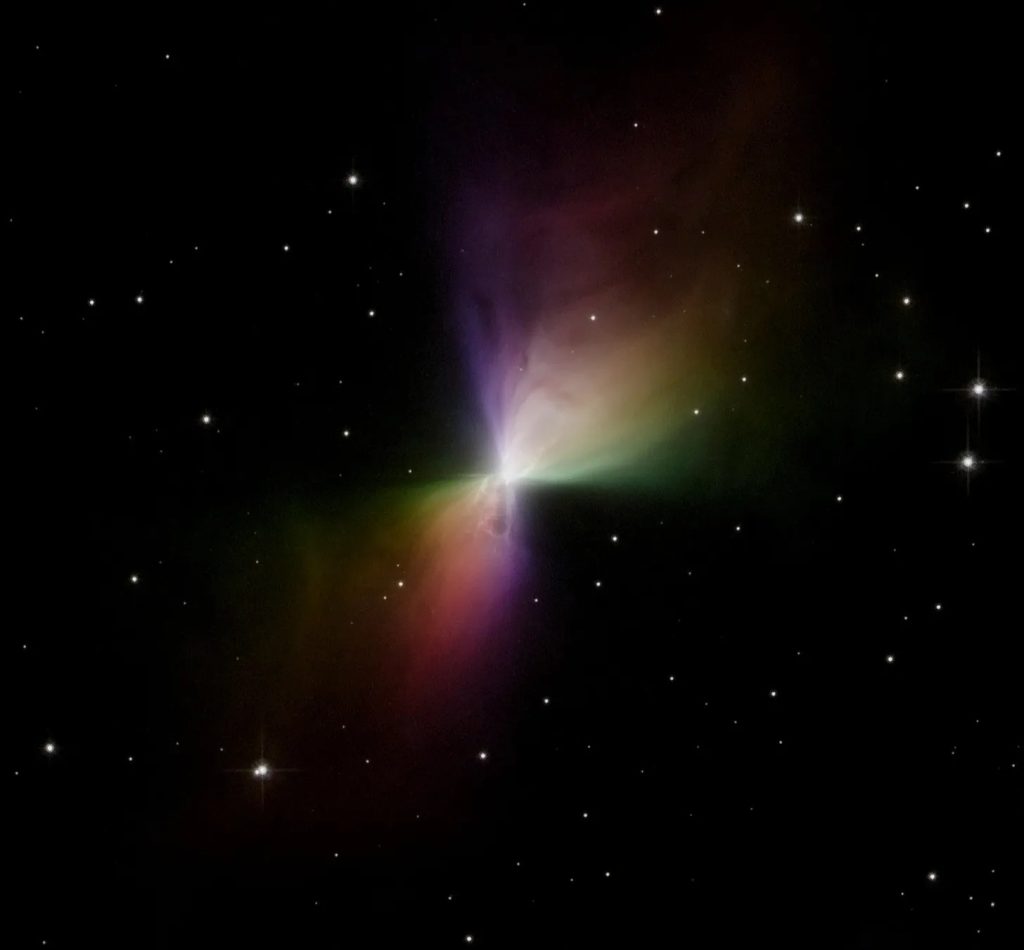
The Boomerang Nebula’s gas cools by rapid expansion, reaching temperatures colder than the cosmic microwave background. It is measured at about one Kelvin above absolute zero. That makes it an unusually frigid spot in space.
Light From The Sun Takes Minutes To Reach Us
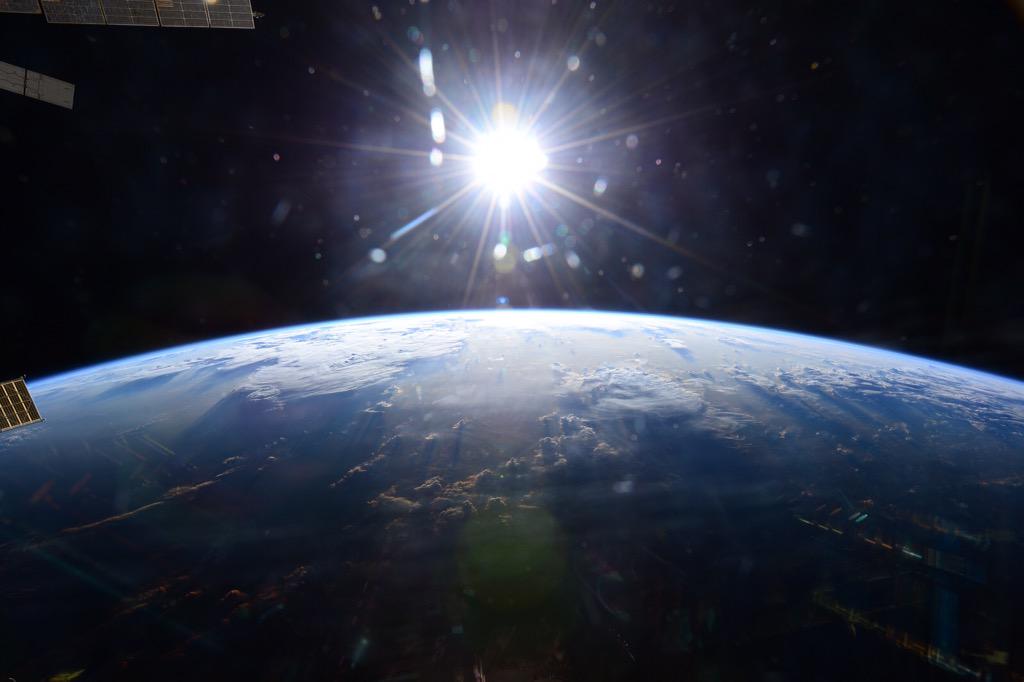
Sunlight takes about eight minutes to travel the 150 million kilometers to Earth. When you see the Sun, you are looking slightly into the past. The delay is a reminder of finite light speed.
Auroras Are Space Weather You Can See
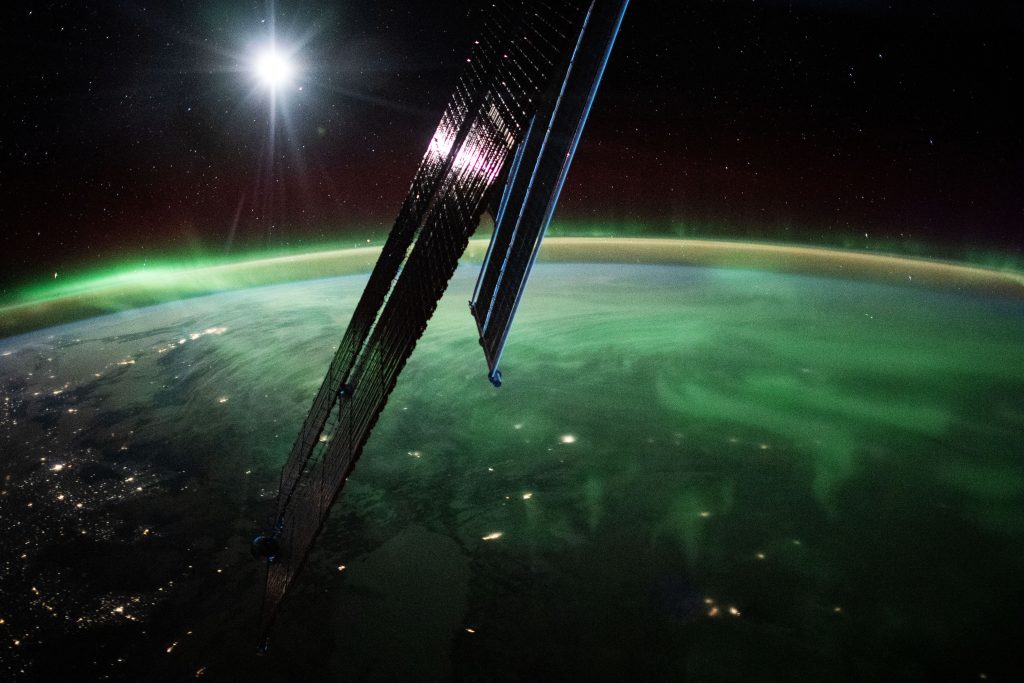
Auroras occur when charged particles from the Sun interact with Earth’s magnetic field and atmosphere. The particles excite atmospheric gases, which then glow. Strong solar storms can expand auroras to lower latitudes.
The International Space Station Orbits Very Fast
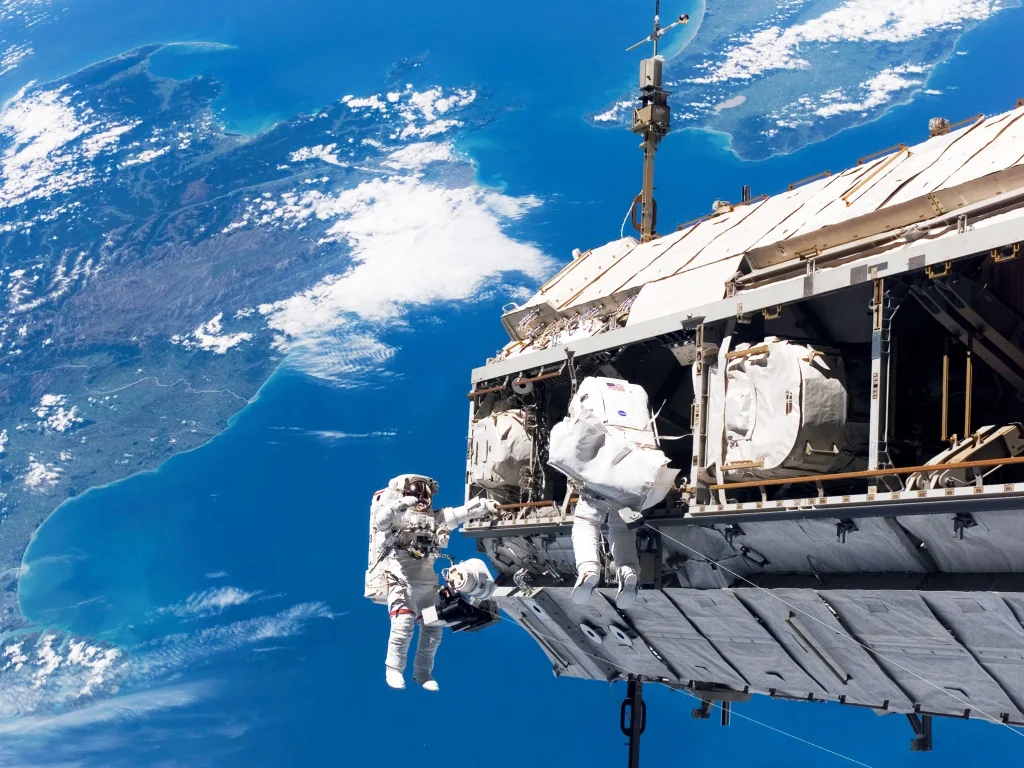
The ISS circles Earth roughly every 90 minutes at a speed of about 7.7 kilometers per second. Crew members see many sunrises and sunsets each day. Its microgravity environment enables unique experiments.
Relativity Helps Your GPS Work
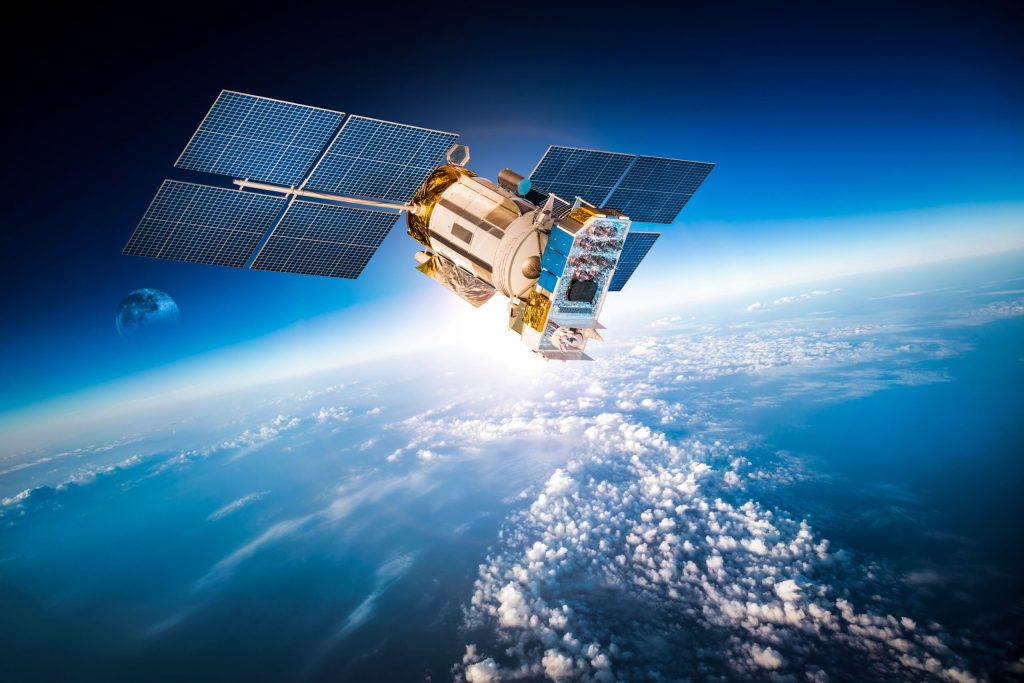
Satellites experience time a little differently due to their speed and altitude. Engineers apply corrections from special and general relativity to keep GPS accurate. Without them, positioning errors would quickly accumulate.
Tardigrades Survived Exposure To Space
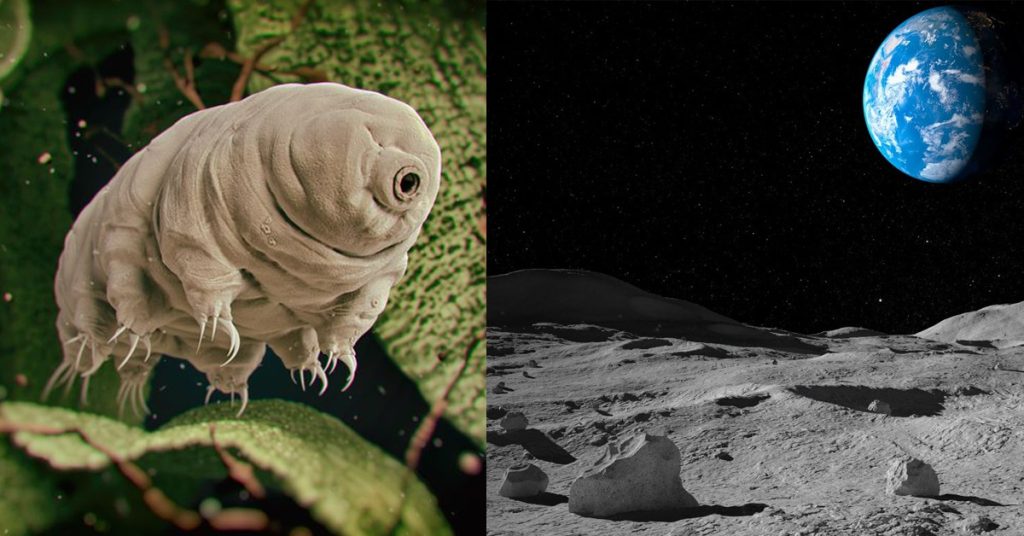
Tiny water bears have endured brief exposure to the vacuum and radiation of space in experiments. They survive by entering a desiccated, resilient state called cryptobiosis. They are not invincible, but they are remarkably tough.
Astronauts Grow Slightly Taller In Orbit
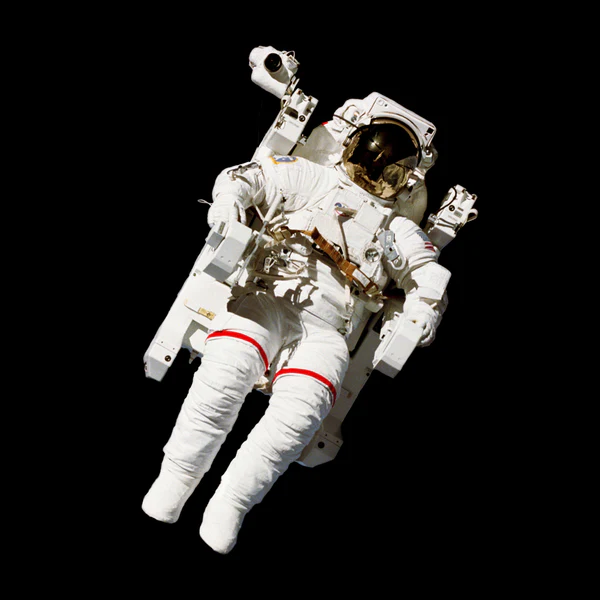
In microgravity, spinal discs expand, and astronauts can measure a bit taller than on Earth. The effect reverses after return as gravity compresses the spine. Exercise helps manage related changes.
The Moon Has Water Ice In Shadowed Craters
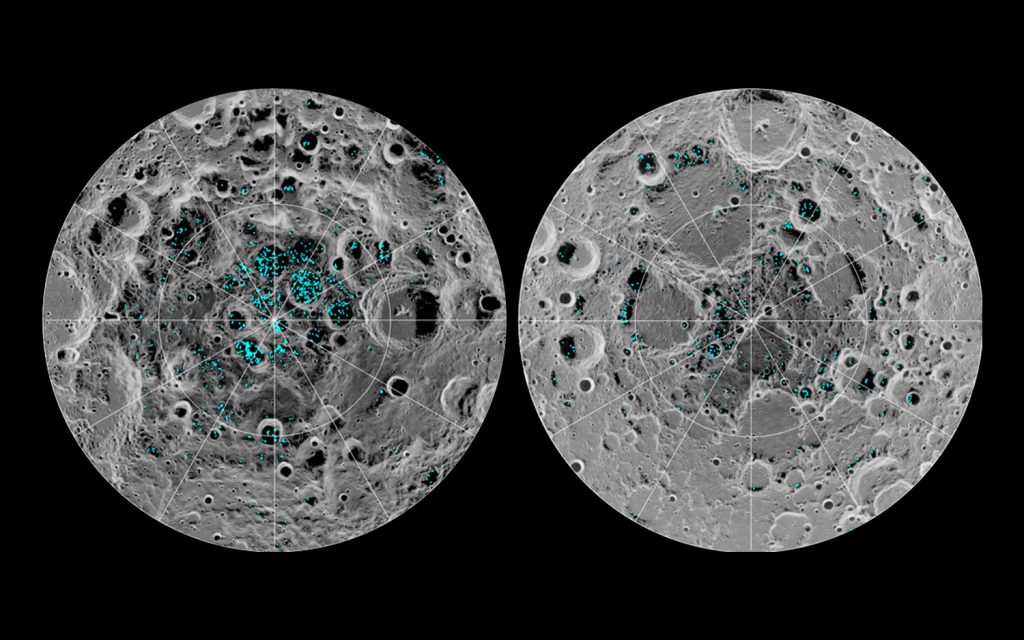
Permanently shadowed regions near the lunar poles harbor water ice. Future missions target these areas for science and possible resource use. Sunlight never reaches some crater floors.
Europa And Enceladus Hide Global Oceans
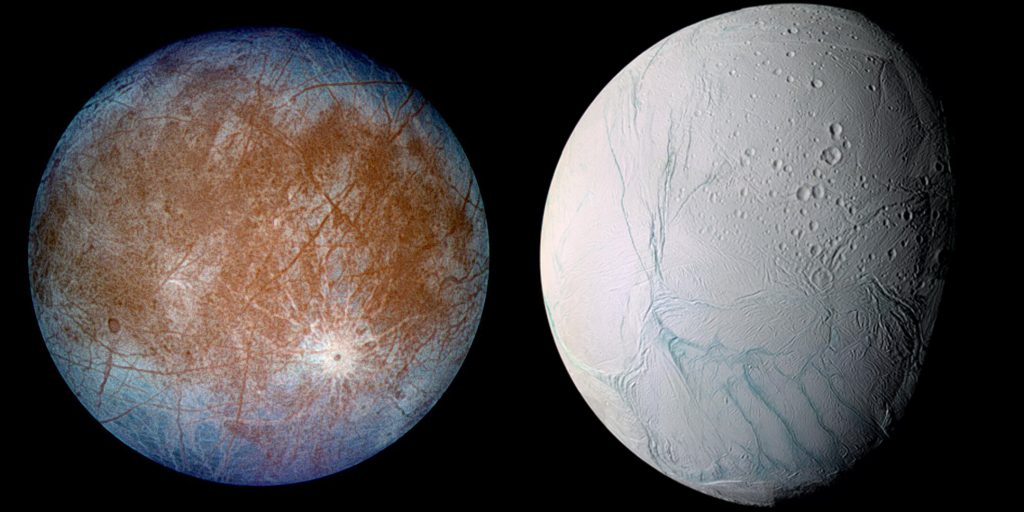
Beneath their icy crusts, Jupiter’s moon Europa and Saturn’s moon Enceladus likely have salty oceans. Geyser-like plumes on Enceladus reveal water and organics. These worlds are prime targets in the search for life.
The Observable Universe Is Vast
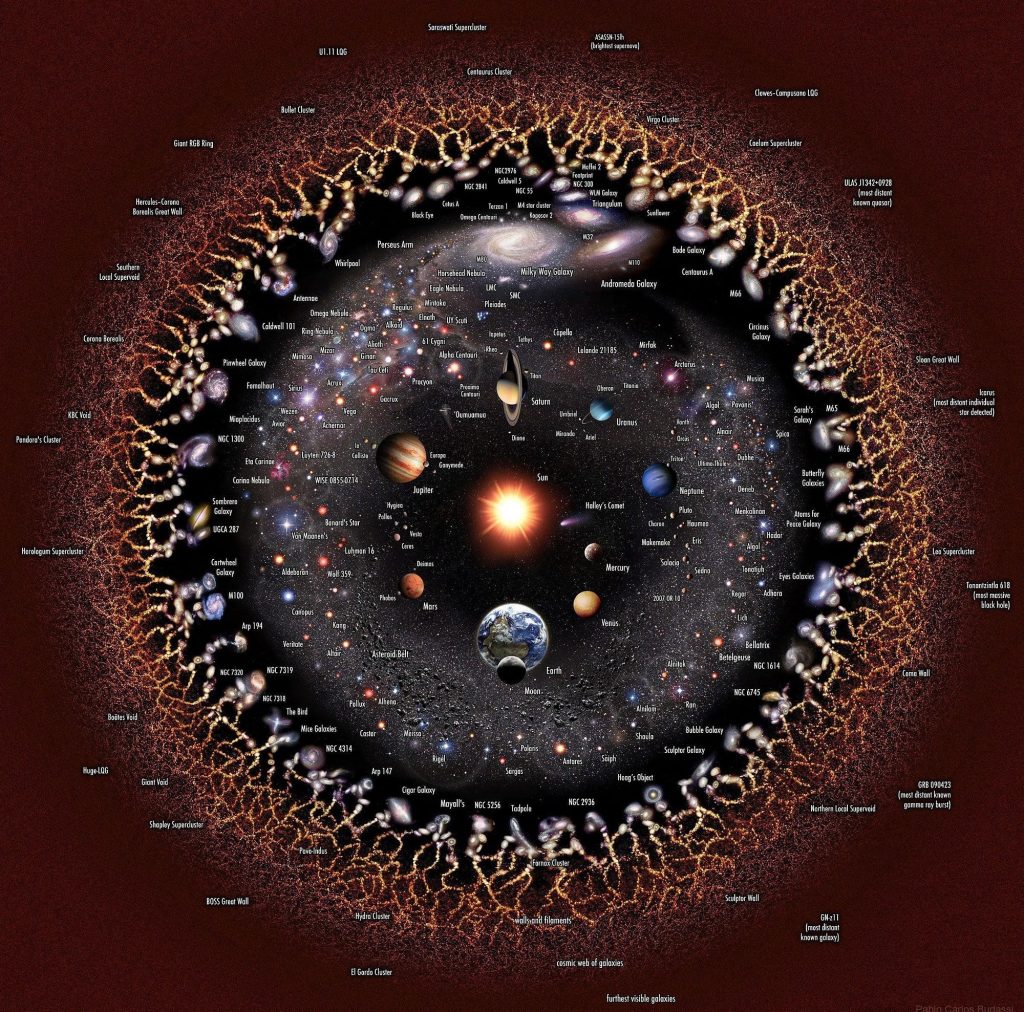
Because space has expanded, the observable universe spans about tens of billions of light years across. Light from distant galaxies shows us the past. What lies beyond the observable edge remains unknown.
Comets Have Two Tails
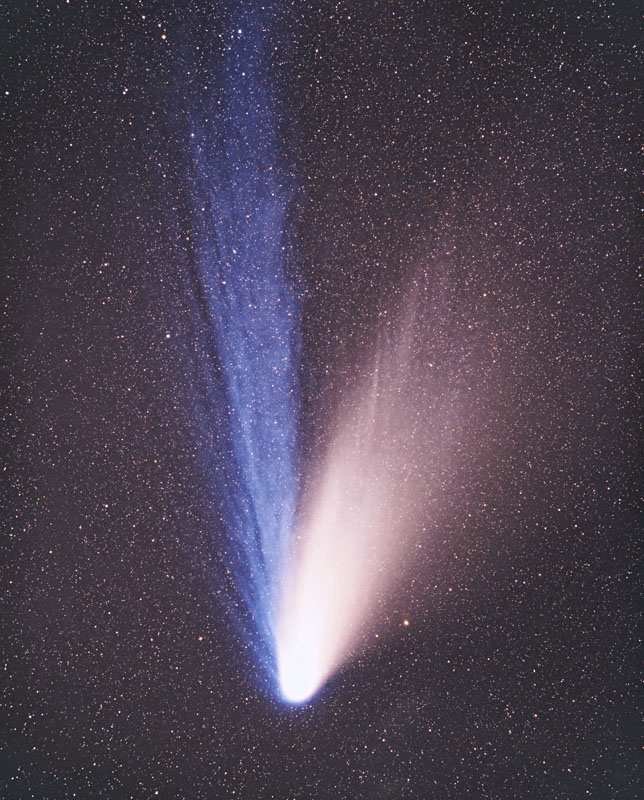
A dust tail curves along the comet’s path, while an ion tail points directly away from the Sun. Solar radiation pressure and the solar wind shape them differently. Bright comets can display both at once.
Black Holes Are Not Cosmic Vacuum Cleaners
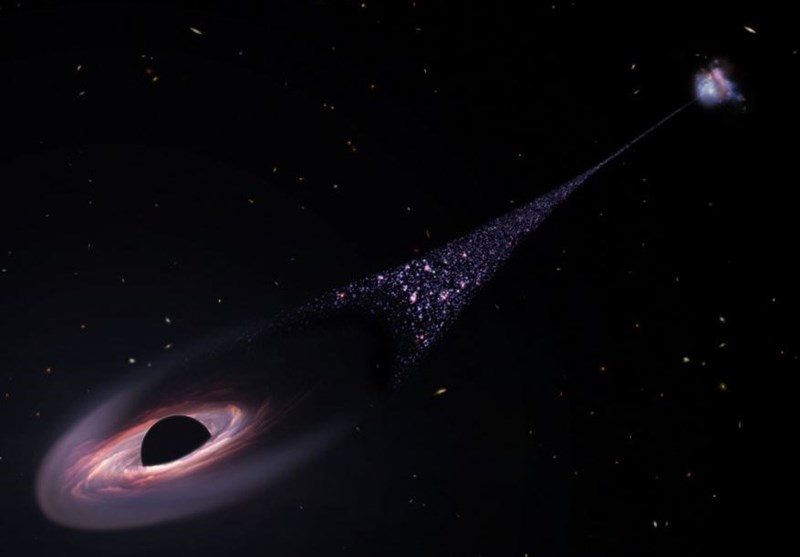
Objects must still cross the event horizon to be captured; they do not suck in everything at a distance. From far away, their gravity acts like that of any mass of similar size. Accretion disks and jets produce dramatic radiation.
Cosmic Rays Constantly Hit Earth
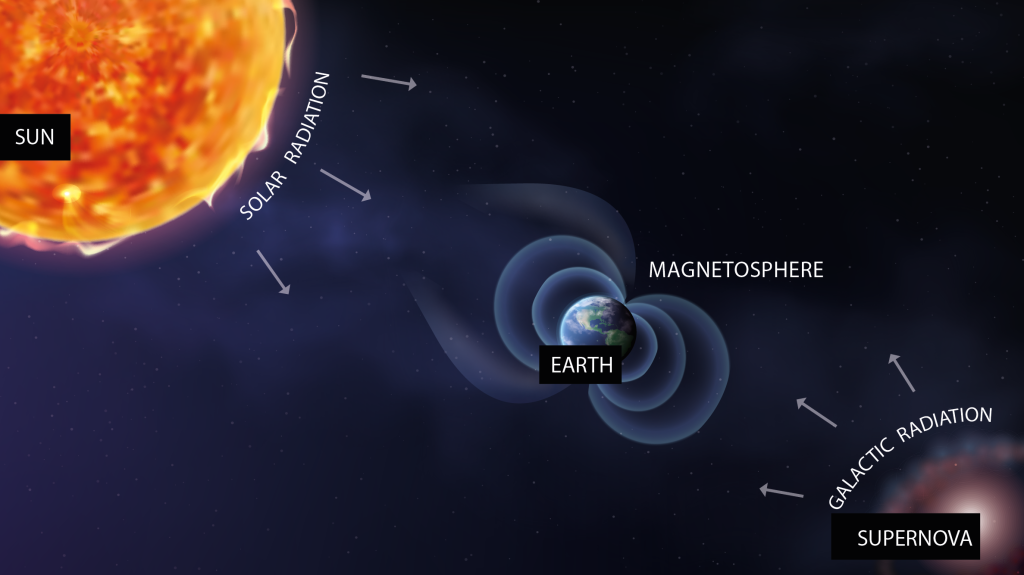
High‑energy particles from space strike our atmosphere all the time. Most are harmless thanks to Earth’s magnetic field and air shielding. They help produce secondary particle showers.
The Oort Cloud Is A Distant Comet Reservoir
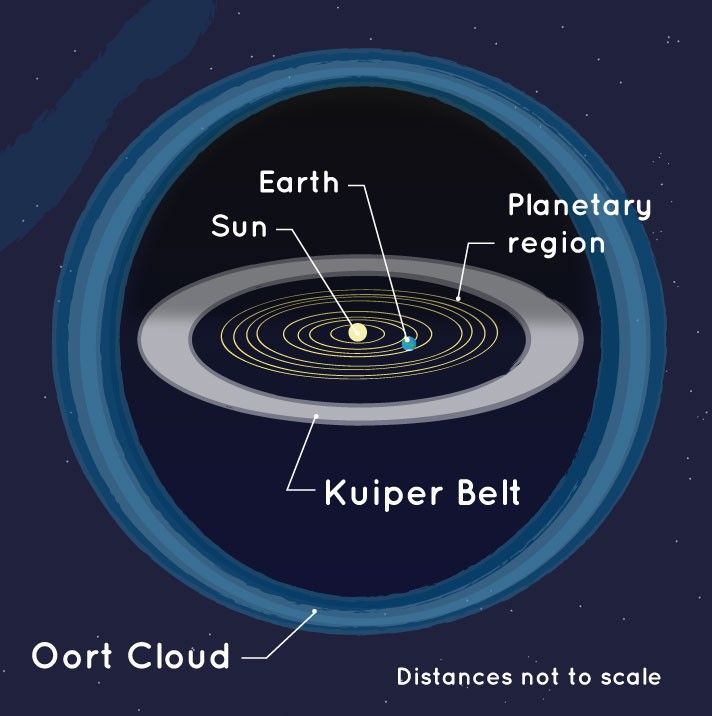
Far beyond Pluto, a hypothetical spherical swarm of icy bodies may surround the solar system. Long‑period comets are thought to originate there. It has not been directly observed but is a useful model.
There Is A Giant Cloud Of Alcohol In Space
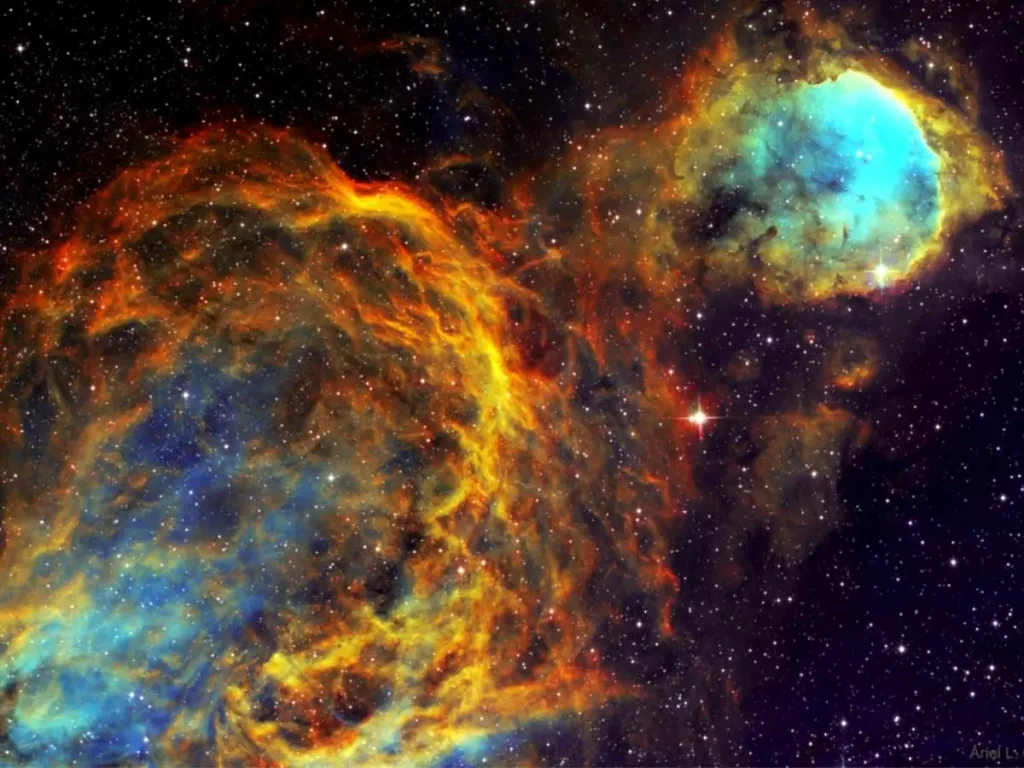
A molecular cloud near the center of our galaxy contains complex organic molecules, including forms of alcohol. It is not drinkable, but the sheer scale is astonishing and often compared to unimaginable numbers of pints. Finds like this show chemistry in space can be surprisingly familiar.