“Seinfeld” is legendary for its main quartet, but the eccentric citizens of New York often stole the spotlight from Jerry and his friends. From litigious lawyers to competitive retirees, these supporting players provided the friction that made the humor in the series work so effectively. Unique individuals who arguably deserved even more screen time during the show’s original run. Exploring these deep cuts reveals just how rich the “Seinfeld” universe truly was beyond the famous diner booth.
Jackie Chiles
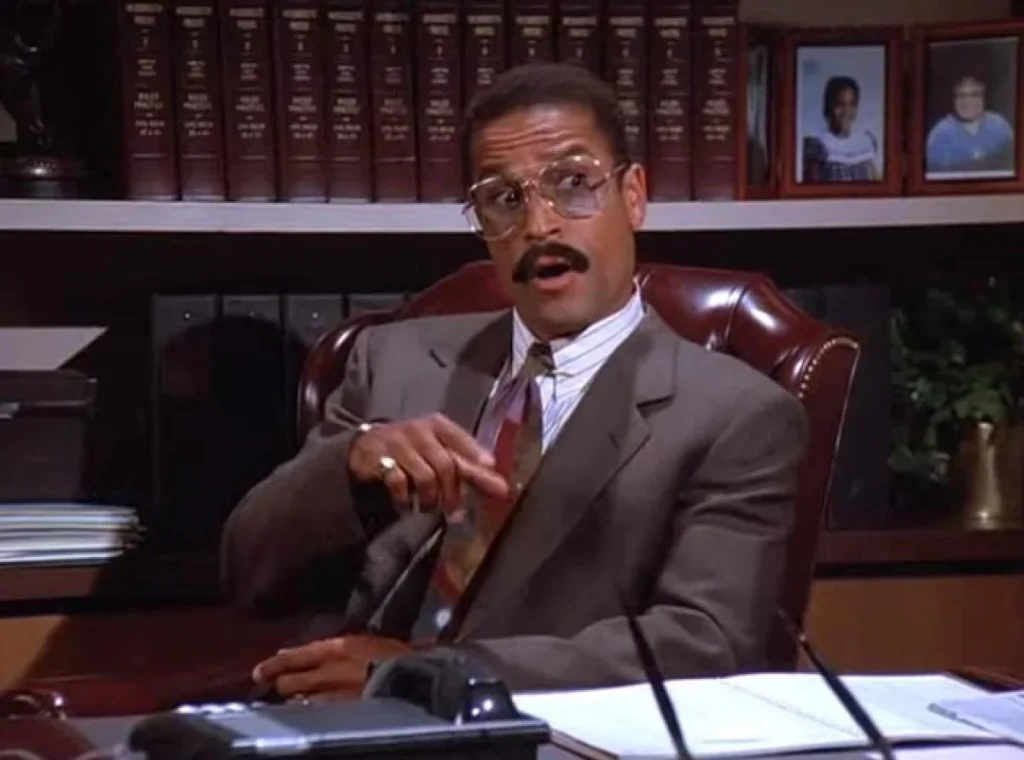
Phil Morris delivered a masterclass in physical comedy with his fast-talking parody of famous defense attorneys. His rhythmic speech patterns and absolute outrage at Kramer’s mishaps provided some of the strongest laughs in the later seasons. The character was so popular that a spin-off series was briefly considered by the network. He ultimately represented the absurd legal reality that eventually caught up with the main cast.
The Soup Nazi
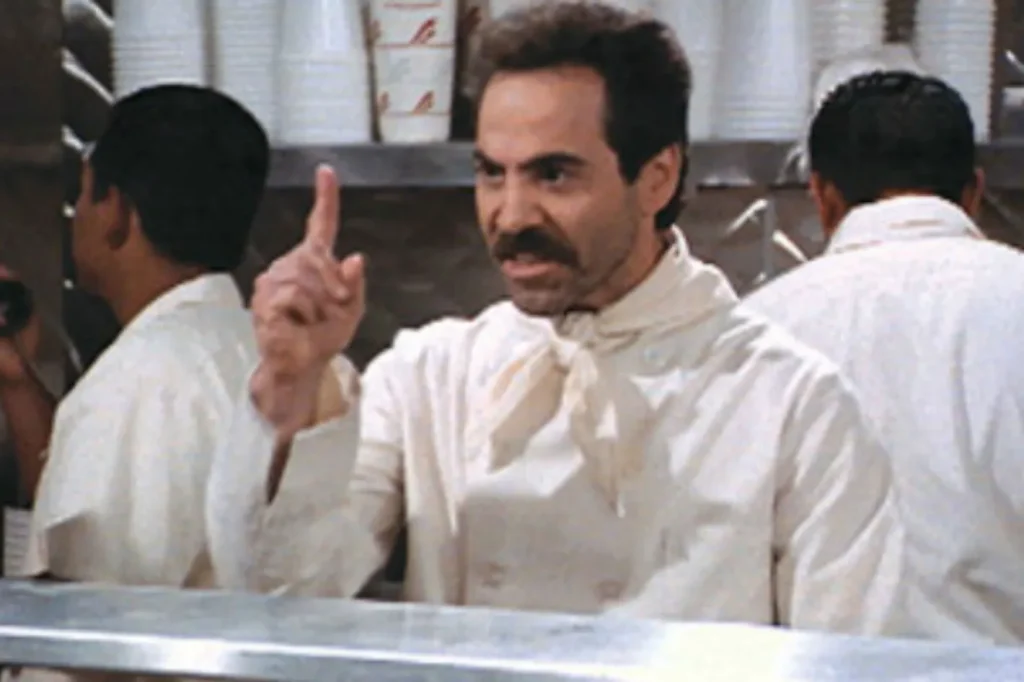
Larry Thomas based his performance on a real New York soup vendor known for his strict ordering rules. Despite appearing in only one primary episode, the character became a global pop culture icon almost instantly. The intense discipline required to order a bowl of lima bean soup showcased the high-stakes minutiae of city life. This role earned Thomas an Emmy nomination for his brief but impactful appearance.
Kenny Bania
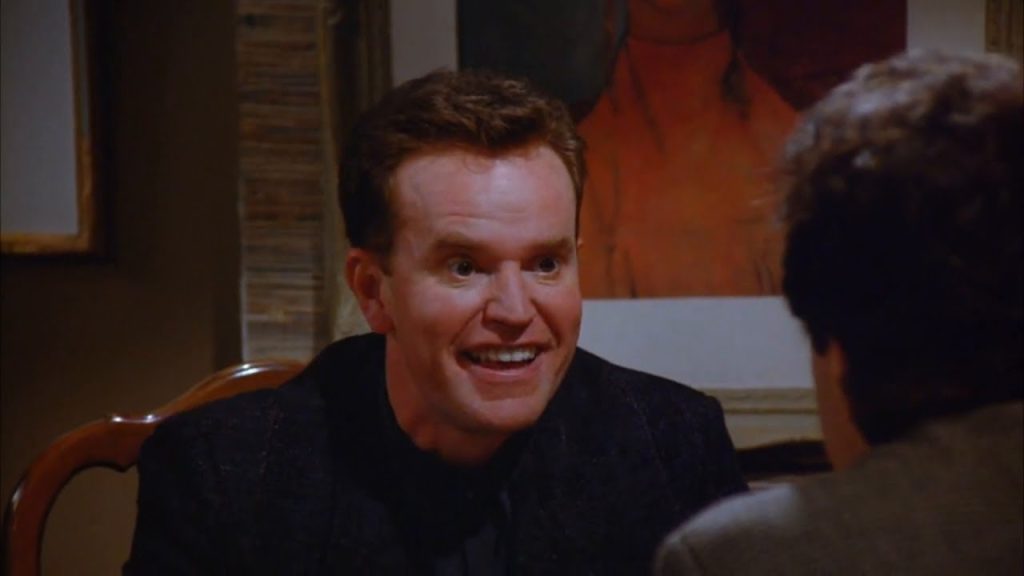
Every comedian has a rival they cannot stand, and Steve Hytner embodied that irritation perfectly. His obsession with Ovaltine and Mendy’s restaurant served as a hilarious foil to Jerry’s more sophisticated comedic sensibilities. Bania represented the annoying persistence of mediocre talent in a competitive industry. He remains a fan favorite for his pure, unadulterated enthusiasm for terrible jokes.
Mr. Kruger
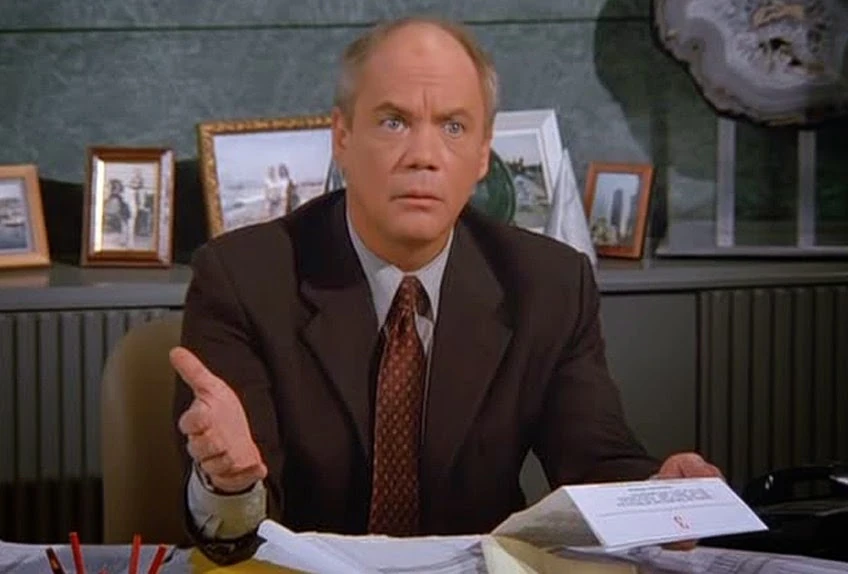
Daniel von Bargen played the ultimate checked-out boss who simply did not care about the success of his company. His apathy allowed George Costanza to reach new heights of laziness and professional deception. The character’s nonchalant attitude toward major business failures created a surreal workplace dynamic. He provided the perfect environment for the George industrial complex to thrive.
The Mohel
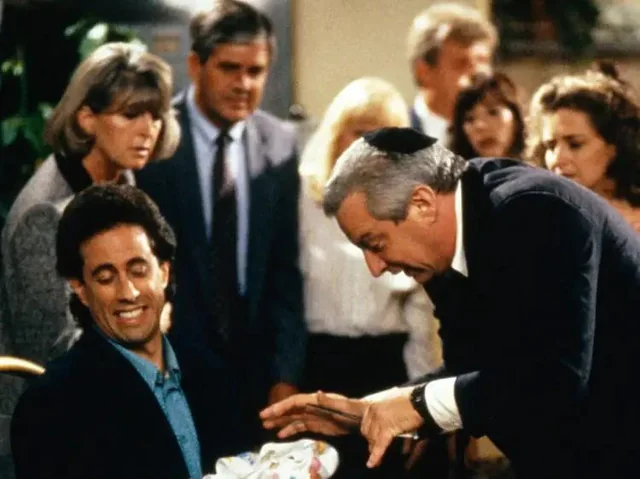
Charles Levin portrayed the jittery and hyper-aggressive practitioner during the circumcision of the baby in “The Bris”. His explosive anger over a misplaced glass of water created one of the most tense and funny scenes in the series. The character’s frantic energy made him one of the most memorable one-off guests. His performance is often cited by the cast as one of the most difficult to film without laughing.
Bookman
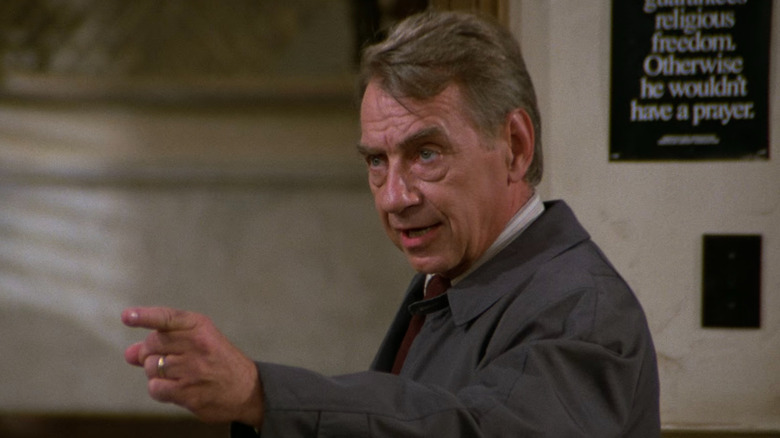
Philip Baker Hall brought a hard-boiled detective noir style to a simple case of a long-overdue library book. His monologue in Jerry’s apartment is widely considered one of the greatest guest spots in television history. The absurdity of a “Library Cop” taking a decades-old fine so seriously fit the show’s tone perfectly. Hall later worked with several of the same creative circles in major dramatic films.
Sid
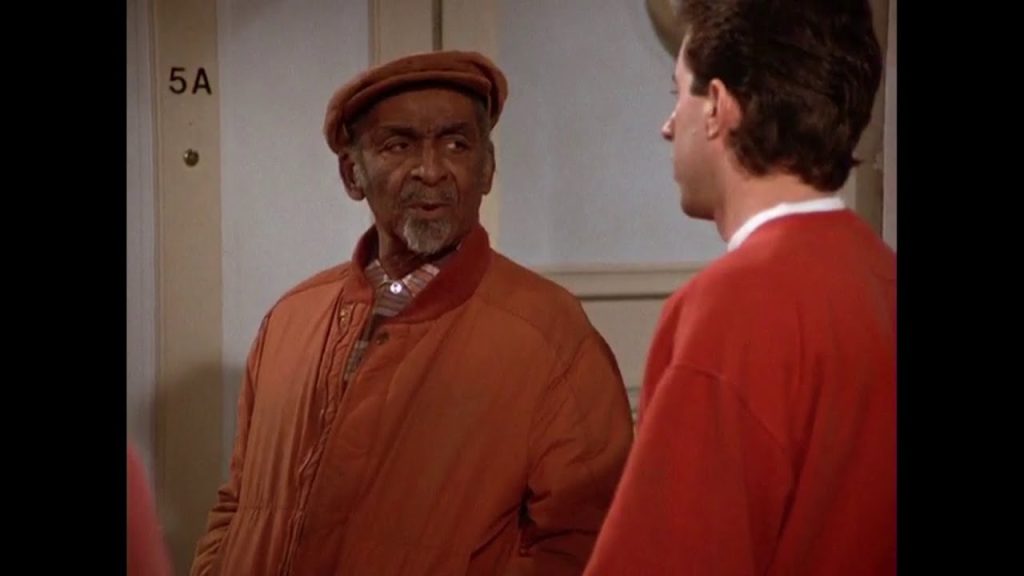
Managing the complex parking situation on a New York street required a specific kind of wisdom that only Sid possessed. He treated the movement of cars like a delicate symphony of logistics and human temperament. His interactions with the main cast highlighted the invisible labor that keeps the city moving. The character added a grounded, blue-collar layer to the upper-west-side setting.
Jean-Paul Jean-Paul
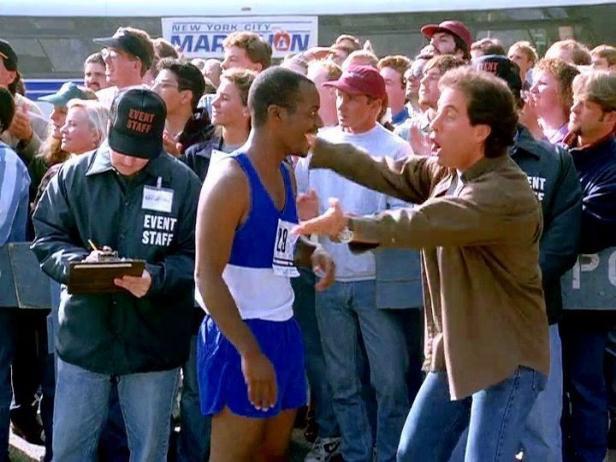
The Trinidadian marathon runner who famously overslept at the Olympics became the victim of Kramer’s well-meaning but disastrous hospitality. His struggle with the reliability of alarm clocks and hot tubs created a tragicomedy of errors. The character’s frustration was palpable and deeply relatable to anyone who has ever missed an important deadline. He eventually suffered the factual consequence of trusting the wrong people with his career.
The Wiz
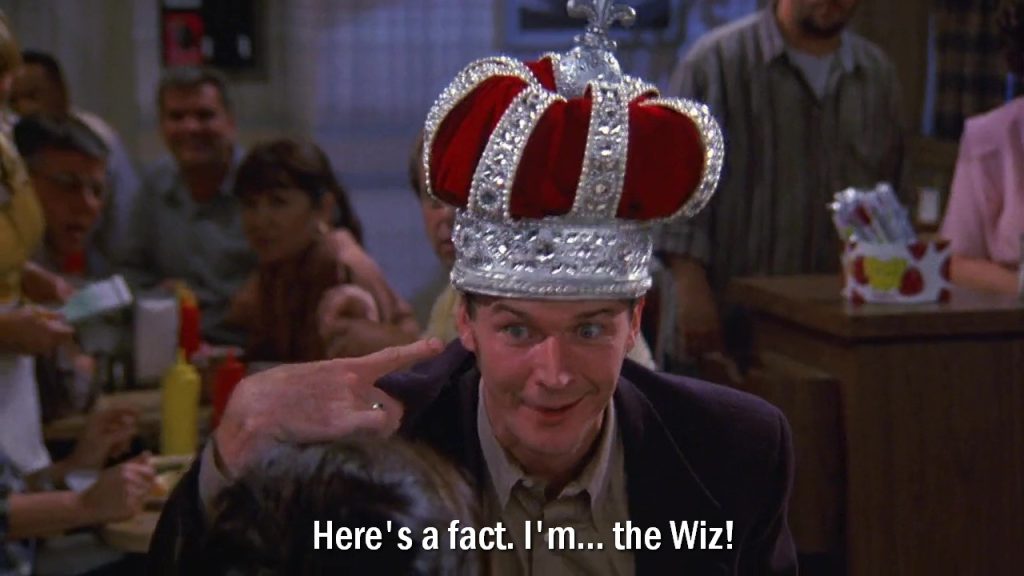
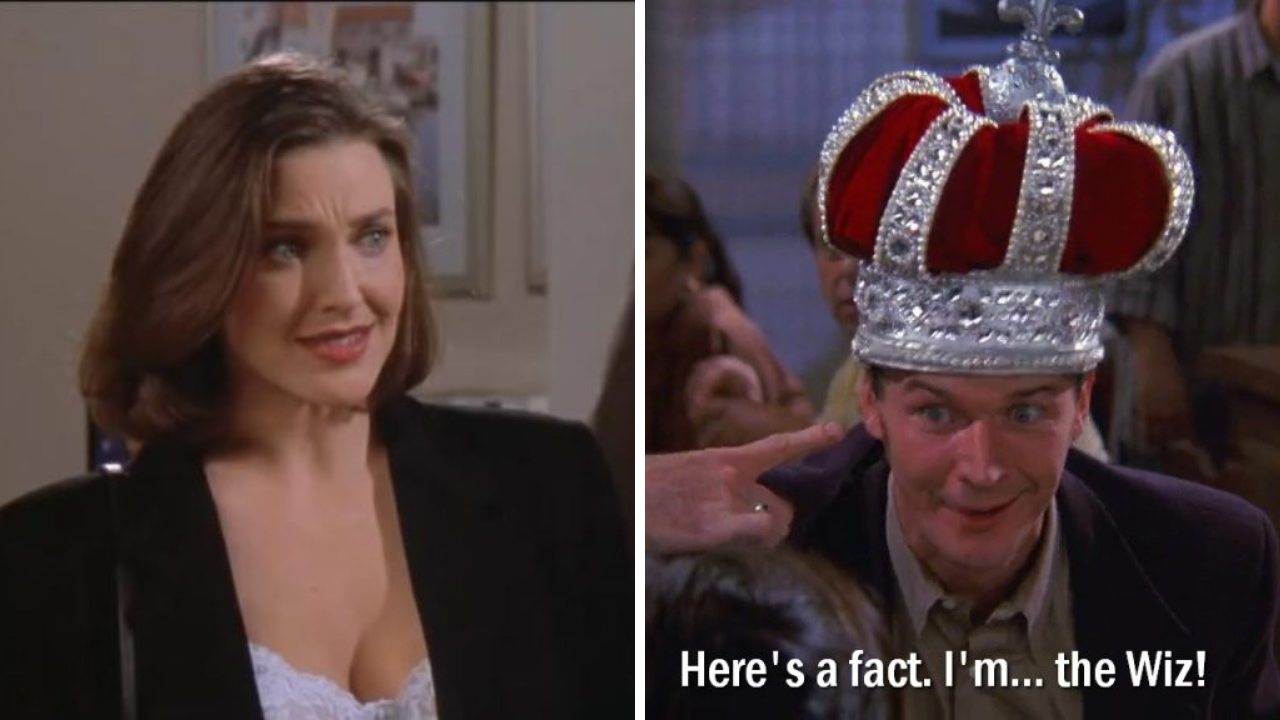
Toby Huss played the flamboyant electronics store mascot who briefly dated Elaine Benes. His repetitive catchphrase and royal costume made him a jarring presence in the otherwise mundane reality of the show. The character parodied the loud and obnoxious local television commercials that were common in the nineties. He disappeared from the series just as fans were starting to appreciate his surreal energy.
Lloyd Braun
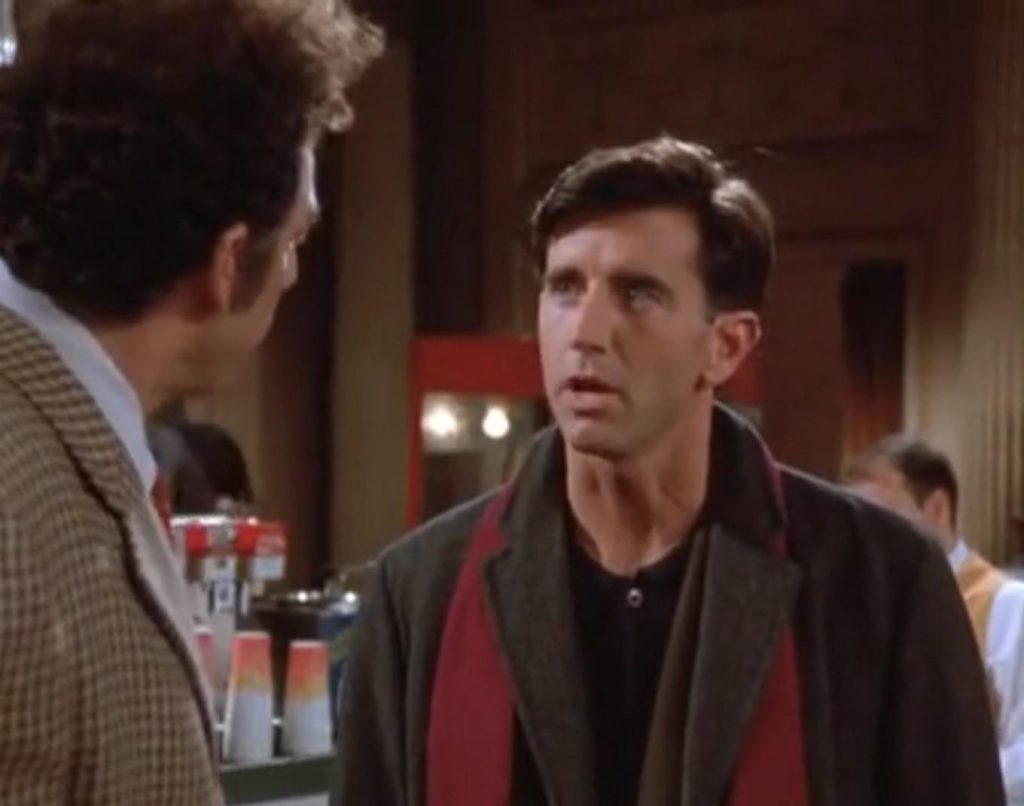
Constantly held up by George’s mother as the perfect son, Lloyd eventually suffered a mental breakdown and entered the world of the main cast. His transition from a high-achieving politician to a man selling old computers in a garage was a classic “Seinfeld” arc. The character’s fragile mental state led to the iconic “Serenity Now” plotline. He served as a cautionary tale of what happens when you try too hard to be normal.
The Maestro
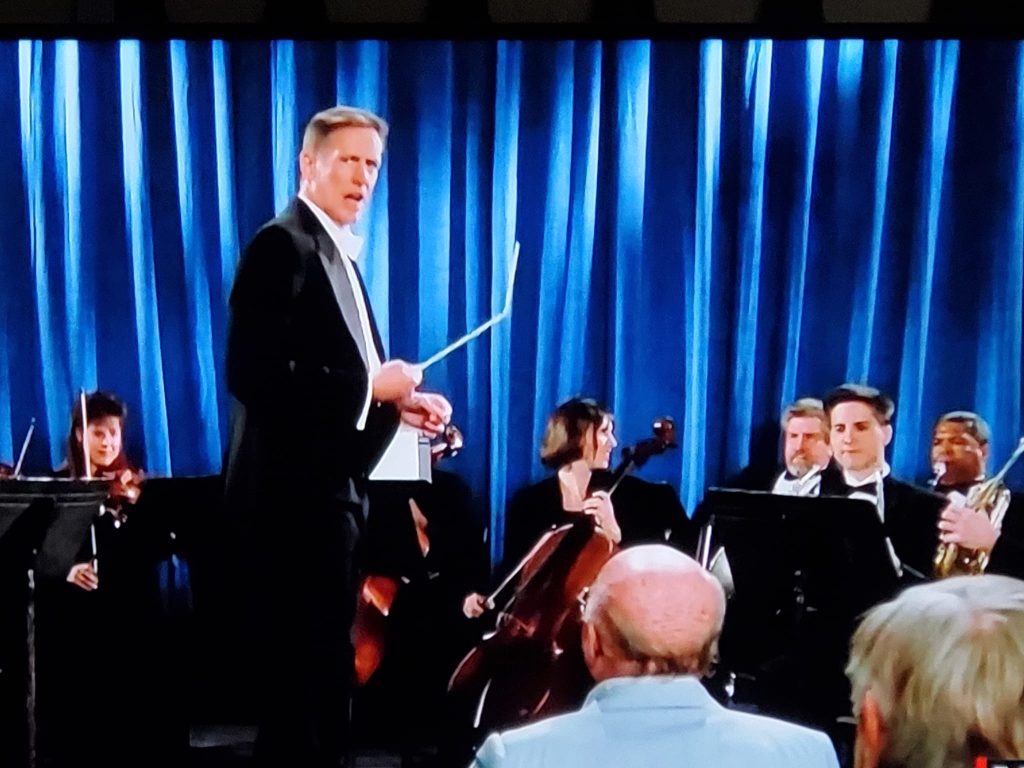
Mark Metcalf brought an air of unearned pretension to the role of a conductor who insisted on being addressed by his professional title. His relationship with Elaine in Tuscany provided a hilarious look at the insecurities of the social elite. Interestingly, Metcalf was already famous for playing the villainous Niedermeyer in “Animal House”. This connection added an extra layer of enjoyment for fans of classic comedy films.
Vegetable Lasagna
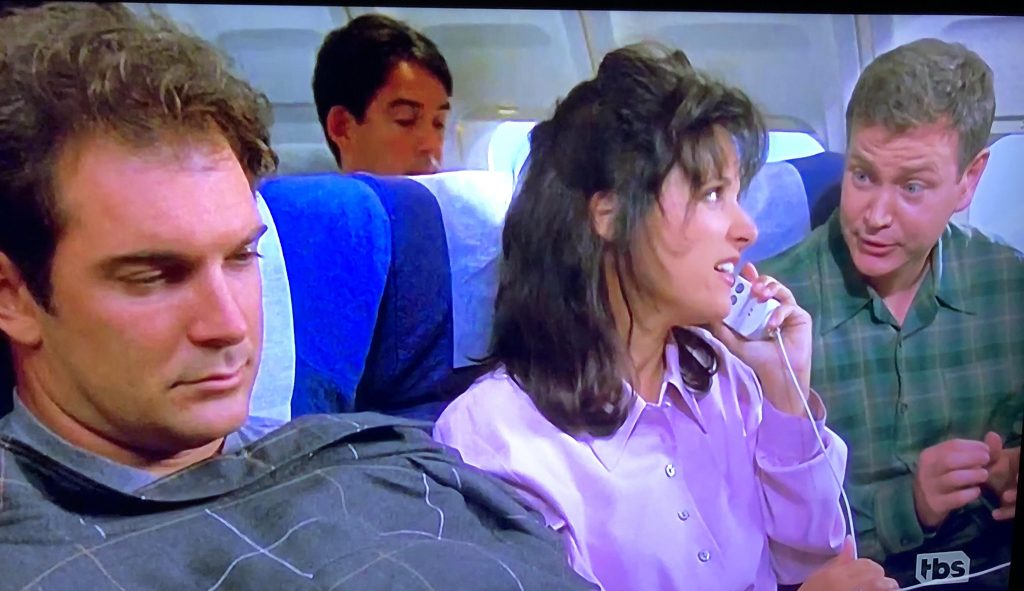
Caught in the crossfire of a heated argument between Elaine and Puddy on a long flight, this passenger was given a ridiculous nickname based on his meal order. His inability to escape the drama of the people sitting next to him was a masterclass in silent reaction acting. The character became a cult favorite for his sheer powerlessness in the face of the main quartet’s narcissism. He represents the innocent bystanders who often suffer in the show’s universe.
Mickey Abbott
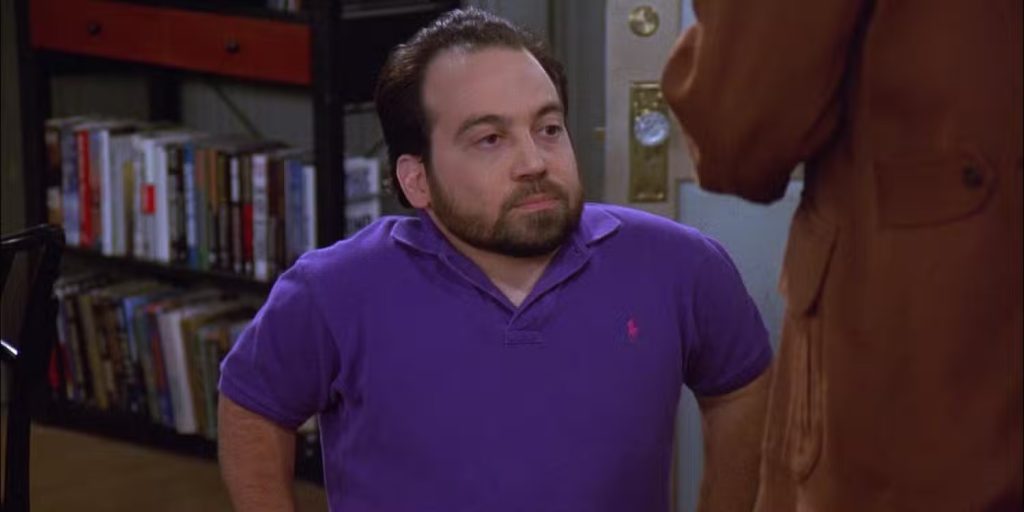
Danny Woodburn played Kramer’s temperamental friend and acting partner who refused to be defined by his height. Their competitive relationship led to several physical confrontations and hilarious backstage bickering. Mickey was one of the few people who could match Kramer’s energy and eccentricity. His frequent job changes in the entertainment industry provided a steady stream of unique plot points.
Bob And Cedric
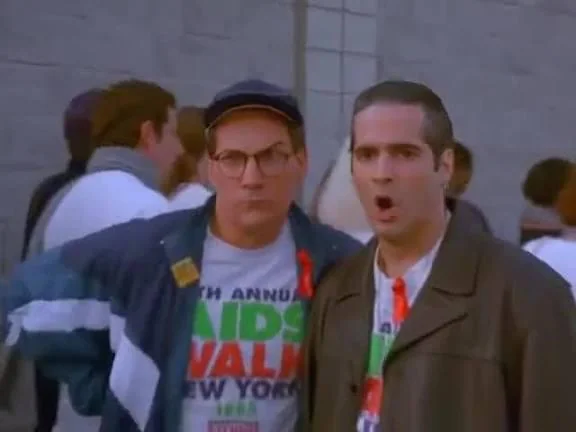
This duo of street toughs famously intimidated Kramer when he refused to wear an AIDS ribbon during a walk for charity. Their aggressive defense of social etiquette and high-end furniture made them a terrifying and hilarious recurring threat. They turned mundane social expectations into a matter of physical safety. The characters highlighted the aggressive territoriality of certain New York neighborhoods.
Sue Ellen Mischke
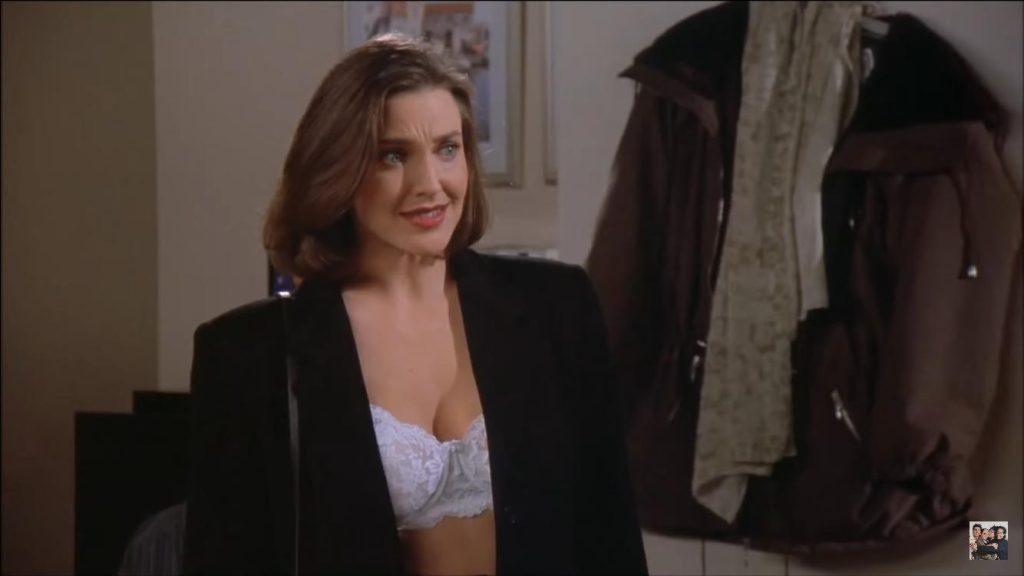
Known as the “O’Henry Heiress,” she was Elaine’s nemesis who famously refused to wear a bra, causing chaos for Jerry and Kramer. Her casual wealth and disregard for traditional fashion norms drove many of Elaine’s most jealous plots. The character’s legal battle involving a faulty bra led to one of Jackie Chiles’ most famous cases. She was a rare character who seemed completely unaffected by the neuroses of the main cast.
Jack Klompus
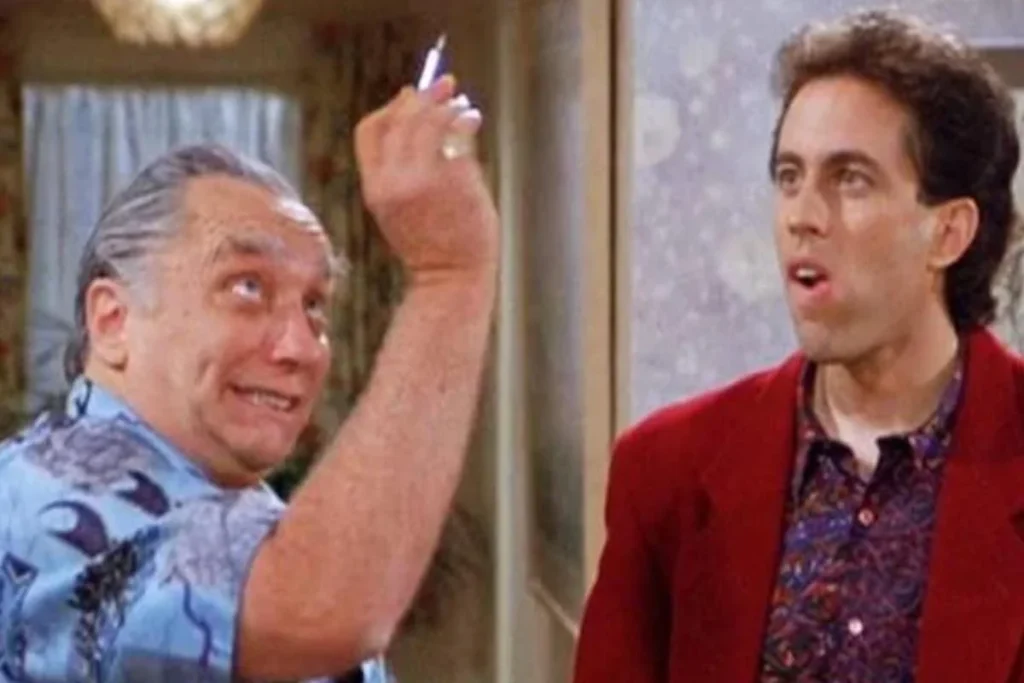
As the primary rival of Jerry’s father in their Florida retirement community, Jack was a master of passive-aggressive pettiness. His obsession with an astronaut pen and his leadership of the condo board created endless frustration for the Seinfeld family. He embodied the competitive nature of retirees who have nothing but time to argue. His character made the Florida episodes some of the most distinct in the series.
Babu Bhatt
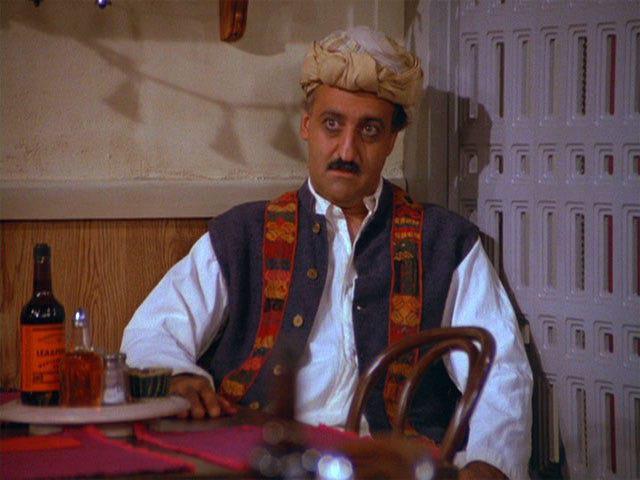
Brian George played the restaurant owner who suffered immensely after following Jerry’s unsolicited business advice. His eventual deportation became one of the darkest and most persistent jokes regarding Jerry’s accidental cruelty. The character’s trademark finger-wagging and declaration that Jerry was a “very bad man” became iconic. He served as a living reminder of the consequences of the main cast’s interference.
Tim Whatley
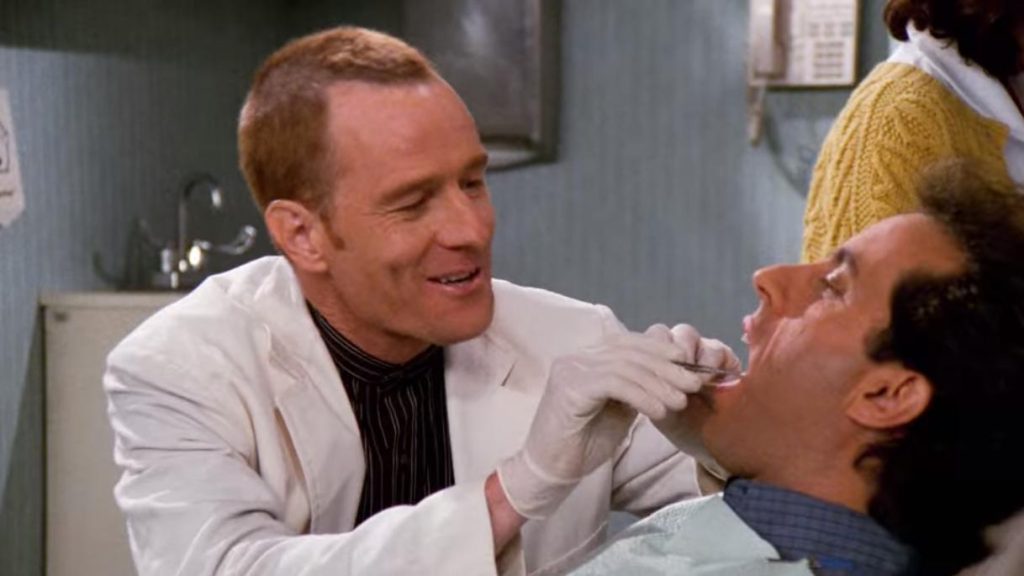
Bryan Cranston appeared as the “dentist to the stars” who converted to Judaism purely for the jokes. His character’s loose professional ethics and strange parties at his office provided a glimpse into a very odd corner of New York society. Years later, Cranston would become a household name for his dramatic role in “Breaking Bad”. This legacy makes his comedic origins in “Seinfeld” even more fascinating for modern viewers.
Crazy Joe Davola
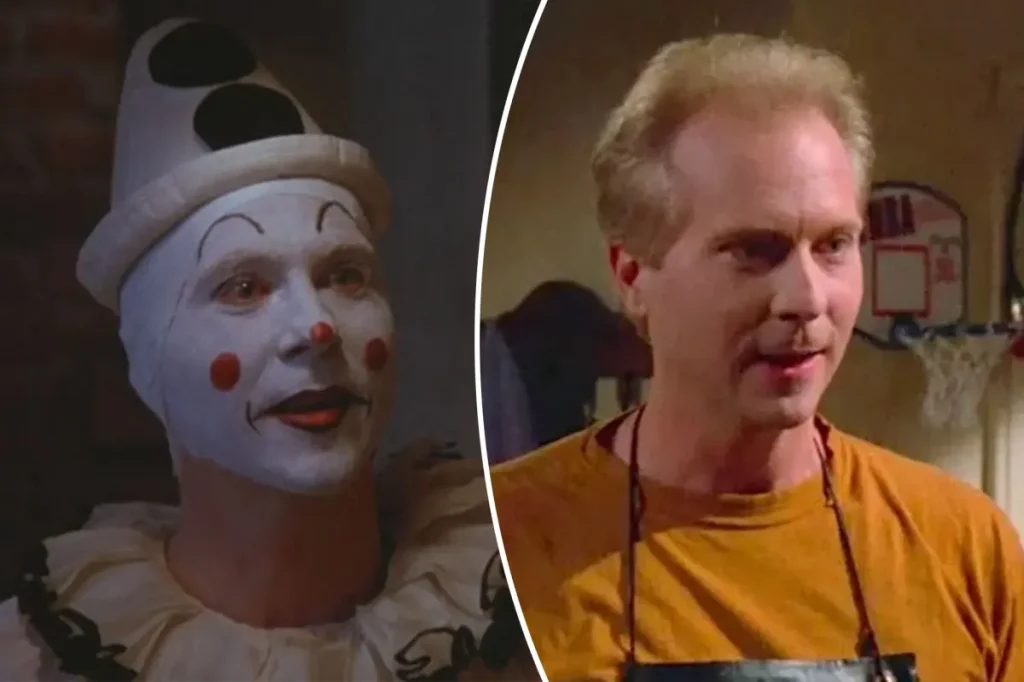
Peter Keleghan portrayed the writer whose mental instability turned him into a recurring antagonist for the group. His pursuit of Jerry and Elaine while dressed as a character from “Pagliacci” added a genuine sense of danger to the sitcom. The character parodied the “lone stalker” tropes of thriller movies while maintaining the show’s comedic rhythm. He remains one of the most uniquely menacing figures to ever interact with the cast.
The Drake
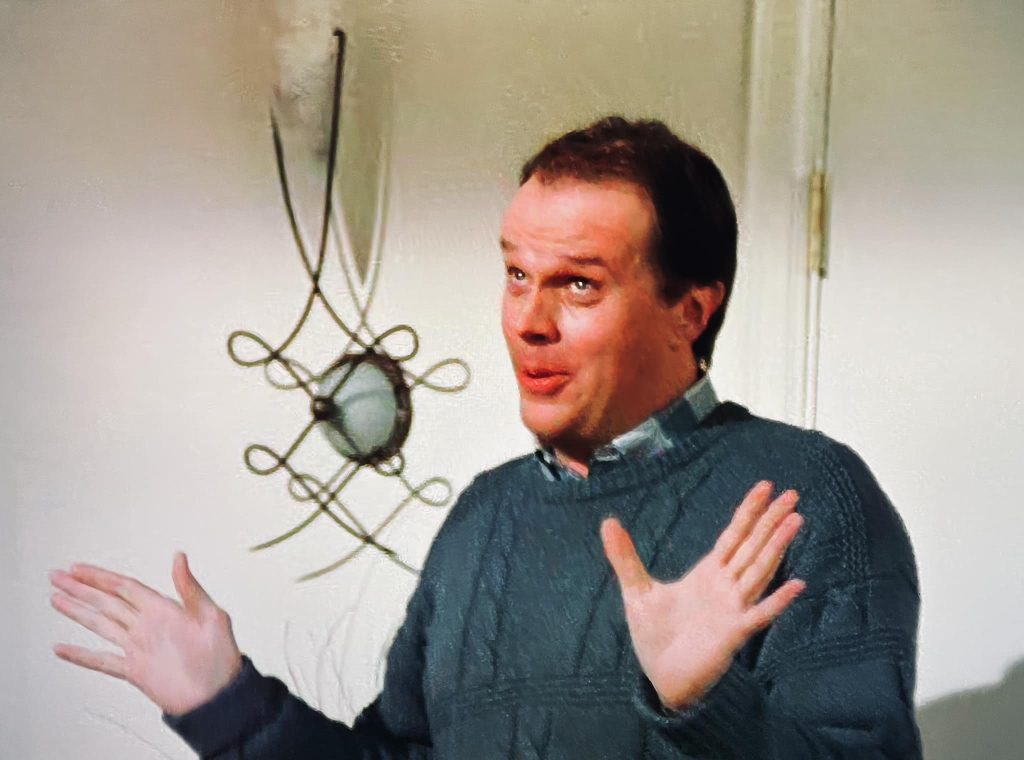
A friend of the group who was initially adored by everyone, his character arc showed how quickly social alliances can shift. The phrase “Love the Drake” quickly turned into “Hate the Drake” after a series of petty misunderstandings regarding a television gift. He represented the fickle nature of friendships in your thirties. The character appeared just enough to establish a recurring gag about social loyalty.
Marla The Virgin
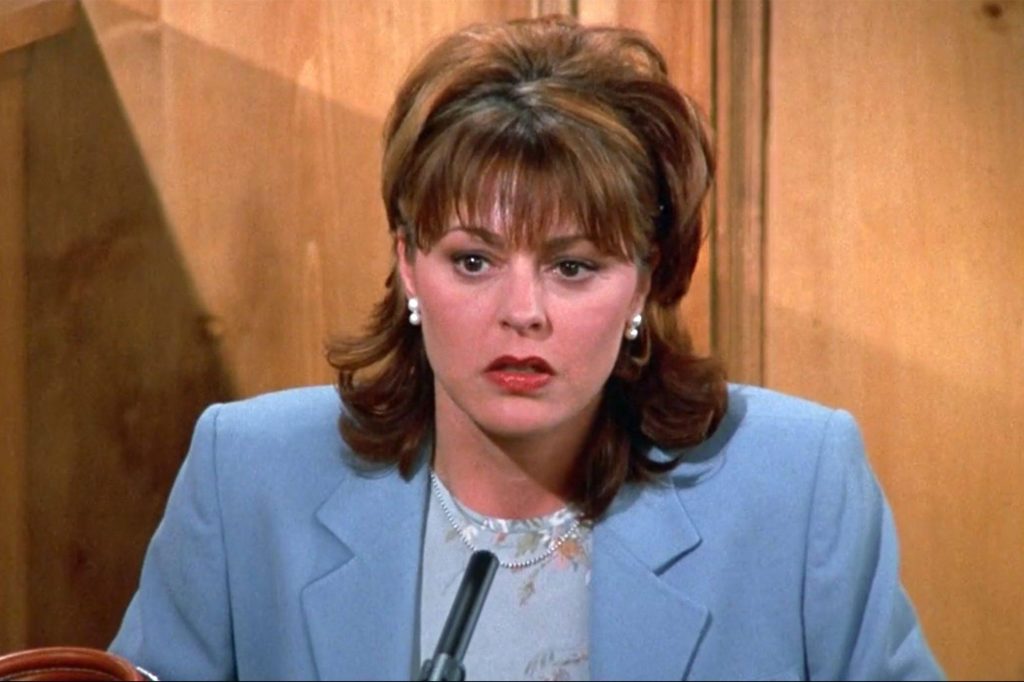
Jane Leeves played the woman whose innocence became the central focus of the legendary episode “The Contest”. Her horror upon learning about the group’s wager led to her immediate departure from the show. Leeves eventually went on to star in the massive hit series “Frasier” as Daphne Moon. Seeing her navigate the cynical world of “Seinfeld” before her move to Seattle is a highlight for sitcom history buffs.
The Bubble Boy
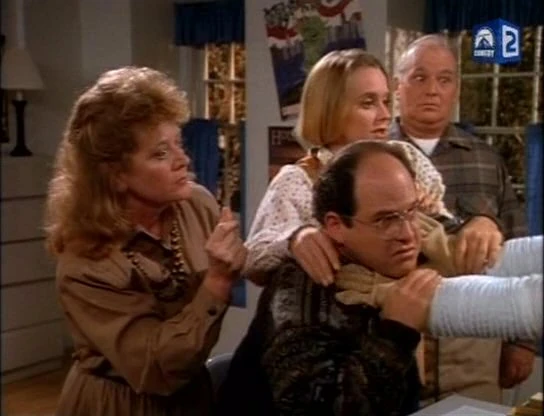
While the character was never fully seen outside of his plastic protective enclosure, his abrasive personality and love for “Trivial Pursuit” were unforgettable. His physical fight with George over a misspelling of “Moors” as “Moops” is a defining moment for the series. The voice of the character was provided by writer Jon Hayman. This role proved that a character could be incredibly effective without ever showing their face.
Mr. Pitt
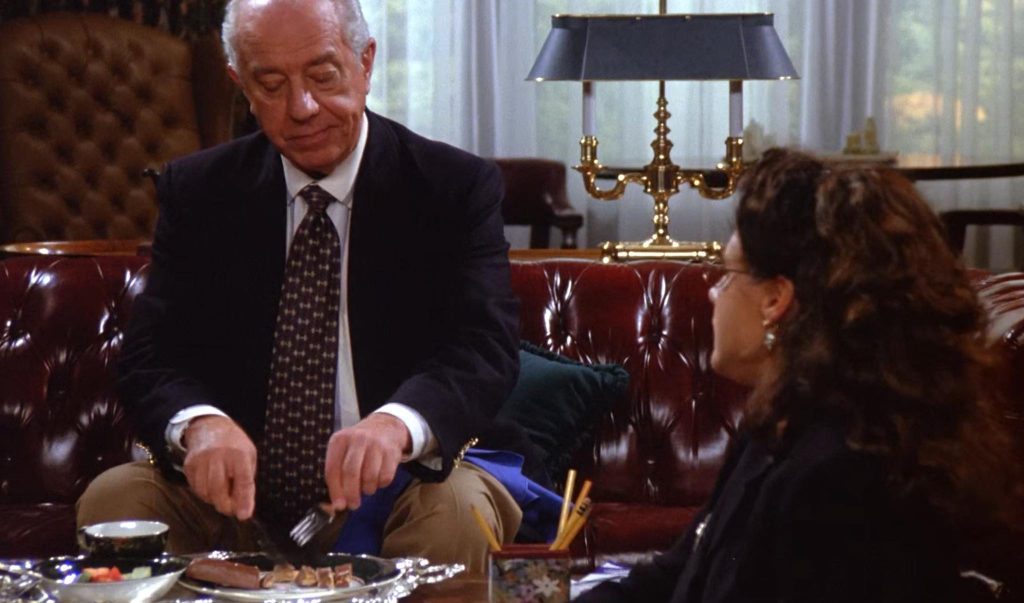
Ian Abercrombie portrayed Elaine’s demanding and incredibly particular boss during the middle seasons. His obsession with finding the perfect socks and eating Snickers bars with a knife and fork showcased a very specific brand of old-money insanity. He treated Elaine more like a personal servant than an assistant. The character provided a hilarious contrast to the more chaotic workplace of the Peterman era.
Ruthie Cohen
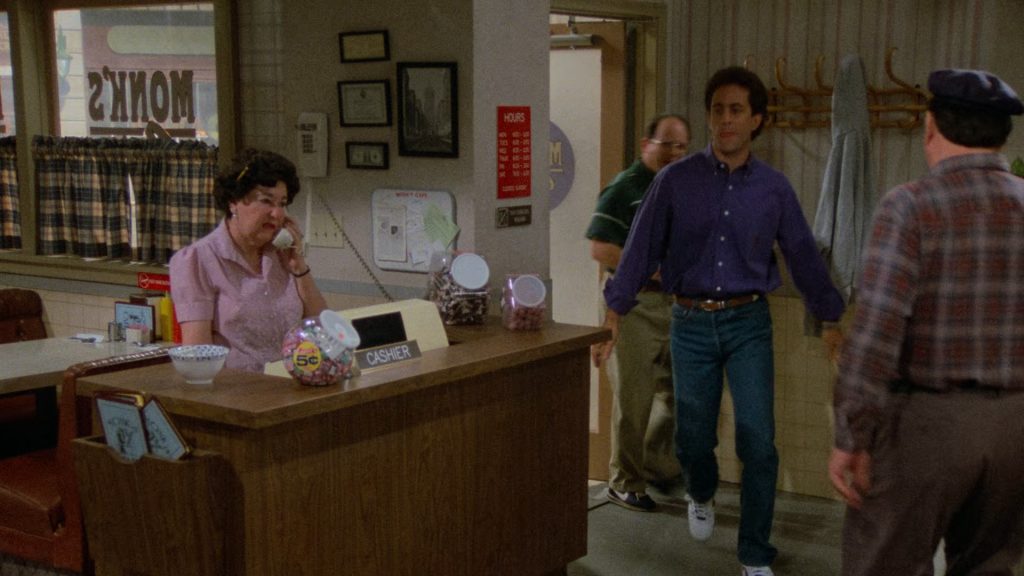
Appearing in 101 episodes, the real-life cashier at Monk’s Diner was the most consistent background presence in the entire show. She rarely had lines, but her silent observation of the main cast’s daily dramas became a subtle running joke. In one episode, George famously accuses her of short-changing him on a ten-dollar bill. She represents the silent witnesses who endure the main cast’s behavior every single day.
Silvio
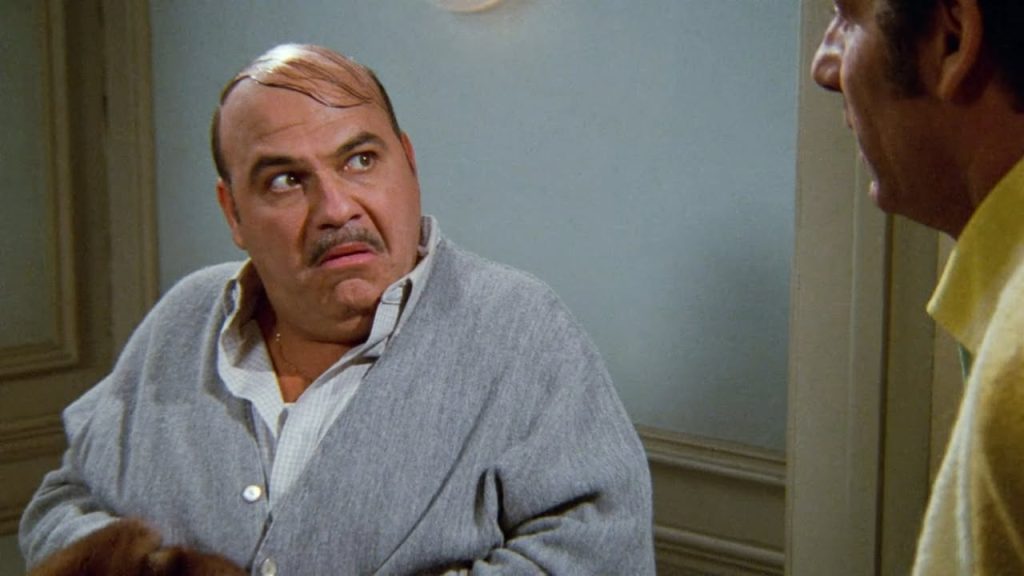
The landlord of Jerry’s building was a stern man who was deeply suspicious of the group’s various schemes. His presence added a layer of domestic tension to the scenes in the apartment hallway. He famously clashed with Kramer over the installation of a reverse peephole on his door. The character embodied the universal struggle between tenants and strict building management.
Izzy Mandelbaum
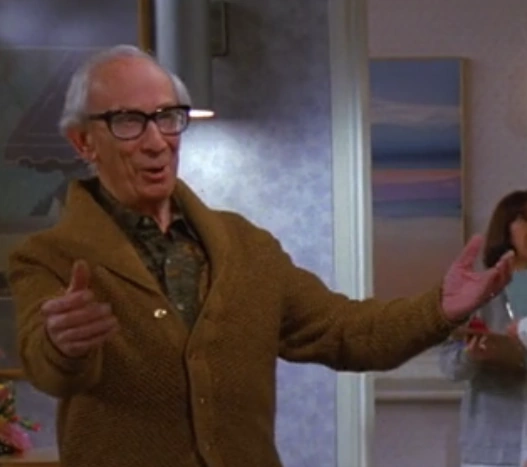
Lloyd Bridges brought incredible energy to the role of the competitive elderly man who believed he could out-lift anyone. His catchphrase “You think you’re better than me?” became a recurring spark for physical challenges that usually ended in injury. The character’s entire family was just as competitive and physically fragile. This role remains one of the most legendary late-career turns for a Hollywood veteran.
Poppie
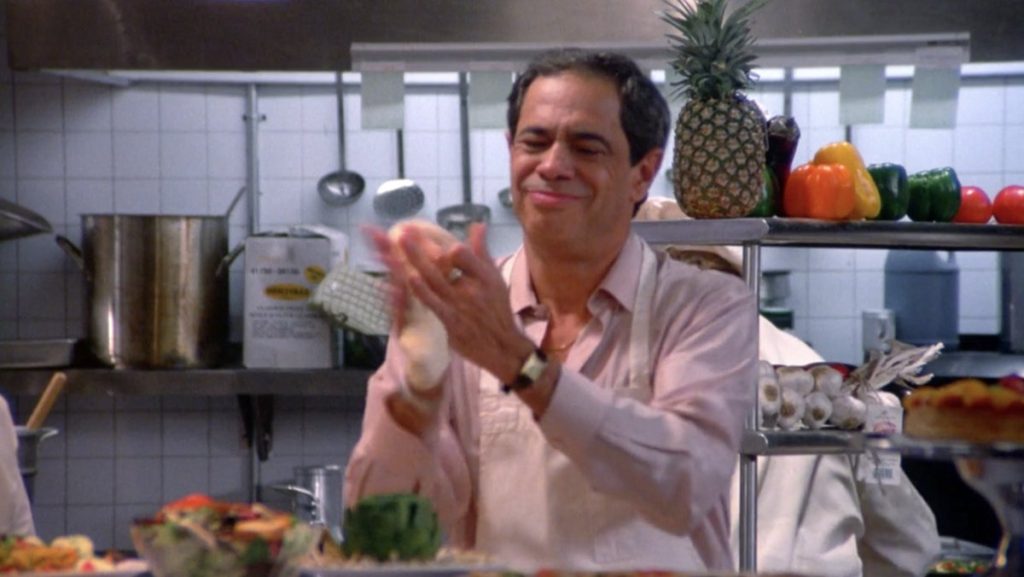
Reni Santoni played the restaurant owner whose lack of hygiene and strong political opinions caused a massive divide within the group. His refusal to wash his hands before handling food led to a legendary disgust from Jerry. The character’s traditional views on pizza-making even sparked a debate that mirrored the political tensions of the time. He was a walking disaster of health code violations and social awkwardness.
Bob Sacamano
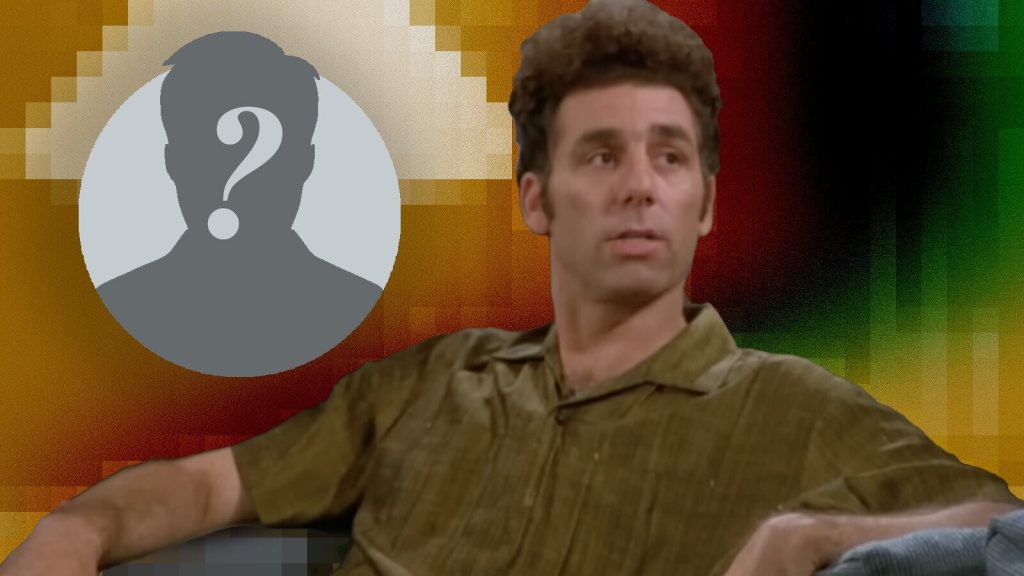
While he is frequently mentioned by Kramer as the source of countless bizarre stories, this character is famously never shown on screen. He became a living urban legend within the narrative, existing only through the descriptions of his friend. Fans often wonder if he was even real or just a figment of Kramer’s chaotic imagination. His mysterious absence makes him the most famous person you never actually met in the series.