
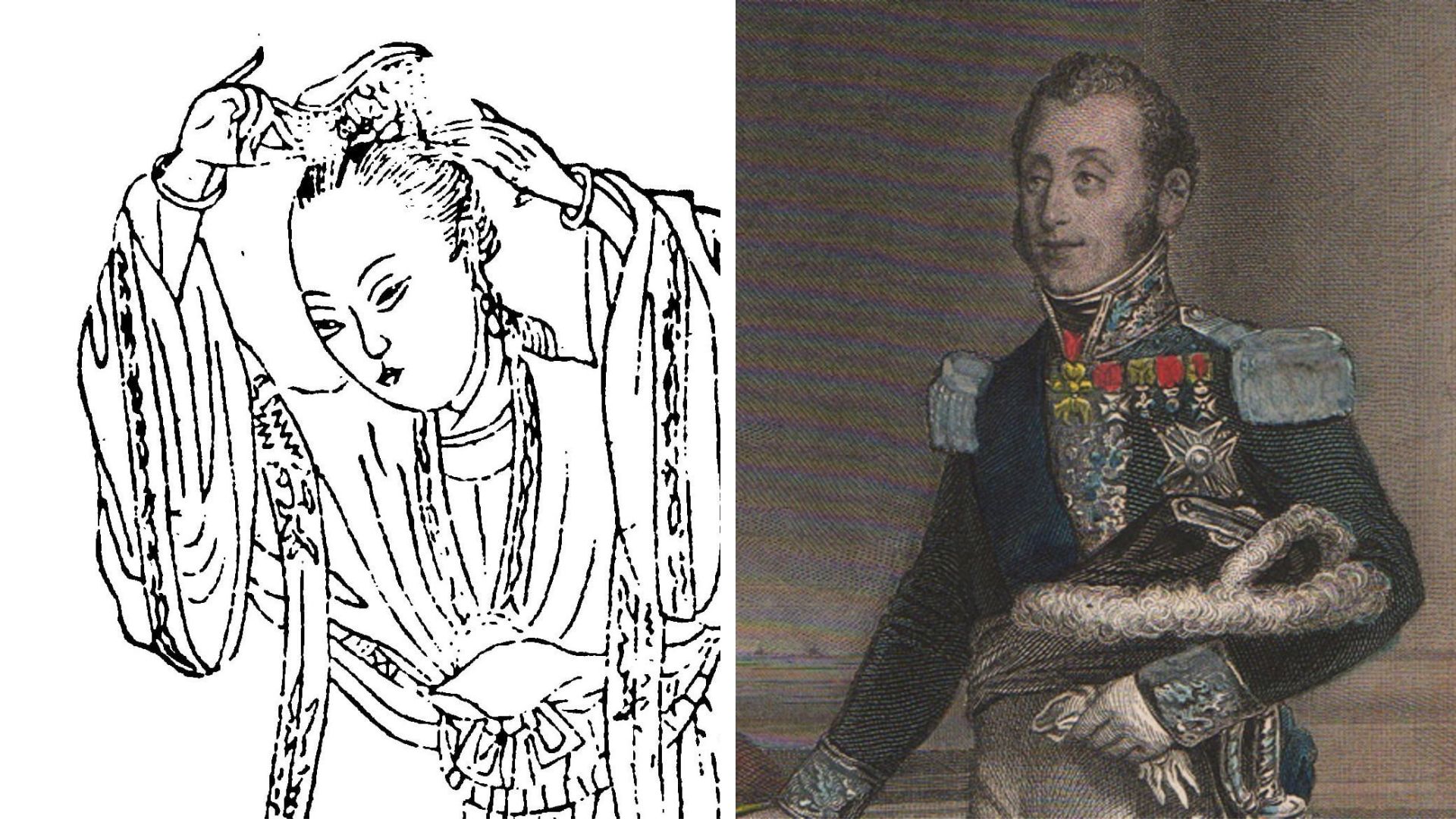
The history of royalty is filled with long, prosperous reigns that shaped entire civilizations. Yet, the halls of power also hold tales of monarchs whose time on the throne vanished almost as quickly as it began. Betrayal, illness, assassinations, and rapid political shifts have cut many royal tenures incredibly short. Exploring these fleeting moments of supreme authority reveals 30 rulers who barely had time to wear their crowns before losing them entirely.
Tsar Michael II Of Russia – 16 Hours

Grand Duke Michael Alexandrovich technically became Tsar of Russia after his brother Nicholas II abdicated the throne. His reign was destined to fail from the start due to the overwhelming momentum of the Russian Revolution. He quickly refused to accept supreme power without the consent of a democratic assembly. This brief window of authority marked the definitive end of the Romanov dynasty’s imperial rule.
Emperor Modi Of Jin – Less Than A Day
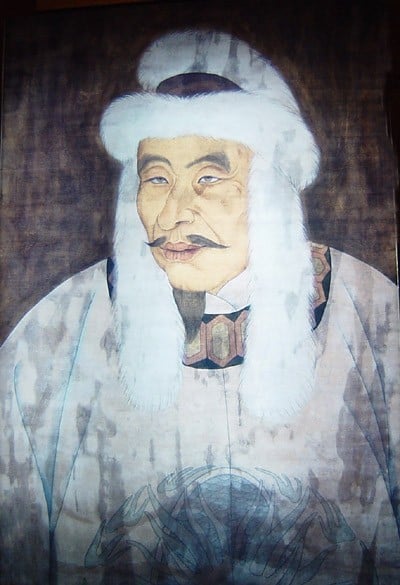
Emperor Aizong of Jin passed the imperial seal to his general Wanyan Chenglin as Mongol forces breached their final stronghold. Assuming the title of Emperor Modi, he immediately took charge of the remaining defensive forces. The newly crowned ruler perished in combat against the invading armies just hours later. The Jin dynasty collapsed entirely alongside its shortest reigning sovereign.
King Dipendra Of Nepal – 3 Days
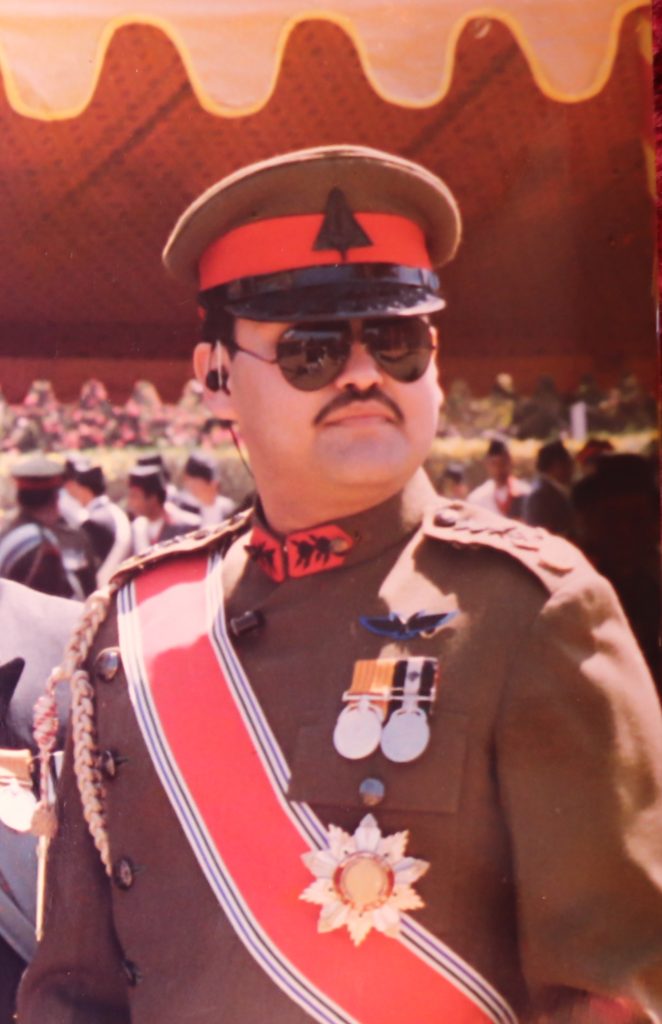
A horrific royal massacre left King Birendra of Nepal dead, automatically making Crown Prince Dipendra the new monarch. The tragic twist was that Dipendra himself had perpetrated the shootings before turning the weapon on himself, leaving him in a coma for his entire three-day reign. Upon his death, the throne officially passed to his uncle Gyanendra.
Pope Urban VII – 13 Days
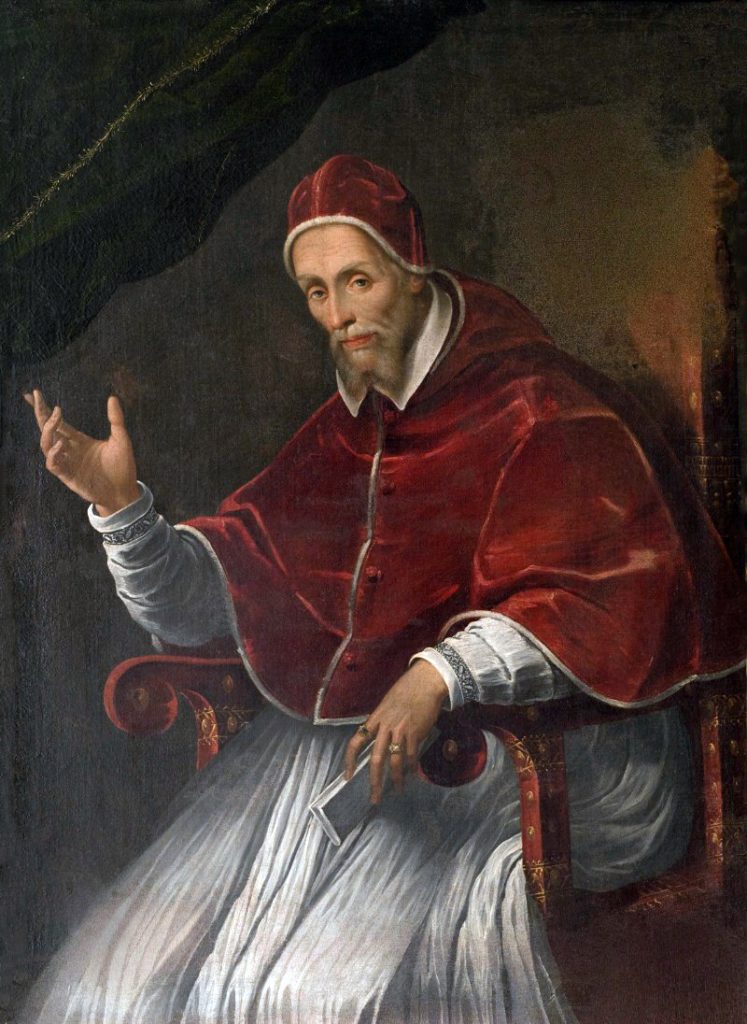
Giovanni Battista Castagna was elected to the papacy and chose the name Urban VII. Known for his strong stance against tobacco, he threatened to excommunicate anyone who smoked or chewed the plant inside a church. Malaria struck him down before he could even be officially crowned. His tenure remains the briefest papacy in the history of the Vatican.
Queen Jane Of England – 9 Days
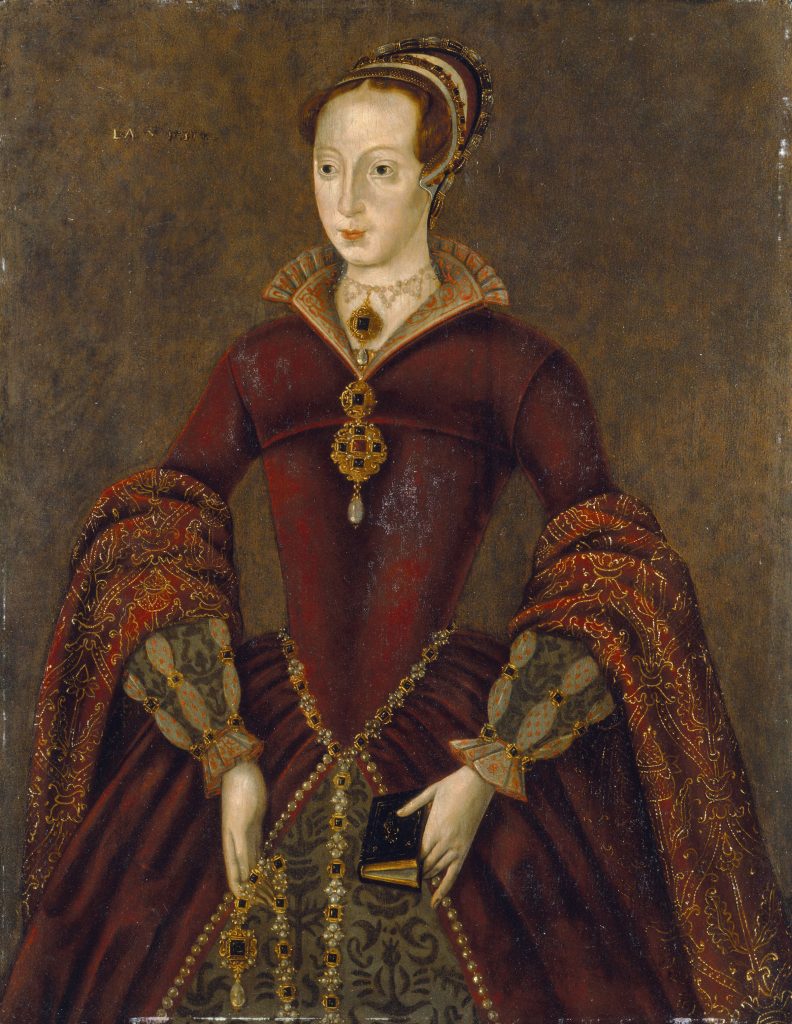
After the passing of King Edward VI, a disputed succession placed Lady Jane Grey on the English throne. The Protestant noblewoman was little more than a political pawn for powerful advisors hoping to prevent a Catholic monarch. Public and military support quickly rallied behind Mary Tudor, leading to Jane’s rapid deposition. She was ultimately executed at the Tower of London for high treason.
Emperor Duc Duc Of Vietnam – 3 Days
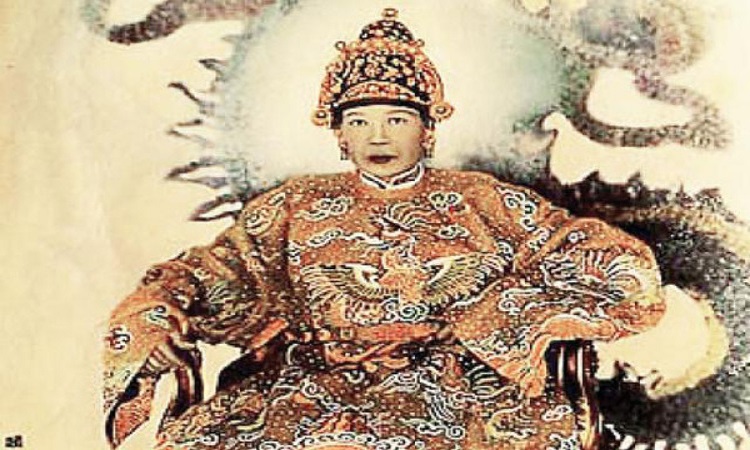
Ascending to the throne of the Nguyen dynasty, this young emperor faced immediate backlash from powerful court officials for allegedly violating mourning protocols. The imperial court deposed him almost immediately and sentenced him to death by starvation. His tragic end highlights the immense power held by regents behind the Vietnamese throne.
King John I Of France – 5 Days
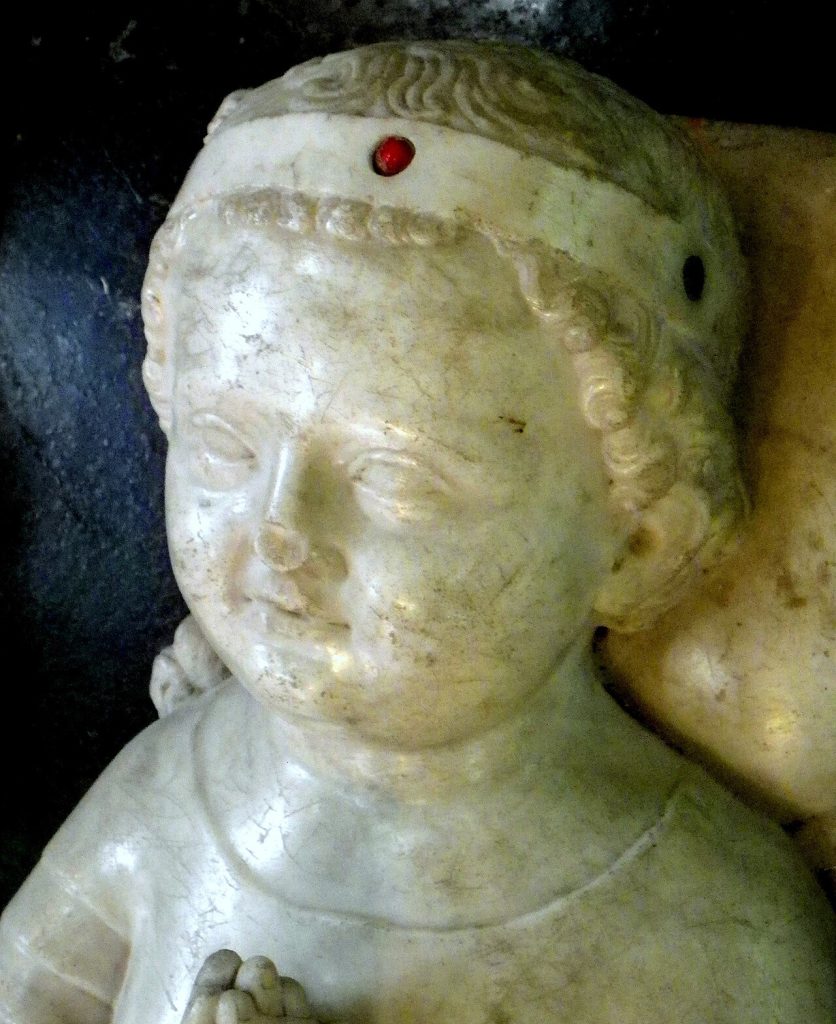
Born five months after the death of his father, Louis X, this infant king was proclaimed sovereign from his very first breath. The newborn’s reign lasted only five days before he unexpectedly passed away. Rumors circulated for years that his uncle, who subsequently claimed the throne as Philip V, had a hand in the infant’s demise. His tragically short life makes him the only King of France to hold the title from birth to death.
Emperor Taichang Of China – 29 Days
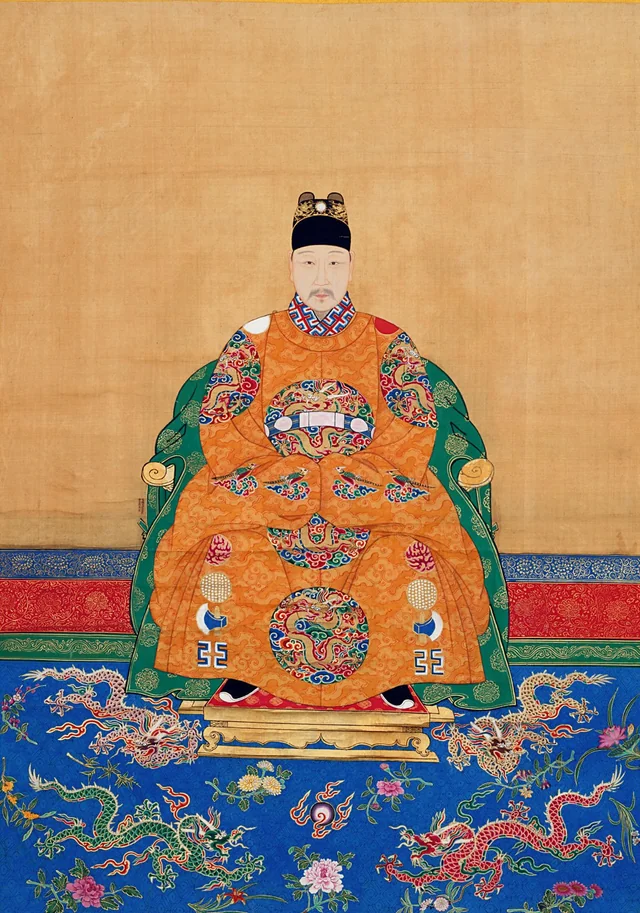
The Ming dynasty saw a sudden change in leadership when Emperor Taichang finally succeeded his father after years of political hostility. He attempted to implement sweeping reforms and distribute wealth to the military defending the northern borders. A mysterious illness struck him shortly after taking power, and he died after consuming a controversial red pill. The event became one of the most famous medical scandals in Chinese imperial history.
Pope Celestine IV – 17 Days
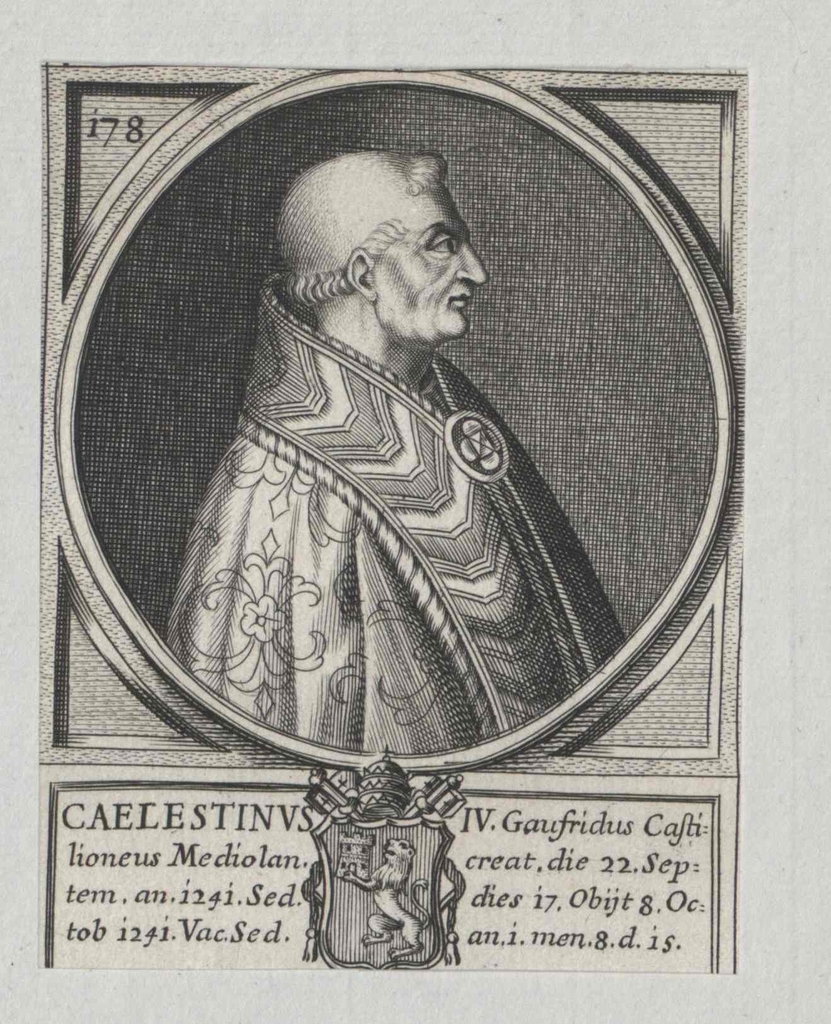
Elected during a fierce conflict between the Vatican and the Holy Roman Emperor, Goffredo Castiglioni faced immense pressure from day one. The papal conclave that chose him had been held under brutal conditions, locked away by Roman senators to force a swift decision. His health deteriorated rapidly due to the harsh environment, and he passed away before his consecration could take place.
King Inayatullah Khan Of Afghanistan – 3 Days
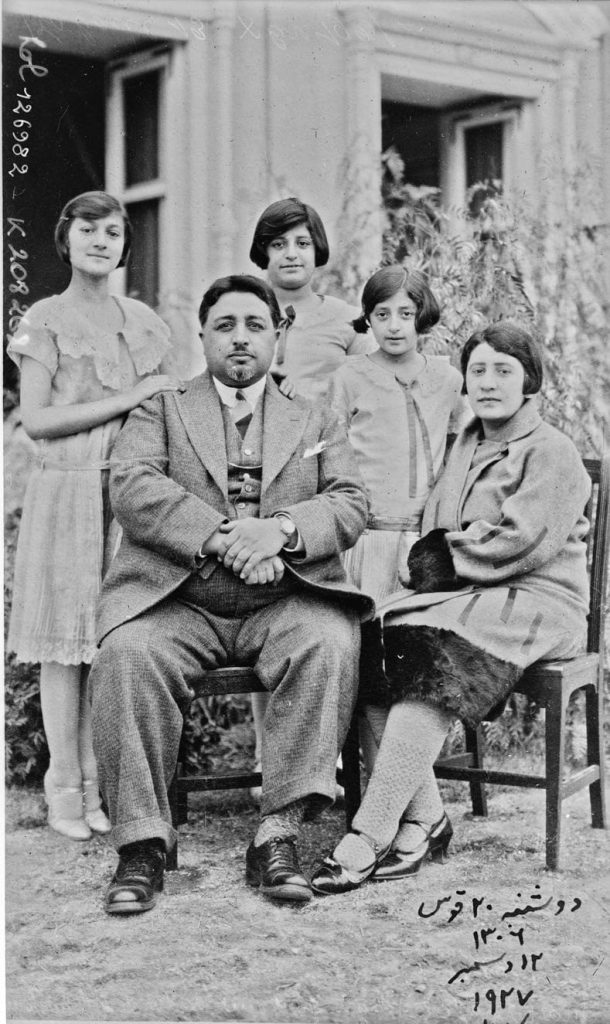
A massive rebellion forced King Amanullah Khan to abdicate, leaving the Afghan throne to his brother Inayatullah. The capital city was already surrounded by rebel forces when he assumed the royal duties. Recognizing the impossibility of his situation, the new king chose to step down without a fight to avoid further bloodshed. He was quietly airlifted out of Kabul by the British Royal Air Force.
Emperor Puyi Of China – 12 Days
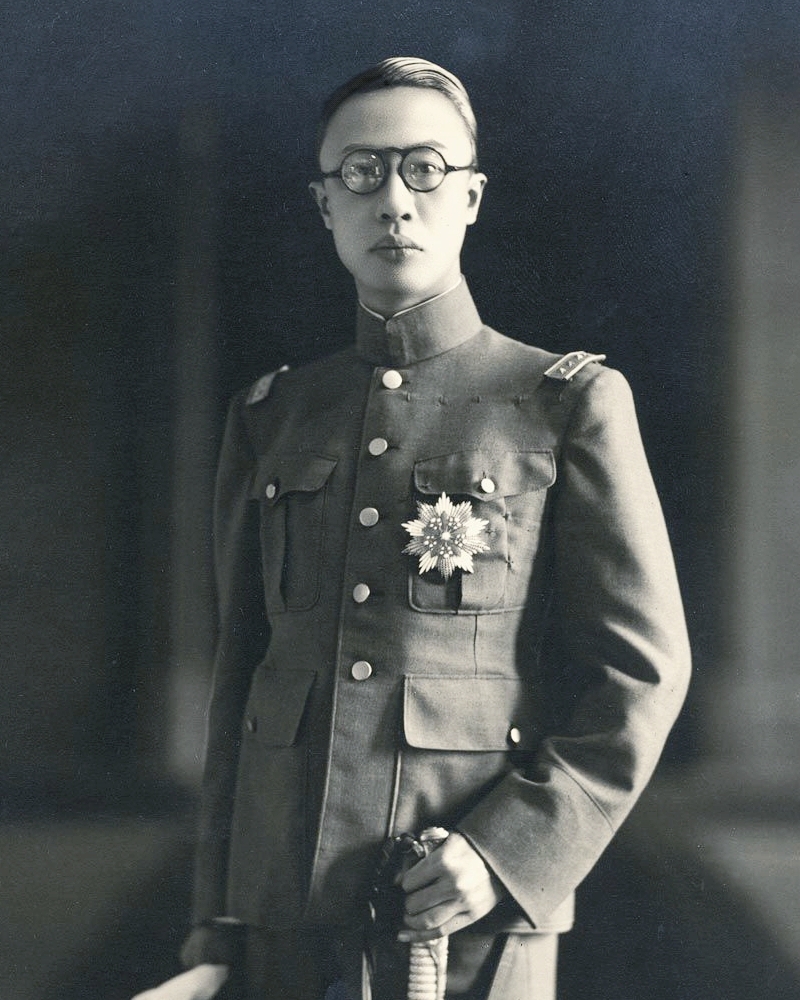
The last emperor of China had already been deposed as a child, but a loyalist general restored him to the throne in a surprise 1917 coup. Royal edicts were issued once again, and imperial flags flew briefly over Beijing. Republican forces swiftly mobilized against the restoration and bombed the Forbidden City. The young ruler was forced out of power for a second time, ending this brief imperial revival.
Crown Prince Luis Filipe Of Portugal – 20 Minutes
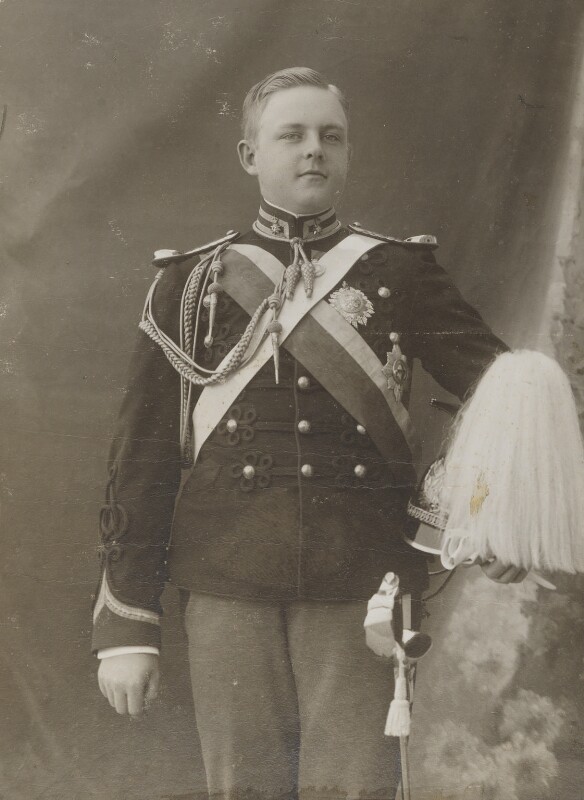
A brutal attack on the Portuguese royal family in Lisbon resulted in the immediate death of King Carlos I. His eldest son, Luis Filipe, survived the initial gunfire just long enough to technically inherit the throne before succumbing to his injuries twenty minutes later. His younger brother Manuel ultimately survived the assassination plot to become the final King of Portugal.
Emperor Napoleon II Of France – 14 Days
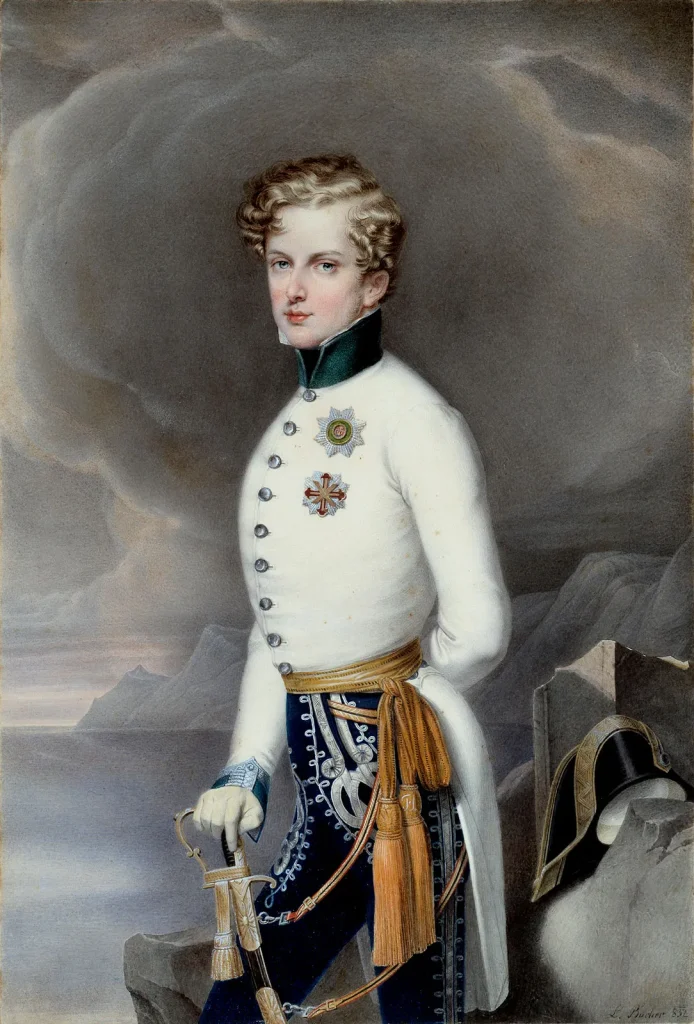
After his devastating defeat at Waterloo, Napoleon Bonaparte abdicated in favor of his young son. The four-year-old child remained in Austria with his mother and was entirely unaware of his newfound status. French lawmakers briefly recognized the boy as their sovereign until coalition forces entered Paris to restore the Bourbon monarchy. He never actually ruled and spent the rest of his short life in the Austrian court.
Queen Berengaria Of Castile – 22 Days
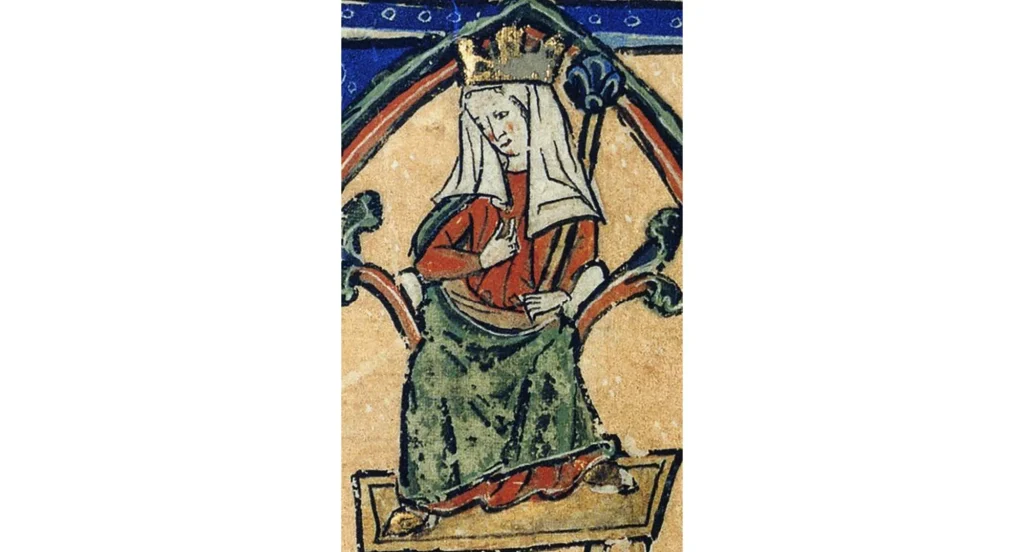
The death of King Henry I left the Castilian throne to his older sister Berengaria. She recognized that the kingdom needed a strong male military leader to navigate the complex politics of the Iberian Peninsula. After securing her rightful claim, she voluntarily abdicated in favor of her son, Ferdinand III. Her swift political maneuver united the kingdoms of Castile and Leon under one powerful ruler.
Sultan Khalid Bin Barghash Of Zanzibar – 2 Days
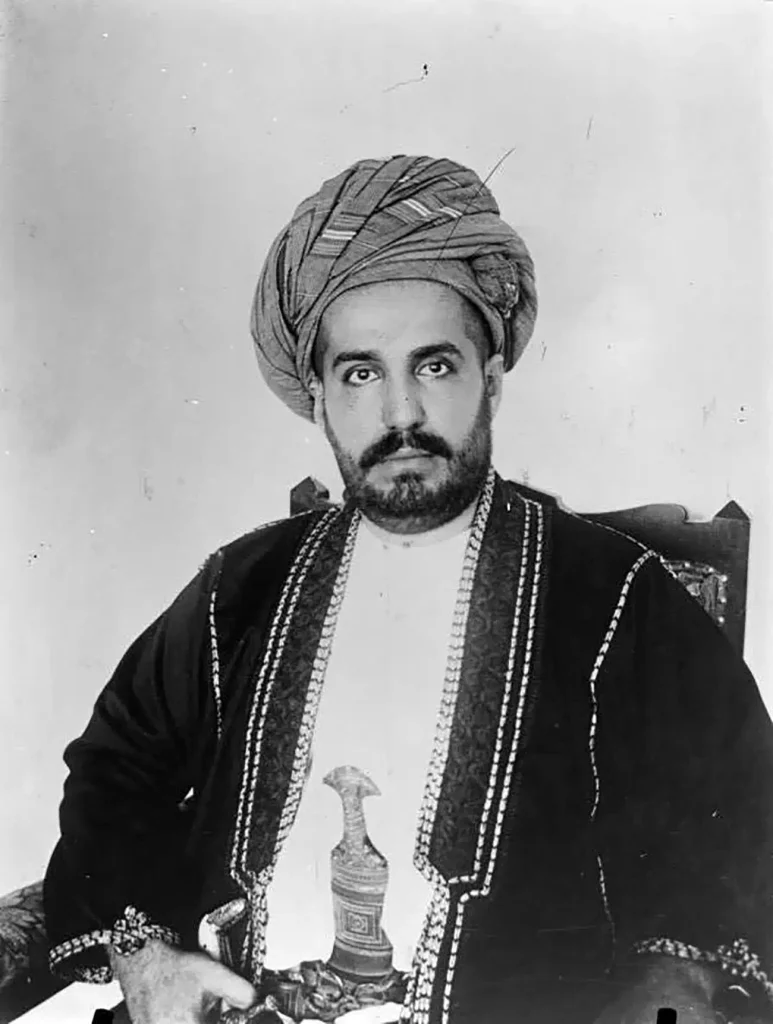
Following the sudden death of his cousin, this ambitious royal seized the palace complex without British approval. The colonial authorities immediately demanded his stand-down, leading to the outbreak of the Anglo-Zanzibar War. The ensuing naval bombardment lasted a mere thirty-eight minutes before the royal estate was completely destroyed. He fled into exile through the German consulate, cementing his legacy in history’s shortest recorded military conflict.
Pope John Paul I – 33 Days
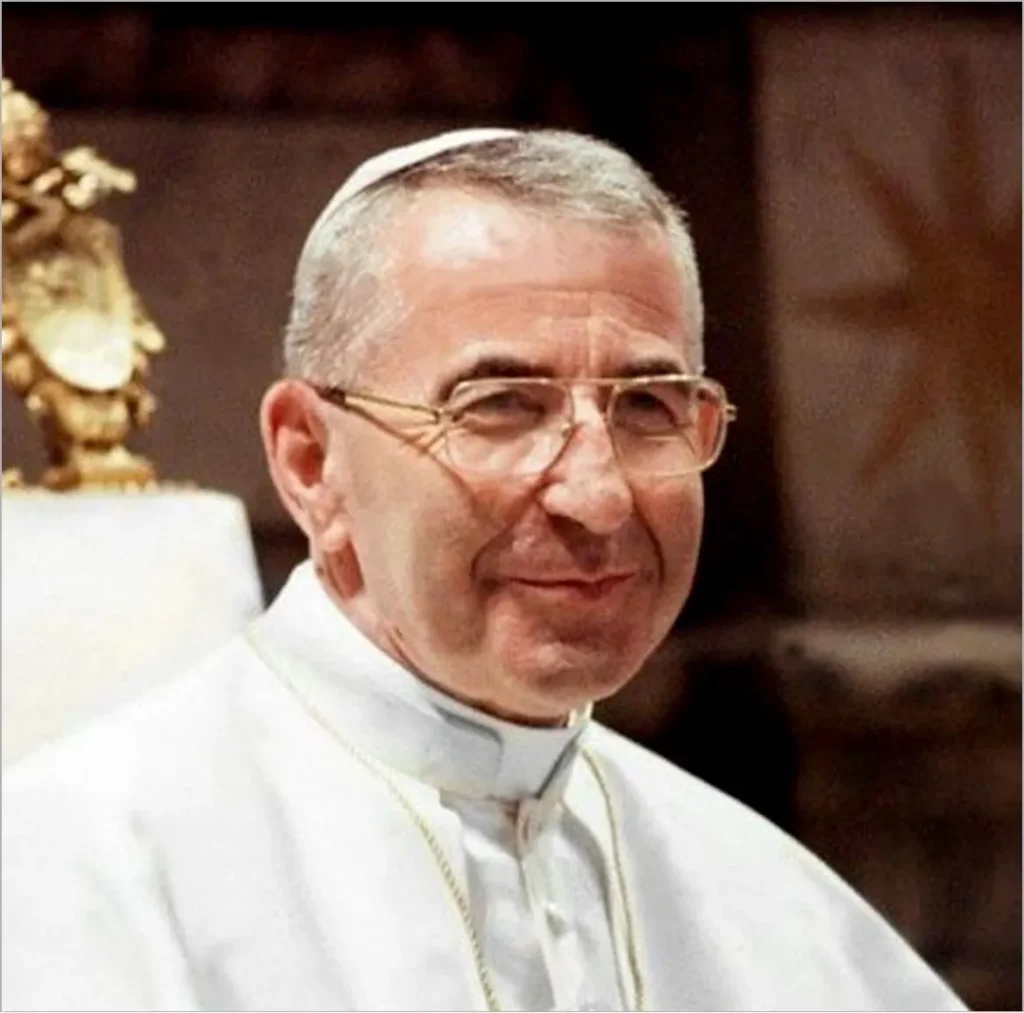
Known as the “Smiling Pope,” Albino Luciani brought a sense of warmth and humility to the Vatican by refusing the traditional papal tiara. His sudden death from a heart attack sent shockwaves around the globe. The abrupt end to his brief papacy spawned numerous conspiracy theories that persist in popular culture.
King Umberto II Of Italy – 34 Days
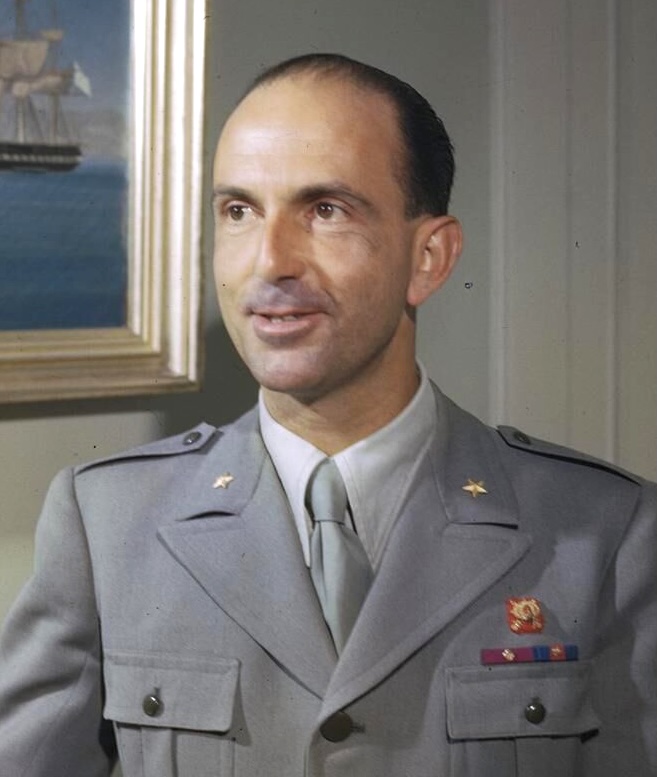
Nicknamed the “May King,” this monarch took over when his father abdicated in a desperate attempt to save the Italian crown. The nation was heavily divided following the devastation of World War II and the royal family’s previous association with fascism. A national referendum was held almost immediately to determine the future of the state. The public voted to abolish the monarchy, sending Umberto into permanent exile.
Emperor Kobun Of Japan – 39 Days
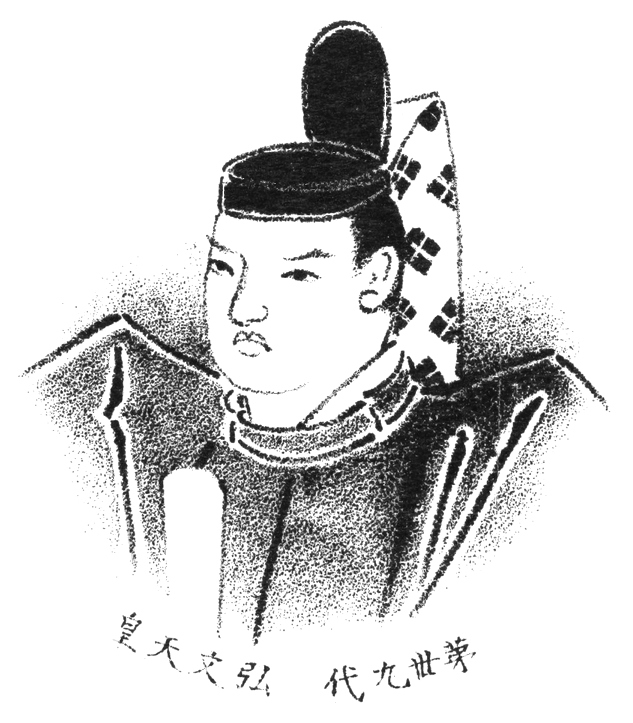
Prince Otomo assumed control of the Japanese imperial court following the death of his father, Emperor Tenji. His claim was immediately challenged by his uncle, sparking the fierce Jinshin War. Rebel forces overwhelmed the capital, leaving the young ruler with no path to victory. He chose to take his own life rather than surrender, and his imperial title was only officially recognized centuries later.
King Sweyn Forkbeard Of England – 40 Days
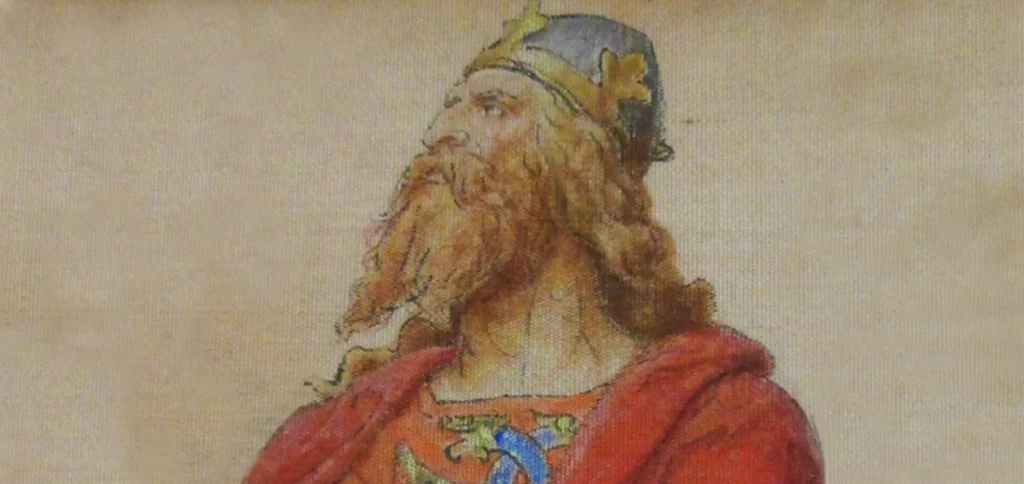
This fearsome Viking warlord successfully conquered England after years of brutal raids, forcing King Æthelred the Unready into exile. He was declared the undisputed sovereign of the English, adding the territory to his vast Scandinavian empire. His sudden death from an unknown illness shattered his newly acquired kingdom. The exiled English king quickly returned to reclaim his lost crown.
Tsar Feodor II Of Russia – 49 Days
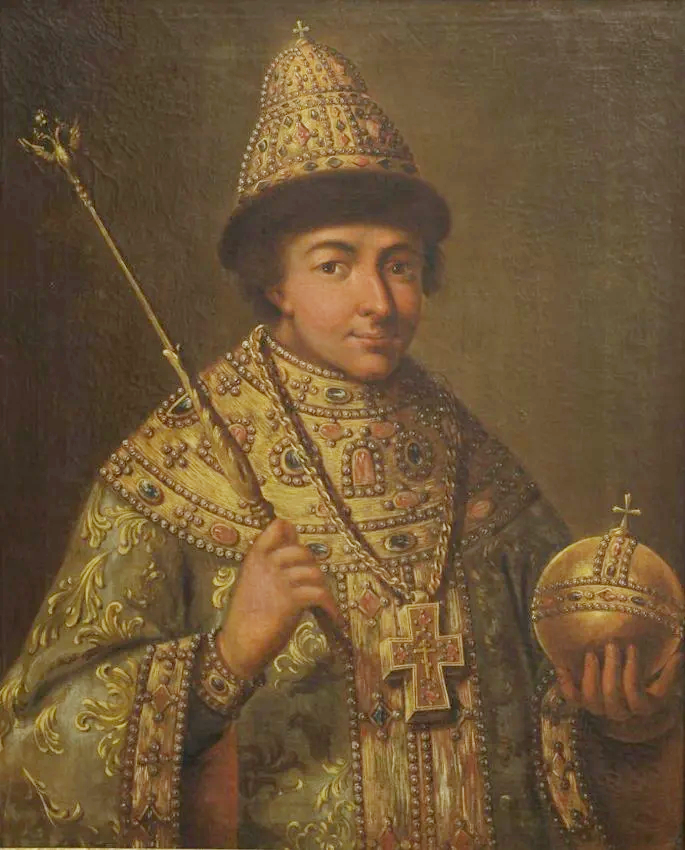
The sudden death of Boris Godunov left his highly educated teenage son to rule during the chaotic Time of Troubles. Despite his intelligence and preparation, the young tsar lacked the military backing needed to secure his position against an impostor claiming to be a lost royal heir. Feodor was betrayed by his own troops and strangled in his royal chambers.
King Philip I Of Castile – 74 Days
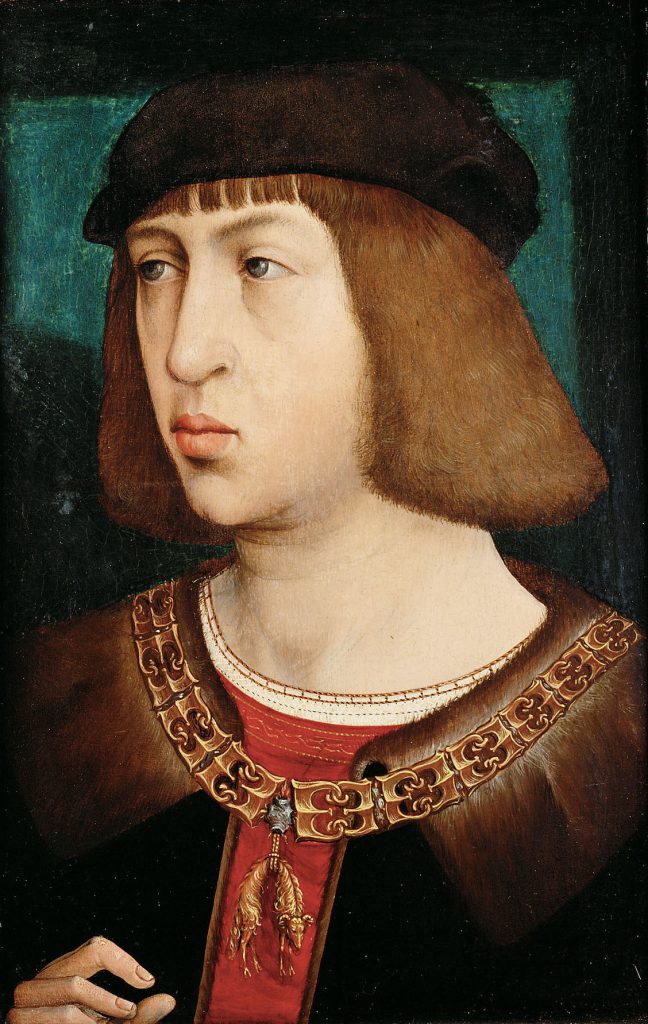
Through his marriage to Joanna of Castile, this Habsburg prince claimed co-sovereignty over the Spanish kingdom. He successfully sidelined his father-in-law, Ferdinand of Aragon, to seize absolute control of the government. A sudden fever struck him down just over two months into his solo reign. His unexpected demise allowed Ferdinand to return to power while Joanna was declared unfit to rule.
King Edward V Of England – 78 Days
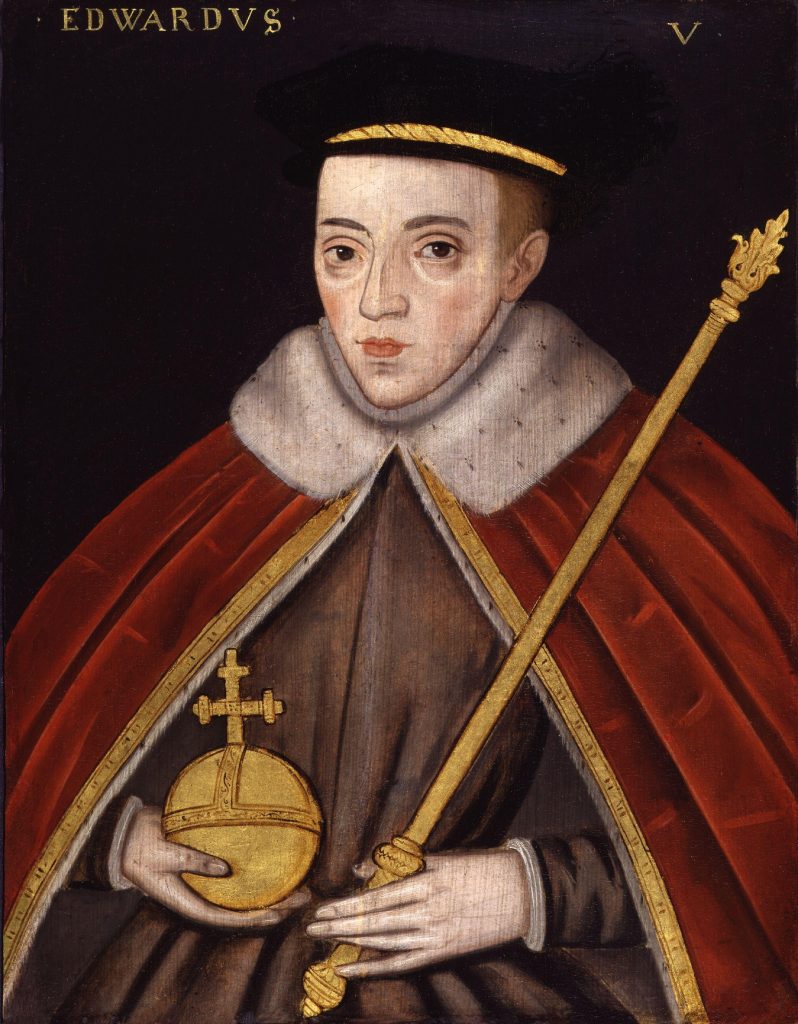
A twelve-year-old prince inherited the English throne under the protection of his powerful uncle, Richard, Duke of Gloucester. The young sovereign and his brother were quickly moved into the Tower of London under the guise of preparing for a coronation. The princes’ legitimacy was suddenly questioned, and their uncle seized the crown as Richard III. The two boys vanished entirely from history, leaving behind one of England’s greatest royal mysteries.
Emperor Pertinax Of Rome – 86 Days
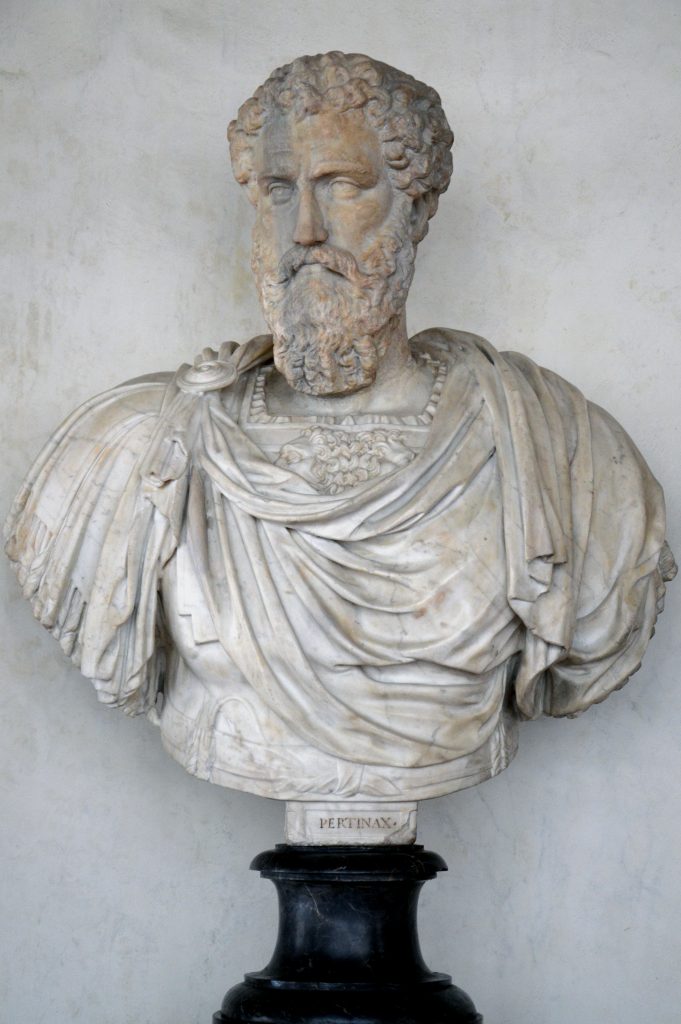
In the wake of Commodus’s assassination, a highly respected military commander was elevated to the Roman imperial throne. He immediately attempted to implement strict financial reforms and restore discipline within the Praetorian Guard. The corrupt soldiers deeply resented these changes and mutinied against their new leader. He was brutally murdered, and the imperial title was famously auctioned off to the highest bidder.
Emperor Otho Of Rome – 91 Days
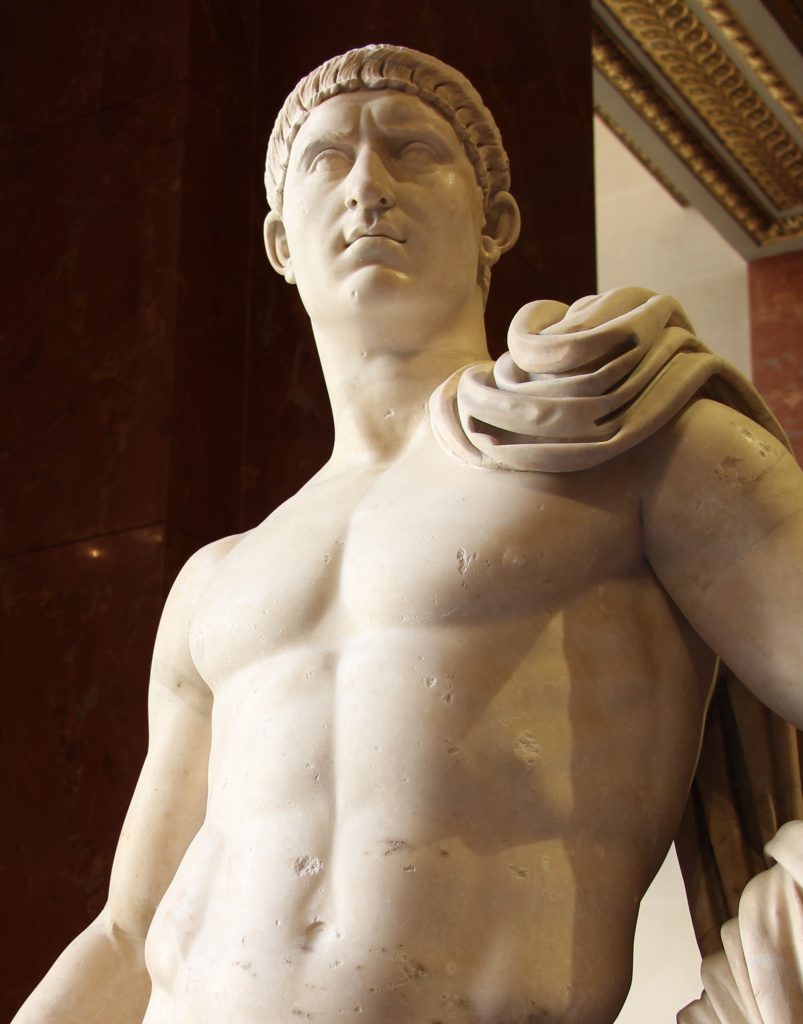
Seizing power during the chaotic Year of the Four Emperors, this ambitious politician assassinated his predecessor to claim the throne. Trouble arrived when battle-hardened legions in Germany refused to recognize his authority and marched on Italy. After suffering a decisive military defeat, he chose suicide to prevent a prolonged civil war.
Emperor Didius Julianus Of Rome – 66 Days
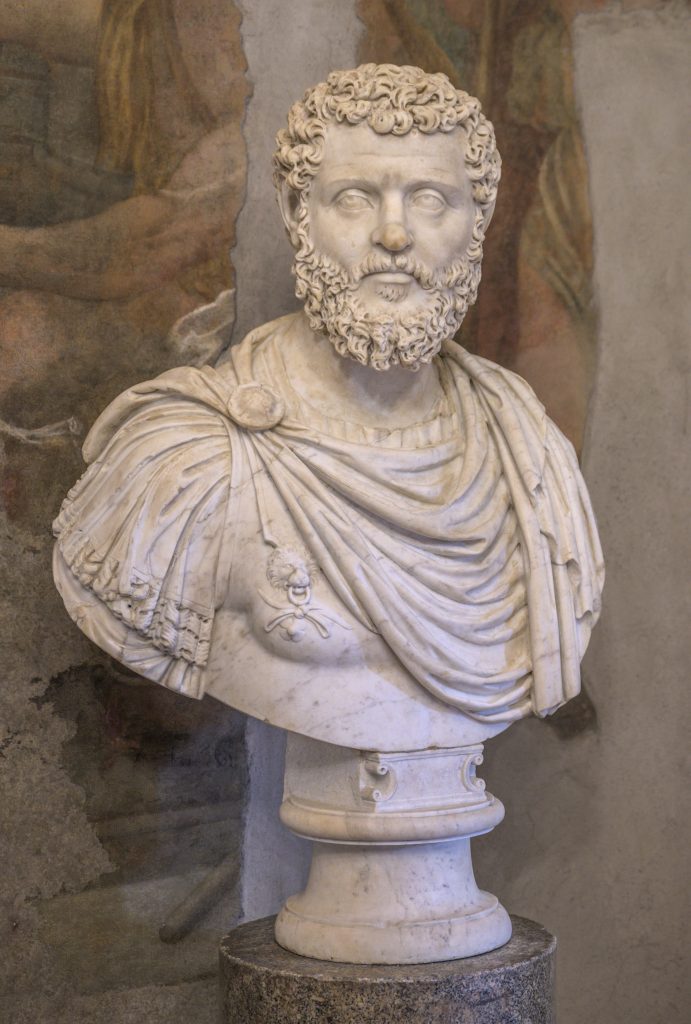
This wealthy senator famously bought the Roman Empire in a literal auction held by the Praetorian Guard. His extravagant purchase immediately sparked outrage among the public and the military stationed in the provinces. Three separate generals declared themselves emperor and marched their troops toward the capital. Abandoned by the very guards he had paid, the auction winner was executed in the imperial palace.
King Edgar The Aetheling Of England – 74 Days
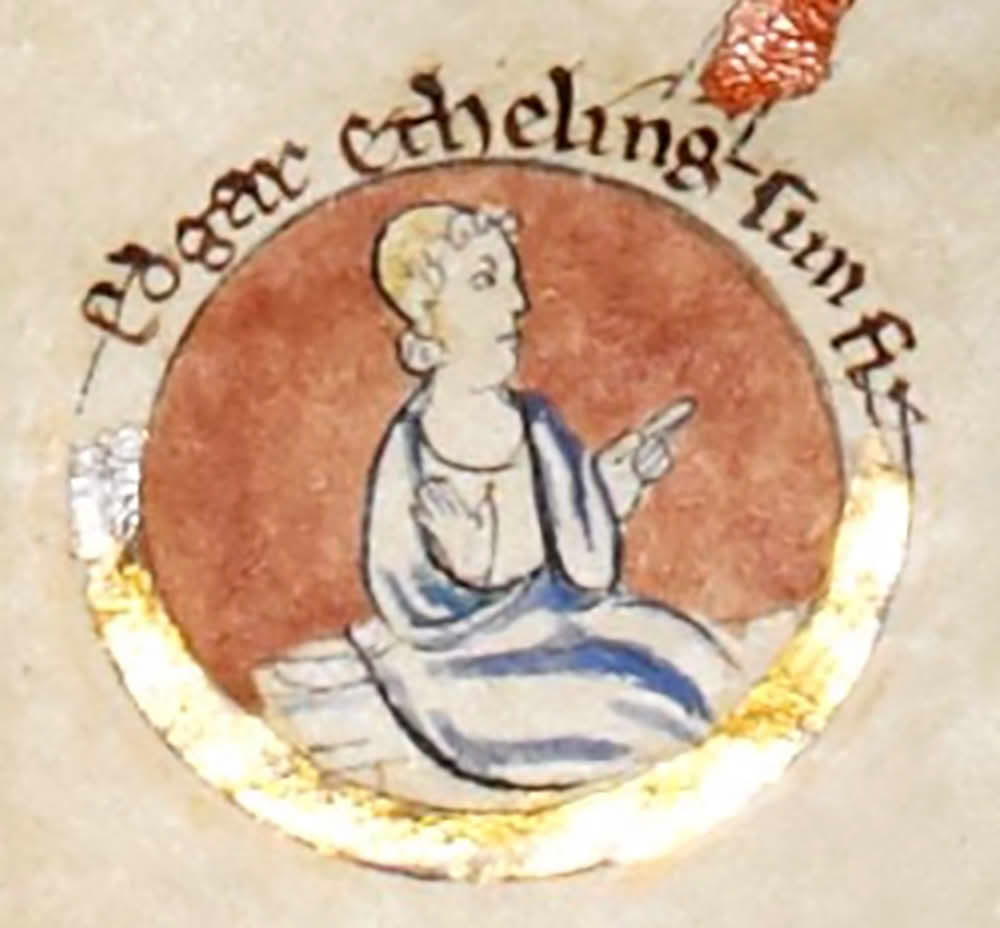
When Harold Godwinson fell at the Battle of Hastings, English nobles hastily elected young Edgar to resist the Norman invasion. The teenager possessed a strong royal bloodline but lacked any real military authority or resources. As William the Conqueror’s forces advanced toward London, support for the Saxon claimant crumbled completely. He surrendered without fighting a single battle, ending Anglo-Saxon rule in England.
Emperors Gordian I And II Of Rome – 21 Days
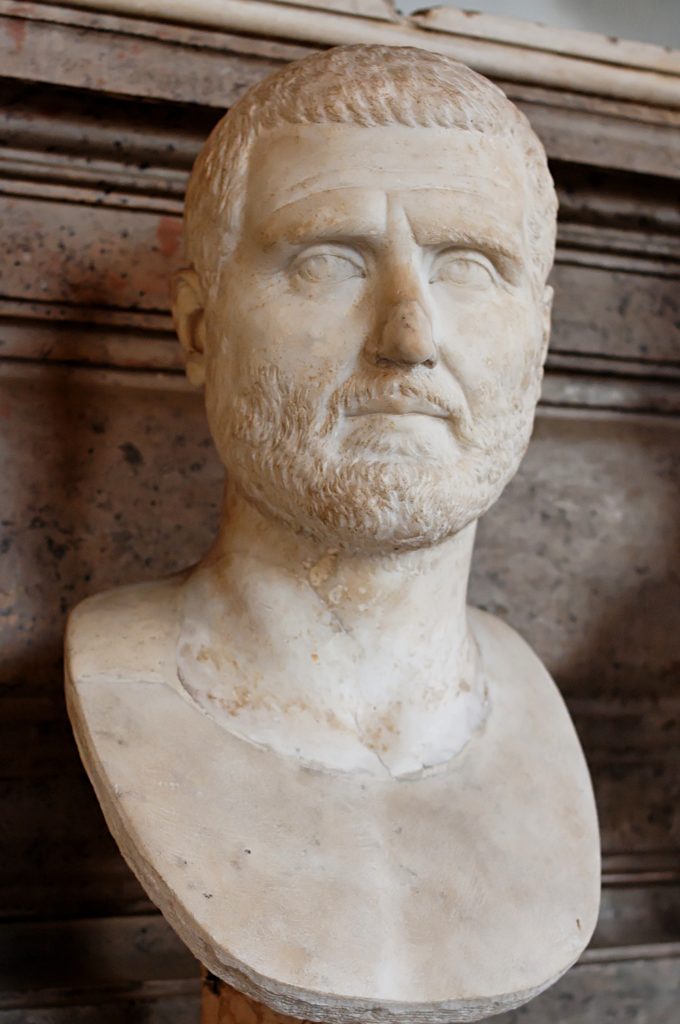
A massive revolt against a tyrannical emperor elevated an eighty-year-old governor and his son to co-emperors. The Roman Senate joyfully recognized the pair, hoping they would restore stability to the crumbling empire. Their hastily assembled militia was utterly destroyed by veteran troops loyal to the former ruler. The younger Gordian died in combat, prompting his heartbroken father to take his own life.
Sultan Murad V Of The Ottoman Empire – 93 Days
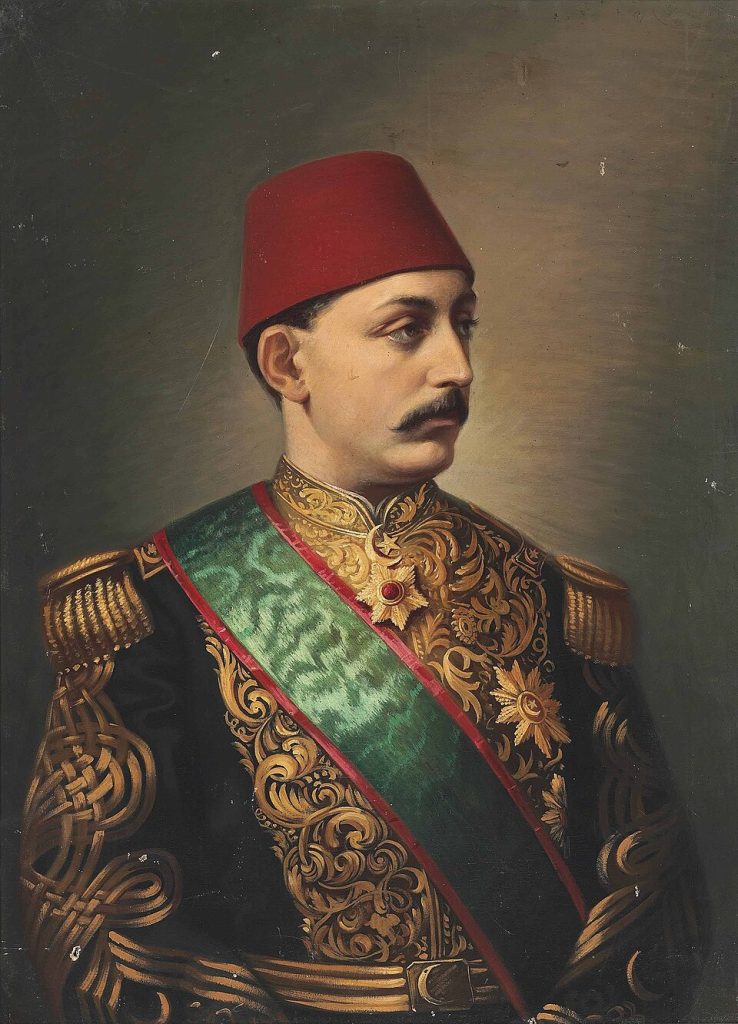
A palace coup orchestrated by liberal ministers placed this highly educated prince on the throne to replace his increasingly unpopular uncle. The immense pressure of ruling during a severe financial crisis quickly caused his mental health to collapse entirely. Conservative factions used his psychological breakdown as justification to swiftly depose him in favor of his brother, Abdul Hamid II. The removed sovereign spent the following twenty-eight years completely confined within the Çirağan Palace.
Unnamed Daughter Of Emperor Xiaoming – 1 Day
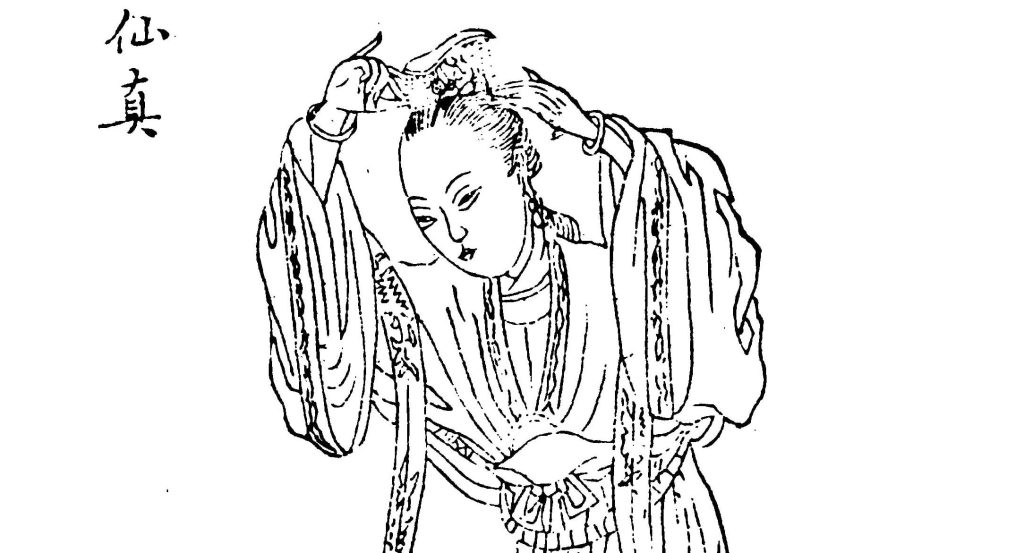
The powerful Empress Dowager Hu ordered the death of her own son, Emperor Xiaoming of Northern Wei. Desperate to maintain control of the government, she falsely presented his newborn daughter as a boy and declared the infant the new emperor. The deception was entirely unsustainable, and she was forced to admit the truth within twenty-four hours. She replaced the baby with a young male relative, ending history’s shortest reign by a female sovereign.
King Louis XIX Of France – 20 Minutes
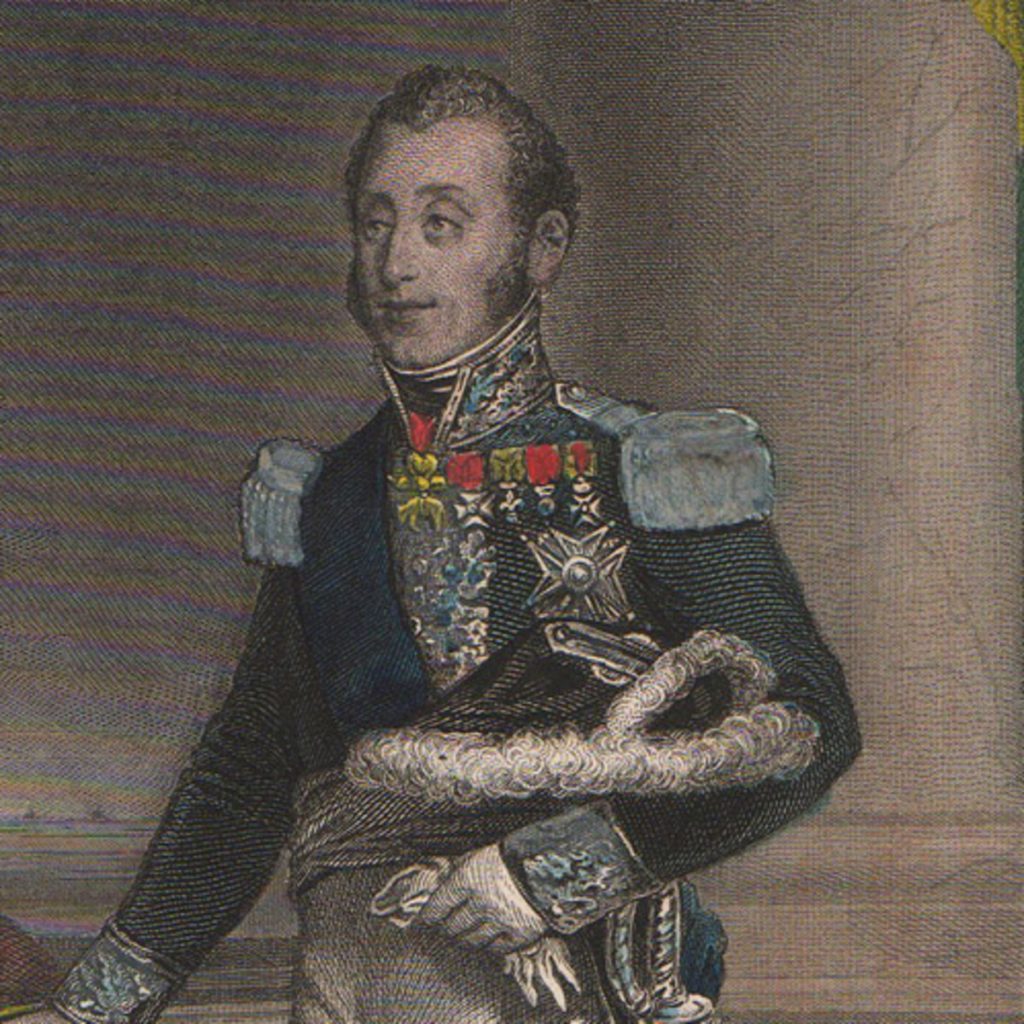
During the intense political upheaval of the July Revolution, King Charles X was pressured into signing a formal document of abdication. This legal maneuver briefly passed supreme executive authority to his eldest son, the Duke of Angouleme. After twenty agonizing minutes of listening to his wife’s pleas to keep the crown, he also signed an abdication paper. This incredibly brief window makes him the shortest reigning official monarch in recorded history.












