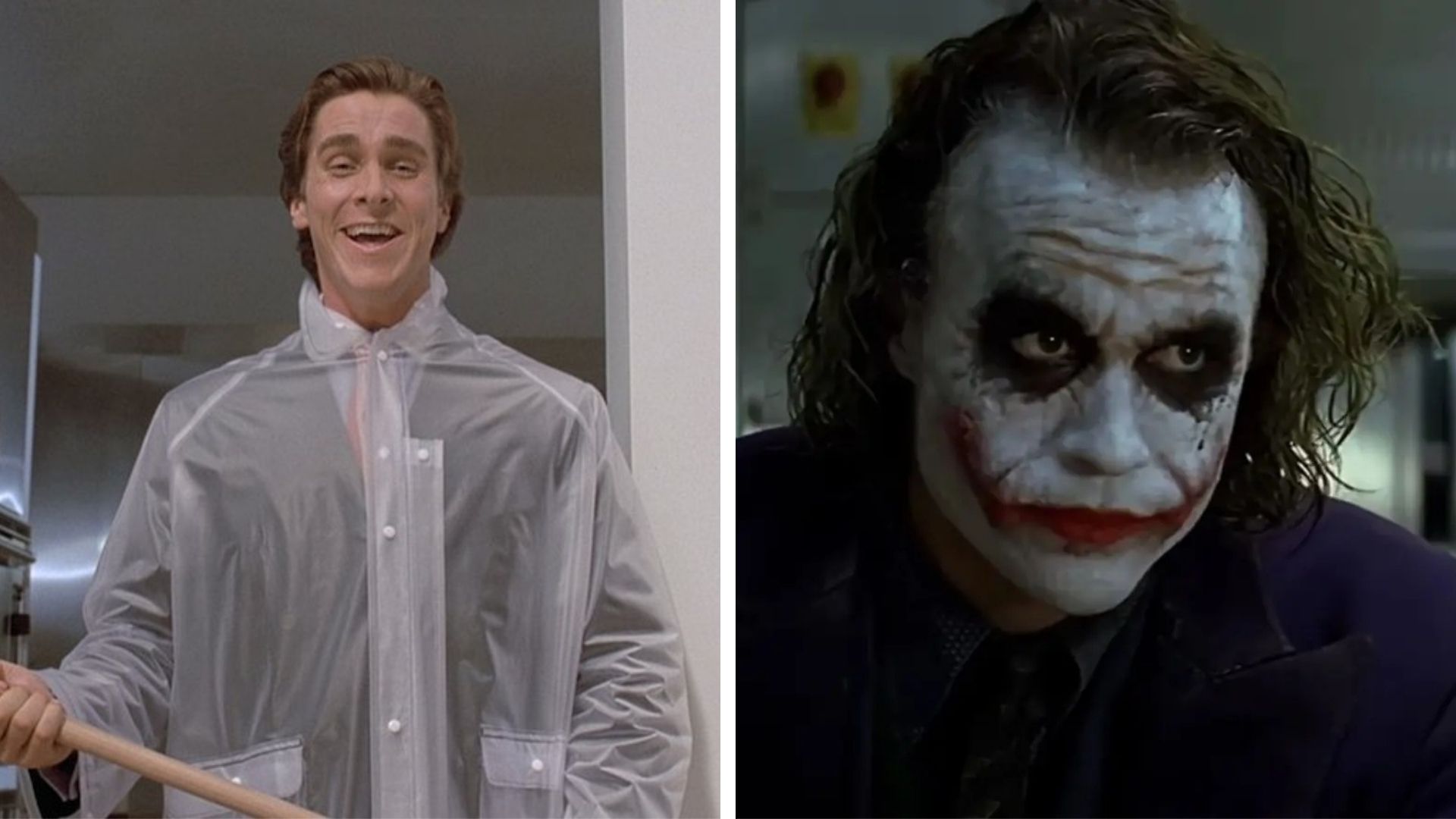
Casting directors often spend months searching for the perfect face, but sometimes, an actor inhabits a role so thoroughly that they effectively retire the character for everyone else. Whether it is a specific vocal cadence, a physical transformation, or a unique screen presence, these 30 performances stand as definitive versions that need no reboot. Fans and critics alike often agree that certain portrayals represent a gold standard that remains untouched by time.
Robert Downey Jr. as Tony Stark
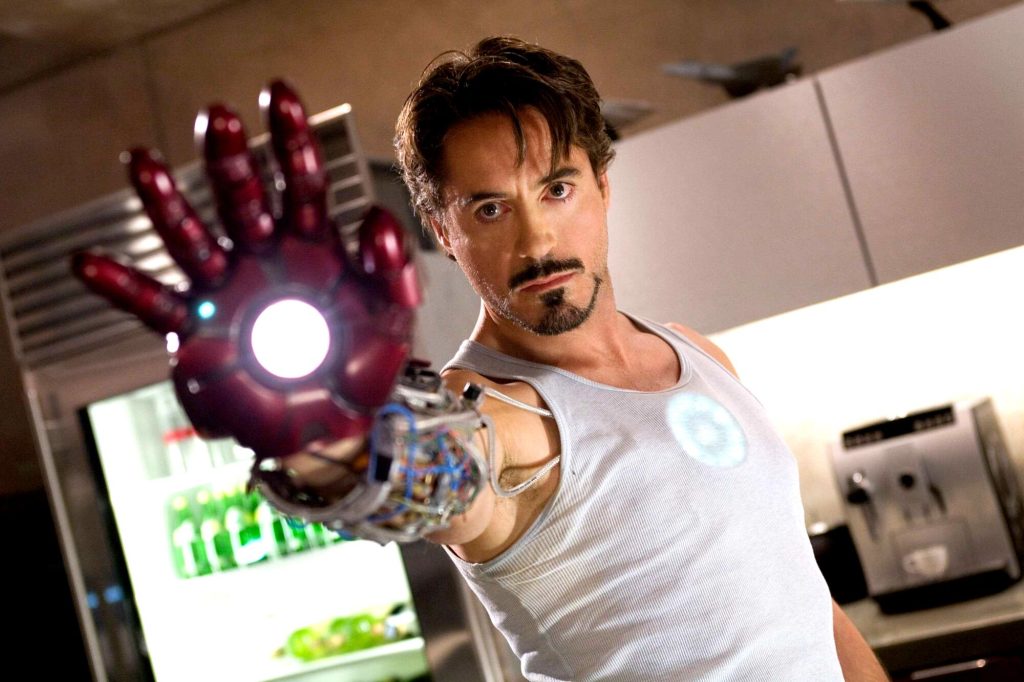
The entire Marvel Cinematic Universe was built on the charisma and quick wit of a man who many thought was a risky choice back in 2008. He mirrored the character’s own story of redemption and brilliance, making “Iron Man” the emotional heart of a decade of storytelling. His final line in the franchise serves as the perfect punctuation mark on a role that no one will ever truly be able to replace.
Sigourney Weaver as Ellen Ripley
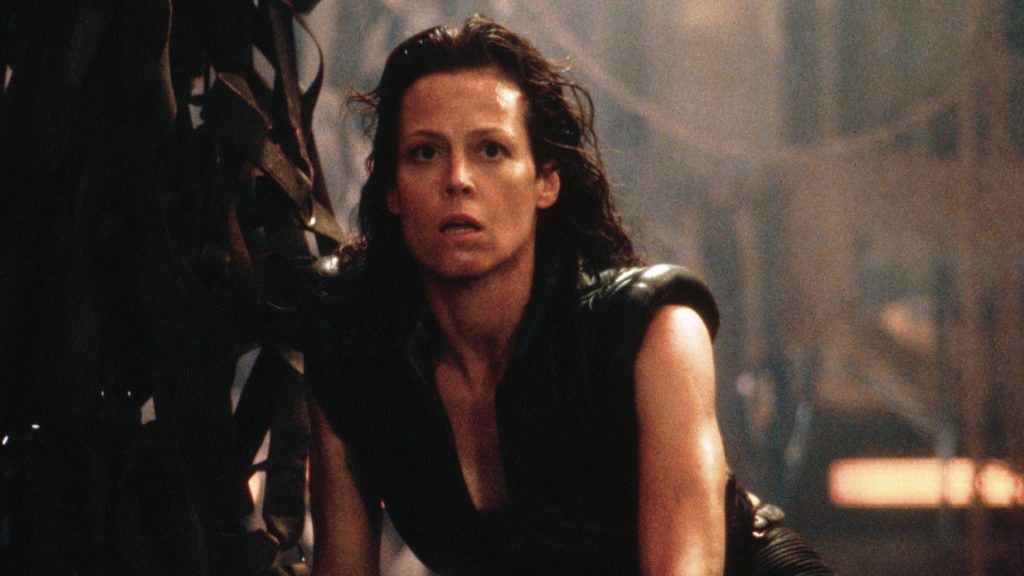
Few actors have defined the science fiction genre as effectively as the woman who led “Alien”. She managed to balance genuine vulnerability with a cold, survivalist instinct that made the Xenomorph threats feel terrifyingly real. Interestingly, the character was originally written as a man in the first draft of the script before she claimed it as her own through sheer screen presence.
Anthony Hopkins as Hannibal Lecter
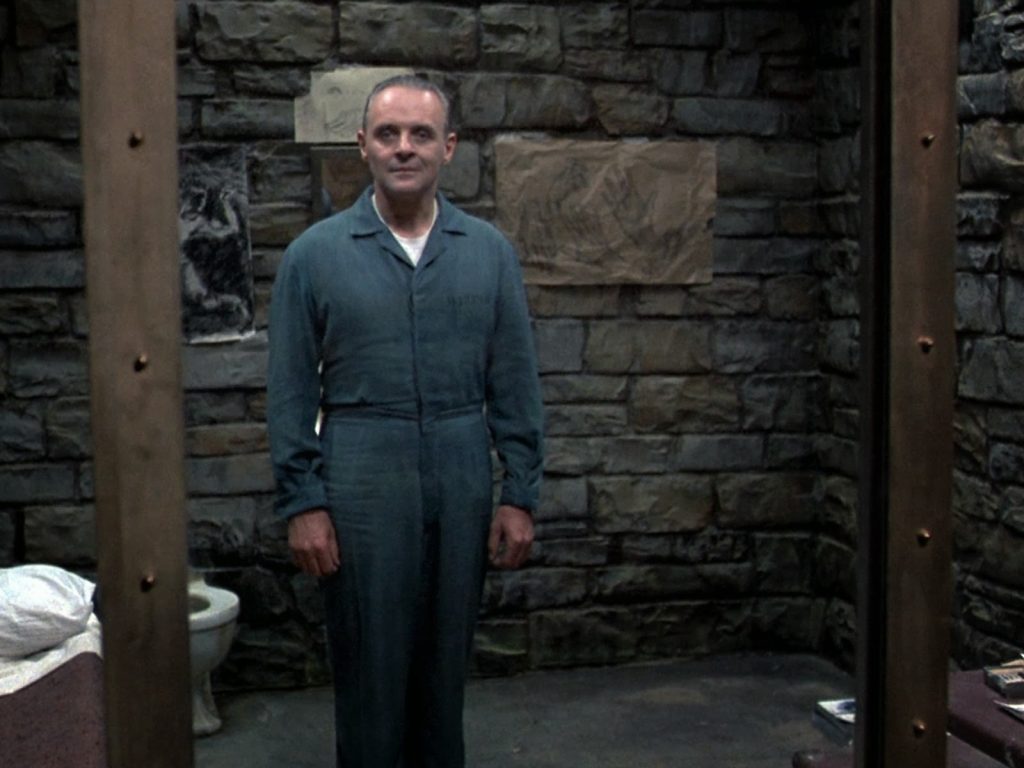
While several actors have played the cannibalistic doctor, the version in “The Silence of the Lambs” remains the definitive nightmare. He appears on screen for less than twenty minutes total, yet he dominates the entire atmosphere of the film with a predatory stillness. His decision to never blink while talking to the camera added a layer of discomfort that still unsettles modern audiences. It resulted in one of the shortest performances to ever win a Best Actor Oscar.
Harrison Ford as Indiana Jones
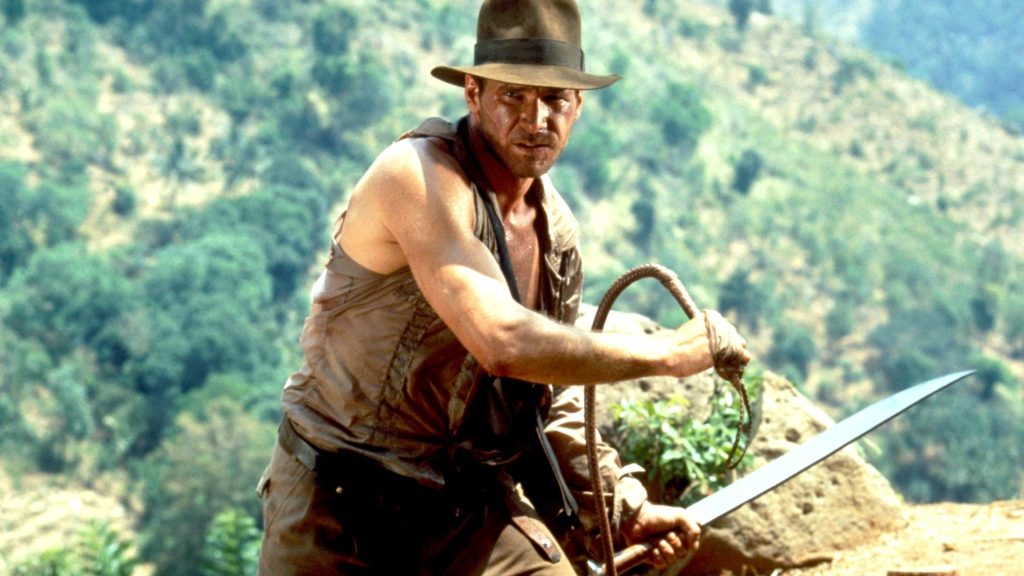
A fedora and a whip mean nothing without the rugged charm and the “making this up as I go” attitude of the original star. George Lucas initially hesitated to cast him because they had already worked together on “Star Wars”. Despite several attempts to introduce younger characters to the lore, the franchise remains anchored to his specific, grumbling screen presence. He has even stated publicly that when he is gone, the character goes with him.
Kathy Bates as Annie Wilkes
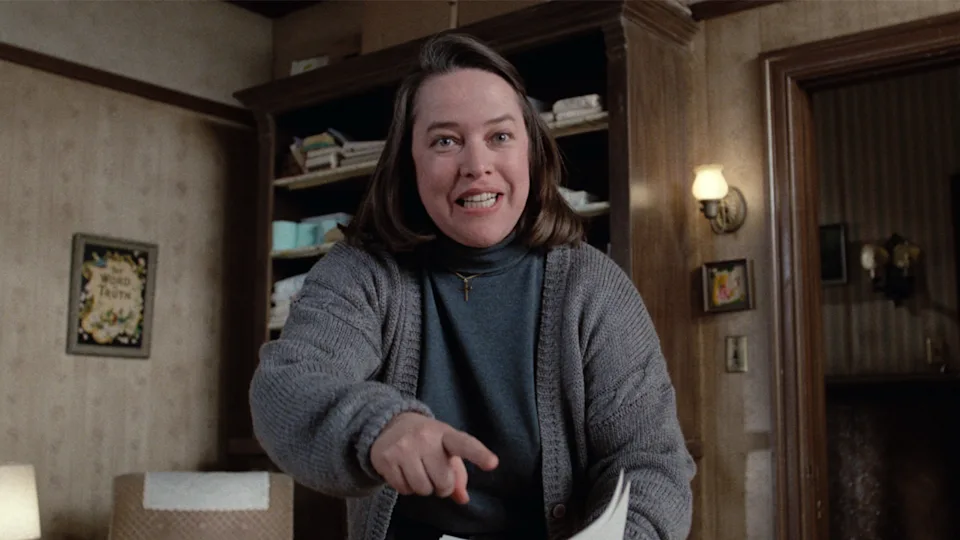
The chilling transition between motherly care and explosive rage in “Misery” earned her an Academy Award for good reason. She managed to make a terrifying stalker feel human yet completely unpredictable during every single scene. The specific way she delivers her “folksy” dialogue is impossible for any other performer to replicate with the same sinister energy. Stephen King was so impressed by her performance that he later wrote “Dolores Claiborne” specifically with her in mind.
Viggo Mortensen as Aragorn
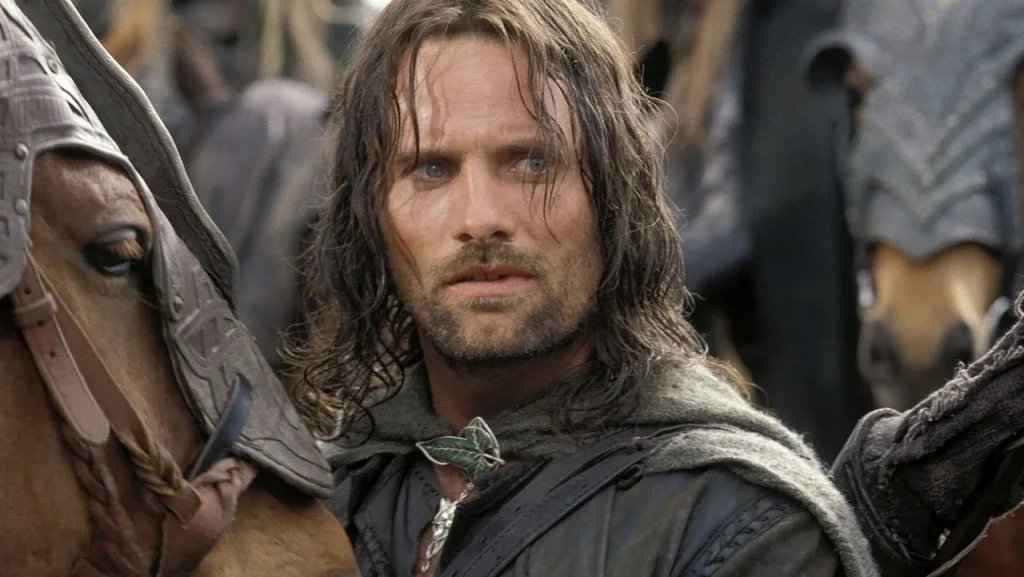
Stepping into “The Lord of the Rings” as a last minute replacement, he lived and breathed the life of a Ranger for years of production. He famously performed his own stunts and insisted on carrying his real steel sword even when the cameras were off to maintain his focus. This level of dedication resulted in a character that feels like a living part of the history of Middle-earth. Even the physical scars he earned during filming became part of the character’s rugged aesthetic.
Alan Rickman as Severus Snape
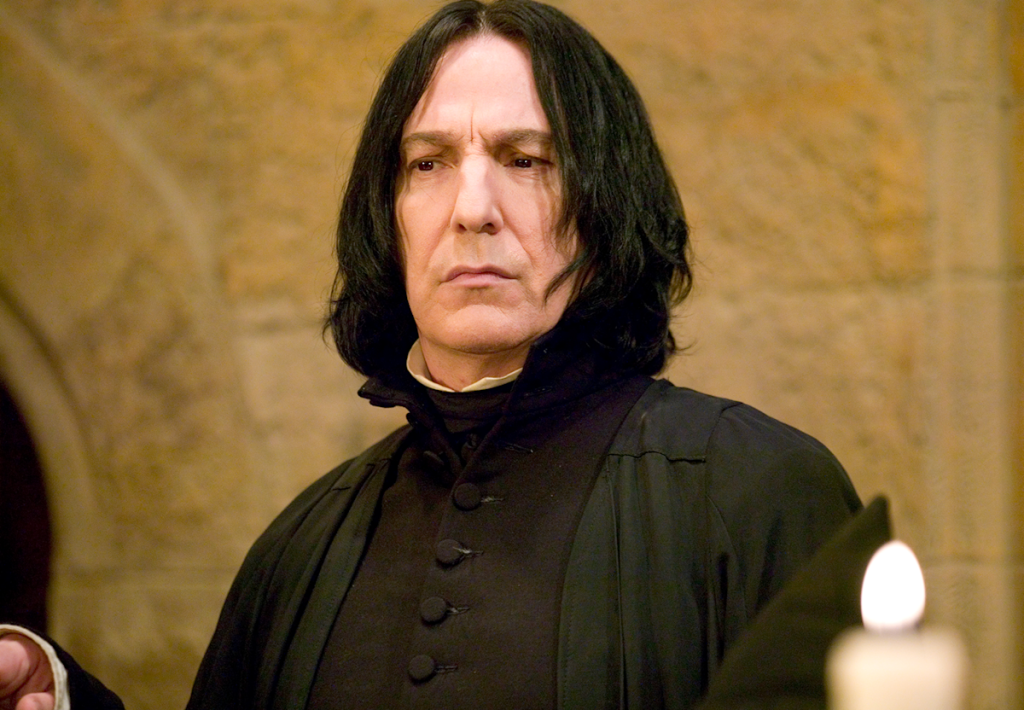
The slow, deliberate cadence of his voice became the heartbeat of the “Harry Potter” films. Author J.K. Rowling famously shared secret plot details with him long before the final books were released to help inform his performance. This allowed him to play the character with a hidden depth that only makes sense upon a second viewing of the series. His delivery of the word “Always” remains one of the most emotional moments in modern fantasy cinema.
Imelda Staunton as Dolores Umbridge
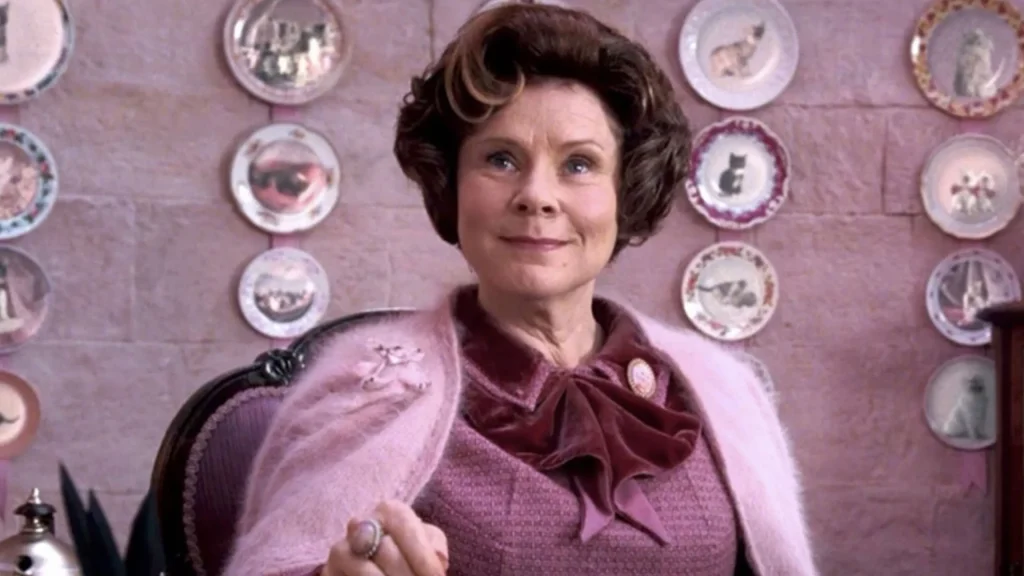
Much like her colleague in the “Harry Potter” universe, this actress created a villain that fans found even more loathsome than the primary antagonist. She used high pitched giggles and pink cardigans to mask a truly cruel and authoritarian personality. It is a testament to her skill that even years later, the mere sight of her character’s costume can trigger a visceral reaction from viewers. Her performance proves that horror does not always need a monster or a mask.
Christoph Waltz as Hans Landa
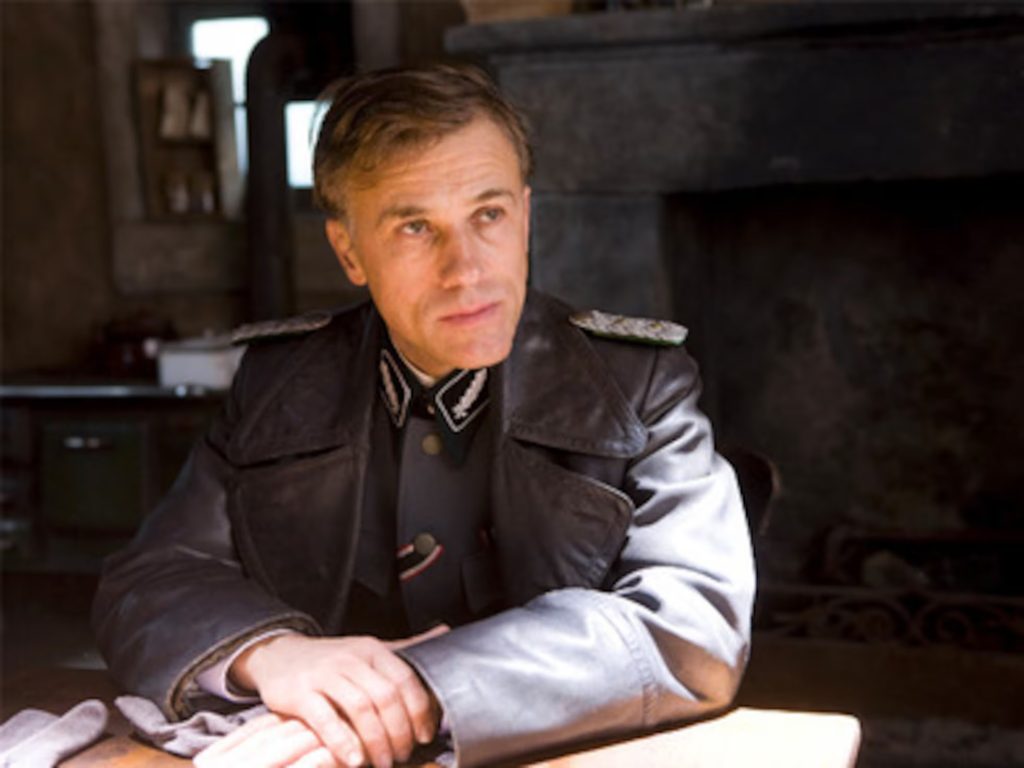
Quentin Tarantino almost cancelled “Inglourious Basterds” because he feared the role of the multilingual antagonist was unplayable. This performer stepped in and used his linguistic fluency and terrifying politeness to create a villain that was impossible to look away from. The opening scene in the dairy farm is widely considered a masterclass in building tension through dialogue alone. He won nearly every major acting award that season for this specific portrayal.
Mark Hamill as Luke Skywalker
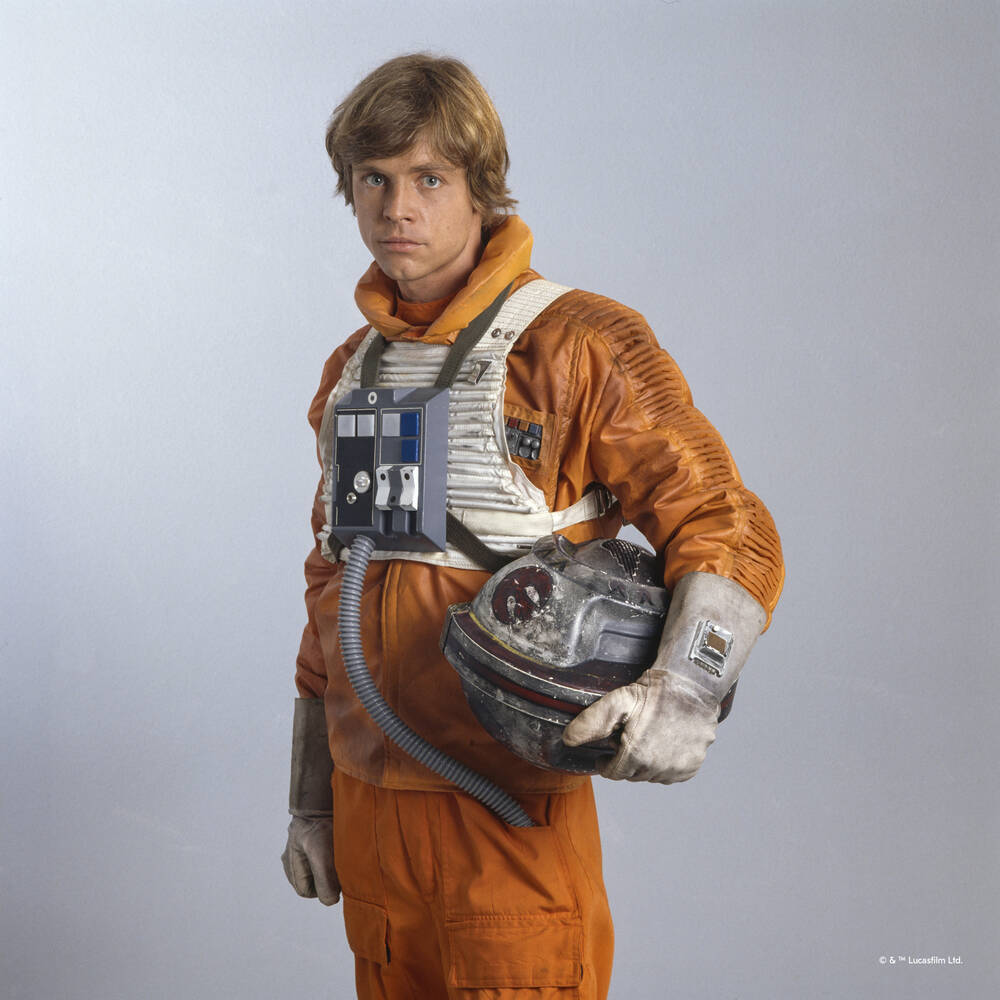
Few actors carry the weight of a multi generational legacy as gracefully as the man who played the galaxy’s most famous farm boy. His evolution from a whiny teen in “Star Wars: A New Hope” to a weary, disillusioned master is a journey fans refuse to see repeated. The connection is so deep that modern productions often rely on digital de-aging rather than finding a permanent replacement. His voice work for animated versions further cements him as the only true Luke.
Carrie Fisher as Princess Leia
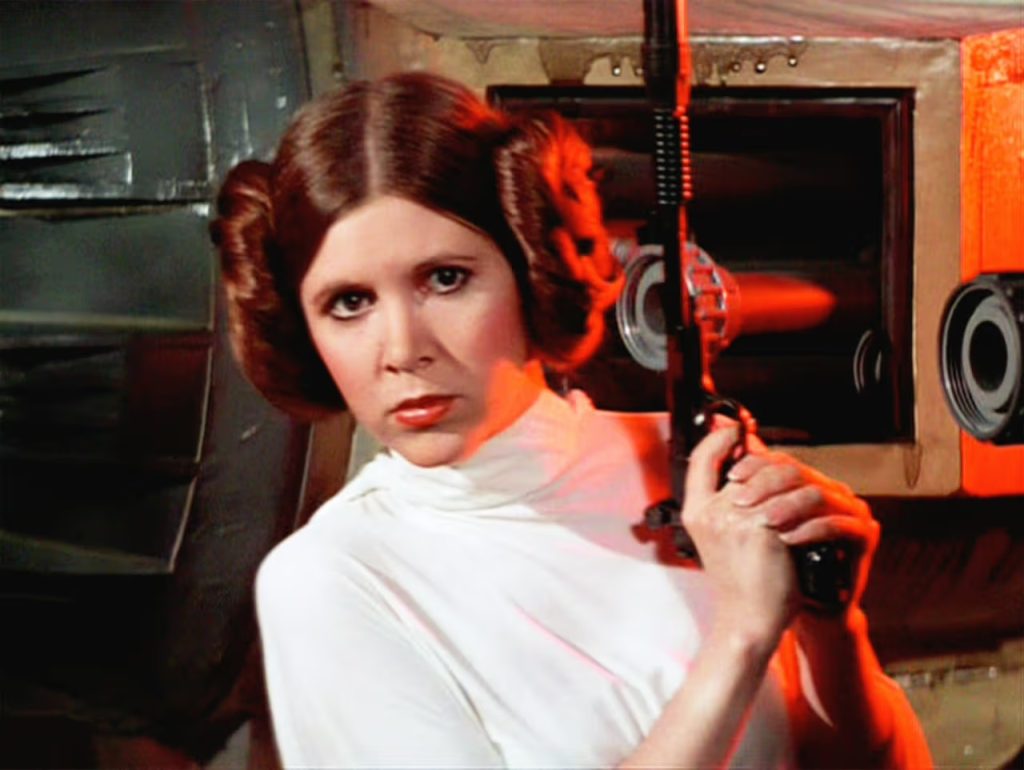
Shared history with the “Star Wars” universe made this actress more than just a performer: she was the heart of the Rebellion. She brought a sharp, rebellious wit to a role that could have easily been a one dimensional damsel in distress. Her real life tenacity and brilliant writing skills often bled into the character, making her the true tactical leader of the group. No other actress could balance royal grace with such a biting sense of humor.
Bryan Cranston as Walter White
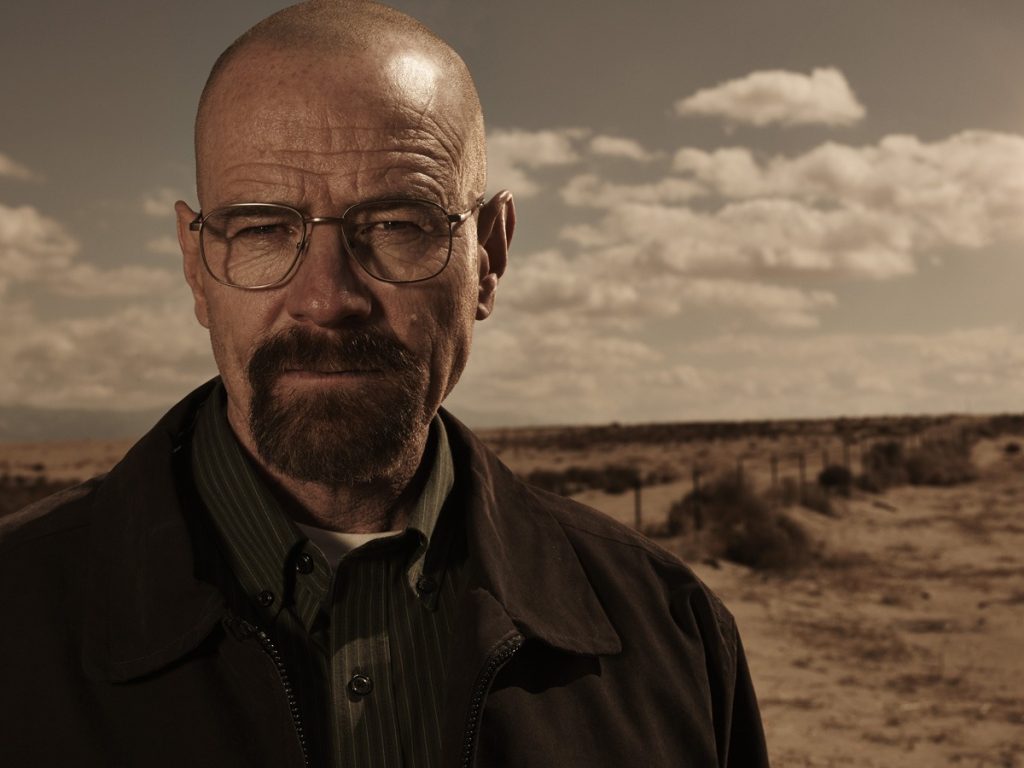
Watching a mild mannered chemistry teacher descend into a drug kingpin in “Breaking Bad” remains one of the most satisfying character arcs ever filmed. He used every subtle shift in his posture and facial expressions to signal the slow rot of his soul over five seasons. Before this, he was mostly known for playing a goofy father in a popular sitcom, which made the transformation even more shocking. The character’s name has since become synonymous with the “anti-hero” archetype in television history.
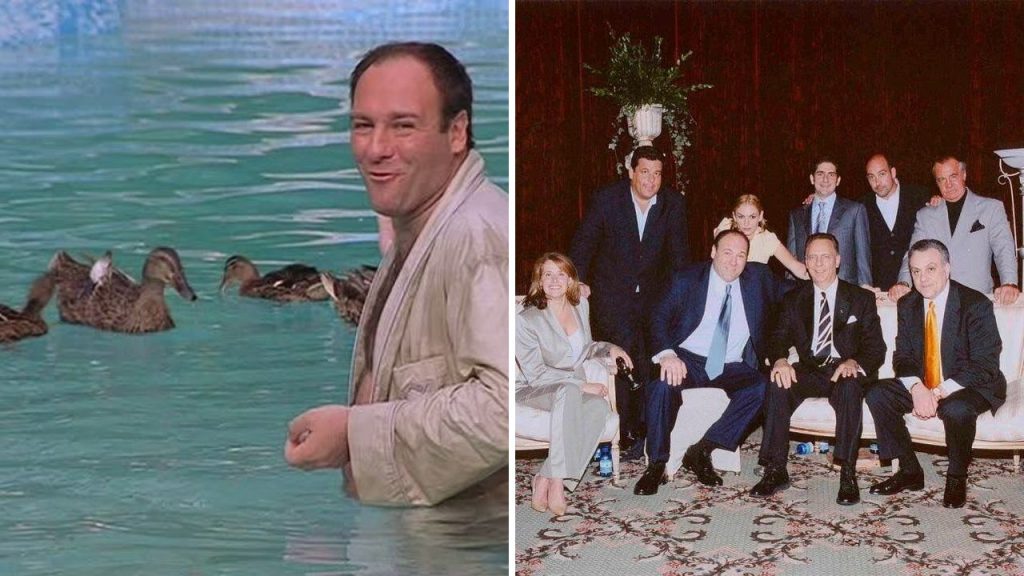
James Gandolfini as Tony Soprano
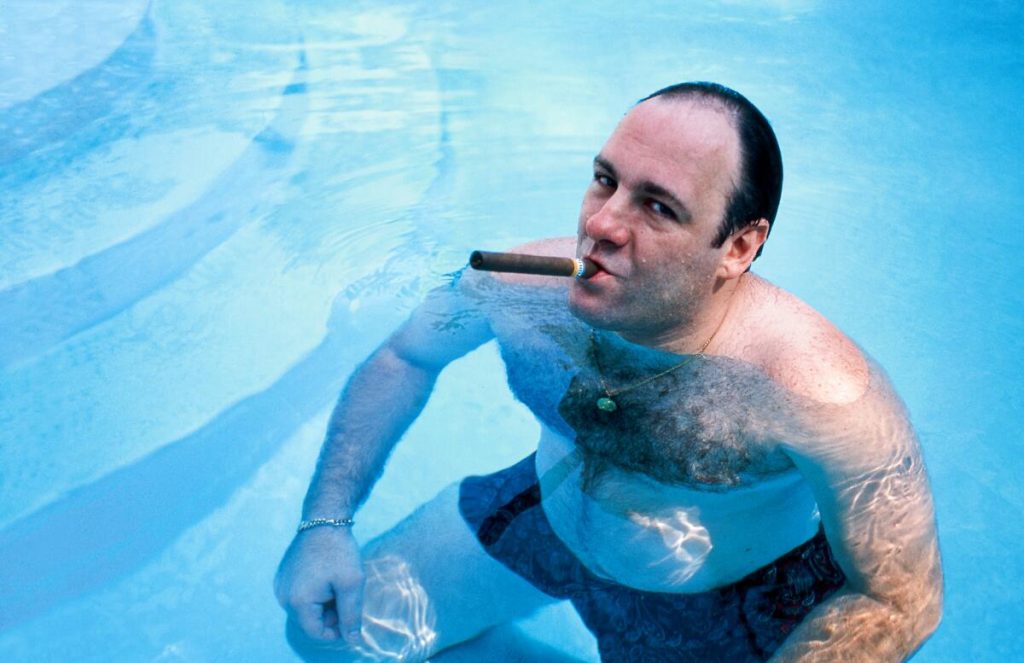
Modern television drama began with the heavy breathing and conflicted morality of this New Jersey mob boss. He breathed life into “The Sopranos” by showing a man who was both a brutal criminal and a vulnerable father in therapy. His presence was so massive that the character felt like a real, breathing human being rather than a simple script creation. Critics often point to this performance as the catalyst for the Golden Age of Television.
Robin Williams as Genie
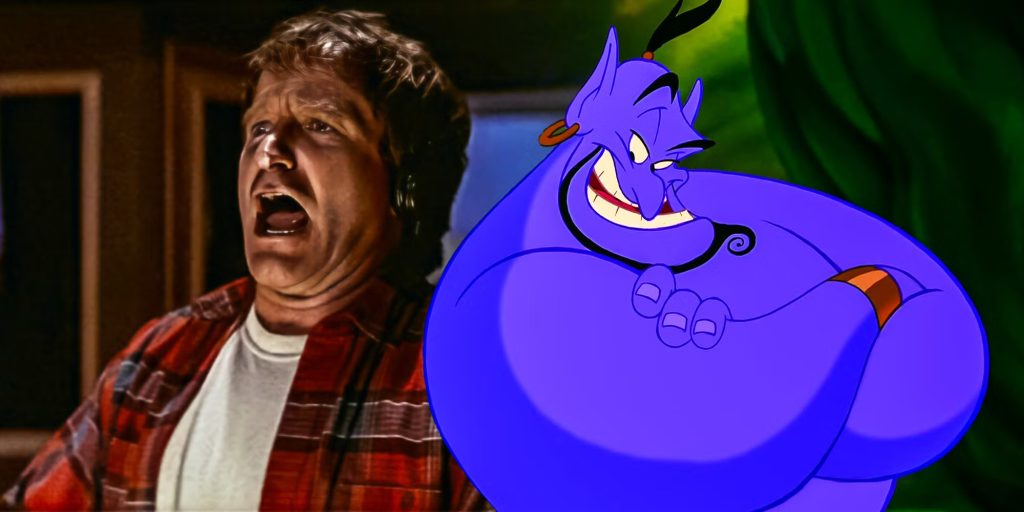
The animators for “Aladdin” actually shaped the character’s movements around the actor’s frantic, improvisational recording sessions. He recorded over thirty hours of material, much of it off script, which gave the film its unique energy and humor. This performance changed how major studios approached celebrity voice acting for animated features for the next thirty years. Every impersonation or impression since feels like a tribute to his specific genius.
J.K. Simmons as J. Jonah Jameson
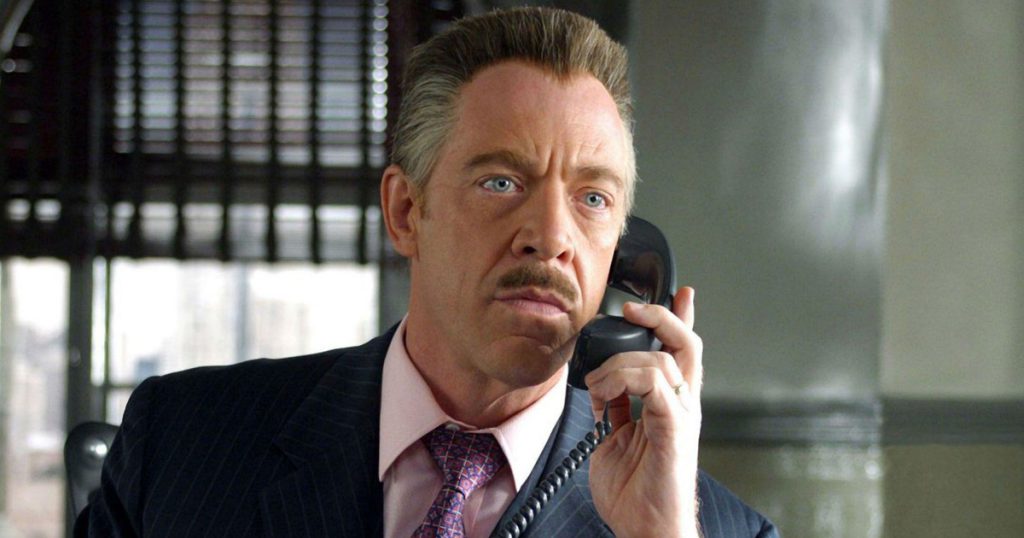
This portrayal was so perfect that Marvel decided to bring the same actor back to play the character in a completely different cinematic universe. His barked orders and flat top haircut jumped straight out of the “Spider-Man” comics and onto the big screen. It is one of the few instances where a casting choice is considered objectively flawless by almost every fan. Even in a world of multiverses, he remains the only face suitable for the Daily Bugle’s editor-in-chief.
Rowan Atkinson as Mr. Bean
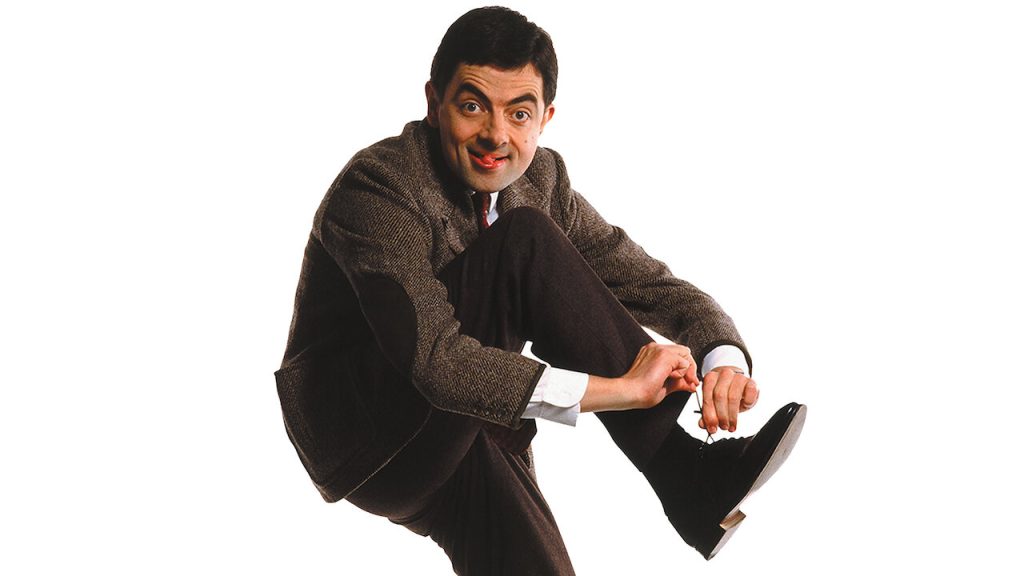
Visual comedy relies on a specific mastery of facial muscles and timing that very few possess in the modern era. His ability to tell entire stories through a simple grunt or a narrowed eye made “Mr. Bean” a global phenomenon. No other comedian could take a character so selfish and socially inept and make him universally beloved by audiences. He based much of the character’s movement on physical comedy legends from the silent film era.
Joe Pesci as Tommy DeVito
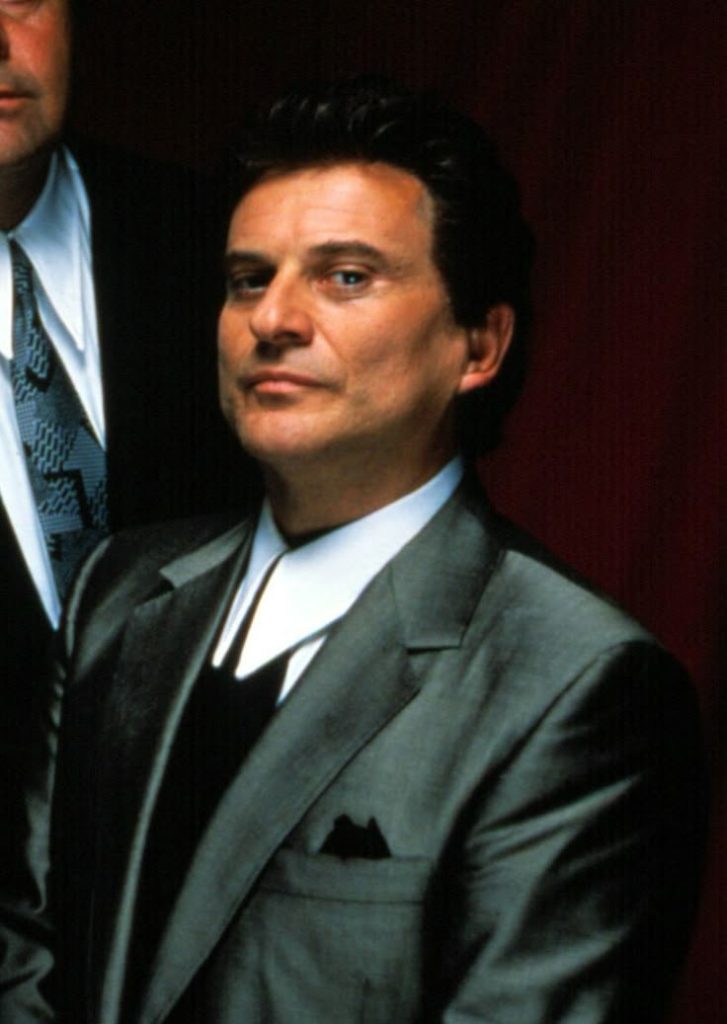
His performance in “Goodfellas” proves that the most dangerous person in the room is often the smallest one. The famous “Funny how?” scene was largely improvised, showcasing his ability to switch from humor to lethal aggression in a heartbeat. This role solidified his reputation as the go-to actor for volatile, high energy mobsters in cinematic history. It earned him a Best Supporting Actor Oscar, for which he gave one of the shortest acceptance speeches ever.
Gene Wilder as Willy Wonka
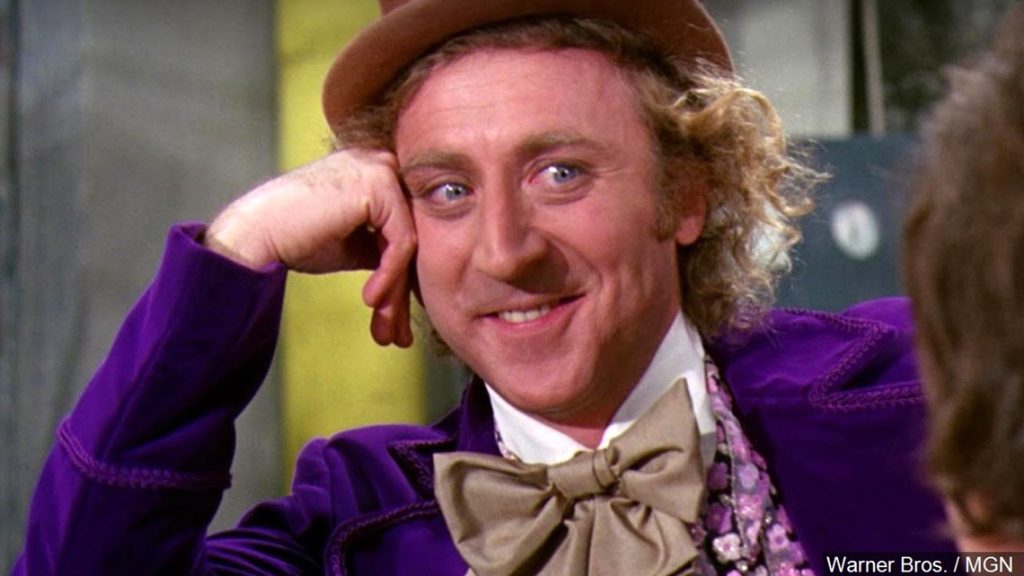
There is a manic, slightly dangerous twinkle in his eye that made “Willy Wonka & the Chocolate Factory” feel like a beautiful fever dream. He insisted on his first appearance including a fake limp and a somersault so the audience would never know if he was lying. Later versions of the character struggled to find that same perfect balance between whimsy and mystery. His performance of “Pure Imagination” remains the definitive version of the song.
Linda Hamilton as Sarah Connor
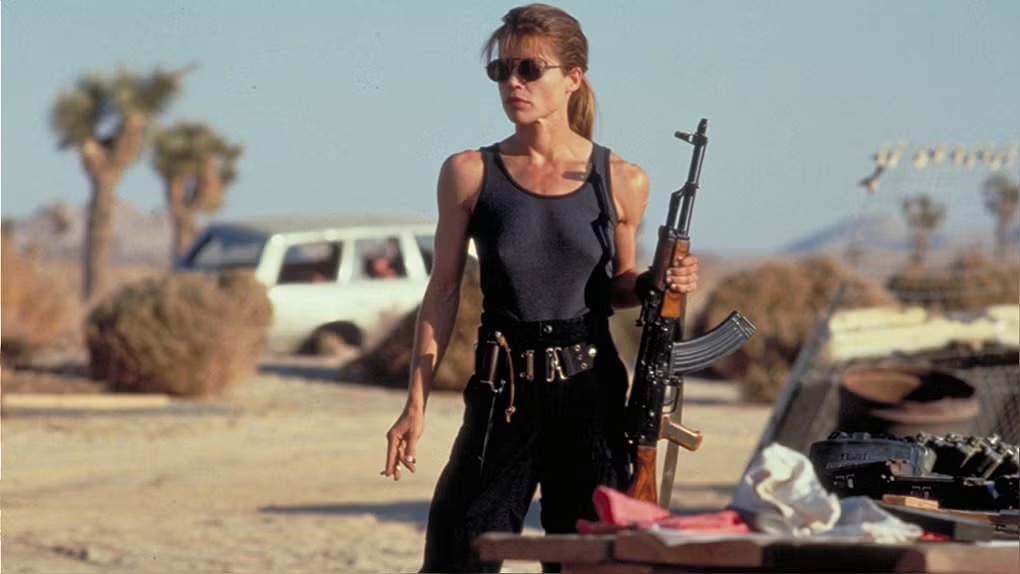
The transformation from a terrified waitress to a battle hardened soldier in “Terminator 2: Judgment Day” set the bar for action cinema protagonists. Her physical commitment and haunted stare gave the sci-fi premise a grounded, emotional reality that felt earned. She famously suffered permanent hearing loss during filming because she forgot to wear earplugs during a loud elevator shootout. Her presence is the primary reason the sequel is often considered superior to the original.
Arnold Schwarzenegger as The Terminator
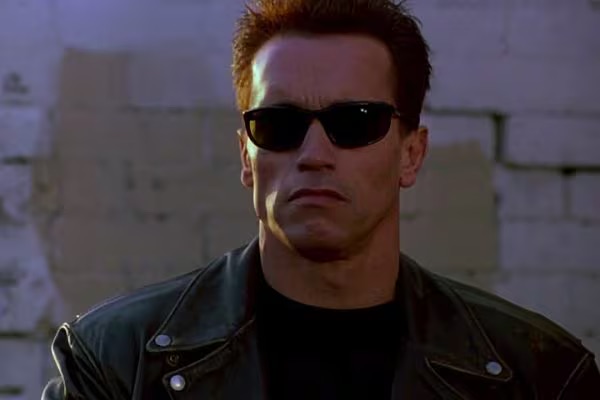
Working alongside her in the “Terminator” franchise, this bodybuilder used his unique physique and mechanical delivery to create an unstoppable killing machine. In the original film, he had very few lines, yet he became the face of a multi billion dollar franchise. The character’s shift from a villain to a protector in the sequel remains a legendary piece of storytelling. He turned a role intended for O.J. Simpson into his most iconic career achievement.
Val Kilmer as Doc Holliday
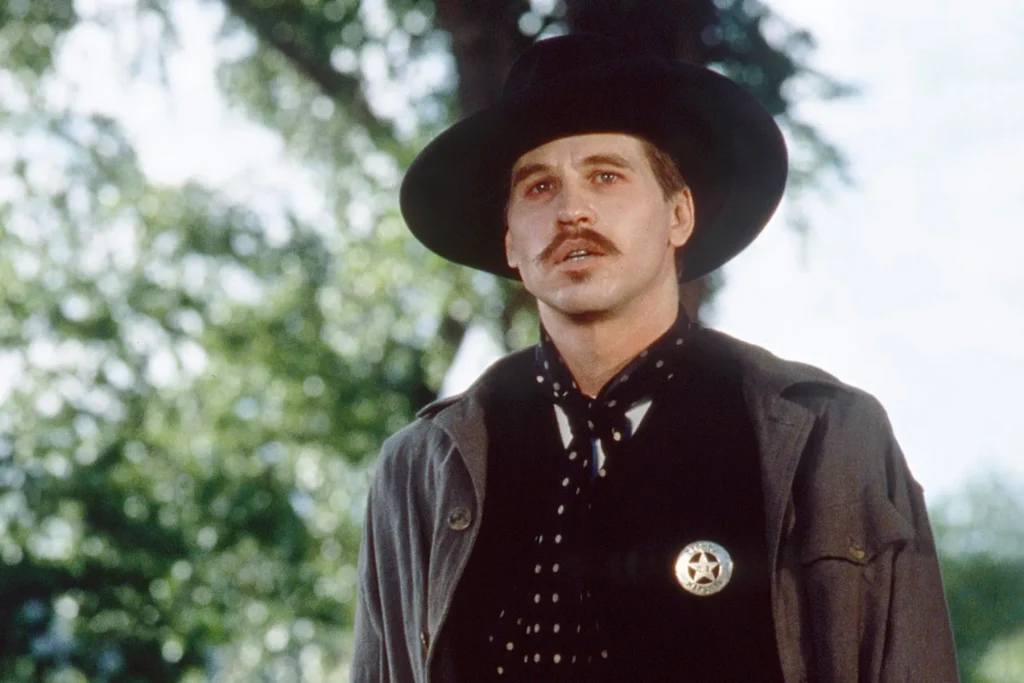
Many Westerns feature charismatic outlaws, but none have matched the sweaty, poetic intensity found in “Tombstone”. He delivered every line with a mixture of fatalism and wit that completely stole the spotlight from the rest of the cast. His performance is often cited as the primary reason why the film remains a cult classic decades after its release. He reportedly spent hours practicing with his cup and pistol to make the character’s dexterity feel authentic.
Jim Carrey as Ace Ventura
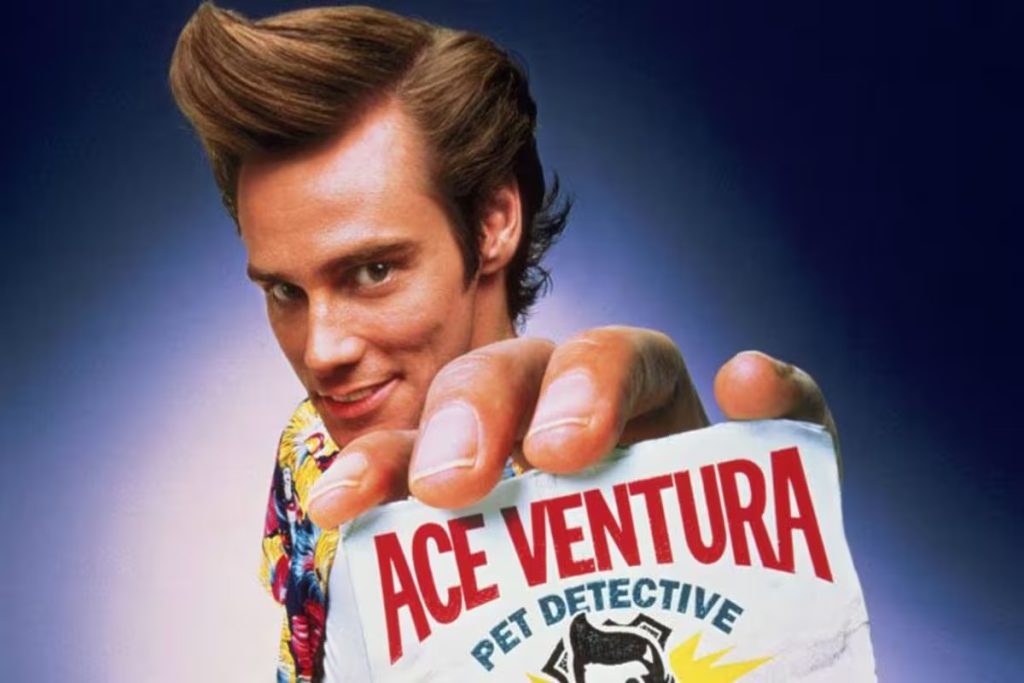
The sheer physical commitment and elastic facial contortions he brought to this pet detective would likely exhaust any other human being. He took a script that many found mediocre and transformed it into a cultural icon through sheer force of personality. This role defined the comedic landscape of the 1990s and launched his career into the stratosphere. He was so integral to the role that he was eventually paid twenty million dollars for the sequel.
Meryl Streep as Miranda Priestly
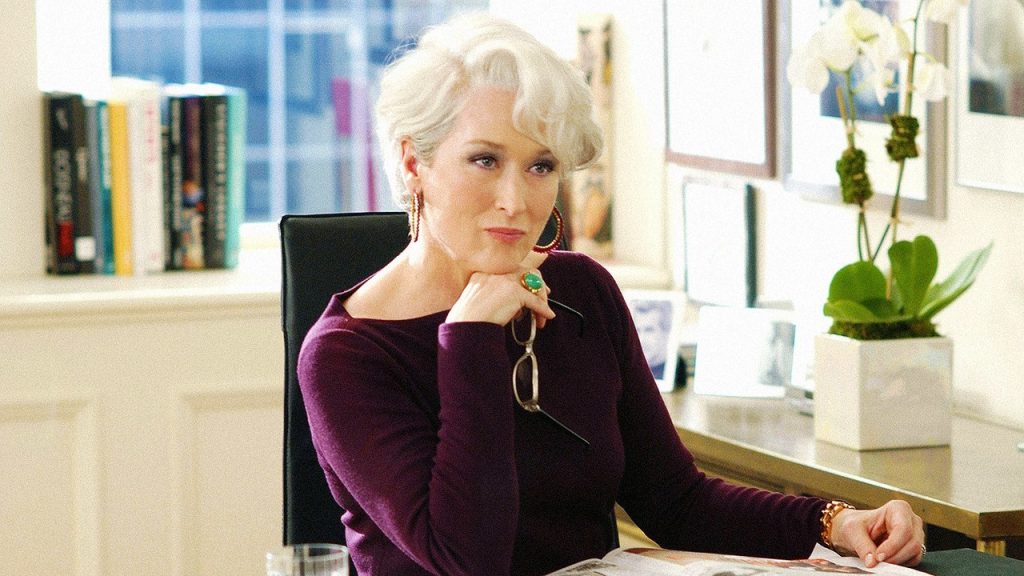
She turned a potential villain trope into a complex masterclass of power and professional excellence in “The Devil Wears Prada”. Instead of shouting, she used a quiet, icy whisper that commanded more attention than a scream ever could. The monologue about the color cerulean is a terrifyingly accurate breakdown of the influence of high fashion. She famously stayed in character throughout the entire filming process to maintain the distance with her co-stars.
Christopher Reeve as Superman
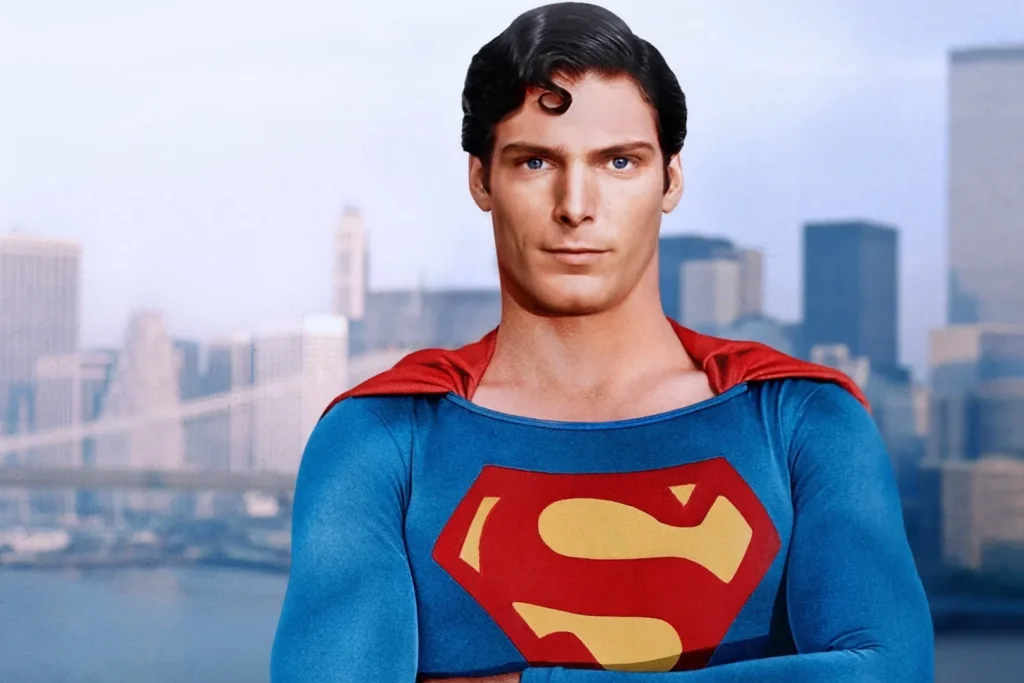
He didn’t just play the Man of Steel: he mastered the art of the secret identity by physically changing his posture as Clark Kent. The subtle way he slumps his shoulders and adjusts his glasses makes the disguise actually feel believable for a modern audience. For many, his portrayal remains the only one that truly captures the kindness at the heart of the character. He beat out hundreds of other actors for the role by embodying the genuine morality of the comic books.
Samuel L. Jackson as Jules Winnfield
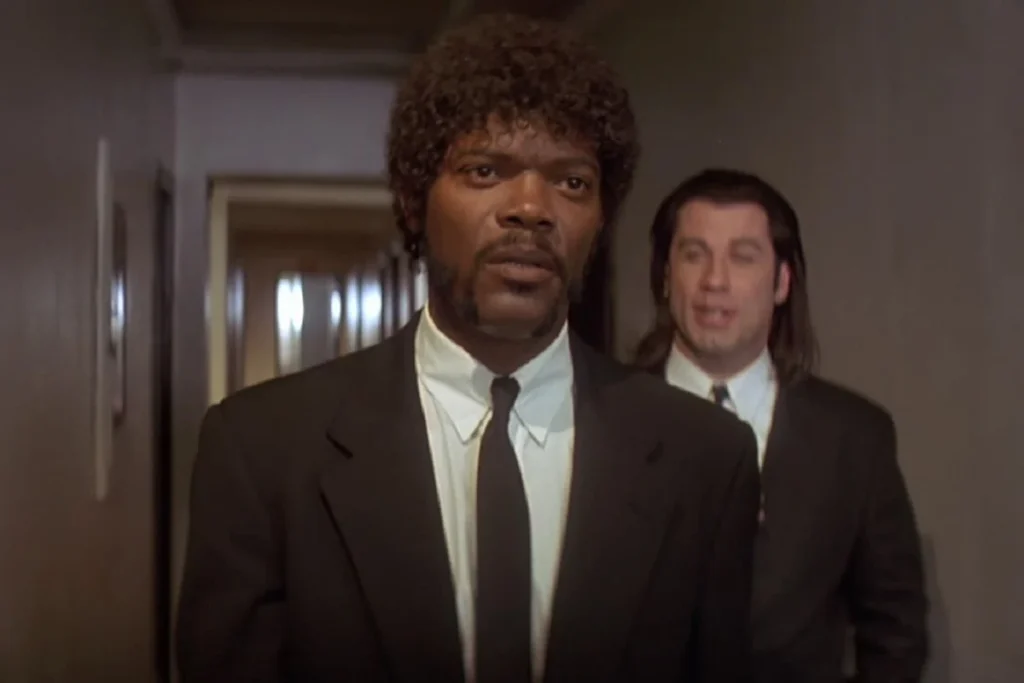
Quentin Tarantino writes dialogue with a rhythmic quality that requires a very specific type of delivery to succeed. In “Pulp Fiction”, this actor turned a hitman into a philosopher with a terrifyingly charismatic presence. His recital of a fictionalized biblical passage remains one of the most quoted moments in the history of cinema. This role saved him from being pigeonholed as a bit player and made him a global superstar.
Tom Hanks as Forrest Gump
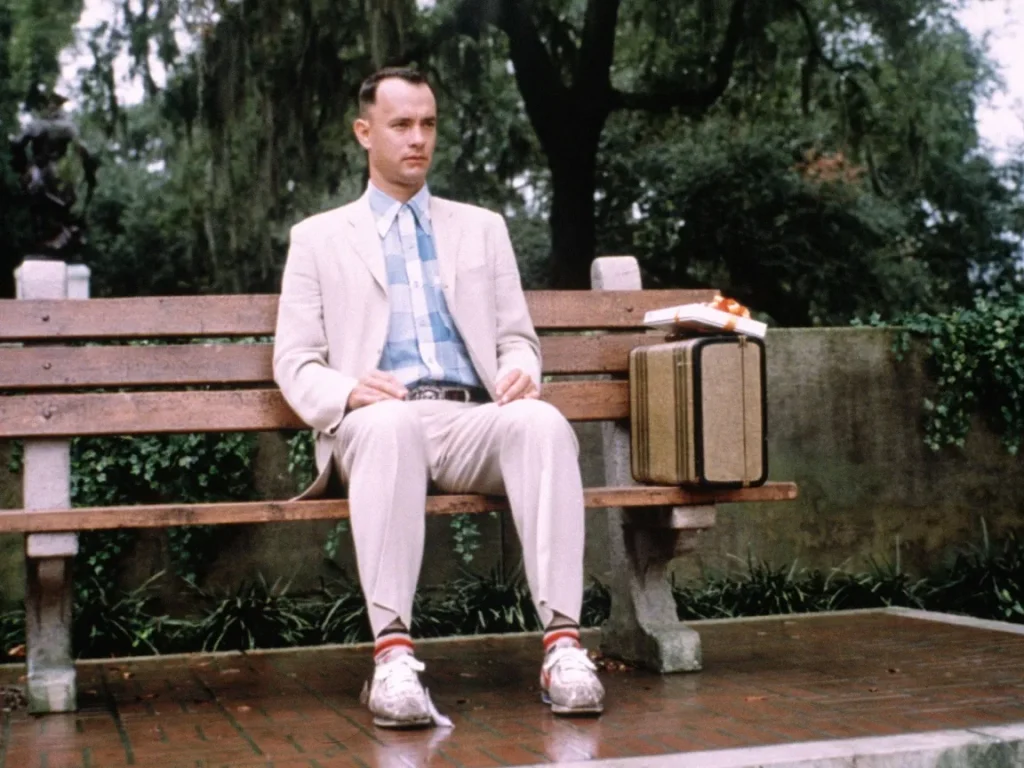
Capturing pure innocence without making it feel like a caricature is a tightrope walk that very few can manage. In this film, he gave a performance that anchored decades of American history through the eyes of one honest man. He famously took no salary for the film, opting for a percentage of the profits instead of a flat fee. This decision resulted in one of the biggest paydays in Hollywood history after the movie became a massive hit.
Johnny Depp as Jack Sparrow
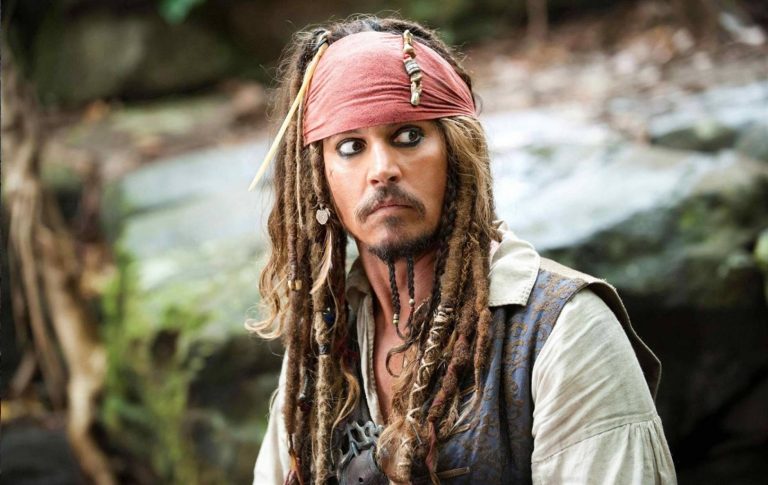
Disney executives were originally terrified by his rock star inspired take on a pirate captain in “Pirates of the Caribbean”. He based the character’s slurred speech and swaying gait on a famous musician, creating an icon out of pure eccentricity. The performance turned a theme park ride into a massive film franchise that dominated the box office for years. It remains one of the few times a comedic performance earned a nomination for Best Actor.
Hugh Jackman as Wolverine
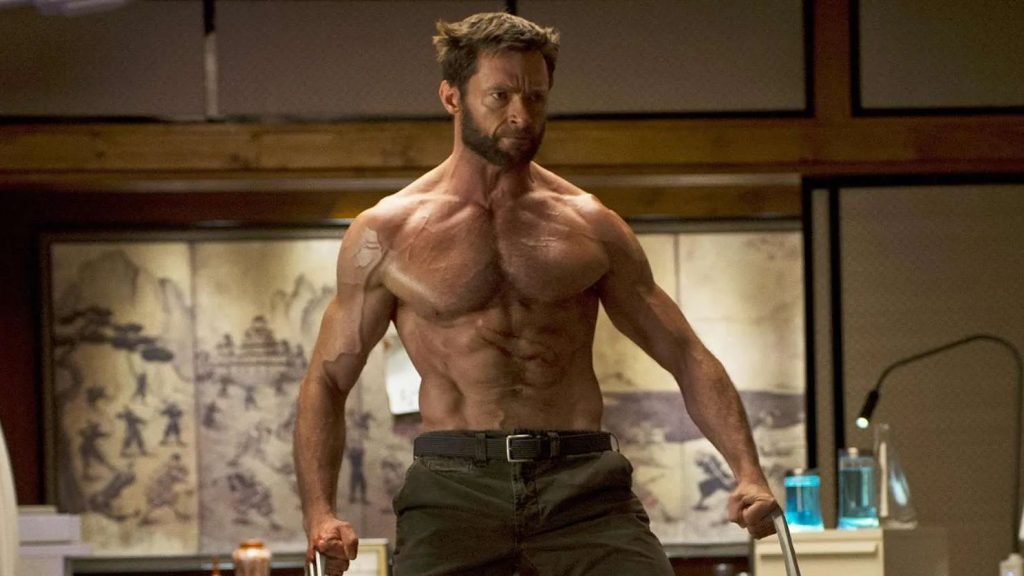
Playing the same superhero for nearly two decades is a feat that requires immense physical and mental dedication. He brought a soulful tragedy to the feral mutant that peaked with the raw, emotional finale of “Logan”. Fans find it nearly impossible to imagine anyone else donning the claws without it feeling like a hollow imitation of his work. He originally got the part only after the first-choice actor suffered an injury on a different set.
Christian Bale as Patrick Bateman
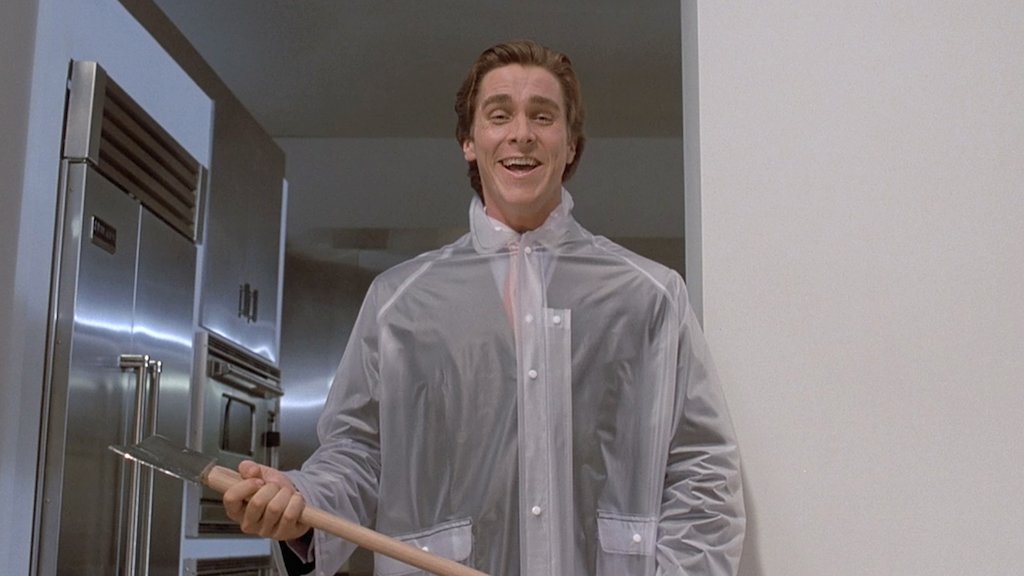
The vanity and hollow interior of an 80s yuppie were perfectly captured in “American Psycho”. He spent months perfecting the character’s skincare routine and rigid physique to match the source material’s obsession with appearances. His performance turned a controversial novel into a darkly comedic masterpiece that remains culturally relevant today. He famously modeled the character’s “uncanny” social mannerisms on a Tom Cruise interview he had seen.
Heath Ledger as Joker
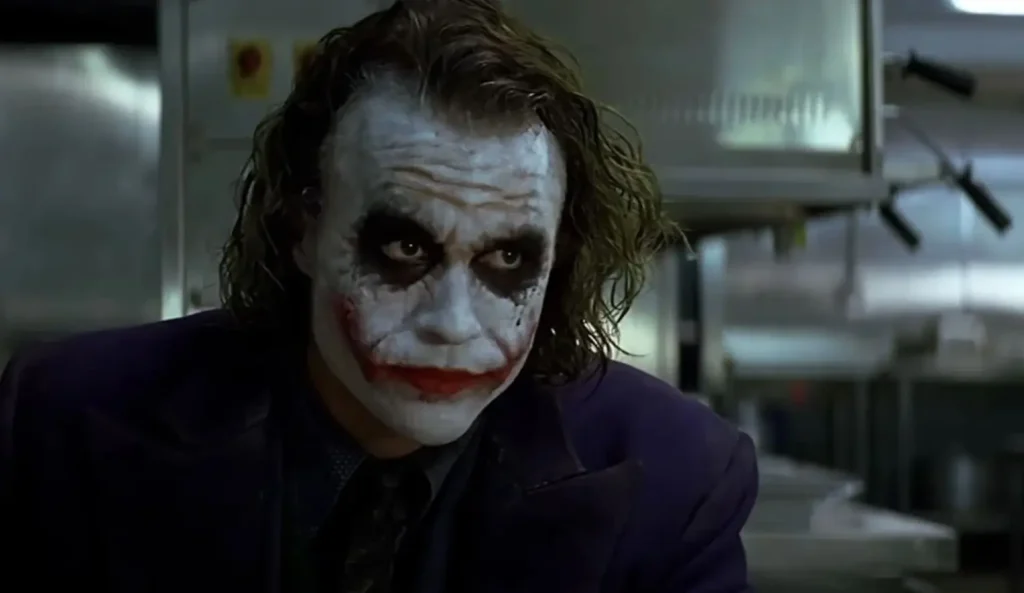
When the casting was first announced for “The Dark Knight”, the internet was filled with skepticism and doubt about the choice. He responded by disappearing into a chaotic, terrifying version of the character that won a posthumous Oscar. Every subsequent actor who takes on the mantle is inevitably measured against this specific, haunting standard that changed the superhero genre forever. His commitment was so intense that he kept a diary written in the Joker’s twisted perspective during his preparation.