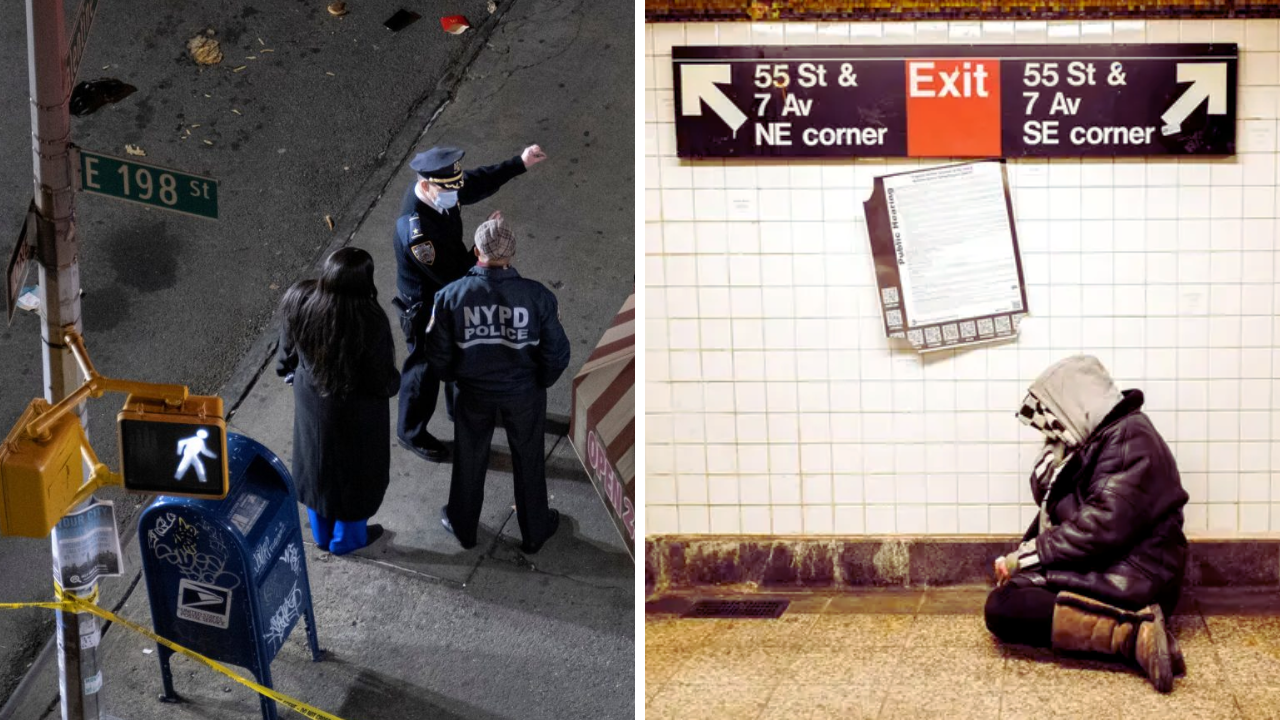
New York City has a legendary reputation, but day to day life can look very different from the postcards. Common complaints from residents and former New Yorkers range from money pressures to infrastructure headaches. Many people still love the city, yet their stories highlight trade offs that are easy to miss on a quick trip. If you are wondering whether the reality matches the hype, here are some of the reasons people say living in NYC can feel a lot tougher than it looks on screen.
Rent Prices That Shock Even Big City Veterans
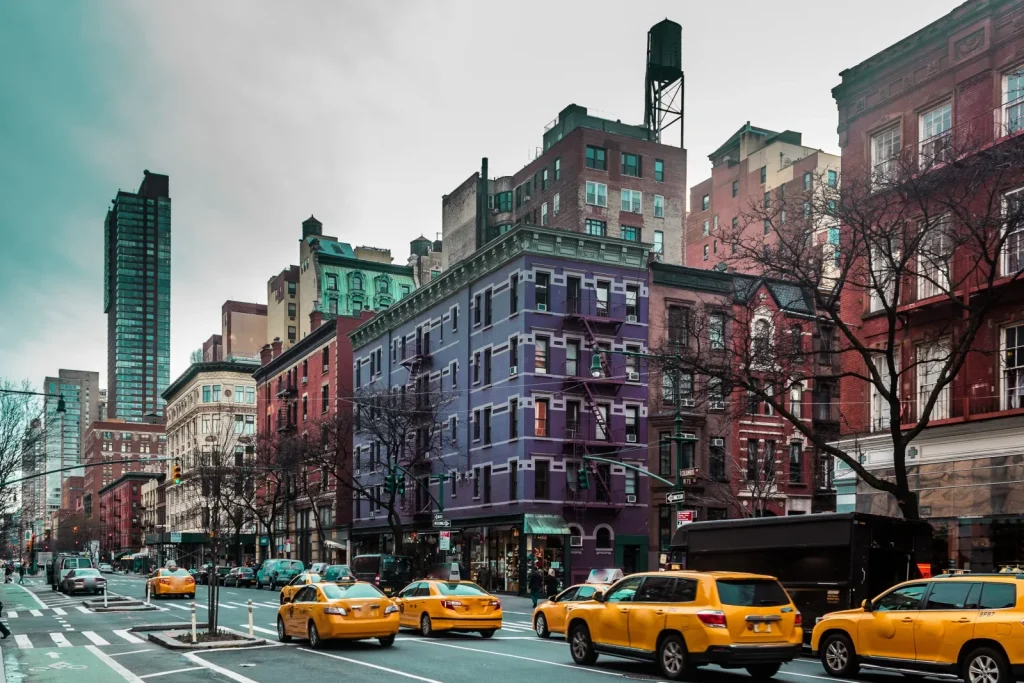
Multiple guides point out that New York is one of the most expensive rental markets in the United States, with median rents in Manhattan in the thousands of dollars per month. Locals say it is common to spend a very large share of income on housing or to rely on strict income rules such as earning 40 times the monthly rent to qualify for a lease. Even people who have lived in other major cities describe New York prices as shocking rather than just high.
Everyday Expenses That Add Up Fast

Rent is not the only cost that stands out. Travel writers and residents note that groceries, takeout, entertainment and basic services tend to be priced higher than in many other parts of the country. Even quick purchases, like a coffee or a casual meal, can feel noticeably more expensive over time. People who move to New York often report needing a larger budget than they expected for ordinary daily spending.
Tiny Apartments Crammed With Roommates

One of the most repeated complaints is the size of typical apartments relative to the rent. In online discussions, people describe living in very small spaces, sometimes sharing with several roommates to afford the neighborhood they want. Studio and one bedroom units can be compact enough that there is little separation between living, working and sleeping areas.
Old Buildings With Modern Maintenance Problems

Many New York apartment buildings are more than a century old, which gives them character but also creates maintenance challenges. Residents and influencers have shared stories about leaks when it rains, mold issues, and frequent repairs that take time to resolve. Travel and relocation guides warn that old plumbing, uneven heating and thin walls are common trade offs in otherwise desirable neighborhoods. The charm of historic architecture can be offset by the reality of constant small problems inside the unit.
Walk Up Stairs As A Daily Workout
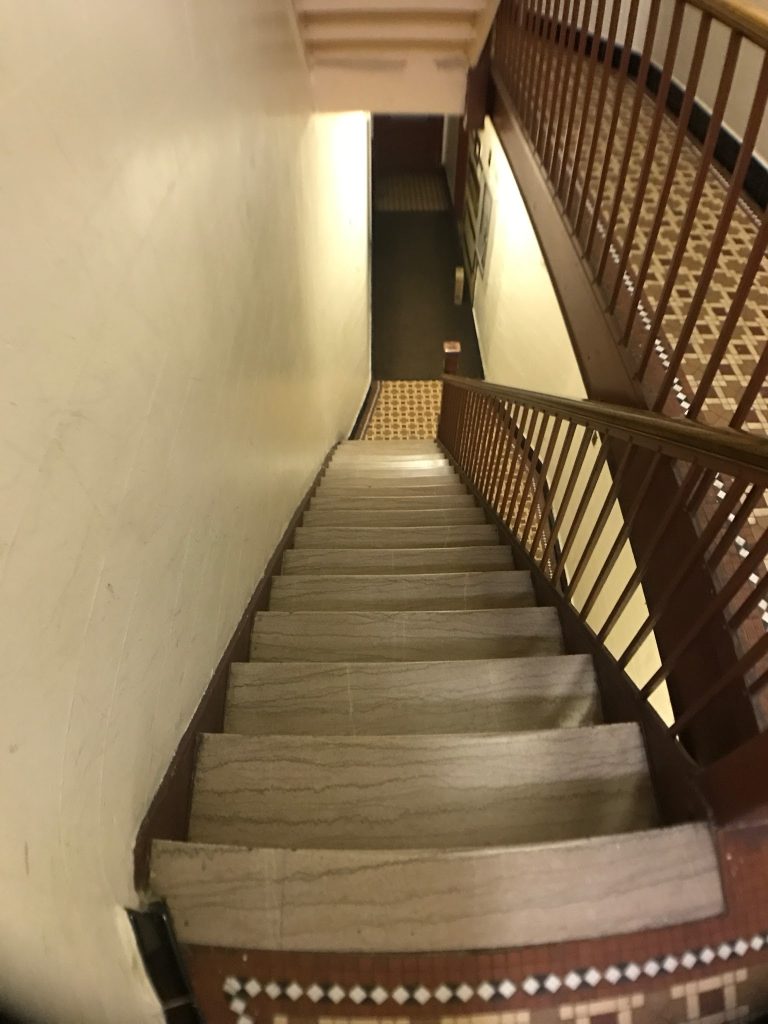
Walk up buildings without elevators are a classic feature of New York housing, especially in older, low rise neighborhoods. Real estate guides explain that these apartments are common and often cheaper precisely because residents climb several flights of stairs every day. People who live in top floor walk ups say the stairs become part of daily life, but moving in, carrying groceries or dealing with an injury can be especially difficult. For some, the built in workout is a perk, while others find it exhausting over time.
Rats, Mice, And Roaches As Unwanted Neighbors

New Yorkers talk openly about sharing the city with pests. Residents in forums describe regular encounters with rats on the street and mice or cockroaches inside buildings, sometimes joking that individual animals become familiar over time. Local news reports have covered serious infestations that affect quality of life and even tenants’ sleep. Exterminators and building managers can help, but many people feel that some level of contact with urban wildlife is hard to avoid.
Trash Bags Piled Right On The Sidewalk
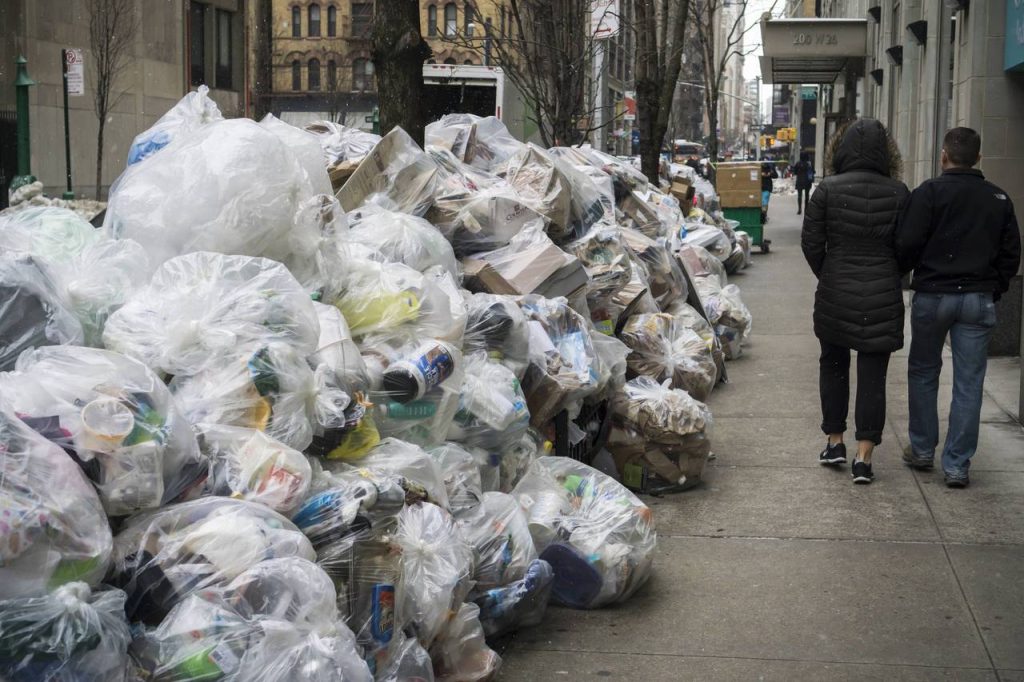
Visitors often notice the way trash is handled long before they learn why it works that way. Because much of Manhattan lacks alleys for dumpsters, many buildings leave garbage bags directly on the sidewalk before collection. Locals and tourists alike comment on piles of bags, spills and strong smells, especially in the warmer months. City programs are testing new container systems, but for now the sidewalks themselves still carry a heavy share of the trash burden.
Noise That Never Really Stops
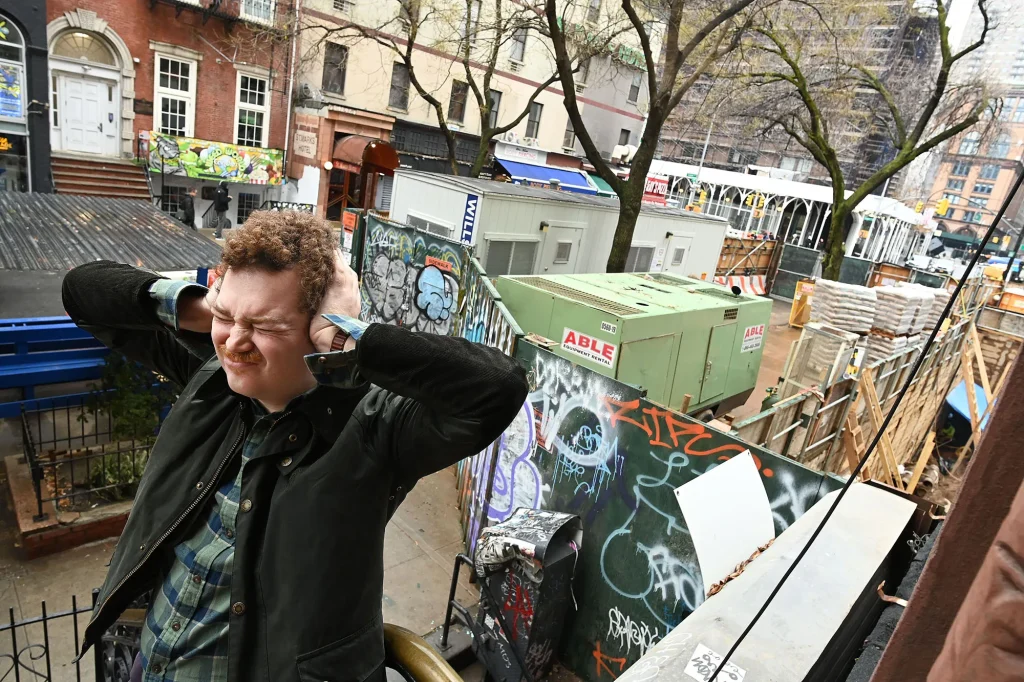
Guides about life in New York regularly warn that quiet is rare. Sirens, construction, traffic, music and conversations drift up from the street late into the night in many neighborhoods. Even with closed windows, people report hearing neighbors move around or talk because walls and floors are often thin in older buildings. For light sleepers and those used to calmer environments, constant background noise can be one of the hardest parts of adjusting to the city.
Tourist Crowds Everywhere You Turn
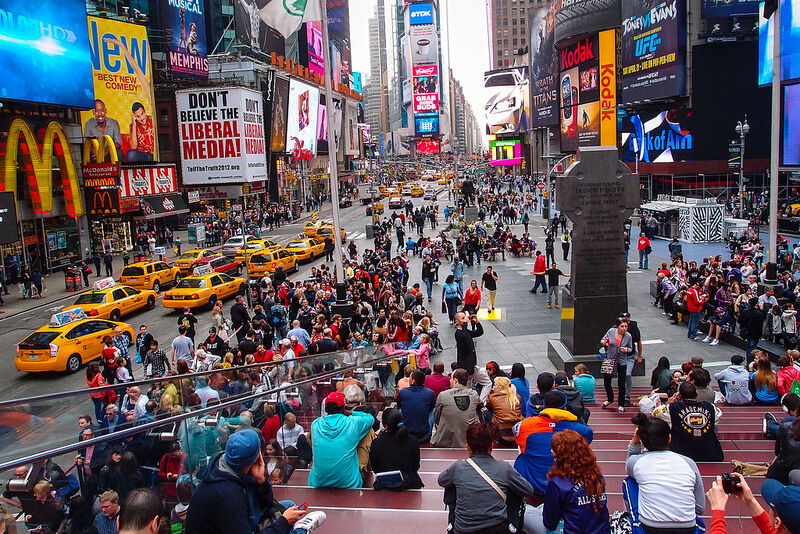
New York draws millions of visitors each year, and residents say that in some areas it shows. Travel writers and locals describe certain parts of Manhattan, such as Midtown and Times Square, as permanently congested with tour groups and people stopping to take photos. Sidewalks can feel crowded enough that simple errands take longer than they would elsewhere. Many long term New Yorkers respond by planning routes that avoid the most tourist heavy streets whenever possible.
Harsh Summers And Freezing Winters

People who moved back or away from New York often cite the weather as a reason they struggled. Accounts from residents mention hot, humid summers where the heat lingers between buildings, along with winters that feel especially cold because of wind and damp air. Snow, slush and ice can make walking and commuting more difficult for weeks at a time. For some, the combination of both extremes is more draining than they expected when they first arrived.
Public Transit Is A Lifeline Until It Breaks
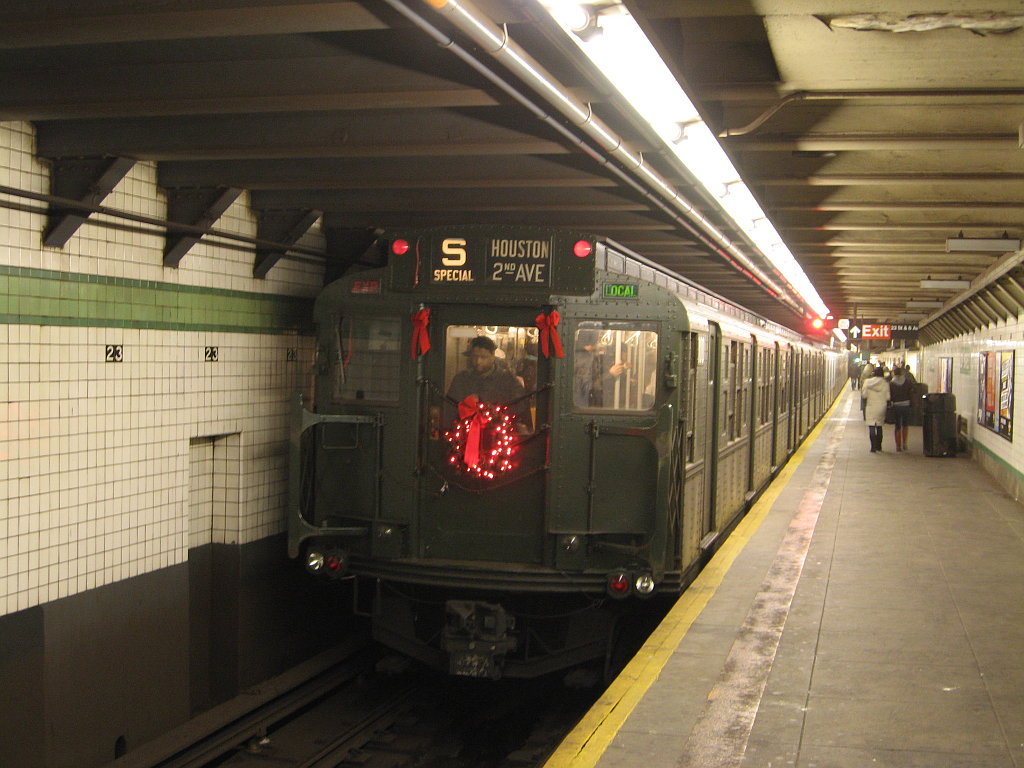
The subway and bus network is one of New York’s biggest advantages, since many residents do not own cars. At the same time, people who rely on it every day say delays, service changes and crowded trains can quickly turn commutes into a major source of stress. Travel blogs note that when there is a disruption, alternatives can be slow or expensive. Living somewhere that depends so heavily on a single system means that when it does not run smoothly, daily routines are immediately affected.
Traffic Jams At Almost Any Hour
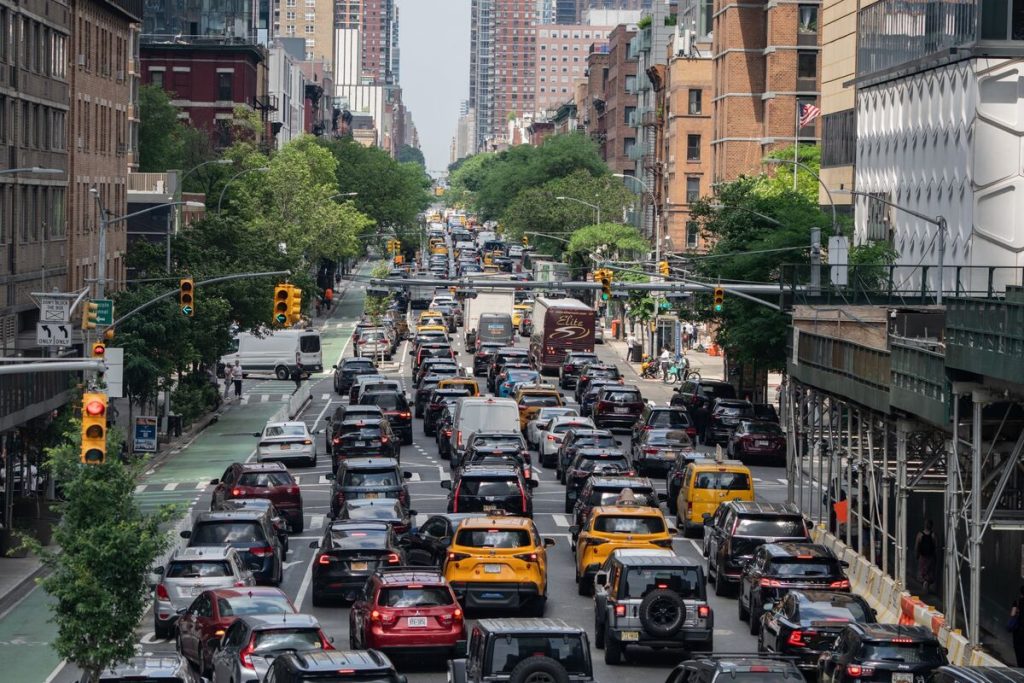
For people who drive or use taxis and ride shares, traffic is another frequent complaint. City guides point out that congestion is common at many times of day, not just during the traditional rush hours. Locals recommend leaving far earlier than you think you need to for important appointments that require a car. The combination of dense streets, deliveries and ongoing construction can make even short trips feel unpredictable.
Apartment Hunting That Feels Like A Second Job
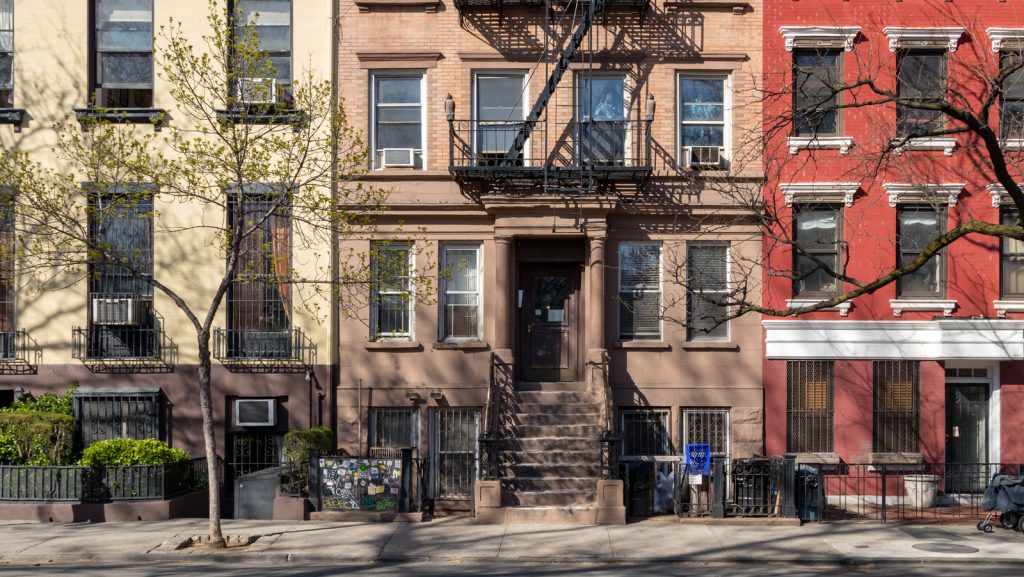
People who have searched for housing in New York often describe the process as intense and time consuming. Rental guides explain that listings can disappear within hours, and applicants are expected to provide extensive documentation such as tax returns, pay stubs and bank statements on short notice. Broker fees and strict income requirements add to the pressure. Many renters say that getting an apartment they like felt less like shopping and more like competing in a fast moving contest.
A Hustle Culture That Can Burn You Out

Articles about New York frequently mention its reputation for ambition and long hours. Residents say it is common for work to bleed into nights and weekends, especially in certain industries. The pressure to advance a career, keep up with peers and still make time for friends and hobbies can be intense. While some people thrive on that energy, others find that the constant sense of needing to do more eventually wears them down.
Social Plans That Depend On Your Wallet

Going out in New York can be exciting, but it is rarely cheap. Residents talk about paying high prices for drinks, tickets and even casual dinners, particularly in popular neighborhoods. People who are trying to save money often feel torn between staying home and spending more than they would like just to be social. Over time, the cost of participating in city life can quietly become a barrier to some friendships and experiences.
Feeling Lonely In A City Of Millions
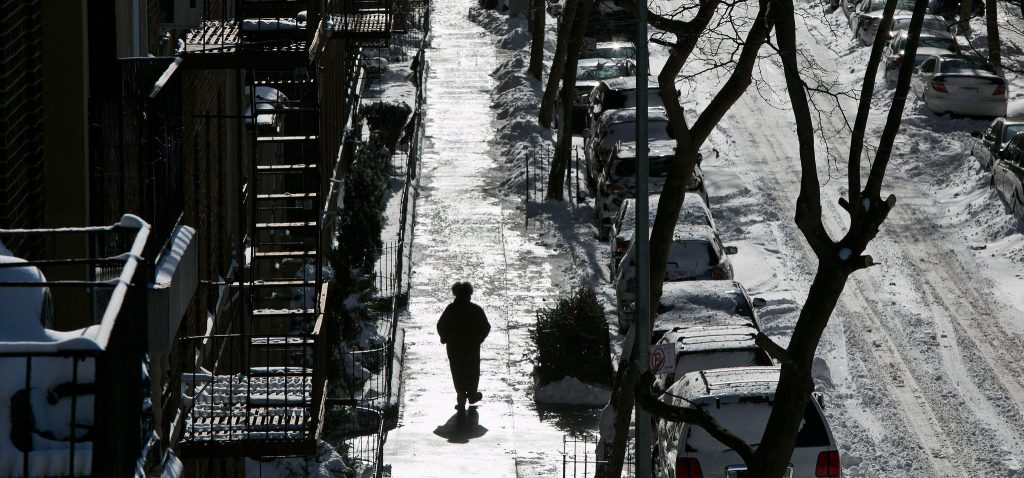
Despite the crowds, many people describe New York as a place where it is surprisingly easy to feel isolated. Lifestyle writers and locals note that everyone seems busy, and schedules can make it hard to coordinate time with friends. Online discussions from New Yorkers mention that connections often start easily but fade when people are overwhelmed by work or commuting.
Everyday Encounters With Visible Poverty
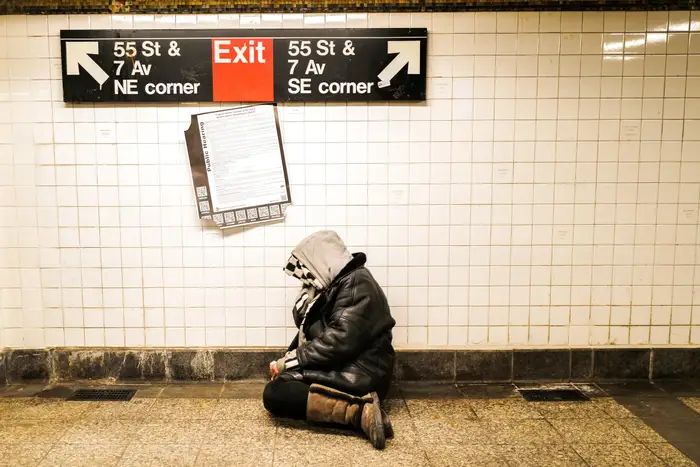
New York’s size and density mean that residents regularly see people who are struggling. Articles and guides explain that encountering individuals who are unhoused or in distress is a normal part of walking through many neighborhoods. Some people find this emotionally difficult, because it is a constant reminder of inequality and of how many people fall through gaps in support systems. Others say they are unsure how to help in a way that feels respectful and practical.
Worrying Headlines And Mixed Messages About Safety
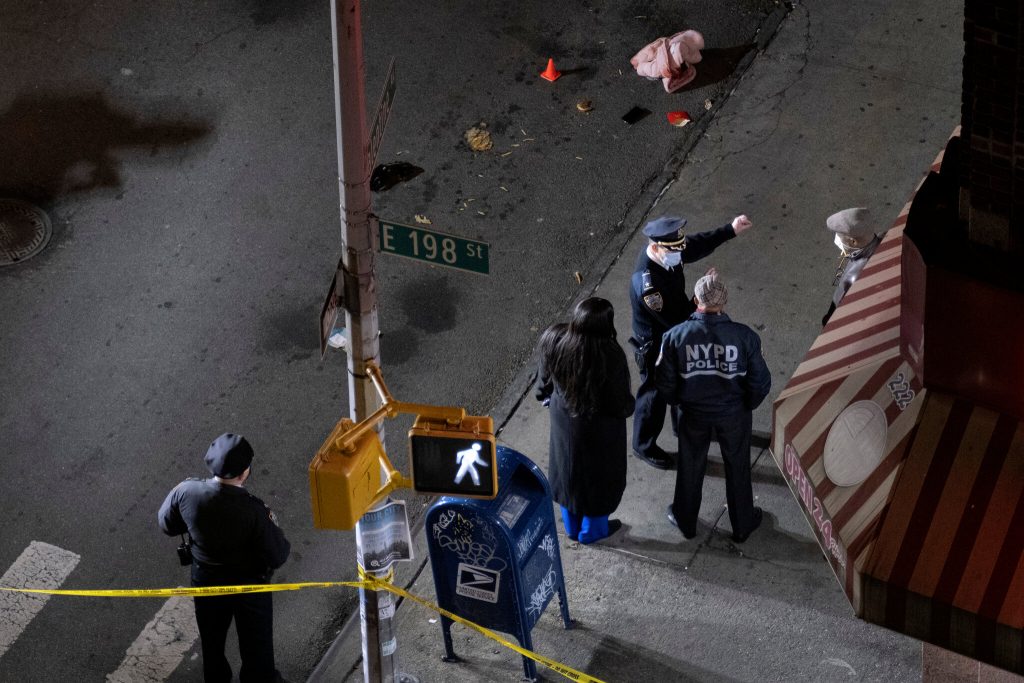
Discussions about crime in New York can be confusing, because people share very different perceptions. Some visitors and commenters online say the city feels dangerous based on what they have seen or heard. At the same time, others point to statistics showing that crime rates are lower than they were in past decades and even lower than in some smaller places. The gap between personal impressions and data can leave newcomers unsure how cautious they need to be, which in itself can feel stressful.
Limited Space For Storage Or Hosting People
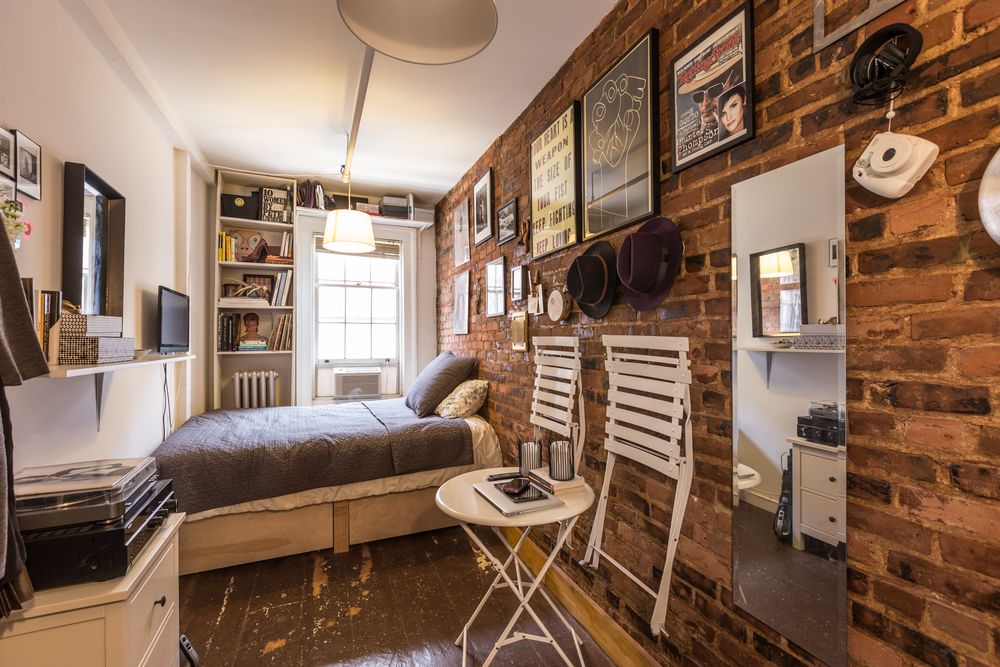
Because apartments are often small, residents say they must be careful about what they own. Guides on New York living mention that closet space is limited and that furniture needs to be chosen with measurements in mind. Hosting overnight guests or larger gatherings can be difficult if there is not enough seating or floor space. People who like to keep gear, hobbies or seasonal items often end up paying for storage or learning to live with far fewer possessions.
Little Private Outdoor Space Of Your Own
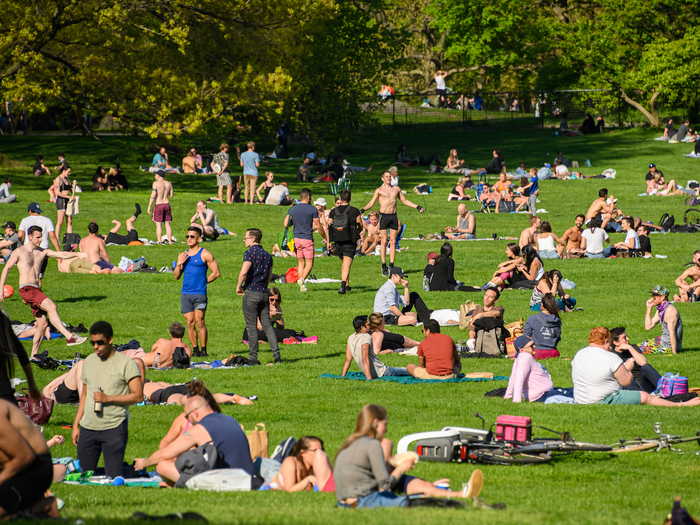
New Yorkers often rely on public parks instead of private yards or balconies. Travel blogs point out that the city has famous green spaces, but most residents still need to leave their building to sit in the sun or be around trees. This means that a quiet moment outside usually involves sharing space with strangers and sometimes searching for an empty bench.
Landlords And Building Managers Who Vary Widely
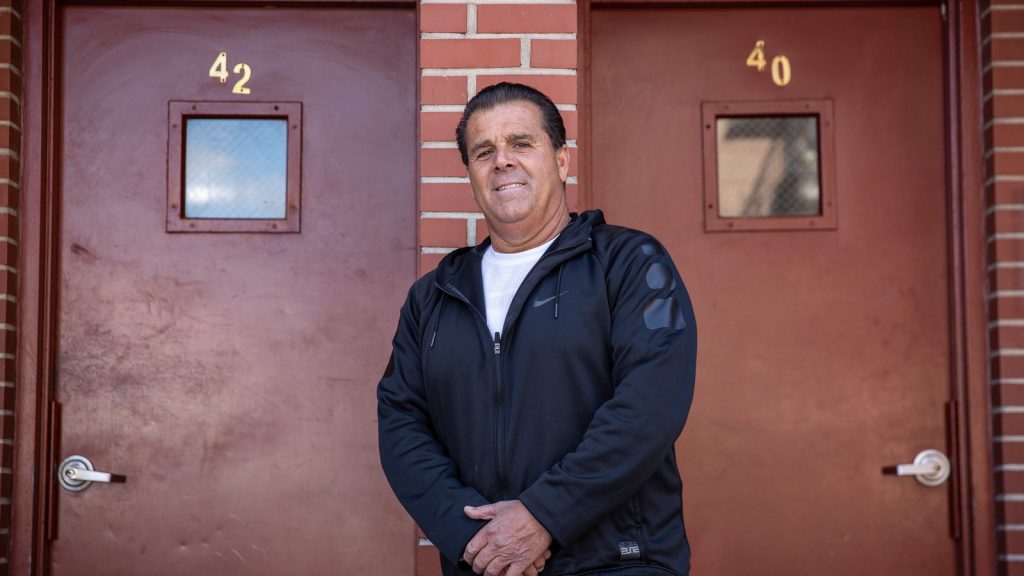
Tenant stories highlight how much daily comfort can depend on who runs the building. News coverage has described cases where residents dealt with slow responses to leaks, pests or other problems despite multiple complaints. In other buildings, management invests heavily in repairs and maintenance, which can drive up costs but reduce stress. Because standards differ so much from one landlord to another, new renters often feel they are taking a chance when they sign a lease.
Always Feeling Like You Are Missing Something

One of New York’s biggest attractions is that there is always something happening, but that same abundance creates pressure. Residents and bloggers say it is normal to feel that there is a concert, restaurant opening or event you are skipping on any given night. Social media can amplify the sense that other people are getting more out of the city than you are. Over time, this fear of missing out can make it harder to simply enjoy a quiet evening at home.
Tourist Traps And Street Performers In Your Way

People on forums frequently single out areas like Times Square as symbols of what they dislike about New York. They describe aggressive sales tactics from costumed characters, ticket sellers and souvenir stands that can make simply walking through feel stressful. Many locals say they avoid these blocks entirely unless they have a specific reason to be there. For residents who commute through tourist heavy zones, dealing with constant pitches and performances becomes another small daily hurdle.
A City Layout That Takes Work To Navigate
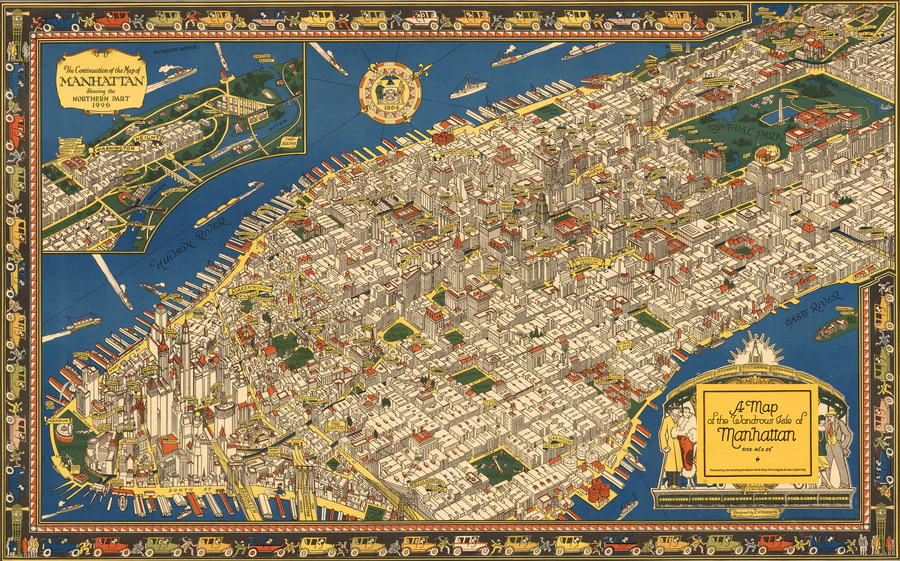
While much of Manhattan follows a grid, large sections of the city do not, and each borough has its own quirks. Relocation articles mention that newcomers often get lost or underestimate how long it takes to travel between neighborhoods. Crossing from one side of town to another can involve indirect routes or multiple transfers. Until people build a mental map of the city, navigation itself can feel like a small daily challenge.
The City Feels Totally Different When You Are Rich

Several New Yorkers point out that experiences of the city are sharply divided by income. Commenters note that many of the most convenient and comfortable parts of New York, from spacious apartments to private transportation and exclusive venues, are easiest to access if you have a very high budget. People who cannot afford those options still see the same skyline but deal more often with long commutes, crowded trains and small homes. That contrast leads some residents to say that there is not one New York, but several very different versions stacked on top of each other.