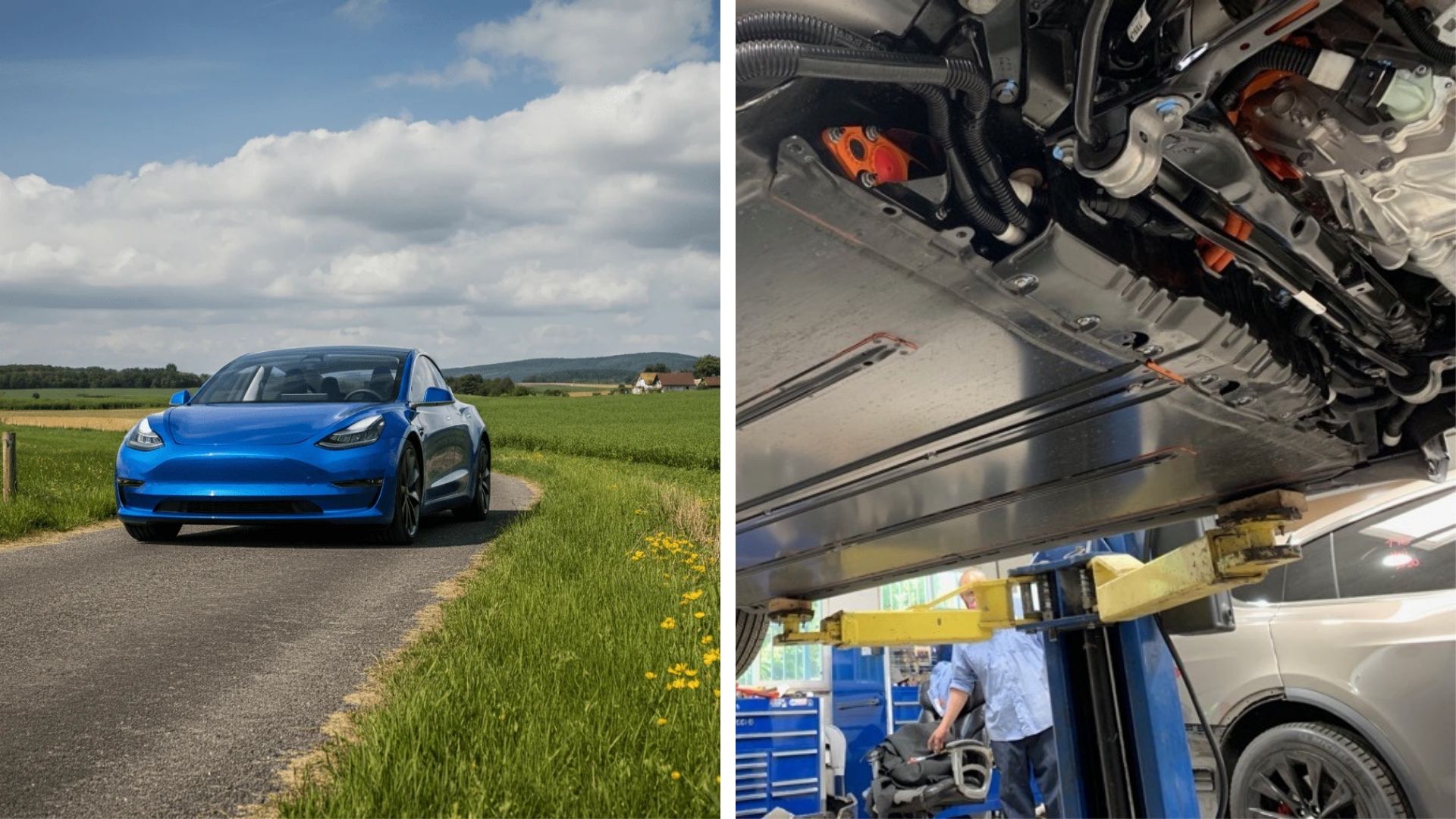
The transition toward alternative energy in the automotive sector continues to dominate global conversations about transportation. Despite the heavy marketing push and government incentives, a substantial portion of the consumer base remains hesitant to abandon traditional combustion engines. Evaluating the practical realities reveals numerous logistical, financial, and environmental challenges that complicate the ownership experience.
The Steep Upfront Purchase Price
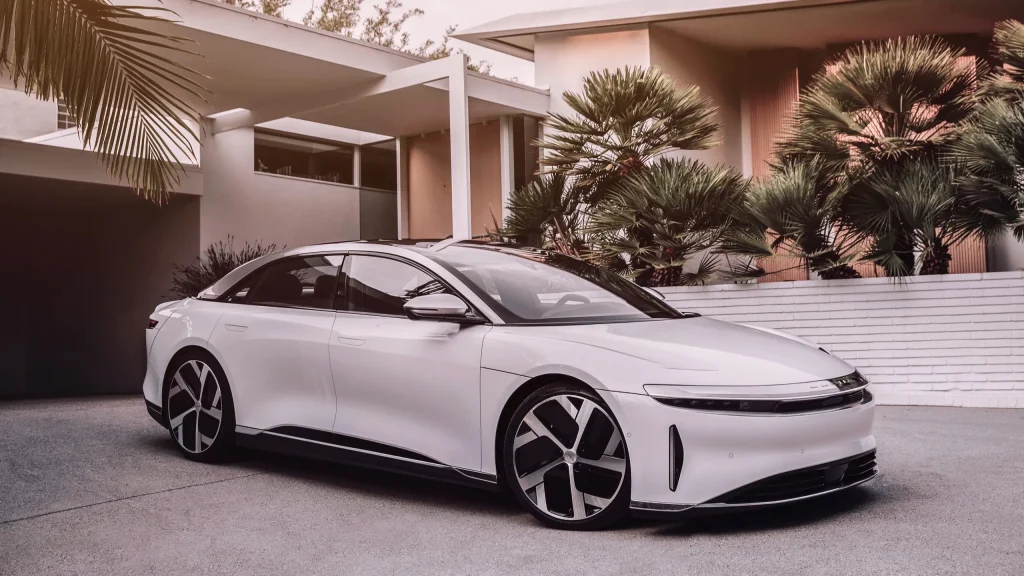
Entering the alternative energy market requires a significantly higher initial investment compared to buying a traditional combustion engine. Buyers routinely find that equivalent models command a substantial premium simply for housing a battery pack instead of a gas tank. This financial barrier remains one of the most prominent obstacles preventing widespread adoption across middle-income households.
Range Reduction In Cold Weather
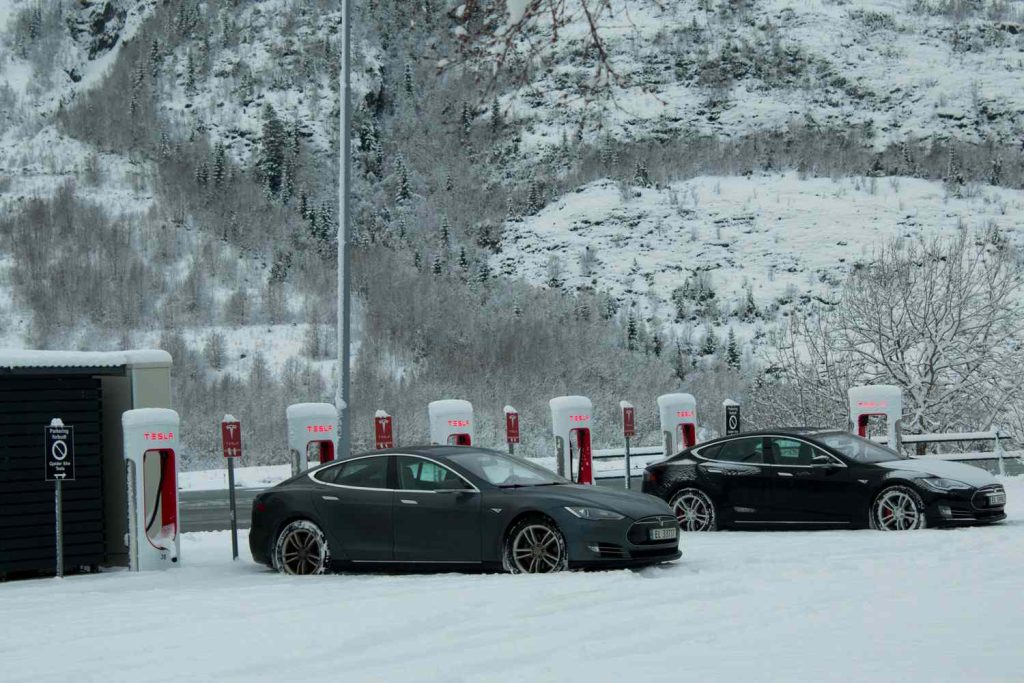
Freezing temperatures have a drastic effect on the chemical reactions occurring inside lithium-ion cells. Drivers living in northern climates often experience a sudden and unexpected drop in their maximum driving distance during the winter months. Cabin heating systems drain the power reserves even faster because they cannot rely on the residual engine heat found in traditional automobiles.
The Ethical Dilemmas Of Cobalt Mining
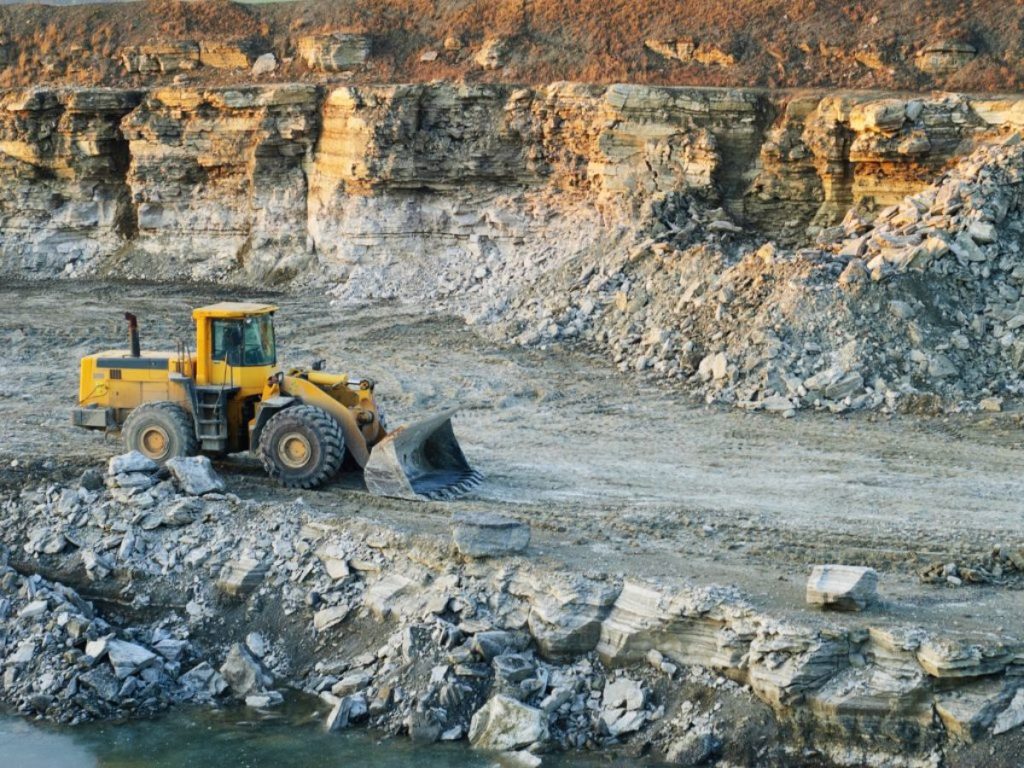
Procuring the raw materials necessary for high-capacity batteries involves supply chains that stretch into volatile regions. Cobalt extraction operations frequently face intense scrutiny regarding unsafe labor conditions and human rights violations. Many consumers feel conflicted about supporting an industry that relies on unregulated artisanal mining practices to fuel clean energy goals.
Complexities Of At Home Charging Installation
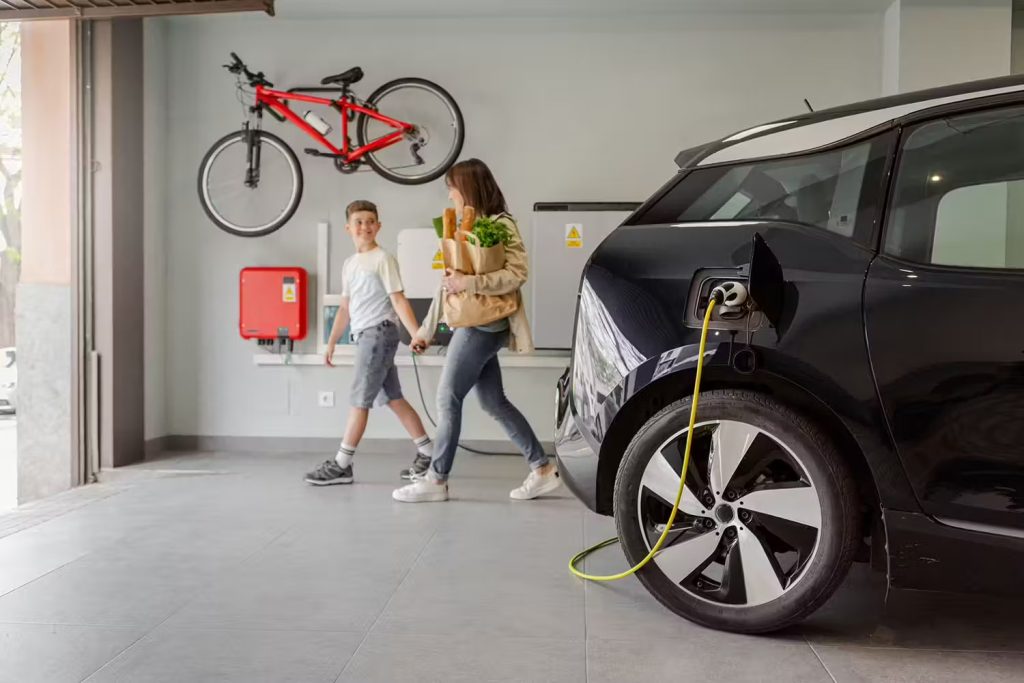
Relying on a standard wall outlet provides an agonizingly slow trickle of power that fails to cover daily commuting needs. Installing a dedicated home charger requires hiring a certified electrician and potentially upgrading the entire electrical panel of a residence. Renters and those living in apartments face nearly insurmountable hurdles when trying to secure permission and infrastructure for private overnight charging.
Extended Wait Times At Public Stations
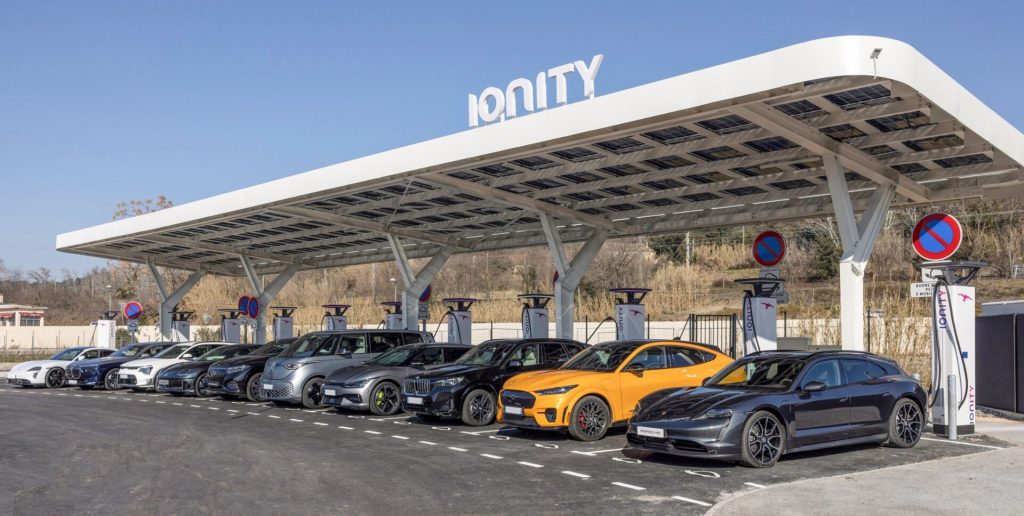
Refueling a conventional gas tank takes mere minutes before returning to the highway. Hooking up to a fast charger demands a minimum commitment of twenty to forty minutes just to reach an acceptable capacity. Road trips suddenly require meticulous scheduling around station locations and extended breaks that alter the entire travel experience.
High Insurance Premium Rates
Underwriters calculate risk differently when evaluating alternative energy vehicles due to their unique architectures. Repairing specialized components and sourcing certified technicians drives up the average claim cost significantly following an accident. Owners end up paying noticeably steeper monthly insurance bills to offset the financial risks absorbed by the providers.
Rapid Depreciation In The Resale Market
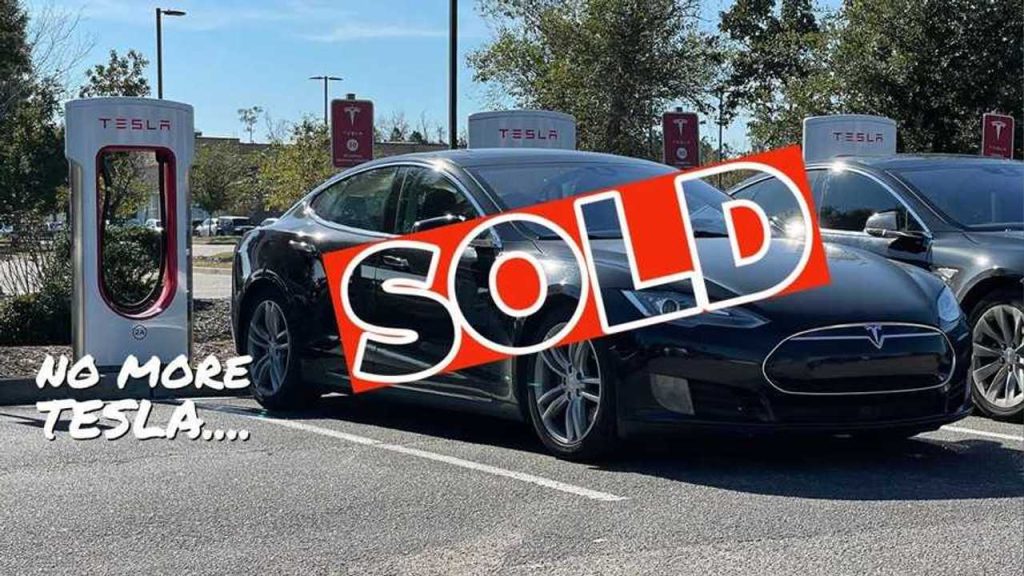
Technology in the automotive sector evolves at a breakneck pace, rendering older battery configurations obsolete in record time. Buyers hesitate to purchase used models out of fear that the battery pack has degraded and will soon require an expensive replacement. This skepticism forces initial owners to absorb massive value losses when they finally decide to trade their vehicles.
The Carbon Intensity Of Battery Production
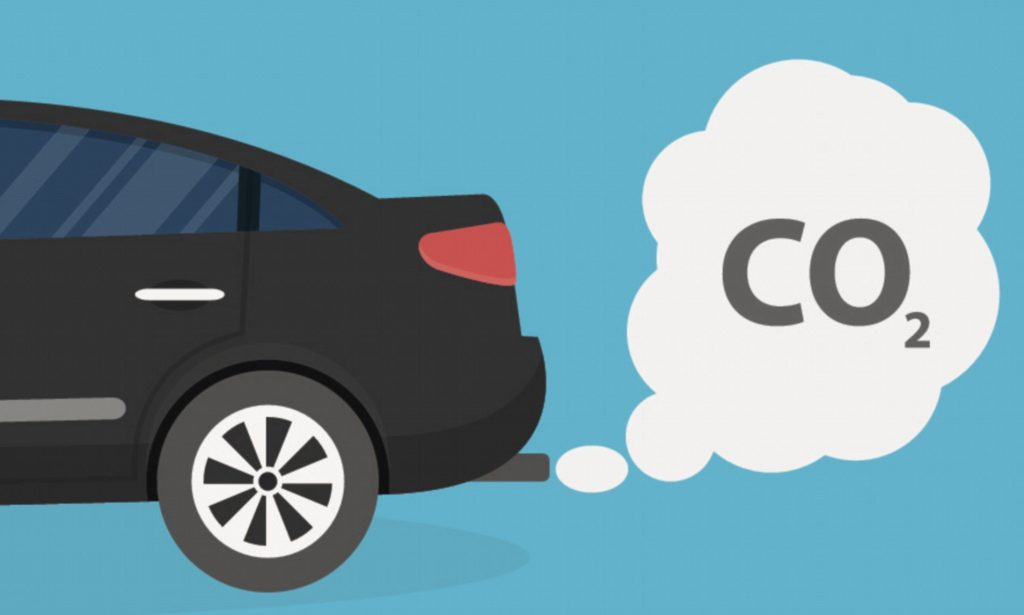
Manufacturing a zero-emission automobile creates a massive initial carbon footprint before it ever hits the road. Assembling thousands of individual cells requires immense amounts of energy, which often comes from grids powered by fossil fuels. It takes thousands of miles of driving just to offset the heavy environmental toll generated during the factory phase.
Heavier Curb Weight Accelerating Tire Wear
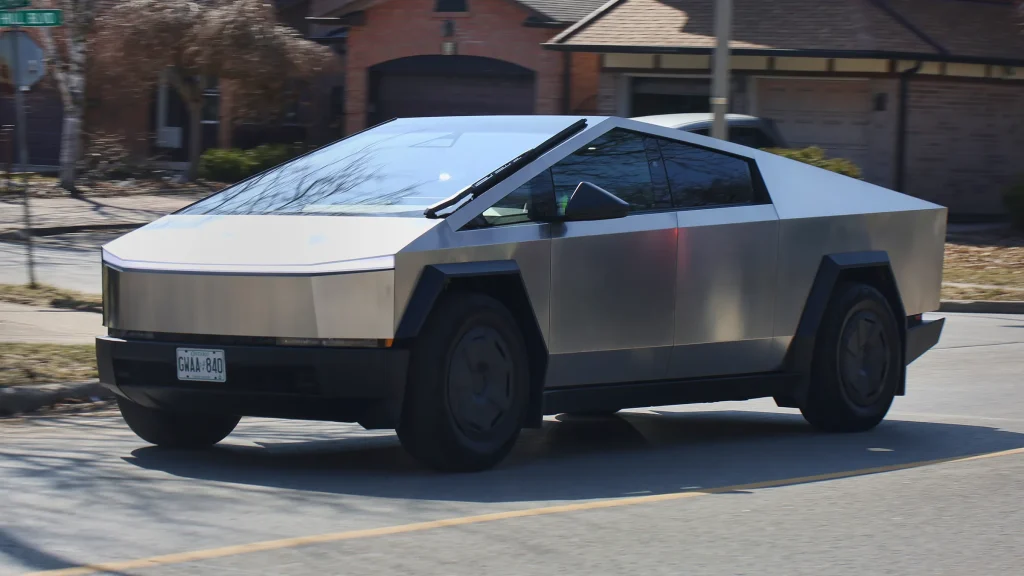
Battery packs add thousands of pounds to the total mass of the chassis, fundamentally changing how the vehicle interacts with the pavement. The constant torque delivery combined with this excessive bulk wears through tire tread at an alarming rate. Drivers must replace their tires much more frequently, which ironically contributes to a different type of microplastic pollution in the environment.
Fragmented And Confusing Charging Networks
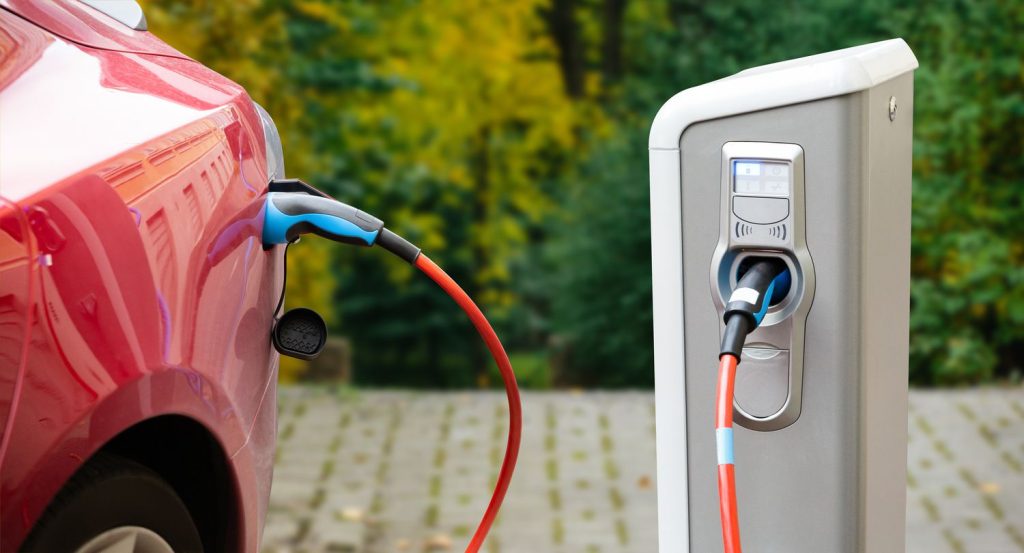
Navigating the public infrastructure means juggling multiple smartphone applications and distinct membership accounts. Different companies operate proprietary plugs and separate billing systems that rarely communicate with one another. A driver might pull up to a vacant spot only to realize they lack the specific digital wallet required to activate the flow of electricity.
Subpar Towing Capacity For Heavy Loads
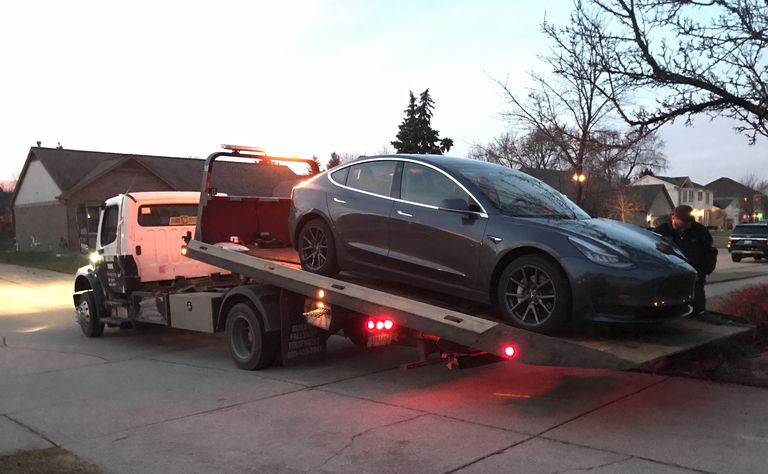
Hooking a trailer or a heavy boat to the back of a battery-powered truck devastates its overall efficiency. The aerodynamic drag and added weight instantly slash the estimated travel distance by more than half in most scenarios. Weekend adventurers quickly discover that hauling recreational equipment across long distances becomes an exercise in constant charging stops.
Unpredictable Public Charger Reliability
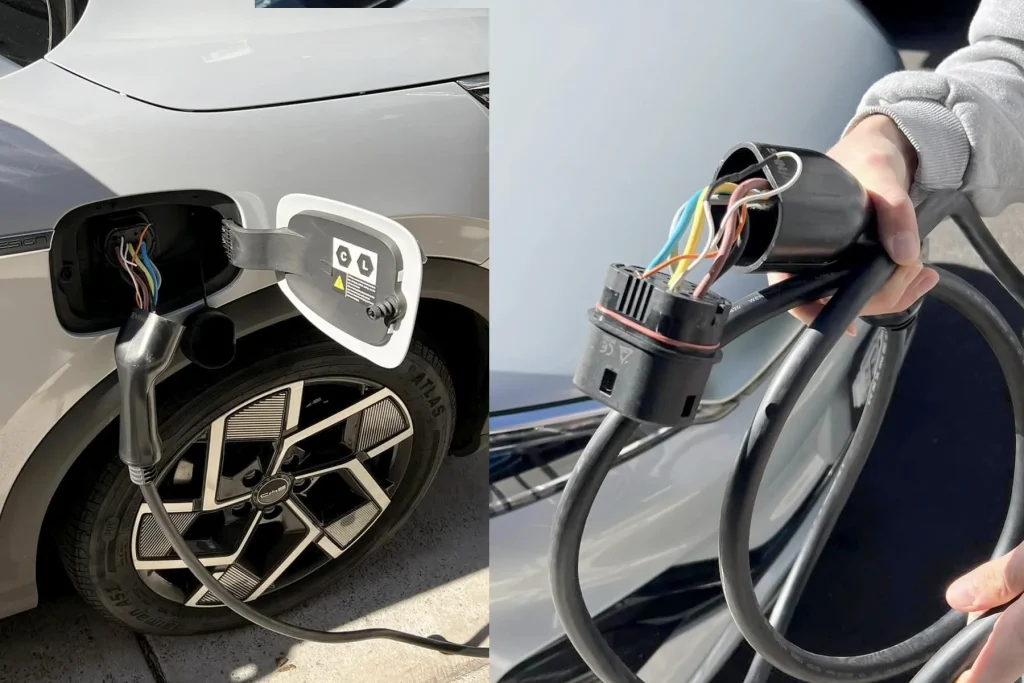
Finding an open spot on the navigation map does not guarantee a successful connection upon arrival. Vandalism, software glitches, and poor maintenance frequently leave stations completely inoperable for days or weeks at a time. Stranded drivers regularly face the frustrating reality of rolling into a designated hub only to find blank screens and unresponsive cables.
Expensive And Difficult Battery Recycling
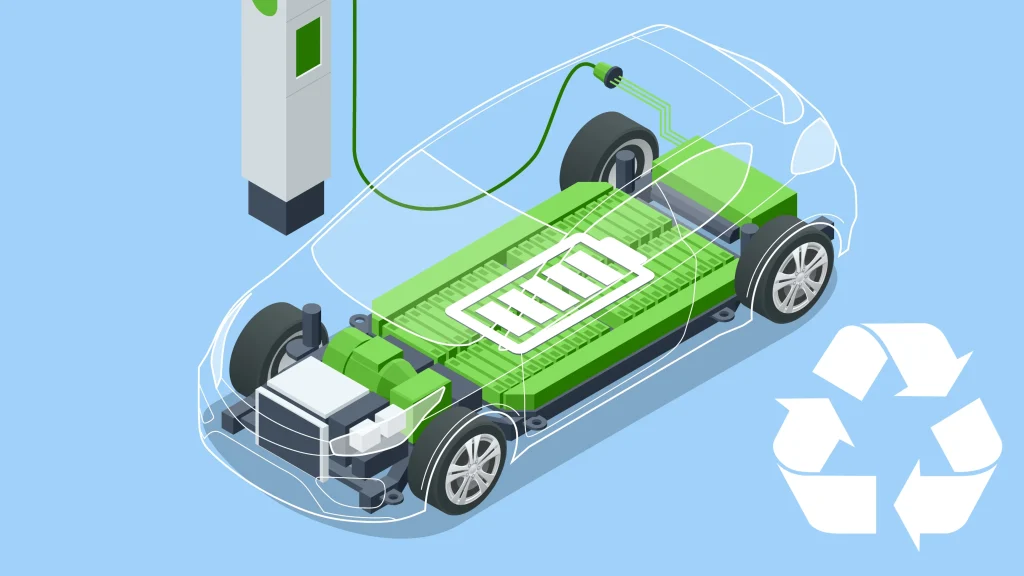
Disposing of degraded cells presents a massive logistical challenge for environmental agencies worldwide. The intricate chemical composition makes tearing down and repurposing the valuable metals economically unviable in many industrial applications. Millions of depleted units risk ending up in specialized facilities instead of contributing to a closed-loop sustainability ecosystem.
Public Charging Surpassing Gasoline Costs
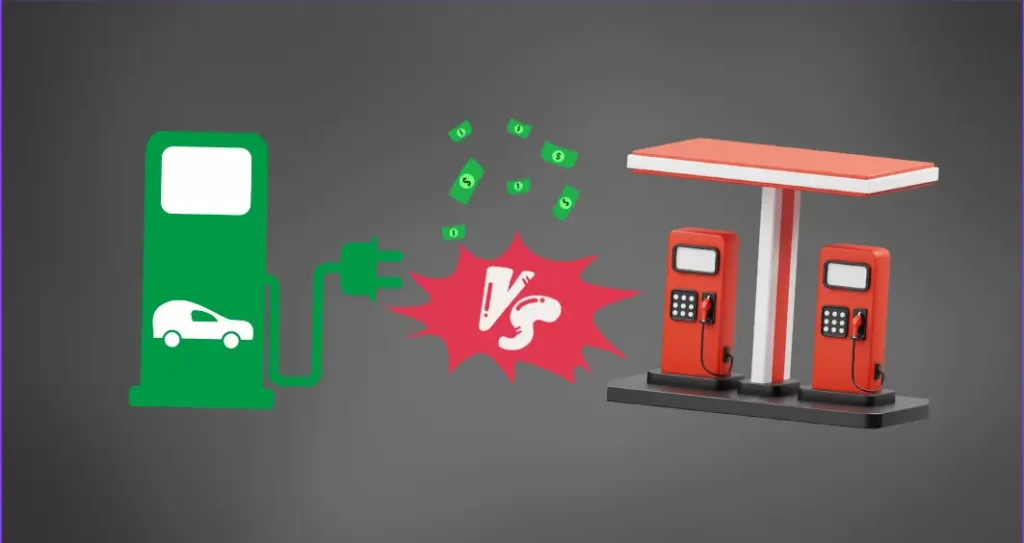
Plugging into a high-speed commercial hub carries premium pricing that often erases the expected savings of ditching fossil fuels. Certain network operators implement volatile pricing structures that surge during peak hours or busy holiday travel windows. A full session at a premium station can occasionally cost more out of pocket than simply filling a standard sedan with premium unleaded fuel.
The Environmental Toll Of Lithium Extraction
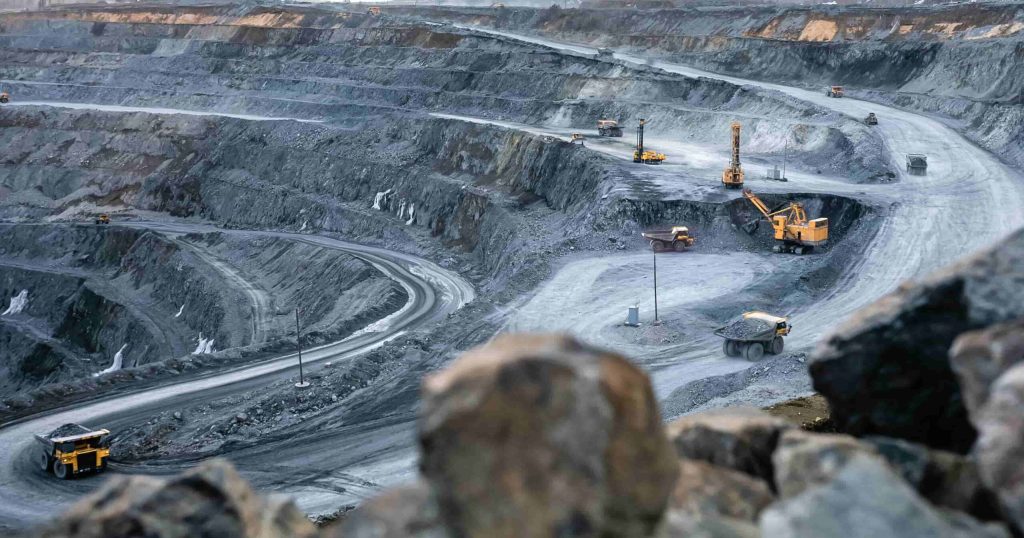
Securing the core element of modern batteries demands massive amounts of groundwater to pump brine to the surface. This evaporation process severely disrupts local ecosystems and leaves neighboring communities struggling with severe water scarcity. The transition away from oil inadvertently shifts the ecological burden to arid landscapes previously untouched by heavy industrial mining.
Hidden Costs Of Specialized Maintenance
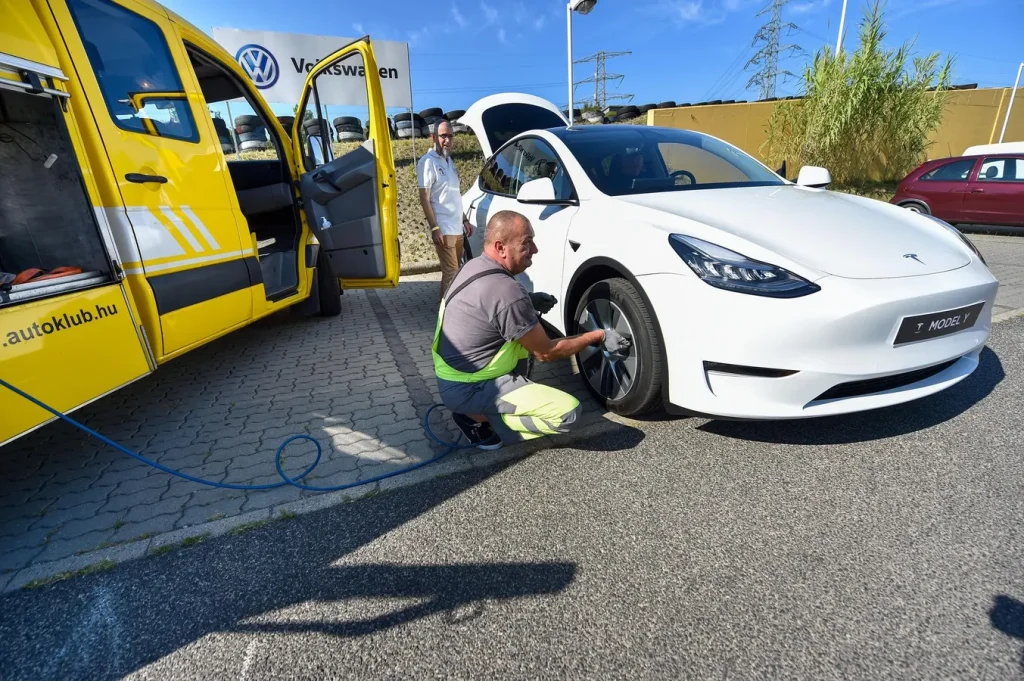
Routine oil changes and spark plug replacements are gone, but new financial requirements take their place. Diagnostics require specialized software tools and proprietary knowledge that independent neighborhood mechanics simply do not possess. Owners are often forced to rely exclusively on official dealership service centers that charge high hourly labor rates for even minor software calibrations.
Persistent Range Anxiety During Rural Trips
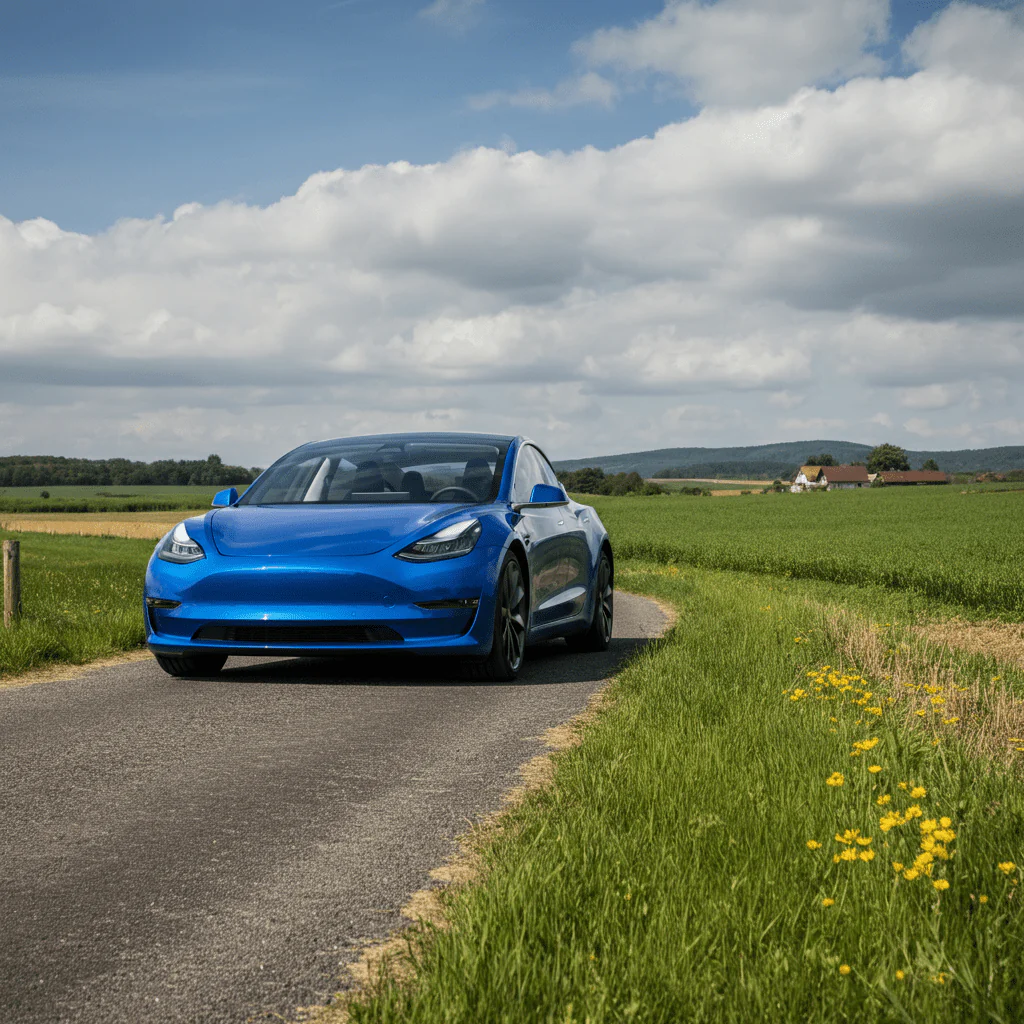
Leaving densely populated urban centers instantly triggers a palpable fear of running out of power on the road. Rural counties and remote national parks remain massive dead zones completely devoid of high-speed infrastructure. Venturing off the beaten path requires meticulous calculations and a constant awareness of the dashboard indicator to avoid needing a tow truck.
Minor Fender Benders Causing Total Vehicle Loss
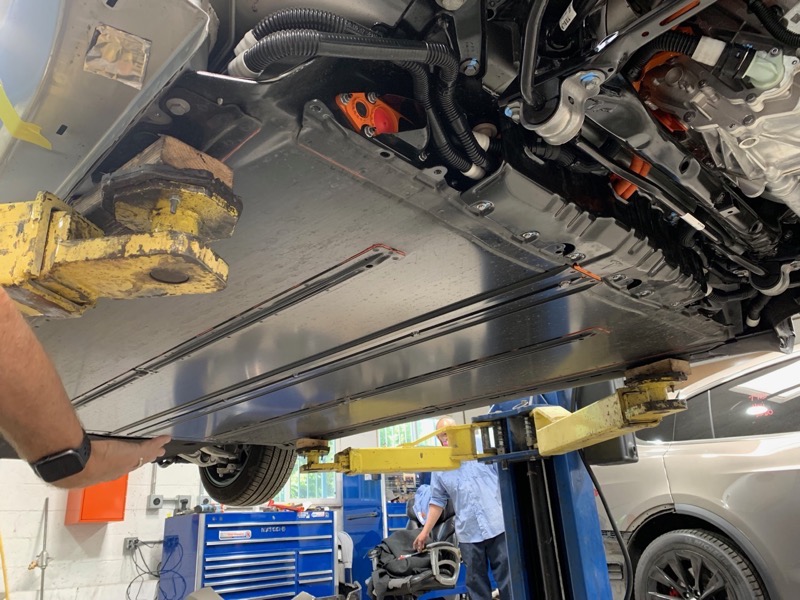
A small scrape on the undercarriage can compromise the structural integrity of the entire power unit housed in the floorpan. Insurance adjusters regularly write off perfectly functional cars because inspecting and recertifying a potentially damaged battery is deemed too much of a liability. What would normally be a simple bumper repair transforms into a complete financial write-off due to rigid safety protocols.