
History isn’t only written by iconic moments that repeat in textbooks. It’s also shaped by quieter scenes, transitional periods, and everyday lives that were photographed once and then forgotten. This collection brings together images that reveal how the past really looked.
100,000 Iranian Women March Against The Hijab Law, 1979
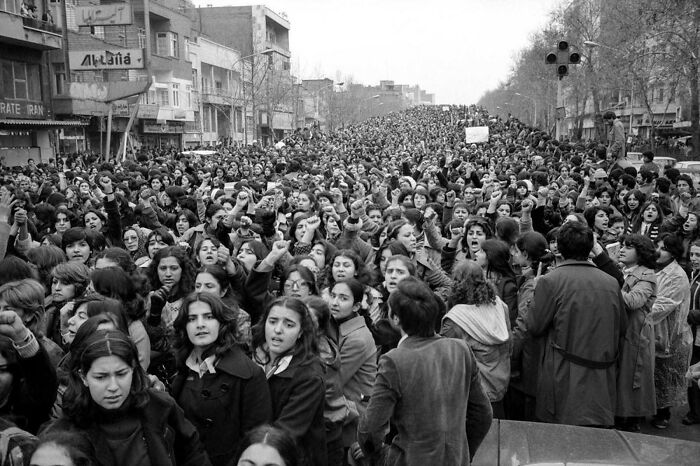
Hundreds of thousands of women filled the streets of Tehran shortly after the Iranian Revolution. The demonstration took place in March 1979, weeks before mandatory hijab laws were enforced nationwide.
Construction Of The Berlin Wall, 1961
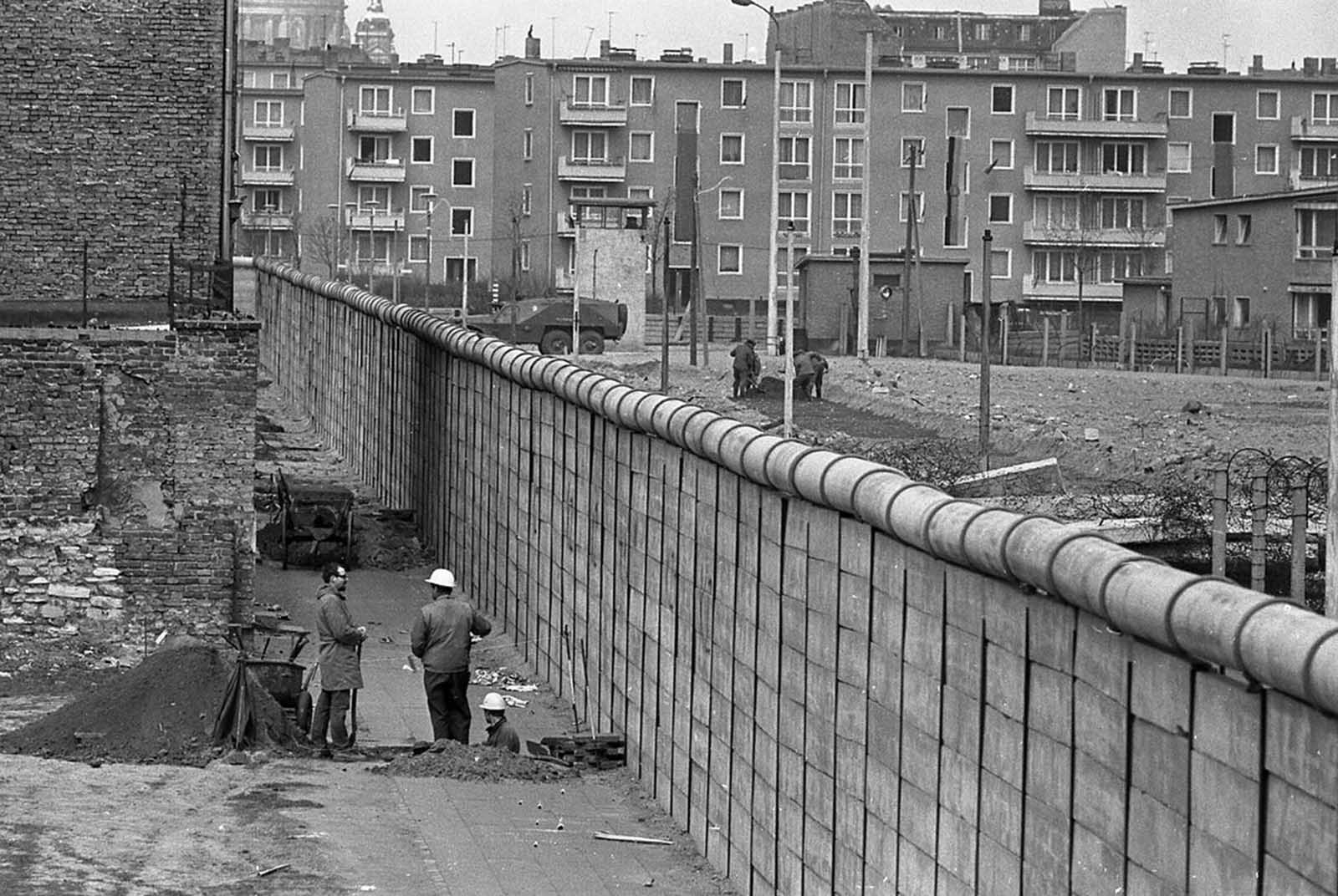
Concrete barriers and barbed wire began appearing almost overnight through the center of Berlin. The wall would soon become one of the most recognizable symbols of the Cold War.
Last Known Photo Of A Tasmanian Tiger, 1933
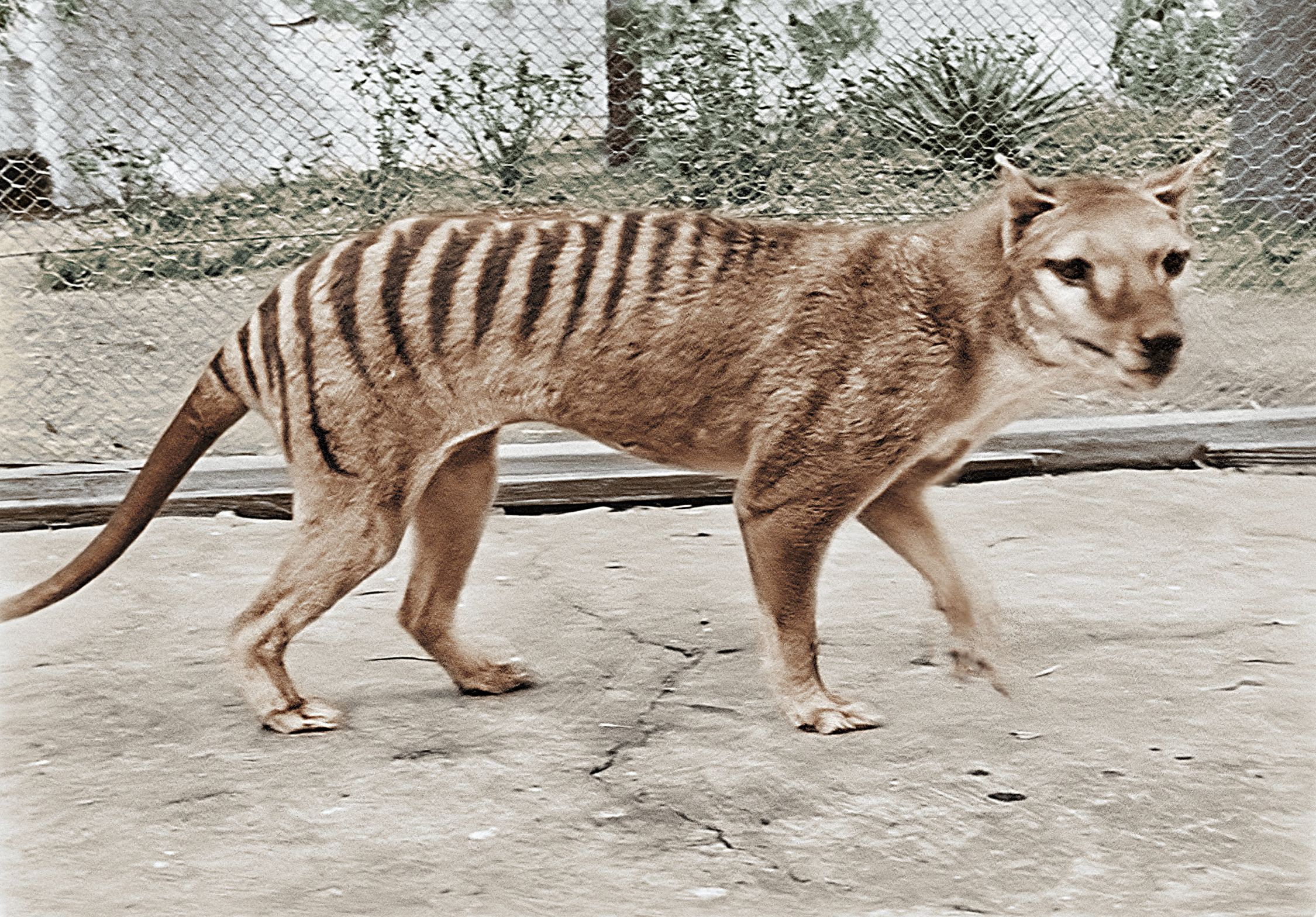
The animal was photographed while living in captivity at the Hobart Zoo in Tasmania. Just three years later, the species was declared extinct.
Annette Kellerman Promotes Fitted One-Piece Bathing, 1907
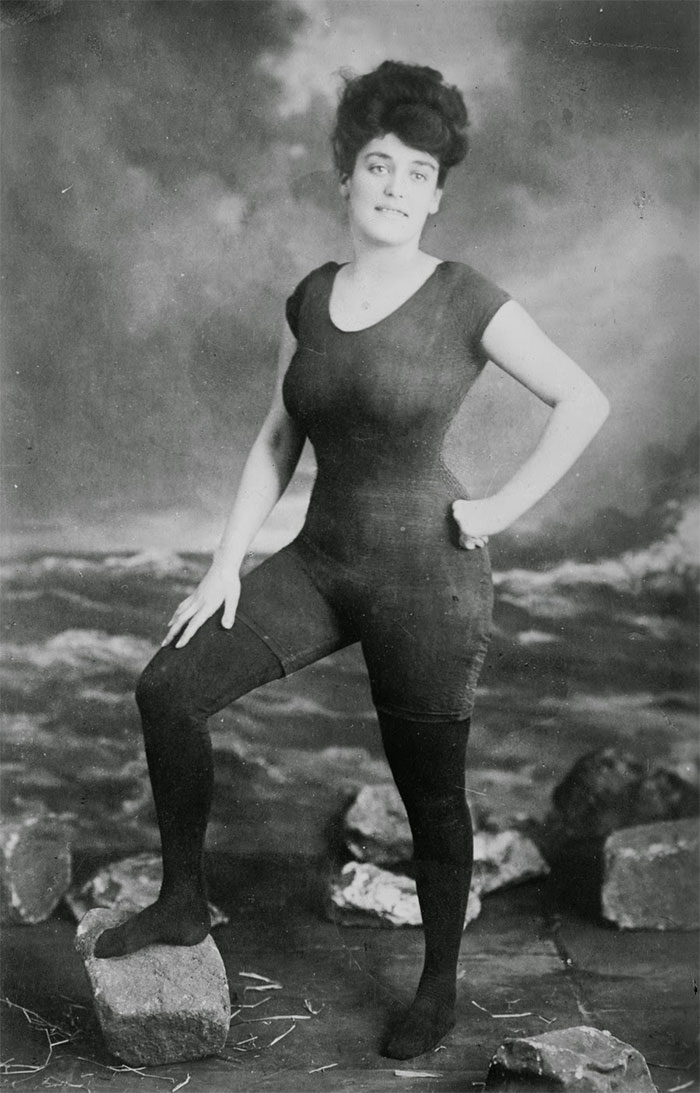
Kellerman’s swimwear challenged strict public decency laws of the era. Her advocacy helped redefine women’s athletic clothing in the early 20th century.
Native American Mother And Child, 1900s
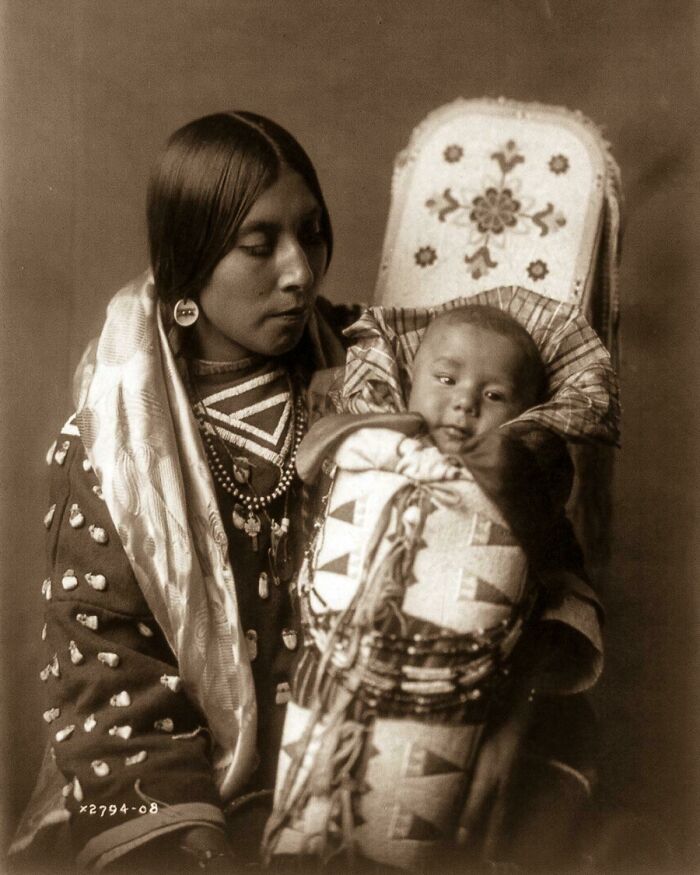
Photographed during a period of forced assimilation policies, the image preserves personal identity through clothing and posture. Many similar family portraits were never formally archived.
Undercover Police Officer On Duty, Brooklyn, 1969
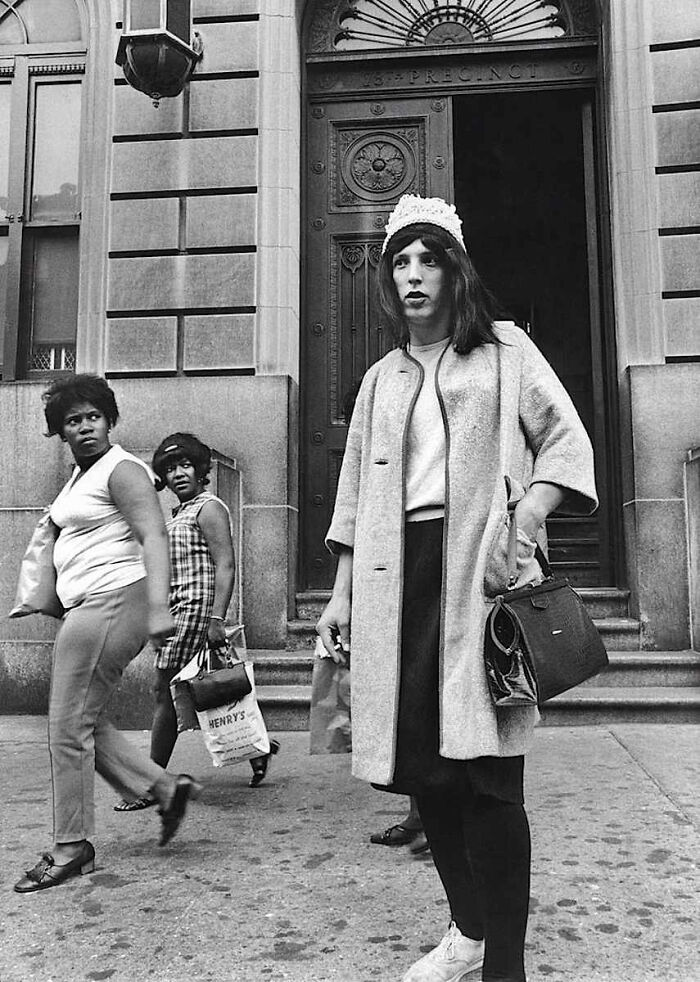
The officer’s appearance reflects late-1960s street fashion rather than a uniform. The photograph was taken during a time of intense social unrest in New York City.
Boy Staring At A TV Screen For The First Time, 1948
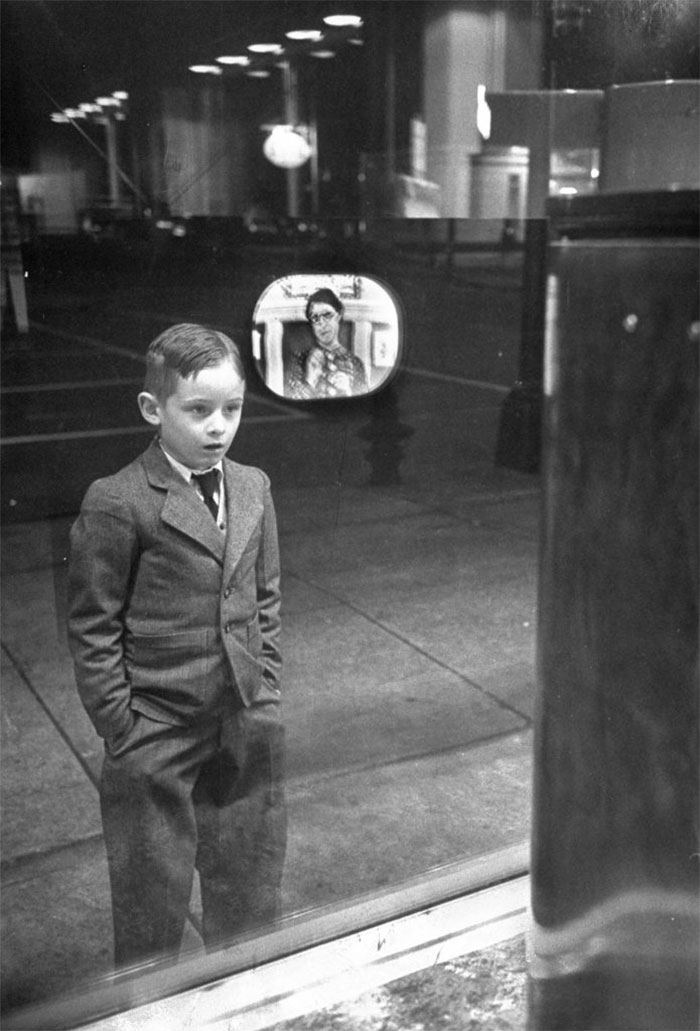
Television ownership was still rare in American households at the time. Broadcast schedules were limited to just a few hours a day.
Manhattan Under Construction, 1931

Steel frameworks dominate the skyline as skyscrapers rise during the Great Depression. Despite economic collapse, construction continued at an unprecedented scale.
Arikara Warrior Bear’s Belly, 1909
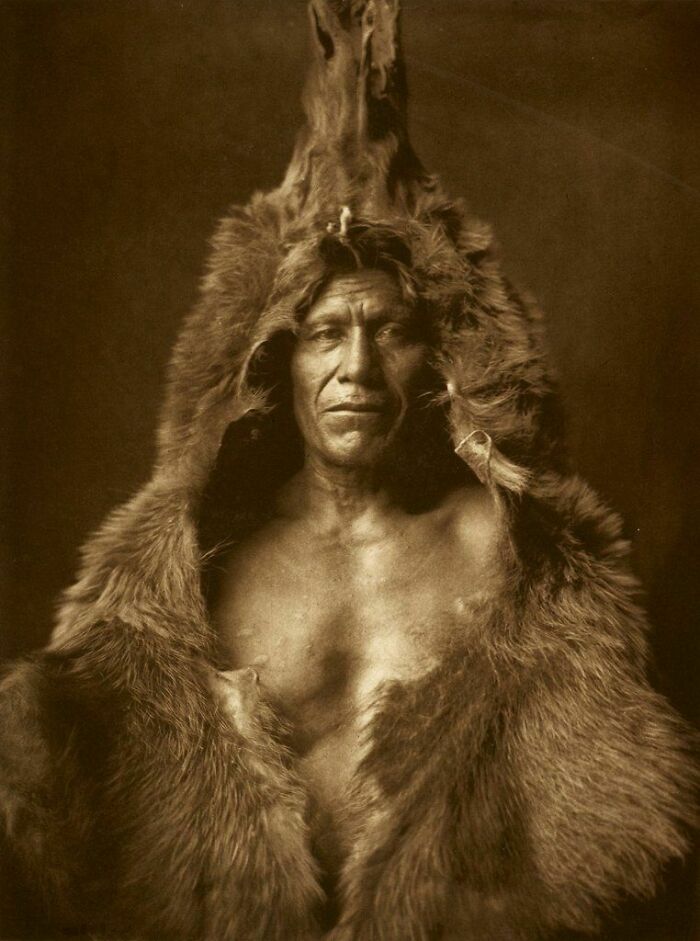
The portrait was taken during a period when many Indigenous leaders were photographed for government records. Names and identities were often poorly documented.
Woman Overlooking A Snowy Pass, Pyrenees Mountains, France 1956
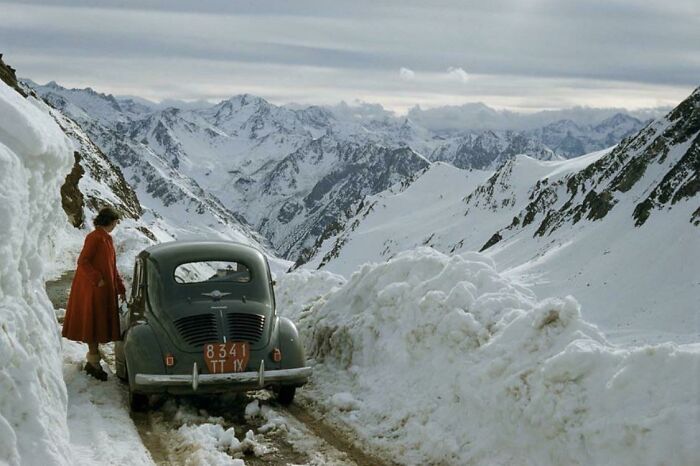
Automobile travel through mountain regions became more common after World War II. Roads like this were often closed for months due to heavy snowfall.
Sally Wadsworth Working On A P-38 Lightning, 1944
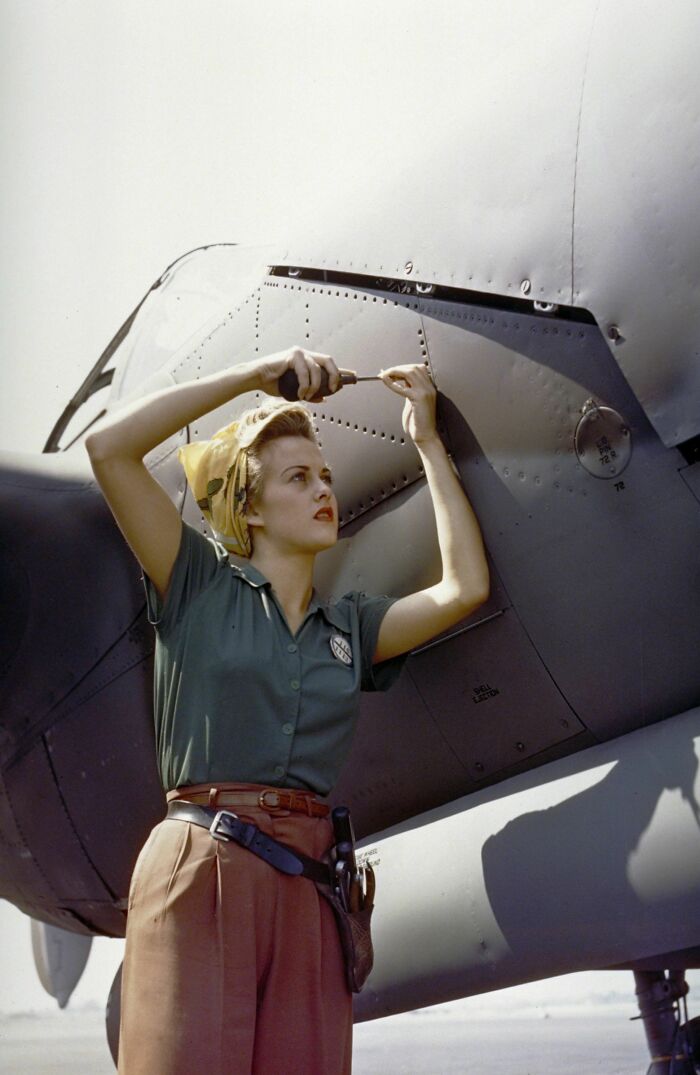
Women made up a large portion of the wartime aircraft workforce. The P-38 Lightning was one of the most advanced fighters of the era.
Coal Miners After Work, Belgium 1920s
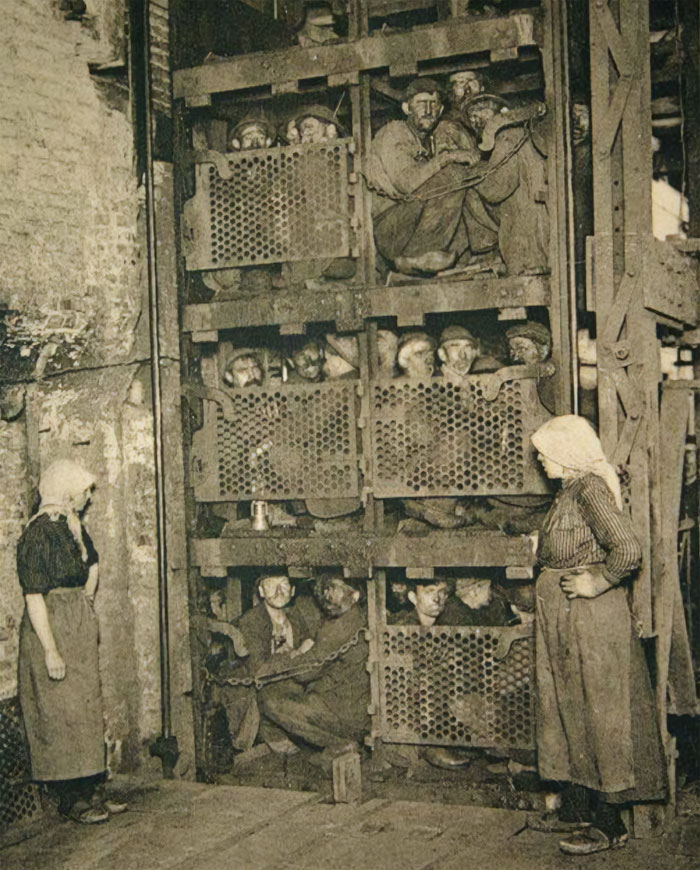
Mining communities depended heavily on this labor despite extreme health risks. Coal remained central to Europe’s industrial economy at the time.
Visiting Quarantined Family At Ullevål Hospital, Oslo 1905
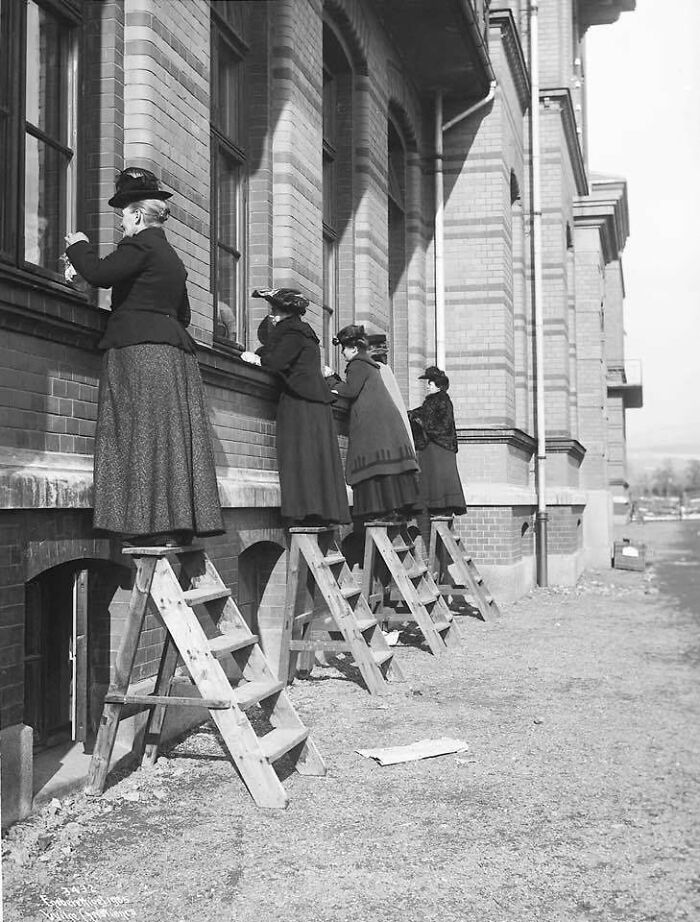
Isolation protocols were already in use long before modern medicine. Visitors communicated through barriers to prevent the spread of infectious disease.
San Francisco’s Cliff House Before The 1907 Fire
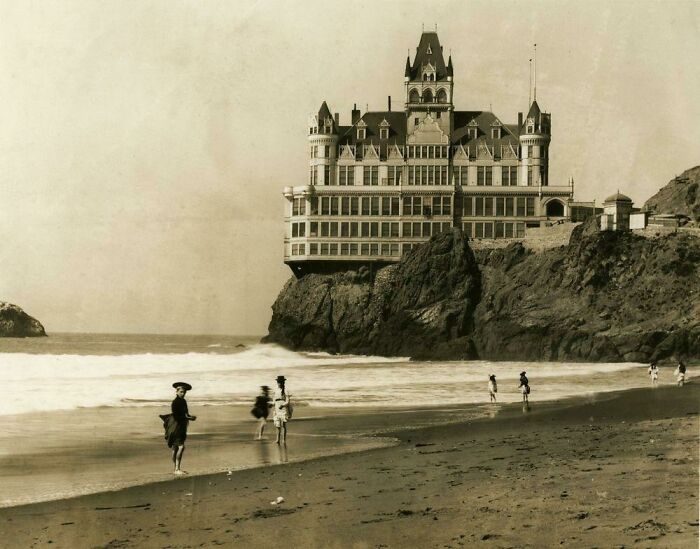
The iconic structure was destroyed by fire and later rebuilt several times. Its location made it vulnerable to both weather and earthquakes.
Shepherds Listening To Records, Azerbaijan 1939
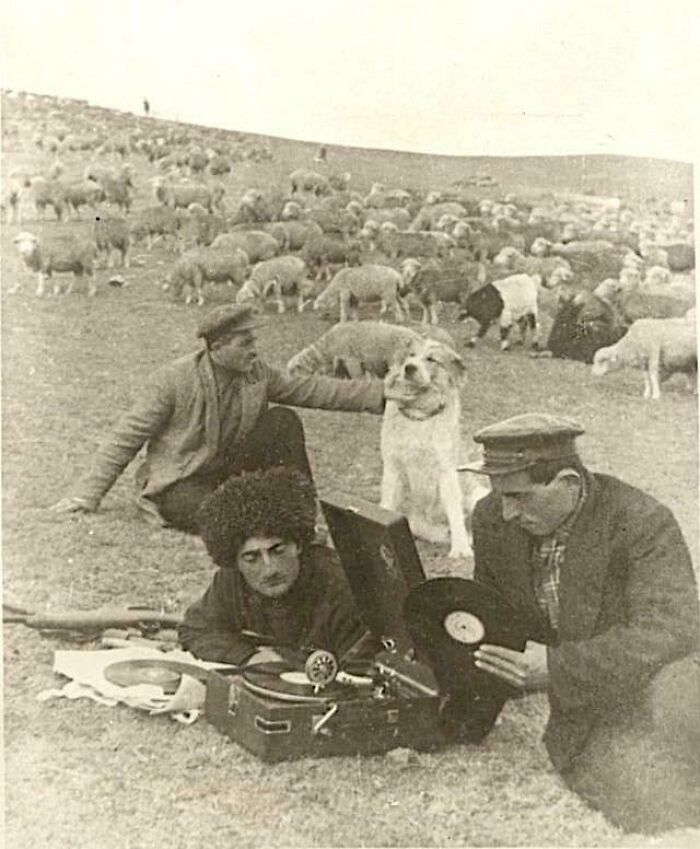
Portable record players had begun reaching rural regions by the late 1930s. Traditional pastoral life increasingly intersected with modern technology.
JFK And Bill Clinton Greeting At The White House, 1963
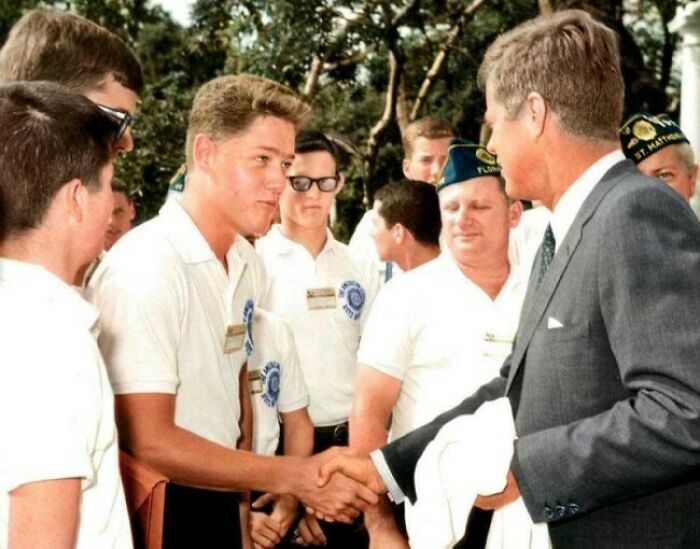
Clinton was a high school student visiting Washington at the time. Kennedy was assassinated later that same year.
Ice Grotto Entrance, Terra Nova Expedition, Ross Island 1911
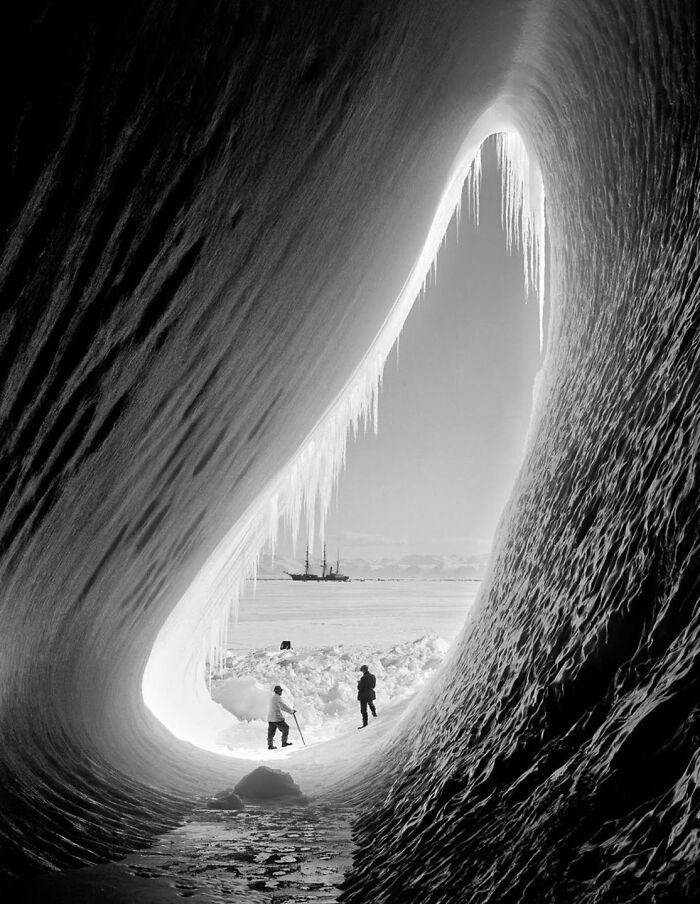
The British Antarctic expedition faced extreme conditions during early polar exploration. Many members did not survive the return journey.
Family Of Nine Living Near U.S. Route 70, 1936
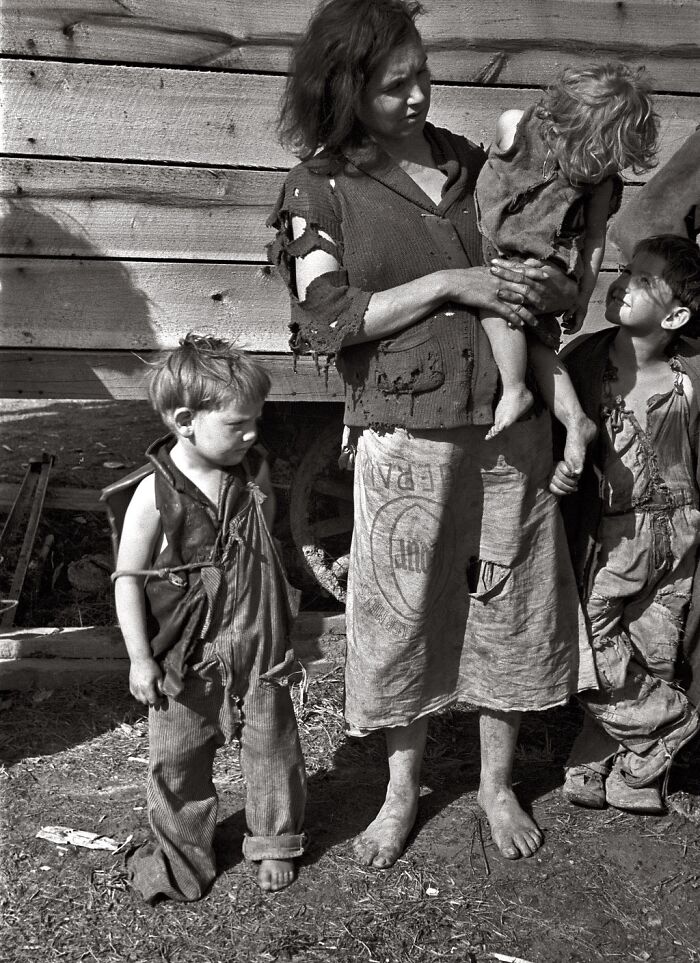
The photograph was taken during the Dust Bowl era. Large families often lived in temporary roadside housing while seeking work.
Released Prisoner Reunited With Daughter, 1956
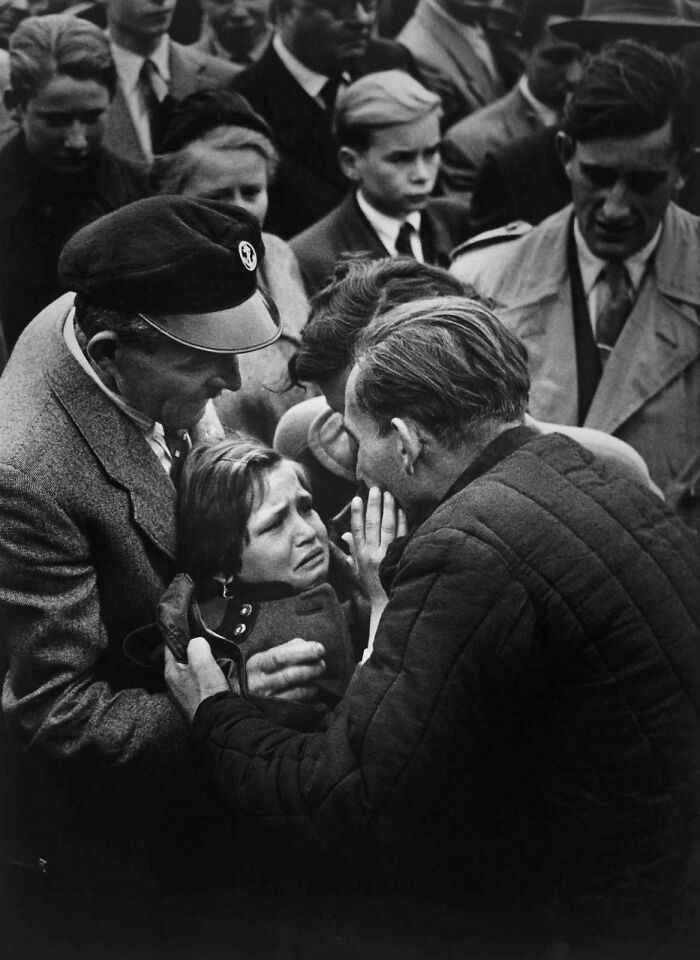
The man had been held since World War II. His daughter had never met him before this moment.
British Soldier Arrives Home With His 8-Month-Old Daughter, 1945
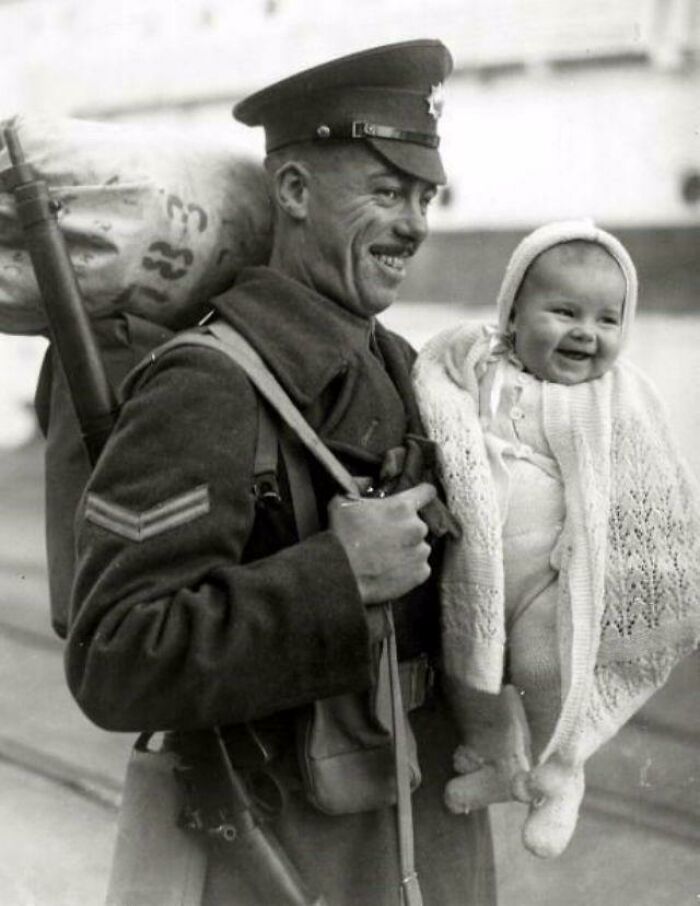
Millions of soldiers returned home after the war’s end. Many met their children for the first time upon arrival.
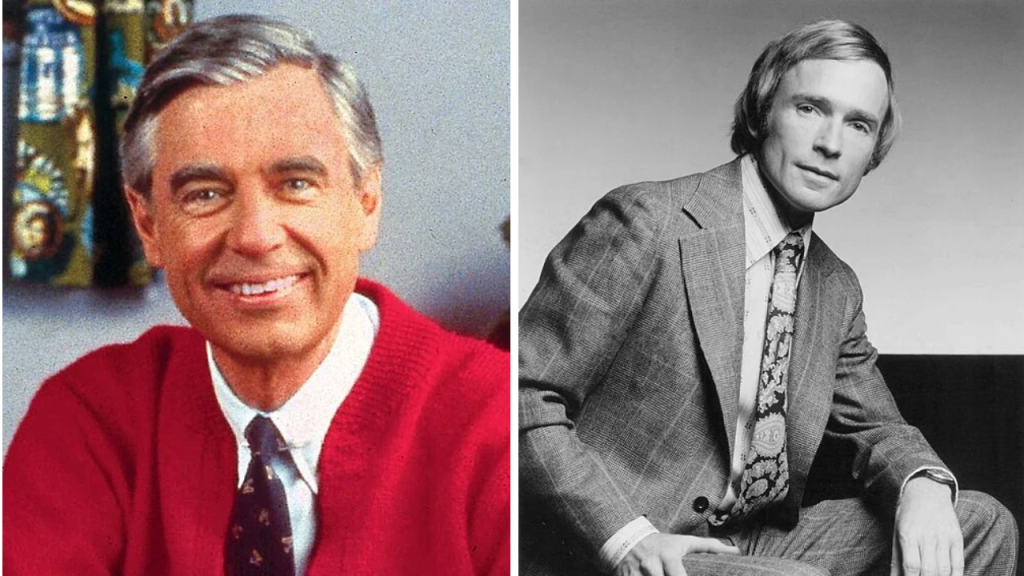
Mister Rogers And Officer Clemmons With A Pool, 1960s
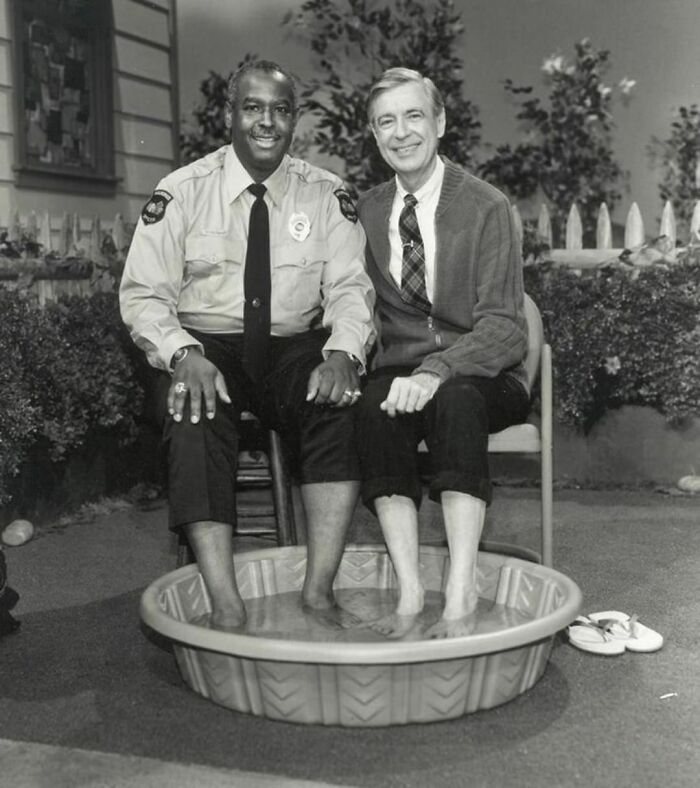
The moment aired during a period of racial segregation in the United States. The scene was intended as a quiet statement on equality.
Early Photo Of A Native American With A Wolf, 1890-1900s
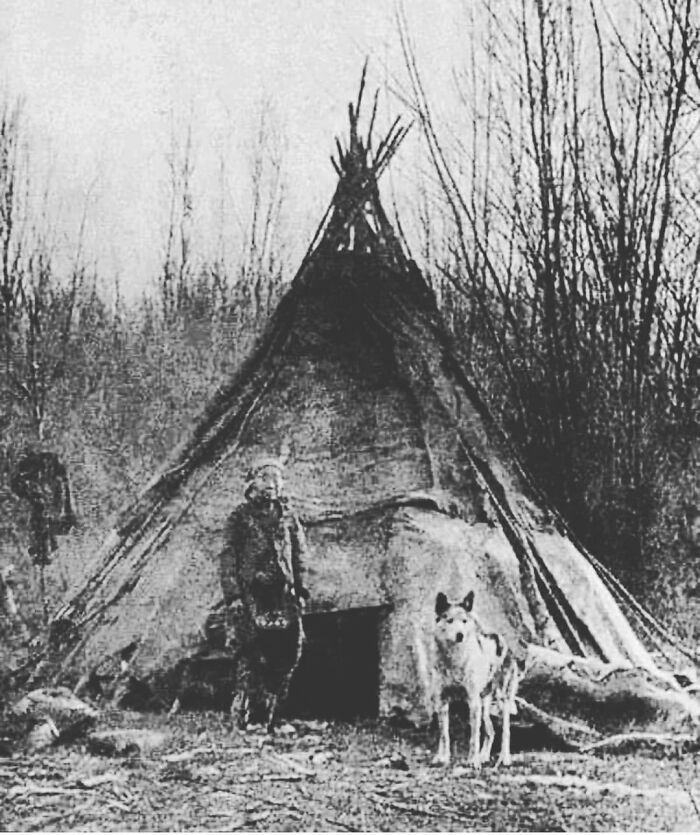
A man stands close to a wolf with the ease of familiarity rather than spectacle. The caption frames it as a rare look at a relationship that settlers often misunderstood.
Harlem Grocer In Front Of His Store, 1937
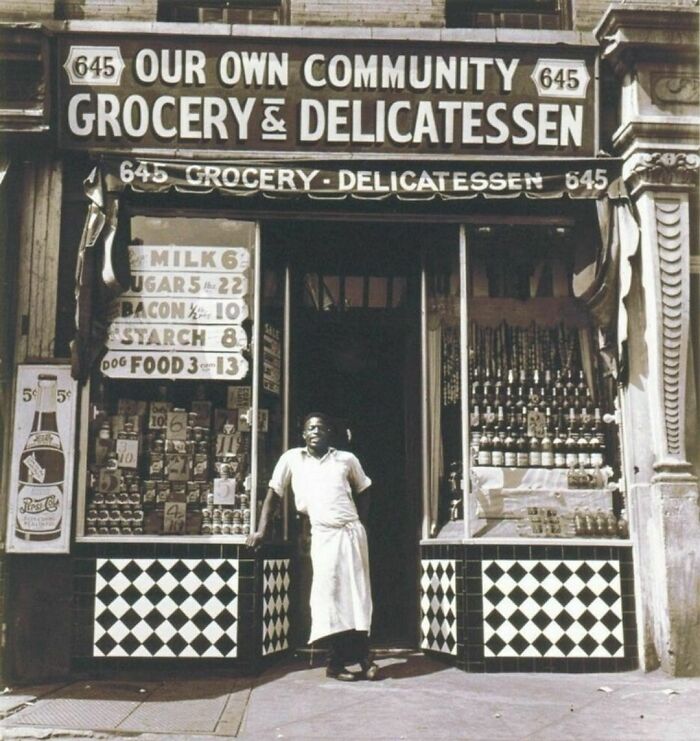
A Harlem shopkeeper stands at the entrance of his store in 1937, surrounded by signs, shelves, and everyday goods. The storefront reads like a neighborhood snapshot you can almost step into.
Woman Delivering Ice Blocks, 1918
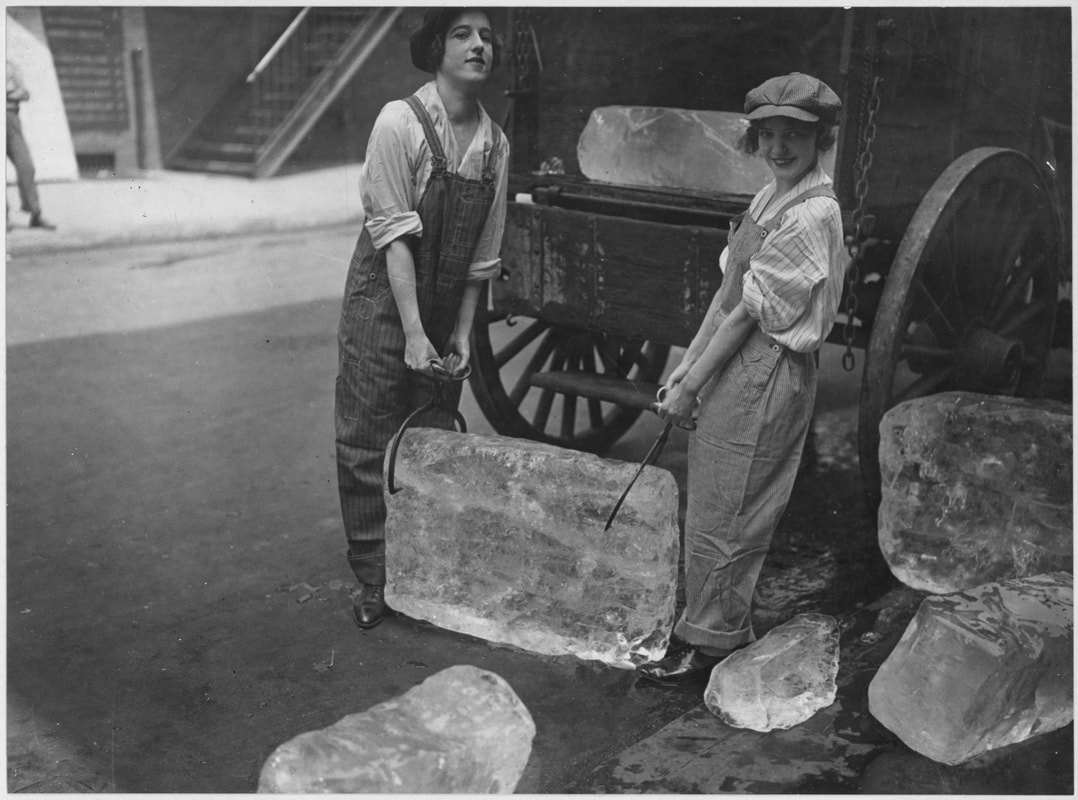
Before electric refrigeration, ice delivery was a vital urban service. Blocks were cut from frozen lakes and stored year-round.
Eiffel Tower Under Construction, 1888
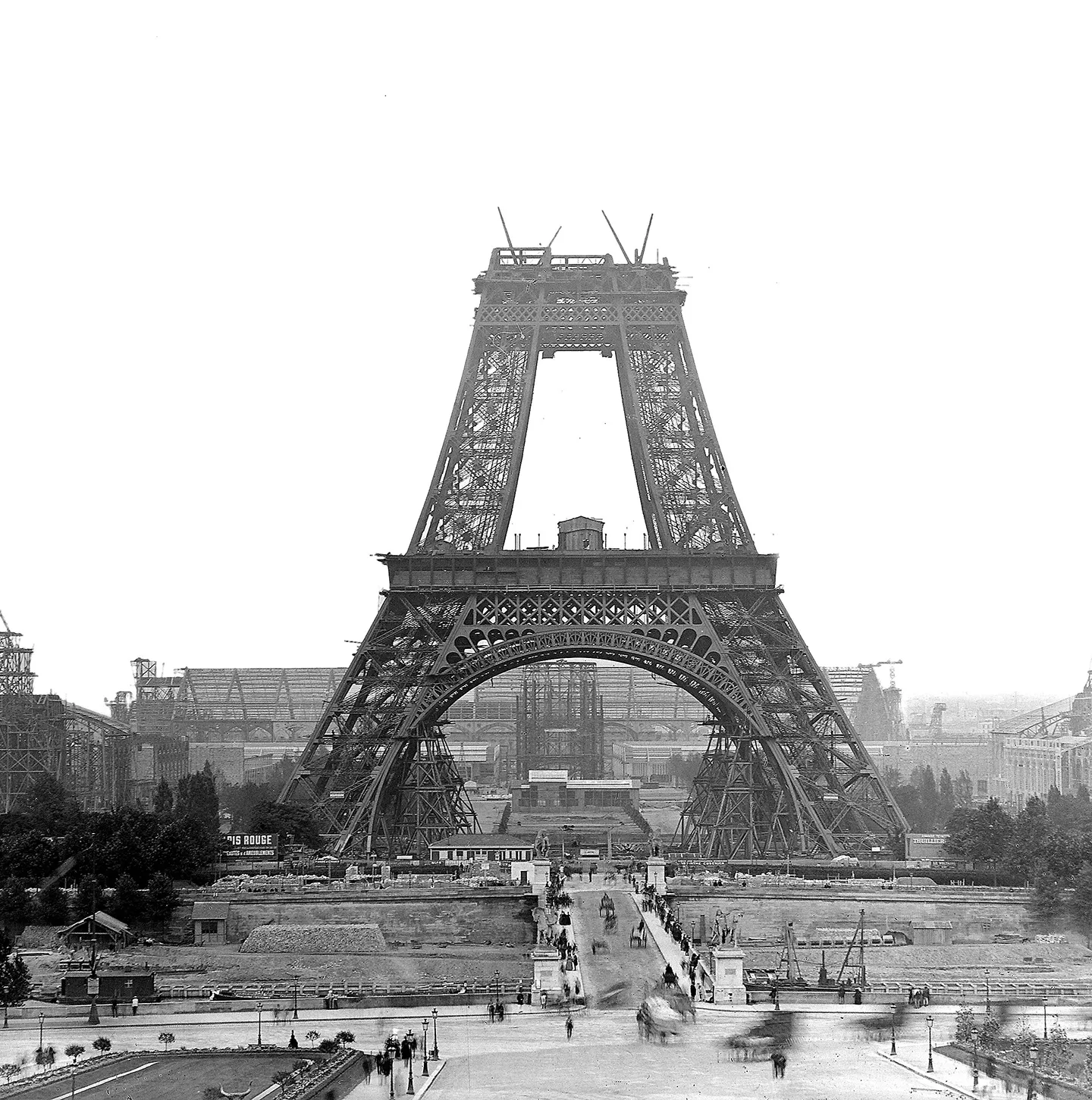
The tower was built for the 1889 World’s Fair in Paris. Many Parisians initially opposed its construction.
Japanese Couple Taking A Mirror Selfie, 1920s
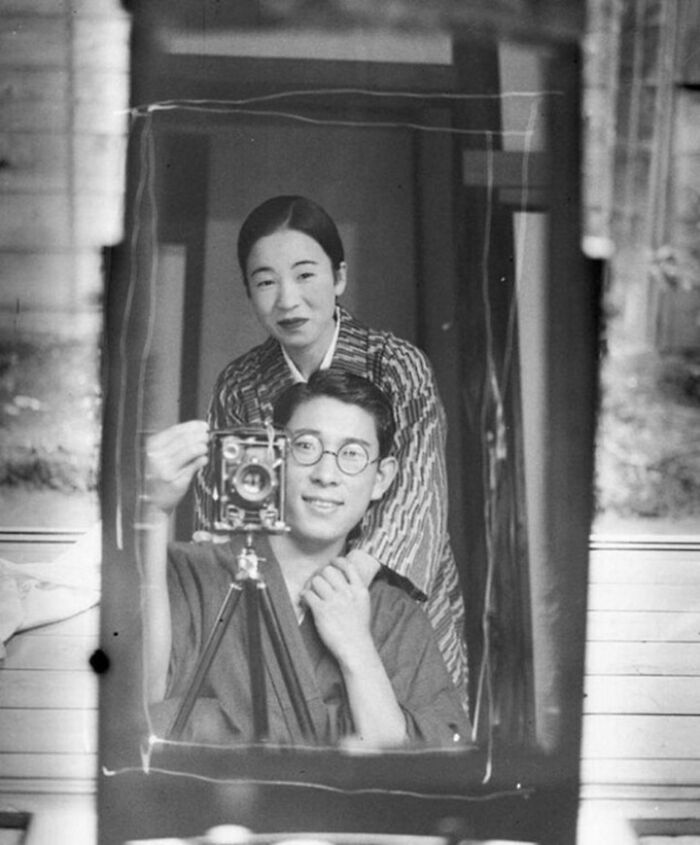
A couple captures themselves in a mirror with early-camera seriousness and a hint of play. It is proof that the selfie urge did not need smartphones to exist
WASP Pilot Shirley Slade In Helmet And Goggles, 1943
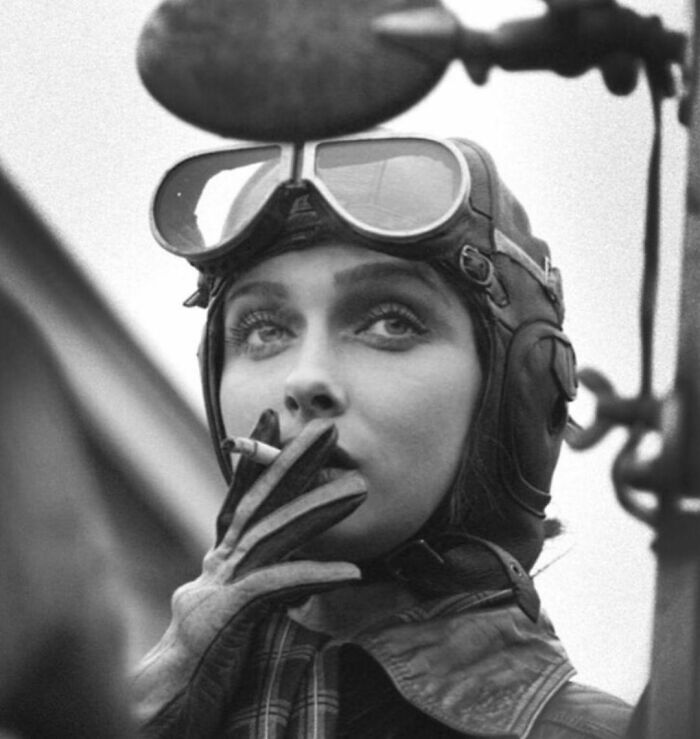
She is photographed in full flying gear in 1943, all helmet, goggles, and steady confidence. The caption notes she was a WASP pilot, which makes the portrait feel even more iconic.
Hippie Dad Walking With His Daughter, Amsterdam 1968
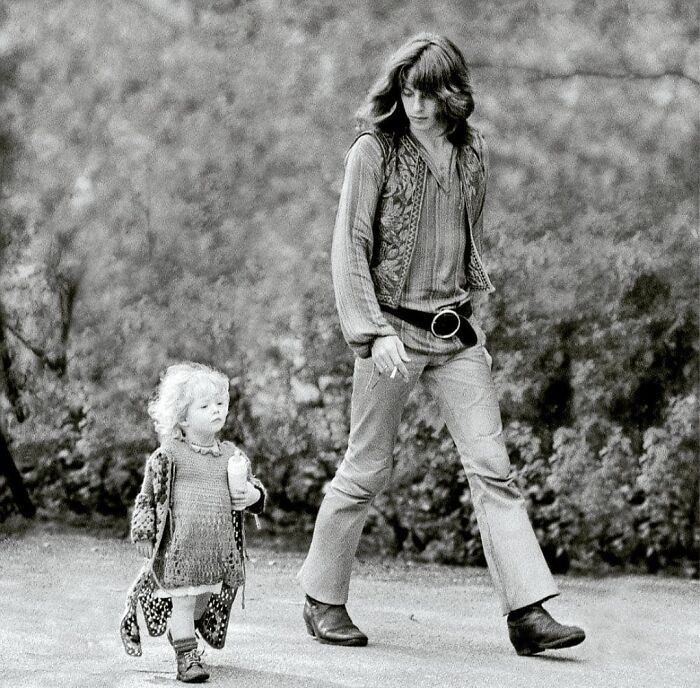
The image reflects the counterculture movement spreading across Europe. Amsterdam was a major center of youth protest and expression.
First McDonald’s Restaurant, 1948
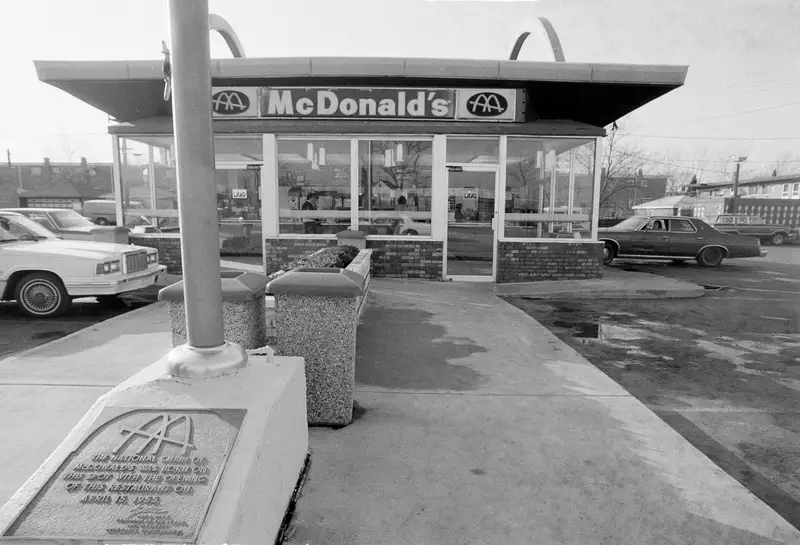
The original location opened in San Bernardino, California. Other photos are often mistakenly attributed to the first one, because the McDonald brothers already operated a restaurant called “McDonald’s Famous Barbeque”, which served more than forty different barbecued items.
Japanese Schoolgirls Practicing With Gas Masks, 1930s
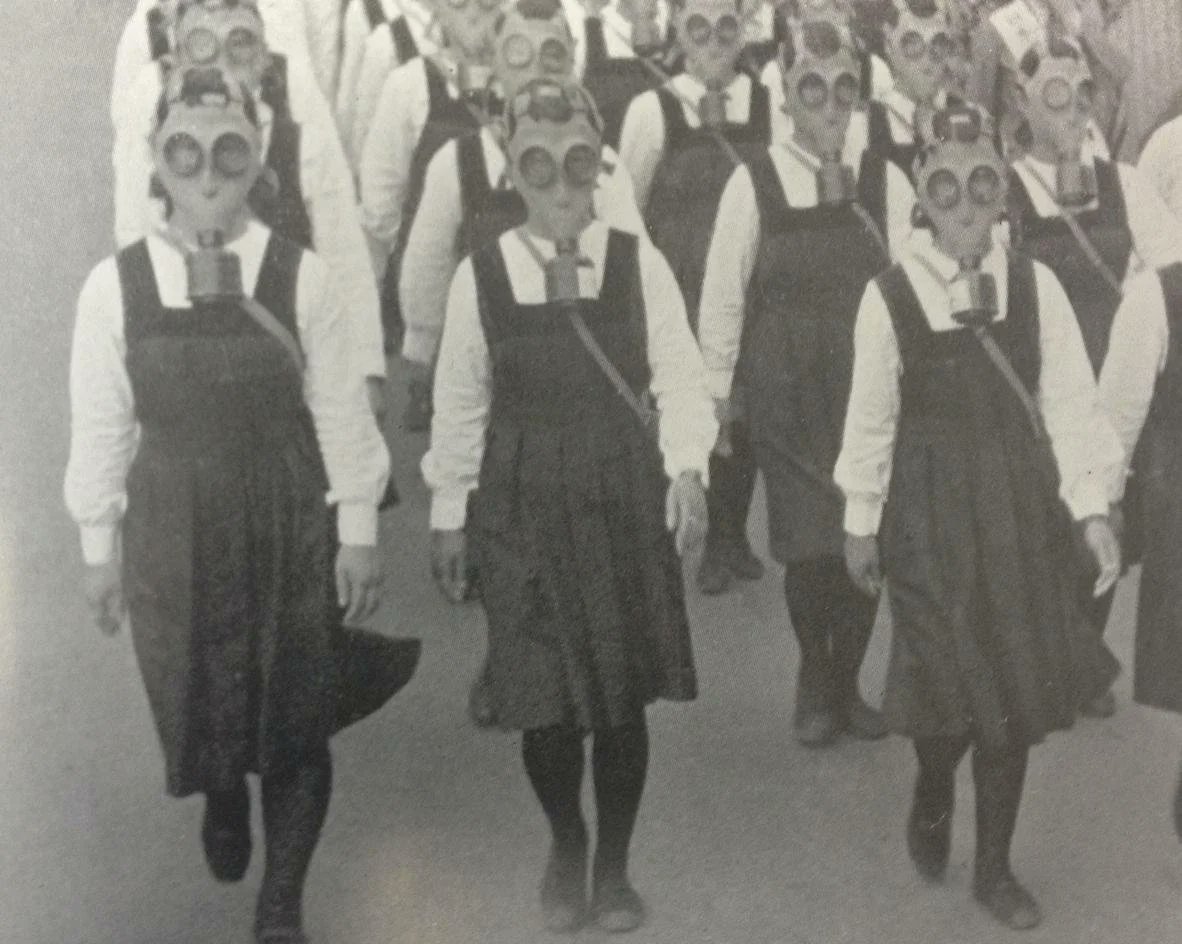
Civil defense training became common as military tensions increased. Schools prepared students for potential air raids.