There’s something magical about diners… whether it’s the neon glow, the sizzling griddles, or the promise of breakfast at 2 a.m. They’re equal parts comfort and chaos, a place where road-trippers, night owls, and regulars all cross paths. These 30 photos capture everything we love about diners: the chrome stools, the bottomless coffee, the jukebox corner, and of course, the food that somehow tastes better at midnight.
1930: The Man Behind the Counter
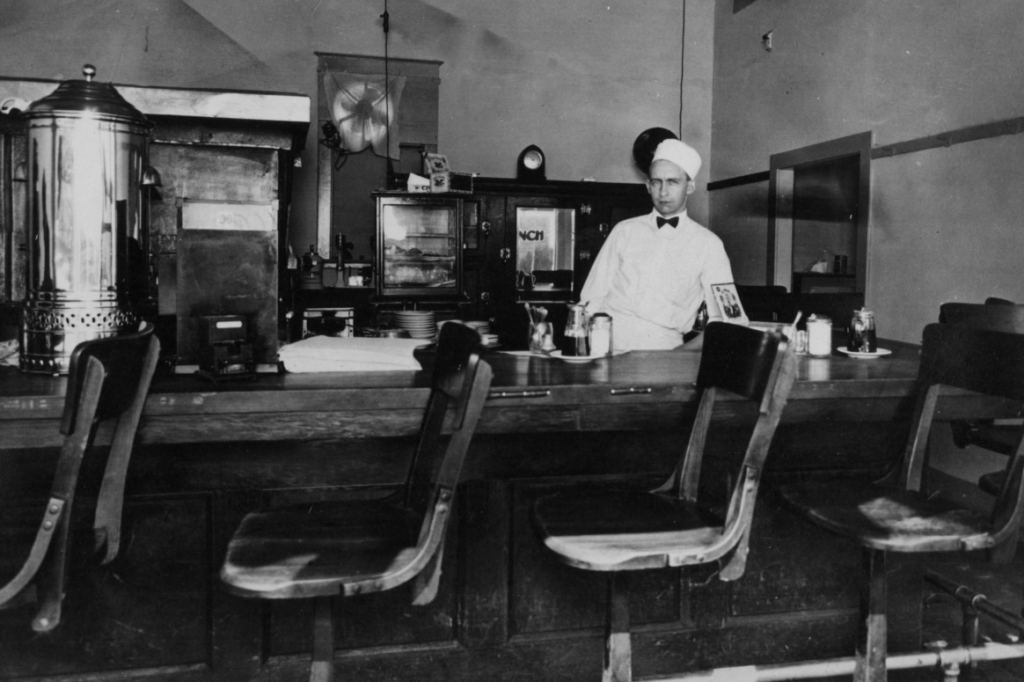
A lone diner worker stands ready behind the counter, serving up comfort food when people needed it most. In the 1930s and ’40s, diners became a lifeline during tough times like the Great Depression and World War II, offering affordable meals and a warm spot to gather.
1937: One Patron
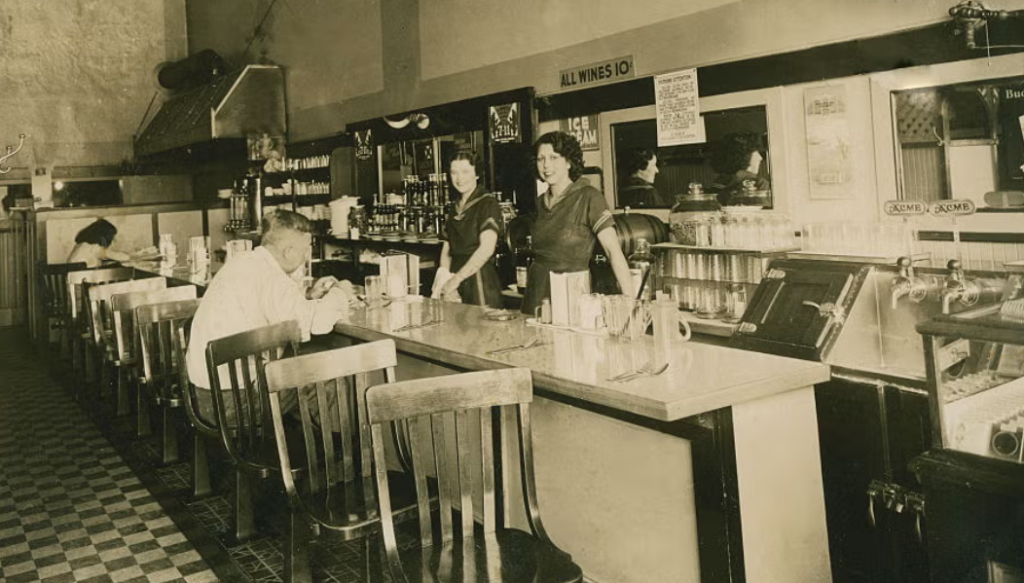
Inside Joe’s Café, a single customer takes a seat. Up until the Great Depression, most diners were concentrated in the Northeast, and even with low prices, many struggled to stay afloat. It wasn’t until after World War II that diners began spreading across the country into the Midwest and beyond.
1939: Mickey’s Diner
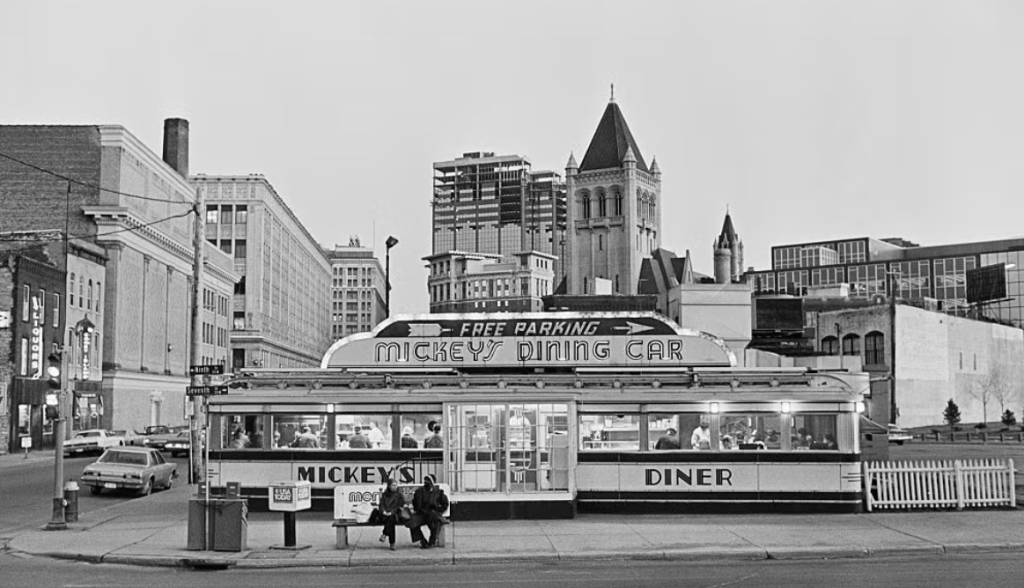
Roland Stickney designed Mickey’s Diner in 1939 with an Art Deco, train-inspired look. The diner features a streamlined train shape, a long counter, and a casual atmosphere serving fast American food in downtown St. Paul.
1940: The Pig
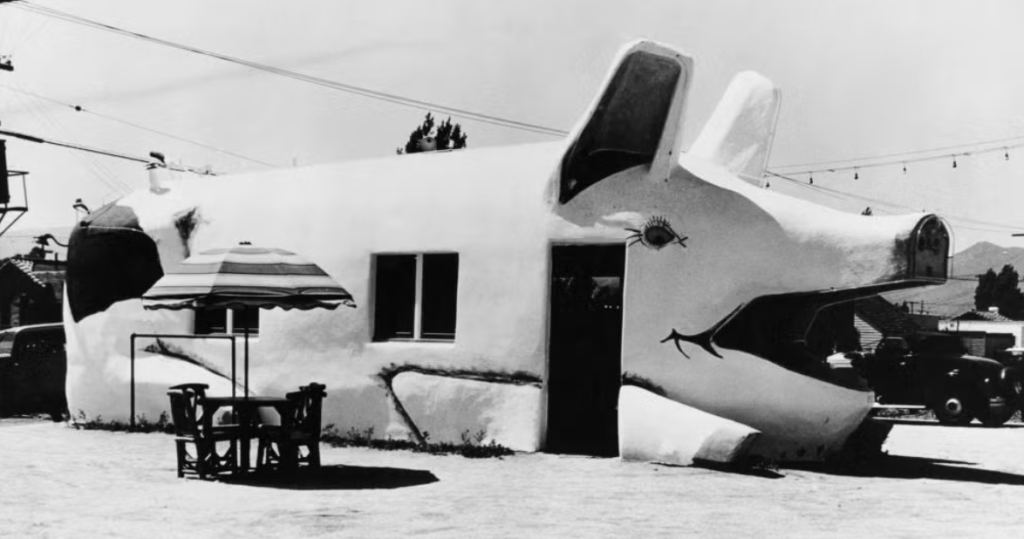
The Pig was a lunchroom and diner located just outside Los Angeles in 1940.
1944: For Working Men
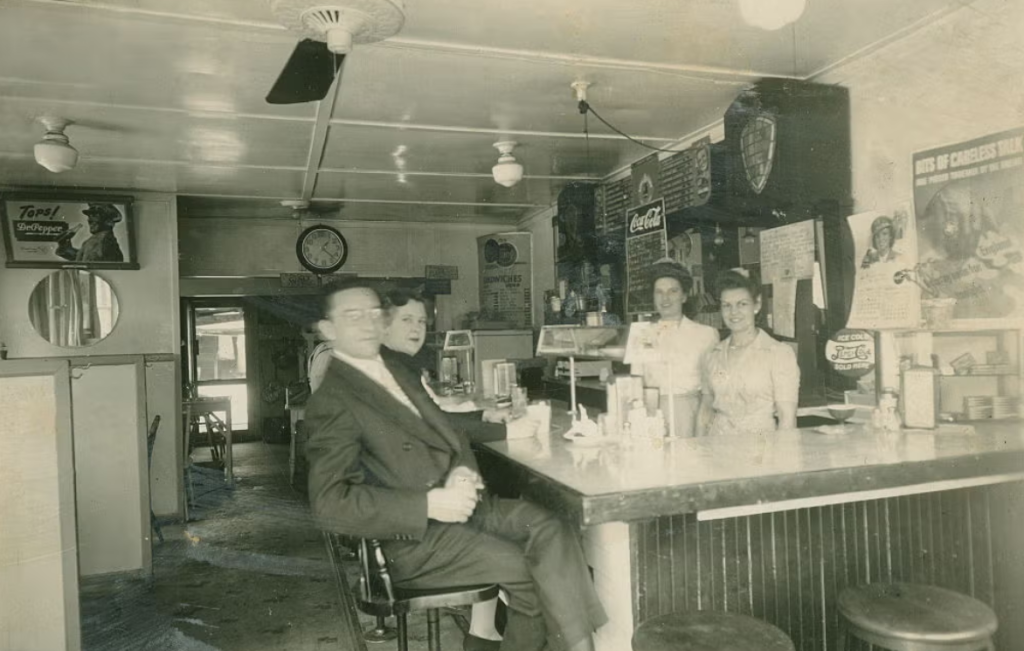
Before the 1940s, diners mainly served working men seeking quick, affordable meals. As the decade progressed, diner owners began catering to women, children, and families, often relocating to suburban areas to serve lower- and middle-class households.
1945: Counter Culture
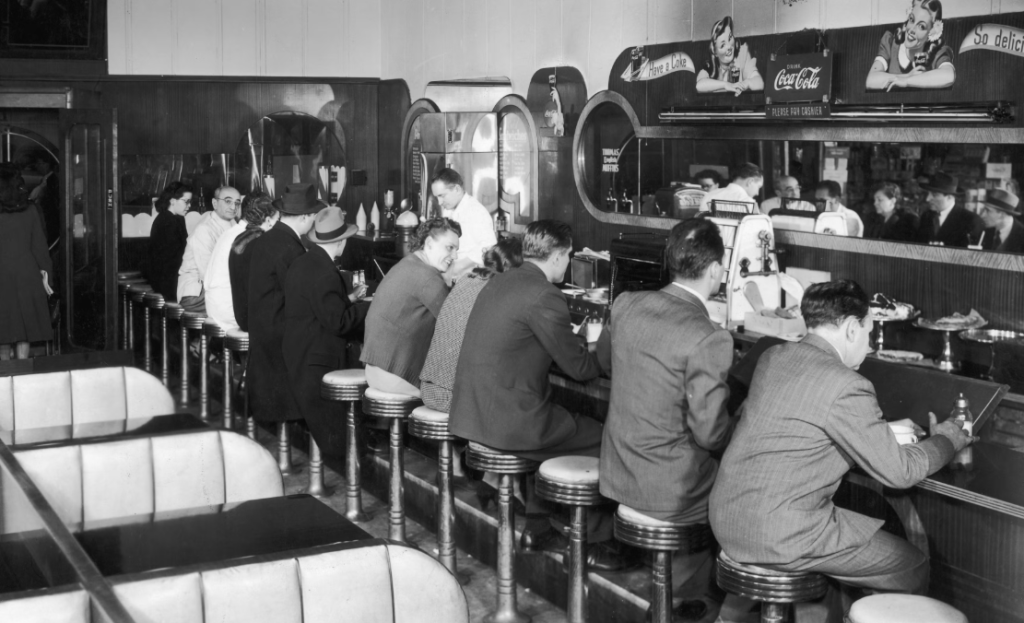
By 1945, female employees had become an essential part of diners, often working behind the counter.
1952: Lunch Box Diner
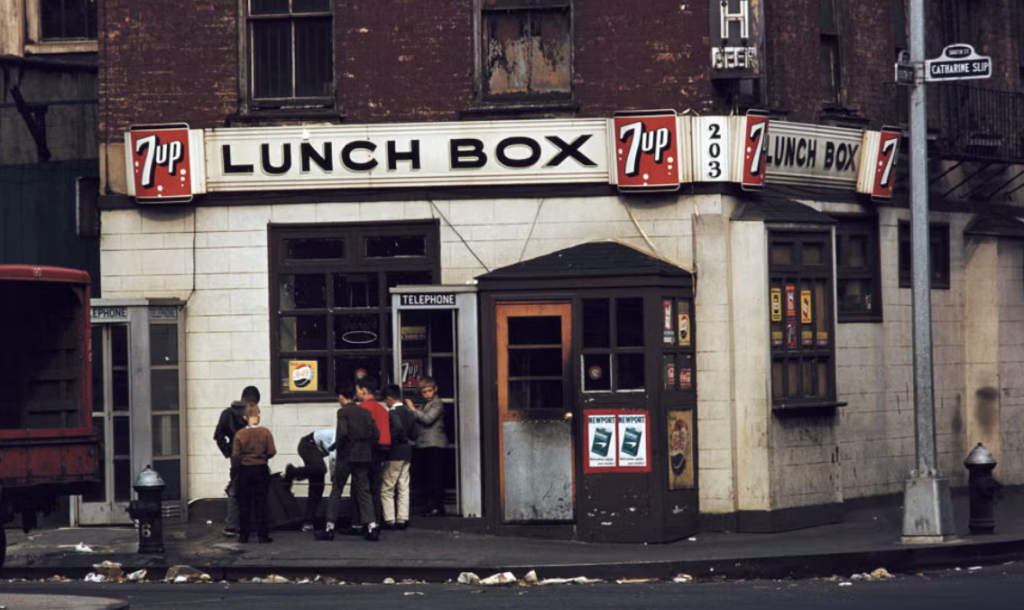
By 1952, New York diners like the Lunch Box Diner employed staff from diverse backgrounds, reflecting the city’s many immigrant communities.
1955: Double Date
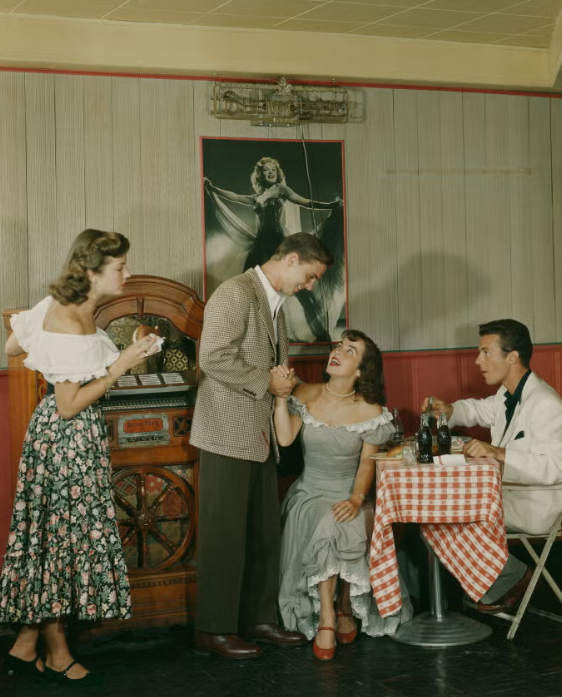
By the mid-1950s, diners had become widespread, with at least 6,000 locations found along roads across the country.
1961: Times Square
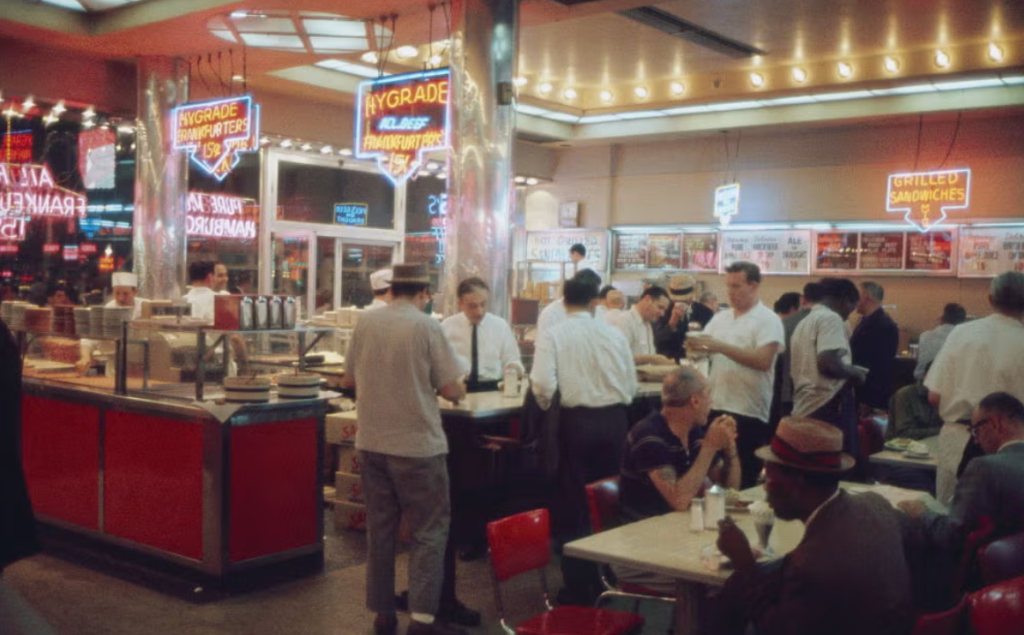
In July 1961, a busy diner in Times Square captured the social atmosphere of New York City diners, where people gathered to eat and socialize.
1971: Neal’s Diner
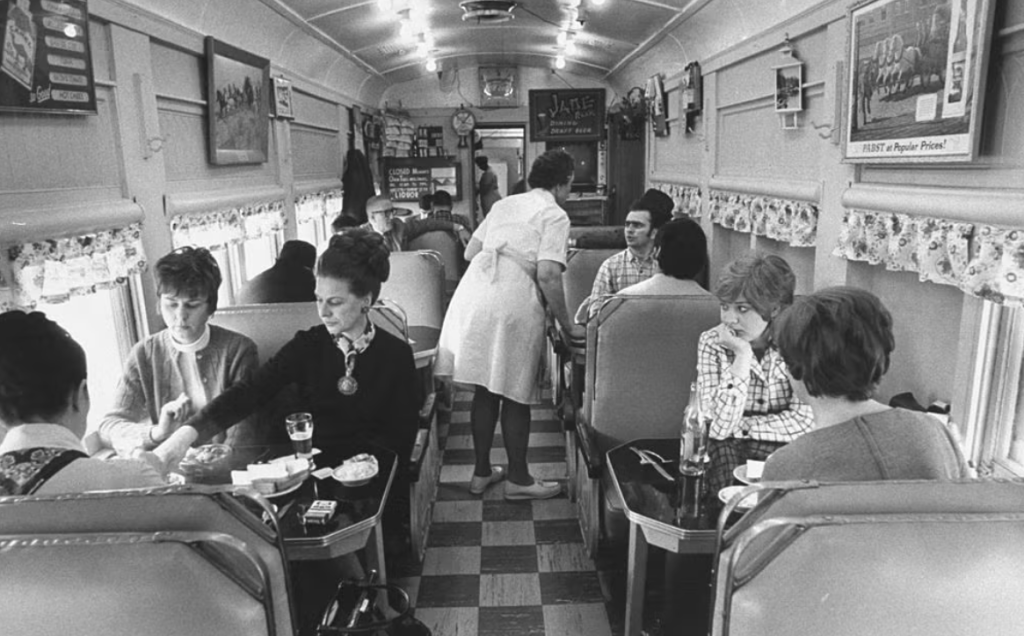
In the early 1970s, many diners, including Neal’s Diner, still maintained the narrow dining car-style layout.
1977: The Empire Diner
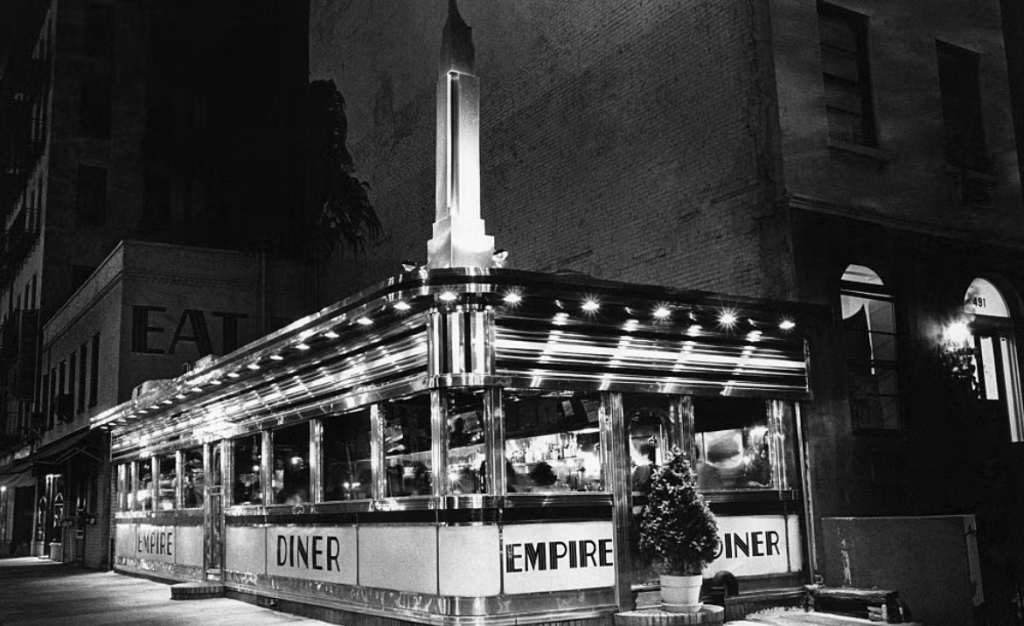
The Empire Diner, located at 9th Avenue and 22nd Street in Manhattan, opened in 1976 and quickly became a New York favorite, attracting many celebrity patrons.
1985: The Sherwood Diner
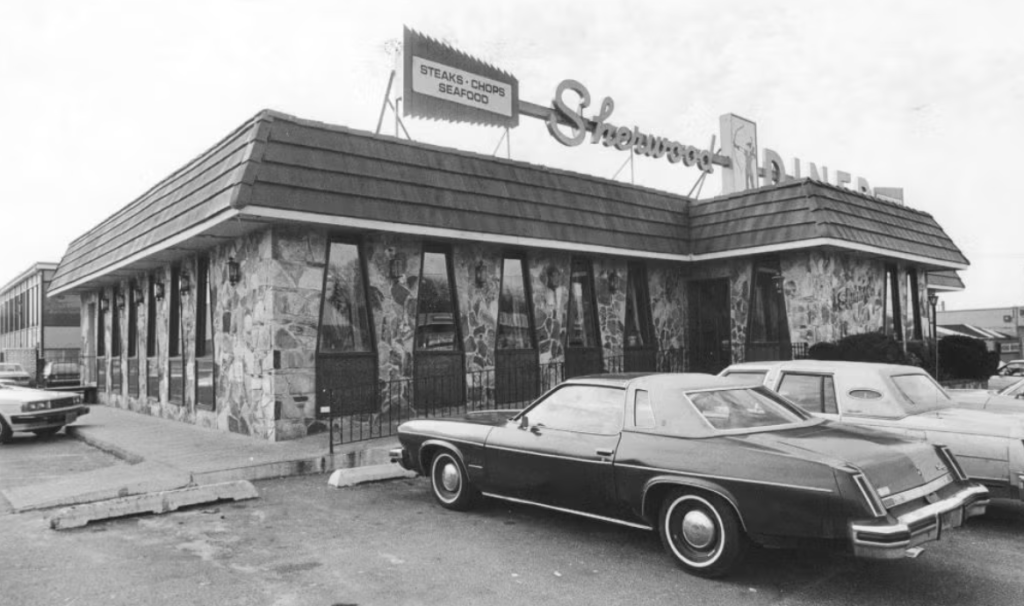
The Sherwood Diner in Lawrence, New York, pictured in 1985, features the classic diner look with a large neon sign designed to attract customers.
Zep Diner, Los Angeles
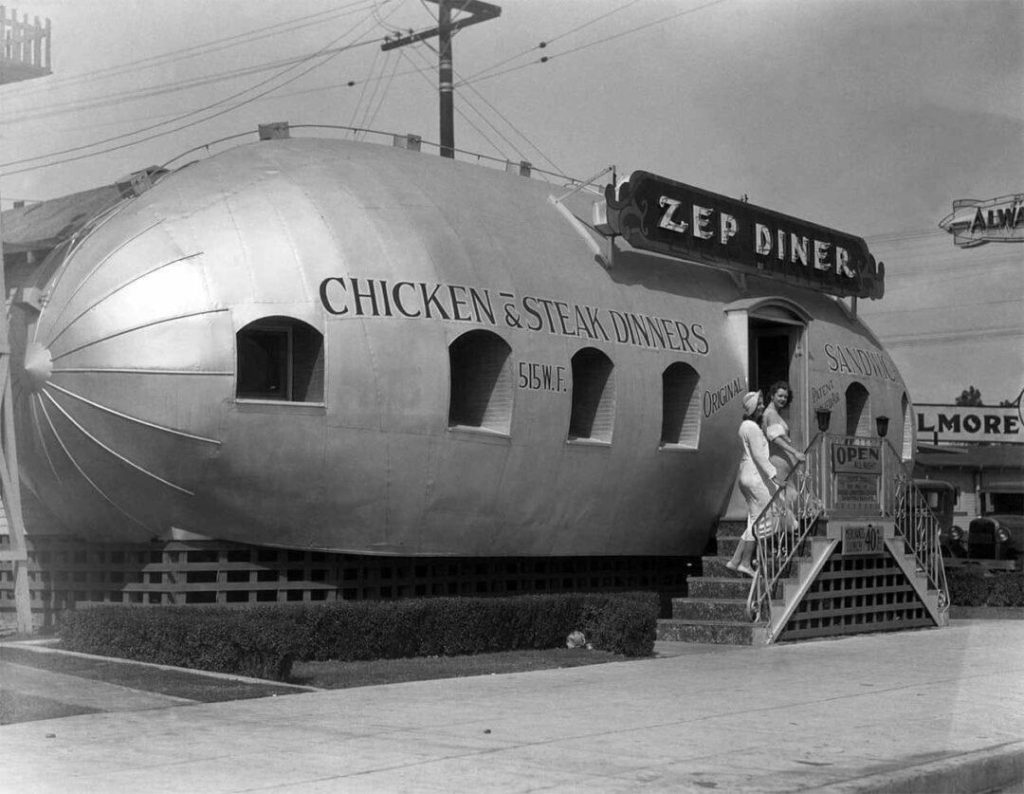
The 1930s Zep Diner in Los Angeles featured zeppelin-inspired architecture. The menu included chicken, steak dinners, and sandwiches.
Sit-In at a Woolworth’s Lunch Counter
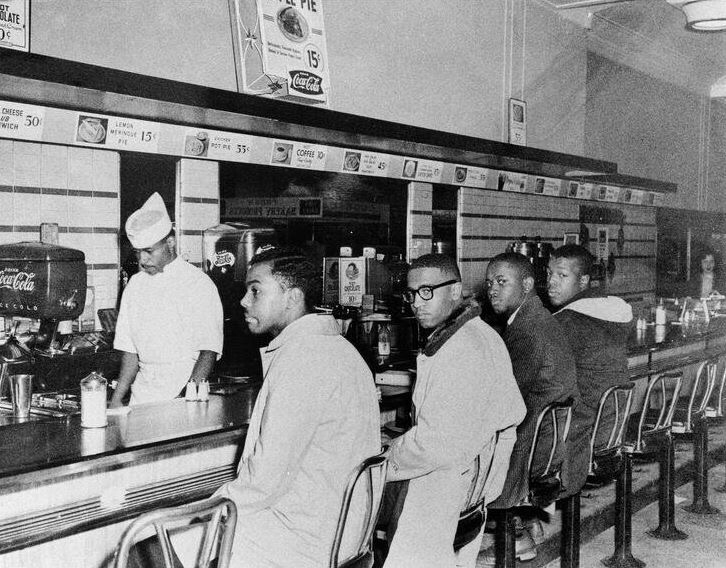
In the 1960s, four African American students staged a peaceful sit-in at a Woolworth’s diner in Greensboro, North Carolina, refusing to leave until they were served.
The Official Uniform
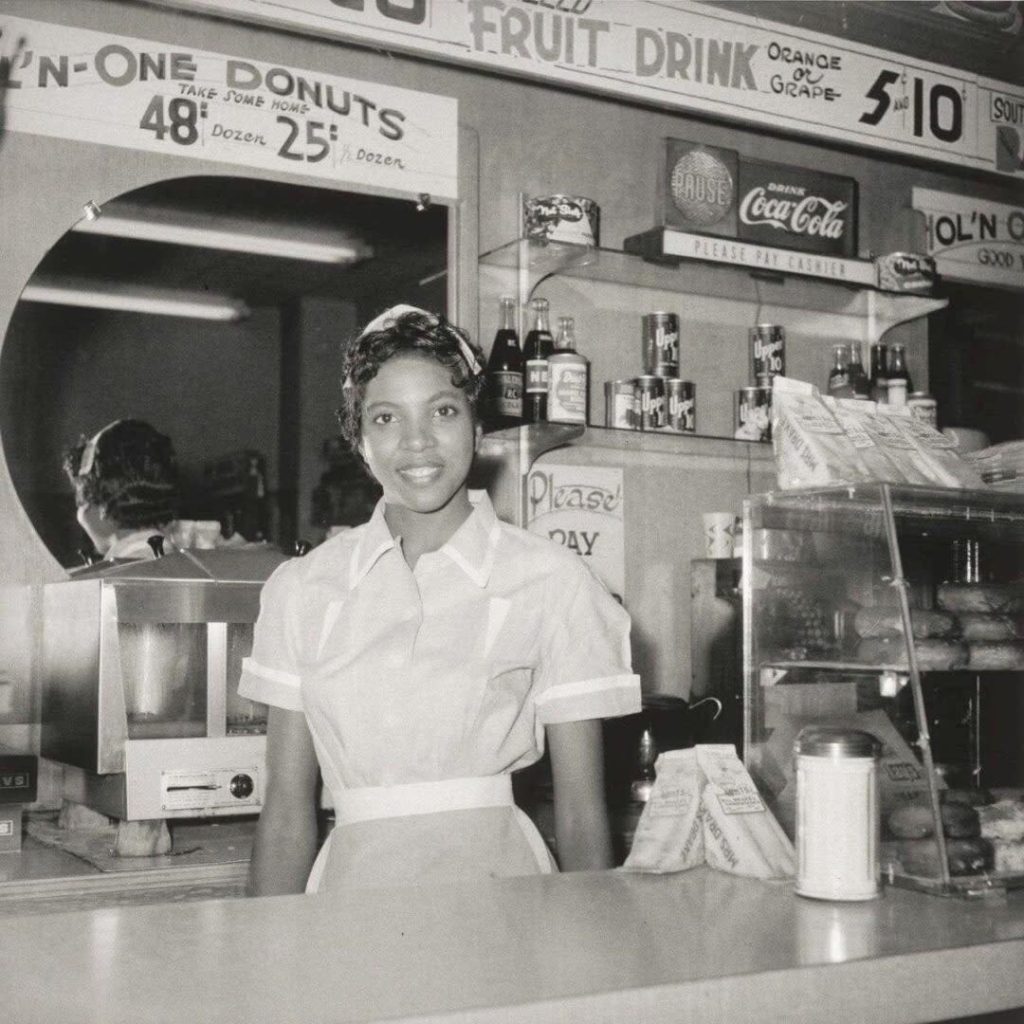
In the 1950s, waitress Helen Ann Smith worked behind the counter of a Memphis diner on Beale Street, wearing the typical diner uniform of the era.
The Ultimate Meeting Spot
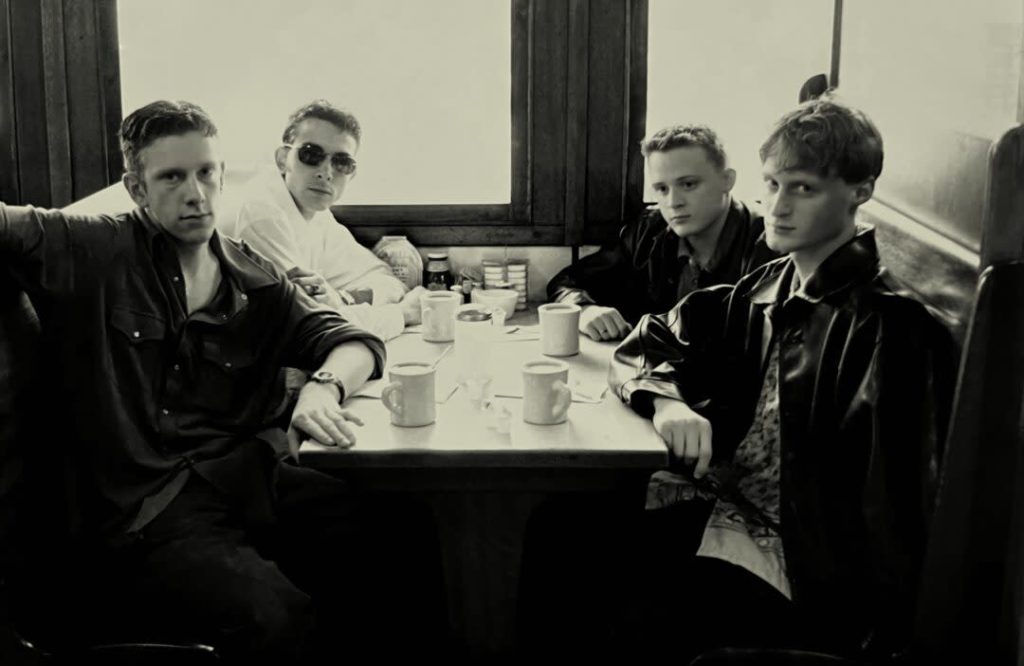
In 1998, four young men gathered at a diner booth for morning coffee, illustrating the diner’s long-standing role as a social meeting place.
Frosted Mugs
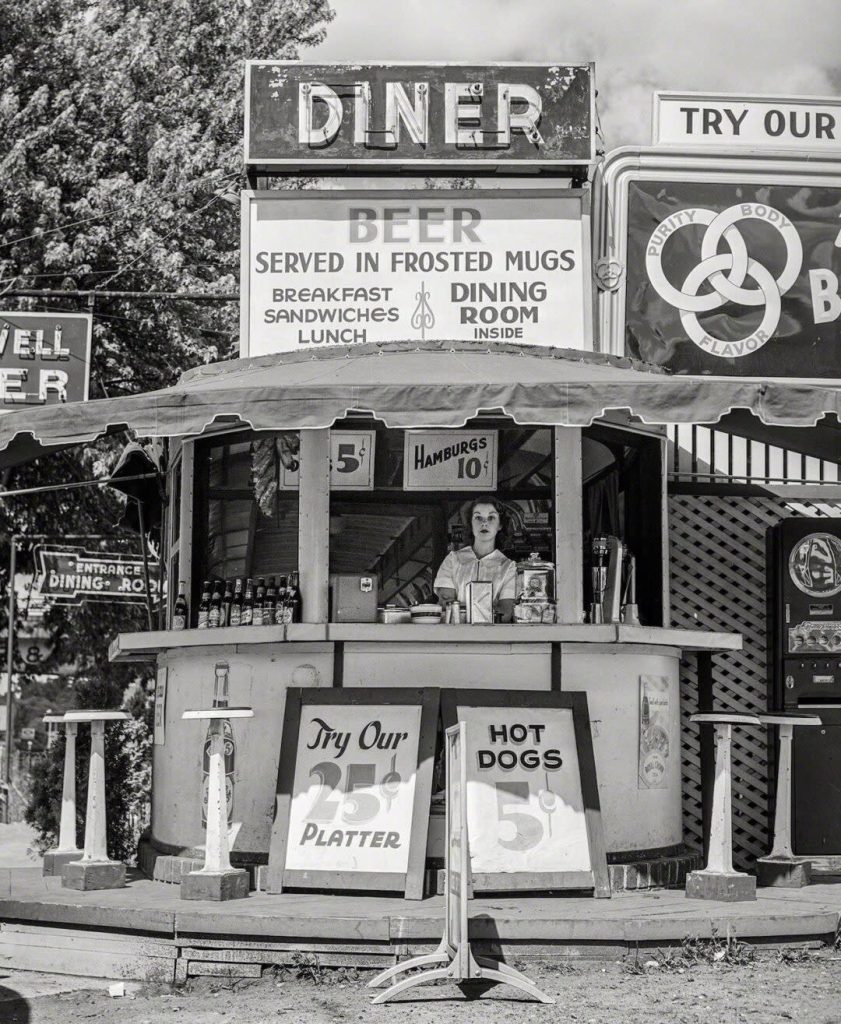
A 1940s diner stand features a server behind the counter, with signs advertising hamburgers for 10¢, hot dogs for 5¢, and platters for 25¢. Chilled frosted mugs were a key attraction at the time.
1982: Jukebox
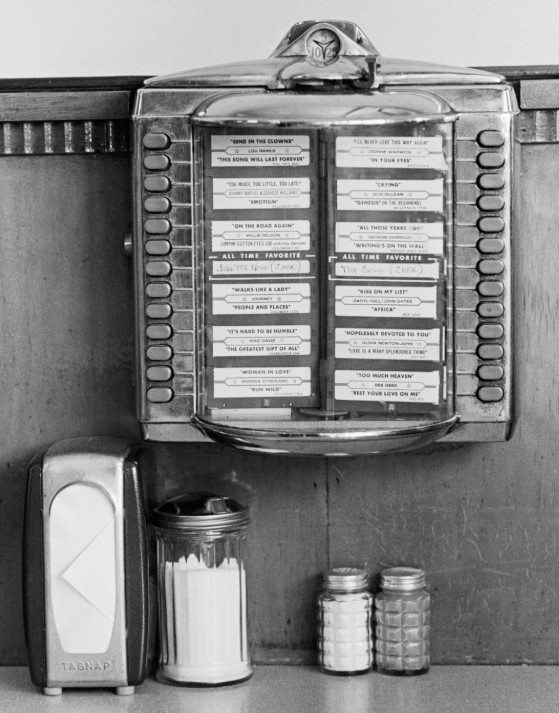
In 1982, many diners featured mini jukeboxes at the tables, allowing customers to pay to play their favorite songs, an element now rarely seen.
1978: Staten Island Diner
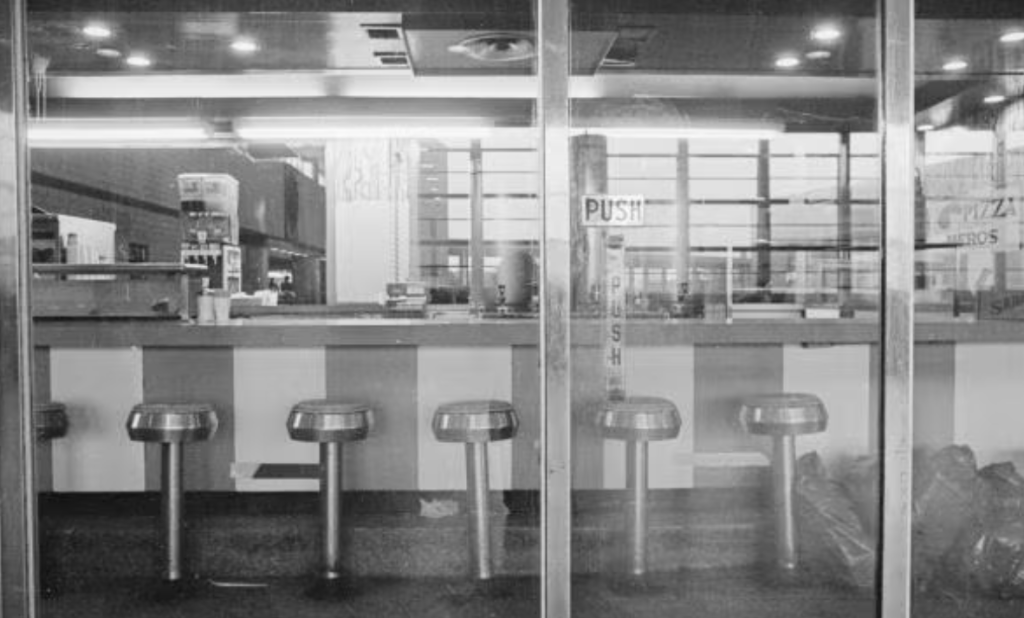
By the late 1970s, diners were increasingly being replaced by fast food restaurants offering cheaper, quicker meals. Many diners closed, and few new ones opened.
1971: George’s Luncheonette
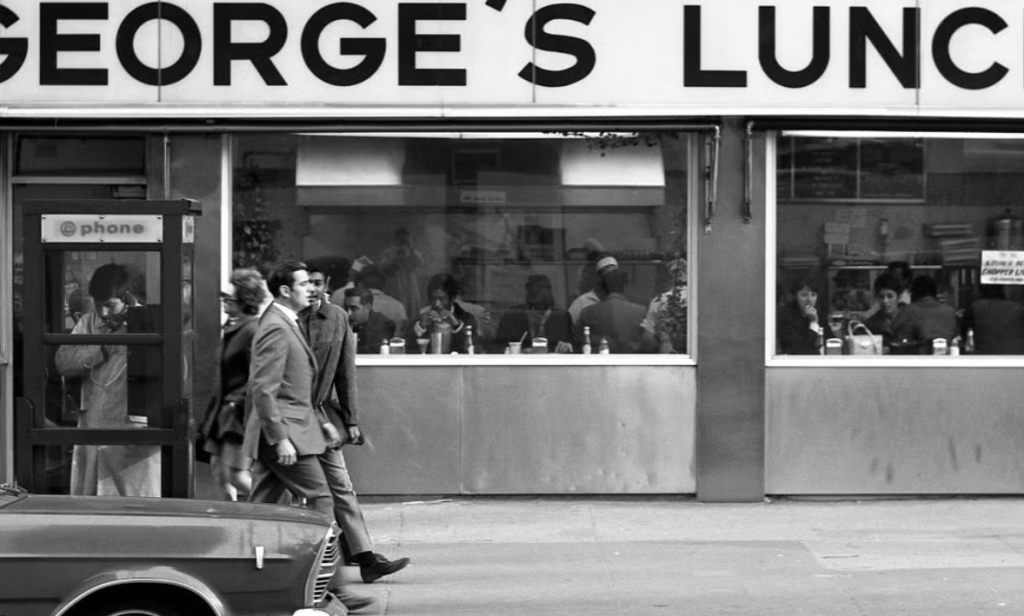
In the early 1970s, George’s Luncheonette in downtown Manhattan remained busy, even as diners began to lose some of their earlier popularity.
1954: Sundaes for All
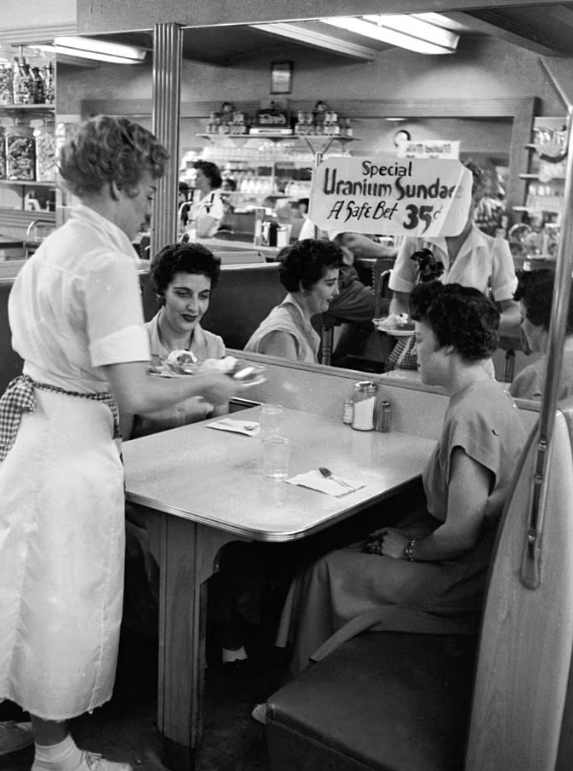
In 1954, a waitress serves the “Uranium Sundae” at a diner in Salt Lake City, Utah, named after the city’s booming uranium industry.
1950: Chrome Chairs
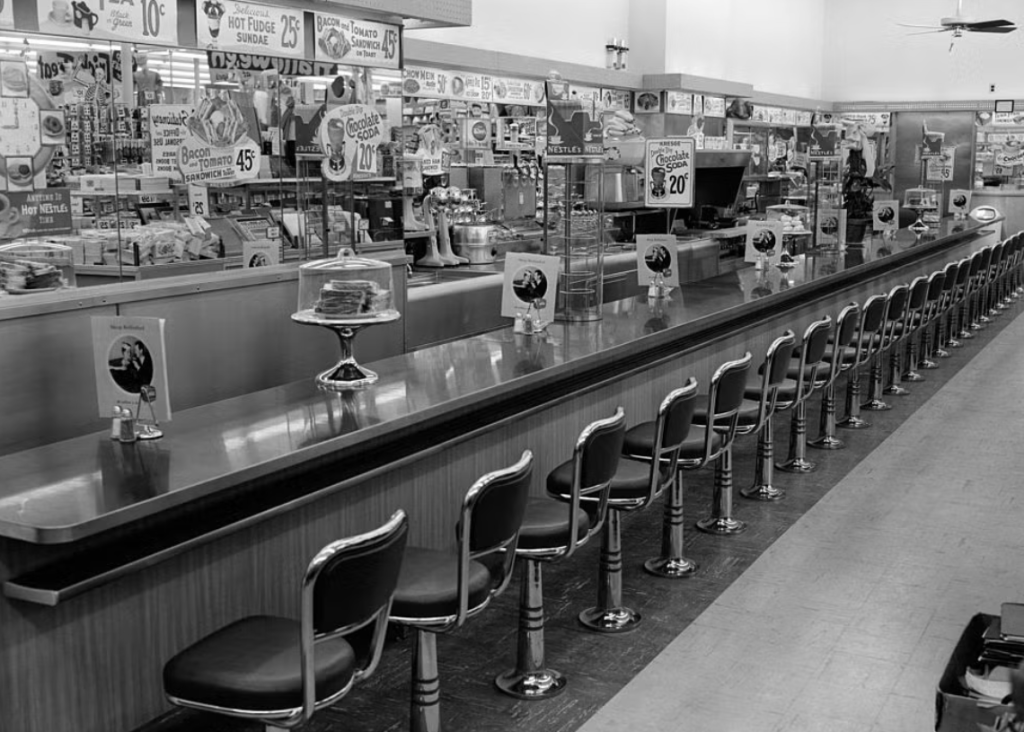
In the 1950s, diners continued evolving with softer corners and the use of steel tubing and Naugahyde instead of costly materials. Homemade diners also began appearing, some imitating the earlier prefab designs.
1950: Kids After School
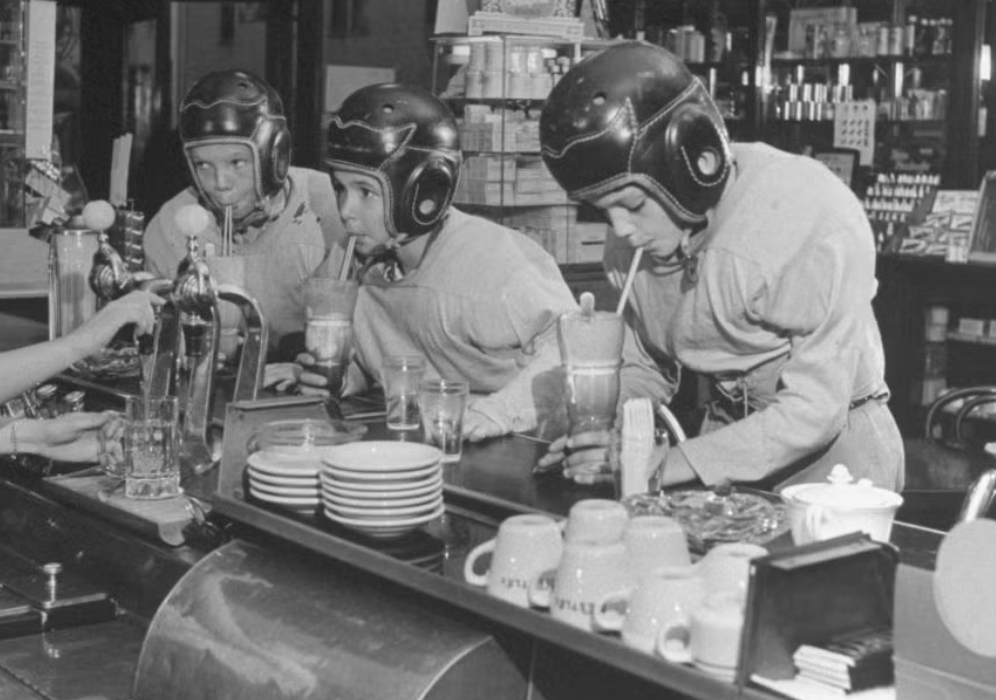
In November 1950, children stopped by a diner for ice cream floats after their football game. Diners were popular with kids due to their affordable prices and counter seating.
1945: New Look
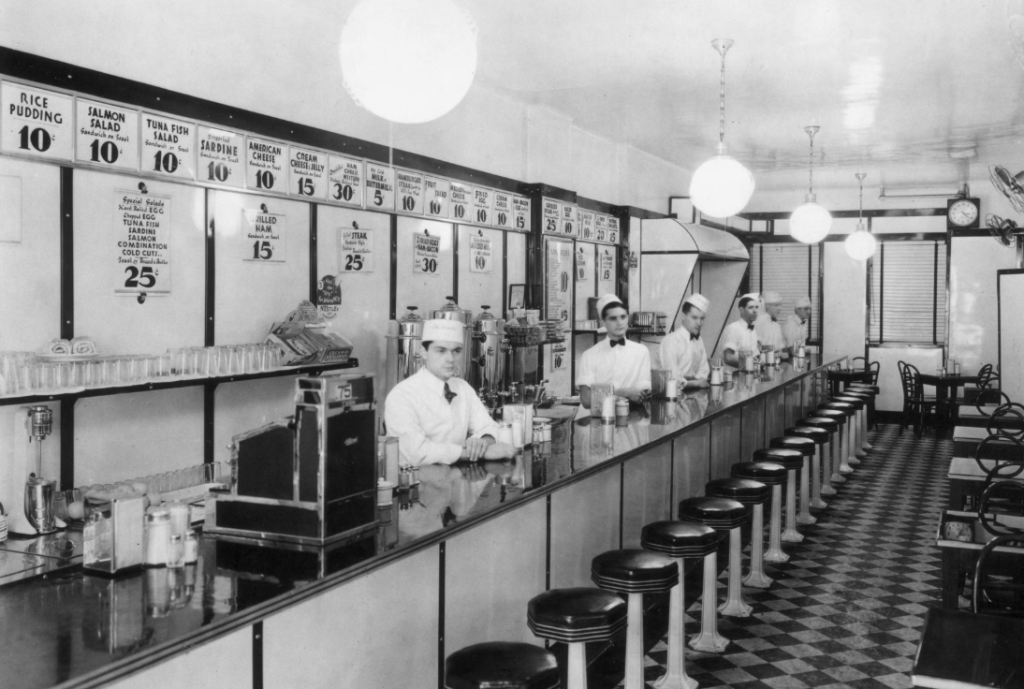
By the mid-1940s, diners had updated their interiors with booths replacing tables, Formica countertops, stainless steel stools, and neon signs outside.
1943: Dining Cars
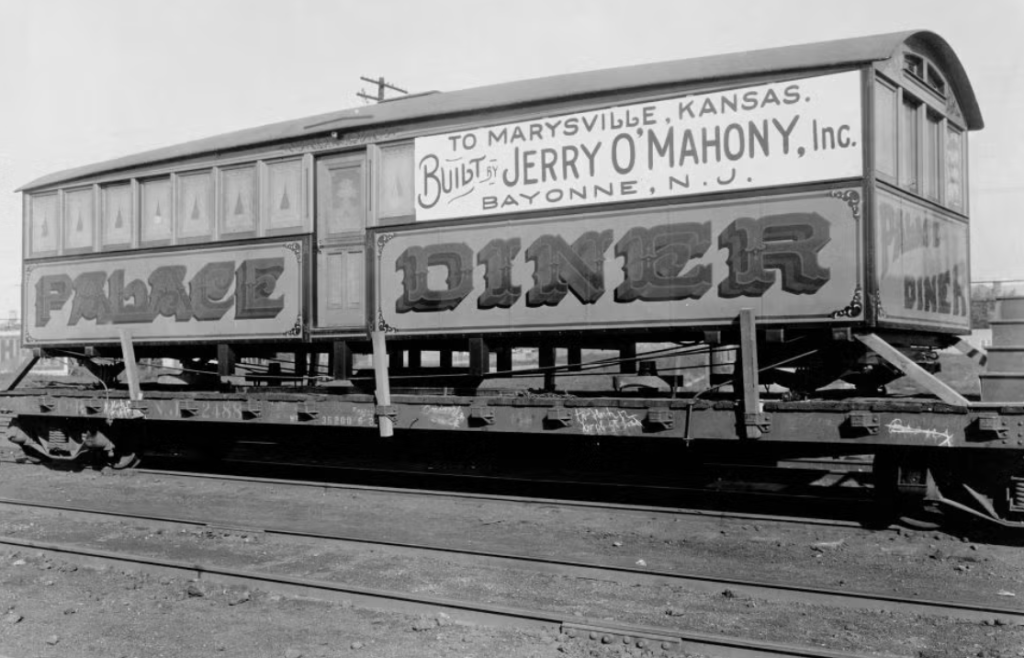
The Palace Diner in Harrisburg, Pennsylvania, was built in 1943 using only pre-war materials.
1940: New York’s Diner Scene
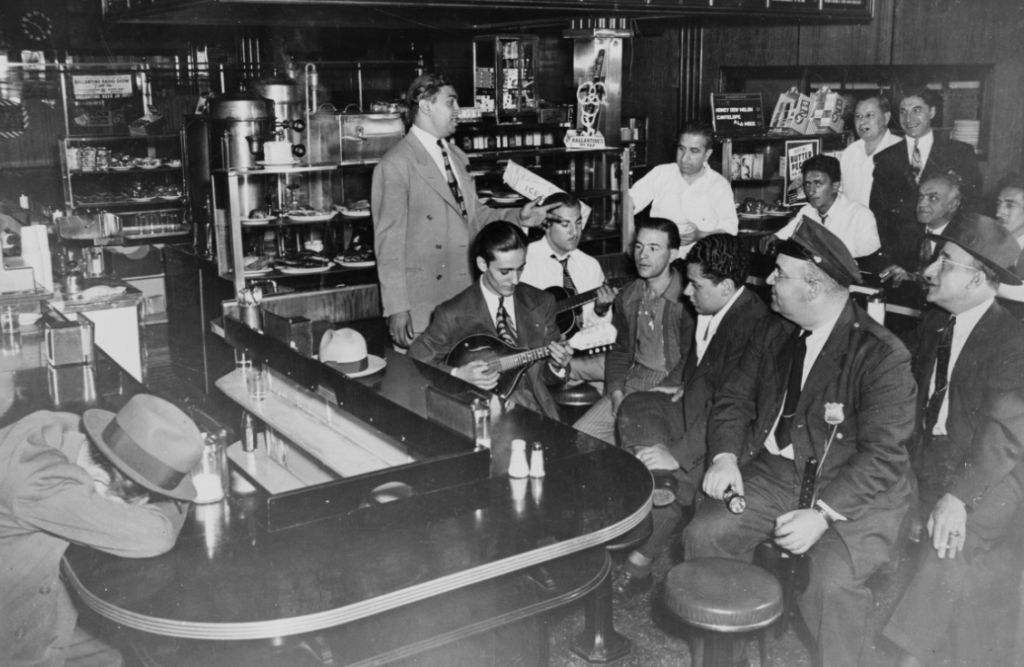
In the 1940s, diners played a major role in New York City’s dining culture. Their numbers grew even more after World War II, fueled by an influx of immigrants.
1940: Friendly Staff
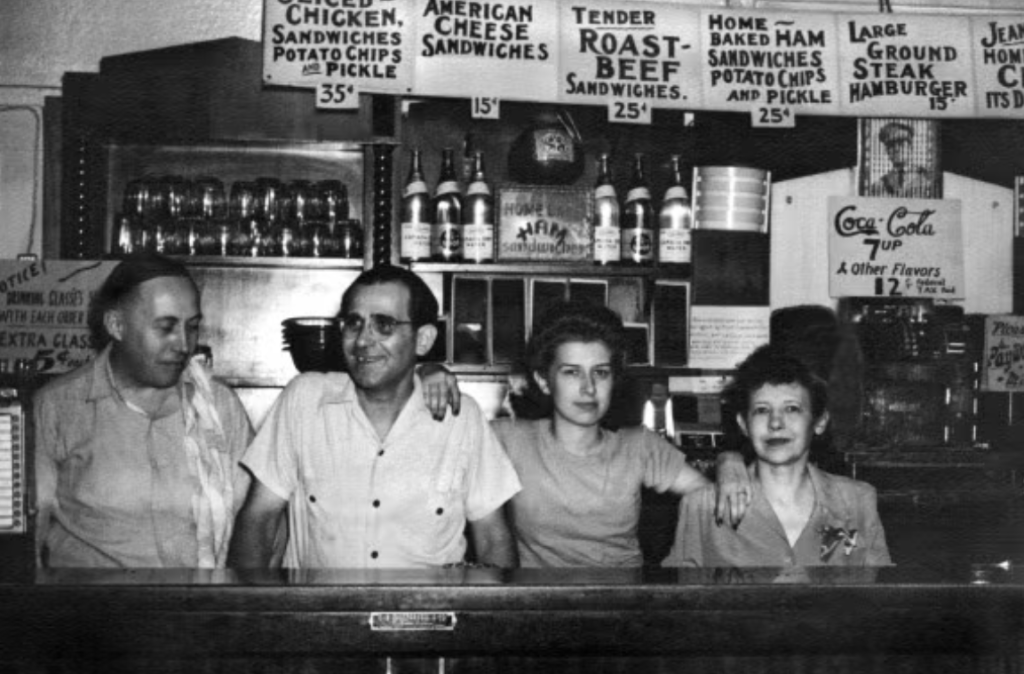
By the 1940s, diners had evolved from quick dining car-style spots into sit-down establishments with waitresses and welcoming owners.
1939: Art Deco
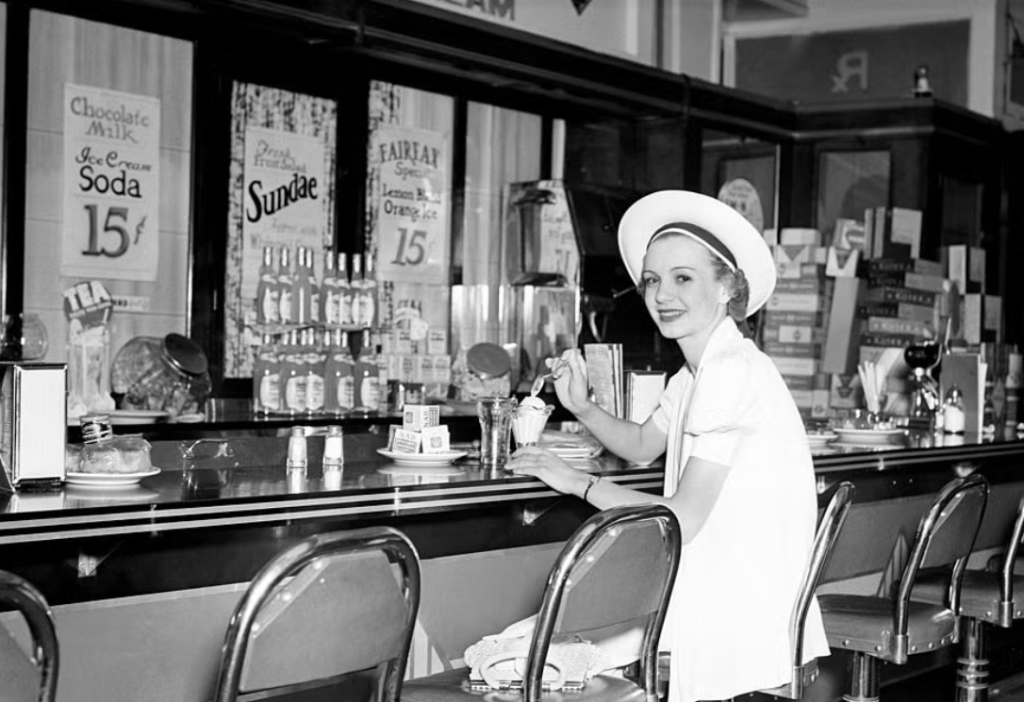
By the late 1930s, diners began adopting the Art Deco style. During this period, the traditional diner layout with an open kitchen started to take shape.
Quick Oats, Quick Service
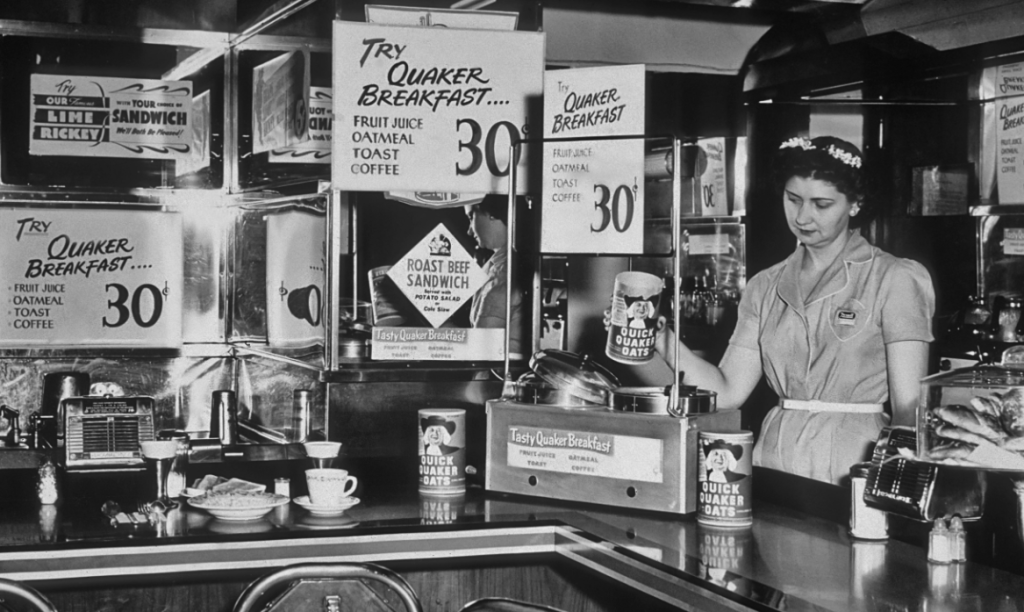
This 1935 spot specialized in Quaker Oats dishes, capitalizing on the popularity of the brand’s “Quick Oats,” which had been introduced in 1922.
Waiting on a Sweet Pour
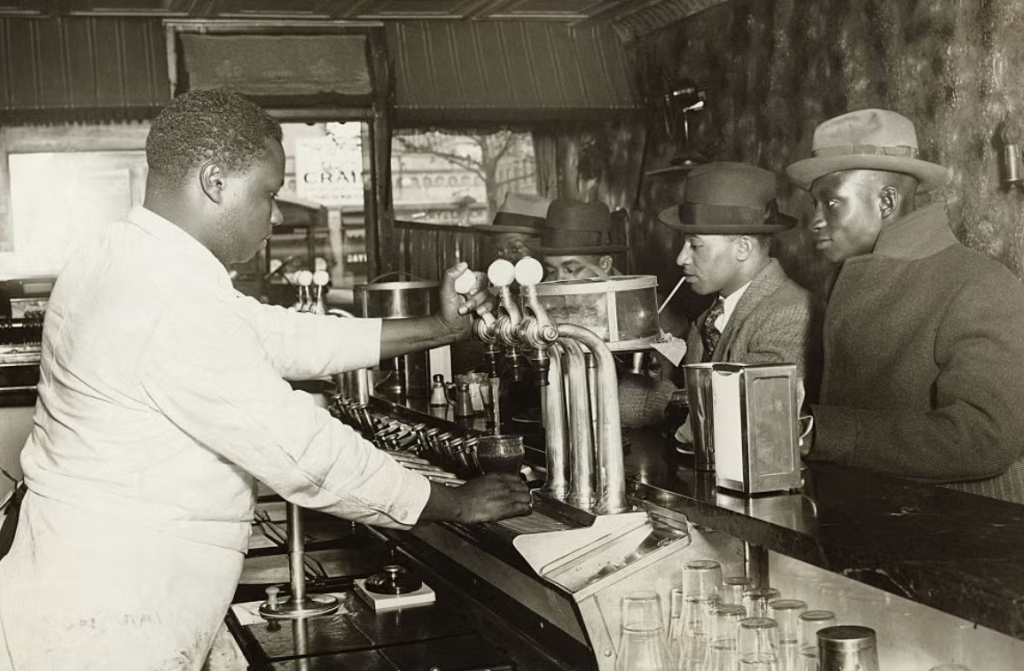
African American men wait patiently at a soda fountain, a staple feature in diners of the era. During the 1930s, soda fountains weren’t just about a fizzy drink; they were gathering spots that blended affordability with a little sweetness.