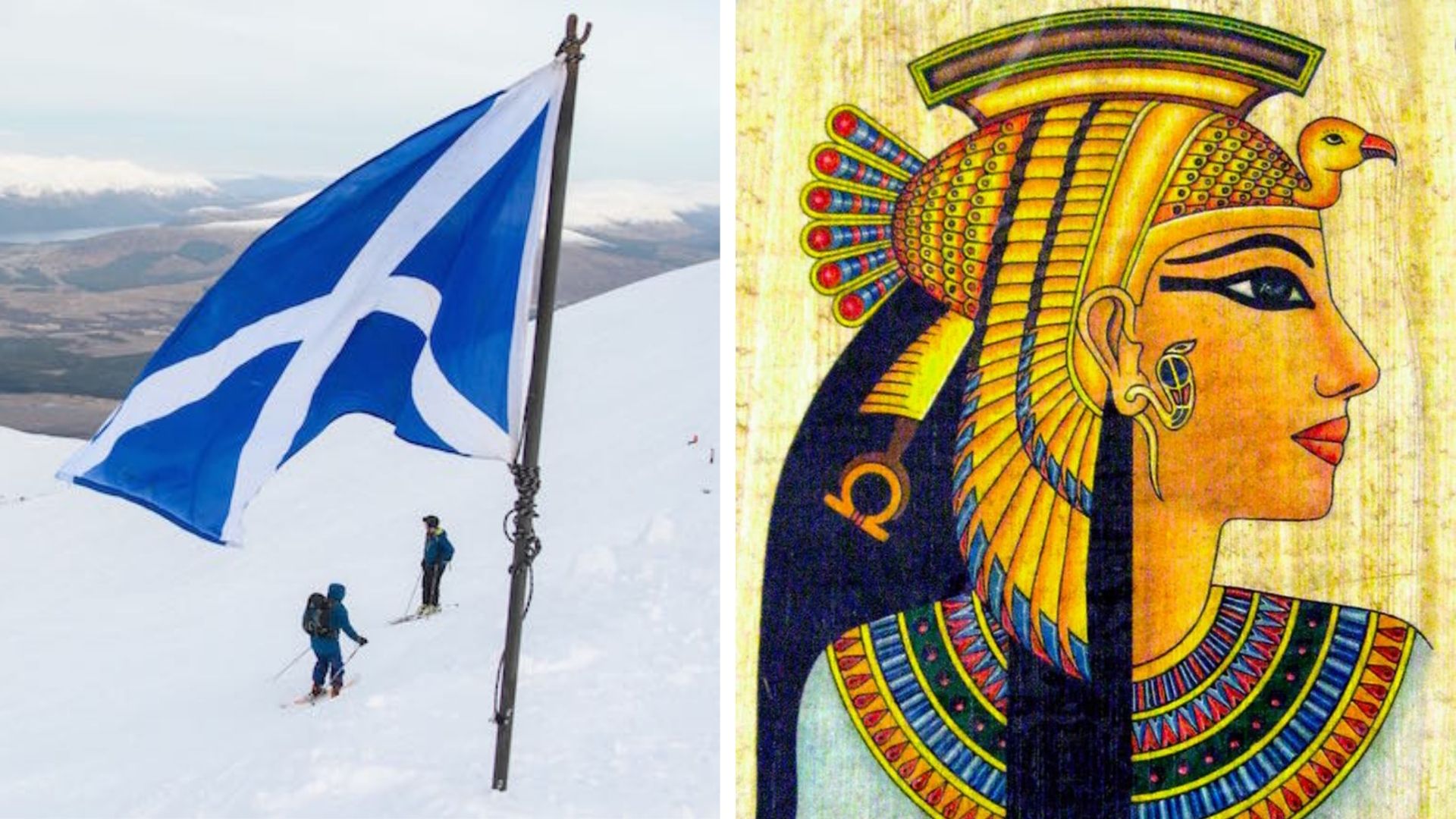
The world is far more complex and surprising than standard textbooks often suggest. From the surprising biological makeup of common household dust to the historical anomalies of the Egyptian timeline, scientific and historical data frequently reveal startling realities. Understanding these obscure details provides a broader perspective on the natural world and the human experience. The following article examines 30 peculiar facts that challenge common assumptions and highlight the extraordinary nature of our reality.
The Forest Of The Sahara
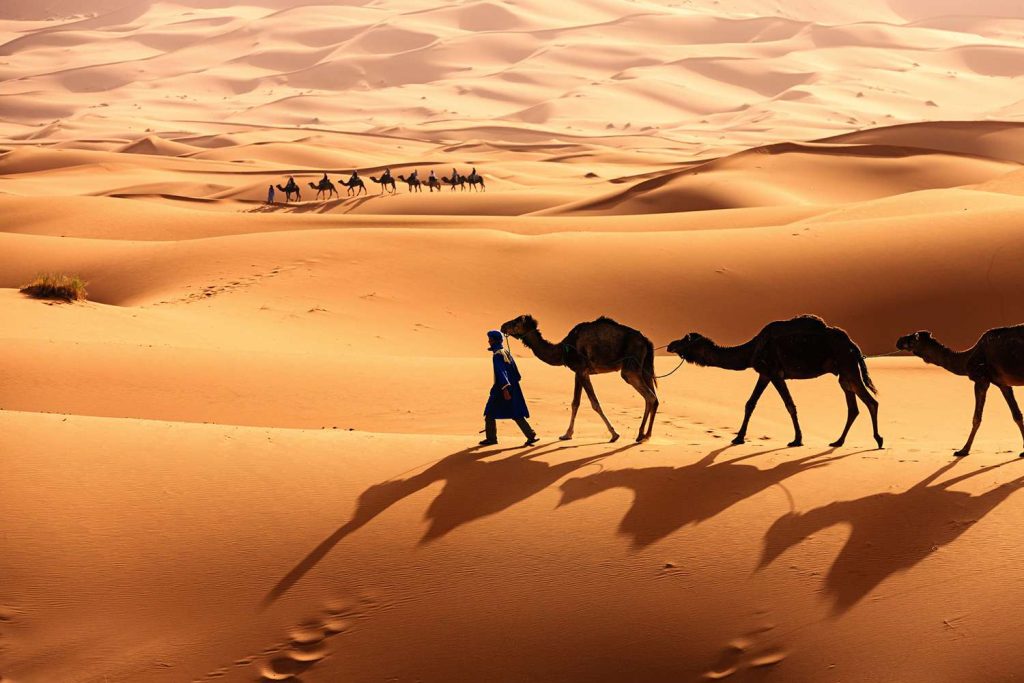
Geological evidence suggests that the world’s largest hot desert was once a lush, green landscape covered in vegetation and lakes. This radical environmental shift occurred roughly 6,000 years ago due to changes in the Earth’s orbit. Scientific models indicate that the region could potentially become green again in several thousand years.
Swedish Blood Donation Notifications

In an effort to encourage community participation, Swedish health services send a notification to donors when their blood reaches a recipient. This personalized system helps individuals see the direct impact of their contribution on another person’s life. The initiative has significantly increased engagement and retention among younger donors.
The Oldest Known Wheel
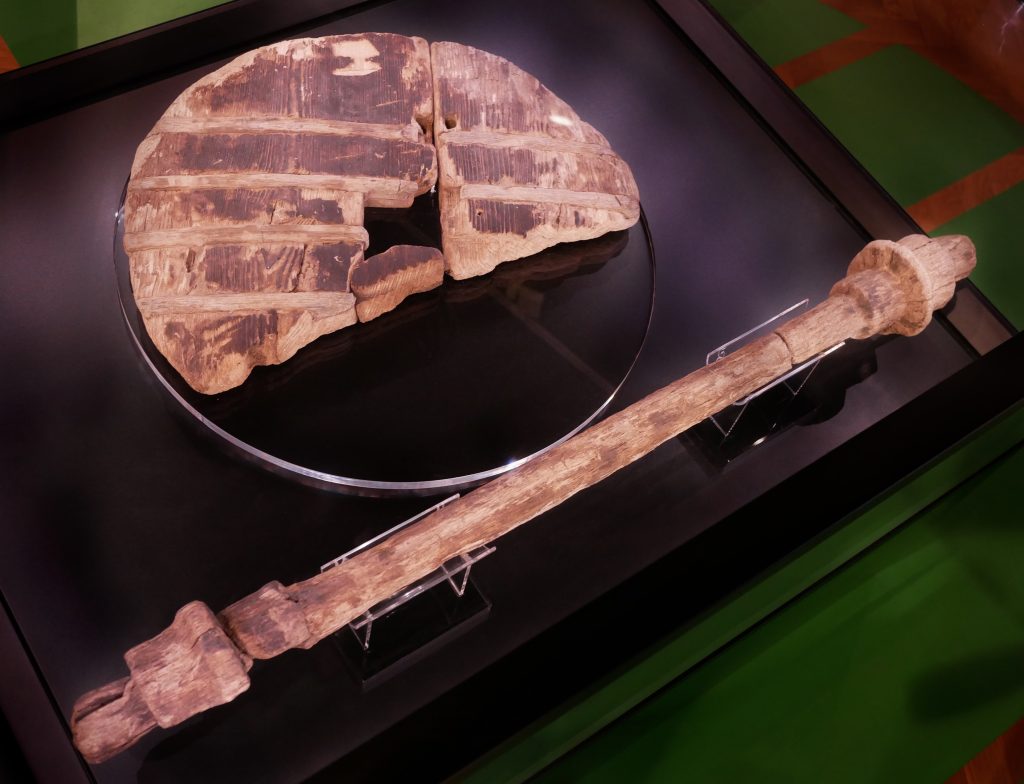
Archaeologists discovered a wooden wheel in Slovenia that dates back over five millennia. This artifact remains the oldest known example of its kind, illustrating the ancient origins of transportation technology. Its sophisticated design indicates that early engineers had a complex understanding of movement and mechanics.
The English Origins Of Apple Pie
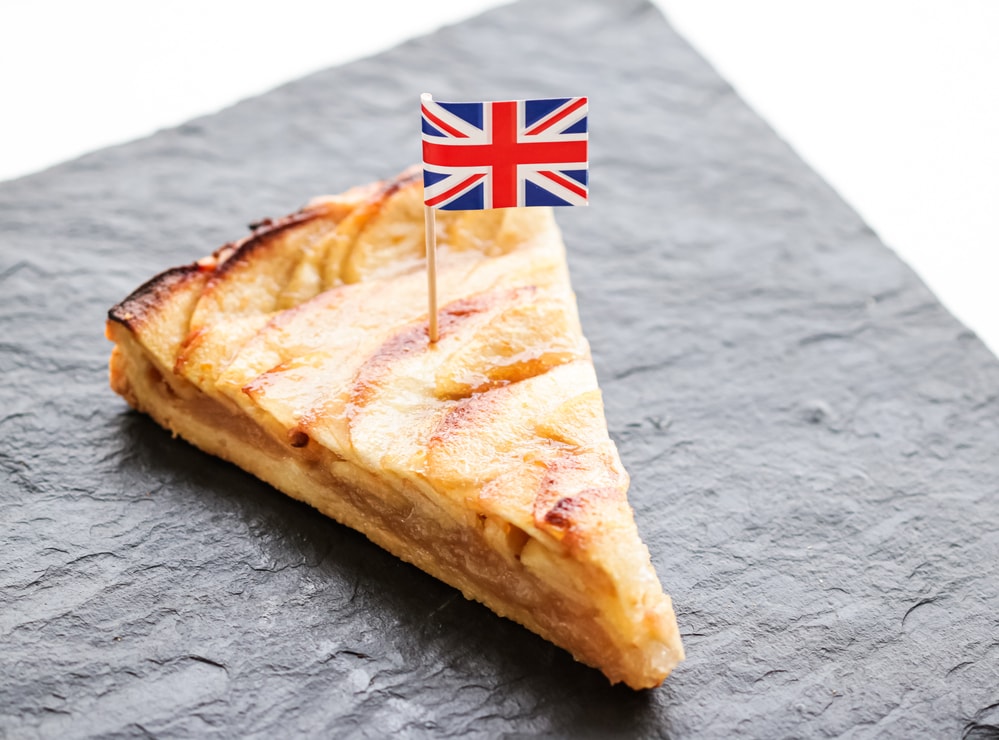
Although often associated with American culture, the first recorded recipe for this dessert appeared in England in the 14th century. Early versions lacked sugar and were quite different from the sweet pies consumed today. The dish traveled with European settlers and became a staple in North American households over the following centuries.
The National Animal Of Scotland
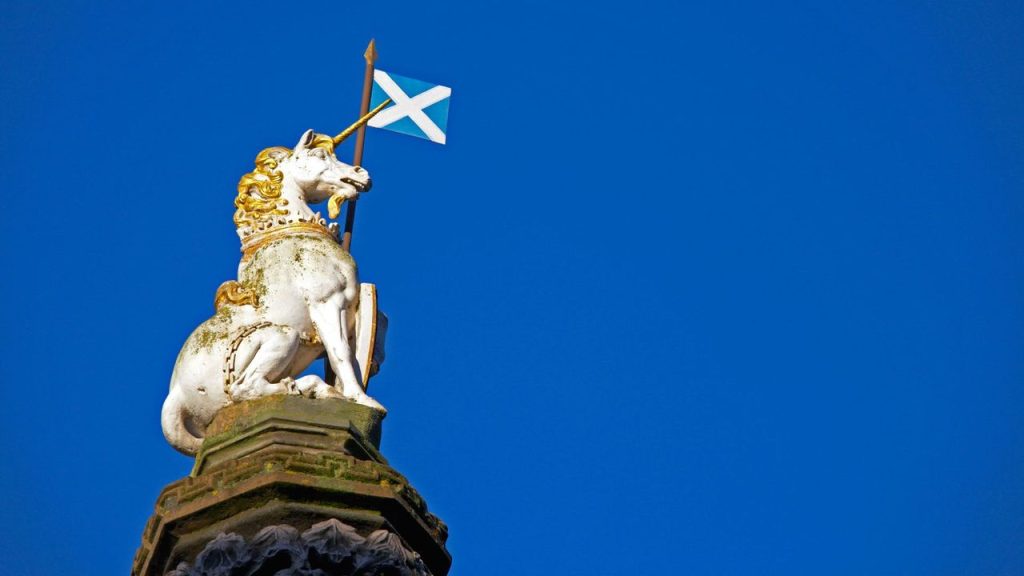
Scotland officially adopted a mythical creature as its national symbol in the late 1300s. The unicorn was chosen because it was considered a noble and untamable beast that only a true king could command. This choice reflects the nation’s historical values and its desire to remain independent from outside control.
Blue Whale Caloric Intake
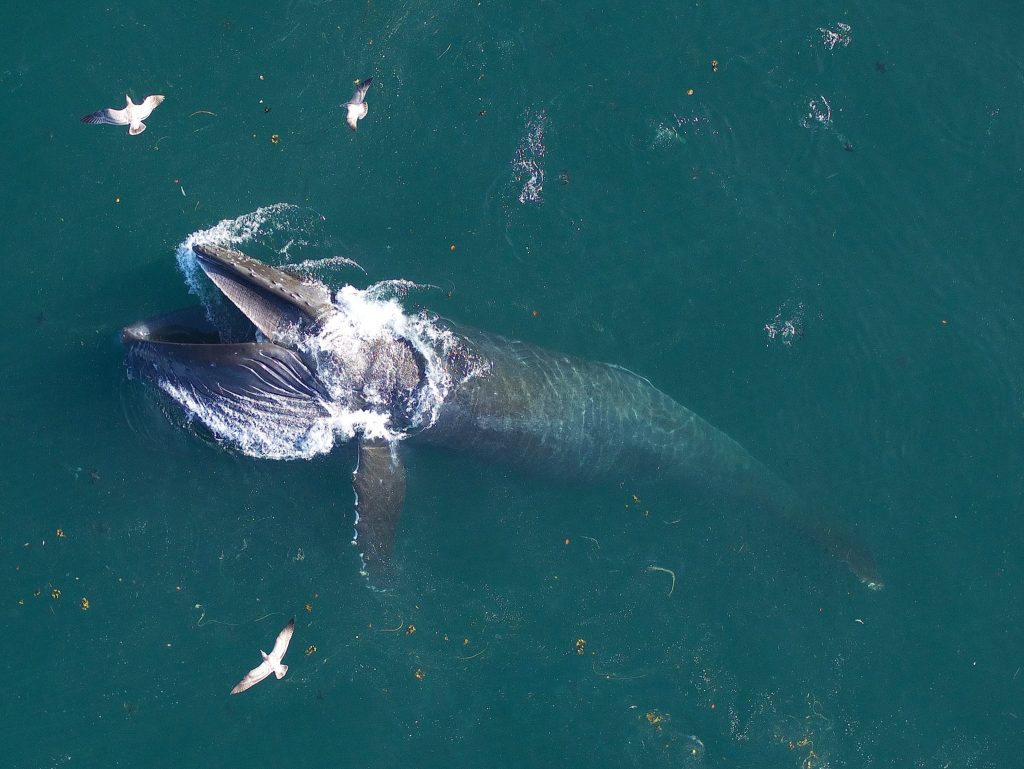
The largest animal on Earth requires an immense amount of energy to sustain its mass. During a single gulp of krill, a blue whale can ingest nearly 500,000 calories. This massive intake is necessary to support their migratory habits and survival in deep ocean environments.
The Island Count Of The Philippines

Recent surveys by the national mapping authority revealed that the archipelago contains more landmasses than previously thought. The total count rose to 7,641 islands, many of which remain uninhabited. This geographical diversity offers unique ecosystems and challenges for infrastructure and administration.
Legal Classification Of Pringles

Due to their unique production process, these snacks are technically categorized as potato crisps rather than chips. The dough used to form them contains less than 50 percent potato content, which led to a legal distinction in the United Kingdom. This ruling affected how the product was taxed and marketed compared to traditional potato slices.
African Hemisphere Coverage
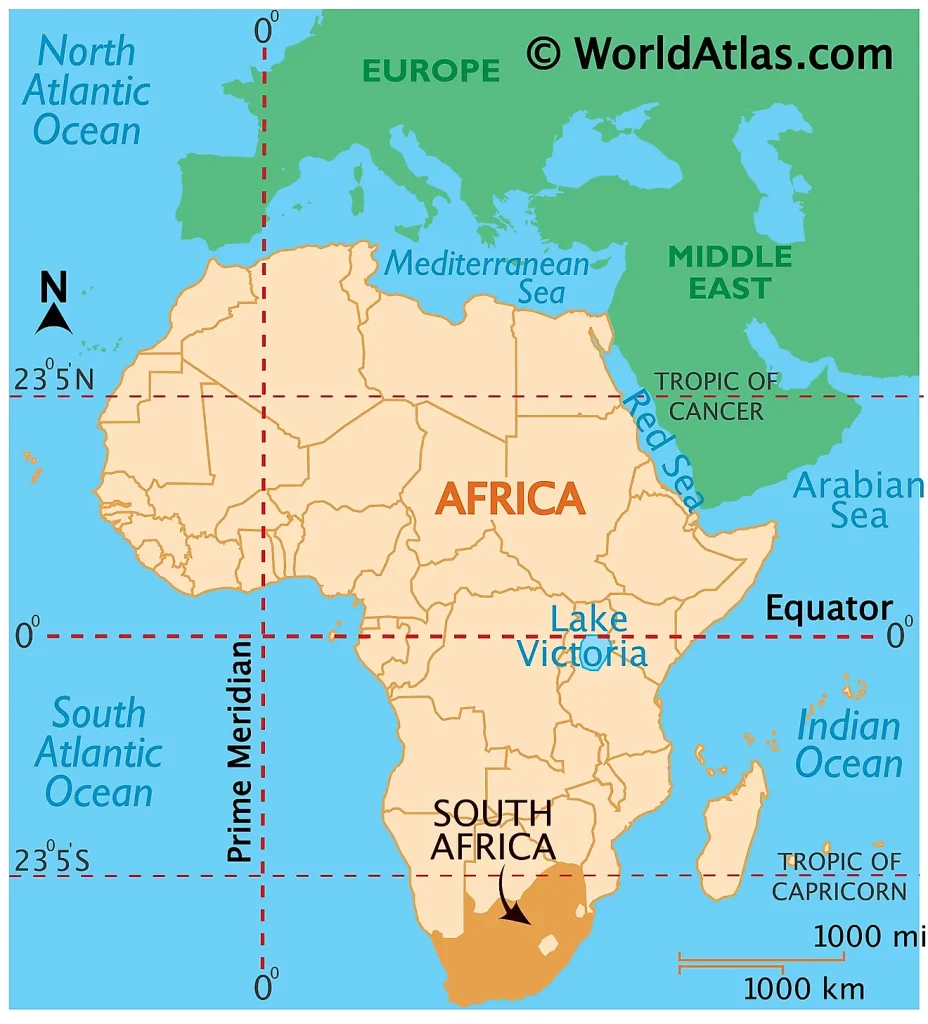
The African continent is uniquely positioned across the globe’s coordinate system. It is the only landmass that has territory extending into the Northern, Southern, Eastern, and Western hemispheres. This central location contributes to its diverse climates and its strategic importance in global geography.
Armadillos And Leprosy
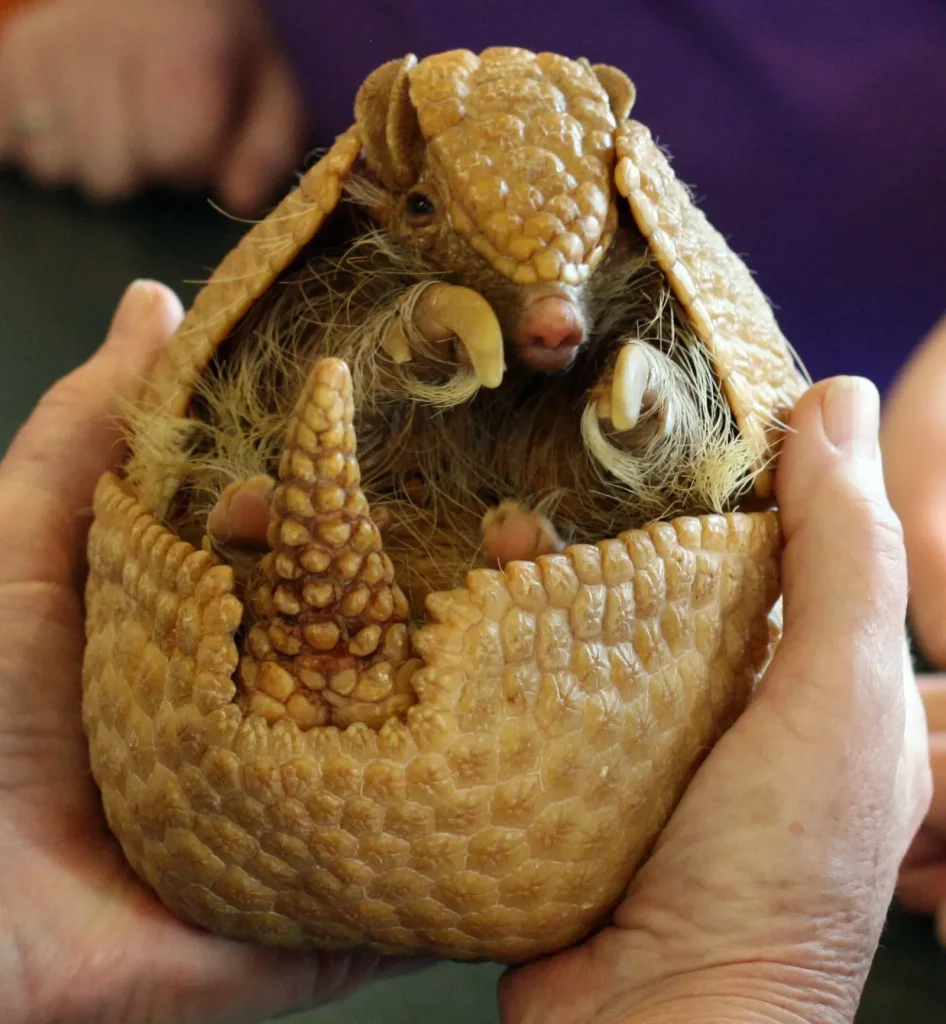
While many believe the disease only affects humans, armadillos are actually capable of carrying the bacteria. This susceptibility makes them one of the few animal species that can transmit the infection to people through direct contact. Health organizations advise caution when interacting with wild populations in certain regions.
The Immortality Of Honey

Modern archaeologists have unearthed pots of honey in ancient Egyptian tombs that remain perfectly edible. The low moisture content and acidic pH of the substance create an environment where bacteria cannot survive. This natural preservation makes it one of the only food products that does not have an expiration date.
The World Largest Organism
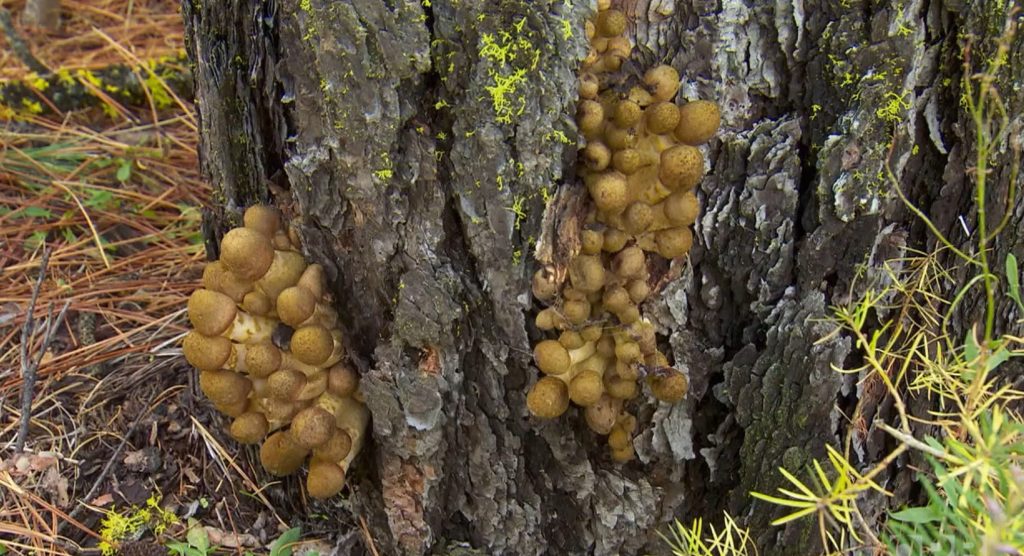
Located in the Blue Mountains of Oregon, a single honey fungus covers over 2,000 acres of forest land. Scientists estimate that this massive underground organism has been growing for at least 2,400 years. It continues to expand by spreading through the root systems of the surrounding trees.
Thermal Expansion Of The Eiffel Tower

During the hot summer months, the iron structure of this Parisian icon expands. This thermal expansion can cause the tower to grow by as much as six inches before the temperature drops. The engineering of the monument was designed to accommodate these seasonal changes without affecting its stability.
Circulatory System Of The Octopus
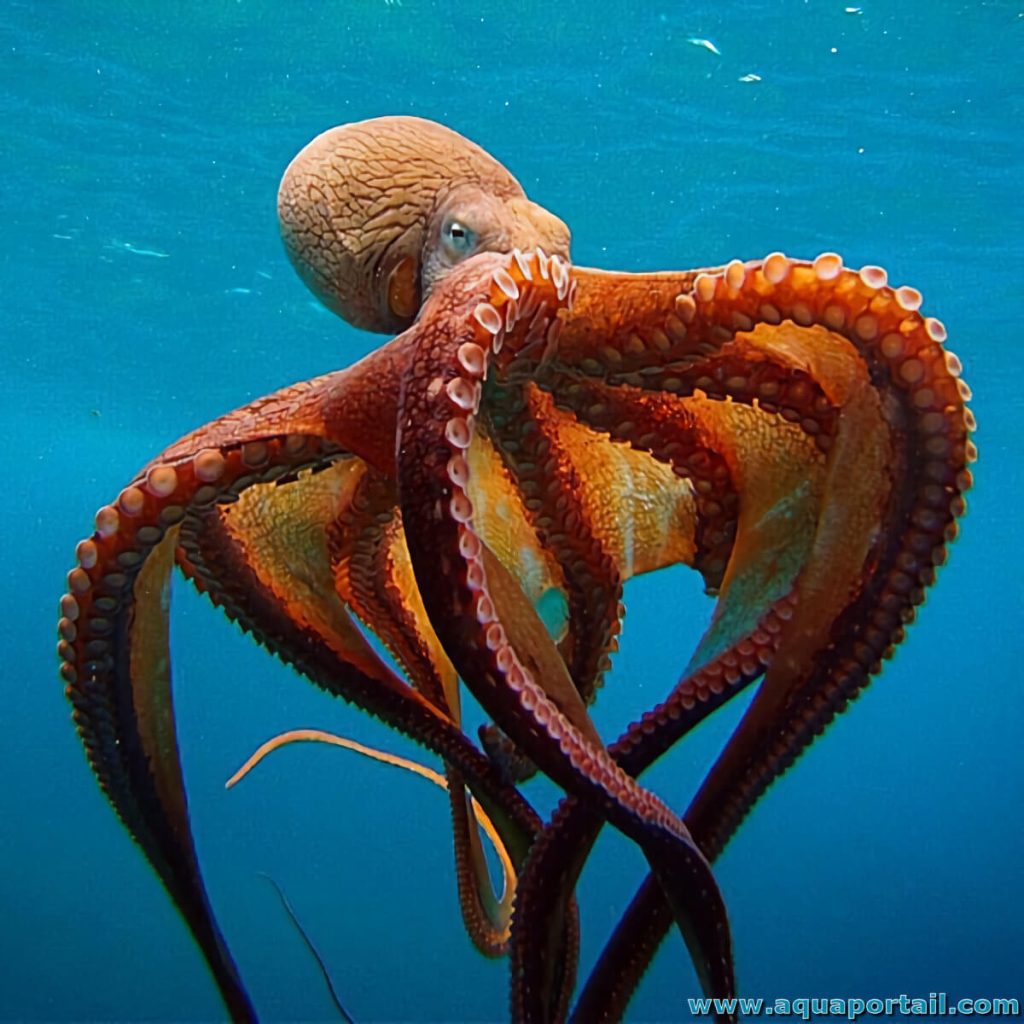
The anatomy of an octopus includes a complex circulatory system with three separate hearts. Two of these organs pump blood to the gills, while the third manages circulation for the rest of the body. Interestingly, the heart that delivers blood to the organs stops beating while the octopus is swimming.
Components Of Household Dust

A significant portion of the particles found floating in the air or settling on furniture consists of organic matter. Microscopic analysis shows that dead skin cells shed by residents are a primary component of indoor dust. Reducing these particles usually requires consistent cleaning and high quality air filtration systems.
Clockwise Rotation Of Venus
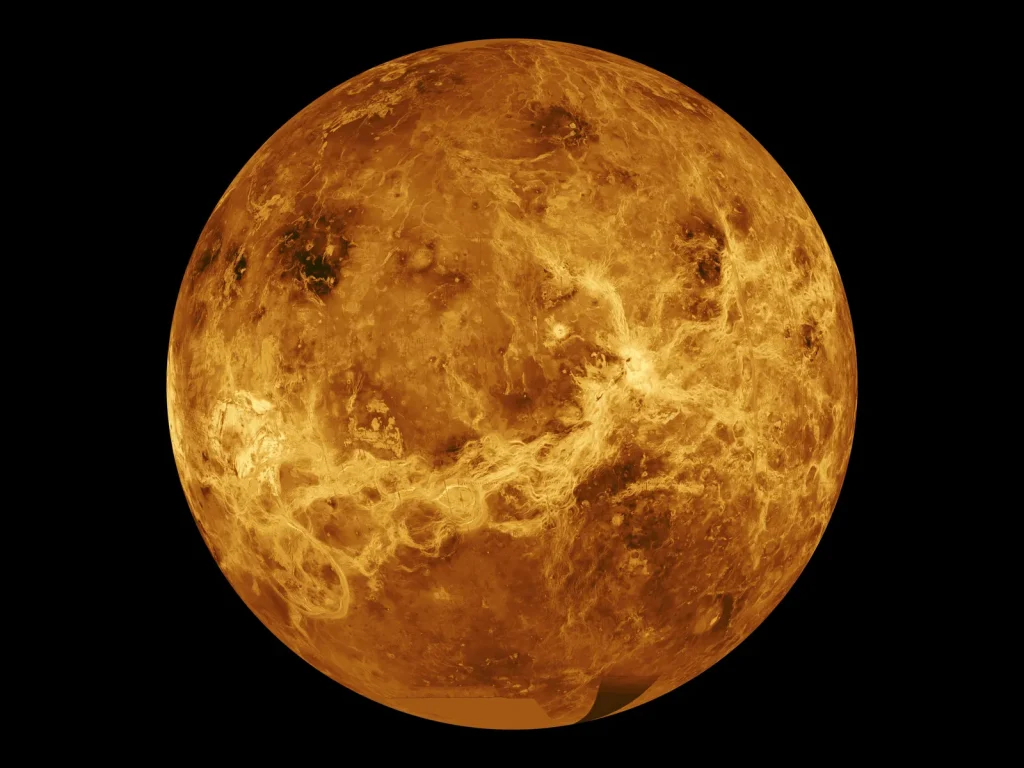
Most planets in our solar system rotate counter-clockwise on their axes. Venus is the notable exception, as it spins in a clockwise direction, a phenomenon known as retrograde rotation. This means that on Venus, the sun rises in the west and sets in the east.
Total Length Of Human Vessels
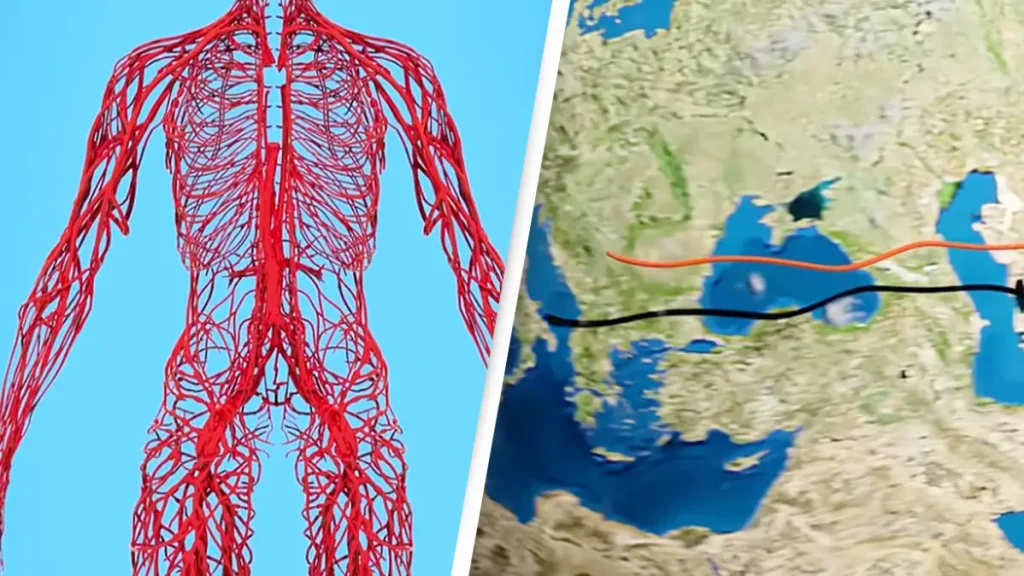
If the veins, arteries, and capillaries of an average adult were laid out in a single line, they would stretch for over 60,000 miles. This distance is more than twice the circumference of the Earth. This vast network is essential for delivering oxygen and nutrients to every cell in the body.
The Inaugural Commercial Flight

The inaugural trip for a paying passenger took place in 1914 between St. Petersburg and Tampa, Florida. The flight covered 18 miles and lasted just under half an hour. This modest journey paved the way for the global aviation industry that connects the world today.
Muscular Structure Of The Tongue
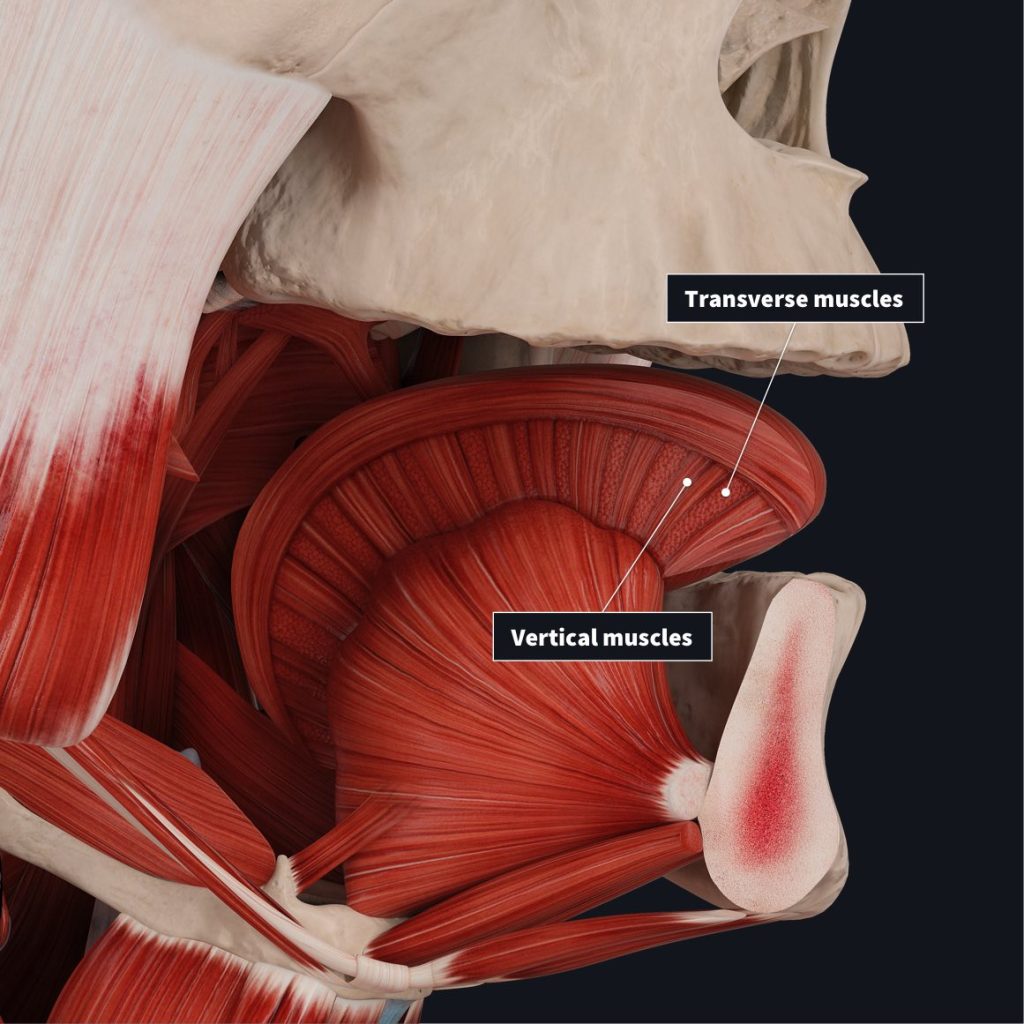
This vital organ plays a key role in speaking and eating, yet its physical structure is unique among human muscles. It is the only muscle in the body that is connected to the skeleton at only one end. This lack of a secondary attachment point allows for its high degree of flexibility and range of motion.
Nomenclature For Crows
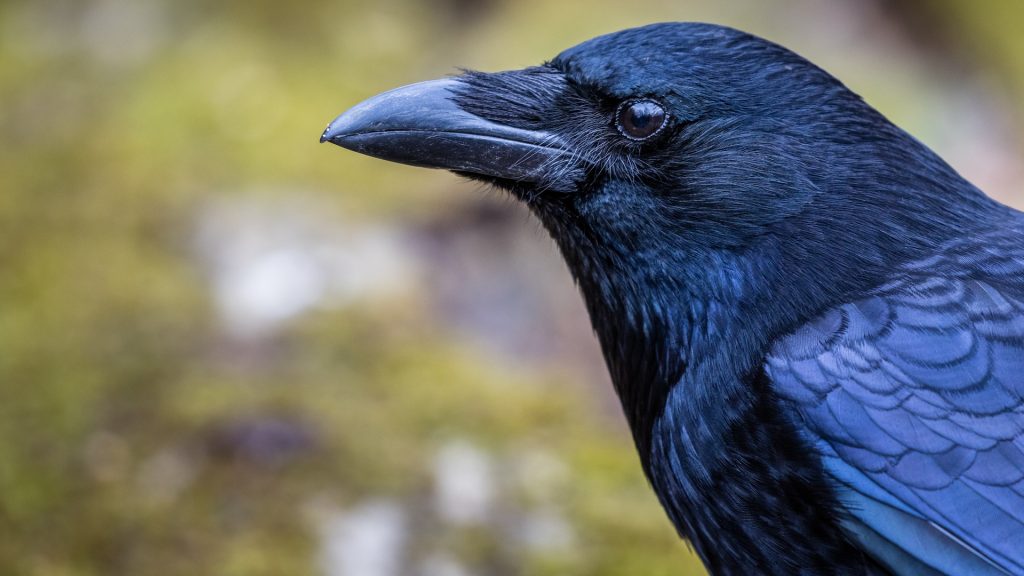
Collective nouns for animals often have poetic or historical origins. Since the Middle Ages, a group of these black birds has been referred to as a murder, likely due to ancient folklore linking them to death. Despite the dark name, crows are among the most intelligent and social bird species.
Botanical Classification Of Peanuts
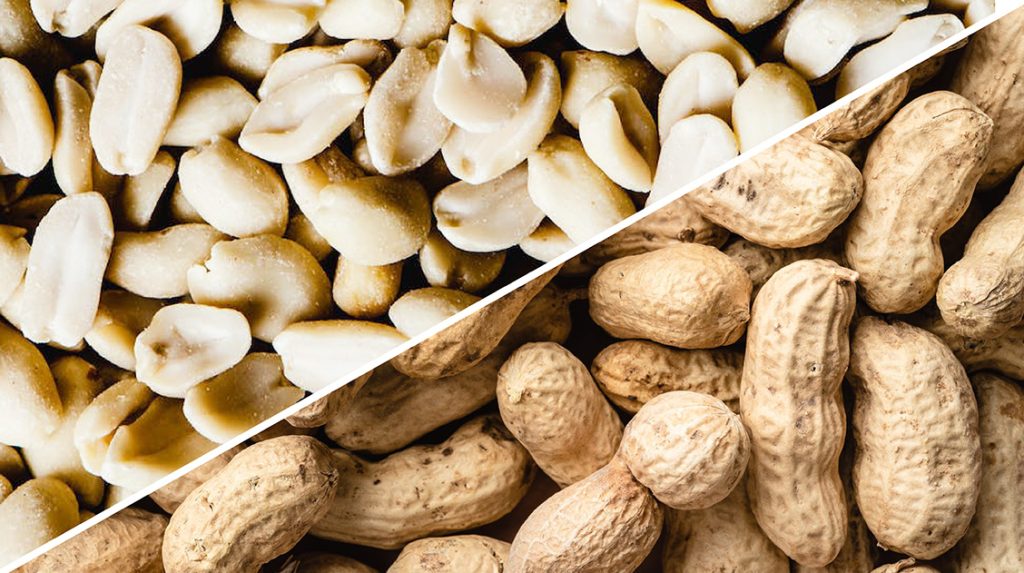
Despite their name and culinary use, peanuts do not meet the botanical definition of a nut. They belong to the legume family, meaning they are more closely related to beans and lentils than to walnuts or almonds. Their growth habit is also distinct, as they develop their pods underground.
The Pyramids Of Sudan
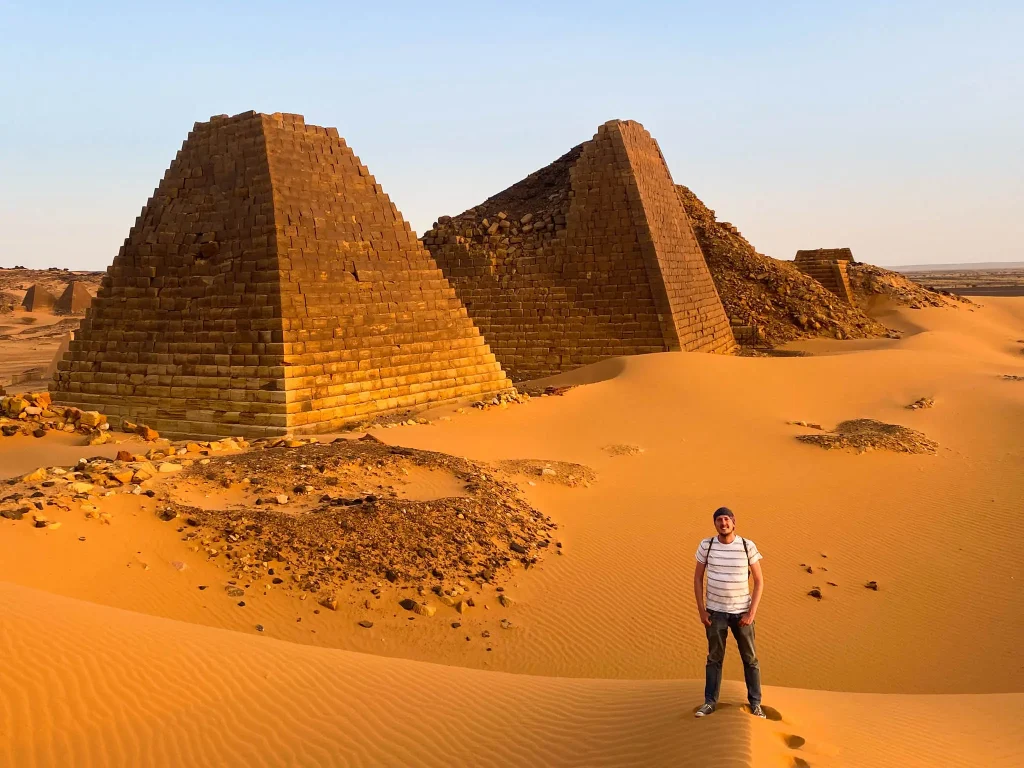
While Egypt is famous for Giza, Sudan actually contains a higher volume of these ancient structures. The Nubian pyramids, located in the Nile Valley, outnumber those found in its northern neighbor by nearly double. These sites were built by the rulers of the ancient Kushite kingdoms.
The Bridges Of The Trans Siberian Railway

Traveling across Russia on this legendary route is a massive logistical feat. Passengers cross nearly 4,000 bridges over the course of a single journey through eight different time zones. The railway remains the longest train route in the world, spanning from Moscow to Vladivostok.
Samsung Early Trade Business

Before becoming a global leader in electronics, the Samsung company operated as a grocery trading store in 1938. Their early inventory focused on dried fish, locally grown groceries, and their own brand of noodles. They did not enter the electronics market until late in the 1960s.
Physical Dimensions Of The Bumblebee Bat
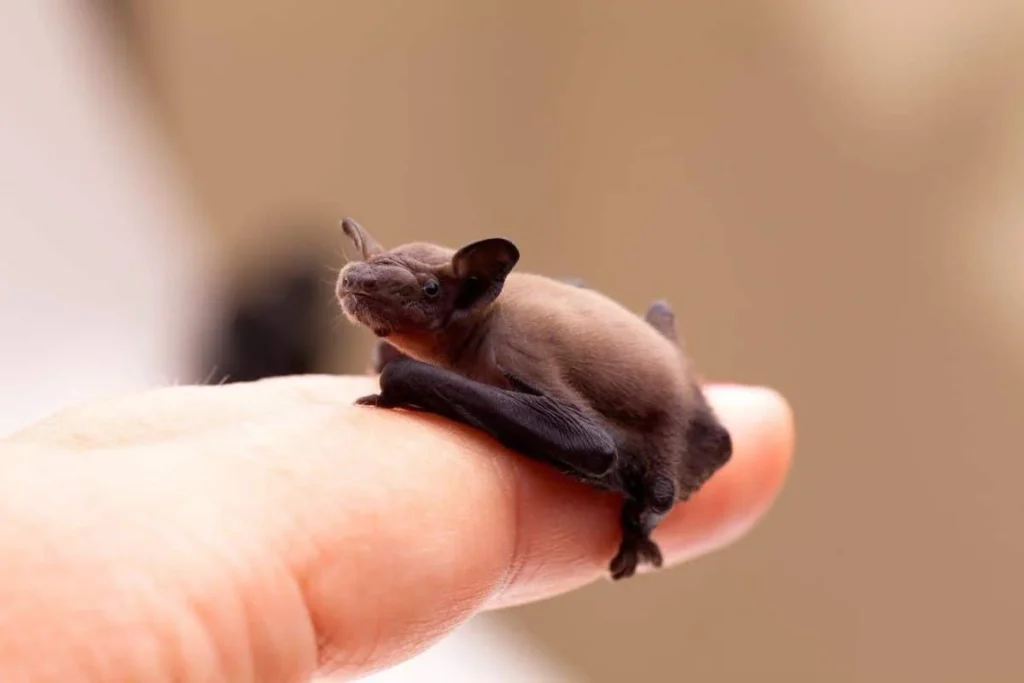
The bumblebee bat, found in Thailand and Myanmar, holds the record for the smallest mammal on the planet. It weighs approximately two grams, which is roughly the weight of a standard penny. Its small size makes it extremely vulnerable to habitat loss and human interference.
Lexicon For Snow In Scotland

Researchers at the University of Glasgow documented hundreds of unique terms used to describe frozen precipitation. This extensive vocabulary reflects the significant role that winter weather plays in Scottish culture and history. The 421 words range from descriptions of light dusting to heavy blizzards.
Strength Of Human Tooth Enamel

Structural analysis reveals that human tooth enamel possesses a strength comparable to that of a shark’s teeth. Although the chemical composition differs, both are built to withstand incredible amounts of pressure during biting. This resilience is due to the highly organized crystal structure of the enamel layer.
Color Scheme Of The Golden Gate Bridge

The famous landmark was originally supposed to be black and yellow or even red and white. The current orange color was meant to be a temporary primer, but the consulting architect found it so striking that he made it permanent. This choice also helped the bridge remain visible to passing ships during heavy fog.
The Flight Altitude Of Bees
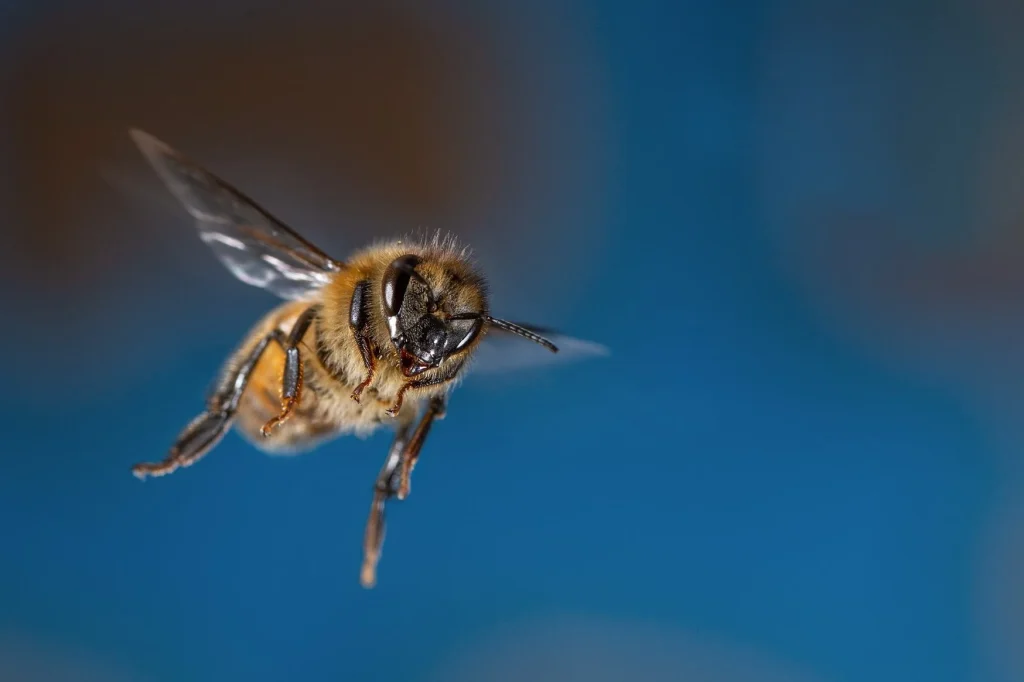
Experimental studies have shown that bumblebees are capable of flying at altitudes exceeding 29,000 feet. This elevation is higher than the peak of Mount Everest, demonstrating the insects’ remarkable adaptation to low oxygen levels. This ability allows them to navigate mountainous regions in search of food.
Temporal Relationship Of Cleopatra
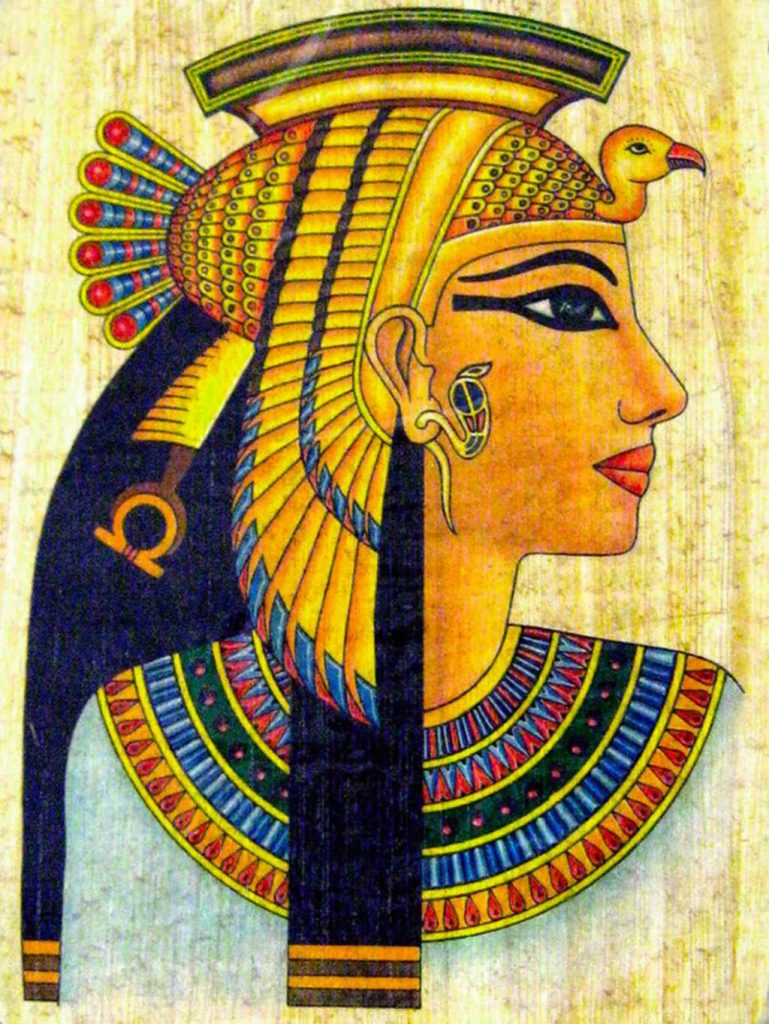
The historical timeline of ancient Egypt is much longer than many people realize. Cleopatra lived significantly closer to the launch of the first iPhone and the moon landing than she did to the construction of the Great Pyramid of Giza. This massive time gap highlights the incredible longevity of the Egyptian civilization across thousands of years.