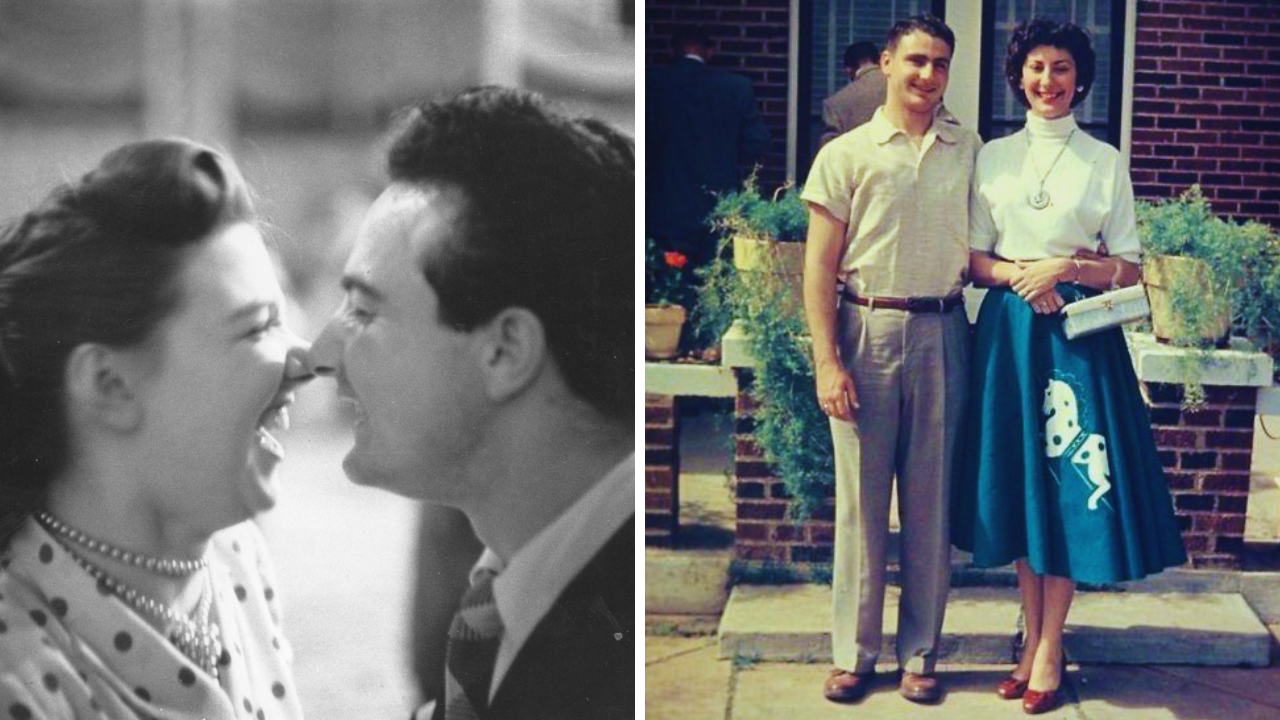
Dating in the 1950s was a completely different world. Long before dating apps, texting, and casual coffee meetups, romance came with an astonishing number of rules. Entire guidebooks were dedicated to teaching young people how to behave on dates, what to wear, what to say, and even how long to wait before answering the phone. Looking back, some of these expectations seem so strict, and so bizarre, that they’re almost impossible to imagine today. Here are 30 ridiculous dating etiquette rules from the 1950s that people were actually expected to follow.
1. Boys Had to Ask Parents First

Before taking a girl out, many boys were expected to ask her parents for permission and introduce themselves properly.
2. Girls Weren’t Supposed to Make the First Move

Initiating contact was generally considered the man’s responsibility. A girl who appeared too eager risked damaging her reputation.
3. Dating Was Often a Group Activity

Many teens participated in group dates before being allowed to go out alone as a couple.
4. You Had to Dress Up for Everything

Even casual dates often required formal attire by today’s standards.
5. Boys Were Expected to Pay for Everything

Splitting the bill was practically unheard of. The man was expected to cover every expense.
6. Girls Were Told Not to Eat Too Much

Some etiquette guides actually advised women to avoid ordering large meals to appear more feminine.
7. Never Call a Boy First

Many dating manuals warned girls against initiating phone calls.
8. Goodnight Kisses Had Rules

Even something as simple as a kiss was governed by unwritten social expectations. Etiquette guides were surprisingly specific: a goodnight kiss was discouraged on a first date, expected to be brief and at the door, and considered something a girl chose to allow rather than something a boy could assume.
9. Public Displays of Affection Were Discouraged

Holding hands was generally acceptable, but anything beyond that could draw criticism.
10. Girls Were Expected to Be Home Early

Strict curfews were common, especially for younger women.
11. Boys Were Judged by Their Car

A nice vehicle was often seen as a reflection of a young man’s character and prospects.
12. Dancing Had Proper Technique

There were surprisingly detailed expectations about how close couples should stand.
13. Girls Were Expected to Be Modest

Confidence was encouraged, but only up to a point.
14. Dating Multiple People Was Normal

Exclusivity often came later. Many teens casually dated several people before “going steady.”
15. Going Steady Was a Major Milestone

Becoming exclusive was treated almost like a pre engagement announcement.
16. Girls Were Told to Let Men Lead Conversations

Advice columns often suggested that women should focus on listening rather than dominating discussions.
17. Never Appear Too Intelligent

Some magazines warned women that appearing overly intellectual could intimidate potential dates.
18. The Boy Had to Walk the Girl to the Door

Dropping someone off wasn’t enough. Proper etiquette required escorting her to the door.
19. Girls Were Expected to Send Thank-You Notes

After special dates, handwritten notes were sometimes encouraged.
20. Parents Might Chaperone

Some young couples couldn’t spend time alone without adult supervision.
21. Double Dates Were Encouraged

They were considered safer and more socially acceptable than one-on-one outings.
22. Girls Shouldn’t Be Too Funny

Certain advice columns bizarrely suggested that women should avoid overshadowing men with humor.
23. Boys Were Expected to Open Every Door

Traditional chivalry wasn’t optional, it was expected.
24. Reputation Was Everything

A single rumor could significantly affect someone’s social standing.
25. Girls Were Judged on Domestic Skills

Cooking and housekeeping abilities were often considered important dating qualifications.
26. Men Were Expected to Be Future Providers

Career prospects frequently mattered as much as personality.
27. Phone Calls Had Time Limits

Lingering too long on the phone was often considered poor etiquette.
28. Girls Shouldn’t Accept Too Many Dates

Some guides claimed that accepting too many invitations could harm a young woman’s reputation.
29. Marriage Was Usually the Goal

Dating was often viewed less as recreation and more as a path toward finding a spouse.
30. Women Were Told to Laugh at Men’s Jokes

One of the strangest pieces of advice from the era suggested that women should always appear amused by their date’s humor, even when the jokes weren’t particularly funny.