Spies have existed for as long as nations have tried to protect themselves or outmaneuver their enemies. Some operated quietly for years, while others were exposed only after their work changed the course of history. Their methods ranged from coded messages and double lives to deception on a massive scale. What connects them is the impact their intelligence had on wars, governments, and global power. This list looks at the individuals whose espionage efforts mattered most.
Harriet Tubman
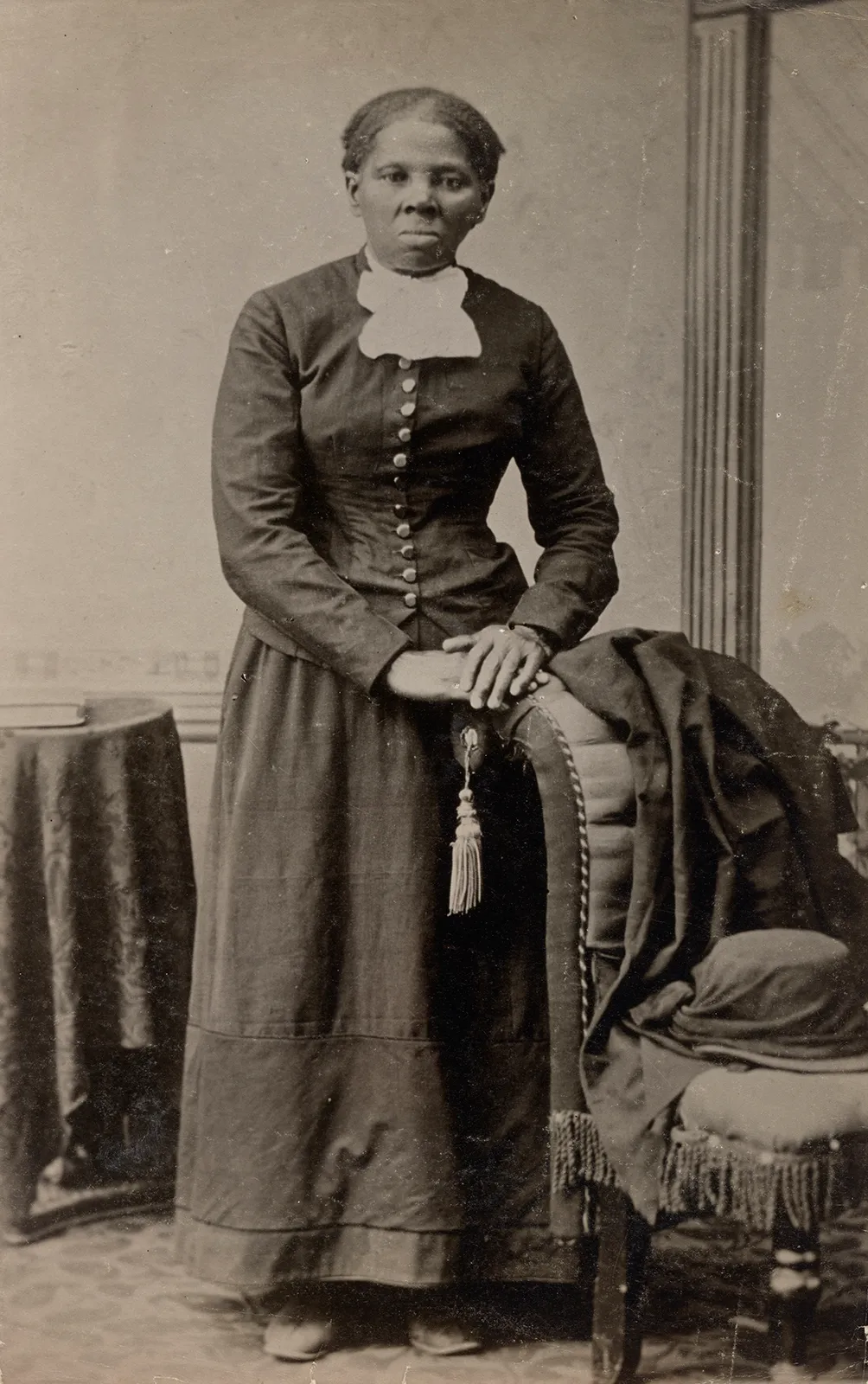
Espionage was central to her Civil War work for the Union. She gathered intelligence behind Confederate lines. Tubman later led a military raid that freed hundreds of enslaved people.
Josephine Baker
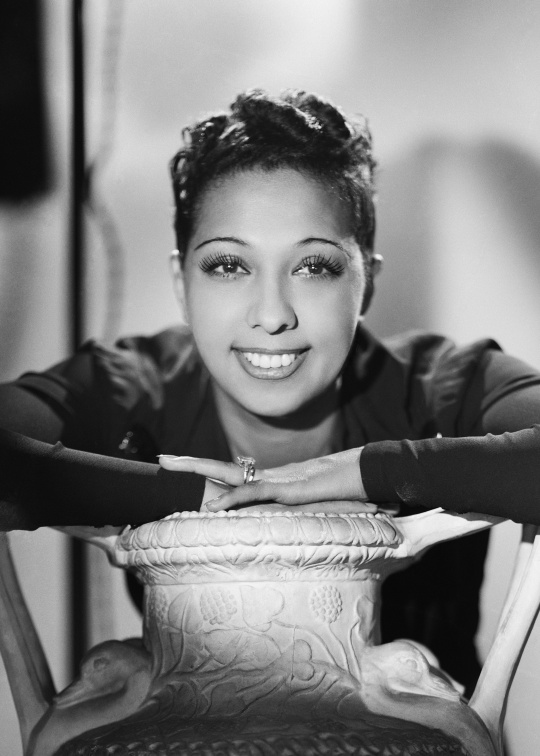
Her fame granted access others could not reach. Baker collected intelligence at elite gatherings during World War II. Information was hidden in sheet music and passed to the Resistance.
Moe Berg
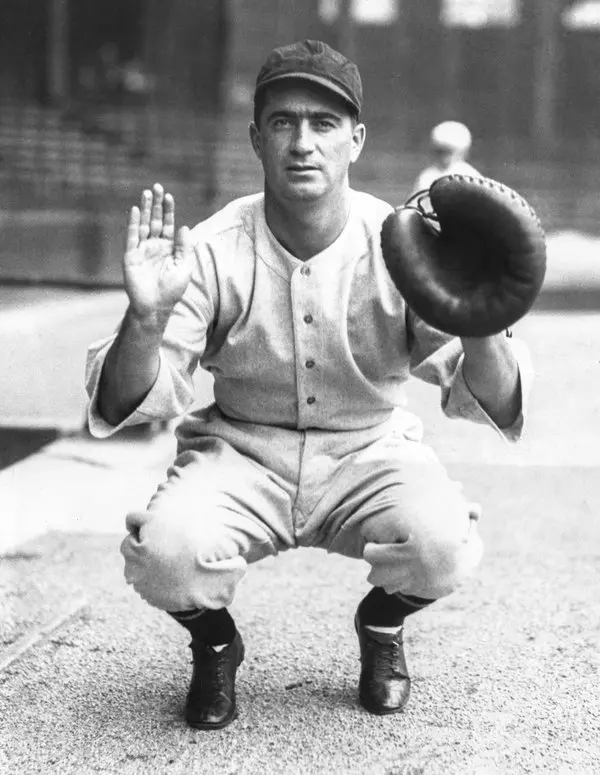
Languages and intellect made him valuable far beyond baseball. The OSS sent him deep into Europe on high-risk missions. At one point, he carried orders to assassinate a scientist if necessary.
Virginia Hall
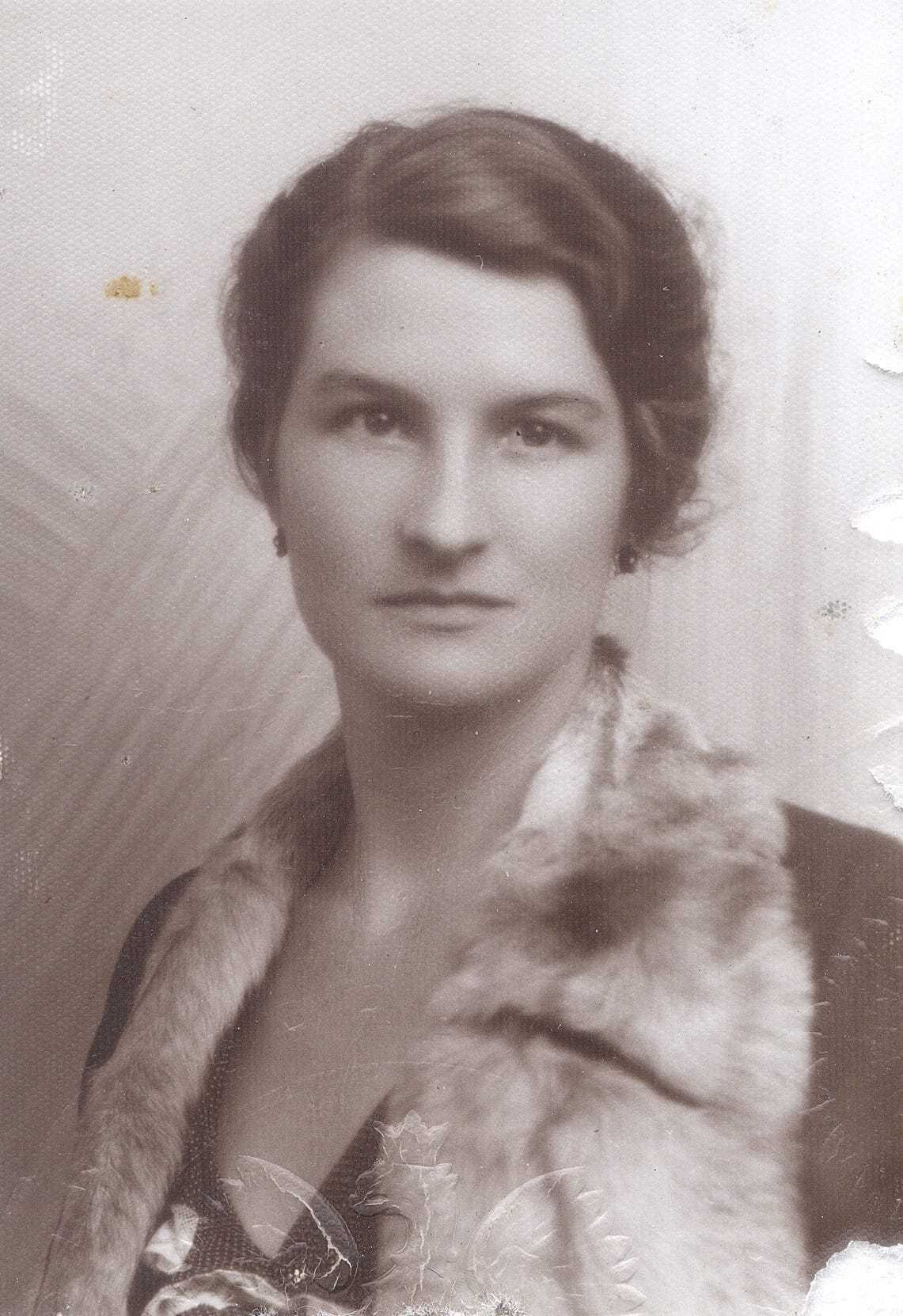
Operating with a prosthetic leg, she became one of the most effective Allied agents in occupied France. The Gestapo considered her extremely dangerous. She survived and continued working in intelligence after the war.
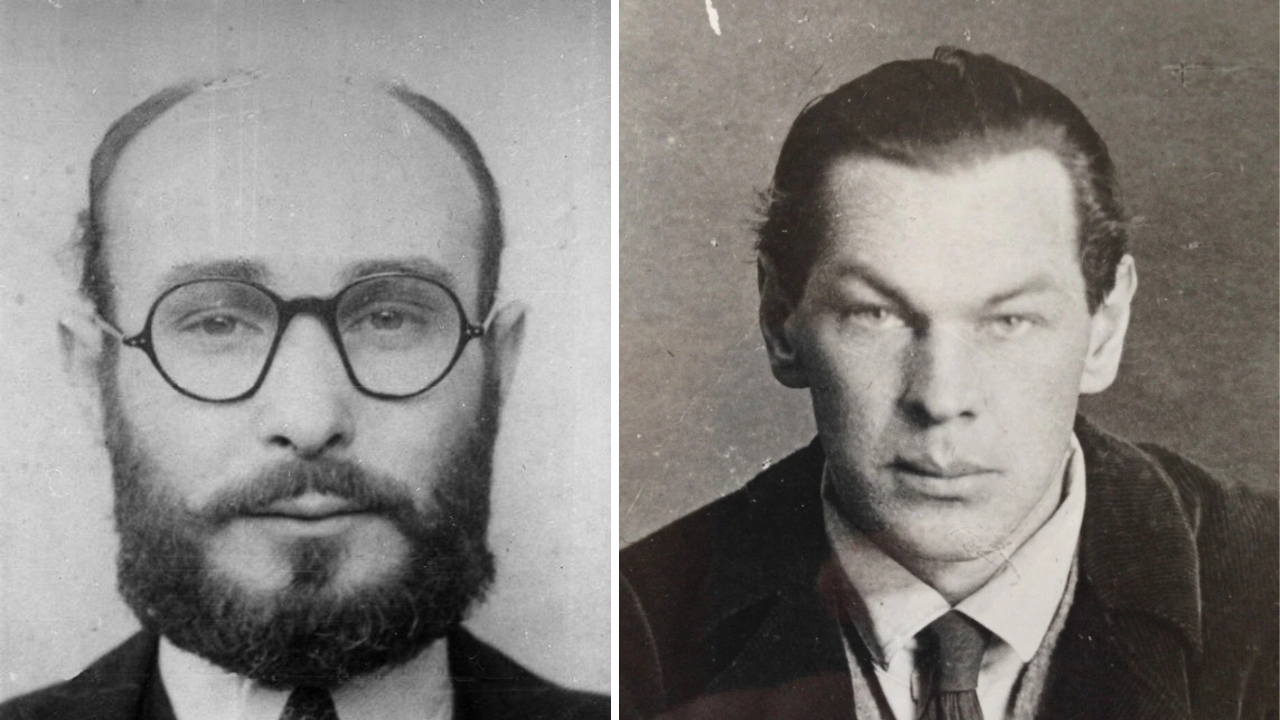
Juan Pujol García
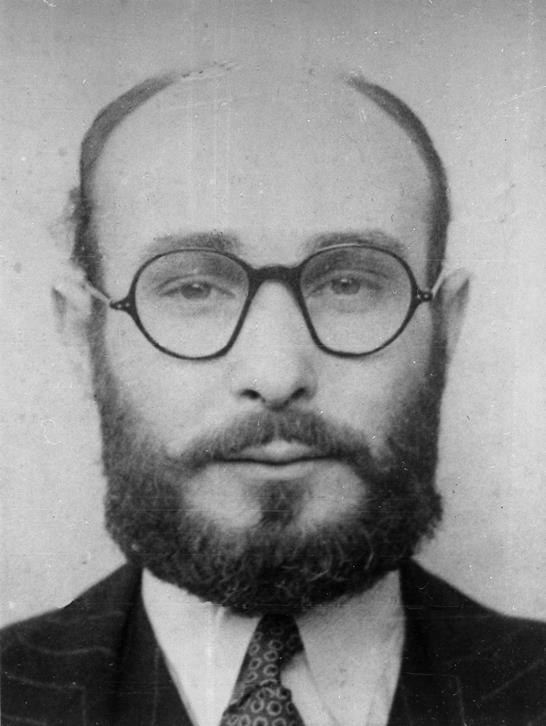
He deceived Germany while secretly working for Britain. His false reports played a major role in misleading German forces before D-Day. Both sides honored him without realizing the truth.
Sir Francis Walsingham
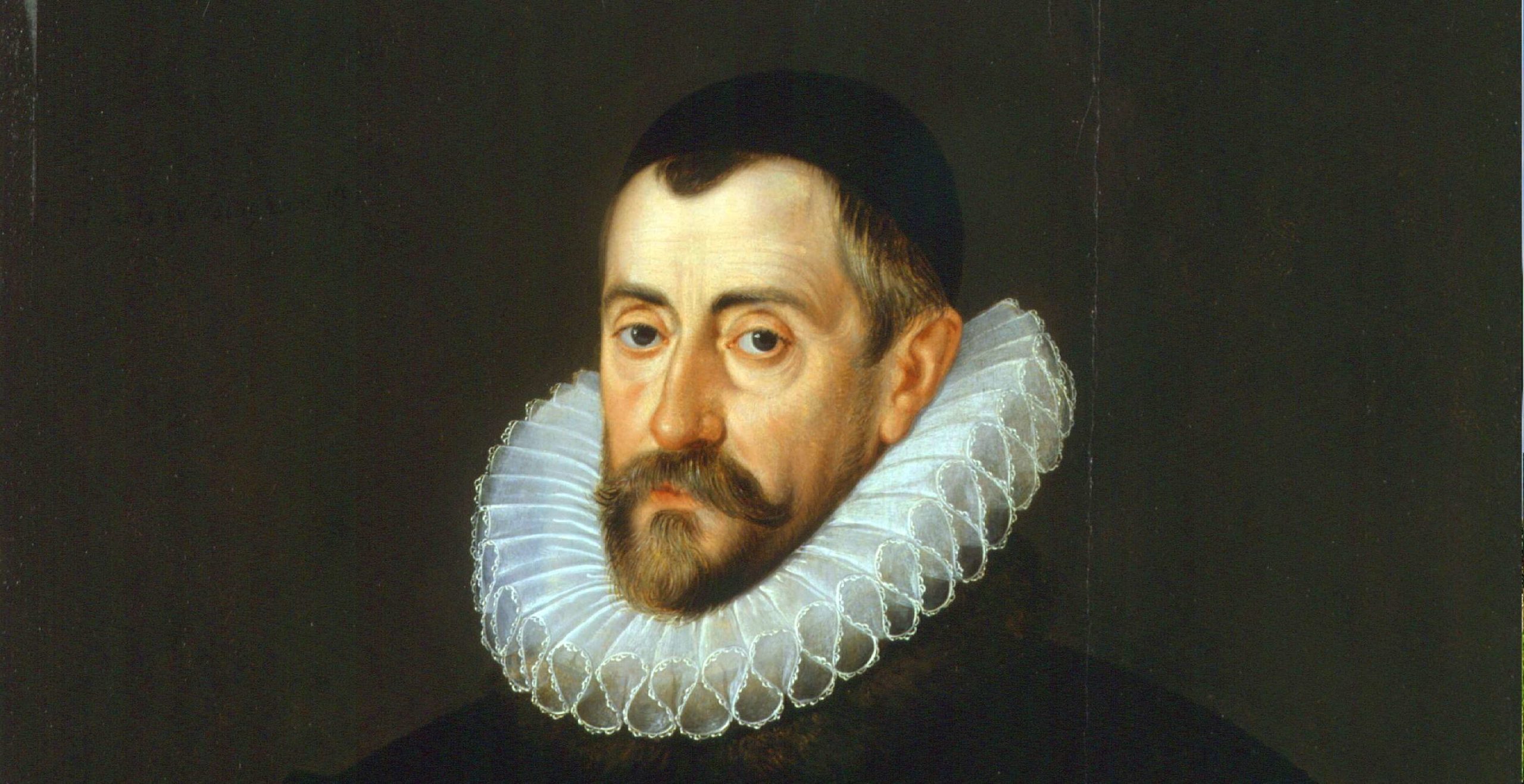
Elizabeth I relied on him to protect the English crown. He built an extensive intelligence network across Europe and his work helped defeat the Spanish Armada.
Julia Child
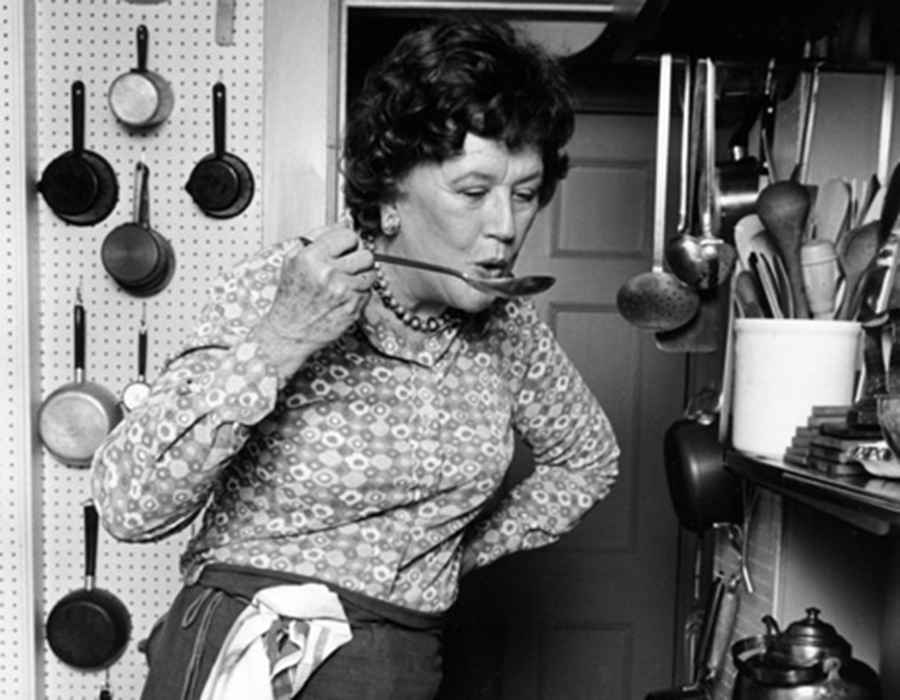
Long before television fame, she worked for the OSS. Her job involved tracking classified intelligence across Asia. She received a civilian service award for her wartime work.
Mata Hari
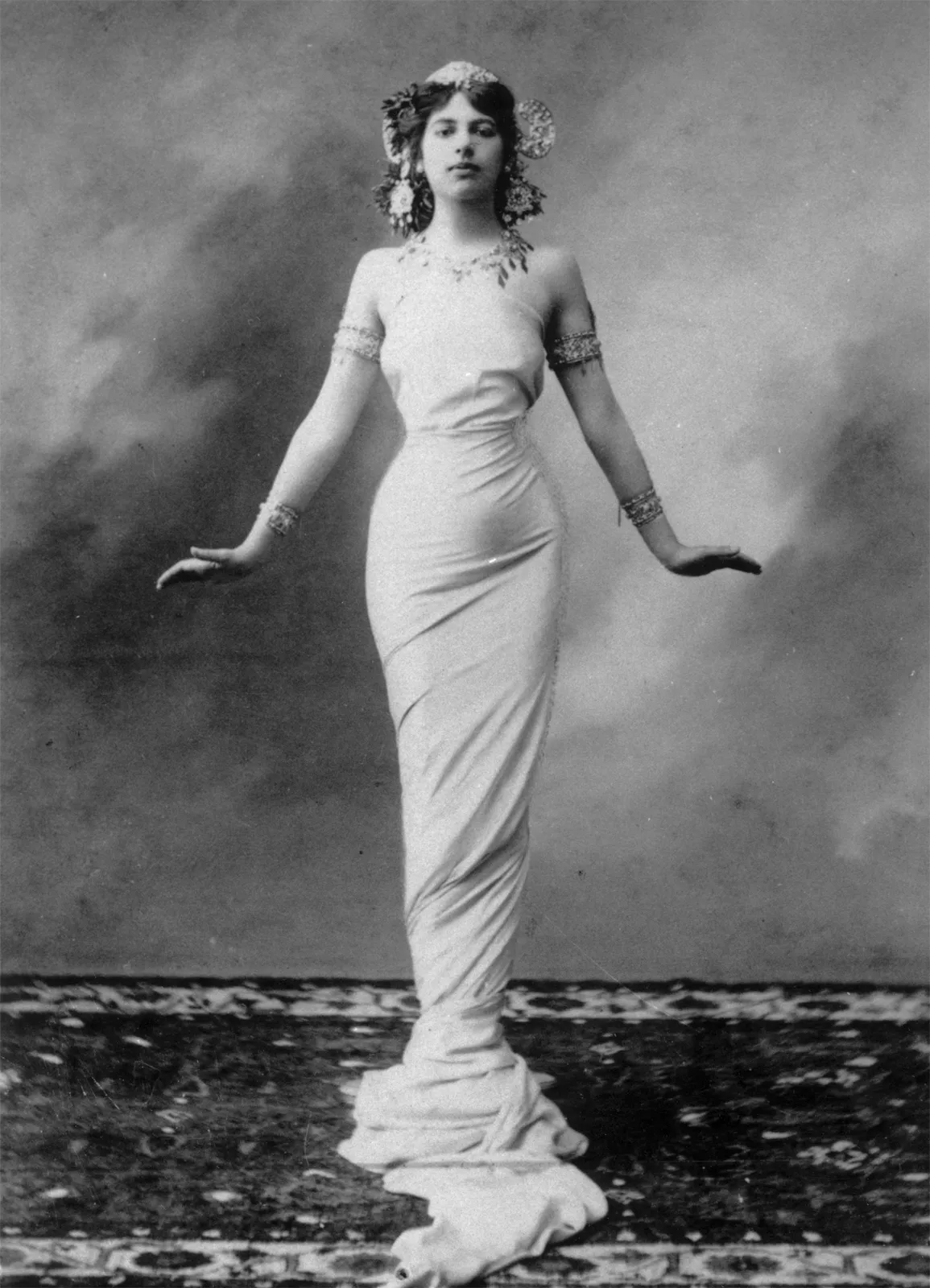
Fame and scandal surrounded her intelligence work. She gathered information through personal relationships during World War I. France executed her for espionage in 1917.
Ian Fleming
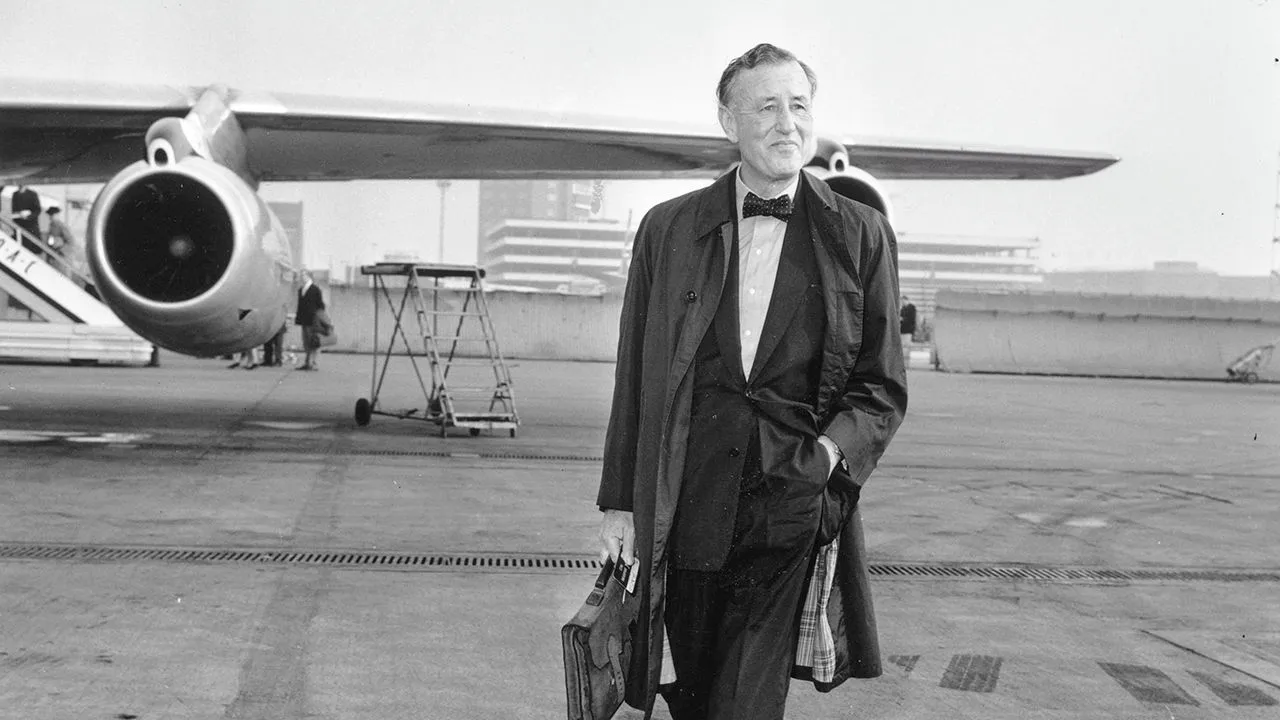
Naval intelligence shaped his understanding of espionage. Fleming helped design deception operations during World War II. Those experiences later informed James Bond.
Dušan Popov
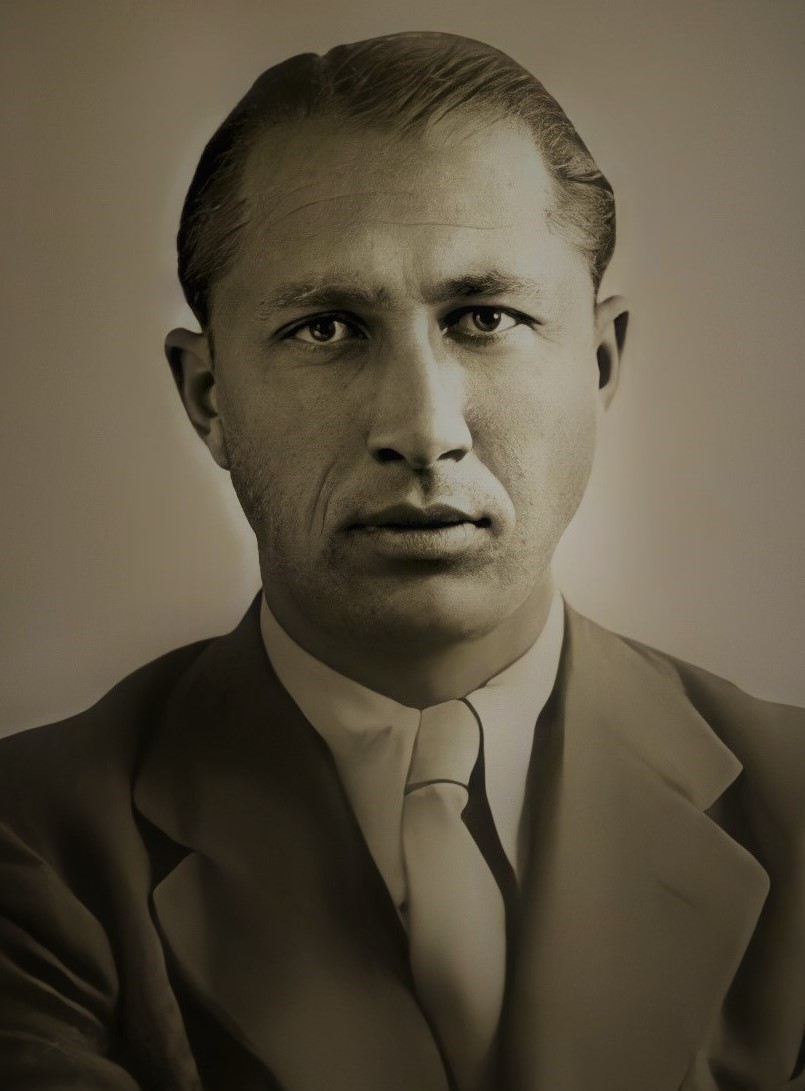
British intelligence relied on him as a double agent. He warned the United States about Pearl Harbor in advance, but his reports were ignored.
Aldrich Ames
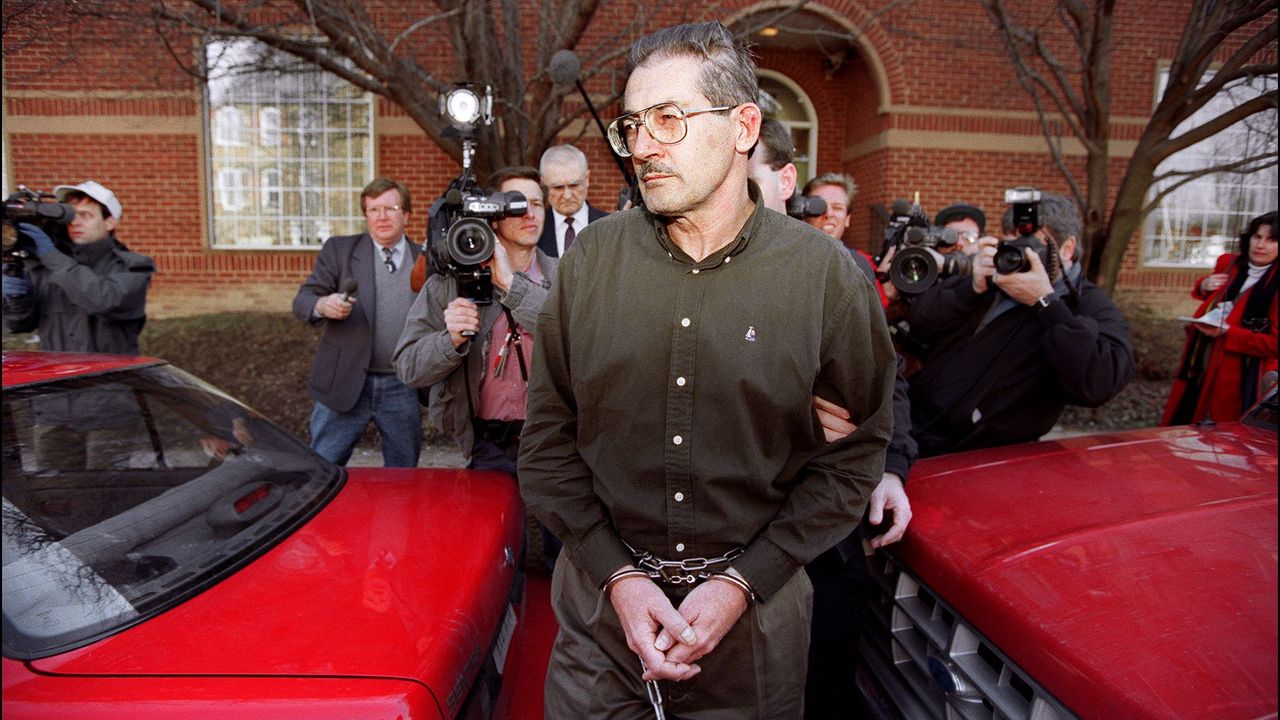
Position inside the CIA gave him enormous access. Ames passed critical information to the Soviet Union. His betrayal led to multiple executions.
Kim Philby
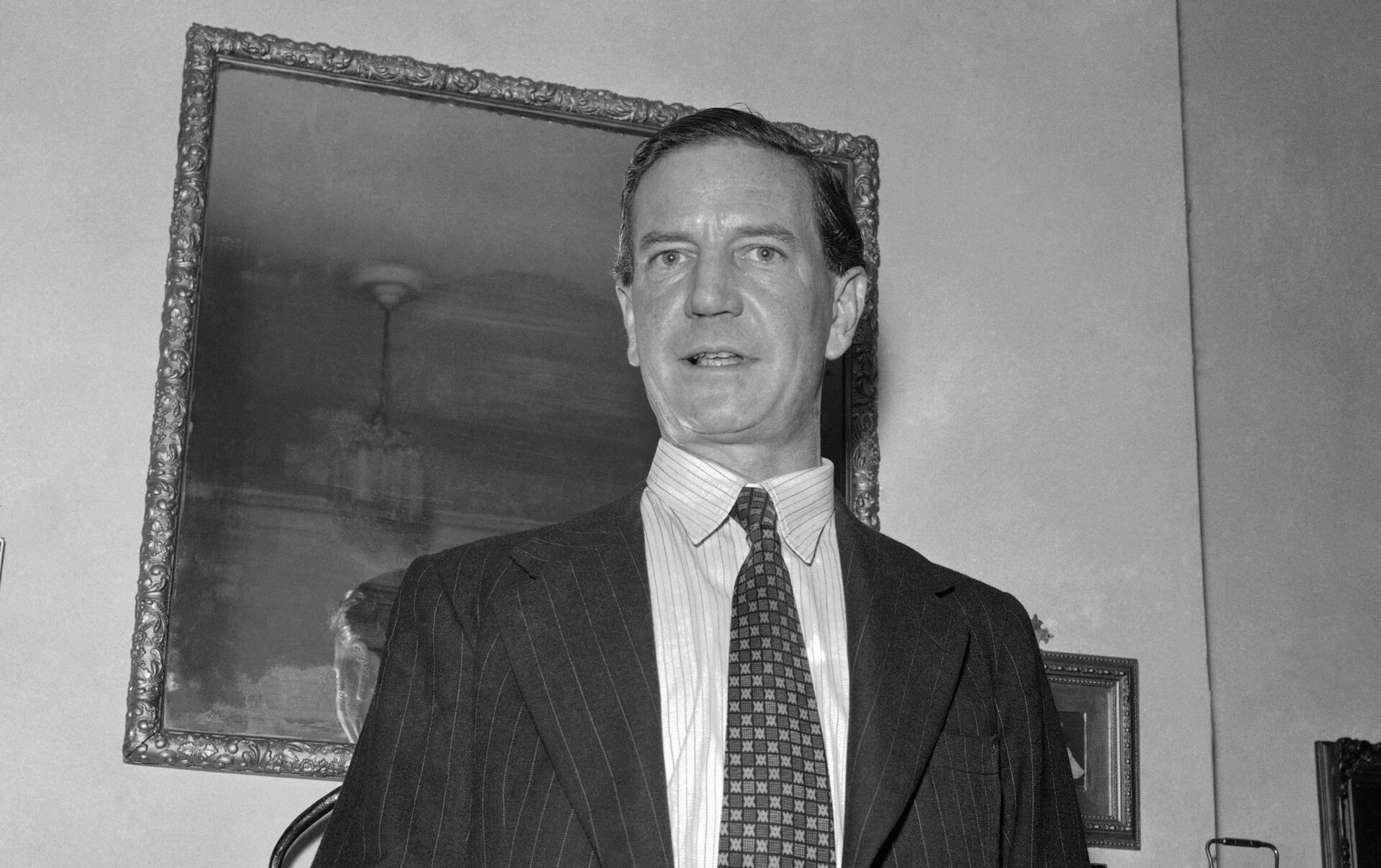
Trust placed him at the center of British intelligence. For decades, he secretly worked for the Soviets. His exposure damaged Western intelligence operations worldwide.
Sterling Hayden
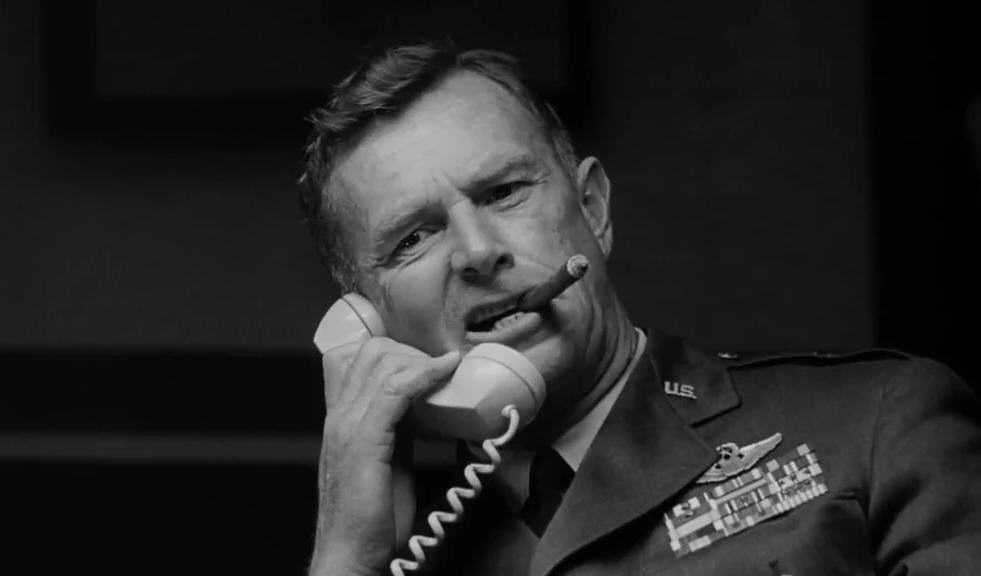
World War II pulled him away from Hollywood. The OSS recruited him for maritime espionage missions. He earned military honors for his service.
Belle Boyd
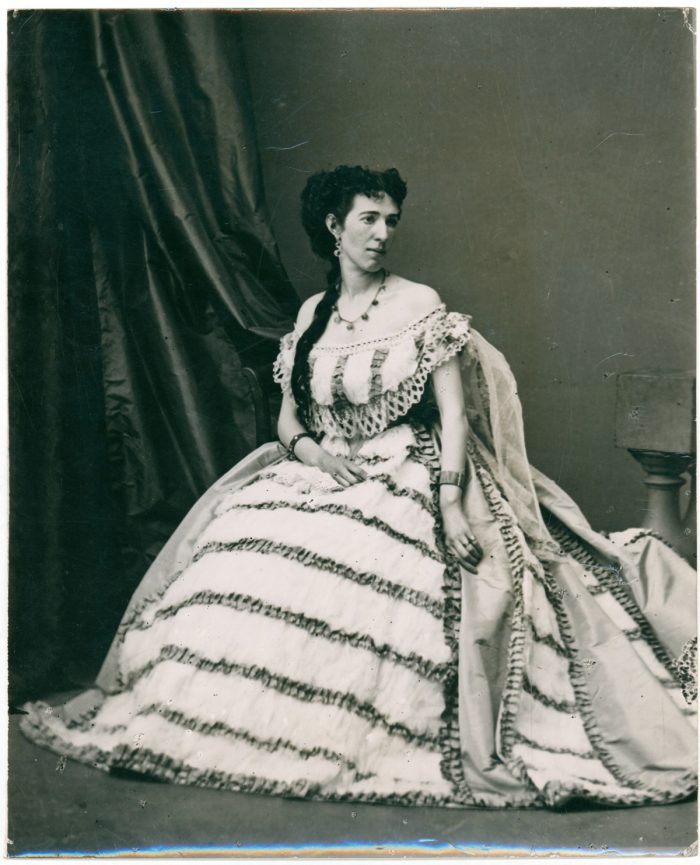
Charm proved to be her primary weapon. Boyd extracted information from Union officers. She later turned her experiences into public lectures.
Nathan Hale
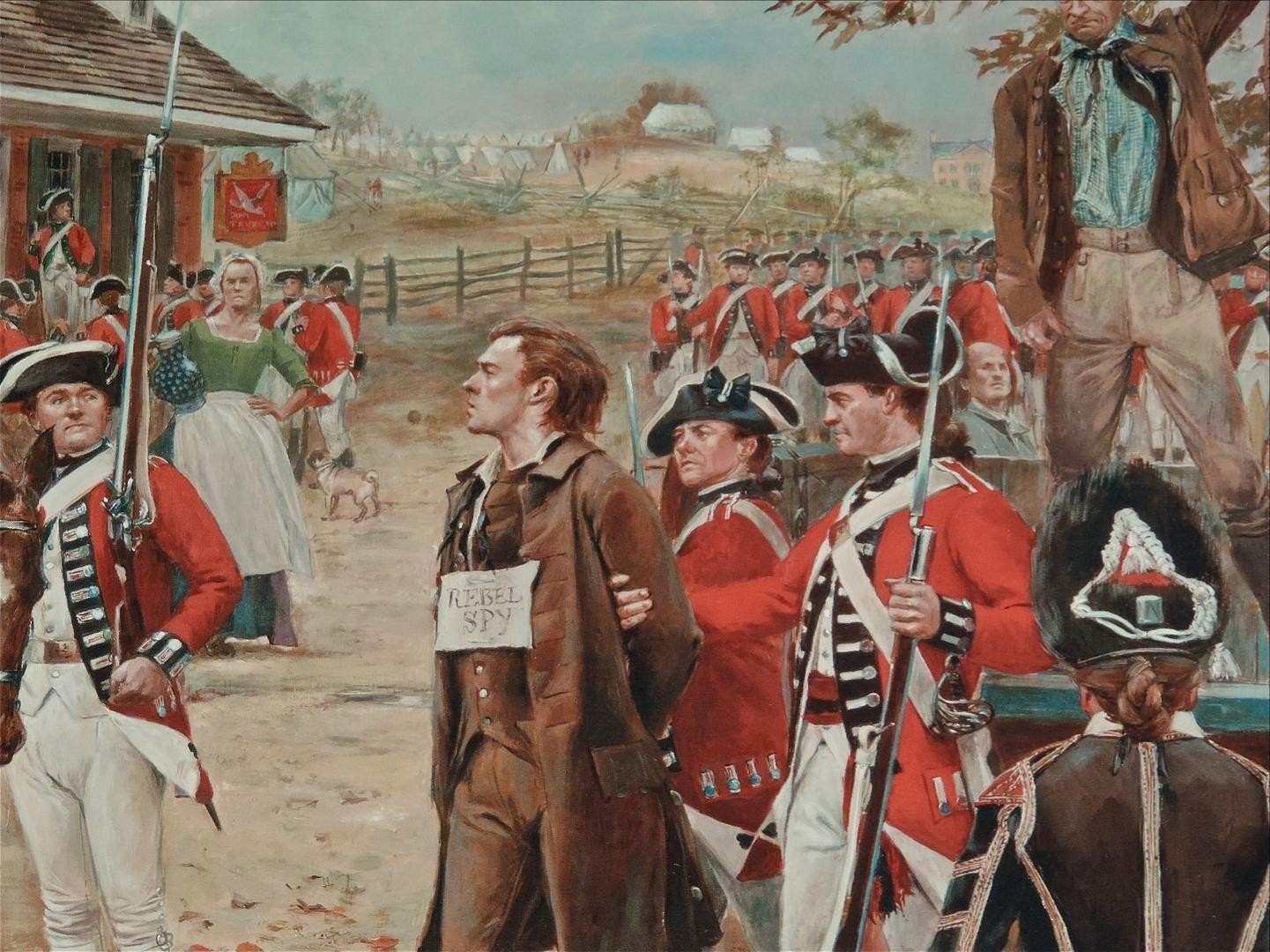
Captured during the Revolutionary War, he never denied his mission. Hale was executed by the British. His final words became legendary.
Hedy Lamarr
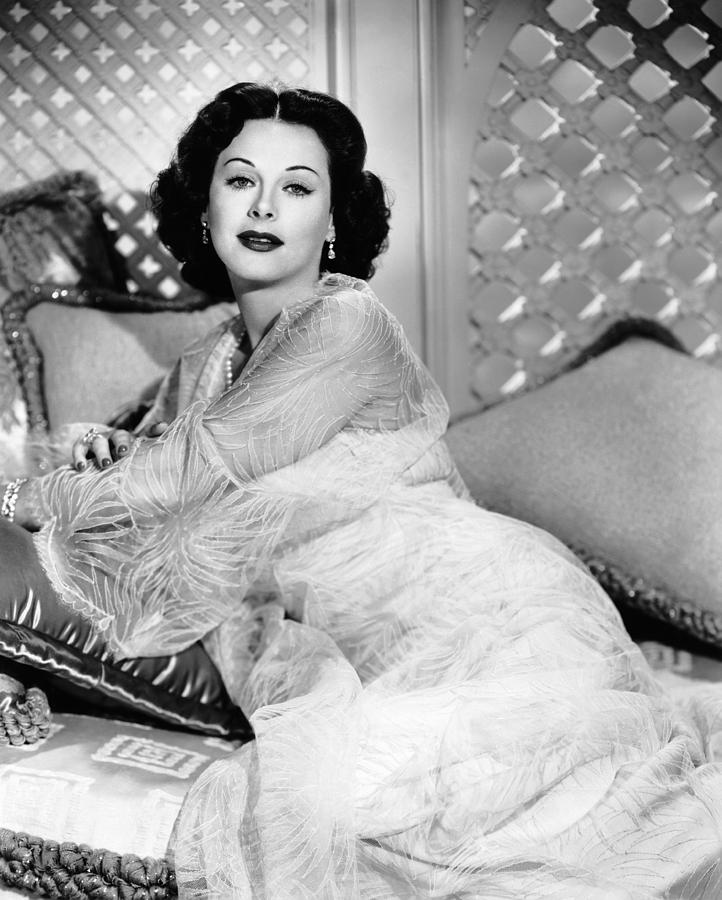
Innovation defined her intelligence contribution. Lamarr co-invented frequency hopping technology and the system later became foundational to modern communications.
Anthony Blunt
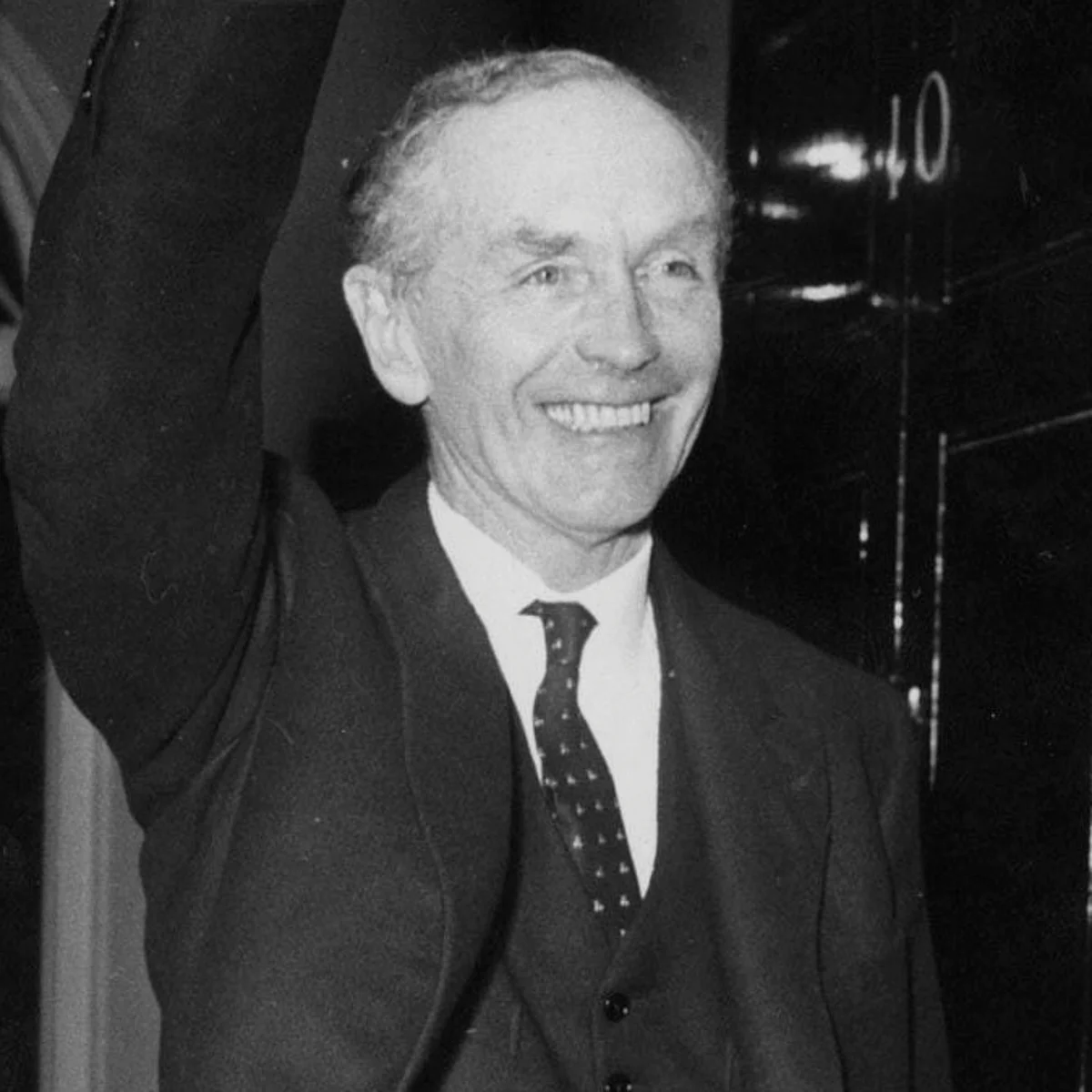
He worked inside Britain’s royal household and secretly passed information to the Soviets. His exposure shocked the British establishment.
Reuven Shiloah
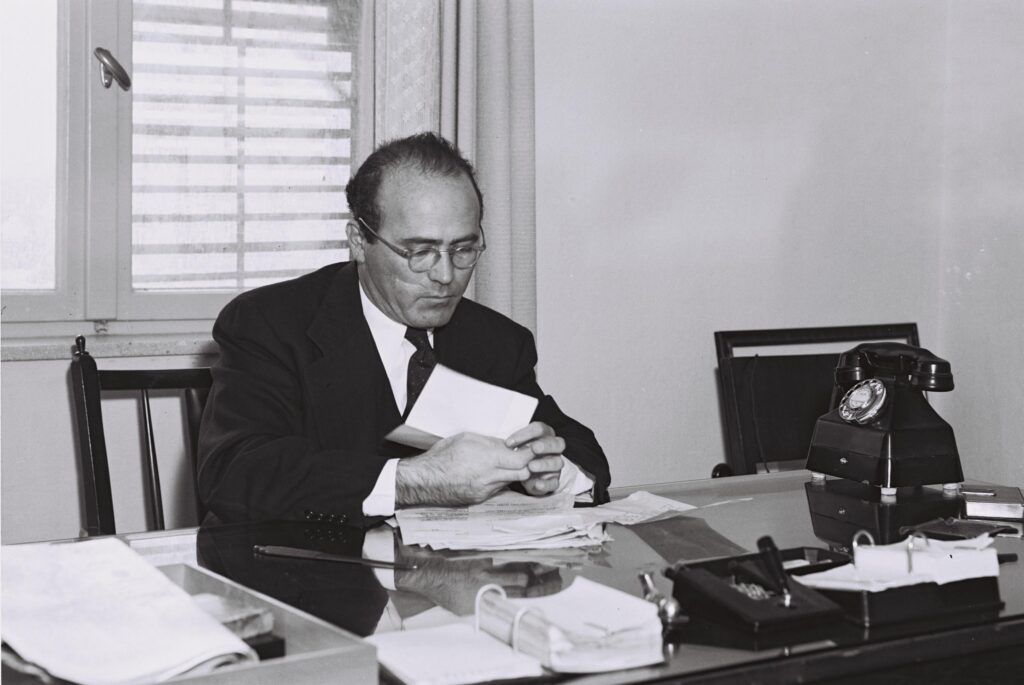
He became Israel’s first intelligence chief and helped unify fractured intelligence efforts. His work laid the foundation for the Mossad.
George Koval
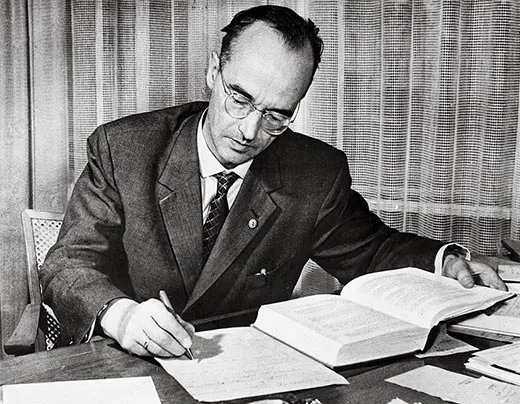
Access to the Manhattan Project made him invaluable. Koval passed nuclear secrets to the Soviet Union. He escaped without detection.
Fritz Joubert Duquesne
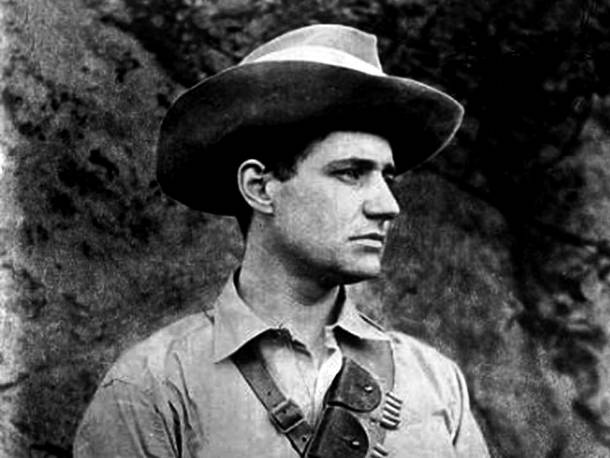
Motivated by resentment, he spied against Britain. Duquesne conducted sabotage operations across continents. The FBI eventually captured him.
Sidney Cotton
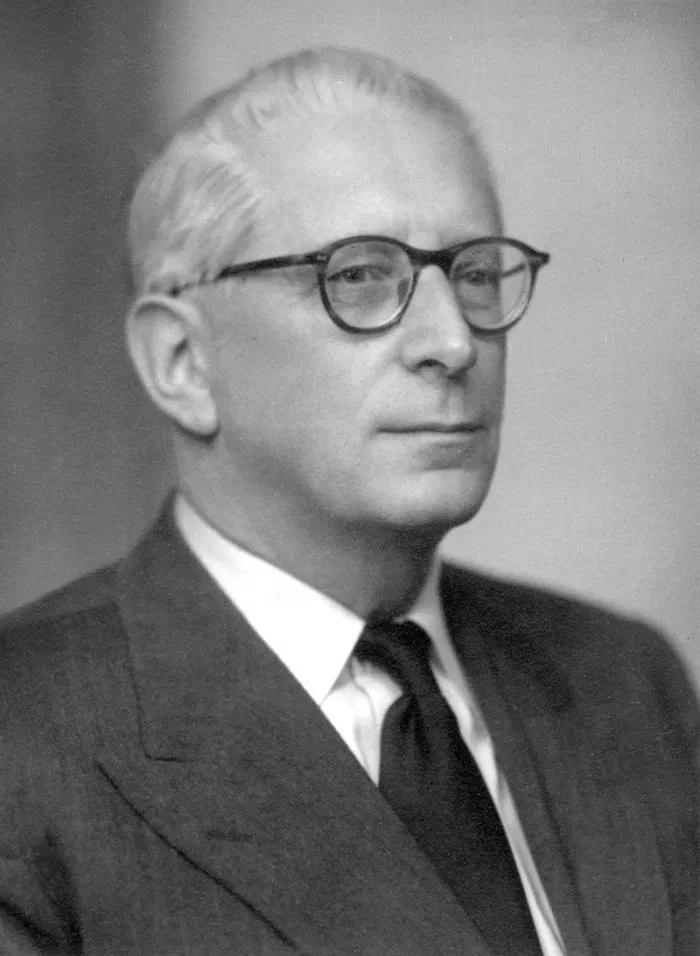
Aviation gave him unique access. Cotton conducted high-altitude reconnaissance before modern spy planes existed. His work advanced aerial intelligence.
Eli Cohen
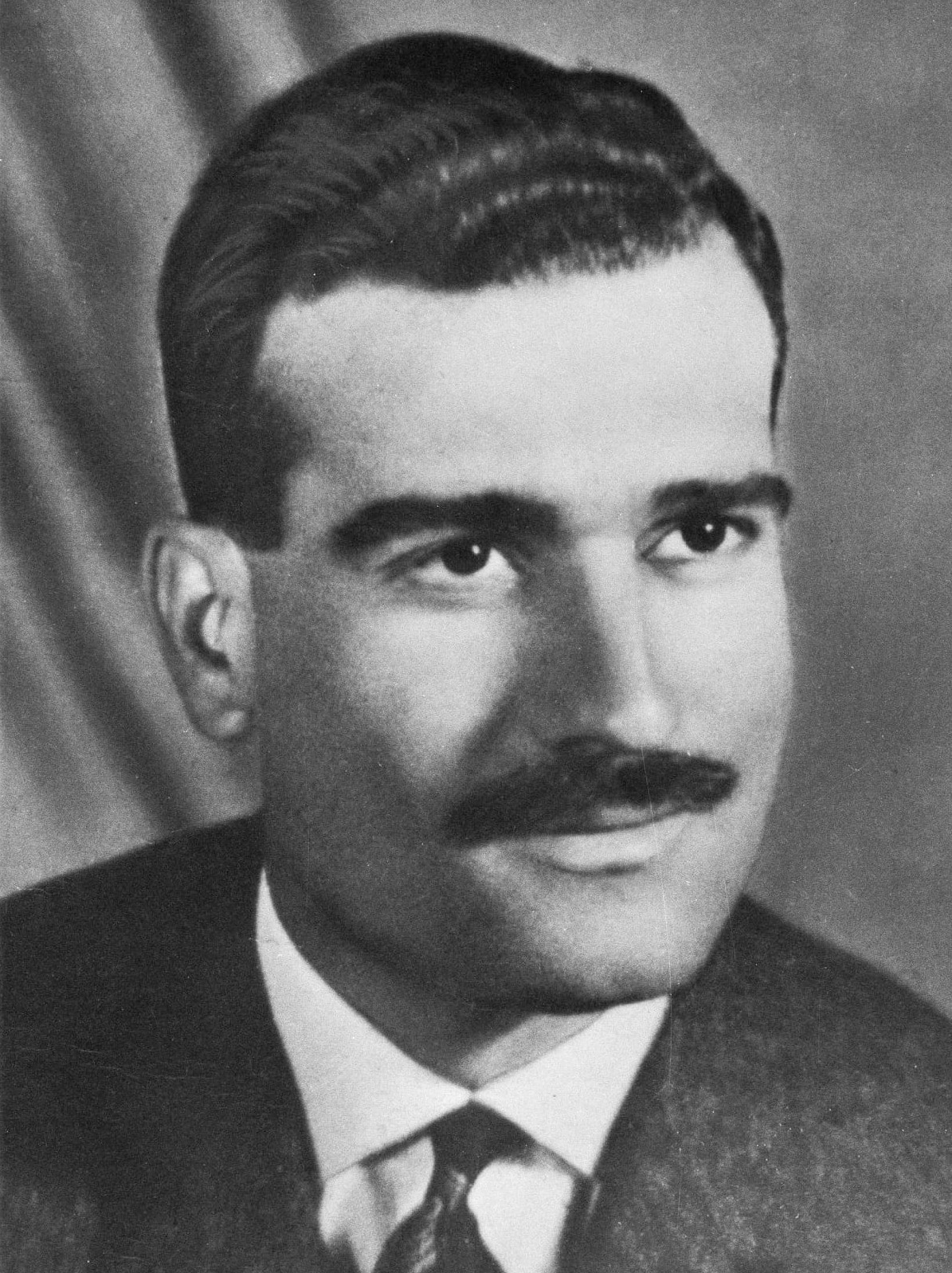
He infiltrated Syria’s political elite under a false identity. Intelligence he gathered reshaped Israel’s military strategy. Cohen was eventually captured and executed.
Klaus Fuchs
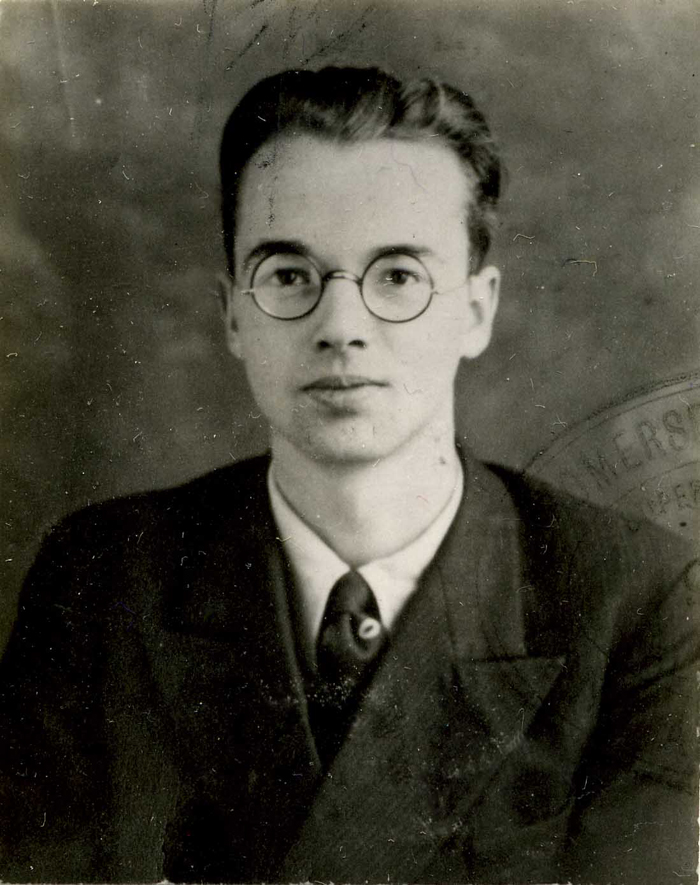
Scientific access made him invaluable to Soviet intelligence. Fuchs passed atomic secrets from the Manhattan Project. His espionage accelerated nuclear proliferation.
Anna Chapman
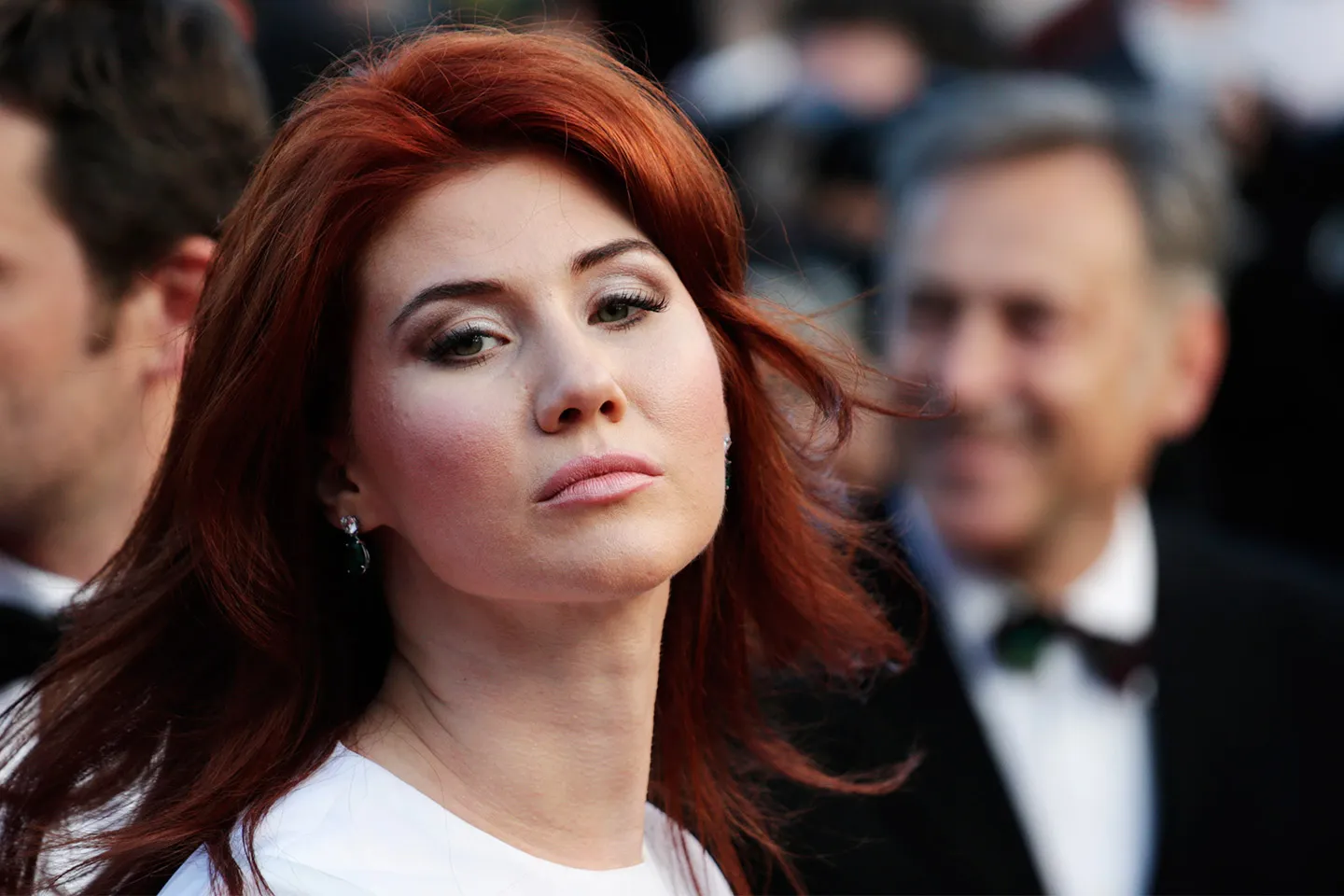
Modern espionage put her in the public spotlight. Chapman worked as part of a Russian sleeper network in the US. Her arrest revealed contemporary spycraft methods.
Guy Burgess
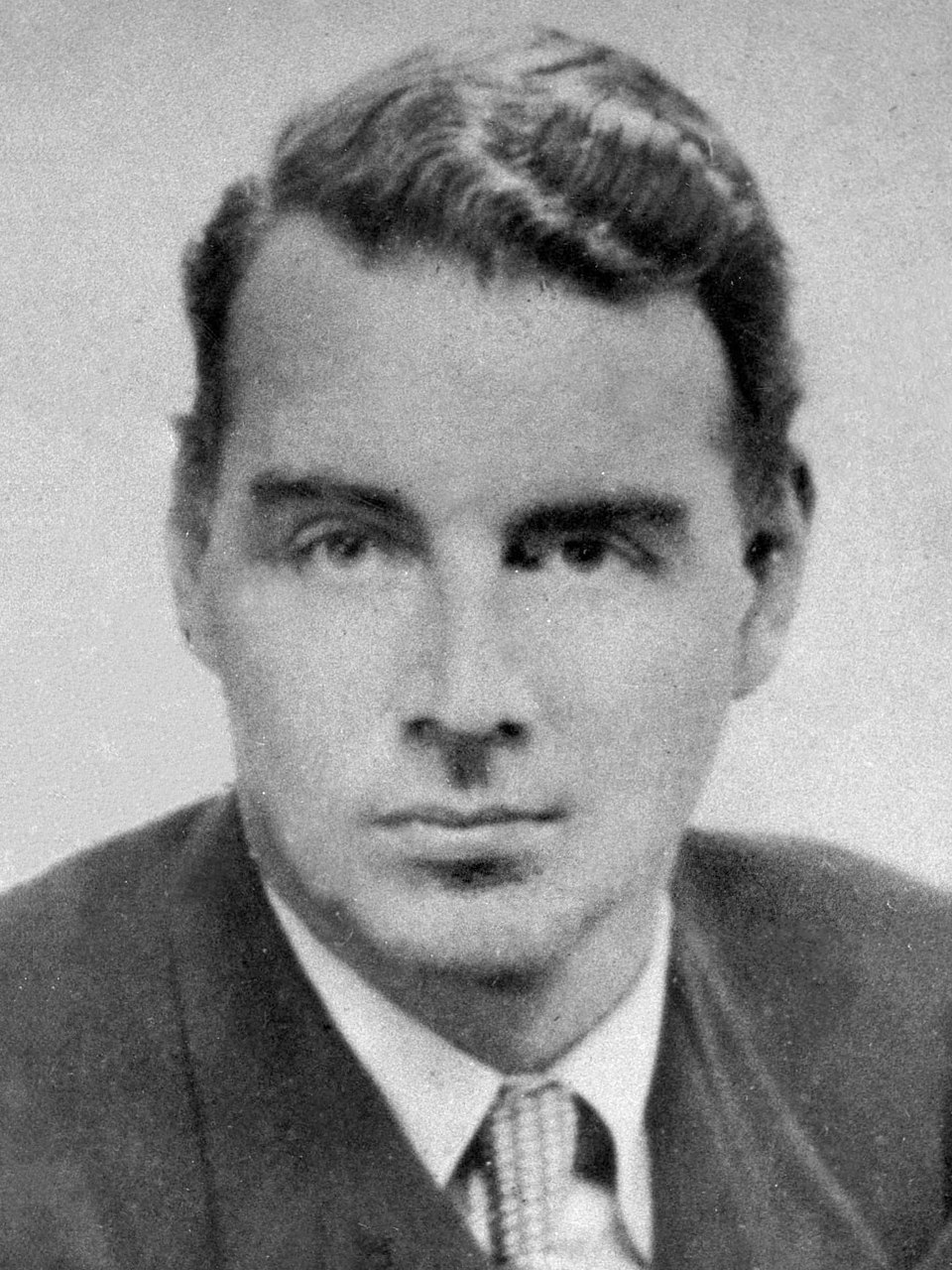
Elite education placed him close to power. Burgess leaked British intelligence to the Soviets. His defection shocked the British government.
Noor Inayat Khan
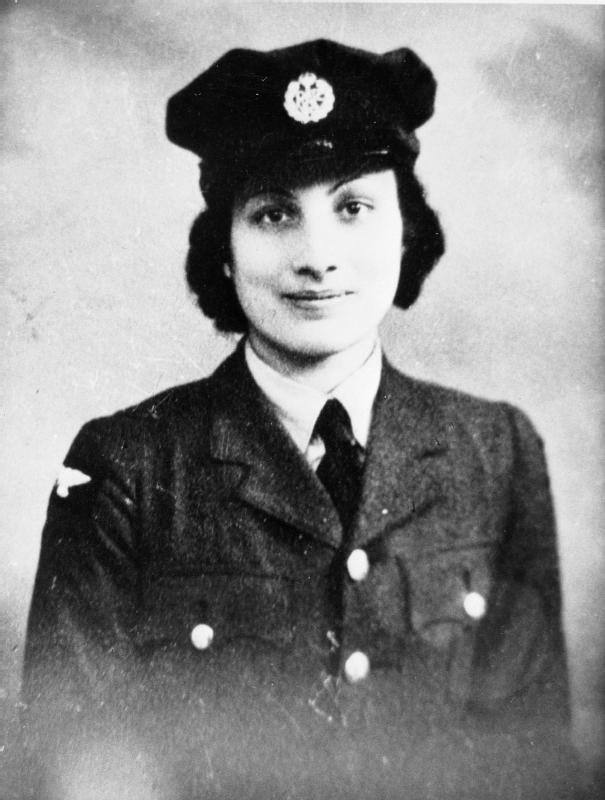
She served as a radio operator in occupied France. Capture meant near-certain death for someone in her role. Khan refused to betray her network under torture.
Richard Sorge
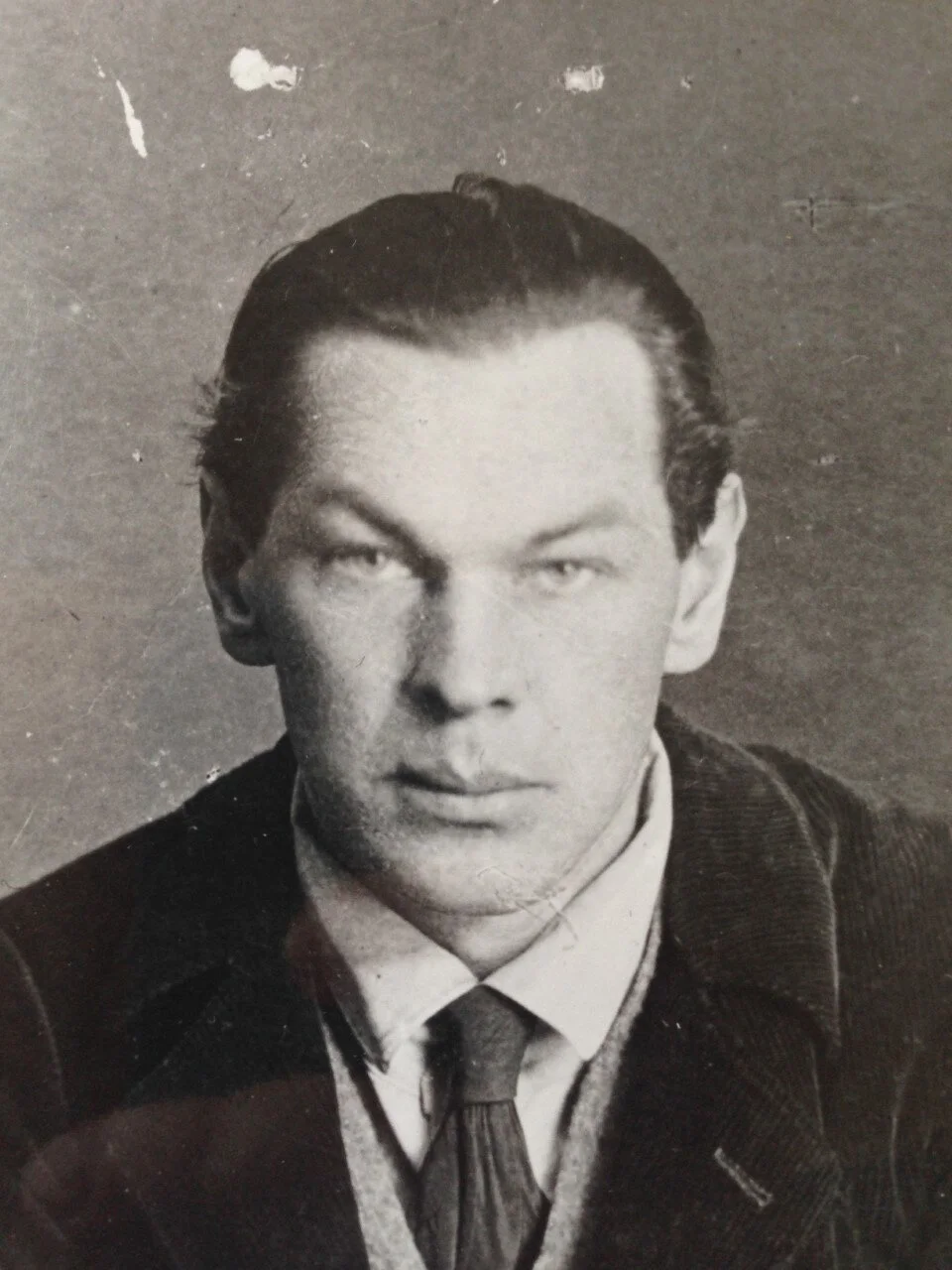
Embedded in Germany, he gained high-level access. Sorge accurately warned Moscow about Hitler’s invasion plans. His reports were ignored until it was too late.
Oleg Penkovsky
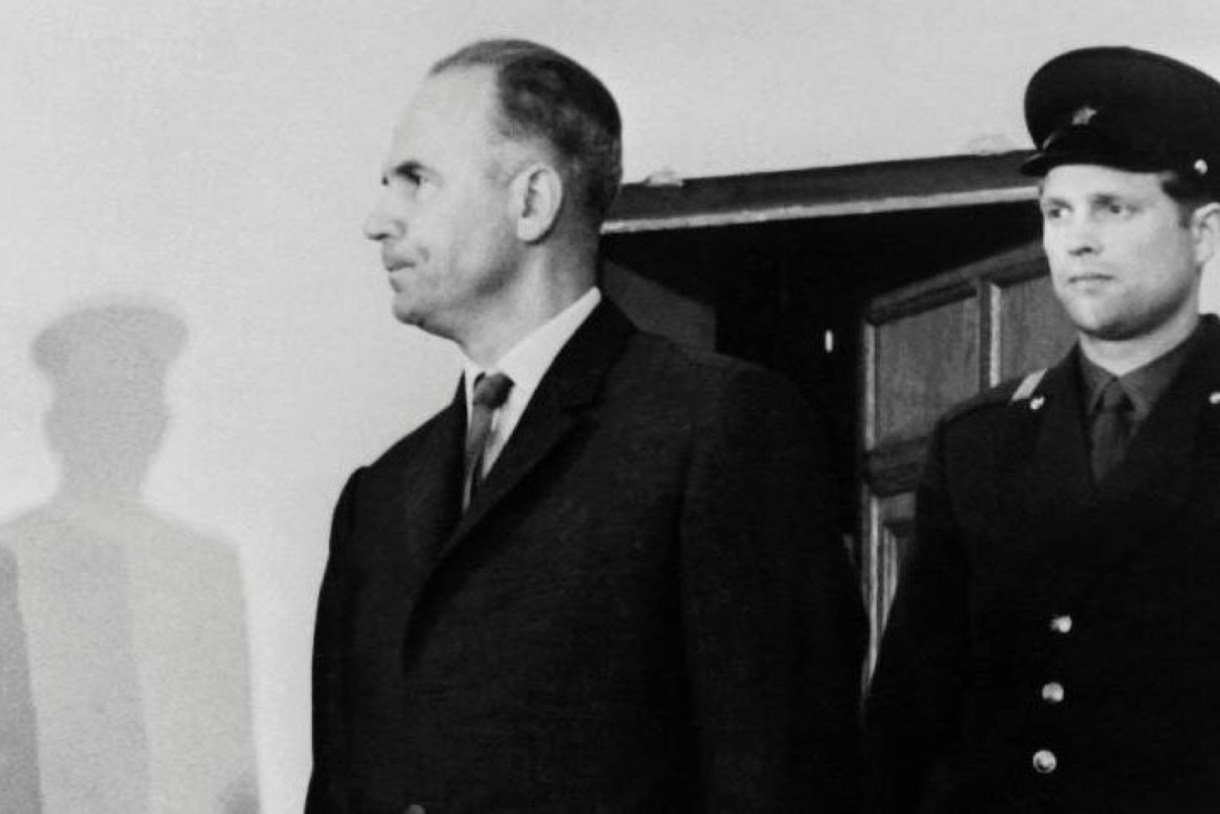
Cold War tensions peaked during his espionage career. Penkovsky passed critical Soviet missile data to the West. His intelligence helped avert nuclear escalation during the Cuban Missile Crisis.
Ethel Rosenberg
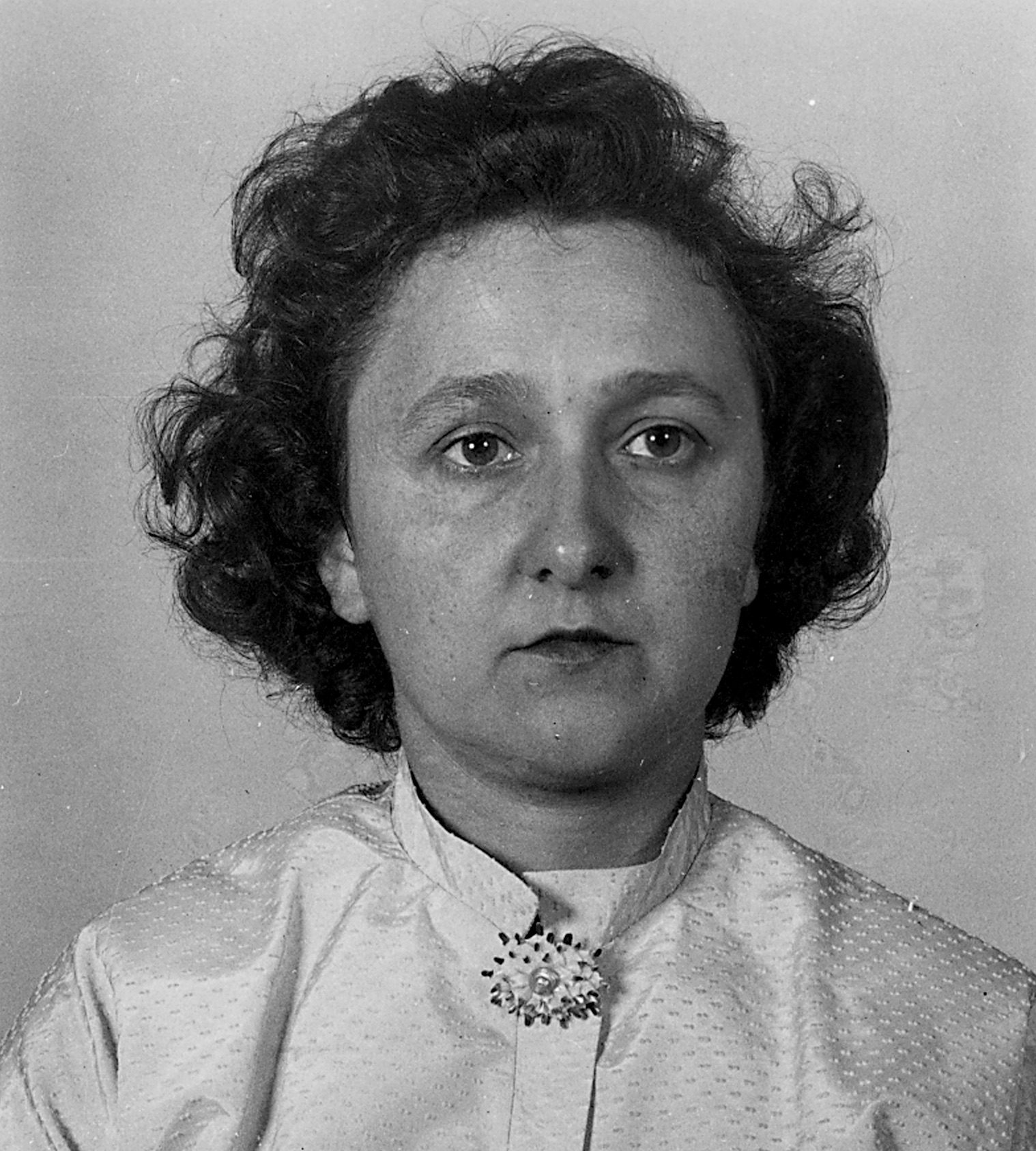
Cold War paranoia surrounded her case. She was convicted of passing atomic secrets to the Soviet Union. Her execution remains one of the most controversial in US history.
Rudolf Abel
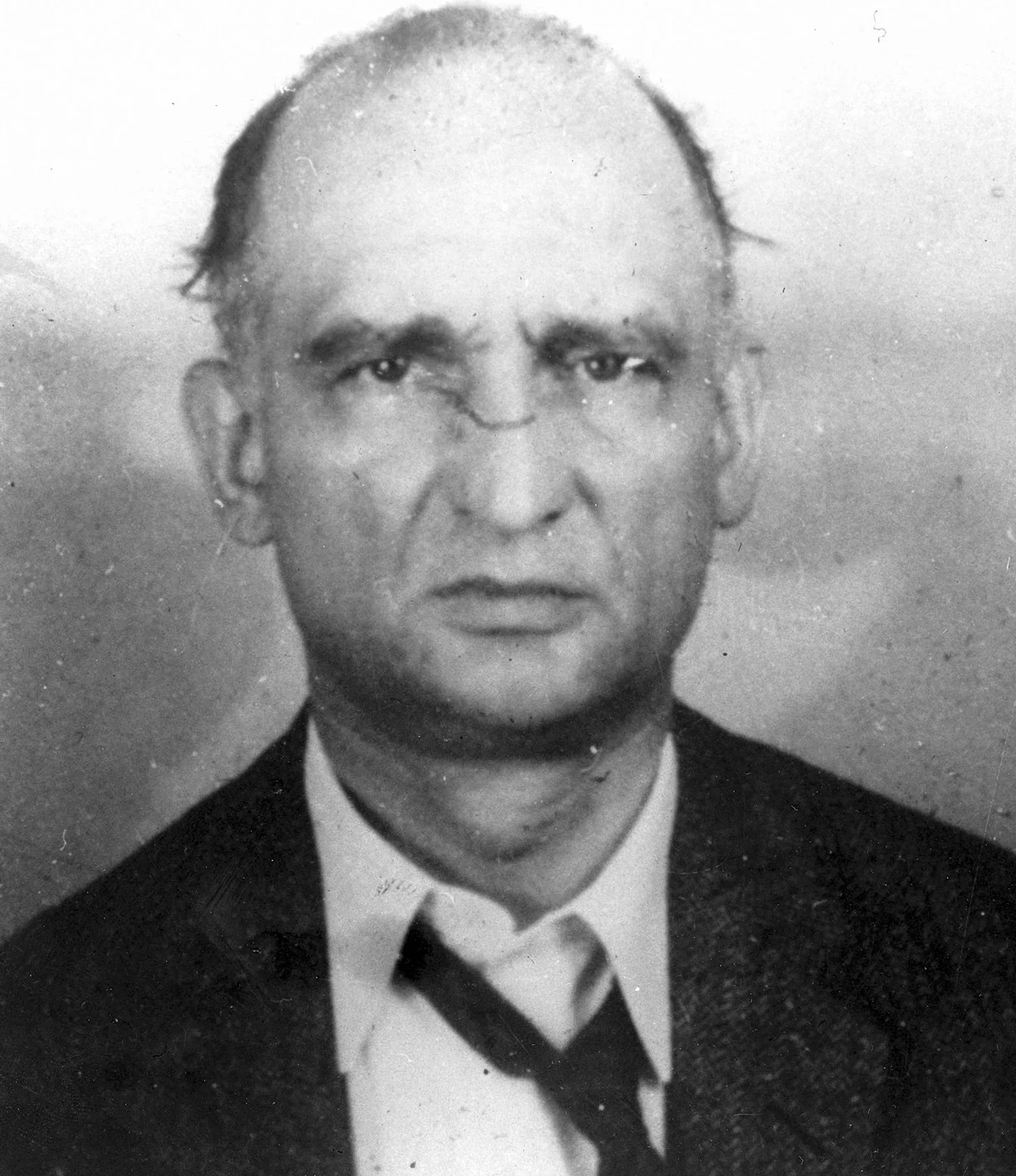
Operating under deep cover, he ran Soviet intelligence operations in the US. Abel was arrested in New York after years undetected. A Cold War prisoner exchange later secured his release.