It is almost a rule that the book is better than the movie, but there are some rare and controversial exceptions. In these 30 cases, the adaptation sharpened the story, streamlined messy plots, or found performances that brought the characters to life in ways the page never quite did. From cult classics to Oscar winners and glossy rom-coms, these films show how the right director, cast, and edit can elevate source material instead of just trimming it down. Love them or hate them, these 30 examples keep the debate going about when Hollywood actually improves on the original.
“Fight Club” (1999)
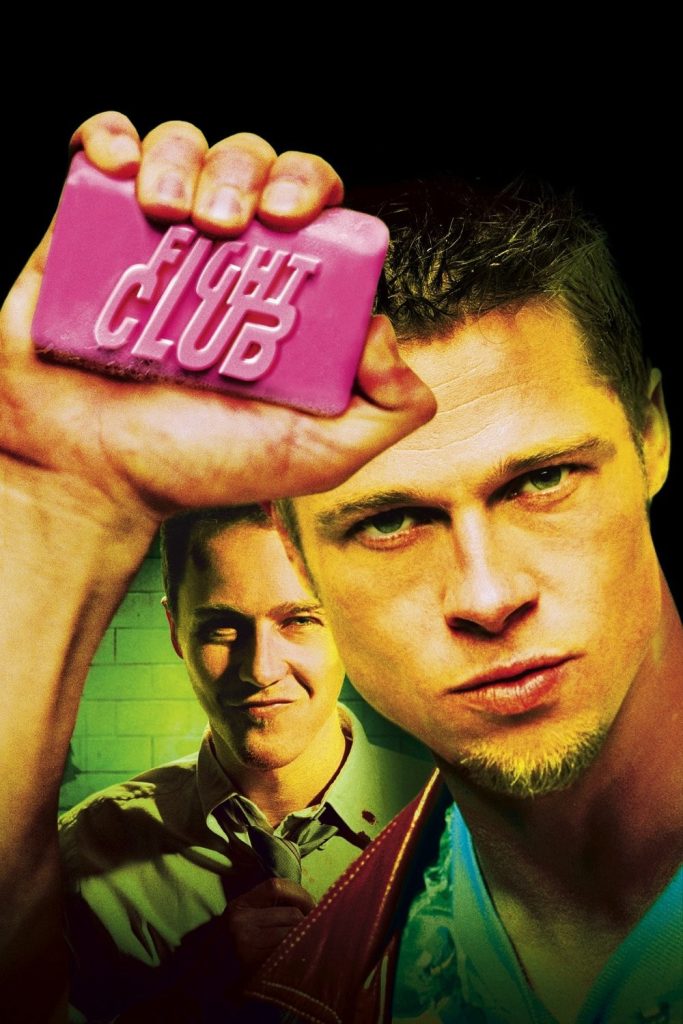
Chuck Palahniuk himself has said that David Fincher’s adaptation is better than his own novel, which already gives the movie a head start in this debate. By leaning into sharp visuals, a driving soundtrack, and a more focused third act, the film turns an already provocative story into a cultural touchstone that defined late 90s cinema. The twist also lands harder on screen, helped by the contrast between Edward Norton and Brad Pitt.
“The Devil Wears Prada” (2006)
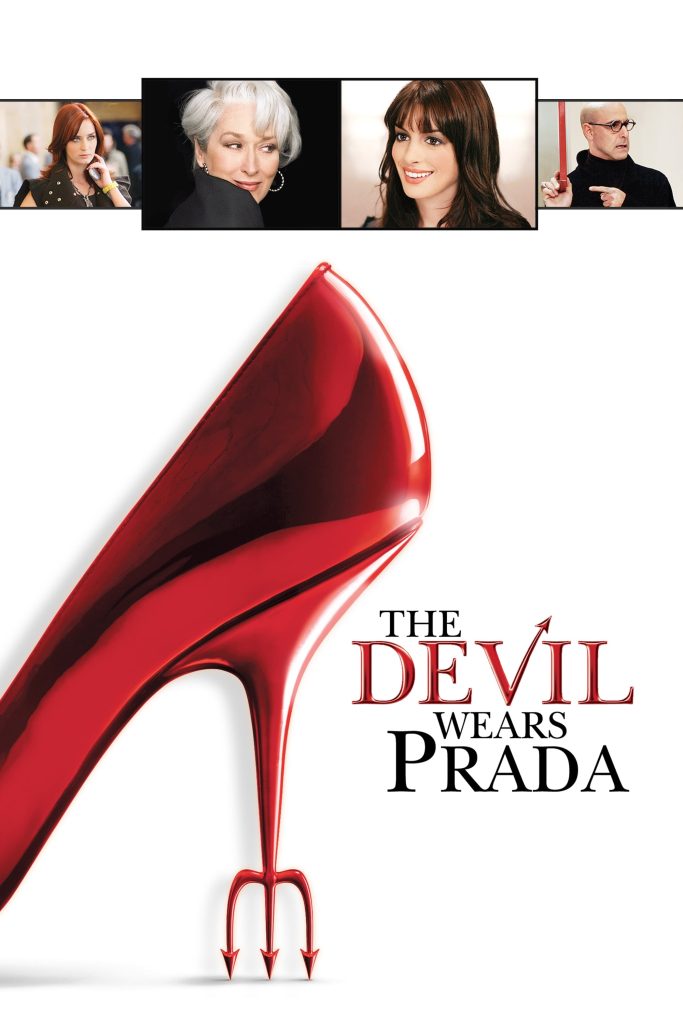
Many readers found the novel’s version of Andrea grating and the tone flatter than expected, but the movie transforms the same setup into a sharp workplace dramedy. Meryl Streep and Anne Hathaway add nuance and warmth that soften the most cynical moments without losing the bite. The film also tightens subplots and delivers a more satisfying emotional arc for its lead.
“Forrest Gump” (1994)
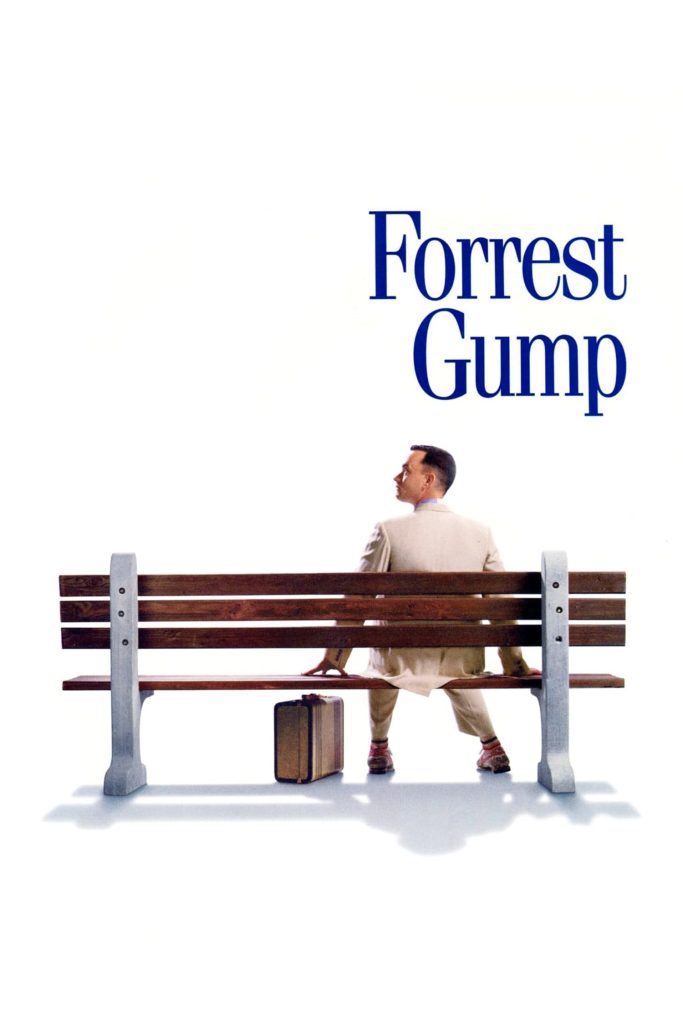
Winston Groom’s novel sends Forrest on a string of outlandish adventures that sometimes dilute the emotional core of the story. The film adaptation pares those down and instead leans into character, nostalgia, and melancholy, anchored by Tom Hanks’s performance. The result is a more coherent and touching portrait of an ordinary man drifting through extraordinary times.
“The Shawshank Redemption” (1994)
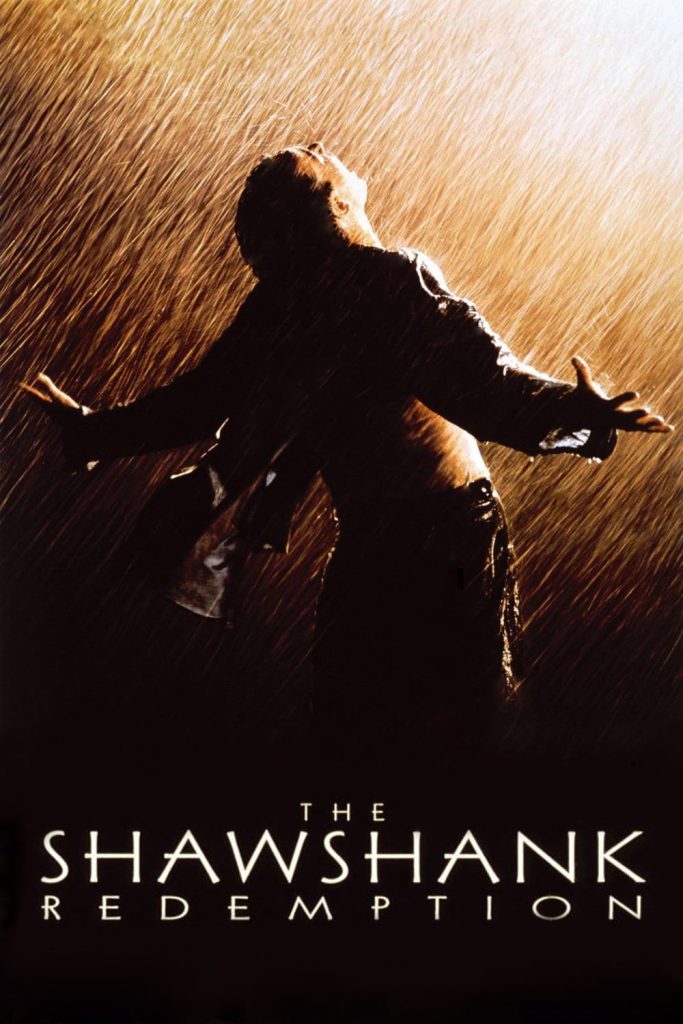
Stephen King’s novella is a solid prison story, but the film expands it into a full cinematic experience that many people rank among the greatest movies ever made. By deepening side characters, stretching out key moments, and emphasizing the friendship between Andy and Red, the adaptation adds emotional weight without betraying the source. The iconic closing image on the beach gives the story a cathartic resolution that lingers.
“Jaws” (1975)
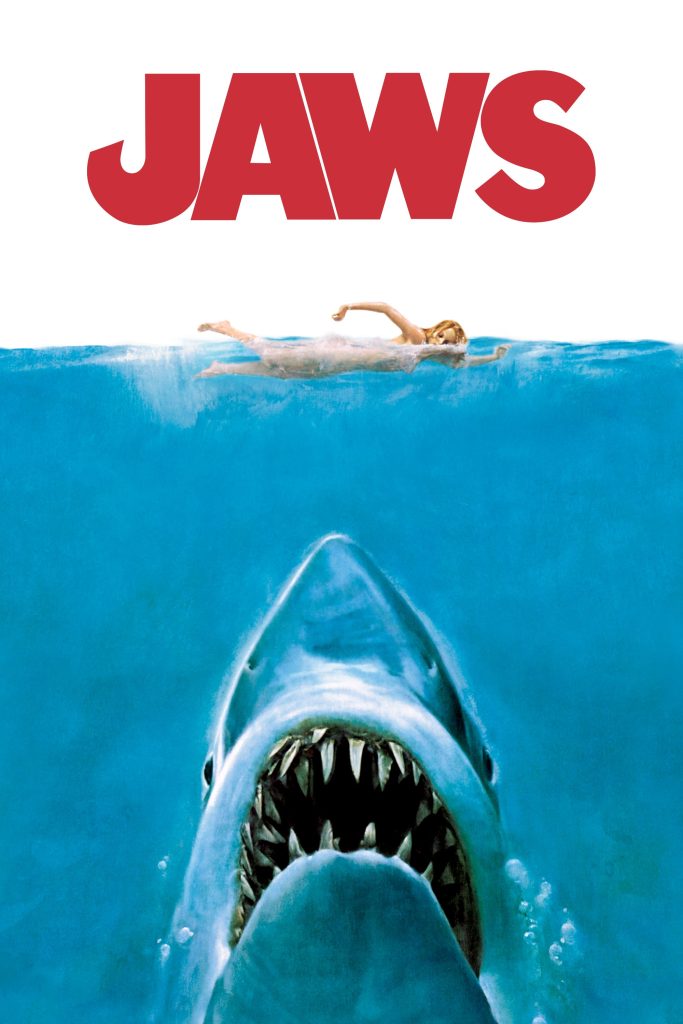
Peter Benchley’s novel mixes small town drama, infidelity, and shark attacks in a way that can feel uneven on the page. Steven Spielberg’s adaptation trims the subplots and focuses on pure suspense, memorable characters, and the primal fear of what lurks under the surface. The result practically invented the modern summer blockbuster and is far more iconic than its source material.
“Gone Girl” (2014)
Gillian Flynn’s novel is already a twisty psychological thriller, but the film sharpens Amy and Nick’s dynamic through casting and structure. Rosamund Pike’s performance redefines Amy for many viewers, turning her into a chillingly controlled presence whose motives feel even more precise on screen. The movie also tightens some of the later plot beats, giving the story a cleaner, more ruthless rhythm.
“The Princess Bride” (1987)
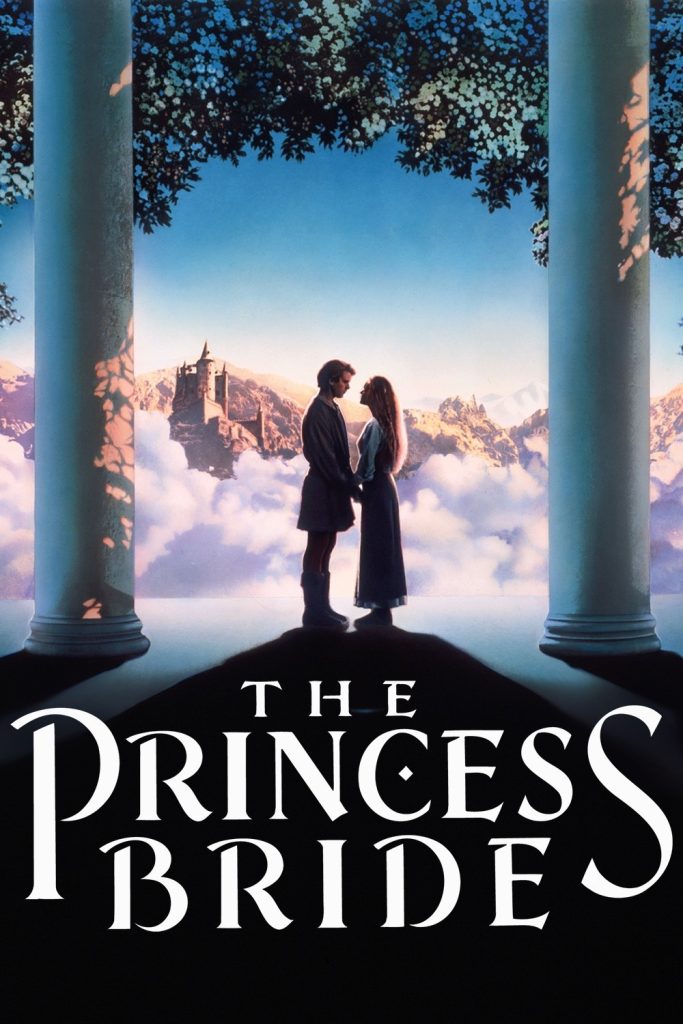
William Goldman’s novel is clever and meta, but it can feel dense or structurally odd to casual readers. The movie keeps the wit and heart while streamlining the narrative into a brisk fairy tale packed with quotable lines. Thanks to pitch perfect casting, it became a comfort watch classic that many people know long before they ever discover the book.
“The Shining” (1980)
Stephen King has been critical of Stanley Kubrick’s adaptation, but many viewers still prefer the film’s stripped down, icy take on the Overlook Hotel. By removing some of the novel’s more literal supernatural elements and focusing on mood, Kubrick turns the story into a slow burn descent into madness. The imagery and performances have become so iconic that they largely eclipse the source for general audiences.
“Jurassic Park” (1993)
Michael Crichton’s novel spends a lot of time on chaos theory and scientific explanations, which can feel a bit dry for some readers even though the idea is strong. Steven Spielberg’s version trims the technical exposition and leans into awe and terror, letting groundbreaking effects carry the sense of wonder. The movie delivers the same warning about control and nature, but in a more direct and viscerally thrilling package.
“Legally Blonde” (2001)
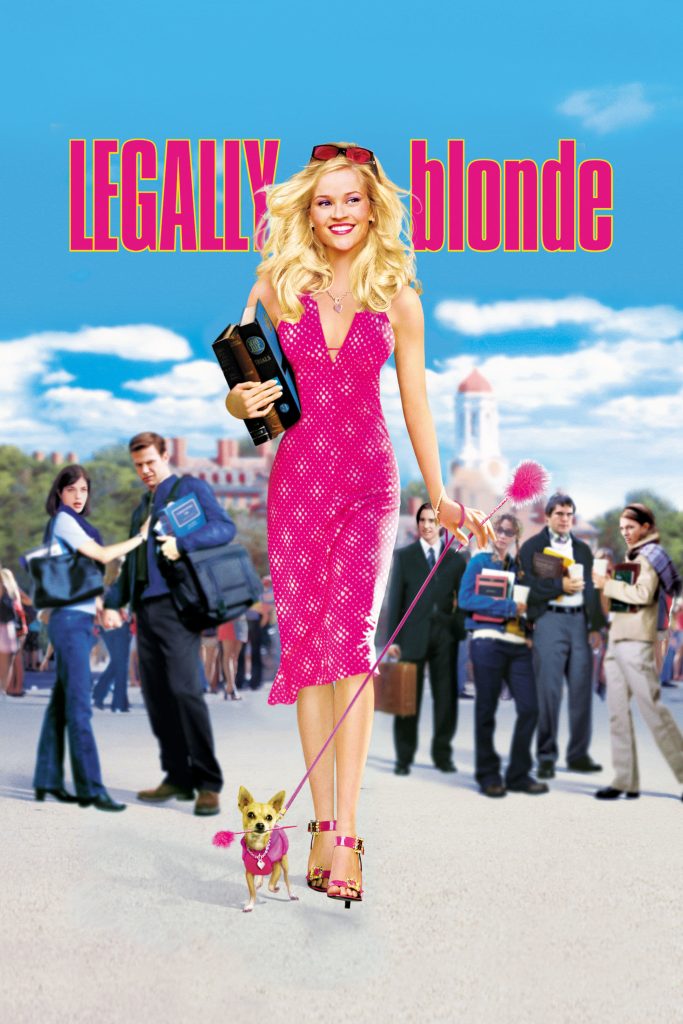
On the page, Elle can read as more shallow and less sympathetic, and some key relationships barely register. The film reimagines her as a sharply written underdog and gives her a clear, satisfying growth arc anchored by Reese Witherspoon’s performance. It also adds memorable supporting characters and set pieces that the book never really develops.
“The Notebook” (2004)
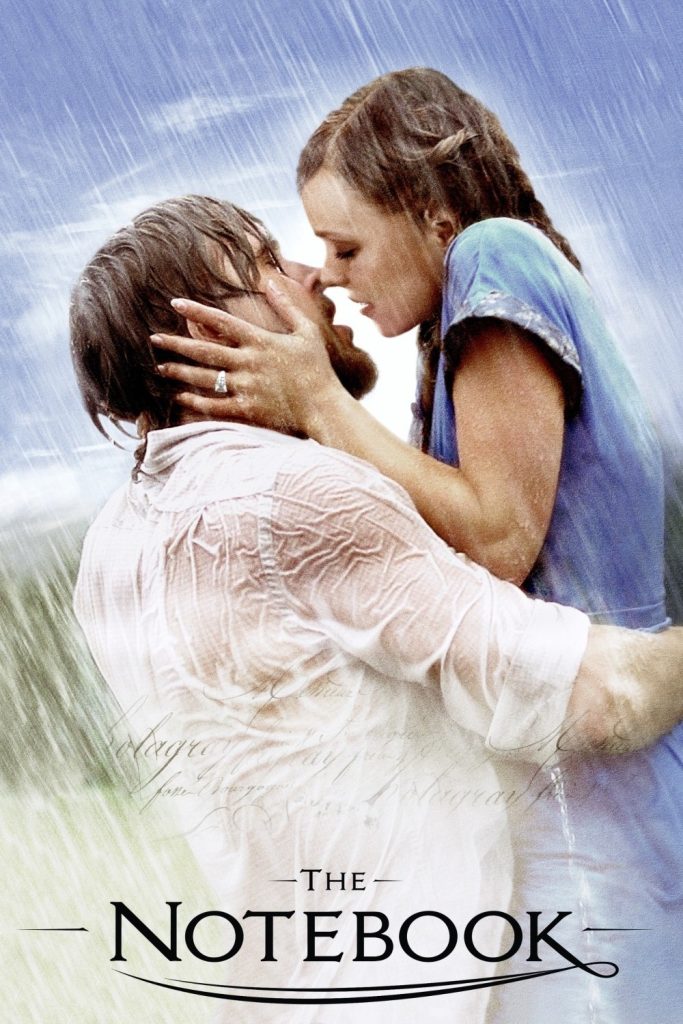
Nicholas Sparks’s novel leans heavily on inner monologue and extended description, which can make the pacing feel slow. The film condenses the timeline into a more urgent romance and benefits from the chemistry between Ryan Gosling and Rachel McAdams. By focusing on key moments rather than every detail, it creates a cleaner emotional build that many viewers find more affecting.
“Call Me By Your Name” (2017)
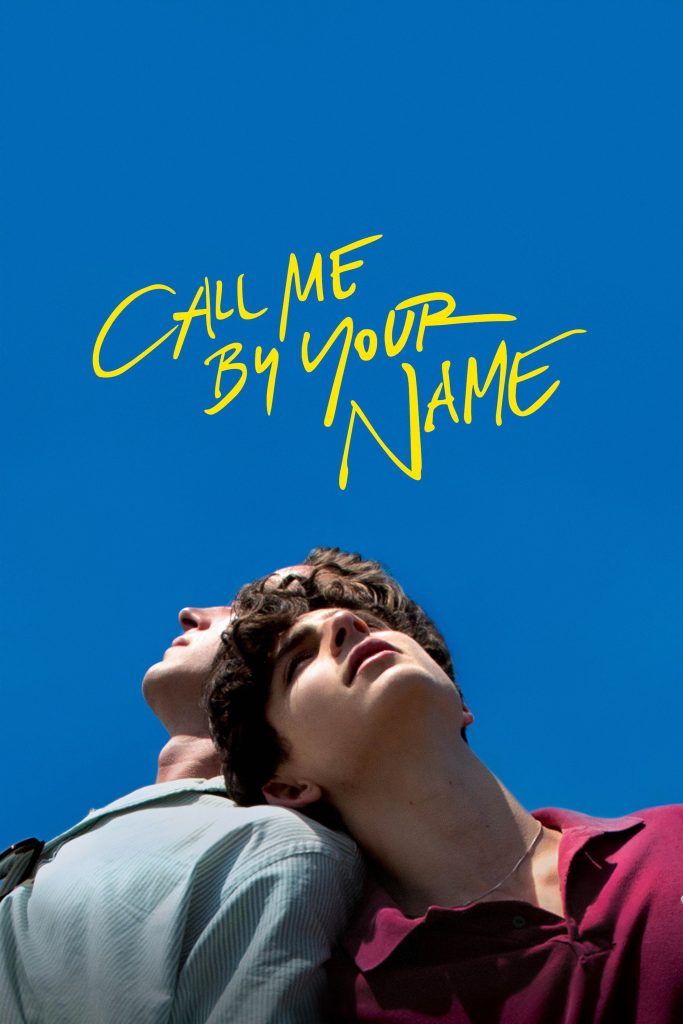
André Aciman’s novel is introspective and beautifully written, but the film adds a visual and sensory layer that is hard to match on the page. The Italian summer setting, the soundtrack, and the quiet performances slow everything down into a mood more than a plot. The slightly altered ending, especially the long final shot by the fireplace, gives the story a cinematic sting that many readers now associate with the whole experience.
“The Hunger Games” (2012)
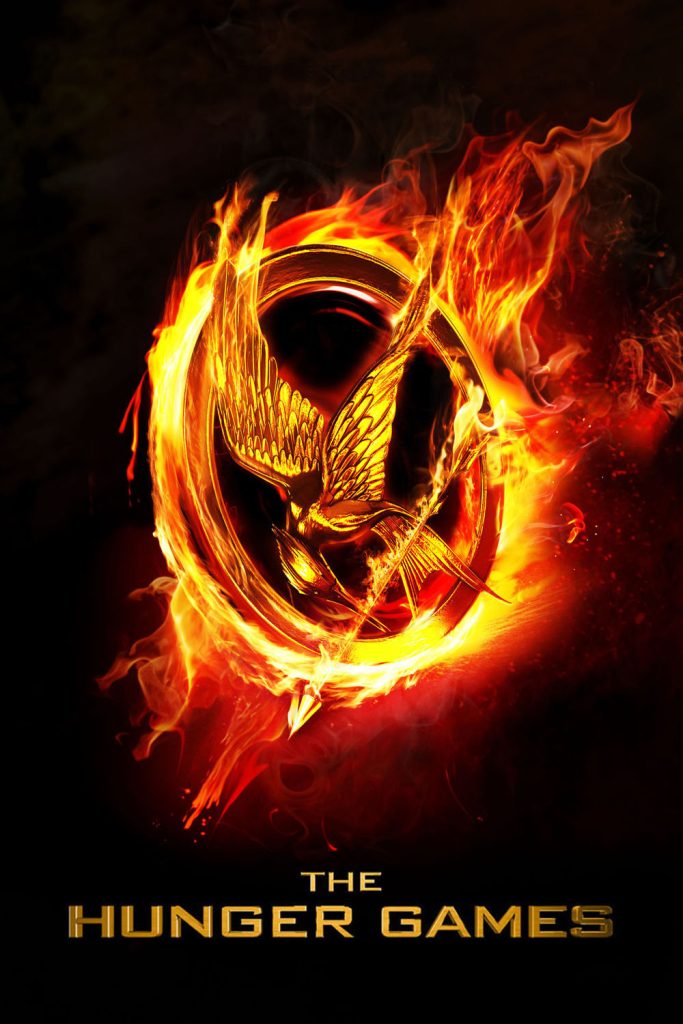
Suzanne Collins tells the story strictly from Katniss’s point of view, which keeps the books tight but can limit what the reader sees. The film expands the scope to include the control room, the Capitol, and other tributes, giving a fuller picture of the world and its politics. Jennifer Lawrence also softens some of Katniss’s roughest edges, making her easier for some viewers to root for.
“Cloud Atlas” (2012)
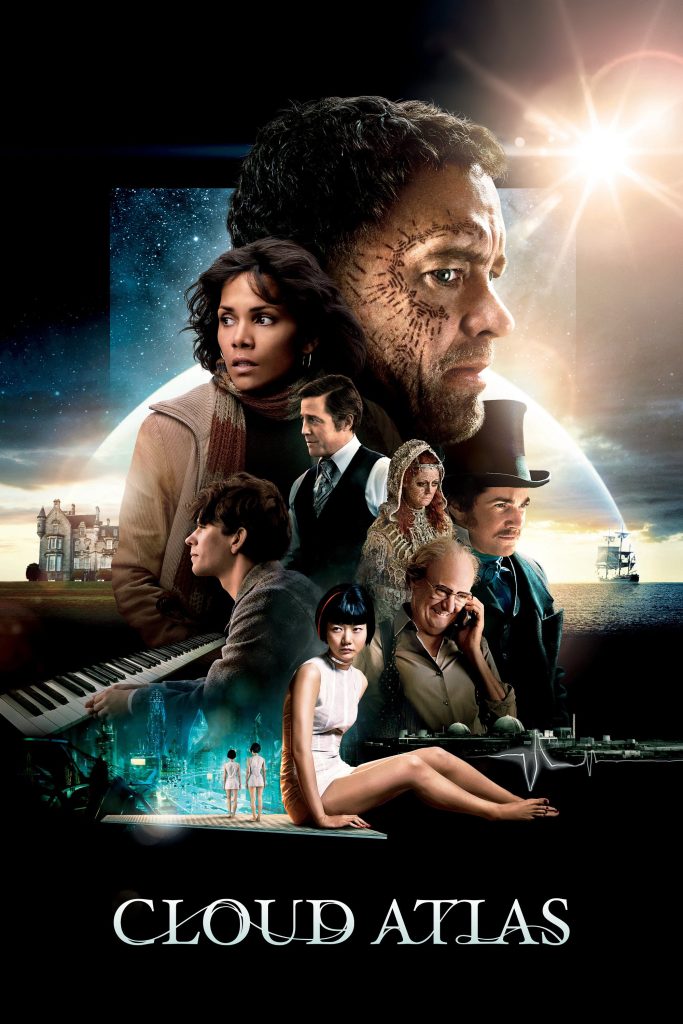
David Mitchell’s novel is ambitious and structurally complex, told in nested halves that demand careful attention. The film simplifies that structure into intercut storylines that highlight the connections between characters and eras more directly. For some viewers, that reordering makes the big themes of reincarnation, power, and resistance easier to feel than to read.
“To All The Boys I’ve Loved Before” (2018)
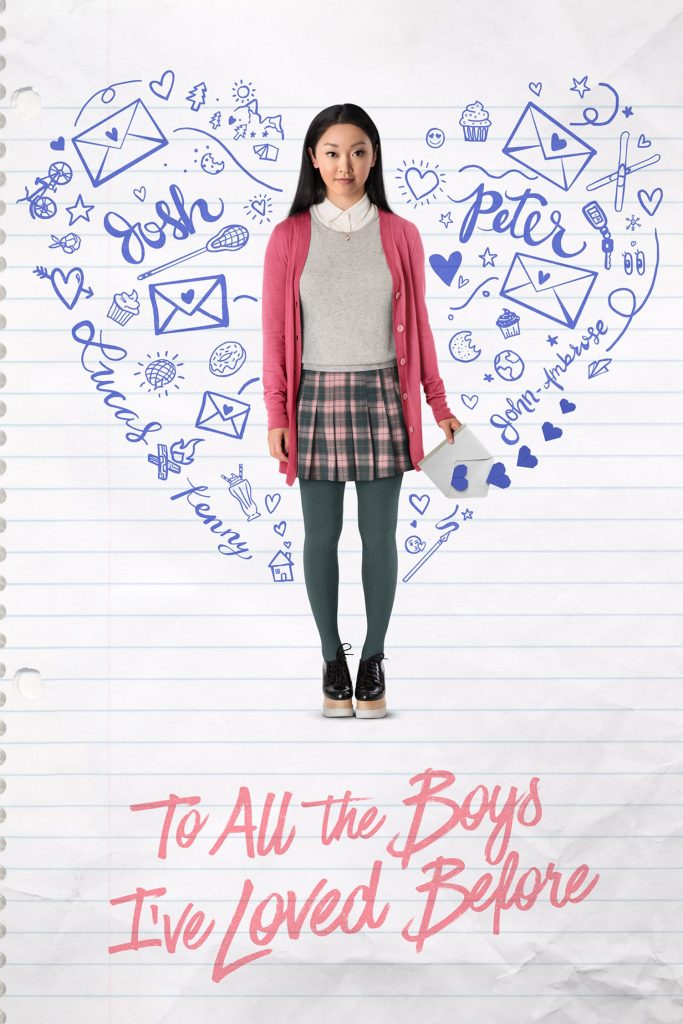
Jenny Han’s YA novel has its fans, but some readers found Lara Jean’s voice a bit too childish on the page. The film adaptation keeps the sweetness while grounding her more firmly as a real teen dealing with crushes, family, and identity. Strong casting and a breezy tone helped turn the story into a breakout streaming hit that reached a wider audience than the book.
“Bridget Jones’s Diary” (2001)
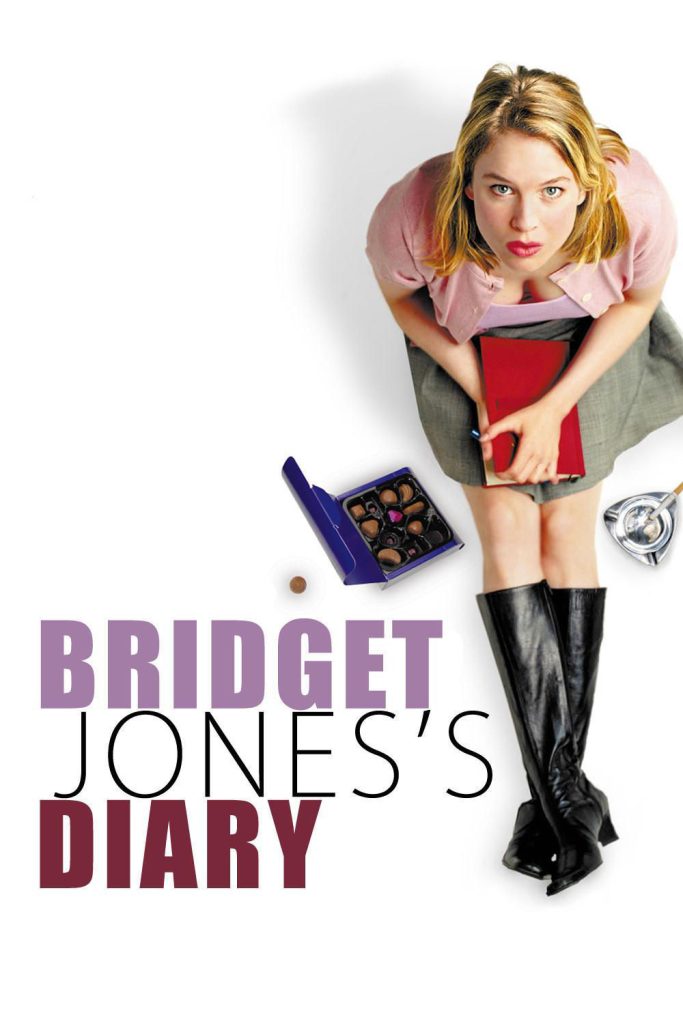
Presented as diary entries, the novel leans into a very specific voice that some readers find grating or dated. The movie smooths out the tone, makes Bridget more sympathetic, and gives the supporting cast more space to shine. Renee Zellweger’s performance adds vulnerability and charm that shift the character from caricature to someone viewers want to root for.
“Crazy Rich Asians” (2018)
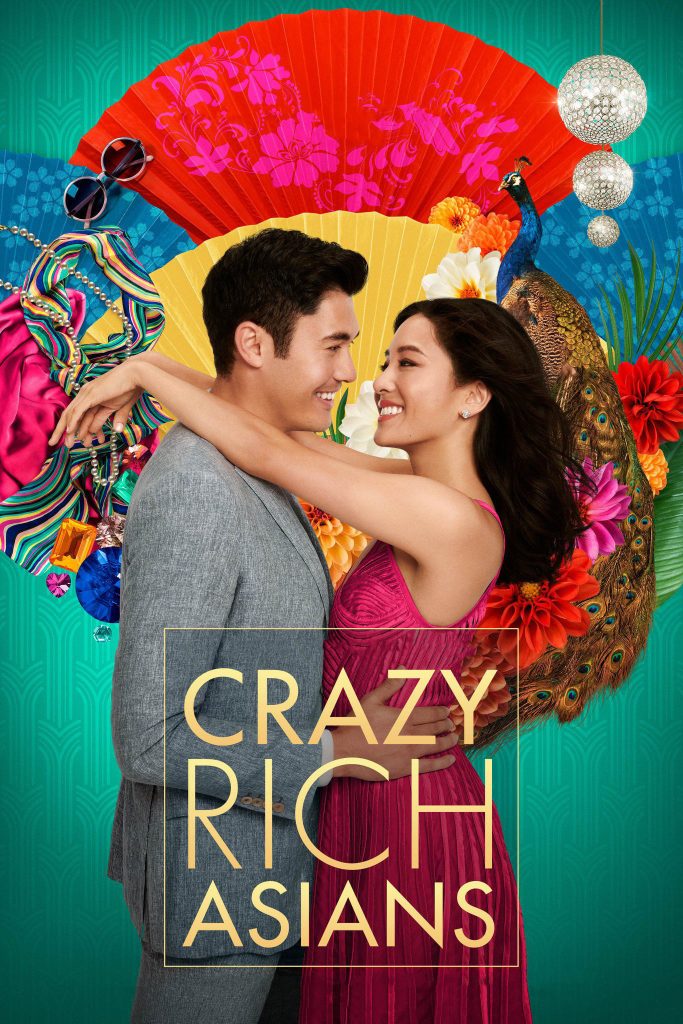
Kevin Kwan’s novel is packed with side plots, long explanations, and family trees that can be overwhelming. The film trims down the ensemble and focuses on Rachel and Nick, turning the story into a more focused romance with sharper emotional stakes. Lavish visuals and a charismatic cast also make the world feel more fun and inviting than the sometimes dense prose.
“How To Train Your Dragon” (2010)
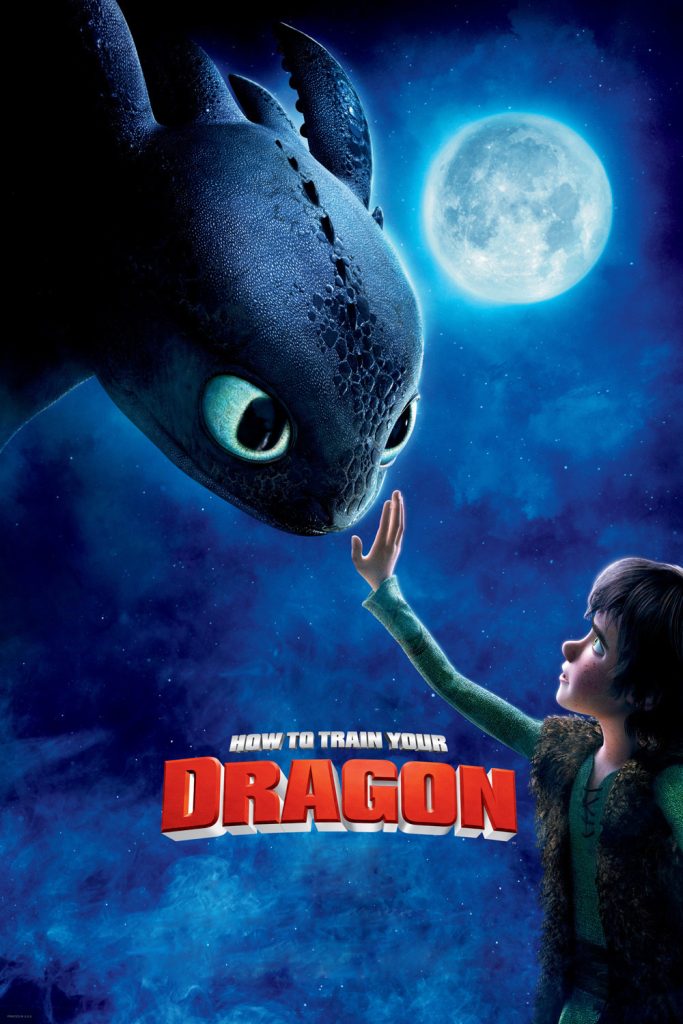
Cressida Cowell’s book is a charming children’s story, but it is much smaller in scope and tone than the film. The movie reimagines the setting, characters, and plot into an epic about friendship, disability, and challenging tradition, while still crediting the original idea. Many viewers, including fans of the author, see the adaptation as a rare case where expansion actually deepens the core message.
“The Count Of Monte Cristo” (2002)
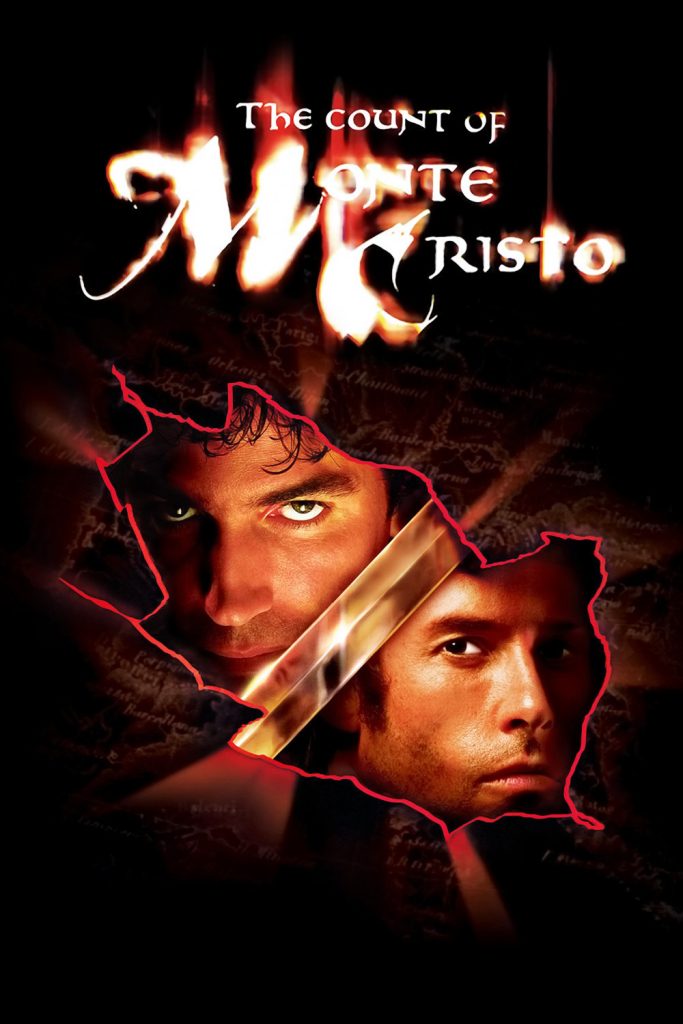
Alexandre Dumas’s novel is long, intricately plotted, and filled with digressions that can test a modern reader’s patience. The 2002 film keeps the core revenge story but simplifies the cast and alters the ending to offer a more direct payoff. While purists may miss certain layers, many viewers find the streamlined version more emotionally satisfying.
“The Perks Of Being A Wallflower” (2012)
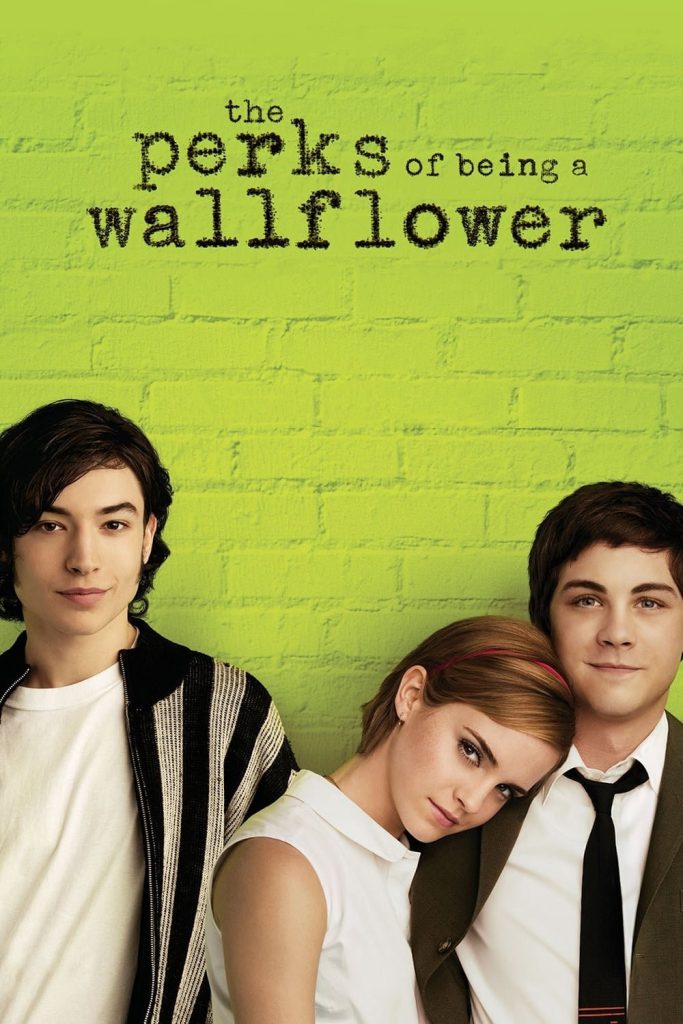
Stephen Chbosky’s novel uses letters from Charlie’s point of view, which can sometimes make other characters feel distant. The film, directed by Chbosky himself, fleshes out the whole friend group and gives their relationships more visible texture. Strong performances and careful pacing make the emotional beats clearer and, for some viewers, more powerful than in the book.
“Harry Potter And The Prisoner Of Azkaban” (2004)
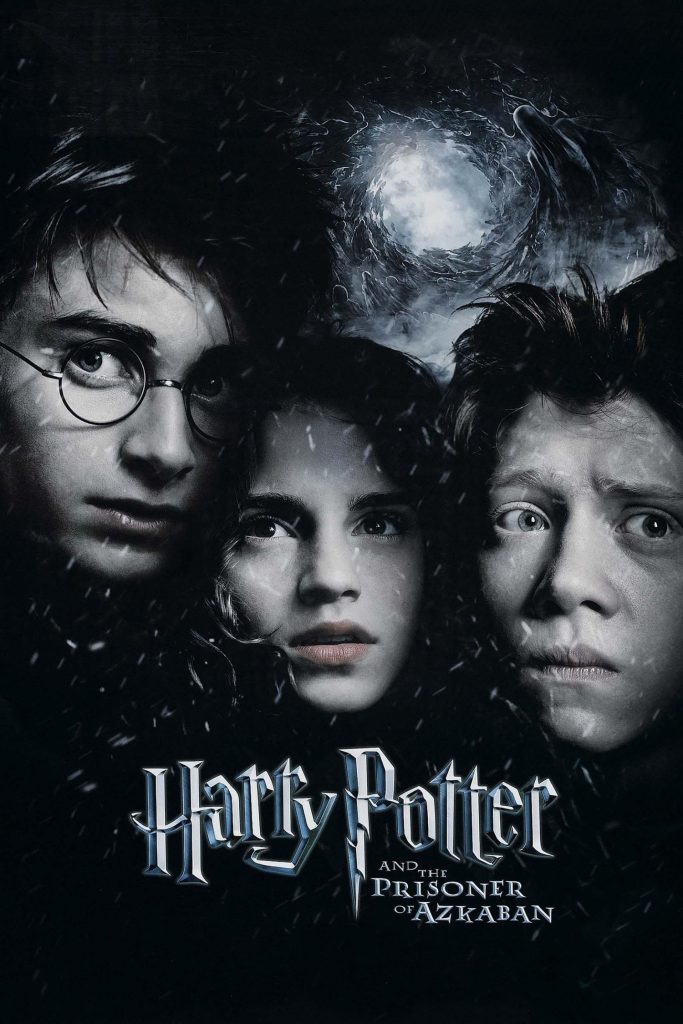
Many fans still consider this the standout film of the series, even compared with its very popular source novel. Alfonso Cuarón leans into atmosphere, visual storytelling, and careful time travel sequences that make the story feel tighter than on the page. The movie also trims some of the exposition while keeping the emotional core of Harry’s connection to his parents.
“Stardust” (2007)
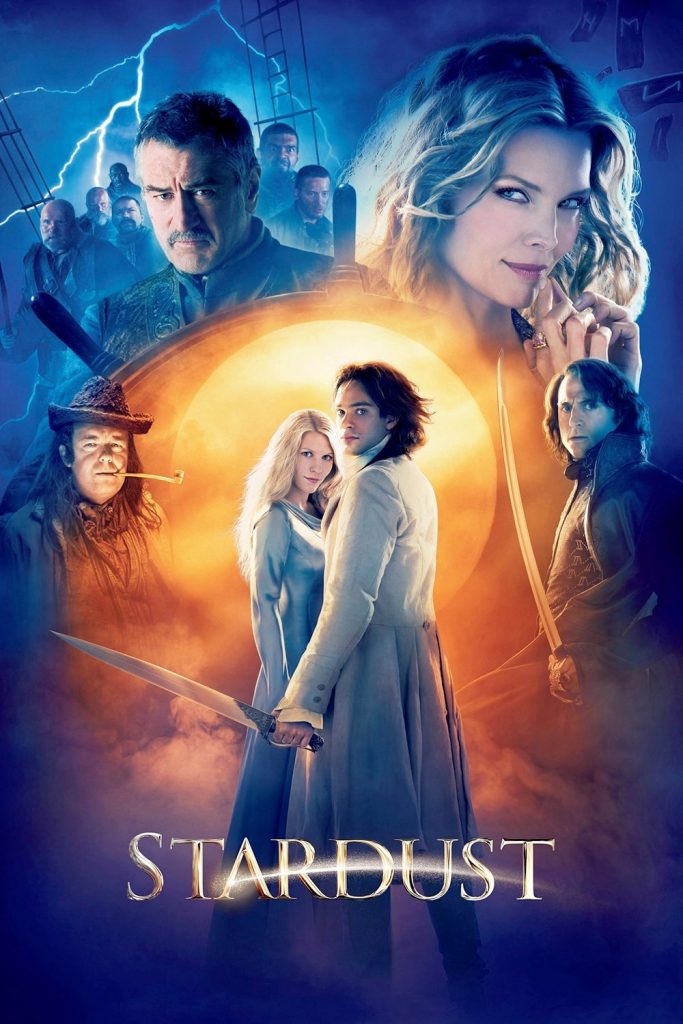
Neil Gaiman’s novel is a quieter, more traditional fairy tale that some readers find less dynamic than his other work. The film adaptation injects more humor, spectacle, and romance, giving Tristan and Yvaine a fuller relationship arc. By pushing the adventure elements forward, it turns the same premise into a crowd pleasing fantasy romp.
“Blade Runner” (1982)
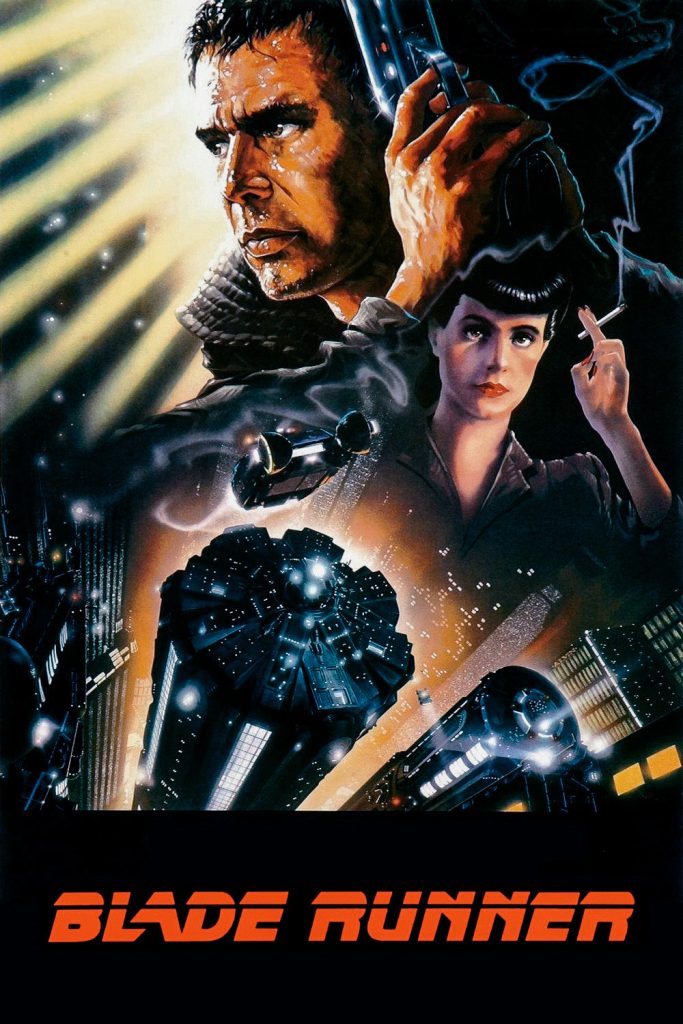
Dick’s “Do Androids Dream of Electric Sheep?” is fascinating, philosophical, and strange, but very different in tone and pacing. Ridley Scott took the central premise and elevated it with a visual and atmospheric style that changed film history. The movie built an iconic cyberpunk world, added layers of noir, redefined the identity of the replicants, and delivered an ending that feels more enigmatic and emotionally resonant than the book’s.
“The Lion, The Witch And The Wardrobe” (2005)
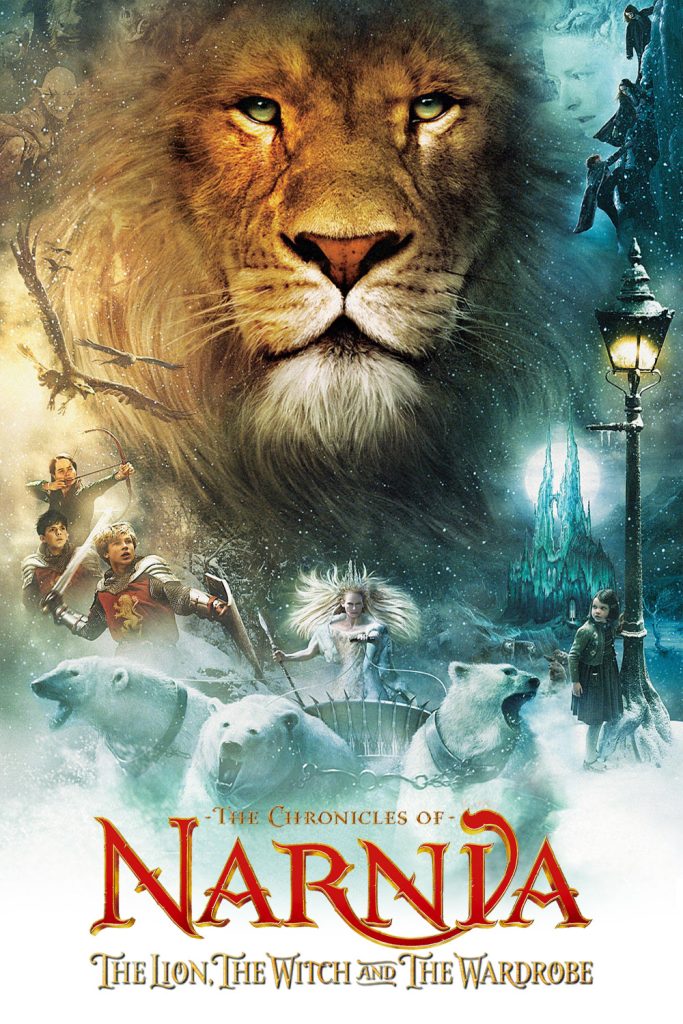
C. S. Lewis’s book is a children’s fantasy that moves quickly and sometimes skips over emotional beats. The film lingers more on the siblings’ relationships, the fear of war, and the cost of betrayal, adding depth without discarding the original structure. Modern effects also make Narnia feel like a place you can step into instead of just imagine.
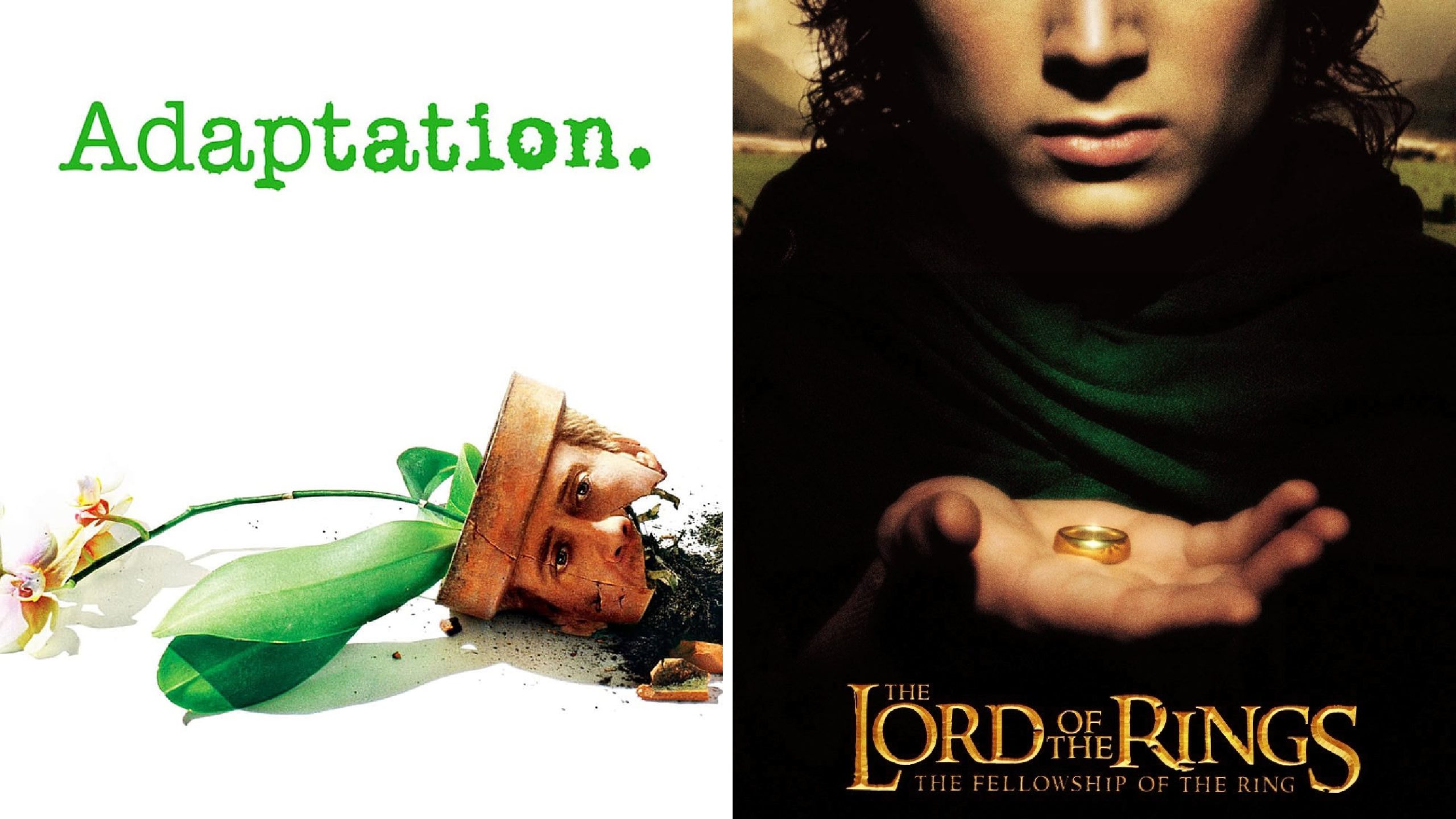
“Adaptation” (2002)
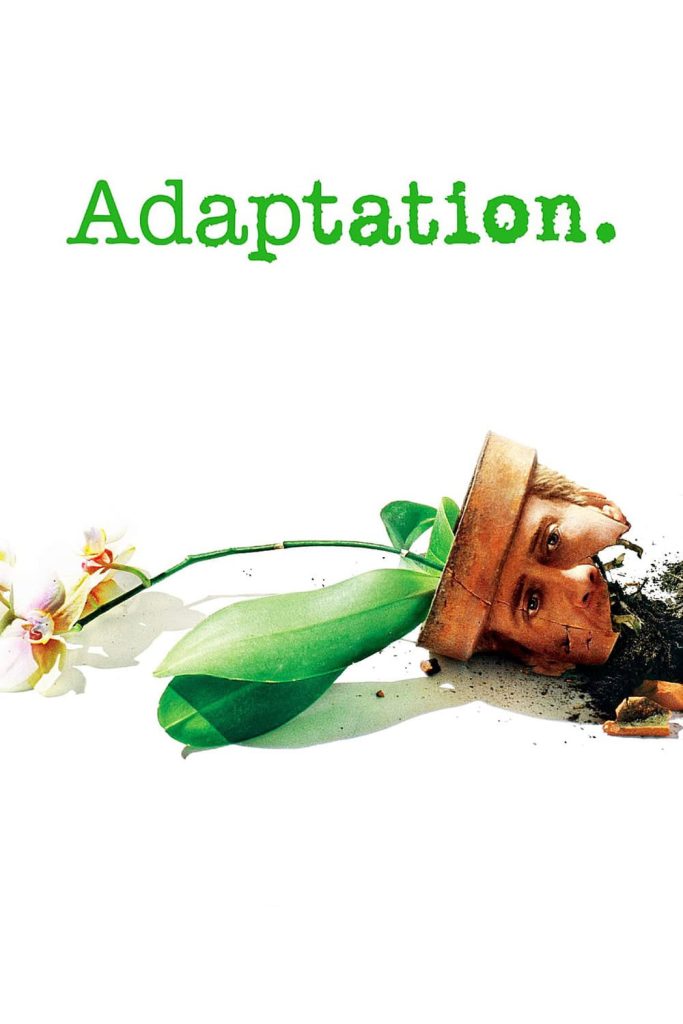
Susan Orlean’s “The Orchid Thief” is a thoughtful nonfiction book about obsession and a rare flower, but it is not a thriller. Charlie Kaufman’s script turns the act of adapting that book into the story itself, folding writer’s block, metafiction, and wild invention into the mix. Even Orlean has praised how the film stays true to the book’s themes while becoming something completely new.
“The Handmaiden” (2016)
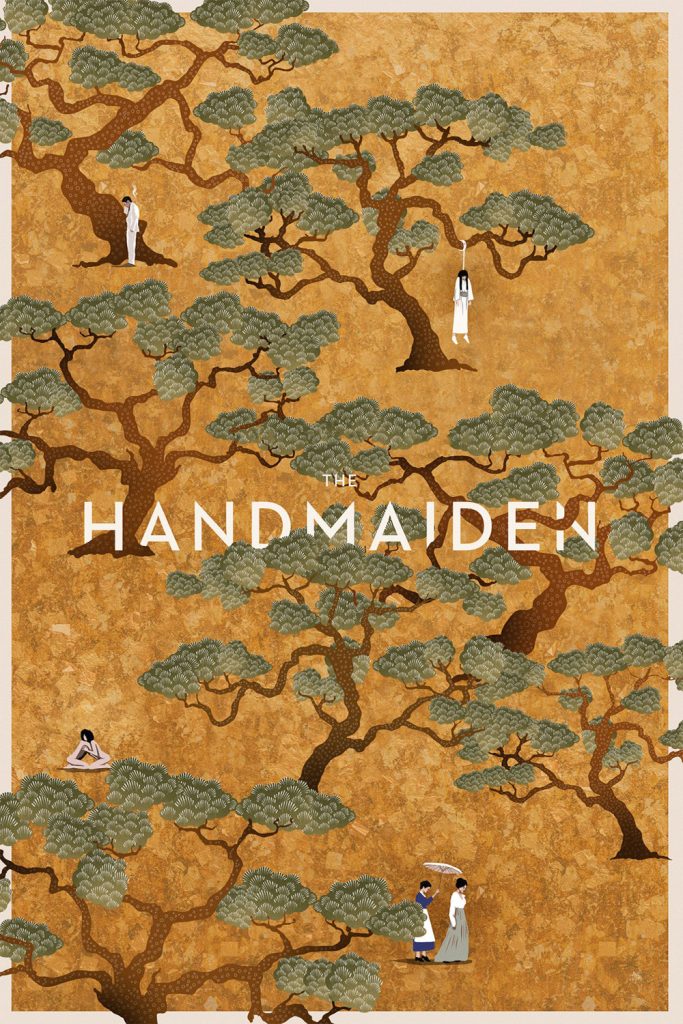
Sarah Waters’s “Fingersmith” is a richly plotted Victorian crime story with queer romance at its center. Park Chan-wook moves the setting to 1930s Korea under Japanese occupation and rearranges the plot into a three part structure that heightens both tension and payoff. The adaptation keeps the core twists but gives its heroines a more triumphant ending that many viewers find more satisfying than the novel’s darker tone.
“The Godfather” (1972)
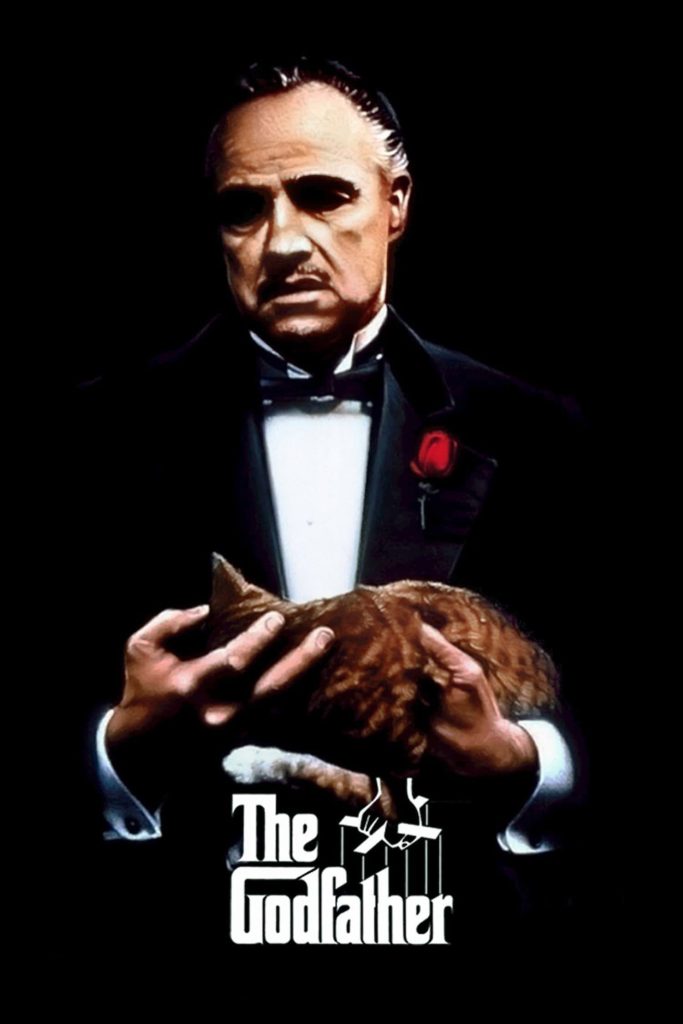
Mario Puzo’s novel is an engrossing crime saga, but it also wanders into side stories that feel far removed from the Corleone family. Francis Ford Coppola’s film trims and reshapes that material into one of the most tightly constructed crime dramas ever made. The performances and cinematography elevate the material so much that, for many viewers, the movie simply replaced the book in popular memory.
“Psycho” (1960)
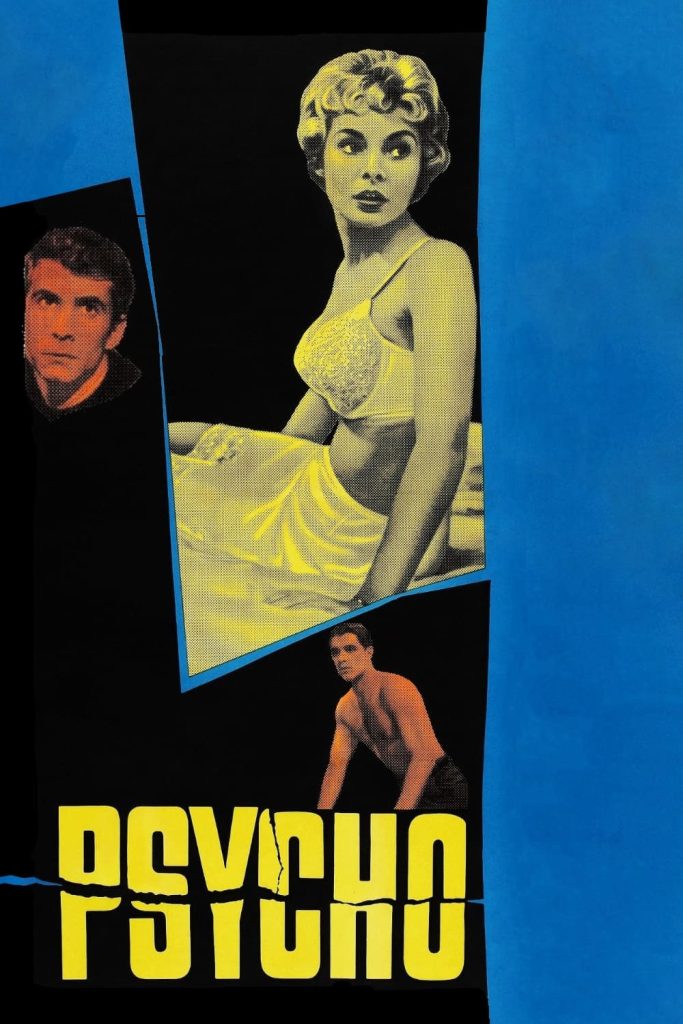
Robert Bloch’s novel is a solid pulp thriller, but Alfred Hitchcock’s adaptation transformed it into a landmark of horror cinema. The infamous shower scene, the score, and the pacing all build a level of dread that goes beyond the prose. The film’s visual language and structural surprises have influenced generations of storytellers, far outstripping the book’s cultural footprint.
“All The President’s Men” (1976)
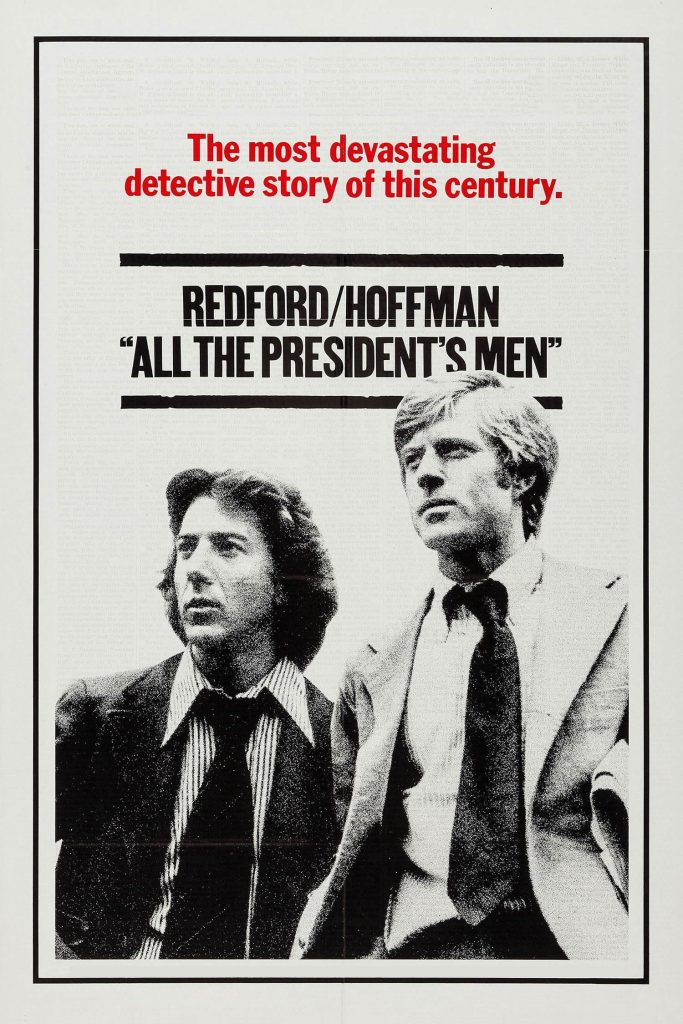
The book by Carl Bernstein and Bob Woodward is a landmark of investigative journalism, dense with names and details. The film keeps the essential facts but uses pacing, performance, and visual storytelling to turn the reporting process itself into a gripping narrative. For many viewers, the movie makes a complex political scandal easier to follow without dumbing it down.
“Lord Of The Rings: The Fellowship Of The Ring” (2001)
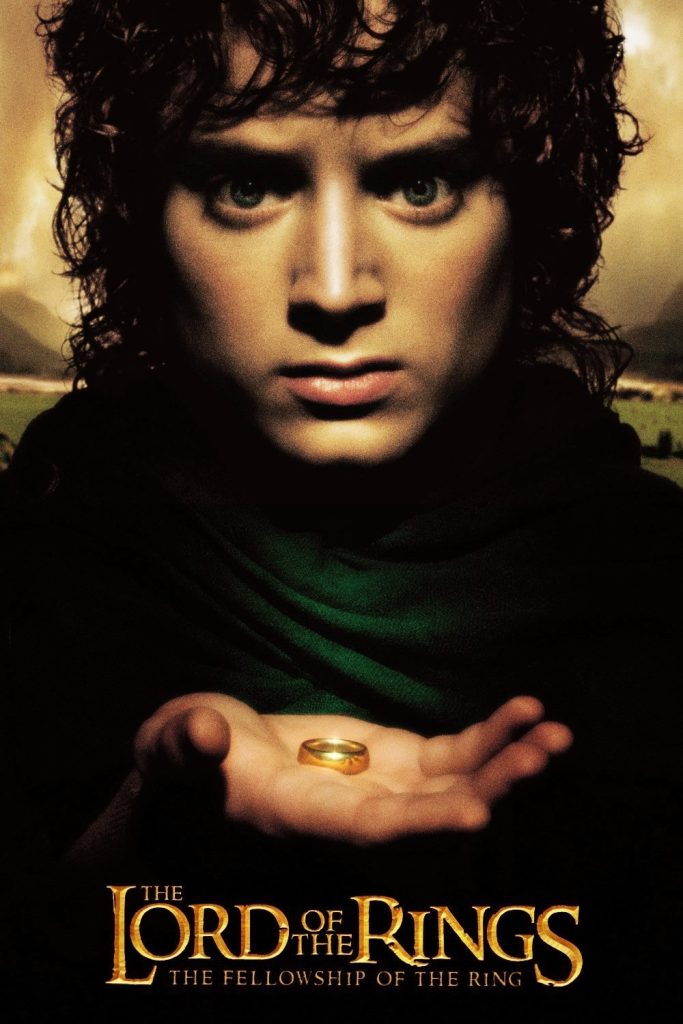
J. R. R. Tolkien’s novel laid the groundwork for modern fantasy, but its dense songs, lore dumps, and slow pacing can be a hurdle for some readers. Peter Jackson’s adaptation condenses council meetings, trims travel time, and leans into visual spectacle and emotion, turning the same story into a sweeping adventure. For many fans, the films are the version of Middle earth they live in, with the books serving as an appendix rather than the main event.