
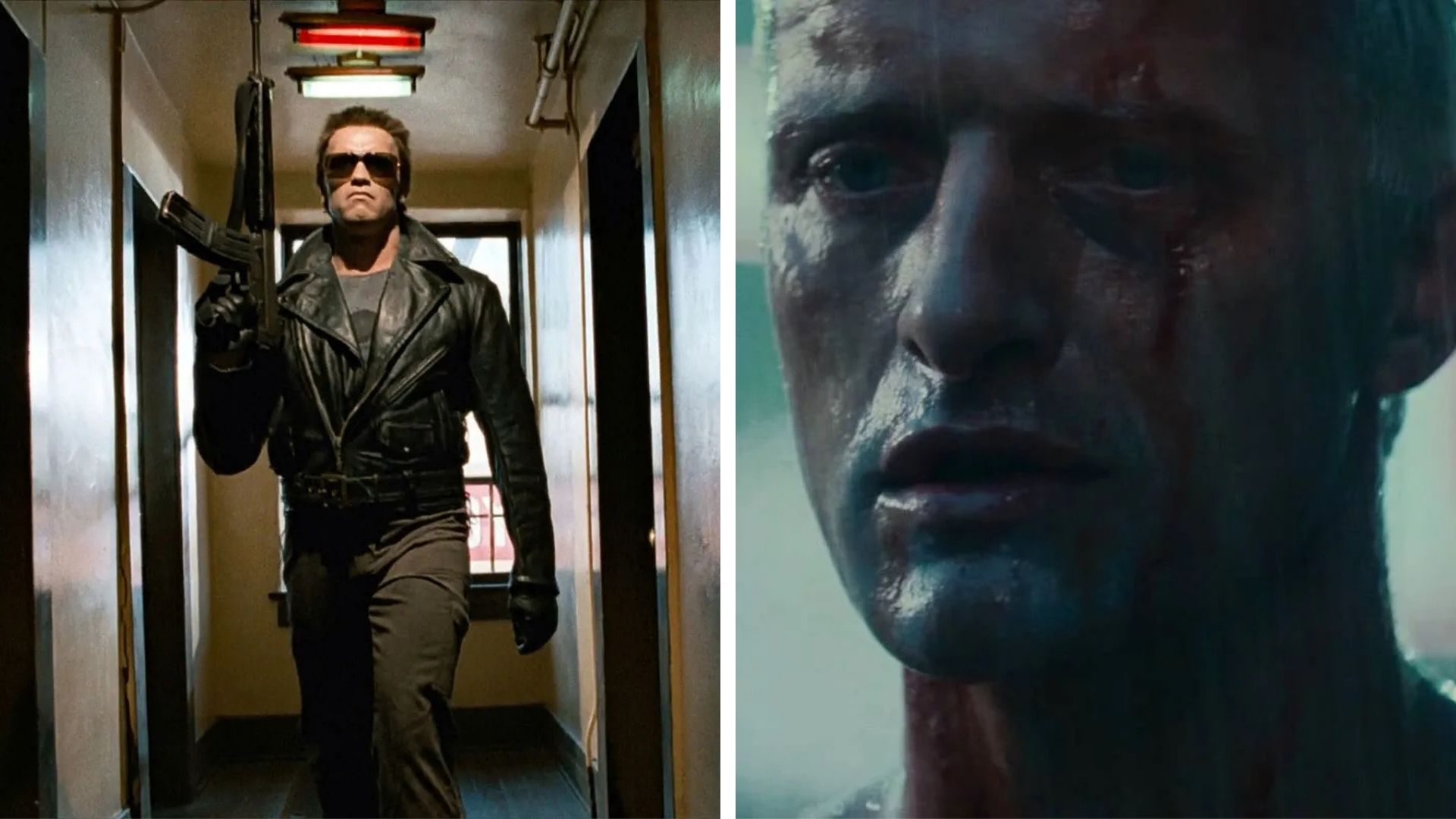
Here are 30 legendary villains from 80s movies who still leave an impression decades later. The 1980s produced villains who were just as memorable as the heroes they faced. Some terrified audiences through silence, others through charisma, and a few through sheer unpredictability. What connects them is personality, each one feels specific, deliberate, and unmistakably tied to their film.
Judge Doom – “Who Framed Roger Rabbit”
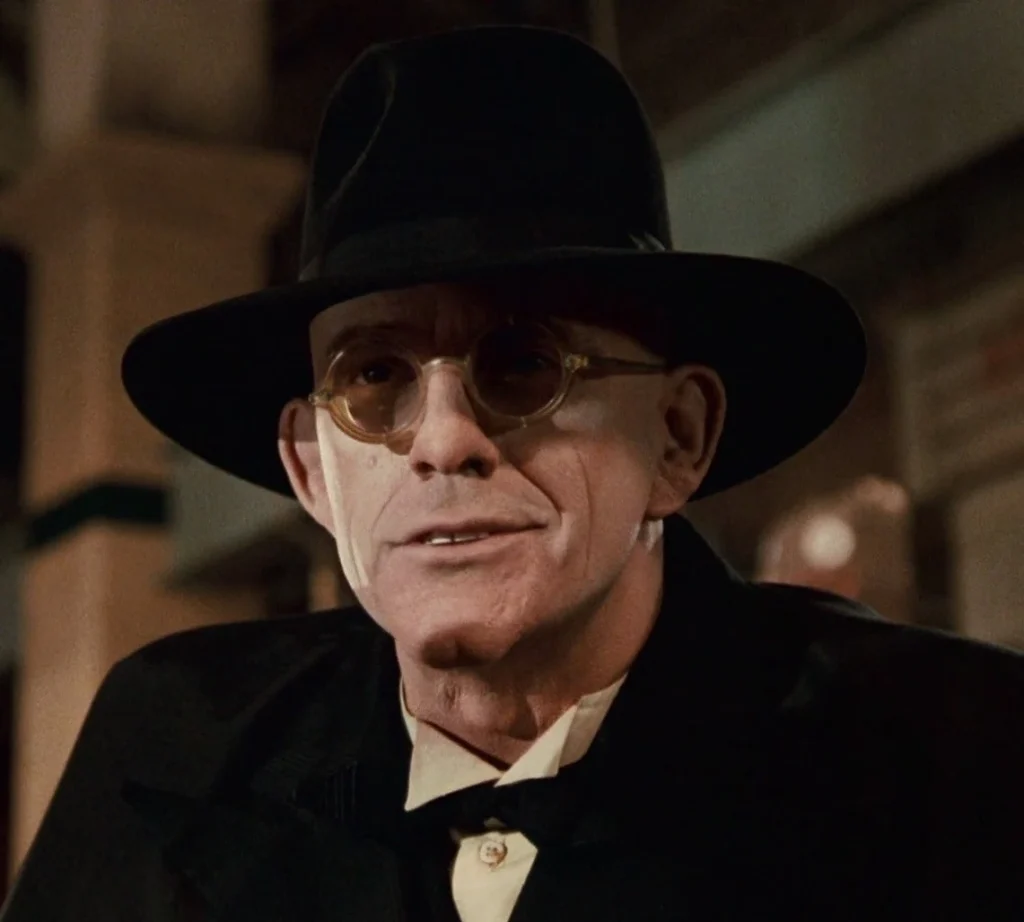
At first, Doom looks like a stiff authority figure doing his job. Once the truth comes out, the tonal shift is so extreme that the character becomes nightmare fuel almost instantly.
Biff Tannen – “Back to the Future”
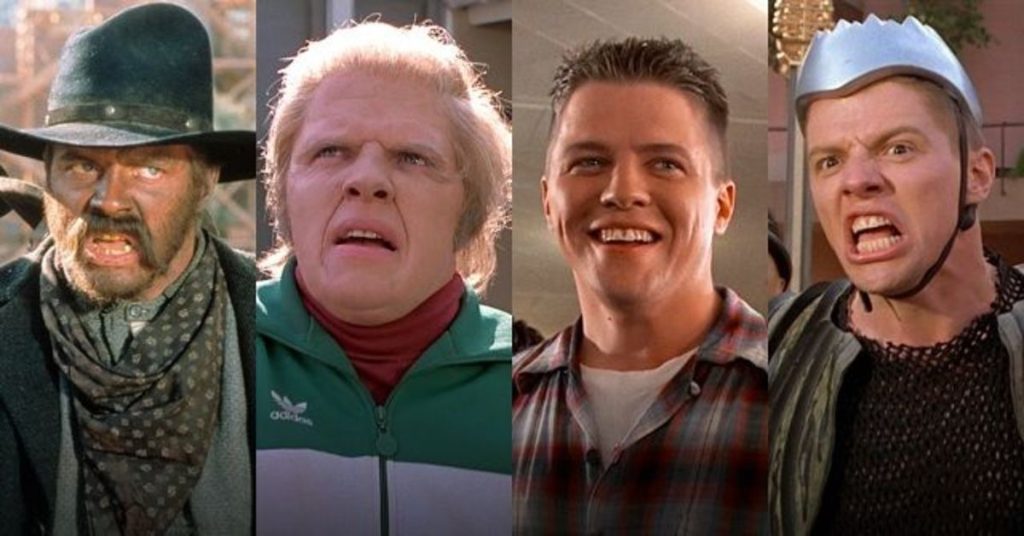
Biff feels uncomfortably familiar because he is built from everyday cruelty. He bullies, manipulates, and never questions his own behavior, which makes him feel real in a way bigger villains often do not.
The Alien Queen – “Aliens”
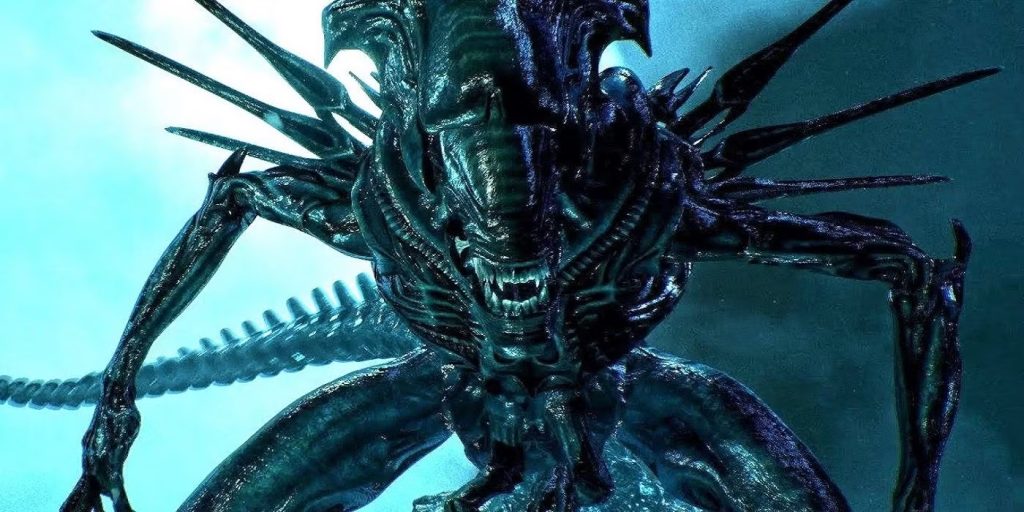
The Queen dominates without dialogue or explanation. Her physical presence alone establishes hierarchy, threat, and survival instincts.
The Wicked Witch – “Return to Oz”
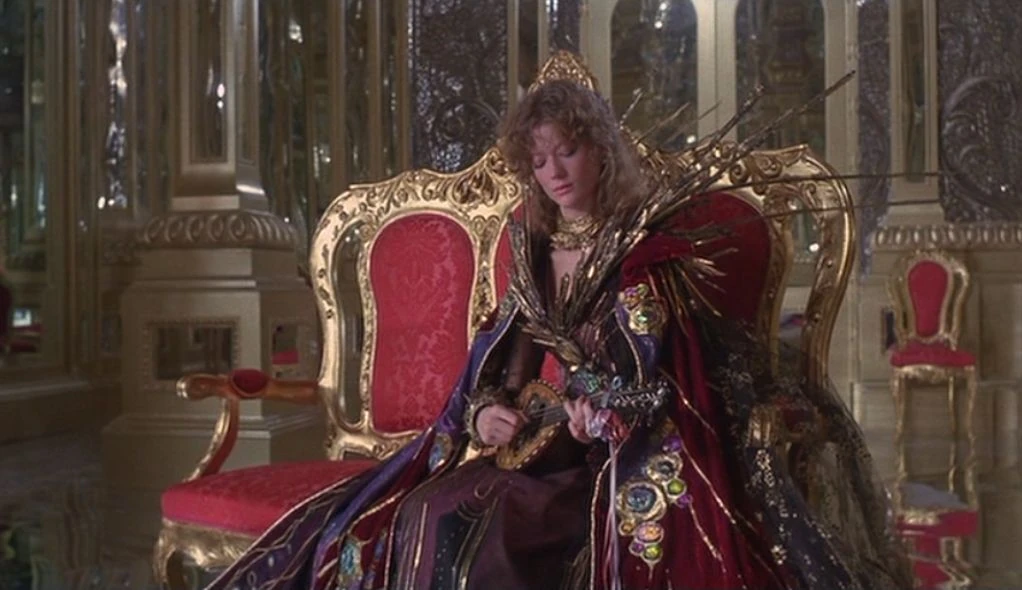
This version leans heavily into discomfort and fear. The design and tone push the character far beyond traditional fairy-tale villainy.
Jack Torrance – “The Shining”
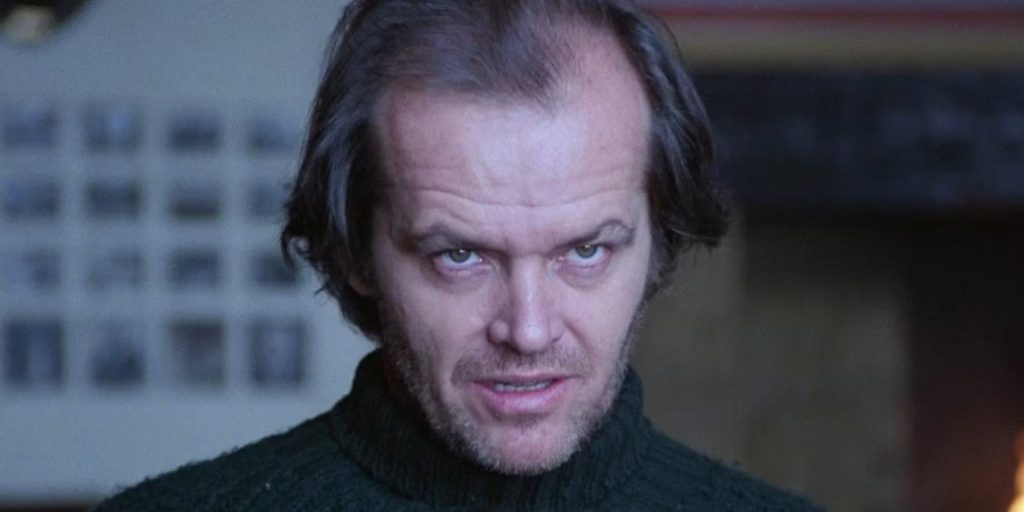
Jack’s transformation unfolds slowly, which makes it unsettling rather than shocking. Watching him lose himself piece by piece is what turns the hotel into a psychological trap.
Freddy Krueger – “A Nightmare on Elm Street”
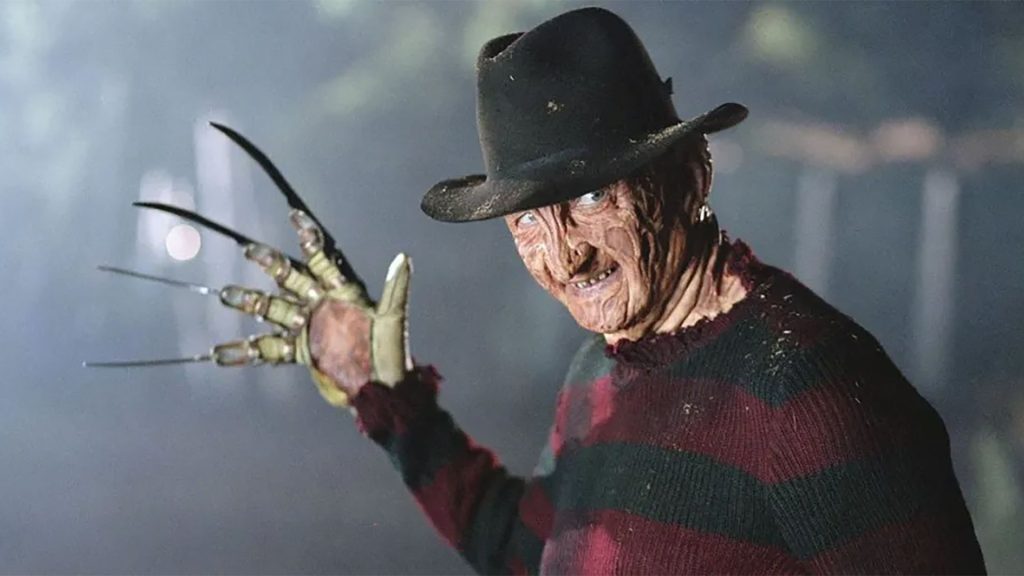
Freddy turns fear into entertainment, mocking his victims as he stalks them. The humor works because it never removes the danger, it sharpens it.
Emperor Palpatine – “Return of the Jedi”
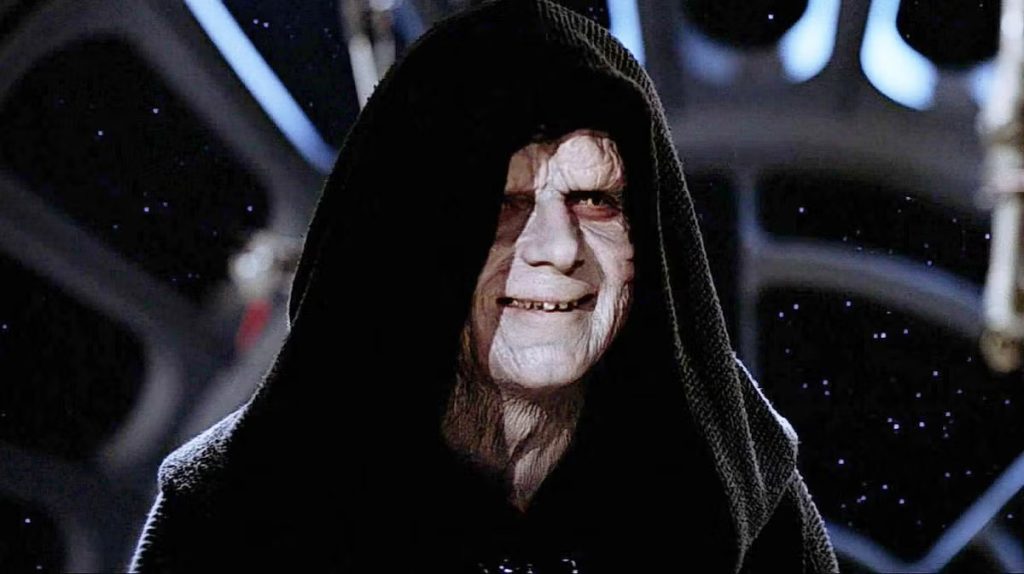
Palpatine does not chase power, he waits for it to come to him. His villainy is patient, manipulative, and built on long-term control.
David Lo Pan – “Big Trouble in Little China”
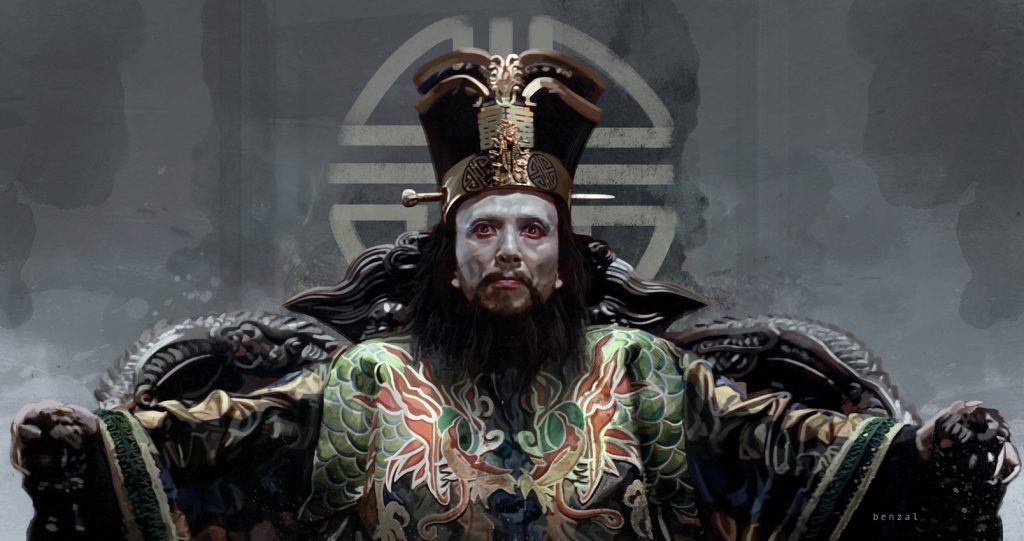
Lo Pan shifts between humor and menace without warning. That unpredictability gives the character a strange energy where jokes and genuine danger exist side by side.
Mama Fratelli – “The Goonies”
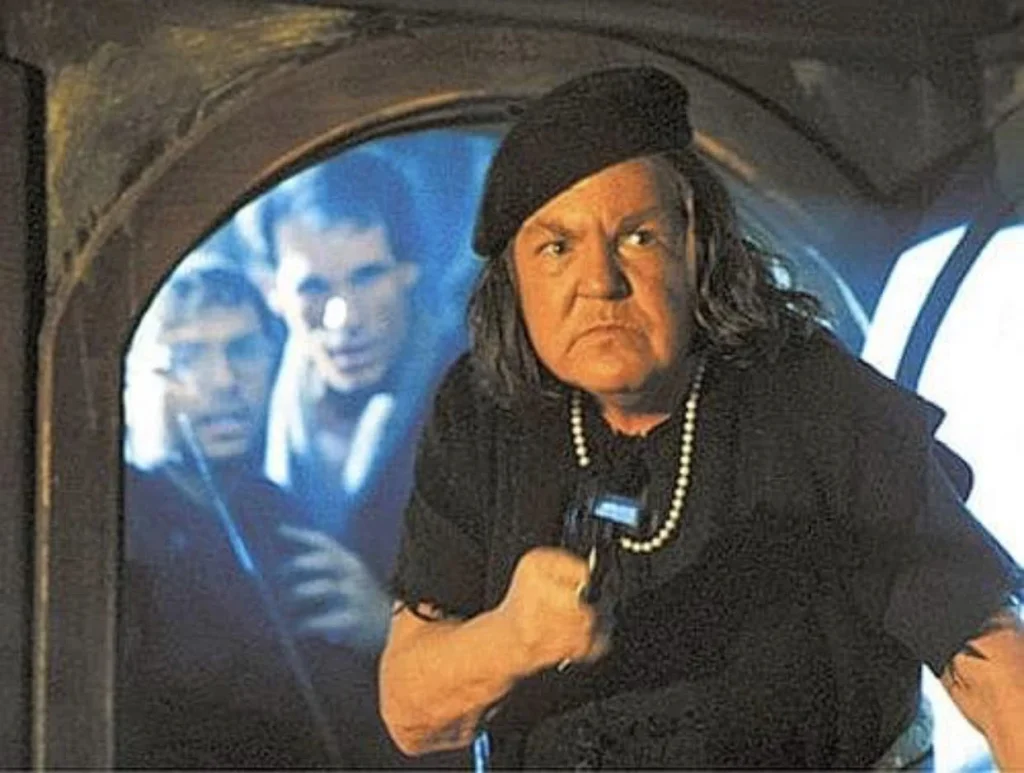
Mama Fratelli balances humor with real menace. She keeps the adventure fun without ever letting it feel completely safe.
Darth Vader – “The Empire Strikes Back”
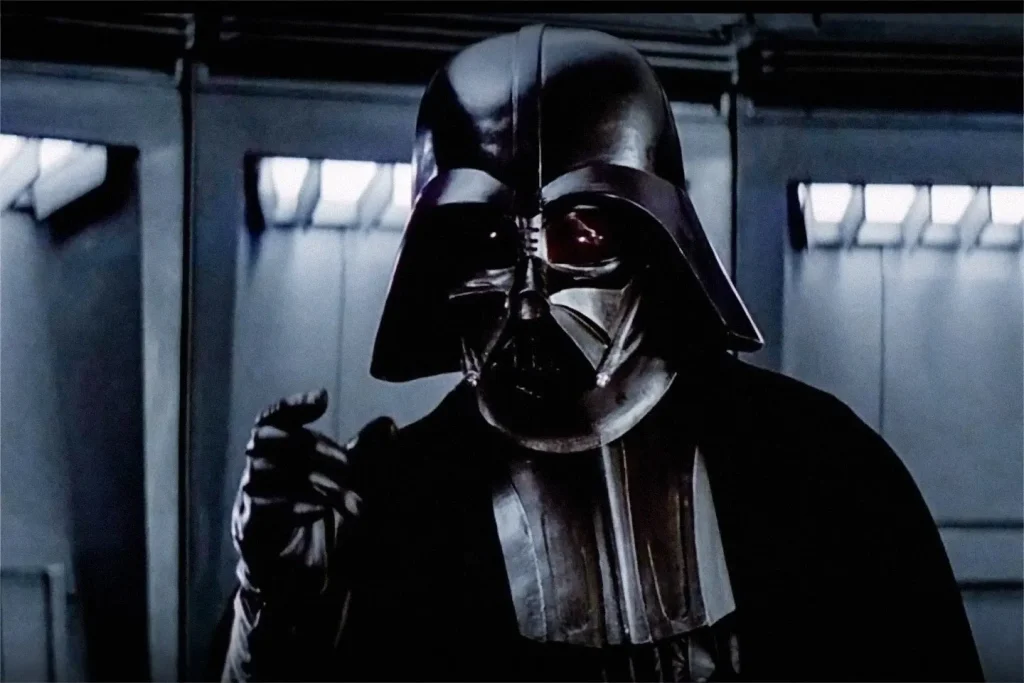
Barely needs to raise his voice to dominate a scene. His presence alone communicates control, authority, and the sense that resistance is already too late.
Dick Jones – “RoboCop”
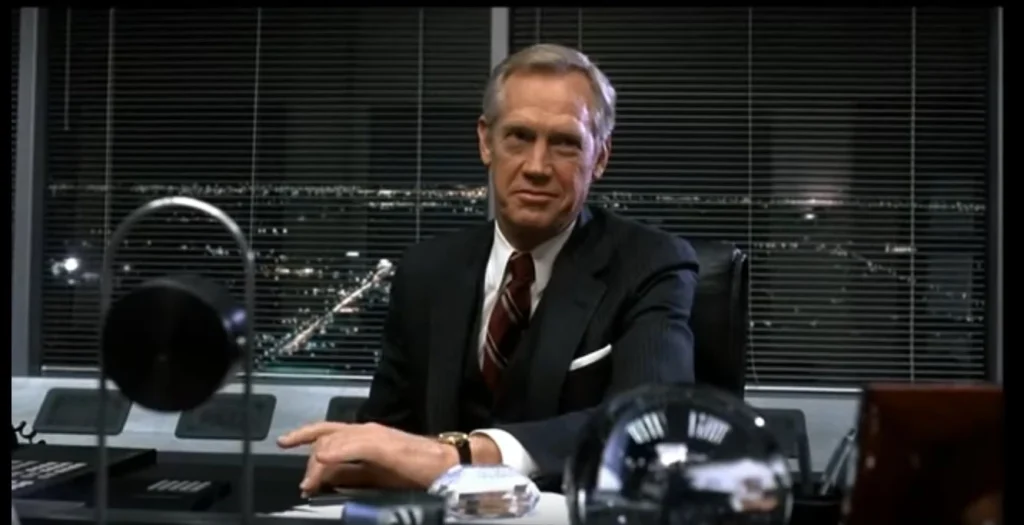
Jones represents a colder kind of villainy rooted in power and influence. He rarely gets his hands dirty, but his decisions cause just as much damage.
Jason Voorhees – “Friday the 13th”
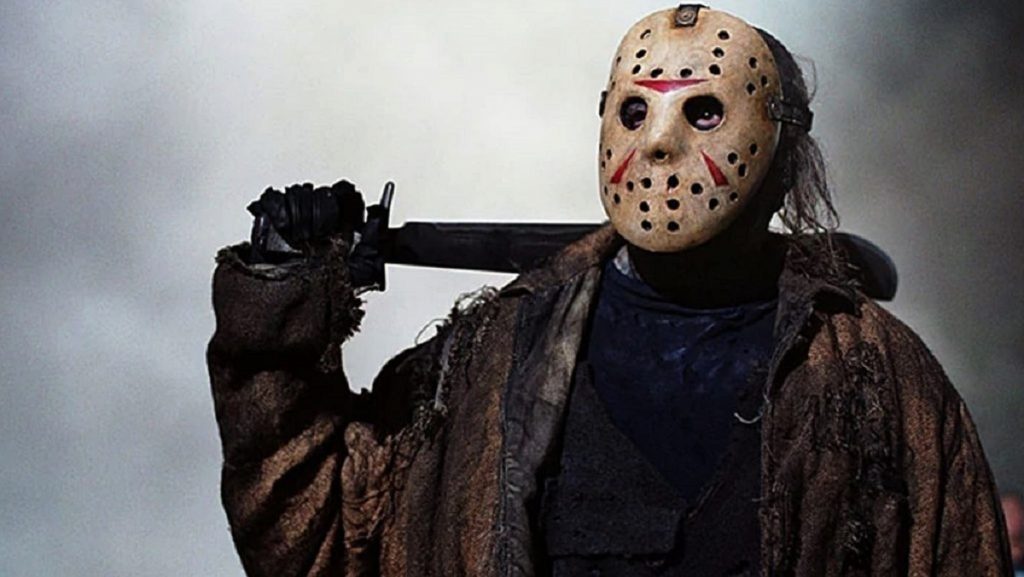
Jason’s threat comes from his simplicity. He does not explain himself, negotiate, or slow down, which turns every encounter into a countdown.
Roy Batty – “Blade Runner”
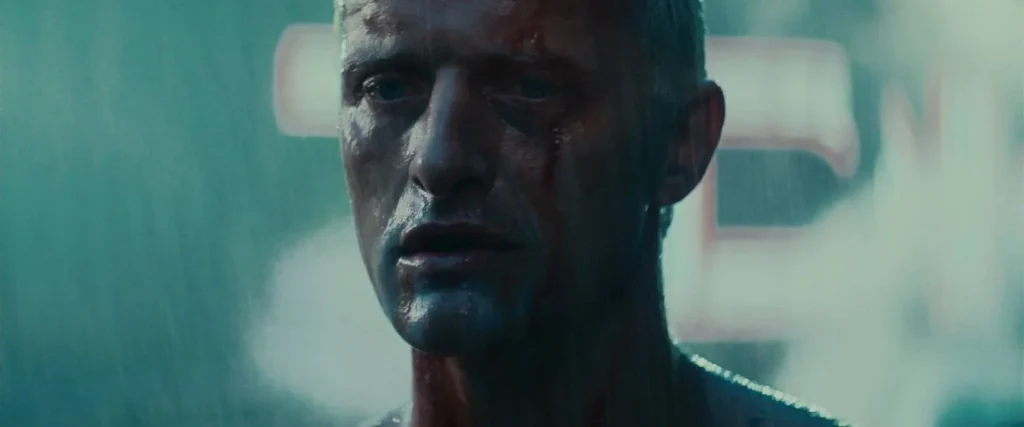
Batty blurs the line between antagonist and tragic figure. His actions are violent, but his motivations invite empathy and reflection.
General Zod – “Superman II”
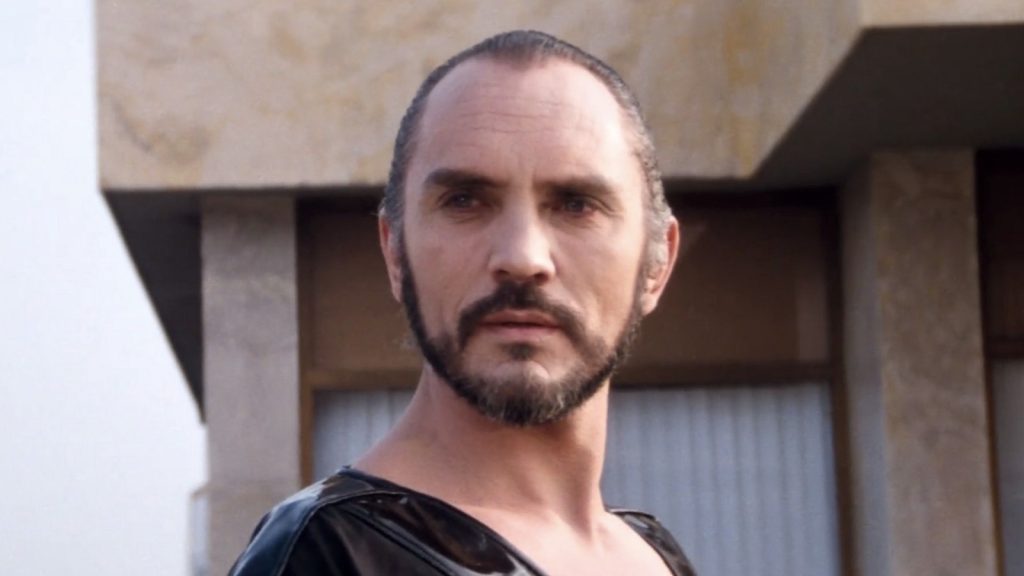
Zod operates with total certainty in his own superiority. That confidence turns every interaction into a power struggle.
Gordon Gekko – “Wall Street”
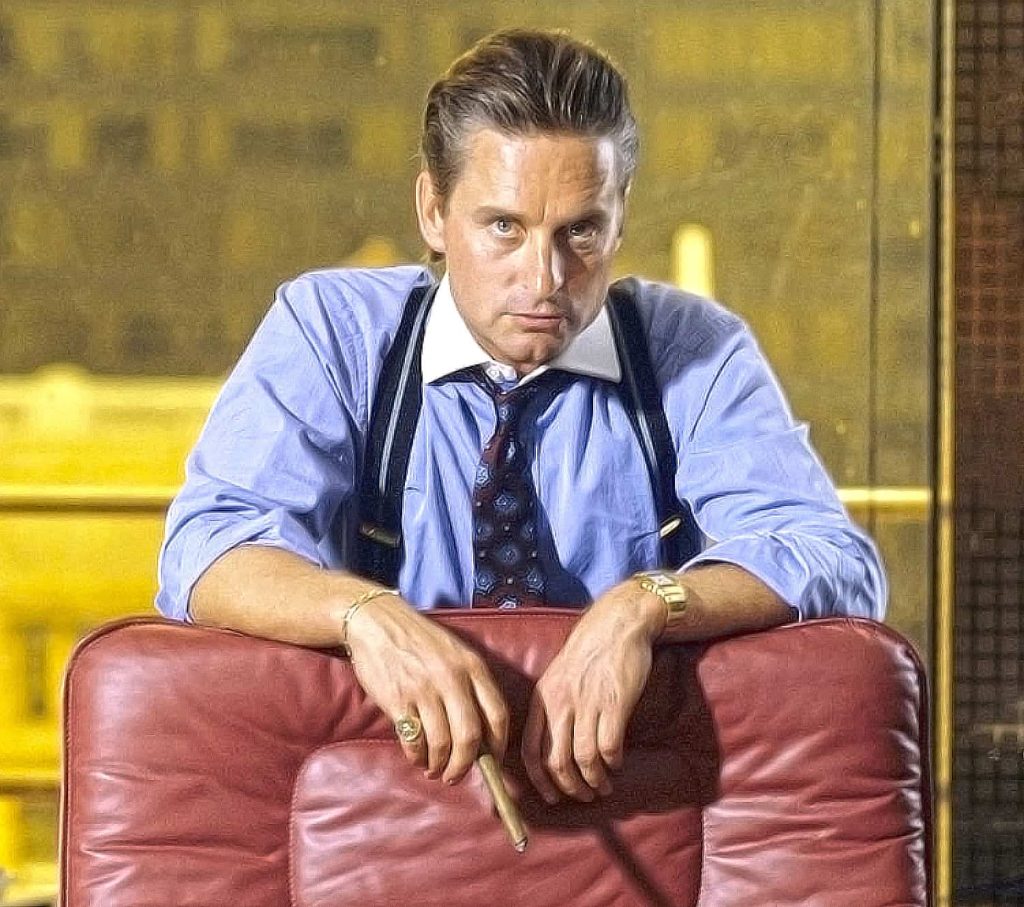
Sells greed with confidence and charisma. The danger lies in how convincing his philosophy sounds, even when it is clearly destructive.
Jareth – “Labyrinth”
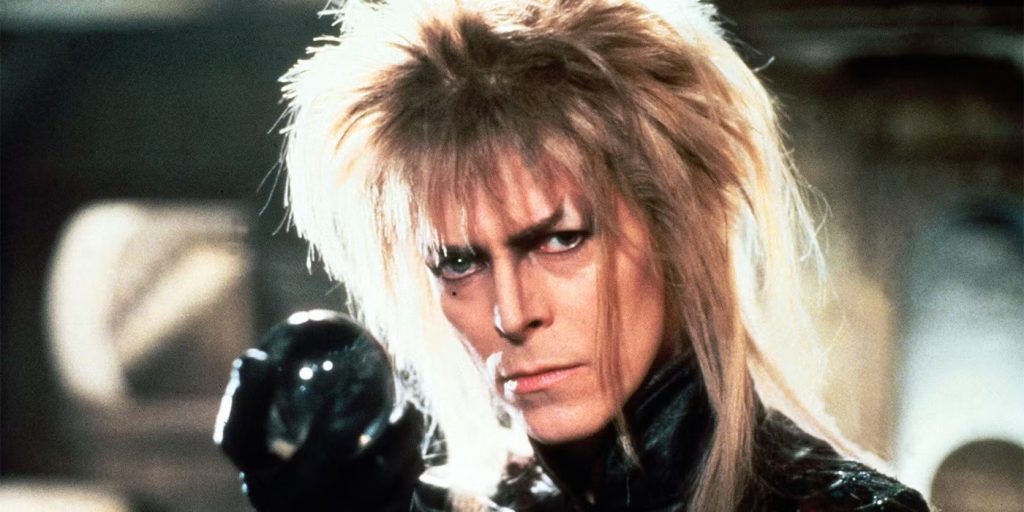
Jareth’s power comes from temptation rather than force. He offers choices that feel fair on the surface but are carefully rigged.
Lord Humungus – “Mad Max 2: The Road Warrior”
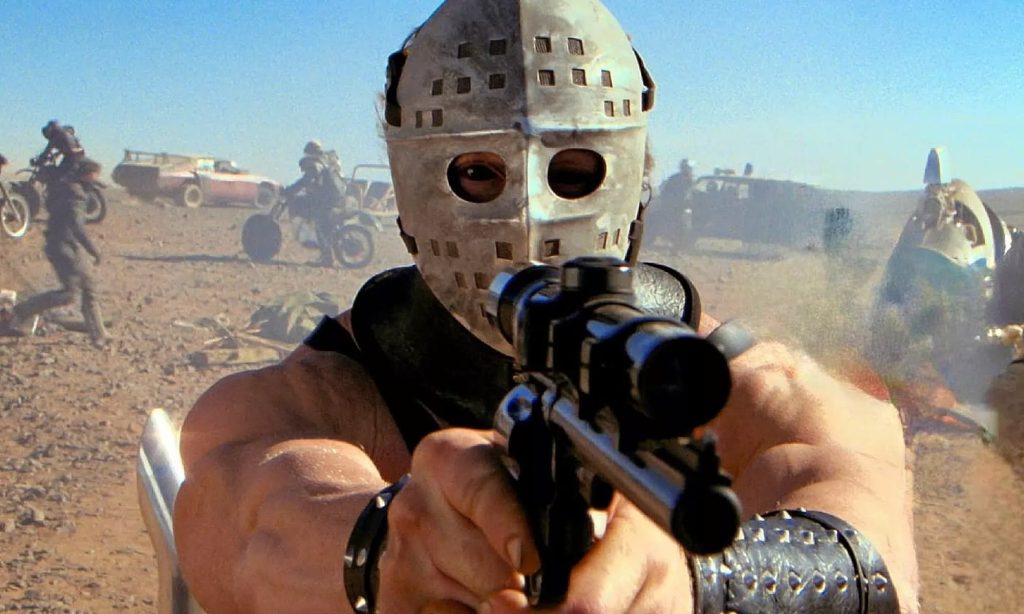
Builds power through image and intimidation. Every detail, from his mask to his measured speech, reinforces his authority.
Frank Booth – “Blue Velvet”
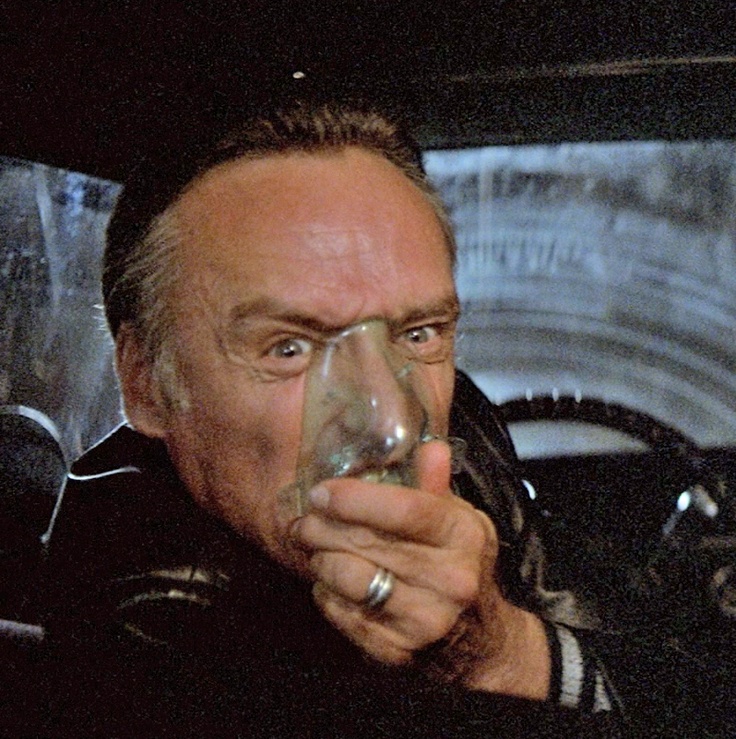
Frank Booth is terrifying because of how quickly his mood shifts. Scenes involving him feel unstable, as if violence could erupt without warning.
The Predator – “Predator”

The Predator feels less like a monster and more like a hunter following a code. That structure makes the danger feel calculated rather than random.
Karl – “Die Hard”
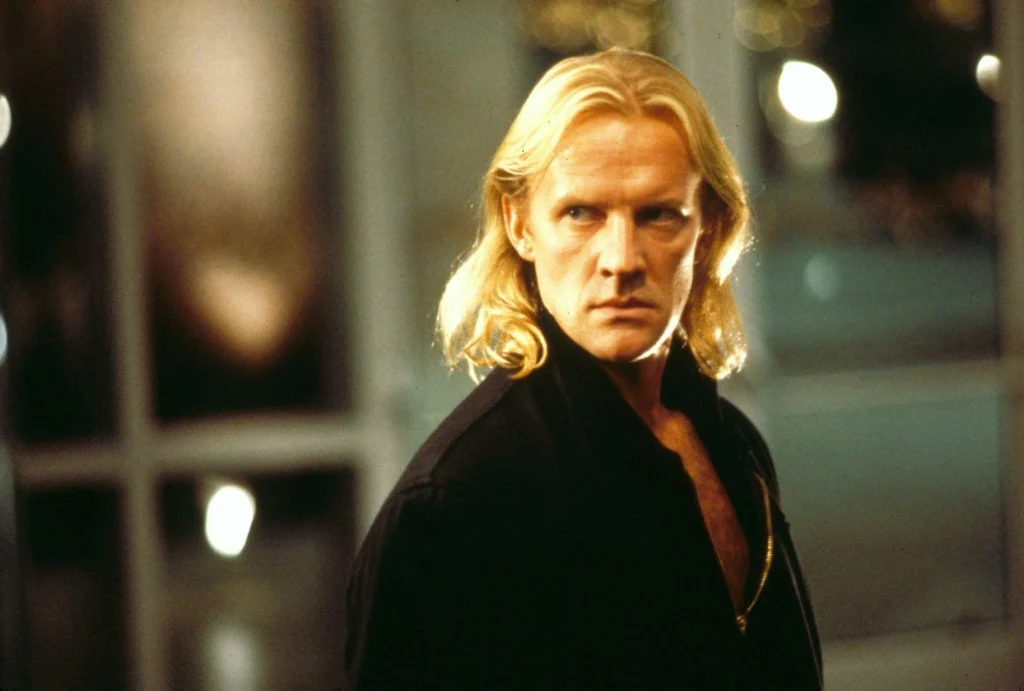
Brings quiet intensity to every scene he enters. Unlike flashier villains, his threat feels constant and personal.
Thulsa Doom – “Conan the Barbarian”
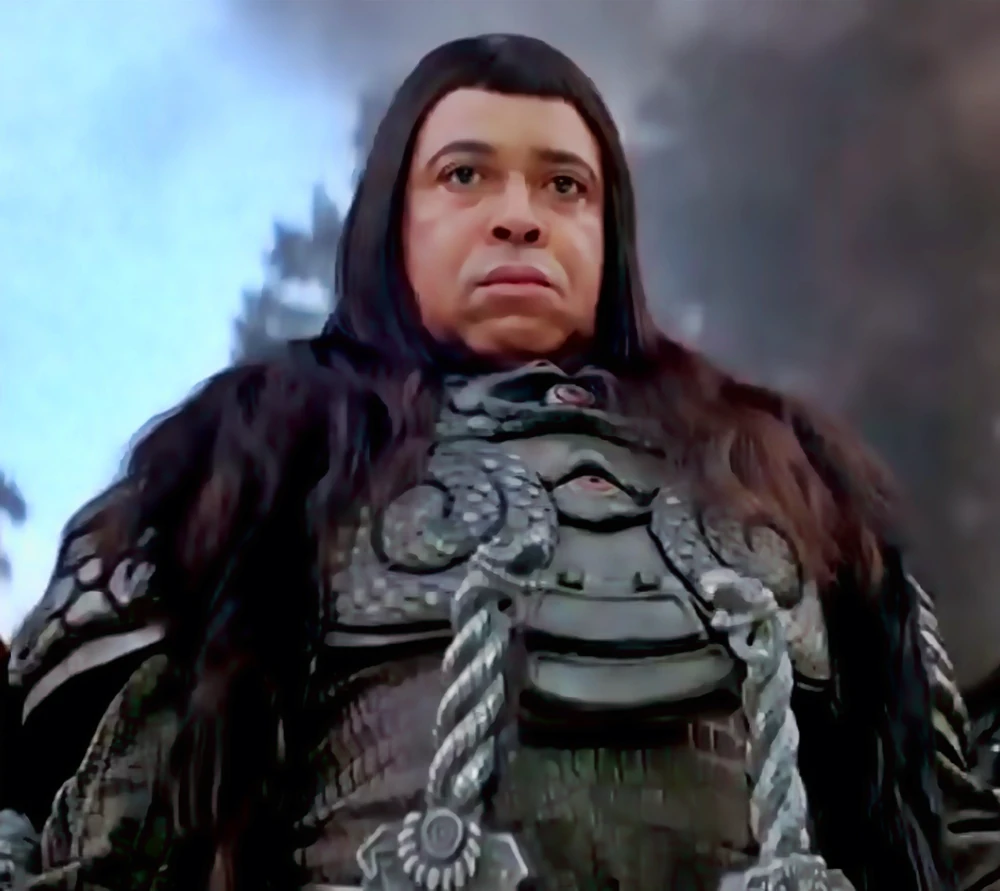
Leads through belief rather than fear alone. His calm voice and philosophical tone make his control over others feel deeply unsettling.
Mr. Joshua – “Lethal Weapon”
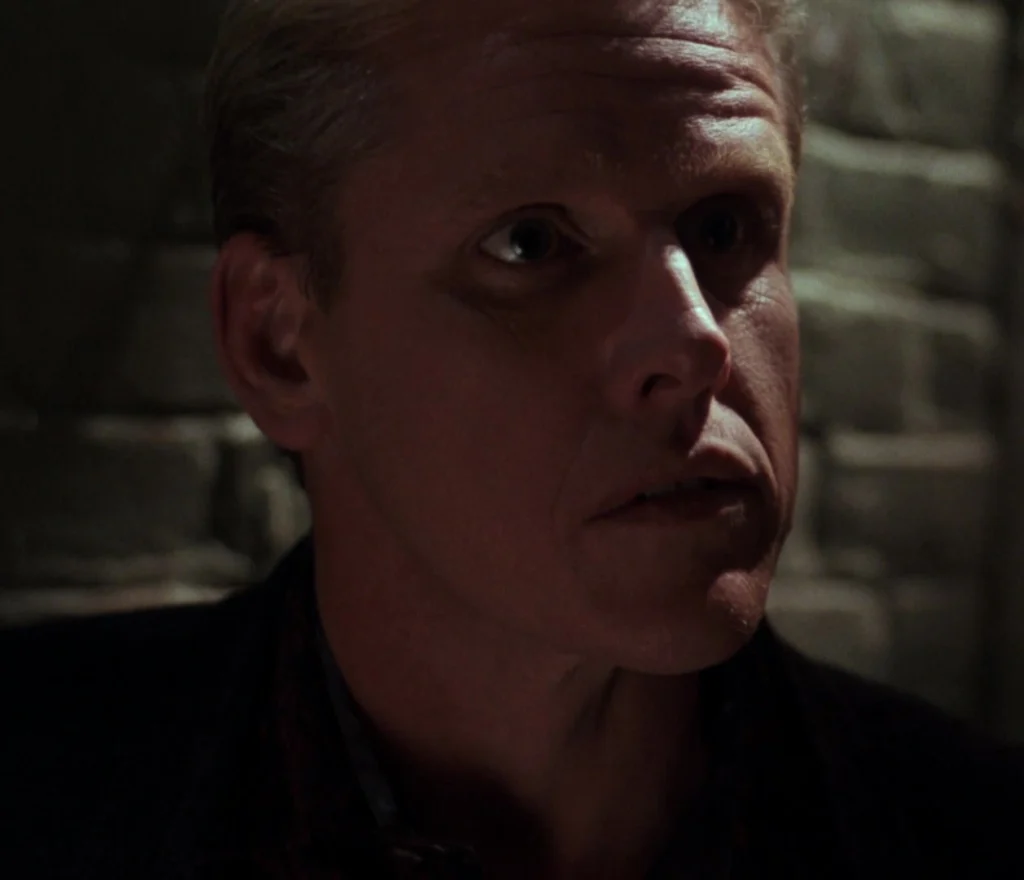
Joshua thrives on physical confrontation and psychological pressure. His willingness to endure pain changes the stakes of every fight.
Hans Gruber – “Die Hard”
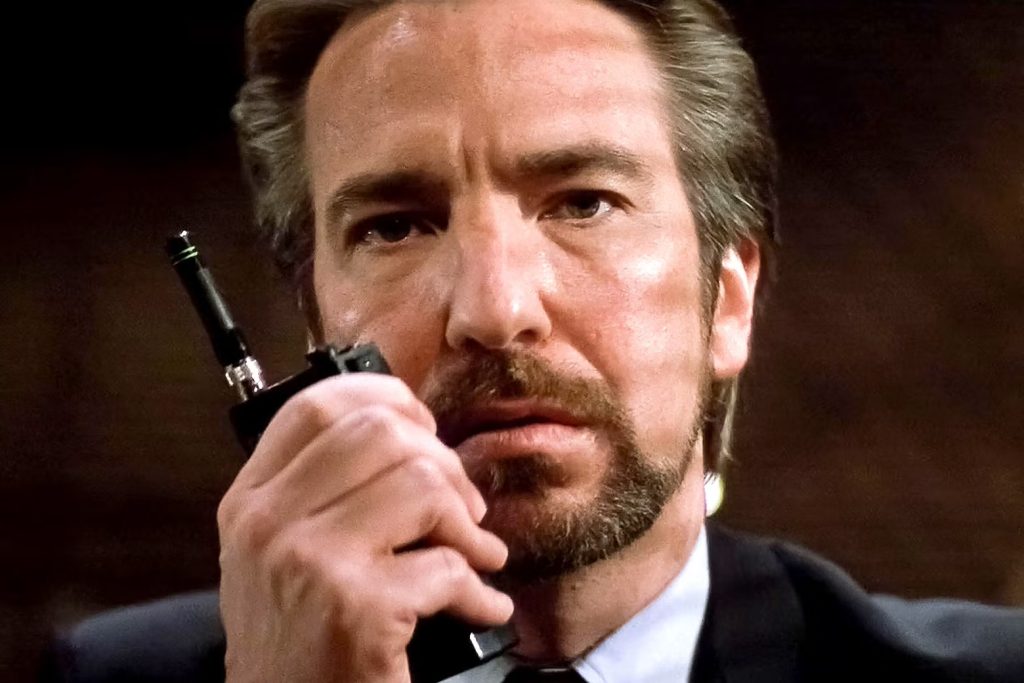
Gruber does not rush anything, and that patience is what makes him dangerous. He plans like a strategist, speaks like a professional, and never loses his composure until the walls truly start closing in.
Clarence Boddicker – “RoboCop”
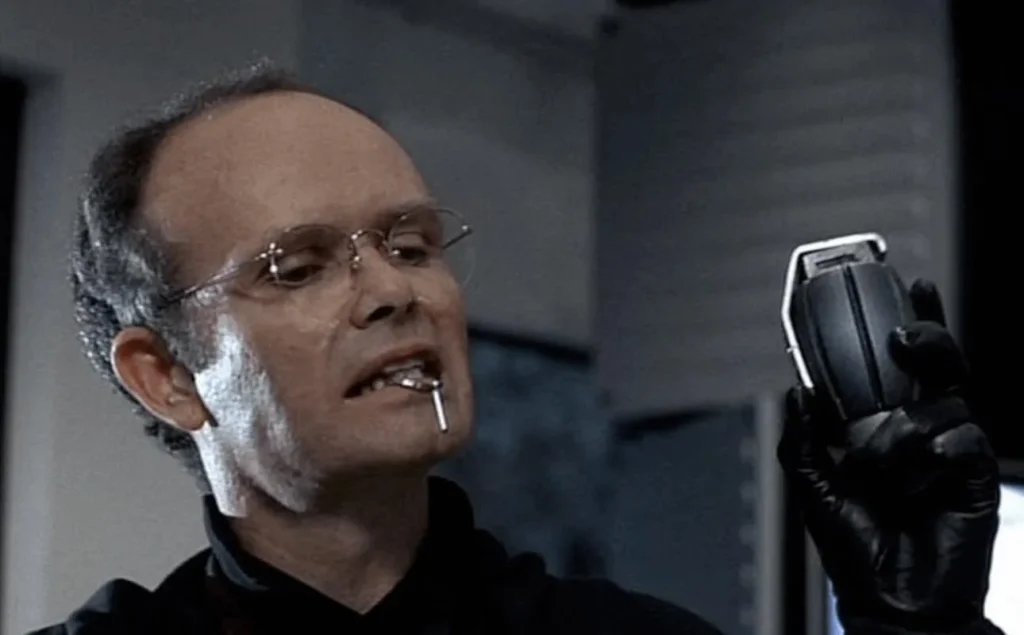
He treats violence casually, as if it barely registers emotionally. That lack of restraint makes his scenes feel volatile and dangerous even when he is joking.
Gozer – “Ghostbusters”
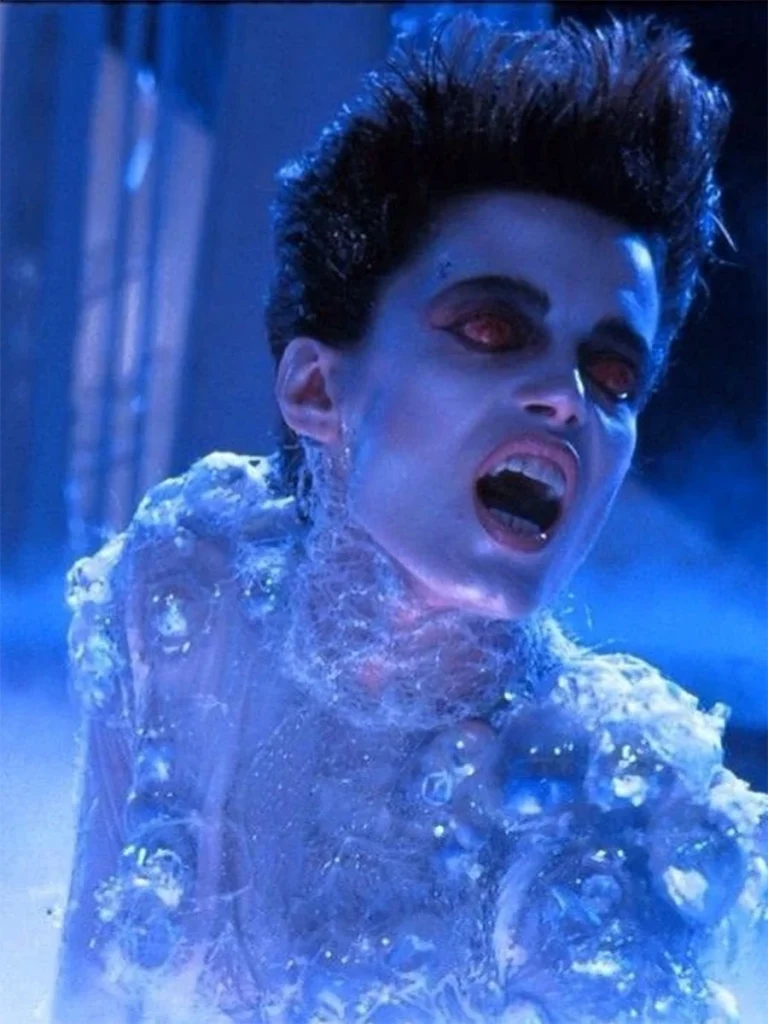
Gozer treats reality like a suggestion rather than a rule. The confidence and scale of the threat give the film its apocalyptic edge.
The Joker – “Batman”
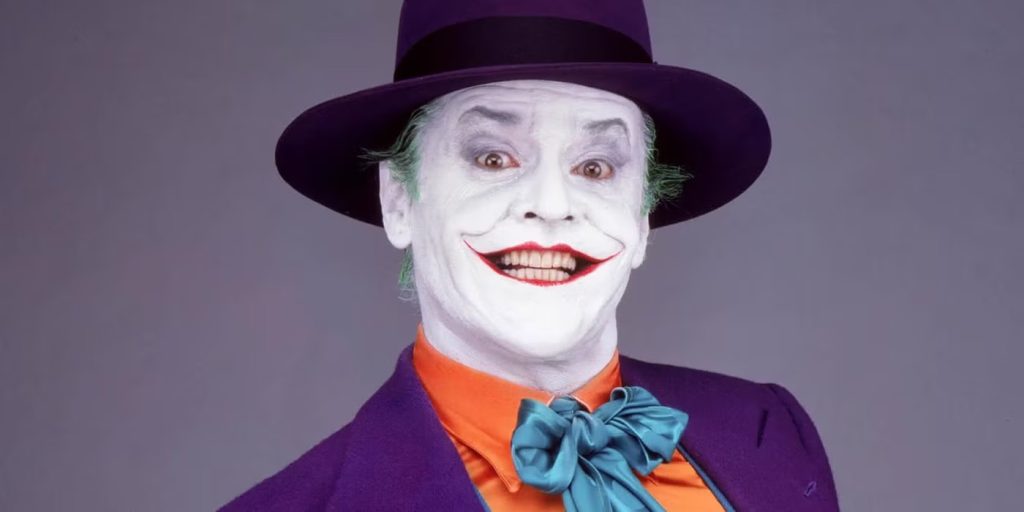
This Joker treats crime as spectacle. The performance is playful, theatrical, and violent in equal measure, making the chaos feel intentional.
Pinhead – “Hellraiser”
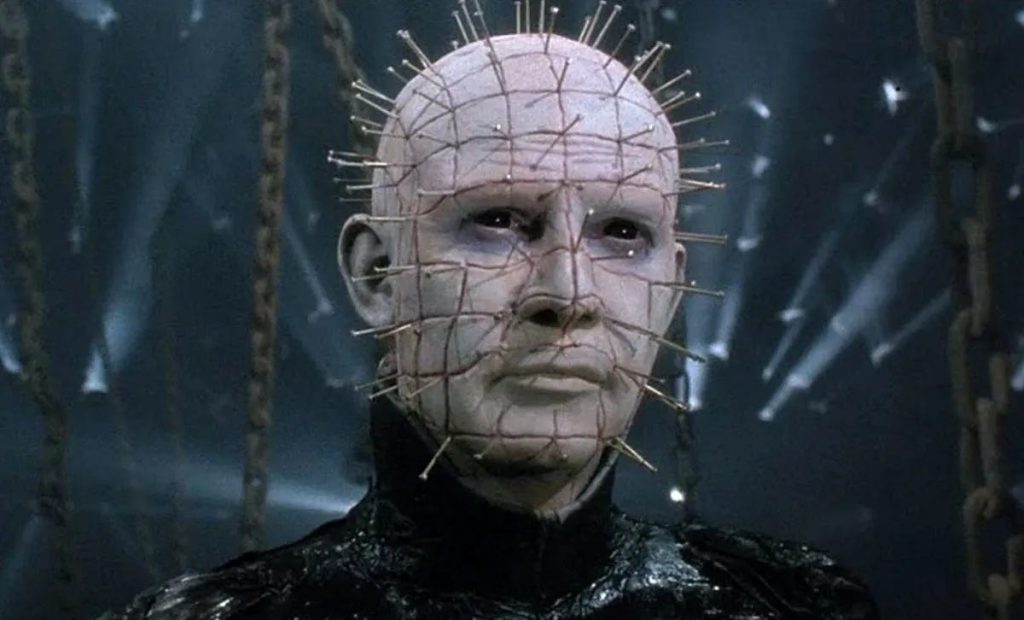
Pinhead speaks softly and precisely, which contrasts sharply with the violence he represents. The character feels bound by rules that are far darker than anything human.
Sho Nuff – “The Last Dragon”
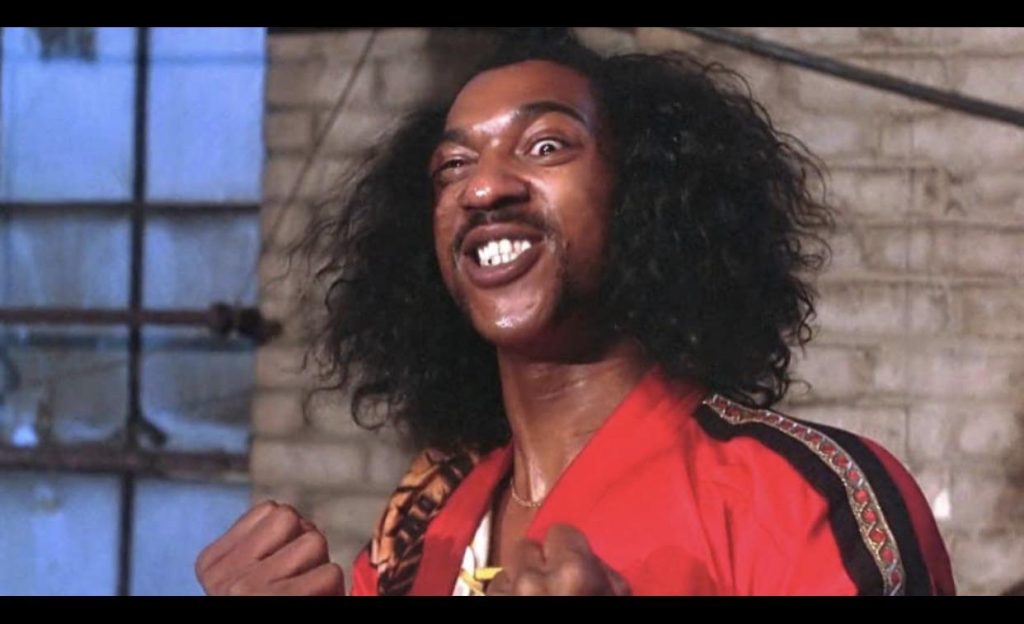
Sho Nuff is exaggerated confidence taken to its extreme. The bravado is absurd, but it never stops him from feeling like a genuine threat.
The Terminator – “The Terminator”
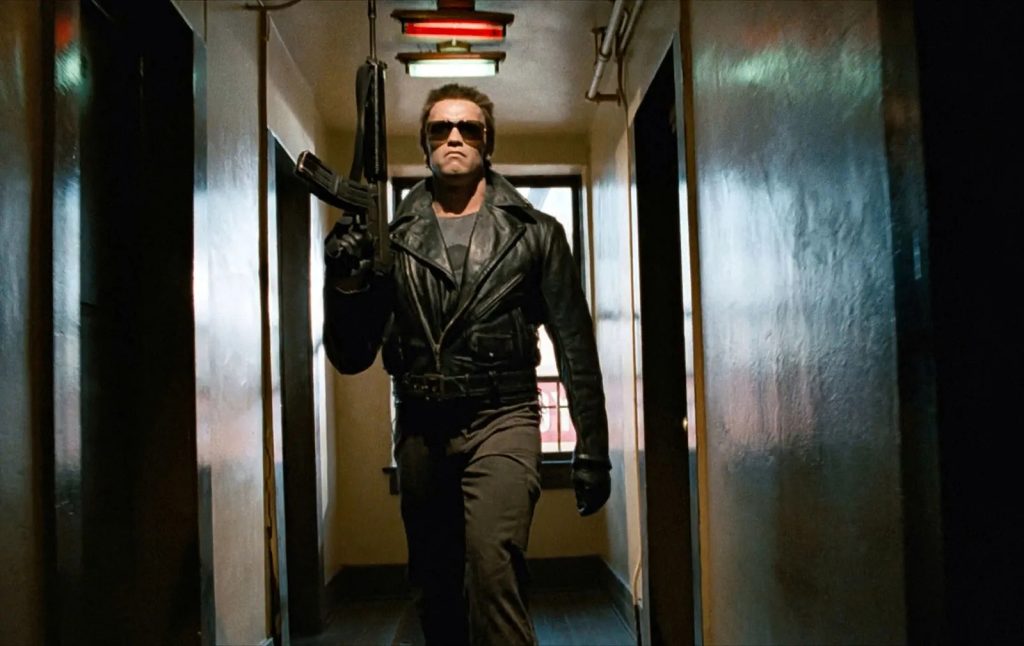
Relentless by design. It does not pause, reflect, or hesitate, which turns pursuit itself into the horror.












