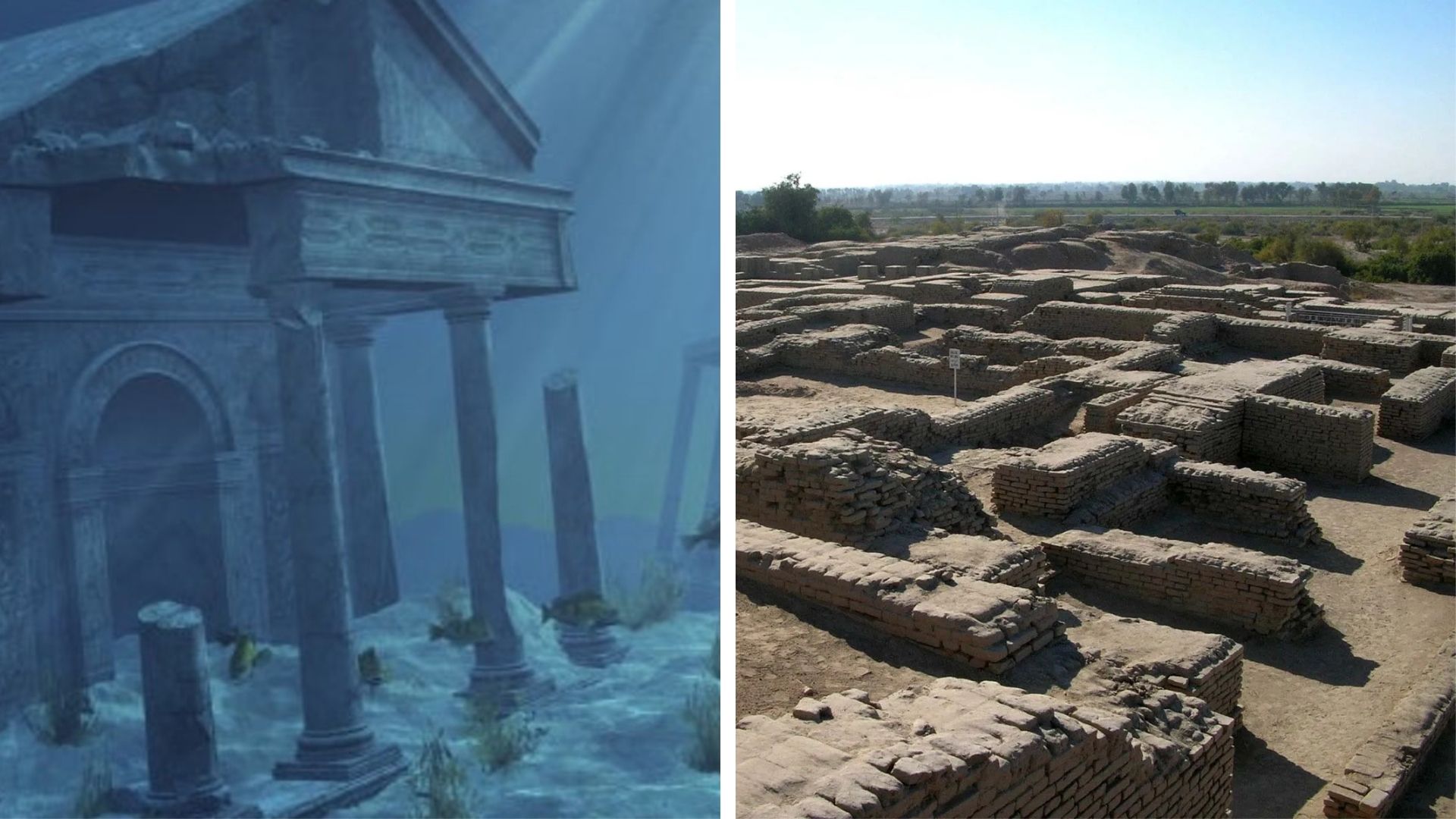
Some “lost cities” are real places that slipped out of view, swallowed by jungle, ash, sand, or the slow drift of memory. Others live in a blurrier zone, where legend points to a location, but archaeology has not yet pinned down the address. That mix is exactly what makes the topic addictive: the line between myth and map is not always clean. This list rounds up 30 legendary and rediscovered cities that still feel like they could be out there, waiting to be fully found.
Sanchi
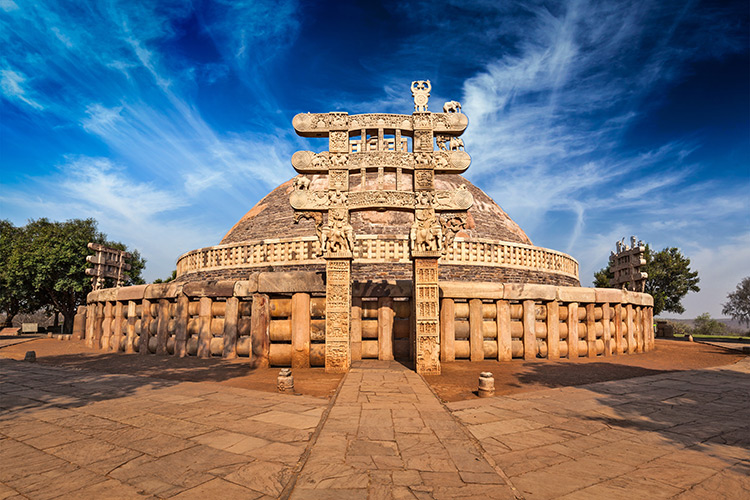
Sanchi, in present-day Madhya Pradesh, India, is known for Buddhist monuments that anchor it firmly in real history. The site’s most influential era began around the 3rd century BCE and continued for many centuries into the early medieval period. Even if it is not “lost” in the mythic sense, it shows how a major place can fade from mainstream memory and then return as a landmark.
Taxila
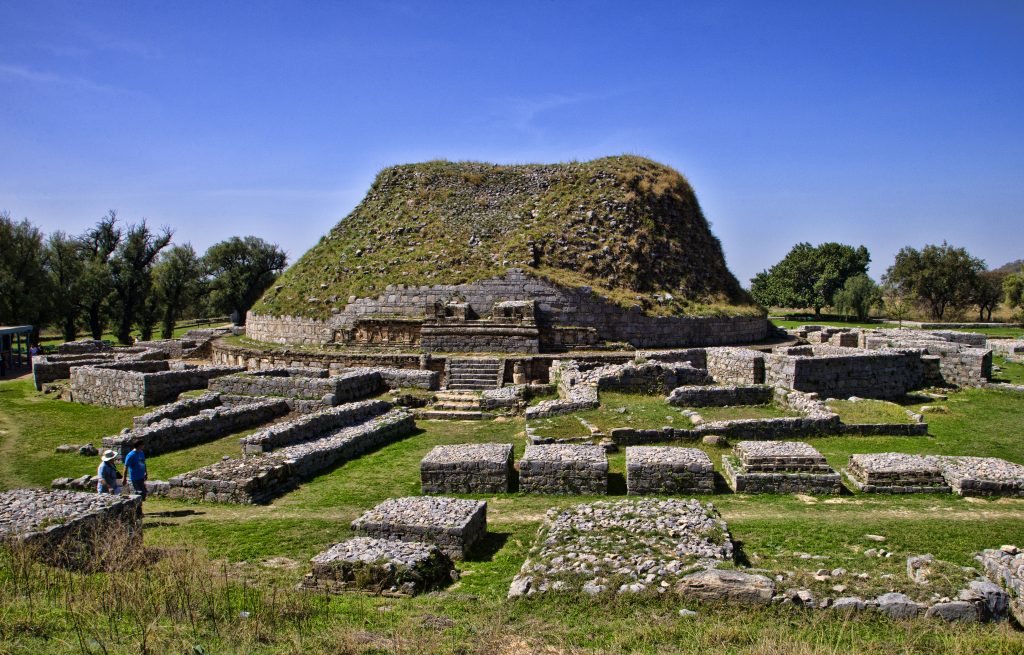
Near modern Rawalpindi, Pakistan, Taxila was a major learning and cultural hub in antiquity. It was active for many centuries, with urban life commonly dated from around the 6th century BCE into the early centuries CE. Because it sits at a crossroads of empires, it often feels like a place where history layers on top of itself instead of ending cleanly.
Vijayanagara
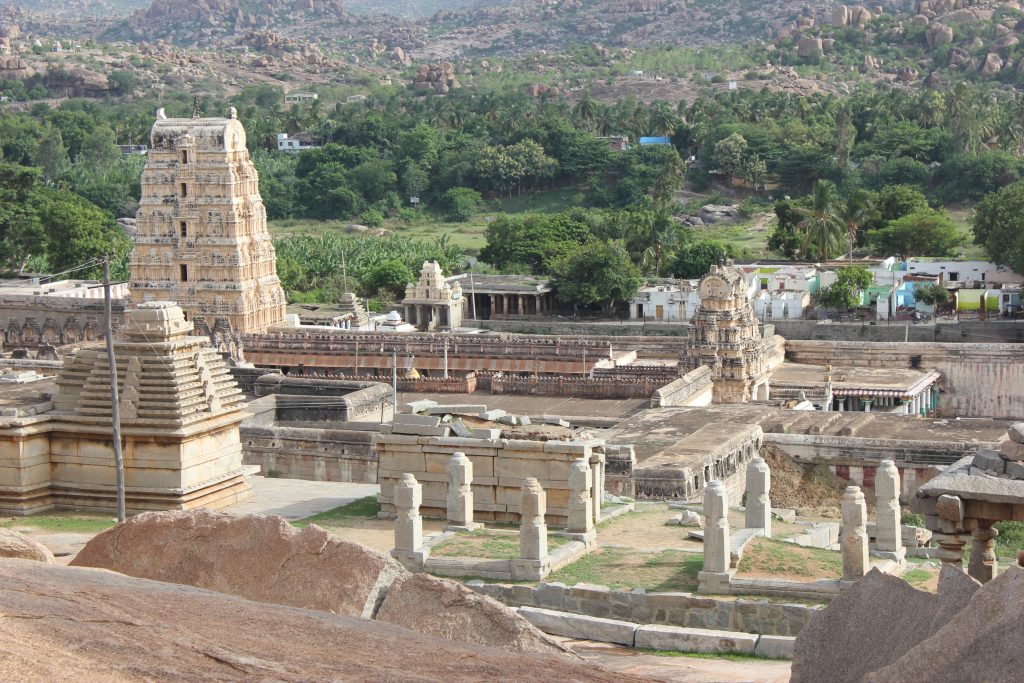
The ruins at Hampi in Karnataka, India, are what’s left of Vijayanagara, once one of South Asia’s great urban centers. Its peak is usually placed between the 14th and 16th centuries CE, before the city fell and gradually emptied out. Walk through it today and you can still read the scale of an empire in stone, streets, and temple complexes.
Derinkuyu
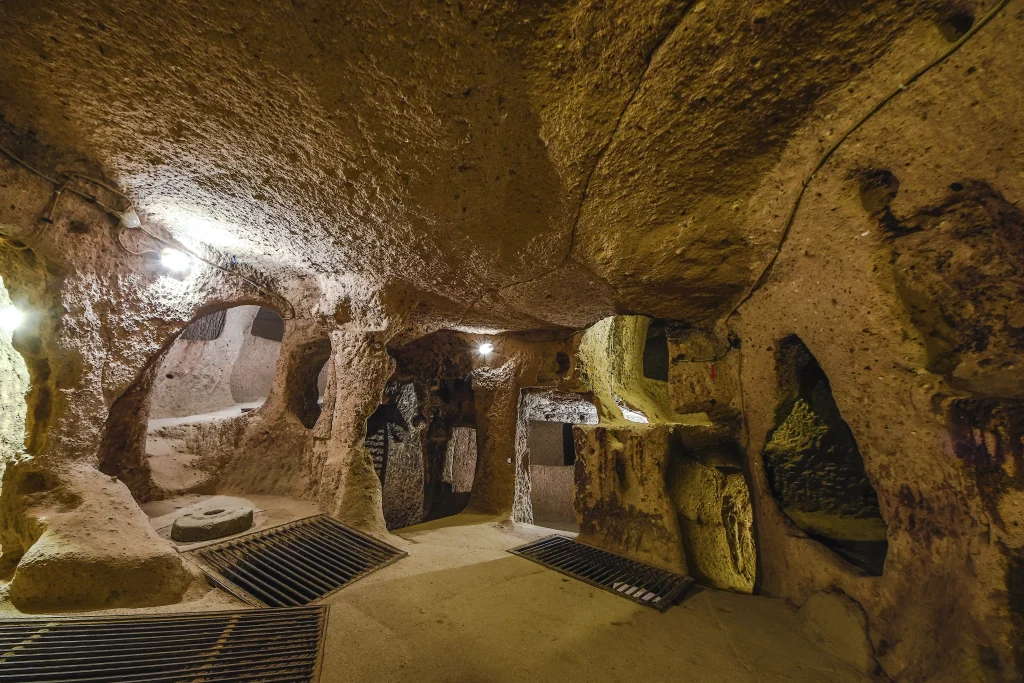
Derinkuyu is an underground city in Cappadocia, in modern Turkey. It was used and expanded across long stretches of antiquity, with a particularly important role during Byzantine times, roughly from the early medieval centuries onward. The scale of its tunnels and rooms is what makes people do a double take: it feels like a hidden metropolis under everyday ground.
Paititi
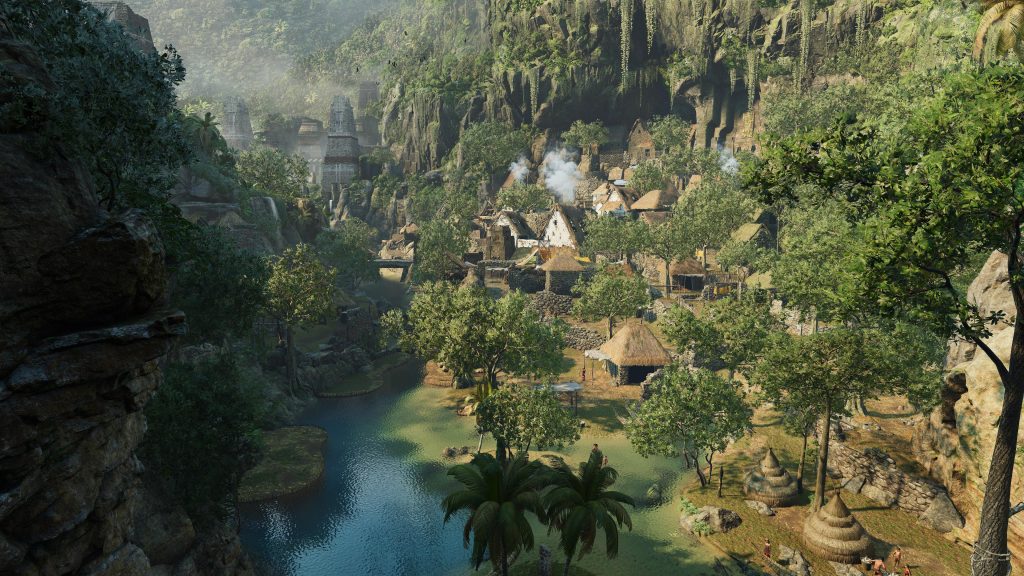
Paititi is a legendary Inca refuge city that people place somewhere east of the Andes, in the rainforests of southeast Peru and nearby border regions of Bolivia or Brazil. If it reflects a real place, it would most likely belong to the last Inca era, roughly the 16th century CE, when communities moved into more remote terrain. It stays compelling because the geography is vast enough that a hidden settlement still feels plausible.
Lagunita
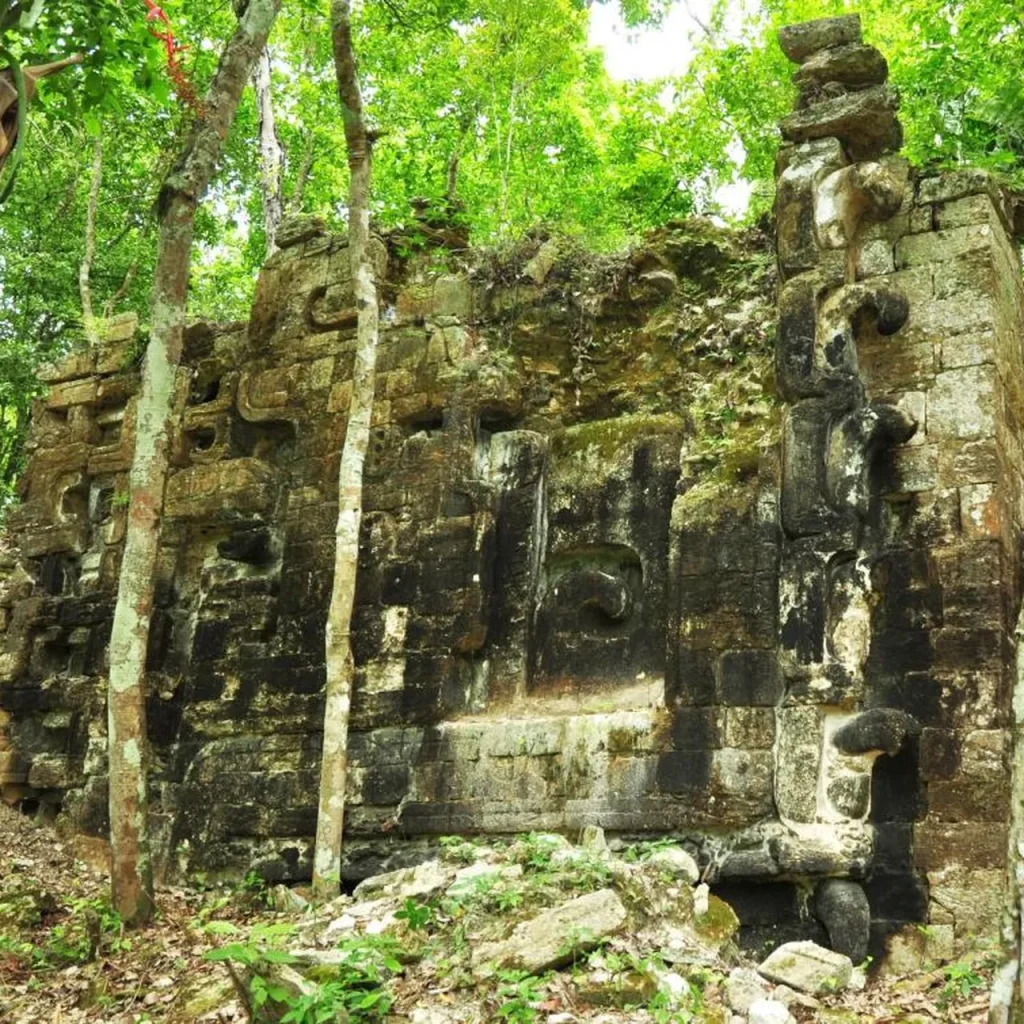
Lagunita lies in Mexico’s Yucatán region and is associated with the wider Maya cultural sphere. Its most likely flourishing period is usually placed within the Classic era, roughly 250 to 900 CE, though the broader region has longer occupation histories. It is a good example of how “lost” can mean “unmapped and unvisited,” not fictional.
Petra
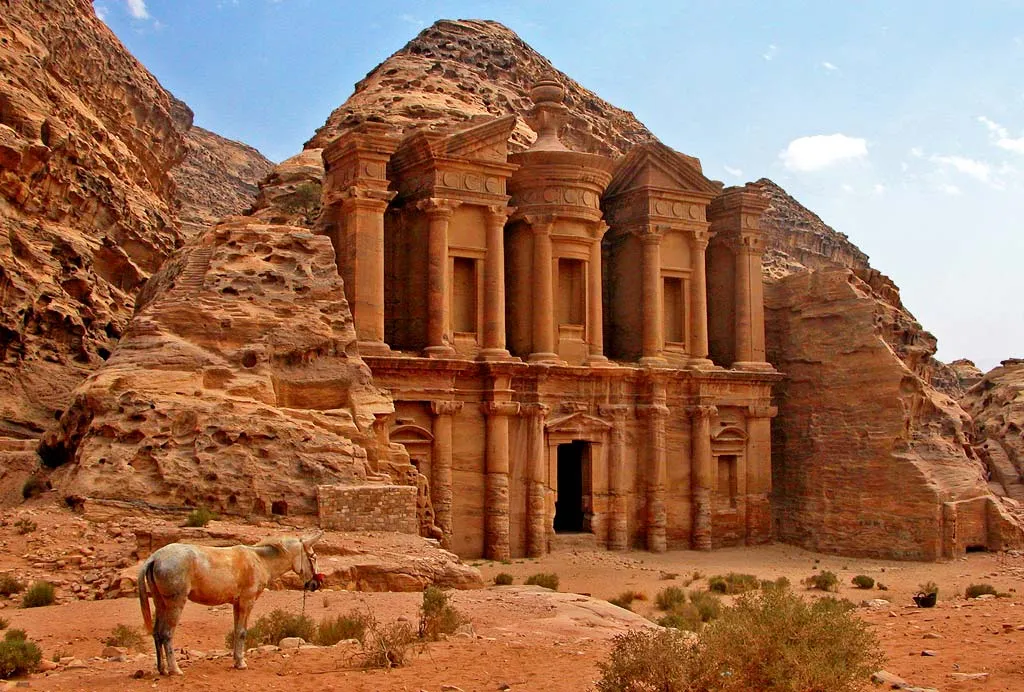
Petra is in today’s southern Jordan, carved into rock in the region around Wadi Musa. Its most famous era is tied to the Nabataeans, roughly from the late centuries BCE into the early centuries CE, with continued use afterward. The city’s dramatic setting is so striking that it often gets treated like a legend, even though it is solidly historical.
Choquequirao
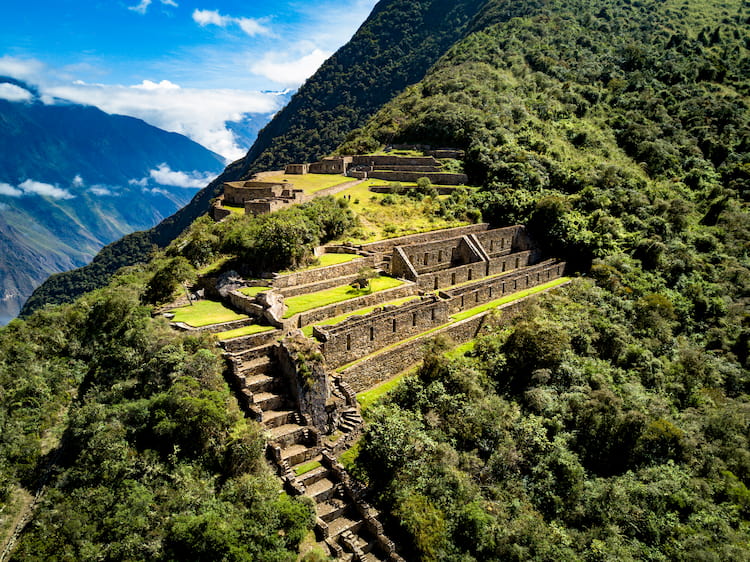
Choquequirao lies in the Andes of Peru, in the broader Cusco region, on a ridge that is still hard to reach today. It is usually dated to the 15th and 16th centuries CE, broadly within the late Inca period. The site’s relative isolation is part of its appeal: it feels like the kind of place a secret city story would point to.
Mohenjo-Daro
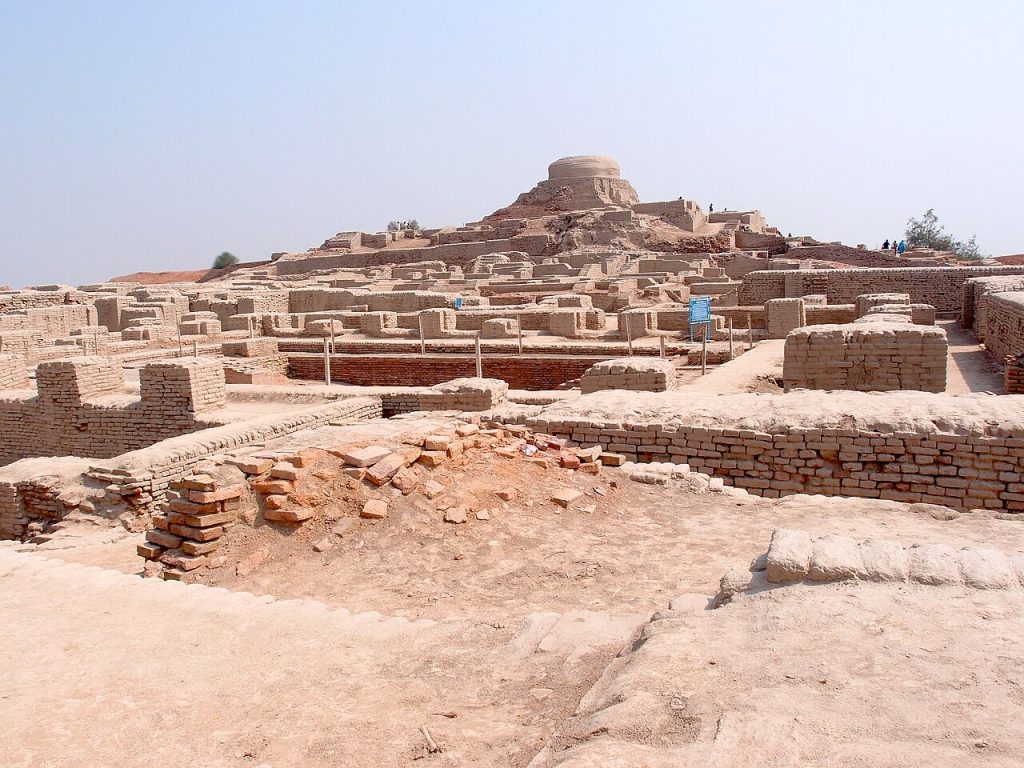
Mohenjo-Daro lies in today’s Sindh province, Pakistan, and remains one of the most famous cities of the Indus Valley civilization. Its main period of activity is typically dated to roughly 2600 to 1900 BCE. The mystery is not whether it existed, but why such a sophisticated city was abandoned and how much of its story we still do not understand.
Calakmul
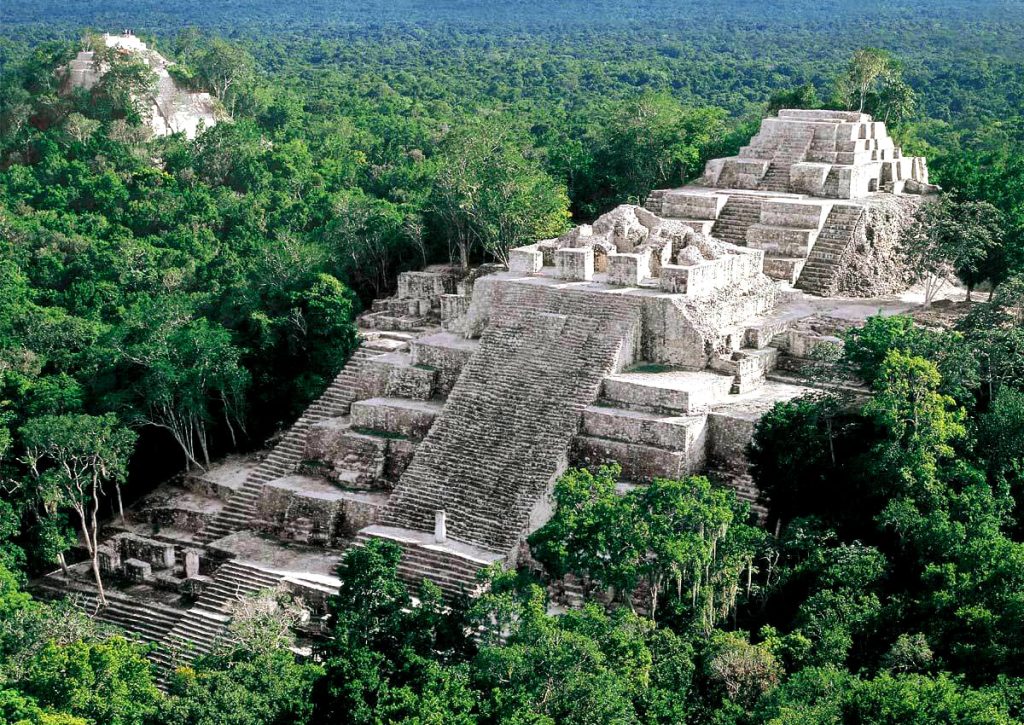
Calakmul sits deep in Mexico’s Campeche region, within the Maya world’s vast lowland landscape. It was active for a long time, with major growth during the Classic Maya period, roughly 250 to 900 CE. The city’s scale and political reach are so large that it still feels like a hidden capital waiting to be fully understood.
Heracleion
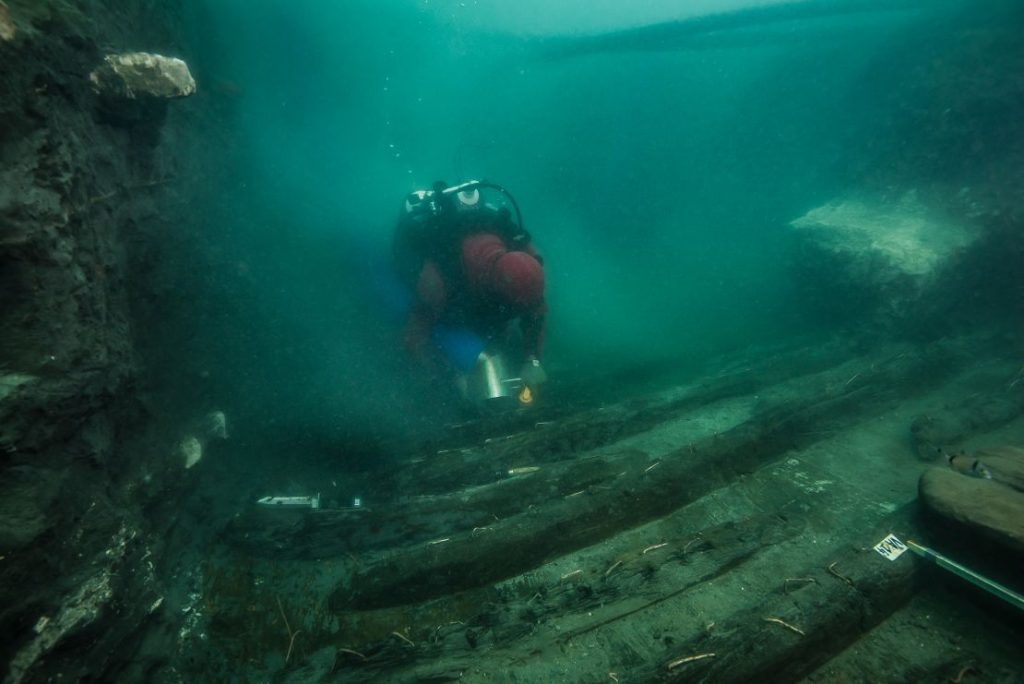
Heracleion, also known as Thonis, was a port city near Alexandria in modern Egypt. It was active in antiquity, especially in the late Pharaonic and Greek periods, before subsiding beneath the sea over subsequent centuries. The fact that major structures were recovered underwater is why it feels like a real-life Atlantis story.
Leptis Magna
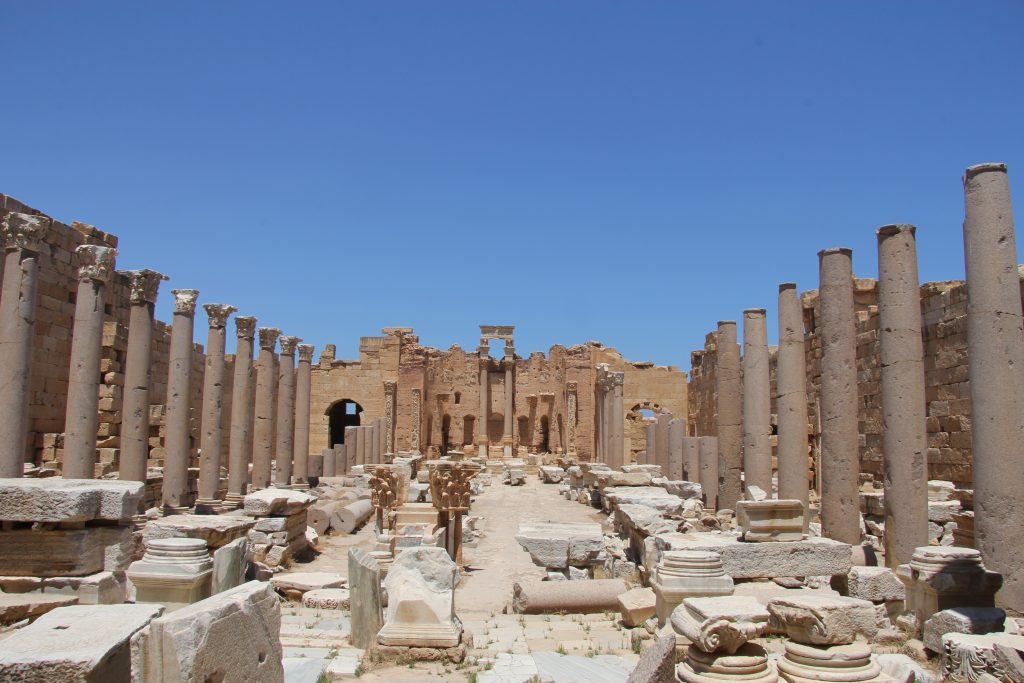
Leptis Magna sits on the Mediterranean coast of modern Libya, near Khoms. Founded in antiquity and later expanded under Roman rule, its peak is often placed in the 2nd and 3rd centuries CE. The scale of its ruins makes it feel like a vanished metropolis that should not be as quiet as it is today.
Troy
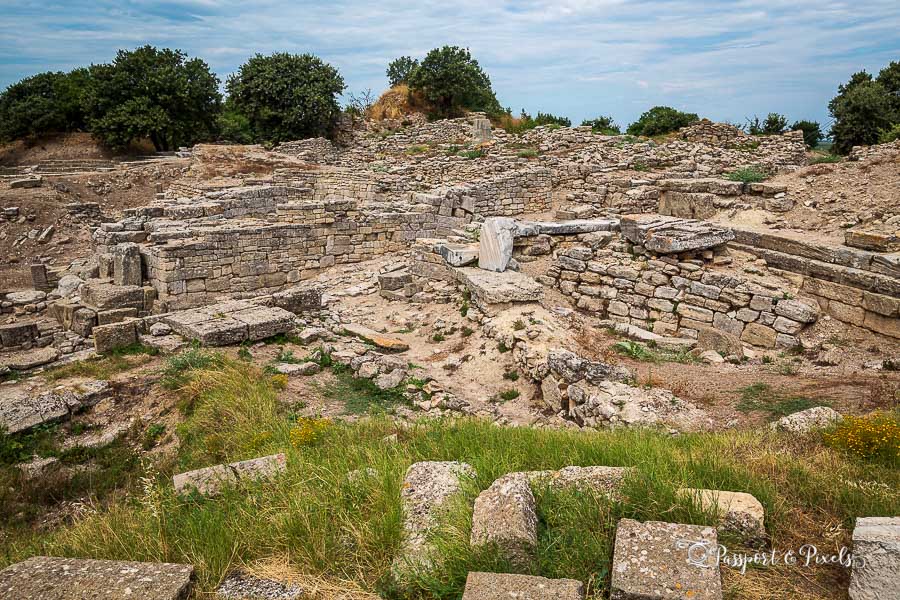
Troy is associated with the ancient city layers at Hisarlık in modern-day Çanakkale Province, Turkey. The site spans millennia, from early Bronze Age levels through later classical periods, with the most famous “Trojan War” horizon often linked to the late second millennium BCE. Its story shows how myth and archaeology can collide and still leave room for debate.
Dwarka
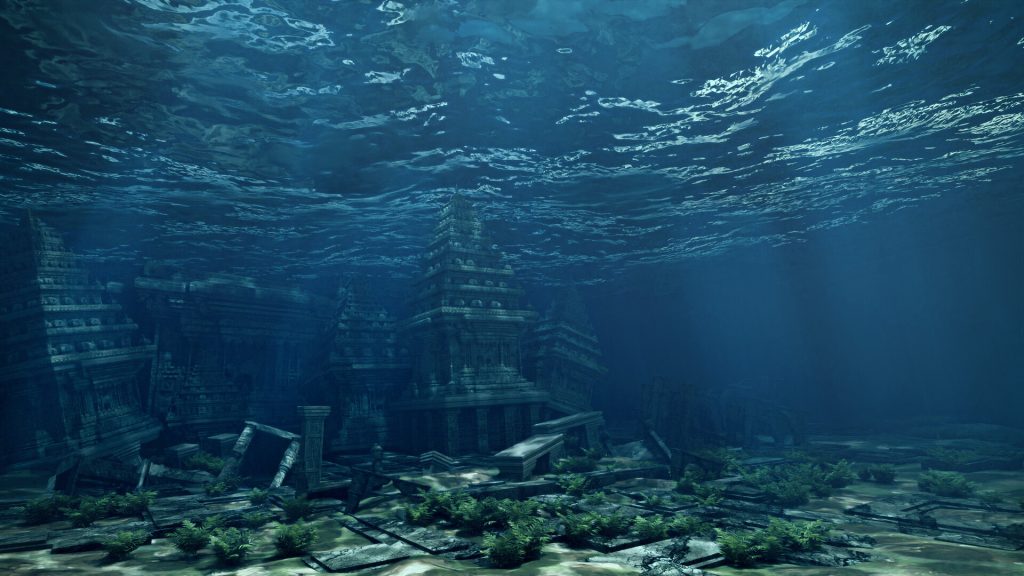
Off the coast of Gujarat, India, Dwarka is tied to powerful tradition as a city linked to Krishna, with stories that place it far back in the late Bronze Age. Underwater finds in the area are real, but what they represent is still debated, which is why Dwarka often lands in the “maybe” category. If a settlement existed there, it would have been active in antiquity, long before the modern coastline took its current shape.
Göbekli Tepe
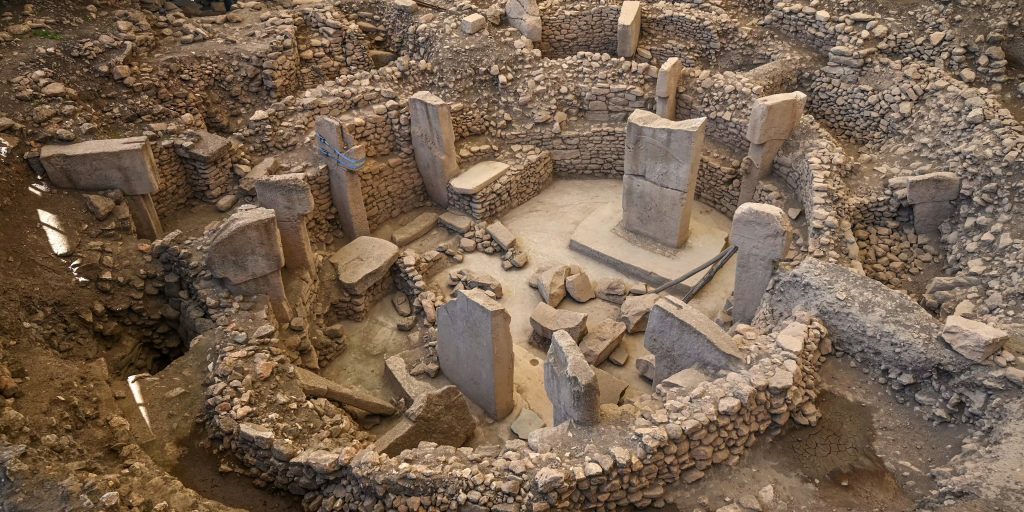
In today’s southeastern Turkey near Şanlıurfa, Göbekli Tepe rewrote what many people thought was possible in deep prehistory. It dates to the Pre-Pottery Neolithic, roughly the 10th to 9th millennium BCE, long before cities in the usual sense. The site is real, but the questions around why it was built and then buried keep it feeling almost legendary.
Vilcabamba
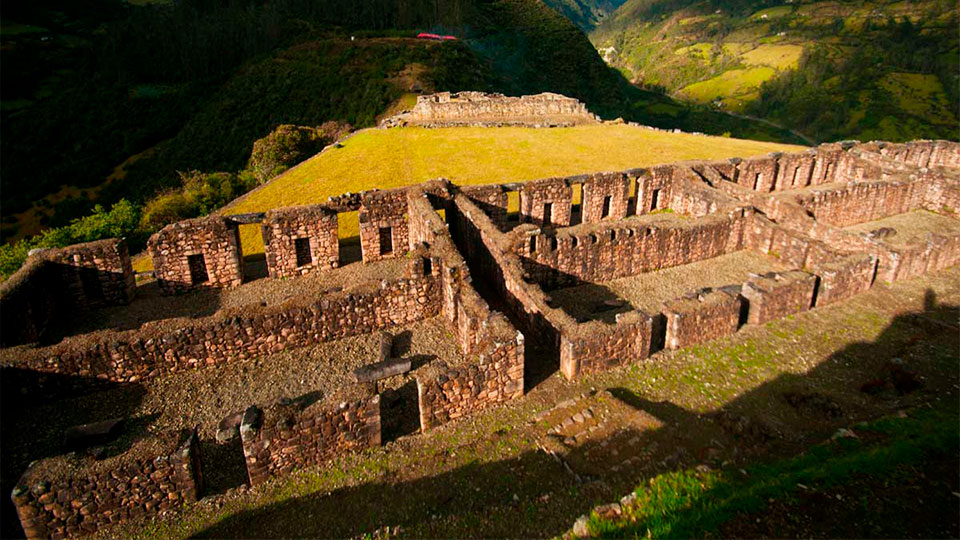
Vilcabamba is in Peru’s Cusco region and is tied to the final chapter of the Inca Empire. It served as a last stronghold in the 16th century CE, especially from the late 1530s until 1572. Its reputation as a “lost Inca city” comes from how it slipped into legend and misidentification before archaeology caught up.
Ubar
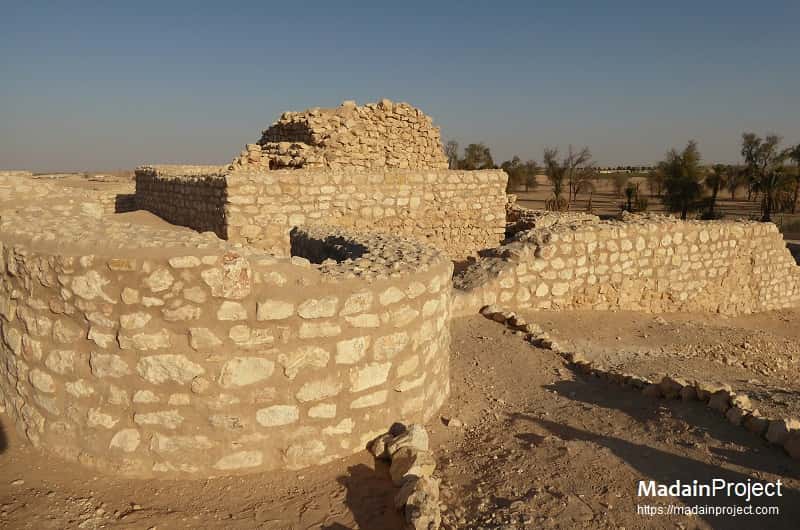
Ubar, sometimes blended with stories of Iram, is associated with the deserts of the Arabian Peninsula, often pointed toward the Empty Quarter and parts of modern Oman. Legends connect it to ancient incense routes, which would place its relevance in antiquity, from the first millennium BCE into the early centuries CE. The debate is whether the “lost city” is a specific urban site or a broader region remembered as a single name.
Kalibangan
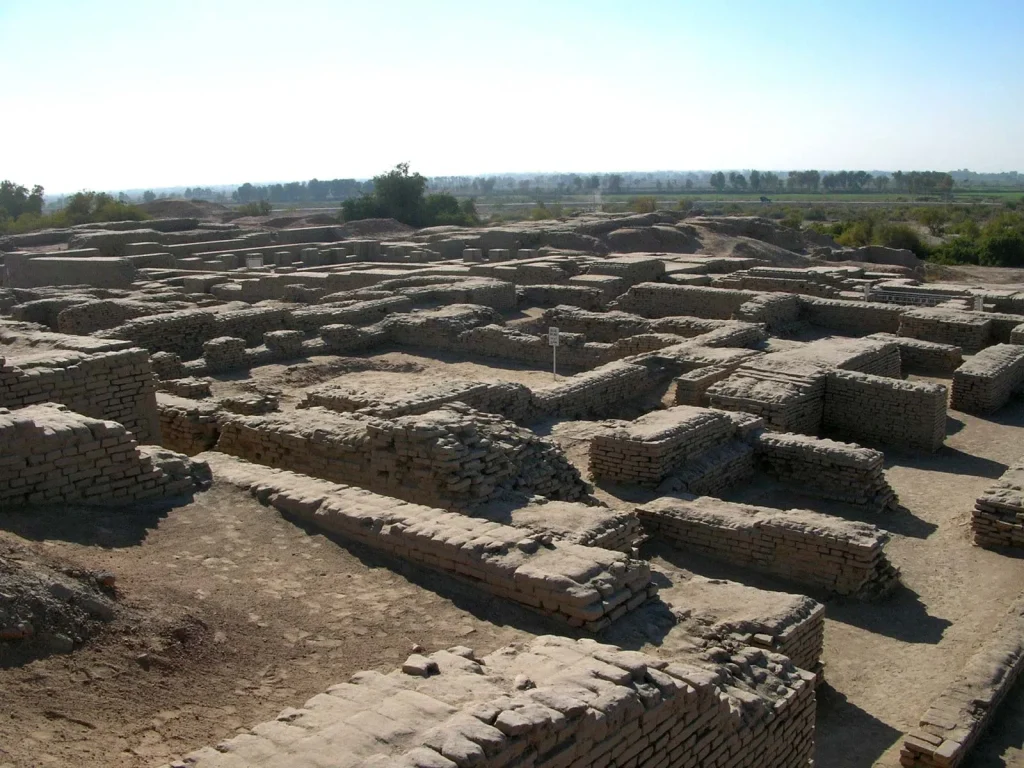
In today’s Rajasthan, India, Kalibangan was an important settlement of the Indus Valley civilization. Archaeologists generally place its main occupation in the Bronze Age, roughly the third to early second millennium BCE. What remains today are planned streets, fortifications, and traces of everyday life that make it feel less like a “lost city” and more like a place history simply stopped visiting.
Pompeii
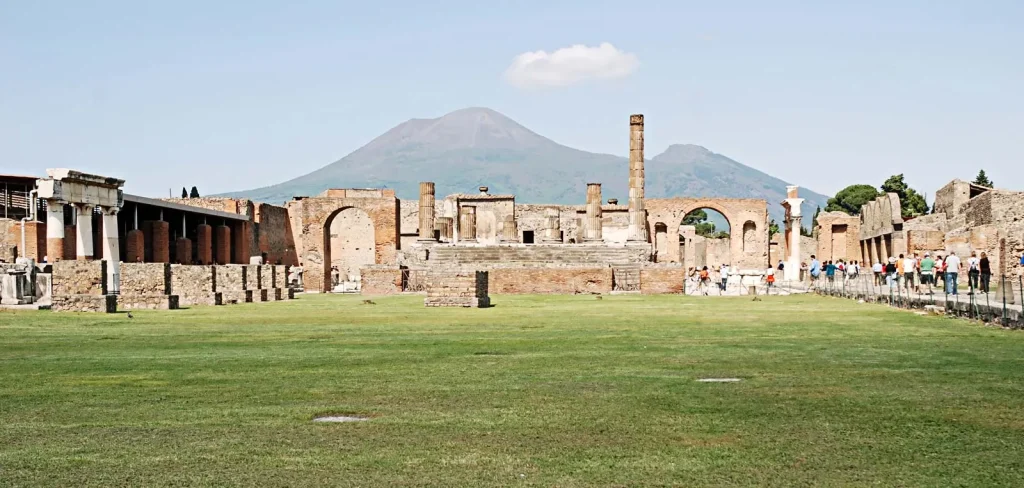
Pompeii lies near Naples in today’s Campania region of Italy. It was a thriving Roman city by the first centuries BCE and CE, then was catastrophically buried in 79 CE by the eruption of Mount Vesuvius. It is not “lost” in the sense of unknown, but it is one of history’s sharpest snapshots of a city frozen mid-life.
The Lost City of Z
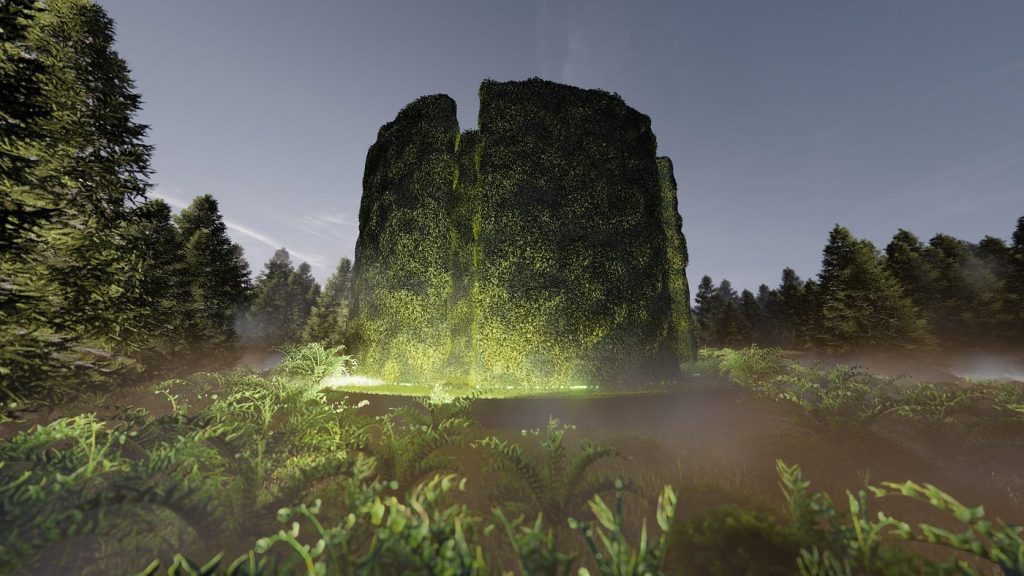
The Lost City of Z is the name explorer Percy Fawcett gave to a hypothesized ancient settlement in Brazil’s Mato Grosso region. If a real city inspired the idea, it would have been active in the pre-Columbian era, long before the 16th century. What keeps it alive is the uncomfortable truth that the Amazon still hides archaeological surprises in places that are difficult to study.
Machu Picchu
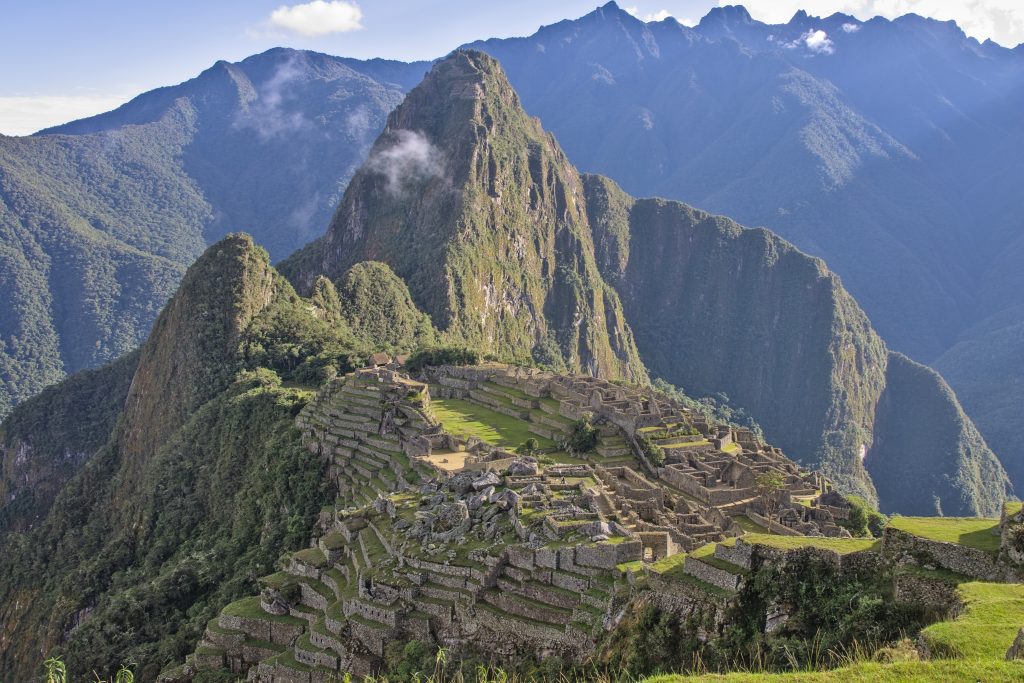
High in Peru’s Cusco region, Machu Picchu is the iconic Inca site that many people still describe as a lost city. Most researchers place its construction and use in the 15th century CE, with abandonment following the upheavals of the 16th century. Its “lostness” comes from geography and visibility, not doubt about whether it was real.
Helike
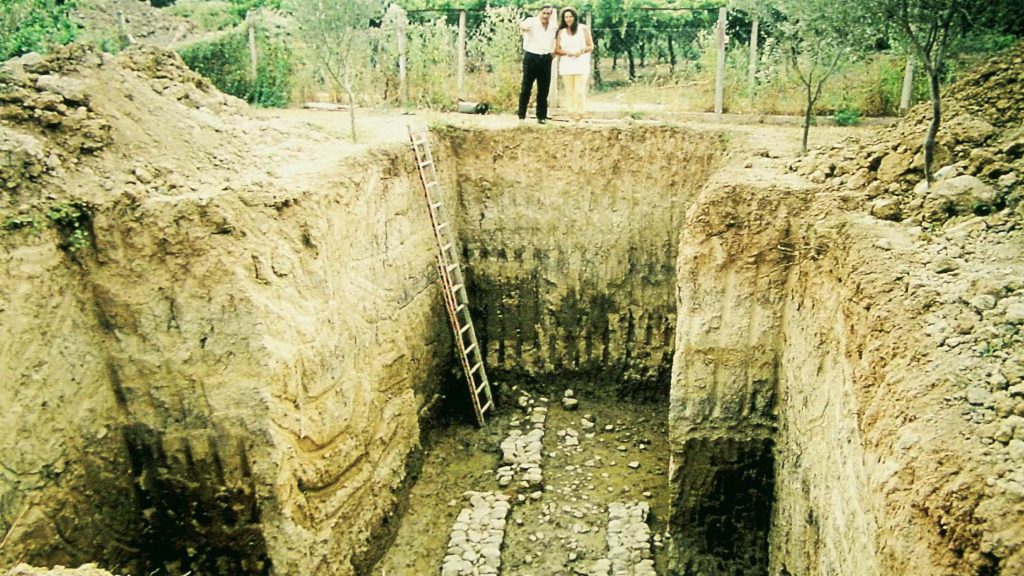
Helike was an ancient Greek city in the region of Achaea, in what is now Greece’s northern Peloponnese. Ancient sources describe it being destroyed by an earthquake and tsunami around 373 BCE. The idea of a city swallowed by water is one reason Helike continues to be mentioned alongside more mythical submerged places.
Lothal
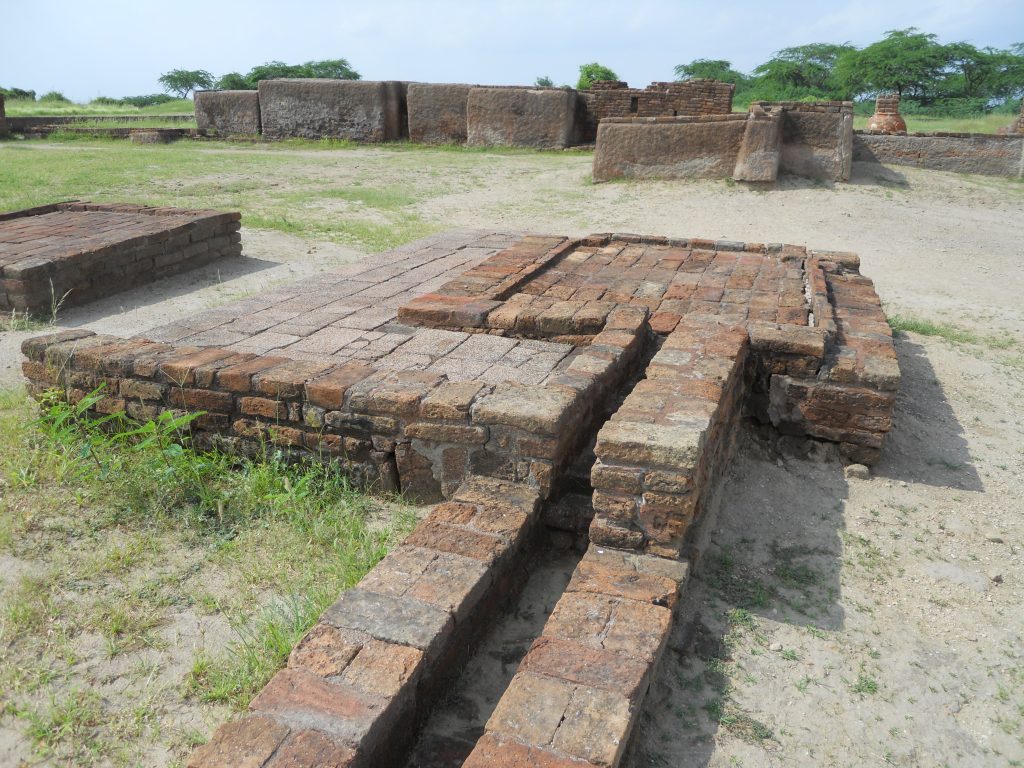
Lothal sits in modern Gujarat, India, and is often associated with the maritime side of the Indus Valley world. It was active in the Bronze Age, roughly across the third to early second millennium BCE. Its layout and dock-like features keep it in the conversation whenever people imagine how far ancient trade networks could really reach.
Akrotiri
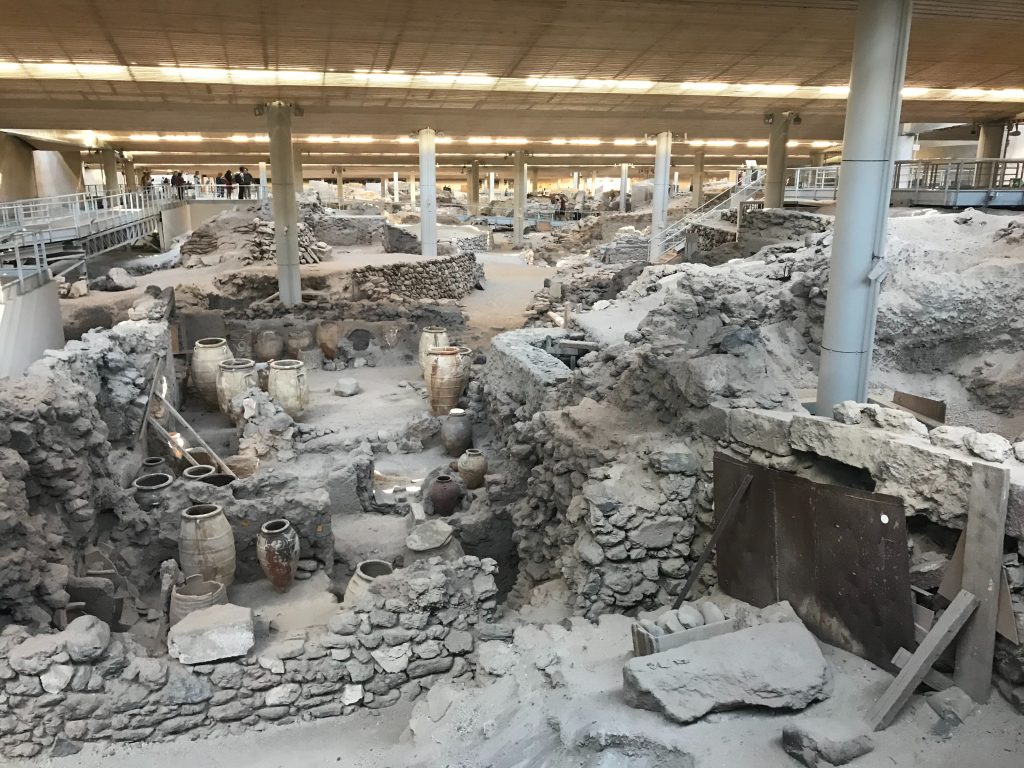
Akrotiri is on the island of Santorini in modern Greece and is often linked to the wider Aegean Bronze Age world. The settlement was active in the second millennium BCE and was buried by volcanic activity around the mid-2nd millennium BCE. Because it was preserved under ash, it often gets pulled into Atlantis conversations even when the link is only a suggestion.
Skara Brae
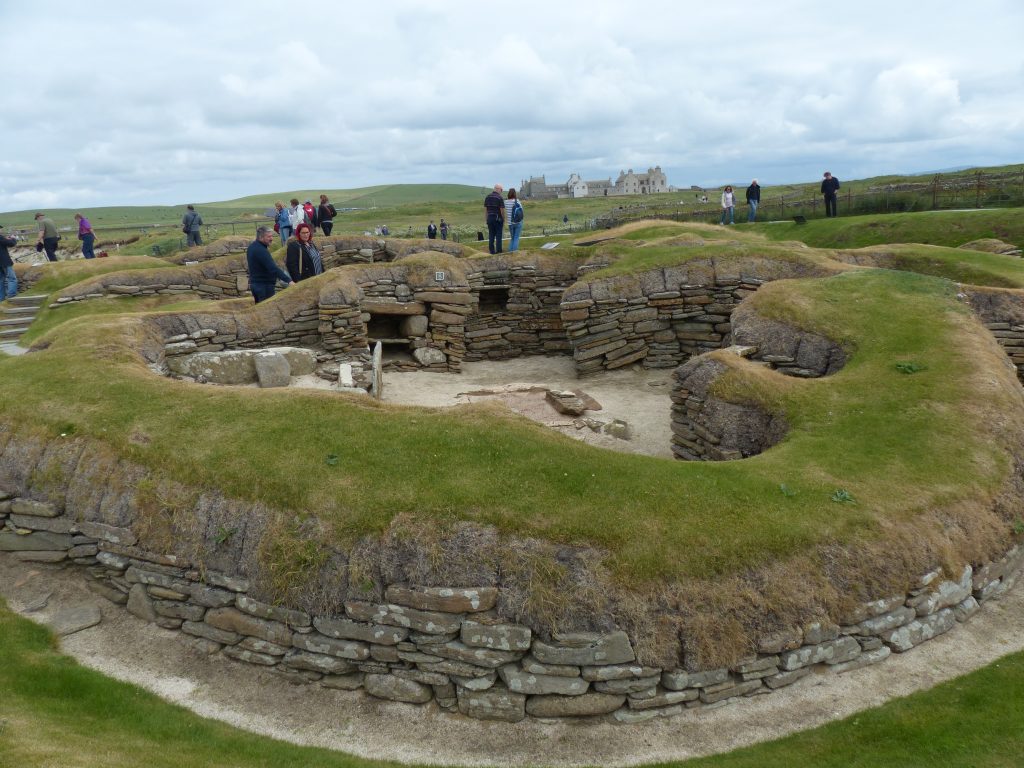
Skara Brae is on Orkney in modern Scotland and offers an unusually vivid look at Neolithic life. It was occupied roughly between 3200 and 2500 BCE, with stone houses that still read like rooms rather than ruins. The site’s survival makes it easy to imagine how many similar settlements disappeared without leaving such a clear footprint.
Caral
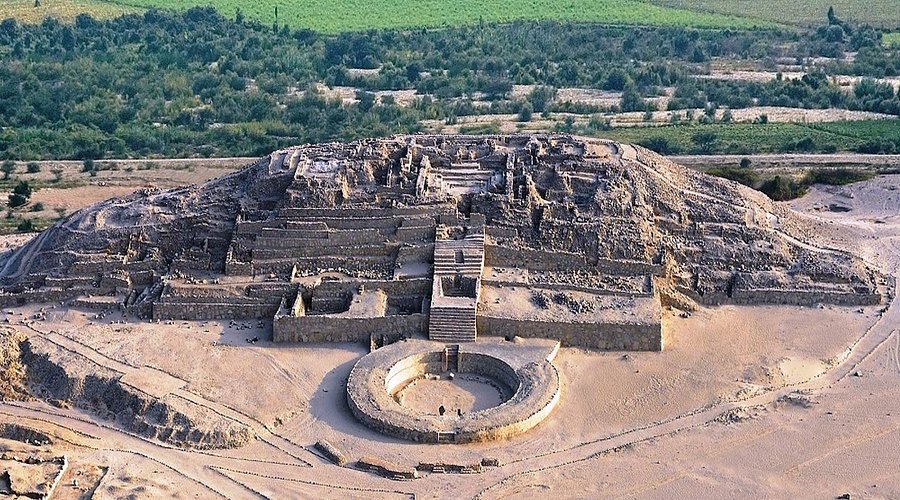
Caral is located in Peru’s Supe Valley, north of Lima, and is often cited among the oldest known city-like centers in the Americas. Its main occupation is generally placed around 3000 to 1800 BCE. The scale of its pyramids and plazas makes it a reminder that “lost city” stories are sometimes about rediscovering how early complexity really appeared.
Mesa Verde
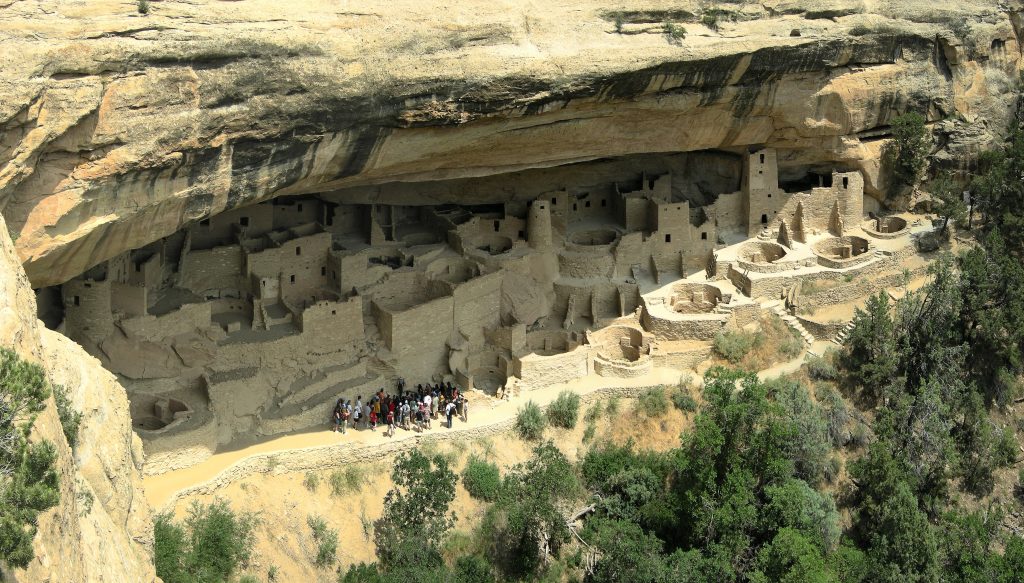
Mesa Verde in present-day Colorado, USA, preserves cliff dwellings connected to Ancestral Puebloan communities. The region’s major occupation is typically dated from about the 7th century to the late 13th century CE. It feels “lost” because of how suddenly the area was left behind, not because the structures are hard to see once you reach them.
Kitezh
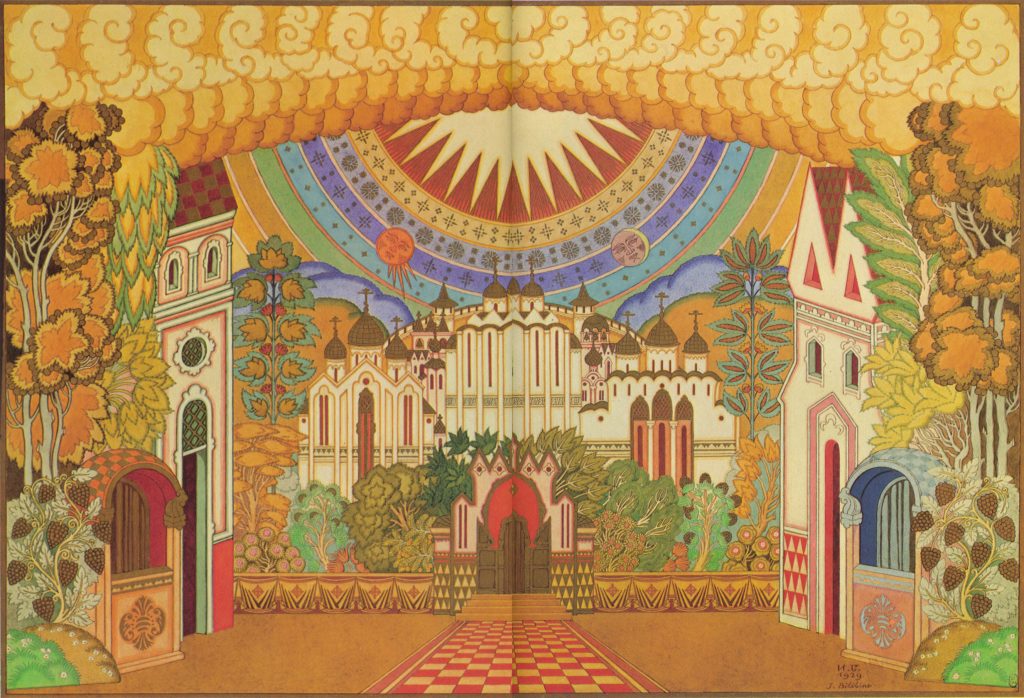
Kitezh is a legendary Russian city said to lie beneath Lake Svetloyar in what is now Nizhny Novgorod Oblast. The story sets it in the early 13th century CE, during periods of invasion and upheaval, as a city that vanished to protect itself. Even if it is myth, it is rooted in a real landscape you can still visit.
El Dorado
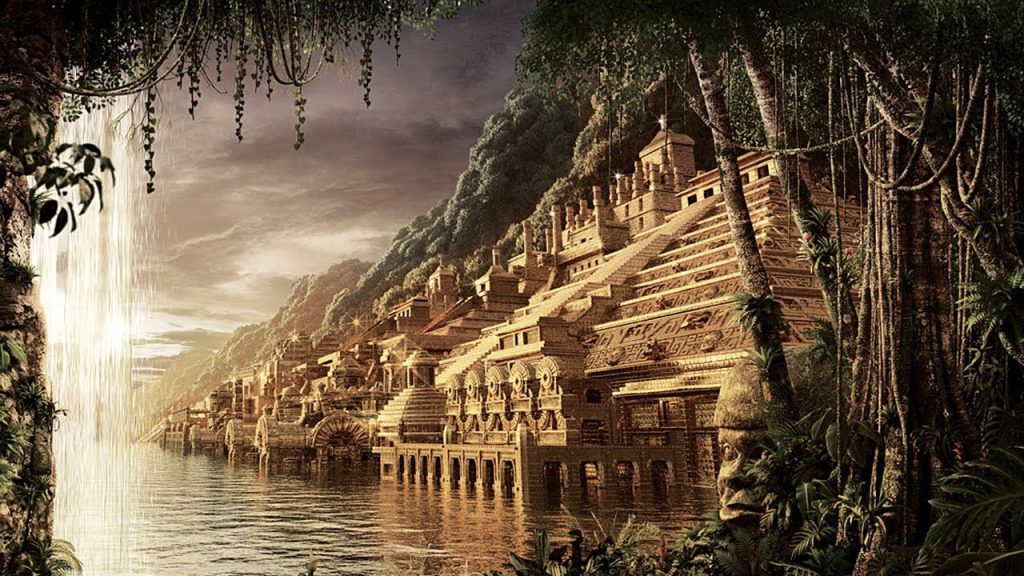
El Dorado is usually placed in northern South America, with roots in Muisca culture in what is now Colombia, especially around Lake Guatavita. The legend took off in the 16th century CE during Spanish exploration, even though it likely began as stories about ritual and leadership rather than a literal golden city. It could be “real” in the sense that a real tradition and real places created a myth too big to stay specific.
Atlantis
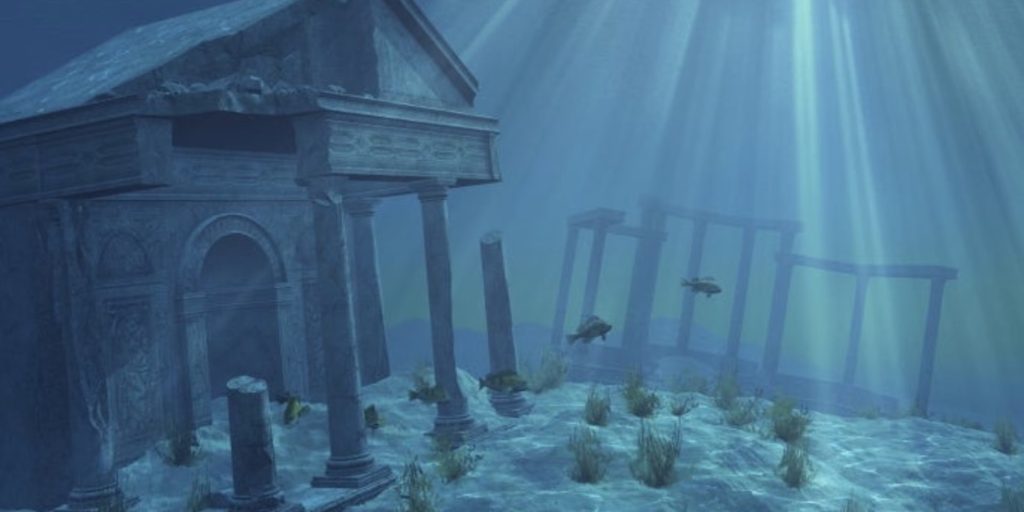
Atlantis is the ultimate lost-city story, described by Plato in “Timaeus” and “Critias” as a powerful place that vanished in a single catastrophic event. He situates it beyond the Pillars of Hercules, pointing broadly toward the Atlantic, and he frames its fall around 9600 BCE in his narrative. Whether it was metaphor, misremembered disaster, or something else entirely, Atlantis is still the hook that makes every other lost city feel possible.