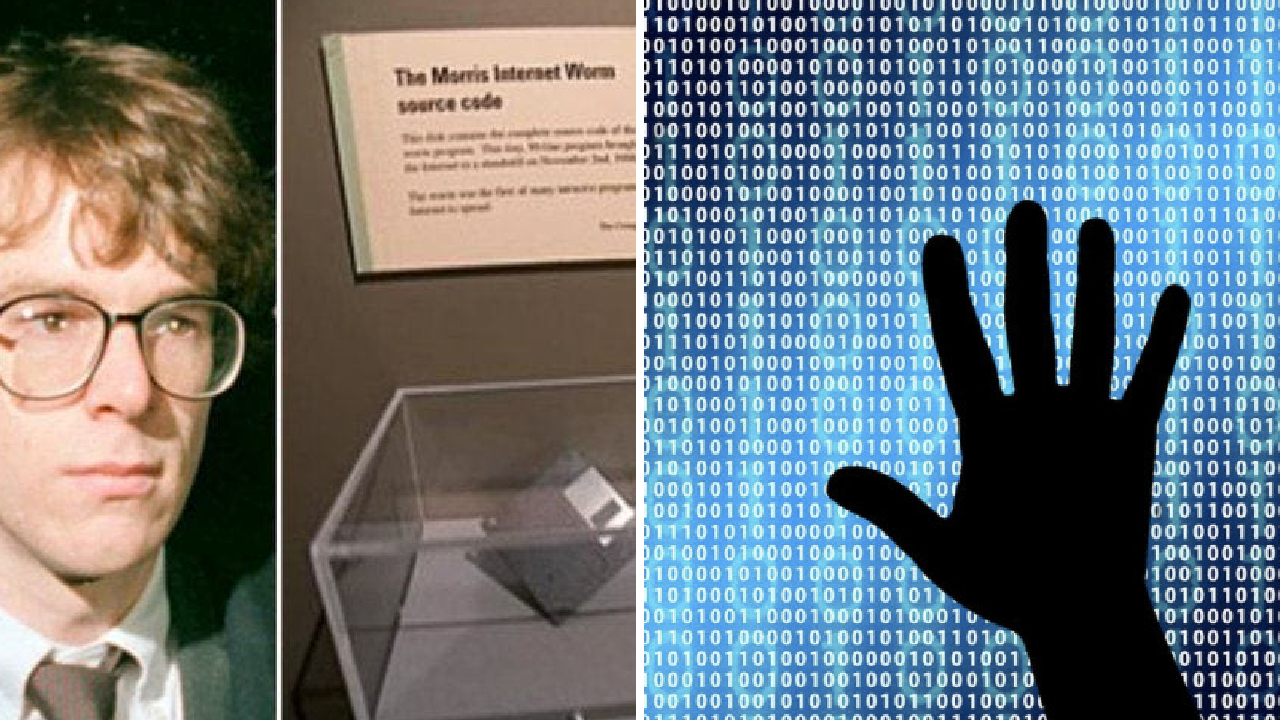
Some cyber incidents are loud and immediate, taking services offline in minutes. Others stay quiet for months, exposing data or planting hidden access inside systems that power everyday life. What they share is impact: each case changed how companies, governments, or the public understood digital risk. From early internet worms to modern supply chain compromises, these events left fingerprints on policy, security practices, and culture. Here are 30 famous hacks that shocked the world.
Ashley Madison Data Breach (2015)

Hackers stole and published data from the Ashley Madison website, exposing deeply personal user information. The breach underscored how sensitive datasets can amplify harm well beyond financial fraud. It also became a case study in the ethics and consequences of leaking private data.
Yahoo Account Breach (2014)
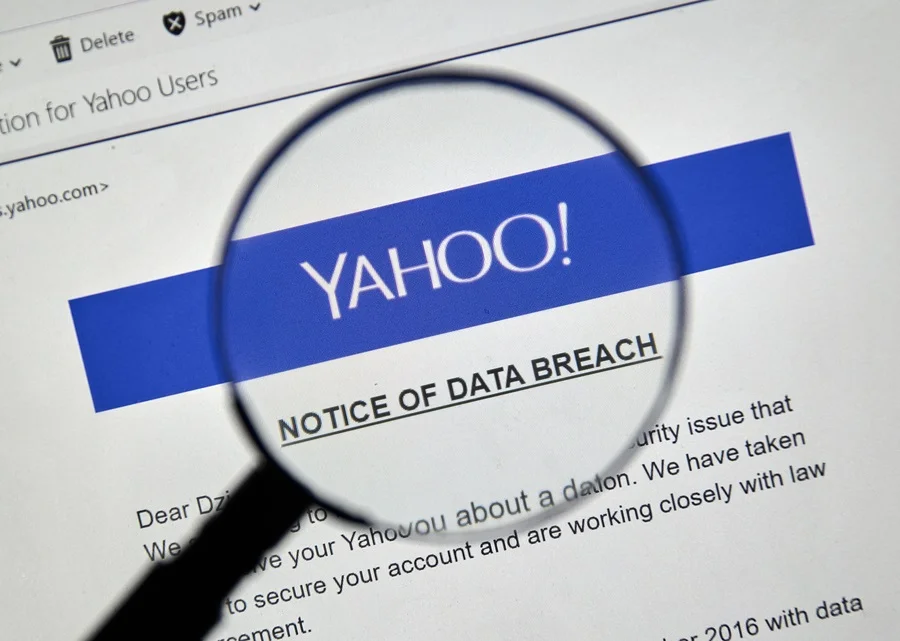
A separate Yahoo intrusion in 2014 compromised hundreds of millions of accounts. Together with the 2013 breach, it reshaped public expectations for how platforms protect identity data. The two incidents became a shorthand for the long tail of account-security failures.
Shamoon Attack On Saudi Aramco (2012)

Shamoon is remembered for destructive intent rather than data theft. It wiped systems and disrupted operations, showing how malware can be designed to destroy, not just spy. The attack became a milestone in discussions of cyber sabotage.
Equifax Data Breach (2017)
Equifax disclosed that attackers accessed vast amounts of consumer identity data, including Social Security numbers. The breach became synonymous with the risks of centralized data collection and slow patching. It also pushed credit freezes and identity monitoring into mainstream consumer behavior.
Dyn DNS DDoS Disruption (2016)
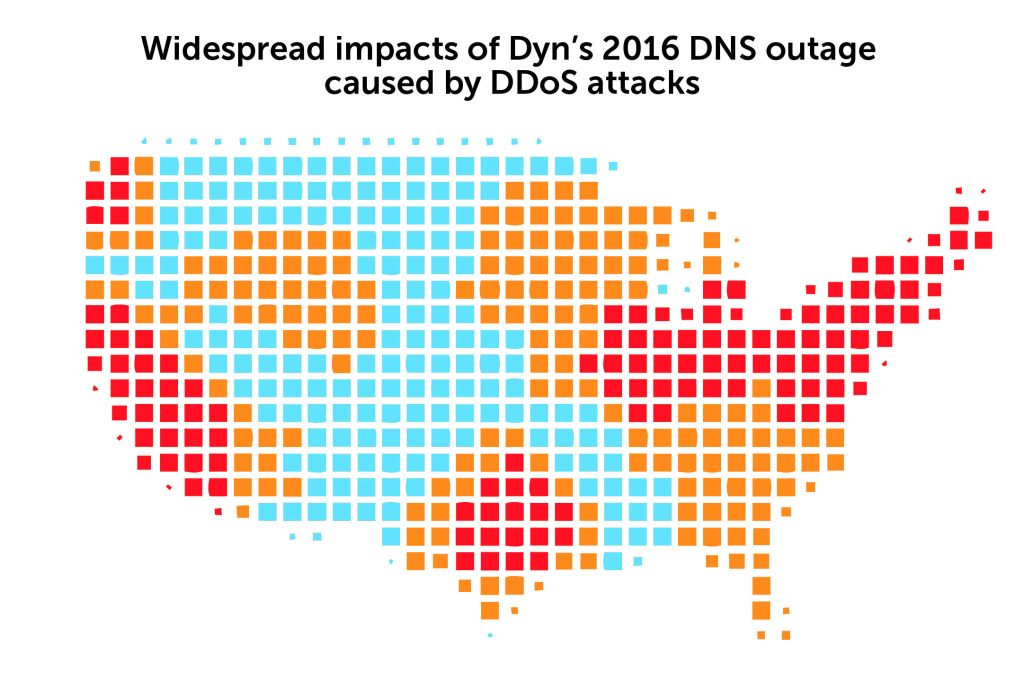
When Dyn’s DNS infrastructure was hit, everyday users suddenly could not reach major sites across the web. The Mirai botnet, built largely from insecure IoT devices, played a central role in the disruption. It became a defining example of how weak consumer devices can power internet-scale attacks.
TJX Companies Data Breach (2007)
Retailer TJX suffered a breach that exposed payment card data on a massive scale. Investigations pointed to attackers exploiting weak wireless security and lingering vulnerabilities. The case helped accelerate reforms in payment security and breach-response expectations.
Estonia Nationwide DDoS Attacks (2007)
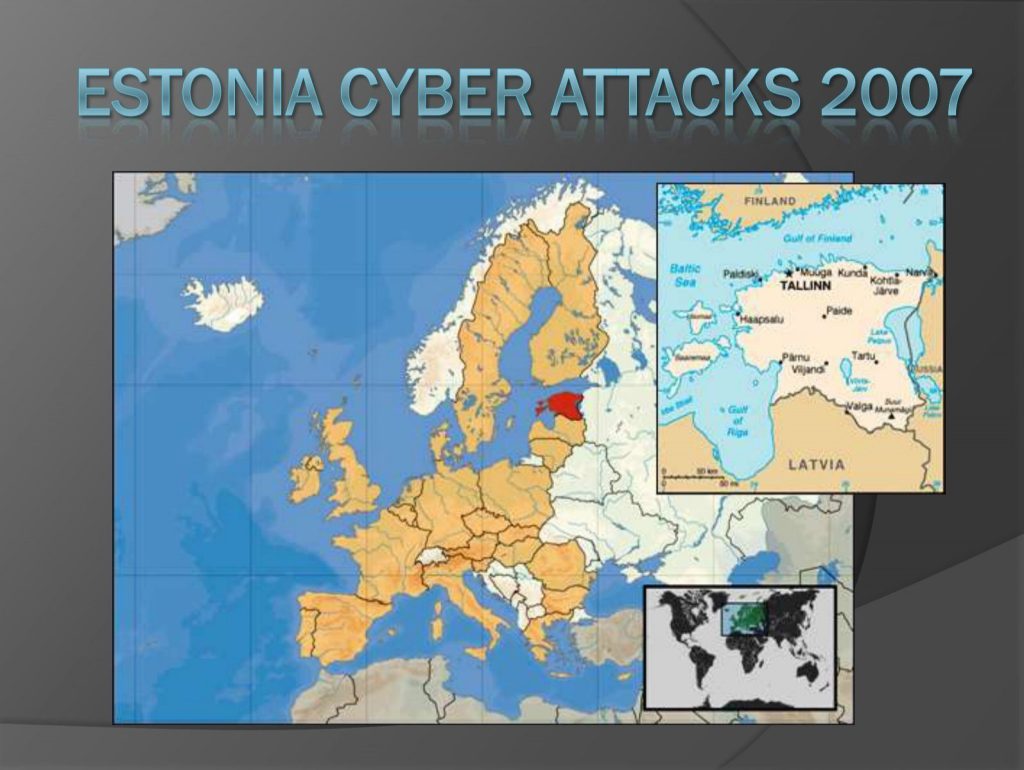
A wave of distributed denial-of-service attacks hit Estonian banks, media outlets, and government services. The incident forced the country to treat digital resilience as national security, not just IT hygiene. It is often cited as a turning point for modern thinking about cyber conflict.
Target Payment Card Breach (2013)
A vendor-related foothold and weak segmentation helped attackers reach Target’s payment environment. The breach compromised card data for tens of millions of shoppers during the holiday season. It became a defining case for third-party risk and retail security.
Adobe Source Code And Customer Data Breach (2013)
In 2013, Adobe disclosed a breach involving customer data and the theft of source code. The event illustrated how attackers can pursue both personal information and intellectual property in one operation. It also fueled broader conversations about password storage and incident transparency.
Sony Pictures Hack (2014)
The Sony Pictures breach spilled internal emails, unreleased films, and sensitive corporate data into public view. The incident drew global attention because of its geopolitical framing and the link to the film “The Interview.” It also showed how reputational damage can rival technical damage.
PlayStation Network Outage And Data Breach (2011)
Sony’s PlayStation Network went offline for weeks after an attack exposed user account data. The outage was a public demonstration of how a security incident can become a service continuity crisis. It also pushed consumer awareness of data breach notifications and password hygiene.
NotPetya Global Disruption (2017)
NotPetya masqueraded as ransomware, but much of its damage functioned like a destructive wiper. It spread rapidly through networks and caused severe losses at multinational companies. The episode remains one of the clearest demonstrations of how a regional intrusion can become a global business crisis.
Bangladesh Bank SWIFT Heist (2016)
Rather than stealing from accounts directly, attackers used the SWIFT messaging system to send fraudulent transfer requests. A mix of malware, stolen credentials, and operational gaps enabled attempted transfers approaching $1 billion. The heist shocked the financial world by showing how cyber intrusion can translate into cash movement.
Colonial Pipeline Ransomware Attack (2021)
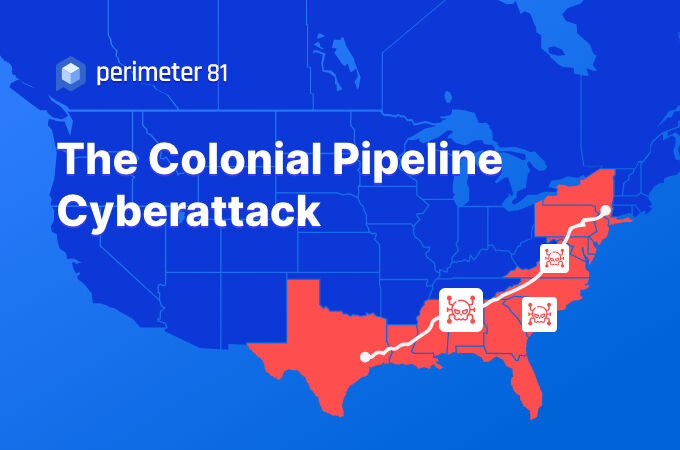
Fuel deliveries across parts of the U.S. were disrupted after ransomware hit Colonial Pipeline’s business systems. The operator paused pipeline operations to contain the incident, triggering shortages and panic buying. It became a high-profile example of how cyberattacks can quickly affect physical infrastructure.
Office Of Personnel Management Breach (2015)
A compromise of the U.S. Office of Personnel Management exposed highly sensitive background investigation data. Because the records related to government employees and security clearances, the breach carried serious national security implications. It remains one of the most consequential government data exposures of the last decade.
Capital One Cloud Data Breach (2019)
A misconfiguration and access control failures in a cloud environment contributed to the Capital One breach. The incident drew attention because it showed how cloud mistakes can become headline-scale exposures. It also fueled stronger focus on identity, permissions, and logging in cloud security programs.
Melissa Macro Virus (1999)
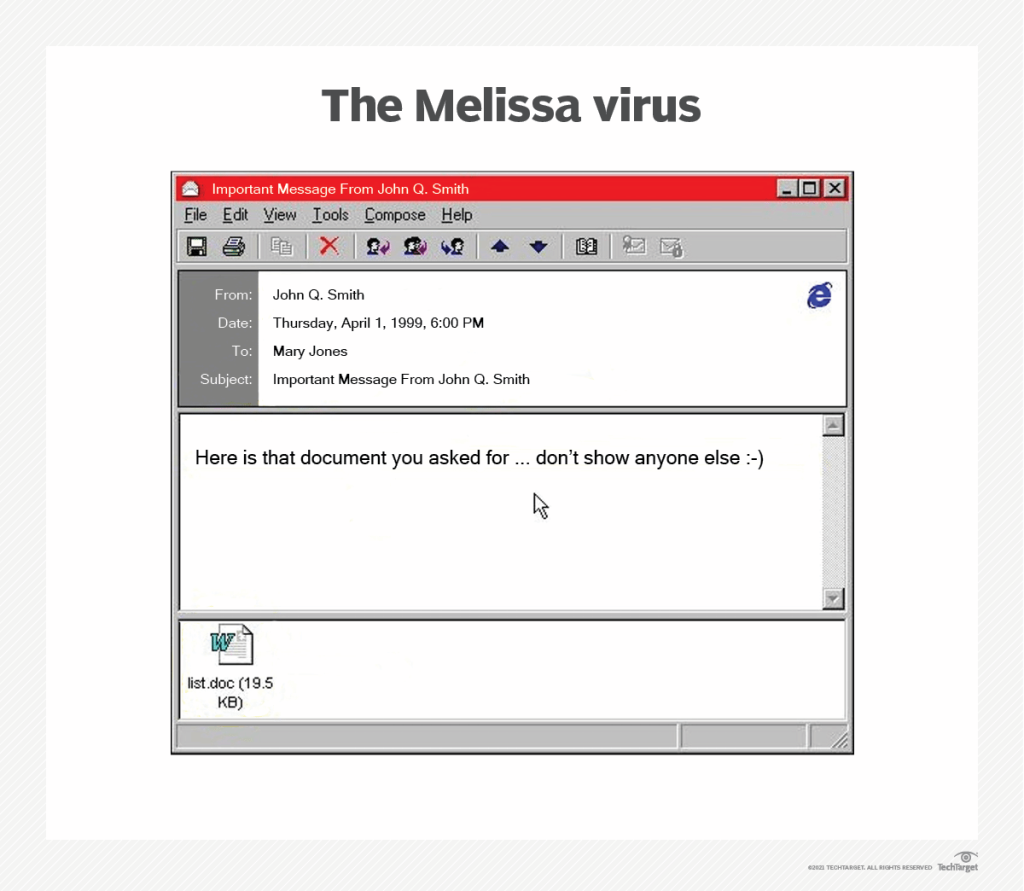
A Word document attachment was all it took for Melissa to race through corporate email systems. Once opened, it used Microsoft Outlook address books to mass-mail itself and overwhelm mail servers. It became one of the first outbreaks to show how quickly email could turn a single file into a global disruption.
Yahoo Account Breach (2013)
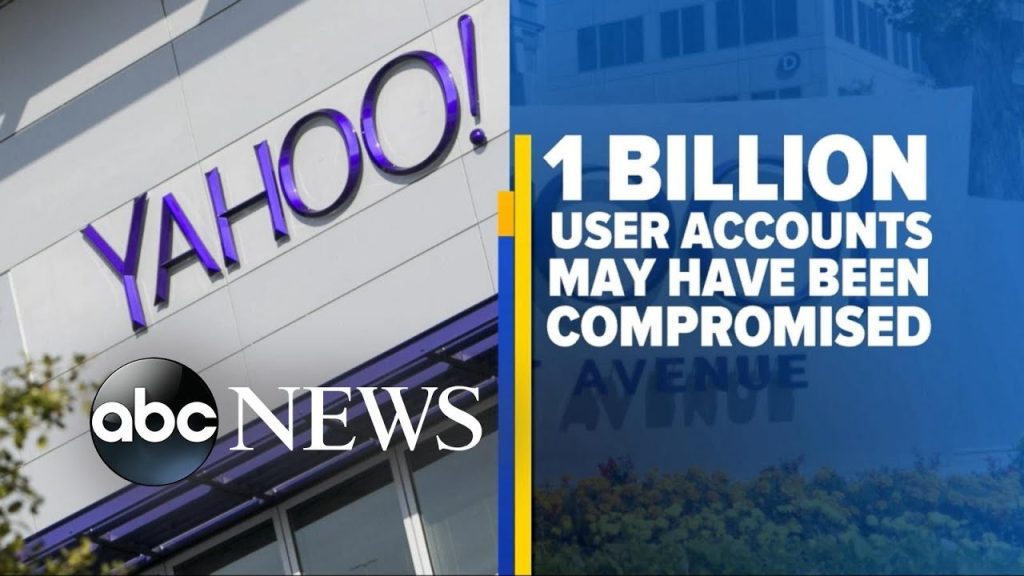
Years after it occurred, Yahoo revealed that an intrusion in 2013 affected billions of user accounts. The delayed disclosure and the sheer scale made it one of the most cited data breach stories ever. It also reinforced the downstream risk of password reuse across services.
ILOVEYOU Worm (2000)
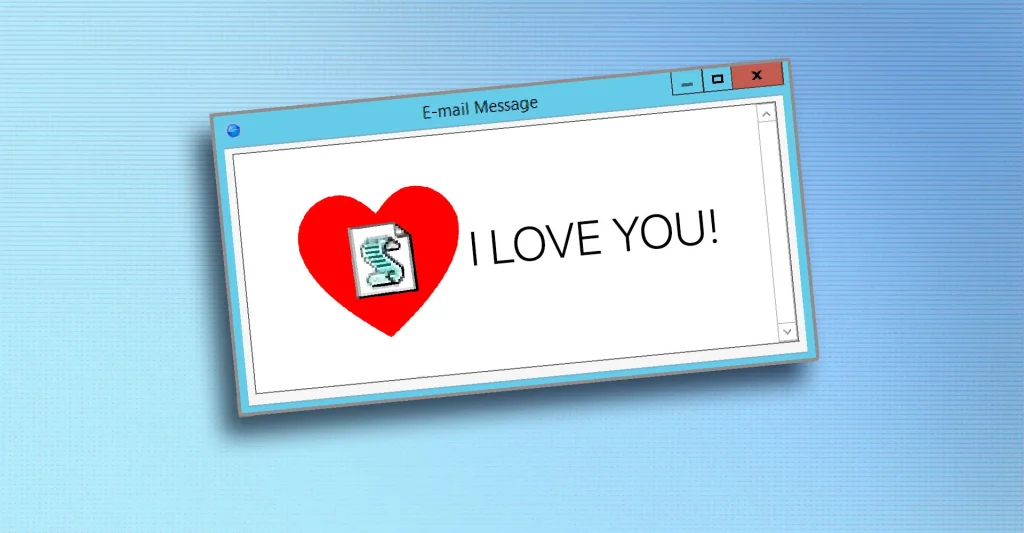
The subject line “ILOVEYOU” looked harmless, which was exactly the point. Opening the attachment triggered a VBScript worm that overwrote files and spread itself to contacts at scale. Within days, it caused widespread outages and massive cleanup efforts across organizations worldwide.
Ukraine Power Grid Hack (2015)
In December 2015, attackers remotely disrupted electricity distribution in parts of Ukraine. The incident demonstrated that cyber operations could trigger real-world outages, not just digital inconvenience. It is widely cited as a watershed moment for critical infrastructure security.
SolarWinds Supply Chain Compromise (2020)

Instead of attacking targets one by one, the SolarWinds operation weaponized a trusted software update path. That approach enabled broad access across both private companies and government networks. The case reshaped how organizations think about third-party software risk and detection.
SQL Slammer Worm (2003)
In minutes, SQL Slammer clogged networks around the world by exploiting a vulnerability in Microsoft SQL Server. The worm’s tiny size and rapid scanning created serious congestion and outages. It became a classic example of how a single unpatched flaw can ripple across the internet.
Marriott Starwood Guest Data Breach (2018)

Marriott disclosed that attackers had accessed the Starwood reservation environment, exposing vast numbers of guest records. The scale and duration of the compromise raised questions about acquisition-era security due diligence. It also became a major GDPR-era enforcement and compliance story.
Conficker Worm (2008)
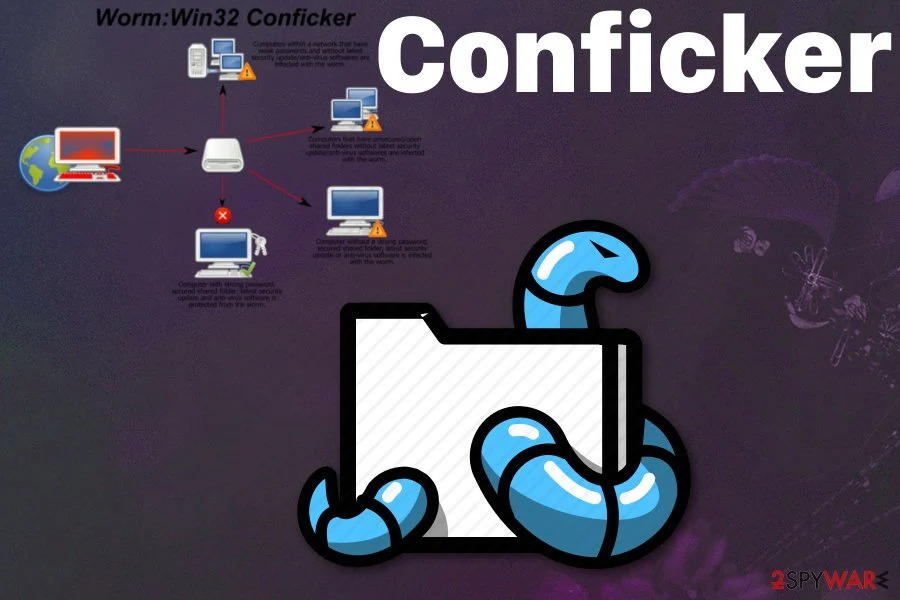
Conficker spread through Windows systems using multiple techniques, including network exploits and weak passwords. It built a large botnet and proved difficult to eradicate due to its evolving defenses. Years later, it remained a cautionary tale about patching discipline.
RSA SecurID Breach (2011)
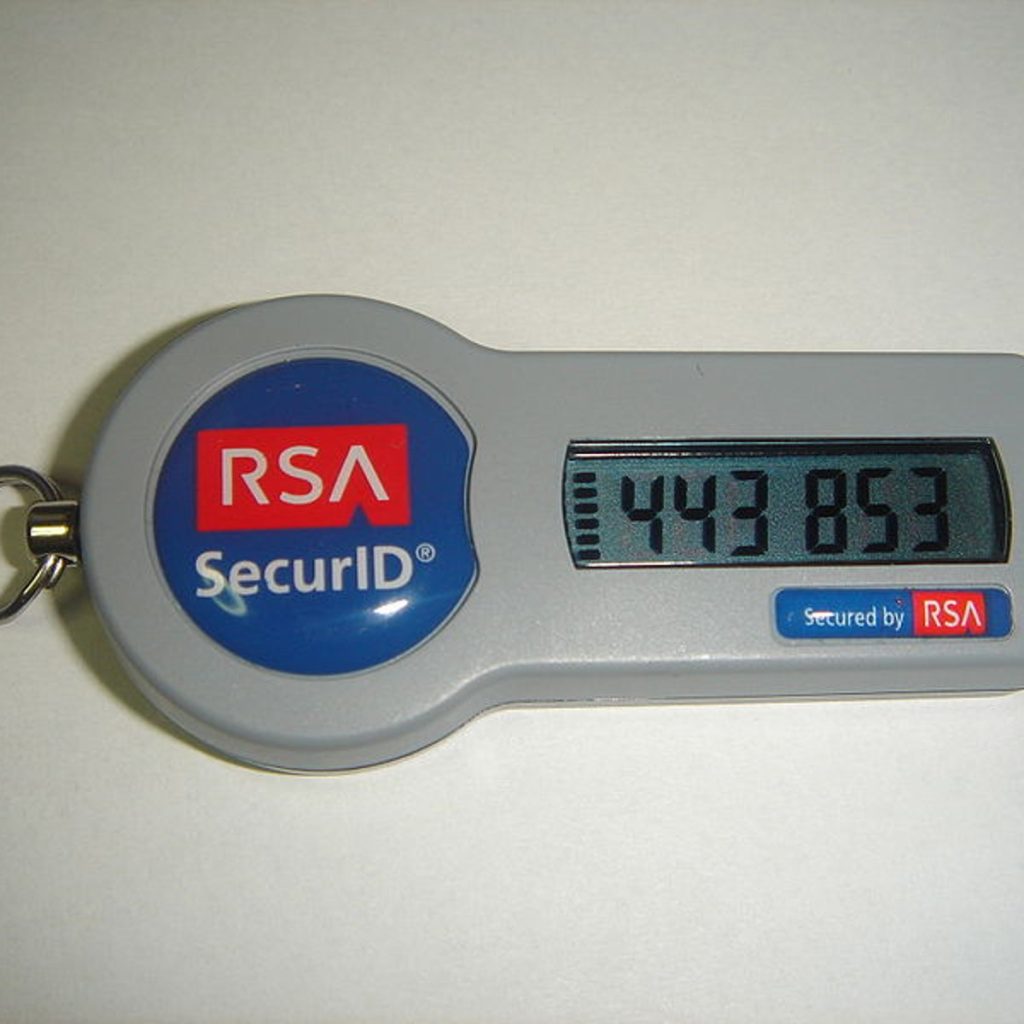
A targeted intrusion at RSA compromised information tied to SecurID authentication tokens. The breach raised alarms because it suggested a path to undermining a widely used security product. It also highlighted that even security vendors can become strategic targets.
WannaCry Ransomware Outbreak (2017)

WannaCry spread worldwide by exploiting a Windows SMB vulnerability and encrypting files for ransom. Hospitals, governments, and businesses felt the impact as systems locked up in real time. The incident made ransomware a household word in many countries.
Morris Worm (1988)

Before most people had ever heard the word “cybersecurity,” the Morris worm spread across the early internet and disrupted thousands of systems. It exploited common weaknesses in Unix services and, by replicating aggressively, effectively created a denial-of-service effect. The incident became a landmark moment for internet security and law enforcement.
Code Red Worm (2001)
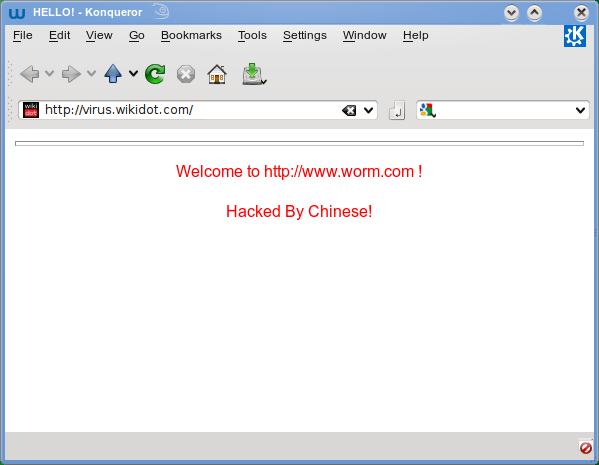
Code Red exploited a vulnerability in Microsoft IIS and spread without needing users to click anything. It defaced websites, launched denial-of-service attacks, and demonstrated how worms could move with startling speed. The outbreak pushed patching and exposure management into the mainstream.
Democratic National Committee Email Leak (2016)
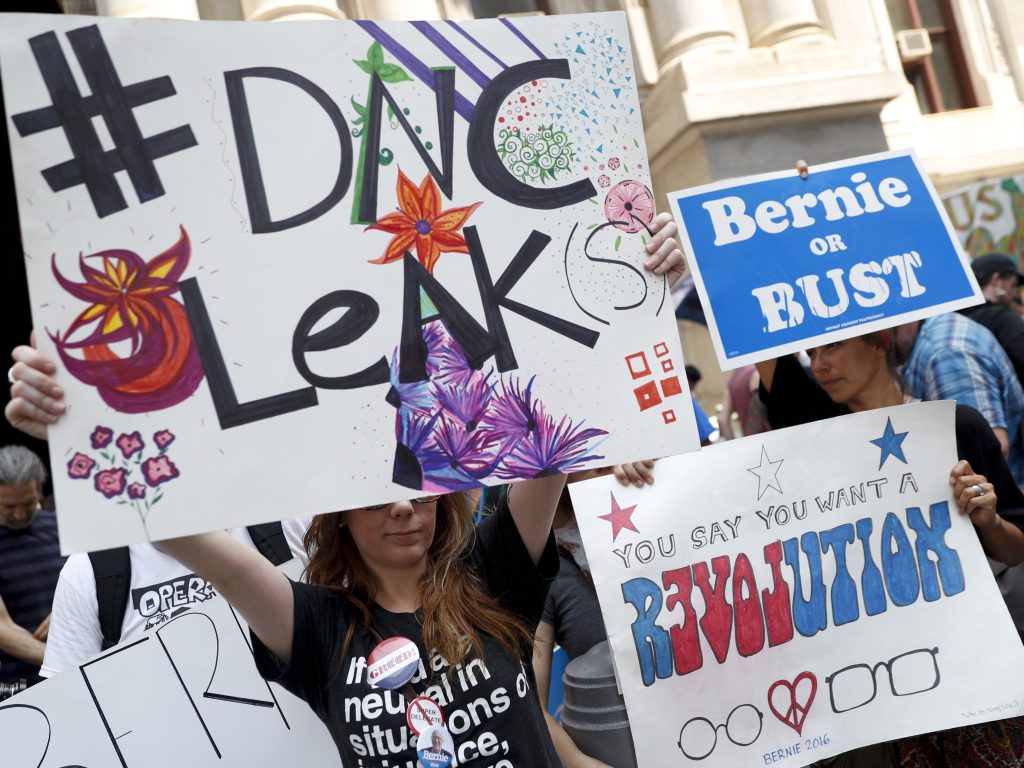
In 2016, stolen DNC emails were published, turning a network intrusion into a political and cultural flashpoint. The incident highlighted the impact of breaches where the payload is information warfare, not money. It also accelerated debates about attribution, election security, and platform responsibility.
Stuxnet Cyberweapon Against Industrial Systems (2010)
Stuxnet was designed for a highly specific target: industrial control systems connected to physical processes. It is widely viewed as a milestone because it showed malware could cause real-world equipment damage, not just data loss. Once uncovered, it changed how nations and companies thought about cyber operations as a tool of sabotage.