The glittering world of Hollywood often hides dark storms behind the camera. While fans only see polished performances on screen, the production process can turn into a battlefield of massive egos and extreme demands. Some stars have built reputations so terrifying that studios hesitate to hire them regardless of their box office appeal. Here are 30 legendary cases where the drama off screen completely eclipsed the script itself.
Edward Norton
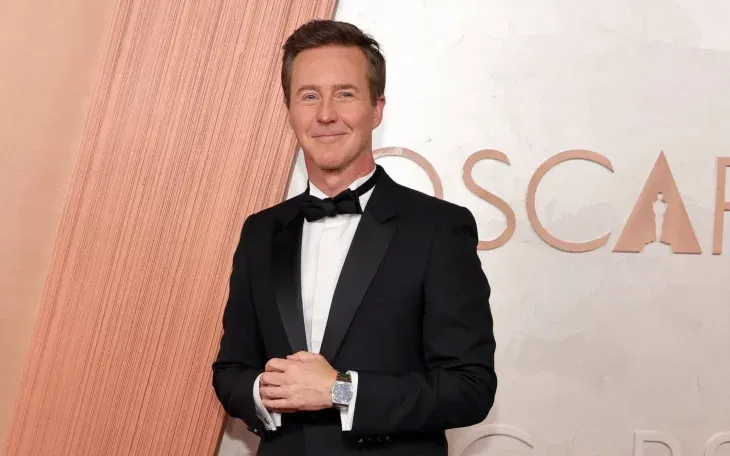
A brilliant mind often comes with an uncontrollable urge to rewrite the script. During the production of “American History X”, this acclaimed performer took it upon himself to re-edit the final cut against the director’s wishes. His intense micromanagement continued on “The Incredible Hulk”, leading Marvel to quietly recast his character for subsequent films. A perfectionist streak frequently alienated his closest collaborators.
Shannen Doherty
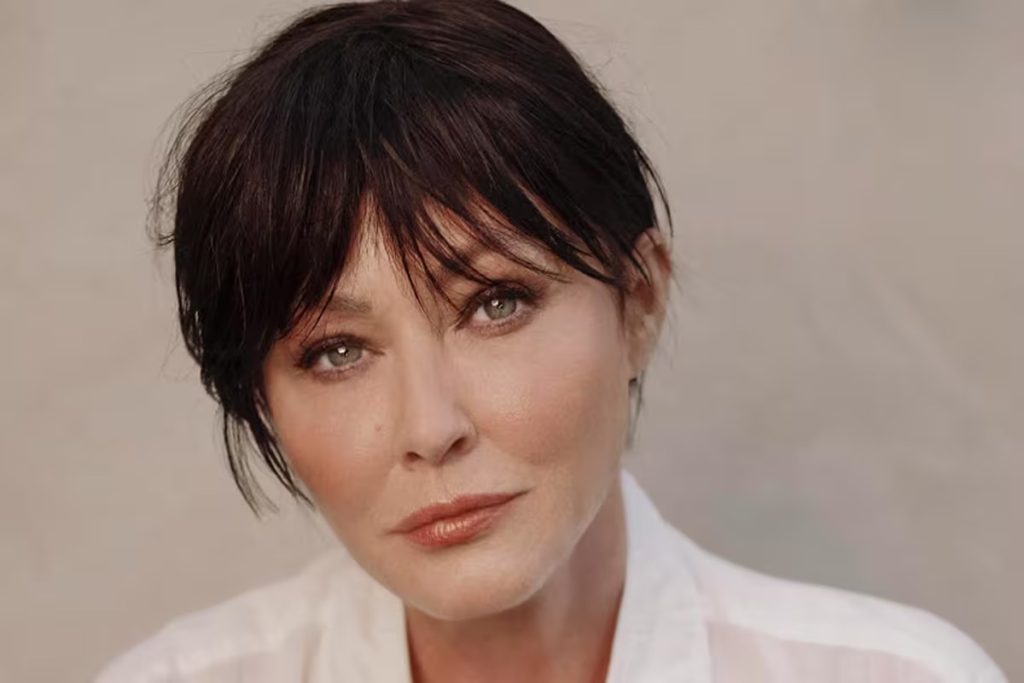
Clashes with castmates became a defining feature of her early television career. Frequent arguments on the set of “Beverly Hills, 90210” eventually led to her departure from the massive hit show. Network executives struggled to manage the constant friction she generated when history repeated itself years later on “Charmed”.
Bruce Willis
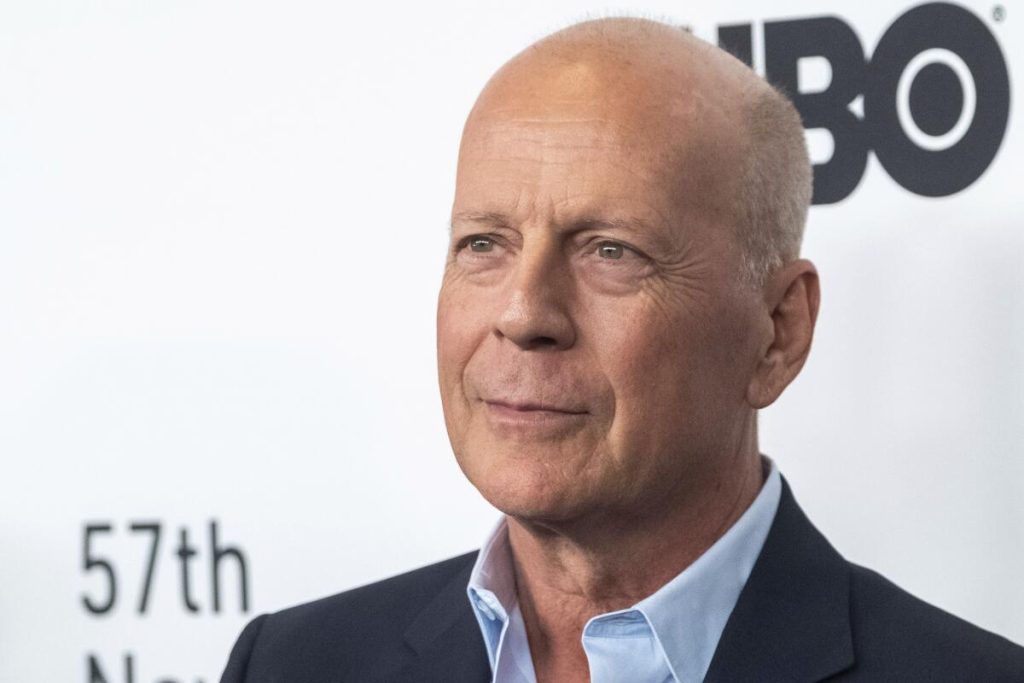
Working with this action icon often tested the patience of prominent filmmakers. Director Kevin Smith famously declared that collaborating with him on “Cop Out” was a soul-crushing experience. The star frequently refused to take direction or participate in basic promotional duties for several projects. His silent defiance on set left crews walking on eggshells.
Katherine Heigl

Public criticism of her own projects quickly derailed a highly promising career trajectory. She openly insulted the writing on “Knocked Up” and later withdrew her name from award consideration for “Grey’s Anatomy”, claiming the material was subpar. Honest opinions turned into irreversible professional damage across the industry.
Val Kilmer
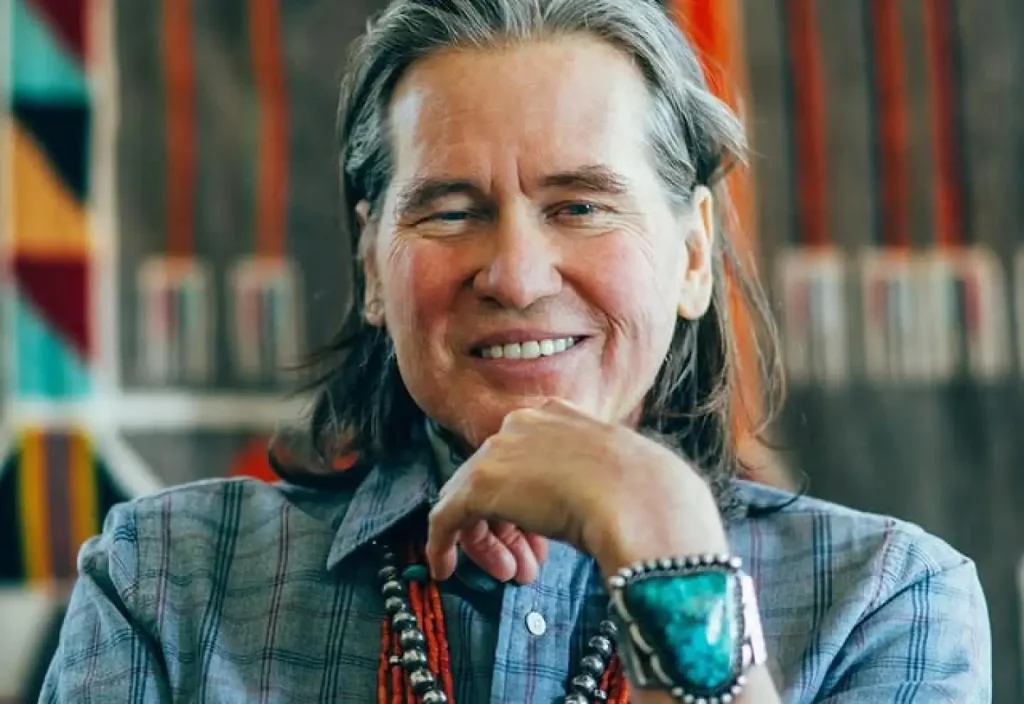
Demands and erratic behavior made this former leading man notorious among directors in the 1990s. Joel Schumacher called him deeply troubled after endless confrontations on the set of “Batman Forever”. His insistence on ignoring blocking instructions caused massive delays for the entire cast. Crew members frequently reported an atmosphere of intimidation whenever he arrived on location.
Marlon Brando
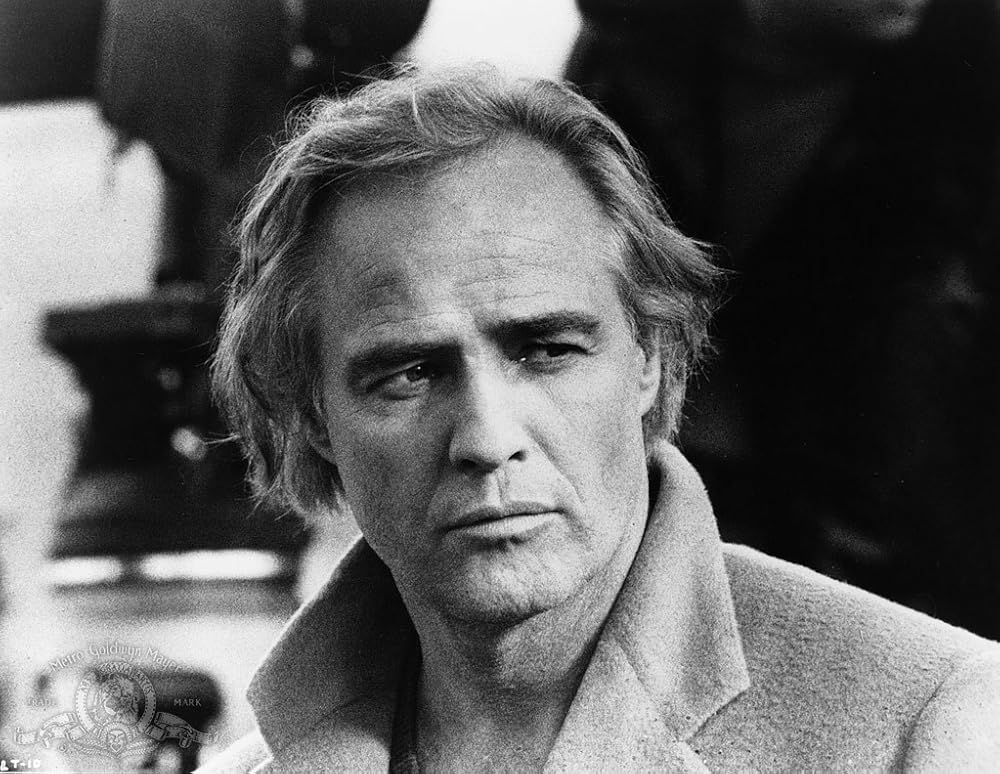
Legendary talent eventually gave way to extreme unreliability and bizarre demands. While filming “The Island of Dr. Moreau” alongside Val Kilmer, he refused to learn his lines and insisted on wearing an ice bucket on his head. He demanded that an earpiece feed him his dialogue during “Apocalypse Now” to avoid memorization. Directors had to completely alter their shooting schedules to accommodate his whims.
Julia Roberts

The stress of personal issues spilled heavily into the production of “Hook”. Steven Spielberg reportedly found her so difficult to manage that crew members secretly gave her an unflattering nickname. She frequently isolated herself in her trailer, causing expensive delays for the ambitious fantasy film. Even the biggest smile in Hollywood could not mask the profound onset tension.
Russell Crowe
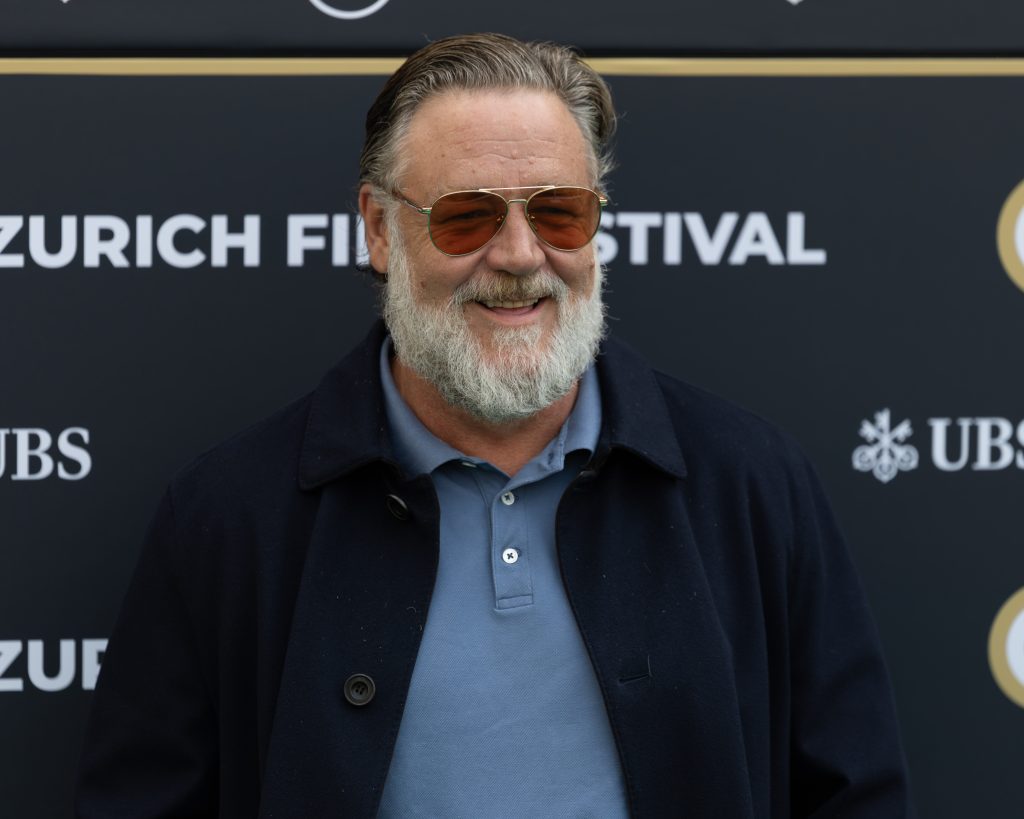
Intense dedication to a role often blurred the lines of basic professional courtesy. Aggressive confrontations marked the production of “Gladiator” and other major films during his peak era. He routinely threatened producers and demanded sudden script rewrites, claiming the original dialogue was unusable. Physical intimidation became a regular tool for getting his way on set.
Faye Dunaway

Perfectionism escalated into fierce verbal battles with some of the industry’s most acclaimed directors. The filming of “Chinatown” involved screaming matches with Roman Polanski, culminating in a deeply unsanitary liquid being thrown in his face. Photographers and lighting technicians regularly faced her wrath over minor technical adjustments. Her absolute refusal to compromise turned every scene into a negotiation.
Chevy Chase
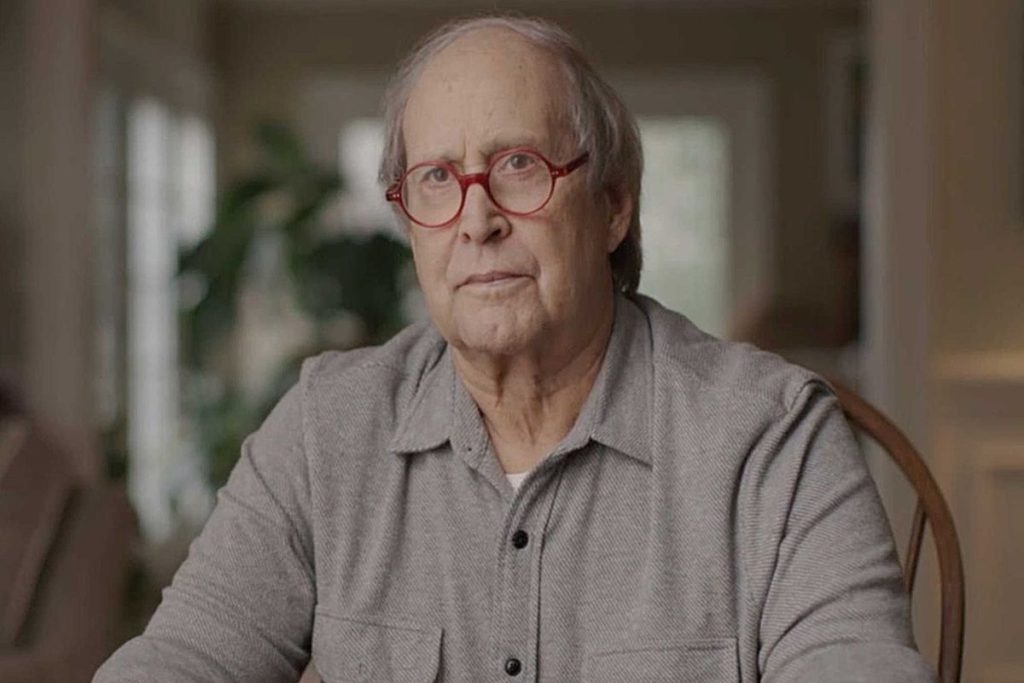
A distinct brand of sarcastic humor routinely crossed the line into outright hostility. Cast members on “Community” frequently complained about his offensive remarks and altercations behind the scenes. His toxic behavior stretches back to his days on late night television, where he managed to alienate almost every original cast member. Insults were heavily weaponized against writers and co-stars alike.
Lindsay Lohan
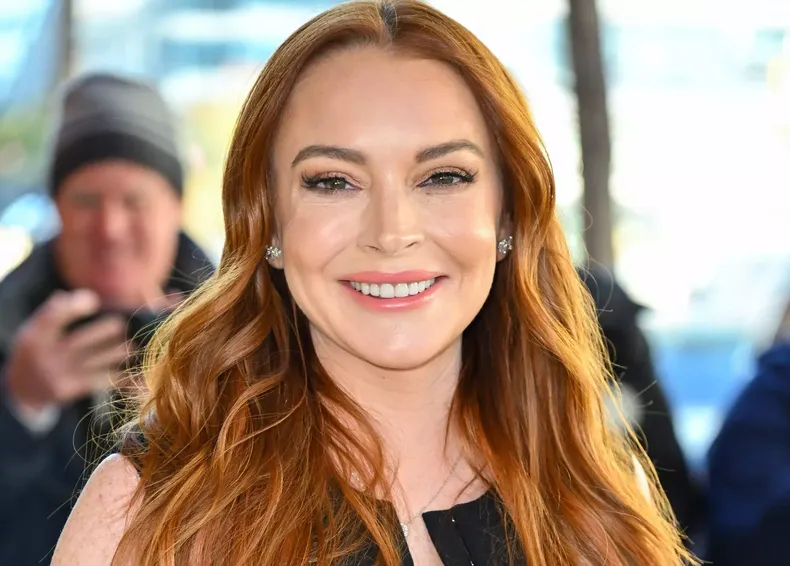
Chronic lateness and unexplained absences turned minor indie shoots into logistical nightmares. Production on “The Canyons” and “Georgia Rule” stalled repeatedly because she simply failed to show up for morning calls. Co-stars publicly reprimanded her for wasting the crew’s time and resources. Studio executives eventually required ironclad insurance policies just to clear her for employment.
Shia LaBeouf
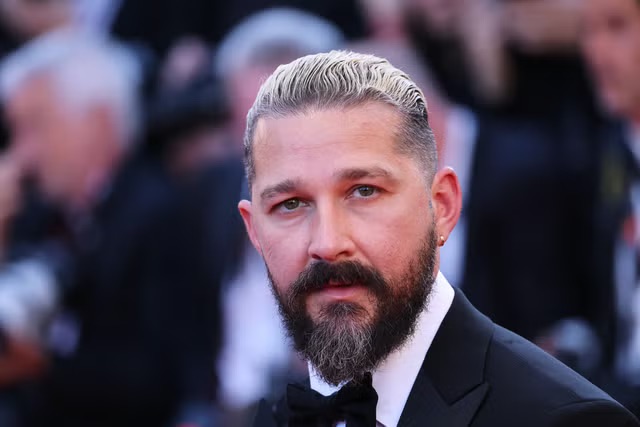
Method acting techniques pushed this star into physically dangerous territory for his colleagues. During the filming of “Fury”, he refused to shower for weeks and modified his own face to achieve maximum realism, deeply disturbing the rest of the tank crew. His intense altercations with co-stars demonstrated a complete lack of boundaries. Raw intensity completely overshadowed basic workplace safety.
Jared Leto
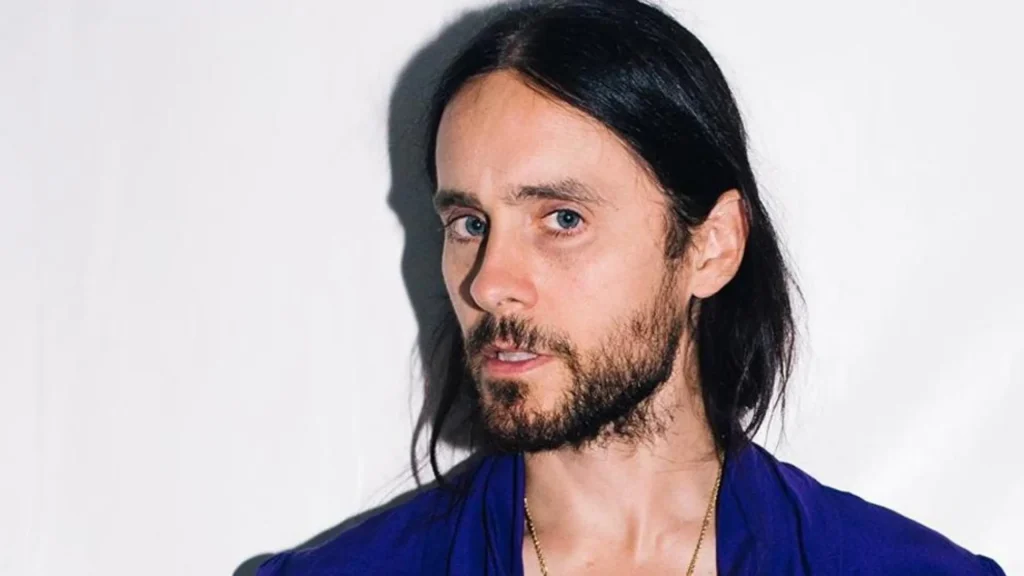
Immersive character preparation frequently alienated his fellow actors. Playing the villain in “Suicide Squad” led him to send disturbing unsolicited packages, including live rats and dead animals, to his castmates. Directors often had to address him strictly by his character’s name to get any response. This bizarre commitment generated massive publicity but left colleagues feeling profoundly uncomfortable.
Dustin Hoffman
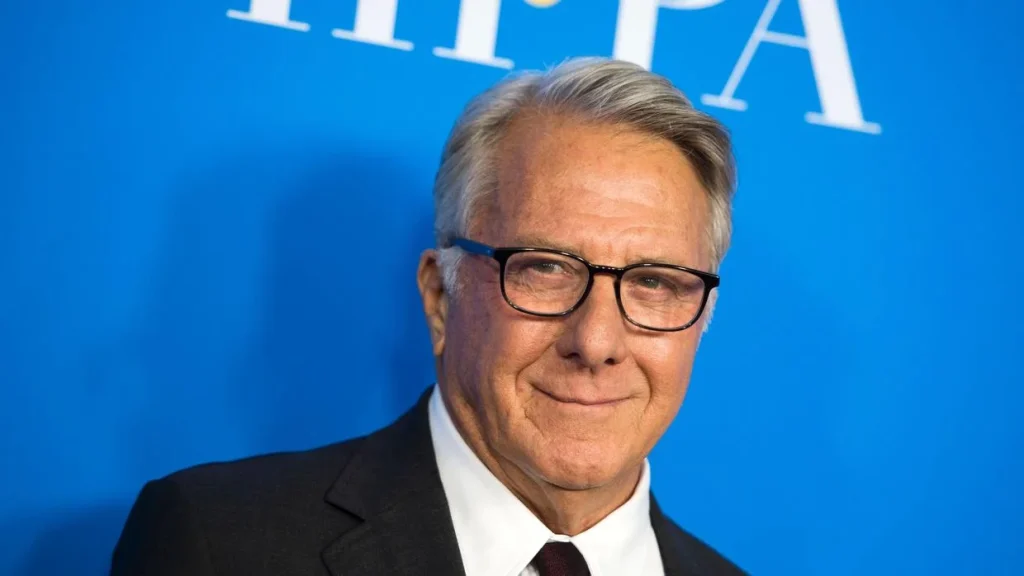
A relentless pursuit of authentic emotion led to highly controversial methods on early movie sets. He slapped Meryl Streep across the face without warning during the filming of “Kramer vs. Kramer” to provoke a genuine reaction. Directors often had to intervene when his psychological manipulation of co-stars went too far. The quest for realism often trampled standard professional boundaries.
Tommy Lee Jones
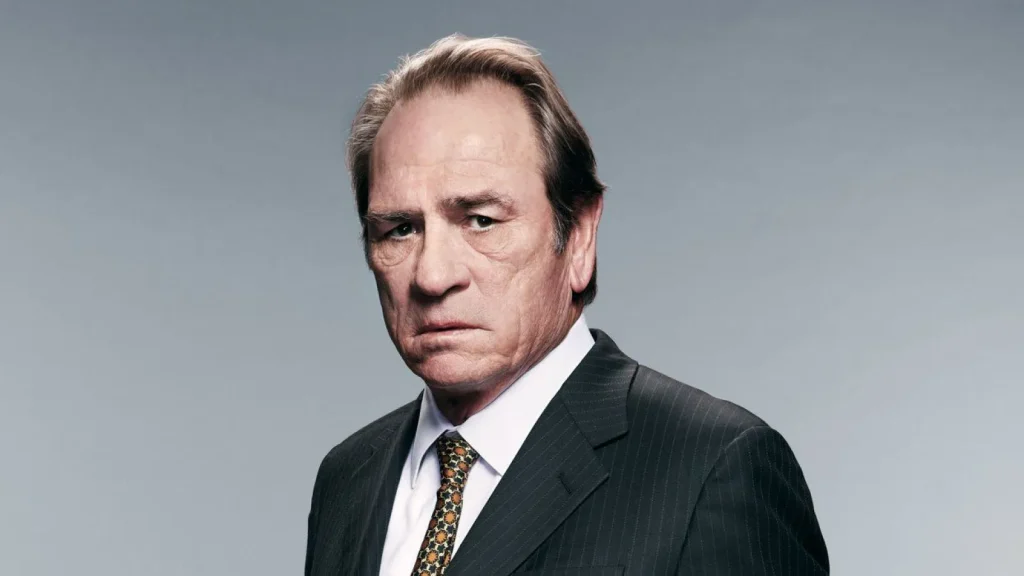
Cold professionalism often translated into absolute disdain for comedic co-stars. He famously told Jim Carrey that he could not sanction his buffoonery during the tense production of “Batman Forever”, mirroring the difficult dynamic Val Kilmer also created on that set. The veteran actor refused to engage in casual conversation and made his contempt entirely public. Silence became his primary weapon for establishing dominance.
Jim Carrey
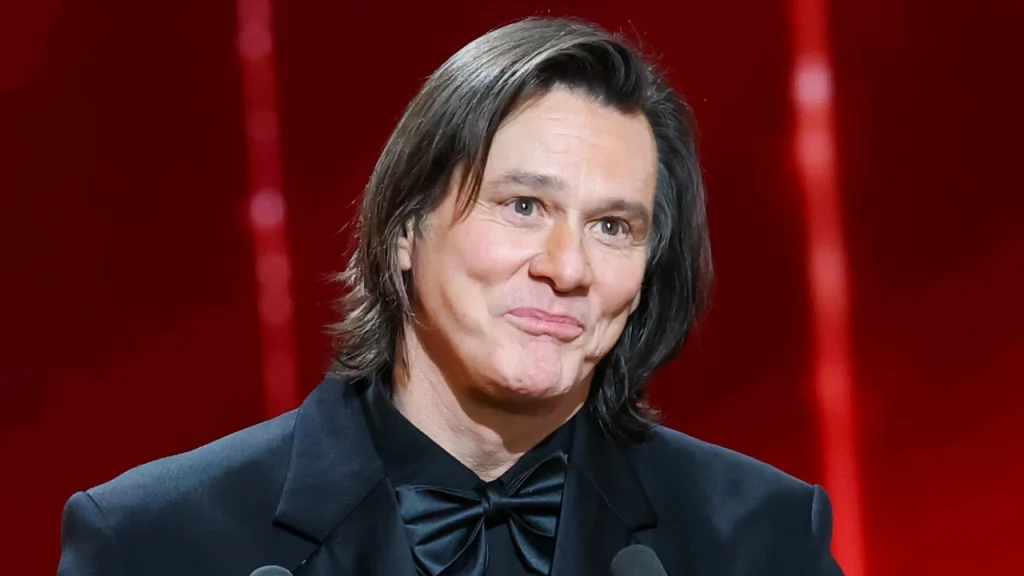
An obsession with staying in character created a chaotic environment on biographical projects. The production of “Man on the Moon” saw him completely refuse to acknowledge his real identity, forcing the crew to address him as Andy Kaufman. He intentionally crashed cars on the studio lot and provoked professional wrestlers to maintain the illusion. The director entirely lost control of his leading man.
Mike Myers
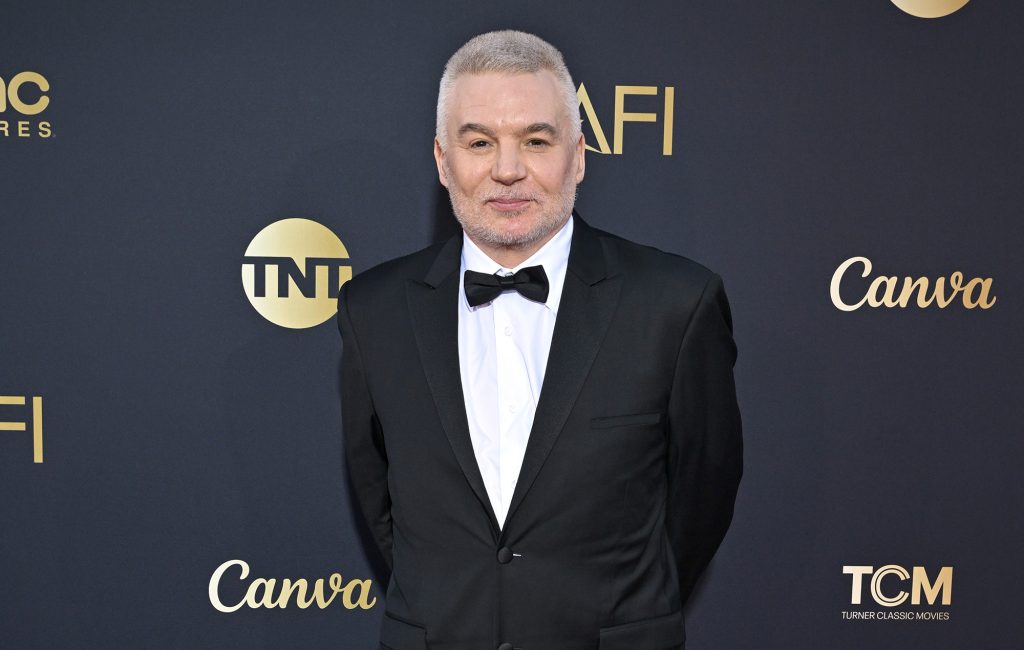
Comedic genius masked a deeply controlling and demanding nature behind the scenes. Crew members on “Wayne’s World” and other franchise hits detailed his tendency to fire people for simply looking at him the wrong way. He famously demanded an assistant be fired for failing to bring him the correct flavor of a specific snack. High stress environments ruined the fun tone of his productions.
Sean Young
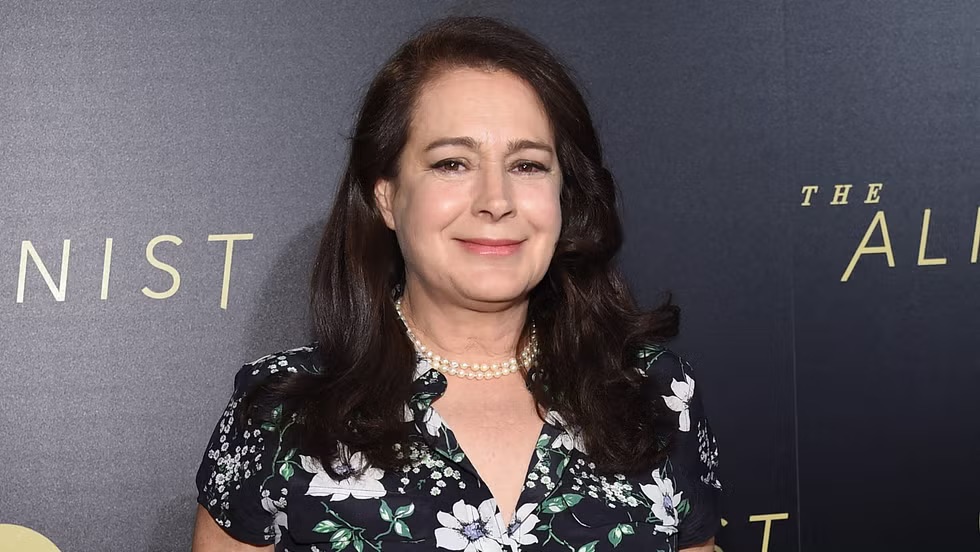
Clashes with prominent filmmakers quickly derailed a promising science fiction career. Her aggressive behavior on the set of “Blade Runner” led to massive friction with Harrison Ford. She later campaigned so aggressively for the role of Catwoman that she stalked the studio lot in a homemade costume. Hollywood executives swiftly labeled her too erratic to insure.
Gwyneth Paltrow
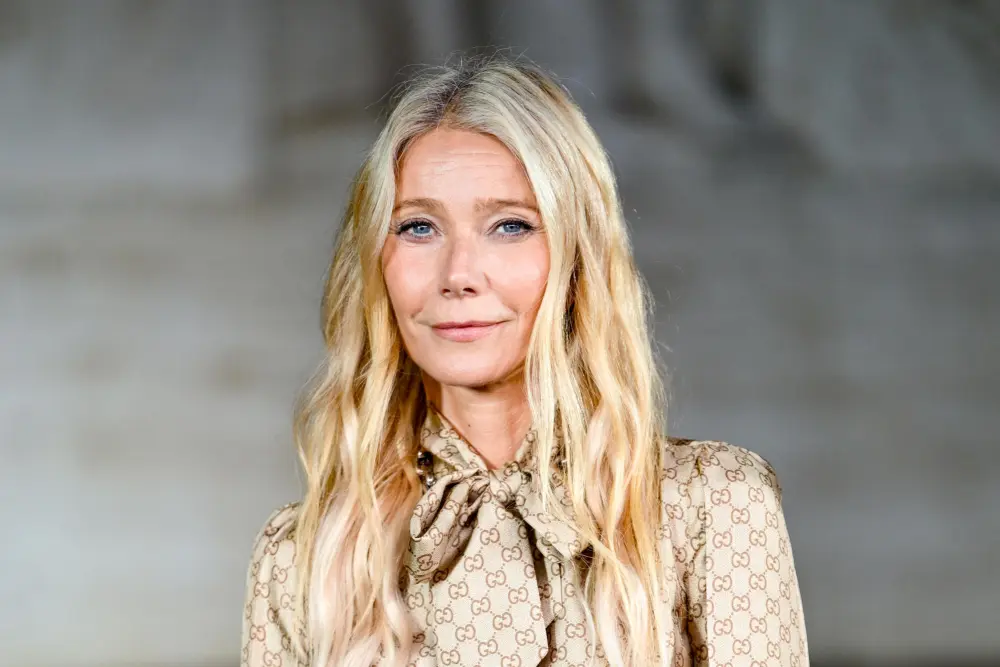
Specific environmental demands often isolated this Oscar winner from the rest of the cast. Rumors from the “Iron Man” set suggested she insisted on having the gym shower scrubbed and dried entirely before she would enter. She frequently avoided interacting with certain co-stars, preferring to communicate only through her personal assistants. Elite preferences created an undeniable divide among the crew.
Bill Murray
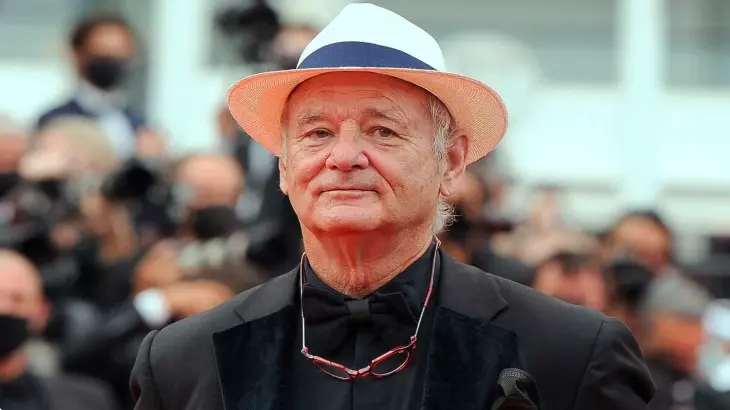
Unpredictable mood swings made collaborating with this comedy legend a massive gamble. He physically attacked Chevy Chase in a legendary backstage brawl and threw a producer into a lake during the filming of “What About Bob?”. His notorious refusal to use a standard agent meant filmmakers never knew if he would actually show up to set. Extreme volatility defined his entire workflow.
Lucy Liu
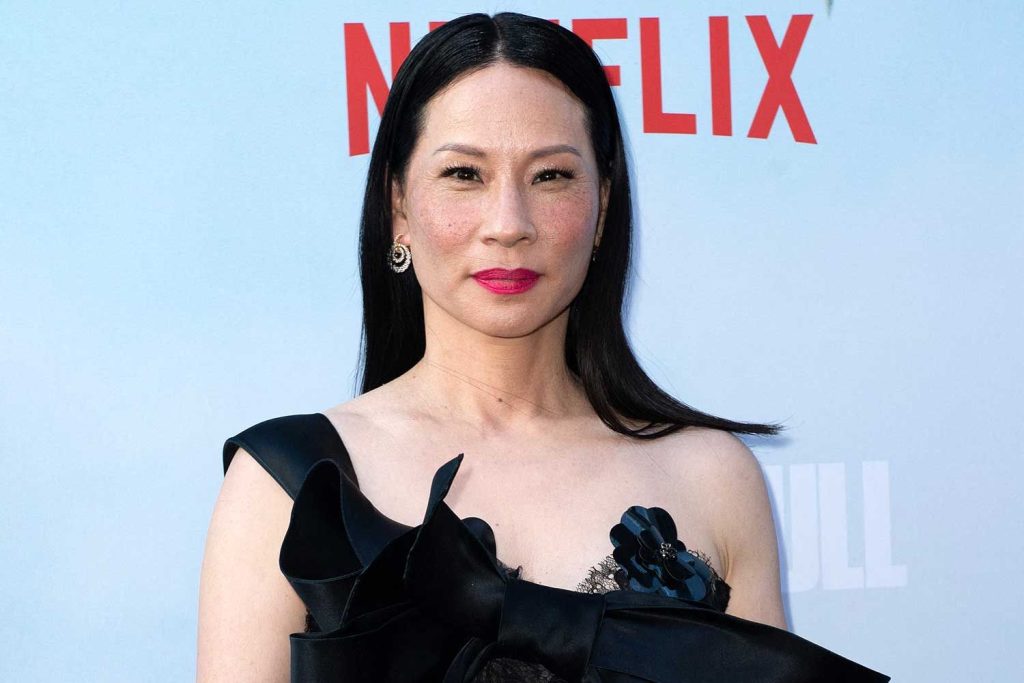
Standing up to bad behavior created one of the most famous on set feuds in action movie history. She engaged in a fierce shouting match with Bill Murray during the production of “Charlie’s Angels” after he allegedly insulted her acting abilities. The confrontation escalated to the point where production had to be halted for the day. She fiercely defended her territory against a seasoned veteran.
Charlie Sheen
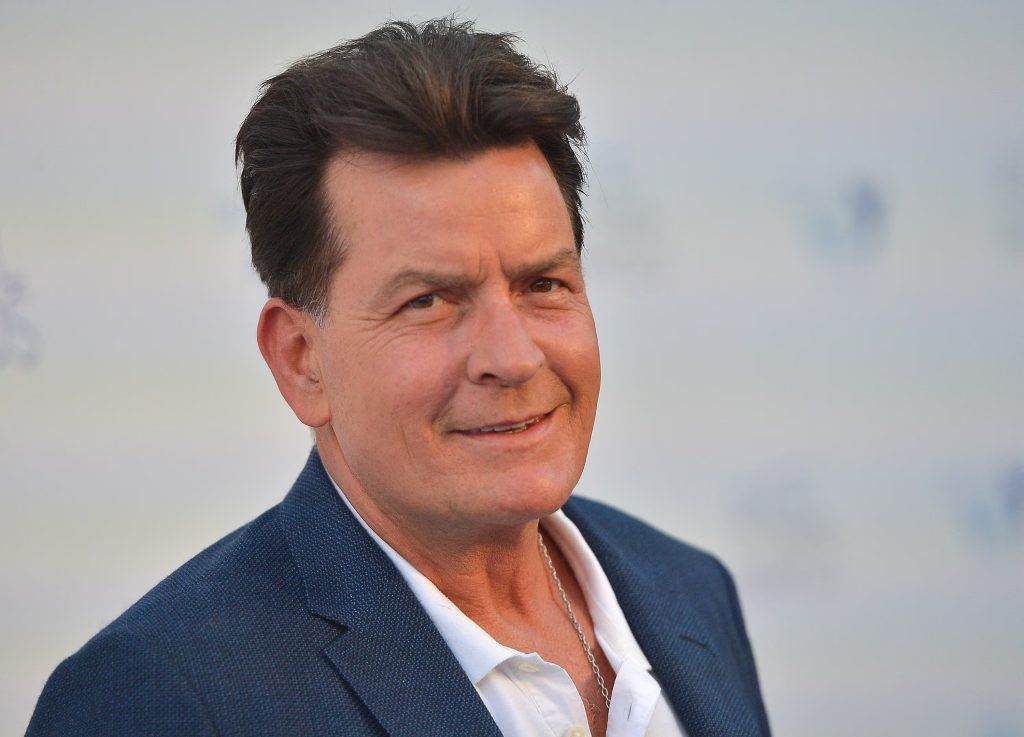
Public meltdowns and personal issues turned network television schedules into a guessing game. Production on “Two and a Half Men” frequently shut down due to his erratic behavior and bizarre interviews. He verbally insulted the show’s creator on live radio, guaranteeing his immediate termination from the highly lucrative sitcom. Studio patience completely evaporated after millions of dollars were lost.
Lea Michele

Allegations of severe hostility shattered her pristine musical theater image. Multiple co-stars from “Glee” came forward to detail her microaggressions and threats to have background actors fired. She operated the set with an iron fist, demanding absolute priority in hair, makeup, and musical numbers. The toxic environment left lasting scars on the ensemble cast.
Steven Seagal
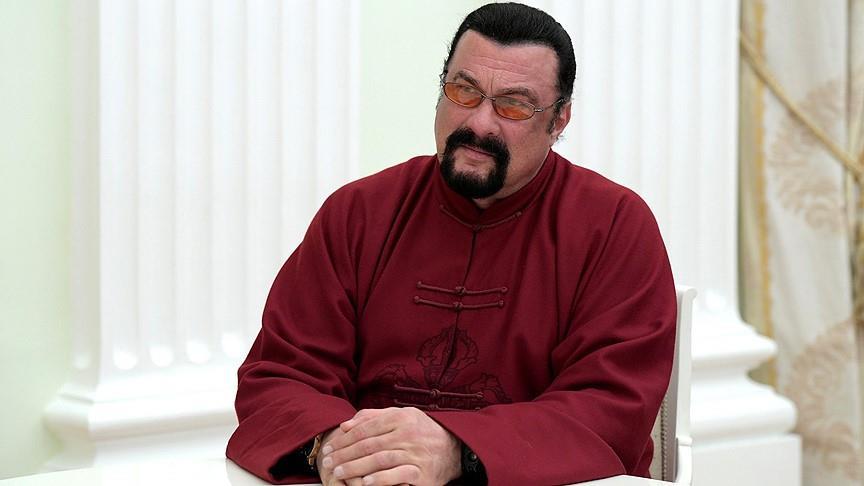
Physical intimidation and a massive ego made this martial artist a nightmare for stunt coordinators. He routinely injured fellow actors by refusing to pull his punches during fight scenes in “Executive Decision” and other action flicks. Cast members reported that he would slam people against walls just to prove his dominance. Stuntmen actively avoided working on his projects.
Sharon Stone
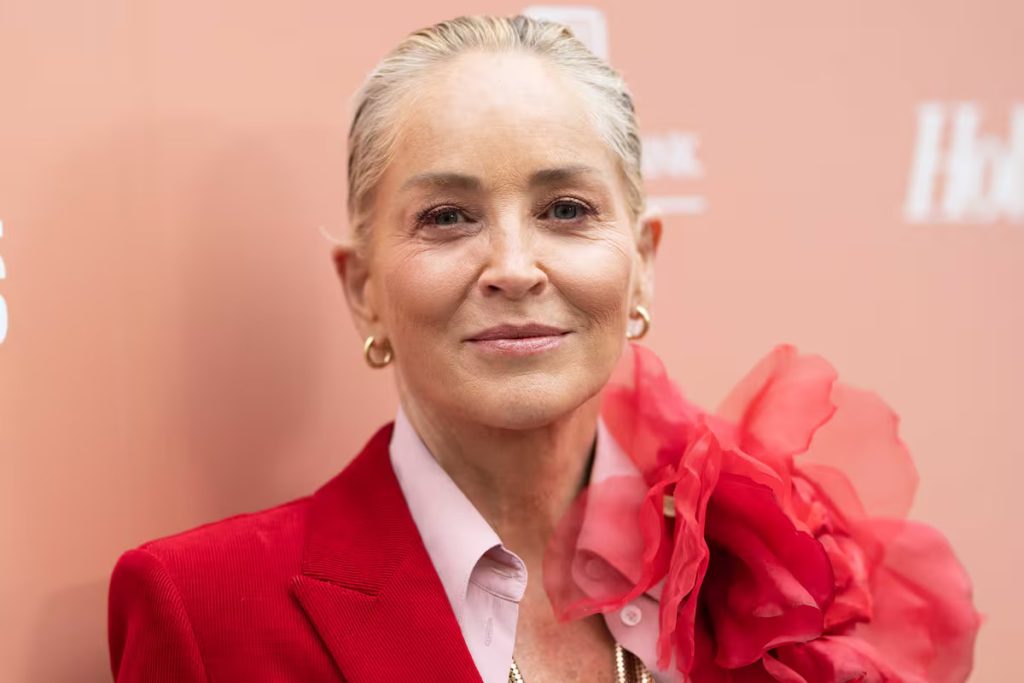
Diva demands reached monumental heights during the production of her mid-career thrillers. For “Basic Instinct 2”, her contract required massive weekly stipends for personal bodyguards, assistants, and private chefs. She frequently halted filming if her specific lighting requests were not met immediately. Budget overruns were often directly tied to her personal comfort.
Gene Hackman
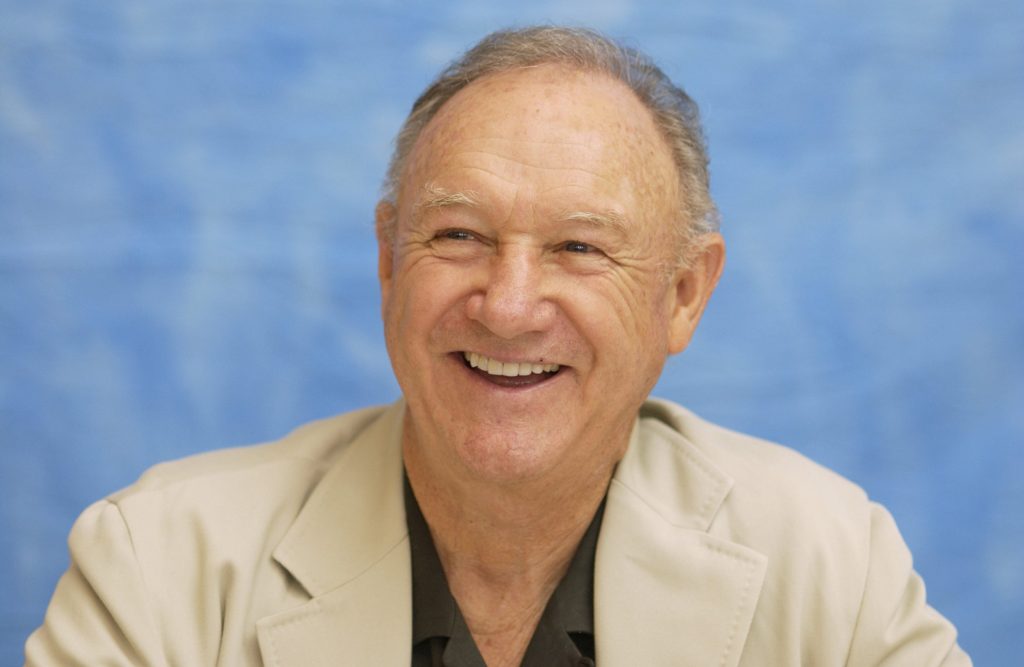
Aggressive insults became a standard motivational tool for this legendary dramatic actor. Wes Anderson was famously terrified of him during the chaotic shoot for “The Royal Tenenbaums”. The veteran star verbally insulted the young director daily, calling him offensive names in front of the entire crew. Co-stars had to physically step in to protect the filmmaker from the relentless hostility.
Joan Crawford

A bitter, lifelong rivalry resulted in psychological warfare on camera. She intentionally wore heavy weights under her dress during a scene in “What Ever Happened to Baby Jane?” where her co-star Bette Davis had to drag her across the floor. She also demanded that the director shoot scenes from angles that would make her rival look older. Vengeance completely consumed the production schedule.
Christian Bale
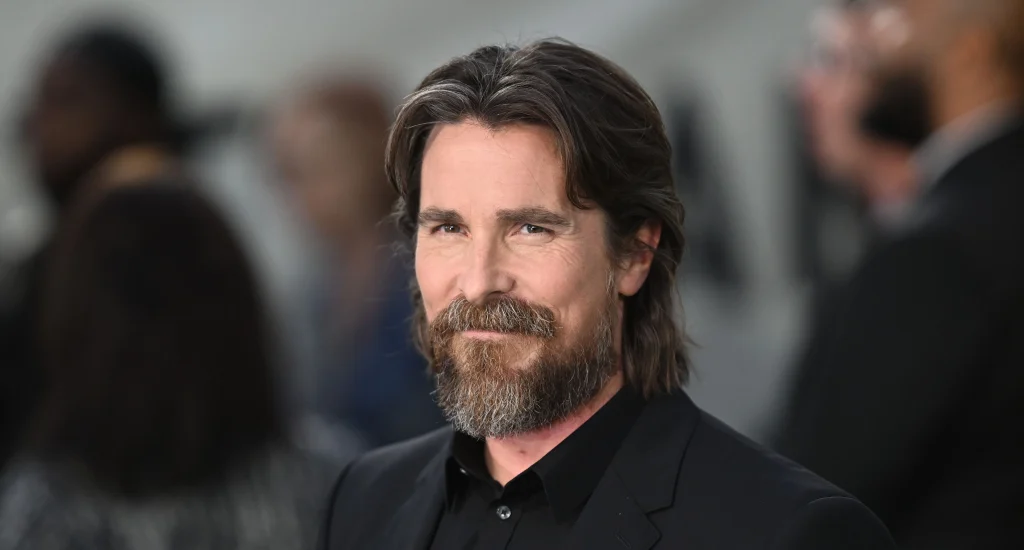
A leaked audio recording forever immortalized his terrifying temper. He unleashed a massive, expletive-filled tirade against a director of photography who accidentally walked into his eyeline on the set of “Terminator Salvation”. The absolute ferocity of the verbal assault left the crew in stunned silence. Intense focus turned a minor mistake into a legendary meltdown.
Wesley Snipes
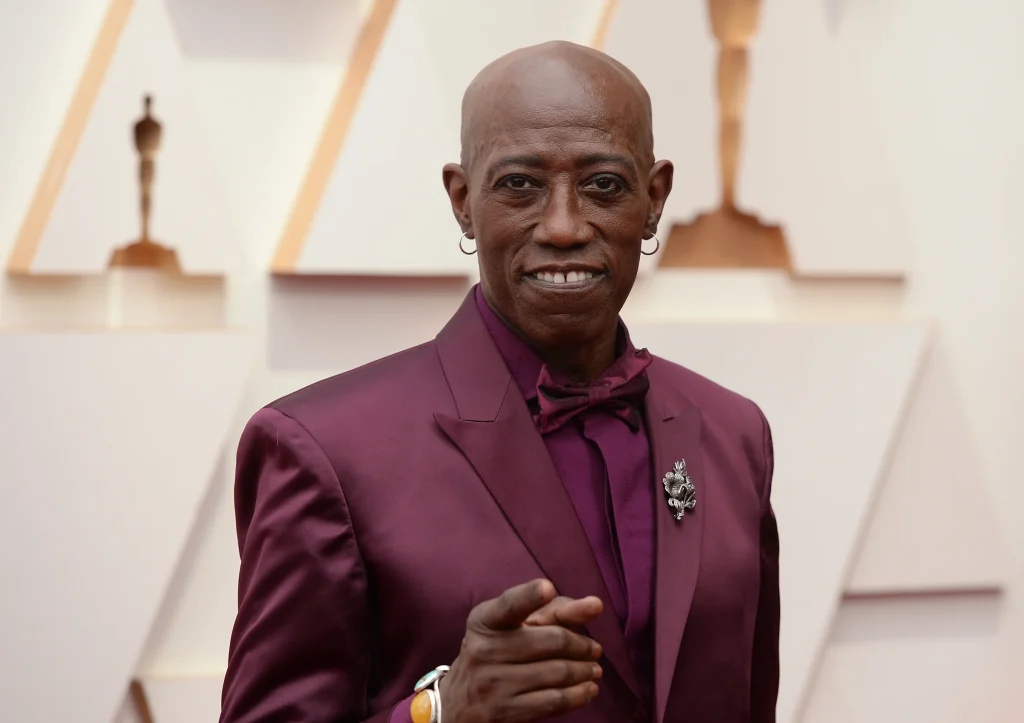
Total detachment from reality turned a superhero production into a psychological hostage situation. He refused to open his eyes for a crucial scene in “Blade: Trinity”, forcing the visual effects team to digitally paste open eyes onto his face in post-production. He spent the entire shoot isolated in his trailer and communicating with the director solely via sticky notes signed with his character’s name. Studio executives were completely powerless.
Klaus Kinski
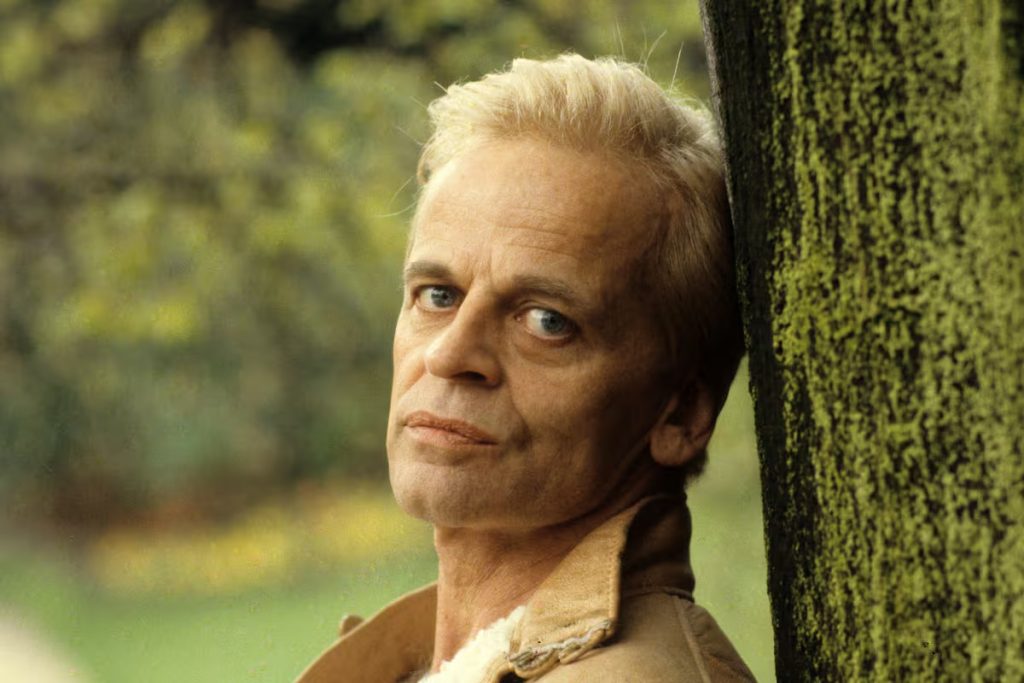
Absolute madness in the jungle nearly ended in a fatal tragedy. His raging tantrums during the filming of “Aguirre, the Wrath of God” included recklessly discharging a weapon at a tent full of extras. The hostility peaked when director Werner Herzog genuinely threatened him to prevent him from abandoning the set. The boundary between artistic passion and extreme peril completely vanished.