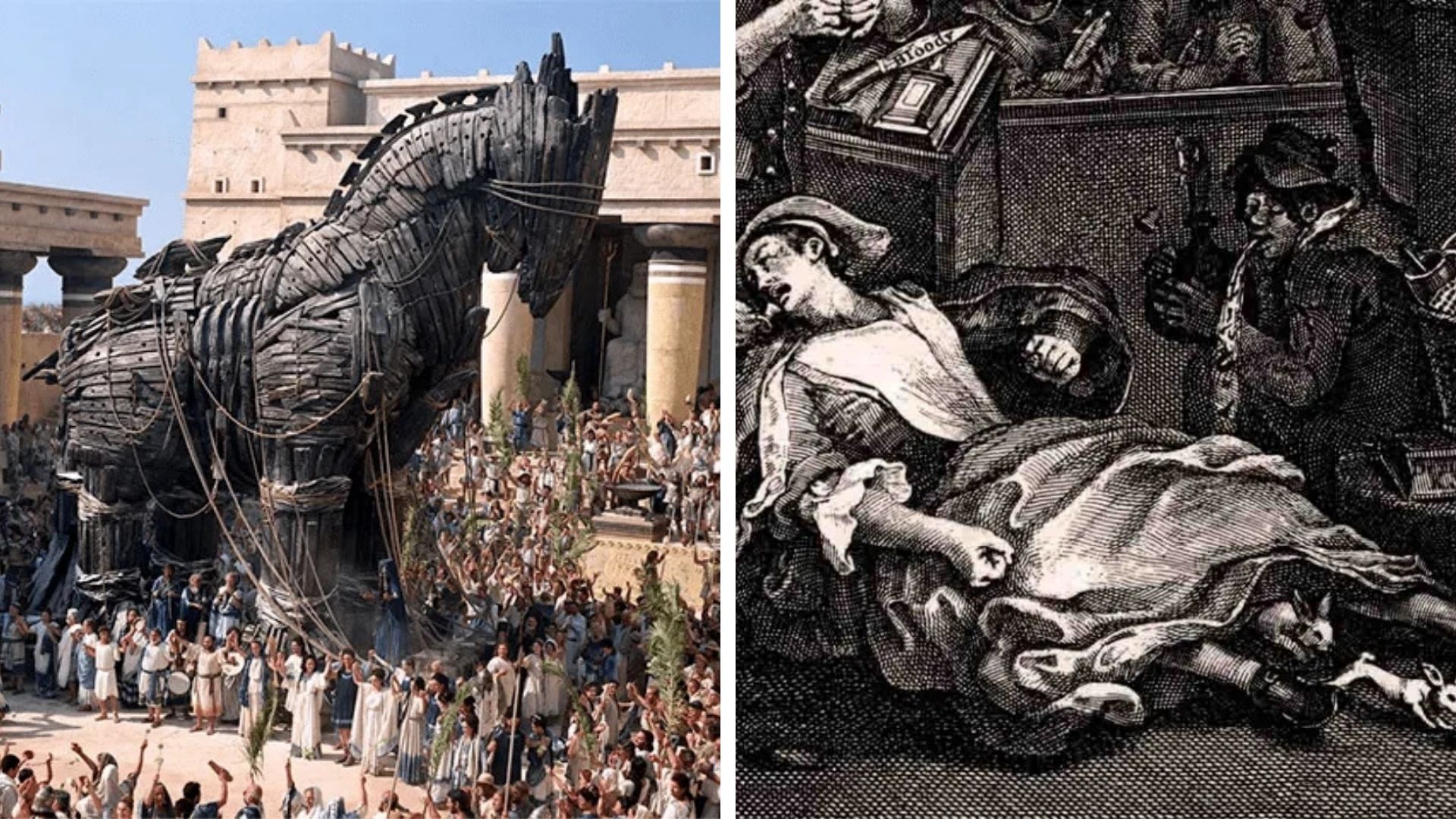
Have you ever been completely fooled by a story that seemed too wild to be true? Throughout human history, master deceivers have used everything from forged documents to fake archaeological finds to pull the wool over the eyes of the public. This collection of thirty items explores the most audacious, hilarious, and sometimes dangerous lies ever told. Prepare to see how easily belief can be manipulated when a hoax is clever enough to challenge reality.
Milli Vanilli
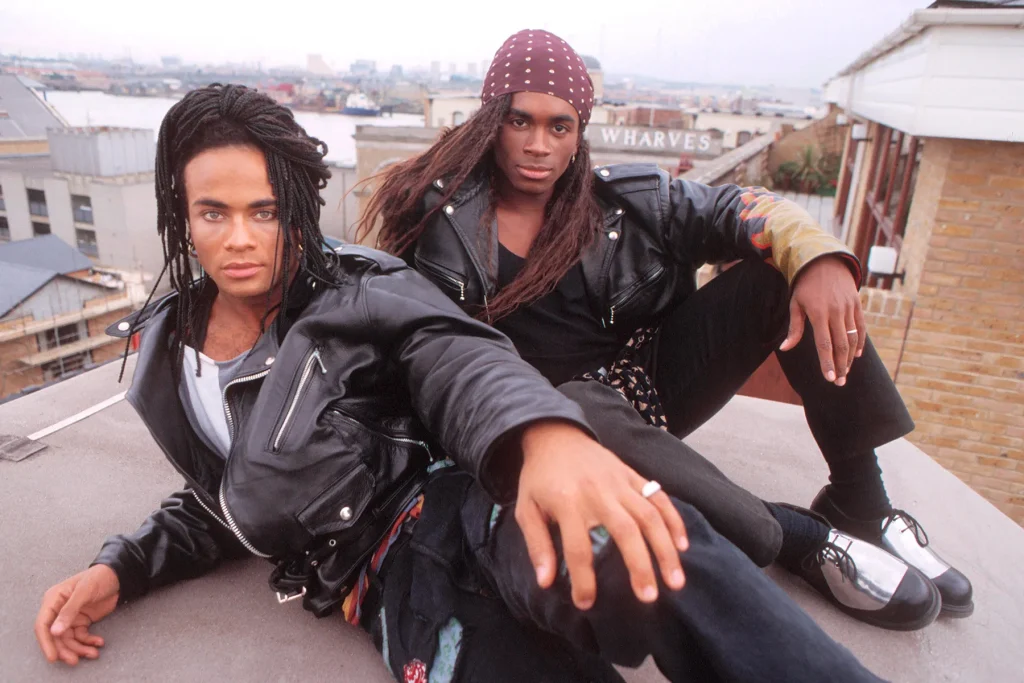
The pop duo became a global sensation in the late 1980s, even winning a Grammy Award for Best New Artist. However, the scandal broke when it was revealed that the two frontmen never actually sang on their records. Their career collapsed instantly after a technical glitch during a live performance exposed their lip-syncing.
The Piltdown Man
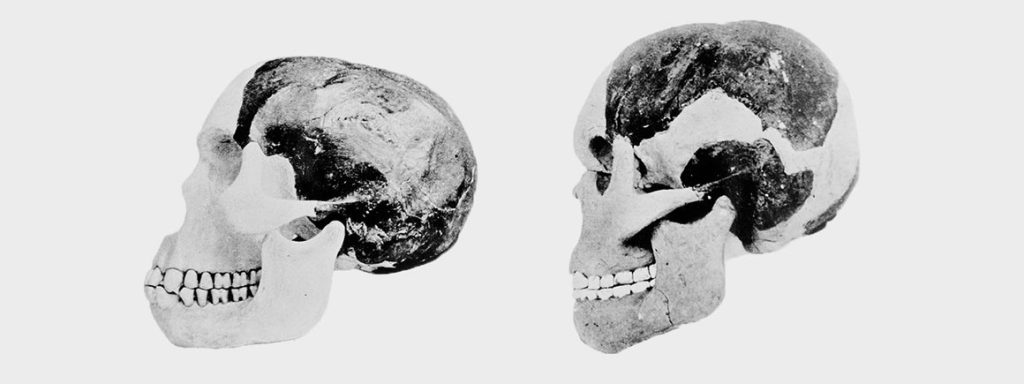
In 1912, Charles Dawson claimed to have found the missing link between apes and humans in a gravel pit in England. It took forty years for scientists to discover that the skull was actually a sophisticated forgery made from a human cranium and an orangutan jaw. The hoax significantly delayed the study of human evolution for decades.
The Swiss Spaghetti Harvest

On April Fools’ Day in 1957, the BBC broadcast a segment showing Swiss farmers picking long strands of spaghetti from trees. Thousands of viewers contacted the network asking how they could grow their own spaghetti trees at home.
Enron Financial Records

The energy giant used creative accounting and shell companies to hide billions of dollars in debt from its investors. When the truth emerged in 2001, the company filed for bankruptcy, leading to new federal regulations for corporate transparency. Thousands of employees lost their life savings as the stock price plummeted to nearly zero.
The Feejee Mermaid
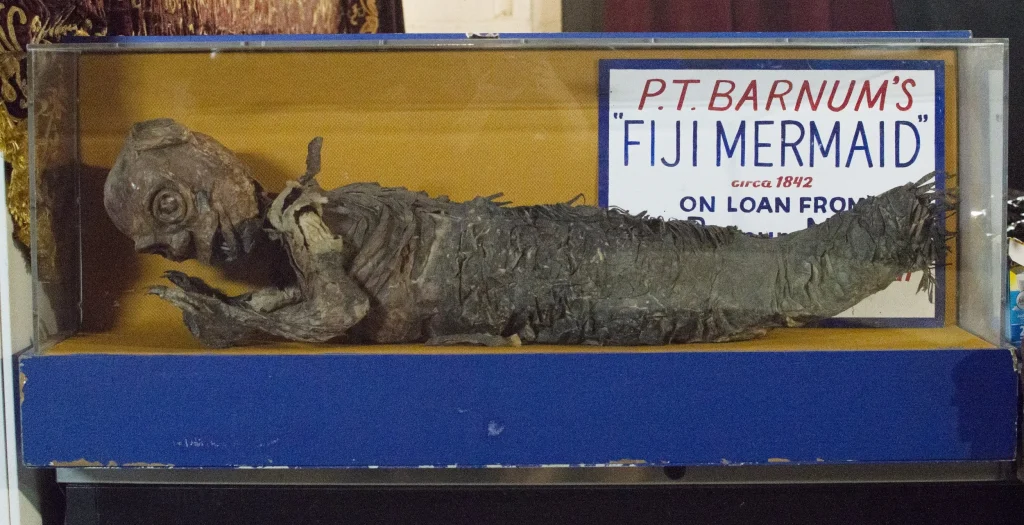
Showman P.T. Barnum exhibited a creature that he claimed was a real mermaid captured near the Fiji Islands. In reality, the grotesque figure was the torso of a monkey sewn onto the back half of a large fish. Despite its disturbing appearance, the exhibit drew massive crowds of curious spectators in the mid-19th century.
Rosie Ruiz And The Boston Marathon
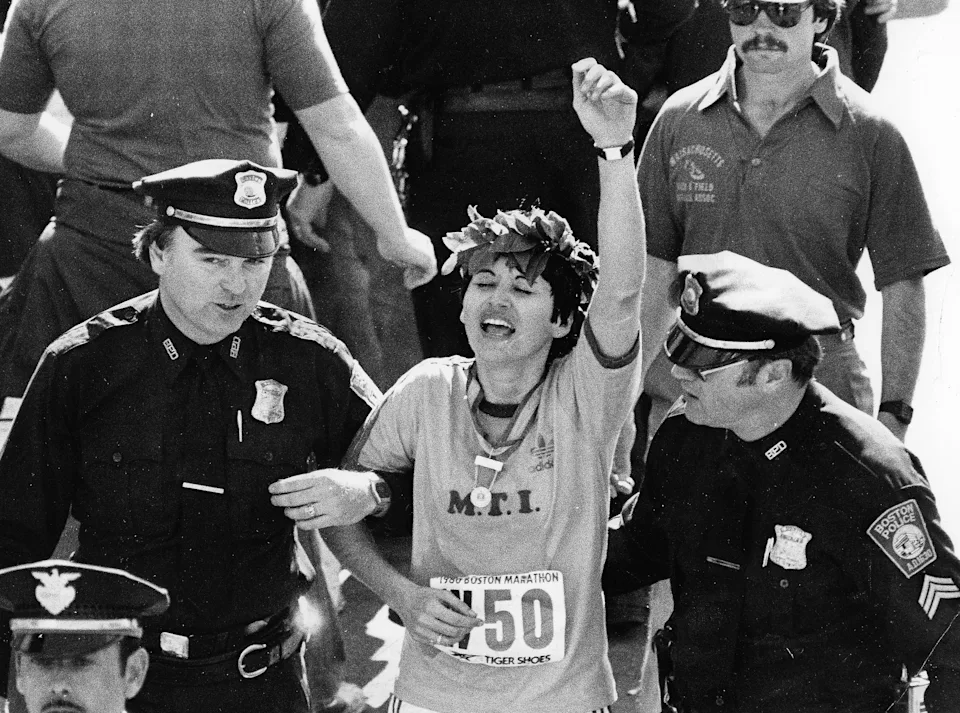
In 1980, Rosie Ruiz appeared to win the Boston Marathon with a record-breaking time for the women’s division. Suspicion grew when witnesses reported seeing her jump onto the course from the crowd near the finish line. Investigators eventually discovered she had taken the subway for a large portion of the race.
The Hitler Diaries
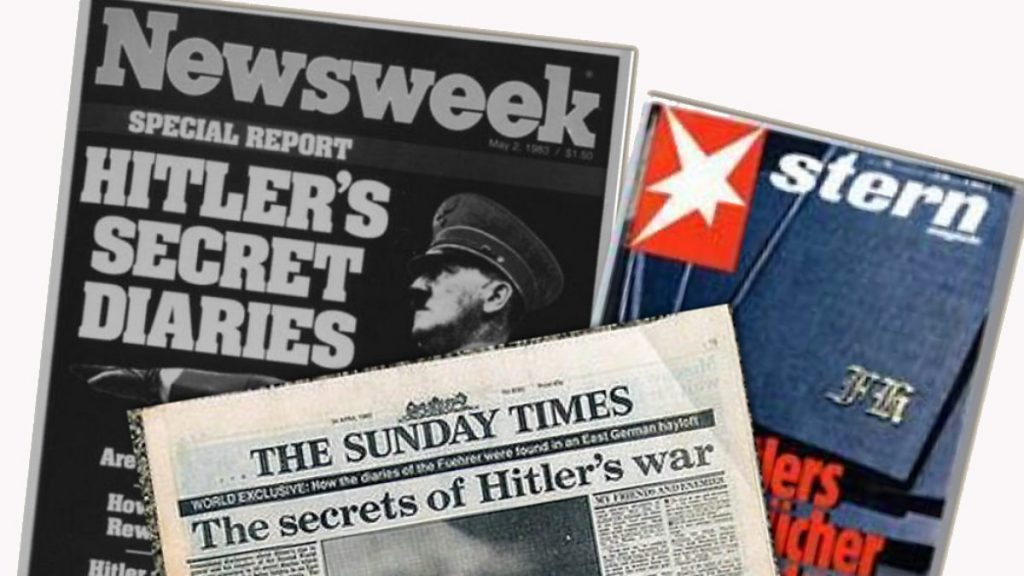
The German magazine “Stern” paid millions of dollars for what they believed were sixty volumes of Adolf Hitler’s personal diaries in 1983. Forensic analysis soon proved that the ink and paper were modern, and the content was largely fabricated by a forger.
Richard Nixon And Watergate
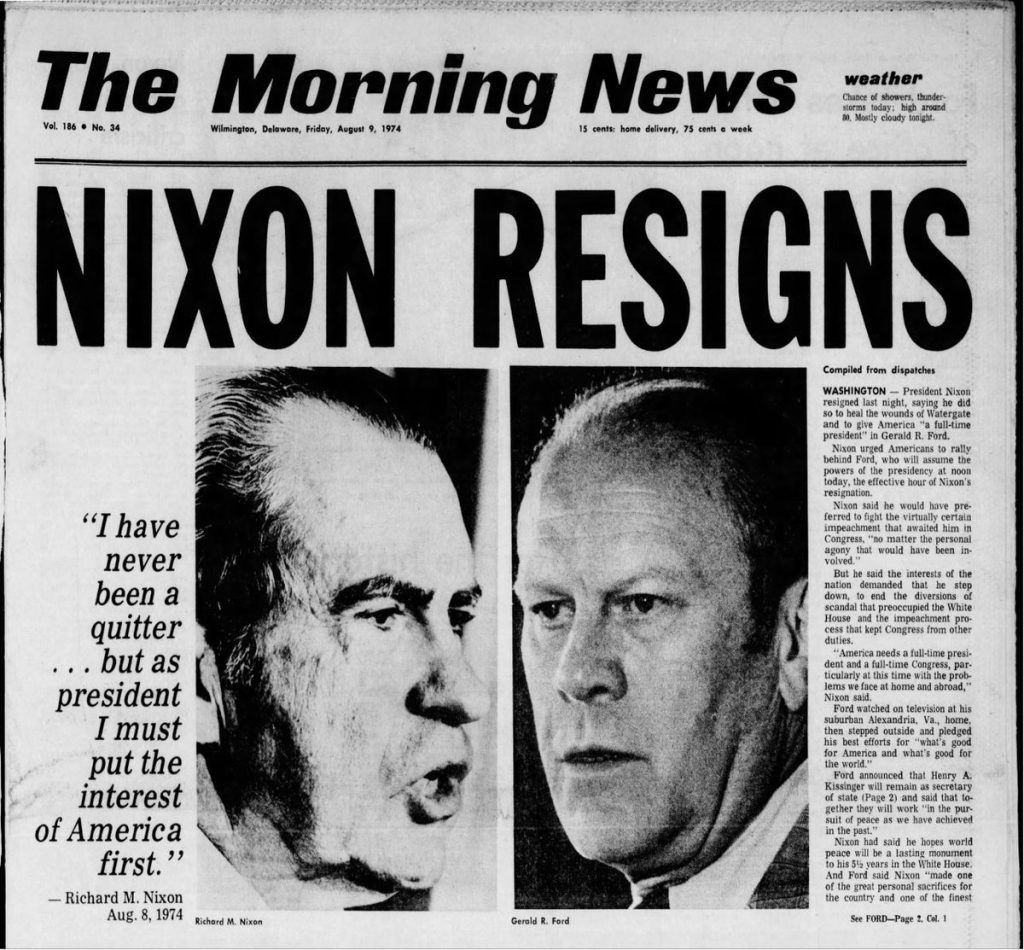
President Richard Nixon spent months denying any knowledge of the break-in at the Democratic National Committee headquarters. His claims were dismantled when tape recordings revealed he had actively participated in a cover-up of the crime. This deception led to his resignation, the first and only in United States presidential history.
The Cardiff Giant
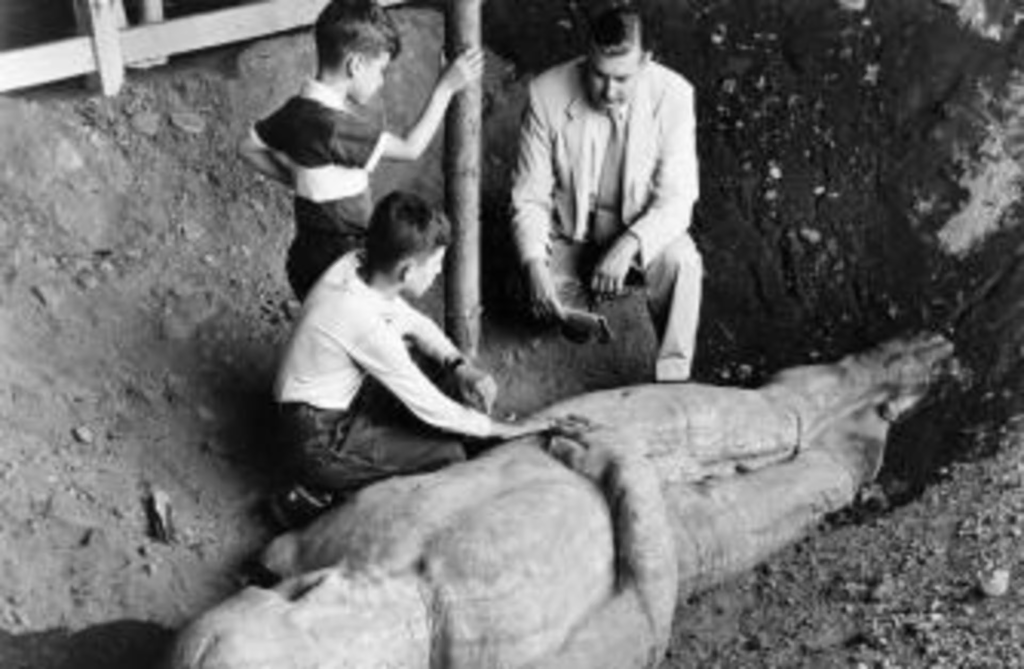
In 1869, workers in New York discovered a ten-foot tall stone man buried in a field. George Hull had commissioned the statue and buried it as a prank to mock a local minister who believed in literal giants. Many people paid to see the fossilized giant before it was eventually revealed as a carved gypsum figure.
Lance Armstrong
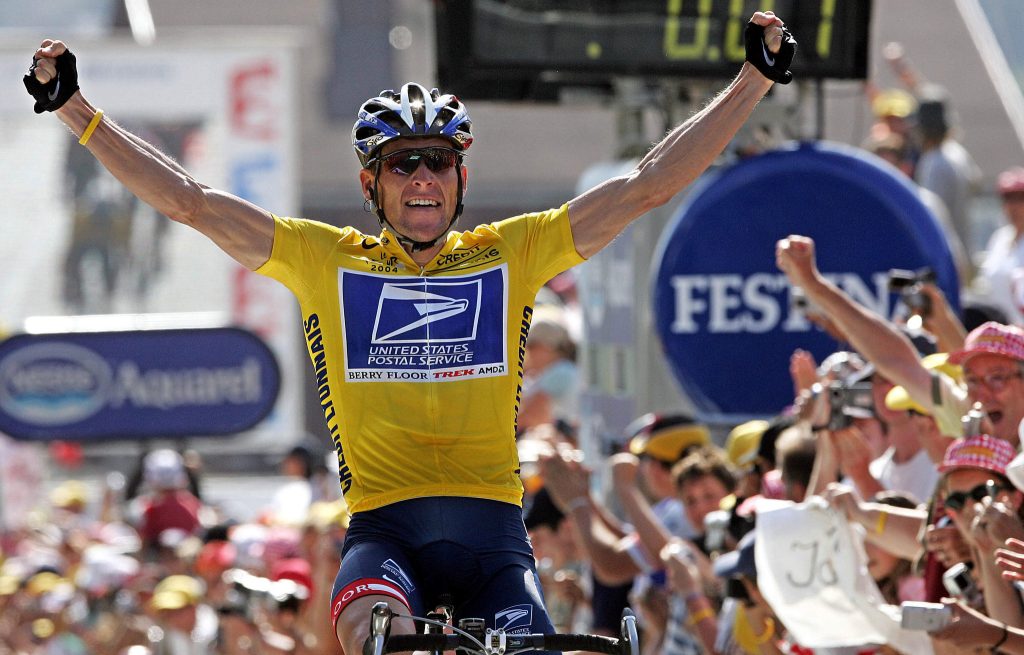
The cyclist won seven consecutive Tour de France titles while vehemently denying all allegations of using performance-enhancing drugs. For years, he aggressively defended his reputation and even sued those who accused him of cheating. In 2013, he finally admitted to systematic doping throughout his legendary career.
The Donation Of Constantine
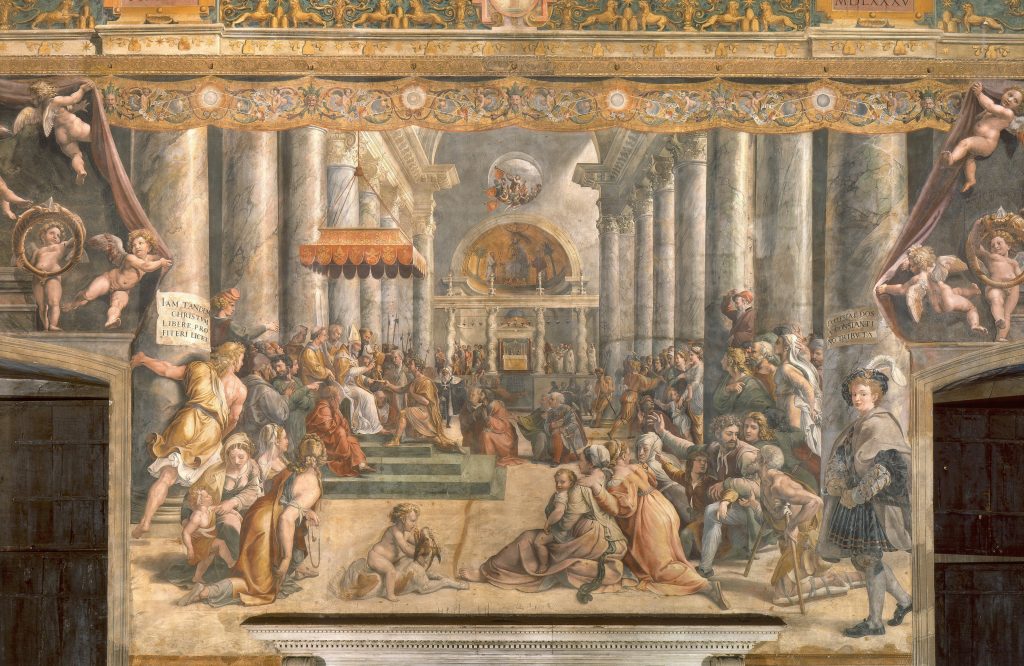
This forged Roman imperial decree was used for centuries to support the Catholic Church’s claims to vast territories in Western Europe. It purported to be a gift from Emperor Constantine I to Pope Sylvester I and his successors. Scholars in the 15th century used linguistic analysis to prove the document was a later forgery.
The Clifford Irving Autobiography
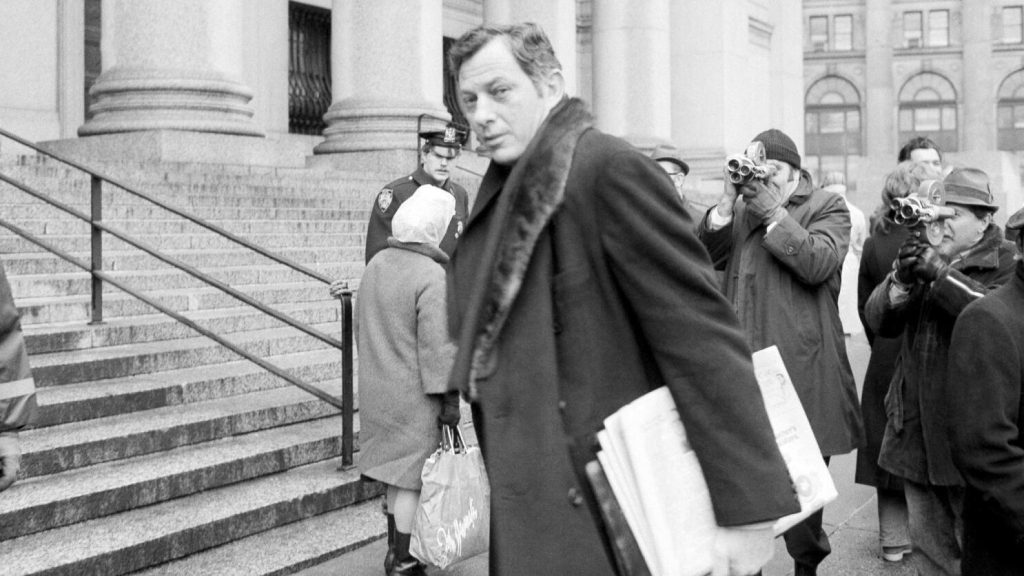
Clifford Irving convinced a major publisher that he had the permission of reclusive billionaire Howard Hughes to write his authorized autobiography. He forged letters from Hughes to secure a massive advance and create media hype. The hoax fell apart when Hughes himself emerged from seclusion to denounce Irving’s claims in a televised conference.
War Of The Worlds Radio Broadcast
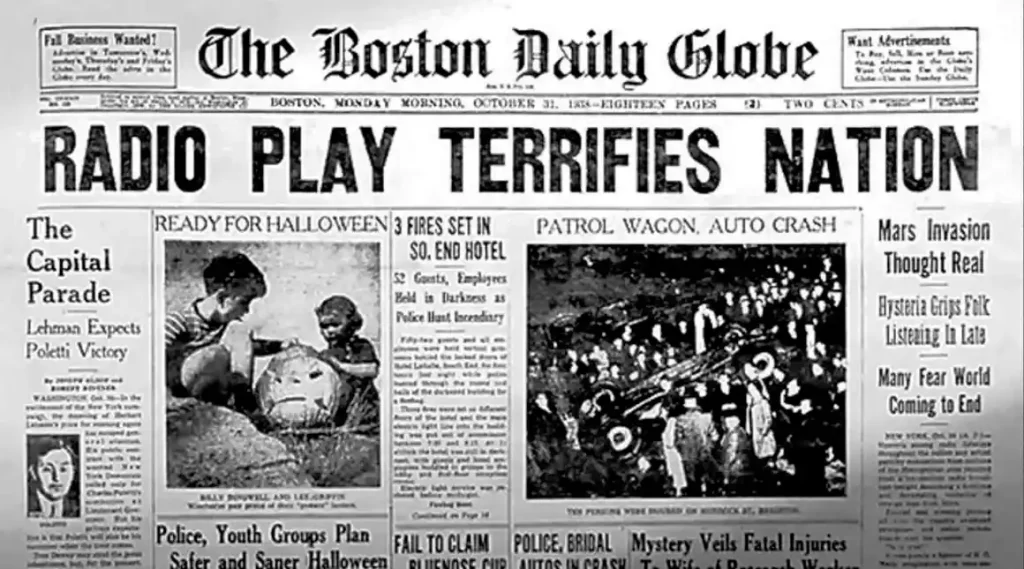
In 1938, Orson Welles directed a radio adaptation of “War of the Worlds” that utilized fake news bulletins to describe a Martian invasion. Many listeners who tuned in late did not realize the program was fictional and believed a real attack was occurring. Reports of widespread national panic followed, although modern historians suggest the scale of the chaos may have been exaggerated.
Bernie Madoff
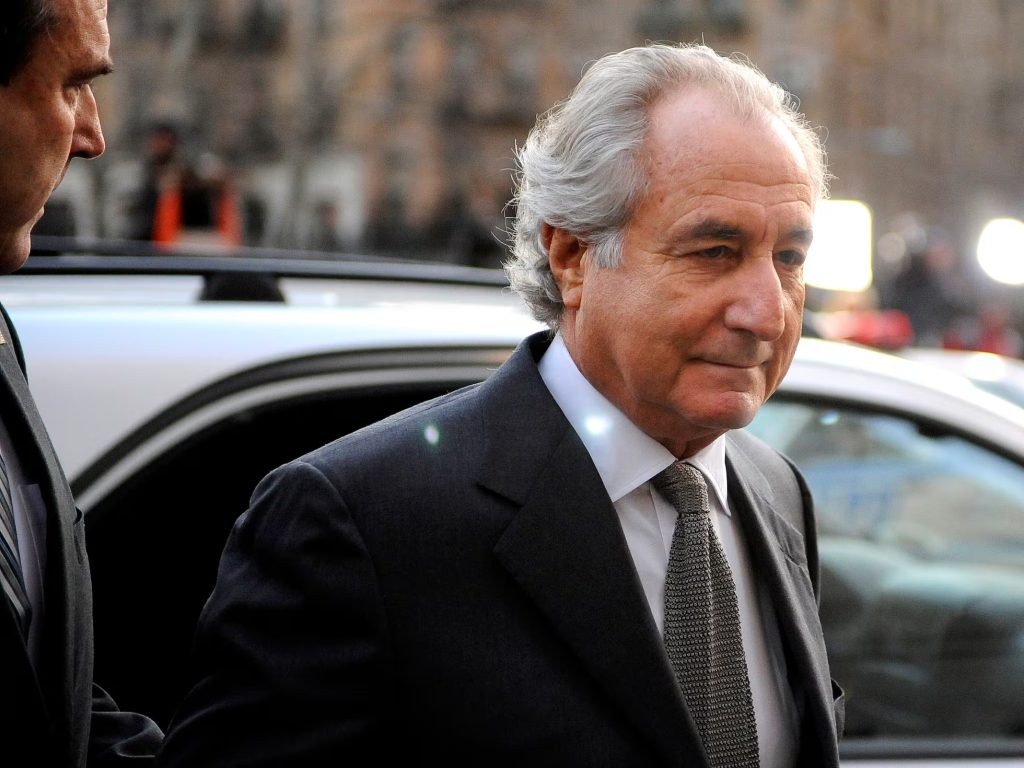
Madoff operated the largest Ponzi scheme in history, defrauding thousands of investors out of an estimated sixty-five billion dollars. He maintained the illusion of high returns by using funds from new investors to pay off older ones. His deception lasted for decades until the 2008 financial crisis made it impossible to sustain the payments.
The Great Moon Hoax
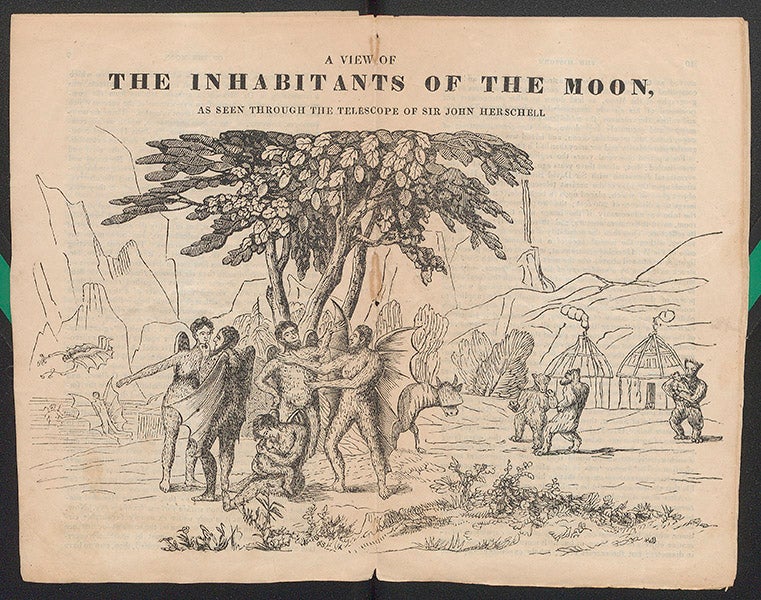
A series of articles published in a New York newspaper in 1835 claimed that a famous astronomer had discovered life on the moon. The stories described winged humanoids, blue goats, and unicorns living in lunar forests. Circulation for the newspaper exploded before the editors finally admitted the entire series was a fabrication.
Anna Anderson

For decades, Anna Anderson claimed to be Grand Duchess Anastasia, the youngest daughter of the last Russian Tsar. She convinced many people, including some members of the Russian nobility, that she had survived the family’s execution. DNA testing performed after her death eventually proved she was an impostor from Poland.
The Loch Ness Monster Photo
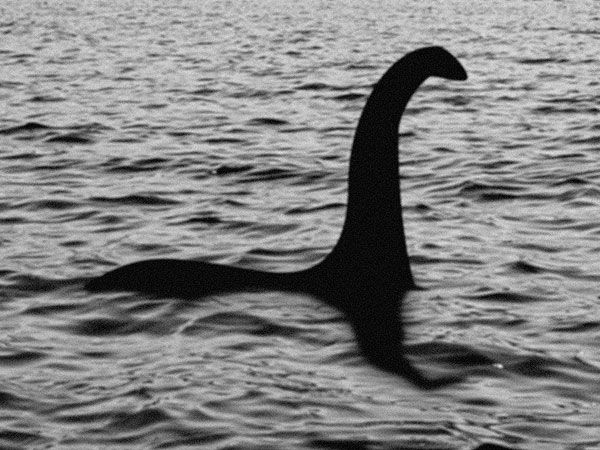
The most famous image of the Loch Ness Monster, known as the surgeon’s photograph, appeared to show a long-necked creature in the water. It was not until 1994 that one of the participants confessed the photo was a hoax. The monster was actually a toy submarine fitted with a sculpted head and neck.
Charles Ponzi
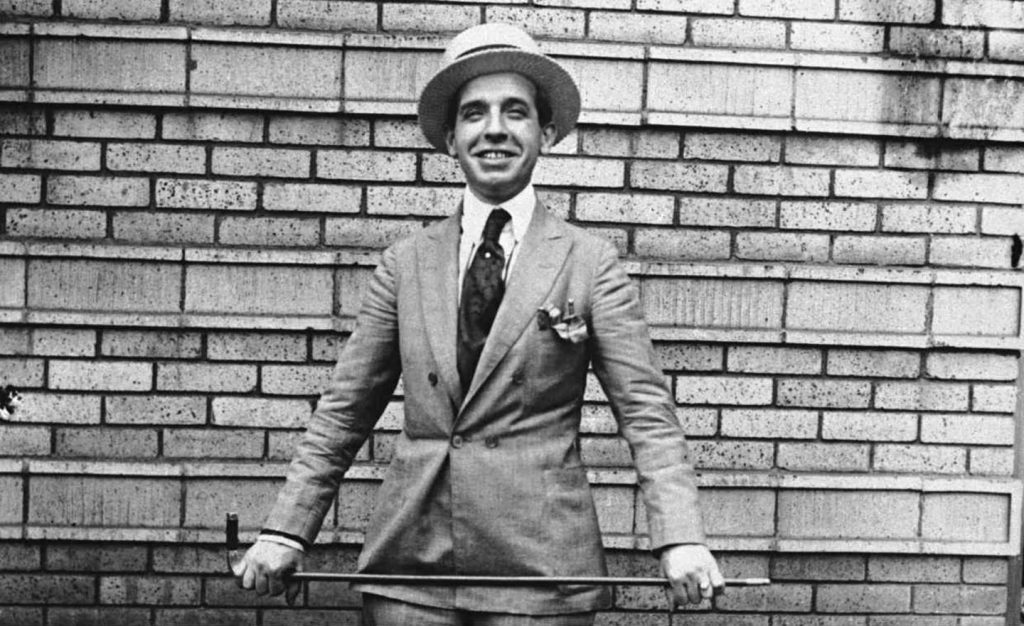
In the 1920s, Charles Ponzi promised investors massive returns through the international trade of postal reply coupons. He was actually paying early investors with the capital of newer ones, creating a cycle of debt that eventually collapsed. His name is now synonymous with the specific type of fraudulent investment scheme he popularized.
The Turk
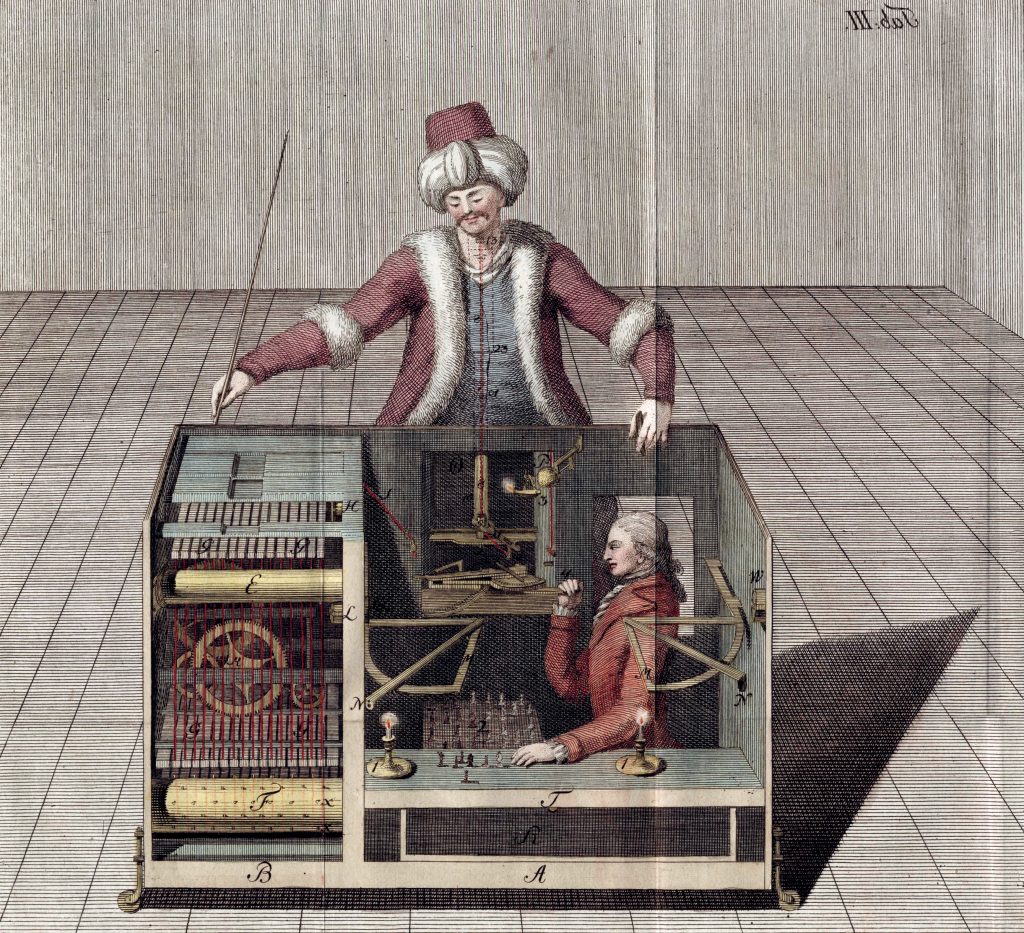
This 18th-century machine was presented as an automaton capable of playing high-level chess against human opponents. It toured the world for years and even defeated famous figures like Napoleon Bonaparte and Benjamin Franklin. In reality, a skilled human chess master was hidden inside the cabinet to operate the mechanical arm.
Bill Belichick And Spygate

The New England Patriots were penalized after it was discovered they had been videotaping the defensive signals of opposing teams. Coach Bill Belichick was fined a record amount for his role in the scheme, which violated NFL rules on fair play. The incident created a long-lasting debate regarding the integrity of the team’s championship titles.
Van Meegeren Forgeries
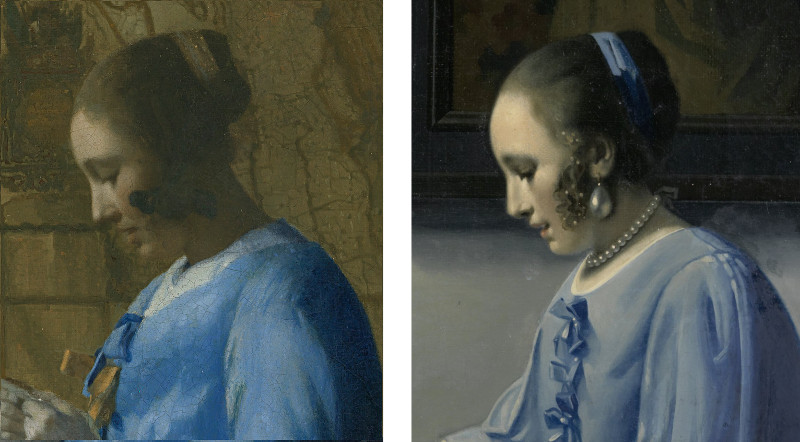
Han van Meegeren painted original works in the style of 17th-century master Johannes Vermeer and sold them as newly discovered masterpieces. He even sold a fake to Nazi leader Hermann Göring during World War II to protect himself from charges of selling national treasures. He eventually confessed to the forgeries during his own trial to avoid a harsher sentence for collaboration.
San Serriffe
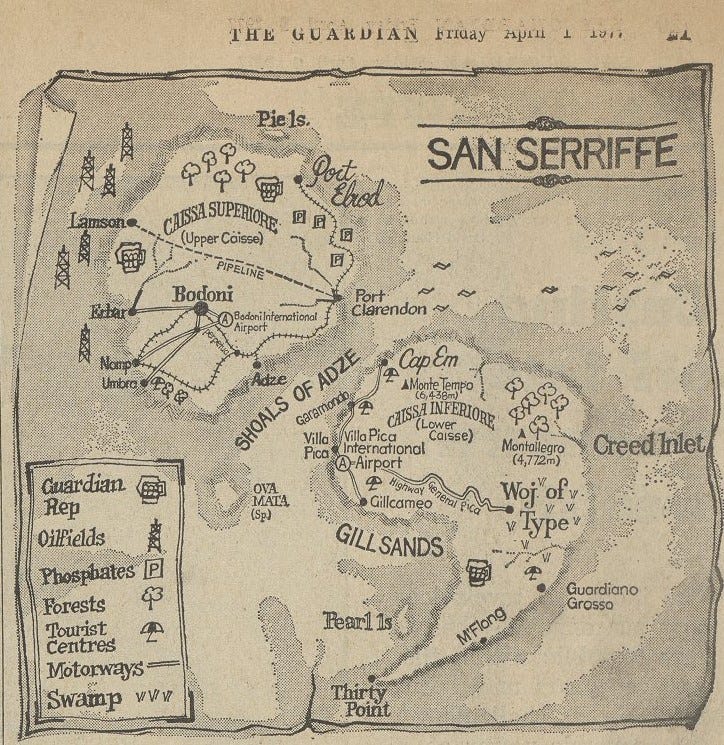
The Guardian newspaper published a detailed seven-page supplement in 1977 describing a fictional island nation called San Serriffe. Every feature of the island was named after a printing or typography term, such as its capital, Bodoni. Many readers did not notice the linguistic puns and spent days trying to book holidays to the non-existent destination.
Princess Caraboo
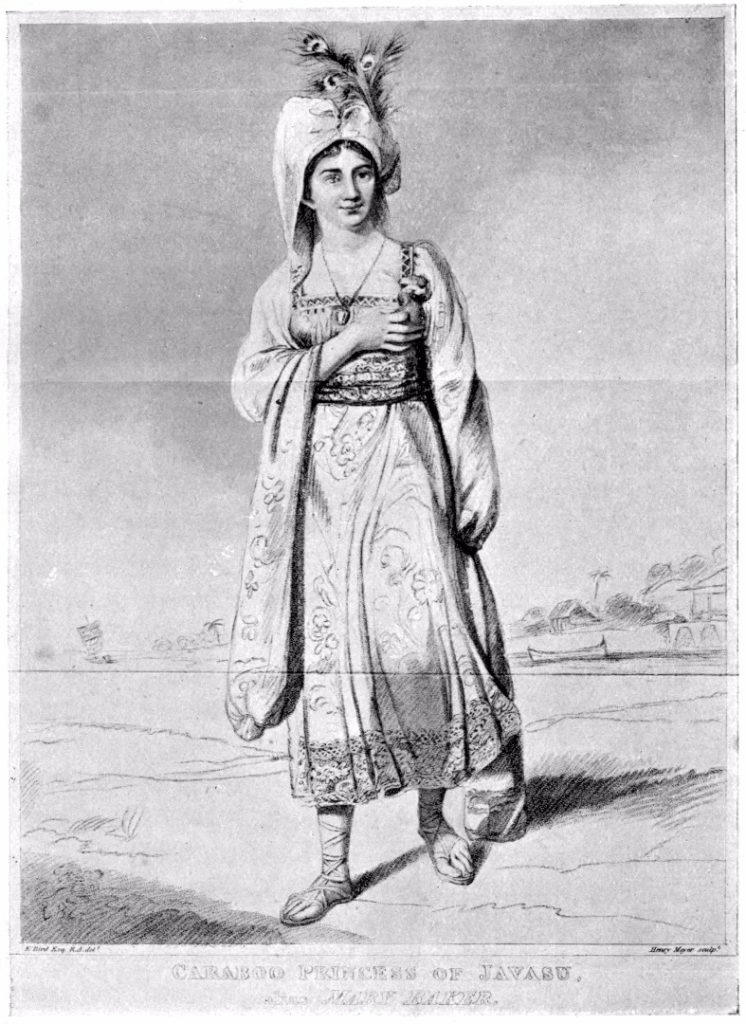
In 1817, a woman appeared in a British village wearing exotic clothing and speaking a language no one could understand. She claimed to be a princess from an island in the East Indies who had escaped from pirates. A local woman eventually recognized her as Mary Willcocks, a cobbler’s daughter who had invented the persona to gain social status.
Frank Abagnale
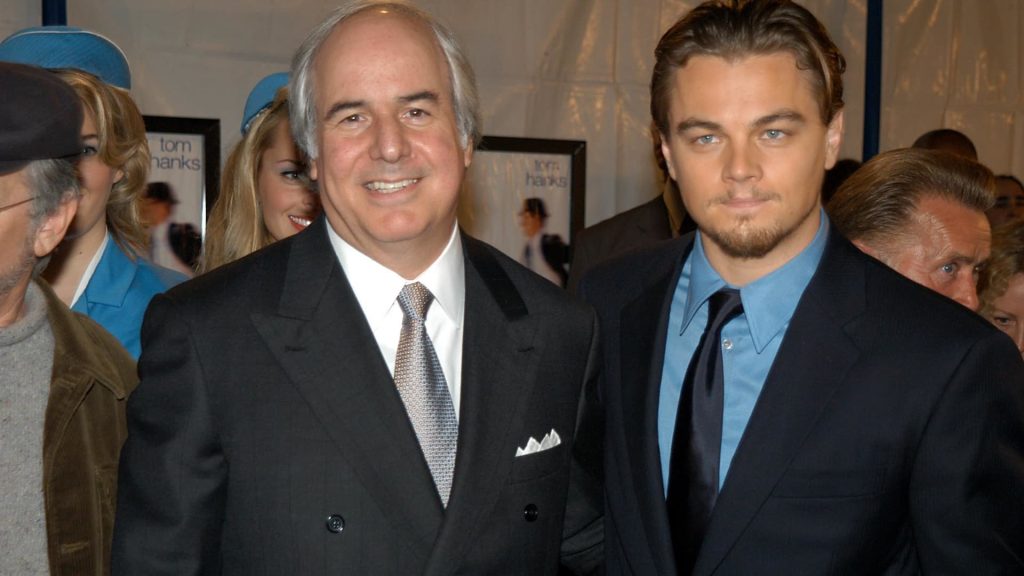
Frank Abagnale became famous for his claims of successfully impersonating a pilot, a doctor, and a lawyer while cashing millions in fake checks. His story was later turned into the film “Catch Me If You Can” starring Leonardo DiCaprio. Recent investigations suggest that many of his most daring exploits may have been embellished or fabricated by Abagnale himself.
Alien Autopsy Footage
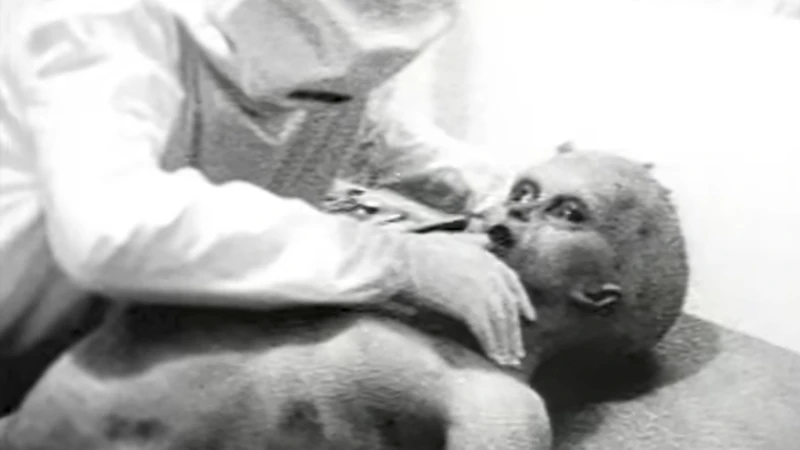
In 1995, a film was released that supposedly showed a secret medical procedure performed on an extraterrestrial recovered from a crash in Roswell. The grainy black-and-white footage caused a worldwide sensation and was broadcast on television in dozens of countries. Years later, the producer admitted the film was a staged recreation using special effects and animal organs.
Benedict Arnold
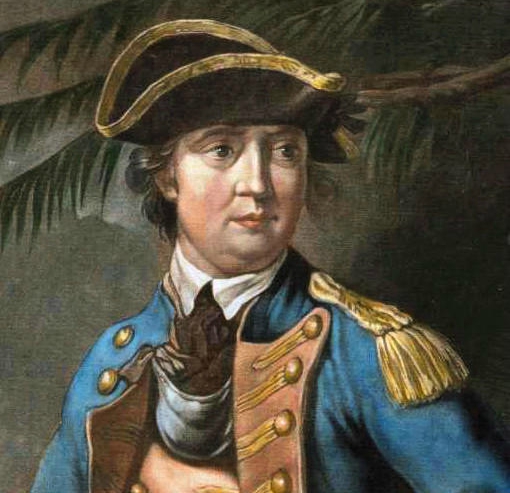
During the American Revolutionary War, Benedict Arnold was a respected general who secretly plotted to surrender the fort at West Point to the British. His plan was discovered when his contact, a British major, was captured with incriminating papers hidden in his boot. This betrayal made Arnold’s name synonymous with treason in American culture.
Cottingley Fairies
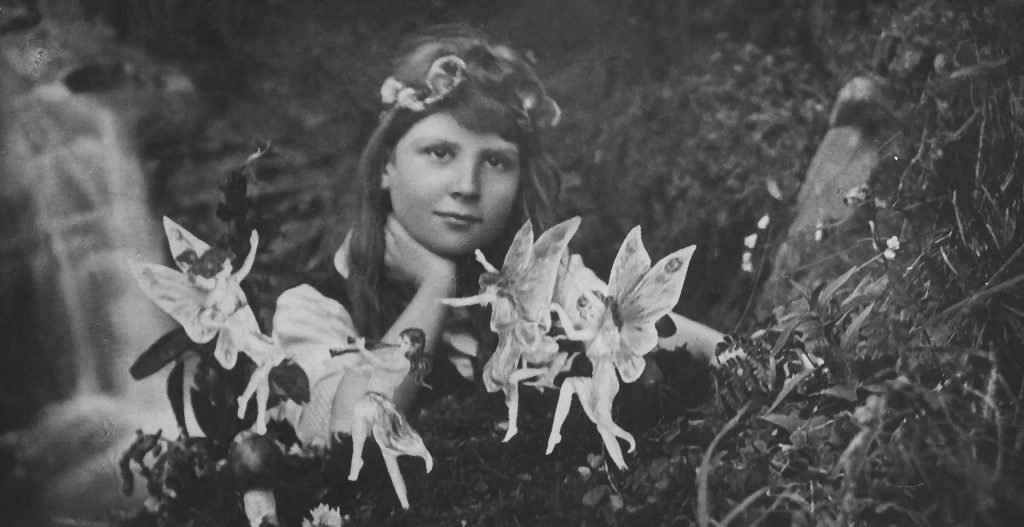
Two young cousins took a series of photographs that appeared to show them playing with tiny, winged fairies in their garden. The images were so convincing that Sir Arthur Conan Doyle, the creator of Sherlock Holmes, championed them as evidence of the supernatural. The girls did not admit until their old age that the fairies were actually cardboard cutouts held up by hatpins.
Tonya Harding

Following an attack on her rival Nancy Kerrigan, figure skater Tonya Harding initially denied any involvement in the plot. She claimed to be a victim of circumstance while the public expressed sympathy for her difficult upbringing. Investigation later revealed that her ex-husband and bodyguard had planned the assault with her knowledge to eliminate her competition.
The Trojan Horse
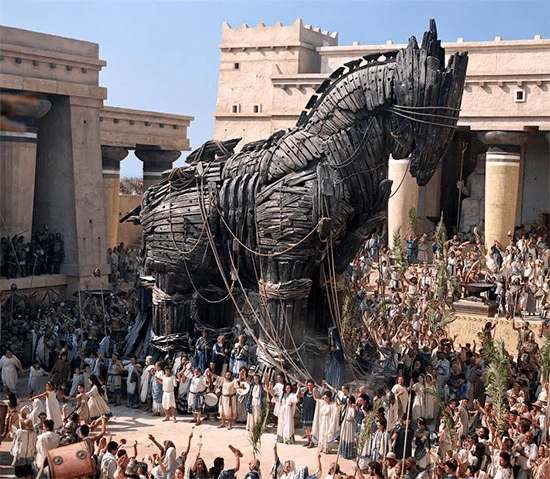
According to legend, the Greeks faked a retreat from the city of Troy and left behind a massive wooden horse as a peace offering. When the Trojans pulled the structure inside their walls, hidden soldiers emerged at night to open the gates for the returning Greek army. This action is often cited as the most famous military deception in historical literature.
Mary Toft
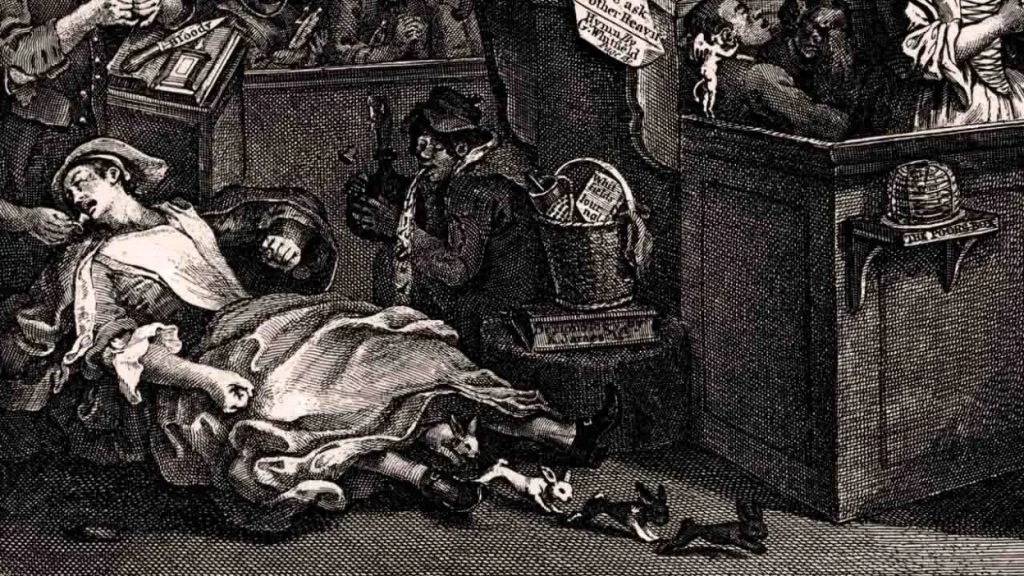
In 1726, an English woman named Mary Toft convinced several prominent physicians that she had given birth to multiple rabbits. King George I even sent his own doctors to investigate the medical miracle that seemed to defy the laws of nature. The hoax was finally uncovered when a servant was caught trying to smuggle a rabbit into her room to continue the deception.