History is full of stories that sound convincing but quietly fall apart once historians dig into the evidence. In classrooms, documentaries and trivia nights, certain tales get repeated so often that they start to feel untouchable. This article gathers 30 widely shared “facts” that researchers have since proven wrong, or at least seriously misleading. From royal one liners that were never spoken to monuments and empires that were not quite what we were told, these corrected stories show how much our picture of the past keeps evolving.
Cleopatra Was An Egyptian Pharaoh In The Traditional Sense
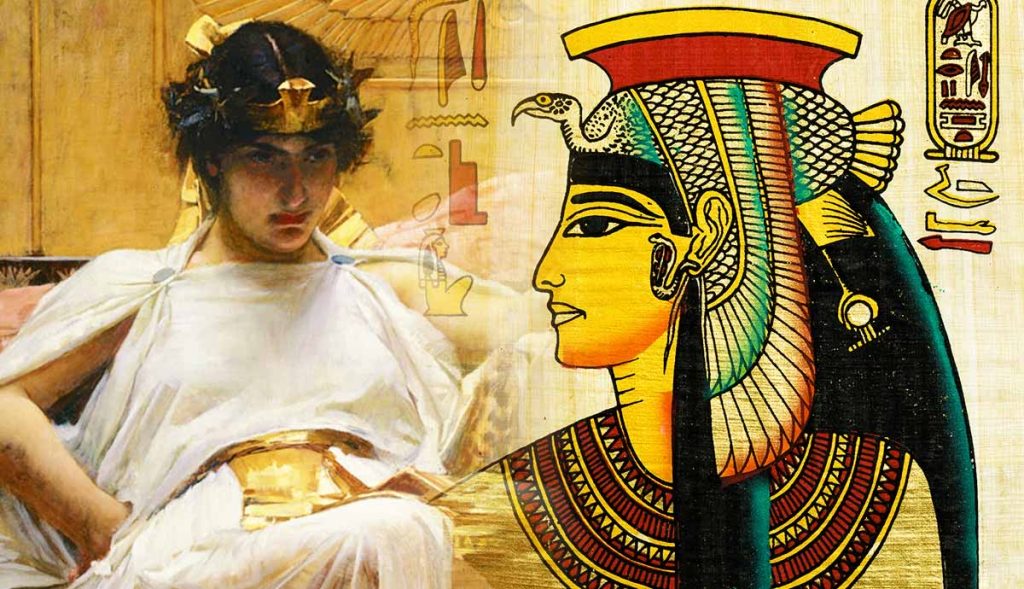
Cleopatra ruled Egypt, but she belonged to the Ptolemaic dynasty, a Macedonian Greek family that took control after the conquests of Alexander the Great. She was ethnically Greek and grew up speaking Greek, only later learning Egyptian as a political and cultural choice. Modern portrayals often fold her into the line of ancient pharaohs, yet her dynasty was a foreign elite that adopted Egyptian symbols to shore up its rule. Calling her a classic Egyptian pharaoh blurs the difference between the land she ruled and the dynasty that actually held power.
Gladiator Fights Always Ended In Death
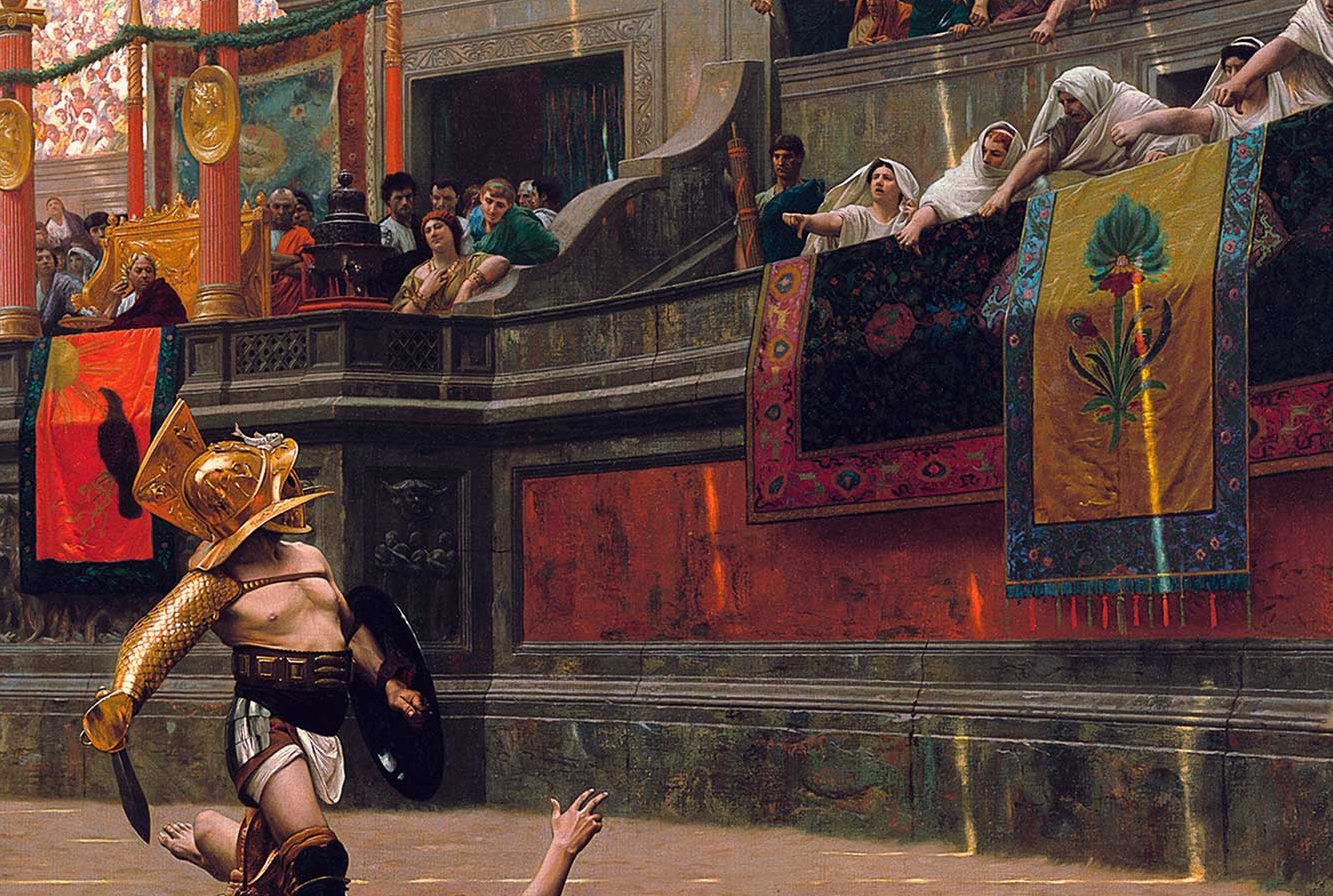
Films and novels often show Roman gladiators locked in duels that can only end when someone dies on the sand. Surviving evidence suggests that death in the arena was much less common than pop culture implies, partly because trained fighters were expensive investments. Promoters and sponsors wanted to entertain crowds, not waste money by killing their stars every night. Many bouts ended when one fighter yielded and the crowd or sponsor decided whether mercy or execution made for the better show.
Christopher Columbus Discovered America
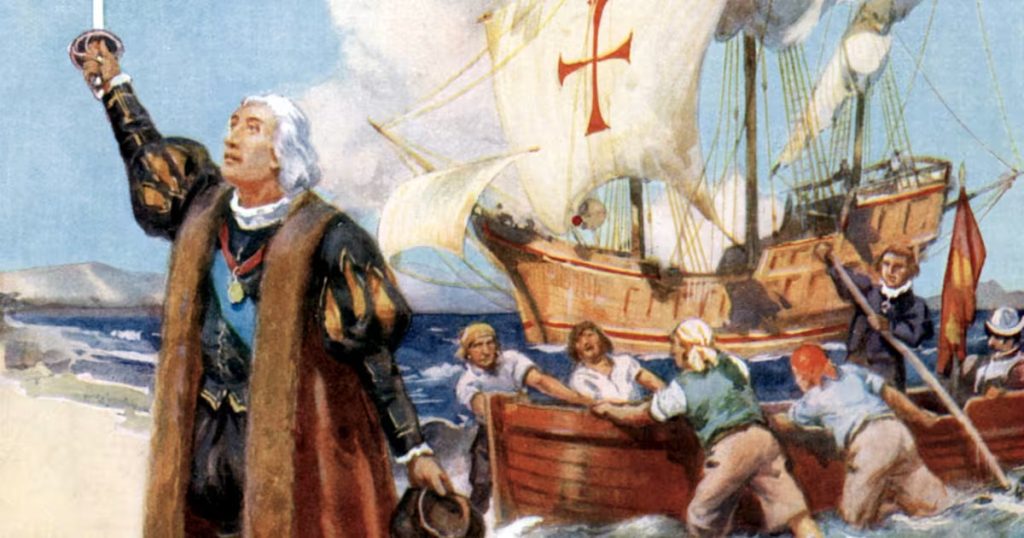
For generations, school lessons treated Christopher Columbus as the man who discovered an unknown continent. In reality, millions of Indigenous people already lived across the Americas, and Norse explorer Leif Erikson reached what is now Canada centuries earlier. Archaeological work at L’Anse aux Meadows in Newfoundland confirms a Viking settlement there around the year 1000. Columbus remains important because his voyages opened the door to sustained European colonization, not because he was the first to find the land.
Medieval Europeans Believed The Earth Was Flat Until Columbus
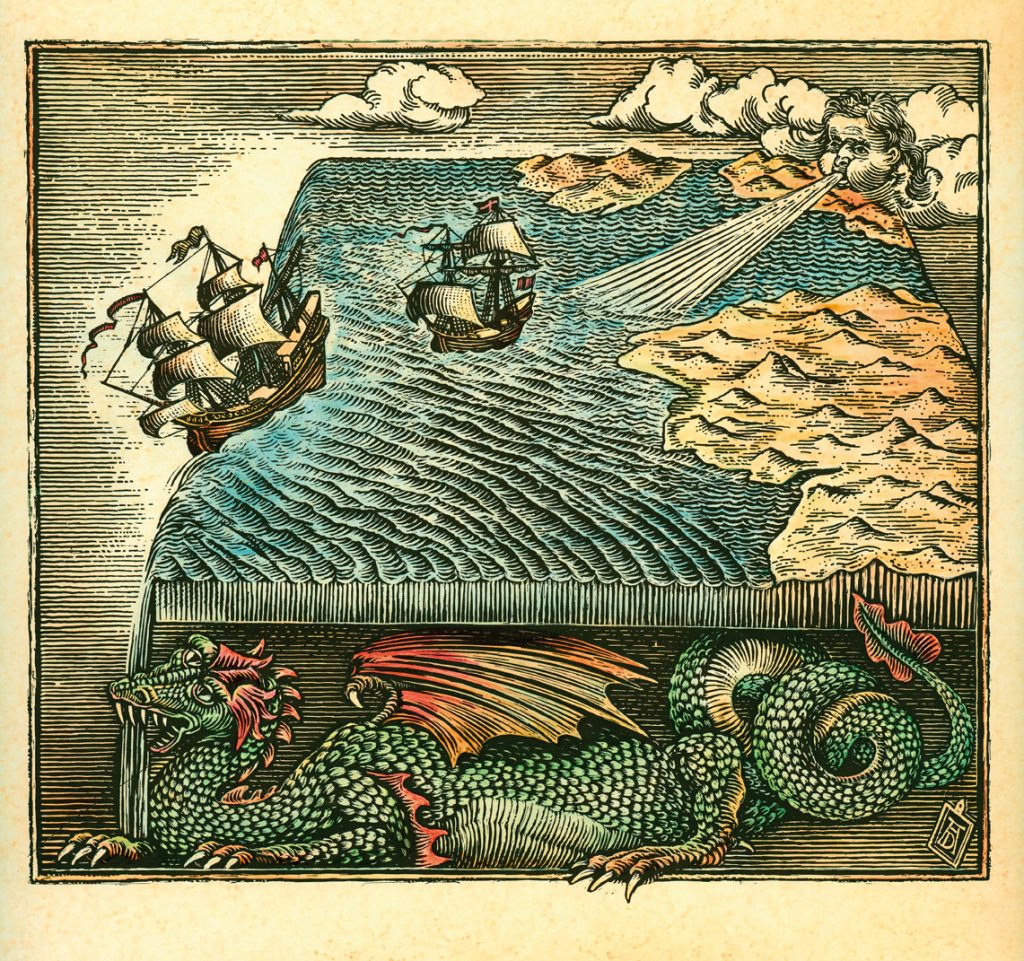
A popular story says that people in the Middle Ages thought ships would fall off the edge of a flat Earth, and that explorers like Columbus sailed to prove it was round. Historians point out that educated writers in Europe had accepted a spherical Earth since antiquity, drawing on Greek thinkers who even estimated its size. Medieval maps and globes reflect this knowledge, showing the world as a sphere long before 1492. The real debates were about distance and geography, not about whether the planet had an edge.
George Washington Had Wooden Teeth
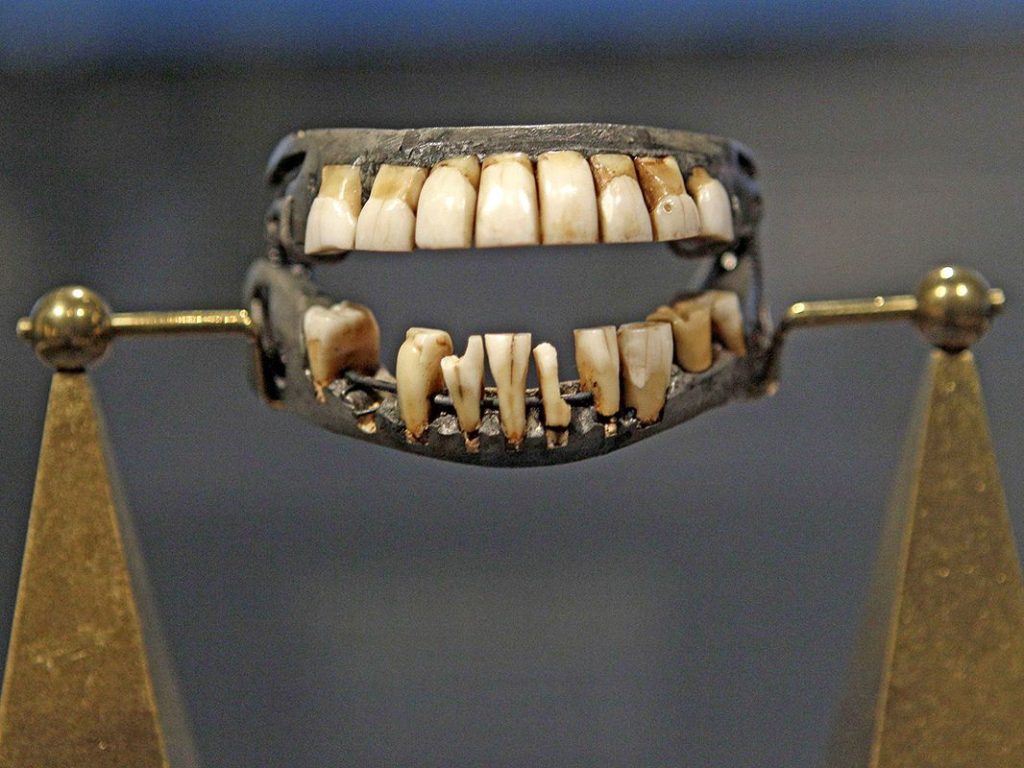
Early U.S. president George Washington struggled with severe dental problems, and he wore several sets of dentures over his lifetime. None of the surviving sets are made of wood, despite the famous story that he wore wooden teeth. His dentures were built from materials such as ivory, metal and animal teeth, which could stain and crack in ways that looked rough and brown to observers. Over time, the distressed appearance of these materials likely fed the wooden teeth legend.
John F. Kennedy Accidentally Called Himself A Jelly Donut In Berlin
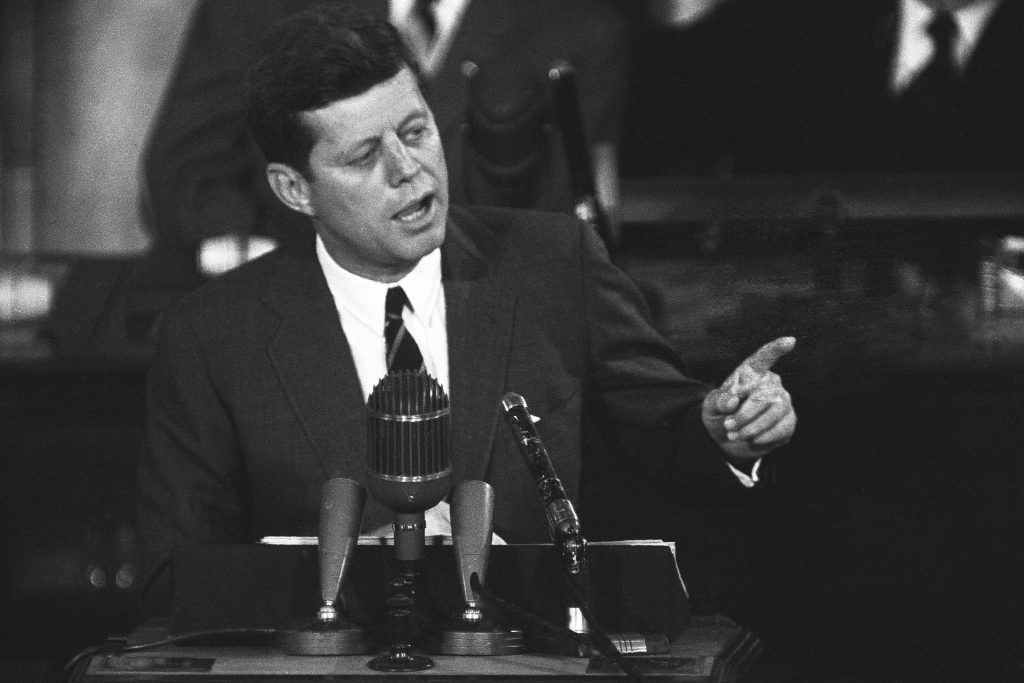
In 1963, U.S. President John F. Kennedy stood before a crowd in West Berlin and declared “Ich bin ein Berliner” in support of the city. A long running anecdote claims that by adding the word “ein” he actually told the crowd “I am a jelly donut,” since a type of pastry is called a Berliner in German. Linguists and historians note that his phrasing was grammatically acceptable, and that residents did not hear it as a food joke. At the time in Berlin, the pastry was not typically called a Berliner anyway, so the double meaning falls apart under closer inspection.
The Great Wall Of China Is Clearly Visible From Space With The Naked Eye
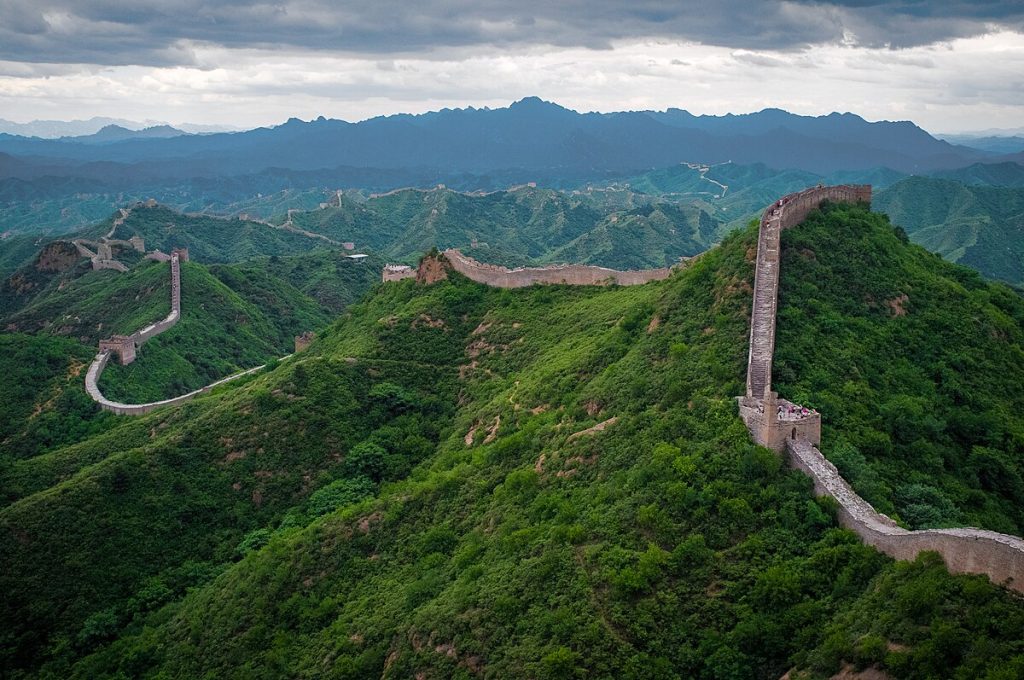
Textbooks and trivia books often repeat the claim that the Great Wall of China is the only human made structure visible from space. Astronaut accounts and space agency photos show that this is not true. The wall is relatively narrow and tends to blend into the natural landscape, so it is hard to pick out without optical aid, while other large constructions such as cities, reservoirs and huge bridges are easier to see. The idea survives mostly because it sounds like a neat way to express the wall’s scale, not because it matches what astronauts actually report.
The Pilgrims Invented Thanksgiving With A Single 1621 Feast
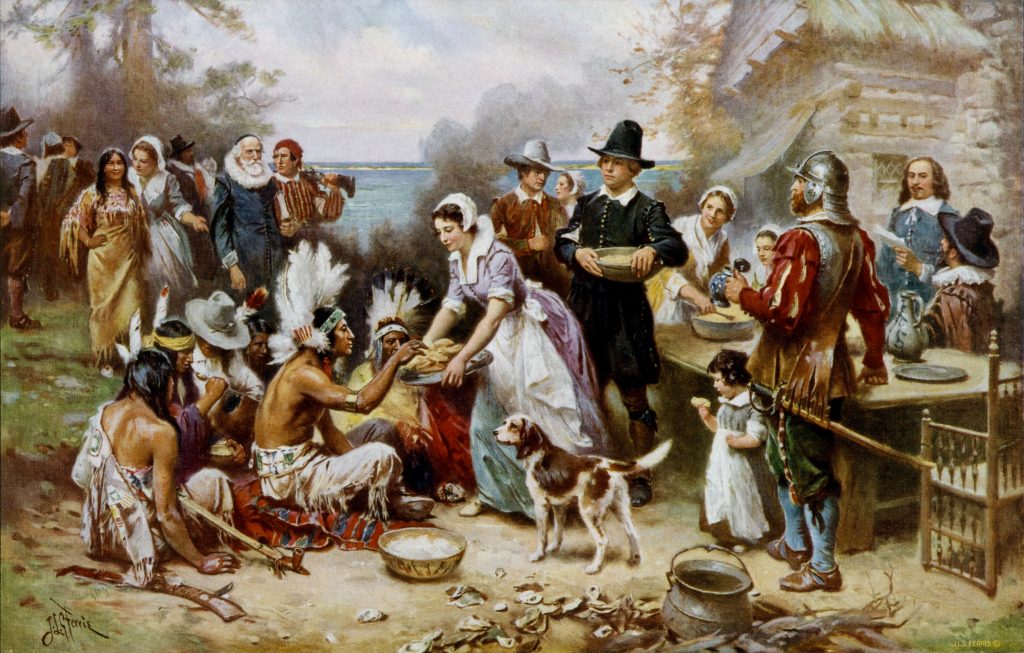
Stories about the first Thanksgiving focus on a 1621 harvest meal in Plymouth shared by English settlers and members of the Wampanoag Nation. Historians point out that colonists held many religious days of thanks, and that similar ceremonies took place earlier in places such as Spanish Florida. It is not even clear that the 1621 event happened exactly as legend describes or that turkey dominated the table. The modern U.S. holiday was officially fixed centuries later and built from a mix of regional traditions and political decisions.
The 1918 Spanish Flu Pandemic Started In Spain
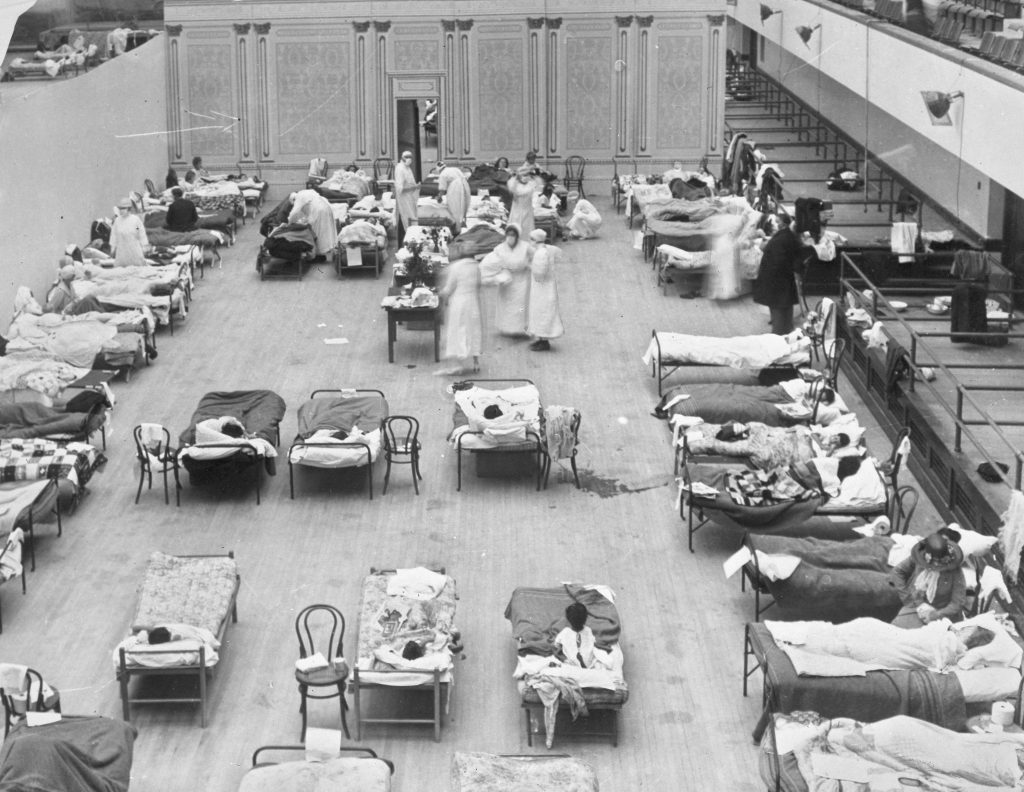
The deadly influenza outbreak of 1918 is widely known as the Spanish Flu, which makes it sound like the virus emerged in Spain. Researchers now think the label has more to do with wartime censorship than with origin. Neutral Spain reported on the outbreak more openly than combatant nations, so early news accounts made the country appear to be the center of the crisis. Studies of early cases point instead to other locations, with one influential analysis arguing that rural Kansas in the United States was a likely starting point.
Napoleon Was Remarkably Short For His Time
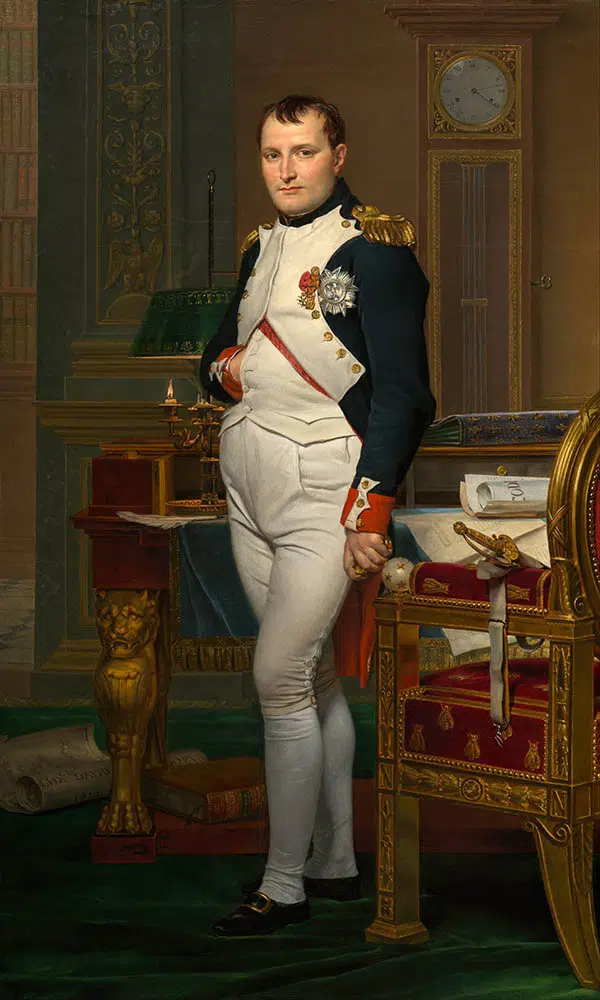
Cartoons and insults have long painted Napoleon Bonaparte as a tiny commander with a towering ego, giving rise to phrases like “Napoleon complex.” Confusion over French and British units once led some readers to misread his height, and British caricaturists loved to draw him as much smaller than his rivals. Modern historians place him around five foot seven in modern measurements, roughly average or slightly above average for French men of his era. The image of an unusually short emperor turns out to be a political joke that outlived its context.
Jewish Slaves Built The Egyptian Pyramids
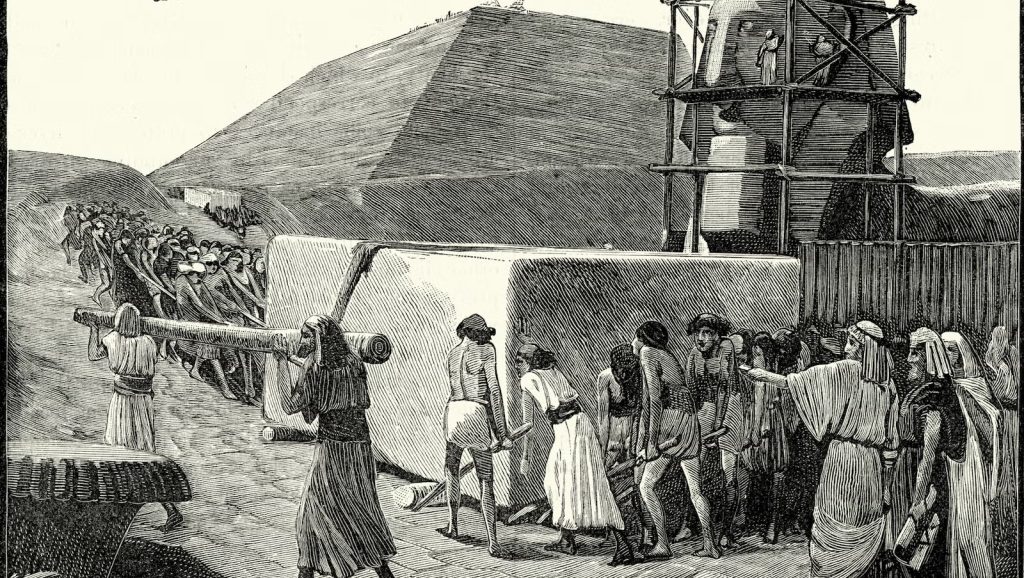
A persistent story links the construction of the great pyramids at Giza to enslaved Israelites described in later religious texts. Archaeological discoveries at workers’ villages near the pyramids tell a different story, showing barracks style housing, organized work teams and burials with goods that indicate status. These clues suggest a labor force made up of paid Egyptians who worked in shifts on a royal project, not a camp of foreign slaves. The biblical narrative appears to have been retrofitted onto monuments that are much older than the events in question.
Britain Stood Completely Alone Against Nazi Germany In World War II
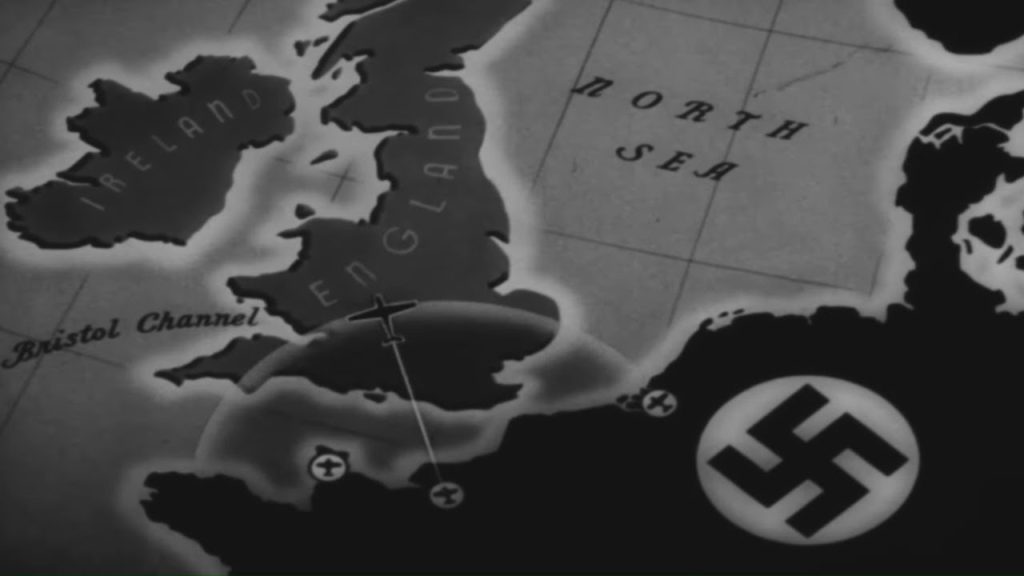
Wartime speeches and later films often frame 1940 Britain as a small island defying Nazi Germany single handedly. While the United Kingdom did face a grave threat after the fall of France, it also drew heavily on the wider British Empire. Troops, pilots and resources arrived from India, Canada, Australia, New Zealand, African territories and Caribbean colonies, among others. The story of a lonely David facing a continental Goliath ignores the global networks that fed Britain’s war effort.
Betsy Ross Single Handedly Designed The First American Flag
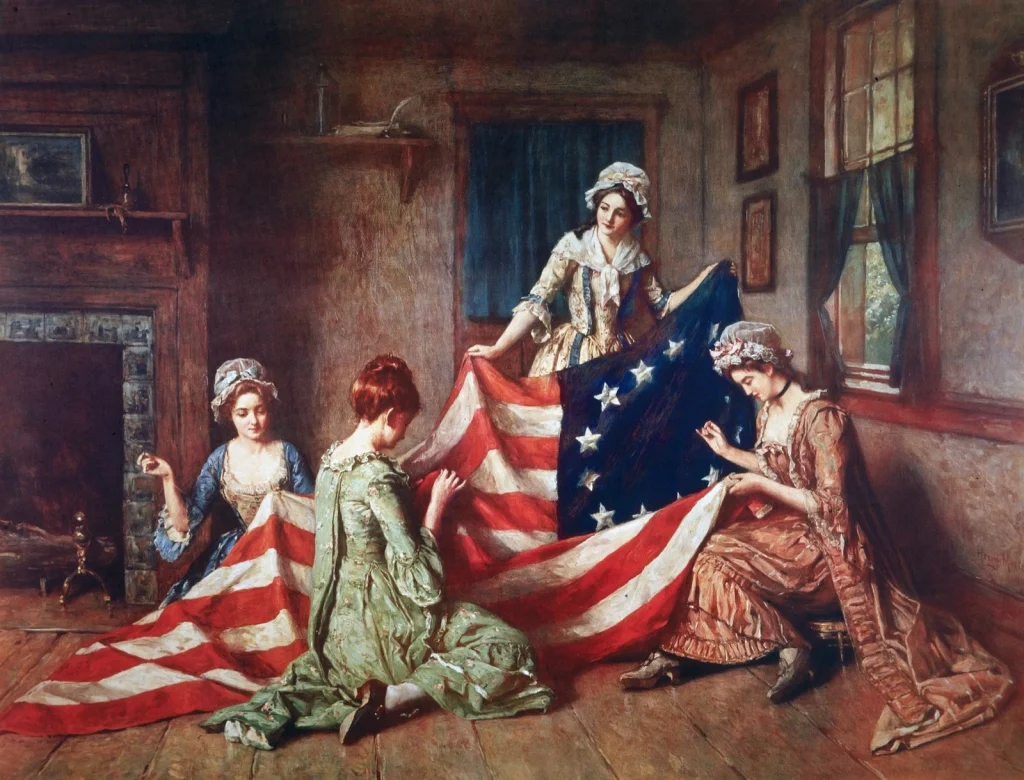
American folklore often credits Philadelphia seamstress Betsy Ross with designing and sewing the first U.S. flag at George Washington’s request. The story traces back to an 1870 talk by her grandson, who presented it as family tradition nearly a century after the Revolutionary War. Documentary evidence for Ross’s central role is thin, while records show that statesman Francis Hopkinson sought payment for his work on early U.S. flags. Today many historians treat the Ross tale as patriotic legend rather than firm fact.
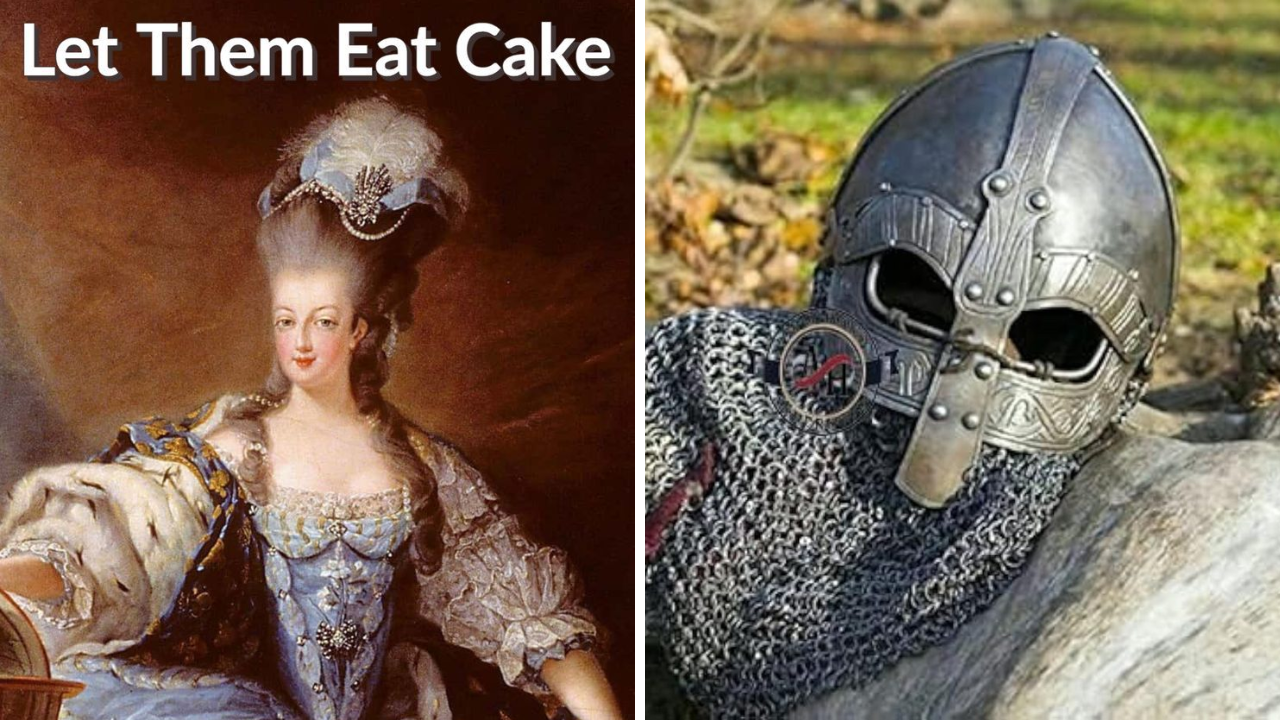
Marie Antoinette Dismissed The Poor With “Let Them Eat Cake”
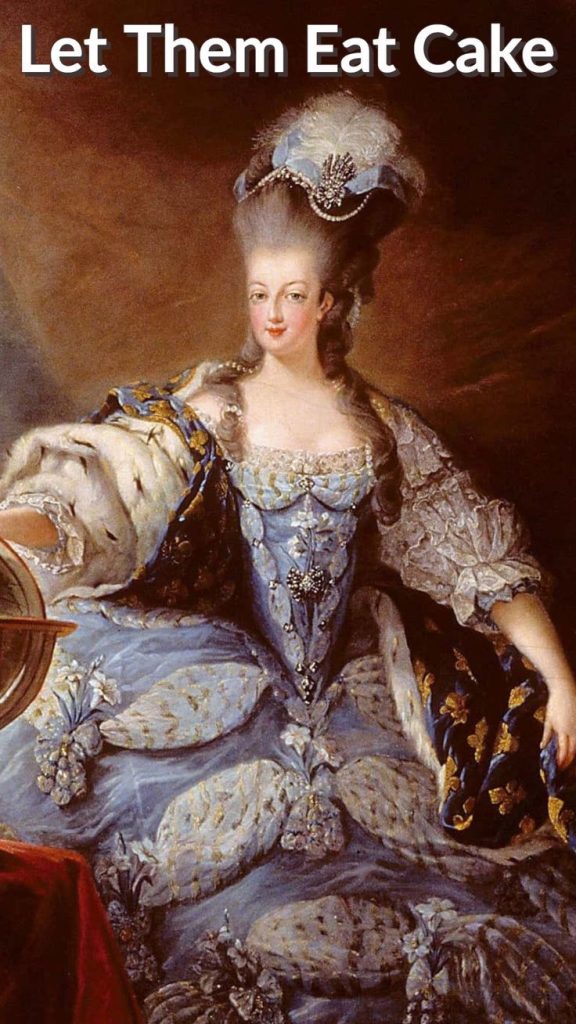
The phrase “let them eat cake” has become shorthand for elite indifference, and it is usually pinned on France’s last queen, Marie Antoinette. The line appears in the writings of philosopher Jean Jacques Rousseau, where he attributes it to an unnamed “great princess” in a passage written before Antoinette was even an adult. Later readers retroactively attached the quote to the unpopular queen, and the match stuck. Biographers find no reliable contemporary source connecting her to the remark.
Julius Caesar Was Emperor Of Rome
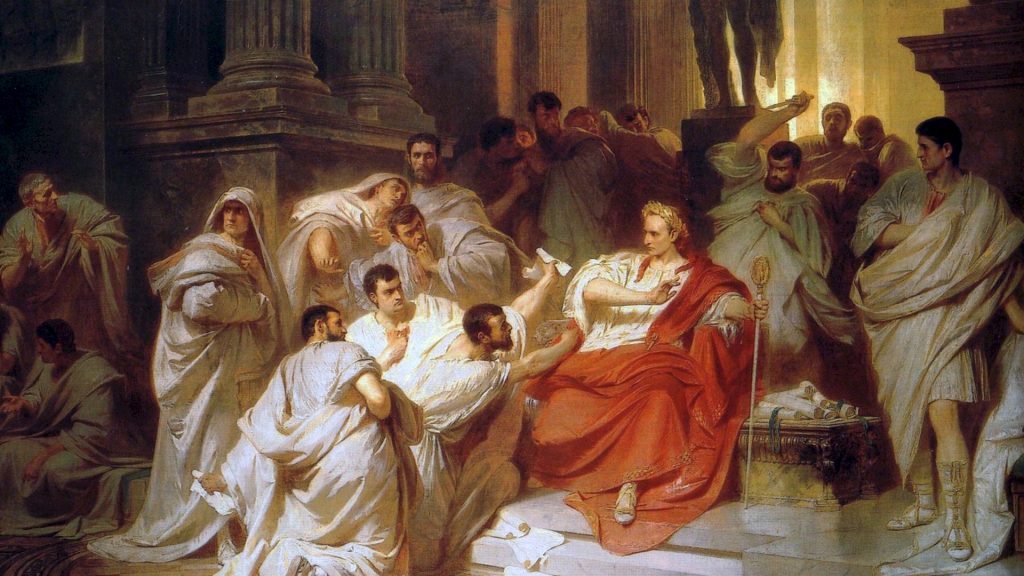
Modern language sometimes treats “Caesar” as synonymous with emperor, which encourages the idea that Julius Caesar held that title. In fact, he operated in the final years of the Roman Republic, stacking up offices and special commands until he was named dictator for life. His assassination in 44 BCE helped trigger civil wars that ended the republican system. It was his adopted heir, Augustus, who became Rome’s first emperor and reshaped the state around one-man rule.
Ferdinand Magellan Completed The First Trip Around The World
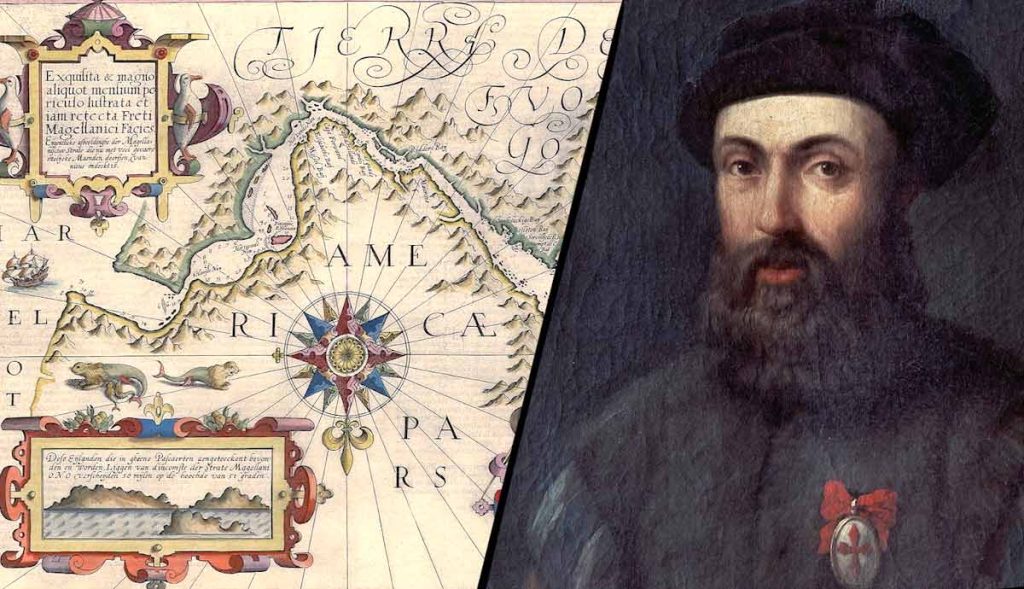
Textbook timelines often credit Portuguese navigator Ferdinand Magellan with the first circumnavigation of the globe. While his expedition did become the first to circle the planet, Magellan himself died in the Philippines before the journey was complete. The battered ship Victoria limped back to Spain with only a small fraction of the original crew, under the command of Juan Sebastián Elcano. Strictly speaking, it was Elcano and those surviving sailors who earned the title of first round the world voyagers.
Albert Einstein Failed Mathematics In School
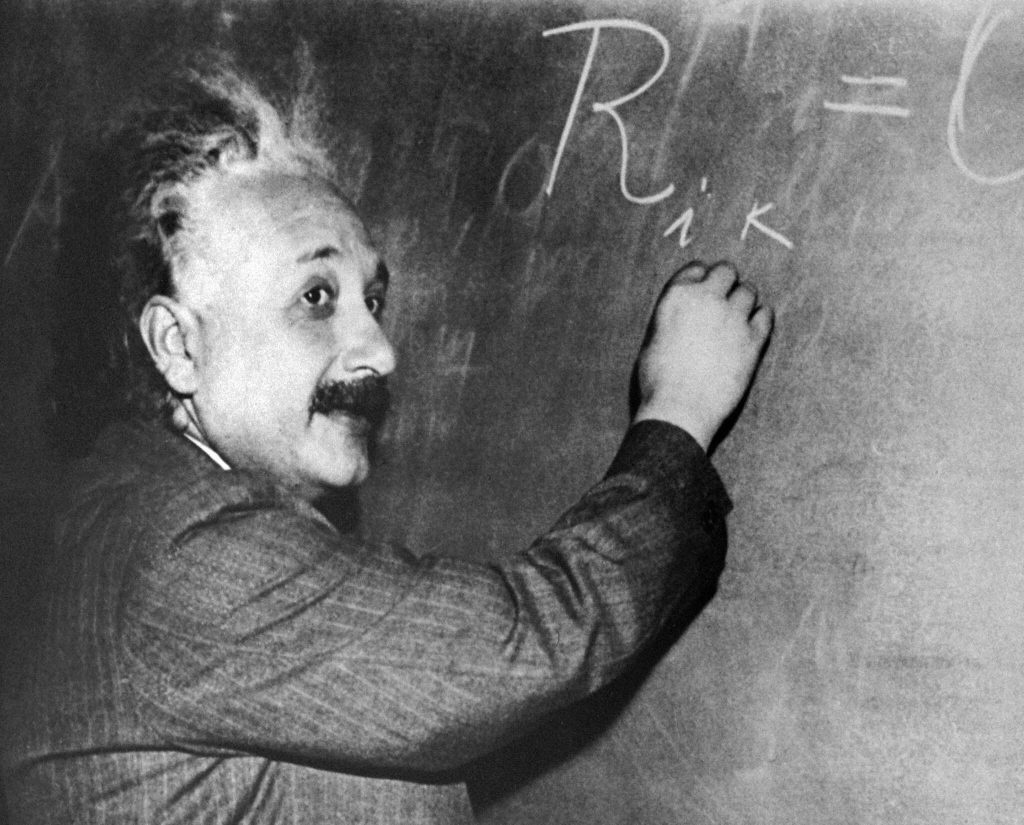
A comforting myth holds that Albert Einstein struggled through math classes, giving hope to anyone whose grades are less than stellar. School records and Einstein’s own comments show that the opposite was true. He mastered advanced topics such as calculus while still a teenager and scored highly in math and physics, even if he failed an early entrance exam because of weaker subjects like languages. The myth likely grew from later anecdotes and misunderstandings rather than from any genuine academic disaster.
Paul Revere Rode Through The Night Shouting “The British Are Coming”
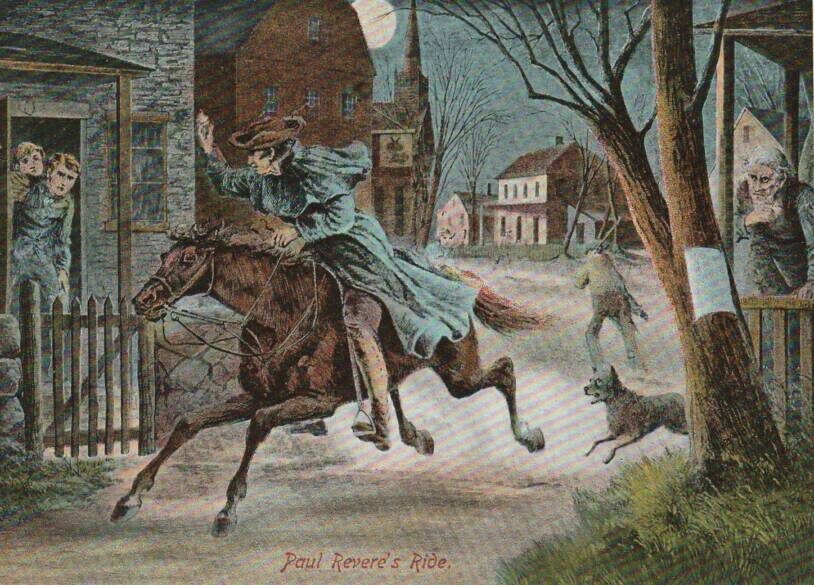
Poems and school plays often depict American patriot Paul Revere racing from house to house, loudly warning colonists that British troops were on the way. In reality, secrecy mattered, because British forces were already present across the countryside and many colonists still saw themselves as British. Contemporary accounts suggest that Revere and other riders passed quiet, targeted messages about the movement of regular army units. The famous shouted line appears to be a later dramatic addition that makes for better storytelling than plausible strategy.
Rome Ranked Among The Largest Empires In World History By Land Area
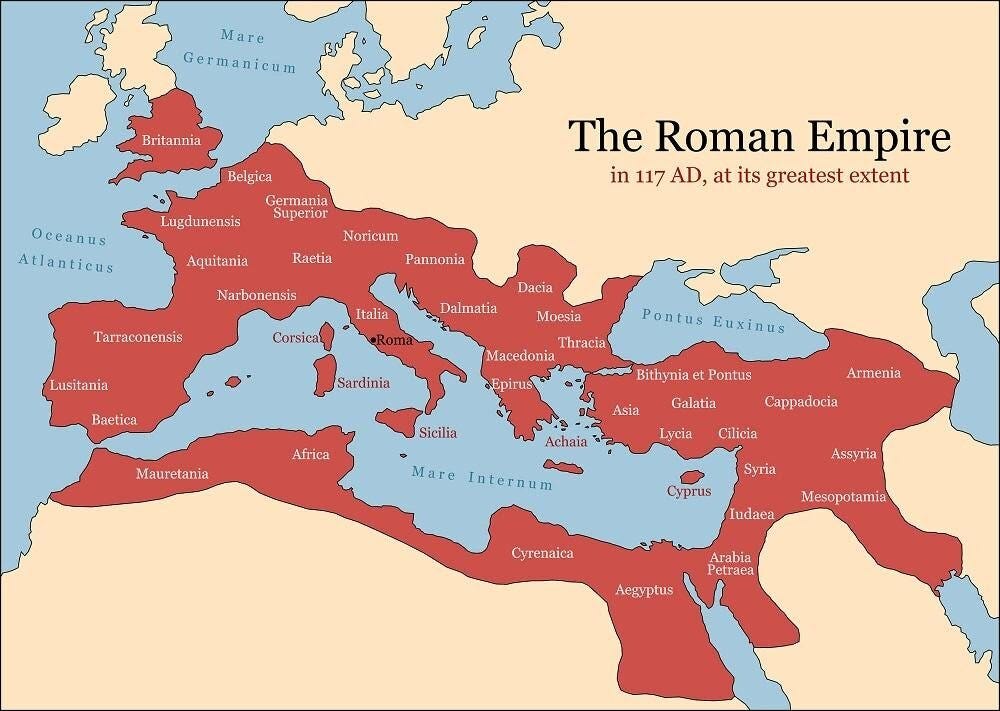
The Roman Empire looms so large in Western history that it is easy to assume it was one of the biggest empires ever by sheer size. At its height under Emperor Trajan it controlled territory around the Mediterranean and into parts of Europe, North Africa and the Near East, but it still covered only a few million square miles. Later empires such as the Mongol, British and Russian domains each held two to five times as much land. Rome’s legacy rests more on longevity and influence than on breaking records for scale.
Abner Doubleday Invented The Game Of Baseball In 1839
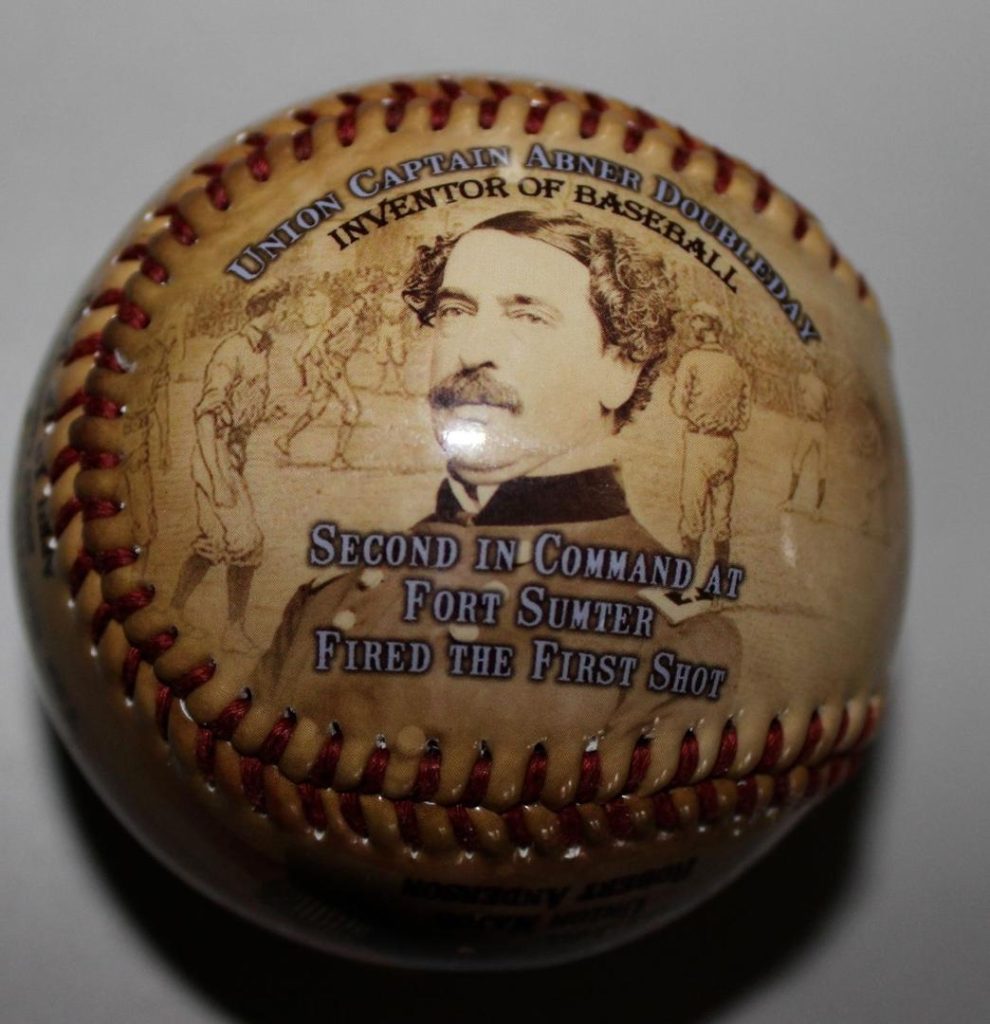
American lore often credits Civil War officer Abner Doubleday with creating baseball in a single stroke in Cooperstown, New York, in 1839. A turn of the twentieth century commission embraced the story and helped tie the sport to a heroic origin tale, which suited promoters and civic boosters. Researchers later found that Doubleday was likely at West Point that year and left no documents about inventing a new game. Baseball appears instead to have evolved gradually from older bat and ball sports, with figures such as Alexander Cartwright playing key roles in formalizing its rules.
Captain James Cook Discovered Australia For The World
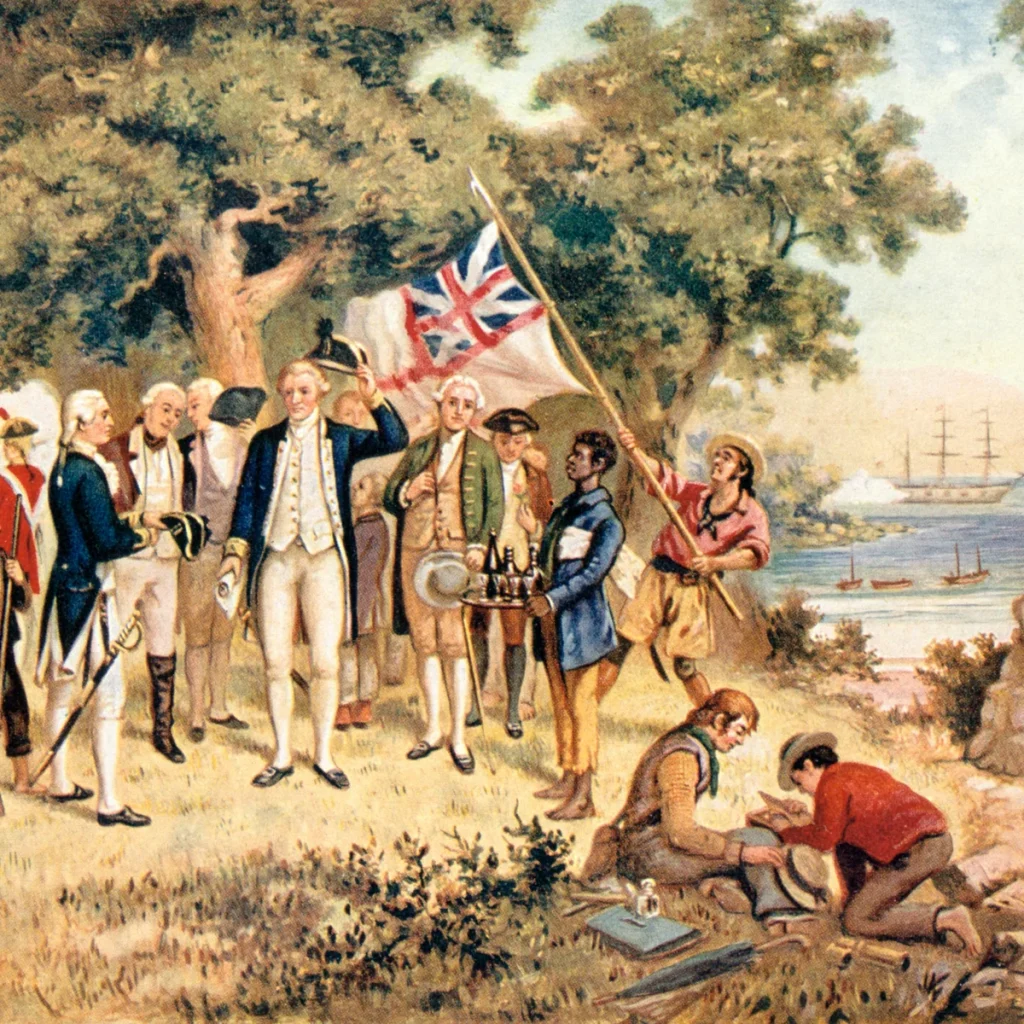
Many short histories describe Captain Cook as the discoverer of Australia, as if no one else had seen the continent before him. Indigenous Australians had lived there for tens of thousands of years, and European navigators from the Dutch Republic and other powers reached parts of the coastline long before Cook’s 1770 voyage. What Cook did was chart sections of the eastern shore and claim them for Britain, nudging his country toward later colonization. Even in strictly European terms, he was a latecomer rather than a lone pioneer.
The Brothers Grimm Wrote The Classic Fairy Tales They Published
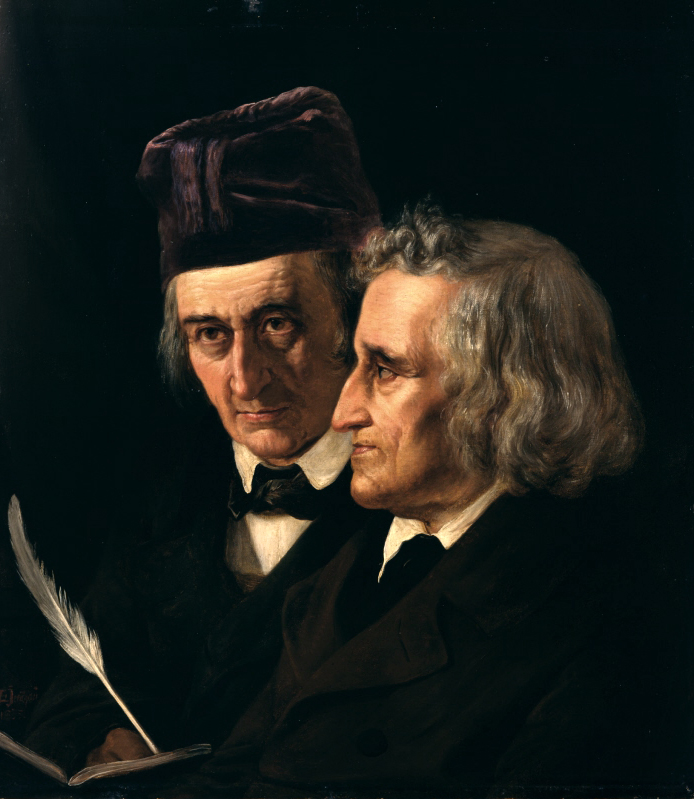
Modern readers often imagine Jacob and Wilhelm Grimm as original authors of stories like “Snow White” and “Hansel and Gretel.” In fact, they were scholars and collectors who gathered folk tales from oral tradition and earlier printed sources across German speaking regions. They edited and arranged these narratives into their famous volumes, sometimes cleaning up language or sharpening morals, but they did not invent most of the plots. Their work shaped how later generations encountered the stories, even though the roots of the tales are much older and more varied.
Pirates Routinely Buried Treasure Marked With An X On A Map
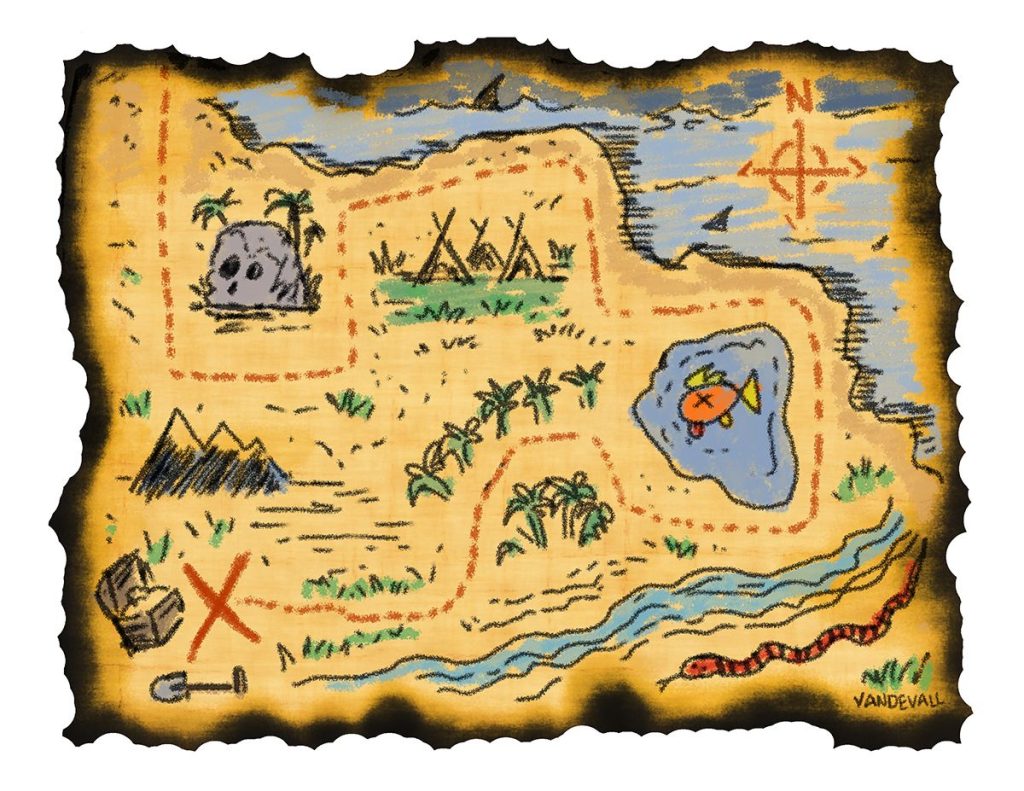
Dashing stories and children’s cartoons often show pirates hiding chests of gold and jewels on remote islands and drawing maps marked with a big X. Historical records turn up only a few cases of seafarers burying valuables, usually as a short term measure before quickly digging them up again. Pirates tended to spend or trade what they stole, including goods like spices, food and textiles that could not sit underground for long. The enduring image of maps, X marks and lost chests owes much to adventure fiction such as “Treasure Island” rather than everyday pirate practice.
Viking Warriors Wore Horned Helmets Into Battle
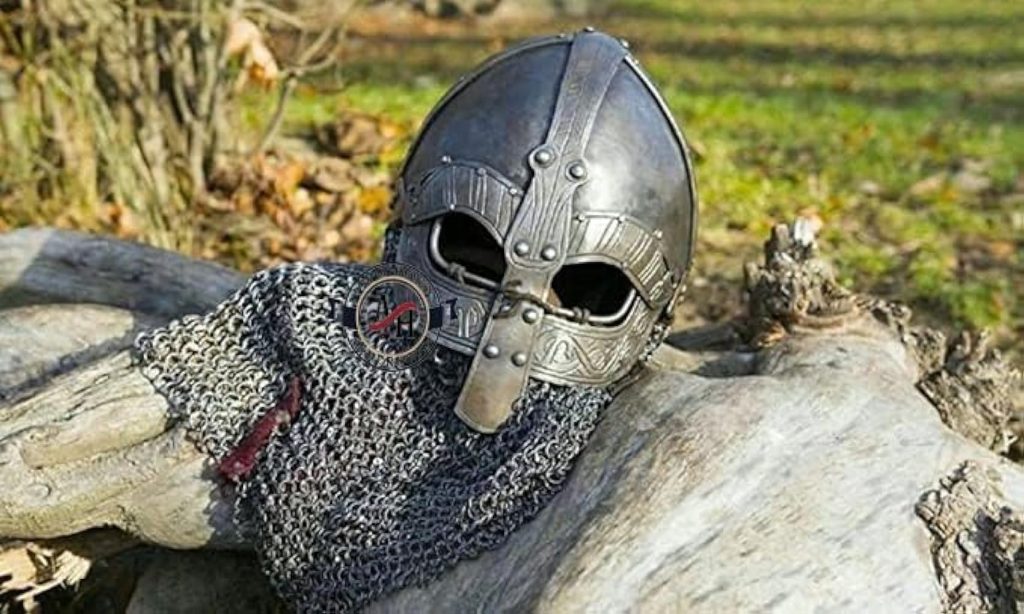
From mascots to opera costumes, Vikings are often shown charging into battle with curved horns jutting from their helmets. Archaeological finds of actual Viking headgear do not include horns, and practical fighters would have seen them as awkward and dangerous in close combat. The horned look seems to have spread in the nineteenth century through romantic artwork and stage productions that wanted a dramatic, exotic silhouette. It tells us more about modern costume design than about Viking armor.
Castle Defenders Commonly Dumped Boiling Oil On Attackers
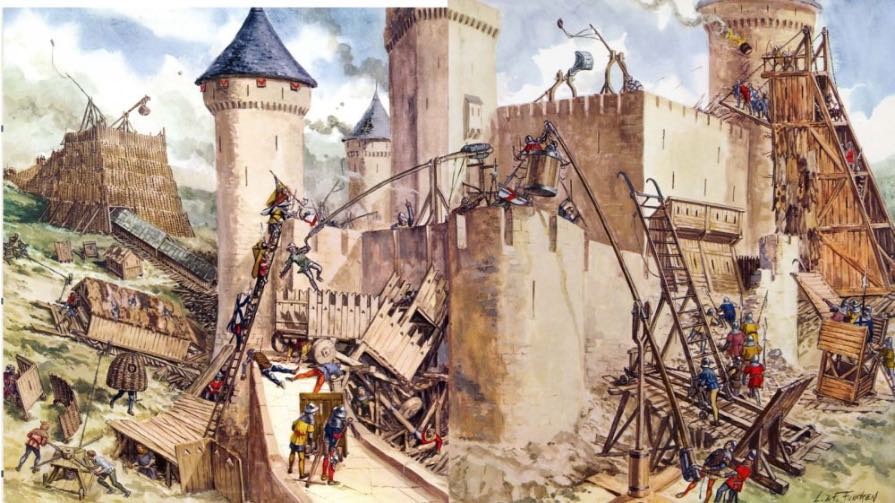
Illustrations of medieval sieges often show defenders tipping huge cauldrons of burning oil onto enemies climbing the walls. In practice, cooking oil was expensive, flammable and not stored in the vast quantities such scenes would require. Chronicles mention other scalding substances, such as heated water or sand, being used alongside arrows and stones. The image of boiling oil likely grew from later storytellers trying to make an already brutal type of warfare sound even more dramatic.
World War I Was The Deadliest Conflict In History Up To That Point
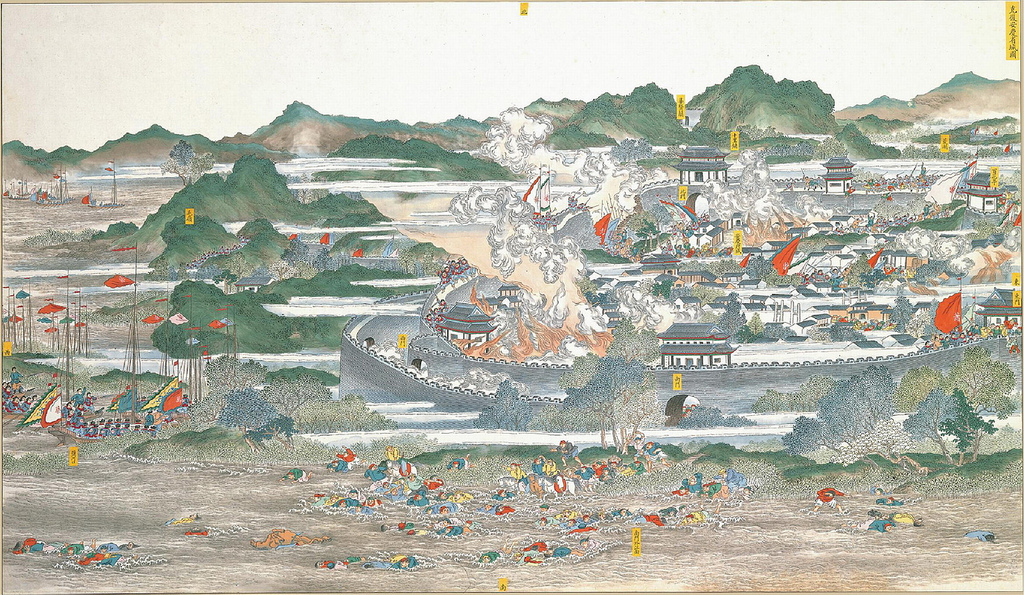
World War I is often called the Great War and described as unlike anything humanity had seen before in its scale of slaughter. Casualty figures of roughly 15 to 22 million deaths are staggering, but historians now highlight an earlier civil war in China, the Taiping Rebellion, as even deadlier. Fought in the mid nineteenth century, that conflict may have killed 20 to 30 million people through battle, famine and disease. World War I remained devastating and global, but it was not uniquely lethal in the way the nickname suggests.
The Great Chicago Fire Began When A Cow Kicked Over A Lantern
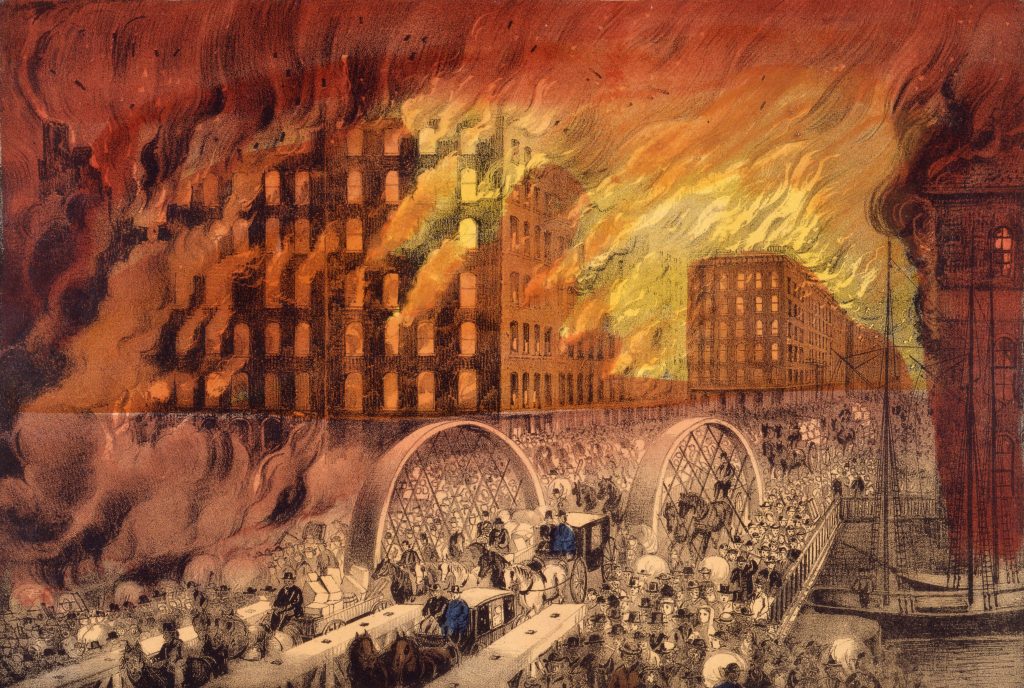
An enduring piece of Americana blames the catastrophic 1871 Chicago fire on a cow in a barn that supposedly kicked over a lantern. The story first appeared in a newspaper report that later turned out to be embellished by the journalist himself. Investigations never identified a single clear cause, and modern scholars treat the cow tale as a colorful invention rather than a proven origin. What is certain is that dry conditions, wooden buildings and strong winds helped the fire spread once it started.
Wall Street Bankers Jumped From Windows En Masse After The 1929 Crash
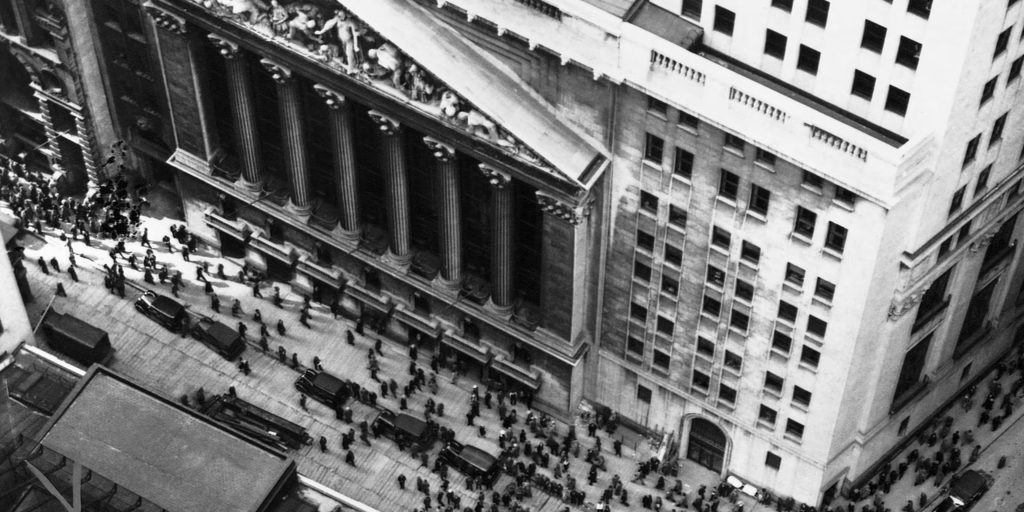
Dark jokes and dramatic retellings of the 1929 stock market crash often describe lines of ruined investors hurling themselves out of New York skyscrapers. Contemporary records show only a small number of people taking their own lives in direct response to the crash, and very few by jumping from windows. The myth appears to have grown from gallows humor about crowded ledges and later exaggeration in movies and magazines. The financial and human costs of the Great Depression were very real, but they did not produce the cartoonish scene this story suggests.
A Cowardly Pyramids Workforce Of Anonymous Slaves Did All The Heavy Lifting
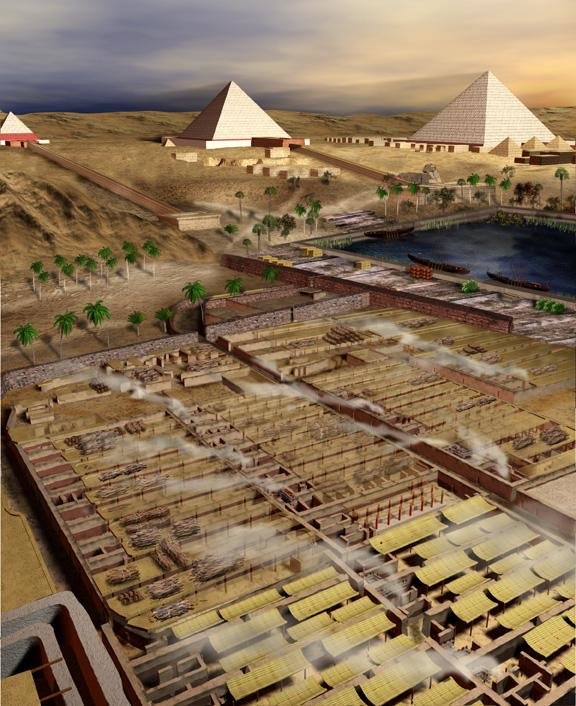
Many films show faceless slave gangs dragging blocks under the whips of overseers to raise the Egyptian pyramids. Excavations at Giza have uncovered well planned workers’ villages, bakeries, clinics and cemeteries that point to organized crews of laborers and craftsmen. Inscriptions even record team nicknames that suggest pride in the work rather than pure coercion. While ancient Egypt did practice slavery, the best evidence indicates that pyramid building relied heavily on mobilized but relatively well treated workers, not only on brutalized captives.
The Iron Maiden Was A Standard Medieval Torture Device
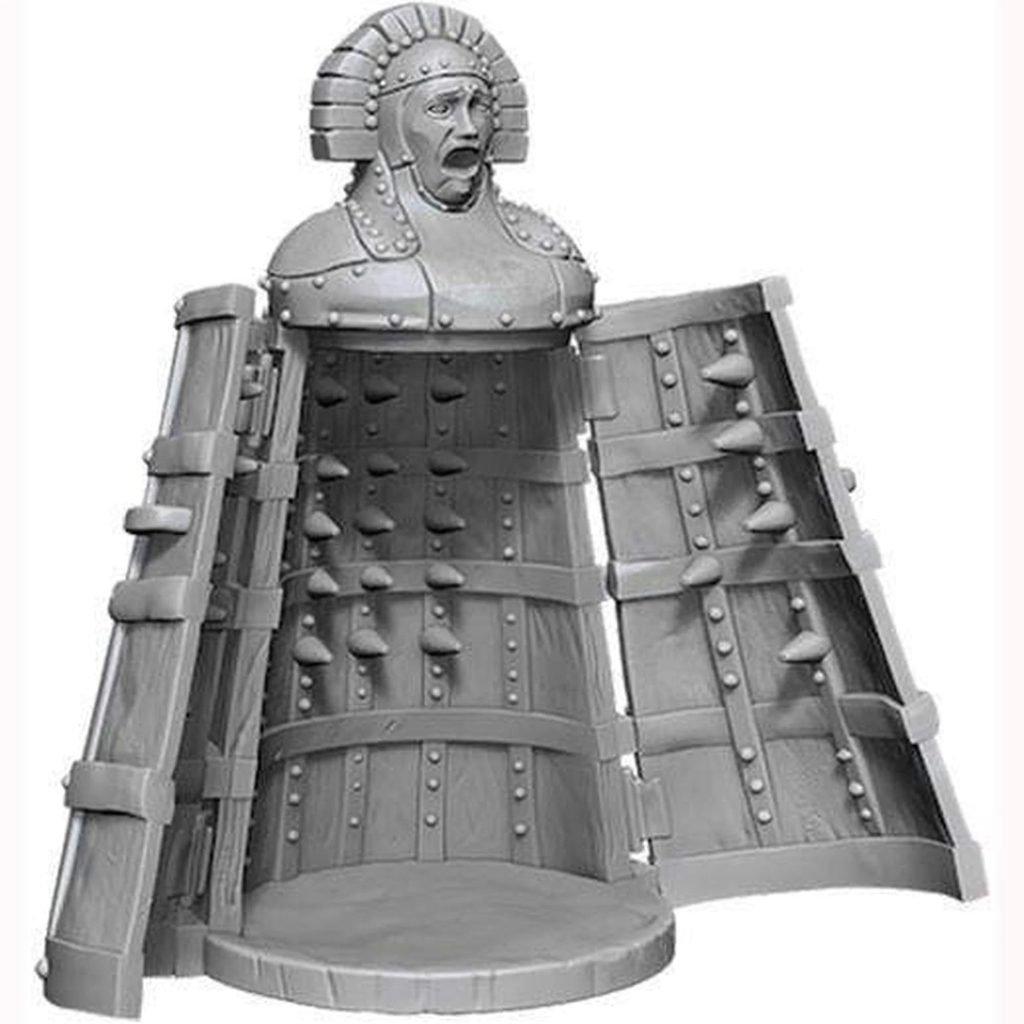
Grim museum exhibits and horror stories have popularized the iron maiden, a man sized metal cabinet lined with inward facing spikes, as a symbol of medieval cruelty. Research into actual records of punishment and surviving artifacts suggests that no such device was used in the Middle Ages. The first iron maidens appear to have been assembled in the eighteenth and nineteenth centuries by showmen and curators looking to shock visitors and sell tickets. Real historical torture was bad enough, but this notorious machine is a later fabrication that turned imagined horror into a fake relic.