
National flags are far more than simple pieces of colored fabric used to identify borders. Every stripe, star, and emblem holds a deep historical narrative, reflecting the triumphs, struggles, and identity of a nation. Behind these designs lie ancient myths, revolutionary wars, and symbolic codes that often go unnoticed by the casual observer. These are 30 national flags to uncover the fascinating stories and hidden meanings stitched into their patterns.
Japan
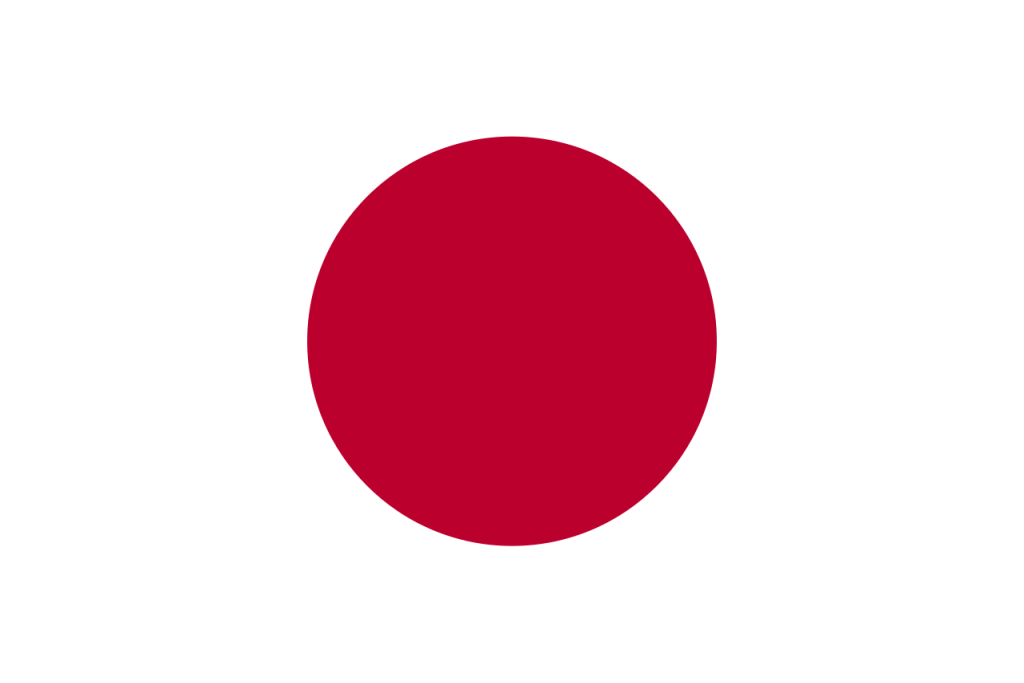
A stark red circle rests on a pure white field, embodying a concept deeply rooted in local mythology. This minimalist icon represents the rising sun, specifically referencing the sun goddess Amaterasu, who is traditionally tied to the country’s imperial lineage. The white backdrop symbolizes honesty, integrity, and purity throughout the nation’s history. This design remains one of the most recognizable graphic emblems globally.
Canada
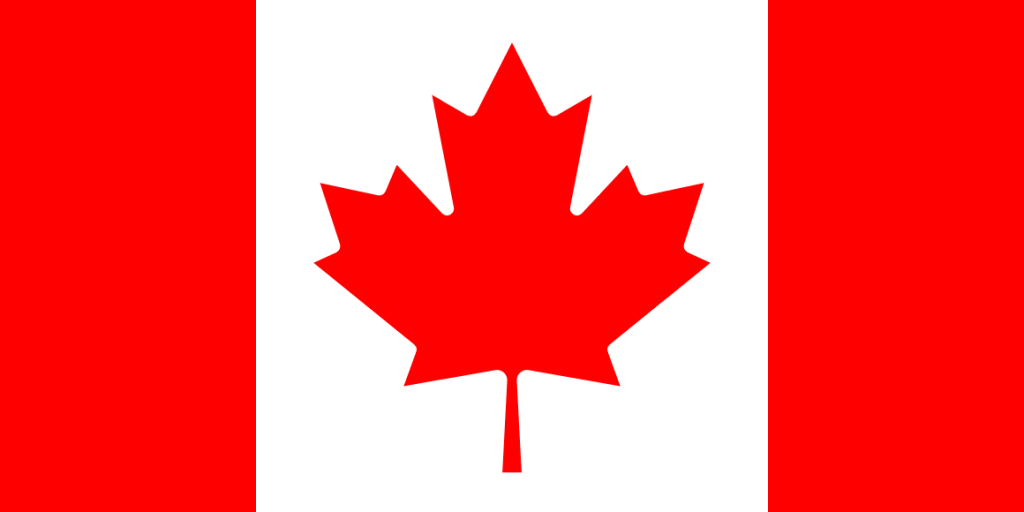
Red and white became the official national colors long before the iconic maple leaf took center stage in 1965. The eleven points on the stylized leaf do not actually represent specific provinces, contrary to a very common misconception. Instead, designers chose this specific layout because it tested best against visibility issues during high-wind tunnel testing.
South Africa
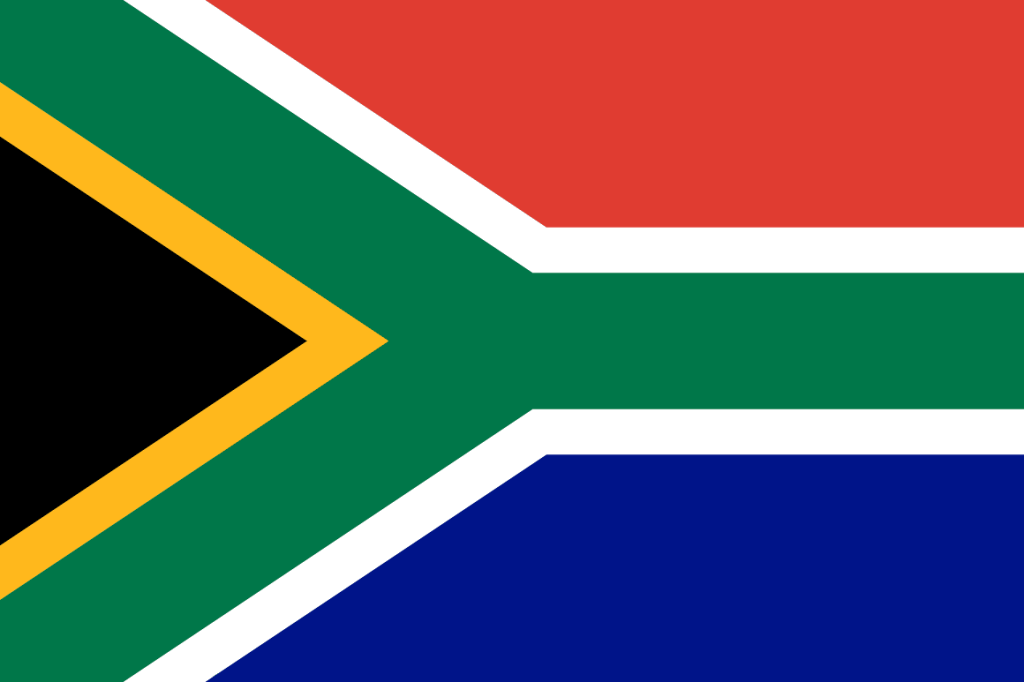
Embracing democracy required a complete reimagining of national identity, resulting in a unique six-colored banner adopted in 1994. The distinct horizontal Y-shape represents the convergence of diverse cultures and communities moving forward together into a unified future. While individual colors lack official symbolic definitions, the combination purposefully merges colonial influences with indigenous political movements.
Brazil
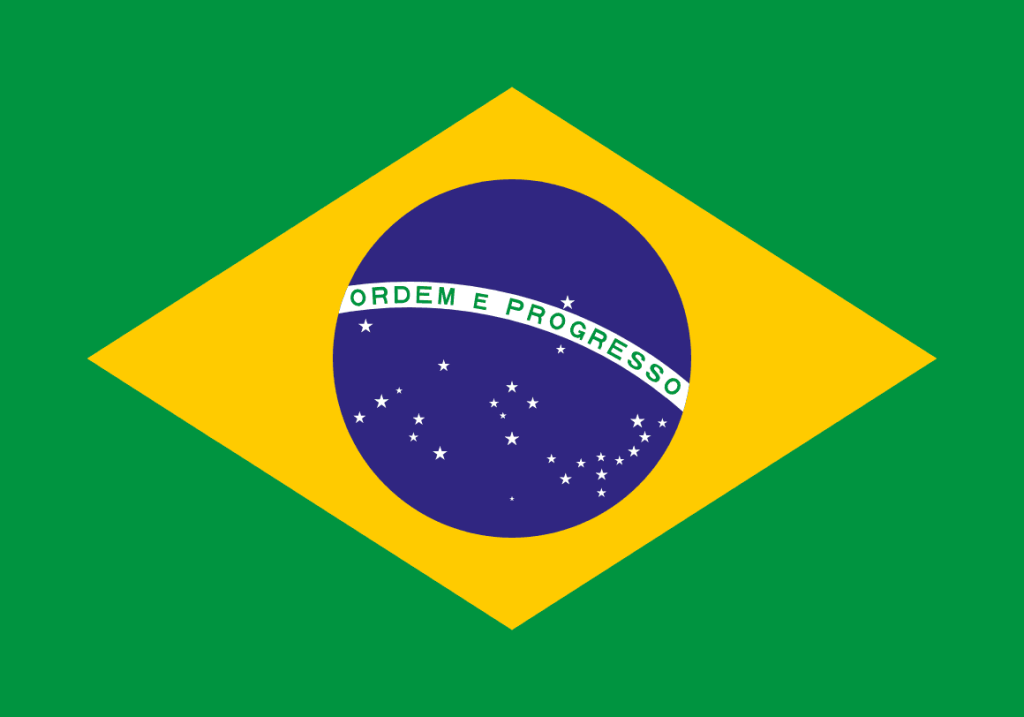
Brazil’s green field and yellow rhombus echo the old imperial flag. It’s often tied to the royal houses of Braganza and Habsburg, though officially they now stand for the country’s forests and gold. The twenty-seven stars mirror the sky over Rio de Janeiro on November 15, 1889, the exact moment the republic was proclaimed.
Albania
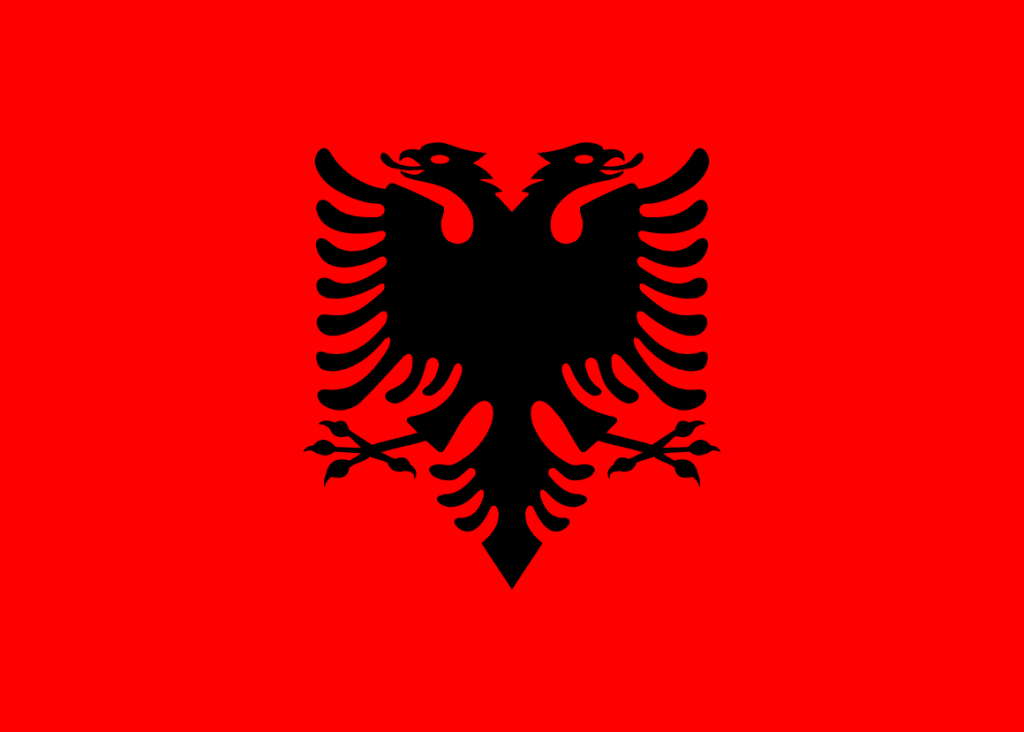
Dominating a bold crimson background, a fierce double-headed eagle traces its lineage directly back to the medieval hero Skanderbeg. This striking avian symbol reflects a deep-seated cultural identity, as locals historically refer to their homeland as the land of the eagles. The stark red field honors the blood spilled by soldiers in centuries of independence struggles.
Bhutan
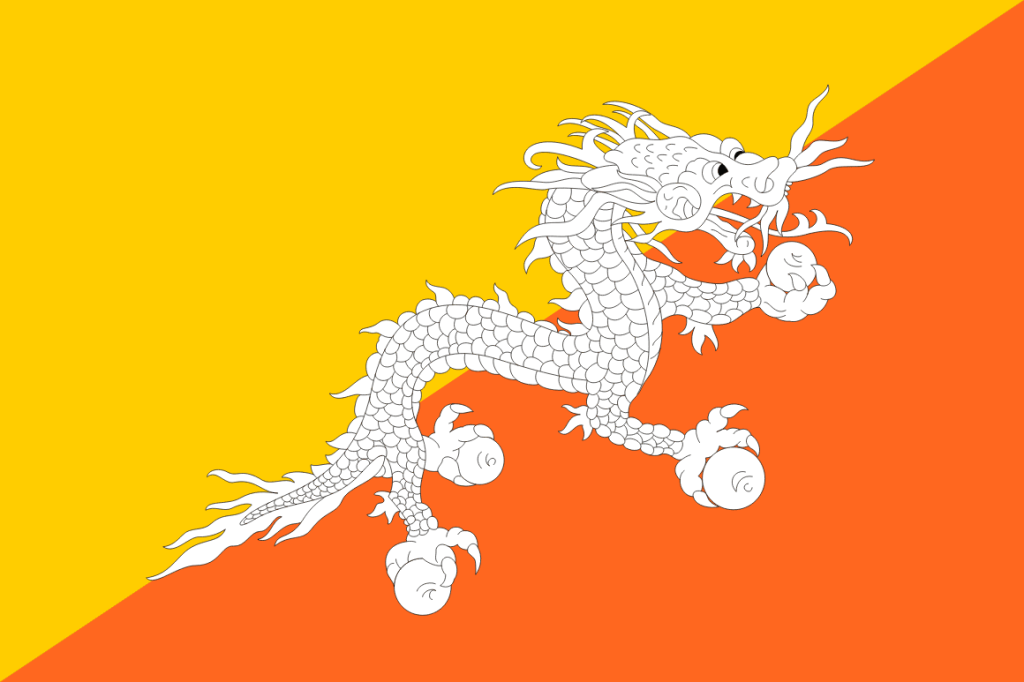
Divided diagonally, this striking flag features a snarling white dragon clutching sparkling jewels in its claws. The mythical creature is Druk, the Thunder Dragon, an entity deeply woven into local folklore and the country’s sovereign title. Yellow signifies the civic traditions of royalty, while orange represents the spiritual legacy of Drukpa Buddhism.
South Korea
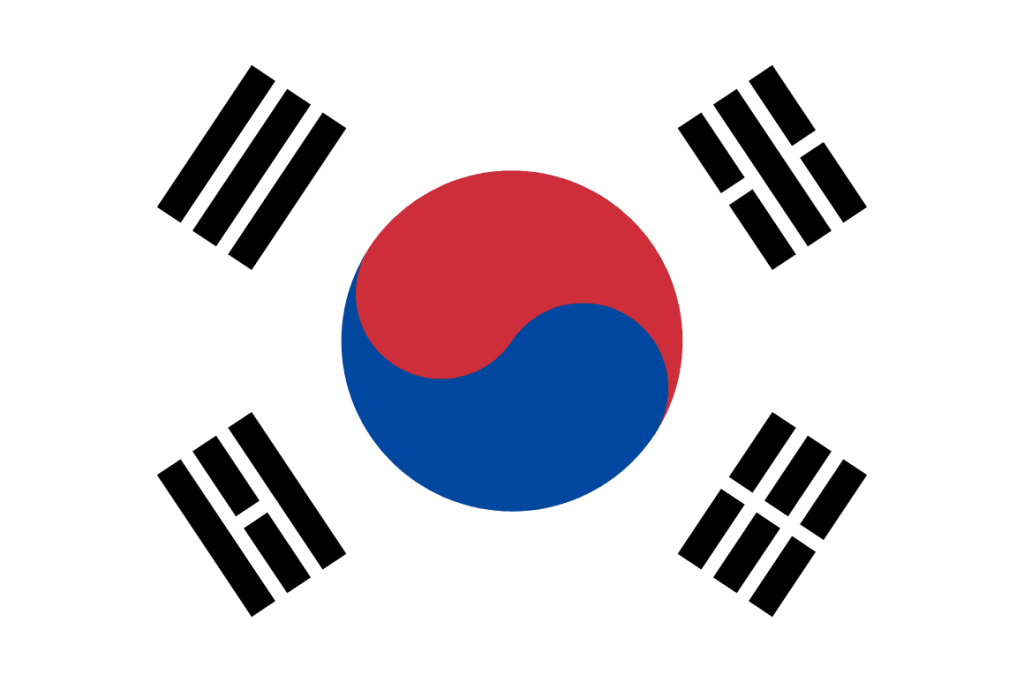
Complex philosophical ideas take visual form on this design, known natively as the Taegeukgi. The central red and blue emblem illustrates the dualistic concept of yin and yang, balancing opposing cosmic forces. Four distinct black trigrams surround the center, each representing a cardinal direction, a season, and fundamental natural elements like sky and water.
Mexico
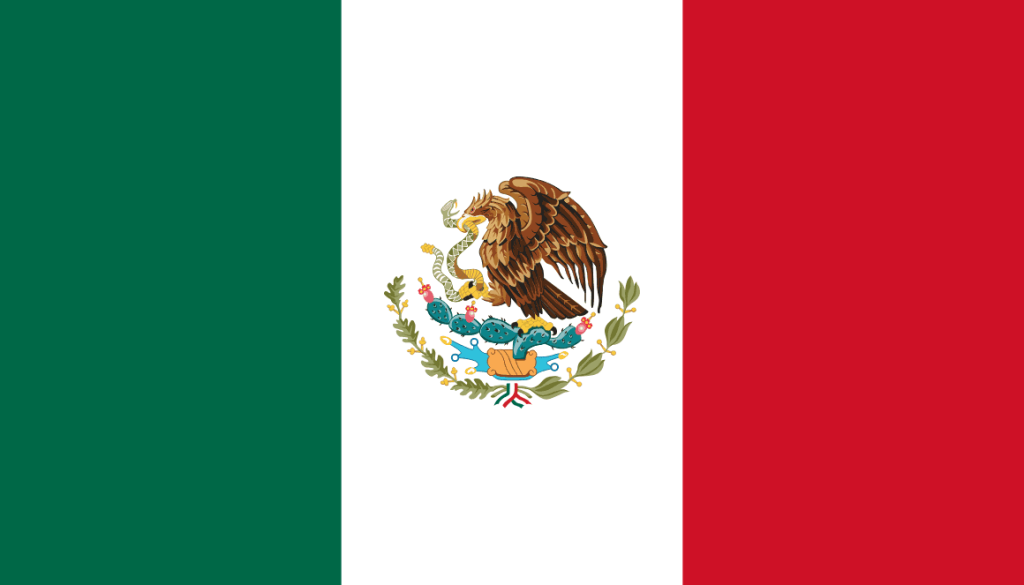
An ancient Aztec legend comes to life right in the center of this tricolor layout. The central coat of arms depicts a golden eagle perched on a prickly pear cactus while devouring a rattlesnake. According to myth, the gods instructed the Aztec people to found their capital, Tenochtitlan, wherever they witnessed this exact avian spectacle.
India
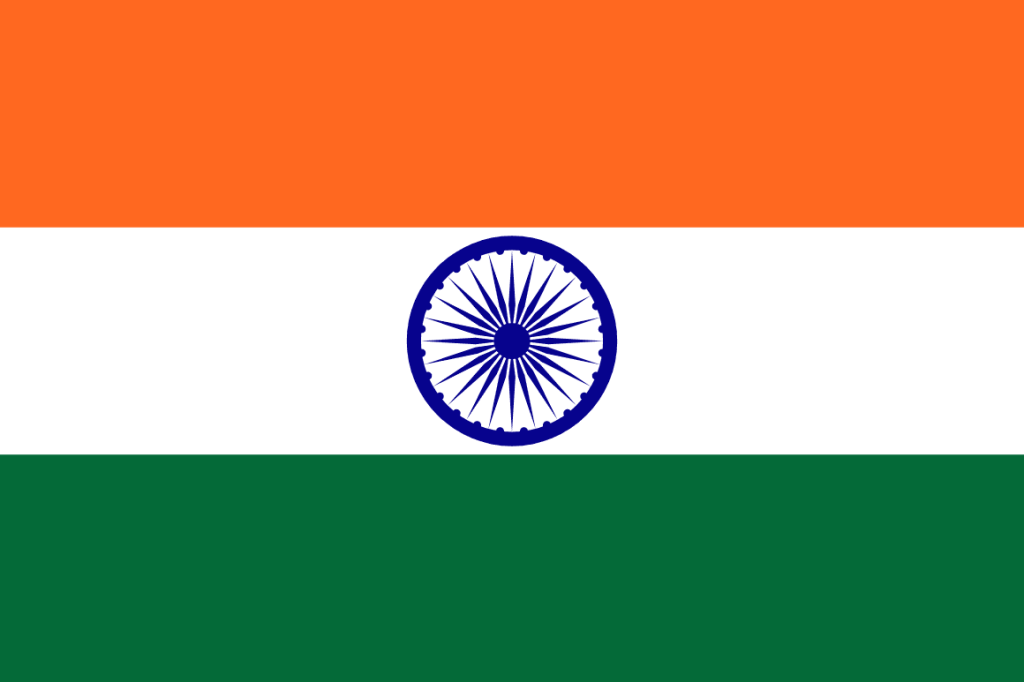
Saffron, white, and green bands form a vibrant canvas representing courage, peace, and prosperity respectively. Positioned dead center is the Ashoka Chakra, a navy blue wheel featuring twenty-four individual spokes. This wheel represents the eternal law of righteousness and the continuous forward movement of life.
Kenya
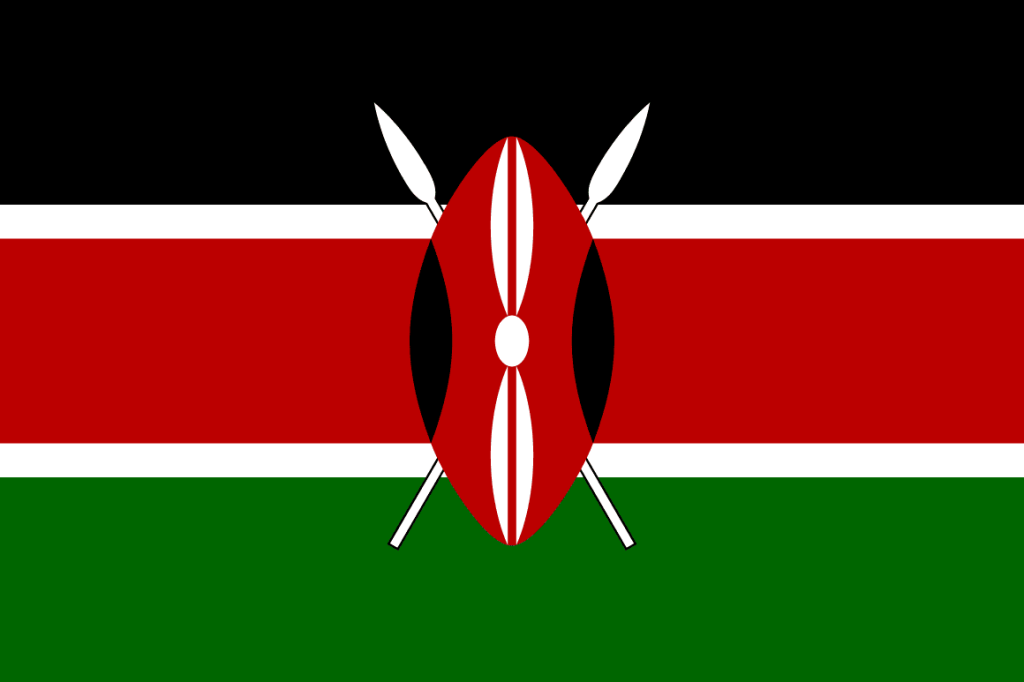
Centering a traditional Maasai warrior shield and two crossed spears highlights a history of resistance. This imagery serves as a direct reminder of the fierce defense of national freedom during the mid-20th century. The black stripe honors the indigenous population, while white fimbriations symbolize hard-won peace.
Greece
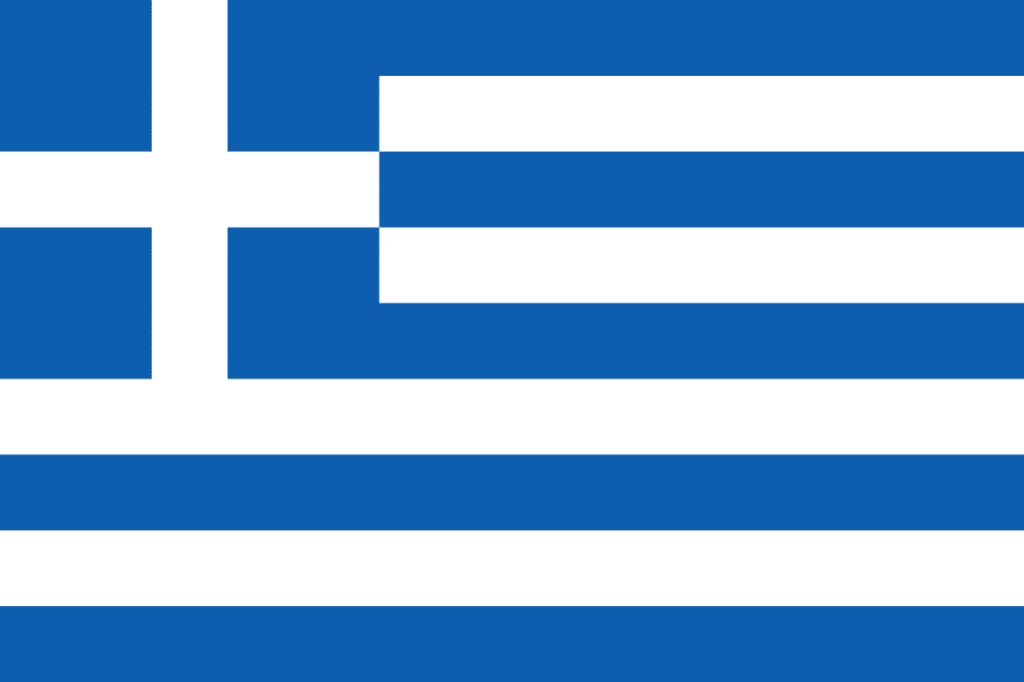
Nine alternating stripes of blue and white are rumored to represent the nine syllables of a historic revolutionary battle cry demanding freedom. The blue shade evokes the vivid Mediterranean waters surrounding the islands, contrasted by white crests of waves. A prominent white cross in the upper corner honors the deep historic ties to Eastern Orthodox Christianity.
Australia
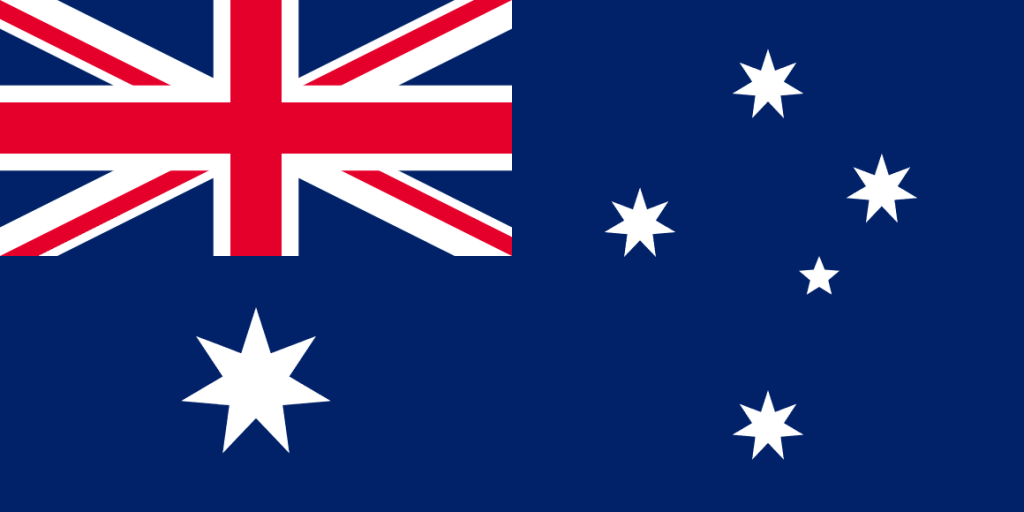
The Union Jack sits in the upper canton to denote historical ties to Great Britain, alongside a prominent seven-pointed Commonwealth Star. The right half displays the Southern Cross constellation, which is easily visible from the southern hemisphere. Six points on the main star represent the original states, while the seventh honors internal territories.
Argentina
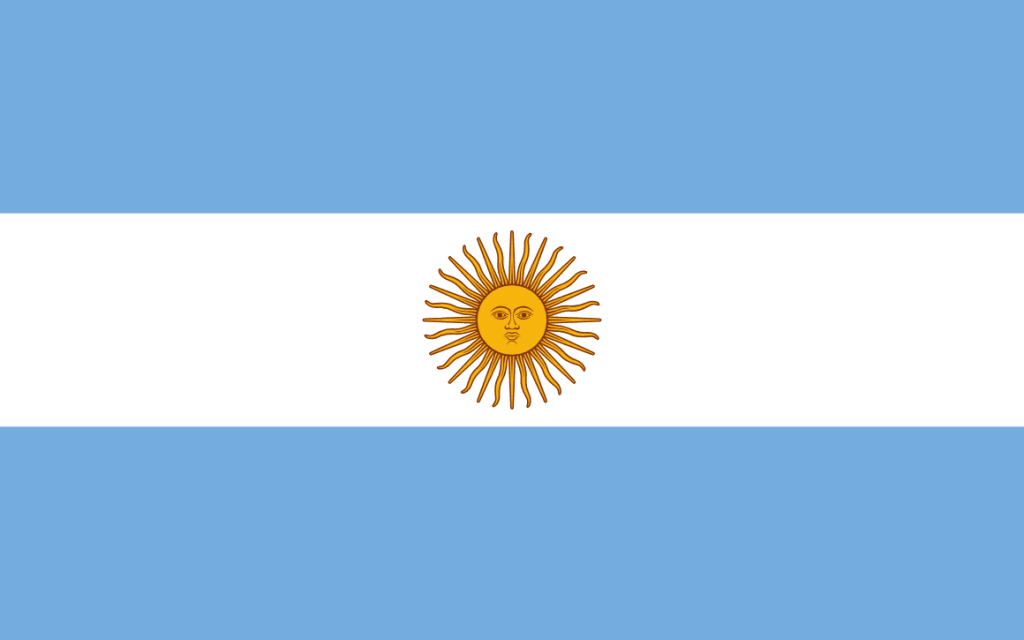
Light blue and white bands flank a smiling golden sun god, known historically as the Sun of May. This radiant emblem commemorates the first major street demonstrations for independence in Buenos Aires during May 1810. Legend states that the sun suddenly broke through the thick clouds during the protests, inspiring the revolutionary colors.
Egypt
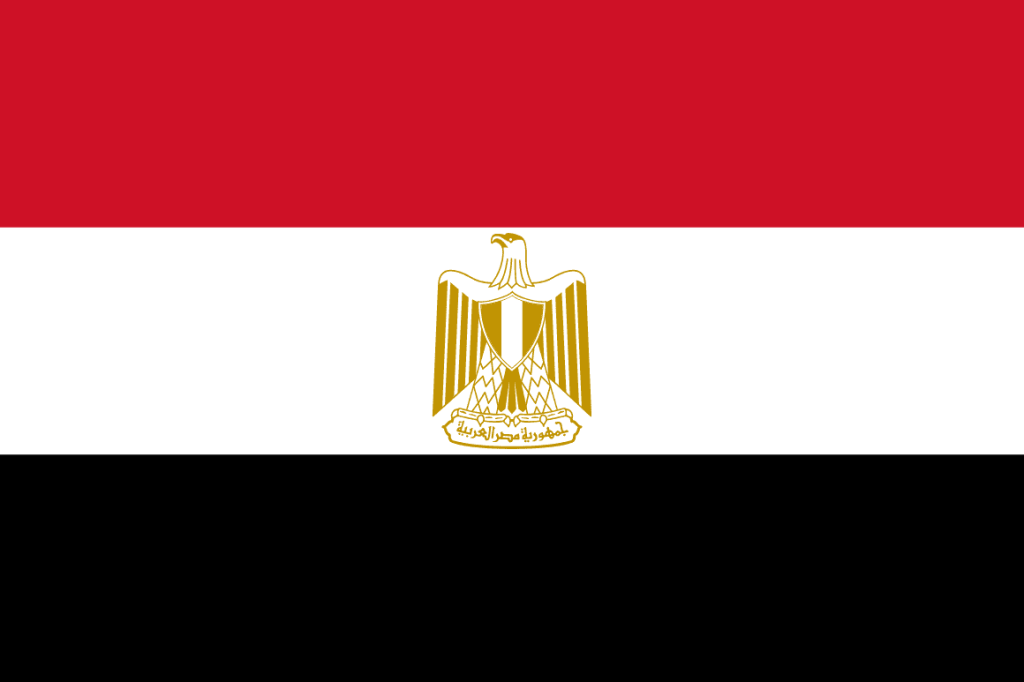
Occupying the central white stripe of this pan-Arab tricolor is a powerful golden eagle named after Saladin. The bird of prey symbolizes national power, authority, and ancient pride. Red signifies the sacrifices made during the fight for independence, while black represents the dark era of foreign colonial rule.
Switzerland

Breaking standard vexillological norms, this distinctive red field with a white Greek cross is completely square. This layout stems from medieval military banners used by the Old Swiss Confederacy in battle. It remains one of only two square national flags flown by sovereign countries worldwide.
Cambodia
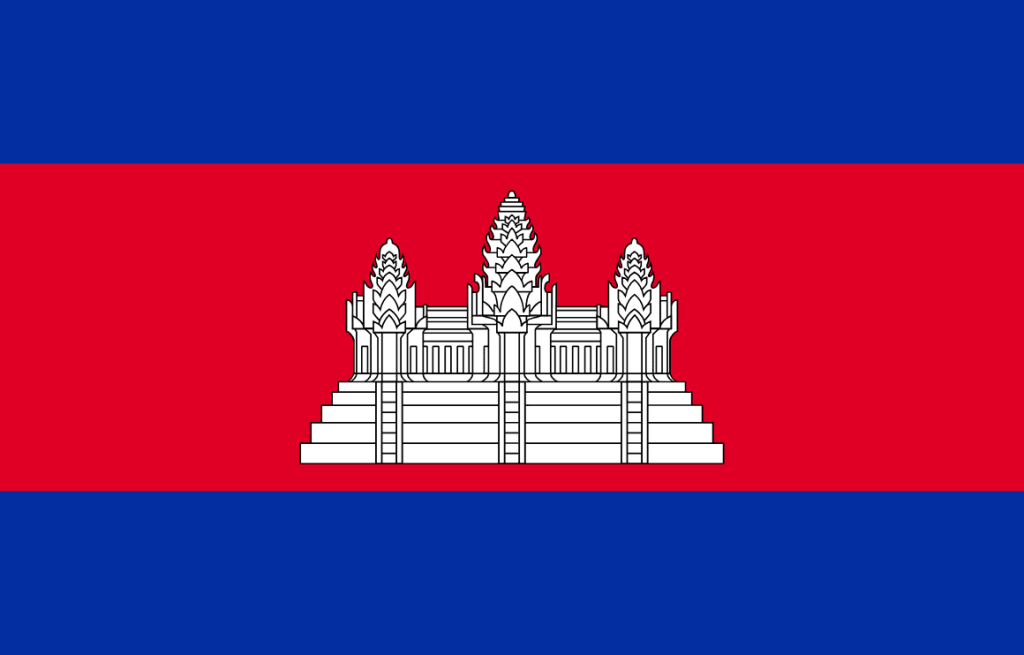
This design uniquely features an entire architectural monument right in the center of its horizontal stripes. The detailed white silhouette depicts Angkor Wat, the magnificent 12th-century temple complex that stands as a symbol of national heritage. Blue borders represent royalty, while the red center block represents the resilience of the local populace.
Lebanon
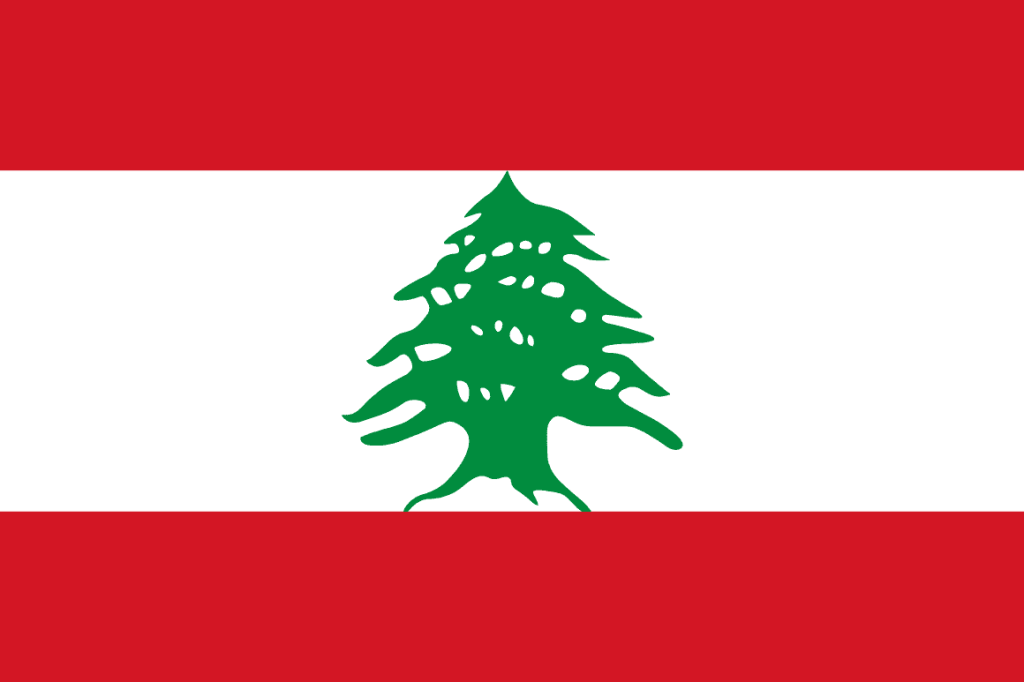
A massive green cedar tree stands tall between two bold horizontal bands of crimson red. This specific flora is mentioned frequently in ancient texts and symbolizes longevity, holiness, and eternity. The red bands pay tribute to the blood shed by citizens protecting their land from invaders over millennia.
Kyrgyzstan
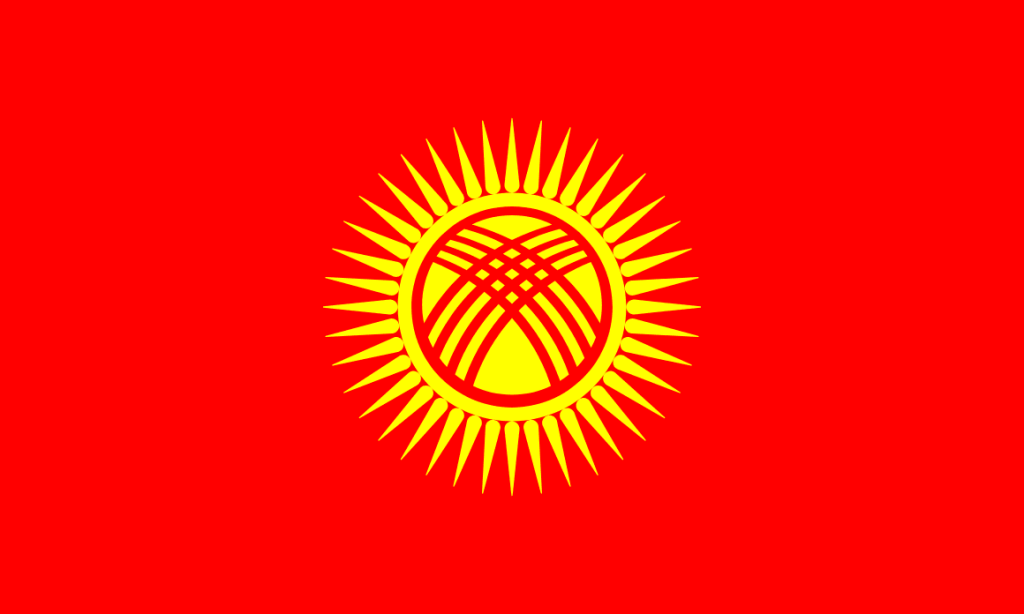
Forty distinct rays project from a bright yellow sun, corresponding directly to the nomadic tribes unified by the legendary hero Manas. In the center of the sun sits a stylized red ring, mimicking the top opening of a traditional yurt tent. This architectural detail symbolizes home, family, and the warmth of nomadic hospitality.
Mongolia
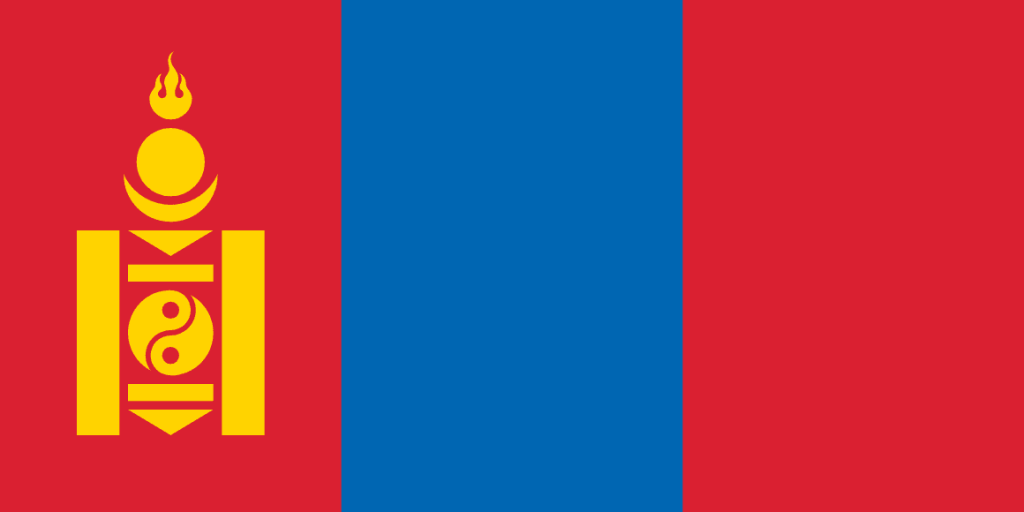
The vertical red and blue stripes host a complex national emblem called the Soyombo. This geometric column stacks abstract symbols representing fire, the sun, the moon, earth, and water. A yin-yang symbol is also integrated into the design, symbolizing the eternal vigilance and harmony of the people.
Portugal
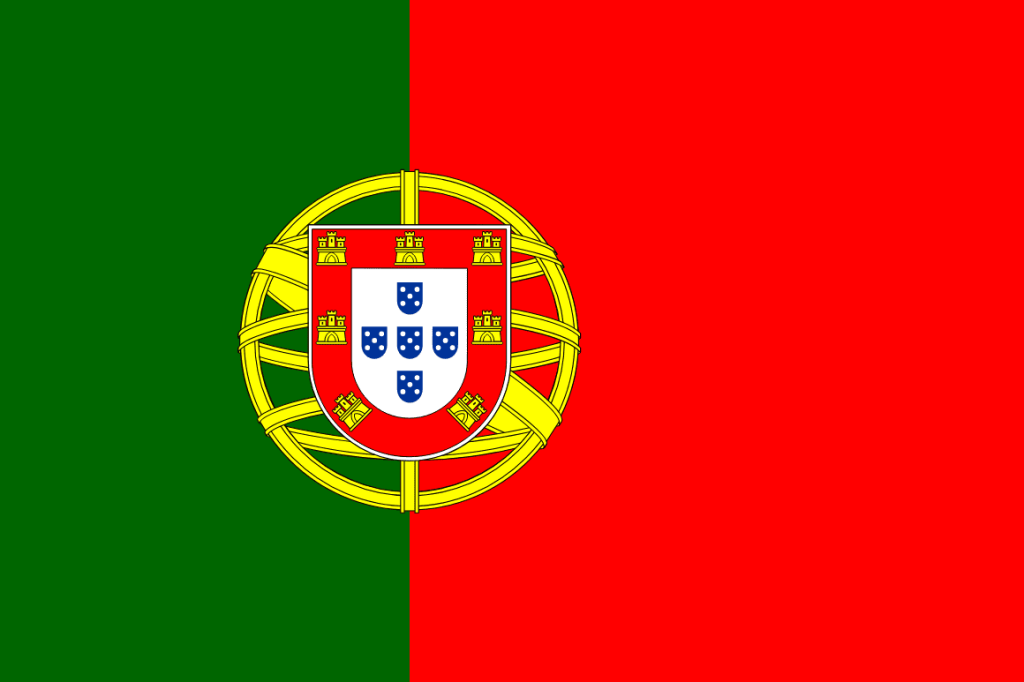
Supporting a complex armillary sphere, the green and red background highlights the nation’s historical maritime explorers. This device highlights the nation’s pivotal role during the Age of Discovery. Five blue shields inside the central emblem commemorate the five Moorish kings defeated by King Afonso Henriques.
Sri Lanka
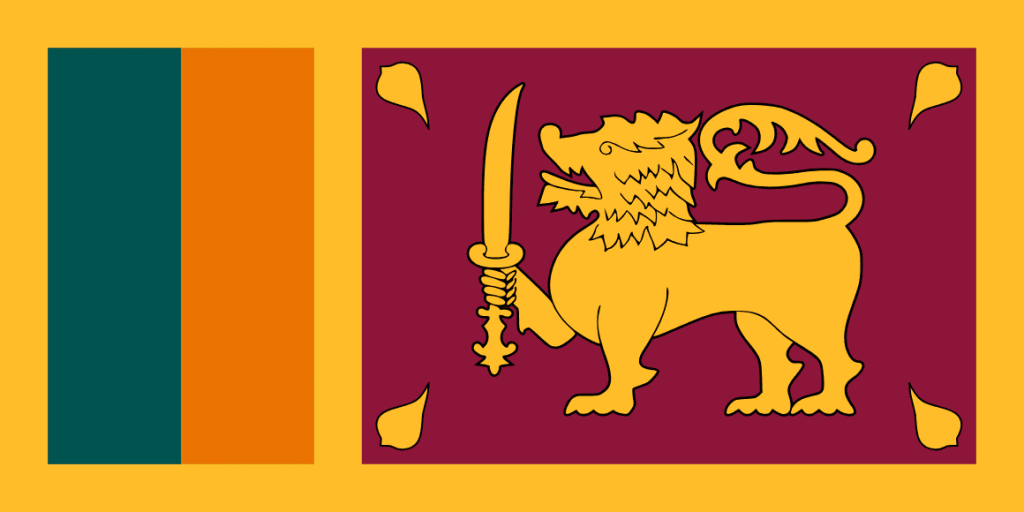
Famously referred to as the Lion Flag, this intricate design features a golden lion holding a ceremonial sword. The four bo leaves in the corners represent core Buddhist virtues, including compassion, kindness, equanimity, and joy. Saffron and green stripes on the left acknowledge the significant Tamil and Muslim minority populations.
Croatia
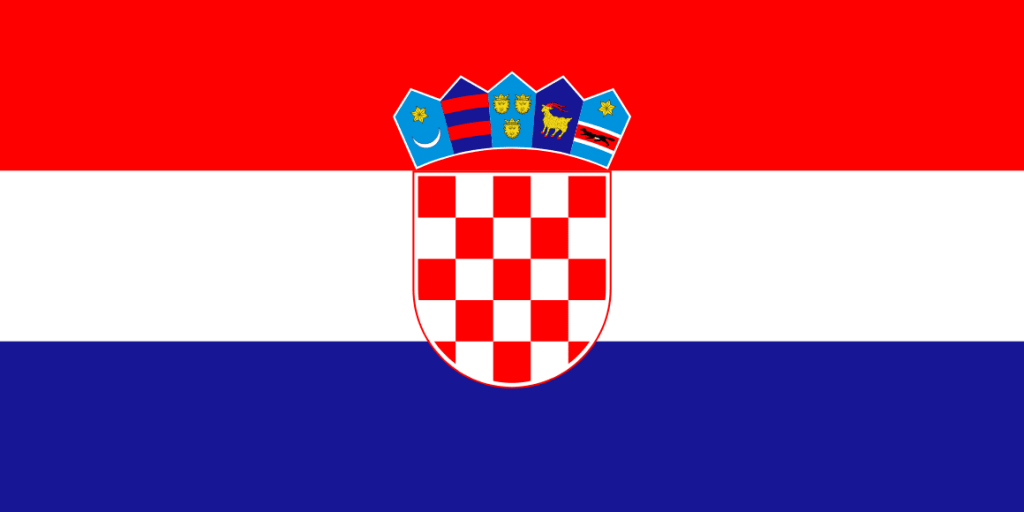
Over a standard horizontal tricolor rests the traditional red and white checkerboard shield known as the chequy. Above this central shield sits a unique crown composed of five smaller regional coats of arms. These historic emblems represent the distinct historical provinces of Dubrovnik, Dalmatia, Istria, Slavonia, and Croatia itself.
Cyprus
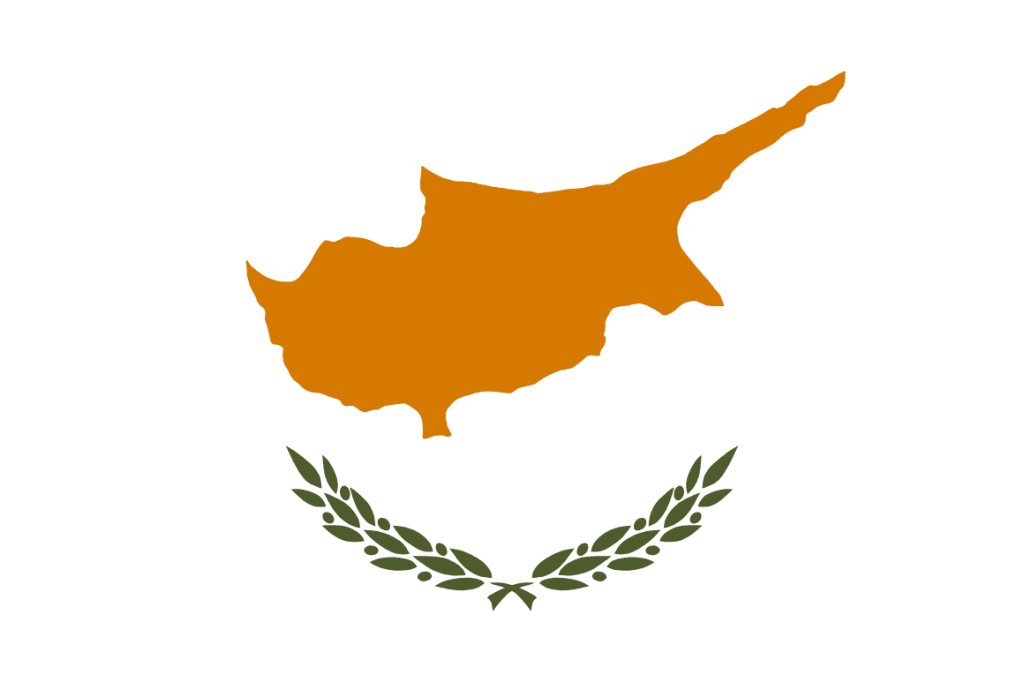
Neutrality takes a literal shape here, where the entire geographical outline of the island is mapped out in copper-orange. The specific color hue represents the vast historical copper deposits discovered on the island thousands of years ago. Two green olive branches underneath symbolize a continuous desire for peace between divided ethnic communities.
Grenada
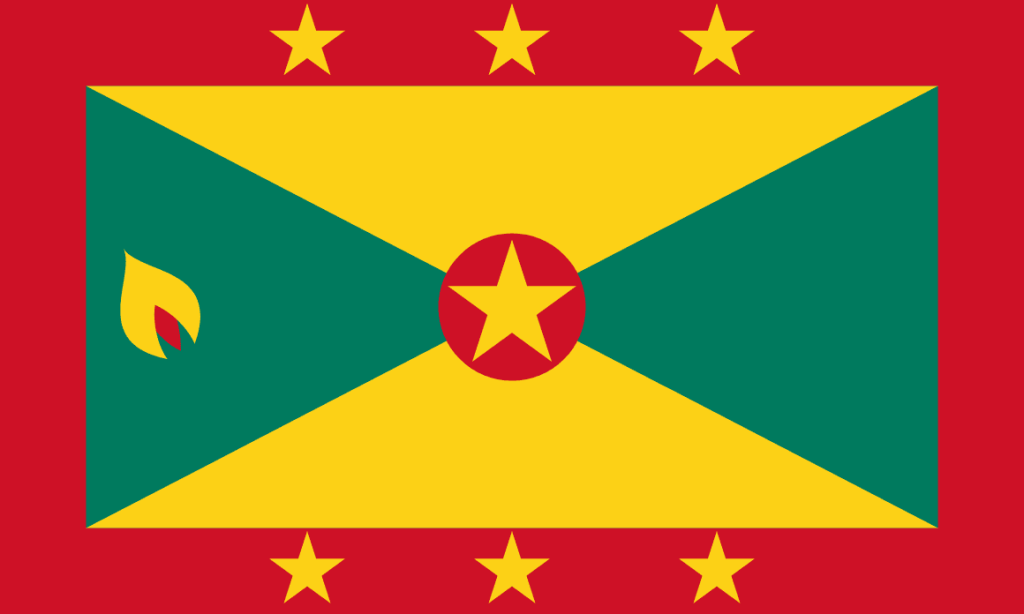
A small, abstract nutmeg clove sits on the left side of a dynamic red, gold, and green geometric pattern. This agricultural symbol underscores the island’s identity as a leading global producer of spices. Seven gold stars honoring the individual parishes that form the Caribbean nation.
Denmark
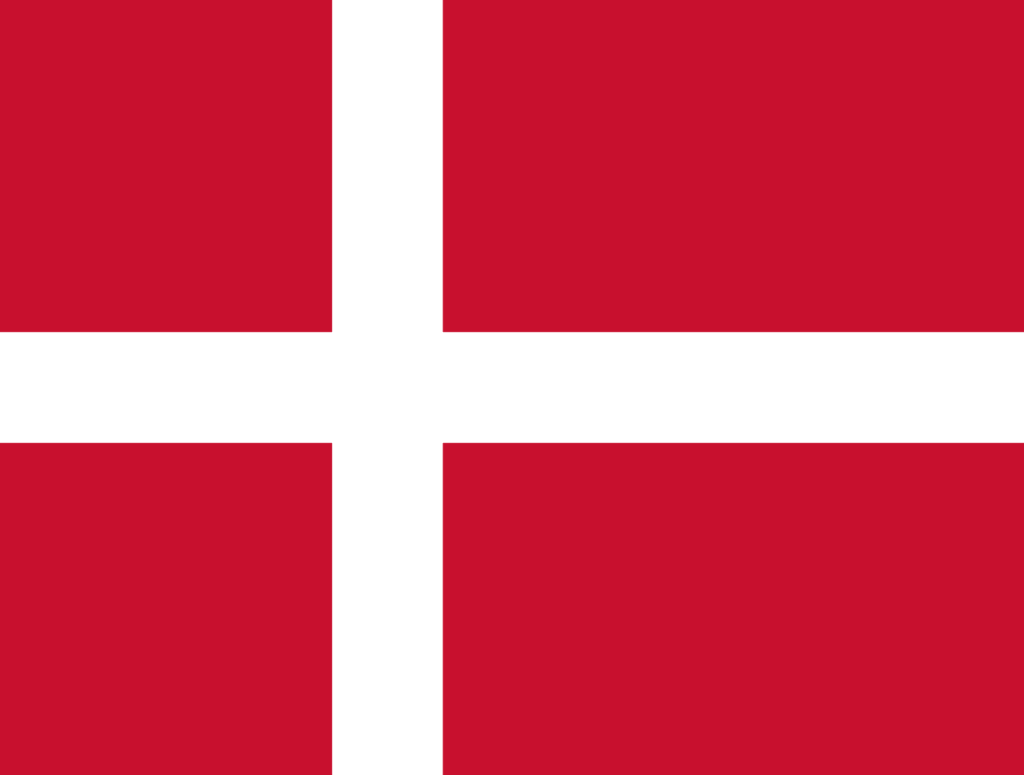
Known affectionately as the Dannebrog, this red banner with an off-center white cross holds a fascinating historical record. According to legendary lore, the flag miraculously fell from the sky during a crucial 13th-century battle to inspire Christian soldiers. It ranks as the oldest continuously used national flag in human history.
United Kingdom
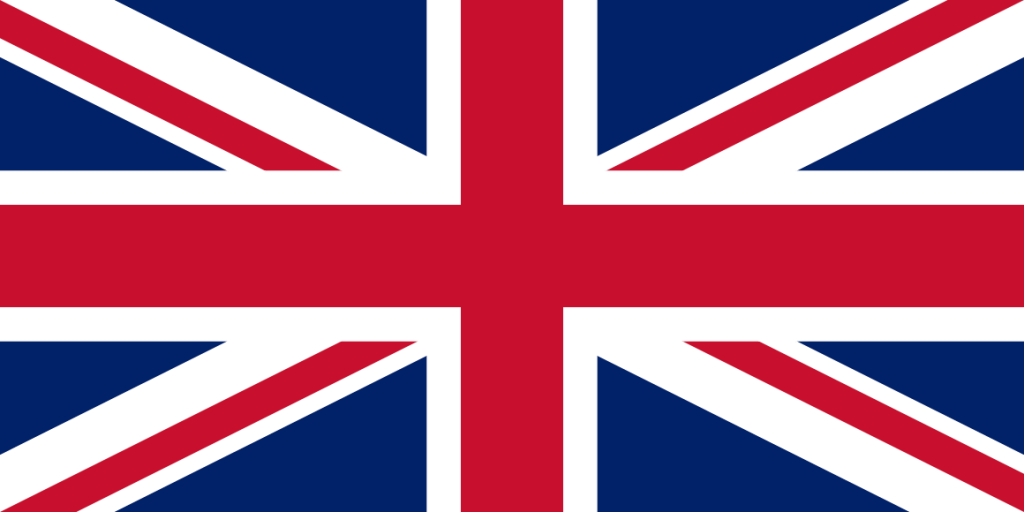
The famous Union Jack actually layers three separate patron saints’ crosses into one comprehensive design. It superimposes the red cross of St. George, the white saltire of St. Andrew, and the red saltire of St. Patrick. Wales is not visibly represented because it was already unified with England when the initial flag was conceived.
United States
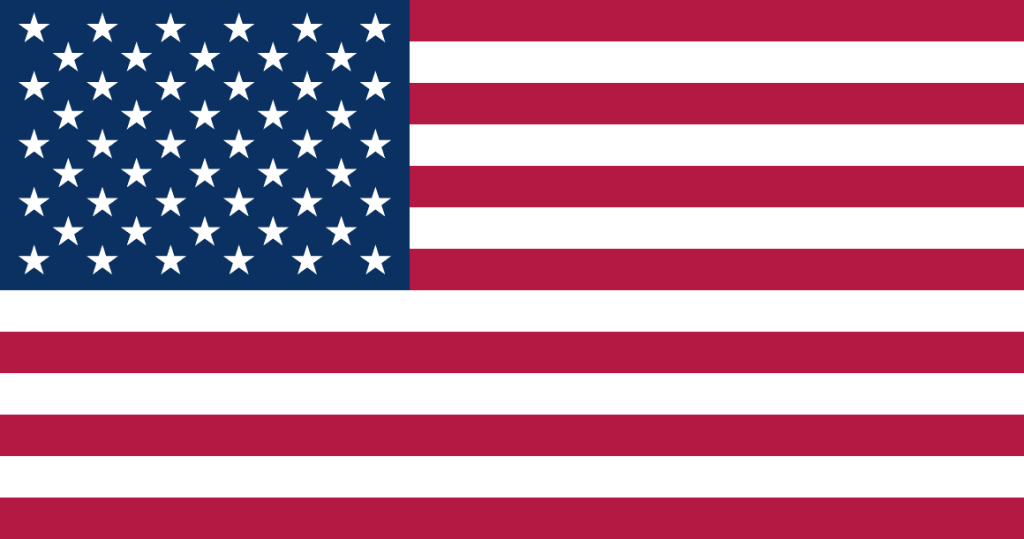
Thirteen alternating red and white stripes trace the legacy of the original colonies that declared independence from British rule. The upper blue canton houses fifty white stars, mirroring the states comprising the federal republic. This adaptive design has been modified twenty-six times throughout history as new territories gained statehood.
Nepal
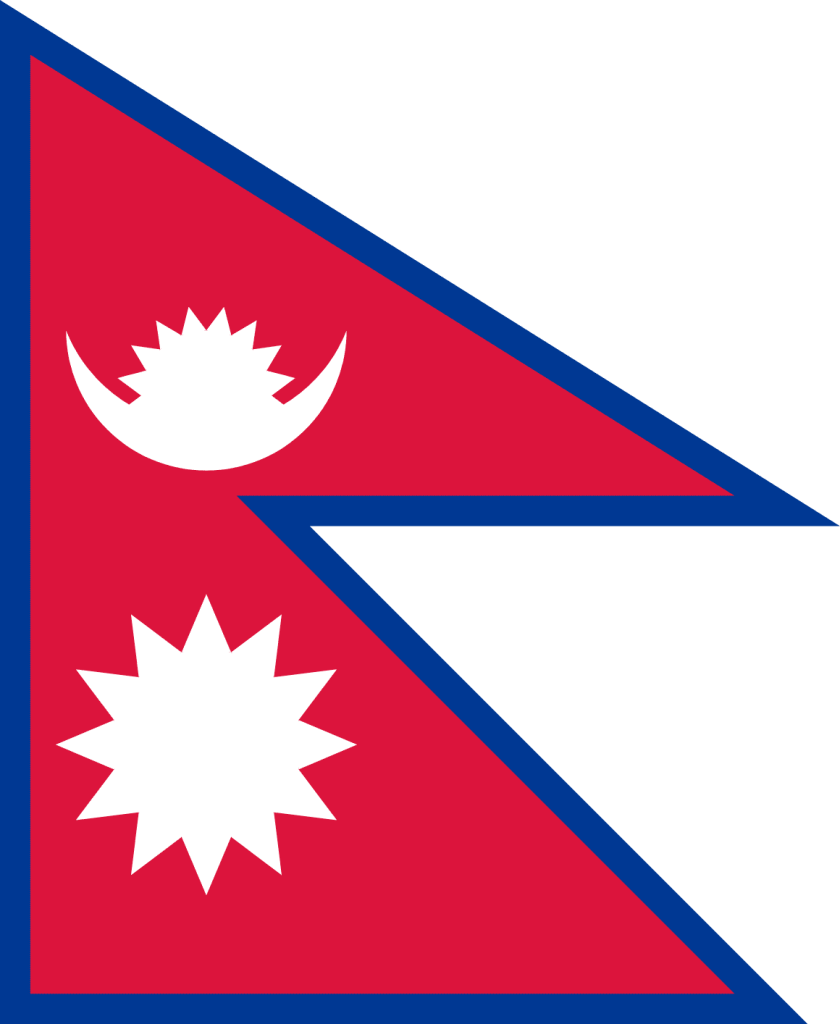
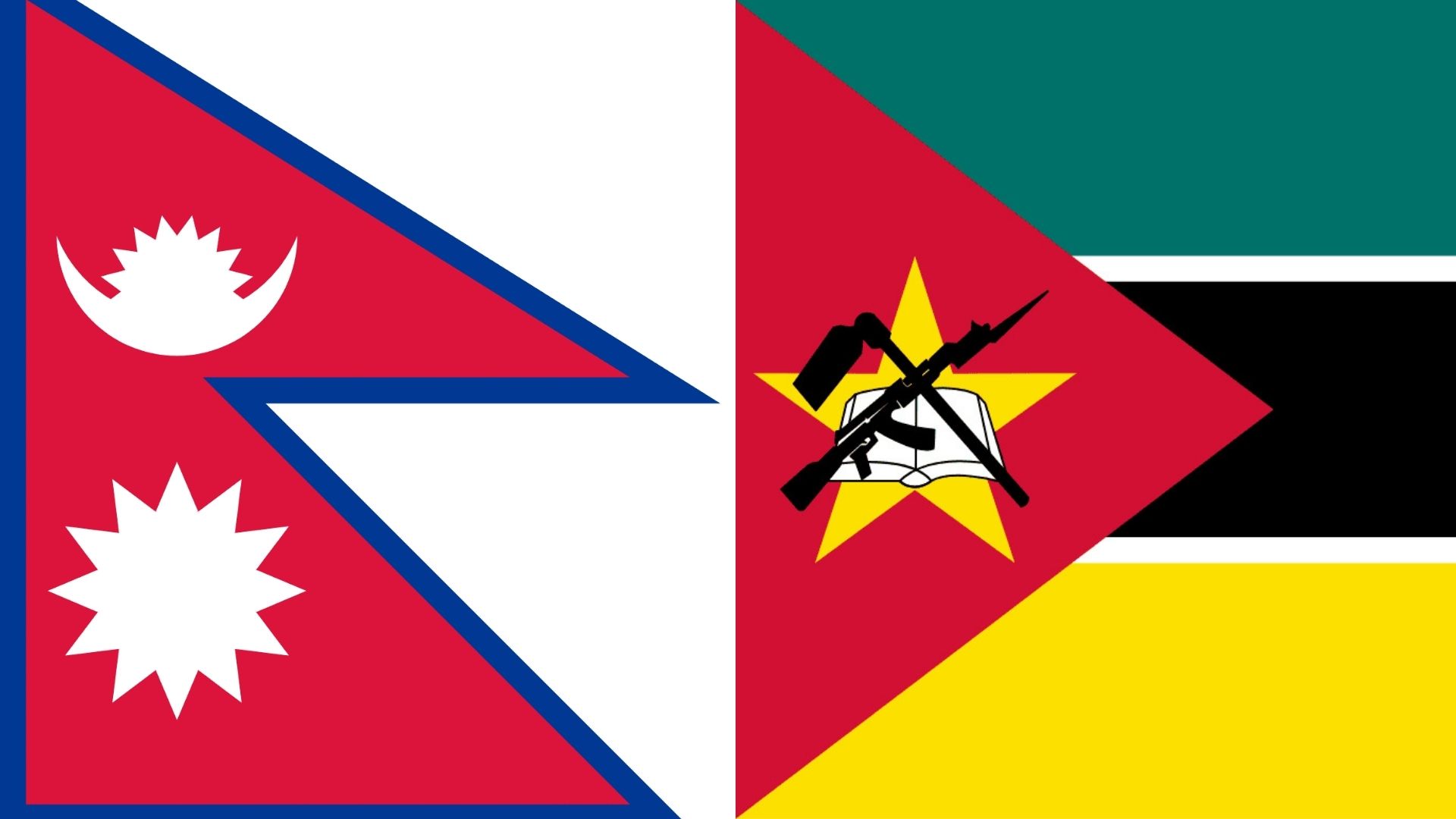
This non-quadrilateral layout completely discards standard rectangular shapes, opting instead for two stacked triangular pennants. The upper shape houses a stylized crescent moon, while the lower pennant displays a brilliant white sun. These celestial symbols represent the fervent hope that the nation will endure as long as the sun and moon exist.
Jamaica
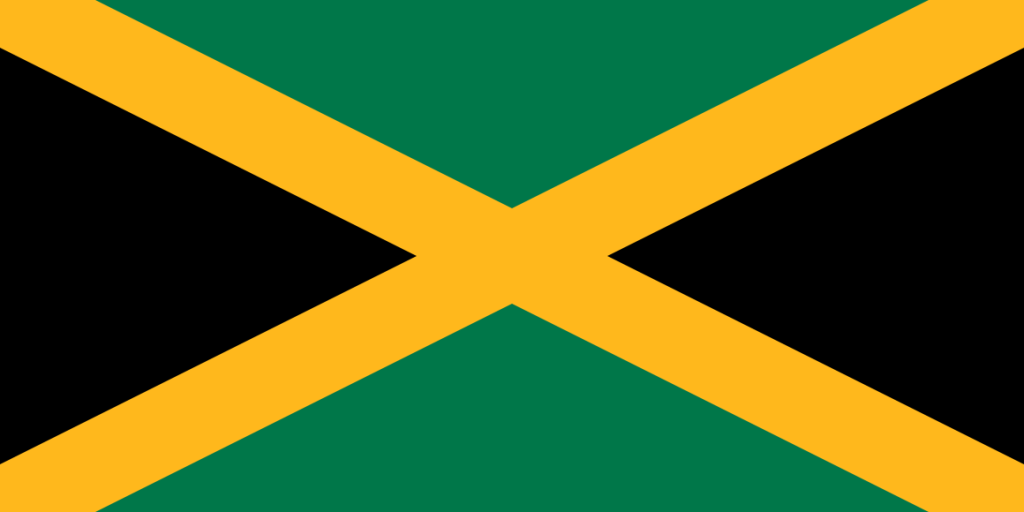
A striking gold saltire breaks the flag into distinct triangles of green and black. This design achieves a rare status as the only national flag in use that contains absolutely no traces of red, white, or blue. Black signifies the hardships of the past, green represents lush agricultural wealth, and gold symbolizes warm sunshine.
Mozambique
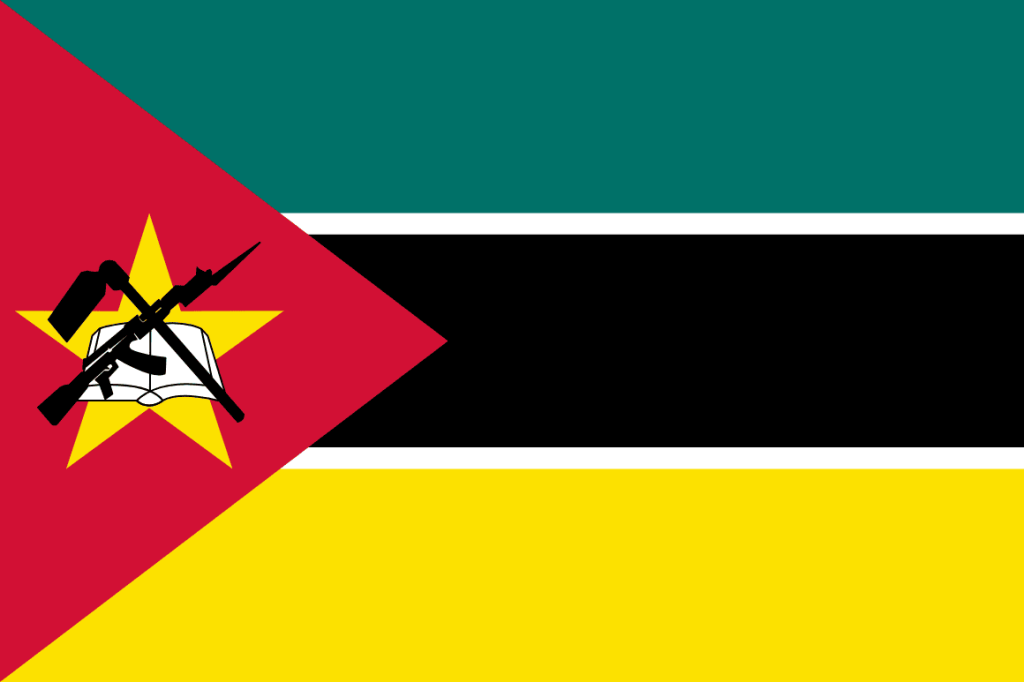
This unique layout holds a highly unusual distinction, featuring a modern AK-47 assault rifle with a fixed bayonet. The firearm is crossed with a farming hoe over an open book, symbolizing defense, agriculture, and education respectively. This bold combination reflects the historical revolutionary struggles that occurred during the late 20th century.