Villain-led movies hit differently because they do not ask you to root for the “right” person. Instead, they pull you into ambition, obsession, greed, or revenge and make that darkness the engine of the plot. Some of these films are cautionary tales, others are satire, and a few are tragic character studies where the moral line is intentionally blurred. Here are 30 well-known films where the main character is also the villain, or at least the story’s most dangerous force.
“Heat” (1995)
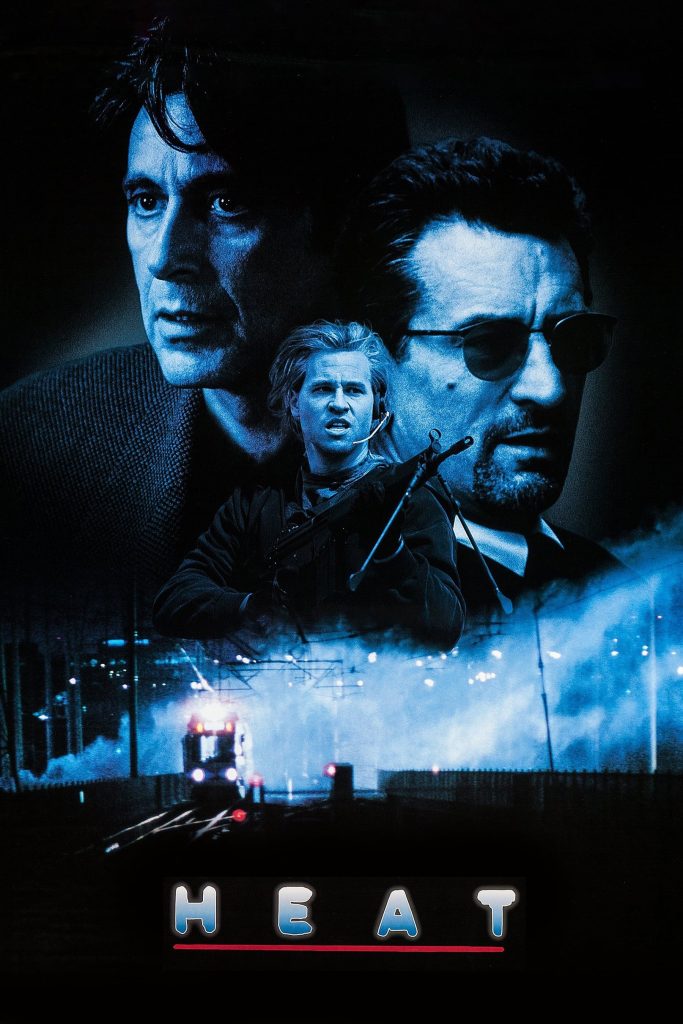
“Heat” gives its criminal mastermind the same care and depth usually reserved for heroes. Neil McCauley lives by a strict code, yet that code still fuels robbery, destruction, and death. The film makes the villain-protagonist compelling by treating professionalism as its own seduction.
“Reservoir Dogs” (1992)
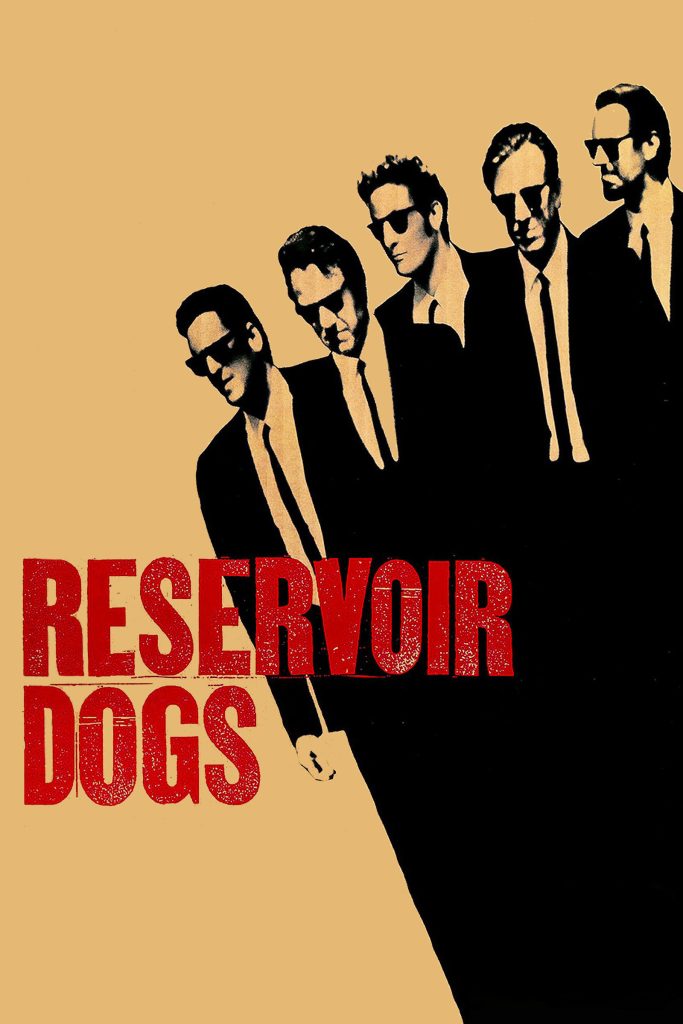
A crew of thieves falls apart in “Reservoir Dogs,” but the movie treats their paranoia and cruelty as the main event. The characters are criminals first and friends never, and the tension comes from how quickly they turn on each other. It is villainy as a pressure cooker.
“Scarface” (1983)
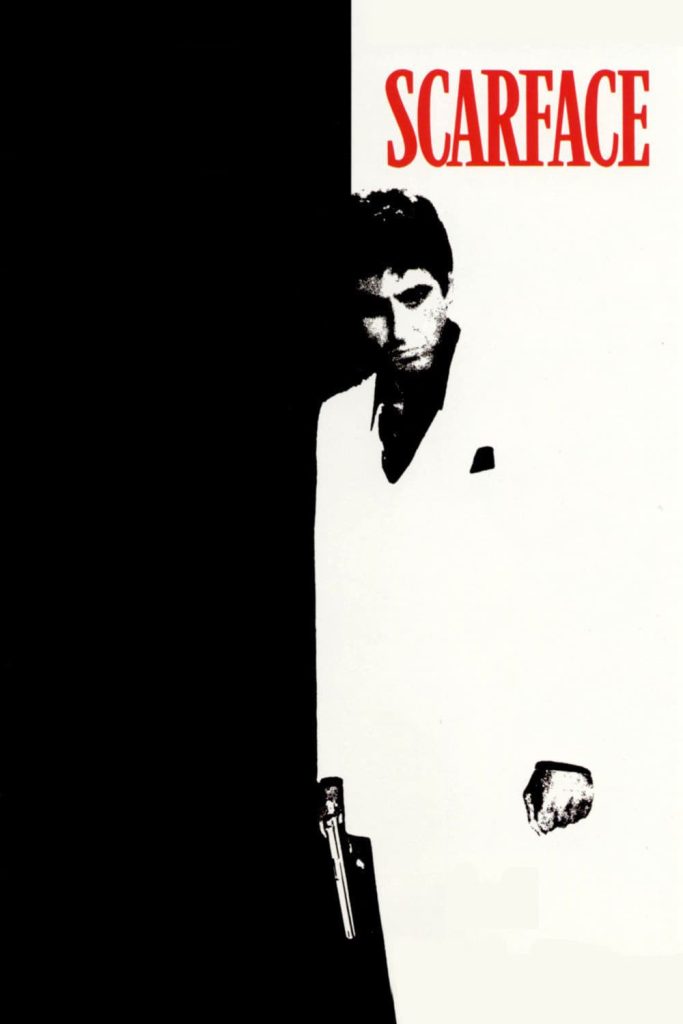
Ambition is the engine of “Scarface,” and Tony Montana is its loudest warning sign. The film celebrates his rise with swagger, then shows how paranoia and brutality eat everything he touches. You are watching a villain build an empire, then burn it down from the inside.
“A Clockwork Orange” (1971)
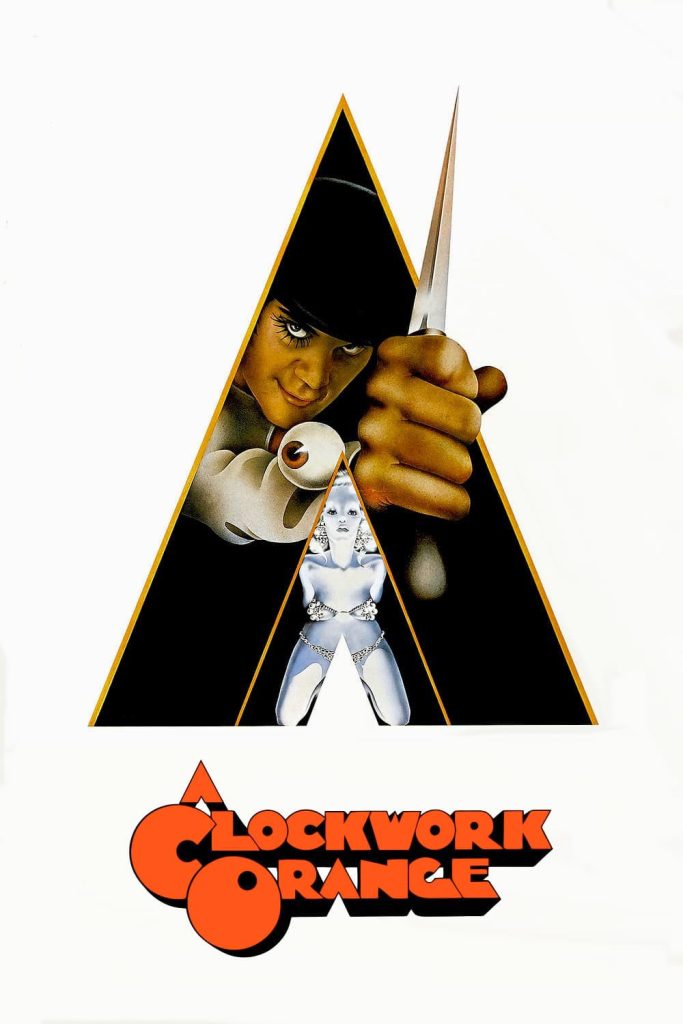
Alex DeLarge is charismatic, violent, and unapologetically cruel, and the film stays glued to his perspective the entire time. Instead of asking you to forgive him, “A Clockwork Orange” forces you to watch what happens when society tries to “fix” evil with something even more dehumanizing. It is villainy framed as narration, not redemption.
“The Wolf of Wall Street” (2013)
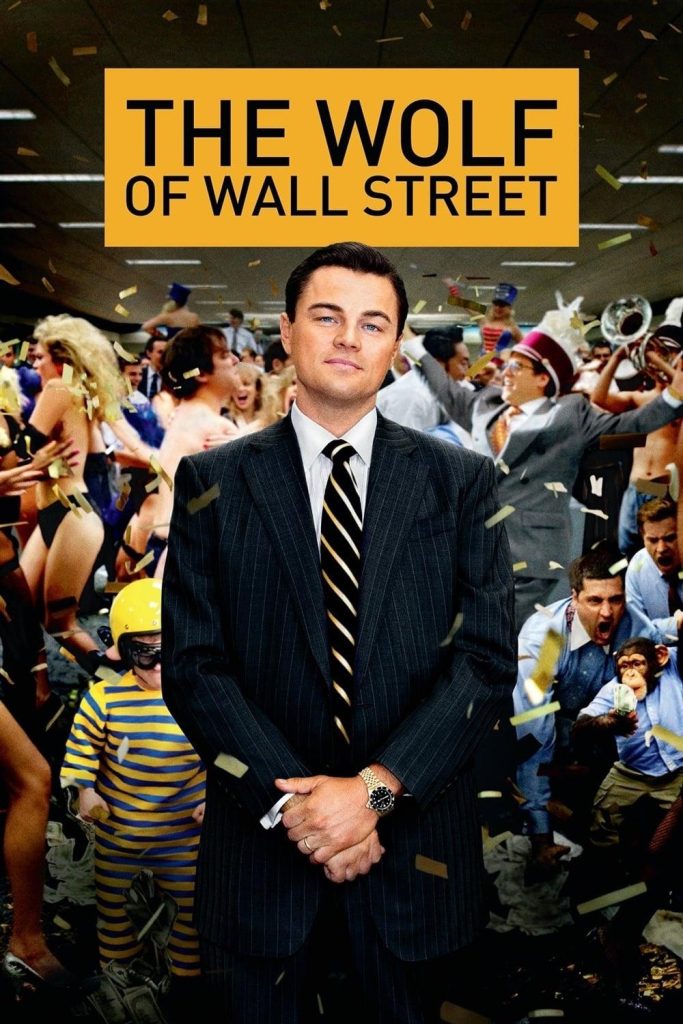
“The Wolf of Wall Street” centers on Jordan Belfort’s rise as a fraudster, not as a cautionary side character. The film’s energy mirrors his appetite for excess, which is part of the critique. It is villainy made loud so you cannot ignore the damage underneath.
“The King of Comedy” (1982)
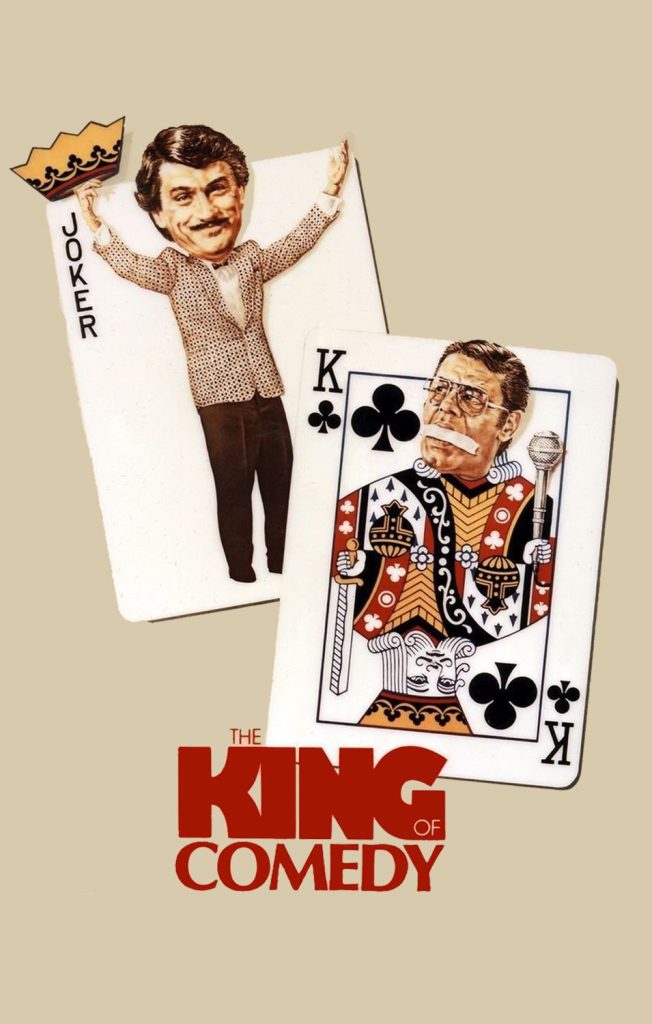
Instead of a lovable underdog, “The King of Comedy” gives you Rupert Pupkin, a man who confuses obsession for destiny. His desperation escalates into manipulation and crime, and the movie keeps him front and center as if fame were the only moral compass. It is uncomfortable because the villain believes he is simply “due.”
“There Will Be Blood” (2007)
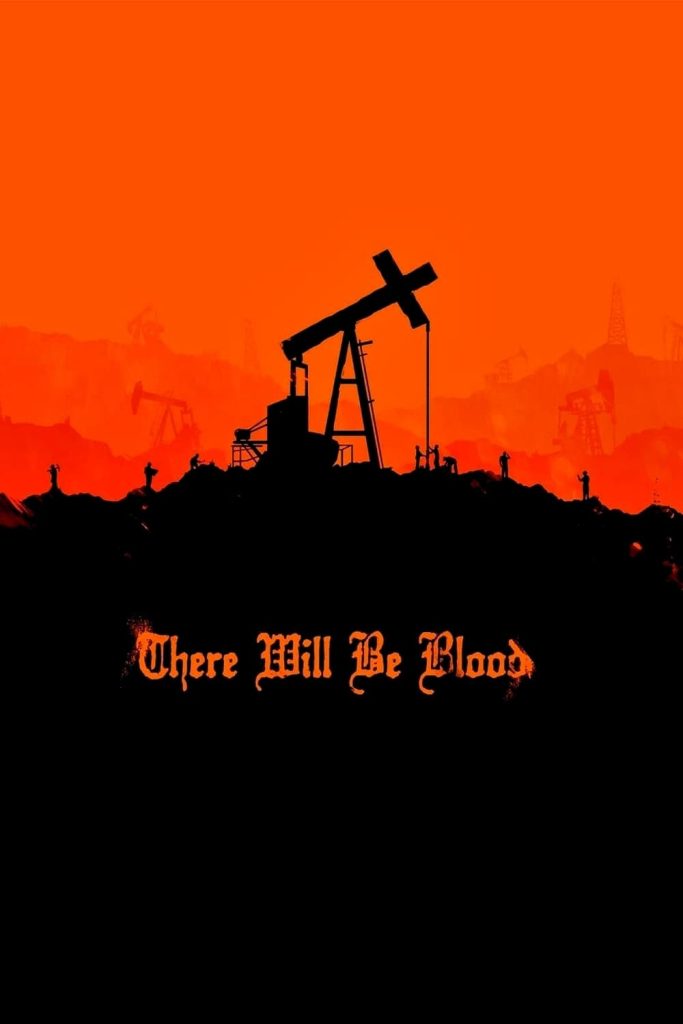
Daniel Plainview in “There Will Be Blood” is driven by greed, pride, and the need to win at any cost. The story treats his ambition like a slow infection that spreads into everyone nearby. He is the main character, and he is also the disaster.
“Watchmen” (2009)
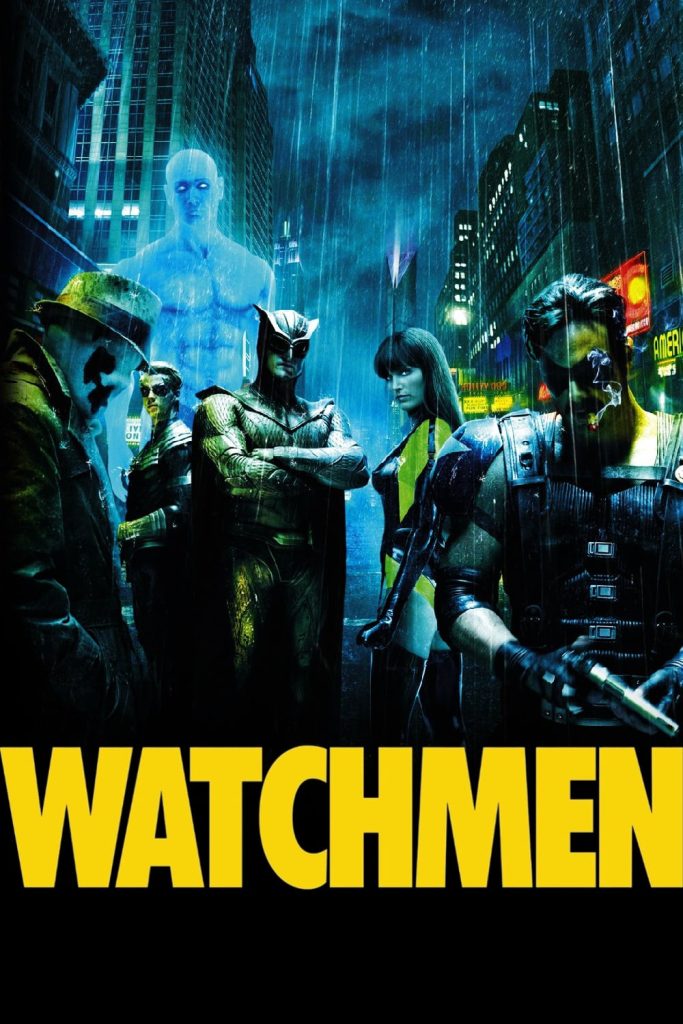
“Watchmen” keeps its focus on costumed figures who are broken, violent, and often self-serving. The story treats moral compromise as the norm, not the exception, and asks what “saving the world” costs. The villain-protagonist feeling comes from how blurred the line becomes.
“Nightcrawler” (2014)
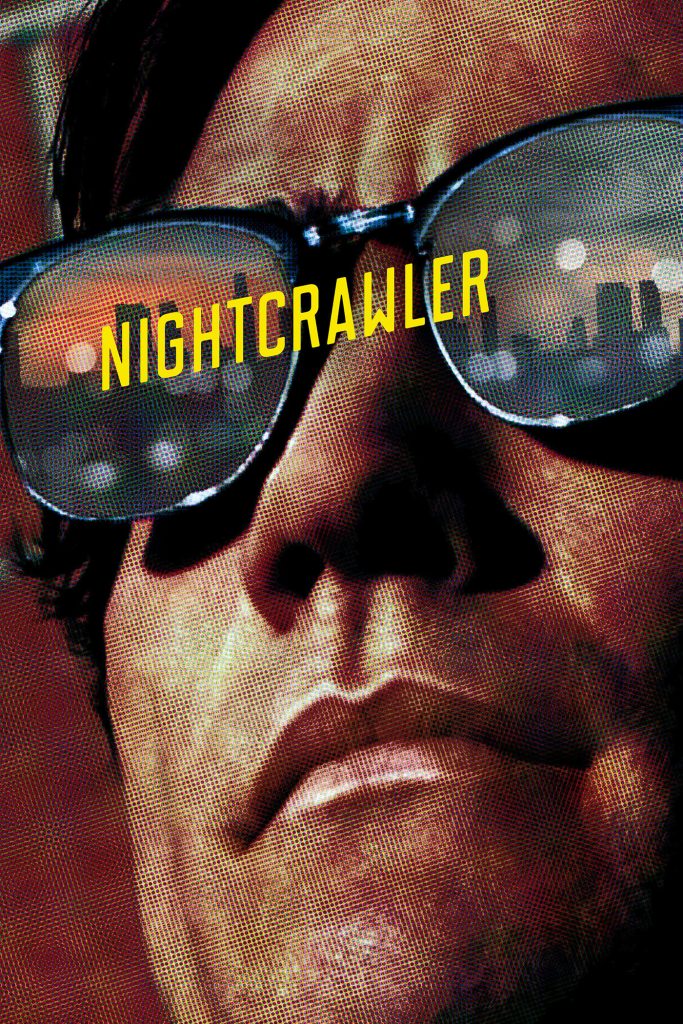
“Nightcrawler” follows Lou Bloom, a man who treats human suffering as a business opportunity. His ambition has no empathy attached, and the film never gives him a moral awakening. It is one of the clearest modern examples of a villain who drives the plot and gets rewarded.
“Taxi Driver” (1976)
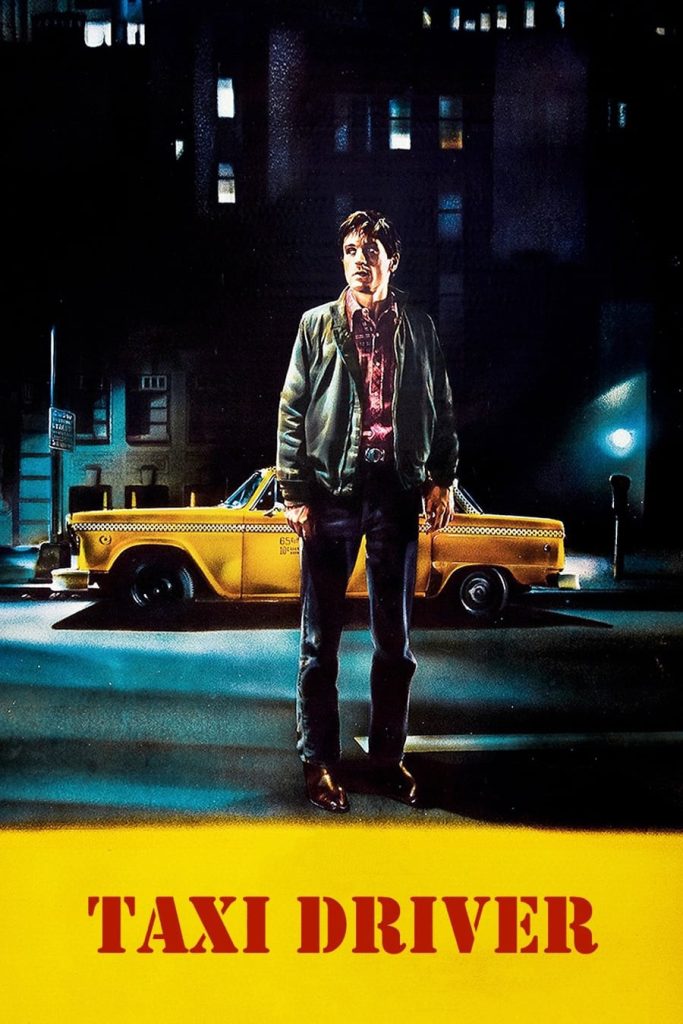
Travis Bickle is not a hero in the usual sense, and “Taxi Driver” never lets you forget how unstable his worldview is. The film lives inside his resentments until violence starts to feel like a mission. It is a portrait of a protagonist who becomes the threat he thinks he is fighting.
“Natural Born Killers” (1994)
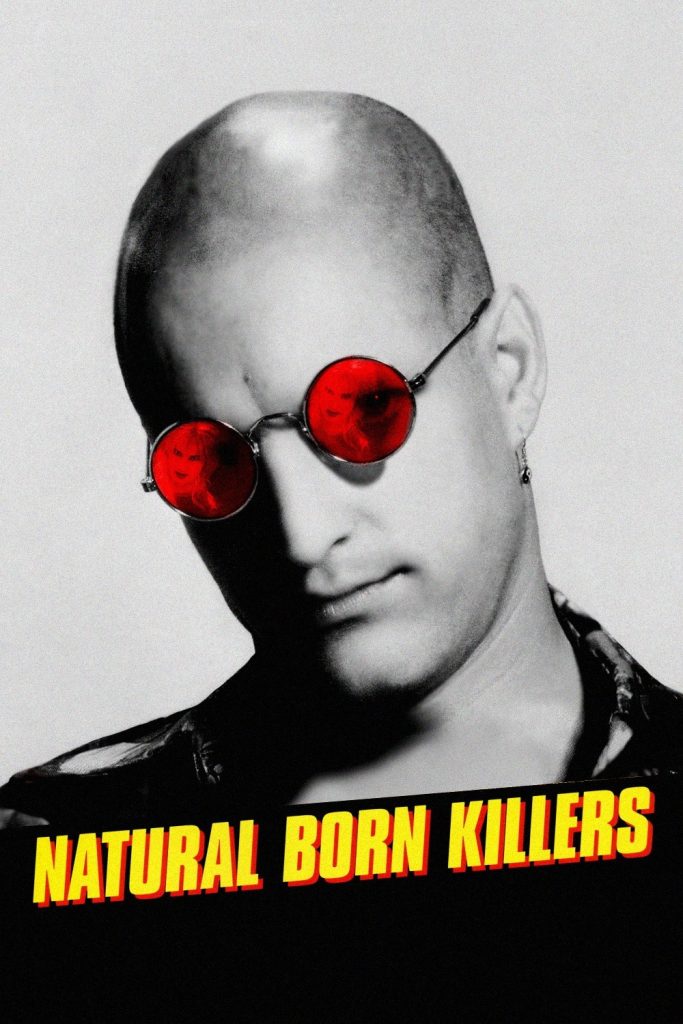
“Natural Born Killers” centers on Mickey and Mallory, lovers who become media-famous murderers. The film refuses to present them as misunderstood victims, but it also shows how the culture around them turns violence into entertainment. The villains are the main characters, and the spotlight becomes part of the crime.
“The Shining” (1980)
Long before the hotel fully takes over, “The Shining” tracks Jack Torrance’s unraveling as the real threat inside the family. The film stays close to his paranoia and cruelty as it grows into something monstrous. It is horror where the villain is also the person you started out following.
“Falling Down” (1993)
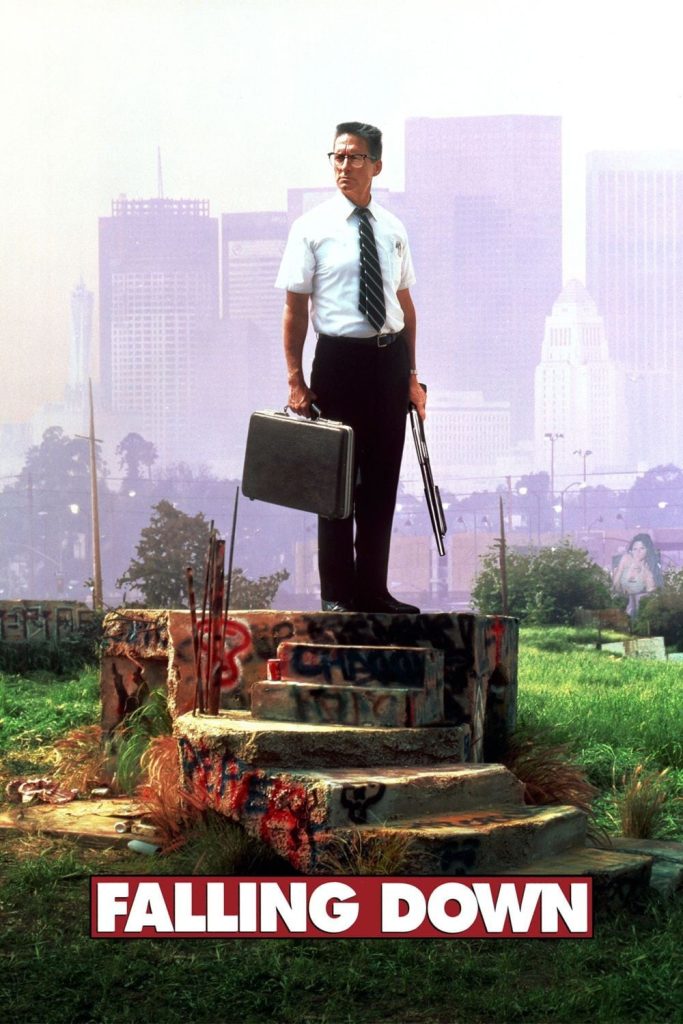
“Falling Down” follows an ordinary-looking man as he spirals into escalating threats and violence. The film keeps you close enough to understand his anger, then shows how that anger becomes dangerous to everyone around him. It is a villain origin story hiding inside a bad day.
“Bonnie and Clyde” (1967)
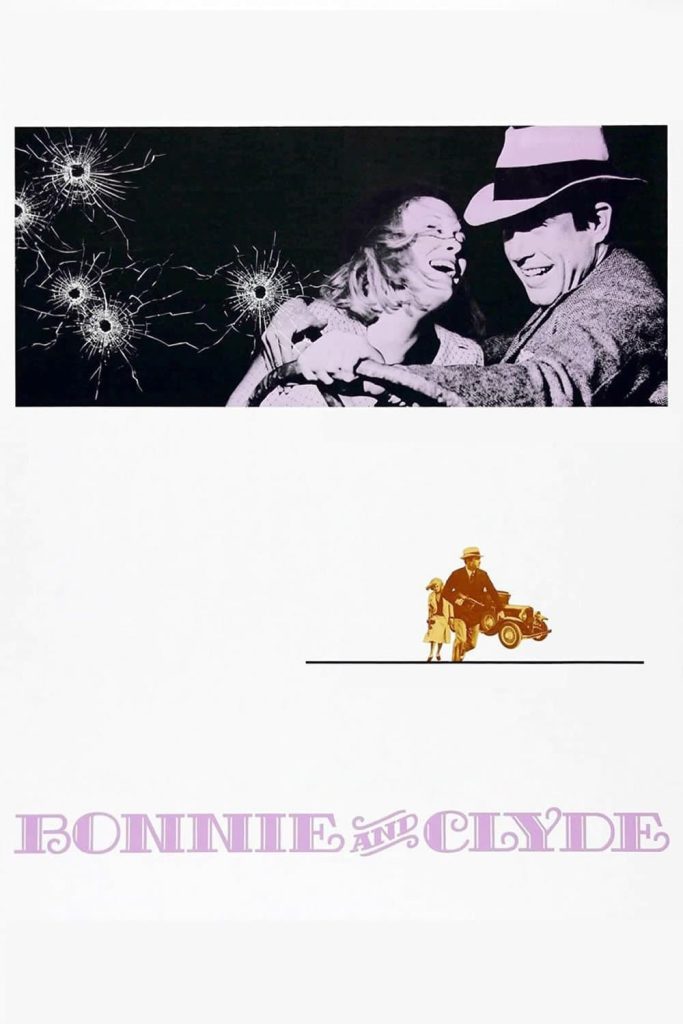
“Bonnie and Clyde” treats two real-life criminals like magnetic folk heroes, even as their robberies and violence escalate. The film keeps them at the center, showing how fame and danger feed each other. It is a classic example of outlaw protagonists who are still clearly doing harm.
“Despicable Me” (2010)
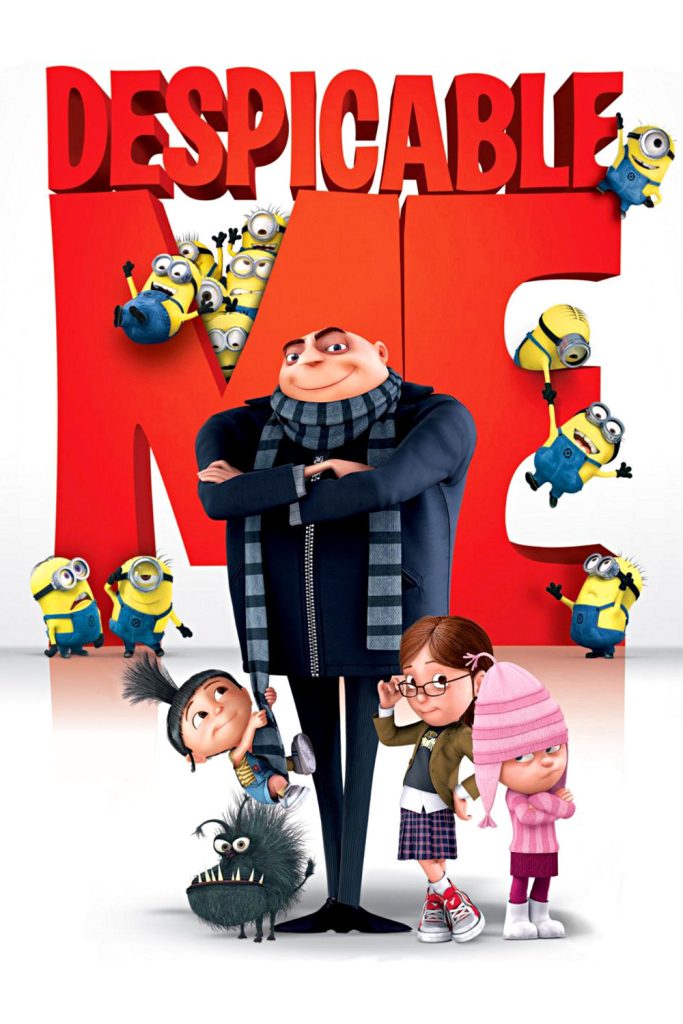
“Despicable Me” starts with Gru as a proud supervillain planning a massive heist. The movie lets you enjoy the evil branding before parenthood complicates the image. It is villain-led storytelling that pivots into transformation without pretending the early intent was noble.
“The Talented Mr. Ripley” (1999)
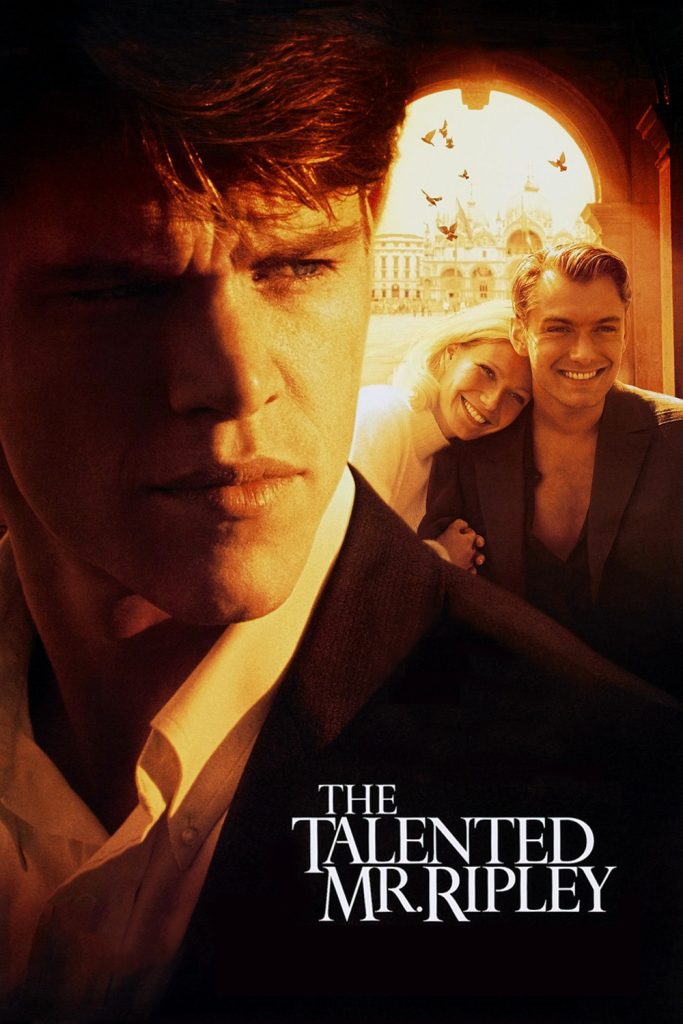
Tom Ripley wants belonging so badly in “The Talented Mr. Ripley” that he becomes capable of anything to keep it. The film stays intimate with his lies, his improvisations, and his cold decisions. It is villainy powered by a character who seems terrified of being ordinary.
“American Psycho” (2000)
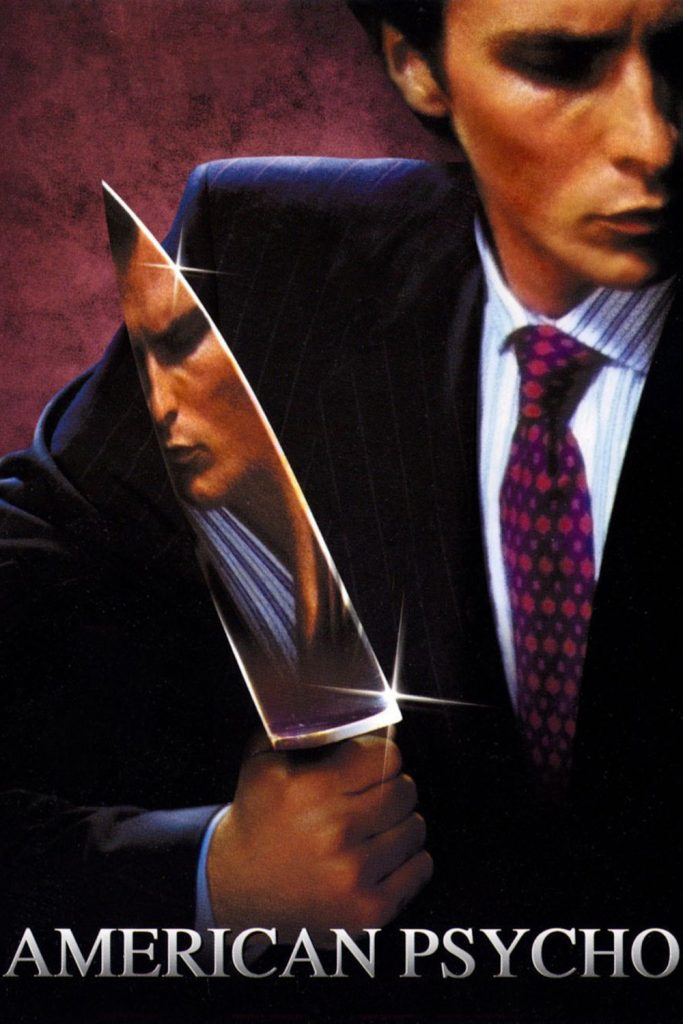
“American Psycho” traps you inside Patrick Bateman’s polished surface while hinting at something monstrous underneath. The story makes his violence feel like a grotesque extension of vanity, status, and emptiness. The villain is the narrator, and the narration is part of the horror.
“Megamind” (2010)
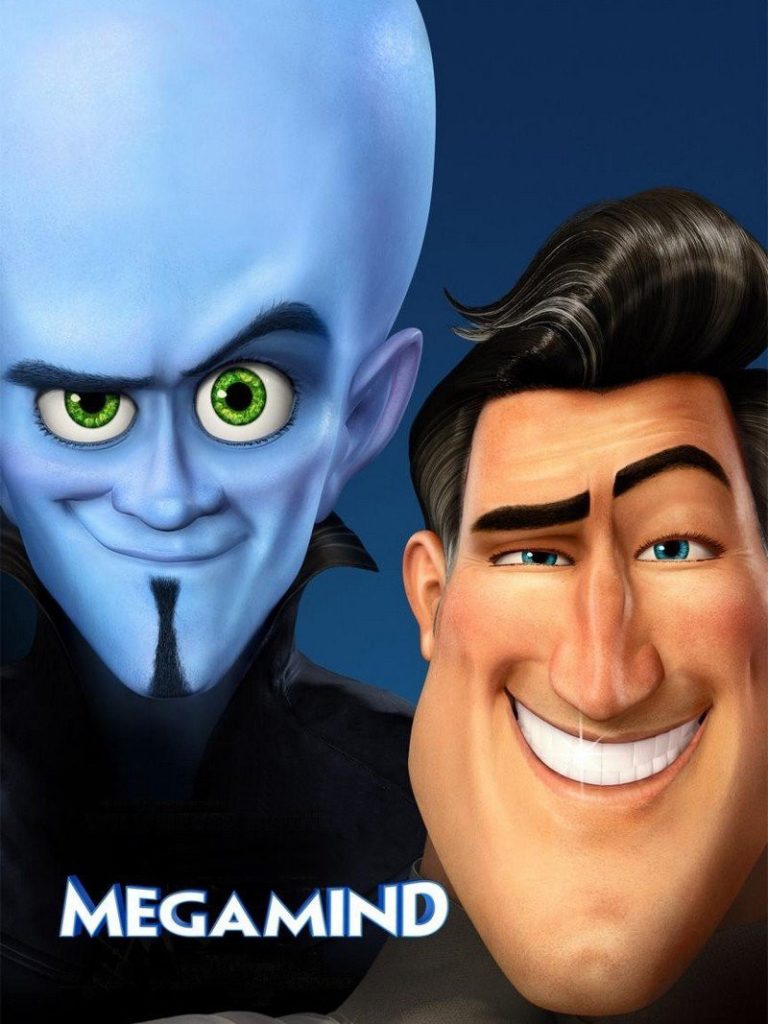
“Megamind” begins after the villain finally wins, which is already a twist. When he loses his purpose, he tries to manufacture a new hero and accidentally creates something worse. The film makes its villain the heart of the story while still poking at how selfish he can be.
“Monster” (2003)
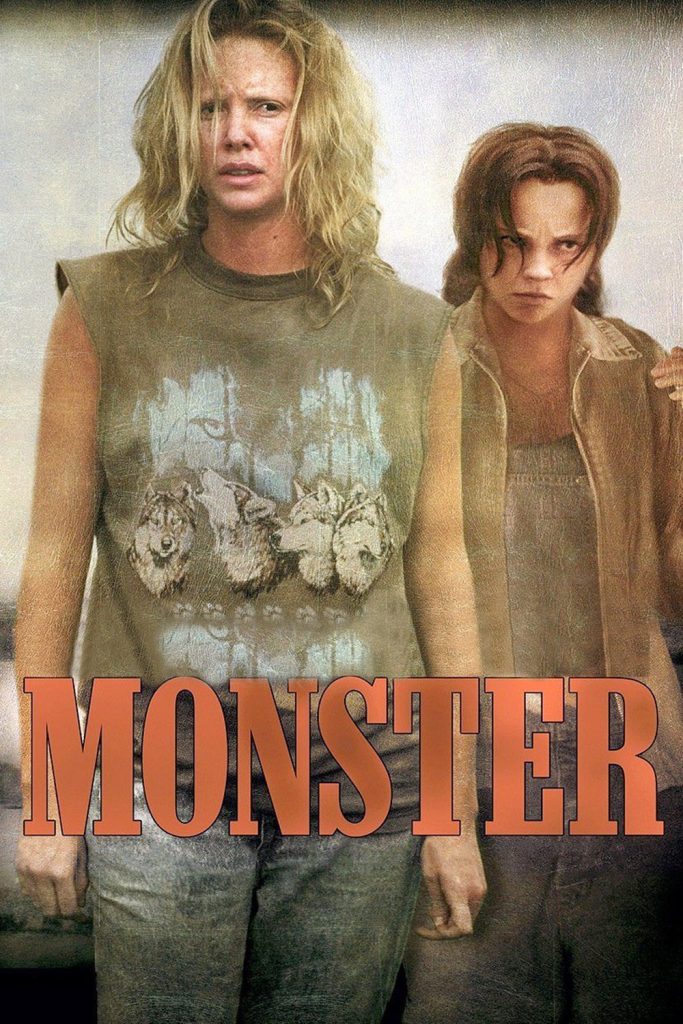
“Monster” centers on Aileen Wuornos, and it does not ask you to celebrate what she does. Instead, the film shows a life shaped by trauma while still acknowledging the horror of her crimes. It is a grim example of a villain lead handled with empathy and restraint.
“Fight Club” (1999)
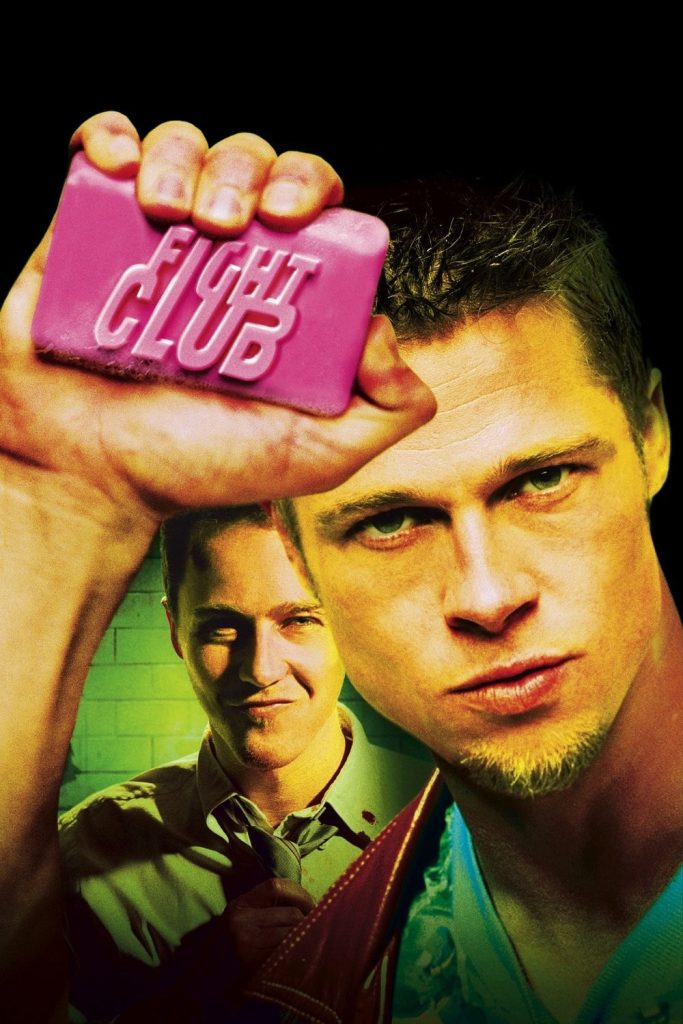
“Fight Club” starts as personal breakdown and ends as something far more destructive. As the narrator slips deeper into Tyler Durden’s ideology, the “lead” becomes the driver of violence and chaos. It is a story where the protagonist’s liberation curdles into villainy.
“Catch Me If You Can” (2002)
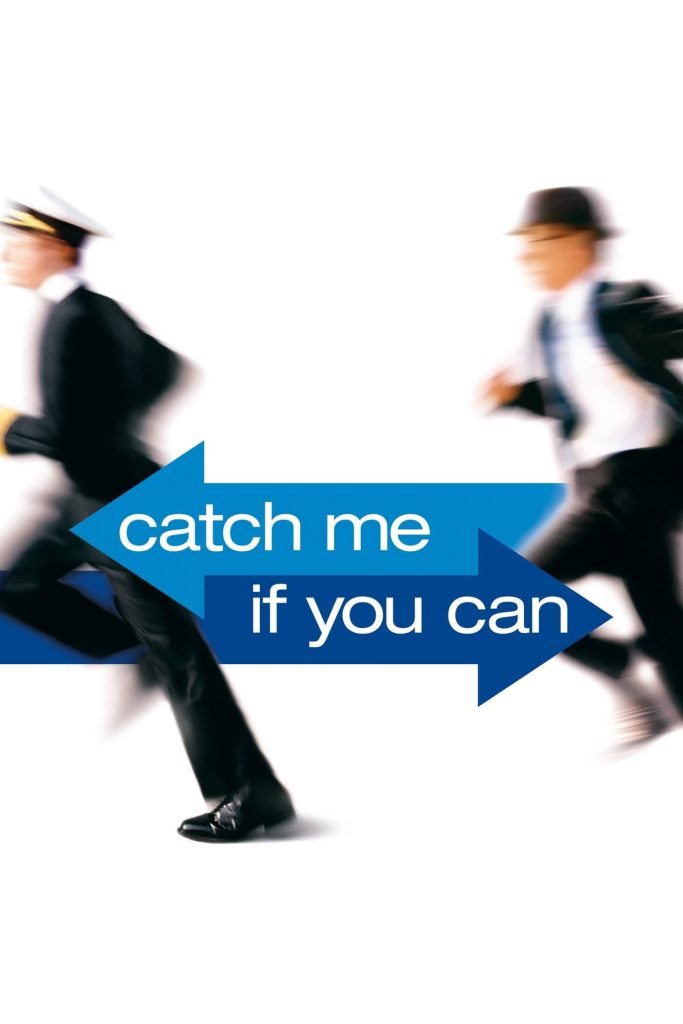
Frank Abagnale Jr. is a con artist in “Catch Me If You Can,” and the movie treats his scams like a high-speed character study. He forges identities, steals, and lies with effortless confidence. The villain-protagonist appeal comes from how charming wrongdoing can look from the inside.
“Sweeney Todd: The Demon Barber of Fleet Street” (2007)
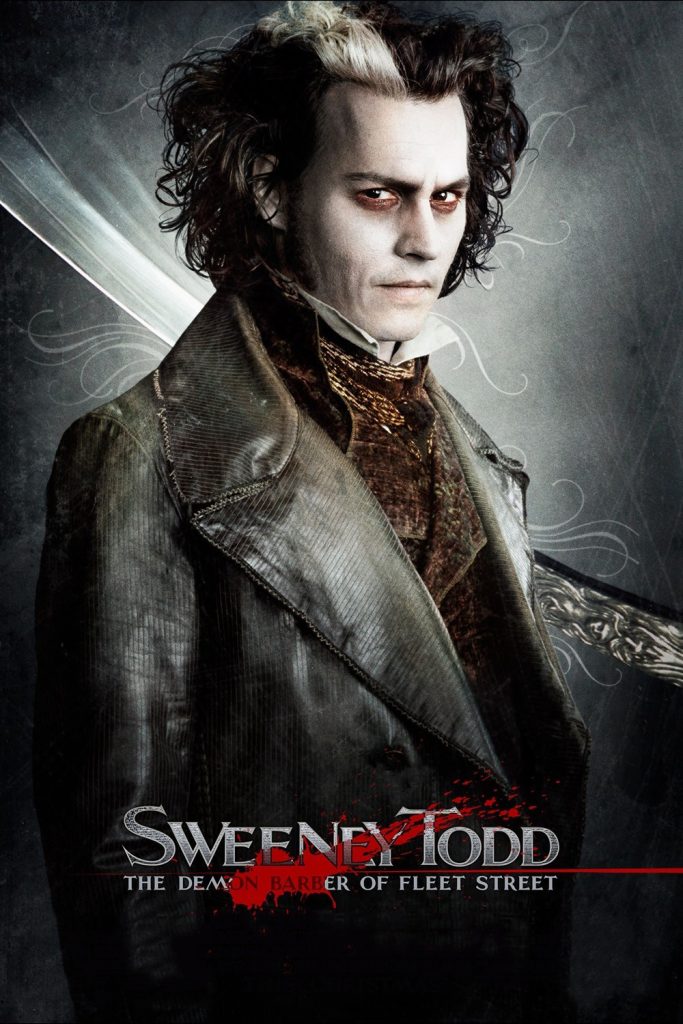
Revenge is the hook of “Sweeney Todd: The Demon Barber of Fleet Street,” but the body count quickly outgrows any justification. Todd becomes a killer who targets the guilty and the innocent alike. The film makes the villain-protagonist operatic, not heroic.
“Downfall” (2004)
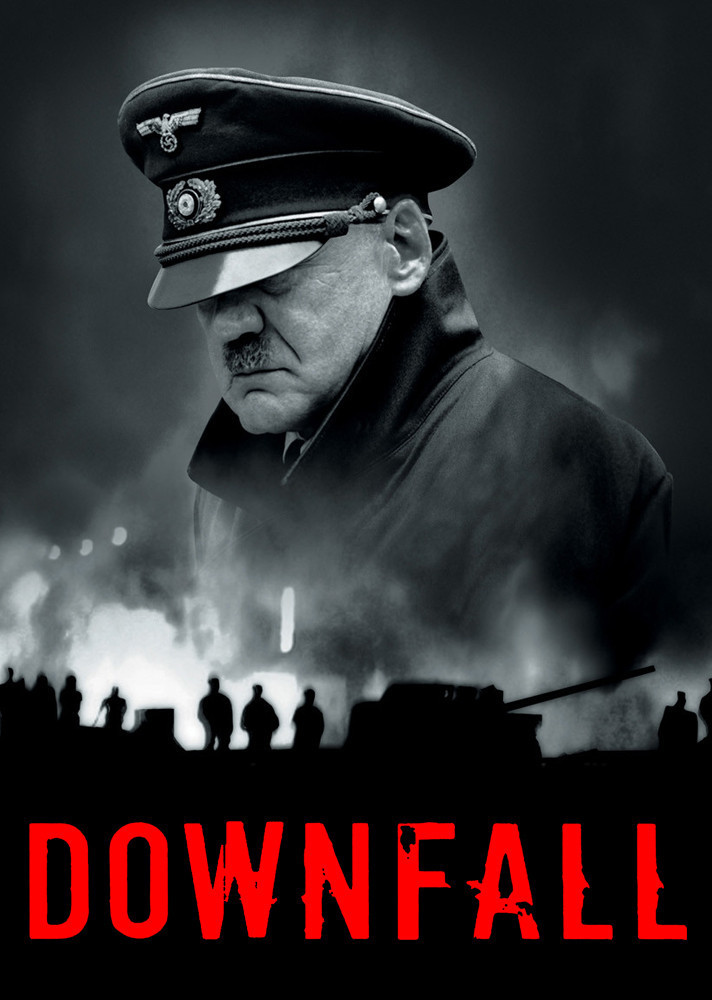
“Downfall” depicts the final days of Adolf Hitler in a bunker as defeat closes in. The film’s perspective is unsettling precisely because it stays close to the villain without excusing him. It is history told through the people responsible for it.
“Goodfellas” (1990)
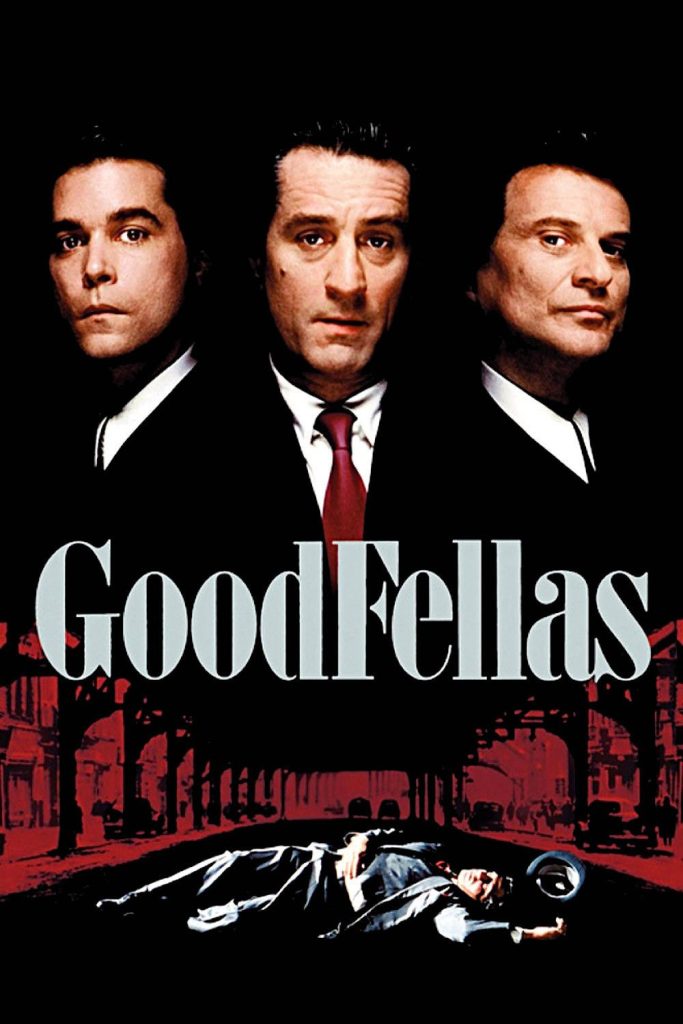
What makes “Goodfellas” so seductive is how confidently it lets a criminal tell the story. Henry Hill narrates the glamour, the shortcuts, and the violence like a memoir you cannot stop reading. The villain-protagonist angle works because the charm and the cruelty arrive in the same sentence.
“Perfume: The Story of a Murderer” (2006)

“Perfume: The Story of a Murderer” follows Jean-Baptiste Grenouille as obsession turns into a methodical killing spree. The film frames his crimes through fixation and sensory hunger rather than moral conflict. It is villainy portrayed as craft, which is exactly why it is disturbing.
“Gone Girl” (2014)
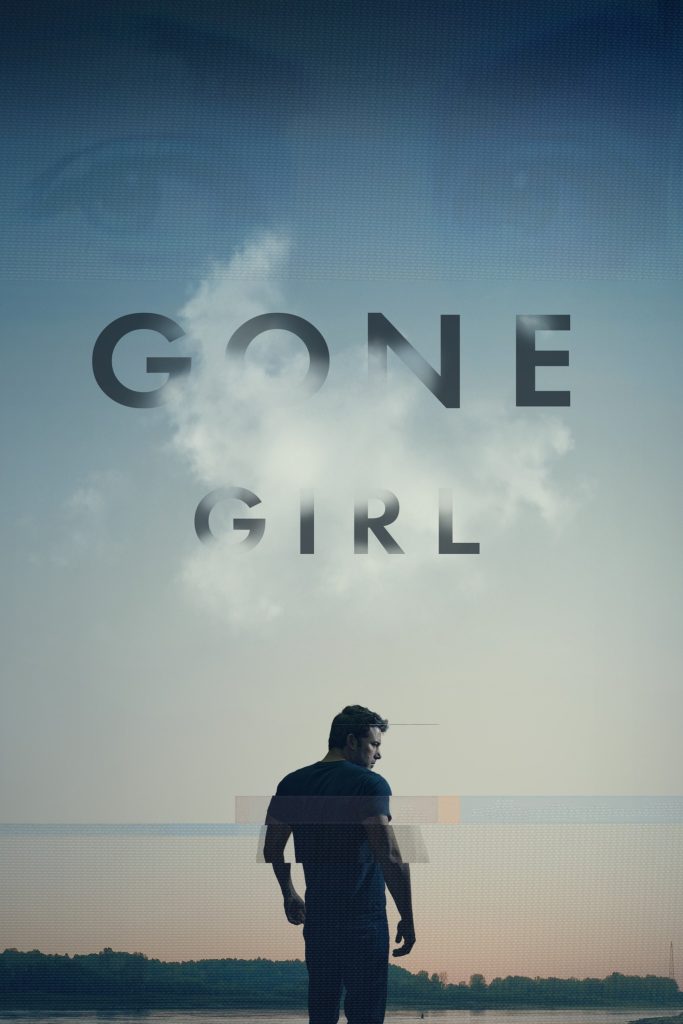
“Gone Girl” shifts its point of view to reveal a meticulously planned act of manipulation. Amy becomes the architect of the story, shaping public opinion like a weapon. The villain-protagonist punch comes from how controlled her performance is.
“Training Day” (2001)
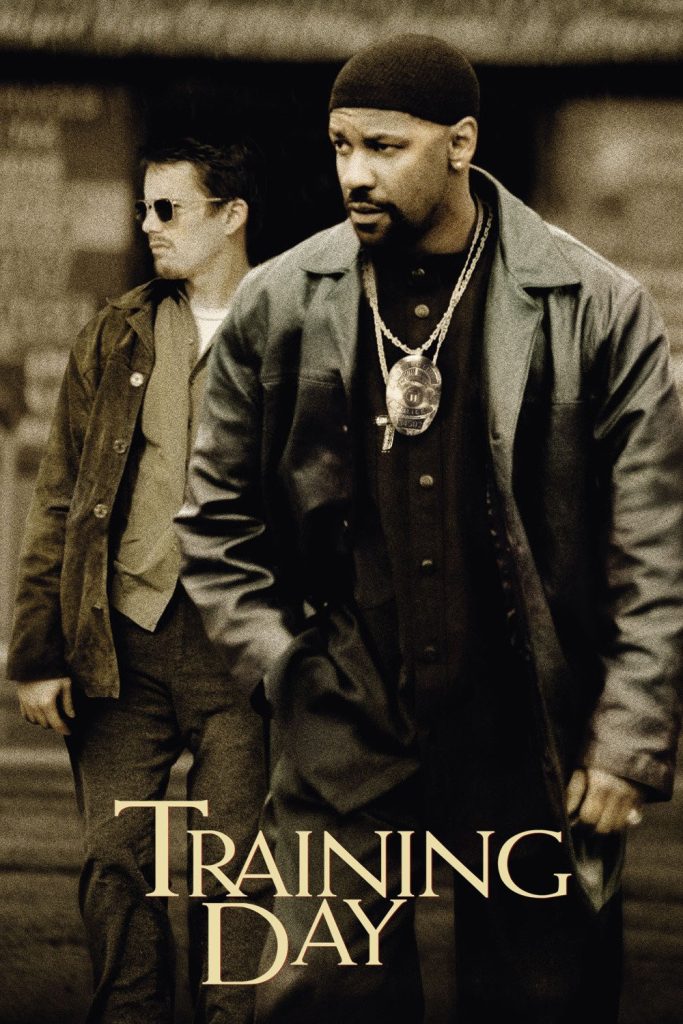
“Training Day” follows a rookie, but the magnetic center is Alonzo, a cop who behaves like a predator. He controls the day with intimidation, corruption, and theatrical charm. The film’s tension comes from watching a villain with authority improvise his own rules.
“Pulp Fiction” (1994)
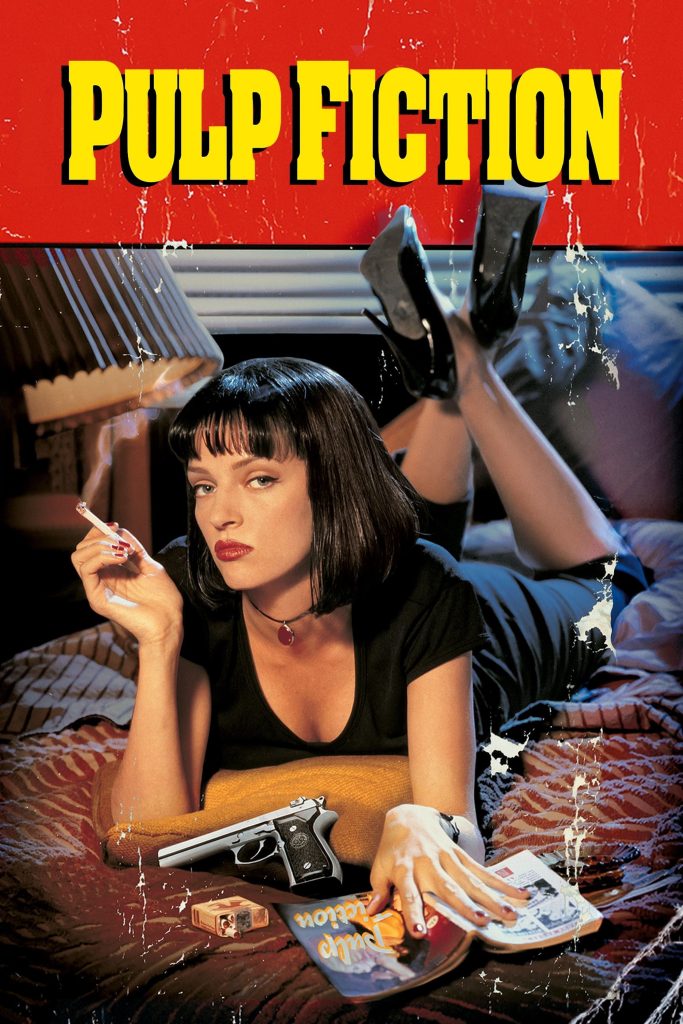
The leads of “Pulp Fiction” are hitmen, gangsters, and criminals, and the film treats their lives as strangely relatable. By framing violent people through humor and routine, it makes their morality feel negotiable. That uneasy closeness is the point.
“Joker” (2019)
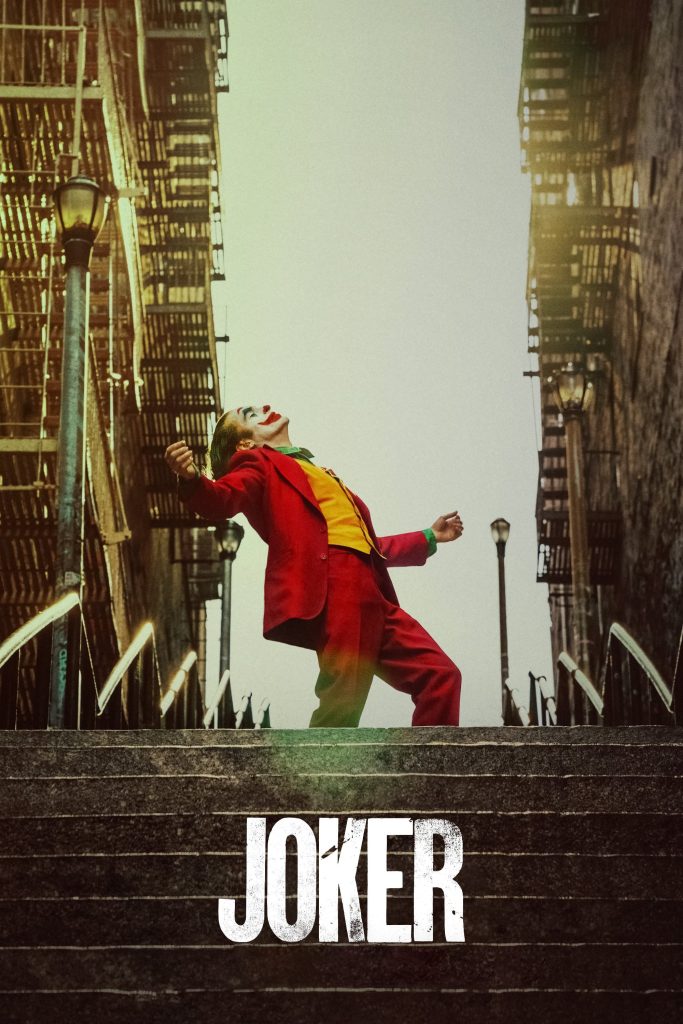
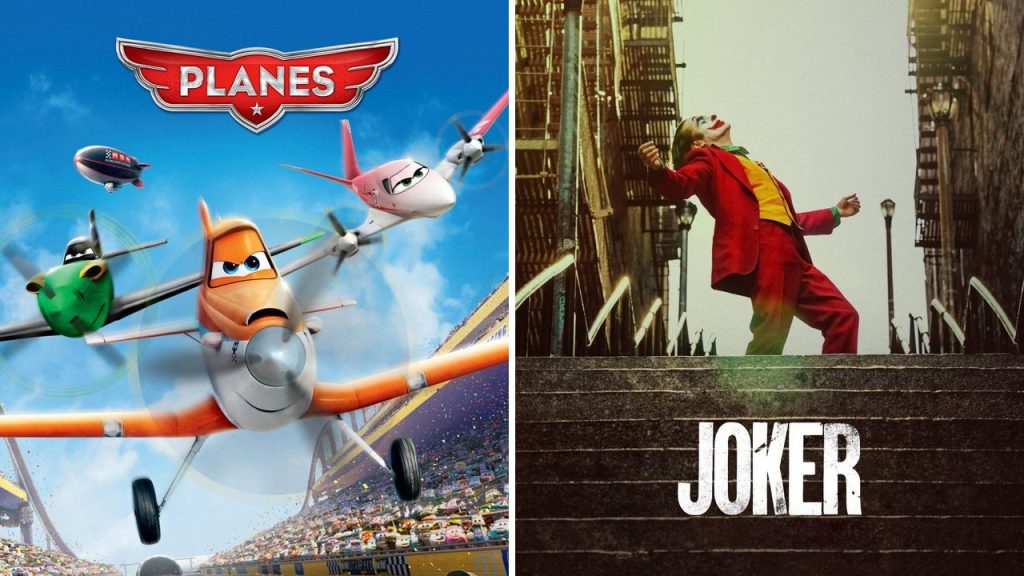
“Joker” builds its story around Arthur Fleck’s descent into violence and notoriety. The film centers his loneliness and rage without framing his actions as justified. As a closer, it is hooky because it turns one of pop culture’s most famous villains into the lead and dares you to sit with the result.
“The Godfather” (1972)
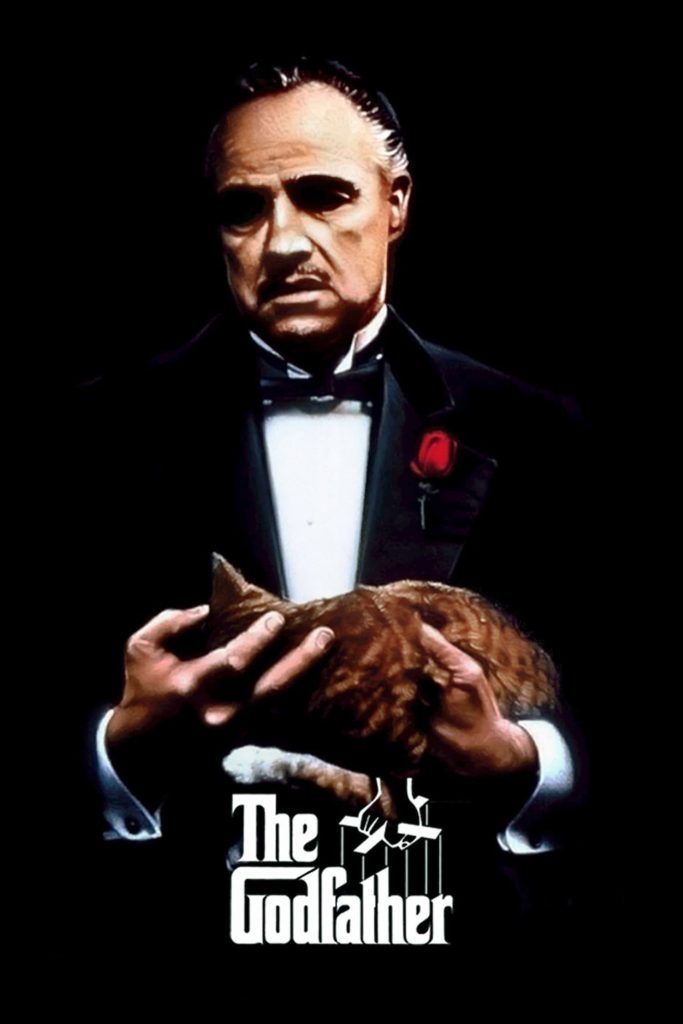
Power looks elegant when it is dressed in family loyalty, and that is what makes Michael Corleone so chilling in “The Godfather.” The story tracks his transformation into a ruthless crime boss while still treating him as the emotional center. By the end, the film has turned a rise to villainy into a tragic biography.