Cinema history is filled with moments where the face of a franchise or the focus of a narrative takes a sudden, unexpected turn. Whether due to behind-the-scenes drama, creative shifts, or shocking plot twists, these films dared to move on from their original protagonists. This article contains 30 specific instances where the spotlight shifted mid-story or between installments to a new lead. Discover how these major changes reshaped the legacy of some of the most famous movies ever made through 30 essential examples.
“The Place Beyond The Pines” (2012)
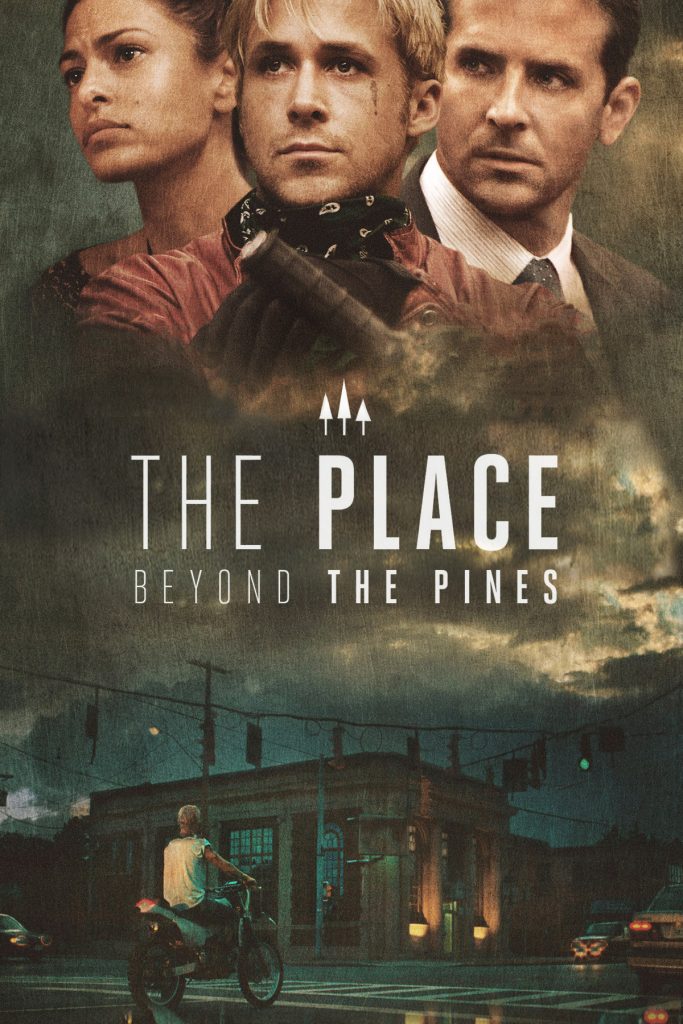
Derek Cianfrance’s ambitious drama begins as a vehicle for Ryan Gosling’s motorcycle-riding bank robber. However, the story takes a jarring turn halfway through, shifting focus to Bradley Cooper’s rookie police officer and eventually their sons. This triptych structure highlights the generational consequences of a single violent act. The film remains a rare example of a modern studio movie that completely abandons its primary star early on.
“The Dark Knight” (2008)
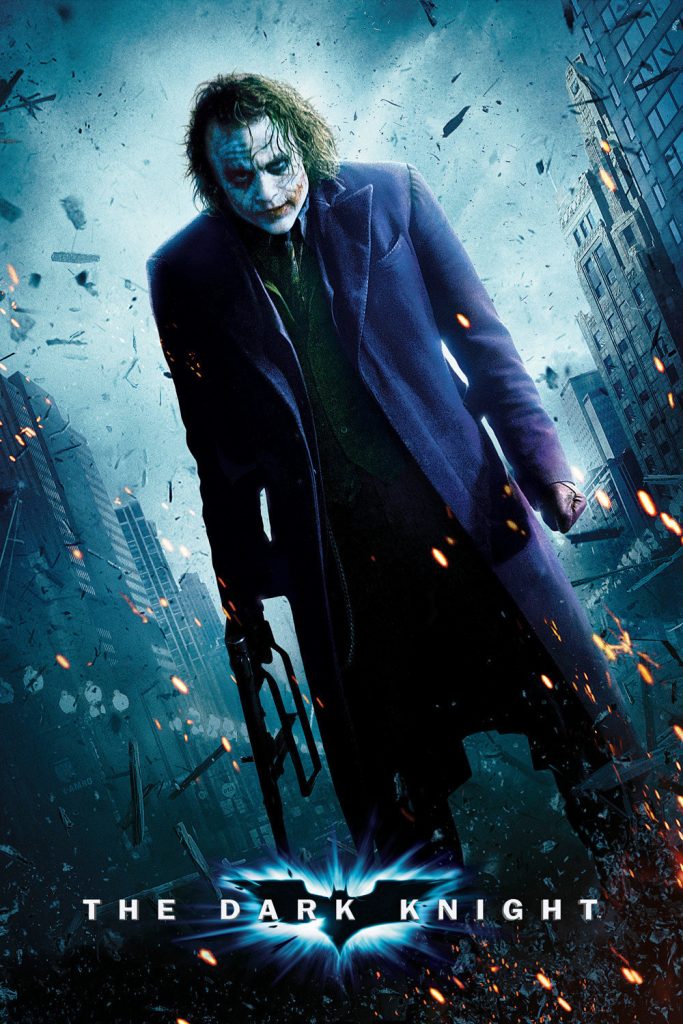
Maggie Gyllenhaal took over the role of Rachel Dawes from Katie Holmes, who had originated the character in “Batman Begins”. Christopher Nolan required a seamless transition to maintain the high emotional stakes of the sequel’s tragic climax. Fans largely accepted the switch given the critical acclaim of Gyllenhaal’s performance. This change allowed the production to move forward without being hindered by the previous lead actress.
“Full Metal Jacket” (1987)
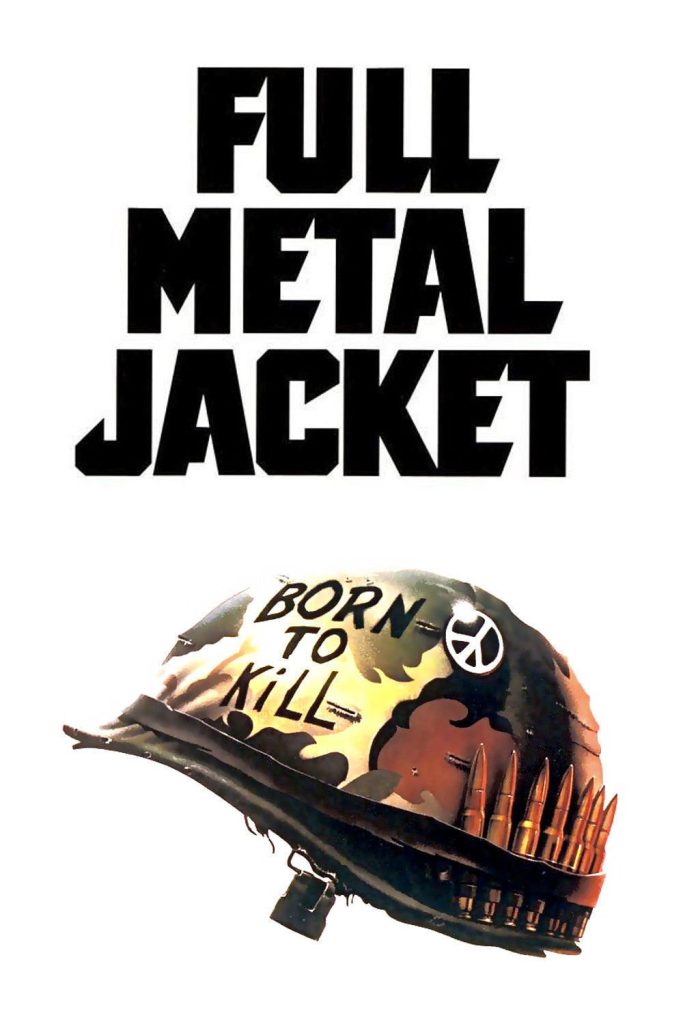
The first half of Stanley Kubrick’s war epic is dominated by the harrowing dynamic between Drill Sergeant Hartman and Private Pyle. Once the training sequence concludes in a bloodbath, the movie leaves the barracks behind for the streets of Vietnam. Matthew Modine’s character, Joker, becomes the sole narrative anchor for the remainder of the runtime. This stark division mirrors the fractured psychological state of soldiers entering a war zone.
“Fantastic Beasts: The Secrets Of Dumbledore” (2022)
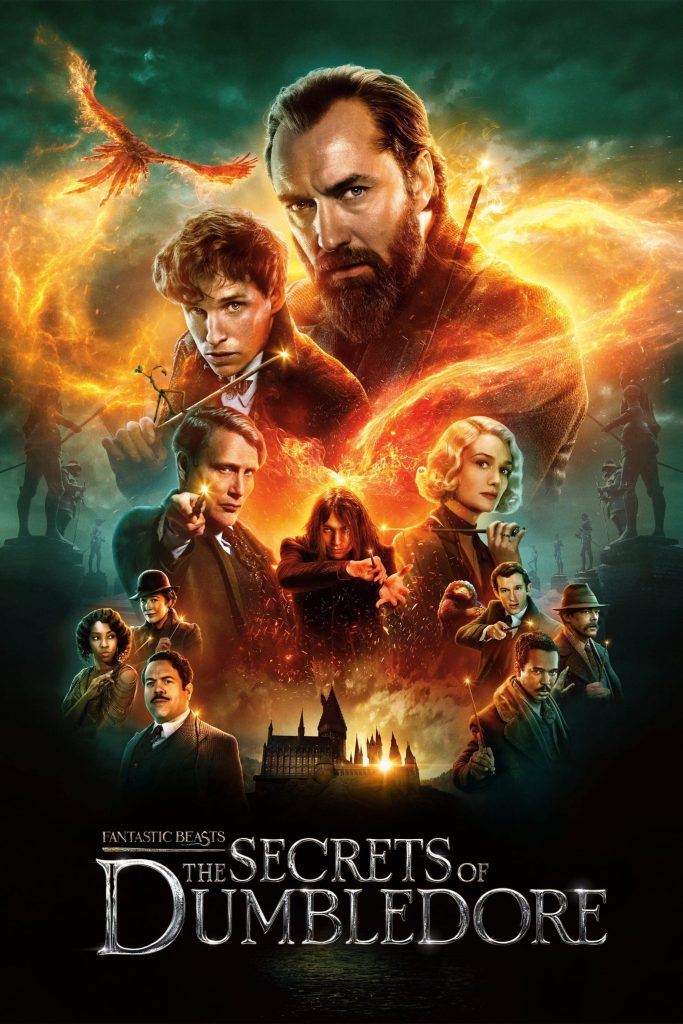
Mads Mikkelsen stepped into the role of the dark wizard Gellert Grindelwald after the studio parted ways with Johnny Depp. Mikkelsen opted for a more grounded and sinister interpretation compared to the eccentric portrayal seen in the previous installment. Most viewers found the transition surprisingly smooth due to the magical setting where appearance changes are commonplace. The film focused heavily on the ideological conflict between the villain and Jude Law’s Albus Dumbledore.
“No Country For Old Men” (2007)
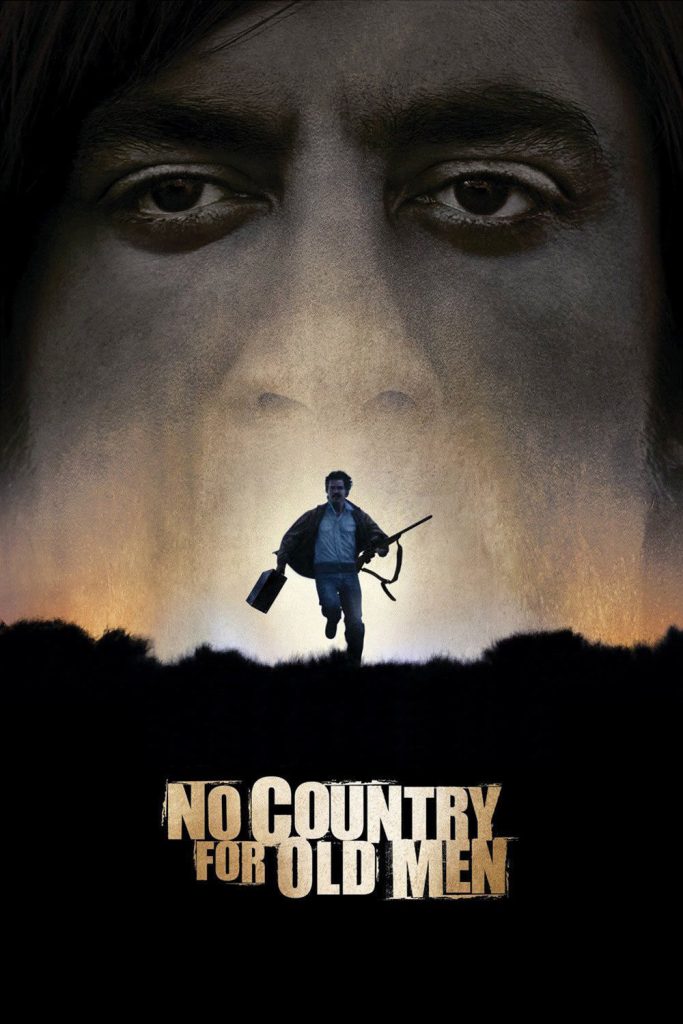
Llewelyn Moss serves as the primary protagonist for the majority of the Coen Brothers’ masterpiece, leading audiences through a tense game of cat and mouse. In a subversion of Western tropes, Moss is killed off-screen before the final act begins. The perspective shifts to Tommy Lee Jones’ Sheriff Bell, who reflects on the senselessness of the violence. This narrative choice emphasizes the film’s themes regarding the inevitability of chaos.
“Iron Man 2” (2010)
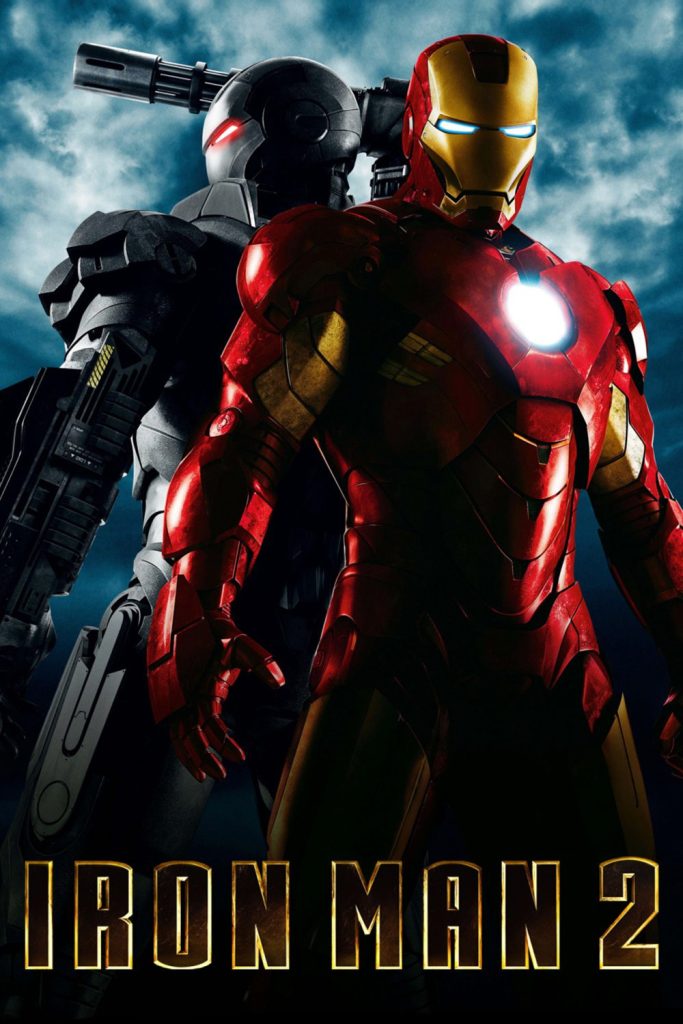
Don Cheadle replaced Terrence Howard as James Rhodes in the first sequel to the Marvel Cinematic Universe cornerstone. The character’s first appearance on screen included a self-aware nod to the change when he told Tony Stark that he was there and that everyone should move on. Cheadle’s version of the character eventually became the armored hero known as War Machine. This recast proved that the expanding franchise could handle major star rotations without losing its audience.
“Alien” (1979)
Ridley Scott initially framed the crew of the Nostromo as an ensemble, with Tom Skerritt’s Captain Dallas appearing to be the lead. Following the captain’s disappearance in the vents, Sigourney Weaver’s Ripley emerges as the true survivor and final girl. This subversion was revolutionary for the time, as audiences expected the high-ranking male officer to save the day. The film’s tension relies heavily on the fact that no character is safe from the creature.
“The Mummy: Tomb Of The Dragon Emperor” (2008)
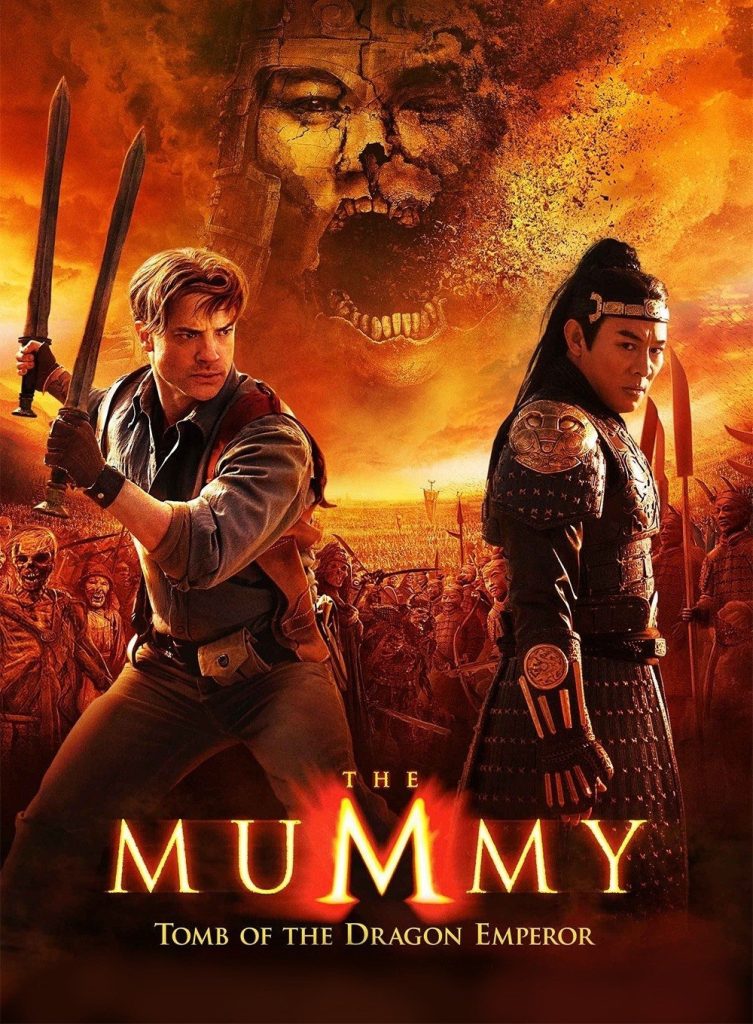
Maria Bello took over the role of Evelyn Carnahan-O’Connell after Rachel Weisz declined to return for the third film. The production attempted to address the shift by acknowledging that Evelyn was a different person in the years following their previous adventures. While Brendan Fraser remained as the male lead, the change in chemistry between the central couple was noted by many fans. This installment moved the action to China, marking a significant departure from the Egyptian roots of the series.
“Waves” (2019)

Trey Edward Shults divides this emotional powerhouse into two distinct halves with very different protagonists. The first half follows a star athlete whose life spirals into tragedy, while the second half focuses on his sister’s path to healing. This structural choice forces the viewer to process a traumatic event from multiple family perspectives. It effectively mimics the ripple effect of a single devastating mistake.
“The Incredible Hulk” (2008)
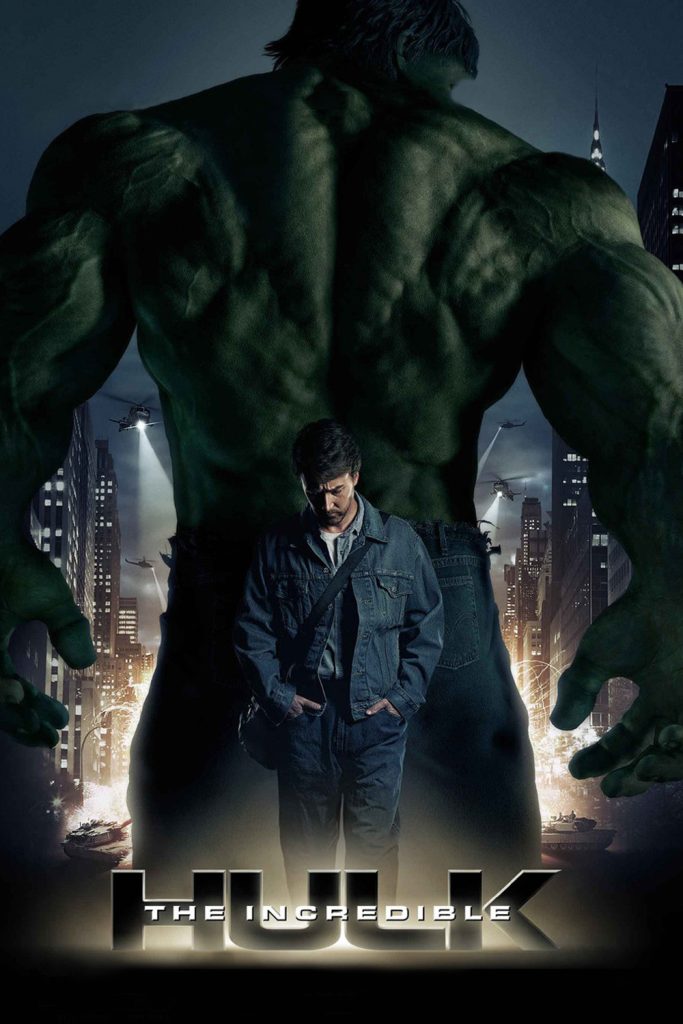
Edward Norton played Bruce Banner in this early Marvel entry, but Mark Ruffalo eventually took over the role in “The Avengers”. Creative differences between Norton and the studio led to the decision to find a new actor for the character’s future appearances. Ruffalo’s version became a fan favorite for his more relaxed and weary interpretation of the scientist. This remains the most significant lead protagonist recast in the history of the MCU.
“Barbarian” (2022)
Just as the audience settles into a traditional horror setup involving a double-booked rental home, the film cuts to a sunny Los Angeles. Justin Long’s character is introduced as a new perspective that feels completely disconnected from the basement terror seen moments earlier. The two storylines eventually collide in a bizarre and gruesome fashion. This hard pivot is one of the most talked-about narrative shifts in recent horror history.
“Harry Potter And The Prisoner Of Azkaban” (2004)
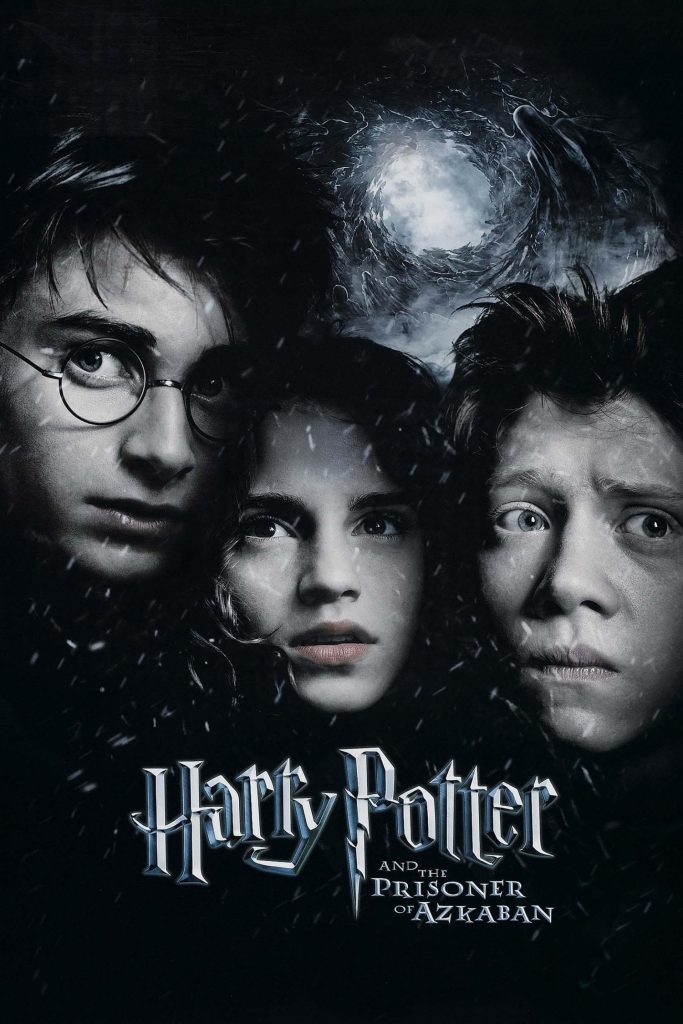
Michael Gambon inherited the role of Albus Dumbledore following the passing of Richard Harris after the second film. Gambon brought a more energetic and occasionally erratic temperament to the Hogwarts headmaster. Alfonso Cuarón’s direction helped integrate the new actor by leaning into a darker and more stylized aesthetic. The transition was necessary for the remaining six films in the massive fantasy series.
“1917” (2019)
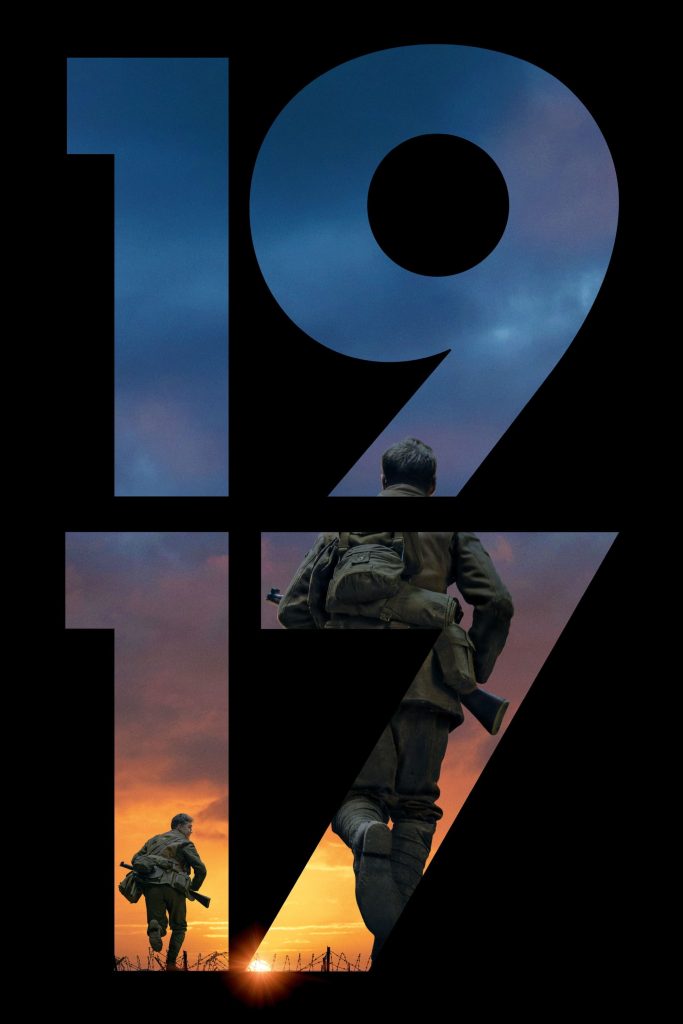
Sam Mendes utilizes a one-shot technique to follow two soldiers on a desperate mission across enemy lines. When one of the soldiers is unexpectedly killed midway through the journey, the camera stays with his partner for the remainder of the film. This creates a deeply personal stakes-raising moment that the audience experiences in real-time. The isolation felt by the surviving soldier becomes the central focus of the final act.
“Batman Forever” (1995)
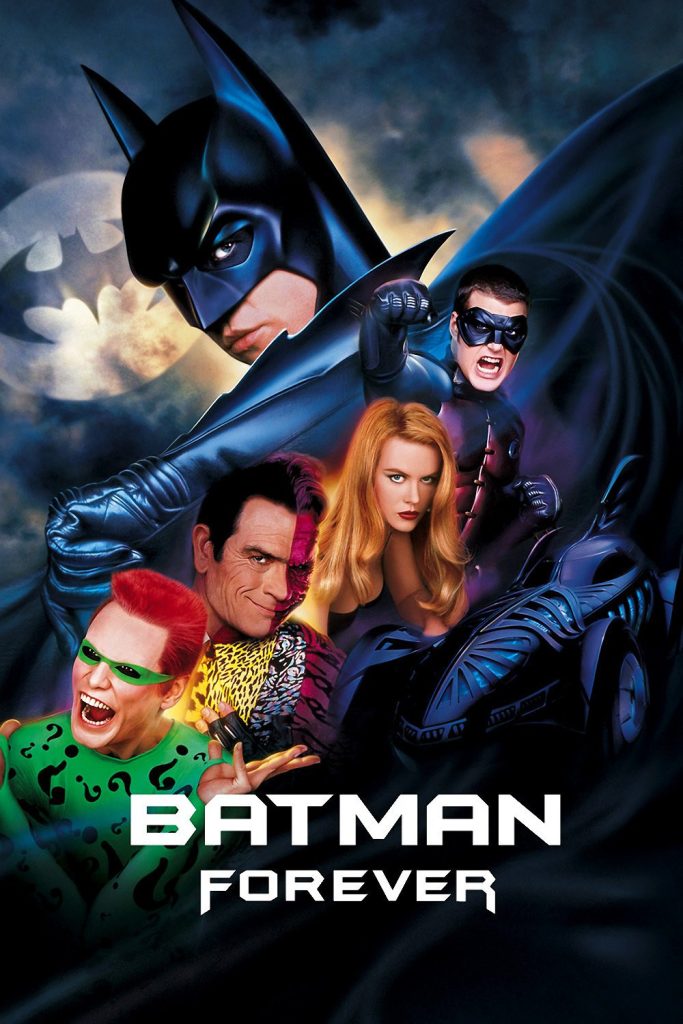
Val Kilmer stepped into the Batsuit after Michael Keaton decided not to return for a third outing with director Joel Schumacher. The film took a much more colorful and campy approach to Gotham City compared to Tim Burton’s gothic vision. Kilmer’s Bruce Wayne dealt with repressed memories and the introduction of Robin as a sidekick. This recast marked the beginning of a revolving door for the character throughout the 1990s.
“Death Proof” (2007)
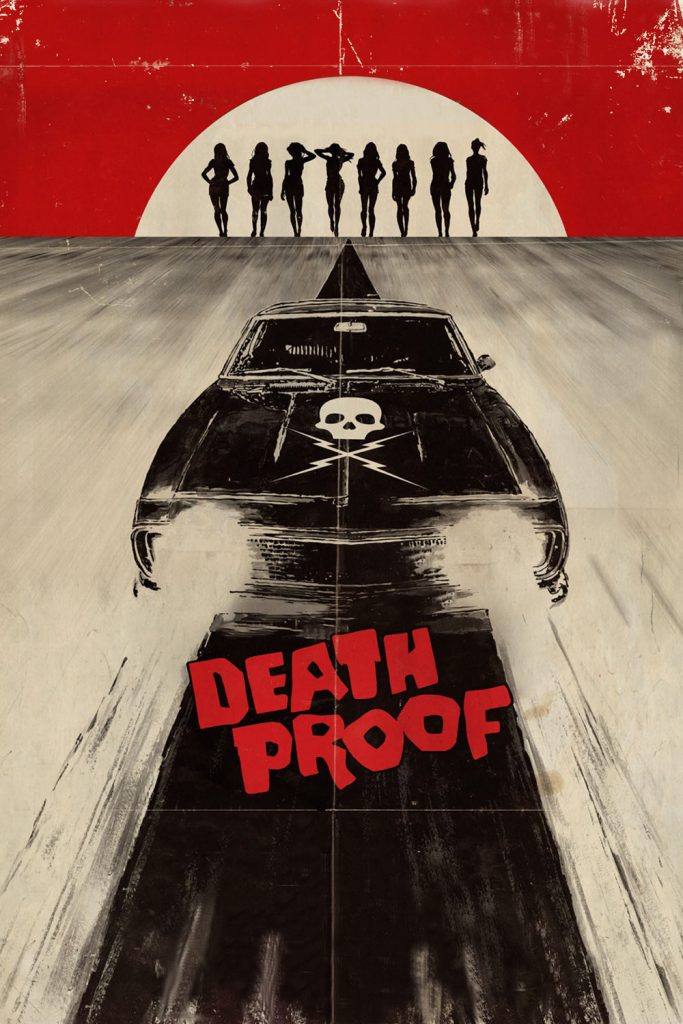
Quentin Tarantino spends the first half of this grindhouse homage building rapport with a specific group of women in Austin. After a brutal car crash wipes them out, the film resets with an entirely new cast of characters in a different state. The second group eventually turns the tables on the villainous Stuntman Mike. This structure highlights the director’s interest in dialogue-heavy setups followed by visceral payoffs.
“Hannibal” (2001)
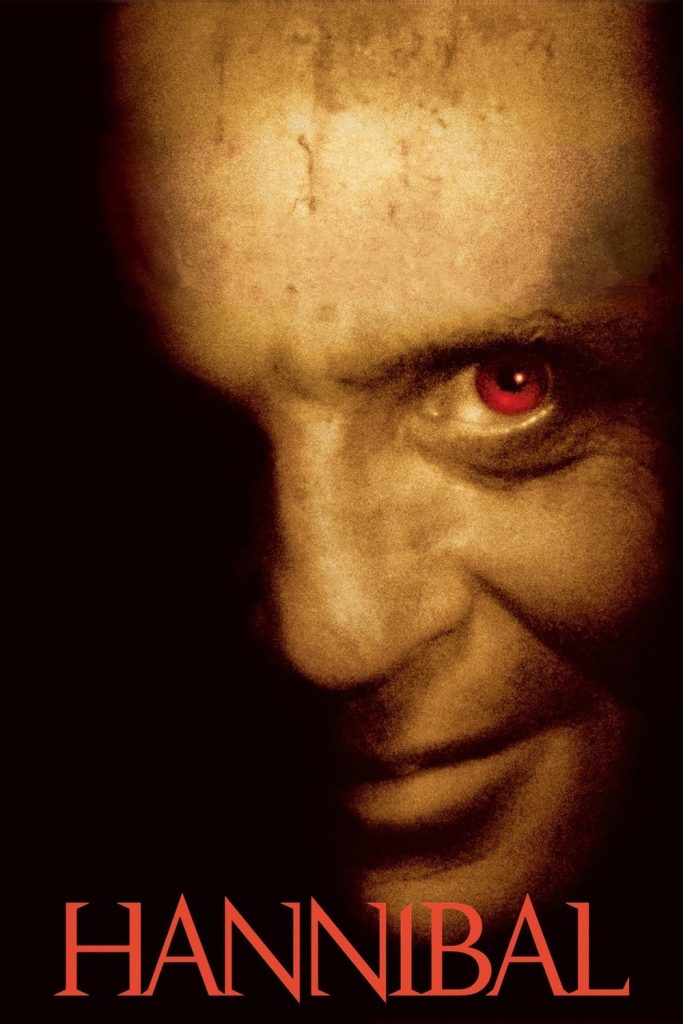
Julianne Moore took over the role of Clarice Starling from Jodie Foster for this long-awaited sequel to “The Silence of the Lambs”. Ridley Scott directed the film with a more operatic and violent tone than the original psychological thriller. While Anthony Hopkins returned as the titular cannibal, the change in the female lead altered the central dynamic significantly. The story followed Clarice as she hunted Hannibal through the streets of Florence.
“To Live And Die In L.A.” (1985)
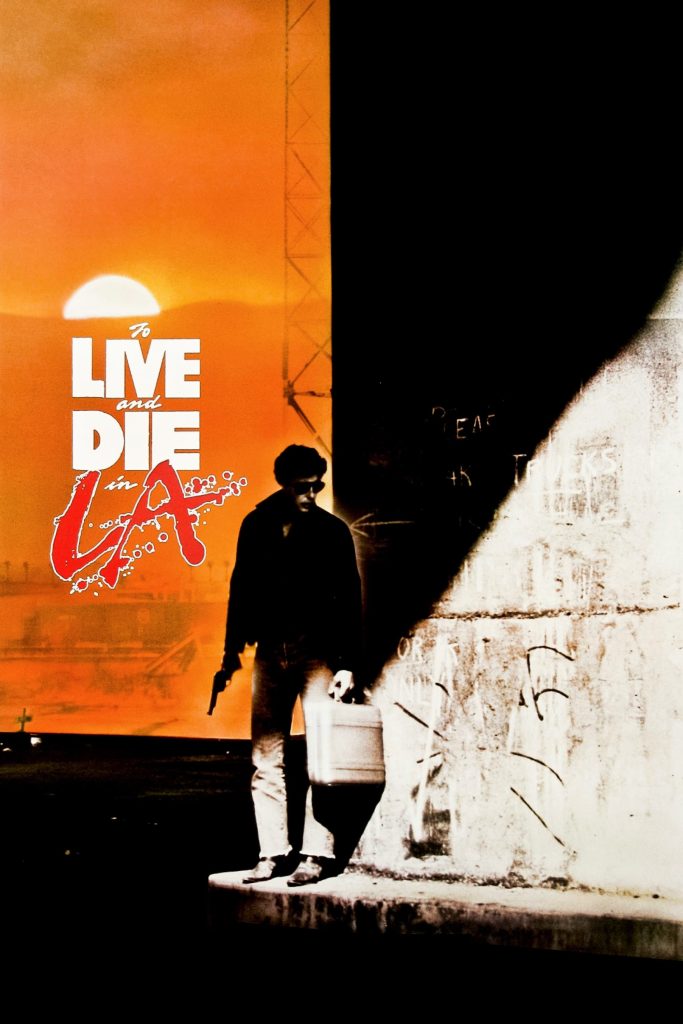
William Petersen stars as a reckless Secret Service agent who is determined to take down a master counterfeiter played by Willem Dafoe. In a shocking twist, the main character is killed during a routine sting operation long before the film’s climax. His partner must then finish the job alone, adopting the same illegal tactics he once criticized. This cynical ending cemented the film as a cult classic of the 1980s neo-noir genre.
“X-Men: First Class” (2011)
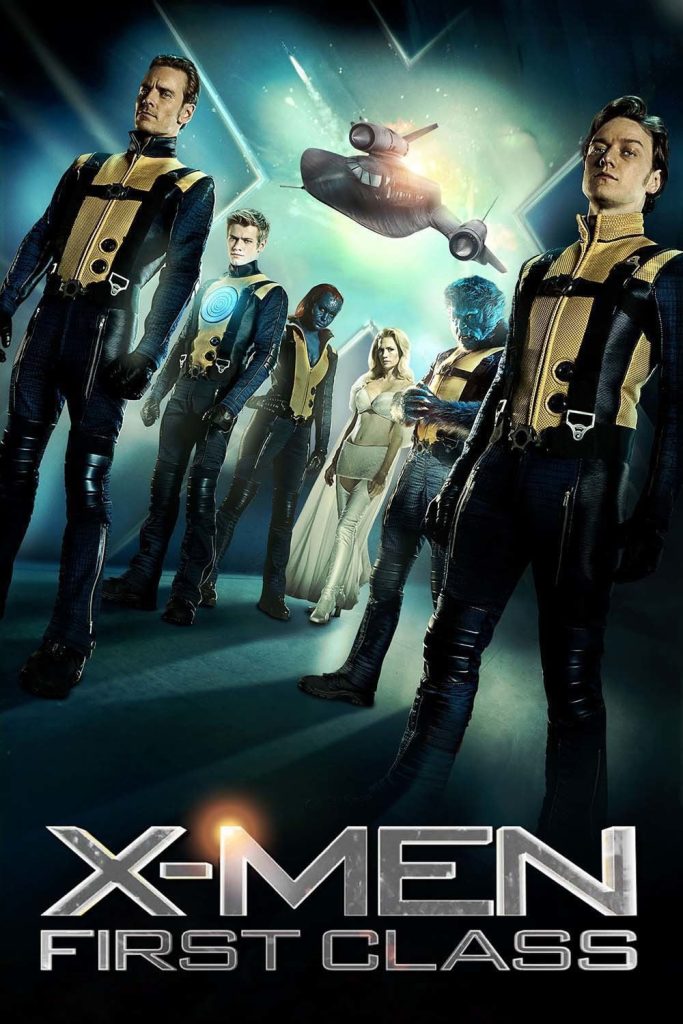
James McAvoy and Michael Fassbender were cast as younger versions of Professor X and Magneto, roles previously held by Patrick Stewart and Ian McKellen. By setting the film in the 1960s, the production was able to reboot the lead roles while technically keeping them in the same continuity. The chemistry between the two new leads revitalized the franchise for a new decade of storytelling. This strategy allowed for a fresh exploration of the characters’ origins during the Cold War.
“Executive Decision” (1996)
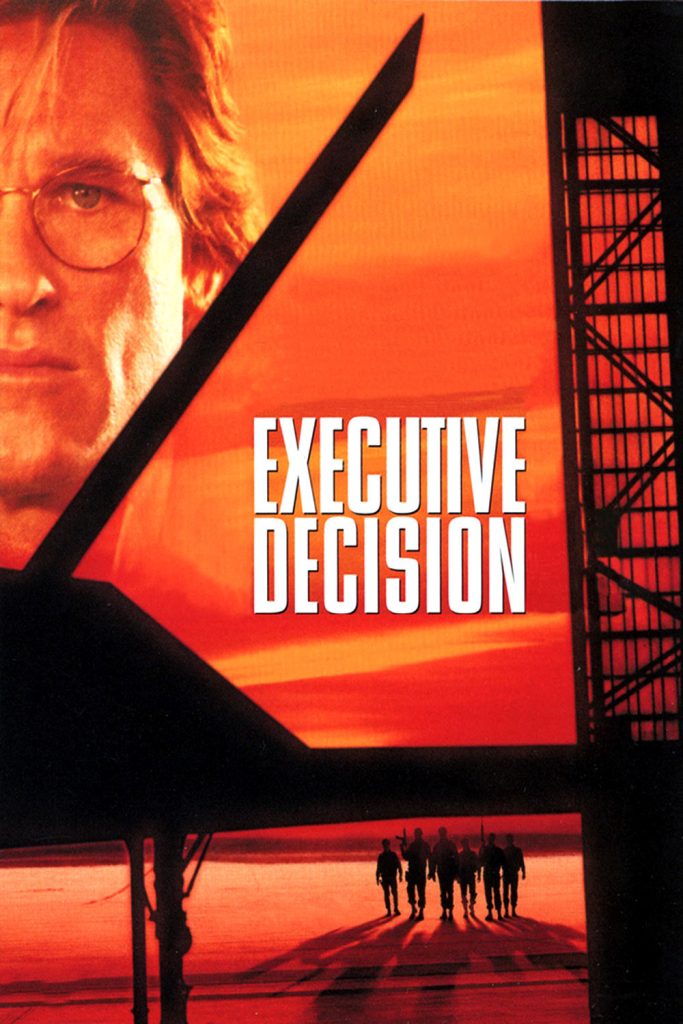
Steven Seagal was the biggest action star on the poster when this hijacking thriller hit theaters. Audiences were stunned when his character died in the first act during a mid-air boarding mission. Kurt Russell’s nerdy analyst character was then forced to lead the team to victory. This bait-and-switch remains one of the most effective uses of a celebrity cameo to subvert expectations.
“Panic Room” (2002)
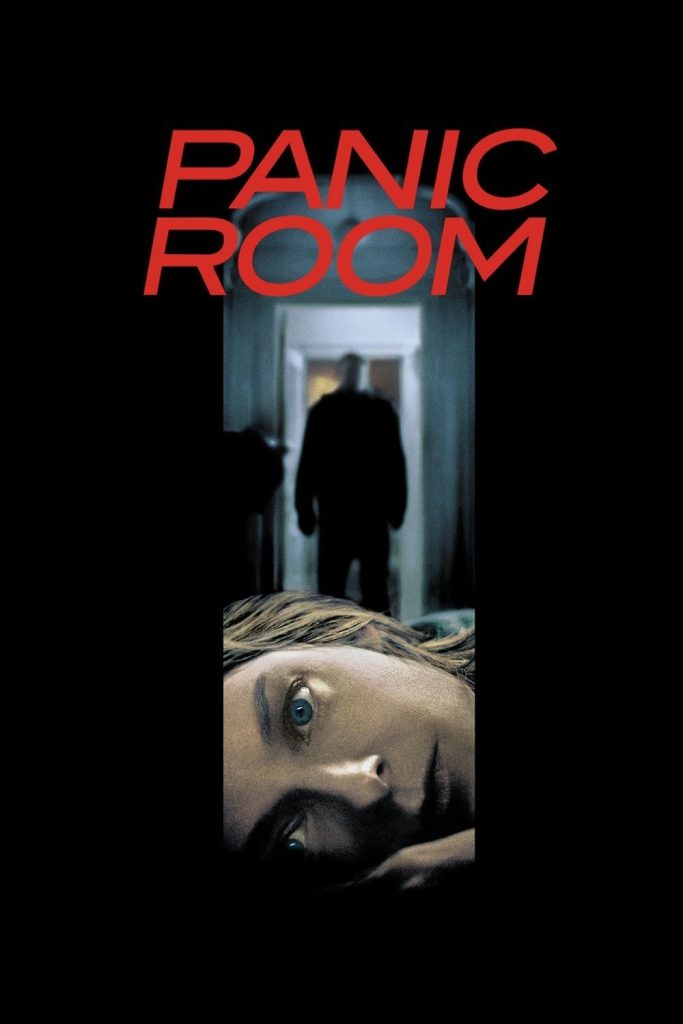
Nicole Kidman was originally cast as the lead and had even begun filming scenes for David Fincher’s claustrophobic thriller. After a recurring injury forced her to drop out, Jodie Foster was brought in to replace her on very short notice. Foster’s performance as the protective mother became the anchor of the successful film. Kidman still appears in the movie as the voice of the ex-husband’s girlfriend on a telephone call.
“The Lion King” (1994)
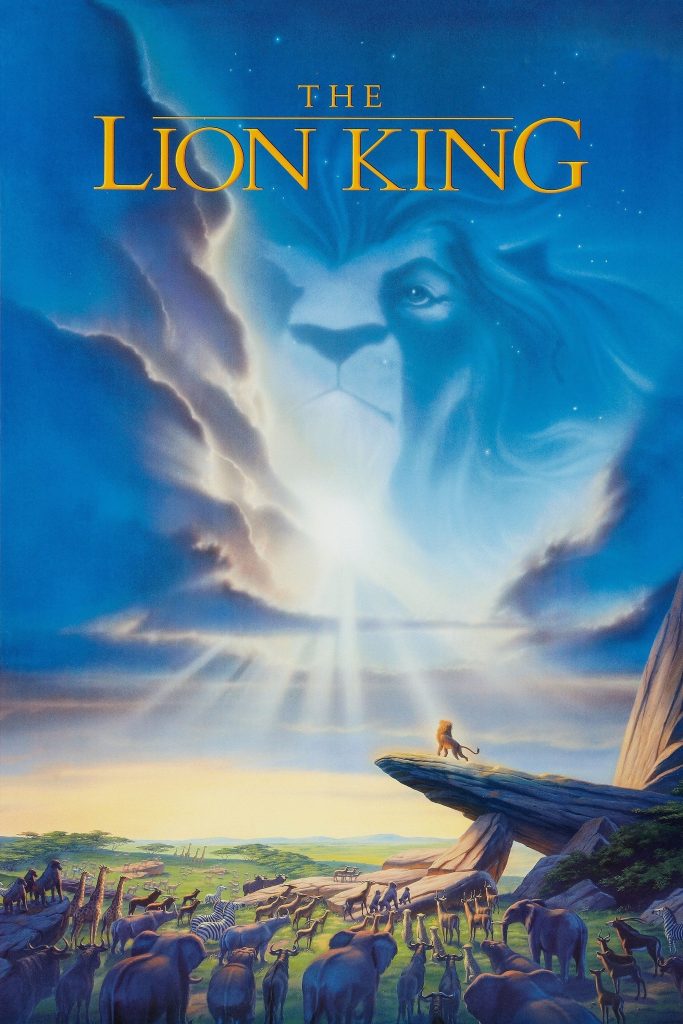
Disney’s animated classic begins with King Mufasa serving as the moral and narrative center of the Pride Lands. His tragic death at the paws of Scar forces the story to shift to his young son, Simba, as he goes into exile. The transition from father to son is the primary driver of the film’s emotional journey toward responsibility. This narrative handoff is considered one of the most iconic moments in animation history.
“Back To The Future Part II” (1989)
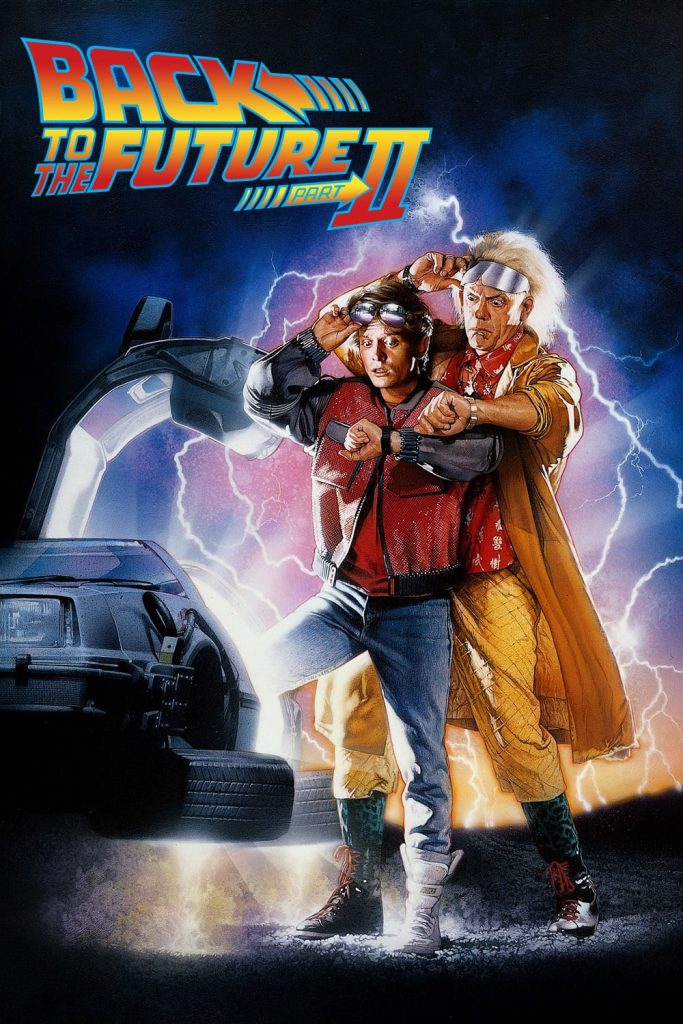
Elisabeth Shue replaced Claudia Wells as Jennifer Parker for the two sequels in the time-traveling trilogy. The first film’s final scene was even reshot with Shue to ensure continuity for the home video releases. Additionally, Jeffrey Weissman replaced Crispin Glover as George McFly, often appearing in heavy prosthetics or background shots. These changes were necessitated by personal circumstances and contract disputes behind the scenes.
“Paddington” (2014)

Colin Firth was originally cast as the voice of the titular bear and had recorded a significant amount of dialogue. Late in production, both the actor and the director realized that his voice was too mature for the innocent character. Ben Whishaw was brought in to provide a more youthful and curious tone to the CGI bear. This last-minute swap helped define the charming personality that made the film a global hit.
“The Godfather Part II” (1974)
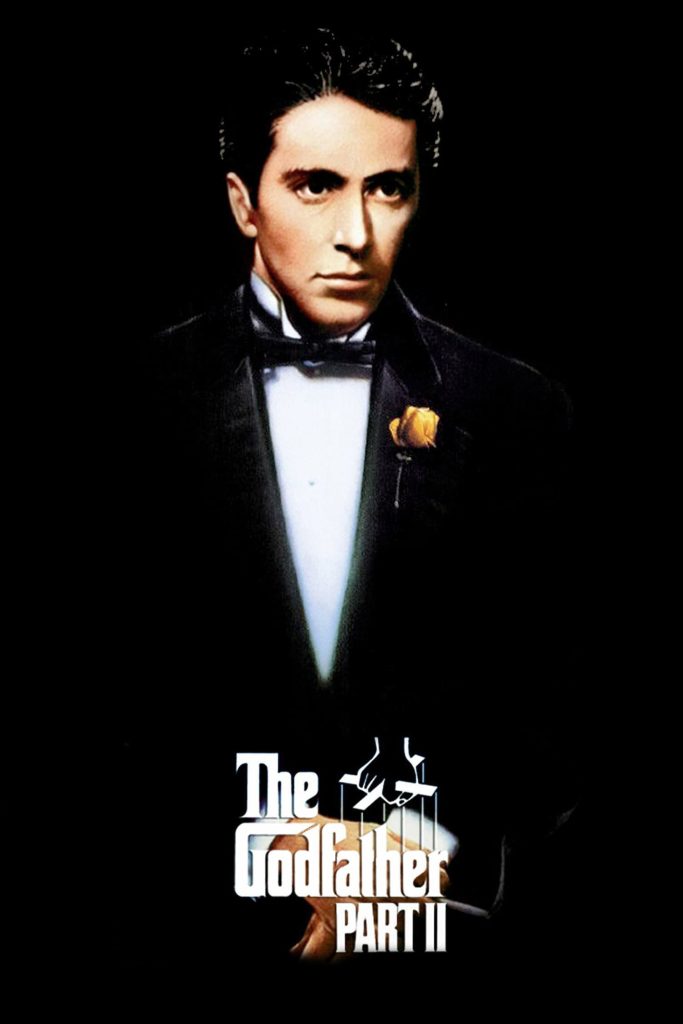
Francis Ford Coppola uses a dual-narrative structure to contrast the rise of Vito Corleone with the moral decline of his son, Michael. While Robert De Niro plays the younger version of the character originated by Marlon Brando, Al Pacino leads the modern timeline. This structural replacement allows the audience to see how the family’s legacy is both built and dismantled. It is widely regarded as one of the greatest uses of a prequel-sequel hybrid in cinema.
“Lord Of The Rings: The Fellowship Of The Ring” (2001)
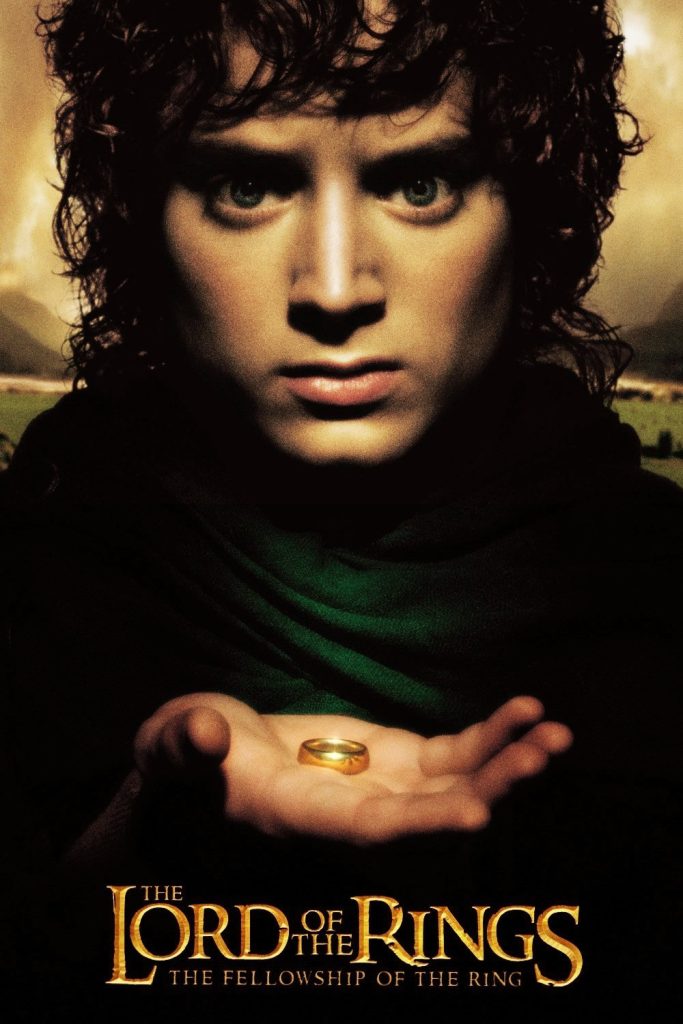
Stuart Townsend was originally cast as Aragorn and had spent weeks training for the role before filming began. Director Peter Jackson decided that Townsend looked too young to play the weathered ranger and replaced him with Viggo Mortensen just as production started. Mortensen famously arrived on set and began filming the Weathertop fight scene almost immediately. His dedication to the role became a cornerstone of the trilogy’s enormous success.
“Chungking Express” (1994)
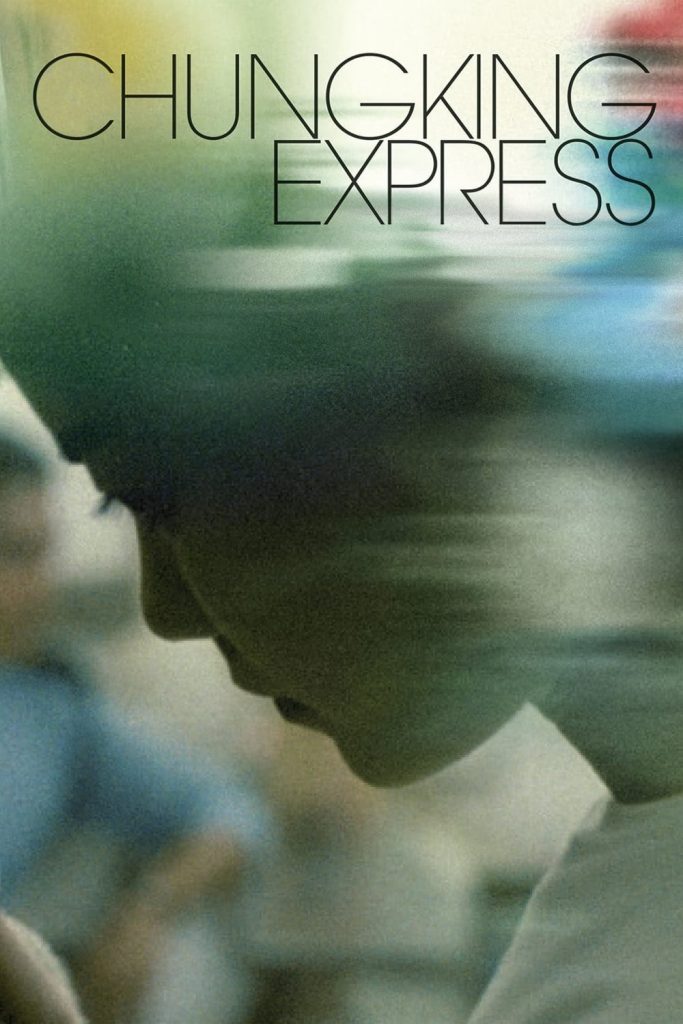
Wong Kar-wai’s vibrant Hong Kong drama is split into two stories that only tangentially overlap at a snack bar. The first story follows a heartbroken policeman obsessed with expiration dates, while the second shifts to a different officer and a quirky waitress. This transition happens seamlessly through the shared location and themes of urban loneliness. The film’s energy changes significantly when Tony Leung takes over the leading role in the second half.
“Predator” (1987)
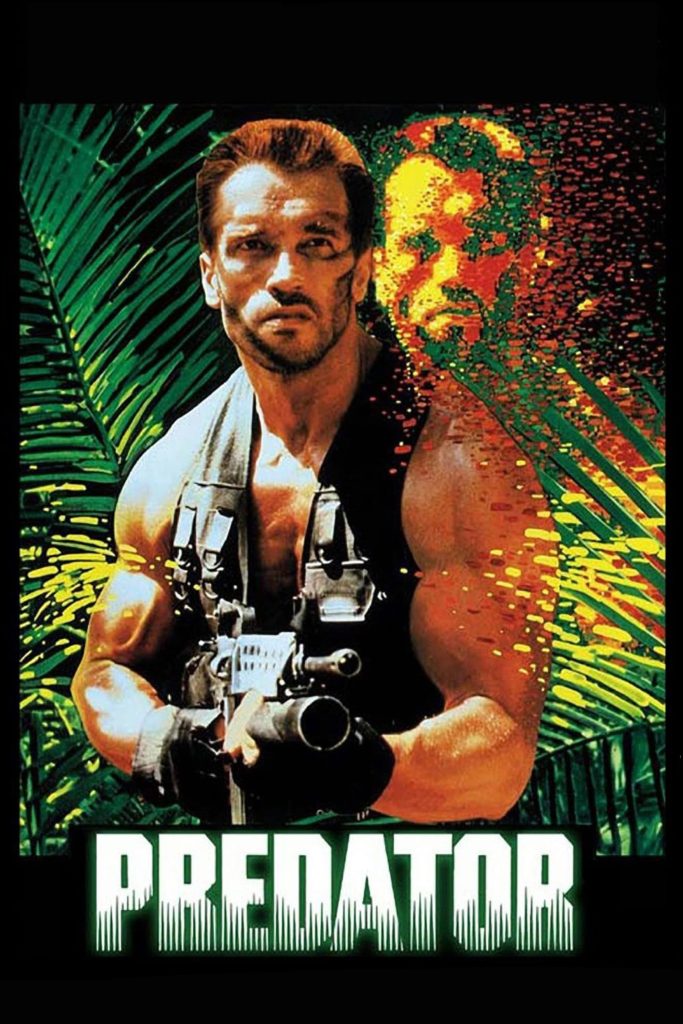
The first act of this sci-fi classic presents a standard ensemble action movie where a group of elite soldiers hunts rebels in the jungle. As the invisible alien begins picking them off, the team movie transforms into a solo survival horror starring Arnold Schwarzenegger. The loss of his heavily armed companions leaves Dutch alone to use primitive tactics against advanced technology. This shift in focus helped the film transcend its B-movie origins.
“Gone Girl” (2014)
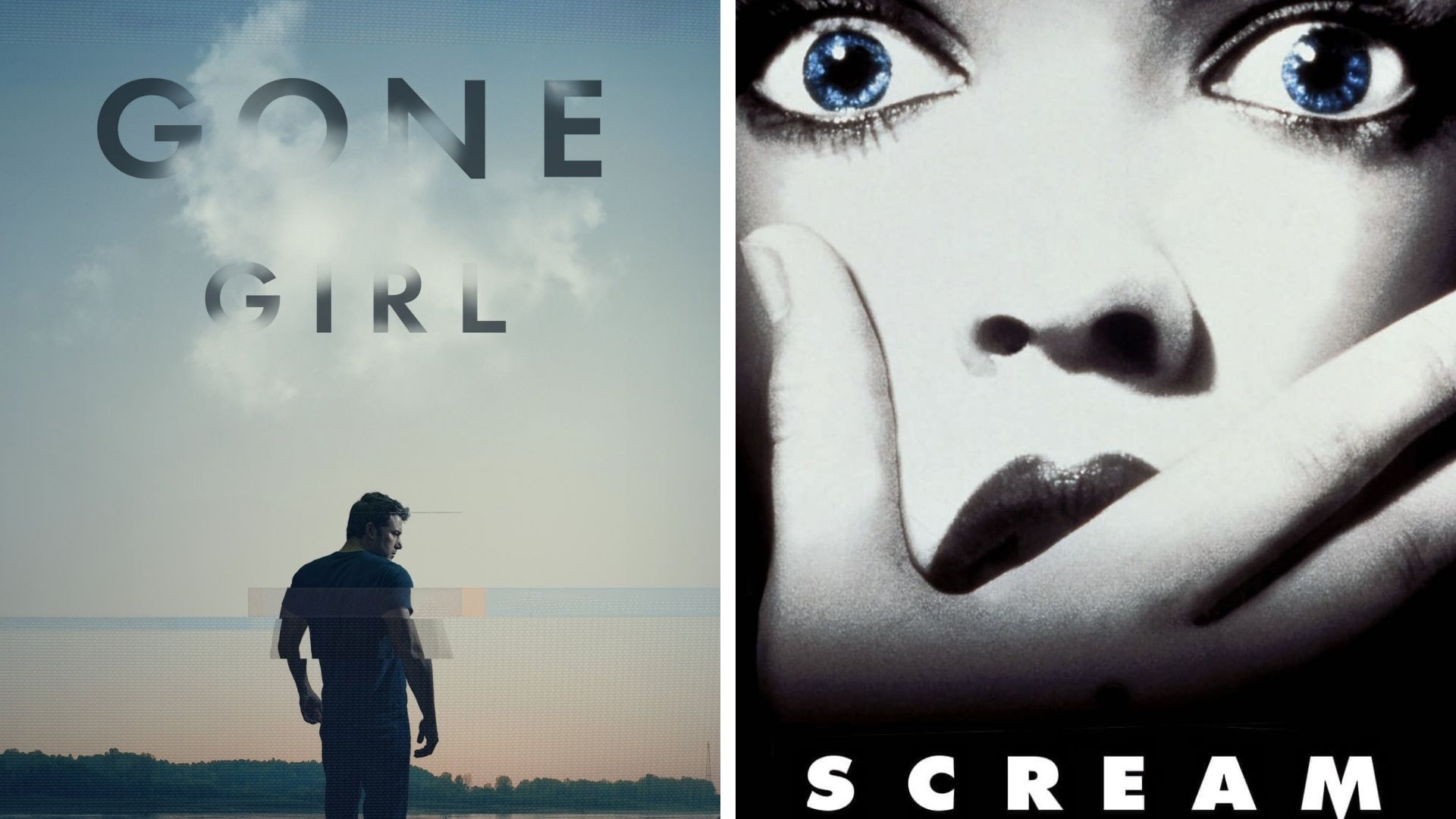
David Fincher follows Ben Affleck’s Nick Dunne as he becomes the prime suspect in his wife’s disappearance for the first hour of the film. A massive mid-movie reveal shifts the perspective to Rosamund Pike’s Amy, showing what really happened behind the scenes. This unreliable narrator swap completely changes the audience’s alliance and understanding of the plot. The film then becomes a twisted battle of wits between the two leads.
“Psycho” (1960)
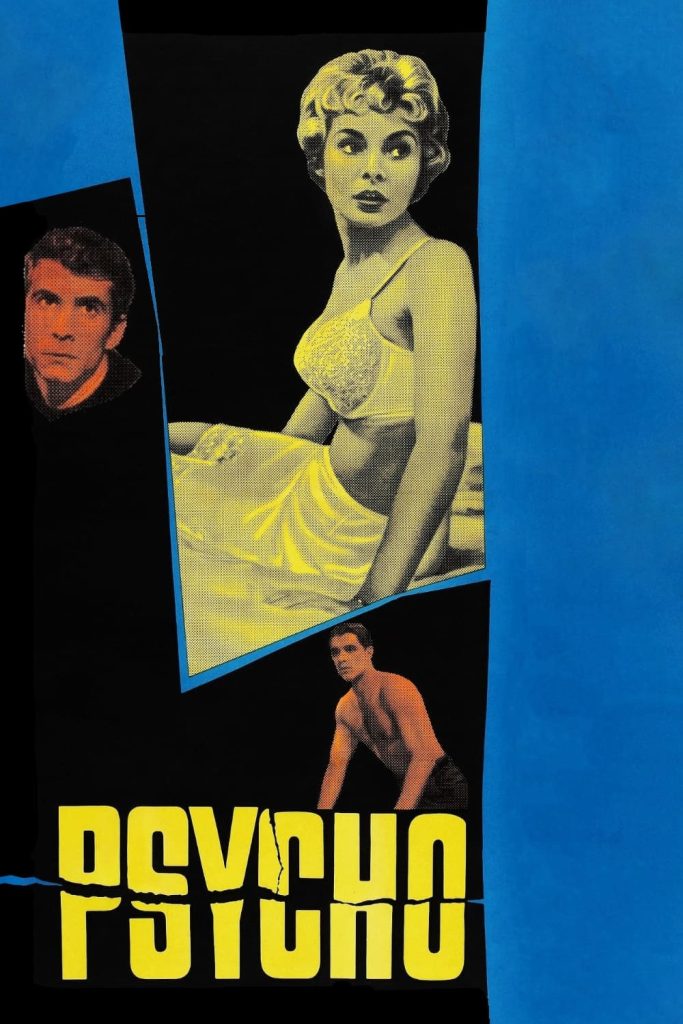
Alfred Hitchcock famously shocked audiences by killing off his leading lady, Janet Leigh, during the legendary shower scene. After forty minutes of following her flight from the law, the movie abruptly shifts its focus to the investigation into her disappearance. The mystery then centers on Norman Bates and the strange occurrences at his secluded motel. This daring move remains the gold standard for protagonist bait-and-switches in cinematic history.
“Scream” (1996)
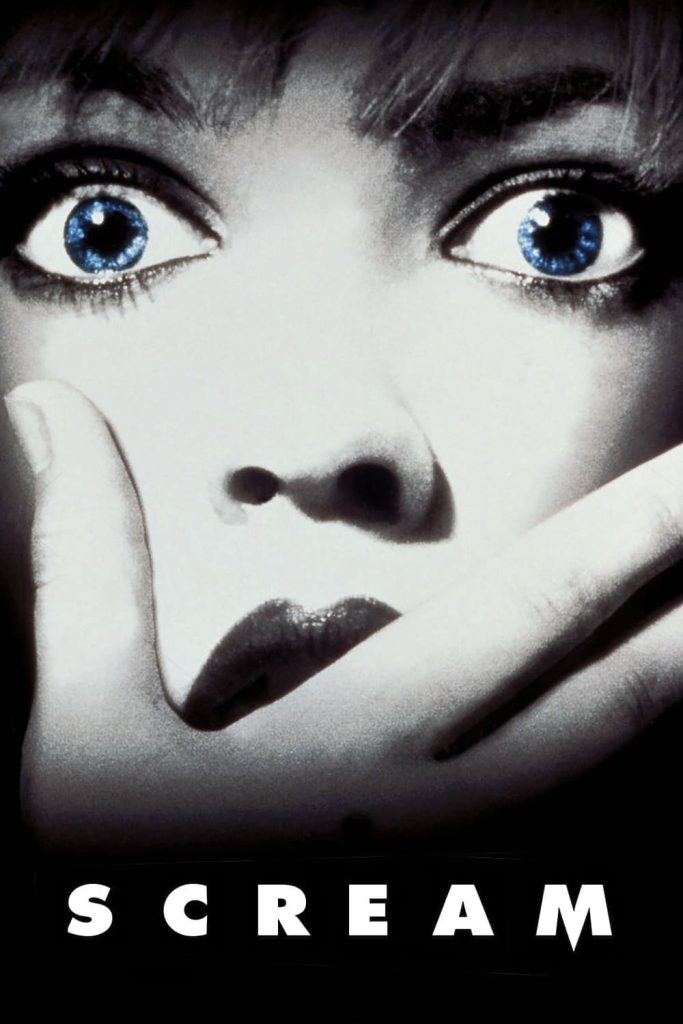
In perhaps the most effective marketing trick of the 1990s, Drew Barrymore was featured as the main face of the film’s promotional posters. Audiences went into the theater expecting her to be the central hero, only to see her character murdered in the opening twelve minutes. The narrative then immediately pivoted to Neve Campbell’s Sidney Prescott for the rest of the franchise. This shocking opening established that anyone could die at any time, revitalizing the slasher genre for a new generation.