Some of the world’s most popular foods have changed their recipes over the years, and loyal fans haven’t always been happy about it. Whether brands swapped ingredients, adjusted flavors, or changed how their products were made, even small differences sparked complaints and plenty of nostalgia for the originals. Here are 30 famous foods that changed their recipes and fans noticed.
McDonald’s French Fries

Until 1990, McDonald’s cooked its American fries in beef tallow, giving them a distinctive savory flavor. The switch to vegetable oil changed their taste, and longtime fans still remember the original version.
Coca-Cola

In 1985, Coca-Cola replaced its original formula with a sweeter version called New Coke. The backlash was so intense that the company brought back the old formula as Coca-Cola Classic just 79 days later.
Cadbury Creme Egg

In 2015, Cadbury changed the chocolate shell of its British Creme Eggs, replacing Cadbury Dairy Milk chocolate with a different milk chocolate recipe. Fans quickly noticed, and the company faced criticism for changing one of its most recognizable Easter treats.
Butterfinger

Ferrero reformulated Butterfinger in 2019, changing the peanut ingredients, chocolate coating, and several other components. The company promoted a richer taste, but longtime fans were divided over the new texture and flavor.
Skittles

In 2013, Skittles replaced its original lime-flavored green candy with green apple. Fans complained for years, and Mars finally brought lime back permanently in 2021.
Kraft Mac & Cheese

Kraft quietly changed its classic boxed macaroni and cheese in 2016, replacing artificial yellow dyes with coloring derived from paprika, annatto, and turmeric. The company waited until millions of boxes had sold before announcing the change, saying consumers hadn’t noticed a difference.
Toblerone

In 2016, Toblerone widened the gaps between the chocolate peaks in certain British bars, reducing their weight without making the packaging noticeably smaller. The unusual redesign angered fans, and the original shape returned to those bars in 2018.
Nutella

Ferrero adjusted Nutella’s recipe in parts of Europe in 2017, increasing its sugar and skimmed-milk powder content while reducing the proportion of hazelnuts. Fans noticed the altered ingredients, and the reformulation prompted complaints about the spread becoming sweeter.
Irn-Bru

Scotland’s favorite soft drink lost more than half its sugar in a 2018 reformulation ahead of the UK’s sugar tax. Some fans were so unhappy that shops stockpiled bottles of the old version, and the company later introduced a separate 1901 recipe inspired by its historic formula.
Lucozade Energy

Lucozade reduced the sugar in its original energy drink by roughly two-thirds in 2017, replacing much of the sweetness with artificial sweeteners. The change drew complaints from customers who felt the familiar glucose drink no longer tasted the same.
Fanta Orange

British Fanta Orange had its sugar content reduced by about a third in 2017. The new recipe was part of a wider effort to avoid the UK’s upcoming sugar levy, although Fanta recipes have long differed considerably between countries.
Subway Bread

Subway introduced new Artisan Italian and Hearty Multigrain bread recipes in the United States in 2021. The company spent two years developing them, changing the baking process and texture as part of its massive Eat Fresh Refresh campaign.
Pizza Hut Original Pan Pizza

Pizza Hut reformulated its famous Original Pan Pizza in 2019, updating the crust, sauce, and cheese blend. The company described it as an improvement, but fans attached to the older, oilier pan-pizza texture had plenty to say about the change.
Domino’s Pizza

In 2009, Domino’s publicly admitted its American pizza needed work and overhauled the recipe. The company introduced a garlic-seasoned crust, sweeter tomato sauce, and a new cheese blend, making the reformulation a major part of its advertising.
McDonald’s Chicken McNuggets

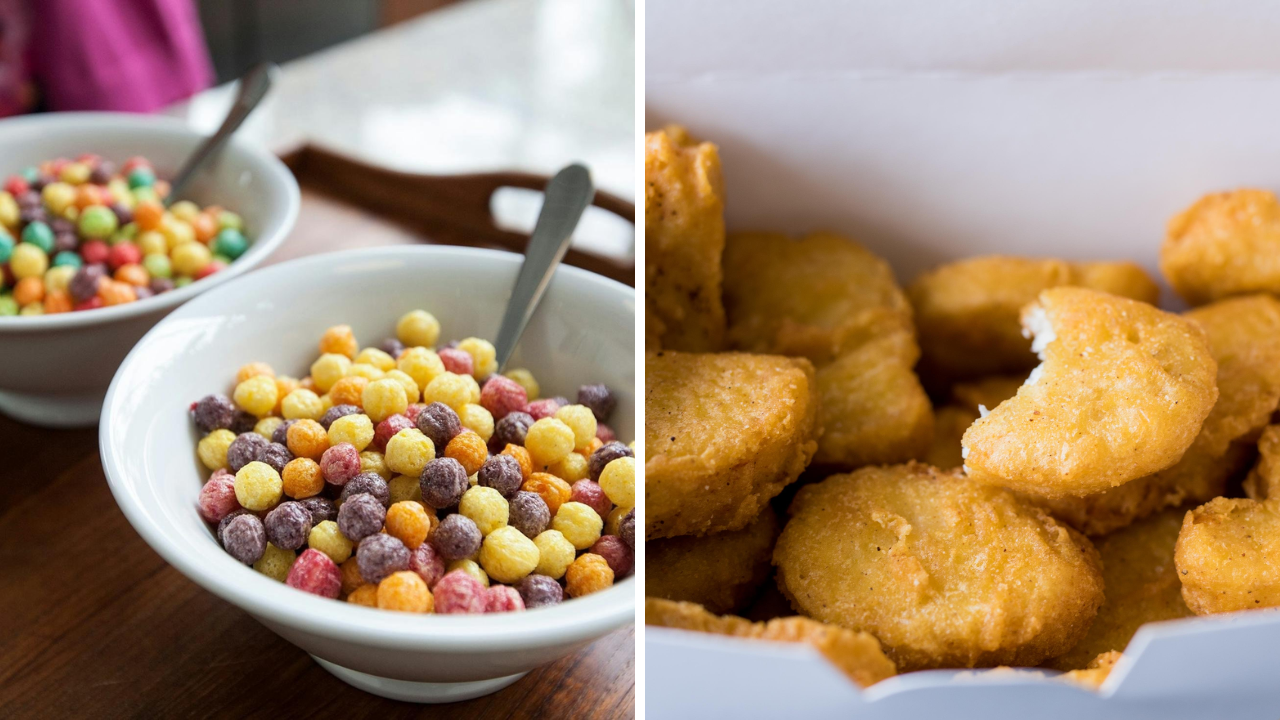
McDonald’s removed artificial preservatives from its American Chicken McNuggets in 2016. The company wanted a simpler ingredient list without changing the recognizable taste, although the updated recipe meant the nuggets were no longer made exactly as before.
Burger King’s Whopper

Burger King announced in 2020 that its American Whopper would no longer contain artificial colors, flavors, or preservatives. The company also changed the way it sourced and prepared several ingredients, aiming to keep the flame-grilled burger familiar while simplifying its recipe.
McDonald’s Big Mac

In 2023, McDonald’s began rolling out changes to its classic American burgers, including softer buns, melted cheese, and onions cooked directly with the beef. The Big Mac also received more sauce, giving even longtime customers a slightly different version of the familiar sandwich.
Wendy’s French Fries

Wendy’s changed its fries in 2021, introducing a new coating and cooking approach intended to keep them crispier during delivery. It was another major update after the chain’s 2010 move to natural-cut fries with sea salt.
KFC Fries

KFC replaced its British fries with thicker, skin-on versions in 2018 after years of complaints about the old recipe. The company changed them again in 2023, adding a new seasoning blend containing herbs and spices.
Heinz Beanz with Sausages

In 2024, Heinz replaced the sausages in its British Beanz with Sausages with Richmond-branded sausages. The change introduced wheat into a product that had previously been gluten-free, drawing criticism from customers with dietary restrictions.
SpaghettiOs

Campbell’s reformulated SpaghettiOs in 2009, reducing sodium by up to 35% in some varieties while adjusting the nutritional profile. The familiar canned pasta remained, but the sauce was no longer made to quite the same specifications.
Trix Cereal

General Mills removed artificial colors and flavors from Trix in 2016, replacing its bright colors with more muted natural alternatives. Fans missed the original appearance, and the company brought back the classic artificially colored version in 2017.
Nestlé Smarties

In 2006, Nestlé removed artificial colors from Smarties in the United Kingdom, replacing them with colors derived from ingredients such as fruit and vegetables. The blue Smartie temporarily disappeared because the company couldn’t find a suitable natural blue coloring.
Oreo Cookies

Oreos originally contained lard in their cream filling, but Nabisco replaced it with vegetable oils in the 1990s. The company later eliminated partially hydrogenated oils as well, changing the composition of one of America’s most familiar cookies.
Twinkies

Twinkies have undergone several ingredient changes over the decades, including the replacement of their original banana-flavored filling with vanilla during World War II. The banana flavor returned only as a limited variation, leaving the vanilla-filled version as the familiar standard.
Cheerios

General Mills changed its Cheerios production process in 2015 to make the original cereal gluten-free in the United States. The oats were still central to the recipe, but the company changed its sourcing and processing to reduce gluten contamination.
Pepsi

In 2023, Pepsi cut the sugar content of its regular drink in the United Kingdom by more than half, adding sweeteners to maintain its sweetness. The change did not apply universally, so British Pepsi developed a different flavor profile from versions sold in some other countries.
Sprite

Sprite’s British recipe was reformulated in 2013 to reduce sugar by introducing stevia-derived sweeteners. Later sugar reductions continued the shift, making the drink different from the full-sugar lemon-lime soda many customers remembered.
Campbell’s Condensed Tomato Soup

Campbell’s has adjusted the sodium content of several classic soups over the years, including reduced-sodium versions of its tomato soup. The changes illustrate the difficulty of altering a product associated with a familiar taste, especially when salt plays such a significant role in the original flavor.