Time has a way of turning yesterday’s breakthroughs into today’s trivia. Here are 30 pop-culture and tech facts that quietly reveal how far the clock has ticked. Some land like a nostalgic wink; others feel like a reality check. Either way, this list is a small tour of milestones that might make you do the mental math twice.
“Toy Story” Is Nearly As Old As Today’s Parents Of Teens
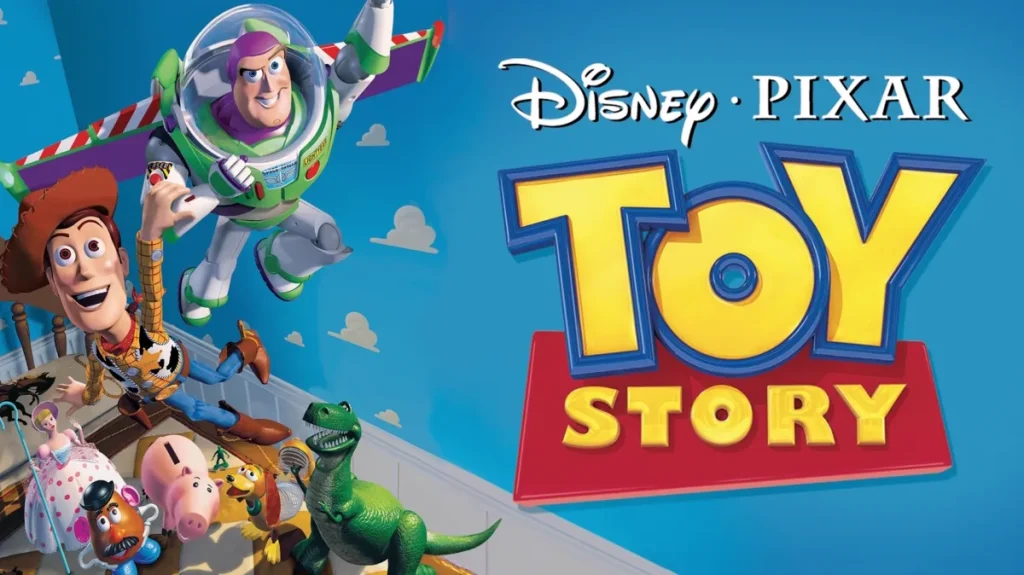
The first fully computer-animated feature film, “Toy Story,” premiered in the mid-1990s. Many viewers who saw it as kids now have teenagers of their own. The film’s once-futuristic CGI now reads as classic rather than cutting-edge.
The “Seinfeld” Finale Was Decades Ago
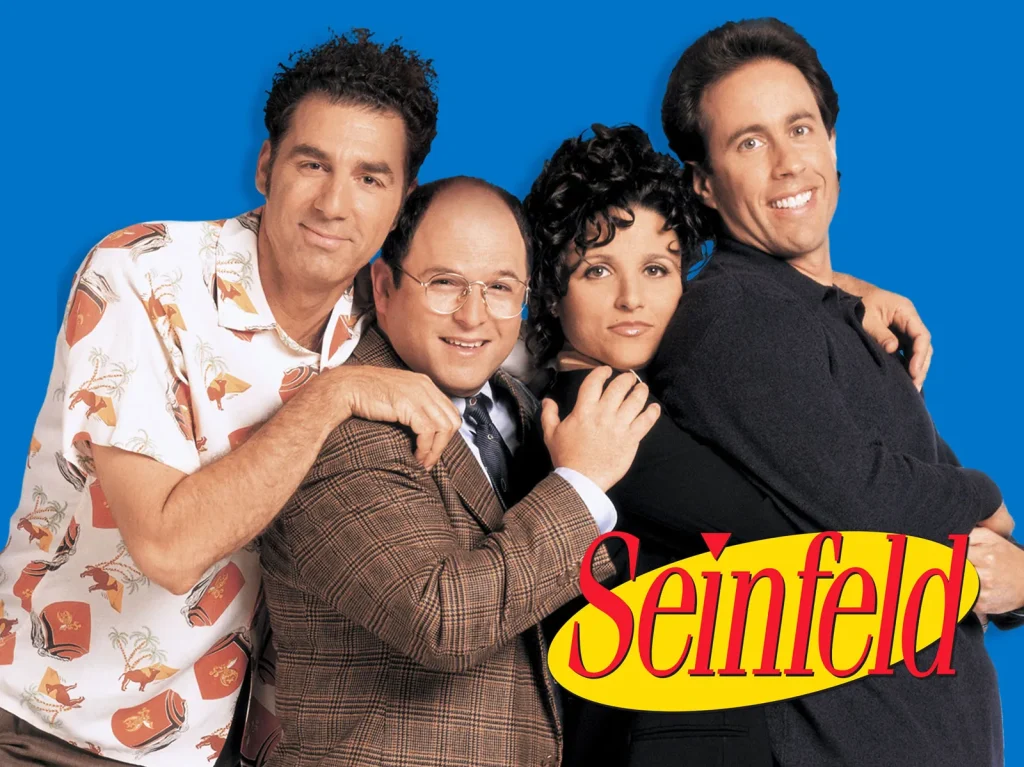
“Seinfeld” ended in the late 1990s. For many, it still feels like appointment TV, but the finale sits deep in the rearview mirror. That distance is a reminder of how swiftly “recent” becomes retro.
The First YouTube Video Is Now Vintage Internet
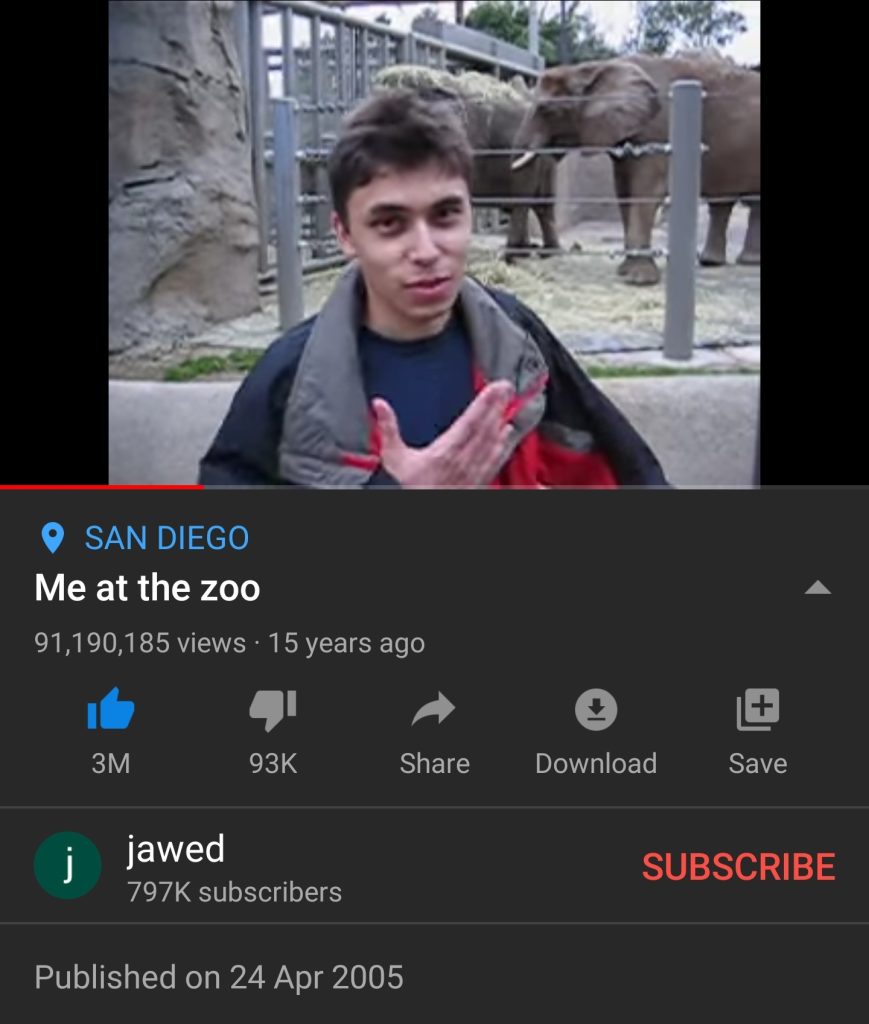
YouTube’s debut clip arrived in the mid-2000s and runs only seconds long. What started as a casual upload evolved into a dominant media platform. That humble beginning now feels like a relic from a smaller web.
Ralph Macchio Is Now Older Than Pat Morita Was When “The Karate Kid” Premiered
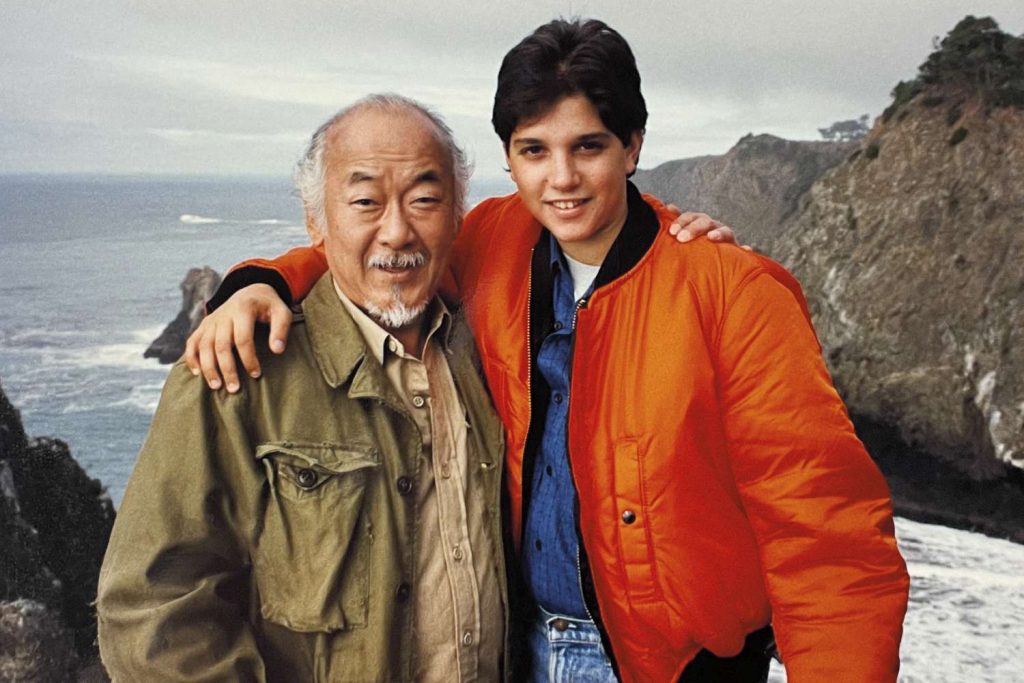
Time flips familiar age dynamics. The actor who played the student has surpassed the age of his on-screen mentor at the time of the original film’s release. It’s a neat snapshot of how pop culture ages along with us.
DVD-By-Mail Is Officially History
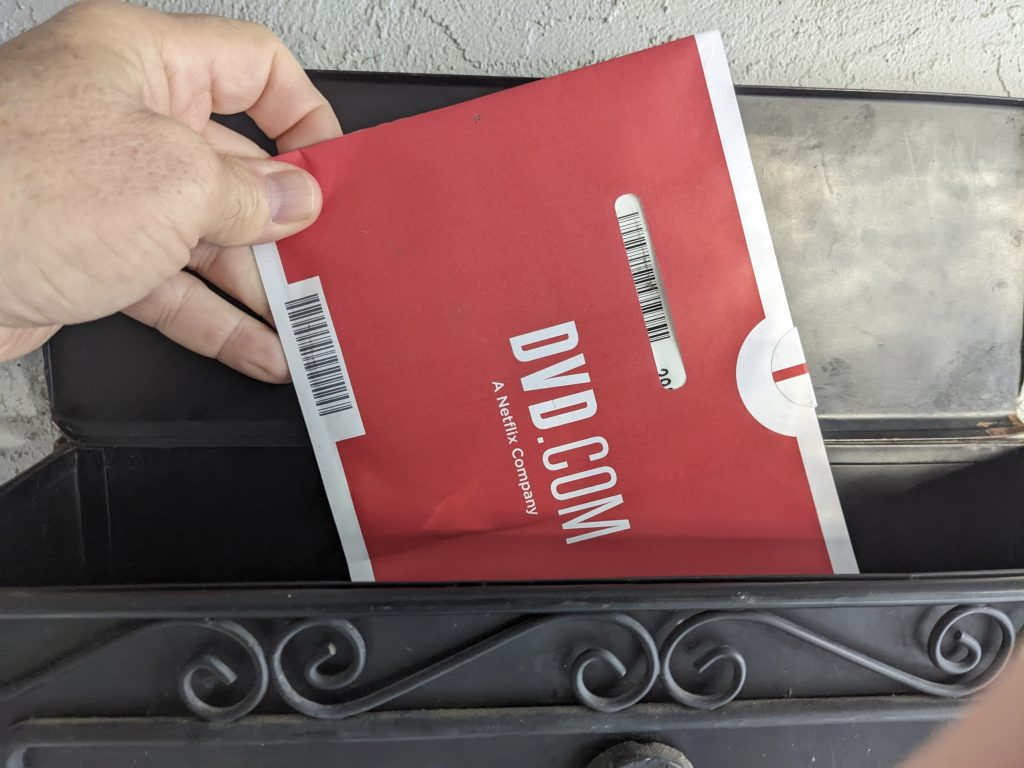
The red-envelope era that introduced many people to streaming platforms has ended. What used to be a weekly ritual is now a closed chapter. It’s one more marker of how quickly viewing habits evolve.
The iPod Has Already Come And Gone As A Product Line
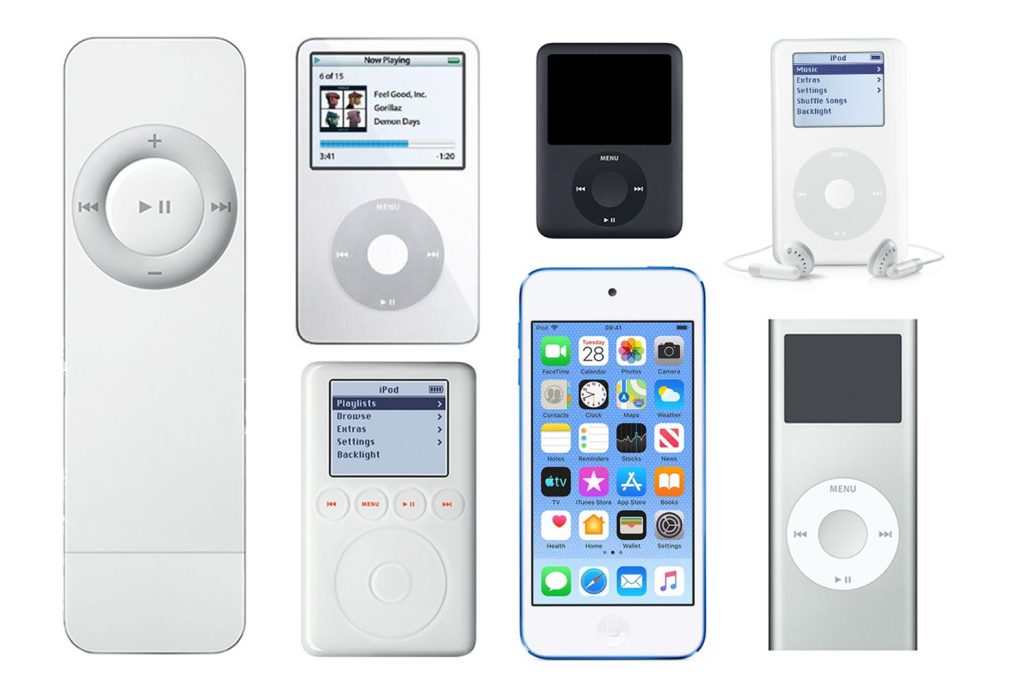
Portable music players that once held entire libraries in your pocket are no longer front-line devices. Smartphones absorbed their job and then some. The design that symbolized the 2000s now sits in museums and desk drawers.
“Friends” Has Been Off The Air Longer Than Its Original Run Lasted
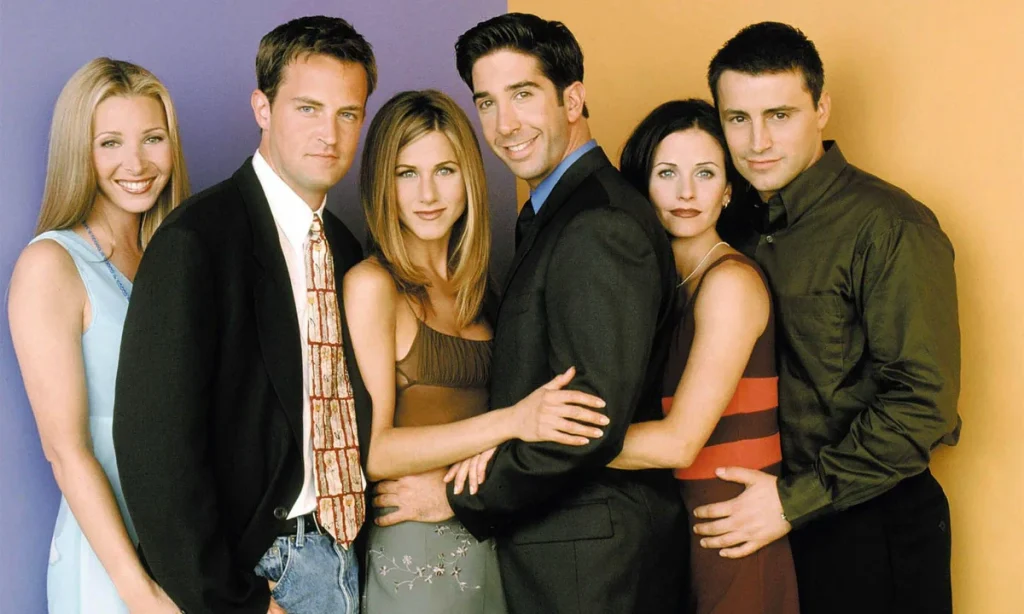
The beloved sitcom ended in the early 2000s and has been in reruns and streaming ever since. Many fans discovered it after the finale. The series now functions as both comfort TV and a time capsule of the 1990s–2000s.
Floppy Disks Live On Only As A Save Icon Metaphor
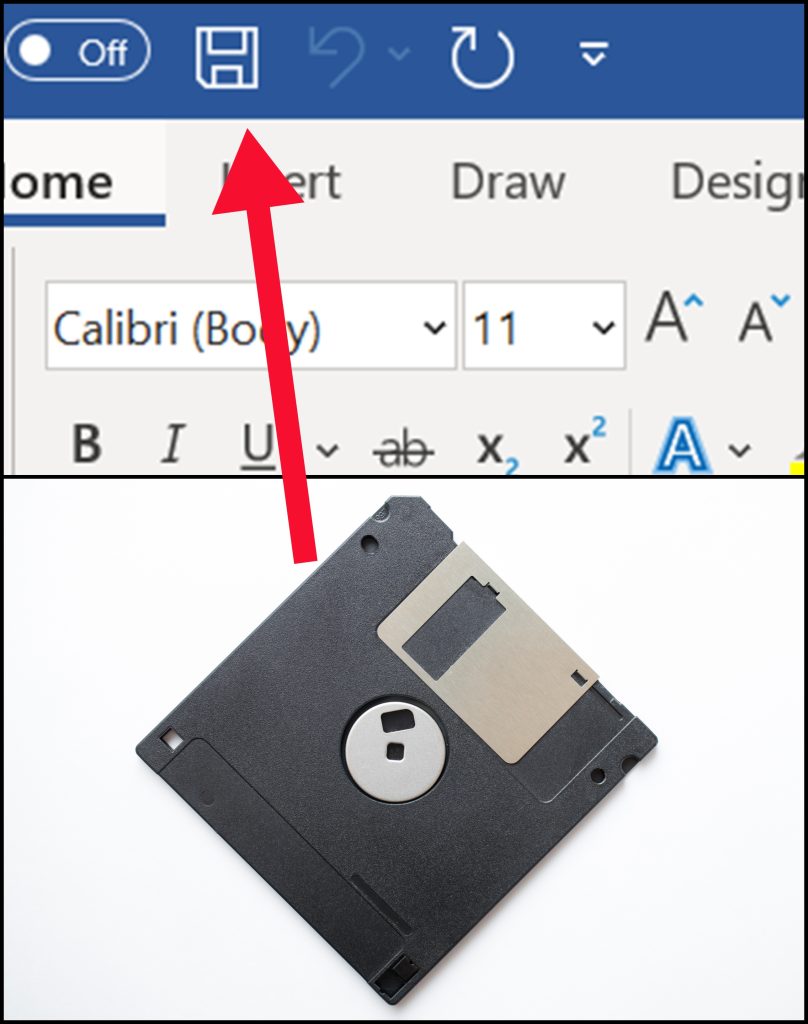
Many people have never used a floppy disk, yet they click its image daily. The symbol outlasted the hardware. It’s a tidy example of how digital culture preserves artifacts in unexpected ways.
“The Matrix” Is Older Than Today’s College Freshmen
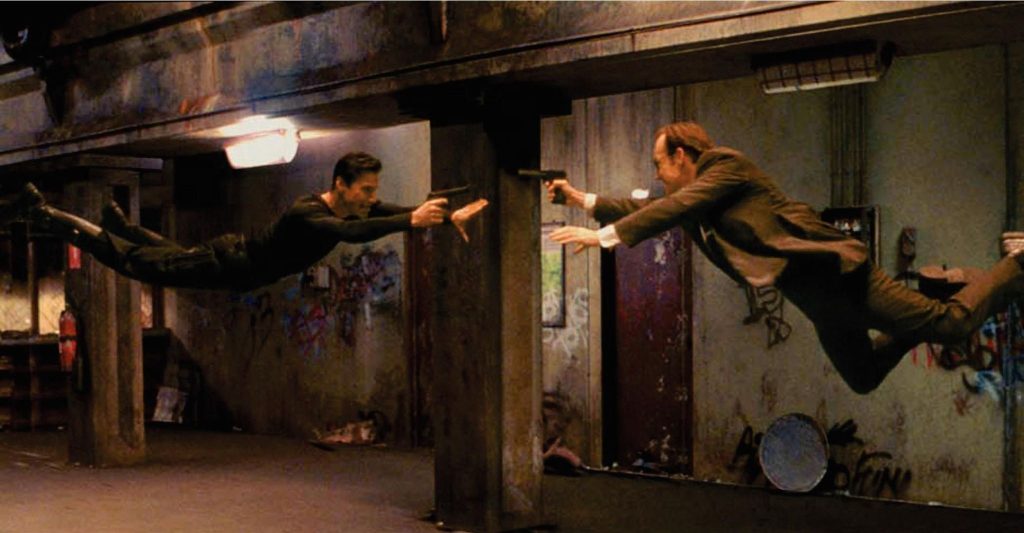
The sci-fi landmark landed at the end of the 1990s. For many viewers today, it predates their birth. Bullet time moved from revolution to reference point.
The Nintendo 64 Era Is Now Retro Gaming Proper
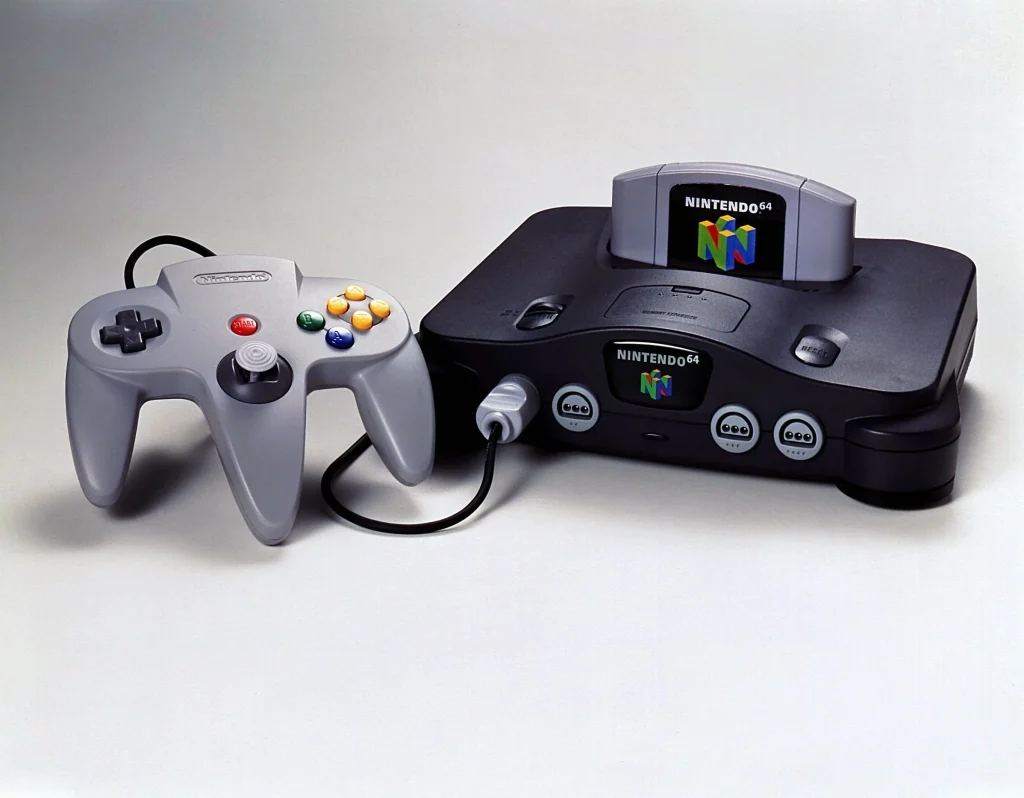
What once felt like the leap to true 3D now sits under the “retro” label. Controllers with three prongs and cartridge blows are museum-piece behavior. Re-releases and emulators keep the library alive.
Blockbuster Has Become A Punchline, Not A Plan For Friday Night
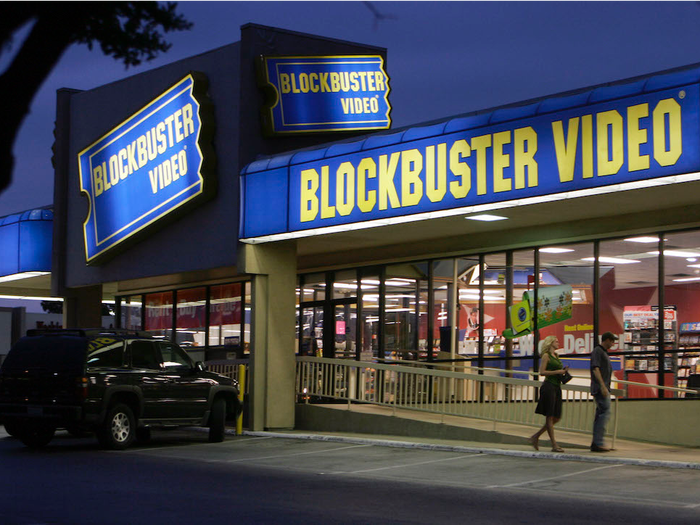
Video rental stores once set the weekend agenda. Now, the brand survives mostly as nostalgia and a single iconic location. Convenience won, and a ritual disappeared.
“Harry Potter” Movie Casts Have Grown Up Alongside Their Audience
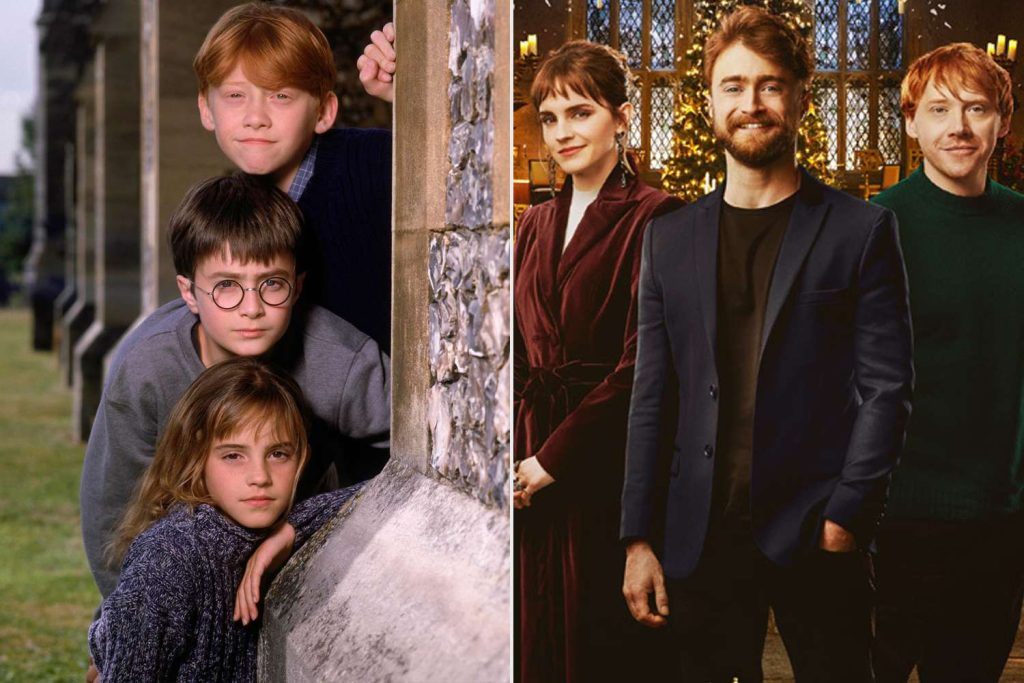
Viewers watched the core trio move from school robes to adult roles over two decades. The early films now read as period pieces of the 2000s. It’s a rare franchise that matured in public view.
Dial-Up Internet Sounds Like An Antique Machine To Many People
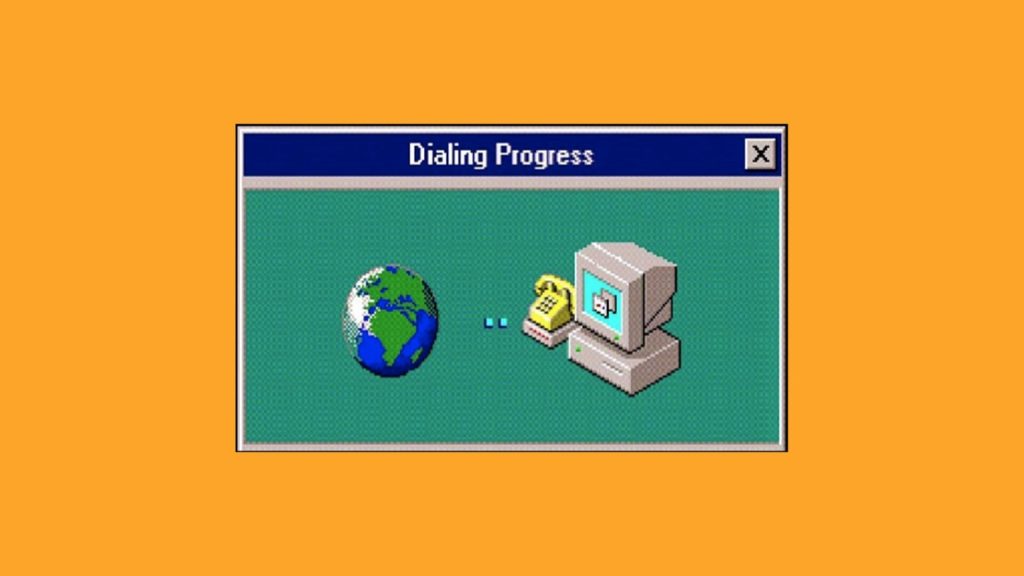
The screech of a modem once meant you were going online. Today it’s more likely a sound effect than a memory. Broadband turned scarcity into always-on access.
“Shrek” Is Old Enough To Be Nostalgia For Gen Z
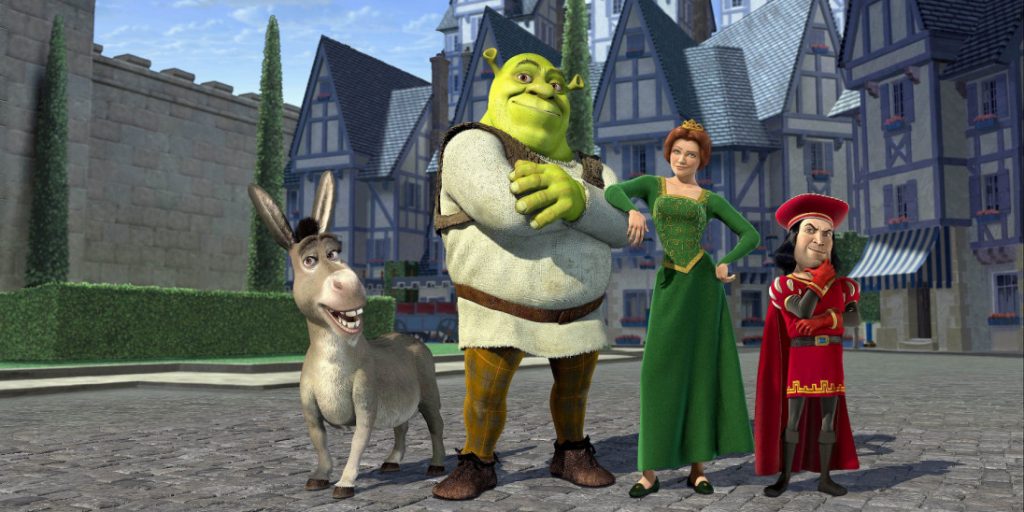
The fairy-tale send-up from the early 2000s has looped into meme culture. Kids who quoted it on DVD now remix it on social platforms. The franchise’s tone feels like an era marker all its own.
Facebook Started As A College-Only Site And Is Now Middle-Aged Social Media
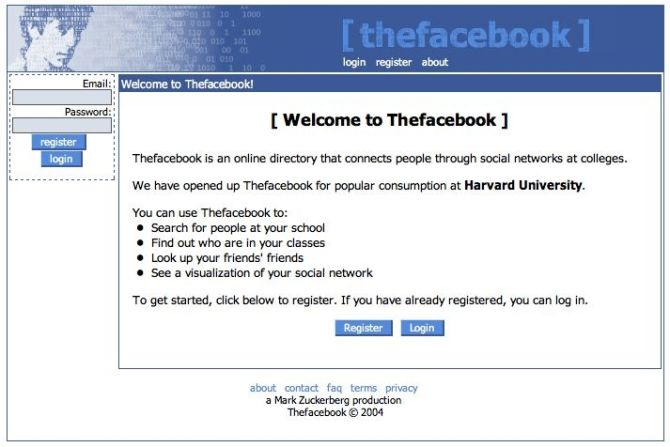
Early access required a .edu email. Today it functions more like a community noticeboard for multiple generations. Its evolution maps how social media aged with its first users.
“The Simpsons” Has Been On Longer Than Many Viewers Have Been Alive
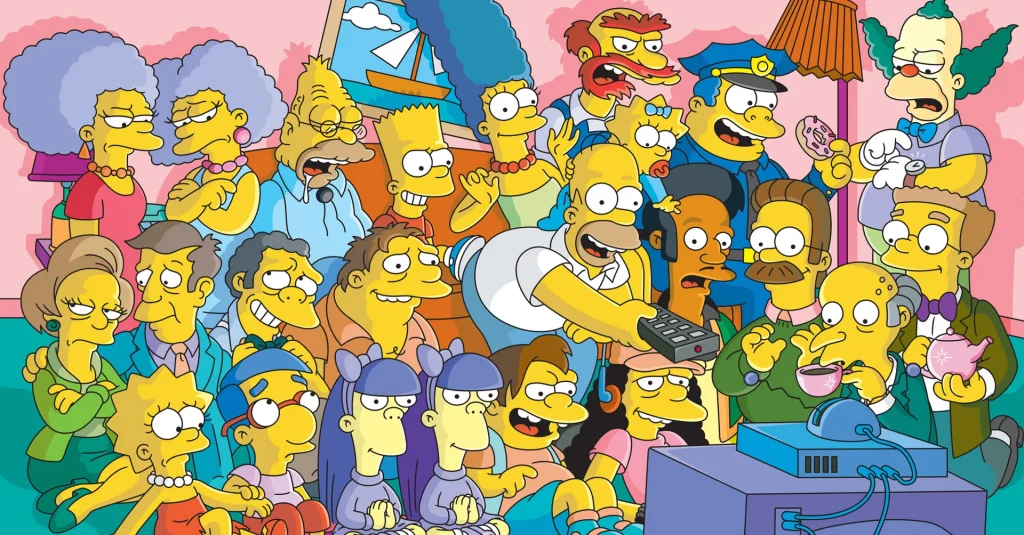
Debuting at the end of the 1980s, the show spans generations. New episodes premiere for audiences whose parents grew up with early seasons. It’s a rare continuous thread in a shifting TV landscape.
Windows XP Is Now A Nostalgic Boot Screen, Not A Daily Driver
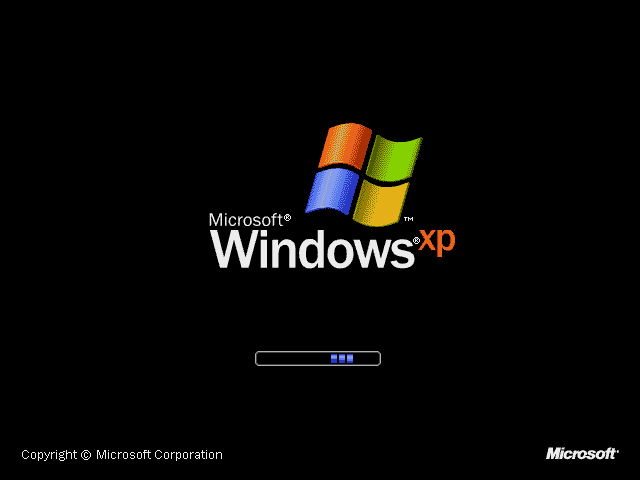
The default wallpaper and startup chime once defined home computing. Today it appears in retro tech demos and screenshots. Support ended long ago, but the memory lingers.
Game Boy Launched Before Many Current Gamers’ Parents Met Each Other
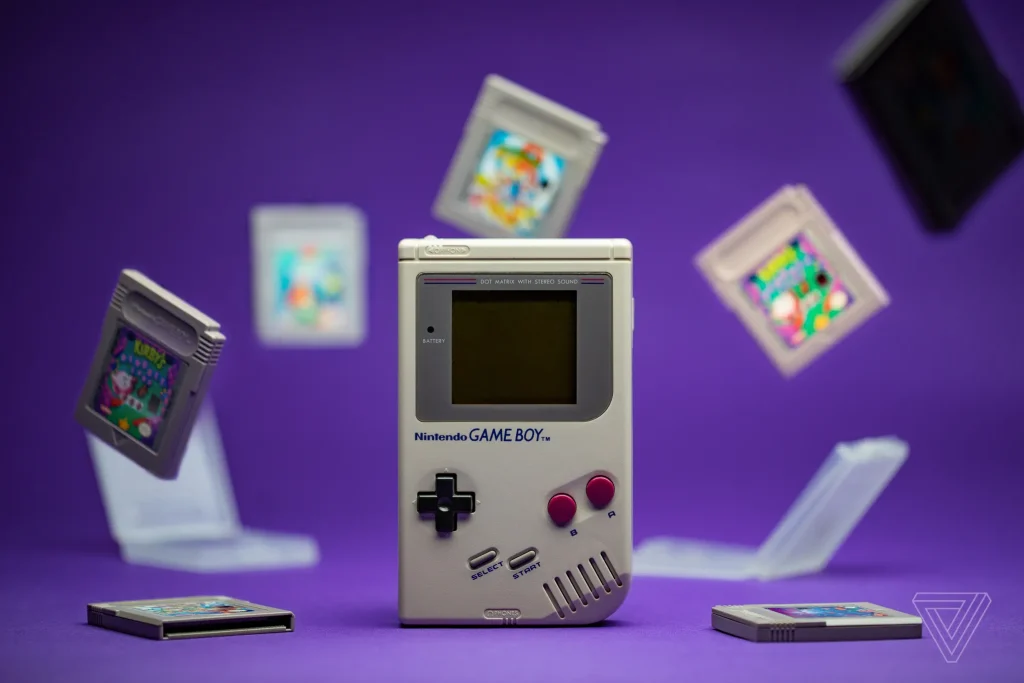
The handheld that popularized portable gaming dates to the late 1980s. Its monochrome screen and link cable now feel quaint. Yet its design DNA runs through modern handhelds.
The Wii’s Motion Controls Are From A Pre-Streaming Worldview Of TV Time
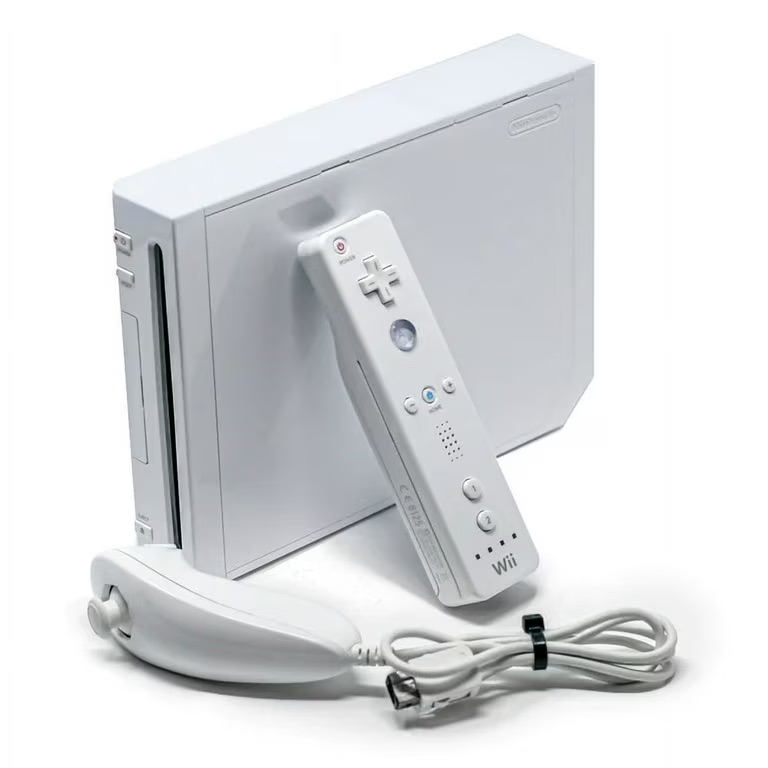
When the Wii arrived in the mid-2000s, living rooms gathered around channel inputs and disc trays. That era’s party games now resurface at reunions and retro nights. Motion wands and sensor bars are artifacts you dig out, not daily tools.
Google’s Founding Is Closer To The ’80s Than To Today
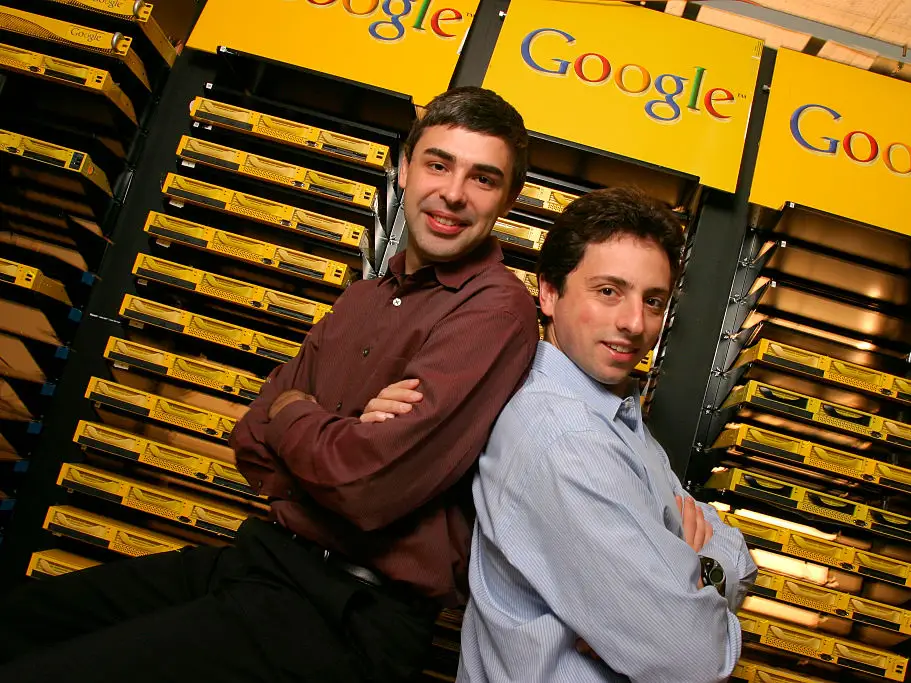
The company started in the late 1990s, when search was clunky and fragmented. Its minimalist homepage became a daily habit. The web it indexed then was tiny by modern standards.
Wikipedia Has Been Crowd-Correcting Our Arguments For Decades Now
An experiment in open editing grew into the default starting point for quick facts. Entire generations never knew a world without instant, linked references. Its longevity shows how collaborative projects can mature.
Gmail Debuted When Invitations Were Scarce And Storage Felt Infinite
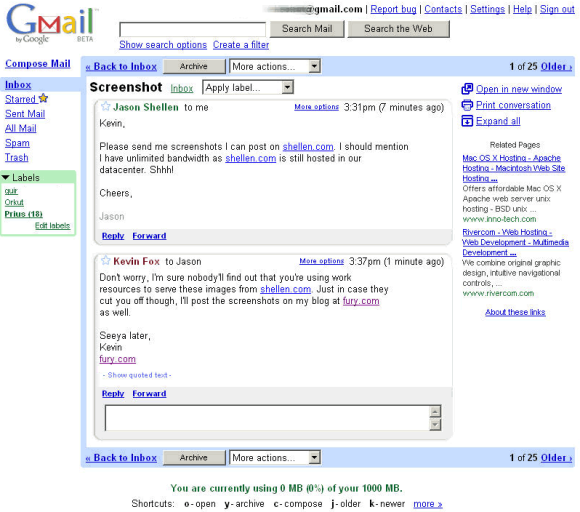
At launch, you needed an invite to sign up. The pitch was simple: email without constant deletion. Today, the interface and norms it introduced feel standard rather than novel.
CD Collections Turned Into Streaming Playlists In A Blink
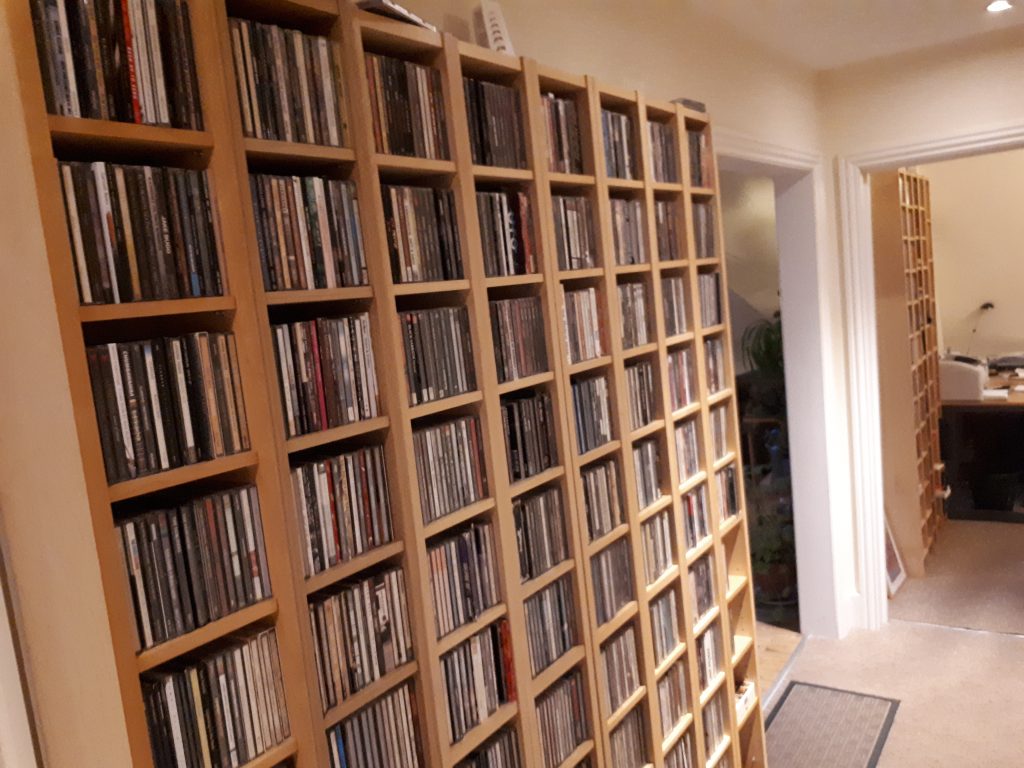
Towers of jewel cases once lined shelves. Now, libraries live behind subscription logins. Physical media shifted from default to hobby.
Instagram Is Old Enough For Its Earliest Users To Be Parents Of Teens

The photo app launched in the early 2010s and reshaped visual culture. Filters that once screamed “vintage” now feel retro themselves. The platform aged as its audience did.
Uber And Ride-Hailing Have Been Around Long Enough To Feel Like Utilities
What began as a novelty became city infrastructure for many users. Entire travel plans assume app-based rides. The shift from hailing by hand to tapping a screen happened fast.
“Avatar” Premiered Before Some Current High Schoolers Were Born
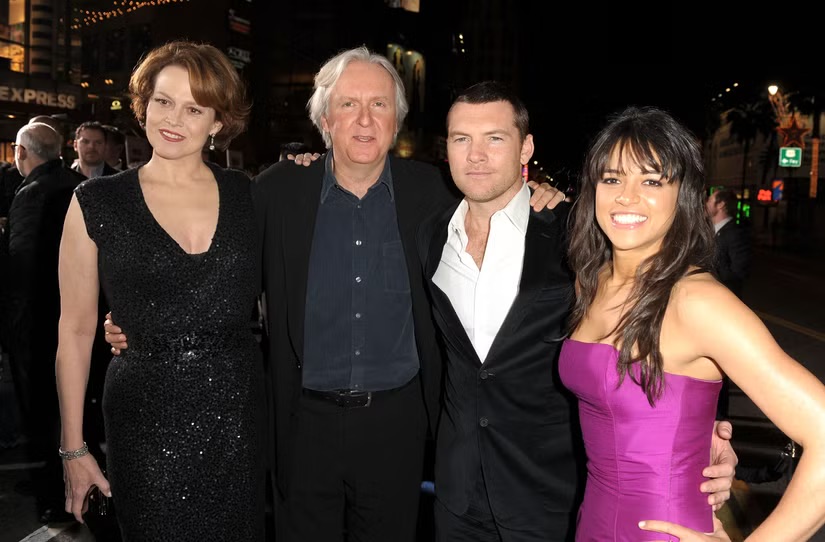
The box-office juggernaut belongs to the late 2000s. Its 3D boom has since receded and flowed. Returning to Pandora now reads like reconnecting with an era.
USB Has Been Around Long Enough To Spawn Multiple “Which Way Up?” Jokes And A Successor Port
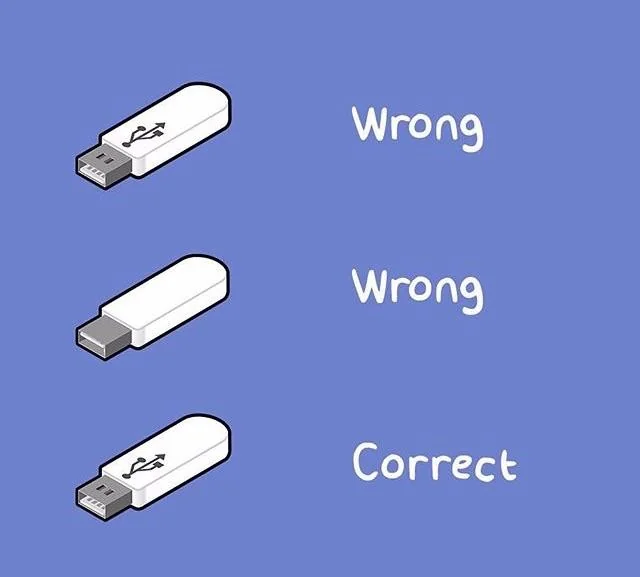
A connector standard from the 1990s became universal. After years of flipping plugs, a reversible version solved the problem. The standard’s age shows in how many shapes and speeds it picked up along the way.
Streaming Has Been The Default For Entire Childhoods Already
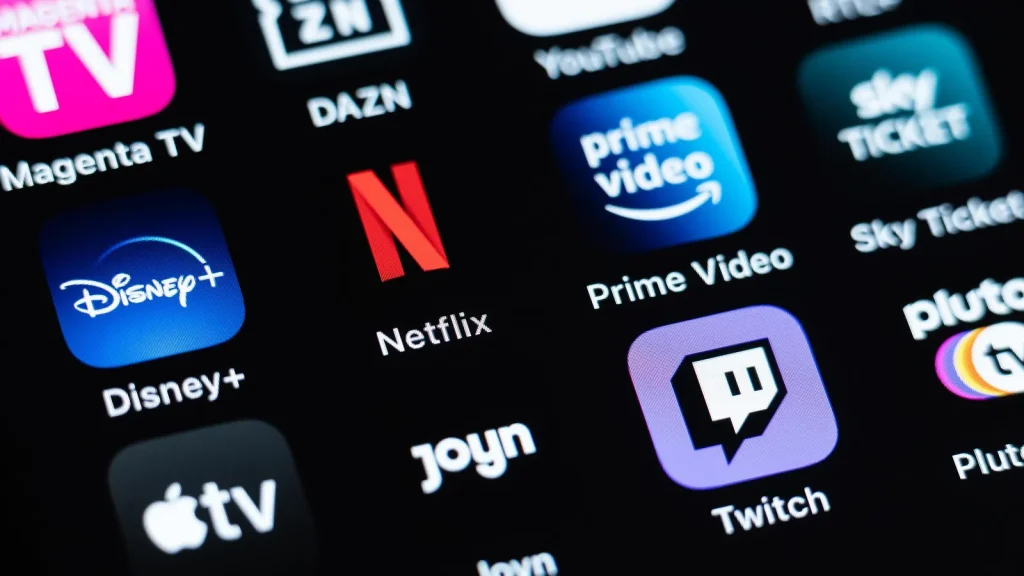
There’s a generation that never set a VCR timer or returned a disc to a store. On-demand catalogs replaced schedules and late fees. Appointment viewing turned into algorithmic queues.
VHS And Cassette Tapes Are Now Thrift-Store Finds And Collector Items
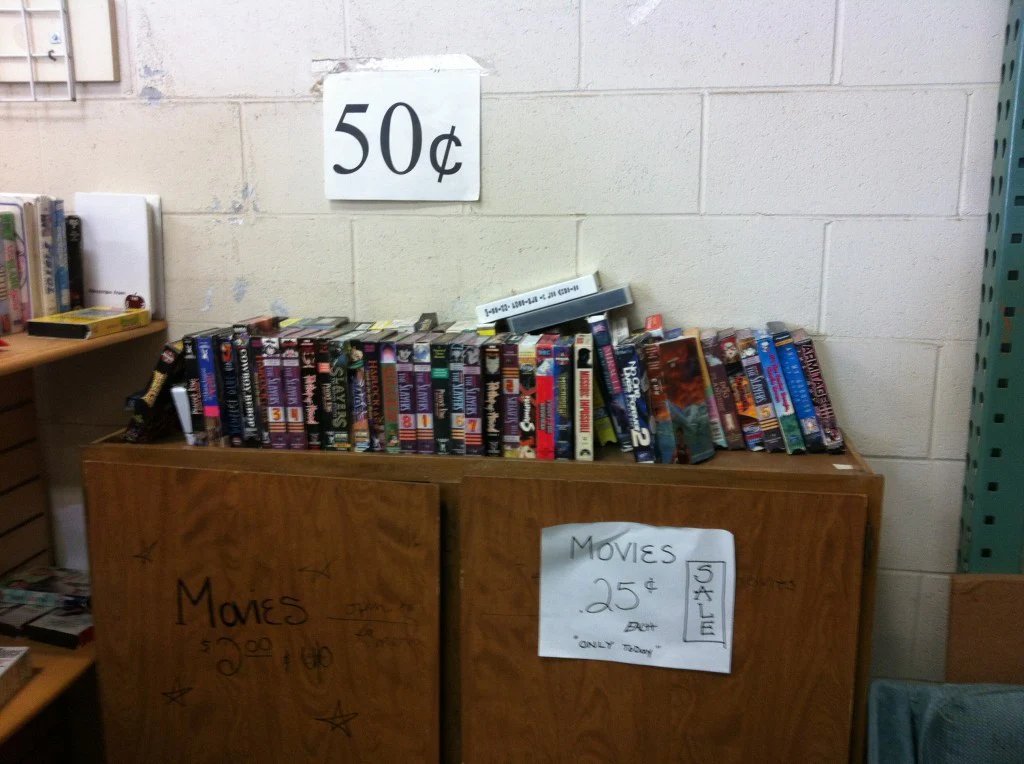
Magnetic media once dominated living rooms and car stereos. Today they surface at yard sales and in curated collections. The format’s tactile rituals are part of the appeal.
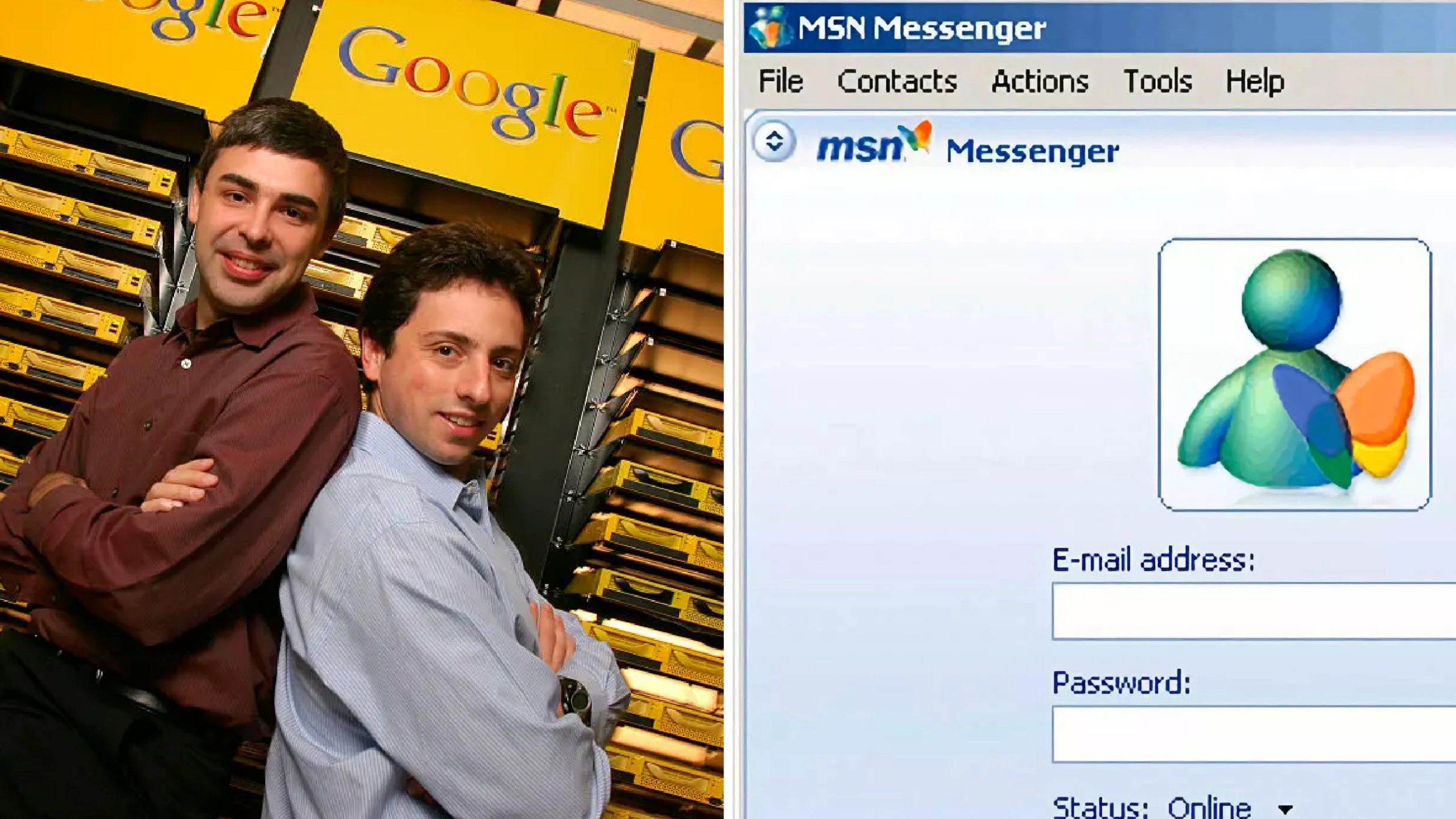
MSN Messenger Has Been Gone Longer Than It Existed
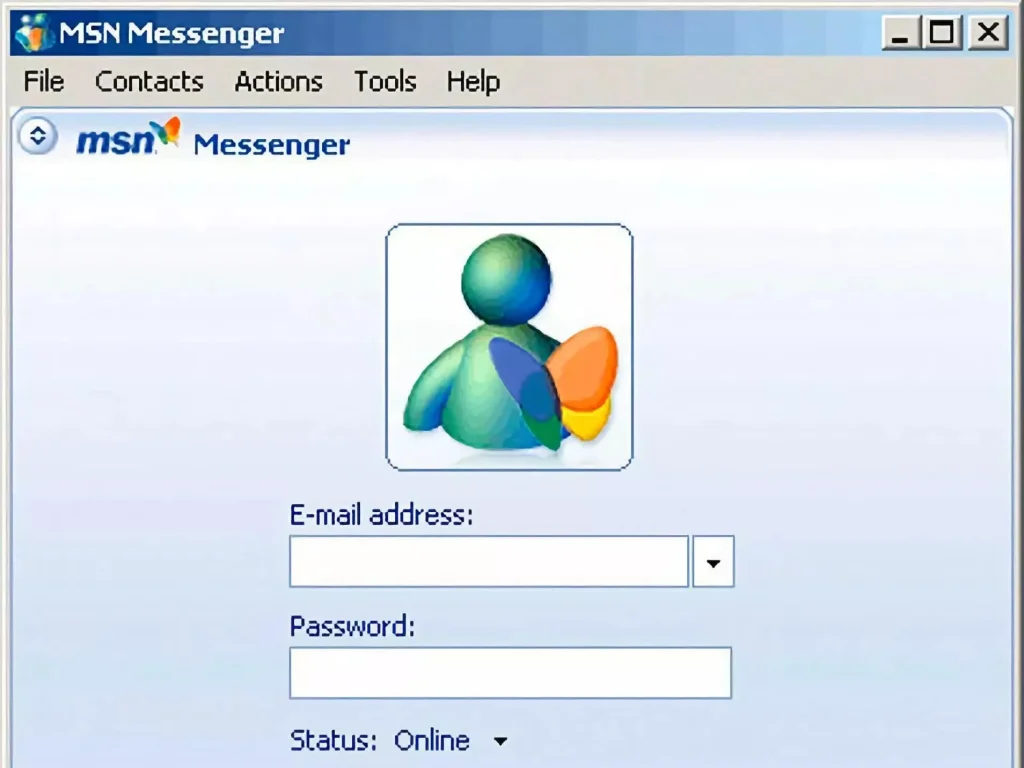
Before group chats and emojis ruled phones, MSN Messenger was the go-to way to talk online. It ended service in the early 2010s after more than a decade of status messages, buzzes, and pixel hearts. The silence that followed marks how quickly digital habits disappear and resurface in new apps.