
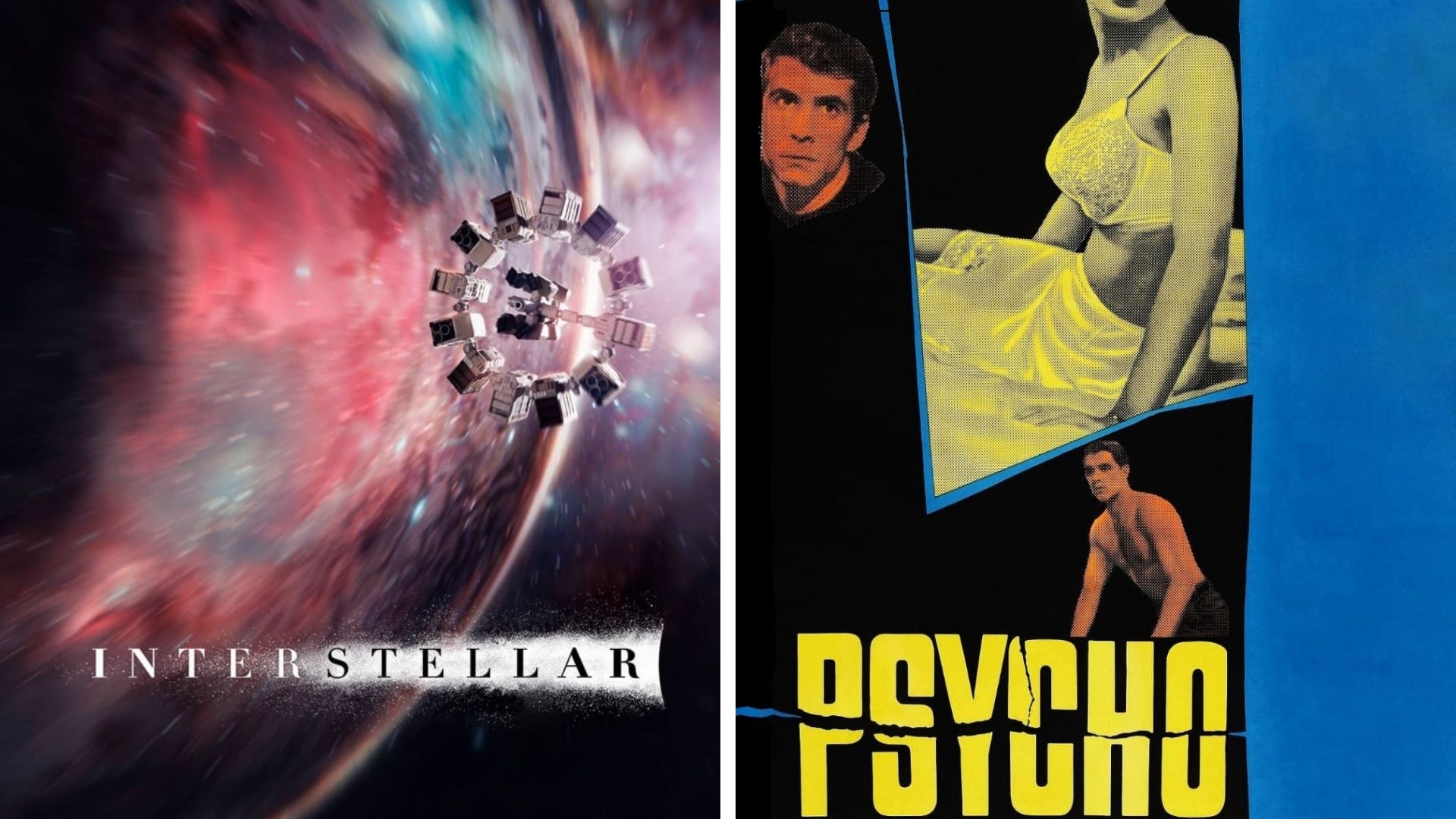
Exploring the cinematic world often requires a deep dive into the history and artistry that shaped the medium. To understand the visual language of storytelling, a viewer must encounter the works that broke rules, invented techniques, and captured the human spirit across different cultures. This curated collection serves as a foundational guide for any aspiring film enthusiast by highlighting thirty films that have left an indelible mark on the industry. From silent era landmarks to modern psychological thrillers, each entry offers a unique lesson in the power of the moving image.
“The Godfather” (1972)
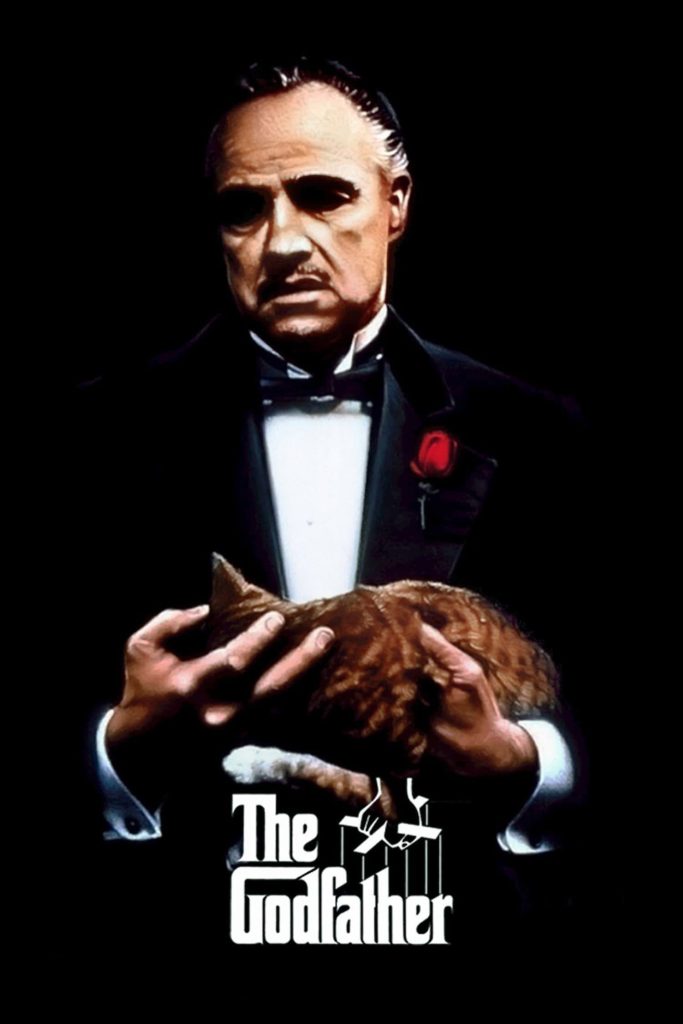
This crime epic transformed the gangster genre into a complex family tragedy and is often cited for its masterful screenplay. It follows the transformation of Michael Corleone from a war hero to a powerful mafia boss.
“Spirited Away” (2001)
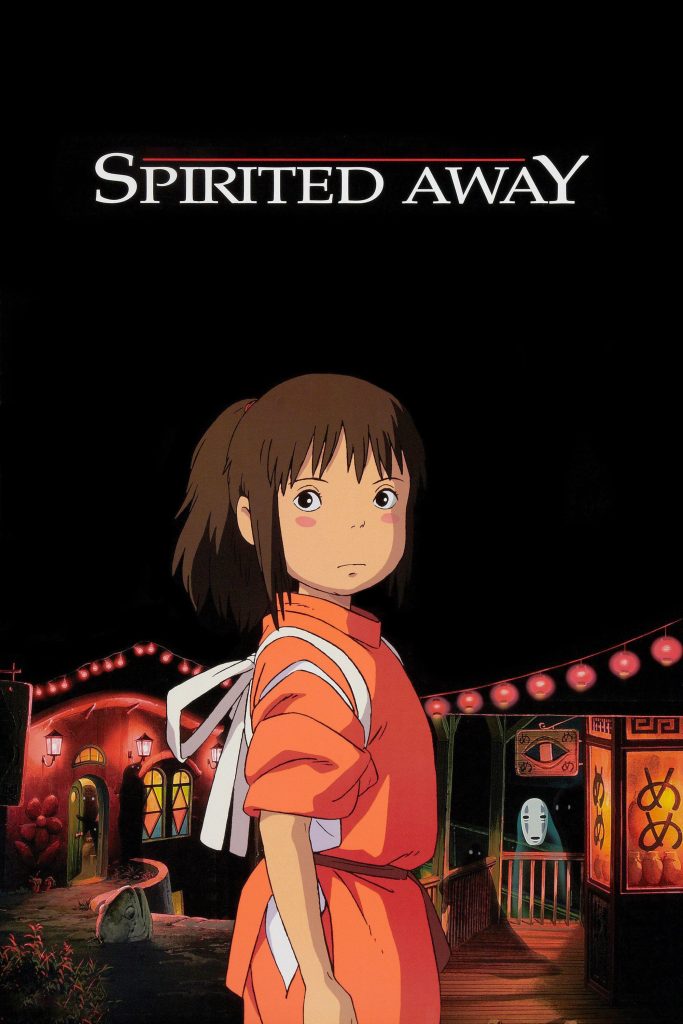
This animated masterpiece showcases the rich imagination of Studio Ghibli through the story of a young girl trapped in a magical realm. It is widely praised for its hand-drawn visual style and deep thematic exploration of maturity.
“Citizen Kane” (1941)
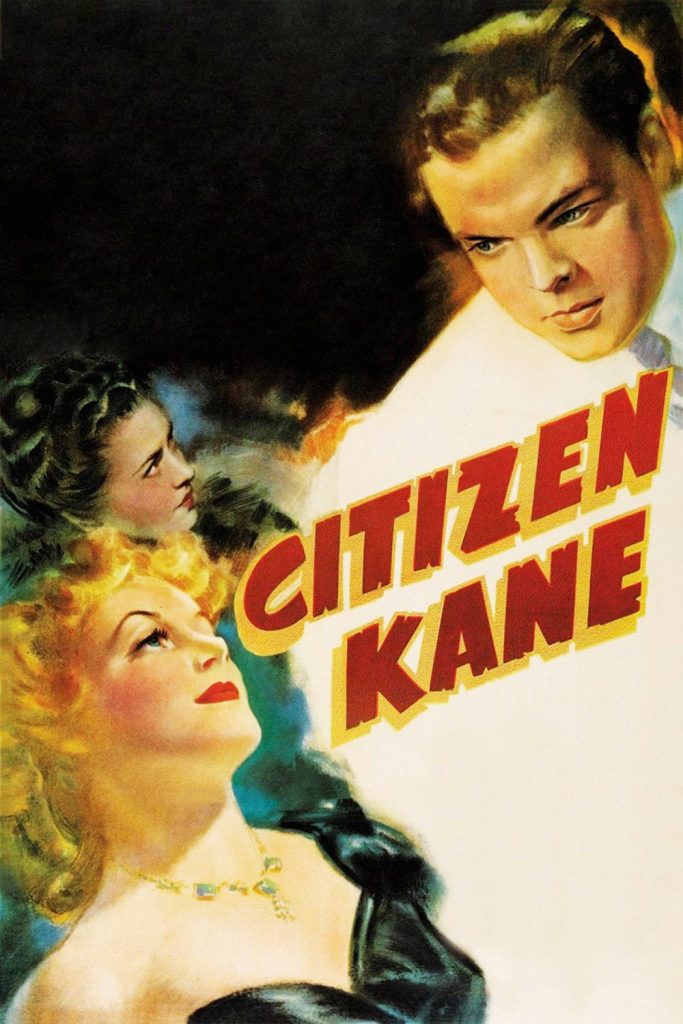
Often lauded as one of the most influential movies of all time, it introduced groundbreaking techniques in deep focus and lighting. The narrative centers on the enigmatic life and legacy of a powerful newspaper tycoon.
“Parasite” (2019)
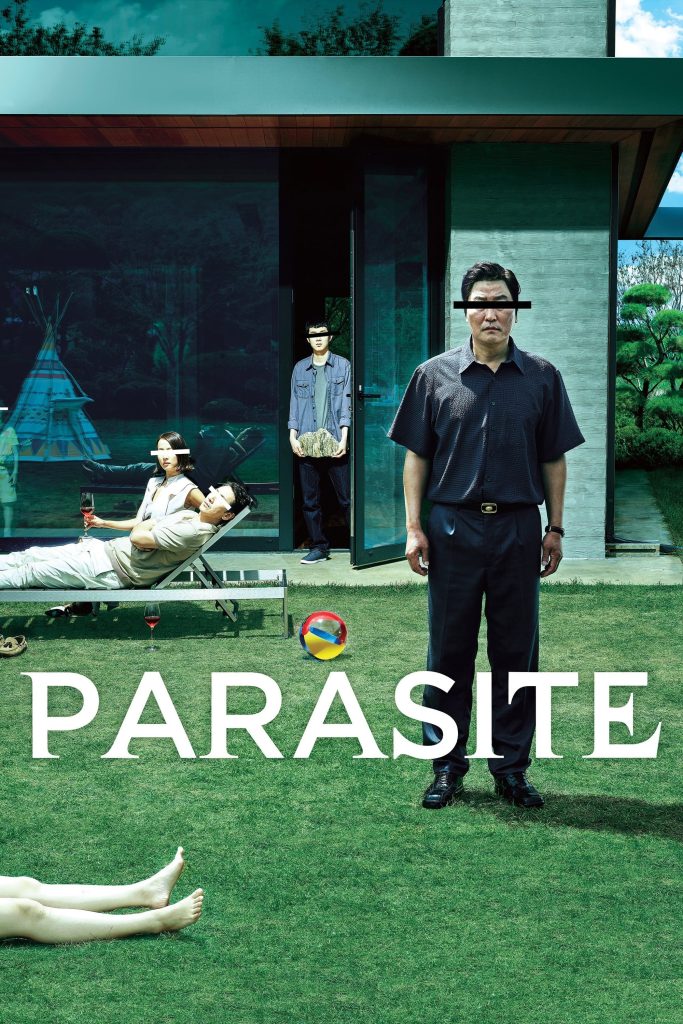
This South Korean thriller blends genres to deliver a sharp critique of social class and economic disparity. Its global success marked a historic moment for non-English language cinema in mainstream award ceremonies.
“Sunset Boulevard” (1950)
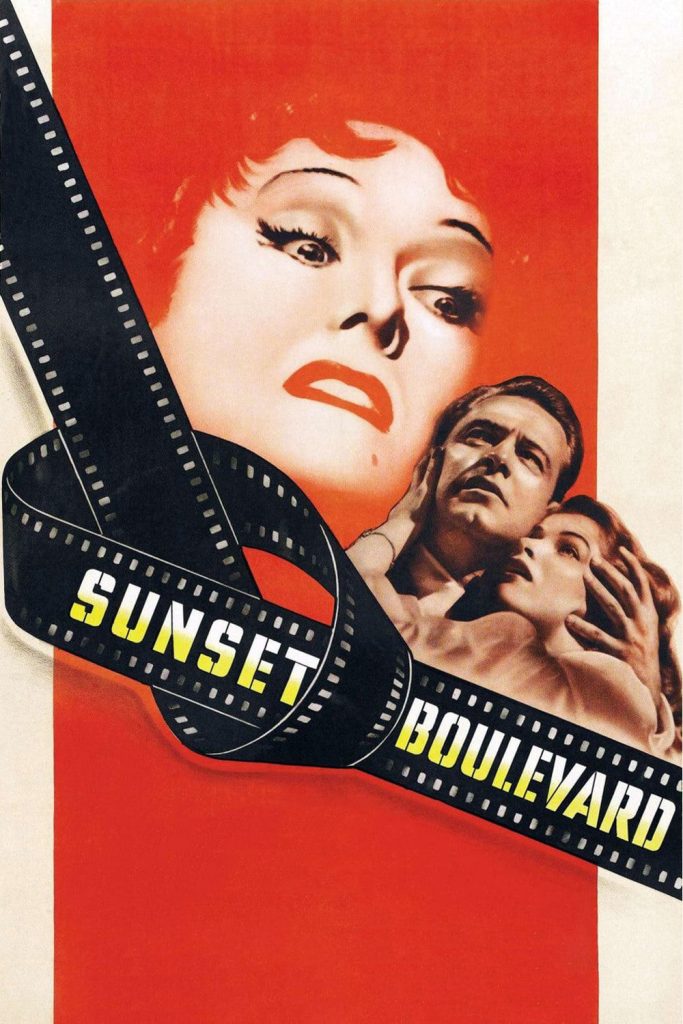
The film explores the darker side of fame through the eyes of a struggling screenwriter and a forgotten silent film star. It is celebrated for its cynical tone and its unique perspective on the obsession with celebrity culture.
“The Matrix” (1999)
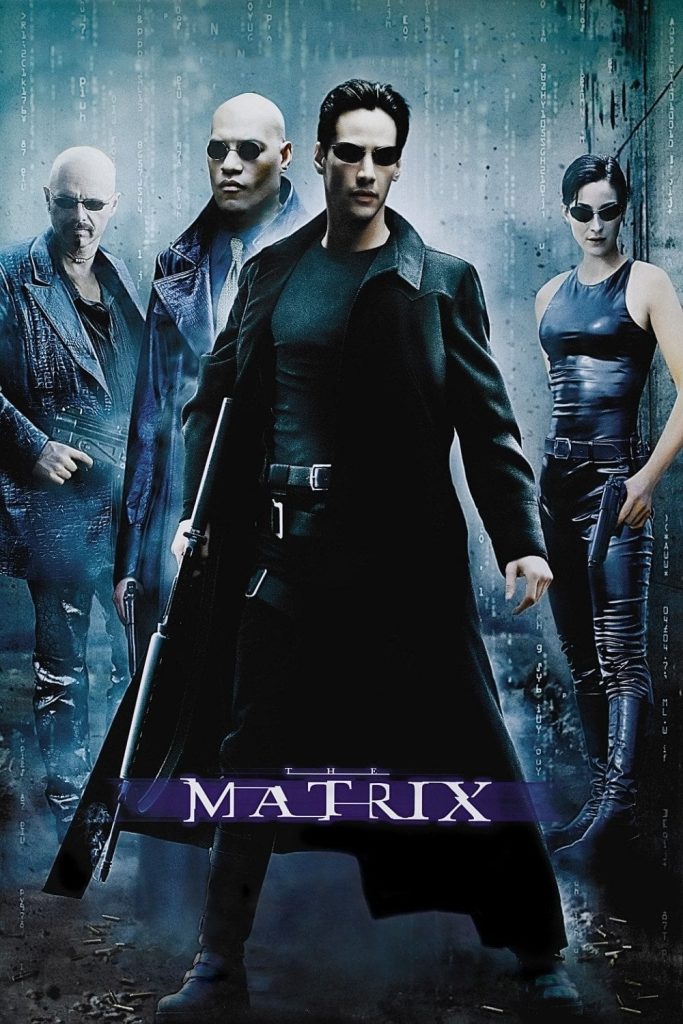
This science fiction landmark combined philosophical themes with innovative action sequences like the famous bullet time. It challenged audiences to question reality while setting a new standard for visual effects in big-budget filmmaking.
“Memento” (2000)
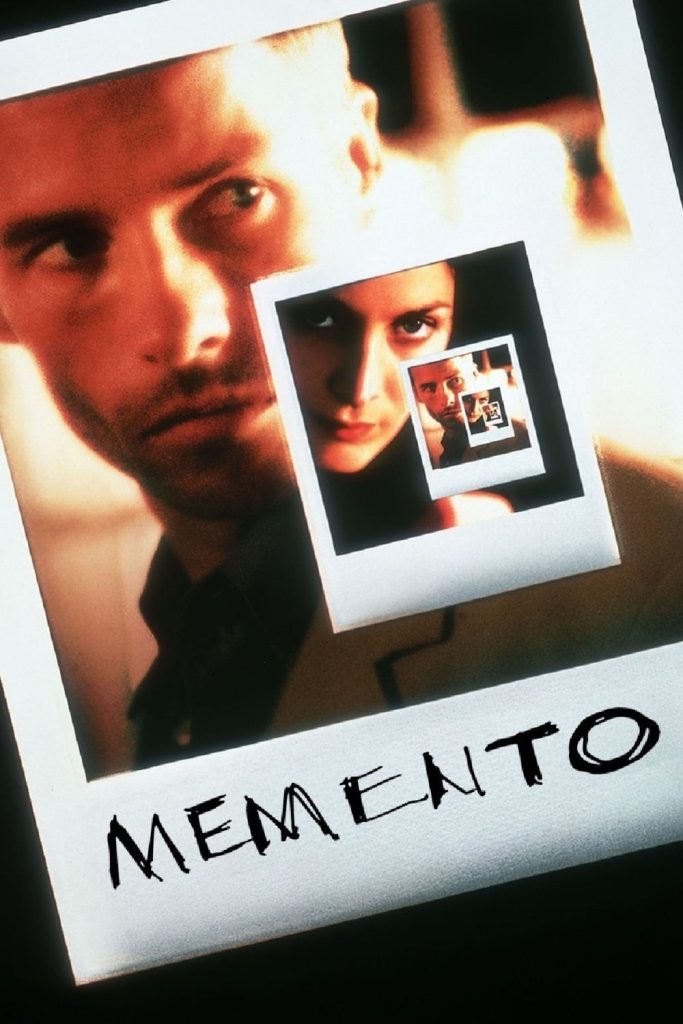
The film utilizes a reverse-chronological structure to place the viewer in the confused state of a protagonist with short-term memory loss. This unique storytelling approach forces the audience to reconstruct the mystery alongside the lead character.
“Schindler’s List” (1993)
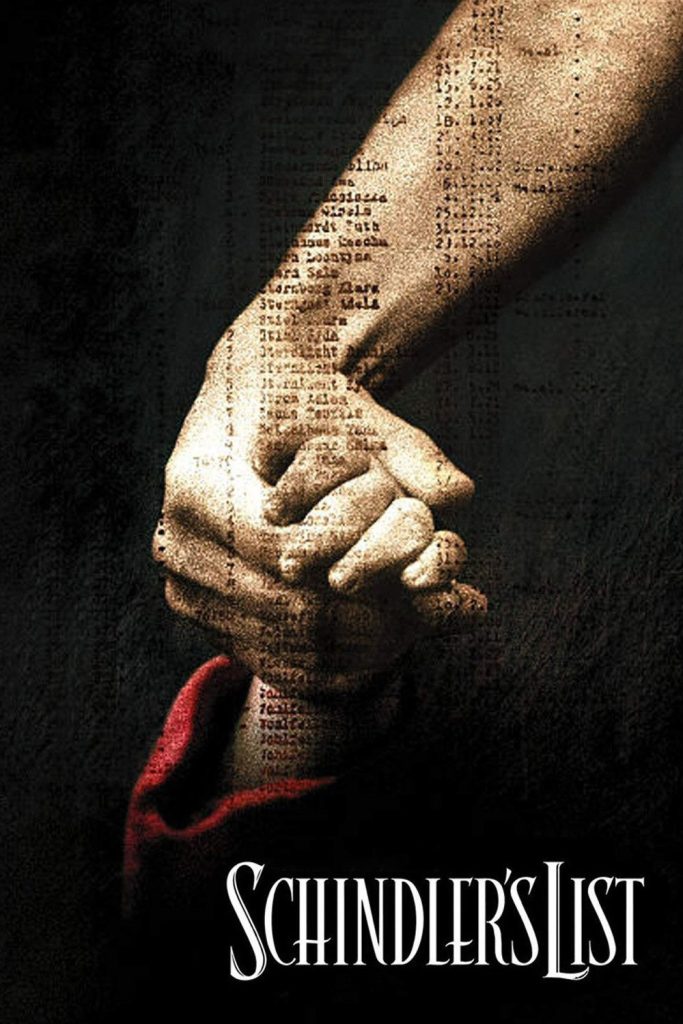
This historical drama depicts the efforts of a German businessman to save Jewish refugees during the Holocaust. It is noted for its stark black-and-white cinematography and its emotional weight regarding the human capacity for compassion.
“City of God” (2002)
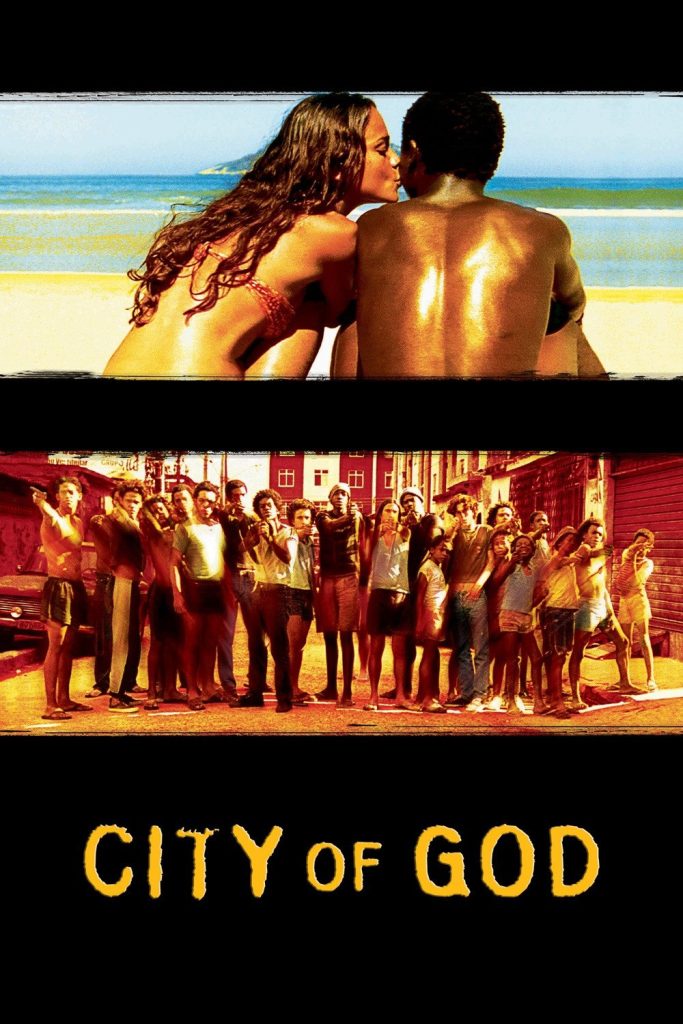
Set in a violent neighborhood in Rio de Janeiro, this fast-paced drama utilizes a raw and energetic visual style. The story spans decades, illustrating how environment and circumstance shape the lives of two young friends.
“The Dark Knight” (2008)
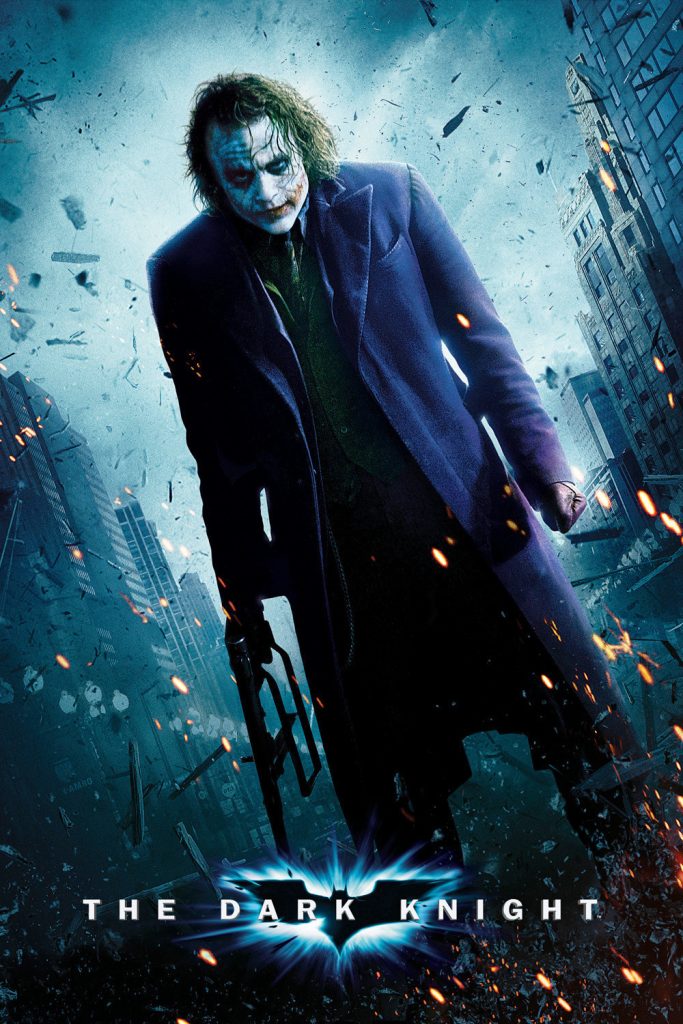
While categorized as a superhero film, it is frequently studied as a gritty urban crime drama focused on the chaos of the Joker. Its exploration of morality and order elevated the genre’s reputation among critics and cinephiles alike.
“Singin’ in the Rain” (1952)
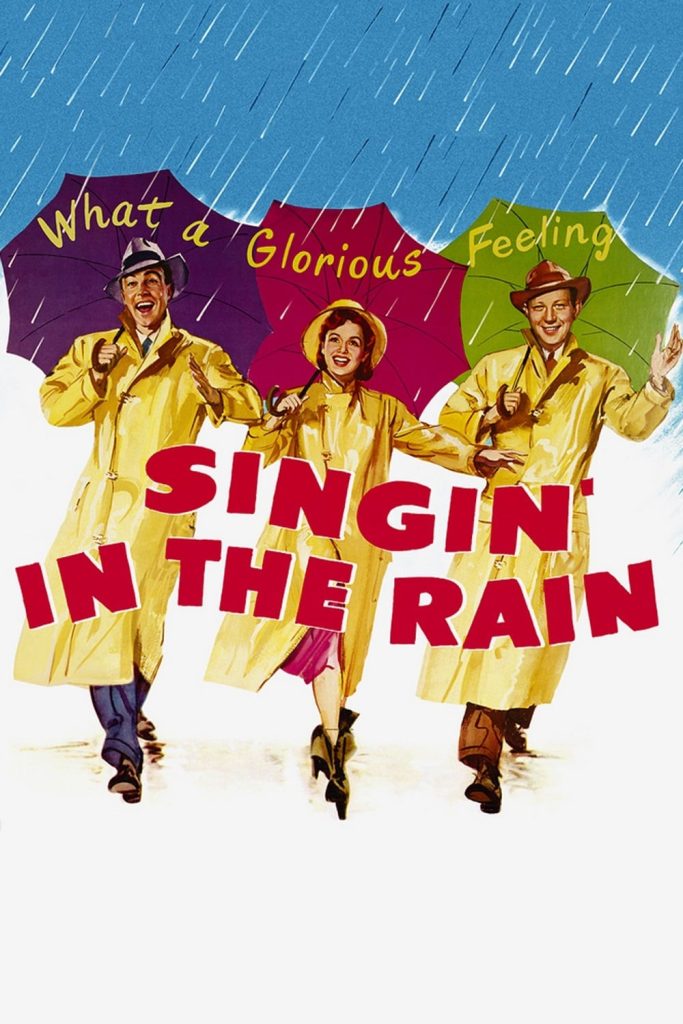
This vibrant musical offers a lighthearted yet insightful look at Hollywood’s transition from silent films to talkies. It remains a definitive example of high-energy choreography and technical innovation within the studio system.
“Goodfellas” (1990)
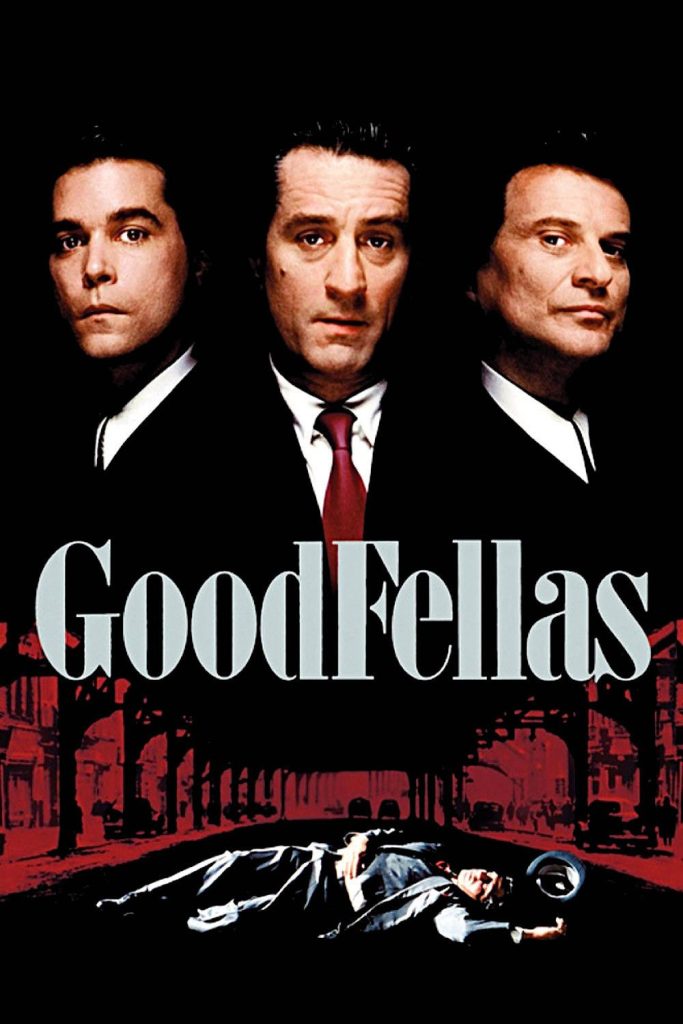
The film provides a detailed and unsentimental look at the rise and fall of a mob associate over several decades. Its use of freeze frames and long tracking shots influenced a generation of crime filmmakers.
“Mulholland Drive” (2001)
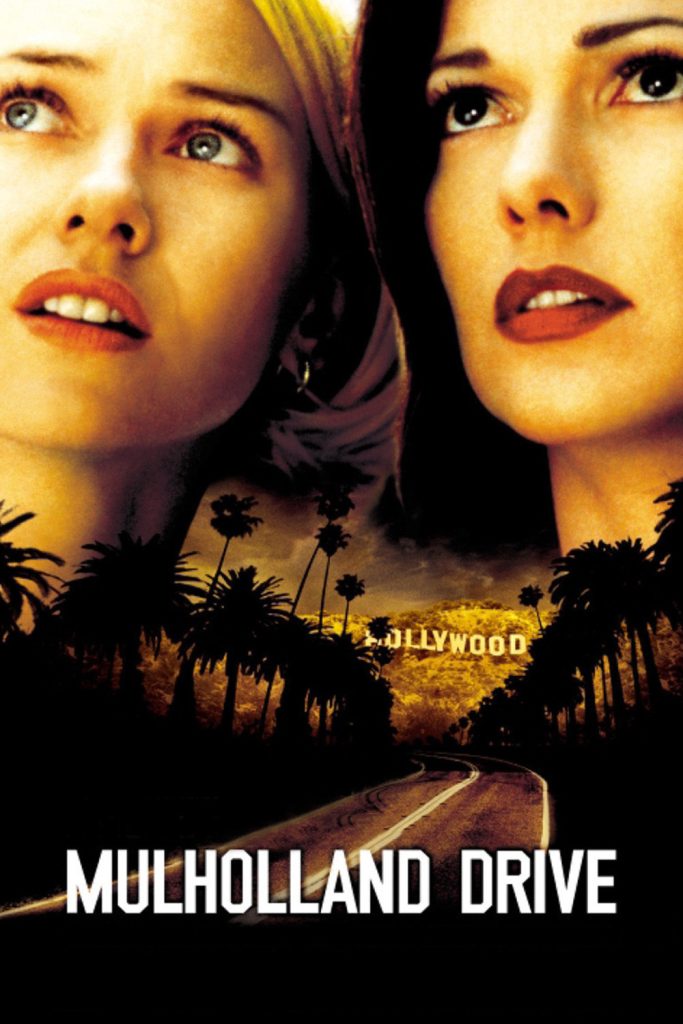
This psychological mystery presents a fragmented vision of Hollywood that blurs the lines between dreams and reality. Its ambiguous narrative has led to endless analysis and debate regarding its true meaning and structure.
“8 1/2” (1963)
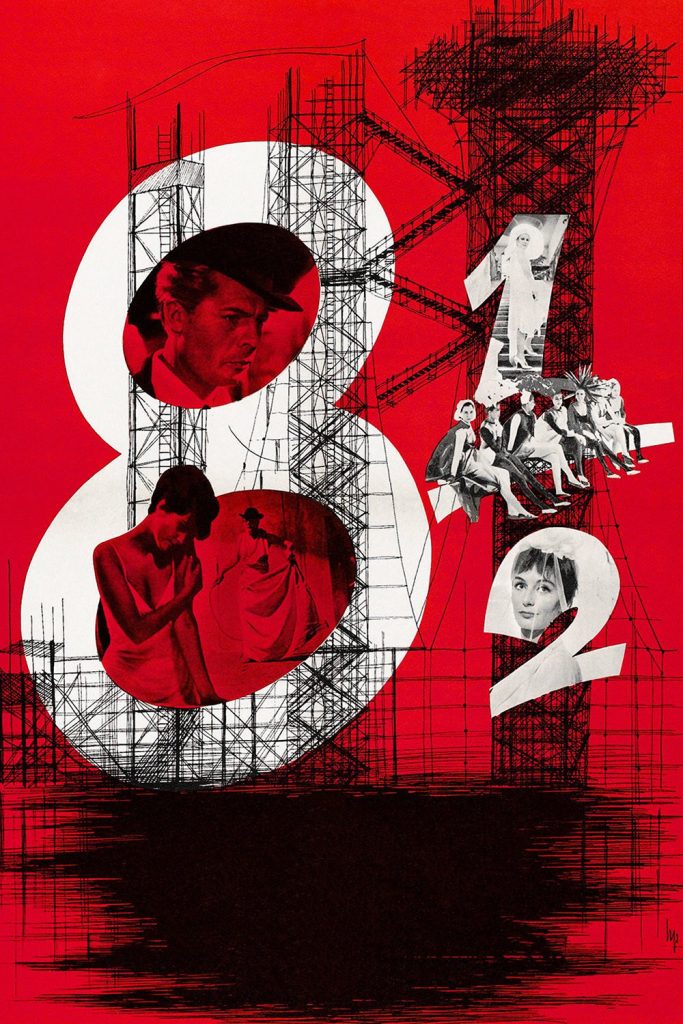
A director struggles with creative block in this surrealistic exploration of filmmaking and the subconscious mind. It is considered a cornerstone of European art cinema for its dream-like sequences and self-referential nature.
“Se7en” (1995)
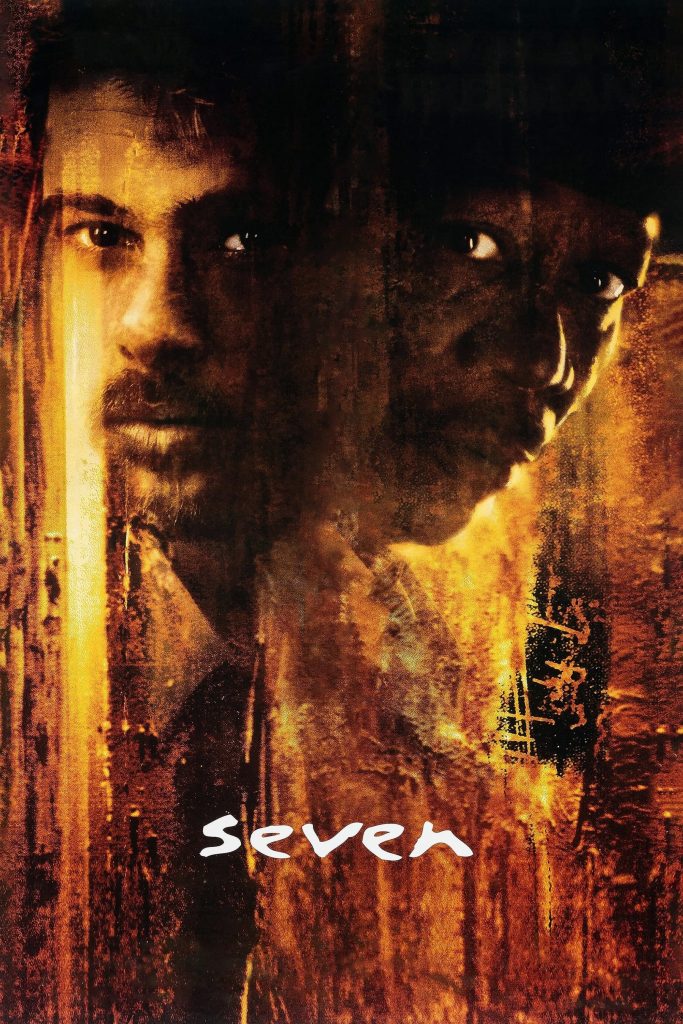
This dark psychological thriller follows two detectives as they track a serial killer who uses the seven deadly sins as his inspiration. It is remembered for its bleak atmosphere and its shocking, highly discussed climax.
“The Silence of the Lambs” (1991)
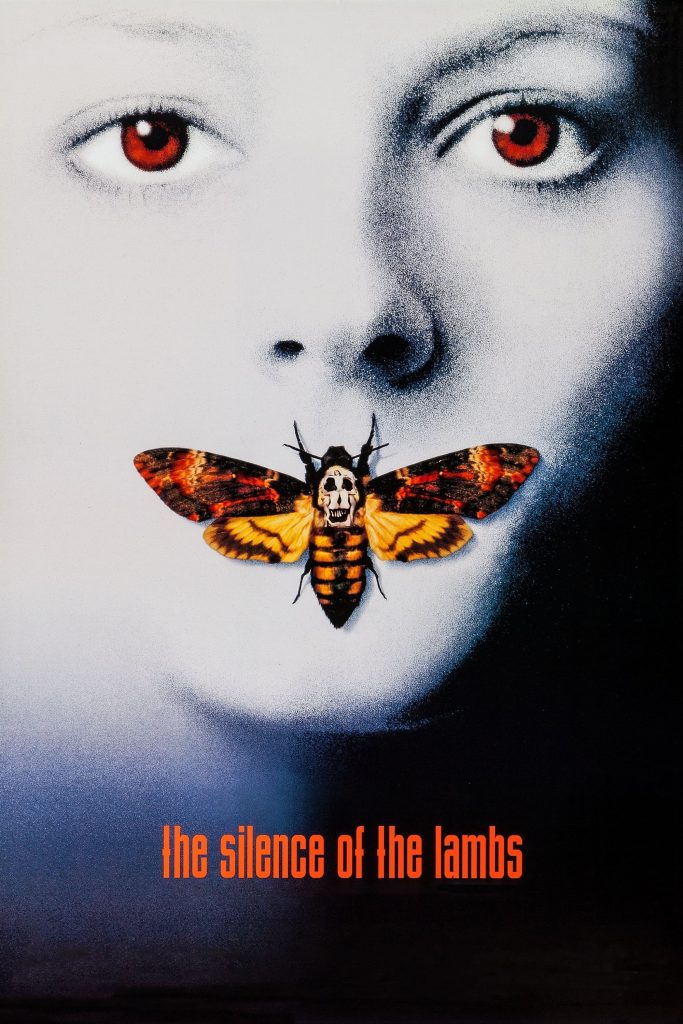
A young FBI trainee seeks the advice of an incarcerated cannibalistic psychiatrist to catch another serial killer. The film is distinguished for being one of the few horror-adjacent thrillers to achieve major success at the Academy Awards.
“Cinema Paradiso” (1988)
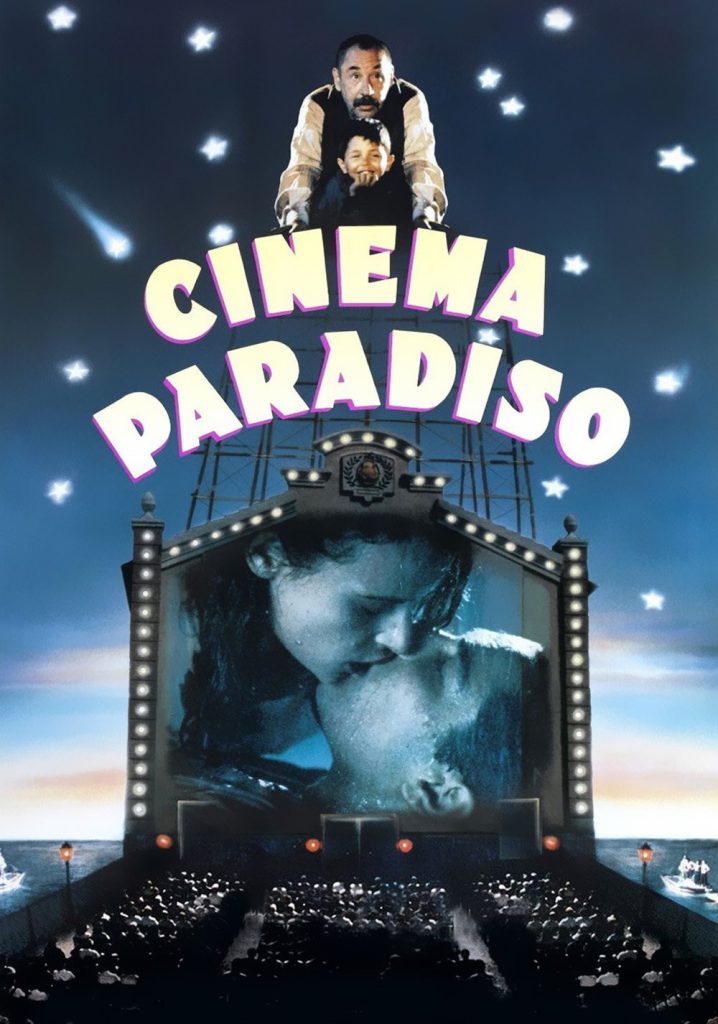
This sentimental Italian film pays tribute to the magic of movie-going and the profound influence of a local projectionist on a young boy. It captures the nostalgic evolution of a small town through the lens of its local theater.
“Back to the Future” (1985)
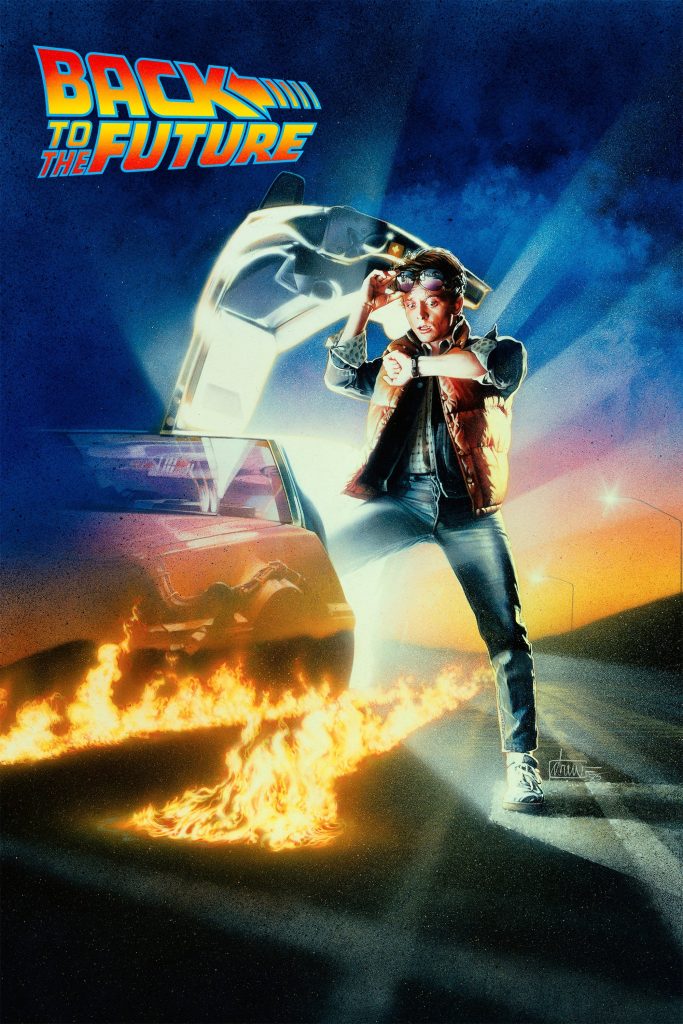
This science fiction adventure is celebrated for its perfectly constructed screenplay and its blend of humor and heart. It remains a cultural touchstone for its creative take on time travel and mid-century Americana.
“Inception” (2010)
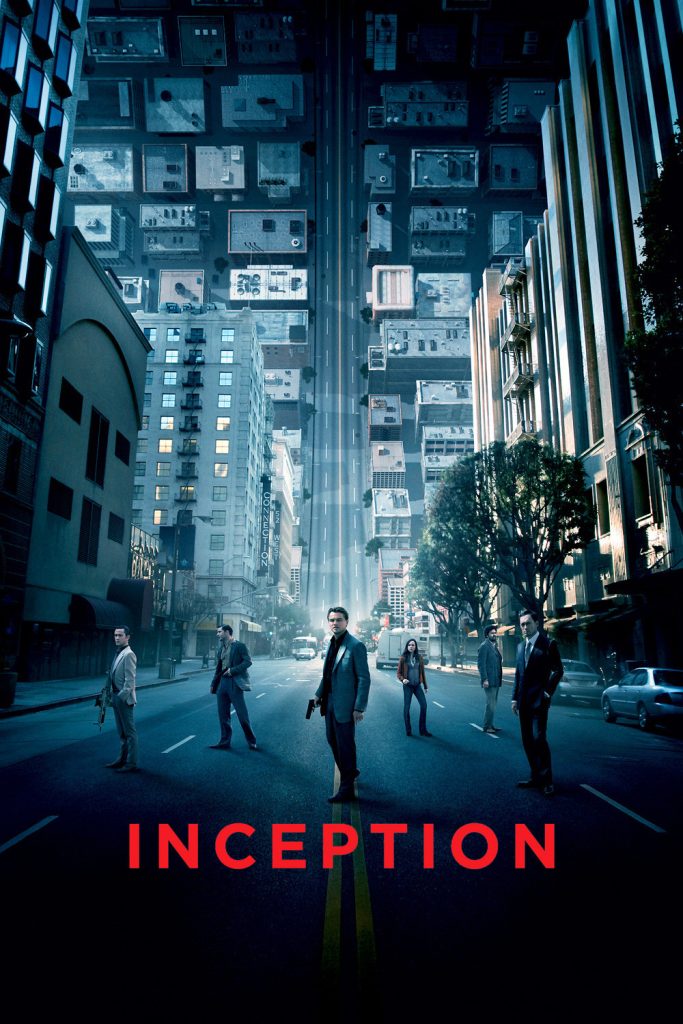
The narrative involves a professional thief who enters people’s dreams to steal their secrets through subconscious manipulation. Its complex layering of dream states and impressive practical effects created a massive impact on the sci-fi landscape.
“Whiplash” (2014)
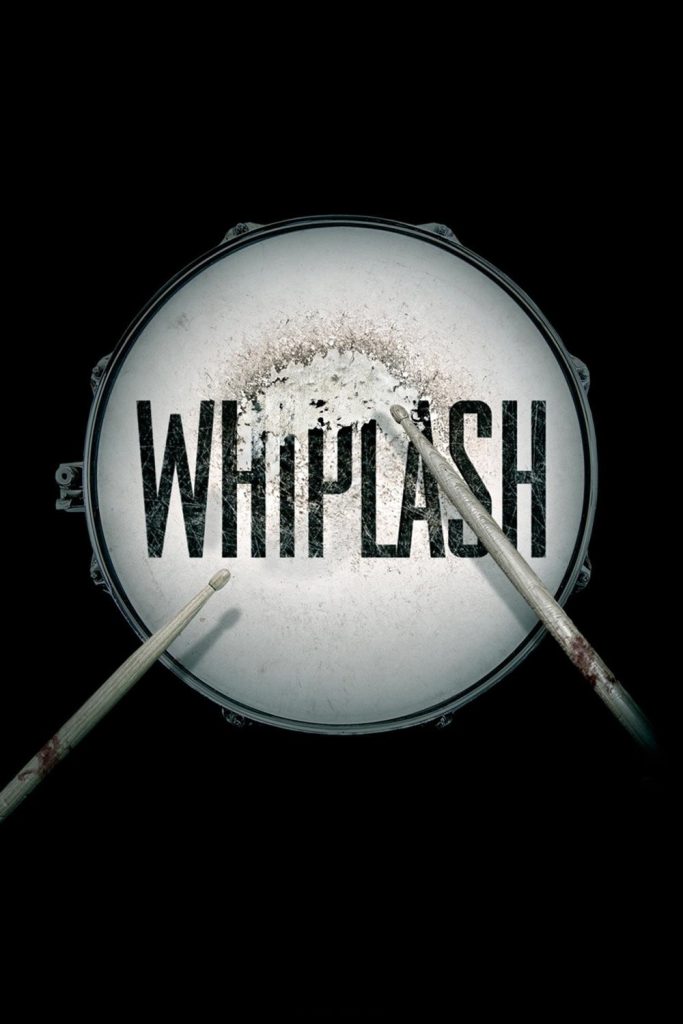
The intense relationship between an ambitious jazz drummer and his abusive instructor drives this high-stakes musical drama. It examines the extreme costs of pursuing greatness and the fine line between mentorship and cruelty.
“Pulp Fiction” (1994)
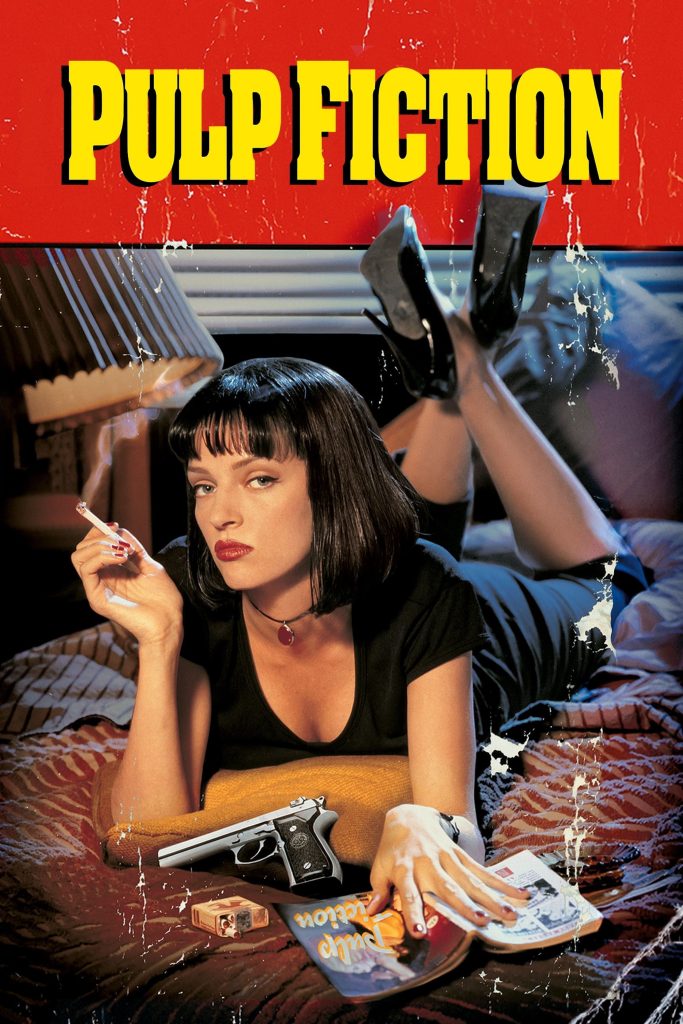
Known for its non-linear narrative and stylized dialogue, this film revitalized independent cinema in the 1990s. The story intertwines the lives of several criminals in Los Angeles through a series of unexpected events.
“One Flew Over the Cuckoo’s Nest” (1975)
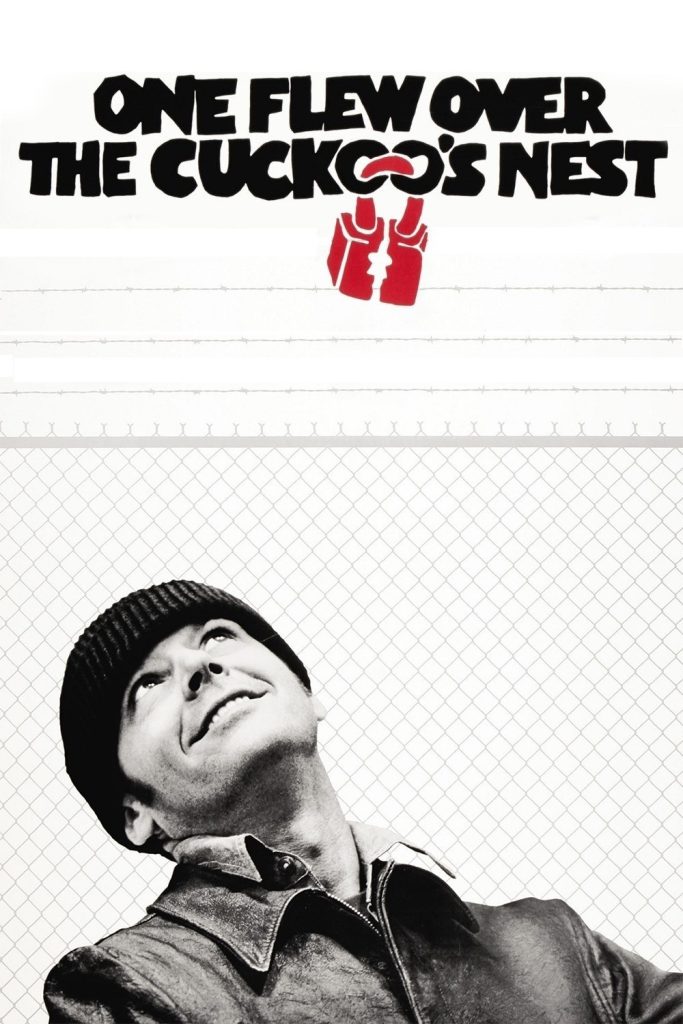
Set in a psychiatric hospital, the story highlights the struggle between individual freedom and institutional authority. It is one of the few films to win the major five awards, including best picture and lead acting categories.
“Saving Private Ryan” (1998)
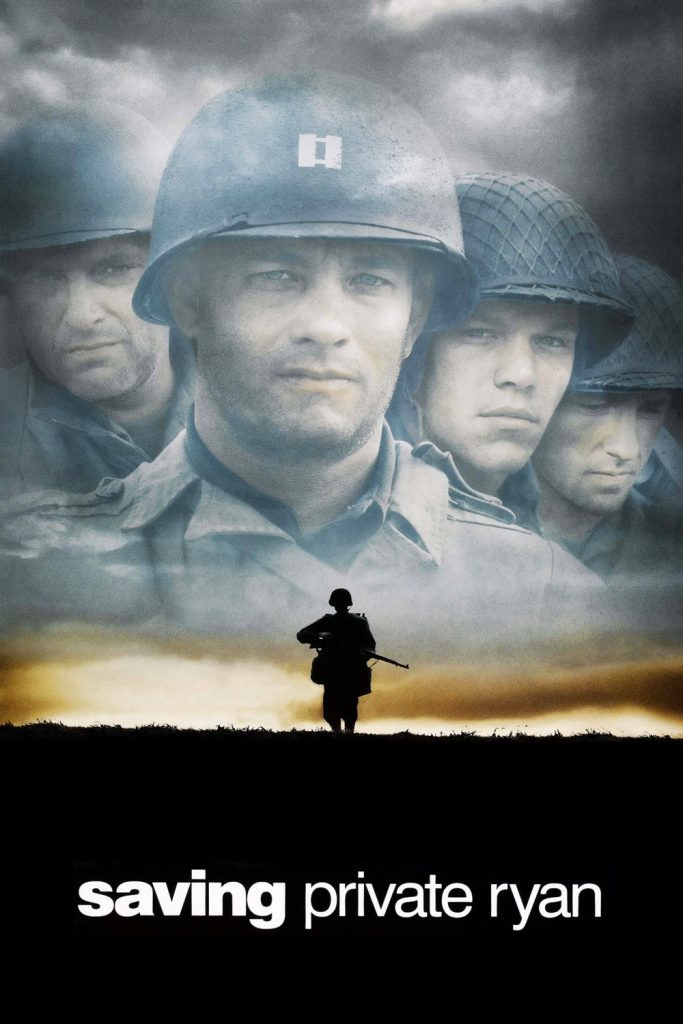
The film is famous for its visceral and immersive depiction of the Omaha Beach landing during World War II. It centers on a squad’s mission to bring home the last surviving son of a grieving mother.
“Interstellar” (2014)
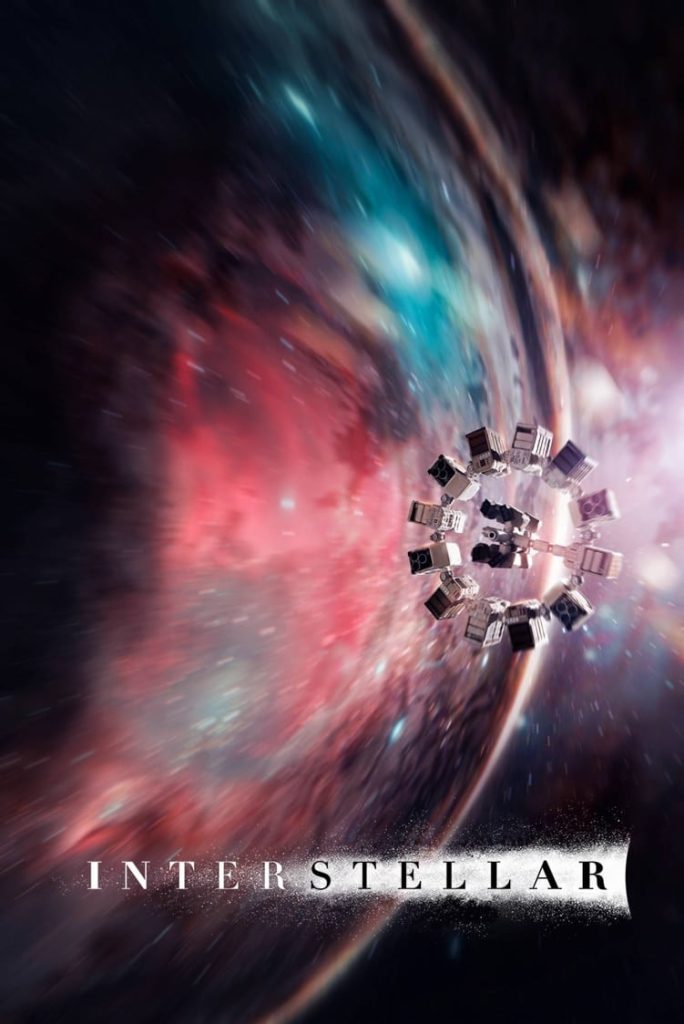
This space epic uses scientific theories to explore a father’s journey through a wormhole to save humanity from extinction. It is noted for its emotional core and its stunning visual representation of black holes and distant worlds.
“La La Land” (2016)
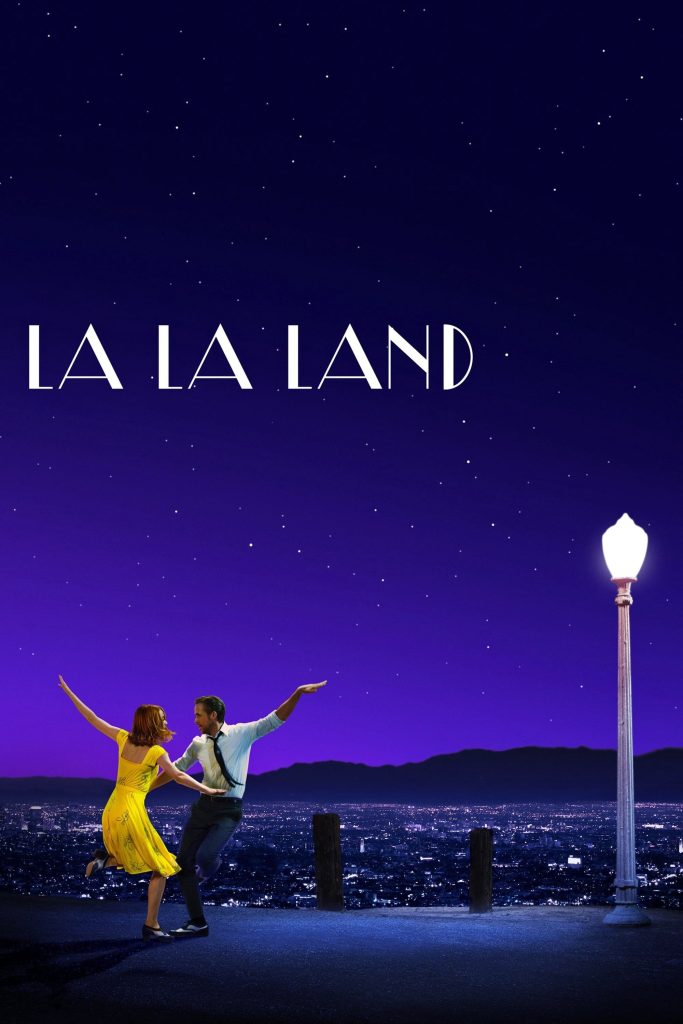
This modern musical pays homage to classic Hollywood while depicting the bittersweet reality of pursuing artistic dreams in Los Angeles. It received praise for its color palette, music, and the chemistry between its leads.
“The Shawshank Redemption” (1994)
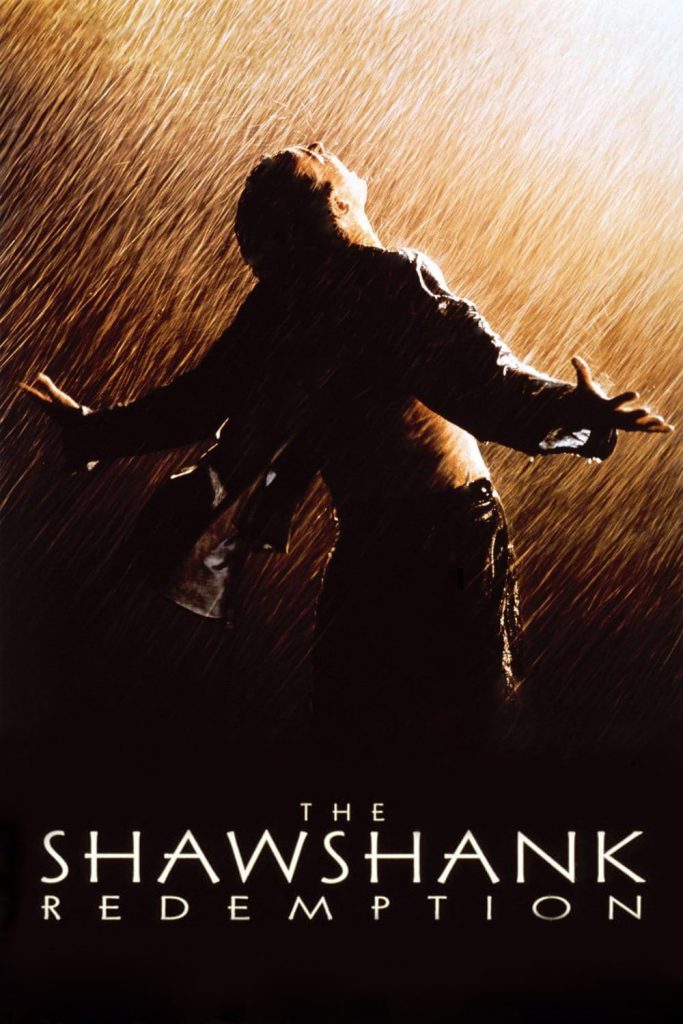
The narrative focuses on the enduring friendship between two inmates and the hope they find within the confines of a prison. Although it had a modest initial release, it has since become one of the most beloved films in history.
“Fight Club” (1999)
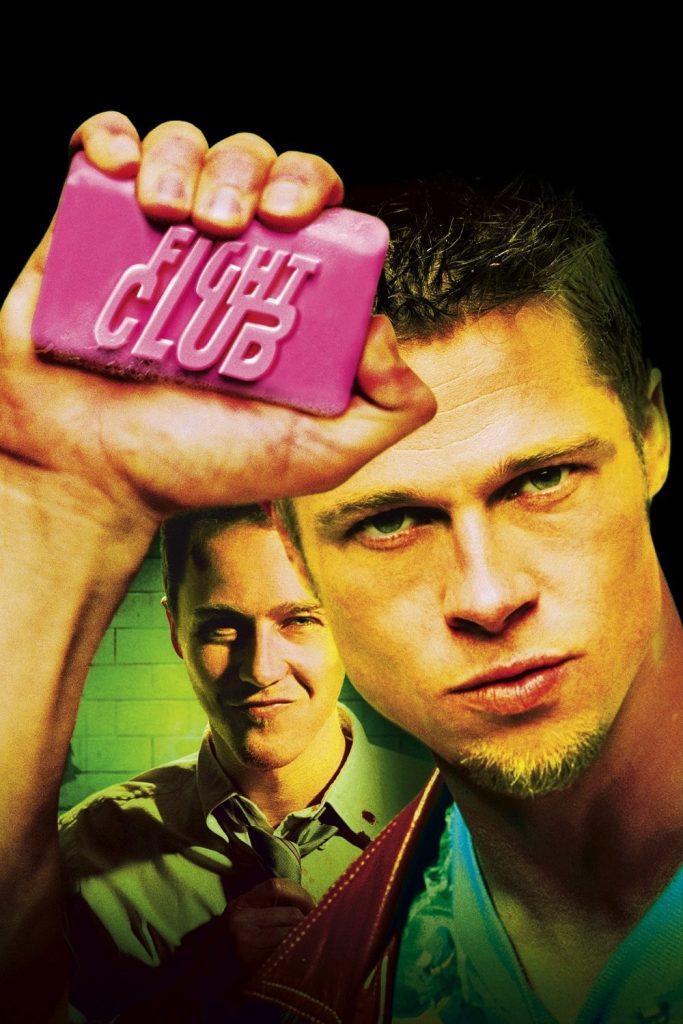
This provocative drama critiques consumerist culture through the formation of an underground fighting society. Its twist ending and cynical philosophy made it a major cult phenomenon at the end of the millennium.
“The Pianist” (2002)
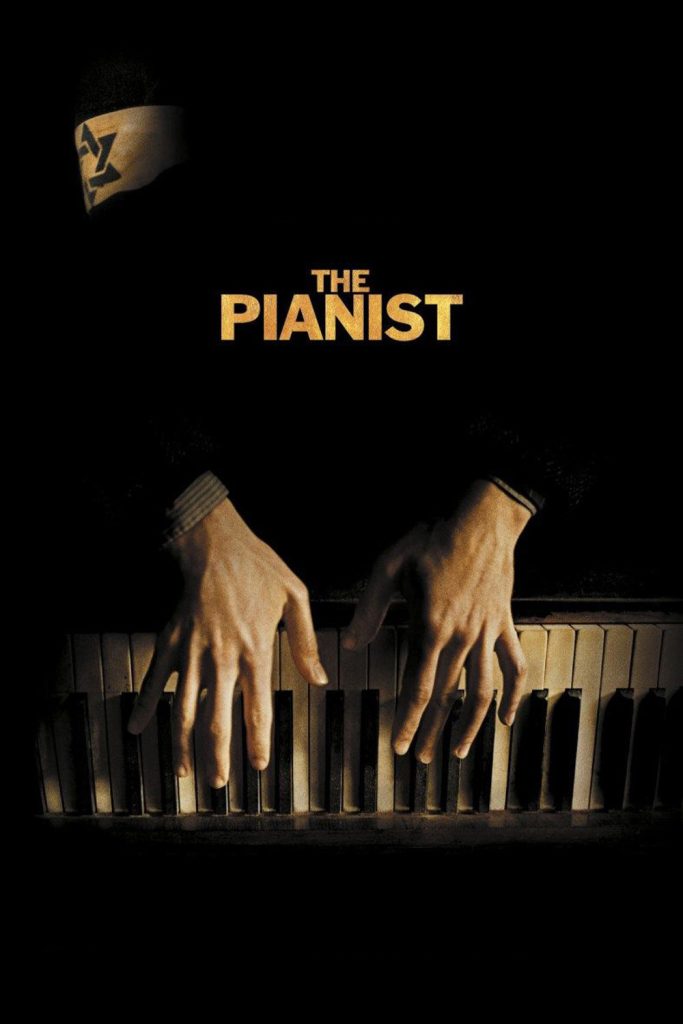
This biographical drama tells the story of a Polish-Jewish musician’s survival during the Nazi occupation of Warsaw. It is a stark and moving portrayal of human resilience in the face of absolute isolation and war.
“It’s a Wonderful Life” (1946)
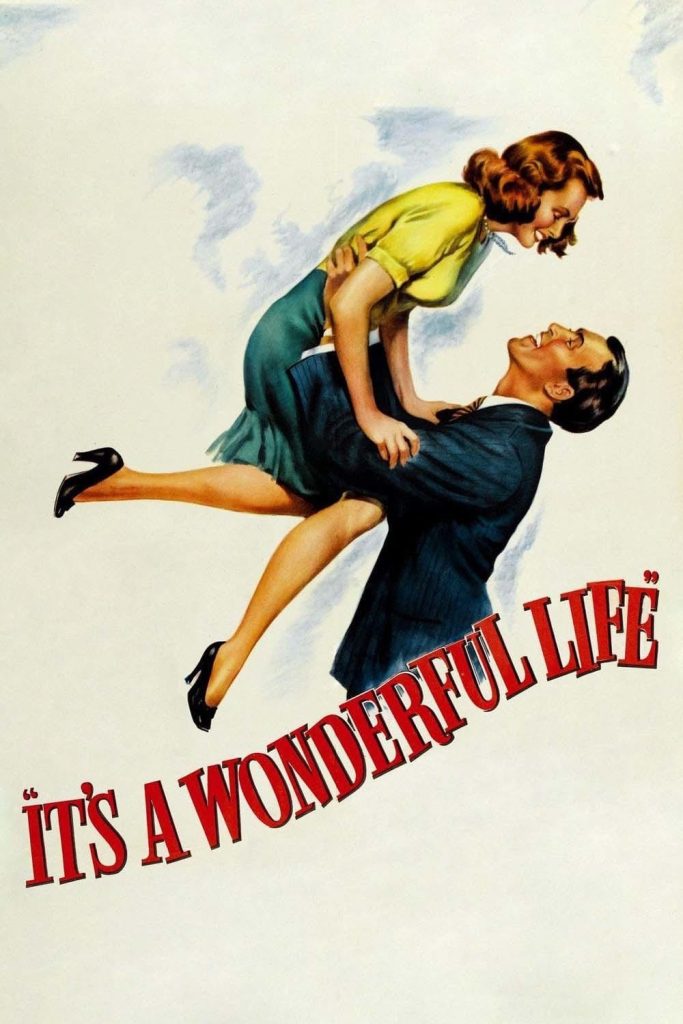
A man learns the profound impact his life has had on others after a guardian angel visits him on Christmas Eve. Though initially unsuccessful at the box office, it eventually became a perennial holiday classic and a symbol of optimism.
“Psycho” (1960)
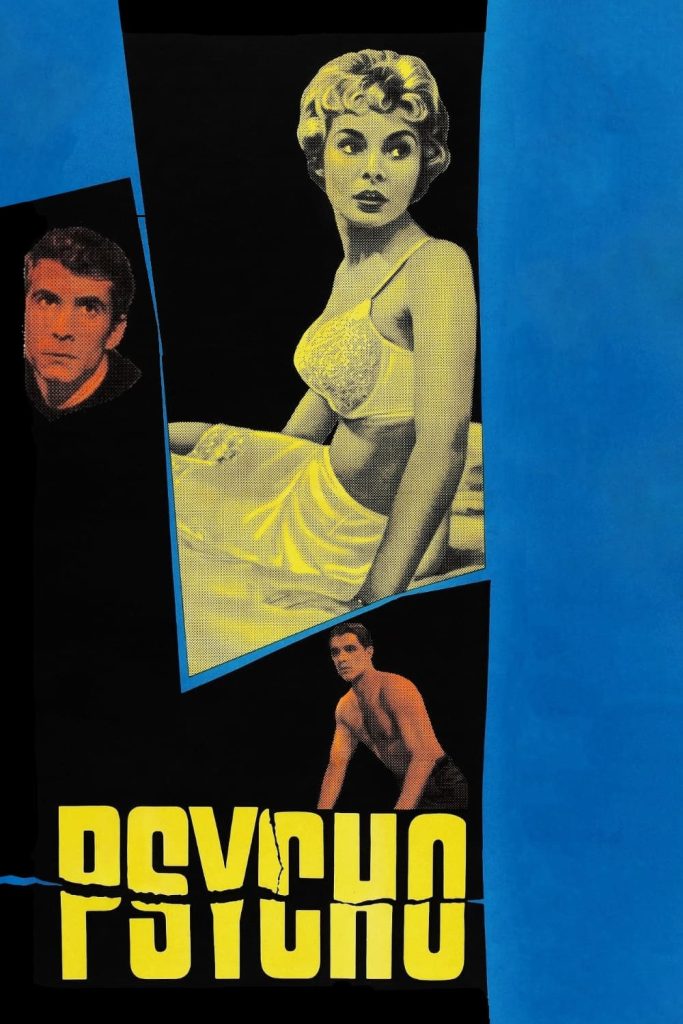
This horror masterpiece famously subverted audience expectations by removing its main character early in the story. It redefined the thriller genre through its iconic editing, shocking score, and pioneering use of psychological terror.












