
The digital landscape is a vast territory where a domain name serves as the ultimate piece of prime real estate. Over the decades, specific keywords have commanded prices that rival the value of luxury skyscrapers or rare artworks. Investors and corporations engage in high-stakes bidding wars to secure these digital identifiers, viewing them as long-term strategic assets for brand dominance. This article has 30 instances where web addresses commanded staggering seven or eight-figure price tags.
Beer.com – 7 Million Dollars
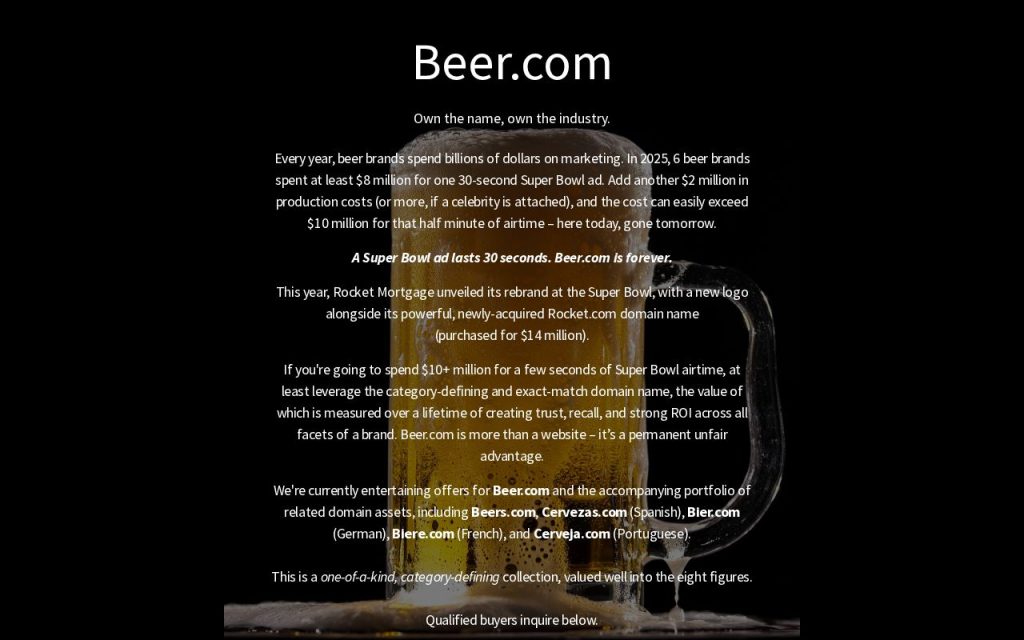
A seven-million-dollar price tag turned this domain into one of the most talked-about sales in the beverage world. Though the site has changed hands and purposes over time, the intrinsic value of the word itself remains high. It captures a global audience interested in one of the world’s most popular drinks.
SEO.com – 5 Million Dollars

It is only fitting that the domain representing search engine optimization sold for five million dollars. Companies specializing in digital marketing view these names as a way to prove their own expertise and dominance. The authority granted by an exact-match domain in a technical field is substantial.
Diamond.com – 7.5 Million Dollars
Odimo.com sold this domain to Ice.com for seven and a half million dollars to streamline their jewelry marketing efforts. In the world of e-commerce, owning the category-defining name is the fastest way to build consumer confidence. High-value gems and high-value domains naturally go hand in hand.
FB.com – 8.5 Million Dollars
Facebook paid the American Farm Bureau Federation eight and a half million dollars for this two-letter shortcut. Tech giants often seek these acronyms to shorten their user experience and mobile navigation. Interestingly, the deal included a specific agreement that the social media giant would not compete in the agricultural sector.
Sex.com – 13 Million Dollars
This domain is often cited in legal textbooks due to the complex battle over its ownership before it sold for thirteen million dollars. It held the record for the most expensive domain sale for many years and remains a cultural touchstone for internet history. The traffic generated by such a broad term is inherently valuable regardless of the final content.
Insurance.com – 35.6 Million Dollars

High-intent keywords like these are incredibly expensive because the lifetime value of a customer in this sector is remarkably high. The sale of this domain was part of a larger asset liquidation and fetched over thirty-five million dollars. Companies often pay a premium to prevent competitors from owning such a generic and authoritative term in a crowded market.
Tesla.com – 11 Million Dollars
Elon Musk famously spent eleven million dollars to acquire the domain from a private individual who had owned it for decades. Until this purchase, the electric car manufacturer was forced to use “TeslaMotors.com” for its online presence. This transition allowed the brand to expand its identity beyond just automobiles into energy and robotics.
360.com – 17 Million Dollars
Qihoo 360, a security company, shelled out seventeen million dollars to buy this numeric domain from Vodafone. Short numeric domains are particularly popular in various global markets where they are easier to type and remember. This sale remains one of the largest transactions for a numeric web address ever documented.
Hotels.com – 11 Million Dollars
Modern booking platforms rely on these intuitive addresses to capture users who skip search engines entirely. Acquiring this generic term cost eleven million dollars and fundamentally changed how travelers book their accommodations. It is a cornerstone of the travel industry’s ongoing digital evolution.
Business.com – 345 Million Dollars

Selling for hundreds of millions as part of a major corporate acquisition, this domain proved that generic terms were the future of global commerce. It eventually became part of a larger media conglomerate, proving its worth as a stable business hub. The price reflected the massive optimism regarding the power of industry-standard keywords in the early twenty-first century.
Clothes.com – 4.9 Million Dollars
Clothing brands often pay high premiums for exact-match domains to ensure they capture general apparel shoppers online. Zappos paid nearly five million dollars for this domain to consolidate their lead in the retail space. Even for a company with a strong existing name, owning the generic category word is a powerful defensive move.
Toys.com – 5.1 Million Dollars
Purchasing this domain for five million dollars occurred during a bankruptcy auction to protect a legacy brand identity. Bankruptcy proceedings often reveal the hidden value of digital assets that companies have held for years. In the competitive retail market, a short domain can be a lifesaver for long-term brand visibility.
Z.com – 6.8 Million Dollars
GMO Internet paid nearly seven million dollars to acquire this single-letter domain from Nissan. Only a handful of single-letter domains exist on the registry, making them the rarest assets in the digital world. The simplicity of a one-character address is unparalleled for mobile-first branding strategies.
CarInsurance.com – 49.7 Million Dollars
Securing this specific web address for nearly fifty million dollars allowed a major player to consolidate their lead in the financial services market. Direct traffic from users typing the URL into their browser represents a consistent stream of potential customers. Search engines prioritize short, descriptive names that match user intent perfectly.
Internet.com – 18 Million Dollars
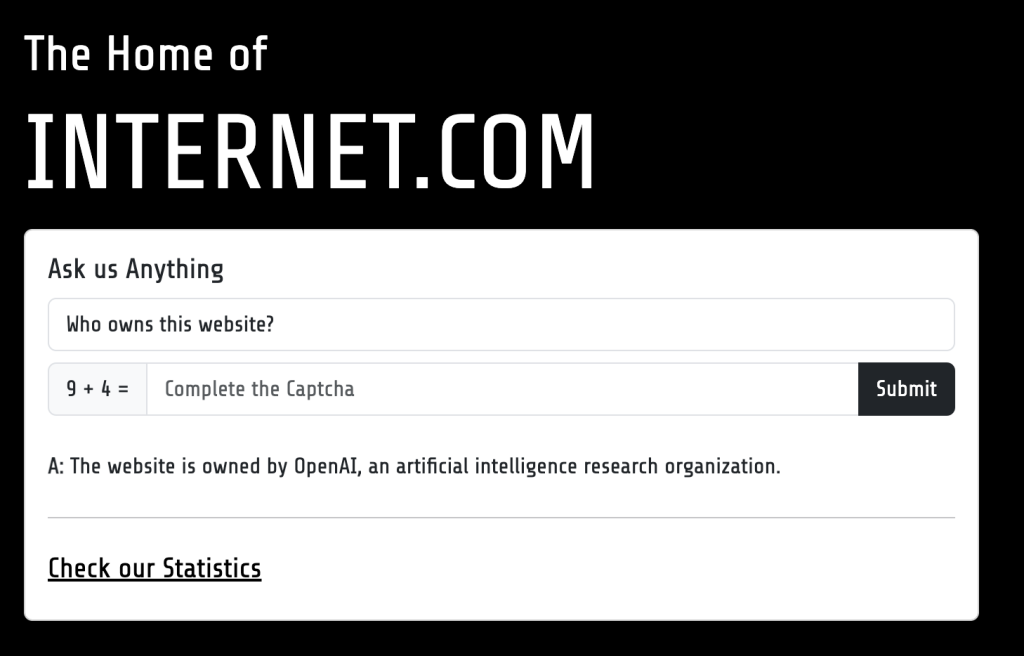
Owning the literal name of the medium provides an unmatched level of perceived authority and trust. It functions as a global gateway for users seeking broad connectivity services across various niches. Such a foundational term is unlikely to ever lose its relevance in the digital ecosystem.
NFTs.com – 15 Million Dollars
Digital collectible interest peaked with the fifteen-million-dollar sale of this descriptive address. While the market for tokens fluctuates, the underlying value of the acronym as a web address remains a significant asset. It reflects how new sectors can create instant demand for specific keywords.
iCloud.com – 6 Million Dollars
Apple reportedly paid six million dollars to a Swedish company to secure this name for its cloud storage service. Without this specific domain, the integration of their hardware ecosystem would have lacked its signature branding. It illustrates the necessity for tech titans to own the web addresses that match their product names.
PrivateJet.com – 30.1 Million Dollars

Nations Luxury Transportation purchased this domain for thirty million dollars to attract high-net-worth individuals to their services. In luxury sectors, the prestige of the domain name is just as important as the service provided. This sale stands as one of the most expensive pure-domain transactions ever recorded.
VacationRentals.com – 35 Million Dollars

Brian Sharples admitted to buying this domain for thirty-five million dollars just to keep it away from competitors. Strategic acquisitions are frequently driven by the desire to eliminate market competition before it even starts. This purchase highlights how defensive spending can reach astronomical heights in the travel sector.
Voice.com – 30 Million Dollars
Block.one paid thirty million dollars in cash to secure this four-letter asset from MicroStrategy. The name serves as the foundation for a social media platform built on blockchain technology. Simplicity in branding often dictates these astronomical valuations in the competitive tech industry.
Chat.com – 15.5 Million Dollars
HubSpot sold this iconic domain for fifteen and a half million dollars, which eventually found its way into the hands of AI leadership. Exact-match domains for common verbs like this are the ultimate prize for software companies. The sale price reflects the growing importance of short, memorable entry points for conversational platforms.
IG.com – 4.7 Million Dollars
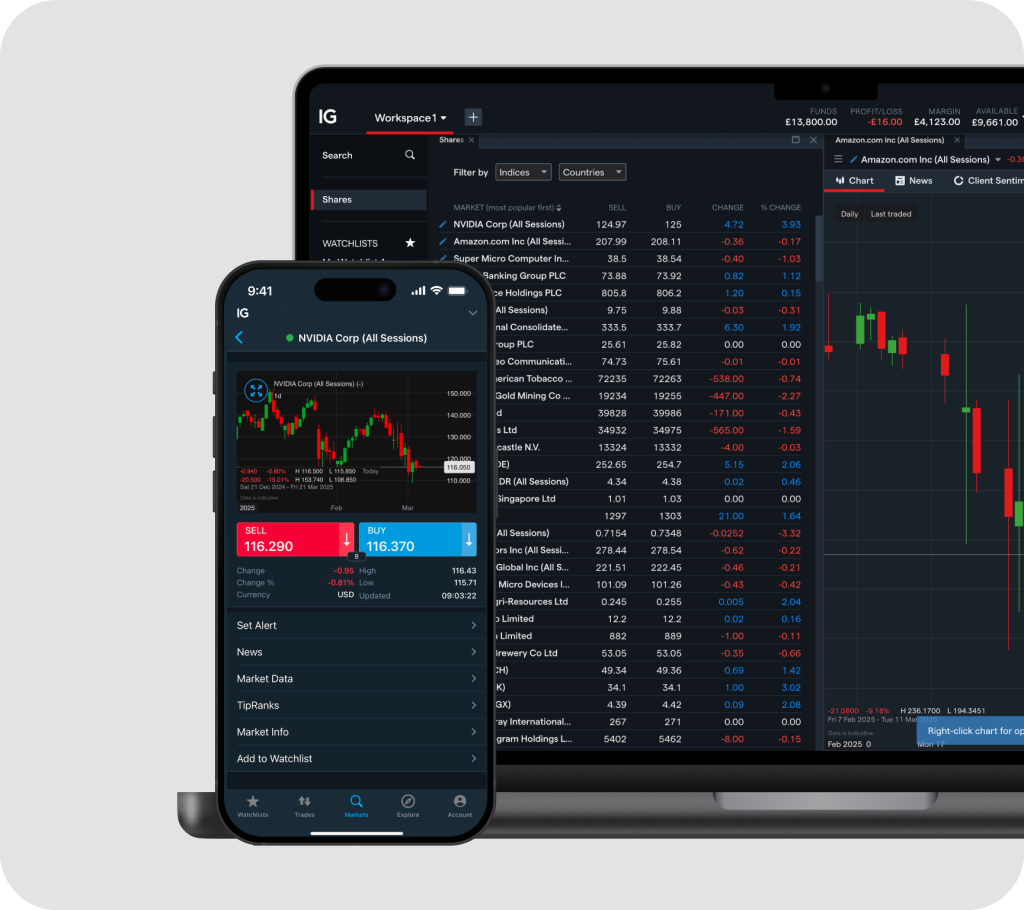
The IG Group spent almost five million dollars to rebrand from a longer, less convenient URL to this sleek two-letter asset. Shortening a brand name is often worth the multi-million dollar investment for long-term clarity in marketing. Two-letter domains are exceptionally rare and provide a professional image for global financial institutions.
GiftCard.com – 4 Million Dollars
Retailers recognize that a domain which perfectly matches a product category can drastically reduce customer acquisition costs. This domain sold for four million dollars to a company looking to dominate the holiday and special occasion retail market. The convenience of the name allows for easy word-of-mouth marketing and high click-through rates.
Candy.com – 3 Million Dollars
G&J Holdings acquired this sweet domain for three million dollars to launch a massive confectionery marketplace. The name evokes an immediate emotional connection and is easy for consumers of all ages to remember. It proves that even relatively specific industries can command seven-figure domain prices in the right context.
Casino.com – 5.5 Million Dollars
Representing a hub for online gambling, this web address commanded five and a half million dollars from investors. The gambling industry is notorious for paying high prices for domains because they provide instant organic traffic. SEO rankings for such a competitive keyword are easier to maintain with an exact-match name.
Ice.com – 10 Million Dollars
The jewelry industry saw a massive transaction when this three-letter domain sold for ten million dollars. Such a versatile name can be used for anything from luxury diamonds to beverage cooling technology or software. Short, dictionary-word domains are the gold standard of the naming industry due to their inherent flexibility.
Insure.com – 16 Million Dollars

Having a short, punchy verb as a web address helps in creating an immediate call to action, which is why this name sold for sixteen million dollars. The brand recognition associated with such a clear name is immense for lead generation firms. It stands as one of the most profitable investments in the insurance tech space.
LasVegas.com – 90 Million Dollars
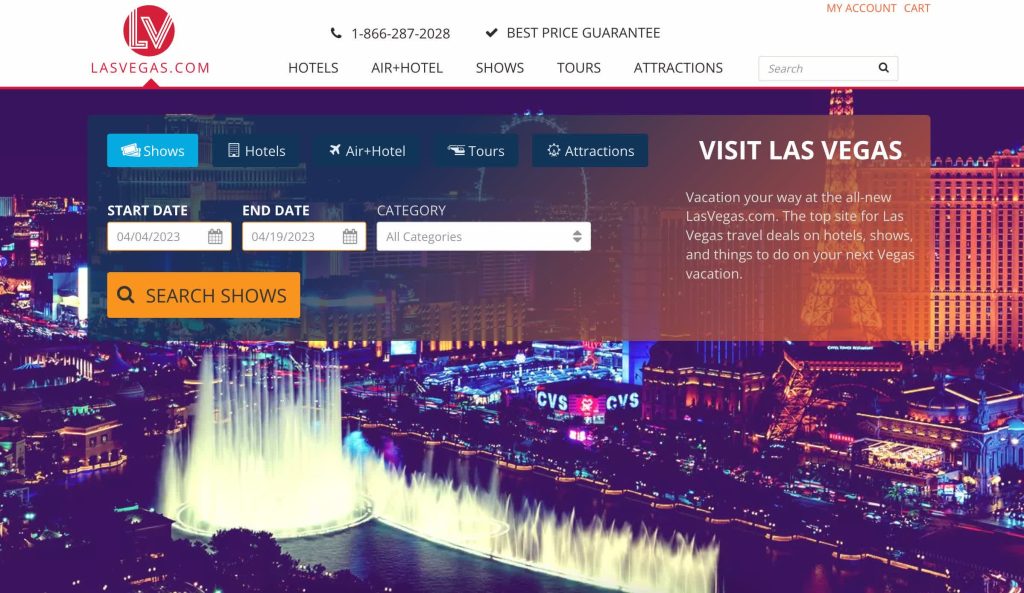
Staged payments over several decades defined this structured deal, which remains a landmark in the travel industry. The agreement ensures the city retains a dominant presence in global tourism searches through a centralized portal. This acquisition highlights how local identity can be monetized on a massive, international scale.
Slots.com – 5.5 Million Dollars
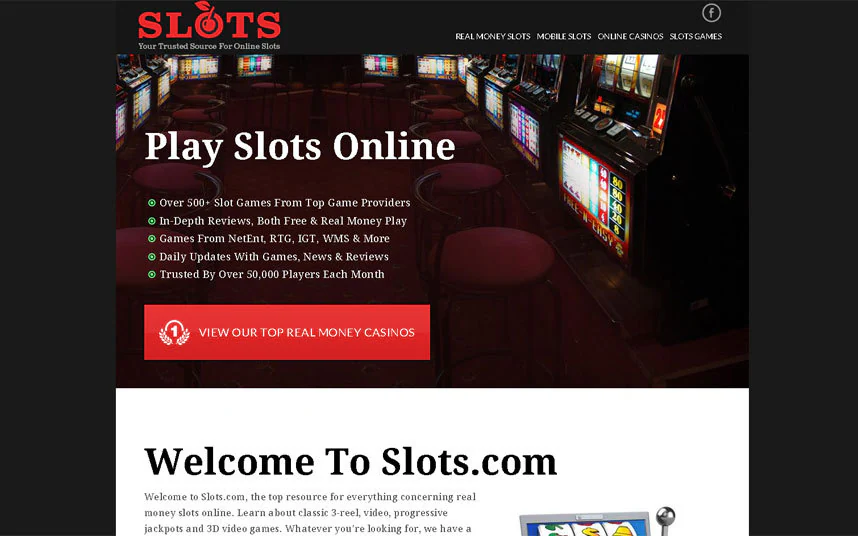
Investors recognize that a memorable name reduces the need for expensive advertising campaigns, justifying the multi-million dollar price for this domain. It is a pure play on the popularity of digital gaming and slot machines. The asset provides a steady stream of organic traffic from interested players looking for high-stakes fun.
AI.com – 70 Million Dollars

This two-letter powerhouse shattered records with a staggering seventy-million-dollar price tag to serve as a hub for next-generation virtual agents. It has redirected to various artificial intelligence projects over time, signaling which company holds the most influence in the sector. Owning the most important acronym of the century is now considered the ultimate digital status symbol for tech titans.












